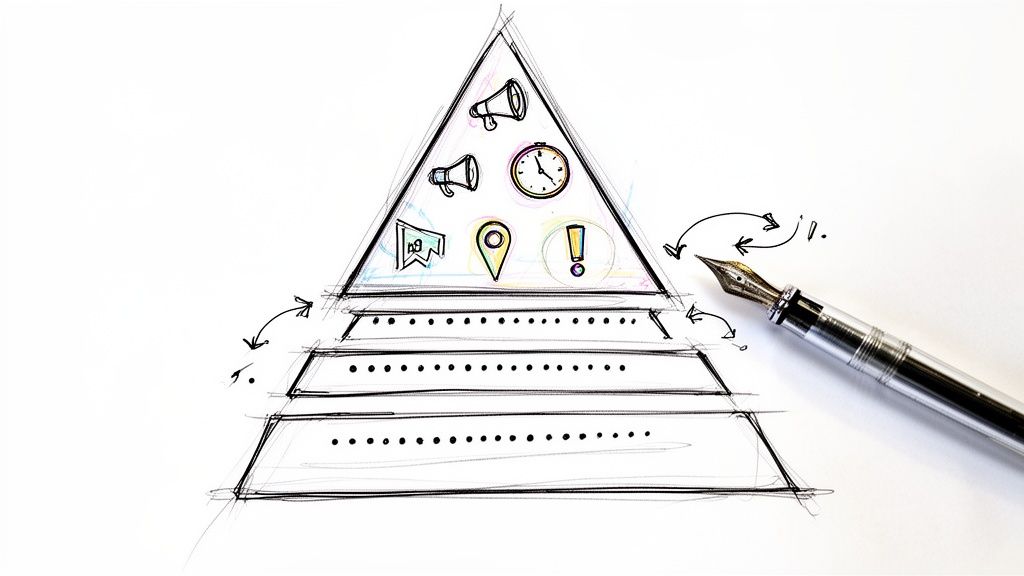
Primary Research Secondary Research: Your 2026 Guide
You’ve probably been here already. You have a strong idea for a podcast episode, a newsletter series, a YouTube explainer, or a campaign. Your instinct says it will work. Your experience says the audience will care. But instinct isn’t evidence, and experience has blind spots.
That’s where primary research secondary research becomes more than an academic phrase. It becomes a practical decision. Do you ask people directly what they want, need, or believe? Or do you start by reviewing what’s already been published, measured, recorded, and discussed?
A simple way to hold the difference in your head is this. Primary research is cooking from scratch. You pick the ingredients, control the method, and create something original. Secondary research is working from a trusted cookbook. You start with knowledge that already exists, then use it to guide your own choices.
Good creators and marketers need both. If you skip secondary research, you risk asking questions that already have decent answers. If you skip primary research, you risk producing content that sounds informed but misses what your specific audience cares about.
The strongest work usually starts broad, then gets precise. First, understand the existing information. Then collect the missing evidence yourself. That sequence saves time, sharpens your questions, and helps you create content that feels authoritative instead of recycled.
Starting Your Quest for Answers
A new creator often treats research like a binary choice. Either you read existing material, or you go gather fresh data. In practice, the actual question is simpler: what kind of answer do you need right now?
If you’re planning a new podcast series, secondary research might help you scan the market first. You could review competitor episode formats, audience comments, trend reports, published interviews, and public industry data. That gives you orientation. You start seeing what’s already crowded, what keeps coming up, and where people still sound confused.
Primary research enters when the existing material stops answering your actual question. Maybe you now know the topic is promising, but you still don’t know which angle your audience would trust most. That’s when you run interviews, send a survey, or observe how people respond in real settings.
The two paths in plain language
Here’s the easiest distinction I teach students and content teams:
- Primary research means you collect new information directly from the source.
- Secondary research means you analyze information that already exists.
Neither method is smarter by default. Each solves a different problem.
Practical rule: Use secondary research to map the territory. Use primary research to test what isn’t clear yet.
Creators get confused because the line can blur. If you transcribe your own interview with a founder, that transcript is primary material. If you read a blog post summarizing that founder’s interview, that’s secondary material. The first gives you original evidence. The second gives you someone else’s interpretation.
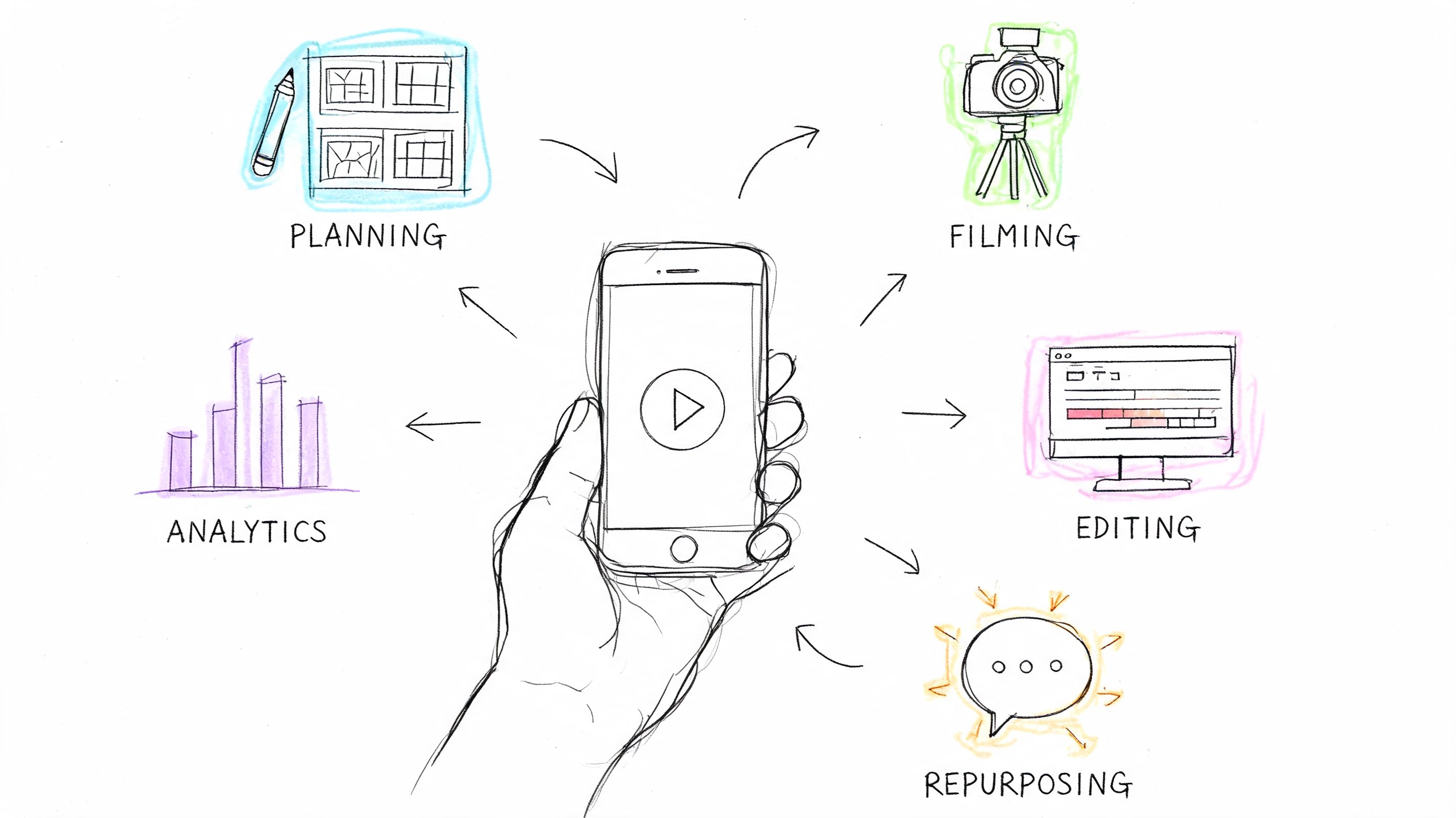
That distinction matters more now because creators work across video, audio, social clips, reports, PDFs, and AI summaries. Research isn’t just about books and surveys anymore. It’s about knowing whether you’re looking at the original signal or a processed version of it.
Understanding Primary Research The Art of Creating New Knowledge
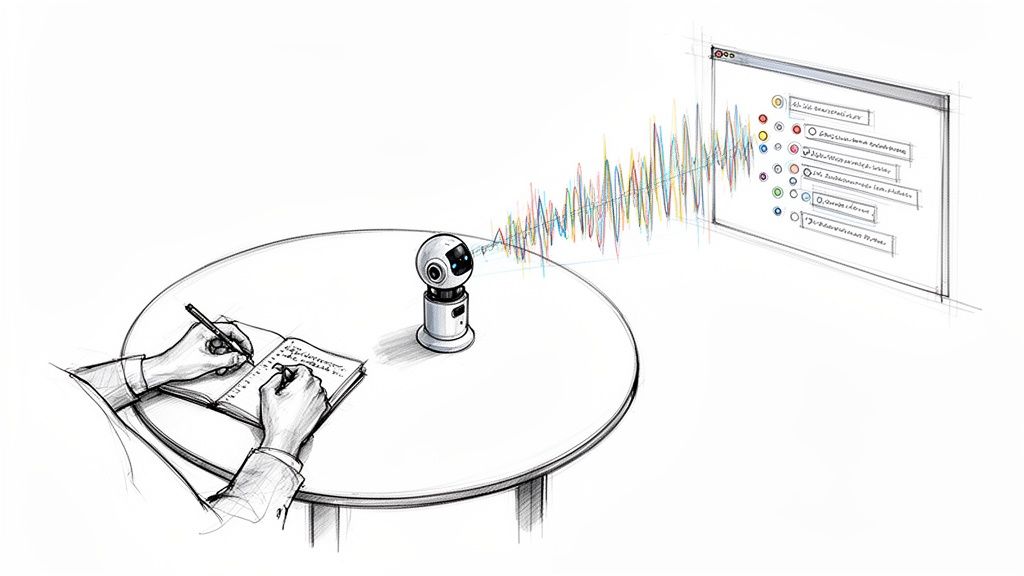
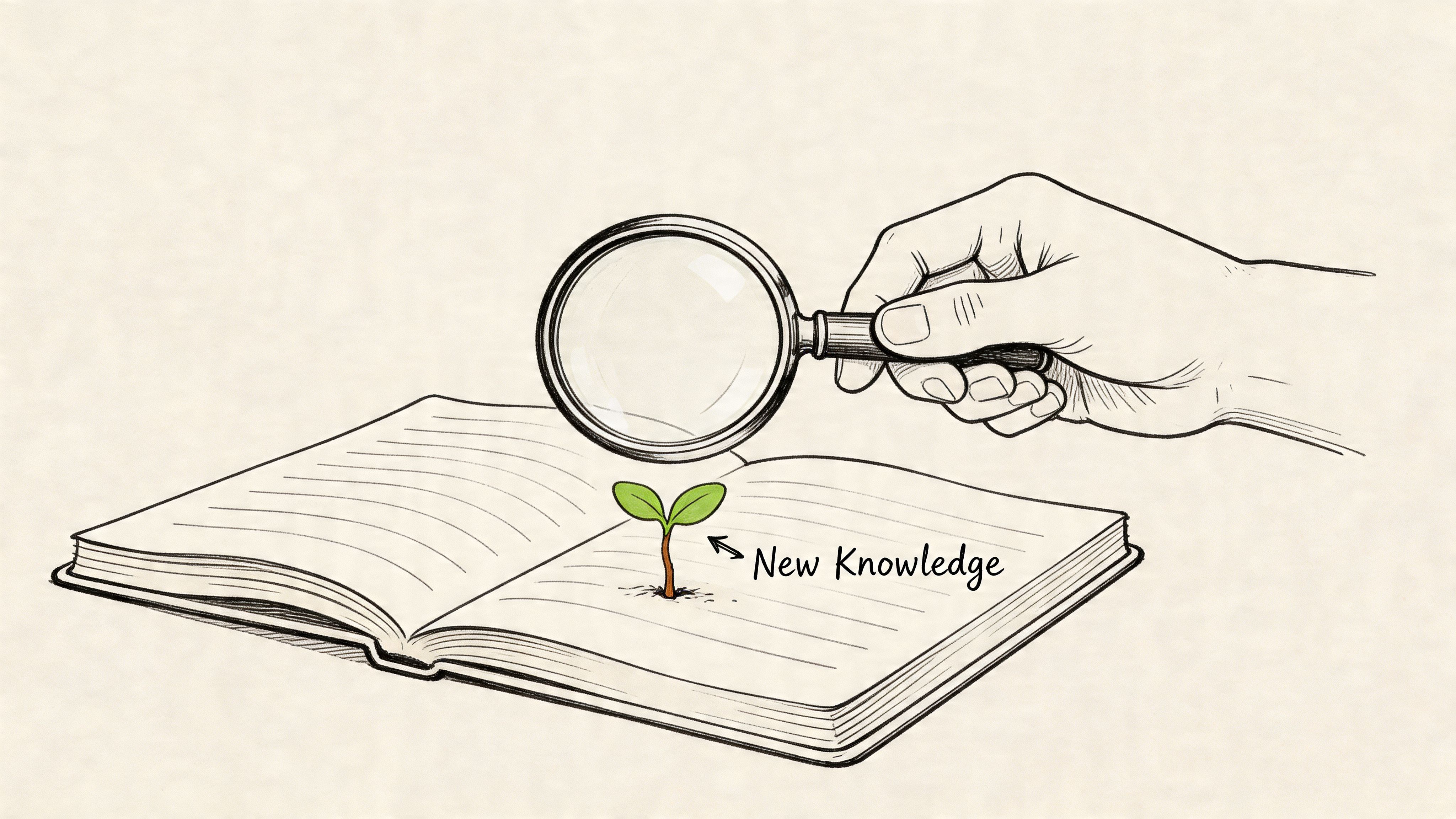
Primary research is what you do when you need fresh, direct, first-hand evidence. You aren’t borrowing someone else’s conclusion. You’re collecting raw material yourself.
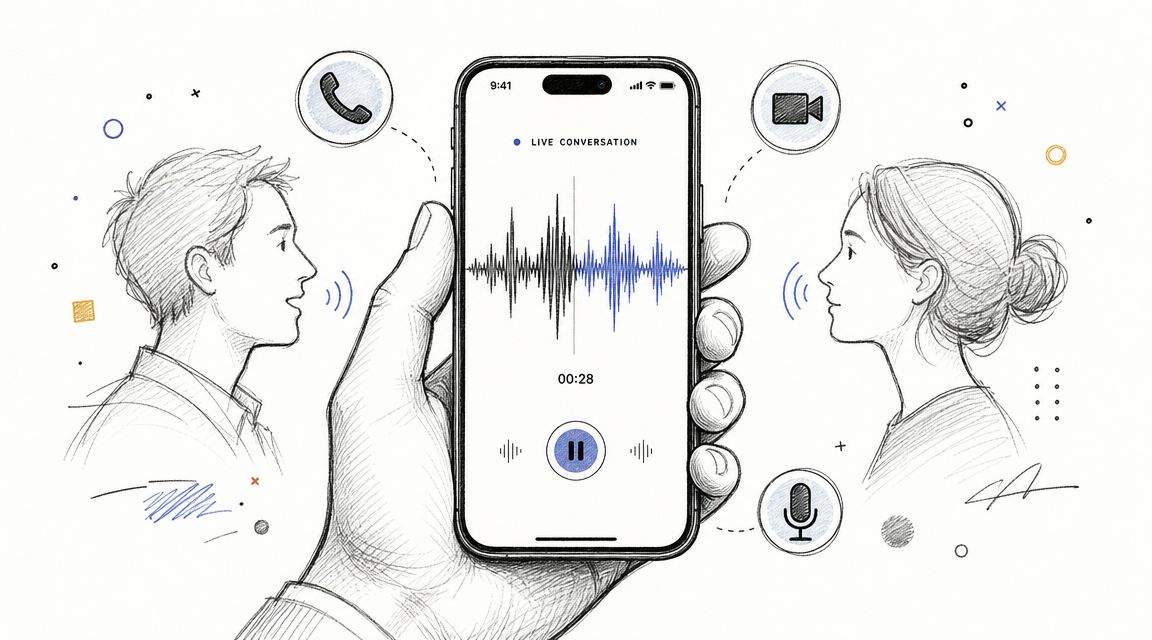
For a content creator, that could mean interviewing listeners about why they stop watching halfway through your videos. For a marketer, it might mean surveying customers about what nearly prevented them from buying. For a journalist, it could mean recording conversations with people who witnessed an event.
What makes primary research different
Primary research has one major advantage. You control the question. You decide who to ask, how to ask, what to record, and what details matter.
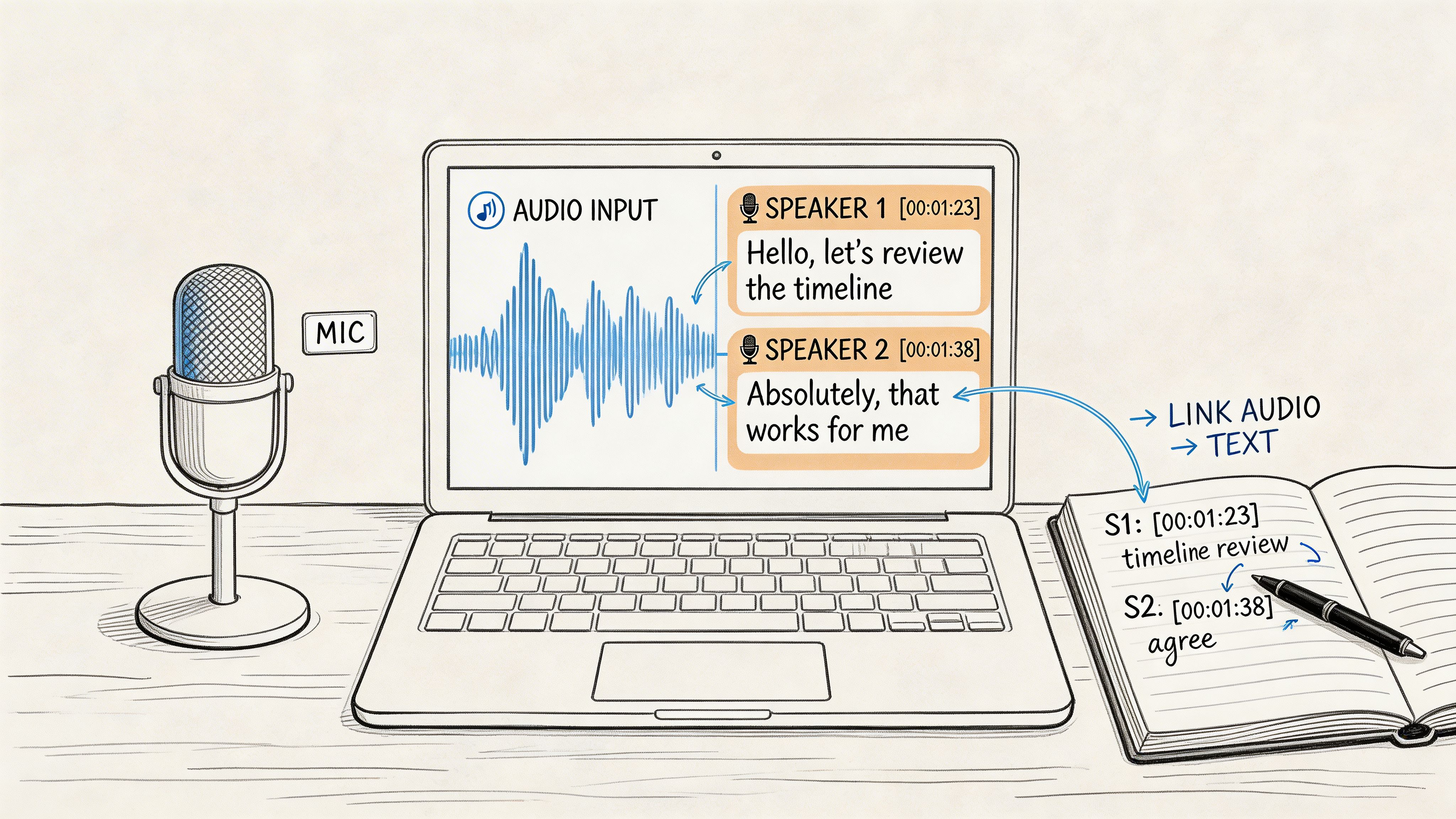
That control matters because direct data collection usually gives stronger validity for a specific question. The IIT guidance notes that primary research involves firsthand data designed for a specific business question, and it highlights the value of direct source engagement and control over variables, sample parameters, and measurement protocols. It also notes that when interview audio is captured and transcribed at the source, context, speaker identification, and timestamps are preserved, reducing interpretive bias found in later summaries. That same discussion references transcription workflows used across 500,000+ files and 92+ languages in modern platforms handling direct-source media (IIT Library guidance on primary and secondary research).
Common forms of primary research
You don’t need a lab coat to do this well. Most creators use a handful of methods.
Interviews
Best when you need nuance. A podcaster might ask loyal listeners why they share certain episodes but ignore others. The value is depth. People explain motives, frustrations, and language in their own words.Surveys
Best when you need structured input from more people. A creator might send a short form asking subscribers which format they prefer: tutorial, opinion, reaction, or case breakdown.Focus groups
Best when group interaction reveals useful reactions. A social media manager testing ad hooks might gather a small group and watch how they respond to different messages in real time.Observation
Best when what people do matters more than what they say. You might watch how users move through a landing page or where students pause during a video lesson.
A simple example
Say you run a newsletter for freelance designers and want to launch a paid workshop. Existing articles can tell you broad things about creator education. They won’t tell you what your readers specifically fear. So you interview a dozen subscribers.
You might discover they don’t need more design advice at all. They need help with client calls, pricing, and proposals. That insight didn’t come from the market at large. It came from your audience.
The best primary research often gives you better language before it gives you better numbers.
That’s why interviews are so useful for creators. People hand you the exact phrases they use to describe their problem. Those phrases become stronger headlines, better hooks, clearer offers, and more believable content.
If interviews are part of your process, this guide on how to conduct effective interviews is a useful companion because it helps you improve the quality of the raw material you collect.
Strengths and tradeoffs
A fast way to judge whether primary research is worth the effort is to ask whether the answer must be specific to your project.
| Consideration | What primary research gives you |
|---|---|
| Relevance | Data built around your actual question |
| Control | Choice over audience, wording, and method |
| Originality | Insights competitors may not have |
| Depth | Access to motives, stories, and context |
The tradeoff is practical. You need time to plan, recruit, collect, and interpret. You also need enough discipline to avoid leading questions and weak sample choices.
Primary research is strongest when you already know what gap you’re trying to fill. If you use it too early, you can spend a lot of effort asking broad questions that better background research could have narrowed first.
Exploring Secondary Research Leveraging Existing Information
Secondary research means working with material that already exists. You didn’t create the data or record the event yourself. Instead, you review, compare, organize, and interpret what others have already collected or published.
For creators, this is often the fastest way to stop guessing. A podcast producer might analyze competitor episode titles, chart descriptions, comment sections, public interviews, and industry reports. A marketer might review public datasets, trend writeups, earnings calls, case examples, and customer reviews. An educator might compare curriculum standards, archived talks, and published studies before designing a lesson.

What counts as secondary research
People often assume secondary research means formal reports only. That’s too narrow. In modern content work, it includes many source types:
- Government and public databases such as labor, business, or economic records
- Industry reports and market analyses
- Academic articles and literature reviews
- Competitor websites, newsletters, and content libraries
- Public podcasts, webinars, and recorded interviews
- Social media posts and comment patterns, when used carefully
This method is powerful because it gives you context fast. You can see the big picture before investing in original data collection.
Why experienced researchers start here
There’s a practical reason professionals begin with secondary research. According to Vantain Insights, researchers generally start with secondary sources before moving into primary research because secondary work can handle macro-level analysis in hours to days at low to moderate cost, including $0 for federal data and $239–$2,850 for reports, while primary research design, execution, and synthesis take longer and can require $5K–$100K+ for surveys. The same source explains that this sequence identifies data gaps before you design direct research, and says the approach can reduce overall project timelines by up to 70% (Vantain Insights on primary versus secondary research).
That logic applies to content strategy too. If public information already tells you what topics dominate a niche, what language competitors use, and where audience frustration keeps repeating, you shouldn’t spend your first week reinventing that map.
The modern problem with secondary sources
Secondary research is fast, but it comes with a newer risk. You may not be reading a clean interpretation of a primary source. You may be reading an AI summary of a summary of an interview you never saw.
SurveyMonkey’s discussion of primary and secondary research points to a real gap here. It notes that the quality assessment of secondary research in an age of AI-generated and algorithmically curated content lacks concrete frameworks, because older approaches assume direct access to original datasets and human-led synthesis rather than multiple layers of filtering (SurveyMonkey on research verification challenges).
Trace the source backward. If you can’t find the original material, treat the claim as less reliable.
That’s especially important when researching through social content, republished clips, and AI-curated search outputs. Sometimes the best support tool isn’t a research database. It’s a verification habit. If you’re trying to trace where an image, clip, or reposted asset came from, this ultimate guide to finding anything online offers useful search methods that can help with provenance checks.
How to keep secondary research usable
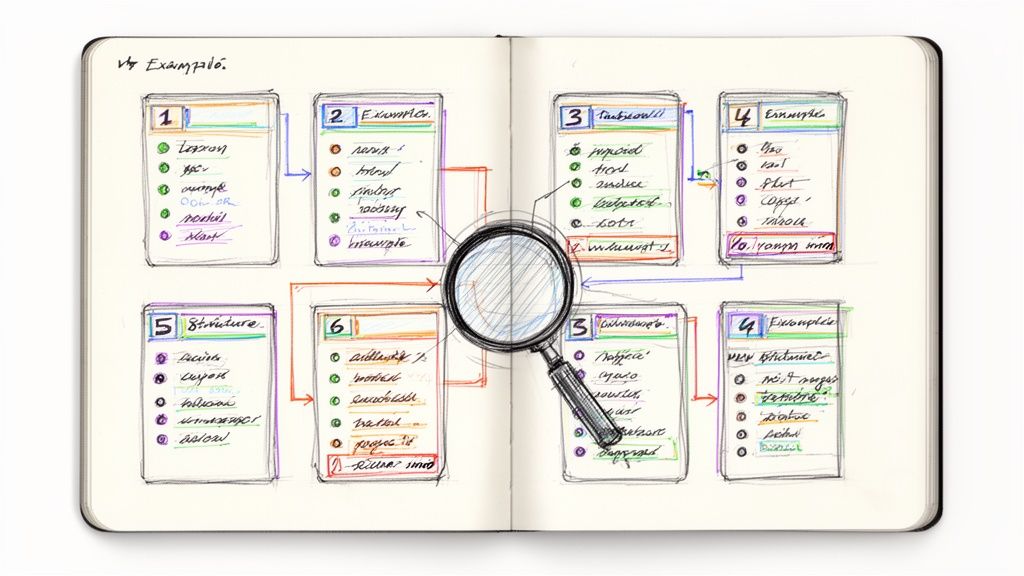
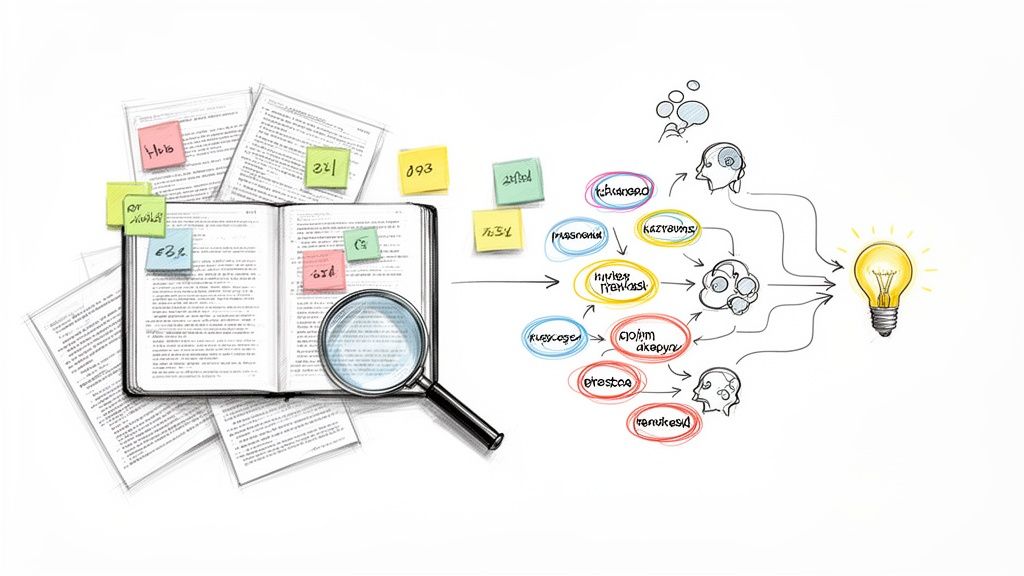
A lot of people gather secondary material and drown in it. The fix is organization, not more tabs.
Try this short workflow:
Group by question
Don’t save sources randomly. Save them under questions like audience pain points, competitor positioning, or trend language.Separate original from interpreted material
Put raw interviews, official records, and direct transcripts in one bucket. Put summaries and commentary in another.Log what you still don’t know
Every strong secondary review should leave you with a short list of open questions.
If your notes system is messy, these knowledge management best practices can help you turn scattered research into something you can reuse.
Primary Versus Secondary Research A Head-to-Head Comparison
If primary research creates new evidence and secondary research organizes existing evidence, the next question is practical. Which one fits your project right now?
The answer depends on constraints. Time matters. Budget matters. The level of precision matters. So does your ability to verify the material you’re using.
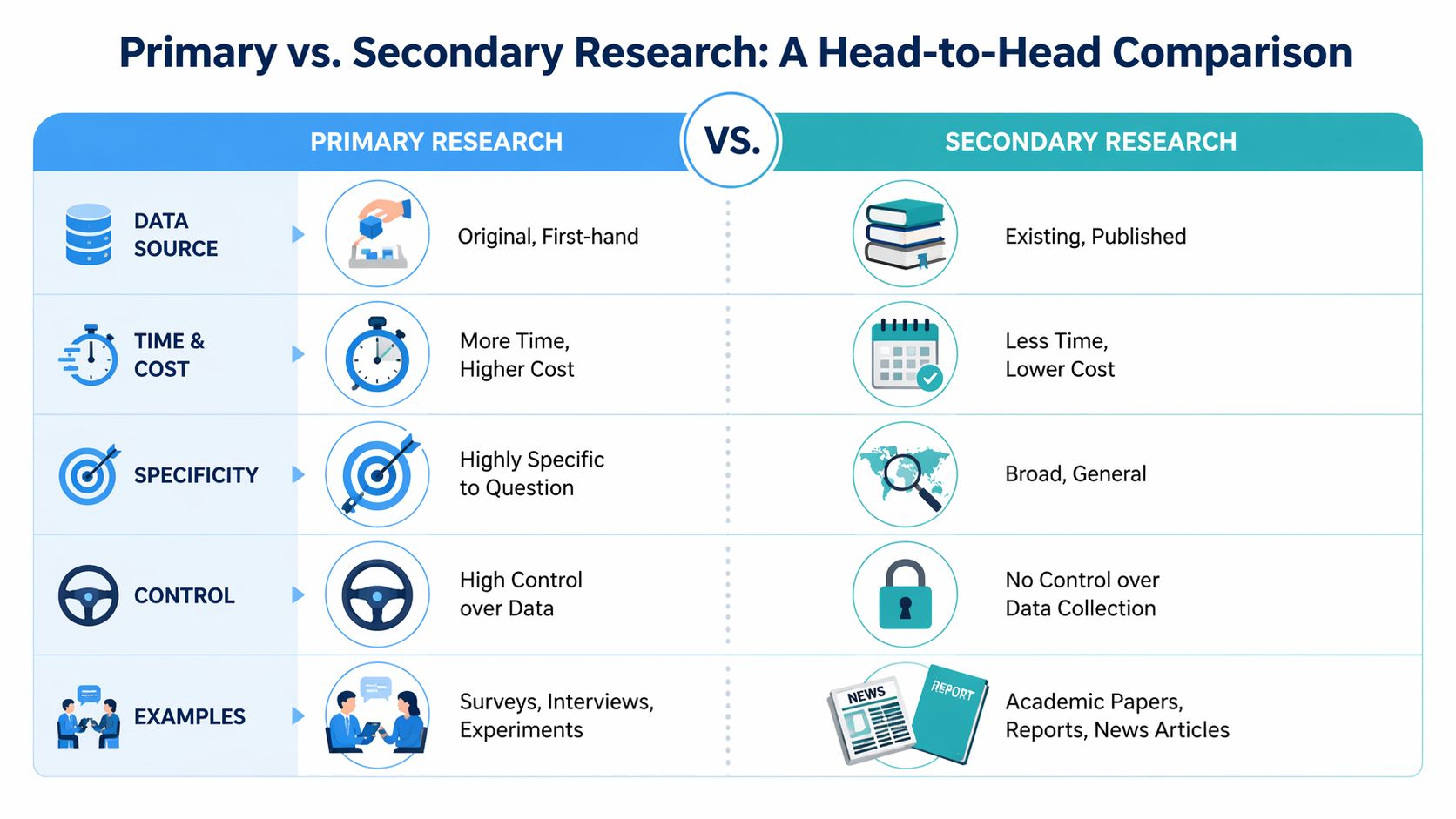
Primary vs. Secondary Research at a Glance
| Criterion | Primary Research | Secondary Research |
|---|---|---|
| Data source | Original, first-hand input | Existing, published, or previously collected material |
| Time investment | Longer because you design and collect it | Shorter because the material already exists |
| Cost | Higher because collection takes more effort | Lower because access is often immediate |
| Specificity | High, built around your question | Broader, often designed for other purposes |
| Control | Strong control over wording, format, and participants | Limited control over how data was gathered |
| Best use | Filling important knowledge gaps | Building context and mapping the field |
What the tradeoff really looks like
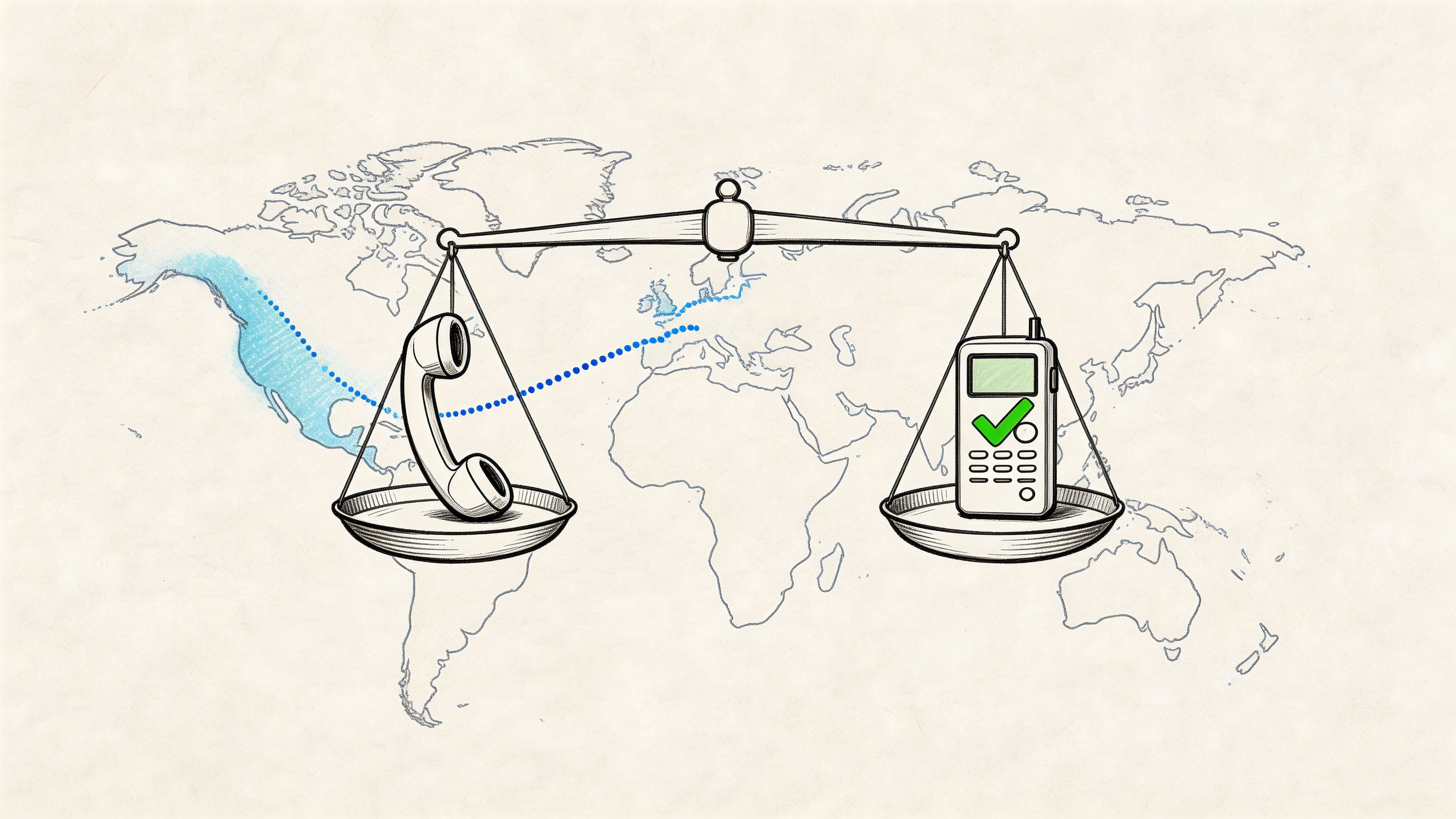
Secondary research usually wins the first round because it’s efficient. You can learn the shape of a market, topic, or audience quickly. That’s why experienced researchers tend to begin there rather than launching straight into surveys or interviews.
Primary research becomes the better option when the existing material is too broad, too old, too generic, or too filtered through other people’s assumptions. If you need to know why your subscribers ignore one format but love another, a public report won’t answer that for you.
For students and educators who want a cleaner distinction between source types, this explanation of primary vs. secondary sources is handy because it frames the difference in source logic rather than just in market-research terms.
A quick decision test
Use secondary research if your question sounds like this:
- What’s already known about this topic?
- Who else is talking about it?
- What patterns keep showing up?
- Where are the obvious gaps?
Use primary research if your question sounds like this:
- How does my audience describe this problem?
- Which of these options do people prefer?
- What objections are hidden behind poor conversion or weak engagement?
- What happened in this situation according to direct witnesses or participants?
If your question needs context, start with secondary. If it needs proof from your own audience or source material, move into primary.
The Smart Researcher's Workflow
Most weak research fails before the first survey question gets written. The failure happens earlier, when the person doing the work hasn’t separated broad context from unanswered specifics.
A stronger workflow combines both methods in sequence. Not because that sounds balanced, but because it prevents waste. You stop spending original effort on questions that existing material could have narrowed for you.
Phase one builds the map
Start with secondary research. Your job here isn’t to become an expert on every document you find. Your job is to understand the terrain.
Look for recurring themes, repeated claims, obvious contradictions, and missing perspectives. If you’re building a podcast on creator burnout, for example, gather public interviews, comment threads, conference talks, newsletters, and available data around workload, audience pressure, and content cycles. At this stage, you’re learning the language of the topic and the shape of the conversation.
A useful output from this phase is a one-page brief with three parts:
- What seems established
- What different sources disagree on
- What your specific audience might still need clarified
That third category matters most. It becomes the handoff point into primary research.
Phase two sharpens the question
Once you’ve reviewed the broader context, reduce your curiosity into a focused question. At this point, many creators stay vague and lose the value of both methods.
Bad research question: “What content do people want?”
Better research question: “Why do first-time viewers stop watching our expert interviews before the midpoint?”
The second question is narrow enough to investigate. It points toward who to ask, what to observe, and what kind of answer would actually help.
Secondary research should leave you with fewer questions, not more confusion.
If your notes are producing endless fragments, your framing is still too loose. Tighten the problem before collecting new data.
Phase three fills the gap directly
Now use primary research to answer the focused question your desk research couldn’t resolve. Depending on the problem, that might mean:
- A short interview set with audience members
- A lightweight survey for fast directional input
- Observation of users moving through a page, lesson, or episode
- Small group feedback on messaging, hooks, or offers
The point isn’t to collect everything. It’s to collect the right missing evidence.
For example, if secondary research shows that many creators talk about “audience retention,” but none explain why your audience drops off during technical segments, direct listener interviews can reveal whether the issue is pacing, jargon, structure, or speaker chemistry.
Phase four combines both into something credible
This last phase is where authority gets built. You synthesize the broad context from secondary sources with the specific evidence from primary work.
That combination creates stronger content because it answers two questions at once:
- What’s happening in the wider field?
- What’s true for the people I serve?
A marketer can now write a report that includes market context and direct customer language. A podcaster can build an episode around industry patterns plus original interview material. An educator can explain the accepted framework while also showing firsthand classroom feedback.
Here’s the practical mistake to avoid. Don’t treat primary and secondary research as competing camps. Treat them as different lenses. One helps you see the whole room. The other helps you examine the object on the table.
How Whisper AI Supercharges Your Research Process
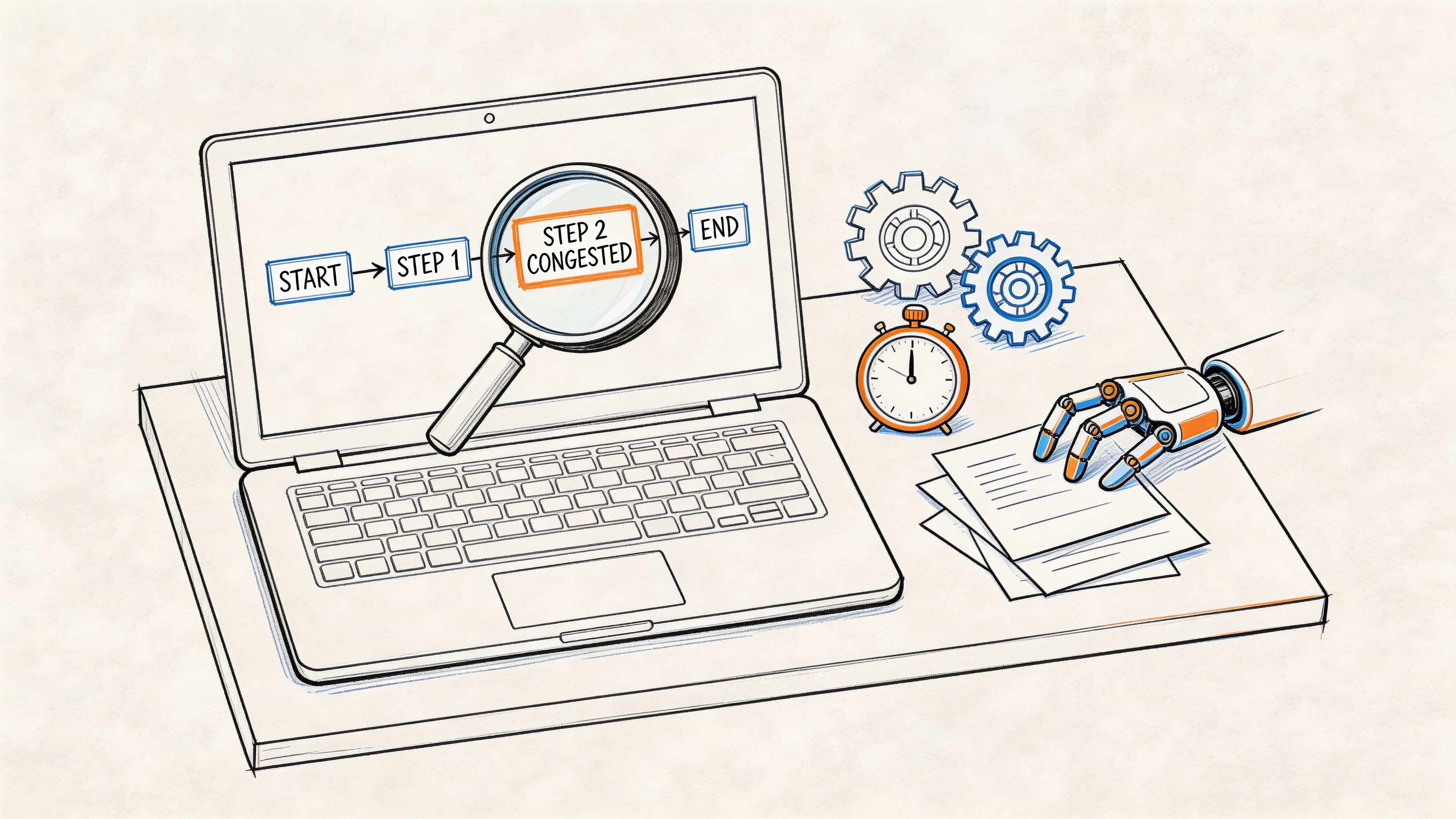
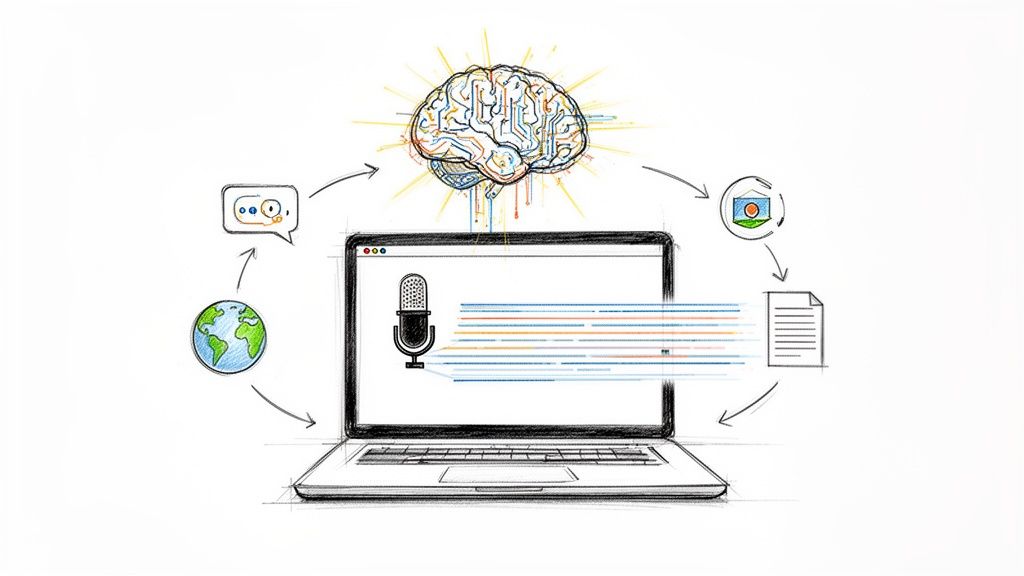
Most research bottlenecks aren’t caused by a lack of information. They’re caused by unusable formats. The answer you need is buried in a recorded interview, a long podcast, a webinar replay, a panel discussion, a strategy call, or a stack of creator videos you don’t have time to revisit manually.
That’s where AI transcription and summarization tools change the workflow.
Better handling of primary material
When you conduct interviews, the quality of your analysis depends on what you can recover from the conversation later. Notes alone rarely capture enough. You miss phrasing, tone shifts, interruptions, and exact wording.
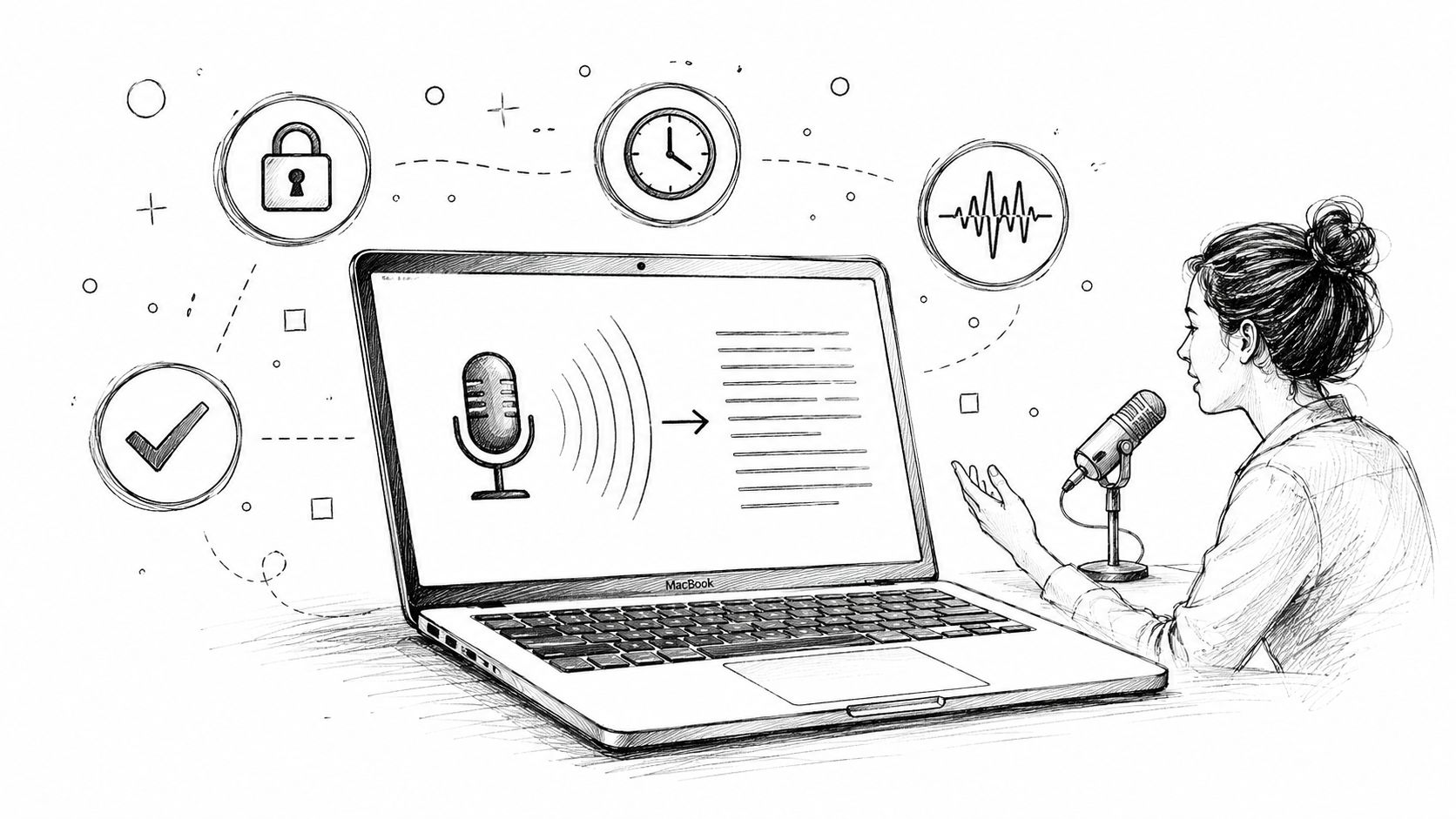
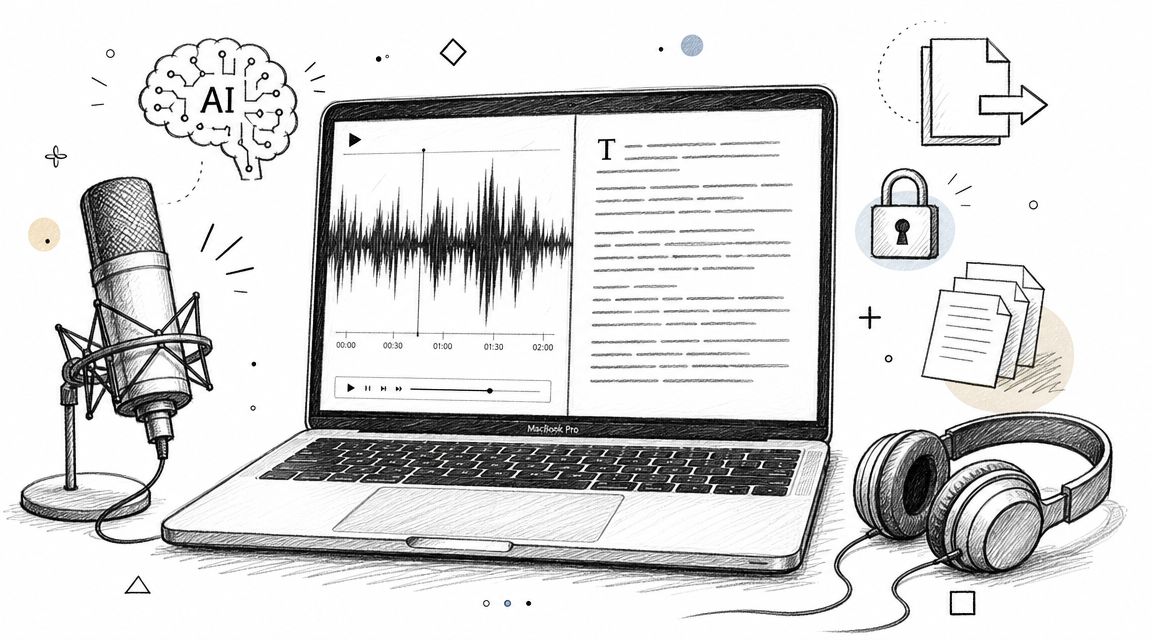
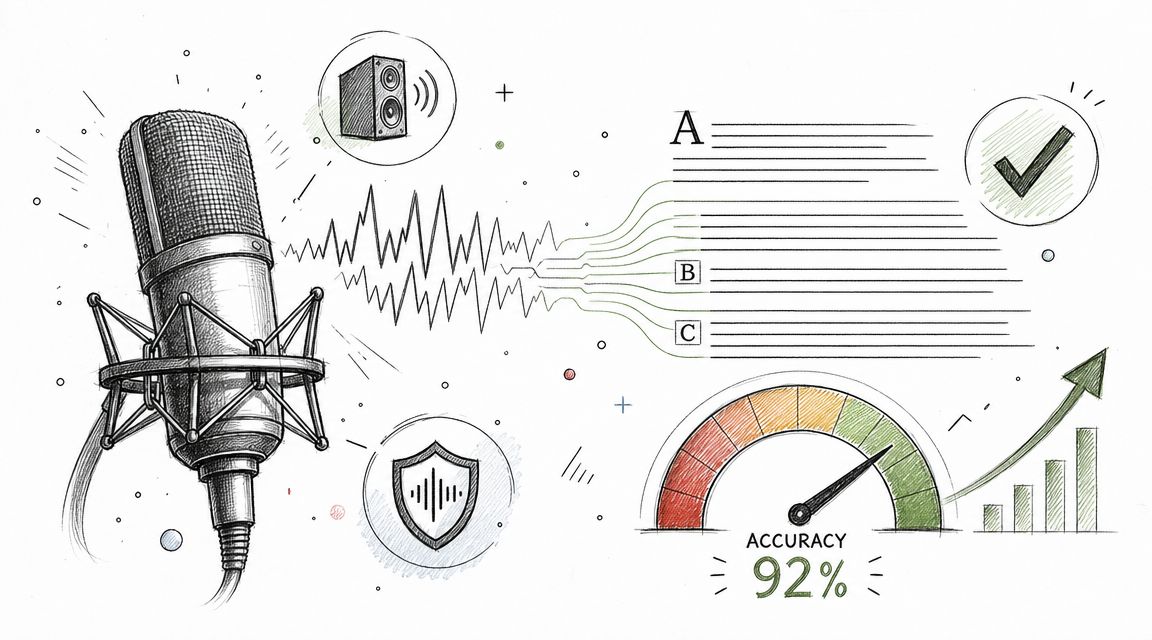
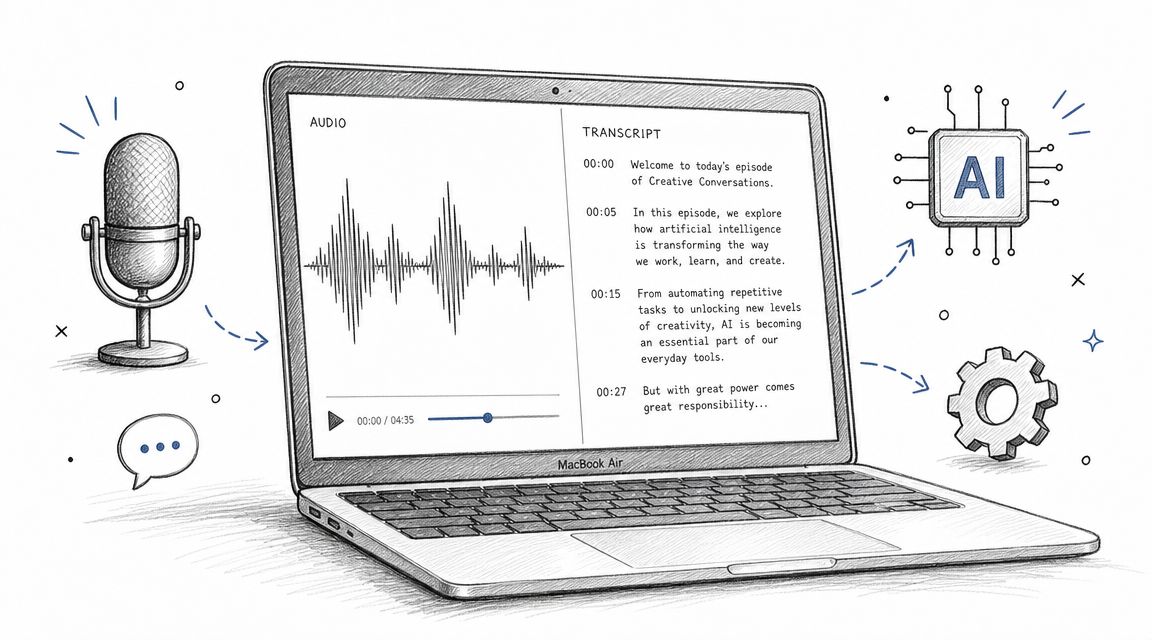
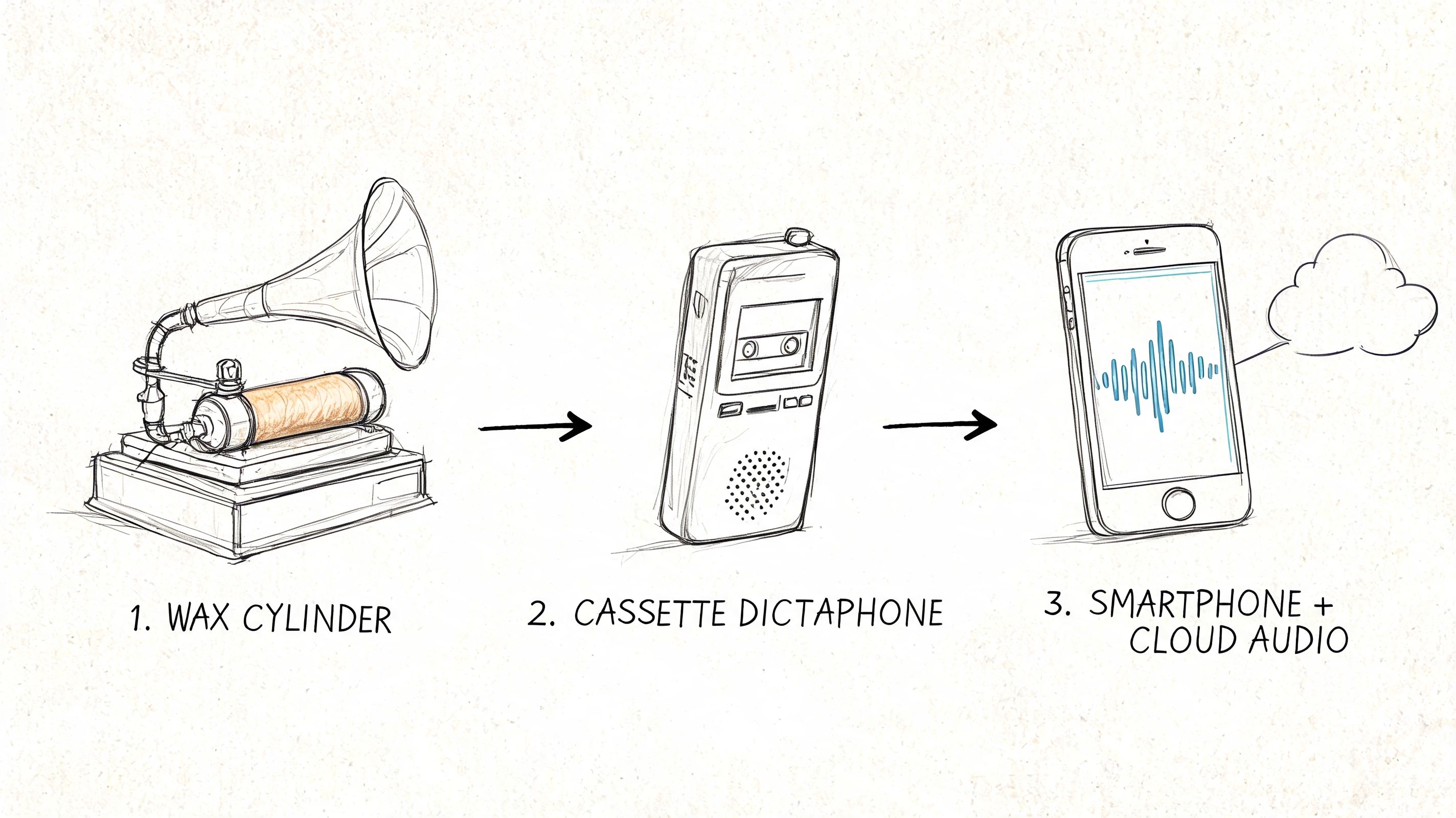
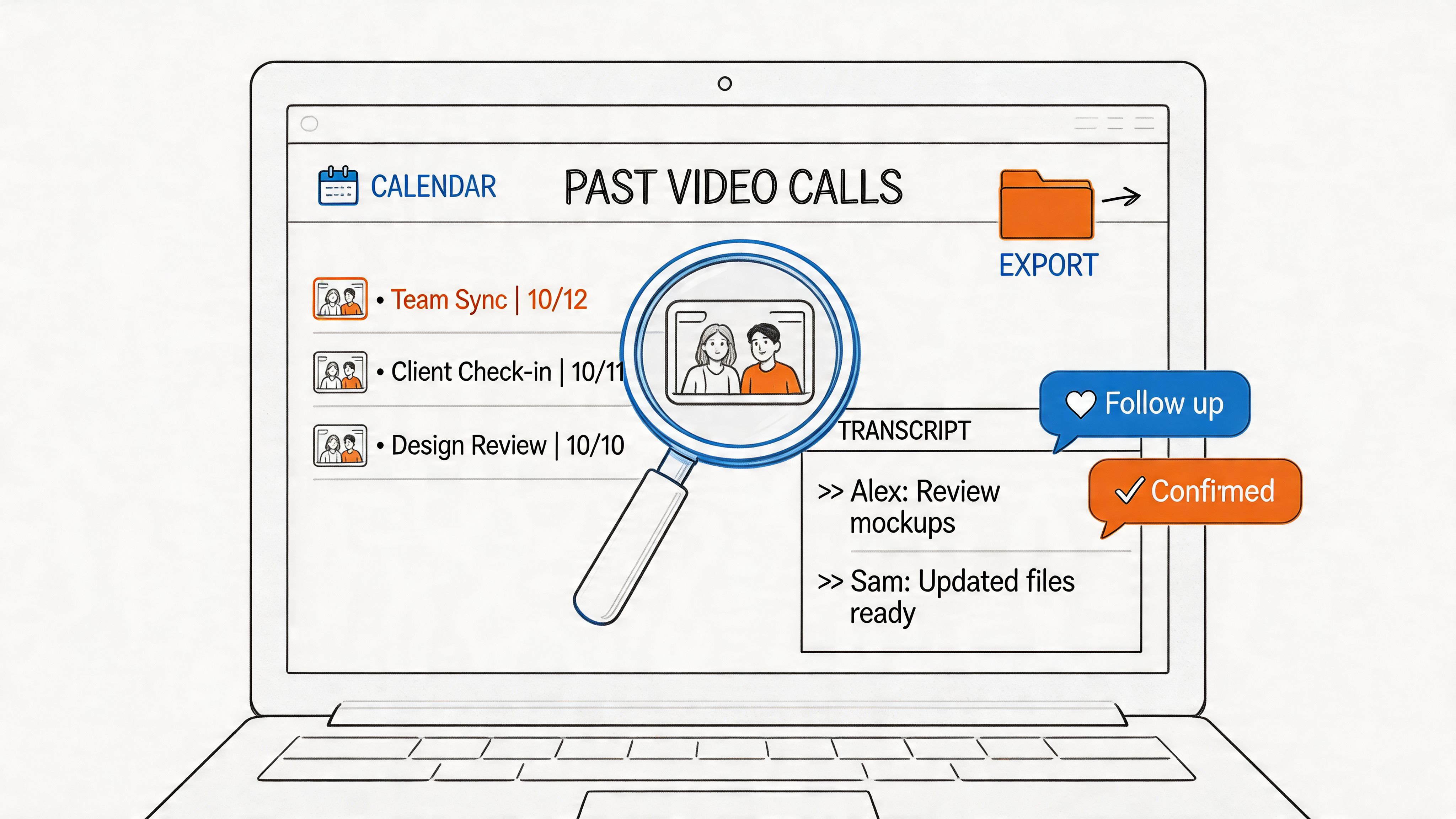
A transcription workflow helps preserve that detail. Instead of relying on memory, you get searchable text from spoken material. That’s especially useful for journalists, educators, podcasters, and marketers who need to compare multiple conversations and identify repeating themes.
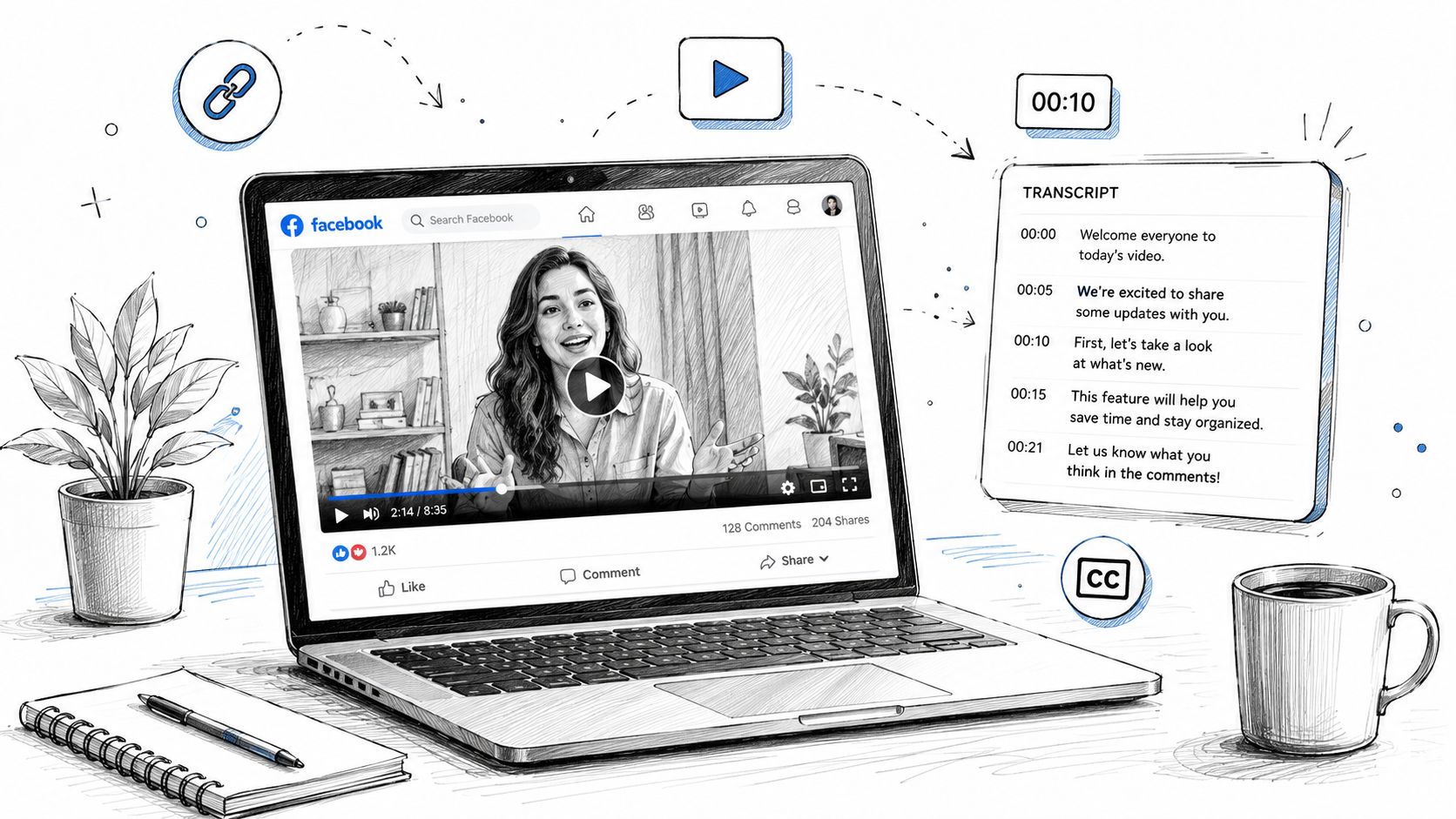
Primary research becomes far easier to work with when the raw interview is converted into text you can scan, highlight, quote, and revisit. You can sort by speaker, jump to timestamps, and pull exact language for a script, report, or article draft.
Secondary research no longer has to stay text-only
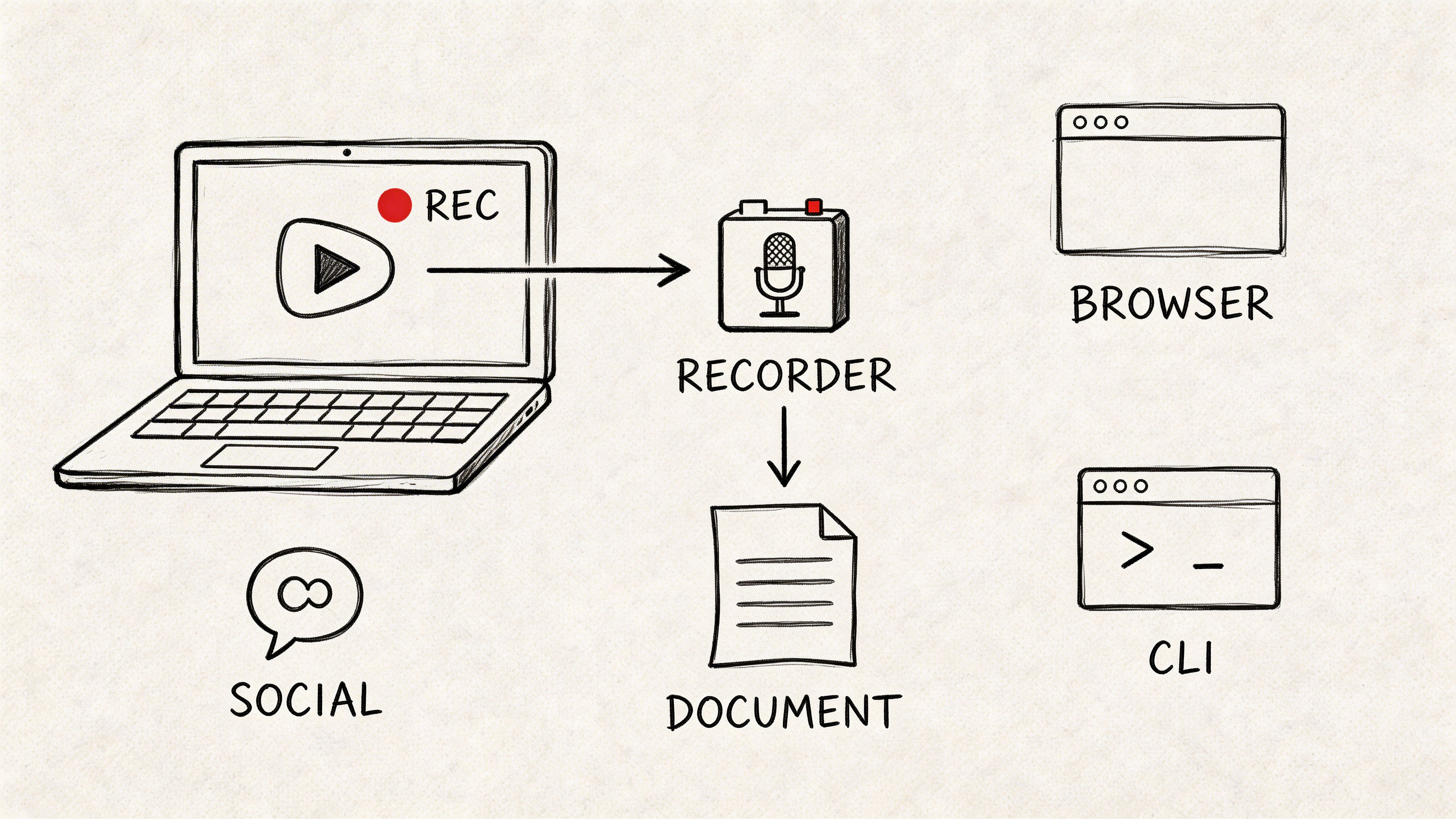
A lot of secondary knowledge lives in media, not documents. Think of founder podcasts, conference sessions, YouTube interviews, livestreams, and webinar archives. These are rich sources, but they’re often hard to search and harder to compare.
Once those files become transcripts and summaries, they behave more like research assets and less like content you vaguely remember watching.
That matters for creators trying to synthesize insights quickly. You can review an expert conversation, extract key claims, compare viewpoints across episodes, and organize the material into topic clusters. If you’re also publishing online, it helps to understand how source-rich structure improves discoverability. This piece on how to structure your website content so ChatGPT and Perplexity cite it is useful because it shows how clarity and structure affect whether your work gets reused and referenced.
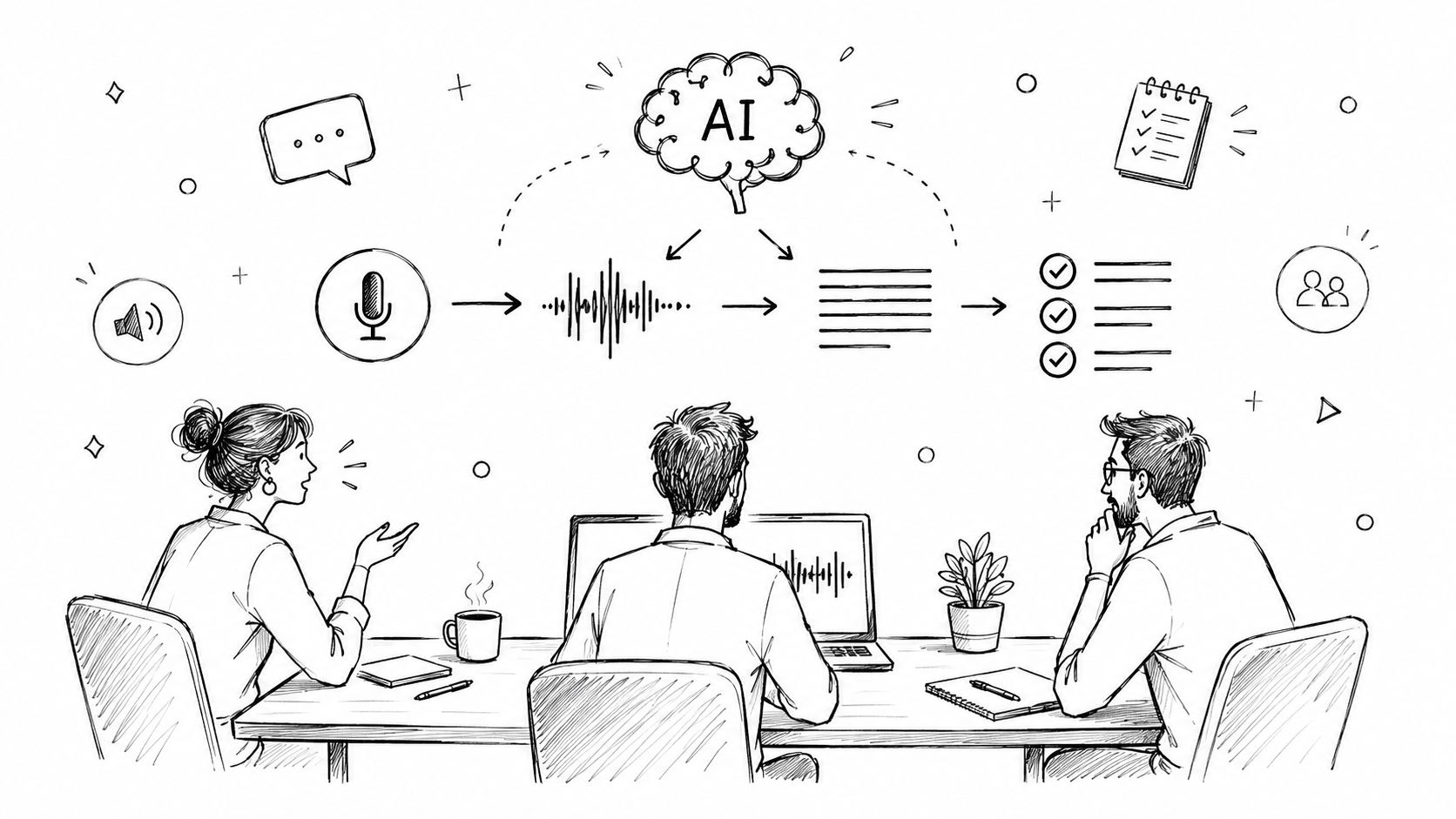
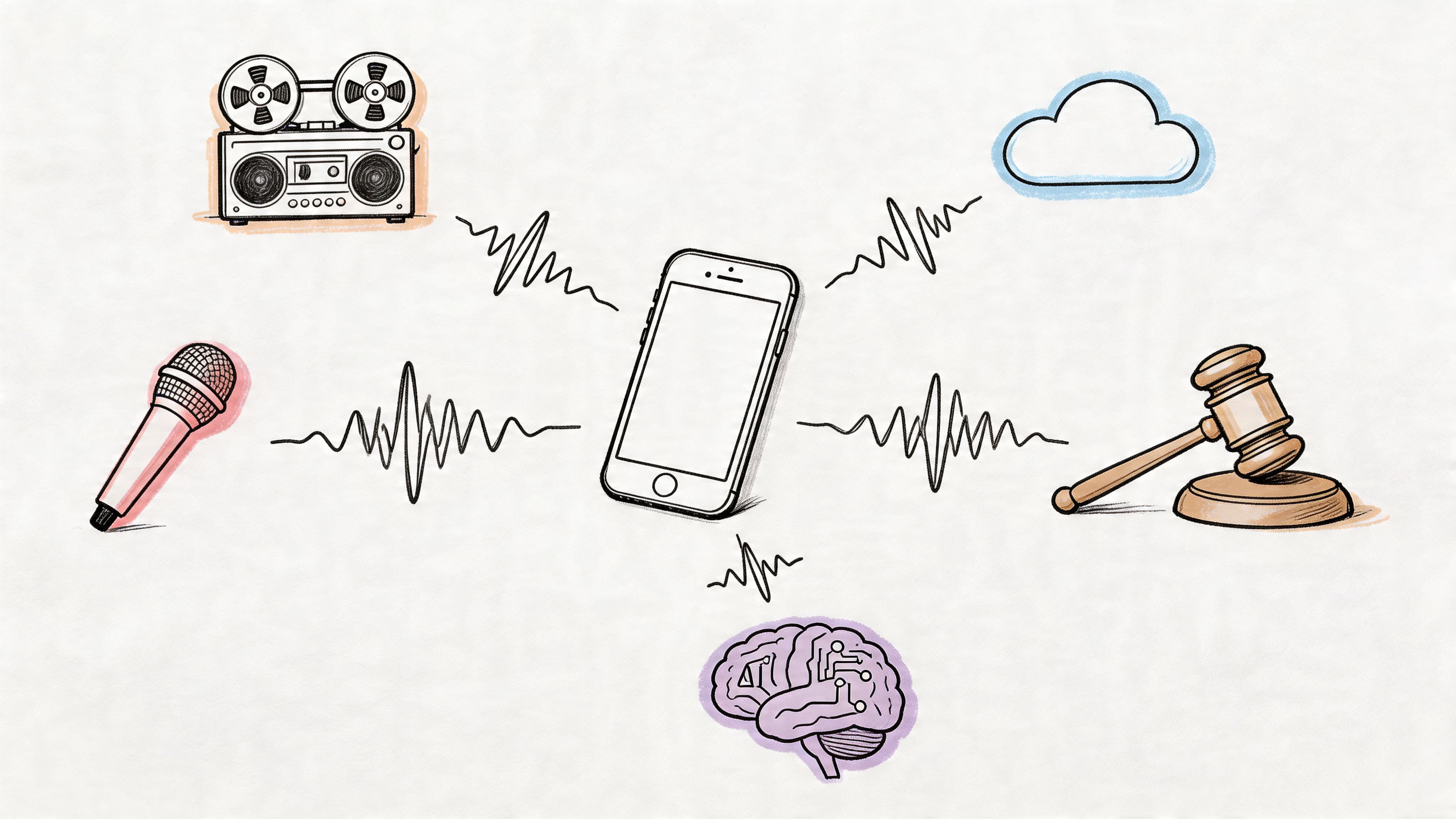
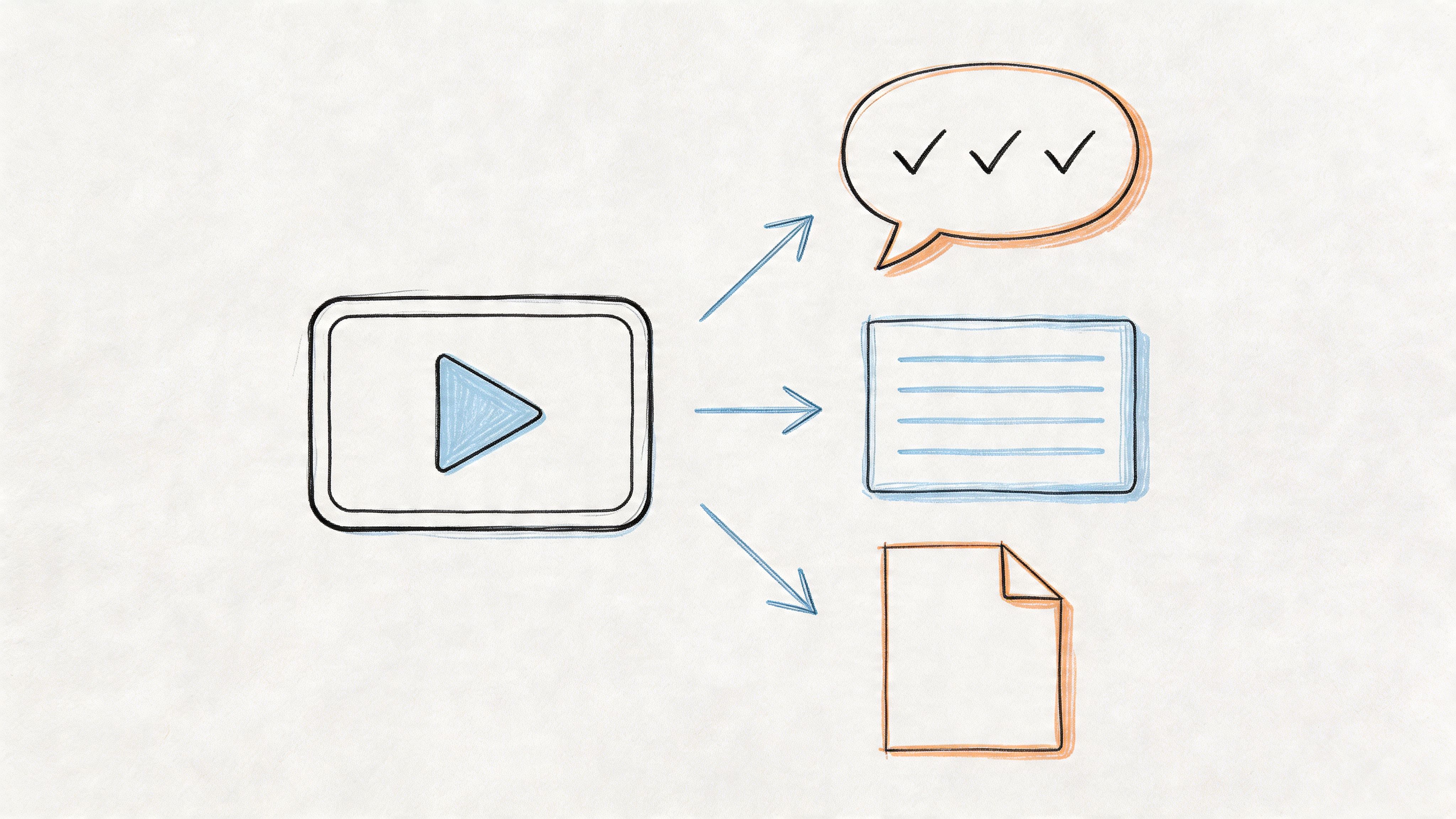
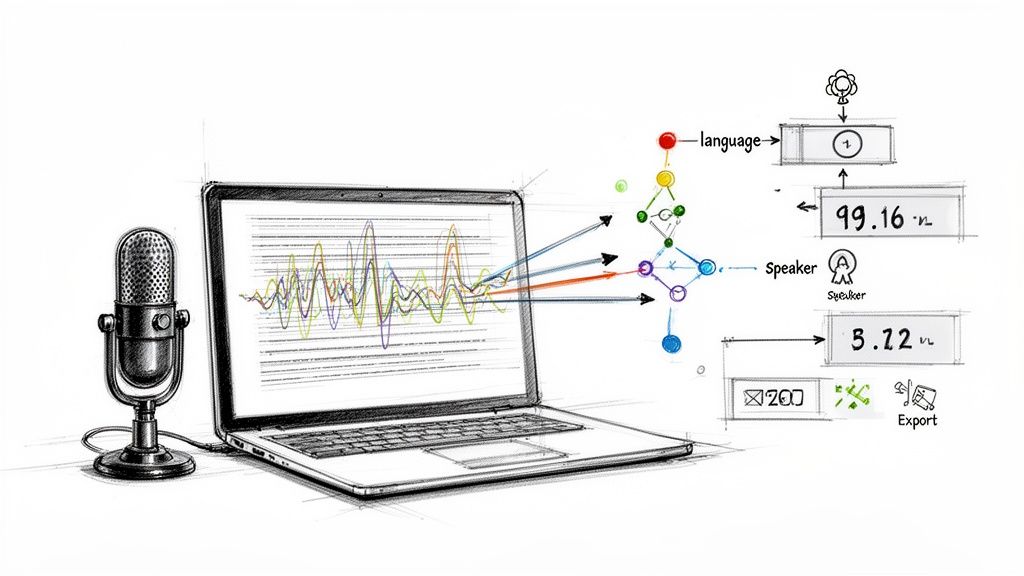
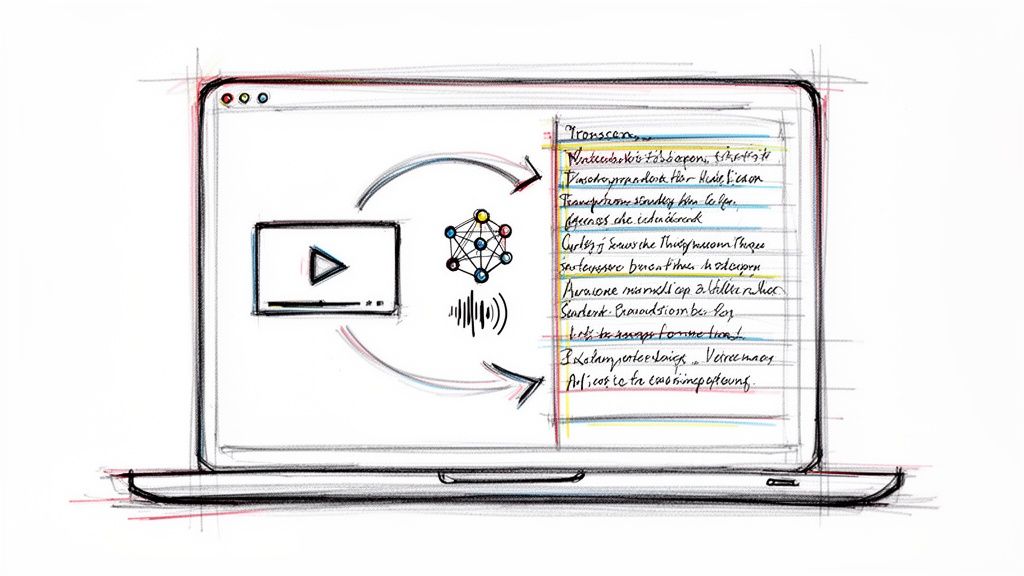
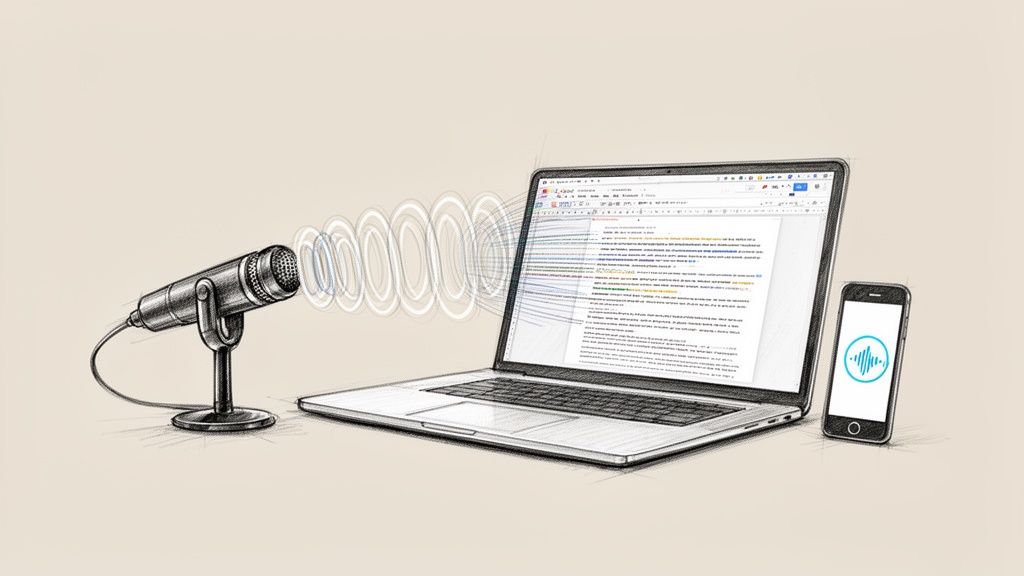
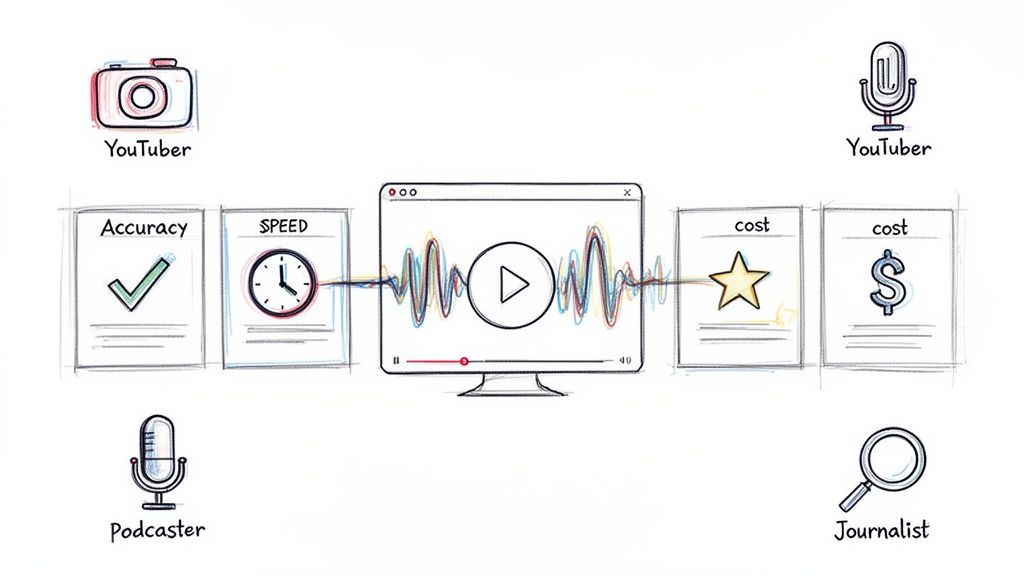
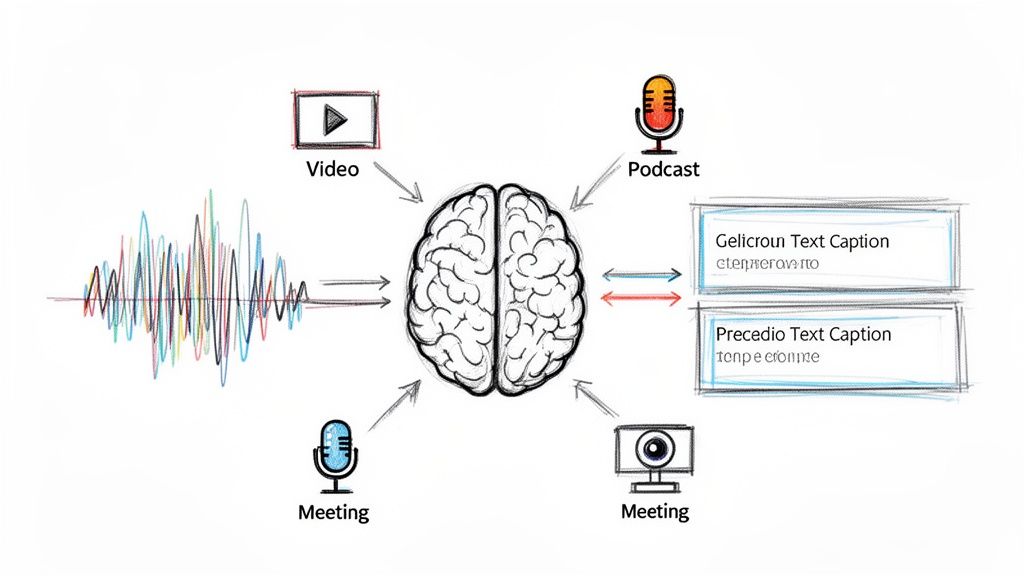
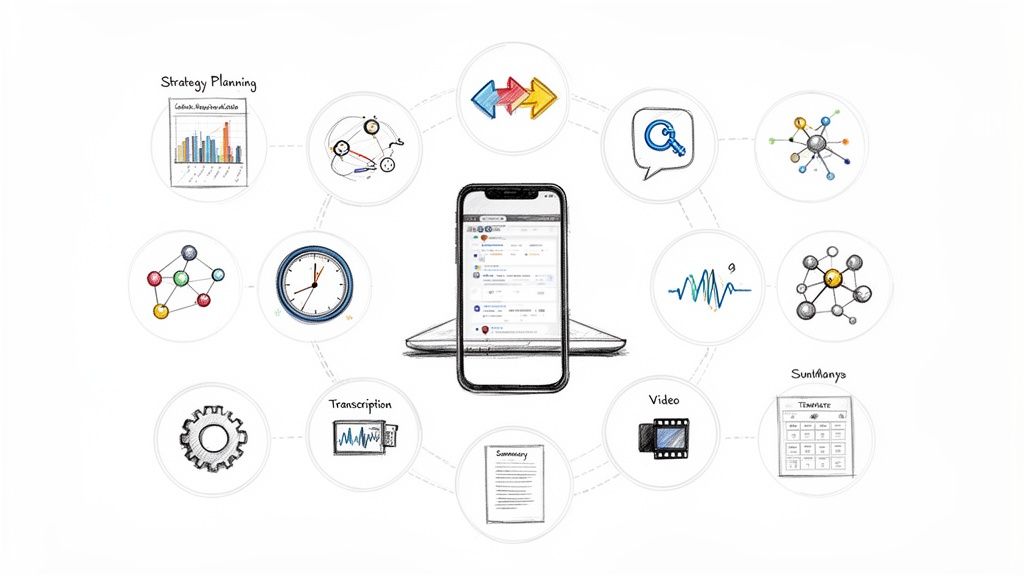
Here’s a look at how an AI transcription workflow fits into everyday content production:
A practical workflow for creators
If you’re trying to make research less chaotic, this is the workflow I’d suggest:
For interviews you conduct yourself
Record the conversation, transcribe it, review the wording, tag themes, and extract direct quotes that answer your research question.For industry content created by others
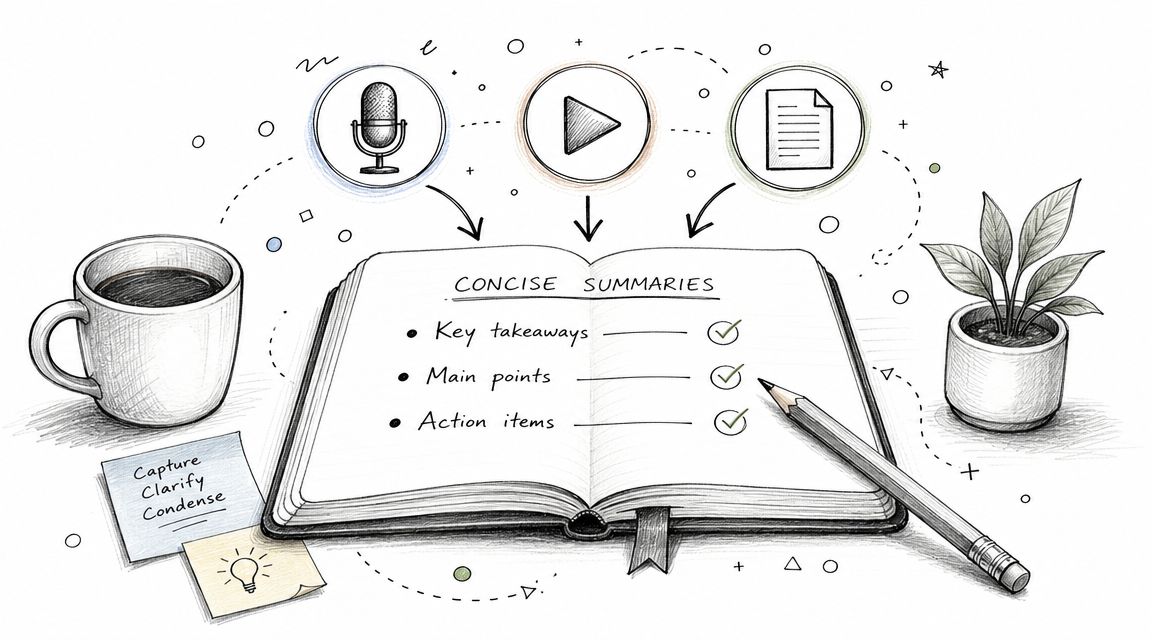
Turn long audio or video into searchable text, summarize the main ideas, and sort those notes by topic rather than by file name.For synthesis
Compare your direct interview findings with what keeps showing up in secondary media. Look for overlap, conflict, and missing pieces.
AI tools become less of a convenience feature and more of a research amplifier. They reduce the friction between collecting information and learning from it.
If you want a hands-on walkthrough, this guide on how to use Whisper AI shows the mechanics of turning raw audio and video into transcripts, summaries, and follow-up outputs you can work with.
The real value isn’t transcription by itself. It’s getting from spoken material to usable evidence fast enough that you’ll actually use it.
Conclusion Your Path to Creating Authoritative Content
Good research doesn’t force you to choose sides between primary and secondary methods. It asks you to use each one for what it does best.
Secondary research helps you get oriented. It shows you the existing conversation, the patterns, the blind spots, and the claims you should verify before repeating. Primary research helps you go deeper. It gives you direct evidence, original language, and project-specific insight you won’t get from summaries alone.
That’s the core lesson behind primary research secondary research. They aren’t rivals. They’re partners in sequence. Start with the broad view. Then investigate the unanswered part yourself.
For creators, marketers, educators, and researchers, that approach changes the quality of the final work. Your content becomes harder to dismiss because it isn’t built on guesswork alone. It has context from the field and evidence from the source.
If you build this habit, your articles get sharper. Your videos get more useful. Your reports become more credible. And your ideas stop sounding like recycled commentary because you’ve done what strong research always asks of you. Learn what’s already known, then collect what still needs to be known.
If you want to turn interviews, podcasts, webinars, and long videos into usable research material faster, Whisper AI can help you transcribe, summarize, and search spoken content without the manual grind. It’s a practical way to make both primary and secondary research easier to manage, especially when your best insights are trapped in audio and video.