10 Proven Best Practices for Online Learning That Actually Work
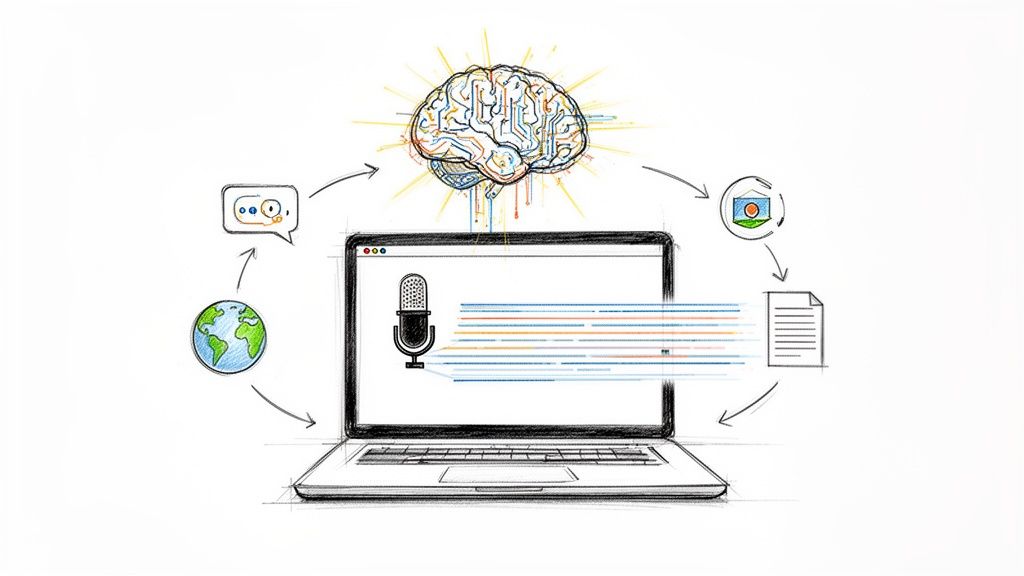
The landscape of digital education is no longer about simply putting a lecture on a screen. True success hinges on creating dynamic, accessible, and engaging experiences that cater to a diverse global audience. Many educators, creators, and learners still grapple with the fundamentals, often resulting in passive content consumption rather than active, meaningful learning. This guide moves beyond the generic advice that often misses the mark. We will explore experience-based, actionable best practices for online learning, grounded in proven pedagogical strategies and amplified by modern technology.
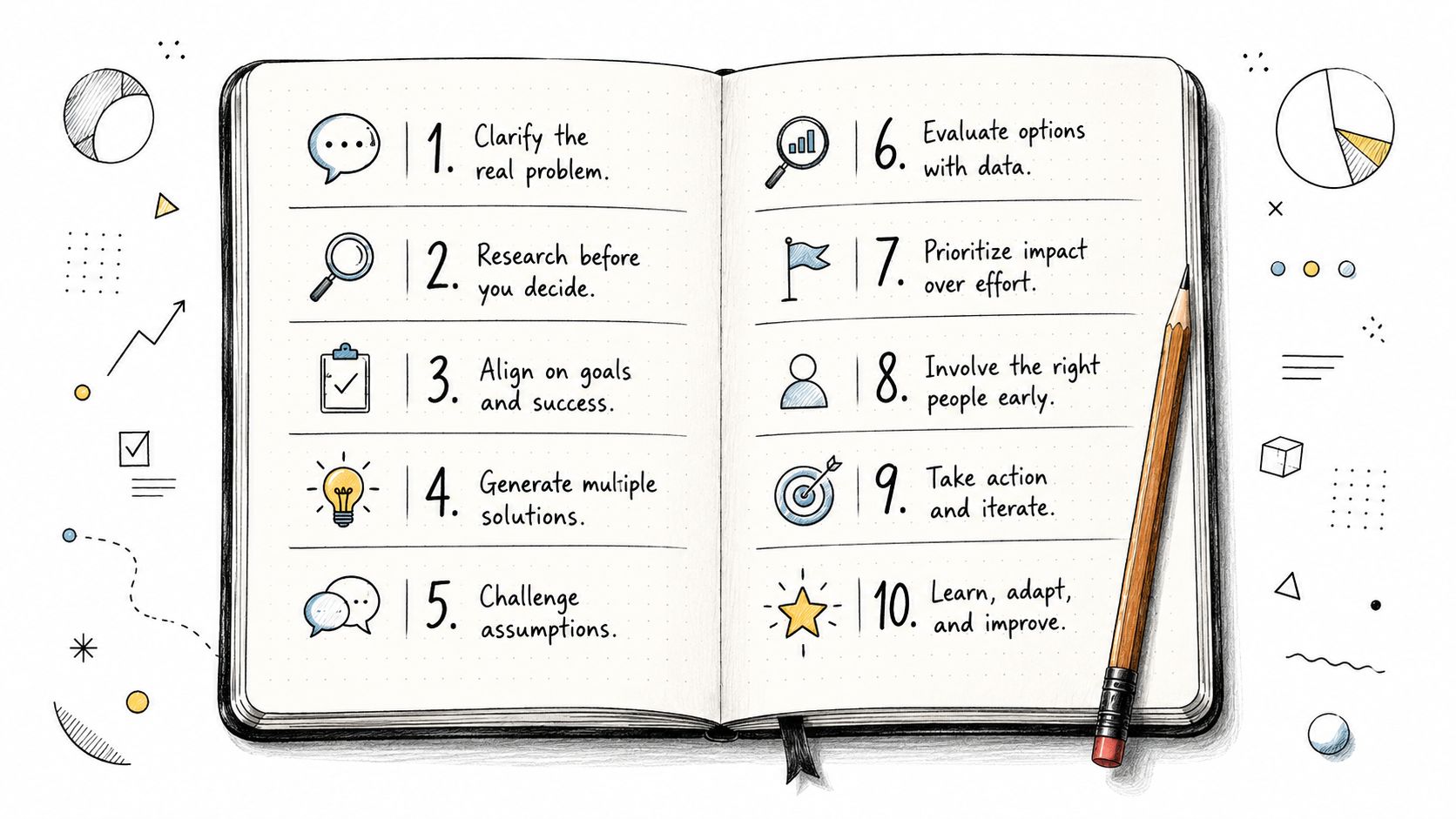
This is not a theoretical exercise. We provide a thorough, actionable roundup of strategies designed for immediate implementation. You will learn how to design for asynchronous flexibility, leverage AI for accessibility, repurpose content for wider reach, and foster genuine collaboration. To truly redefine excellence in digital education, it's crucial to understand and implement proven strategies. For a comprehensive overview of effective strategies, consider these 10 Best Practices for Online Learning that work today.
This article delivers a detailed roadmap for educators, content creators, and students alike. We cover everything from asynchronous learning with transcribed content and active note-taking to implementing flipped classroom models and using data to improve instruction. Each section includes specific implementation details and practical examples. Whether you are creating a course, managing a social media channel, or simply trying to learn more effectively, these methods will equip you to create, manage, and participate in online learning that is not just effective, but transformative. Forget surface-level tips; this is your blueprint for building a superior digital learning environment.
1. Asynchronous Learning with Transcribed Content
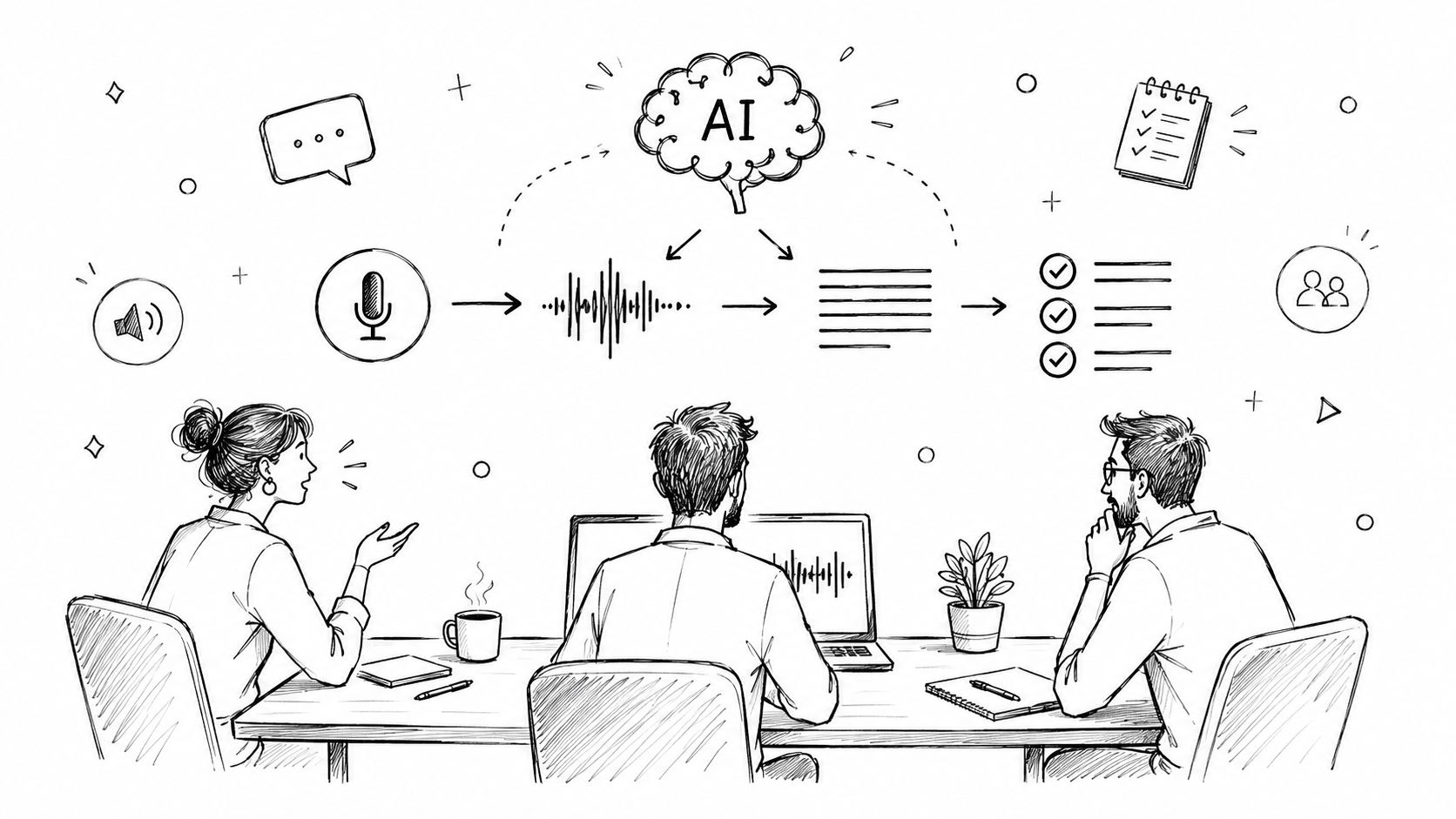
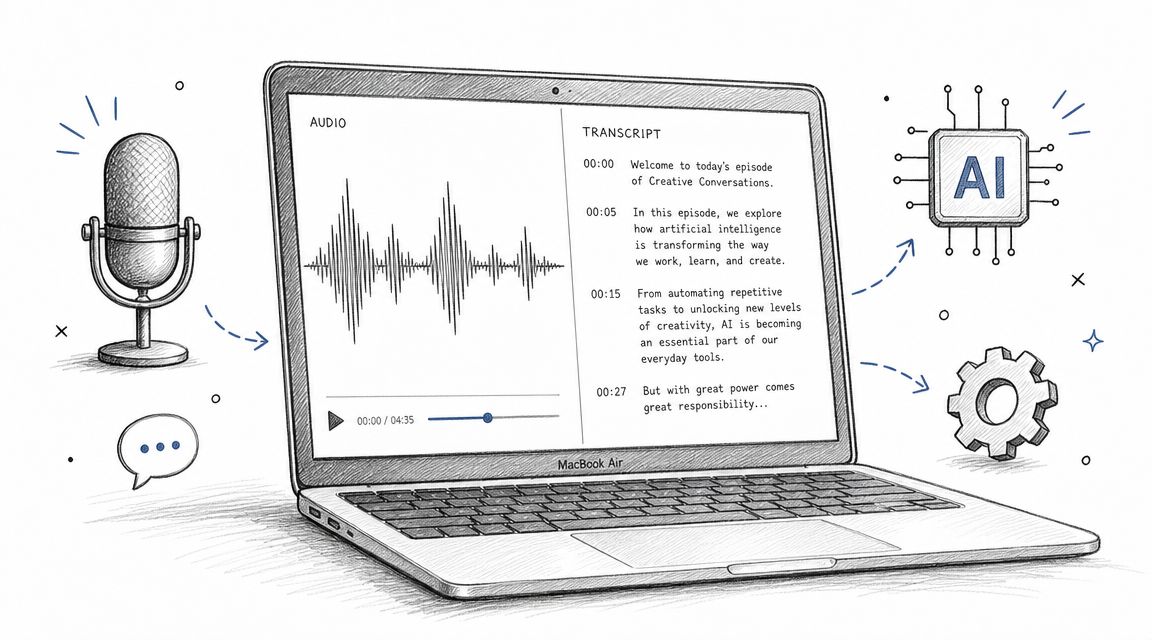
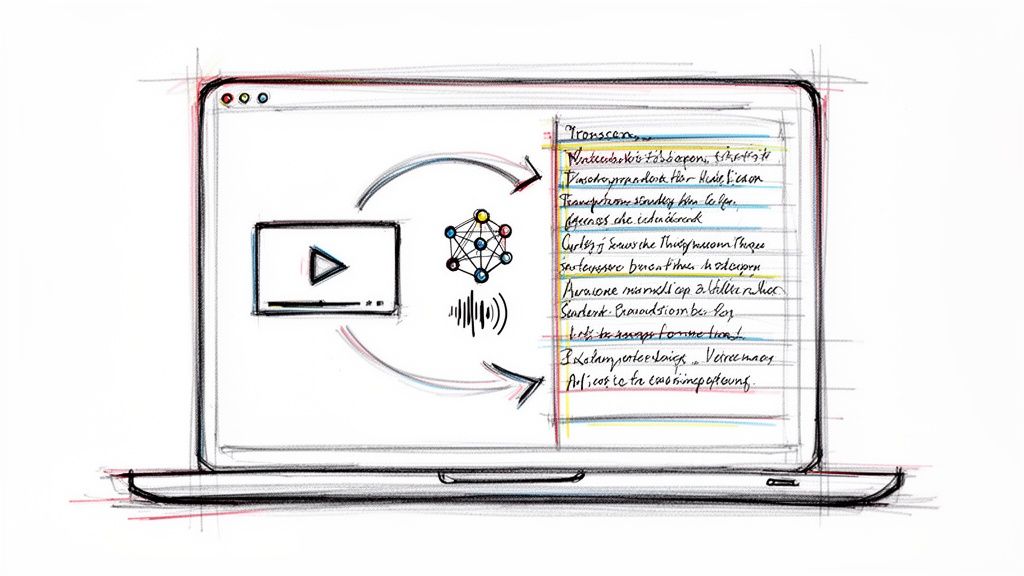
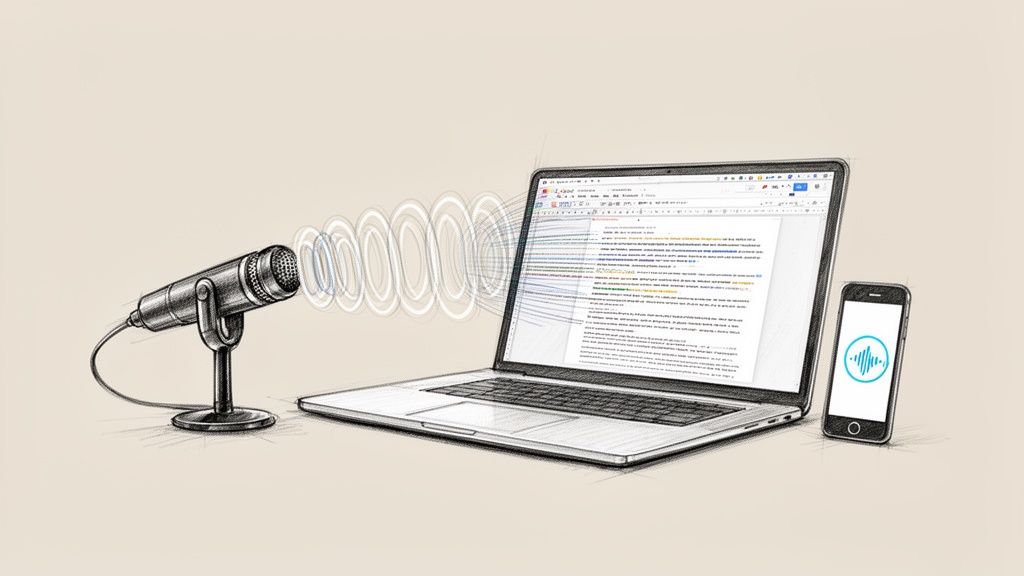
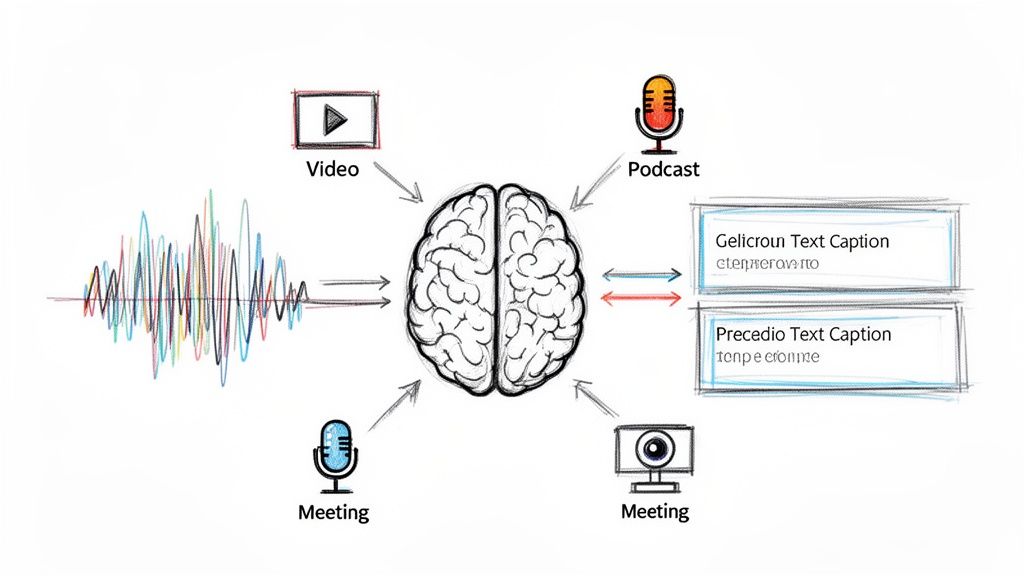
One of the most effective best practices for online learning is leveraging asynchronous learning paired with meticulously transcribed content. This model liberates learners from the constraints of real-time attendance, allowing them to engage with educational materials on their own schedule. By converting video lectures, webinars, and audio discussions into accurate, searchable text, educators create a more flexible and accessible learning environment.
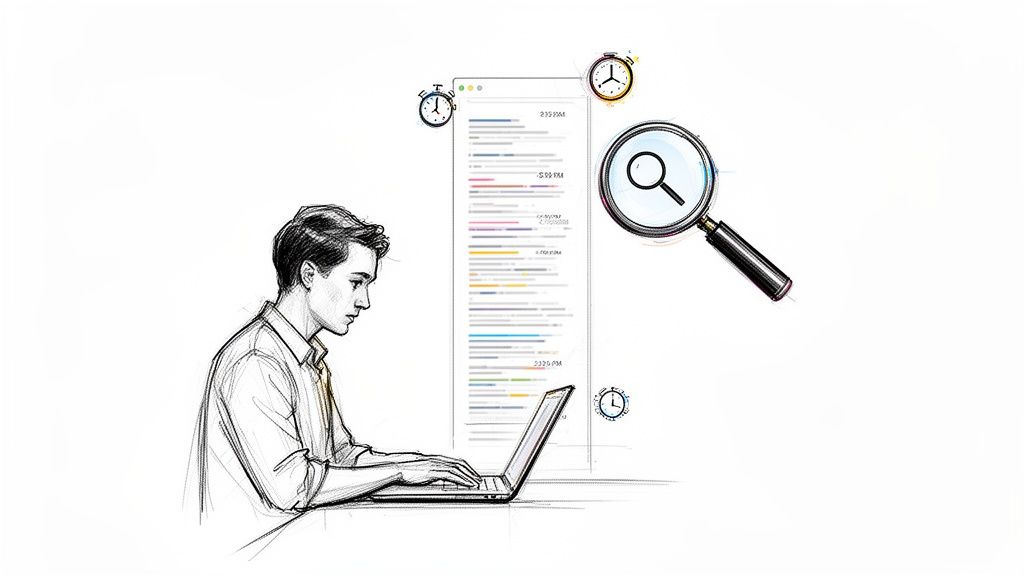
This approach caters to diverse needs, accommodating students across different time zones, those with part-time jobs, or individuals who simply learn better at their own pace. Institutions like MIT OpenCourseWare and platforms such as Coursera have long demonstrated the power of this model, providing robust archives of transcribed lectures that students can revisit anytime.
Why Transcribed Content is a Game-Changer
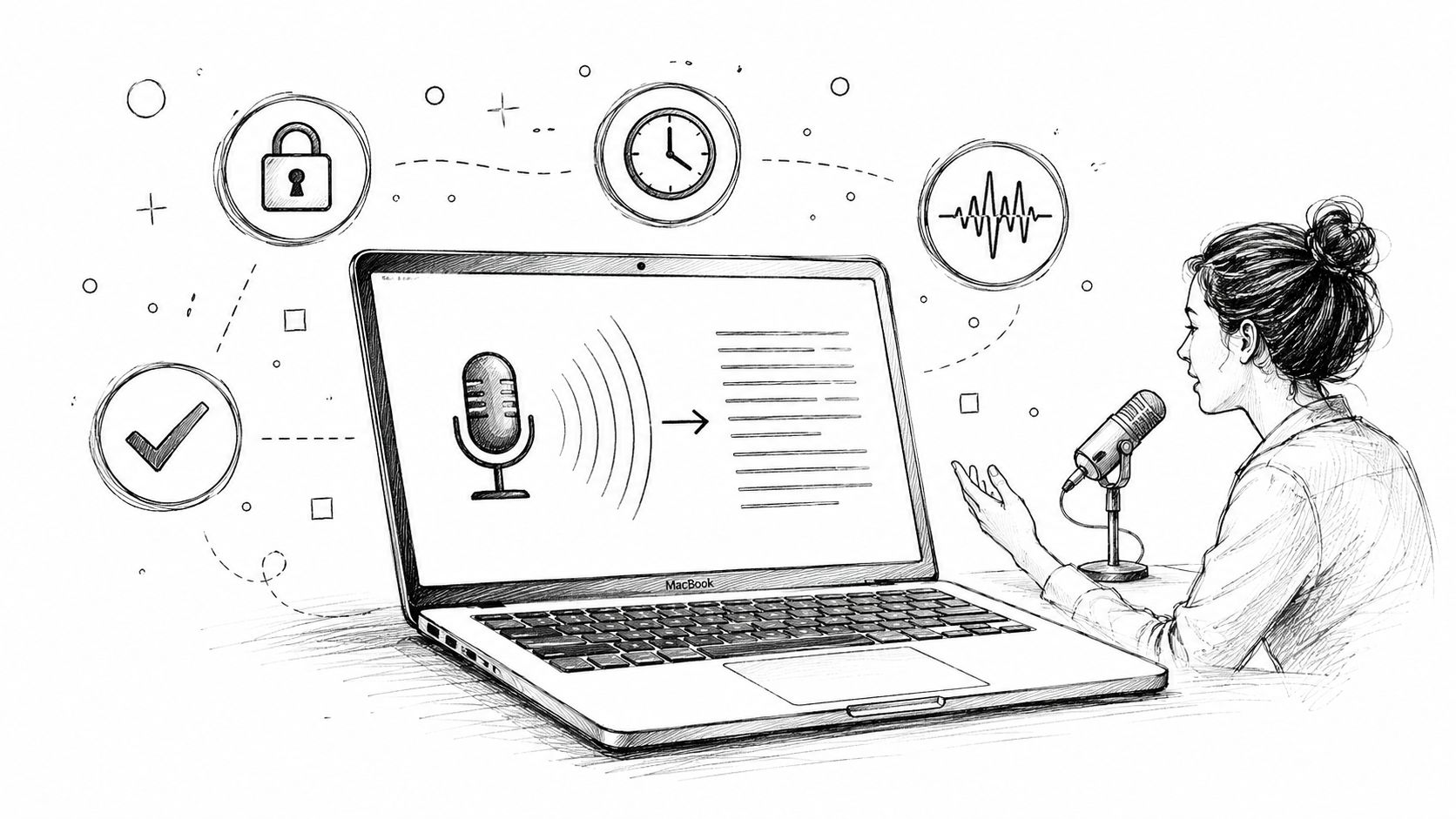
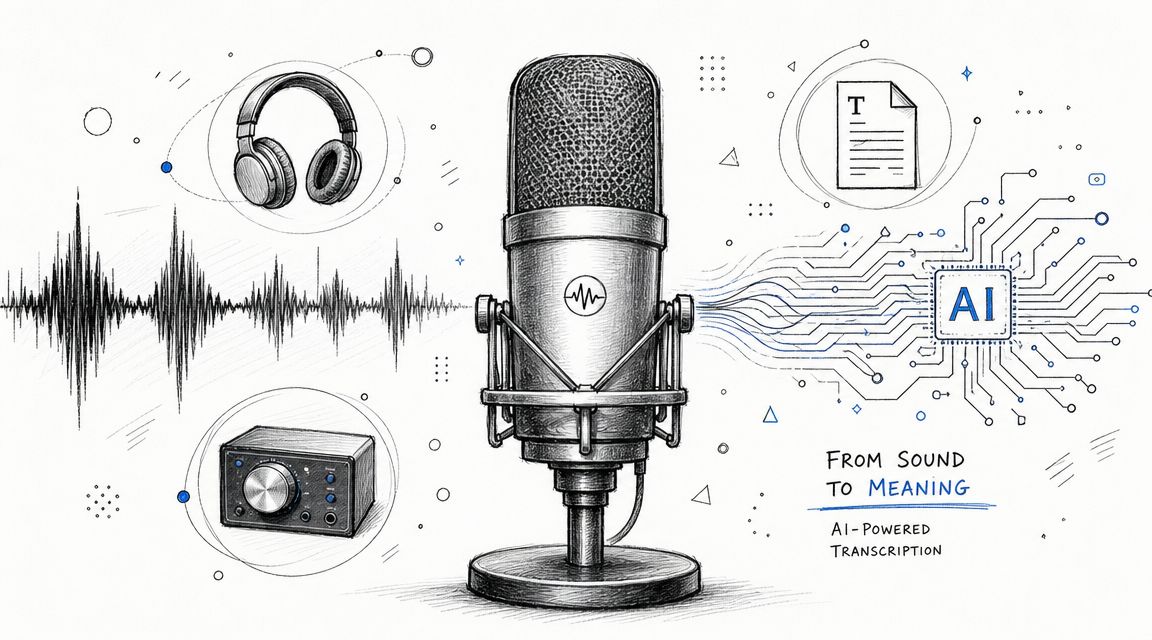
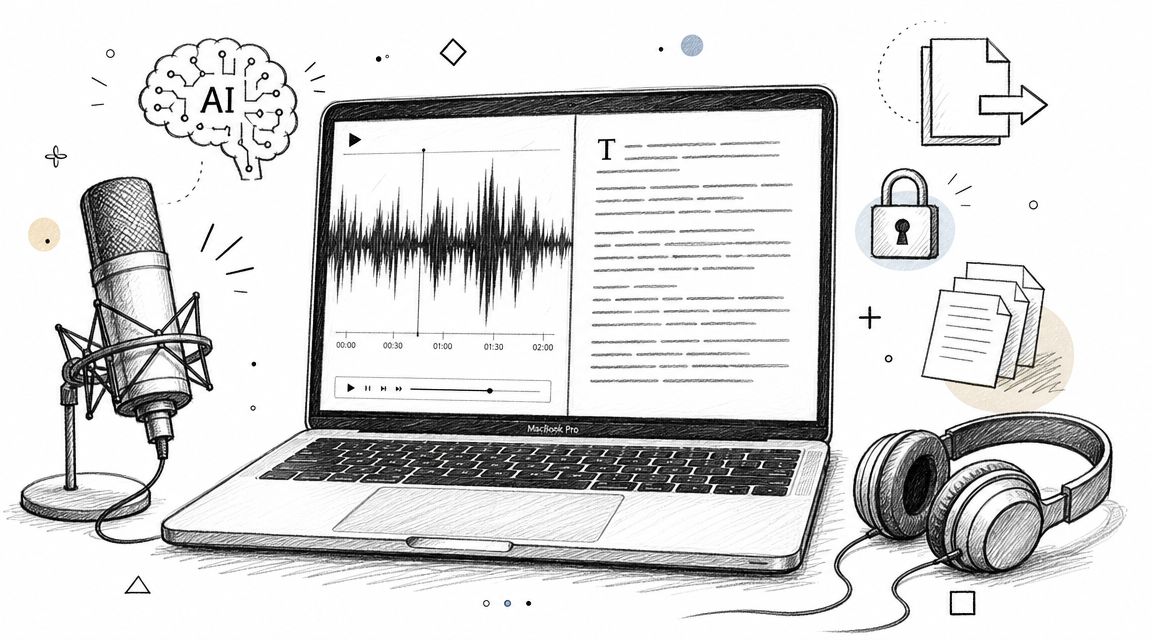
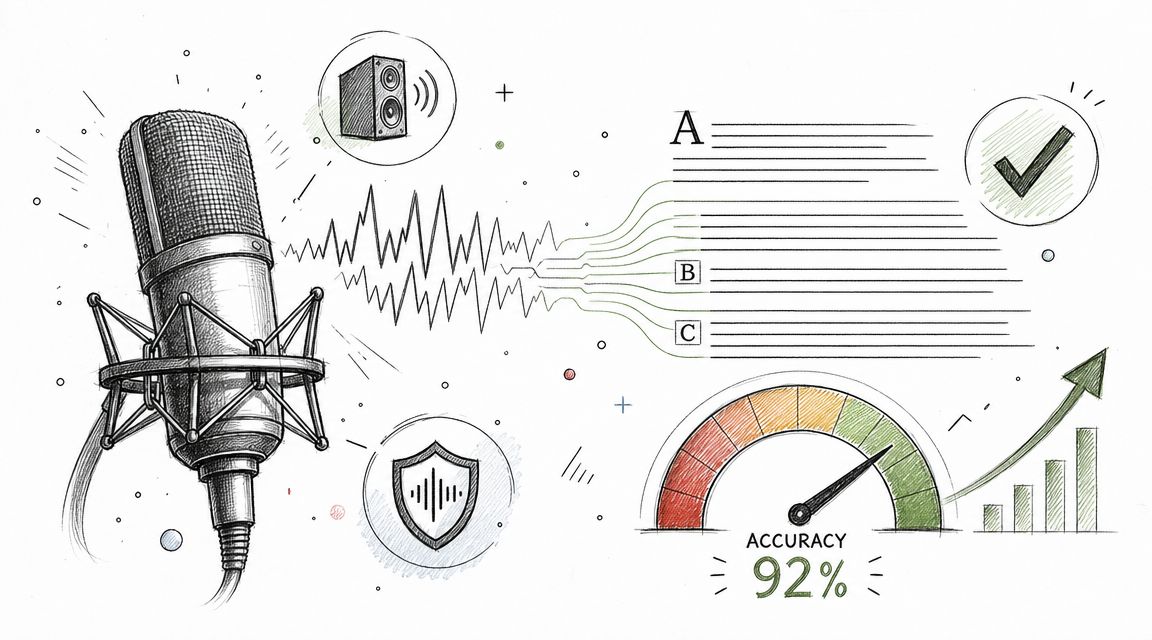
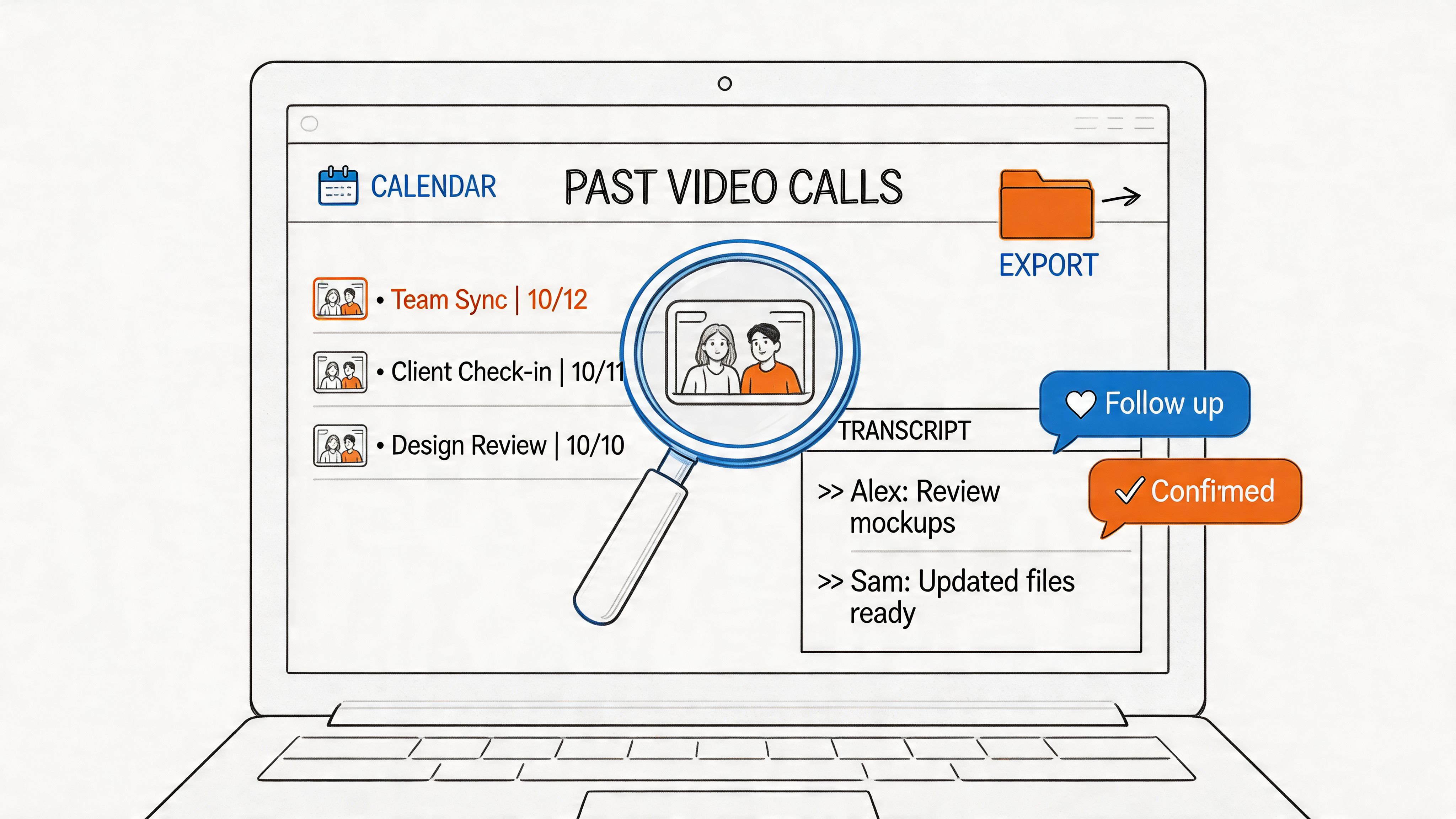
Transcripts transform passive video consumption into an active learning experience. A student can quickly search a 90-minute lecture for a specific keyword or concept without re-watching the entire video. This functionality is crucial for efficient studying and revision. For a deeper understanding of how this technology works, you can learn more about what audio transcription entails and its various applications.
Actionable Implementation Checklist
To integrate this practice effectively, follow these steps:
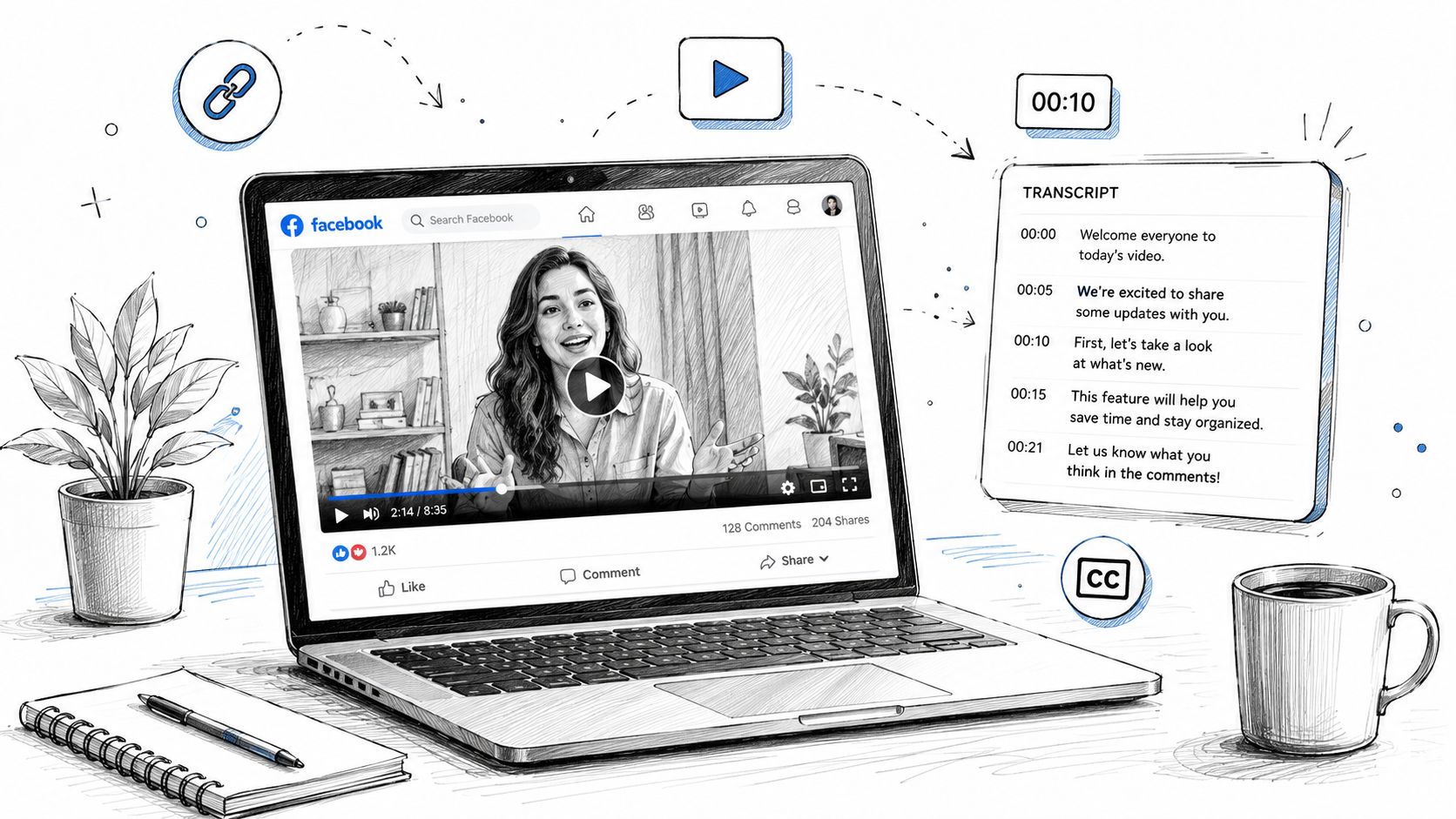
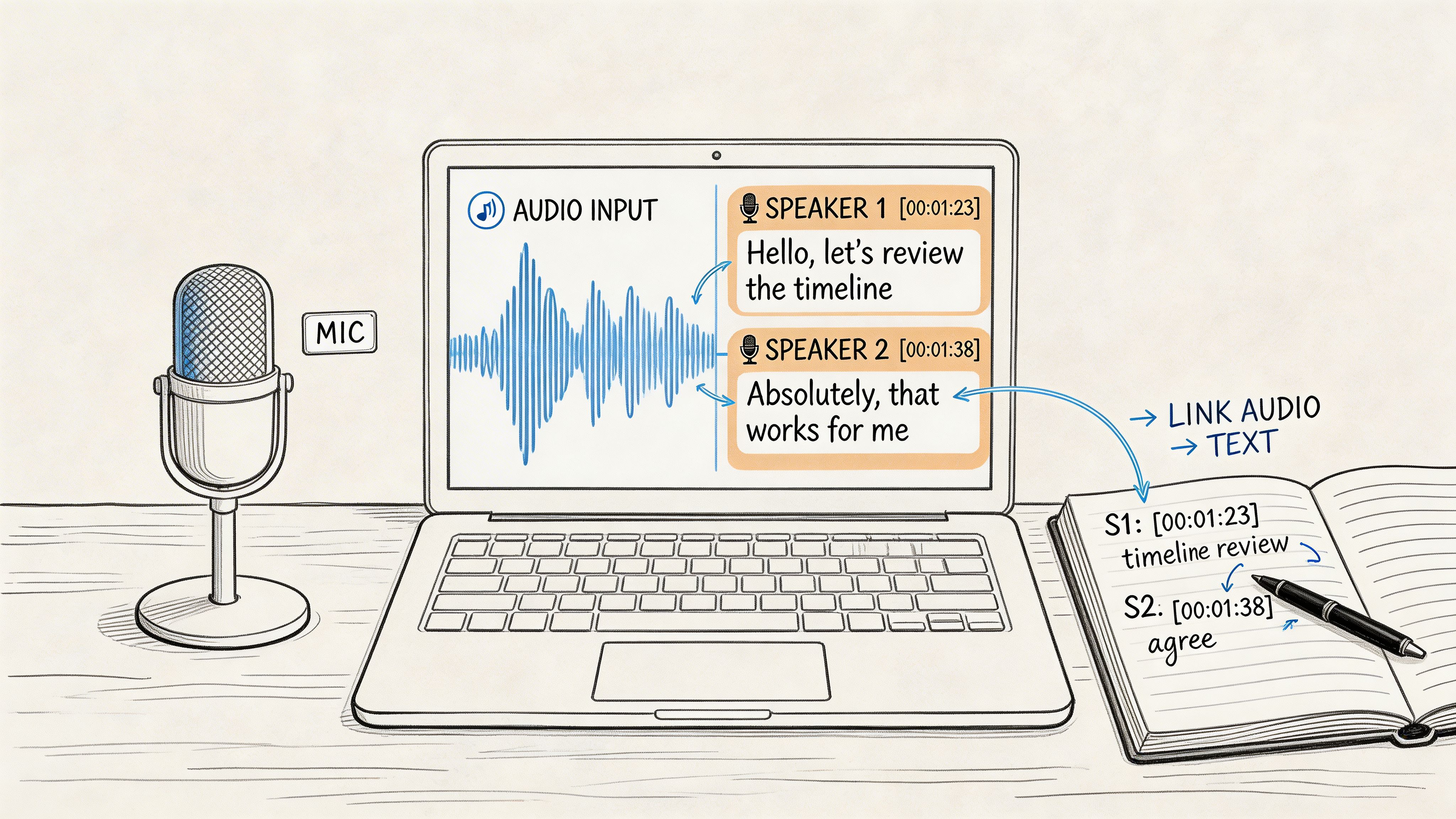
- Provide Timestamps: Always generate accurate, timestamped transcripts alongside video or audio files. This allows learners to click on a specific sentence in the text and jump directly to that moment in the media.
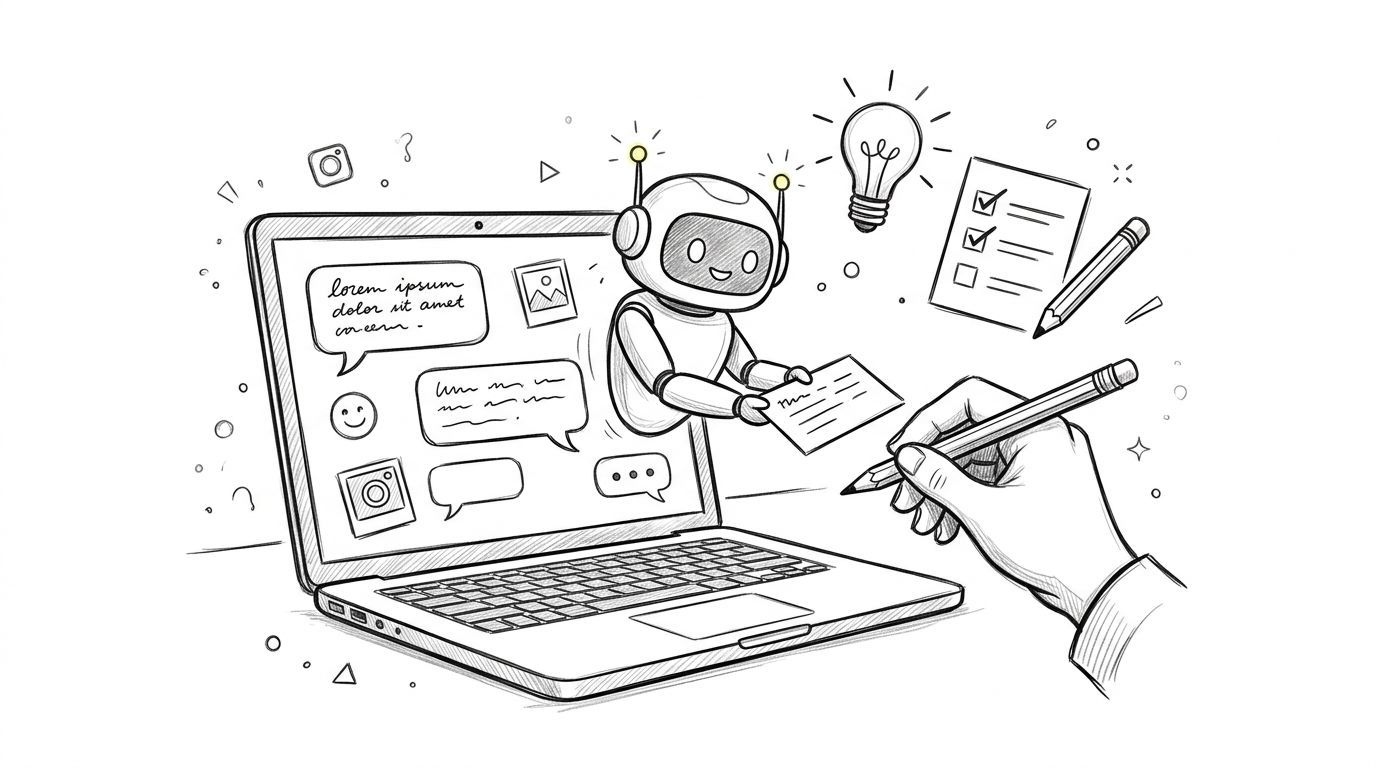
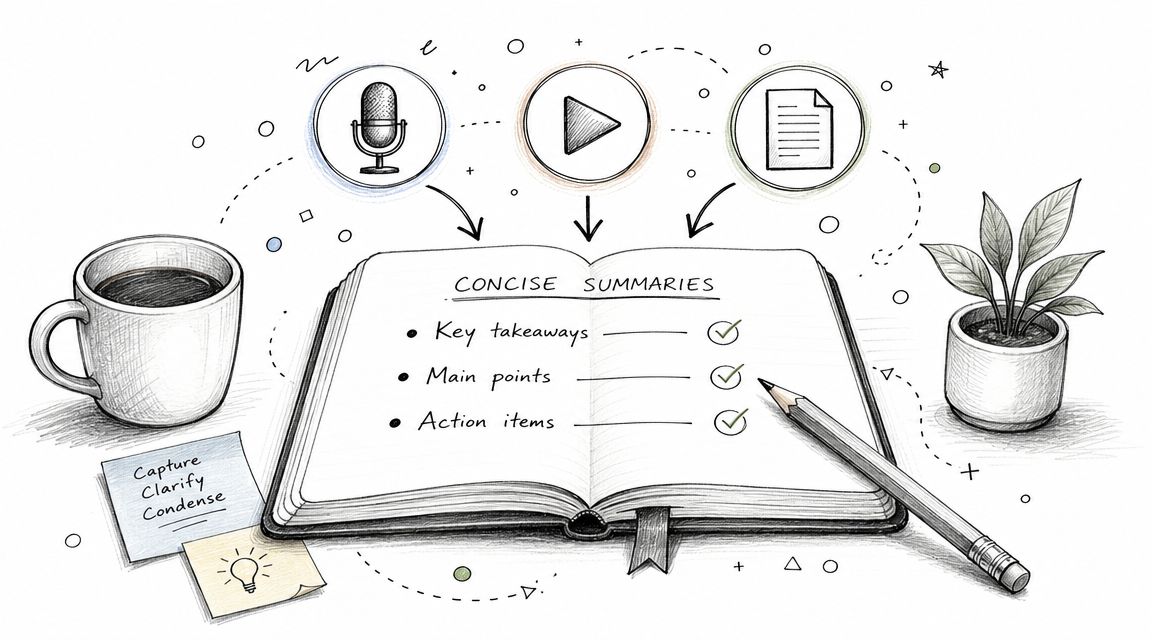
- Utilize Automated Summaries: Use AI-powered tools to create concise summaries from the full transcript, helping learners grasp key takeaways at a glance.
- Enable Search Functionality: Embed a search bar that allows users to query the entire transcript library, making it easy to locate specific information across multiple sessions.
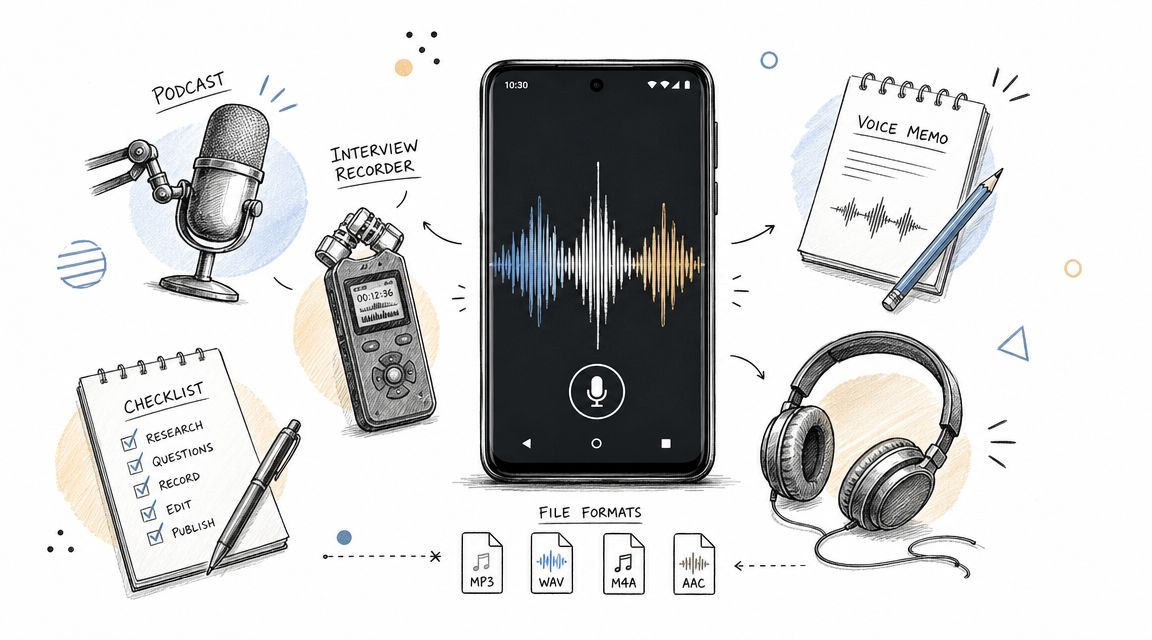
- Offer Multiple Formats: Make transcripts available for download in various formats like PDF, DOCX, or plain text to suit different study habits and offline access needs.
2. Active Note-Taking and Annotation Strategies
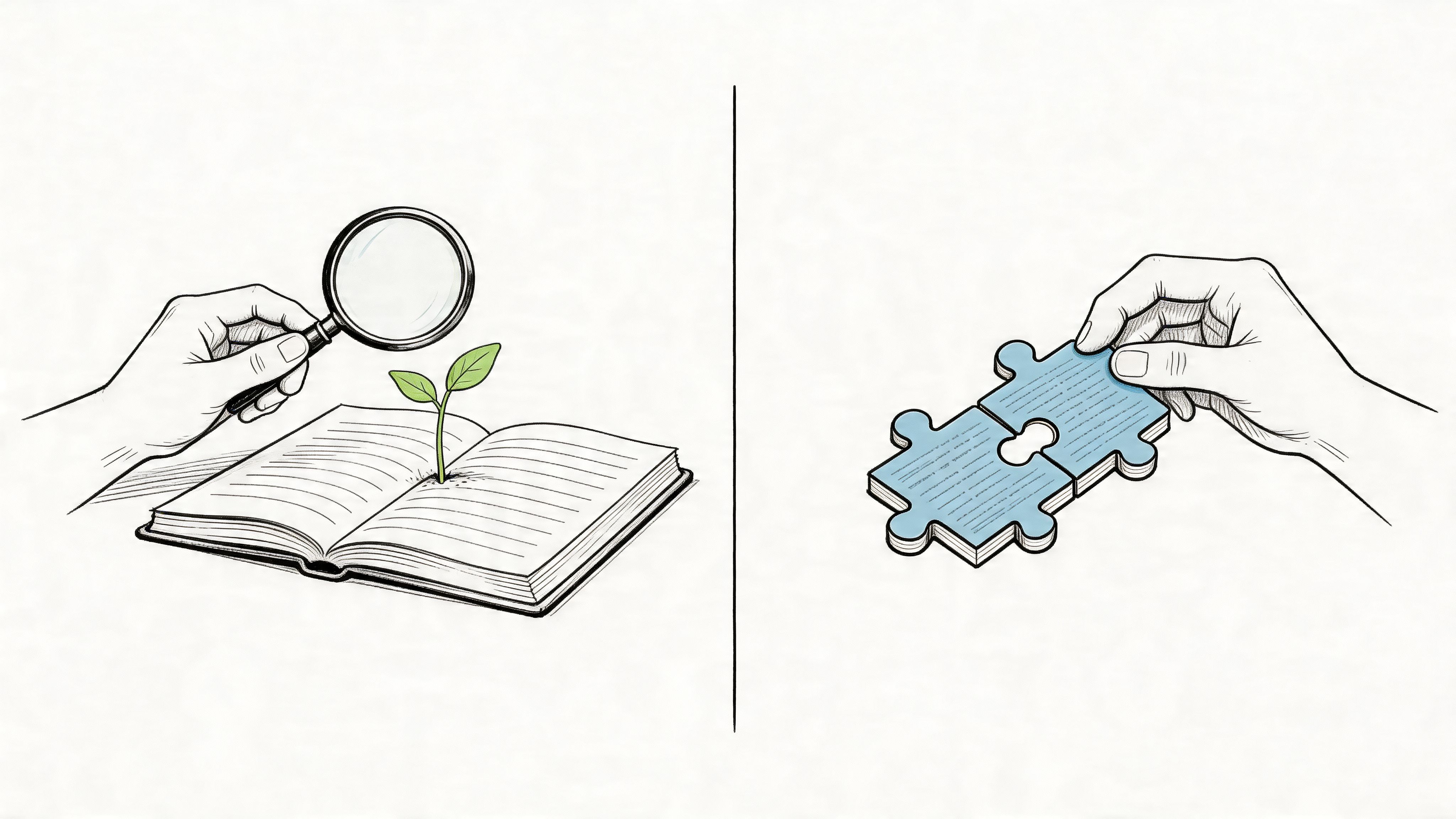
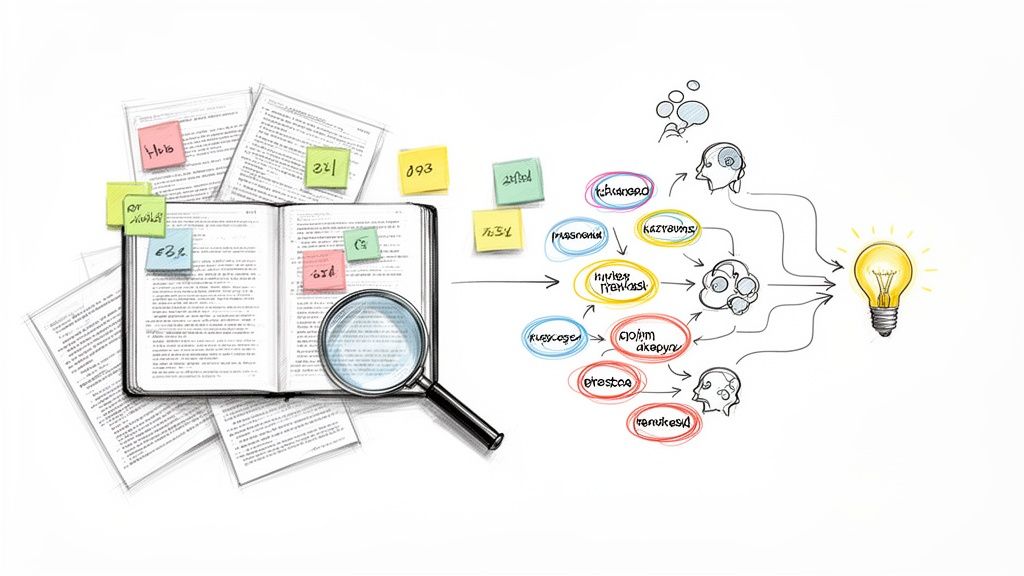
Engaging with online course material requires more than passive consumption; it demands active participation. One of the most impactful best practices for online learning is adopting active note-taking and annotation strategies. This approach transforms learners from spectators into active participants who synthesize, question, and organize information as they absorb it. By directly annotating transcribed lectures or readings, students create a personalized layer of understanding on top of the core content.
This metacognitive practice dramatically improves knowledge retention and comprehension. Methods like the Cornell Note-Taking System and platforms such as Notion or OneNote have popularized structured note-taking. When applied to transcribed online content, these techniques allow learners to highlight key passages, add personal commentary, and build dynamic study guides directly within the learning material, making review sessions far more efficient.
Why Annotation Transforms Learning
Directly annotating a transcript connects a learner's thoughts to specific moments in a lecture. Instead of disconnected notes, students build a rich, contextualized study resource. A learner can highlight a complex definition in a transcript, add a personal note explaining it in their own words, and later search for that specific annotation when studying for an exam. This turns static text into an interactive and personalized learning tool.
Actionable Implementation Checklist
To integrate this practice effectively, follow these steps:
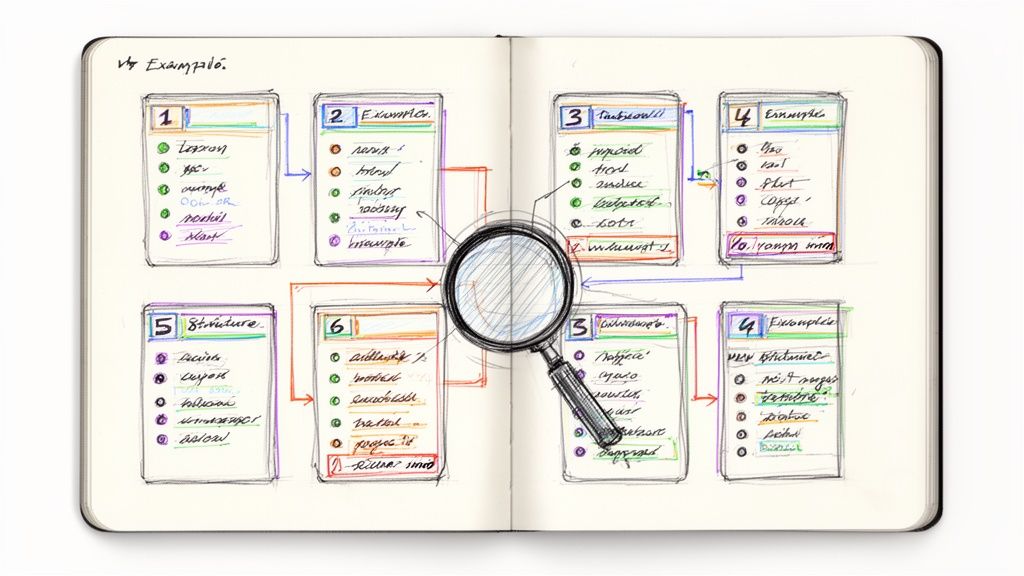
- Teach a Structured Method: Introduce students to a formal annotation system, such as using different colors for key concepts, questions, and examples, to create organized and easily reviewable notes.
- Use Summaries as a Foundation: Encourage learners to use AI-generated summaries from transcripts as a starting point, then expand on these key points with their own detailed annotations and questions.
- Promote Collaborative Annotation: For group projects, use tools that allow multiple users to annotate a single document, fostering discussion and shared understanding of complex topics.
- Create Guided Review Templates: Provide students with templates that prompt them to look for and highlight specific types of information, such as main arguments, supporting evidence, or areas of confusion. For a deeper dive, explore these strategies to improve note-taking skills.
3. Multimedia Content Repurposing and Cross-Platform Distribution
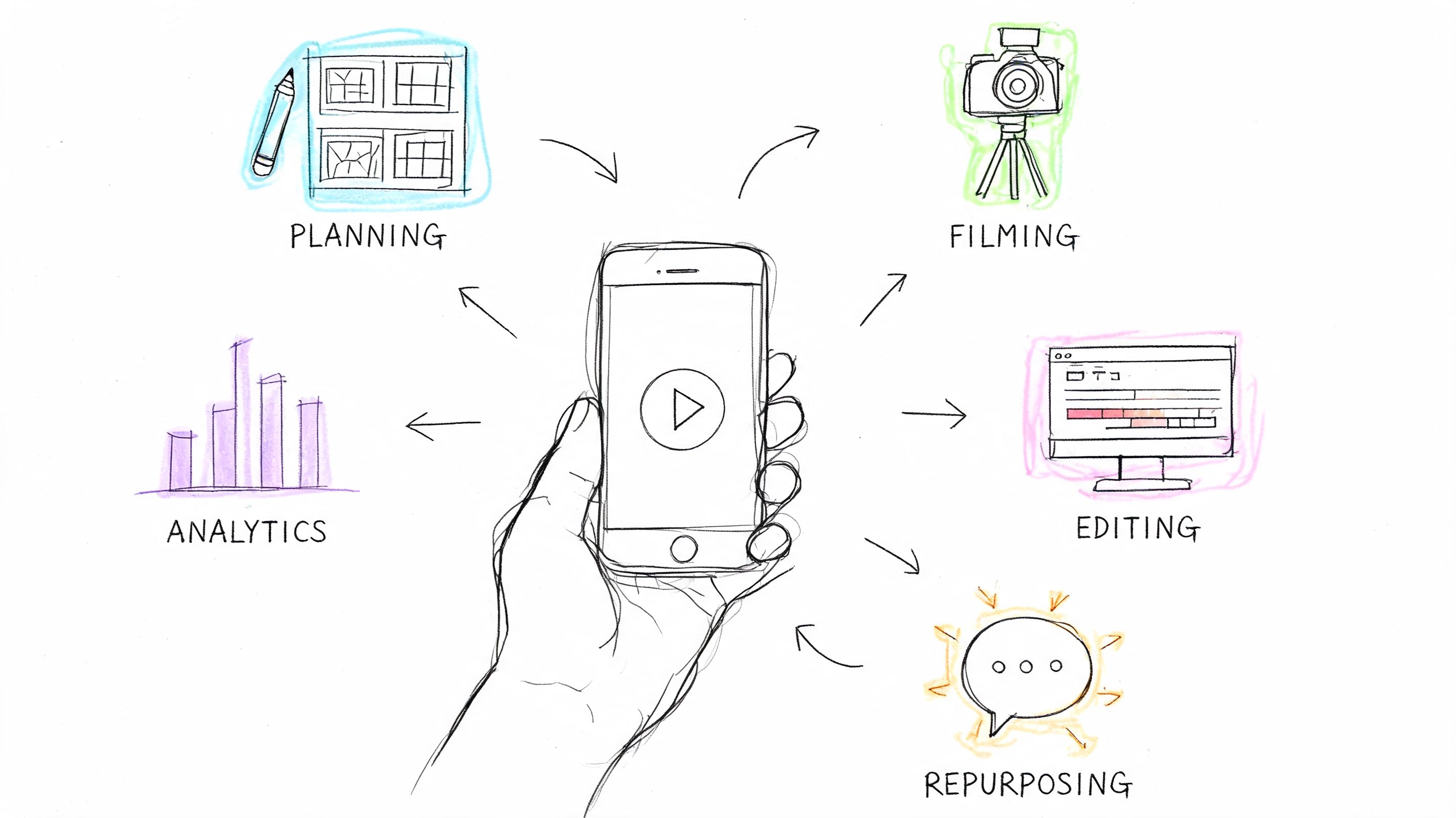
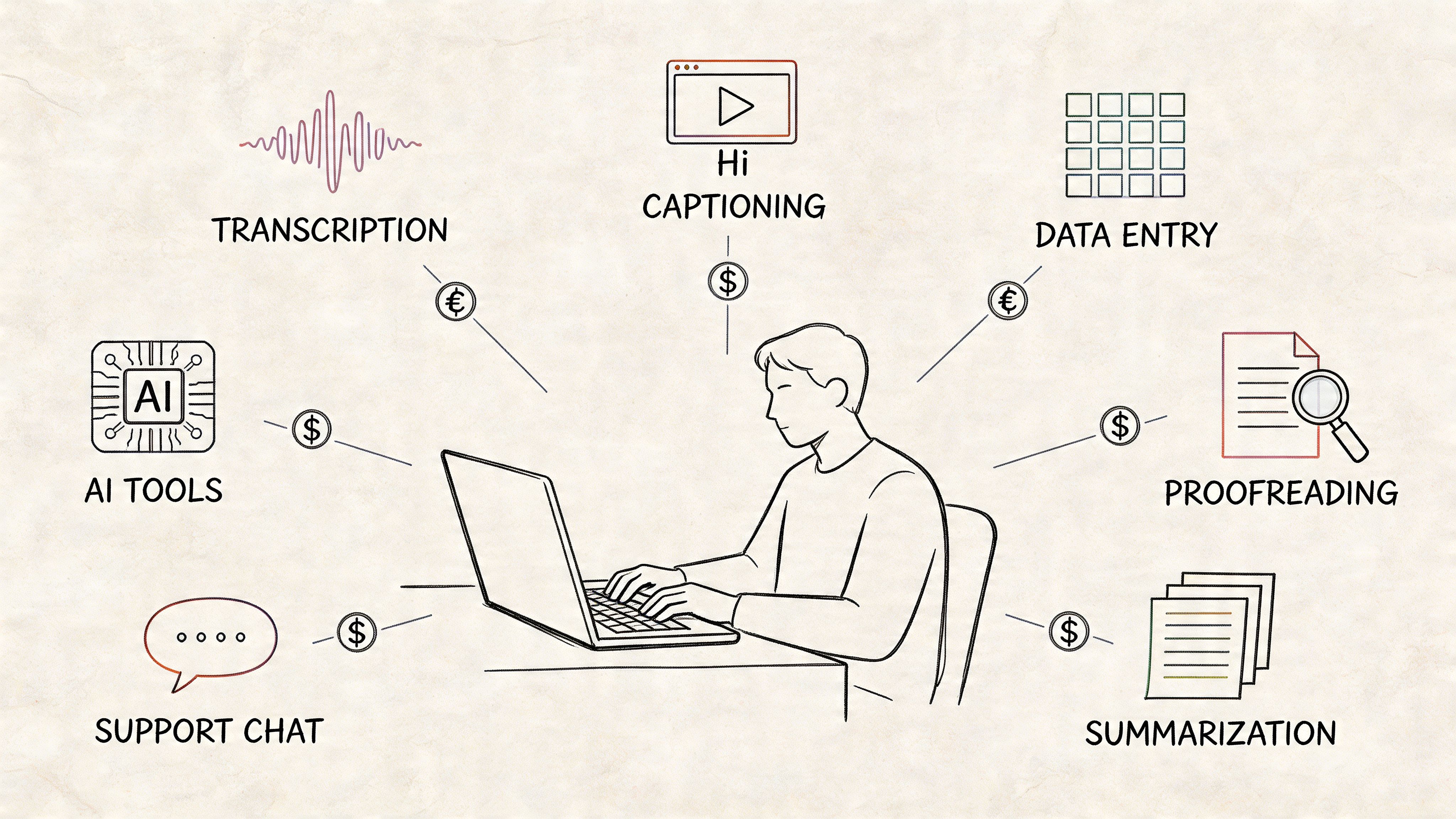
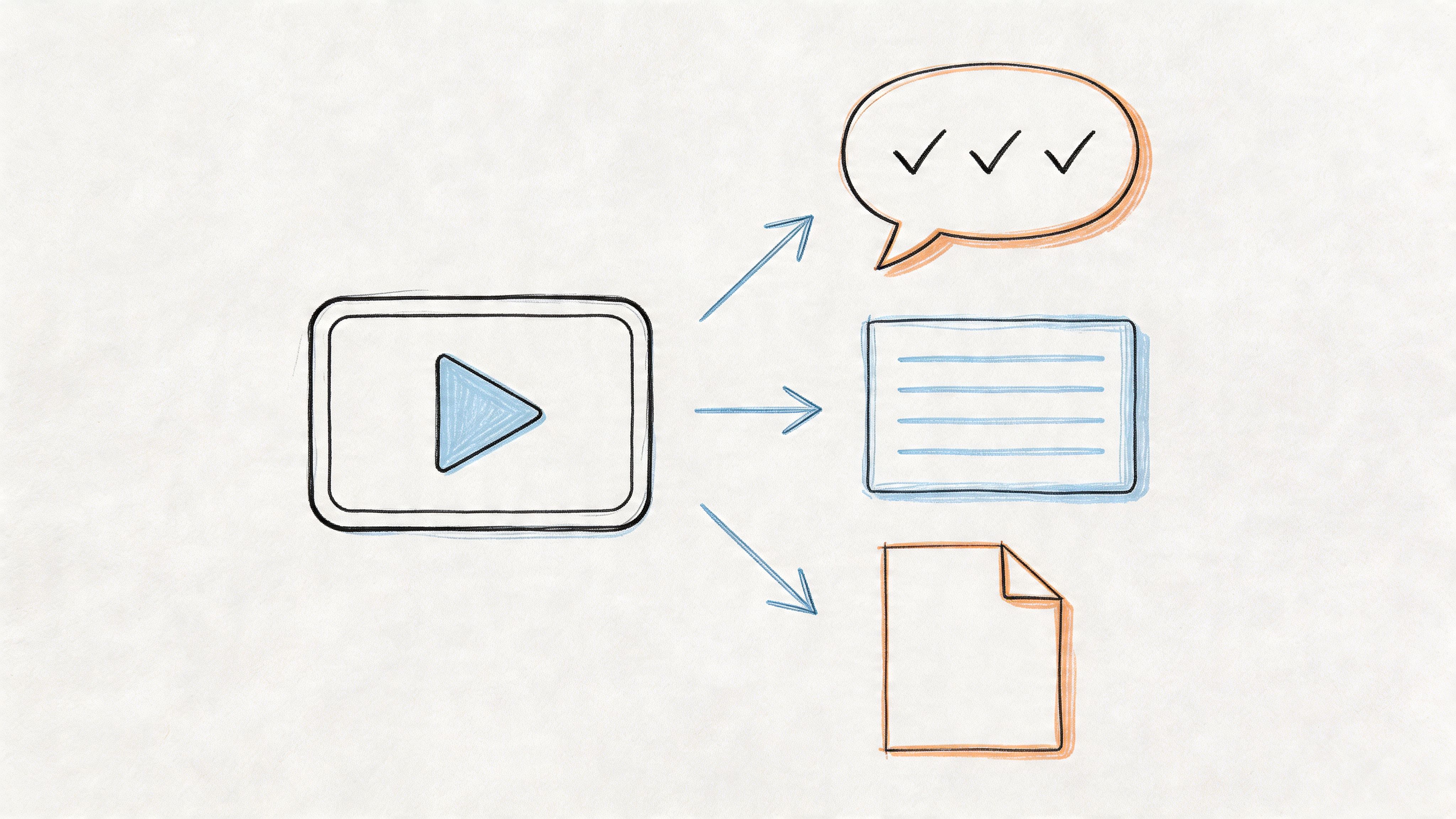
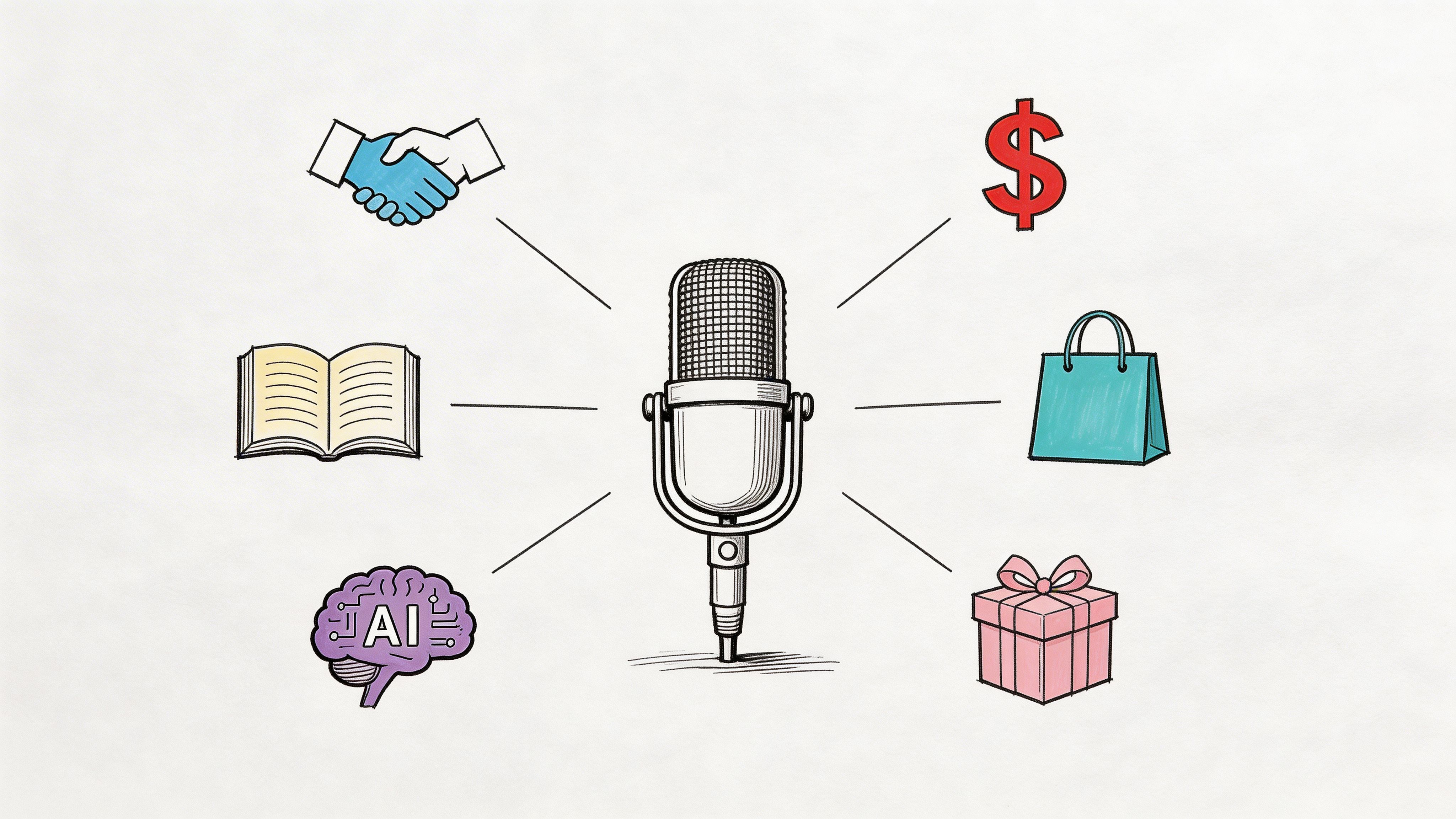
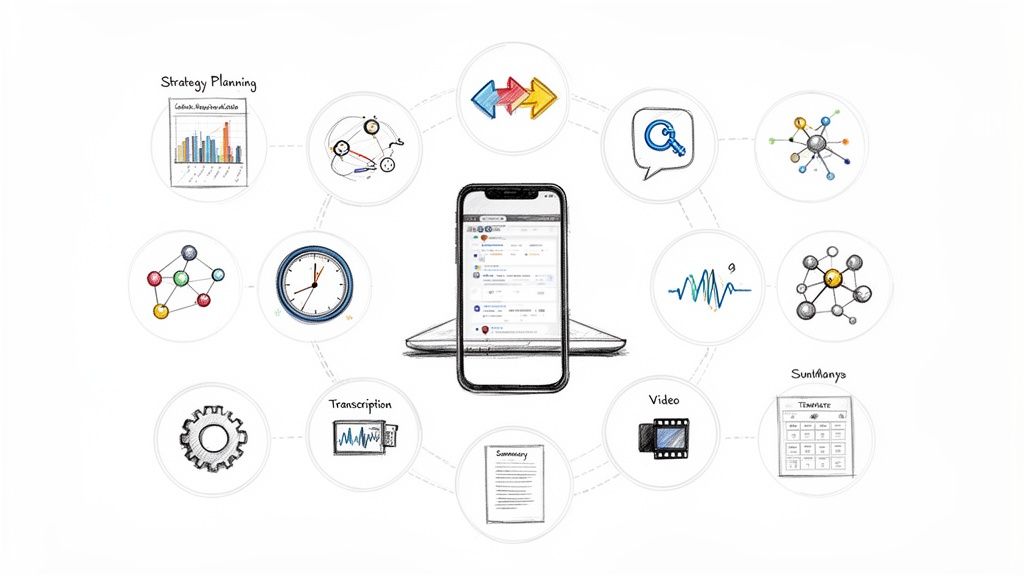
One of the most powerful best practices for online learning is to treat a single piece of educational content as the source for multiple assets. This strategy, known as content repurposing, involves taking a core asset like a video lecture or a webinar and breaking it down into various formats for distribution across different platforms. This maximizes the reach and impact of your educational material, catering to diverse learning preferences and consumption habits.
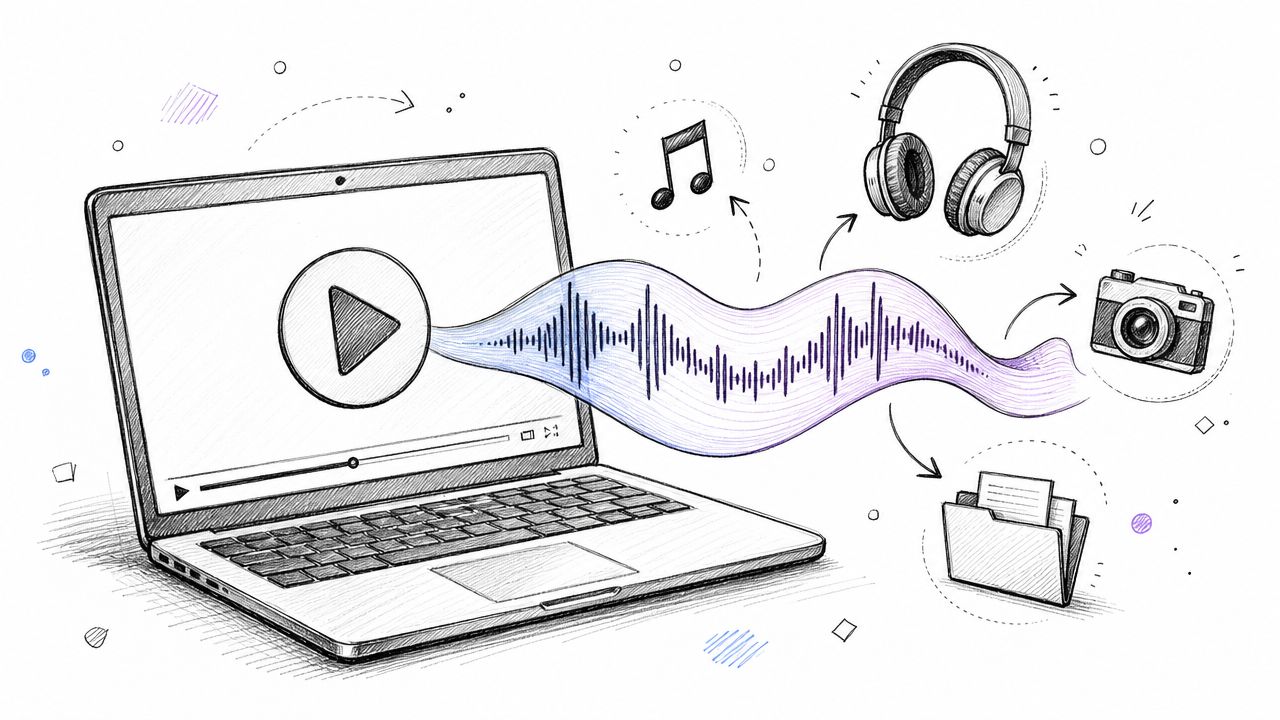
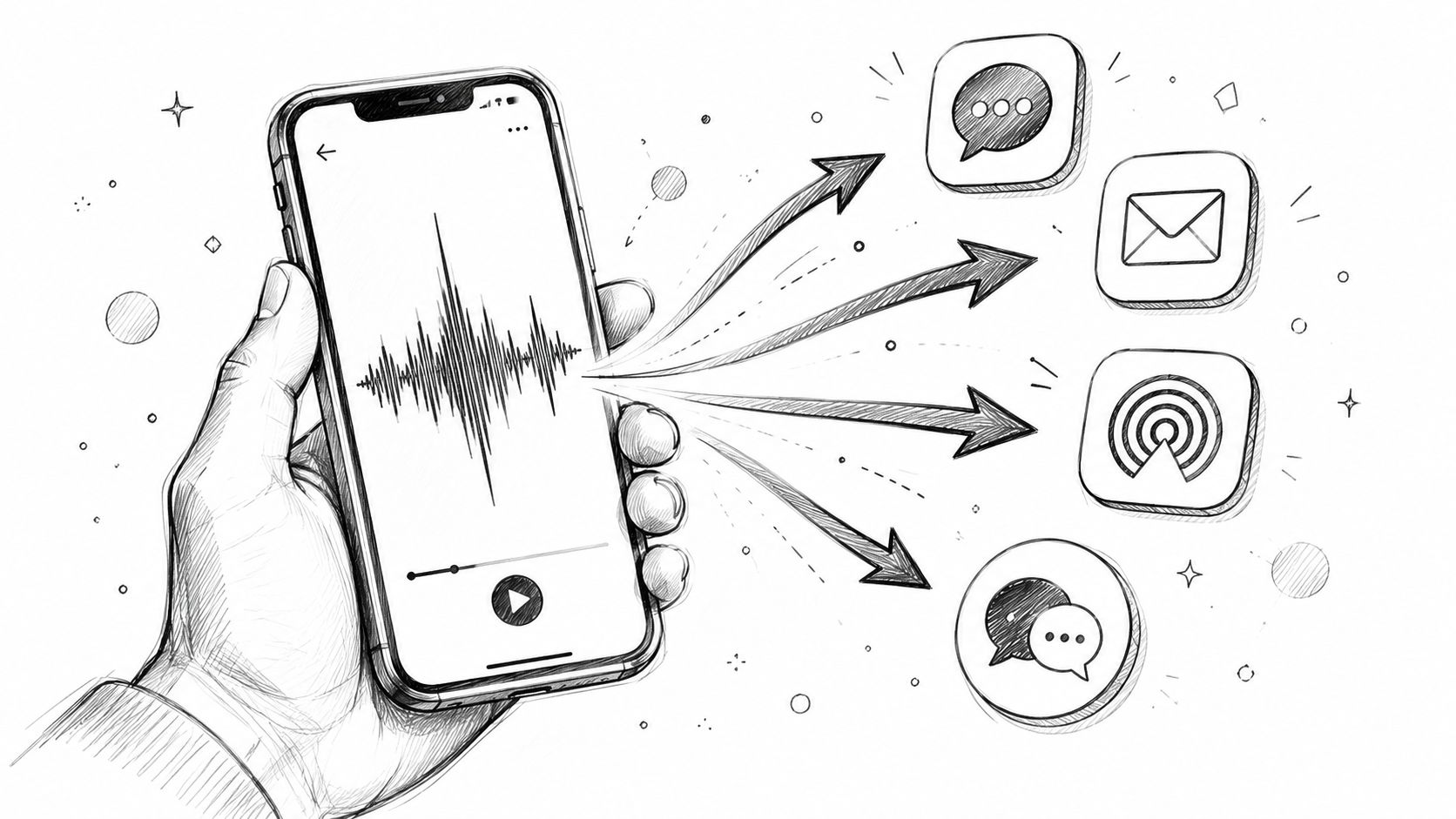
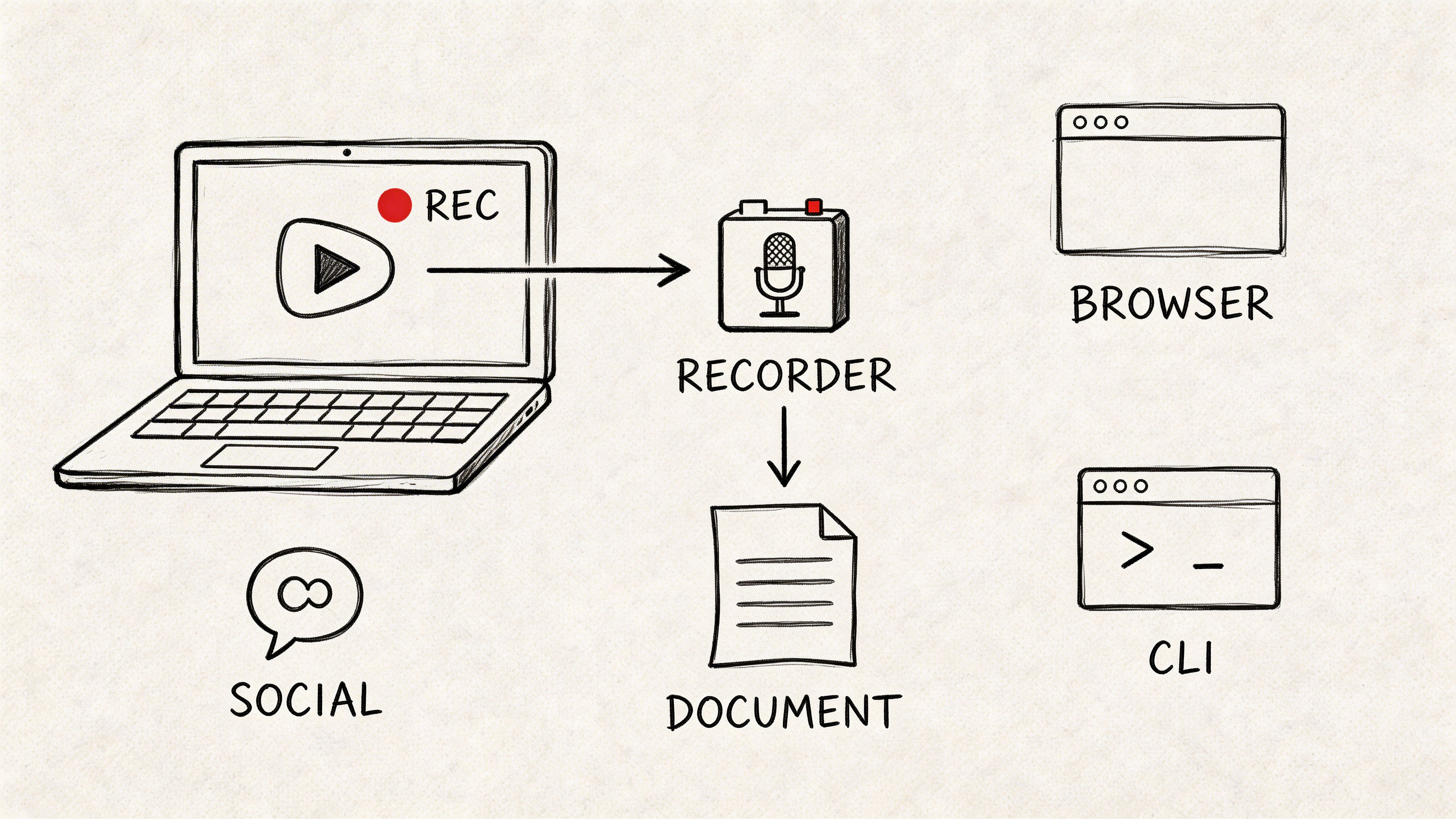
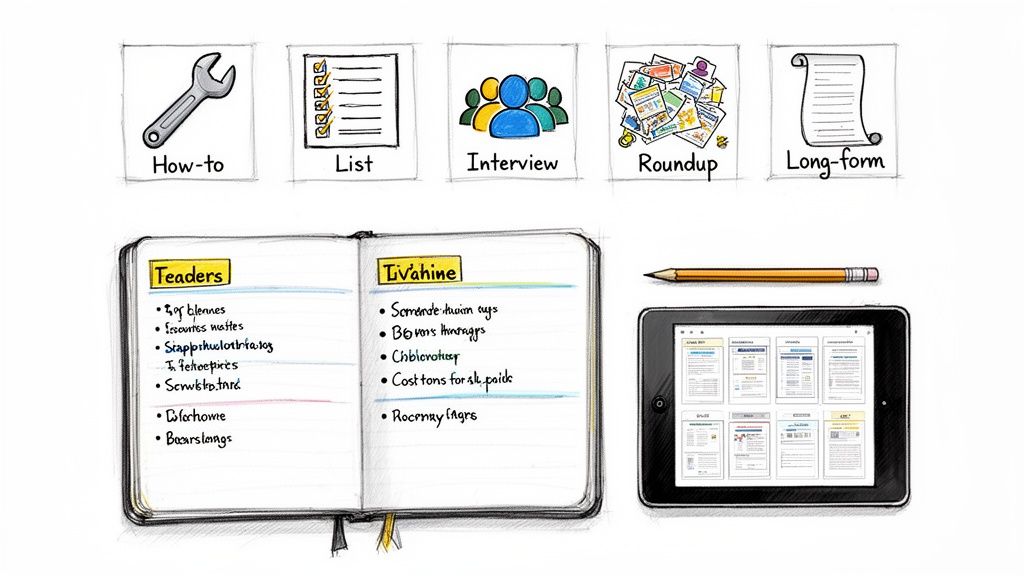
Instead of creating new content for every channel, educators and creators can work smarter. For instance, a one-hour interview can be transformed into a full transcript for a blog post, short video clips for social media, key quotes for LinkedIn, and an audio-only version for a podcast. This approach, popularized by content marketing experts like Gary Vaynerchuk, ensures your valuable insights reach learners wherever they are, whether they prefer reading, watching, or listening.
Why Repurposing Maximizes Learning Impact
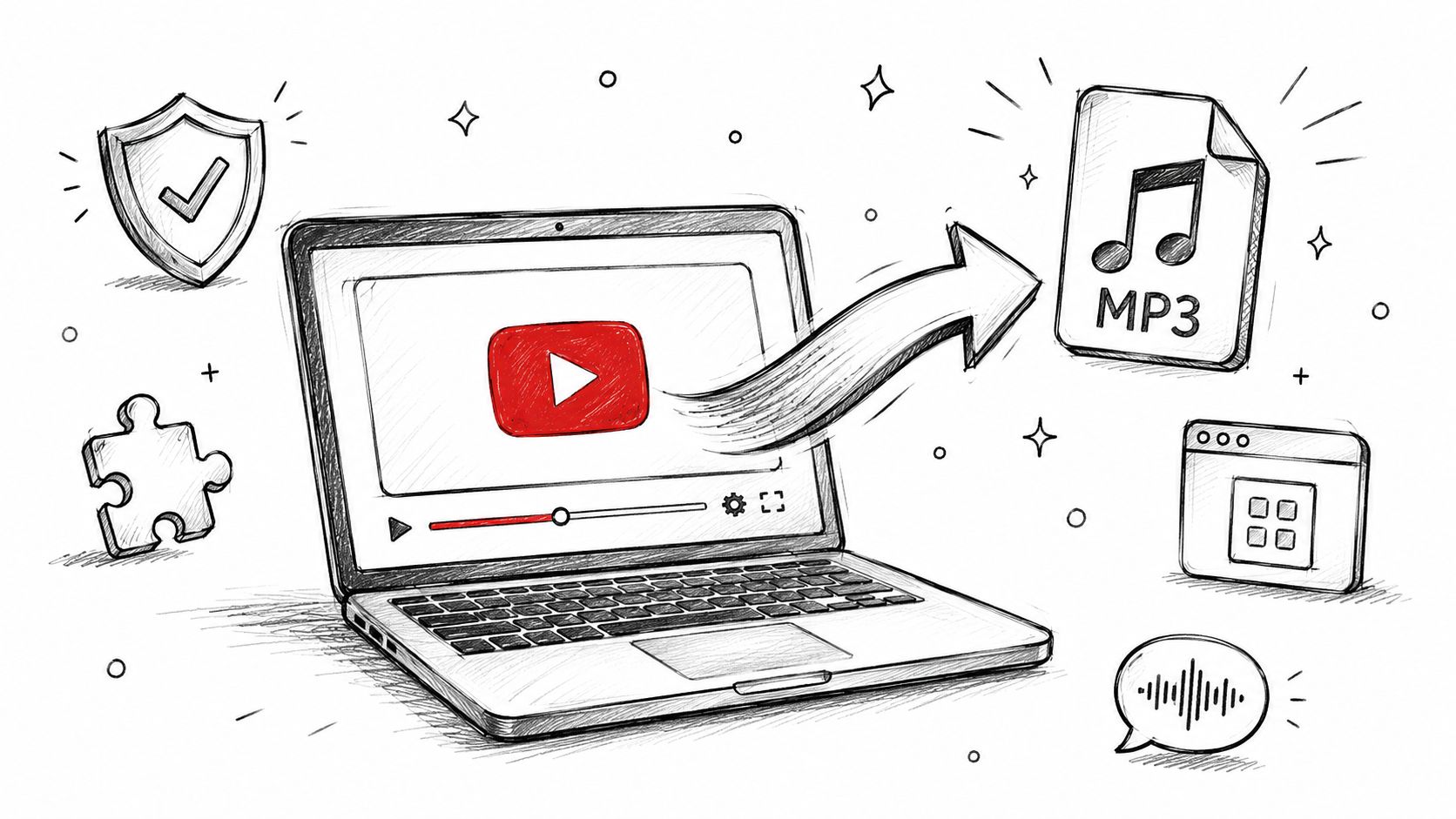
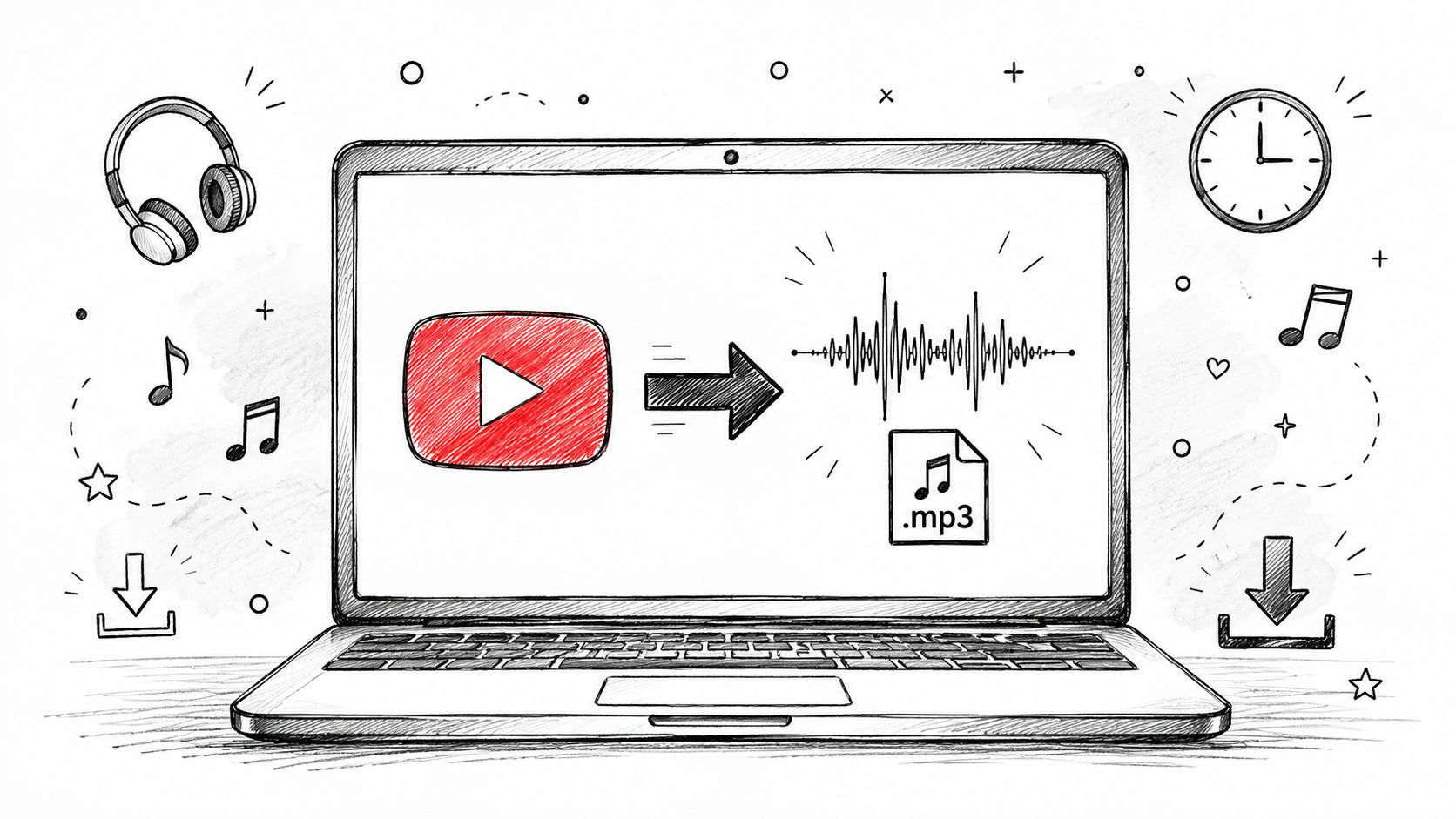
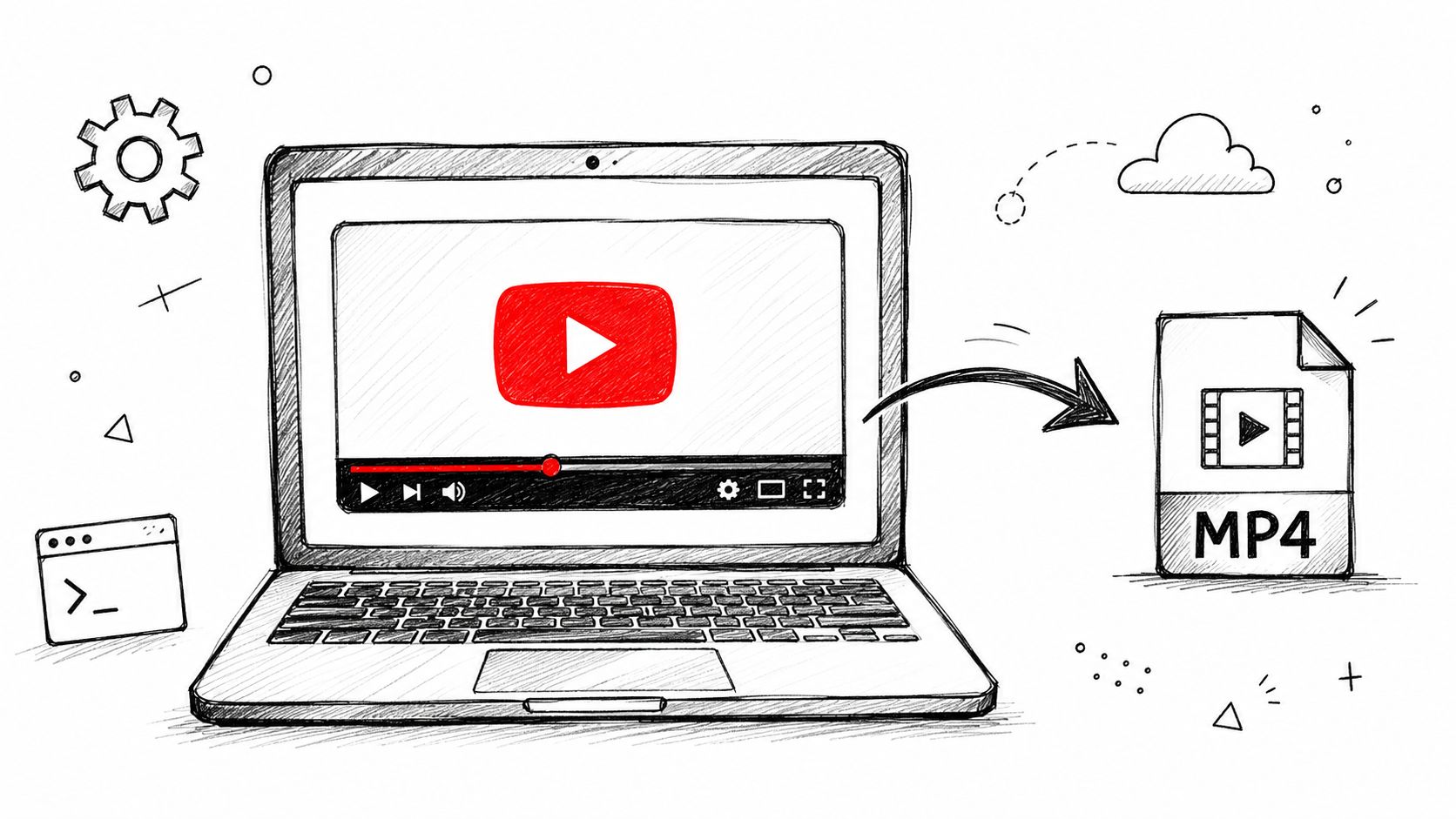
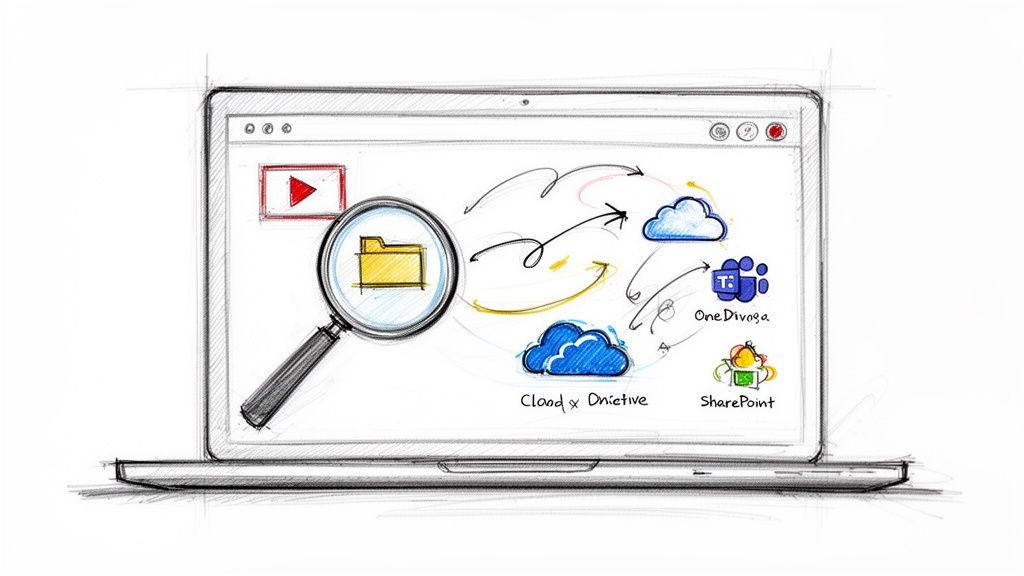
Repurposing reinforces learning by presenting the same core concepts in different contexts and formats. A student might watch a lecture, later read a summary to refresh their memory, and then see a key takeaway as a graphic on social media. This multi-channel exposure strengthens comprehension and retention. It also makes learning more accessible; a detailed blog post derived from a video can be a huge help for those who prefer reading or need to quickly find specific information. You can discover more about the process to transcribe YouTube videos and use them as a foundation for this strategy.
Actionable Implementation Checklist
To integrate this practice effectively, follow these steps:
- Start with a Pillar Asset: Begin with a high-quality, long-form piece of content like a detailed webinar, a comprehensive video tutorial, or an in-depth podcast interview.
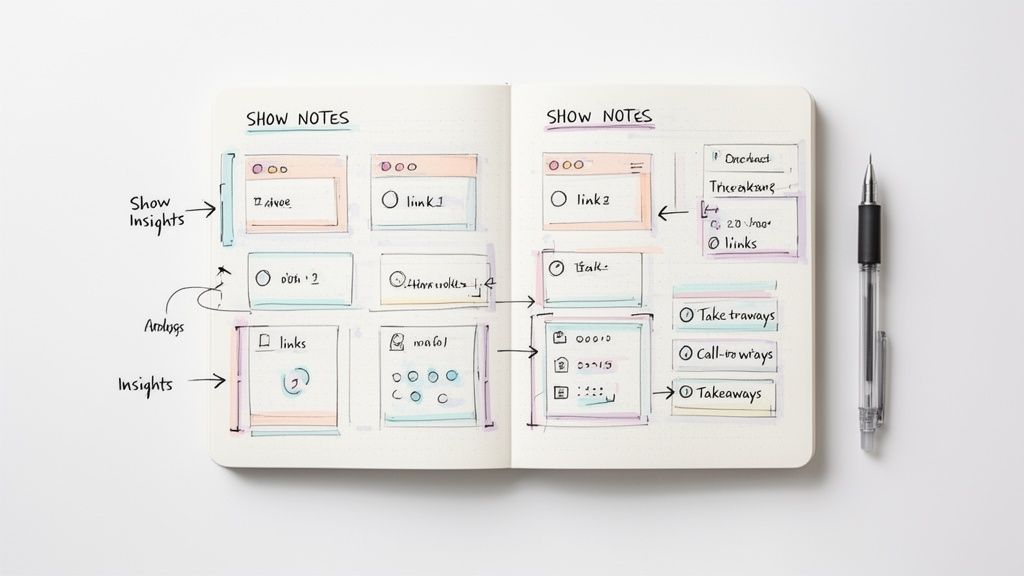
- Generate a Transcript and Summary: Use an AI tool to automatically transcribe the entire audio or video file. This text becomes the raw material for blog posts, articles, and show notes.
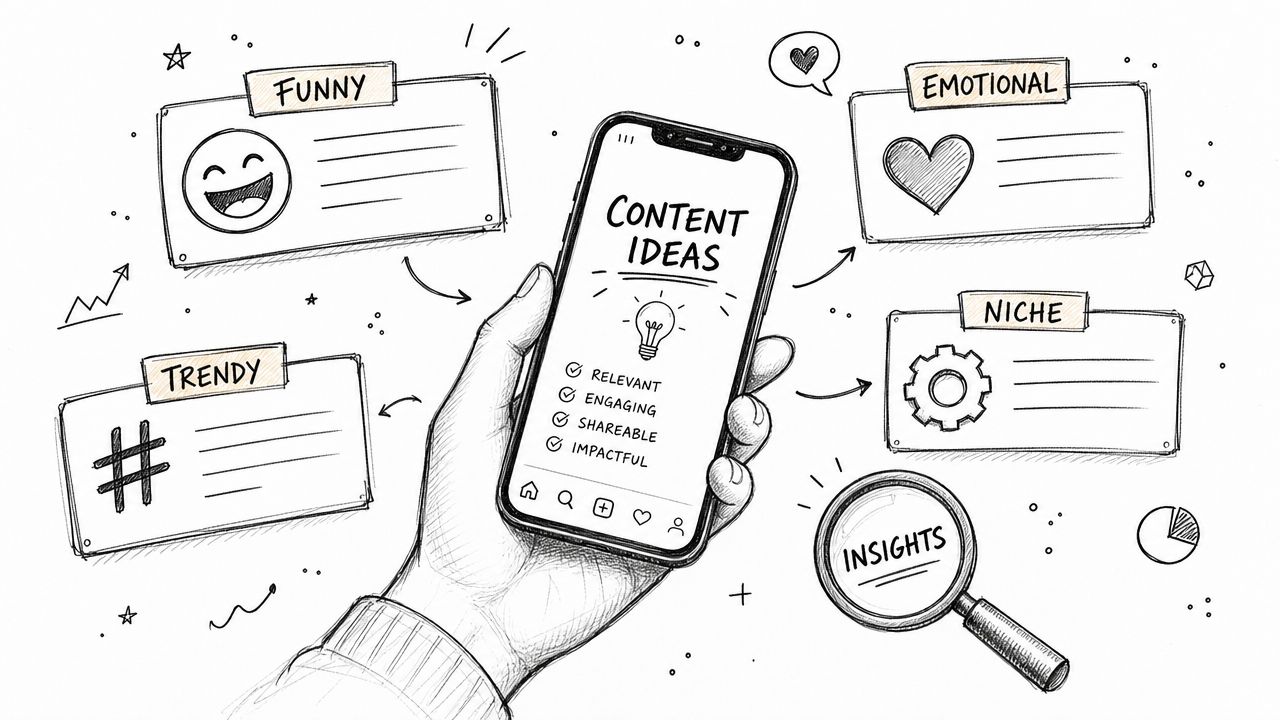
- Extract Micro-Content: Pull out key quotes, compelling statistics, or short, impactful clips from your pillar asset. Convert these into graphics, short videos (Reels/Shorts), or text-based posts for social media.
- Create Multiple Formats: Convert your video into an audio-only podcast episode. Use the transcript to write a detailed blog post or a series of emails. Create a slideshow or PDF summary of the key points.
4. Accessibility-First Content Design
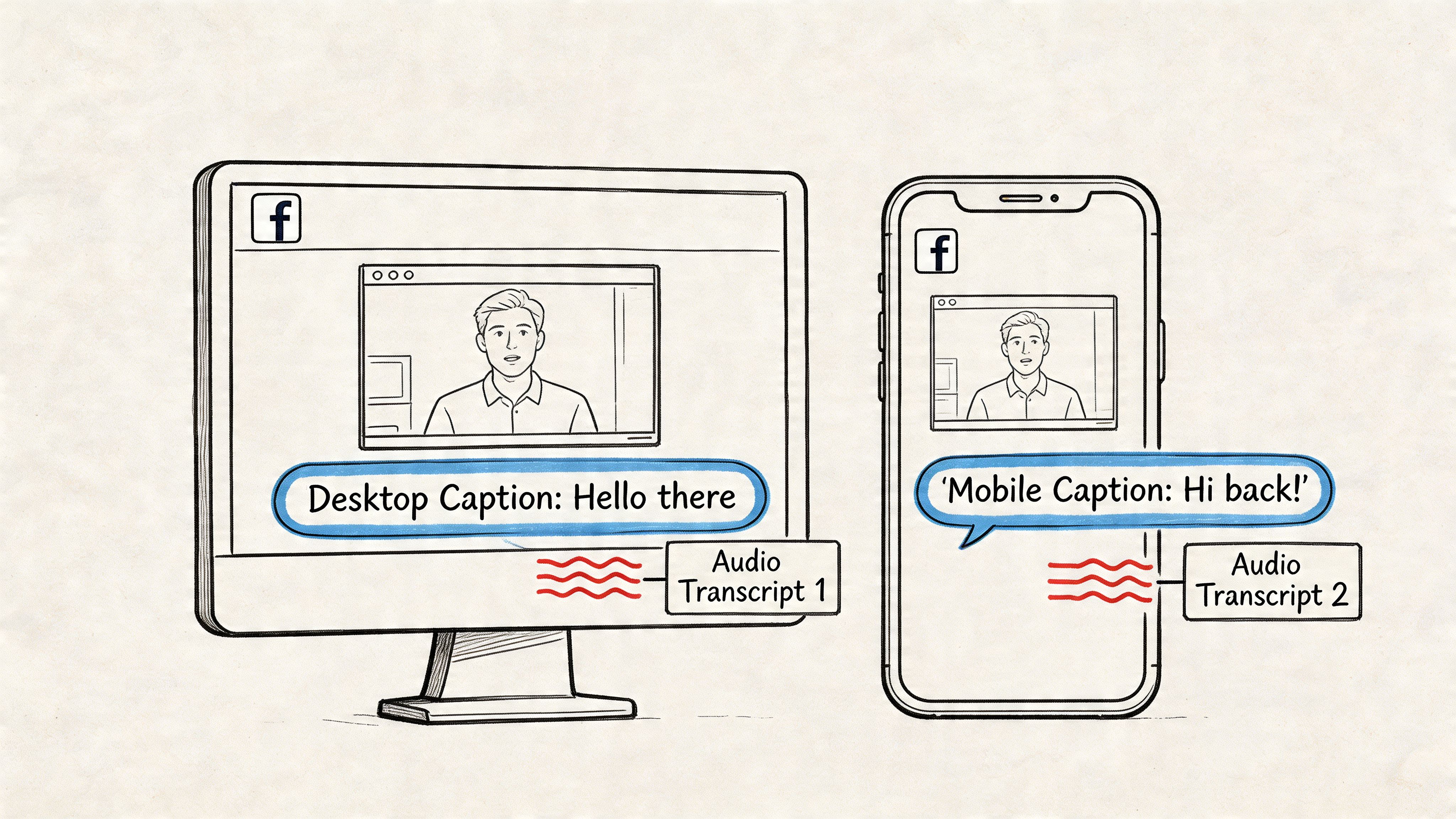
Adopting an accessibility-first design philosophy is a cornerstone of effective online education. This approach involves creating educational content that is inherently usable by all learners from the outset, including those with disabilities. Instead of retrofitting accessibility features, educators proactively build materials like video lectures and podcasts with accurate transcripts, closed captions, and options for various formats. This practice is not only an ethical imperative but also a legal requirement in many regions, ensuring equitable access to information.
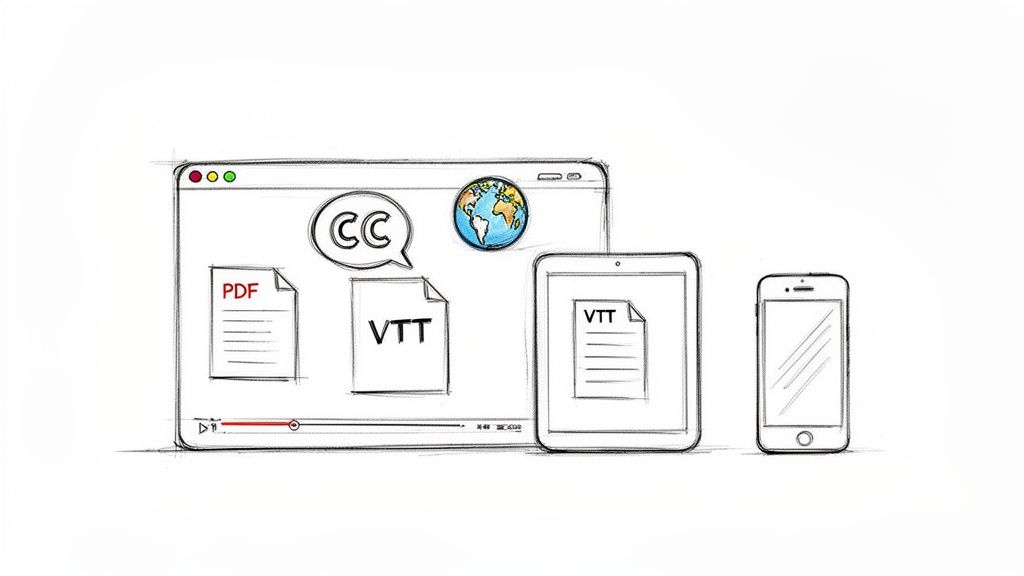
This proactive stance creates a learning environment where no student is left behind. Major universities now routinely provide transcripts for all recorded lectures, while platforms like YouTube have normalized automatic captioning. By prioritizing accessibility, educators can significantly improve comprehension and engagement for everyone, not just for users who rely on assistive technologies.
Why Inclusive Design is Non-Negotiable
Accessible content benefits the entire student body. Captions and transcripts help learners in noisy environments, non-native English speakers, and those who prefer to read along while listening. Providing text-based alternatives to audio and video content also makes course materials searchable, transforming them into powerful, revisable study aids. This inclusive approach is one of the most critical best practices for online learning because it directly impacts student success and equal opportunity.
Actionable Implementation Checklist
To build accessibility into your online courses from the ground up, follow these steps:
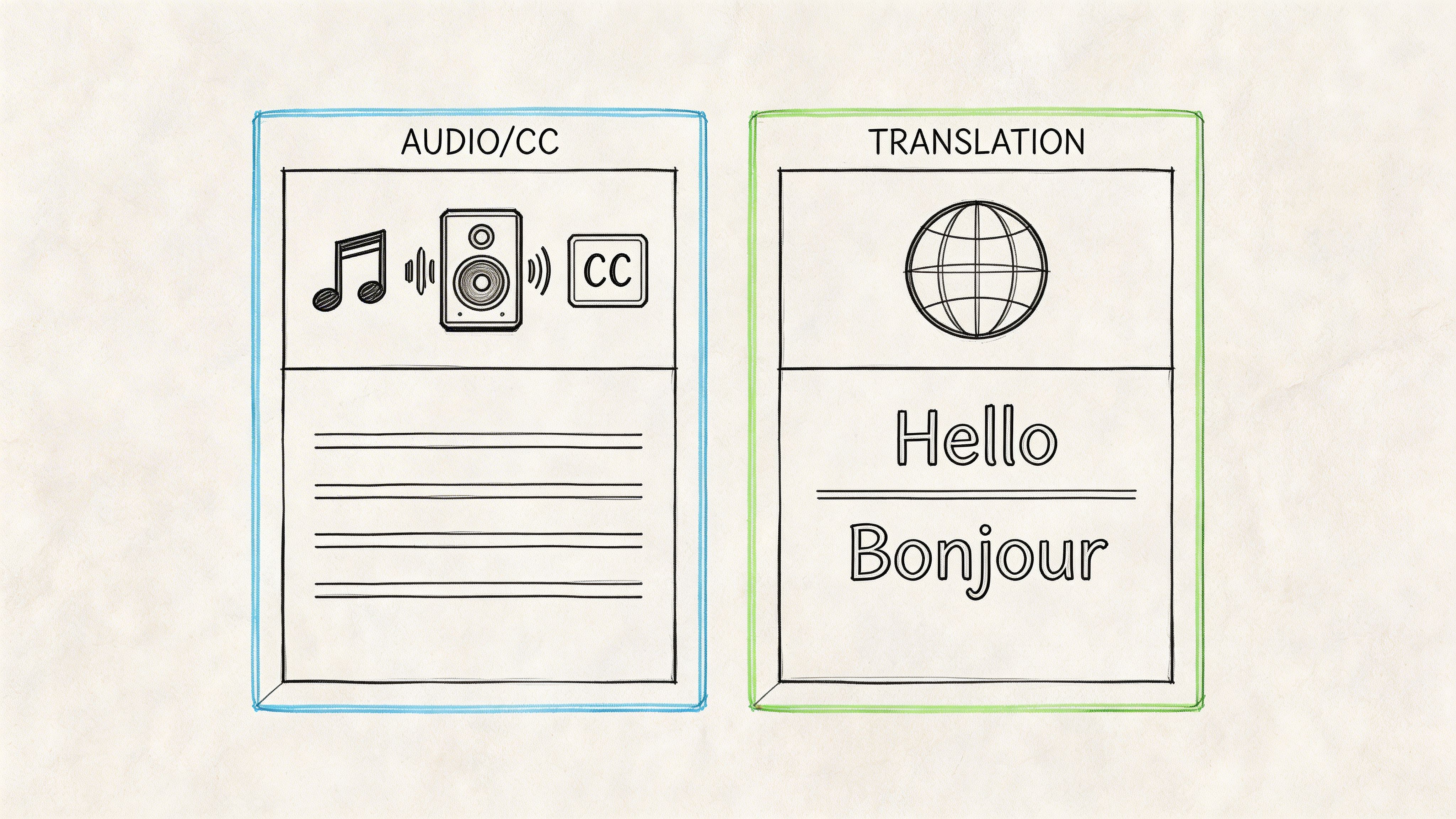
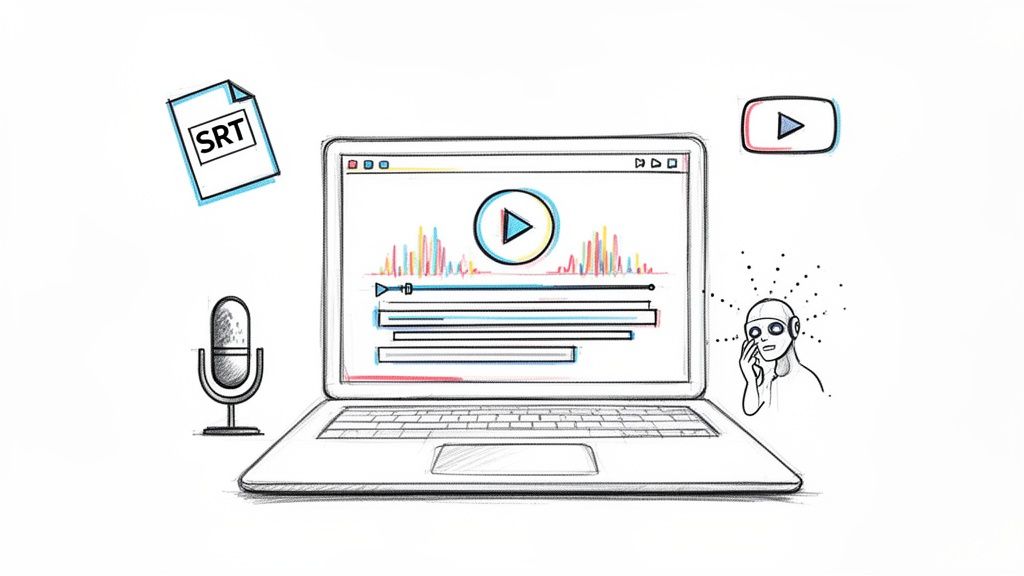
- Provide Timed Captions: Ensure all videos have accurate, synchronized closed captions (not just open captions burned into the video). This allows users to toggle them on or off.
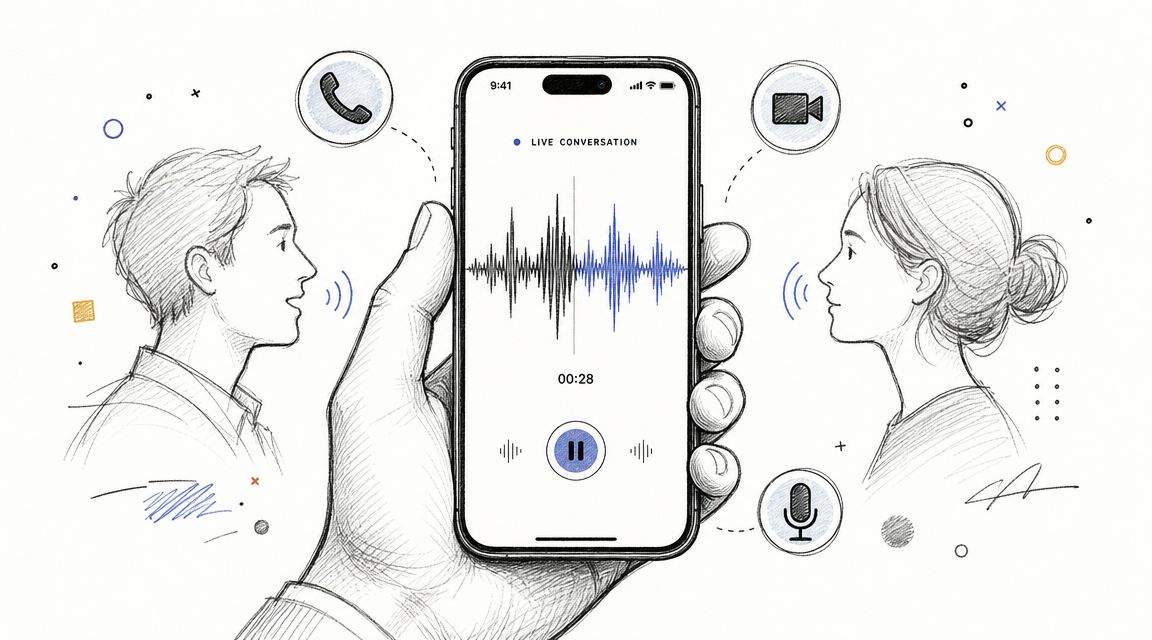
- Offer Full Transcripts: Make complete transcripts available for all audio and video content. Use speaker identification to clarify dialogue in multi-person discussions.
- Supply Multiple Formats: Allow learners to download content in various formats, such as PDF for print, DOCX for editing, and VTT for media players.
- Use Human Review: While AI-driven tools are excellent starting points, always have a human review machine-generated captions and transcripts for critical academic content to ensure 100% accuracy.
- Test with Users: If possible, test your content with users of assistive technology to identify and resolve potential barriers.
5. Spaced Repetition and Smart Review Systems
One of the most powerful best practices for online learning is integrating spaced repetition, a scientifically-proven technique that combats the natural "forgetting curve." This method involves reviewing information at increasing intervals over time, which dramatically improves long-term retention. It transforms passive learning into an active, strategic process of memory consolidation.
This approach is highly effective because it interrupts the process of forgetting just before information is lost, strengthening neural pathways each time a concept is recalled. For instance, medical students use tools like Anki to memorize vast amounts of complex information by turning lecture transcript highlights into digital flashcards. Similarly, language learners can review key vocabulary from podcast transcripts at optimal intervals, ensuring it sticks.
Why Smart Review Systems are a Game-Changer
Pairing spaced repetition with searchable digital content, like transcripts and AI-generated summaries, creates an incredibly efficient study loop. Instead of re-watching an entire hour-long lecture to find a single concept, a learner can use a summary to identify key points and then use the transcript's search function to pinpoint the exact explanation. To optimize long-term retention in your online courses, explore effective spaced repetition strategies that work with your brain's natural memory processes.
Actionable Implementation Checklist
To integrate this practice effectively, follow these steps:
- Extract Key Concepts: Use AI-powered summaries from lecture transcripts as a foundation for creating digital flashcards in apps like Anki or Quizlet.
- Create Targeted Flashcards: Pull direct quotes, definitions, or complex ideas from transcripts to create focused review materials. Include timestamps to quickly reference the original video context if needed.
- Schedule Systematically: Adhere to a scientifically-backed review schedule (e.g., 1 day, 3 days, 7 days, 16 days) to maximize long-term memory encoding.
- Focus on High-Value Information: Prioritize creating review materials for core concepts and challenging topics identified in summaries, rather than trying to memorize everything.
6. Peer Learning and Collaborative Knowledge Building
One of the most powerful best practices for online learning involves shifting the focus from individual consumption to collaborative creation through peer learning. This approach leverages student-to-student interaction to deepen understanding, challenge assumptions, and foster a sense of community in a digital space. By providing shared resources like transcribed lectures, educators empower groups to discuss material asynchronously, highlight key points together, and build a collective knowledge base.
This constructivist method transforms passive learning into an active, social process. It’s particularly effective in breaking down the isolation that can accompany remote education. When students engage with each other over shared content, they not only improve their retention of the material but also develop vital critical thinking, communication, and teamwork skills. Platforms like Slack and Discord have become popular hubs for these learning communities, demonstrating the demand for collaborative educational experiences.
Why Collaborative Knowledge Building is Essential
Peer learning moves beyond simple Q&A sessions; it encourages students to co-create meaning from course materials. When study groups annotate a shared lecture transcript in a collaborative document, they identify different takeaways and build a more comprehensive understanding than any single student could alone. This process solidifies learning and prepares students for real-world collaborative environments, making it a cornerstone of effective online pedagogy.
Actionable Implementation Checklist
To integrate this practice effectively, follow these steps:
- Create Structured Prompts: Design specific discussion prompts around highlights or summaries from transcribed content to guide conversation and ensure focus.
- Use Collaborative Documents: Host shared transcripts on platforms like Google Docs or Notion, allowing students to add comments, annotations, and questions in real-time.
- Reference Timestamps: Instruct students to use specific timestamps from the original audio or video when discussing particular moments, ensuring clarity and context in their conversations.
- Establish Community Norms: Set clear guidelines for respectful and constructive discussion to create a safe and inclusive environment for all participants.
- Archive Collaborative Work: Save annotated documents and discussion threads, creating a valuable, student-generated knowledge base that can be referenced for future study or by subsequent cohorts.
7. Microlearning and Bite-Sized Content Consumption
One of the most impactful best practices for online learning involves breaking down complex topics into small, highly focused learning units. This approach, known as microlearning, delivers content in short bursts (typically 3-5 minutes) that are designed for quick consumption and immediate application. By distilling longer lectures or modules into their core concepts, educators can cater to modern learners' busy schedules and shorter attention spans.
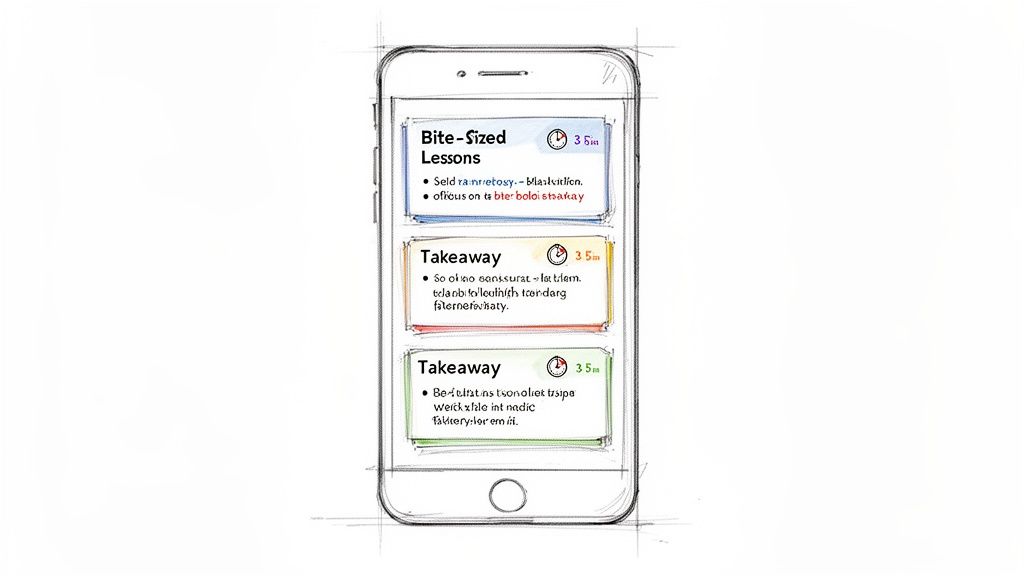
This method respects the learner's time and cognitive load, making education more accessible and less intimidating. Platforms like Duolingo have mastered this with their bite-sized language lessons, while LinkedIn Learning offers a vast library of short, skill-focused videos. This strategy is particularly effective for just-in-time learning, where a professional needs a quick answer to a specific problem without sitting through a lengthy course.
Why Bite-Sized Content is a Game-Changer
Microlearning improves knowledge retention by focusing on a single learning objective per unit, which prevents cognitive overload. Learners can easily fit these lessons into their day, whether on a commute or during a coffee break, making continuous learning a sustainable habit. This on-demand model empowers individuals to build skills incrementally and see immediate progress, which boosts motivation and engagement.
Actionable Implementation Checklist
To integrate microlearning effectively, follow these steps:
- Focus on a Single Objective: Ensure each micro-lesson covers only one concept, skill, or key takeaway. This clarity helps learners absorb and retain the information more effectively.
- Repurpose Existing Content: Use AI-powered summaries from longer lectures or webinars as the foundation for a series of micro-lessons. Extract 3-5 key points from an hour-long video to create a week's worth of bite-sized content.
- Vary Your Formats: Present micro-content in diverse formats such as short videos, infographics, quick quizzes, or interactive flashcards. This keeps the experience fresh and caters to different learning preferences.
- Enable "Deeper Dive" Links: Include timestamps or links back to the original, long-form content. This allows motivated learners to easily explore the topic in greater detail if they choose.
8. Personalized Learning Paths and Adaptive Content Sequencing
A truly powerful best practice for online learning involves creating personalized learning paths with adaptive content sequencing. This student-centric approach tailors educational experiences to individual needs, learning styles, and pace, moving away from a one-size-fits-all model. By leveraging technology, educators can design systems that recommend relevant material, allow learners to skip concepts they have already mastered, and suggest supplementary resources when they struggle.
This method significantly boosts engagement and improves learning outcomes by making the educational journey more relevant and efficient for each individual. Platforms like Khan Academy and Duolingo have popularized this model by using personalized dashboards and adaptive algorithms to guide learners through content based on their performance, creating a more effective and motivating experience.
Why Adaptive Content is a Modern Necessity
Adaptive sequencing transforms the learning process from a static lecture into a dynamic, responsive dialogue. When content is well-organized with clear topic tags and metadata, an adaptive system can intelligently guide a learner. For instance, a system can use automatically generated summaries of video lectures to help a student quickly find and review a specific prerequisite concept before tackling a more advanced topic. This ensures learners have the foundational knowledge they need to succeed.
Actionable Implementation Checklist
To integrate this practice effectively, follow these steps:
- Organize Content with Metadata: Use clear topic tags, keywords, and metadata for every piece of content. This structured data is the foundation for any recommendation or adaptive algorithm.
- Create Interconnected Learning Pathways: Design learning paths that reference specific transcript sections or timestamped video segments. This allows for granular, targeted recommendations.
- Leverage Learning Analytics: Use data on student performance, such as quiz scores and content interaction, to continuously refine and improve the personalized pathways.
- Maintain Learner Autonomy: While providing intelligent suggestions and a recommended path, always allow learners the control to navigate the content freely and make their own choices.
9. Flipped Classroom Model with Pre-Class Content Review
One of the most transformative best practices for online learning is the adoption of the flipped classroom model, especially when enhanced with pre-class content review. This pedagogical strategy inverts the traditional teaching dynamic: students engage with core instructional materials, like recorded lectures, on their own time before class. This frees up synchronous sessions for collaborative, hands-on activities, discussions, and deeper problem-solving.
By providing high-quality, searchable transcripts of this pre-class content, educators empower students to prepare more efficiently. This approach, famously championed by pioneers like Jon Bergmann and Aaron Sams, as well as Salman Khan of Khan Academy, maximizes the value of direct interaction with instructors and peers. It shifts the focus from passive information reception to active knowledge application.
Why the Flipped Model Maximizes Engagement
A flipped classroom turns live sessions into vibrant learning labs rather than monologues. When students arrive with a foundational understanding, they are better equipped to ask insightful questions and tackle complex challenges. This model makes learning an active process, as students must take responsibility for their initial content review, fostering greater autonomy and critical thinking skills.
Actionable Implementation Checklist
To effectively implement a flipped classroom model, consider these steps:
- Create Clear Expectations: Clearly communicate pre-class assignments, providing timelines and outlining what students are expected to know before the live session.
- Leverage Transcribed Content: Provide accurate transcripts of all video lectures. This allows students to quickly search for key terms, review complex sections, and even create their own study guides.
- Develop Pre-Class Quizzes: Use brief, low-stakes quizzes based on the pre-class materials to gauge understanding and ensure students come prepared.
- Design Engaging In-Class Activities: Plan activities like case study discussions, group problem-solving, or Q&A sessions that build directly upon the pre-class content.
- Provide Multiple Formats: Offer pre-class materials in various formats, such as video with captions, a downloadable transcript, and a concise summary to accommodate diverse learning preferences.
10. Formative Assessment and Data-Driven Instruction Improvement
One of the most powerful best practices for online learning involves integrating formative assessment with data-driven instructional adjustments. This approach uses ongoing, low-stakes feedback to monitor student understanding in real time. By analyzing this data, educators can dynamically refine their teaching methods, address misconceptions as they arise, and offer personalized support to ensure no learner is left behind.
This continuous feedback loop moves beyond traditional, end-of-unit summative tests. Instead, it embeds assessment directly into the learning process. Modern learning management systems (LMS) like Canvas and Blackboard have popularized this model, providing tools that help educators gather and interpret student performance data to inform their next instructional steps, a concept heavily influenced by the work of researchers like Dylan Wiliam.
Why Data-Driven Feedback is Crucial
Analyzing student responses, particularly from recorded discussions or video presentations, provides a rich source of qualitative data. Transcribing this spoken content makes it possible to search for patterns, identify common errors, and pinpoint specific conceptual hurdles at scale. A science instructor, for instance, could review transcripts of students explaining a lab procedure to spot and correct a shared misunderstanding before it becomes ingrained.
Actionable Implementation Checklist
To integrate this practice effectively, follow these steps:
- Record and Transcribe Assessments: Ask students to record short video presentations, verbal explanations, or participate in group discussions, then use a tool like Whisper AI to create accurate, searchable transcripts of their responses.
- Analyze for Patterns: Scan the transcribed text for recurring phrases, incorrect terminology, or hesitation points that signal confusion. This helps identify common misconceptions across the cohort.
- Provide Targeted Feedback: Use insights from the transcript analysis to adjust upcoming lessons or provide specific, individualized feedback. You can even share annotated transcripts with students for self-reflection.
- Aggregate Data Over Time: Collect and compare formative assessment data from different points in the course to track student progress and evaluate the effectiveness of your instructional changes.
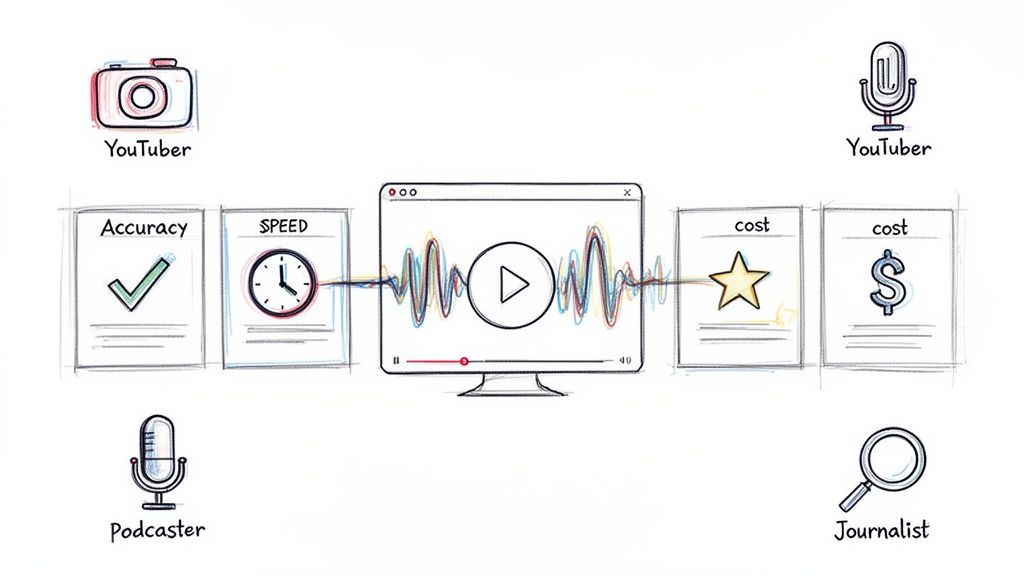
Comparison of 10 Online Learning Best Practices
Putting It All Together: Your Blueprint for Modern Online Learning
The journey through the modern landscape of digital education reveals a powerful truth: effective online learning is no longer about simply moving a traditional classroom online. It’s about building a dynamic, accessible, and deeply engaging ecosystem. The strategies we've explored, from asynchronous learning with transcribed content to personalized learning paths, represent the core components of this new paradigm. These aren't just isolated tips; they are interconnected principles that work together to create a more holistic and effective educational experience for everyone involved.
Adopting these best practices for online learning is a commitment to shifting from passive content delivery to active knowledge construction. It means recognizing that learners thrive when they have control, flexibility, and multiple ways to interact with the material. A single video lecture, for example, can be transformed into a multifaceted learning asset. By transcribing it, you instantly unlock its potential for asynchronous review, create a searchable text document for active note-taking, and lay the foundation for repurposing it into blog posts, study guides, or social media micro-content.
From Theory to Action: Your Implementation Roadmap
Implementing these concepts doesn't require a complete overhaul overnight. The most sustainable approach is incremental and strategic. Start by identifying the single biggest friction point in your current workflow or your learners' experience.
- Is engagement low? Focus on implementing peer learning forums or introducing formative assessments with interactive quizzes to create more feedback loops.
- Are learners overwhelmed? Break down your long-form content into bite-sized microlearning modules and create clear, personalized learning paths.
- Is your content reaching its full potential? Prioritize a content repurposing strategy, using transcriptions as the source material for a variety of formats.
- Are you meeting accessibility standards? Make accessibility-first design your immediate priority. Start by providing accurate captions and transcripts for all video and audio content.
The core theme connecting all these practices is leverage. By smartly using technology and thoughtful design, you amplify the impact of every piece of content you create. An educator can spend less time repeating information and more time facilitating discussion. A content creator can reach a wider, more diverse audience. A student can learn in a way that best suits their individual needs and schedule. This strategic approach ensures your efforts are not just about creating more content, but about creating more meaningful and lasting learning outcomes.
The Future of Learning is Flexible and Accessible
Ultimately, mastering these best practices for online learning is about future-proofing your educational approach. The digital world is constantly evolving, but the fundamental human need for clear, accessible, and engaging information remains constant. By building a system that is inherently flexible, you empower learners to take ownership of their education, transforming them from passive spectators into active participants in their own growth. This is the blueprint for not just better online courses, but for a more equitable and effective future of learning.
Ready to supercharge your online learning content? Start by unlocking the power of your audio and video with Whisper AI. Instantly generate highly accurate transcripts and captions to make your content accessible, searchable, and ready for repurposing, putting the best practices for online learning into action today. Whisper AI