What Is Content Repurposing? A Guide to Working Smarter, Not Harder
Content repurposing is a powerful strategy for taking one piece of high-quality content and adapting it into multiple formats to reach a wider audience across different platforms. It’s the "create once, distribute many times" approach, designed to maximize the value you get from every piece of work you produce. Instead of constantly being on a content creation treadmill, you focus on getting the most out of what you’ve already created.
What Is Content Repurposing and How Does It Work?
Imagine a chef who creates one amazing, versatile sauce. They use it as a base for a pasta dish, a marinade for grilled chicken, and a dip for appetizers. Each dish offers a completely different experience, but they all stem from that single, core creation.
That’s exactly what content repurposing is. It's not about lazily copy-pasting the same article everywhere and hoping for the best.
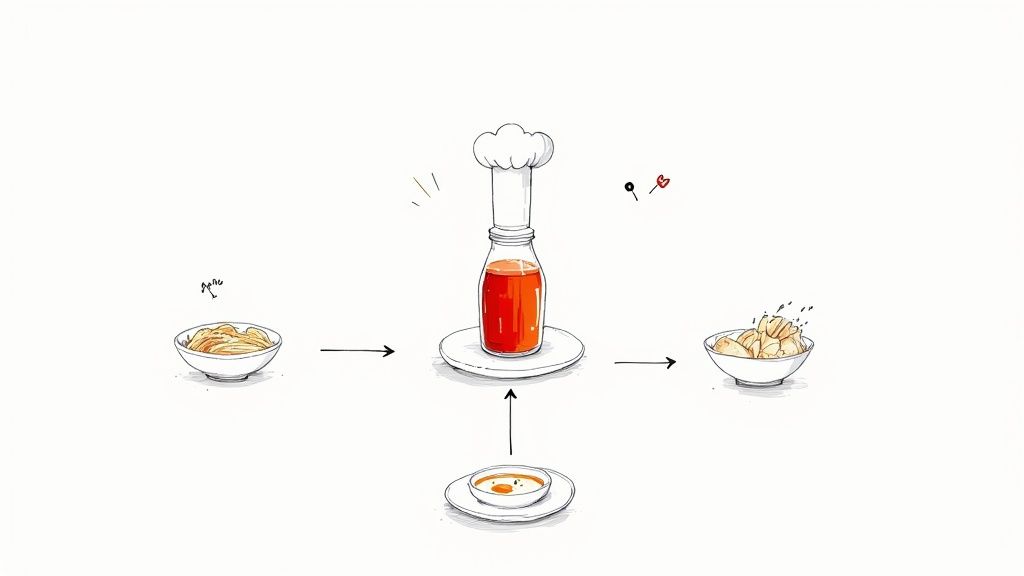
It’s about strategically taking a substantial, high-effort piece of content—like a comprehensive guide or an in-depth webinar—and breaking it down into dozens of smaller, fresh assets. From my own experience, this shift in thinking is what gets you off the content creation hamster wheel for good.
The Core Idea Behind Repurposing
The main goal of repurposing is to reinforce your core message across different channels without starting from a blank page every time. By adapting your content, you can connect with different segments of your audience on the platforms they prefer and in the formats they enjoy.
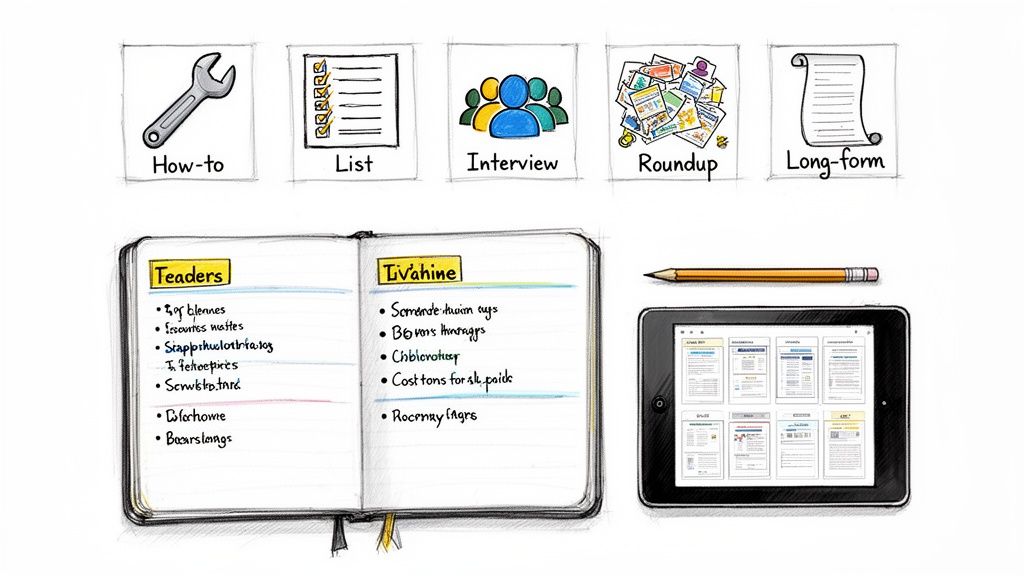
For example, a single one-hour podcast interview can become:
- A detailed blog post that dives into the key discussion points.
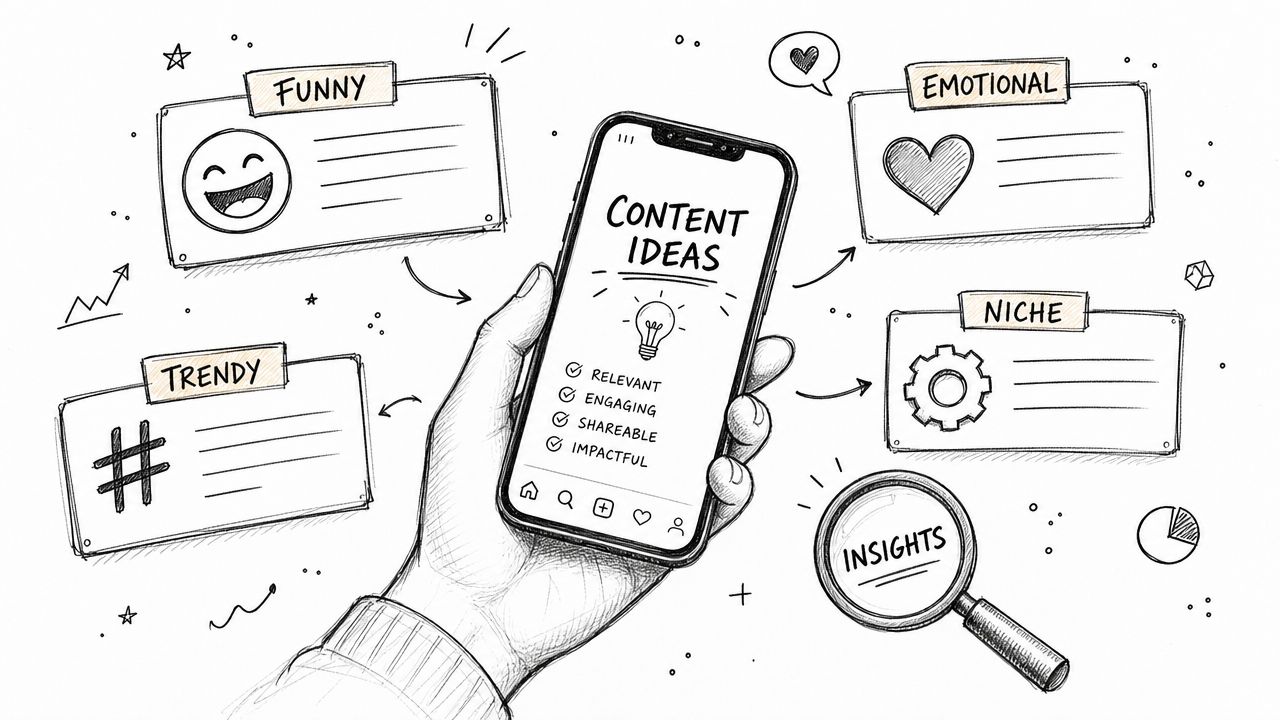
- Five short video clips for Instagram Reels and TikTok, each highlighting a memorable quote or key insight.
- A series of quote graphics to share on LinkedIn and Twitter.
- An email newsletter summarizing the top three takeaways for your subscribers.
This approach is built on a simple truth: what works well as a long-form blog post will likely fall flat on a visual-first platform like Instagram. Each new piece of content should feel native to its platform, making your message more impactful.
Why This Strategy Is Gaining Momentum
Modern marketing demands a consistent presence, but creating entirely new content for every channel is a recipe for burnout. It’s simply not sustainable for most teams.
This is why repurposing has become so popular. According to HubSpot's State of Marketing & Trends Report, 48% of social media marketers regularly share similar or repurposed content with minor adjustments. That's significantly more than the 34% who create unique content for each channel.
This isn't just a fleeting trend; it's a strategic shift toward efficiency and impact. If you want to dig deeper into making this work for you, check out this guide on Content Repurposing Mastery: Transform One Asset Into Many.
The True Business Impact Of Repurposing Content
So, we've defined what repurposing is, but let's talk about the real reason marketers are so invested in it: the direct and measurable impact it has on business growth. This isn't just a clever time-saving trick; it’s a strategy that generates tangible results, strengthens your brand, and boosts your bottom line. Think of it as a powerful multiplier for your marketing, turning one great asset into a full-blown campaign.
The effects are surprisingly far-reaching, influencing everything from search engine visibility to your marketing budget. By breathing new life into your best work, you build a sustainable engine for growth that doesn't depend on the exhausting cycle of constantly creating something new.
Amplify Your SEO and Topical Authority
One of the biggest wins from repurposing content is the boost it gives your SEO. When you take a single, in-depth blog post and spin it into a YouTube video, an infographic, and a few podcast clips, you're not just creating more content. You're building a network of interconnected assets all pointing back to a core topic. Each new format creates another pathway for search engines like Google to discover and understand your expertise.
This is how you build topical authority. You're sending strong signals to search algorithms that you are a go-to resource on a particular subject. A smart repurposing plan also naturally creates opportunities for backlinks when other sites link to your different content formats, which further solidifies your domain's credibility and search ranking.
"Repurposing content isn't just about saving time. It's about maximizing visibility and reinforcing your message across every channel your audience uses, creating a cohesive and authoritative brand presence."
Achieve Massive Time and Cost Savings
Let's be practical: creating high-quality content from scratch is incredibly time-consuming and expensive. Repurposing completely flips that model on its head by maximizing the return on your initial investment. Think about all the resources that go into producing a comprehensive research report. Instead of letting it gather digital dust after one campaign, you can mine it for months of valuable content.
- Blog Posts: Each major section can be expanded into its own detailed article.
- Social Media Carousels: Pull out key stats and charts and turn them into visually engaging slides.
- Email Newsletters: Summarize the most important findings for your subscriber list.
This efficiency is what modern marketing is all about. The global content marketing industry, which relies heavily on repurposing, was valued at $413.2 billion and is projected to hit $2 trillion by 2032. Focusing on efficiency is also a core part of effective knowledge management best practices, which you can explore in our detailed guide.
Connect With Entirely New Audiences
Your target audience isn't a single, uniform group. People consume content in wildly different ways and on different platforms. The person who loves your podcast might never read your blog, and the visual learner scrolling through Instagram is likely to skip your hour-long video. Repurposing is your key to meeting these different segments where they already are.
By turning a data-heavy report into a dynamic Instagram Reel or a detailed webinar into a conversational LinkedIn article, you make your core message accessible to people who might have otherwise missed it. This adaptation is absolutely critical for expanding your reach and ensuring your best ideas connect with the widest possible audience.
How To Repurpose Your Content Step By Step
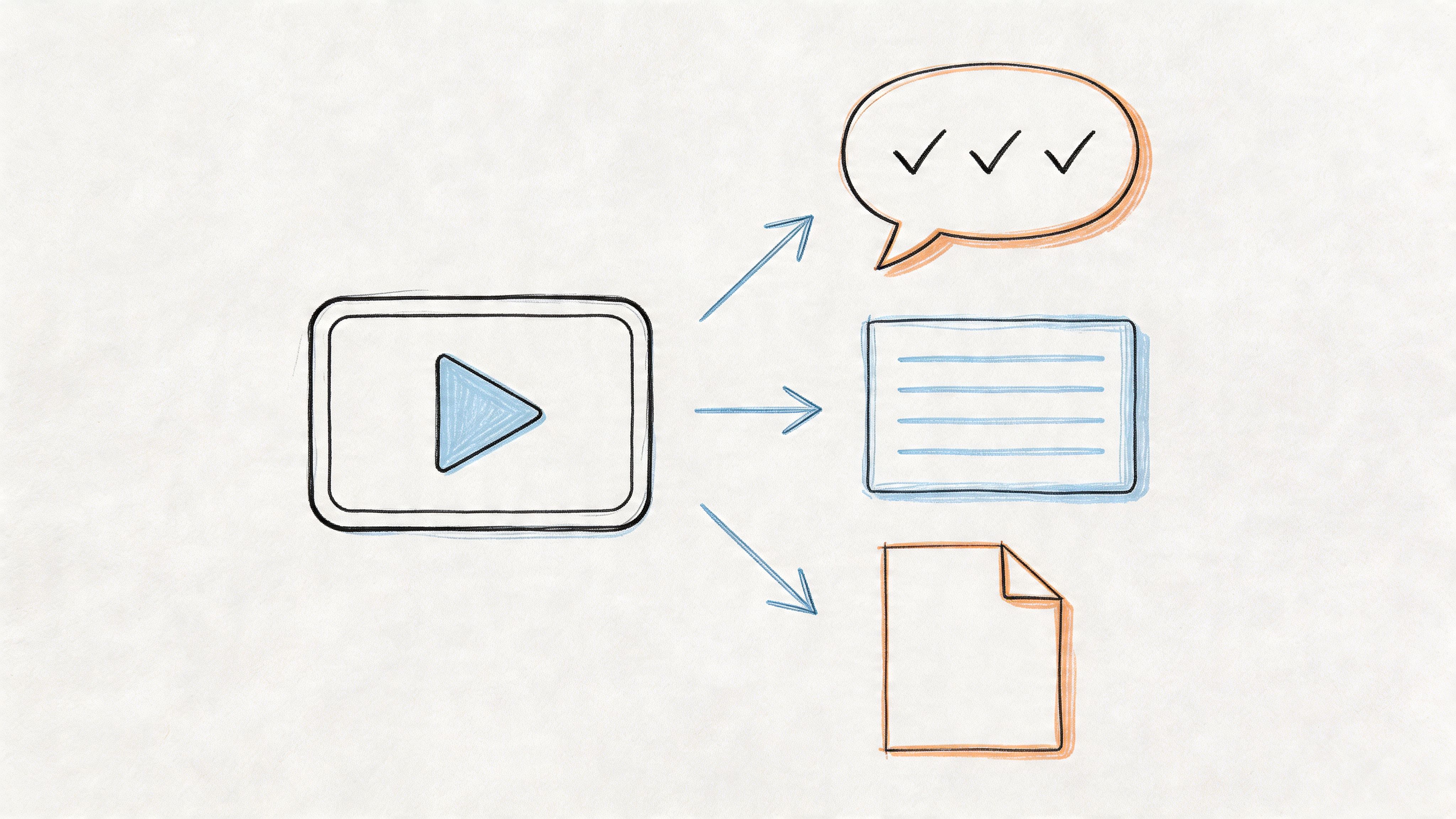
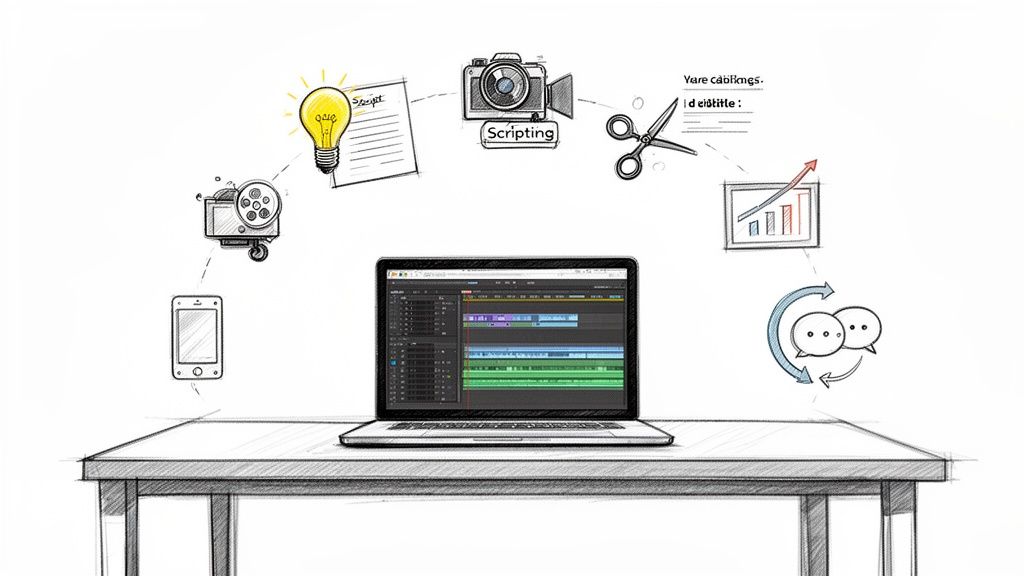
This is where you turn one core piece of content into an entire ecosystem of assets. The process is often called content atomization, which is just a clear way of saying you break down a large "pillar" piece into smaller, more focused formats. It’s not about copy-pasting; it’s about strategically reshaping your core message for different platforms and their users.
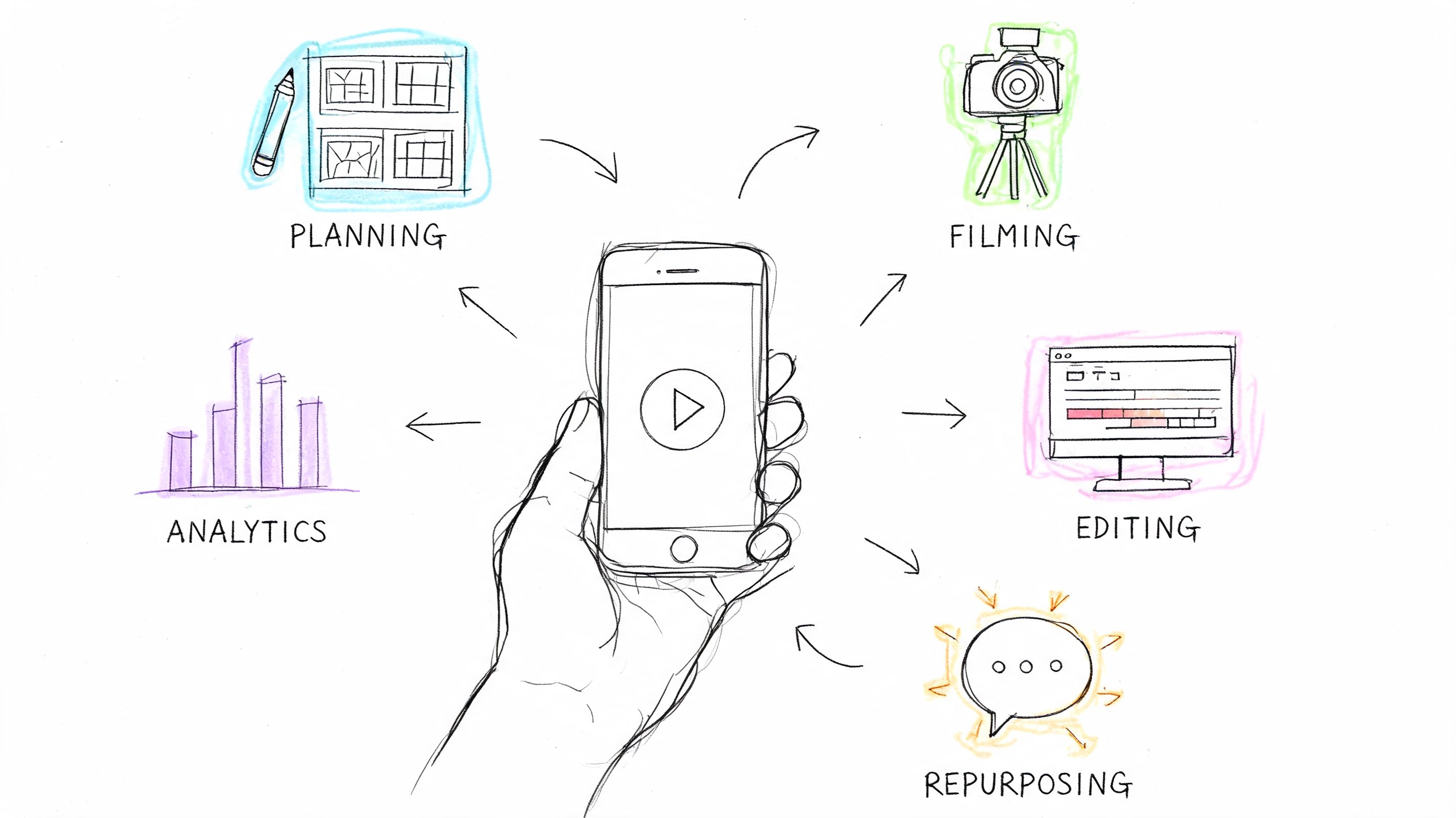
Think of your main content—a deep-dive blog post, a podcast episode, or a detailed video—as the central hub. From that hub, you can create dozens of spokes, each designed to grab attention in its own unique way. It's the smartest way to ensure your best work gets seen by the largest possible audience.
The business impact here is huge, touching everything from SEO and cost savings to audience growth.
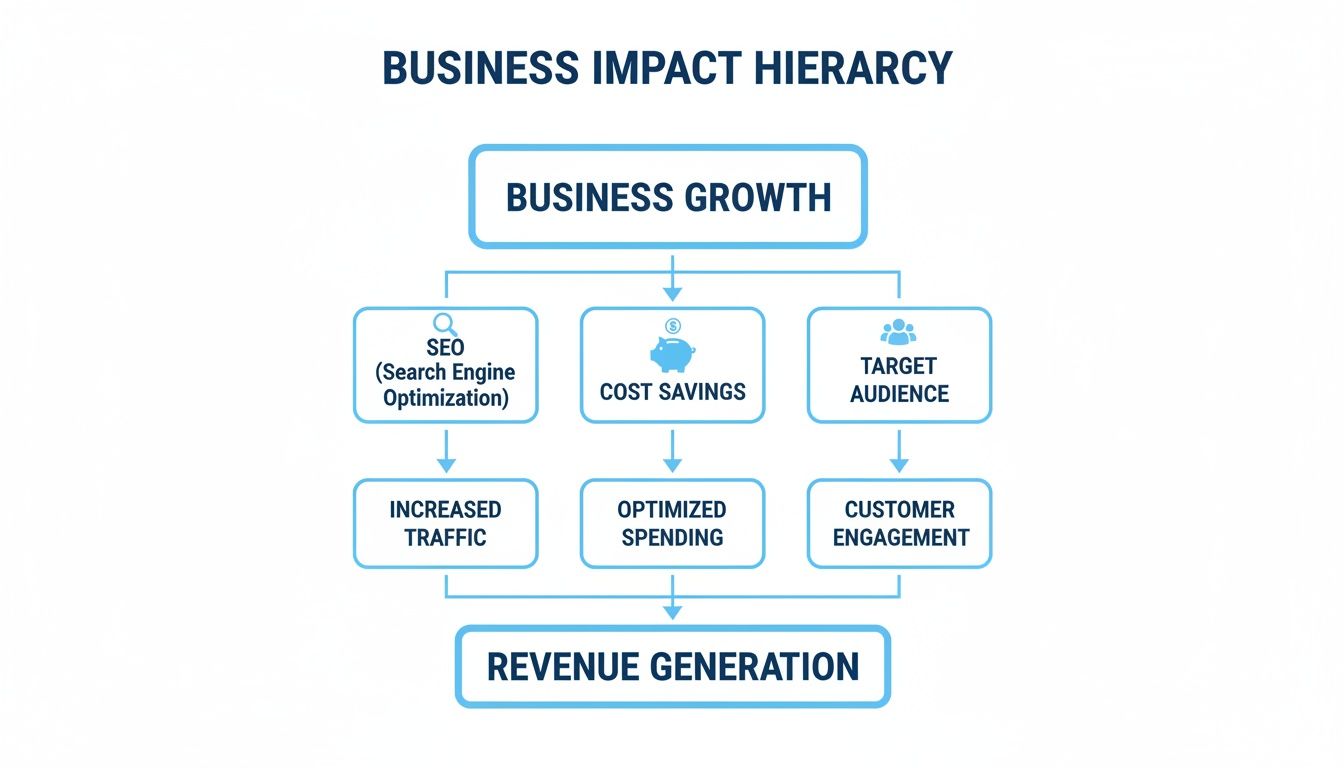
As you can see, a single repurposed asset can work on multiple fronts at once—improving search visibility, lowering your creation costs, and expanding your reach. Let’s get into the practical side with a few step-by-step playbooks based on my own experience.
Playbook For Bloggers
If you're a blogger, that one in-depth article you spent hours researching and writing is a goldmine. The goal is to extract the most valuable nuggets and serve them up in new, engaging ways without requiring people to read the entire post every time.
- Create a Twitter Thread: Pull the main subheadings and key takeaways from your article. Turn each one into a tweet and link them together in a thread. The final tweet should link back to the original blog post.
- Build a SlideShare Deck: Convert the core arguments and data points into a clean, professional-looking slideshow. This format is perfect for sharing on LinkedIn and catches the eye of a more business-focused audience.
- Craft a "Value-First" Newsletter: Don't just email a link. Summarize the top three most actionable tips from your article directly in the body of the email. This gives your subscribers instant value and a compelling reason to click through for the full story.
This multi-channel approach keeps your article driving traffic and engagement long after you hit publish. To dig deeper into the nuts and bolts, you can learn how to repurpose content effectively.
Playbook For Podcasters
Podcasters are sitting on a treasure trove of audio content that’s just waiting to be adapted for visual and text-based platforms. The trick is to make your conversations discoverable and shareable for people who aren't necessarily scrolling through podcast apps.
By pulling out key moments, you transform a passive listening experience into an active, shareable one. This simple shift can dramatically increase your episode's reach and impact.
Here's a simple workflow to get started:
- Create Quote Graphics for Social Media: Use a transcription tool to find the most powerful or memorable lines from an episode. Place that text over a branded image or a photo of your guest, and you have highly shareable content for Instagram, Facebook, or LinkedIn.
- Write SEO-Friendly Show Notes: Many podcasters just post a brief summary. Instead, use the transcript to create a detailed blog post. This makes your episode fully indexable by search engines, helping you rank for keywords discussed in the conversation. Our guide covers more advanced content repurposing strategies you can build on.
- Publish Thought-Leadership Articles: Focus on a core theme from your podcast and expand on it in a full-length article for a platform like LinkedIn or Medium. This establishes you as an expert and naturally funnels new listeners back to your show.
Using AI To Supercharge Your Repurposing Workflow
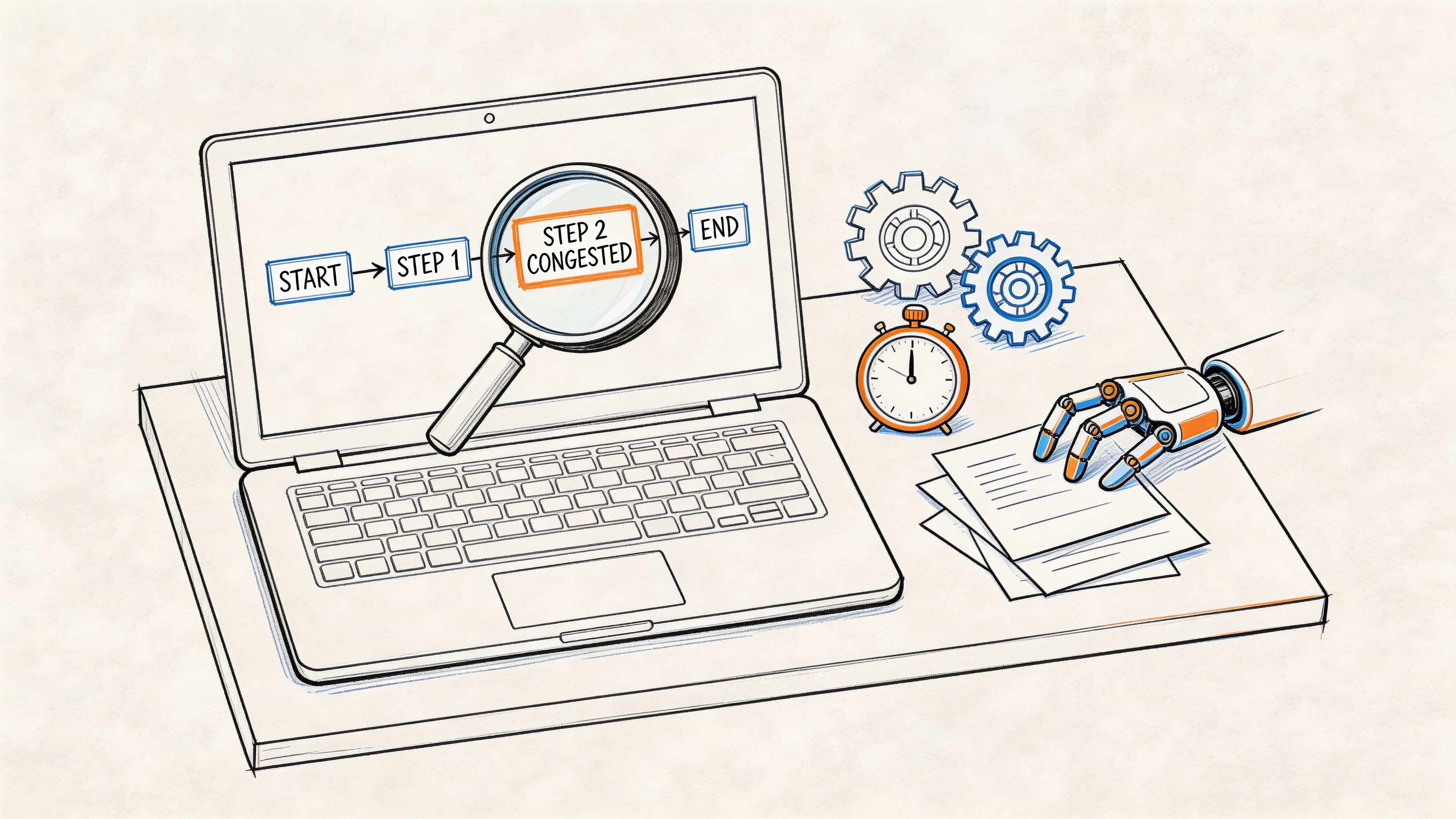
Let’s be honest: the biggest hurdle to repurposing content has always been the sheer amount of work involved. It's easy to say you should turn that killer webinar into a month's worth of social posts, but finding the time to actually do it is another story.
This is where modern AI tools have completely changed the game. They’ve turned what was once a tedious, manual chore into a surprisingly fast and efficient process.
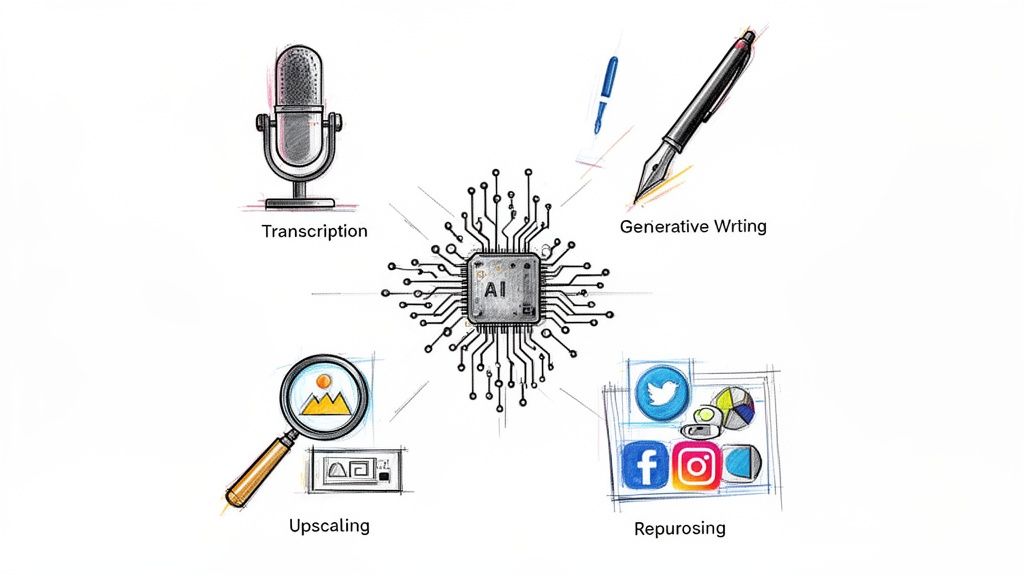
This isn’t just a niche trend. Globally, 32% of marketers are now using AI specifically to repurpose their content, putting it right up there with using AI for content creation itself. As you can see in this deep dive on content marketing statistics, the industry has moved past treating AI as a novelty. It's now a practical tool for getting more mileage out of the assets you've already worked so hard to create.
From Hours to Minutes: AI Transcription
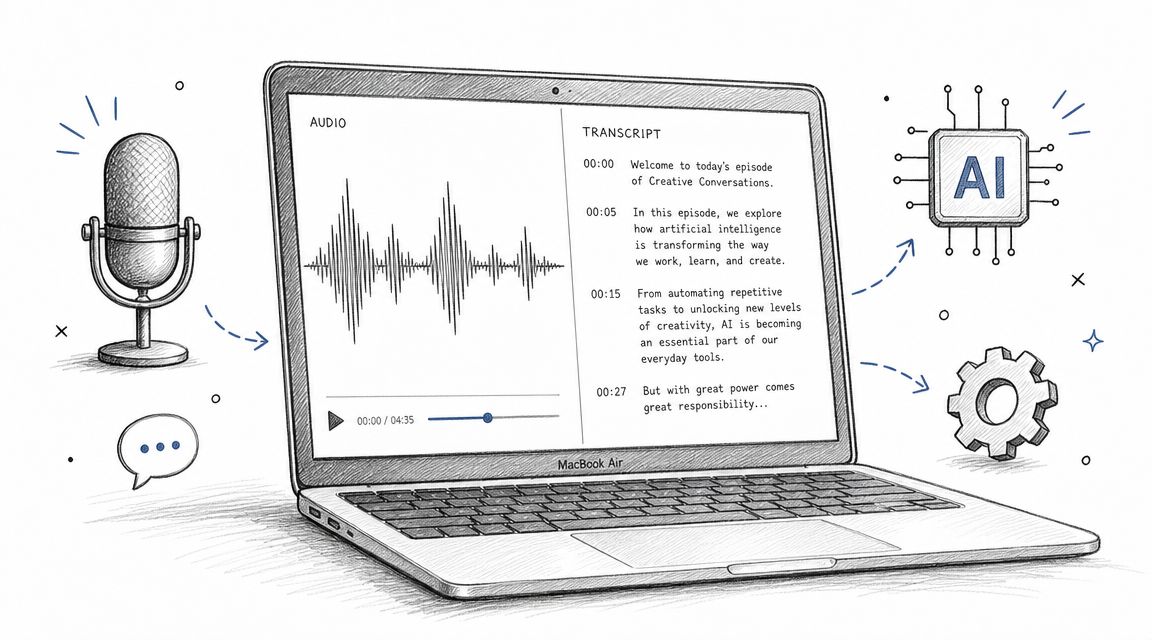
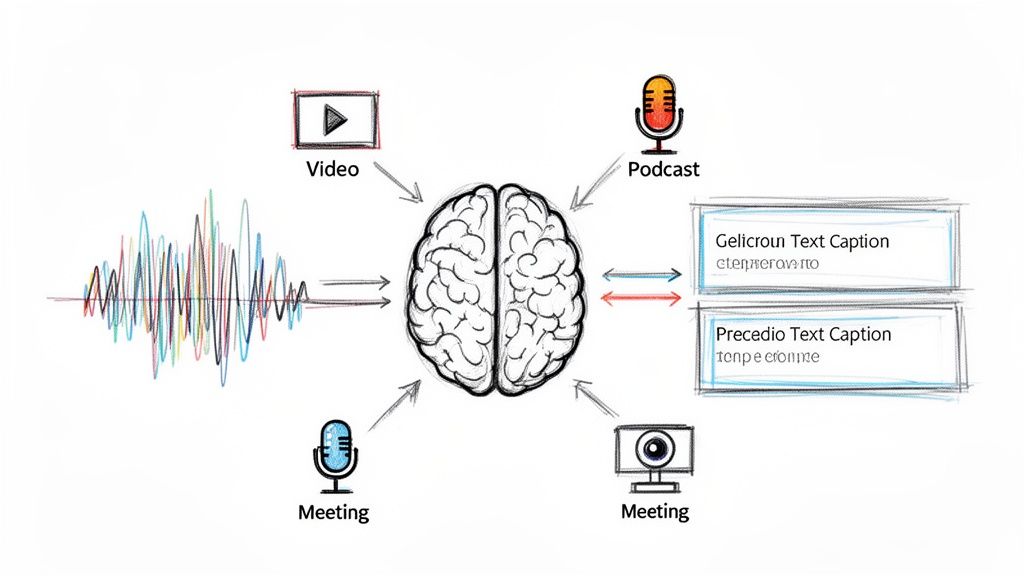
Picture this: you've just finished a one-hour webinar packed with valuable information. In the past, the first step—getting a written transcript—meant hours of manual typing or paying for a pricey human transcription service.
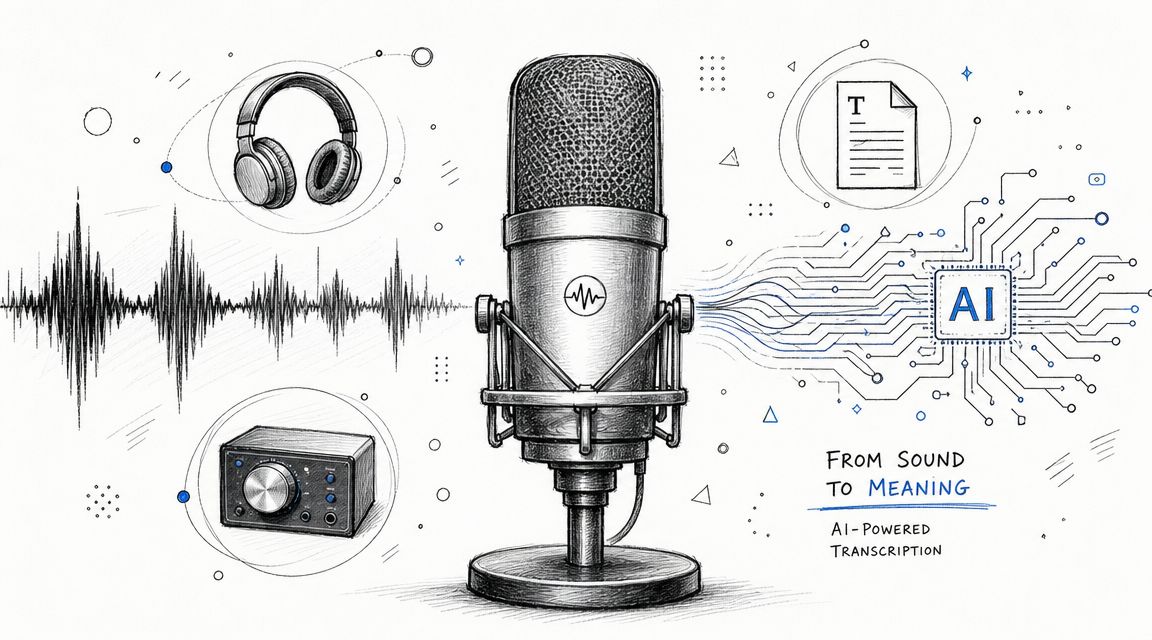
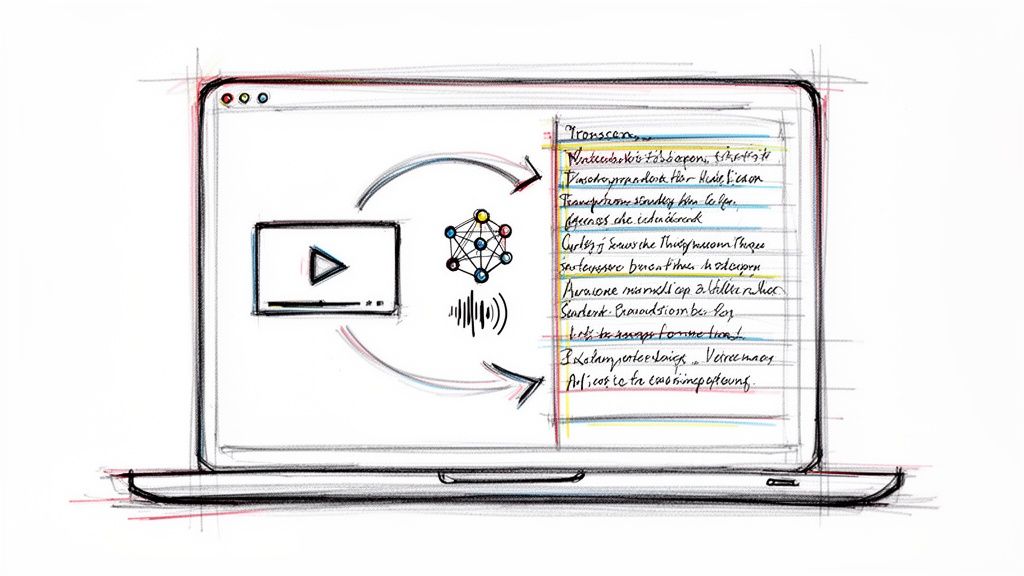
Today, tools built on powerful models like Whisper AI make this step practically instantaneous.
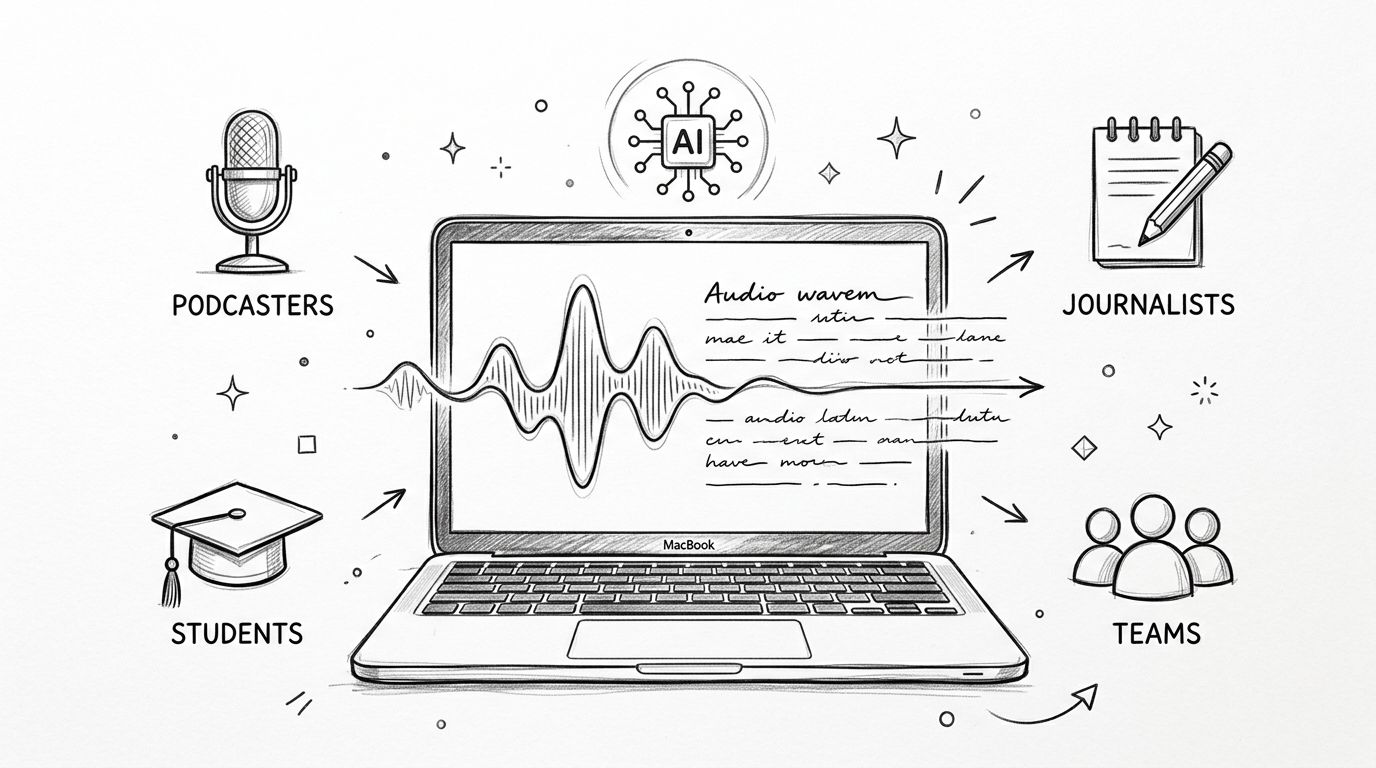
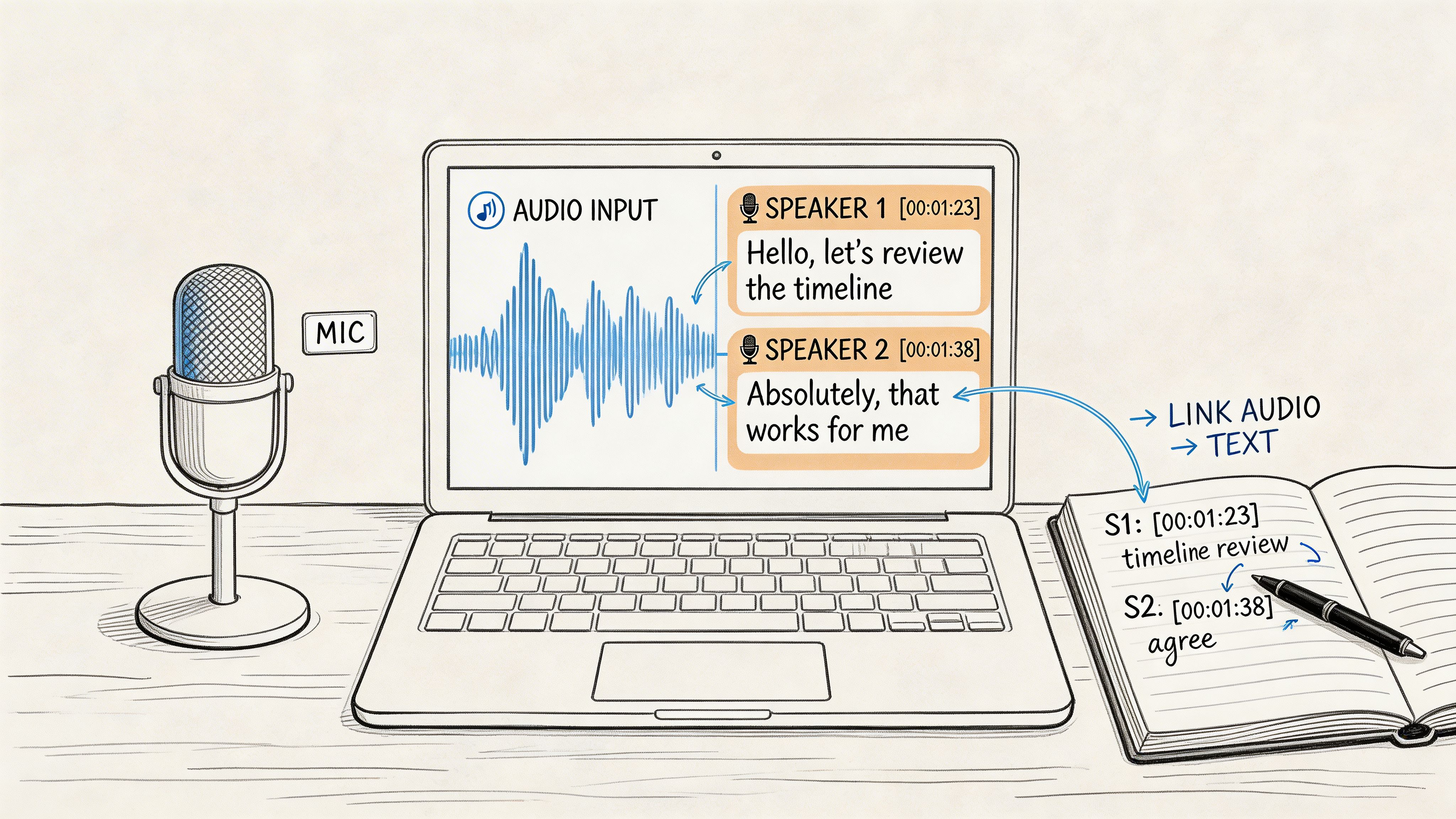
You can upload your video or audio file and get back a highly accurate, speaker-labeled transcript in just a few minutes. That one action unlocks a world of repurposing possibilities. For a closer look at how it works, check out our guide on transforming audio to text with AI.
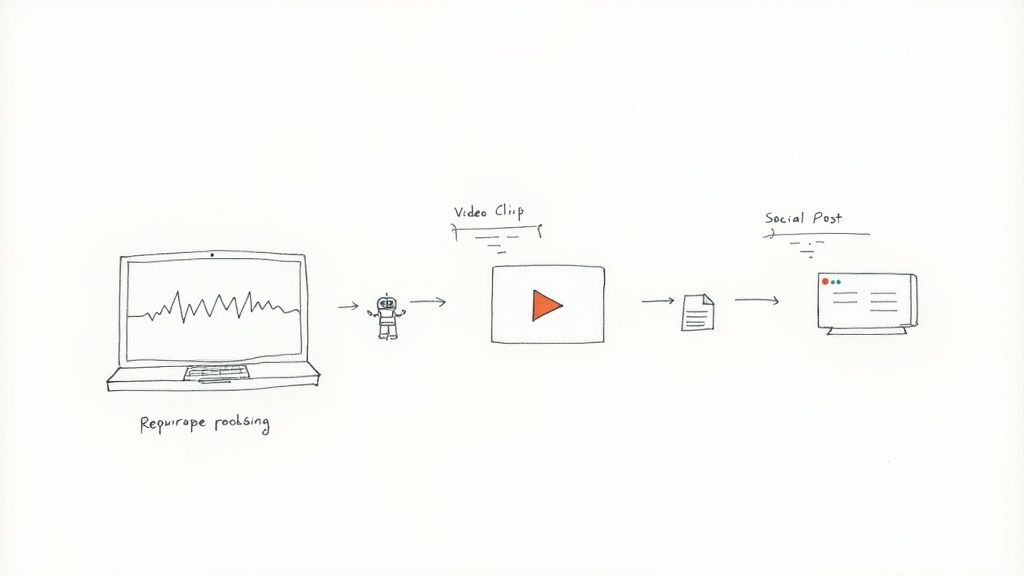
The best part is that the underlying technology is incredibly good at handling real-world audio—it can cut through different accents, background noise, and even technical jargon, making it a reliable foundation for your content machine.
Automating Your Content Atomization
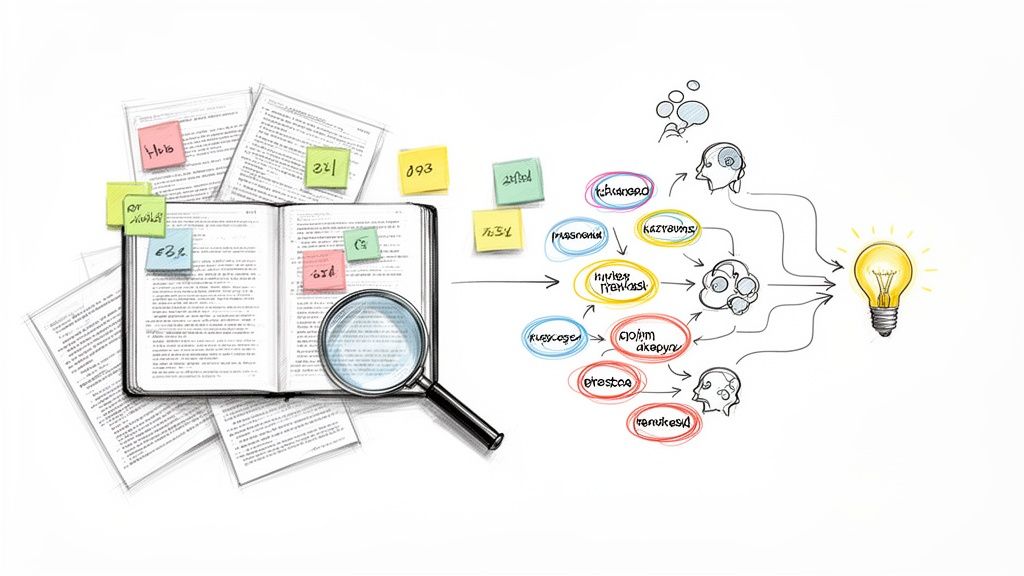
Once you have that clean transcript, the real fun begins. Instead of manually sifting through thousands of words to find the best parts, you can let AI do the heavy lifting. This process of breaking down content is often called content atomization, and it's where the magic really happens.
AI doesn't replace your strategic thinking; it multiplies its impact. By handling the manual tasks of transcription, summarization, and idea generation, it frees you up to focus on creativity and audience connection.
Here’s a simple workflow you can put into action right away with your new transcript:
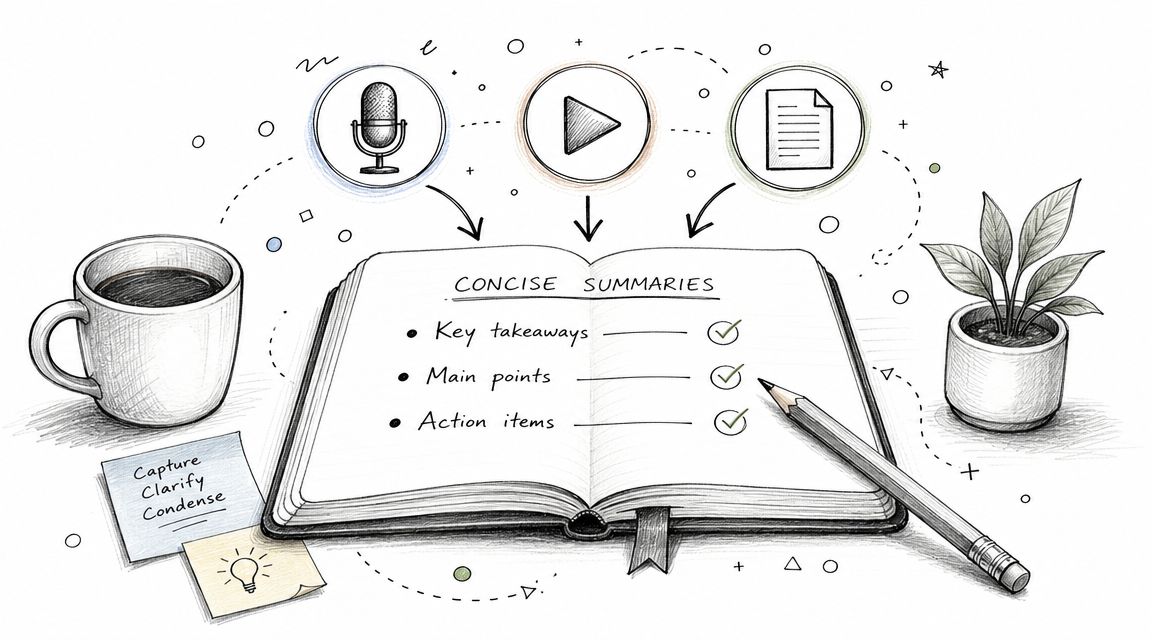
- Generate Instant Summaries: Ask the AI to create a concise, 100-word summary of the entire session. You now have the perfect copy for an email newsletter or a quick LinkedIn update.
- Extract Key Takeaways: Prompt the AI to identify the top five most important points and present them as a bulleted list. That’s an Instagram carousel, ready to go.
- Create Blog Post Outlines: Tell the AI to generate a detailed blog post outline based on the main topics covered, complete with suggested H2 and H3 headings.
- Identify Viral-Worthy Clips: The timestamps in the transcript are your treasure map. Use them to pinpoint powerful quotes or interesting moments, making it easy to create short video clips for TikTok or Reels.
Common Mistakes To Avoid When Repurposing
Getting content repurposing right is about more than just copying and pasting your message across a dozen different platforms. When done poorly, it can make your brand feel repetitive or out of touch. The real art is in adapting your core ideas, not just duplicating them.
The biggest trap I see creators fall into is treating every platform as if it's the same. This misses the point that each social network, blog, or newsletter has its own unique culture, audience expectations, and technical formats. To build a smart strategy, you have to start by appreciating these differences.
Failing To Adapt for the Platform’s Context
The single most common pitfall is pushing content to a new channel without reformatting it. A detailed, 2,000-word blog post is brilliant on its own, but it will fail as a 60-second TikTok video if you don't adjust the tone, pacing, and style. The core message can stay the same, but the delivery has to feel like it belongs on that platform.
Think about the unique demands of each channel:
- LinkedIn Articles: People here expect a professional, insightful tone. This is the perfect place to expand on data from a recent report or share leadership lessons from a webinar.
- Instagram Reels: This is a world of fast-paced, visually driven, and often entertaining content. A single powerful statistic from your blog could become a snappy, high-impact video.
- Email Newsletters: Your subscribers want immediate value. Instead of just dropping a link to your latest podcast, pull out the top three takeaways and summarize them right in the email itself.
The goal isn't just to show up everywhere; it's to be effective everywhere. True repurposing means respecting each platform's audience enough to speak their language. That's what builds real trust and engagement.
Lacking a Strategic Schedule
Another common mistake is randomly blasting repurposed content everywhere at once. This doesn't build momentum; it just creates noise and can lead to audience fatigue. Who wants to see the same message five times in a single day?
A much smarter approach is to build a repurposing calendar. This helps you thoughtfully space out your content over days or even weeks.
For instance, you could publish a pillar blog post on Monday. Then, share a related infographic on Wednesday, drop a short video clip on Friday, and send a summary newsletter the following Tuesday. This drip-feed approach keeps your content feeling fresh and reinforces your message over time without annoying your followers.
Neglecting To Measure What Works
Finally, many people skip the most important step: tracking performance. If you don't measure what's happening with your repurposed content, you’re just guessing. You have no way of knowing what's actually connecting with your audience or proving that your efforts are paying off.
You need to track the metrics that matter for each specific platform.
- Look at Video Views and Watch Time on YouTube and TikTok.
- Pay attention to Shares and Comments on your LinkedIn posts.
- Monitor Click-Through Rates from your email newsletter back to your website.
Digging into this data shows you which formats and platforms are hitting the mark. It lets you double down on what’s working and fine-tune your approach, turning your content repurposing theory into a proven, data-backed growth engine for your brand.
Frequently Asked Questions About Content Repurposing
Even with a solid plan, jumping into content repurposing always brings up questions. This is totally normal. Let's tackle some of the most common ones that pop up when you start turning your best work into a content machine. These are the real-world hurdles everyone faces, and the goal here is to give you clear, straightforward answers.
How do I know which content is worth repurposing?
This is a great question, and the answer is simpler than you might think: start with what's already working. Your audience has already told you what they like through their clicks, comments, and shares. Let your analytics be your guide.
- Look for your evergreen cornerstones. Do you have a blog post or video that solves a timeless problem for your audience? These pieces are gold because their relevance doesn't fade, making them perfect candidates to be repurposed.
- Find high-engagement social posts. Ever had a LinkedIn post or a tweet unexpectedly take off and spark a great conversation? That’s not just a post; it’s a validated topic. You can easily expand that single idea into a full blog article or a podcast episode.
- Identify your data-rich assets. If you've created a webinar, a white paper, or an industry report packed with original research and stats, you’re sitting on a content goldmine. Every single data point can be spun into its own social media graphic, video clip, or talking point.
The trick is to stop guessing what your audience wants and start listening to what they’ve already told you. Your analytics are a roadmap pointing directly to your most valuable content.
Will repurposing content hurt my SEO?
This is a valid concern. The short answer is no, as long as you do it correctly. Google doesn't penalize smart content strategy; it penalizes low-effort, spammy tactics. Simply copying and pasting an entire blog post onto another platform can cause duplicate content issues.
But that's not what strategic repurposing is about. The goal is to transform, not just transfer.
When you turn a blog post into a YouTube video, you’re creating a new asset. When you design an infographic from a case study, that’s another unique piece. When you craft a Twitter thread from key takeaways, that’s fresh content. Search engines recognize these different formats as distinct, valuable pieces that actually strengthen your overall SEO by building topical authority and creating more ways for people to find you.
How often should I share repurposed content?
There’s no magic number here. The guiding principle is to be consistently present without overwhelming your audience. You want to reinforce your message, not cause content fatigue. A great way to manage this is by creating a simple repurposing calendar.
Imagine you just published a major research report—that’s your pillar content. You could easily space out the repurposed assets over a month.
- Week 1: Launch the main report and publish a summary blog post.
- Week 2: Drip out key statistics as individual graphics on social media throughout the week.
- Week 3: Release a short, digestible video that covers the top 3 findings.
- Week 4: Host a live Q&A webinar to dig deeper and answer audience questions about the report.
This drip-feed approach keeps the conversation going and makes your content feel fresh. More importantly, it ensures your core message reaches different people on different platforms over time, creating a steady presence instead of a one-off burst of noise.
Ready to make your repurposing workflow a whole lot easier? Whisper AI turns your audio and video into accurate transcripts, summaries, and key highlights in just minutes. Stop wrestling with manual tasks and start creating more content, faster. Try Whisper AI for free and supercharge your content strategy today!