10 Content Creation Best Practices for Sustainable Growth
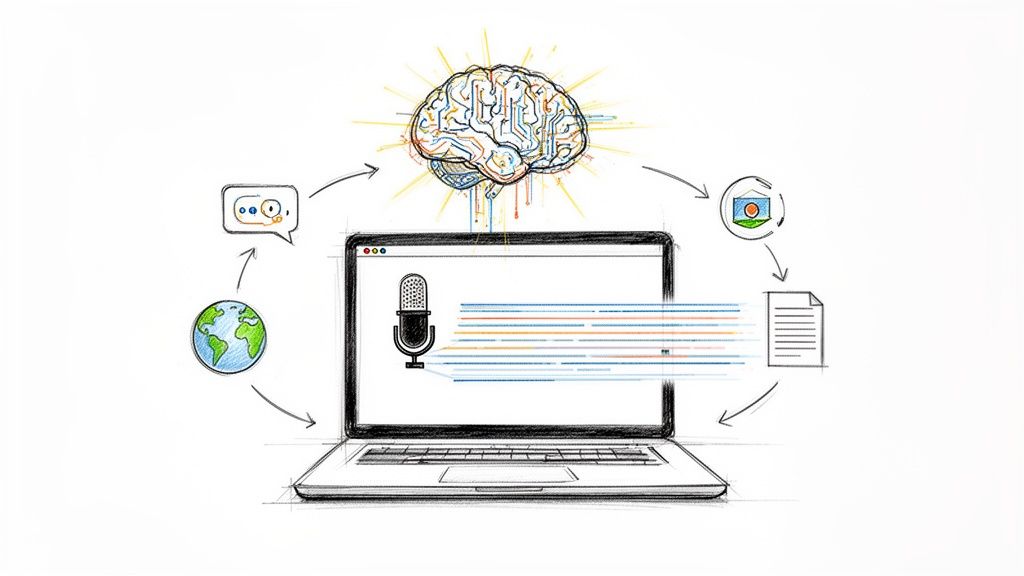
In a world saturated with content, simply hitting 'publish' isn't enough. The difference between a forgotten video and a viral sensation often lies in the strategic framework supporting it. Creators who consistently succeed don't just produce content; they engineer it for impact, discoverability, and audience connection. This guide is designed to move you beyond generic advice and into the realm of professional execution, providing a definitive roundup of content creation best practices that drive tangible results.
We've compiled a comprehensive, experience-based list that cuts through the noise. Here, you will find ten actionable frameworks covering the entire content lifecycle, from initial ideation and production workflows to sophisticated distribution and data-driven iteration. We will explore specific strategies for SEO and discoverability, ensuring your work finds its intended audience. You'll also learn how to optimize for accessibility, repurpose assets efficiently across platforms, and measure performance to make smarter decisions for future projects.
Whether you're a podcaster aiming to top the charts, a YouTuber building a dedicated community, or a brand marketer looking to establish industry authority, these principles are your roadmap. They are the proven strategies that separate fleeting trends from sustainable growth. This isn't just a list of tips; it's a blueprint for creating content that not only gets seen but also resonates deeply and makes a lasting impact. Let's dive into the foundational practices that turn creators into authorities.
1. Know Your Audience and Tailor Content Accordingly
The most fundamental of all content creation best practices is to deeply understand who you are creating for. Effective content isn't a broadcast into the void; it's a direct conversation with a specific person. This means moving beyond surface-level assumptions and building a data-driven picture of your target audience’s demographics, interests, pain points, and, crucially, their content consumption habits. This foundational step ensures every piece of content you produce is relevant, engaging, and valuable to the people you want to reach.
This audience-first approach is visible in the wild. MrBeast, for example, meticulously tailors his video pacing and challenge complexity to align with YouTube's algorithm and viewer expectations for high-retention content. Similarly, TED Talks doesn't offer a one-size-fits-all experience; it creates distinct content tracks for educators, students, and business professionals, recognizing their different needs and learning goals.
How to Implement This Practice
Creating detailed audience personas is the key to activating this strategy. A persona is a semi-fictional representation of your ideal audience member based on market research and real data.
- Conduct Research: Use surveys, interviews, and analytics from your social media and website to gather demographic and psychographic data.
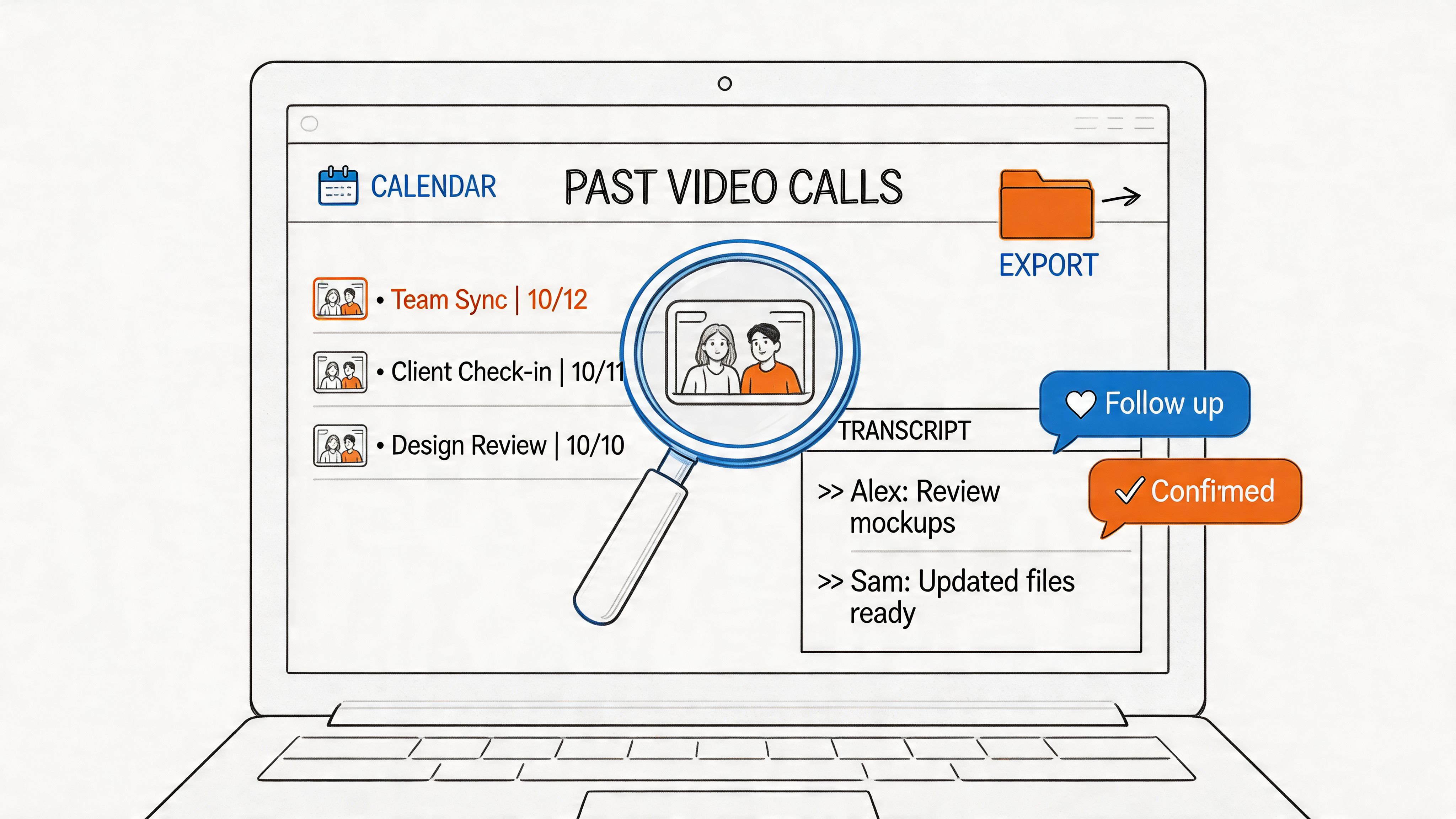
- Analyze Feedback: Manually review comments or use tools to transcribe video feedback and audience Q&As. This provides raw, unfiltered insight into their questions and pain points.
- Segment Your Audience: Don't assume your entire audience is monolithic. Create segments based on behavior or interest. For example, a podcaster might have "new listeners" who prefer introductory topics and "loyal fans" who crave deep-dive episodes.
- Map Consumption Habits: Do they prefer short-form video clips, in-depth podcast interviews, or detailed written transcripts? Knowing how they consume content is as important as knowing what they want.
By building and referring to these personas, you can consistently create content that resonates, builds loyalty, and achieves your strategic goals.
2. Repurpose Content Across Multiple Formats and Platforms
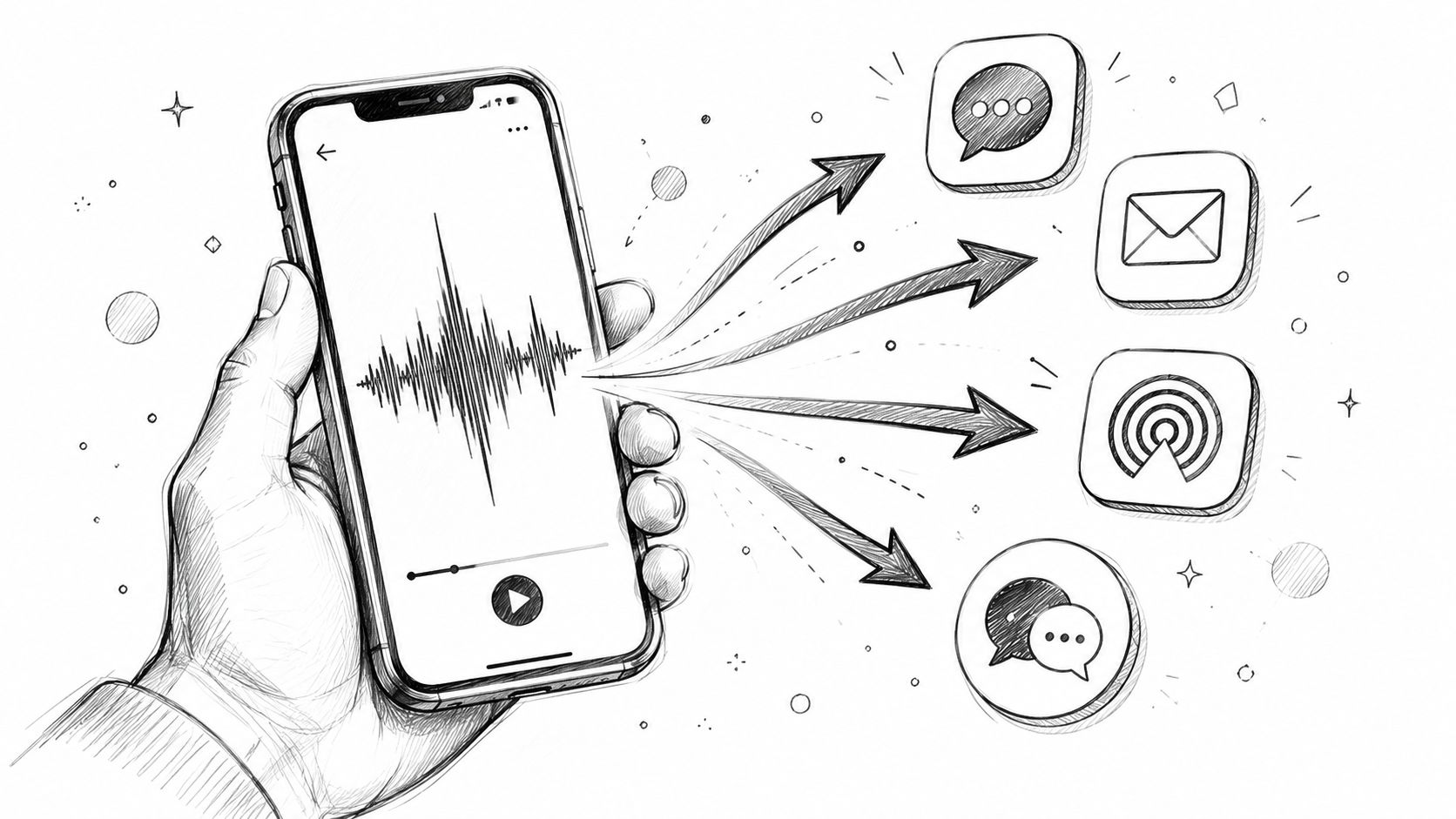
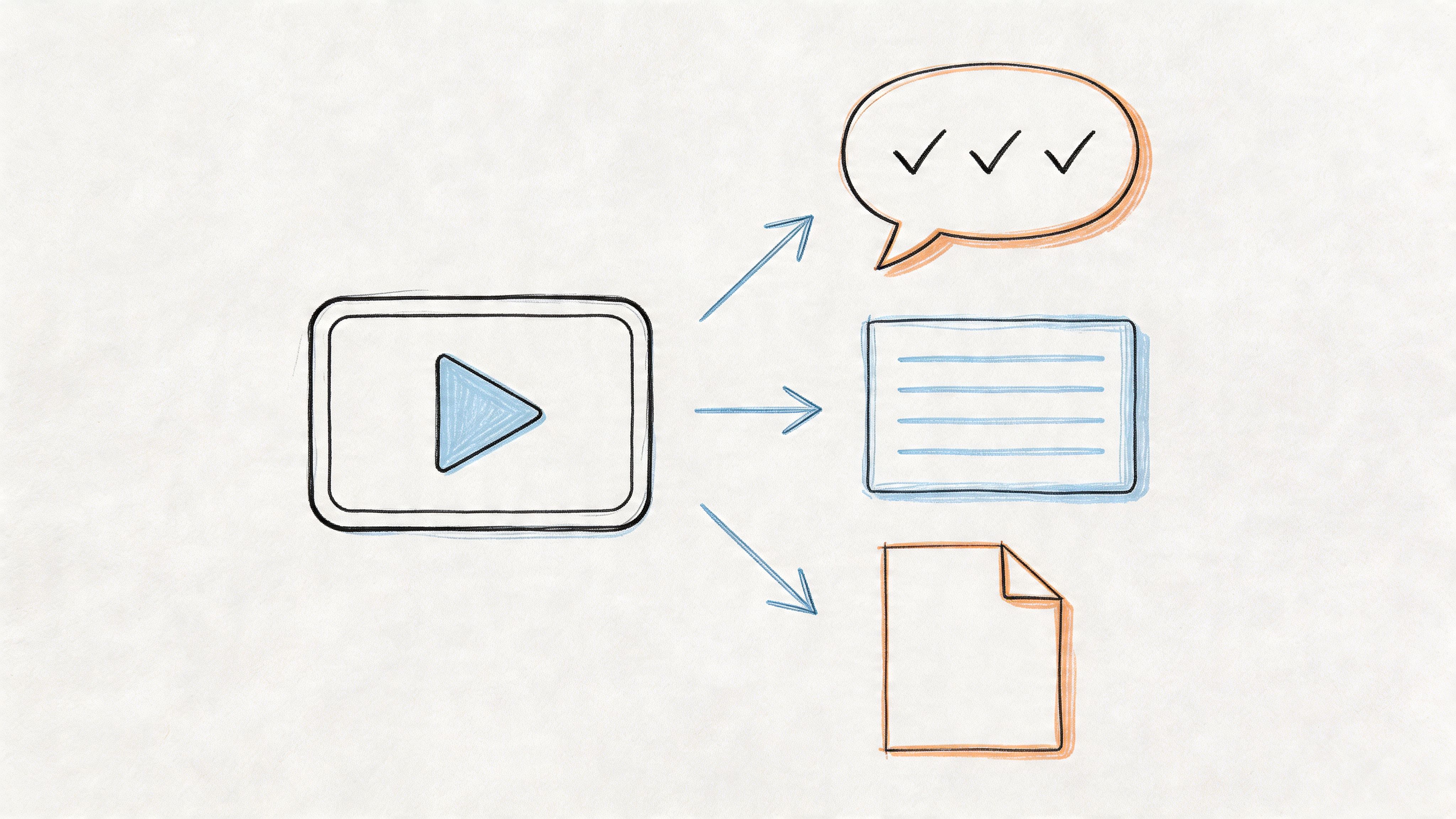
One of the most efficient content creation best practices is to adopt a "create once, distribute many" mindset. Instead of constantly reinventing the wheel, this strategy focuses on maximizing the value of a single, high-effort piece of "pillar" content. By taking a long-form video, podcast, or webinar and strategically breaking it down into smaller, platform-native assets, you amplify your reach, reinforce your message, and serve different audience segments without multiplying your production workload. This approach ensures your core ideas get the most visibility possible across the entire digital ecosystem.
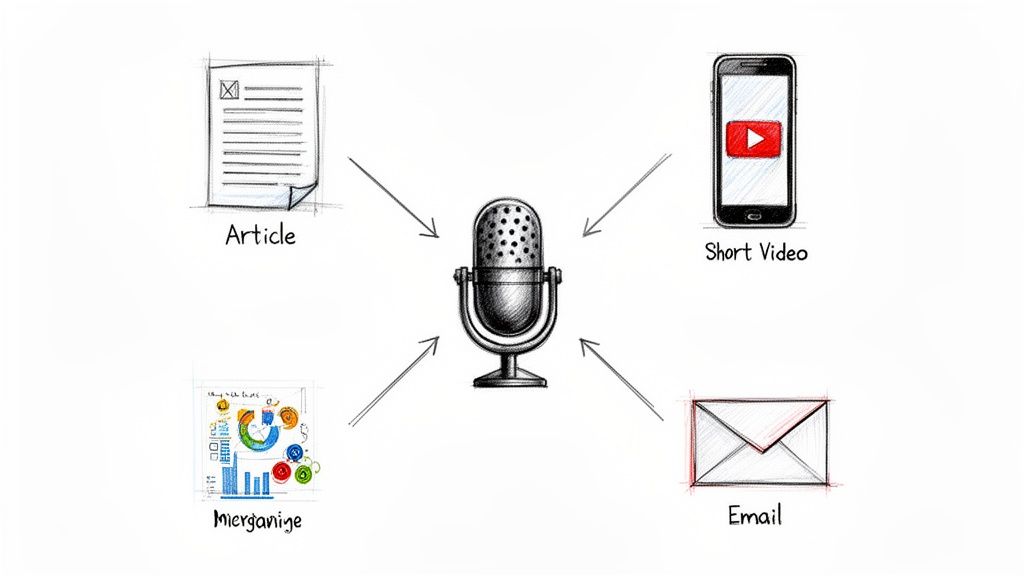
This method is now a staple for top creators. For instance, Alex Hormozi masterfully turns his long-form YouTube videos into dozens of viral TikTok shorts, insightful LinkedIn text posts, and compelling email newsletters. Similarly, the Huberman Lab podcast extends its reach by converting dense audio episodes into digestible YouTube highlight clips, detailed blog summaries, and actionable takeaways for its newsletter subscribers. This system transforms one recording session into a week's worth of diverse content.
How to Implement This Practice
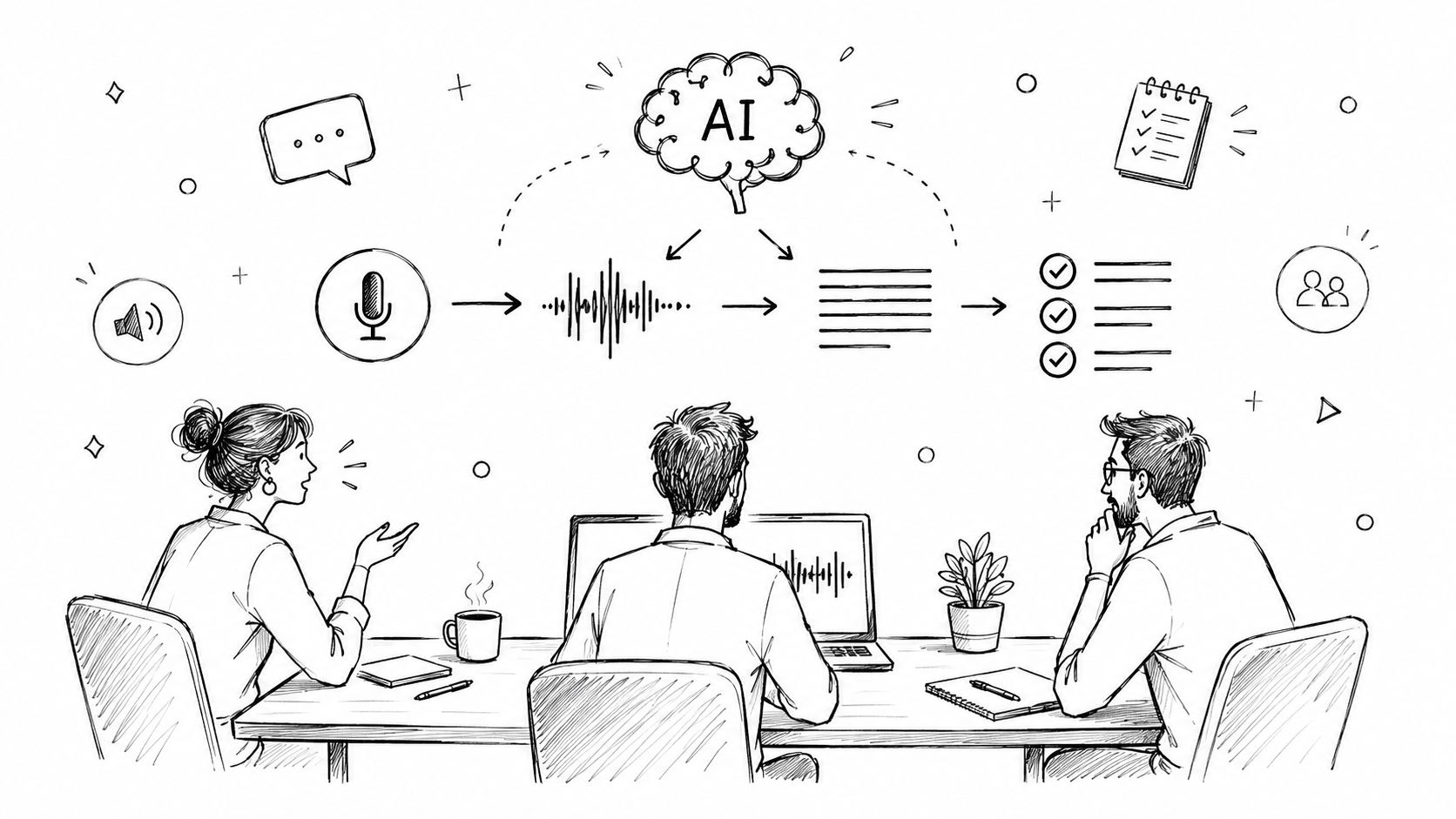
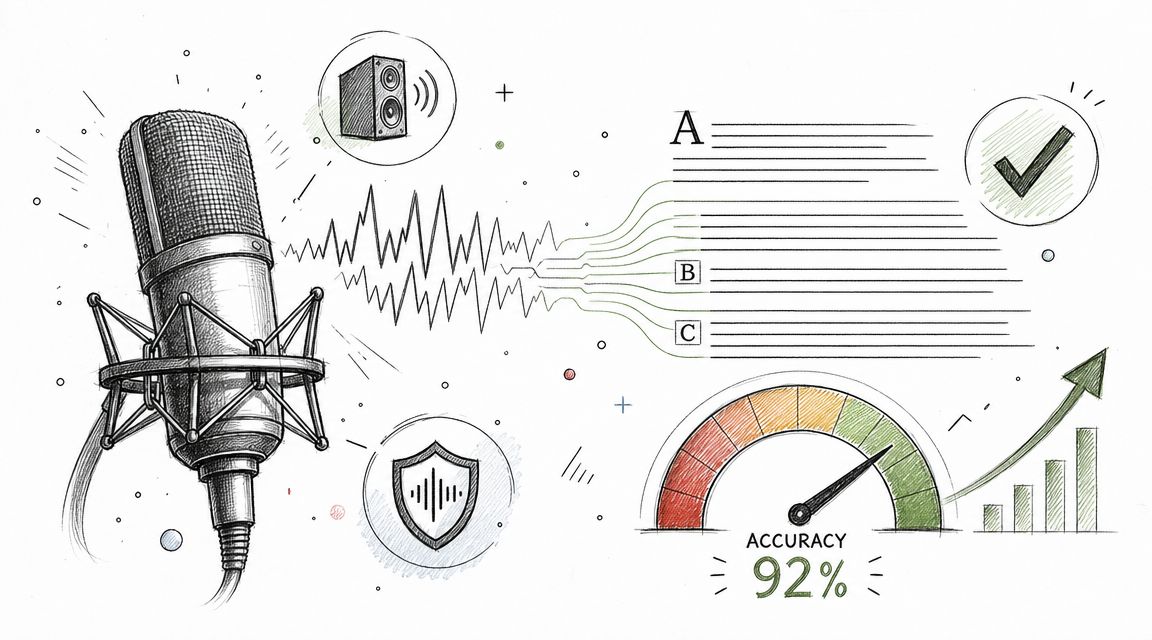
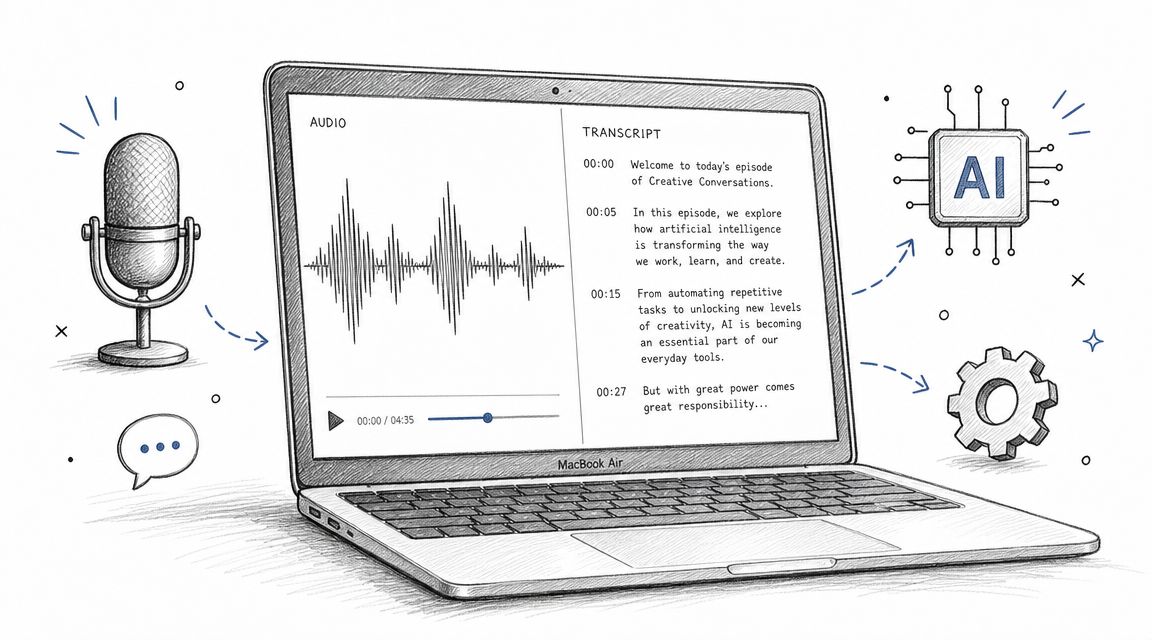
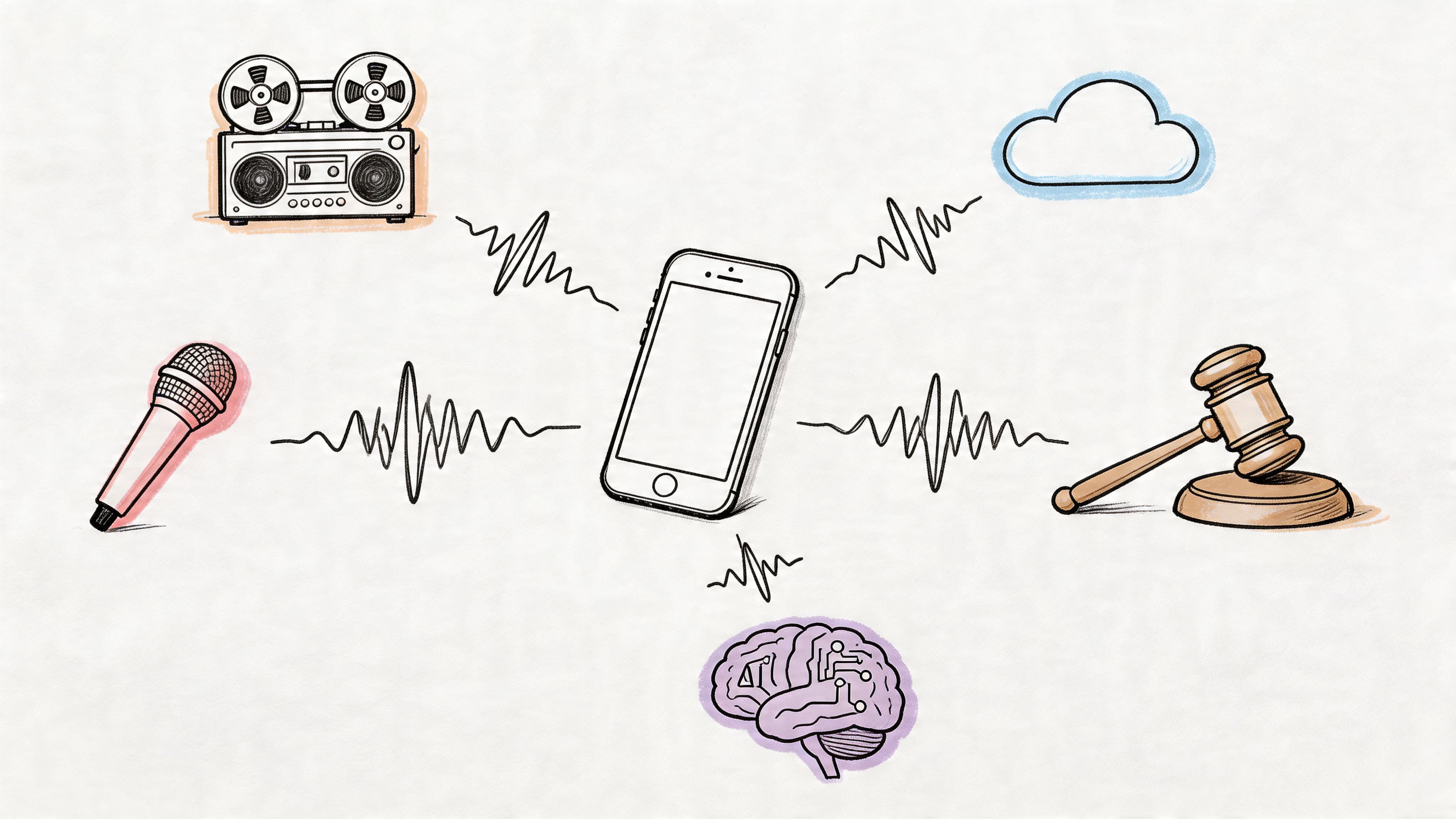
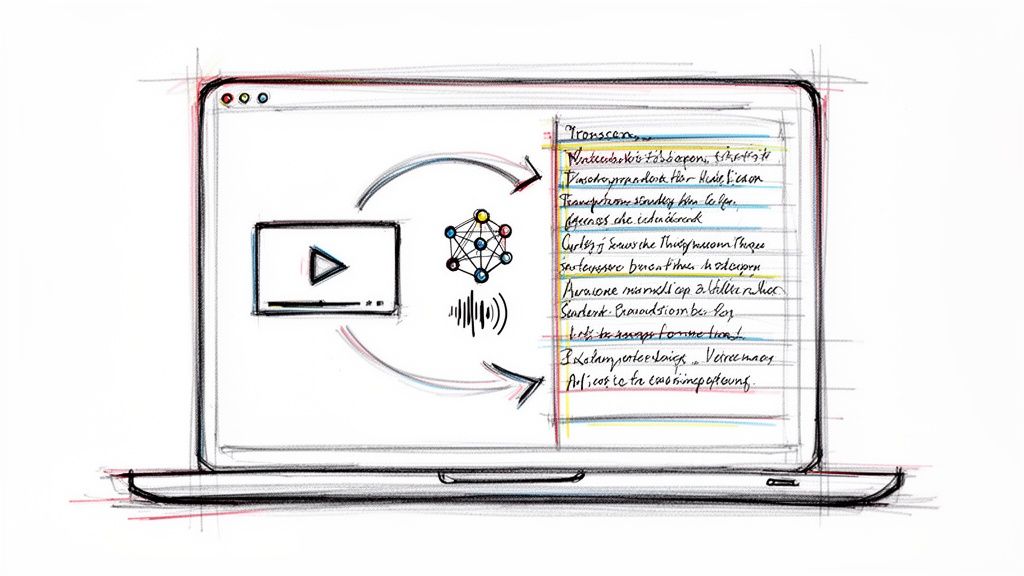
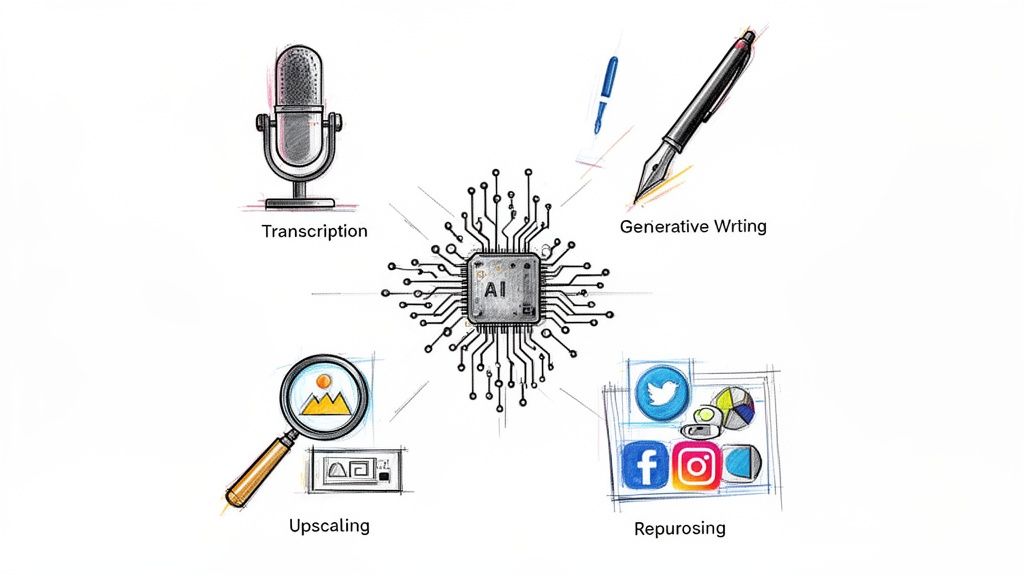
At the heart of modern repurposing is the ability to quickly convert spoken content into text. This is where AI-powered transcription tools like Whisper AI become indispensable, turning audio and video files into a flexible text-based foundation for countless new assets. To efficiently adapt long-form content for various platforms and audiences, creators can leverage an powerful AI video summarizer.
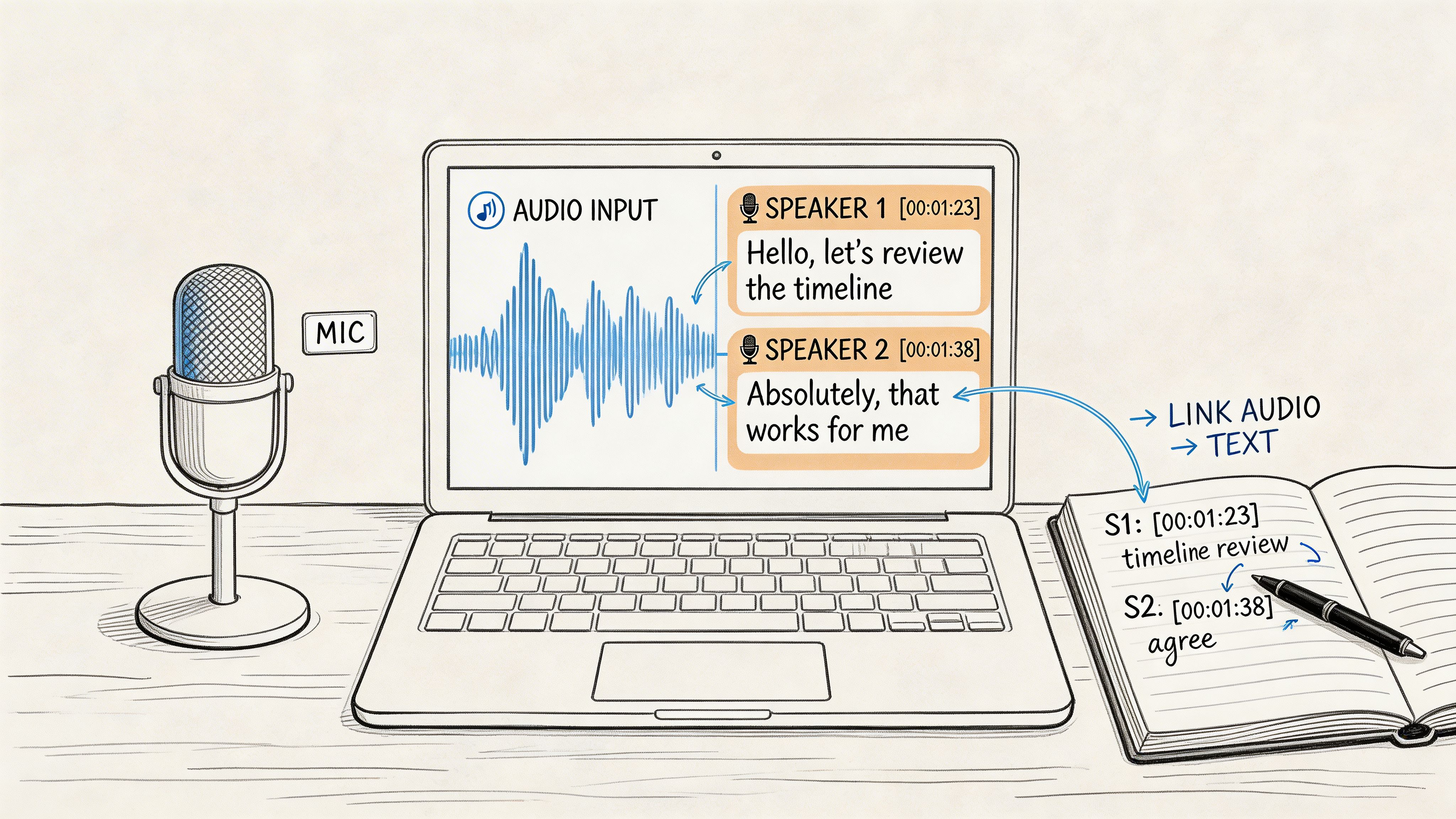
- Transcribe Your Pillar Content: Start by running your primary video or podcast episode through an AI transcription service to get an accurate, time-stamped text document.
- Extract Key Moments: Use the transcript to quickly identify viral-worthy quotes, key data points, and compelling stories. These become the raw material for social media graphics, tweets, and short-form video clips.
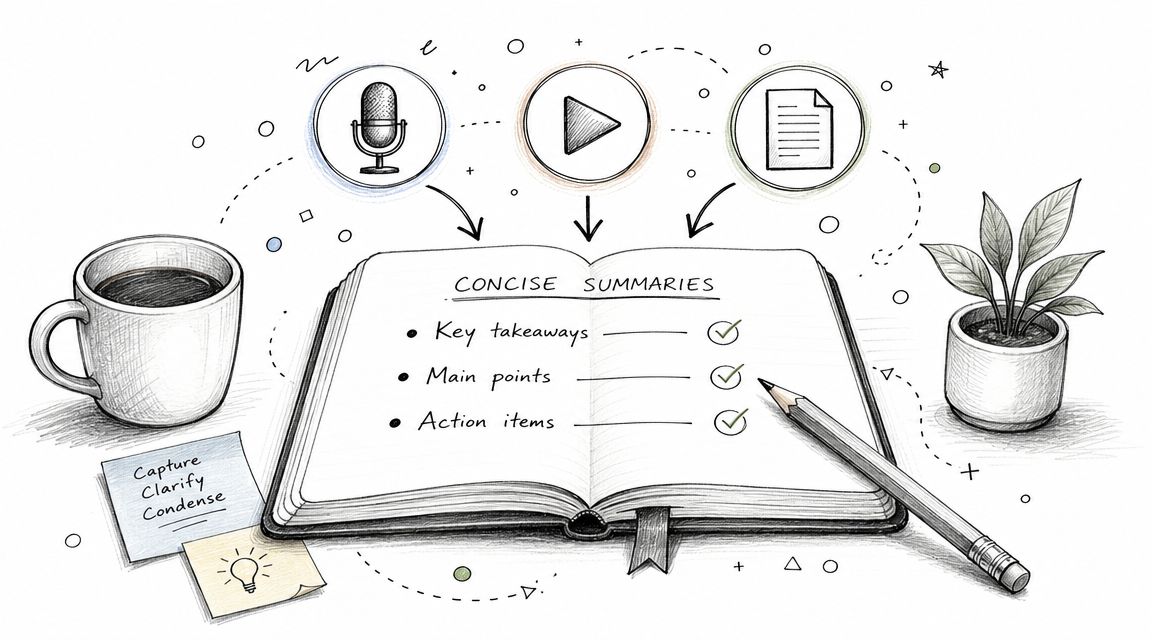
- Generate Summaries: Use the text to create different levels of summaries. A high-level overview can become a blog post or email newsletter, while a bullet-point summary is perfect for a LinkedIn post or video description.
- Adapt for Different Formats: Transform transcribed Q&A sections into a standalone FAQ blog post. Group related tips into a carousel post for Instagram. The text becomes a modular resource to be reassembled in new ways. Explore these and other powerful content repurposing strategies to get more from every asset you create.
3. Prioritize SEO and Discoverability
Creating exceptional content is only half the battle; ensuring it can be found is the other. Prioritizing search engine optimization (SEO) is a critical content creation best practice that transforms your work from a hidden gem into a discoverable resource. This means strategically optimizing your content so that search engines like Google can understand, index, and rank it for relevant queries. For multimedia creators, this extends beyond simple titles and descriptions to leveraging the power of text-based transcripts.
This practice is exemplified by successful creators who treat discoverability as a core part of their strategy. Pat Flynn's Smart Passive Income podcast publishes full transcripts for every episode, turning audio conversations into keyword-rich articles that attract significant organic traffic. Similarly, Lex Fridman publishes full transcripts on his website, allowing his in-depth podcast discussions to rank for countless long-tail search terms that a simple video title could never capture.
How to Implement This Practice
Integrating SEO begins during the content planning phase and continues through publication. For video and audio, transcripts are your most powerful tool.
- Publish Full Transcripts: Use a tool like Whisper AI to generate accurate, machine-readable transcripts of your videos or podcasts. Post this text directly on your website or blog. Search engines crawl text far more effectively than audio or video, making your multimedia content searchable for every word spoken.
- Optimize Your Metadata: Use keyword research to craft compelling, keyword-rich titles, descriptions, and tags for your content on platforms like YouTube and Spotify. Use the automatic summary feature from your transcript to quickly create an effective meta description.
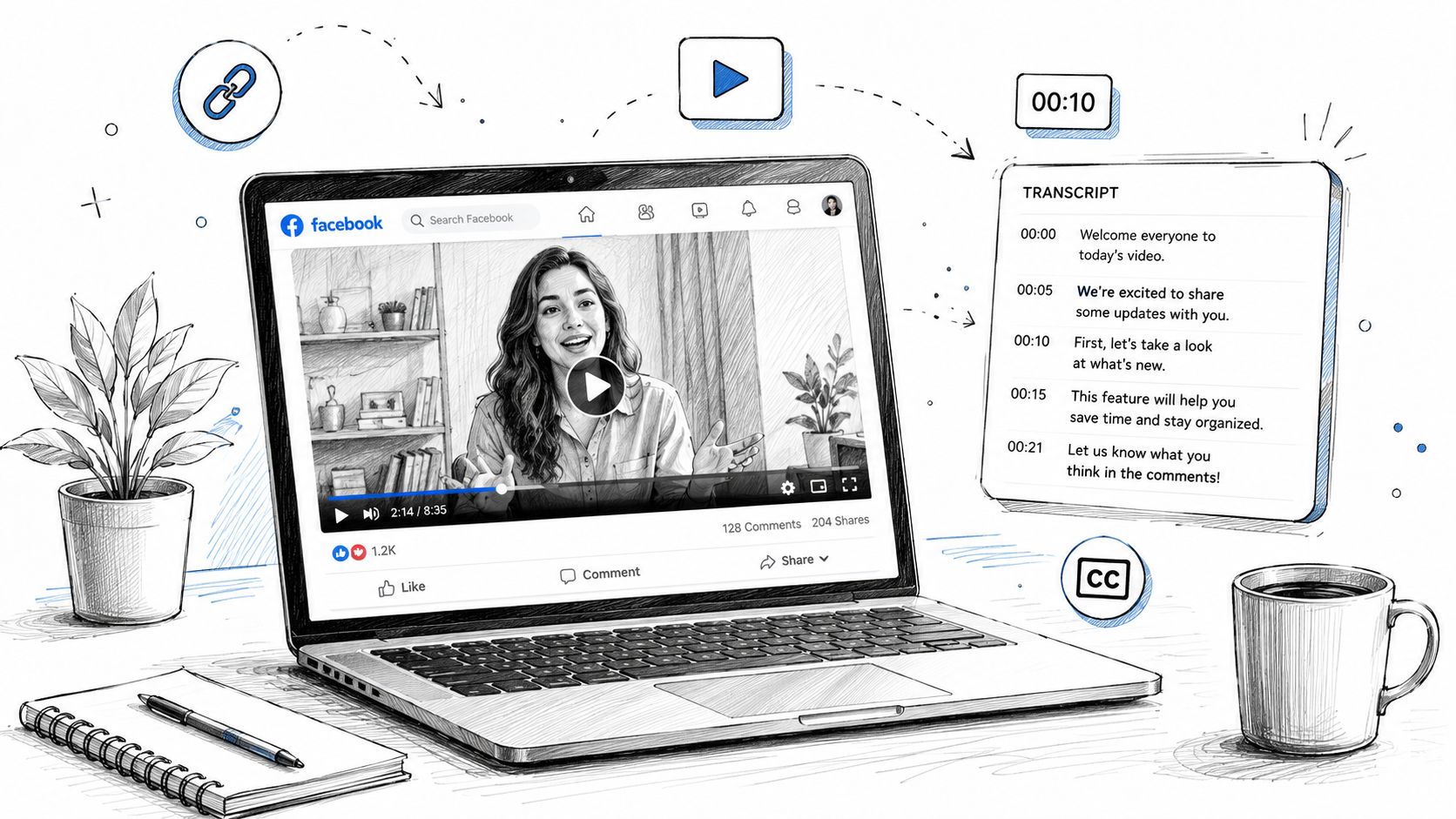
- Leverage Timestamps and Internal Linking: Use timestamps from your transcript to create a "table of contents" with anchor links. This improves user experience and helps search engines understand the structure of your content, creating opportunities for sitelinks in search results.
- Optimize for Voice and Long-Tail Search: Mine your transcripts for specific questions asked and answered. These are often perfect targets for long-tail and voice search queries, helping you capture highly specific search intent. For a deeper dive into optimizing video, explore these YouTube SEO best practices.
By embedding SEO into your workflow, you create a sustainable system for driving organic traffic, ensuring your valuable content reaches the widest possible audience. To further enhance your content's search engine performance and reach, consider utilizing advanced SEO tools like Yoast SEO Premium.
4. Maintain Consistency in Publishing Schedule and Brand Voice
One of the most powerful yet underrated content creation best practices is establishing and honoring a consistent rhythm. This involves two core elements: a predictable publishing schedule and a recognizable brand voice. A regular cadence trains your audience when to expect new content, building anticipation and loyalty. At the same time, a consistent voice ensures that every piece of content, from a short-form clip to a long-form podcast, feels familiar and authentically yours, strengthening brand identity and trust.
This dual-pronged approach turns casual consumers into a dedicated community. Casey Neistat famously built his YouTube empire by committing to a demanding daily vlog schedule, making his channel a daily habit for millions. Similarly, The Daily podcast from The New York Times has become an essential morning routine for its listeners by publishing a new deep-dive episode every single weekday without fail. James Clear, author of Atomic Habits, uses his weekly "3-2-1" newsletter to consistently deliver value in a predictable format, reinforcing his brand's core message.
How to Implement This Practice
Consistency doesn't happen by accident; it requires a deliberate system and the right tools. A content calendar is your roadmap, while a style guide ensures your voice remains uniform across all outputs.
- Create a Content Calendar: Plan your content weeks or even months in advance. This allows you to batch-produce content, reducing the pressure of last-minute creation and ensuring you never miss a publication date.
- Establish a Brand Voice Guide: Document your brand’s tone, personality, preferred terminology, and messaging pillars. This guide becomes the single source of truth for anyone creating or editing content, ensuring uniformity.
- Leverage AI for Quality Control: Use tools like Whisper AI to batch-process transcripts for videos and podcasts. This not only saves time but also allows you to quickly scan for consistency in messaging and tone before publishing.
- Systemize Your Workflow: Store all assets, like transcripts and summaries, in a centralized, searchable location such as Notion or Google Drive. This makes it easy to reference past content and maintain consistency in how you discuss recurring topics.
- Review and Refine: Regularly review your content output against your voice guide. Use annotated transcripts to highlight and correct inconsistencies, ensuring every piece aligns with your established brand identity.
5. Create Value-Driven Content with Clear Purpose
Beyond catchy titles and high production quality, the most resilient content strategy is rooted in delivering genuine value. This best practice dictates that every piece of content must have a clear purpose: to solve a specific problem, answer a pressing question, entertain, or educate your audience. Value-driven content moves beyond self-promotion and focuses entirely on genuinely helping your audience achieve a desired outcome. This approach ensures your work is not just consumed, but appreciated, saved, and shared.
This purpose-first philosophy is the engine behind highly successful content. Ali Abdaal, for example, built his empire by providing actionable productivity frameworks for students and professionals. Similarly, Andrew Huberman’s podcast offers deep, scientific explanations of health topics, but always connects them to practical, everyday protocols. This commitment to delivering tangible value is what builds authority and a loyal community.
How to Implement This Practice
Ensuring every piece of content delivers on its promise of value requires a deliberate and strategic workflow. The goal is to make the value explicit and easily accessible to your audience.
- Define Your Promise: Before you even hit record, clearly state the content's purpose. Are you teaching a skill, sharing insider knowledge, or inspiring action? This becomes your guiding star.
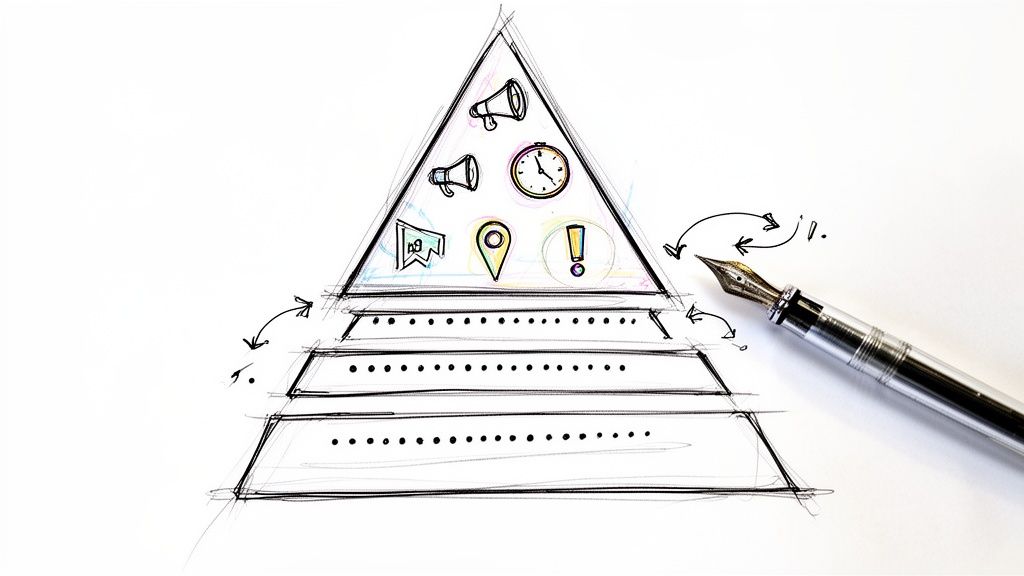
- Structure for Value: Organize your content logically. A common structure is Problem (what pain point are you addressing?), Solution (how do you solve it?), and Action (what should the audience do next?). Use timestamps to segment your content by these value propositions.
- Create Actionable Takeaways: Your content shouldn't just be informative; it should be transformative. Extract specific action items or key takeaways that viewers can implement immediately.
- Leverage Transcripts for Accessibility: Make your value easy to find. Provide searchable transcripts so your audience can quickly locate the exact information they need without scrubbing through an entire video or audio file. This respects their time and enhances their experience.
6. Optimize for Accessibility and Inclusion
One of the most impactful content creation best practices is to design your work for universal access. Accessibility isn't a niche requirement; it's a strategy to expand your audience, enhance user experience, and improve SEO. This means creating content that can be consumed by everyone, including individuals who are deaf or hard-of-hearing, blind or have low vision, or non-native speakers. By proactively including features like captions, transcripts, and audio descriptions, you ensure your message resonates with the widest possible audience.

This principle is championed by industry leaders and accessibility advocates like the World Wide Web Consortium (W3C). We see it in action on major platforms like YouTube, which auto-generates captions for videos, and LinkedIn, which now requires captions as an accessibility standard. These features not only serve users with disabilities but also improve watch time for all viewers, as many consume video content with the sound off. Providing accurate transcripts makes your audio and video content searchable, unlocking immense SEO value.
How to Implement This Practice
Integrating accessibility is a straightforward process that significantly boosts content quality and reach. Modern tools have made this easier than ever for creators.
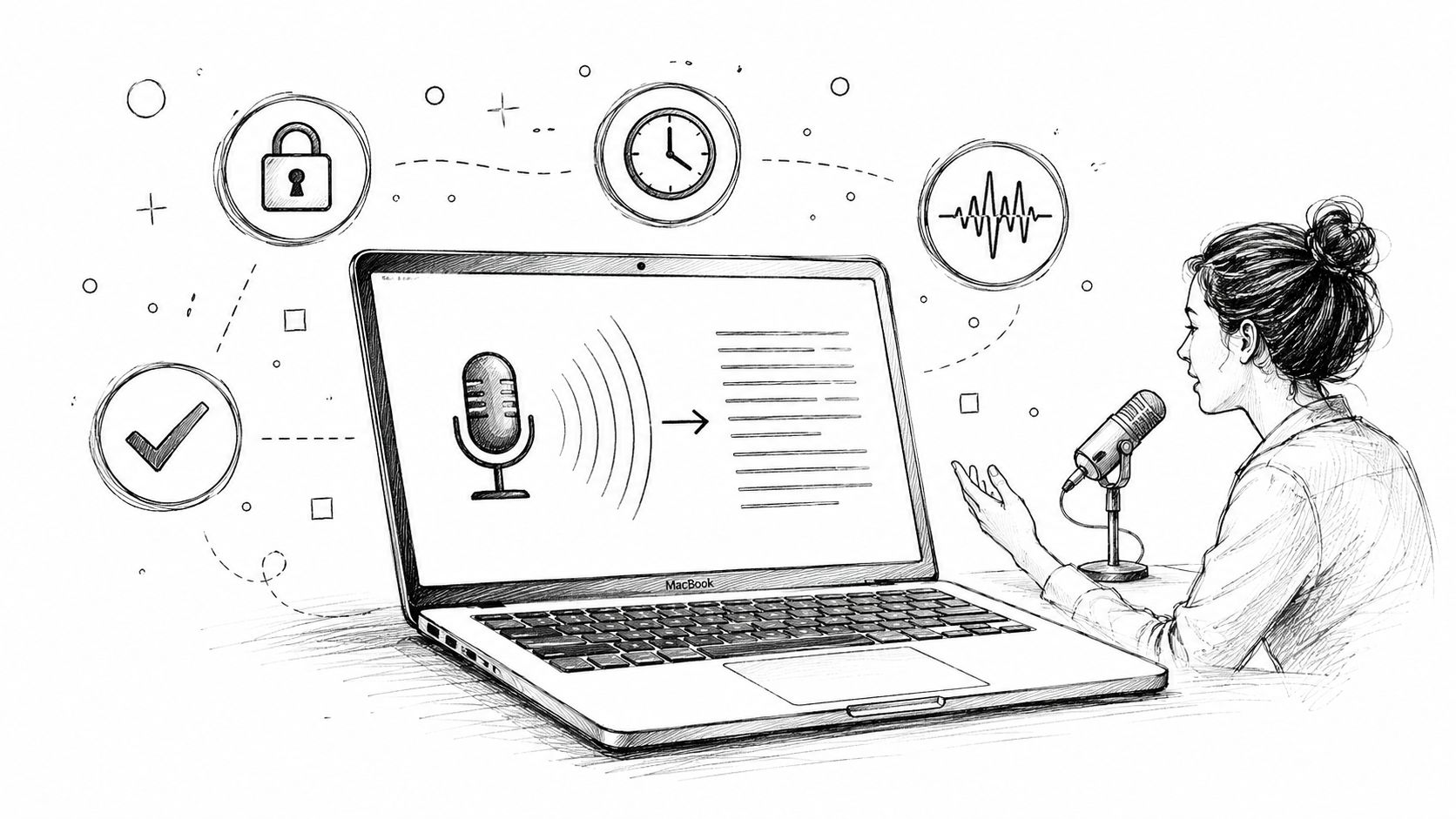
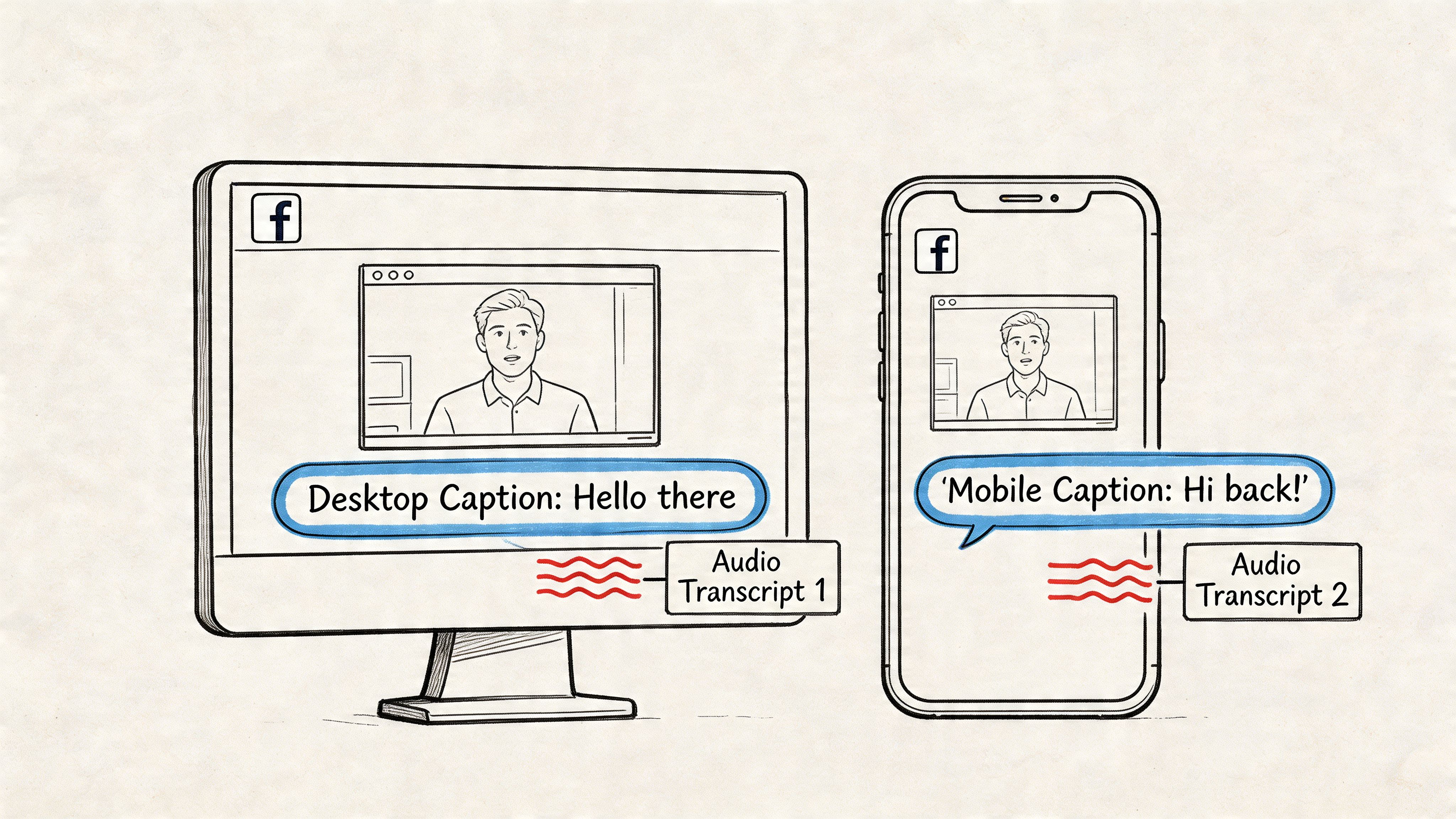
- Generate Accurate Transcripts: Use a tool like Whisper AI to automatically generate precise transcripts for all your video and podcast content. Publishing these transcripts makes your content searchable and accessible to deaf or hard-of-hearing audiences.
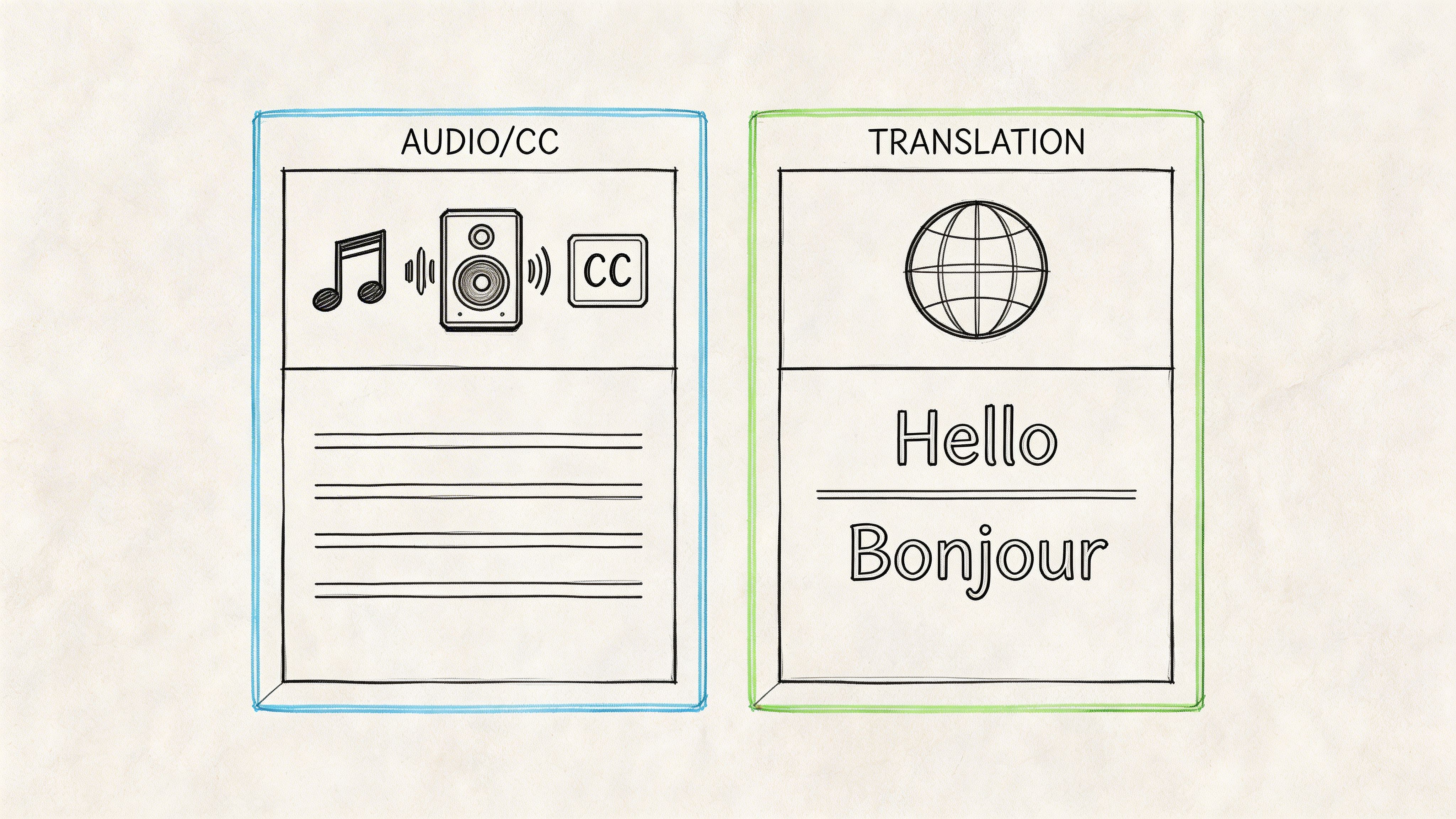
- Refine and Publish Captions: Treat auto-generated captions as a starting point. Review them for accuracy in punctuation and spelling before publishing. For a deeper understanding, explore the nuances between subtitles and closed captions to best serve your viewers.
- Provide Contextual Descriptions: For visual-heavy content, add descriptive text to your transcript. Note important on-screen graphics, speaker changes, or actions that are critical to understanding the narrative.
- Support Global Audiences: Enable multi-language transcripts to break down language barriers. Whisper AI can transcribe in over 90 languages, allowing you to connect with international viewers and expand your global footprint.
7. Leverage Data and Analytics to Inform Content Strategy
The most successful creators don't rely on guesswork; they operate like scientists, using data to guide every decision. Leveraging analytics means moving beyond vanity metrics and diving into the performance data that reveals what your audience truly values. This data-driven approach transforms content creation from an art of intuition into a science of predictable success. Tracking metrics like engagement, watch time, and click-through rates allows you to identify what works and systematically replicate that success, ensuring your efforts are always optimized for impact.
This practice is central to modern digital media. Netflix famously uses viewing data, from completion rates to which scenes are rewatched, to greenlight new shows and refine its content library. On YouTube, creators like MrBeast A/B test every conceivable element, from thumbnail color schemes to the exact wording of a title, using analytics to inform their high-stakes video production. This methodology is a core component of effective content creation best practices, turning audience behavior into a clear roadmap for what to create next.
How to Implement This Practice
Integrating data into your workflow involves consistently tracking performance and using those insights to refine your strategy. It’s about creating a feedback loop where every piece of content informs the next.
- Identify Key Metrics: Focus on metrics that align with your goals. For a podcaster, this might be listener retention and download numbers. For a YouTuber, it could be audience retention graphs, click-through rates (CTR), and average view duration.
- Analyze Content Segments: Use analytics to see where your audience's attention peaks and wanes. In a video, which segments are most replayed? On a blog post, which sections generate the most time on page? This reveals the most valuable parts of your content.
- Correlate Transcripts with Engagement: For video and audio creators, analyzing transcripts alongside engagement data is a powerful tactic. Search your transcript archive for keywords or topics that consistently correlate with higher view counts or listener retention to discover what resonates most.
- Conduct A/B Tests: Systematically test variables like headlines, thumbnails, or call-to-action phrasing. Let the data, not your gut feeling, decide which version performs better.
By making analytics a core part of your creative process, you can minimize risk, optimize resource allocation, and consistently produce content that hits the mark.
8. Build Strategic Partnerships and Collaborations
No creator is an island. One of the most powerful content creation best practices for accelerating growth is to tap into existing communities by collaborating with other creators. Strategic partnerships introduce your content to new, relevant audiences, add credibility through association, and create unique value that you couldn't offer alone. This goes beyond simple shout-outs to include guest appearances, interviews, cross-promotions, and joint projects that benefit both parties.
This strategy has been a cornerstone for many of today's largest creators. The growth of podcasts like The Joe Rogan Experience and Lex Fridman Podcast was significantly amplified by featuring high-profile guests from diverse fields, exposing their work to millions of new listeners with each episode. Similarly, entrepreneurs like Alex Hormozi frequently collaborate with other business influencers, creating a powerful cross-promotional network that expands everyone's reach and authority simultaneously.
How to Implement This Practice
Effective collaboration is about creating mutual value, not just asking for a platform. The key is to make the process as seamless and beneficial for your partner as possible.
- Identify Strategic Partners: Look for creators in your niche or adjacent niches who share a similar target audience but aren't direct competitors. Their audience is likely to be interested in your content.
- Pitch a Value-Driven Idea: Instead of a generic "let's collab" message, propose a specific idea. Suggest a joint livestream, a guest spot on their podcast to discuss a topic you're an expert on, or co-authoring a guide.
- Simplify the Process for Guests: If you host interviews, handle the logistics. More importantly, provide them with ready-to-use promotional assets. Use a tool like Whisper AI to instantly transcribe the conversation, creating a full transcript and shareable summary.
- Create Repurposable Assets: From the full transcript, extract key quotes, create highlight clips with timestamps, and craft social media posts. Share these assets with your guest so they can easily promote the collaboration to their own audience with minimal effort.
By making collaboration a frictionless and high-value experience for your partners, you build strong relationships and create a repeatable engine for audience growth.
9. Engage Authentically and Build Community
Content creation is not a one-way broadcast; it's the start of a two-way conversation that builds a loyal community. Authentic engagement involves actively participating in the dialogue your content sparks, such as responding to comments, asking for audience input, acknowledging feedback, and sharing behind-the-scenes moments. This practice transforms passive viewers into a dedicated community that advocates for your brand, provides invaluable feedback, and drives sustained engagement, a cornerstone of modern content creation best practices.
This community-centric approach has been mastered by creators like MrBeast, who builds rapport by personally replying to fan comments, and Hank Green, whose authentic, educational engagement on platforms like TikTok has cultivated a highly curious and interactive community. Similarly, Y Combinator co-founder Paul Graham built a massive startup community around his insightful essays by actively engaging with feedback and questions, turning his content into a foundational resource for entrepreneurs.
How to Implement This Practice
Building a community requires making your audience feel seen, heard, and valued. This means moving beyond generic "thanks for watching" comments and creating meaningful interactions.
- Foster Deeper Conversations: Use searchable transcripts of your video or audio content to facilitate more specific discussions. When a viewer asks about a particular point, you can reference the exact transcript segment or timestamp, showing you're paying close attention.
- Source Content from Your Community: Actively monitor comments and DMs for recurring questions or interesting ideas. Use these audience-generated topics to create follow-up content, giving a direct shout-out to the community members who inspired it.
- Prompt Specific Feedback: Instead of asking for general thoughts, encourage precise engagement. Ask your audience to point out specific moments (using timestamps) they found most valuable or confusing, which provides you with highly targeted feedback for future content.
- Share Transcript Excerpts: Post compelling quotes or key takeaways from your content's transcript directly onto community platforms like Discord, Twitter, or Facebook Groups. This can spark new conversations and make your content more accessible to those who prefer reading.
By treating your comments section and DMs as a focus group, you can create a powerful feedback loop that strengthens your content and builds a loyal, self-sustaining community.
10. Master Storytelling and Narrative Structure
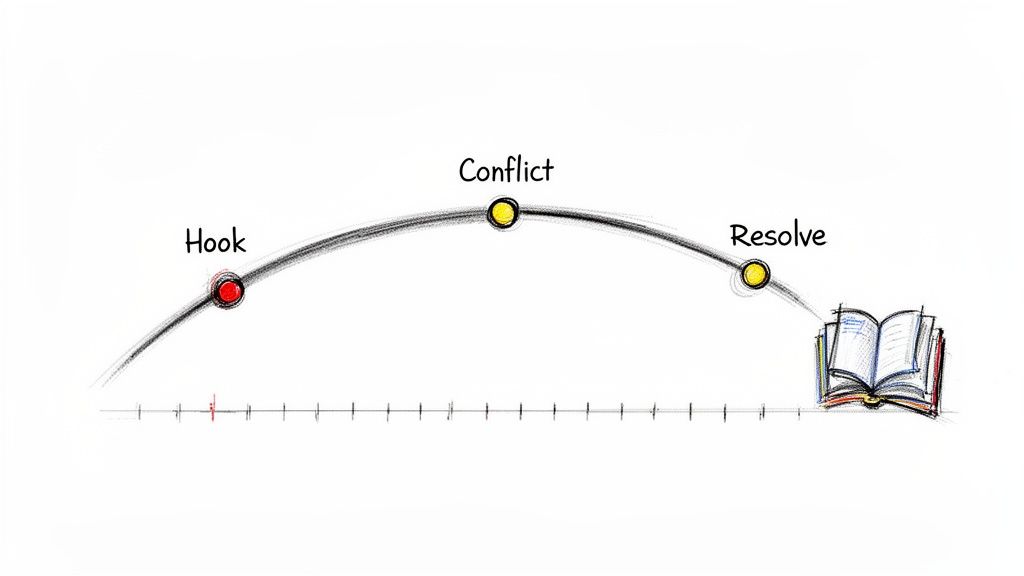
Facts and data inform, but stories create connections and make information memorable. Humans are neurologically wired to process and retain information through narratives. This content creation best practice involves intentionally structuring your content with a clear beginning (the hook), middle (development or conflict), and end (resolution or payoff). This transforms a simple piece of information into an emotionally resonant and highly shareable experience.
This narrative-driven approach was popularized by creators like Casey Neistat, whose vlogs masterfully employ story arcs to make mundane events feel like cinematic journeys. Similarly, business storyteller Donald Miller developed the StoryBrand framework, which helps brands clarify their message by casting the customer as the hero. Even TED Talks are prime examples, with speakers often using a personal anecdote to illustrate a complex, data-heavy concept, making it instantly relatable and powerful.
How to Implement This Practice
Integrating storytelling doesn't mean you need to be a novelist; it means applying proven narrative frameworks to your content, no matter the format.
- Choose a Framework: Start with a simple structure like the Problem-Solution or Before-and-After models. For more complex narratives, explore the Hero's Journey, where you guide the audience through a challenge to a transformation.
- Analyze Your Structure with Transcripts: Use a tool like Whisper AI to get a timestamped transcript of your video or podcast. This allows you to visually map out your narrative structure. You can pinpoint exactly where your hook is, where tension builds, and where the resolution occurs.
- Identify Your Hook and Payoff: Review the first 30 seconds of your transcript. Does it present a compelling question, conflict, or mystery? Then, look at the end. Does it provide a satisfying conclusion or a clear call-to-action that resolves the initial hook?
- Mine Transcripts for Story Clips: Scan your transcript for emotionally charged moments, surprising revelations, or concise anecdotes. The timestamps make it easy to isolate these powerful mini-stories and repurpose them as compelling clips for social media promotion.
Content Creation: Top 10 Practices Comparison
Putting These Practices Into Action
The journey to mastering content creation is not a sprint to a finish line; it is a continuous cycle of creation, measurement, and refinement. We have explored a comprehensive framework of ten essential pillars, from the foundational necessity of deeply knowing your audience to the strategic amplification that comes from repurposing, SEO, and collaboration. These aren't just isolated tips but interconnected components of a holistic strategy. Adopting these content creation best practices is about shifting from a reactive, "what do I post today?" mindset to a proactive, strategic approach that builds a sustainable, impactful, and resonant brand presence.
The true value lies not just in understanding these principles but in consistently applying them. Think of your content as an ecosystem where each piece supports the others. Your deep audience knowledge informs your value-driven purpose, which is then crafted using compelling storytelling. That core message is made discoverable through SEO, inclusive through accessibility, and its reach is expanded exponentially through intelligent repurposing and distribution. Each element, from a well-placed caption to a data-informed content calendar, contributes to the larger goal: building a genuine connection with your audience.
From Blueprint to Reality: Your Actionable Next Steps
Absorbing a long list of best practices can feel overwhelming. The key is to avoid analysis paralysis and take immediate, focused action. Instead of trying to implement all ten principles at once, choose one or two areas that represent your biggest opportunity for growth right now.
Here is a simple, actionable plan to get started:
- This Week: Conduct a Content Audit. Review your last five pieces of content. Ask yourself: How well did this align with my target audience's needs? Was there a clear, value-driven purpose? How could I have made it more accessible? This initial review provides a baseline.
- This Month: Focus on One Core Practice. Dedicate the next 30 days to mastering a single principle. For example, if your discoverability is weak, make this your "SEO month." Focus on keyword research for every piece, optimize your titles and descriptions, and learn about building backlinks. If engagement is low, make it your "Community Month" by focusing on authentic interaction and responding to every comment.
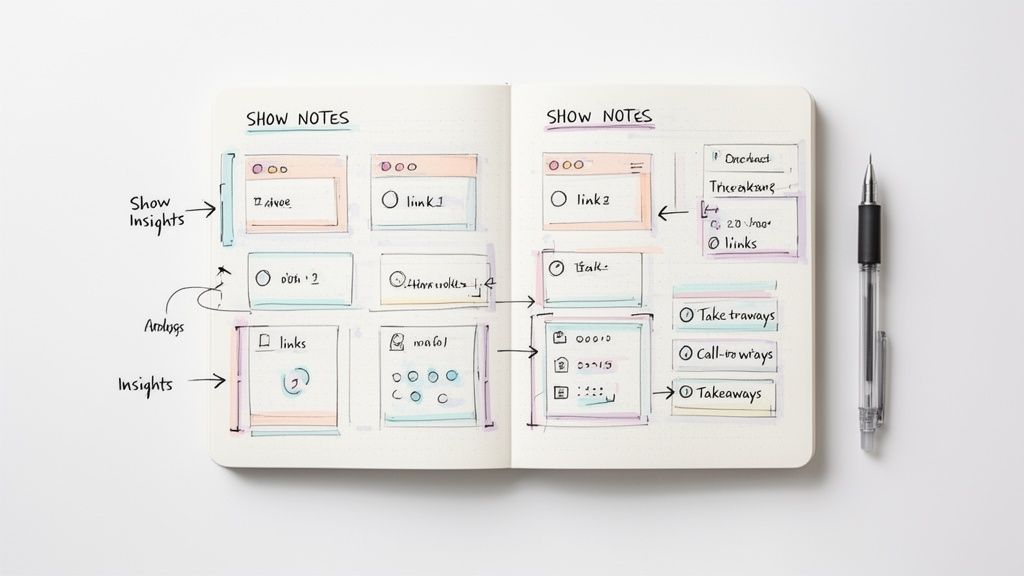
- This Quarter: Integrate a New Workflow. Introduce a system that makes a best practice a non-negotiable part of your process. This could be implementing a tool like Whisper AI to automatically transcribe all your video and audio, creating an instant repository for blog posts, social media snippets, and detailed show notes. By systemizing the practice, you ensure it happens every time, freeing up mental energy to focus on creativity.
The most successful creators are not those who have a secret formula but those who commit to the process of continuous improvement. They understand that mastering content creation best practices is an ongoing discipline. They are perpetual students of their audience, their data, and their craft. By applying this same iterative mindset, you transform your content from a series of disjointed posts into a powerful engine for growth, community, and influence. The blueprint is now in your hands; the next step is to start building.
Ready to supercharge your workflow and put these repurposing strategies into action? Whisper AI transcribes your audio and video content with unmatched accuracy, providing summaries, chapters, and key insights in minutes. Stop manually creating assets and start effortlessly turning one piece of content into ten by visiting Whisper AI to try it for free.