How to Improve Active listening skills: A Practical Guide
Improving your active listening skills starts with a simple mental shift: stop waiting for your turn to talk and start focusing on truly understanding what the other person is saying. It’s about quieting your inner monologue, paying attention to non-verbal cues, and showing you’re engaged. This is the difference between simply hearing words and actively participating in a conversation.
Why Active Listening Is a Career Superpower
Before we dive into the techniques, let's establish why improving your active listening skills is one of the smartest investments you can make in your career. It's not just about being polite—it's a strategic advantage. When you truly listen, you build trust, prevent costly misunderstandings, and create an environment where people feel safe sharing crucial information.
I once watched a project get pulled back from the brink of disaster, all because one manager took the time to listen. A junior developer, who was normally pretty quiet, hesitantly brought up a potential snag in the plan. Most of the team just wanted to keep moving and sort of glossed over it. But this manager stopped everything, looked right at the developer, and started asking questions to understand the problem fully.
That one moment of focused listening saved what would have been a massive failure after launch. It literally saved the company thousands of dollars and weeks of backtracking. That’s the real, tangible power of active listening.
The Real-World Impact on Your Career
This isn't just about dodging bullets; it's about laying the groundwork for your own growth. When you master active listening, you go beyond just processing words. You start to pick up on the intent, the emotion, and even what’s not being said. That level of understanding gives you a serious edge in any room.
The benefits are concrete and they add up fast:
- It Builds Unbreakable Trust: When people feel genuinely heard, they open up. They become more honest and willing to collaborate, which is the foundation of any high-performing team.
- It Prevents Costly Errors: A surprising amount of time and money is wasted because of simple miscommunication. Active listening ensures everyone is aligned, stopping small misunderstandings from spiraling into major problems.
- It Boosts Team Performance: Good listening has a direct impact on the bottom line. Managers who are active listeners can see team productivity jump by 23%, mainly because people feel trusted and motivated. On top of that, employees who feel heard are 67% less likely to quit, which dramatically cuts down on turnover costs. You can read more about how listening drives management success on Management-trends.com.
Ultimately, mastering this skill can completely transform how you lead, collaborate, and navigate difficult conversations. It truly is a career superpower.
Mastering the Three Core Pillars of Active Listening
To genuinely improve your active listening skills, it's helpful to know that it’s not just one thing. It’s a combination of three distinct pillars working together: Comprehending, Retaining, and Responding. By mastering each one, you’ll shift from passively hearing words to truly engaging with the speaker and their message.
This isn't just about being a better conversationalist; it's a direct route to building trust and boosting performance across the board. The impact on business is real and measurable.
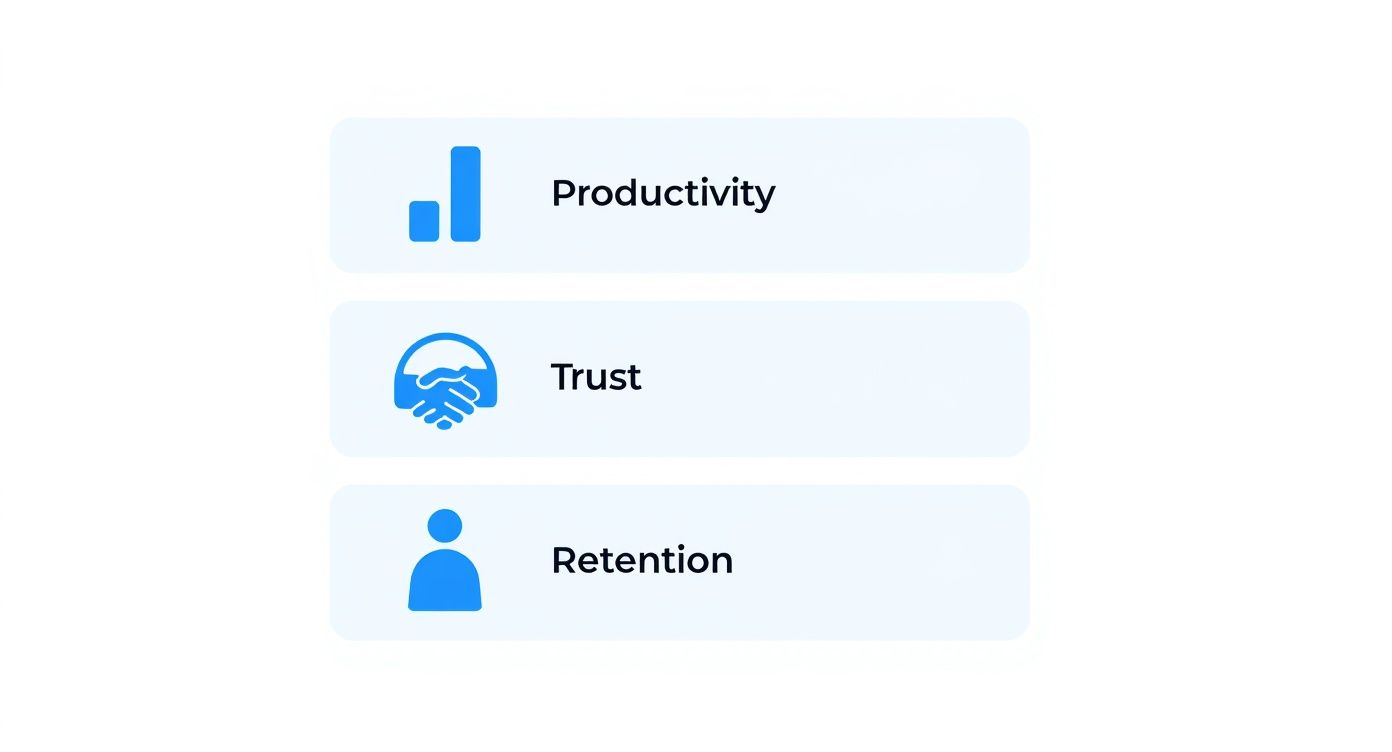
As you can see, solid listening skills directly fuel productivity, strengthen trust, and improve retention—making this a non-negotiable skill in any professional setting.
The Pillar of Comprehending
Let's start with the foundation: comprehending. This is all about silencing that internal monologue—you know, the voice in your head that’s already busy crafting a reply or jumping to a conclusion. Your only job in this phase is to fully absorb what the other person is saying, both with their words and their body language.
Think about a tense client feedback session. Don't just hear their list of complaints. Pay attention to their tone, their posture, and where they hesitate. Are they genuinely upset with the outcome, or are they just feeling anxious about the project's next steps? That deeper insight is where real comprehension happens.
The biggest hurdle in comprehending is to stop yourself from preparing a comeback while the other person is still talking. Your focus needs to be 100% on their message, not your next chess move.
To get better at this, start catching yourself when your mind drifts. When it does, gently pull your focus back to the speaker. It’s a mental muscle, and like any muscle, it gets stronger every time you use it.
The Pillar of Retaining
Once you’ve truly understood the message, you need to hang onto it. This isn't about having a photographic memory. It’s about using simple techniques to lock in the key information so you can actually use it. Think about how many conversations feel like they go nowhere—it's often because important details just slipped through the cracks.
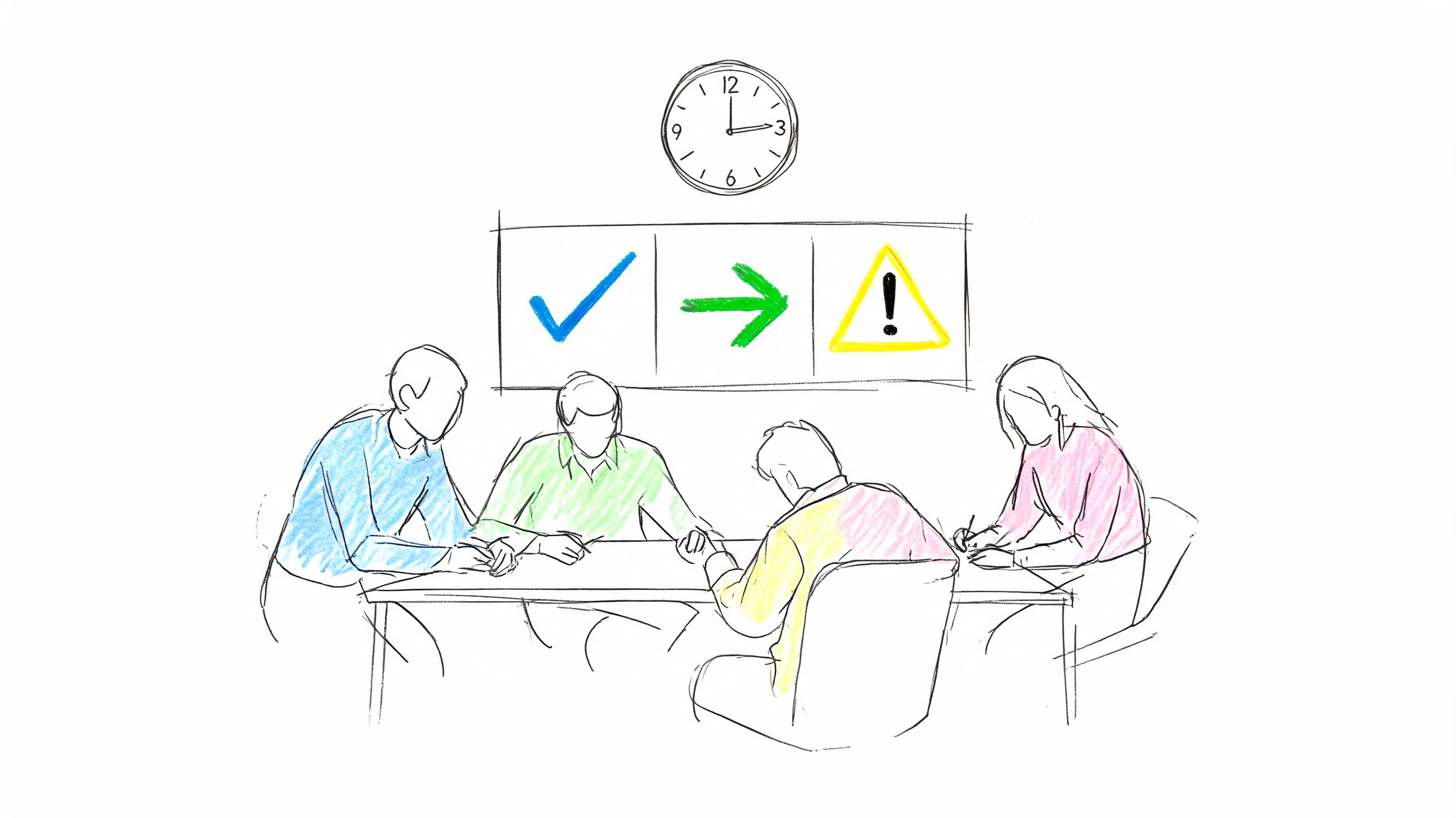
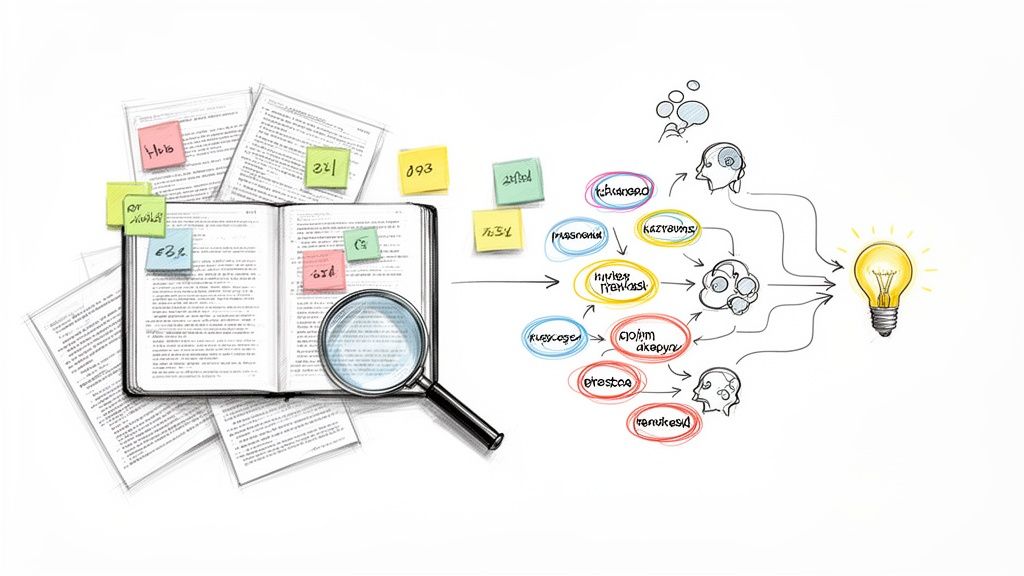
This is where smart note-taking comes in. In a high-stakes team meeting, for example, don't try to write down every single word. That's a recipe for distraction. Instead, focus on jotting down key phrases, action items, and crucial decisions. This method keeps you engaged in the moment without disrupting the flow of conversation.
- Use keywords and symbols: Ditch full sentences for abbreviations and symbols that make sense to you.
- Focus on the big picture: Capture the main ideas and concepts, not just random facts.
- Connect the dots: Use arrows or lines in your notes to link related points together visually.
These tactics are surprisingly similar to what great students use to absorb information. You can actually dive deeper into these powerful memory techniques by reading up on how to study for exams effectively.
The Pillar of Responding
Finally, responding is how you close the communication loop and prove you were actually listening. A good response isn’t just about agreeing or disagreeing. It’s about showing you’ve grasped the speaker’s message on a meaningful level.
This is where skills like paraphrasing and summarizing are your best friends. After a colleague walks you through a complex problem, you could say something like, "So, if I'm getting this right, the core issue is X, and it seems to be triggered by Y?" This does two things: it confirms you understood and gives them a chance to correct you if you didn't.
Asking smart, open-ended questions is another powerhouse move. Instead of a simple "Okay," try something like, "What do you see as the biggest roadblock with that approach?" This invites them to elaborate and shows you’re thinking critically about what they've shared.
The Pillars of Active Listening At a Glance
To make this even clearer, here’s a quick breakdown of the three pillars, what you're trying to achieve with each, and how to practice them.
Thinking of listening in terms of these three pillars helps break it down into manageable skills you can work on one at a time. Master them, and you'll transform the way you communicate.
How to Listen Effectively in a Distracted Digital World
Let's be honest: our modern work lives are a minefield of distractions. Between the constant pings from Slack, the never-ending flood of emails, and the pressure to be doing five things at once, giving someone our full attention feels like a superpower. This section is your guide to reclaiming that focus and becoming a better listener in a world practically designed to break your concentration.
The biggest myth we need to bust is multitasking. You simply cannot give someone your undivided attention while simultaneously glancing at your phone or hammering out a quick reply. When you try to do both, you end up doing both badly—and it’s your listening that takes the biggest hit.
This isn’t just a hunch; the numbers are pretty stark. An Accenture global survey found that while 96% of professionals think they're good listeners, a whopping 98% also multitask during work calls. We're talking about things like checking work emails (66%) and using instant messaging (35%). It's no wonder nearly two-thirds of people in that survey said listening is way harder than it used to be.
Creating a Distraction-Free Zone
To really hear what people are saying, you have to be intentional about creating an environment that allows for focus. This means getting a handle on your physical and digital space before a conversation even starts.
You can start with a few small but powerful changes:
- Silence the noise. Turn off notifications on your computer and phone. Even better? Put your phone completely out of sight.
- Set some ground rules. For team meetings, try suggesting a "lids down" or "no-device" policy for the first 10 minutes. It gets everyone present and engaged right from the start.
- Use an agenda. A clear agenda keeps meetings on track and makes it much harder for people’s minds (and fingers) to wander.
Building strong focus is the bedrock of active listening. If you're looking for more ways to beat digital distractions, check out these great tips on how to keep focus on work and master your attention.
Deciphering Cues in a Virtual World
Effective listening isn't just about what you do—it's also about what you notice. In virtual meetings, where you can't see the usual body language, you have to tune your ears to a different set of cues to grasp the full picture.
Pay close attention to those subtle vocal signals that reveal what’s really going on behind the screen.
In a video call, someone’s tone of voice and speaking pace often tell you more than their words. A sudden hesitation or a drop in volume can signal uncertainty or disagreement, even if they don't say it directly.
Learning to pick up on these nuances is a huge part of active listening, especially when you can't rely on being in the same room. It's how you move from just hearing words to truly understanding the unspoken message.
Practical Exercises to Sharpen Your Listening Skills
Knowing the theory behind active listening is one thing, but making it a habit? That takes practice. Just like building a muscle, you need specific, targeted exercises to see real improvement. So, let's get into a few actionable drills you can start using today to sharpen your focus, deepen your understanding, and respond more thoughtfully in any conversation.

These aren’t just abstract concepts. They are practical, repeatable exercises designed to train your brain to listen more effectively. I suggest starting with one or two that feel right for you and weaving them into your weekly routine.
The 5-Minute Focus Drill
This exercise is a deceptively simple way to get better at retaining information. The whole point is to train your mind to capture the core message of what someone is saying without getting bogged down in every last detail.
Here’s how to do it:
- Pick Your Audio: Find a five-minute segment from a podcast, a TED Talk, or even a news story on a topic you don't know much about.
- Listen Intently: For those five minutes, do nothing else. No multitasking. Just listen with the singular goal of pulling out the main idea and a couple of key supporting points.
- Summarize Immediately: The second it’s over, write a quick, one-paragraph summary. Don't hit replay—the key is to rely only on what you remember.
This drill forces you to shift from passively hearing to actively processing information in real time. It's a fantastic way to strengthen your ability to zero in on what truly matters in a conversation.
The "Question-Only" Response
One of the biggest hurdles to great listening is our own impulse to jump in with advice or our own story. This exercise is all about breaking that habit by forcing you to stay curious and keep the spotlight on the other person.
Try this in your next low-stakes chat with a friend or colleague: for three full minutes, challenge yourself to respond only with questions.
Instead of jumping in with, "Well, I think you should do this," you'll have to ask something like, "What options have you considered so far?" or "How did that situation make you feel?" This simple shift turns you from a problem-solver into a facilitator, giving the other person space to explore their own thoughts.
It's amazing how much more you learn when you're not mentally rehearsing your next sentence. This is a direct, hands-on way to practice the "Comprehending" pillar of active listening.
Empathetic Listening Practice
Truly great listening goes beyond just the words. It's about tuning into the emotion underneath, which is where real connection and trust are built. This exercise helps you train your ear for those underlying feelings.
The next time someone is telling you a story or sharing a problem, silently ask yourself these questions while they speak:
- What’s the main emotion they seem to be feeling? (Frustration? Excitement? Anxiety?)
- What specific words or shifts in their tone are giving me that clue?
- What might be their unspoken need here? (Are they looking for validation, support, or just a chance to be heard?)
This kind of internal practice helps you pick up on the subtext of a conversation, allowing you to respond in a way that’s far more empathetic and meaningful.
Review Your Conversations with Transcription Tools
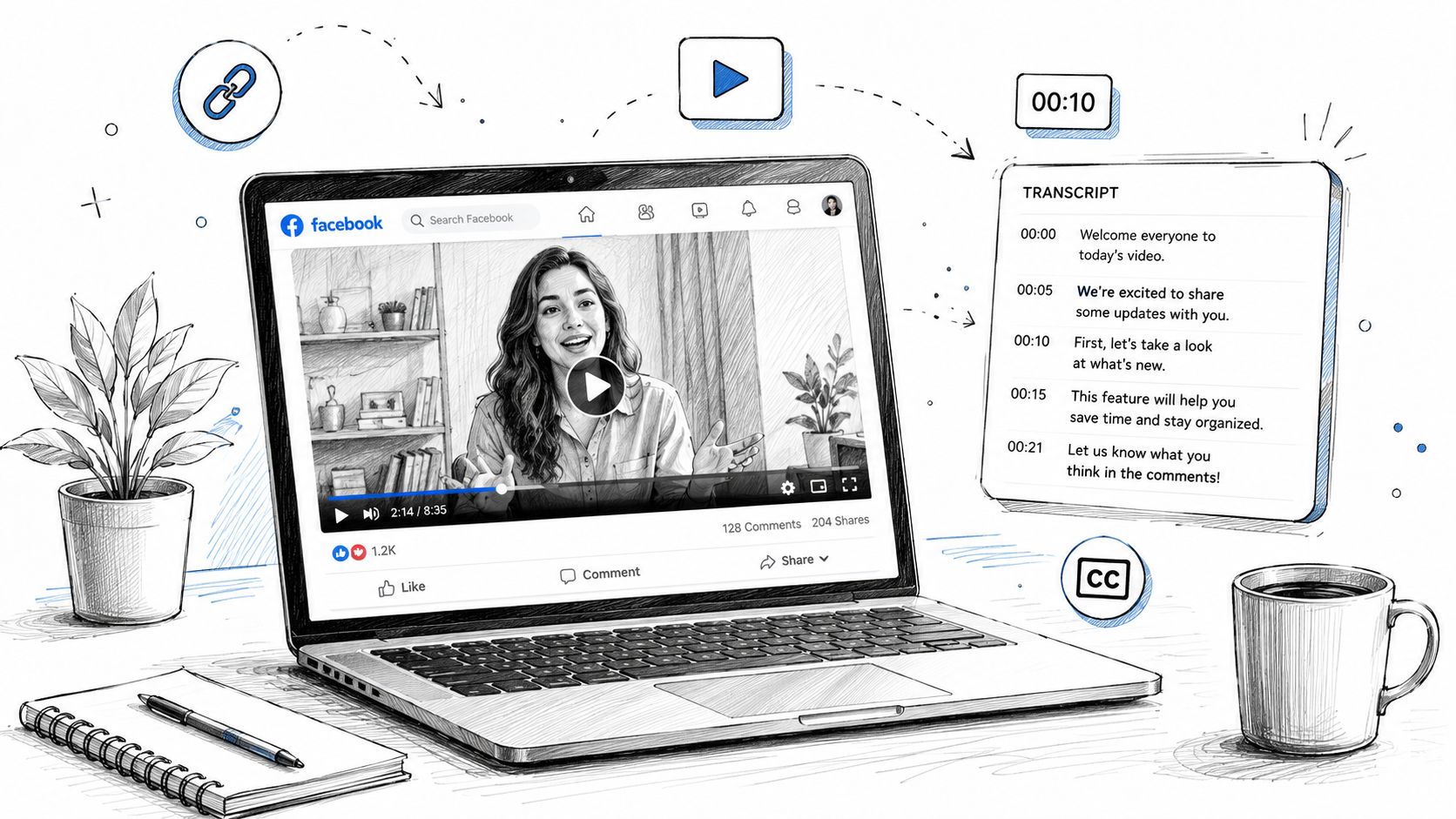
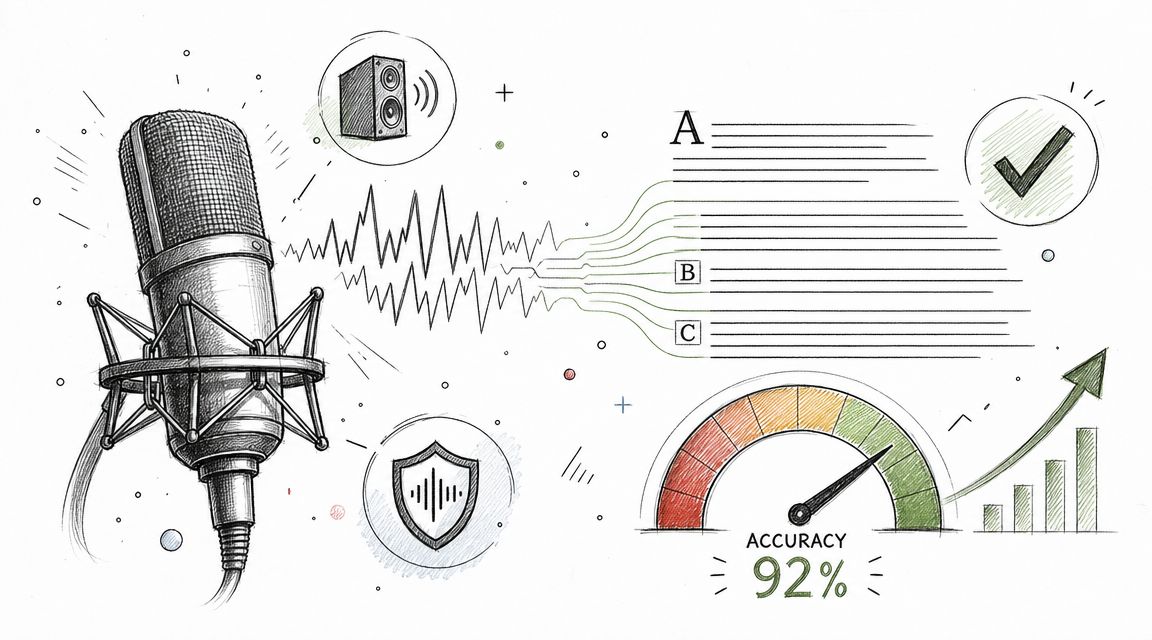
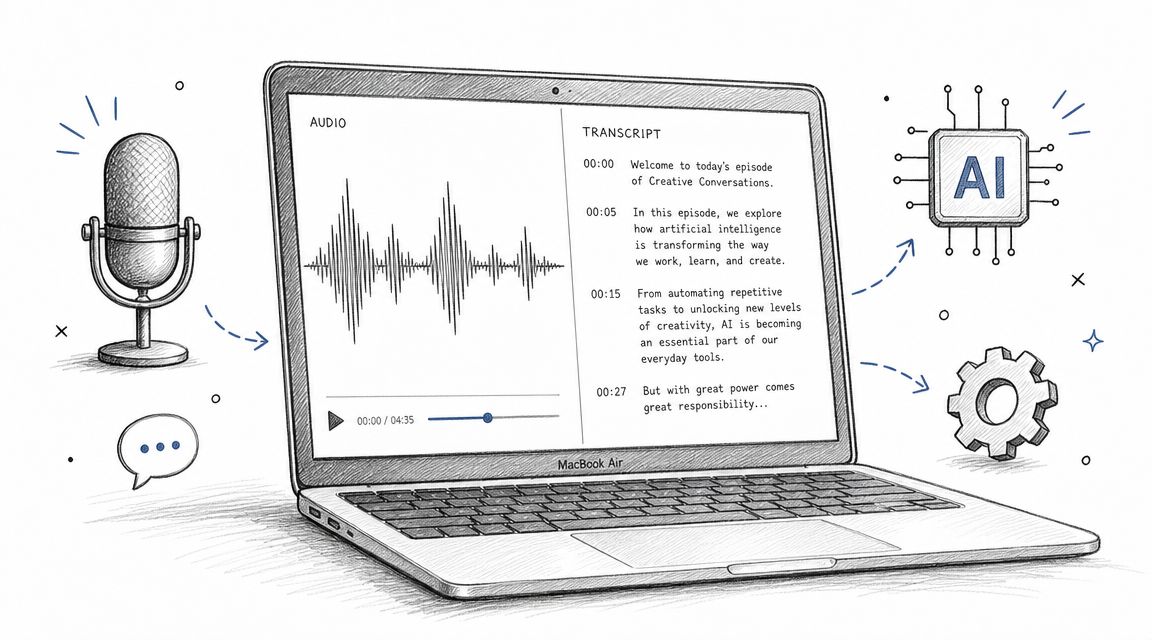
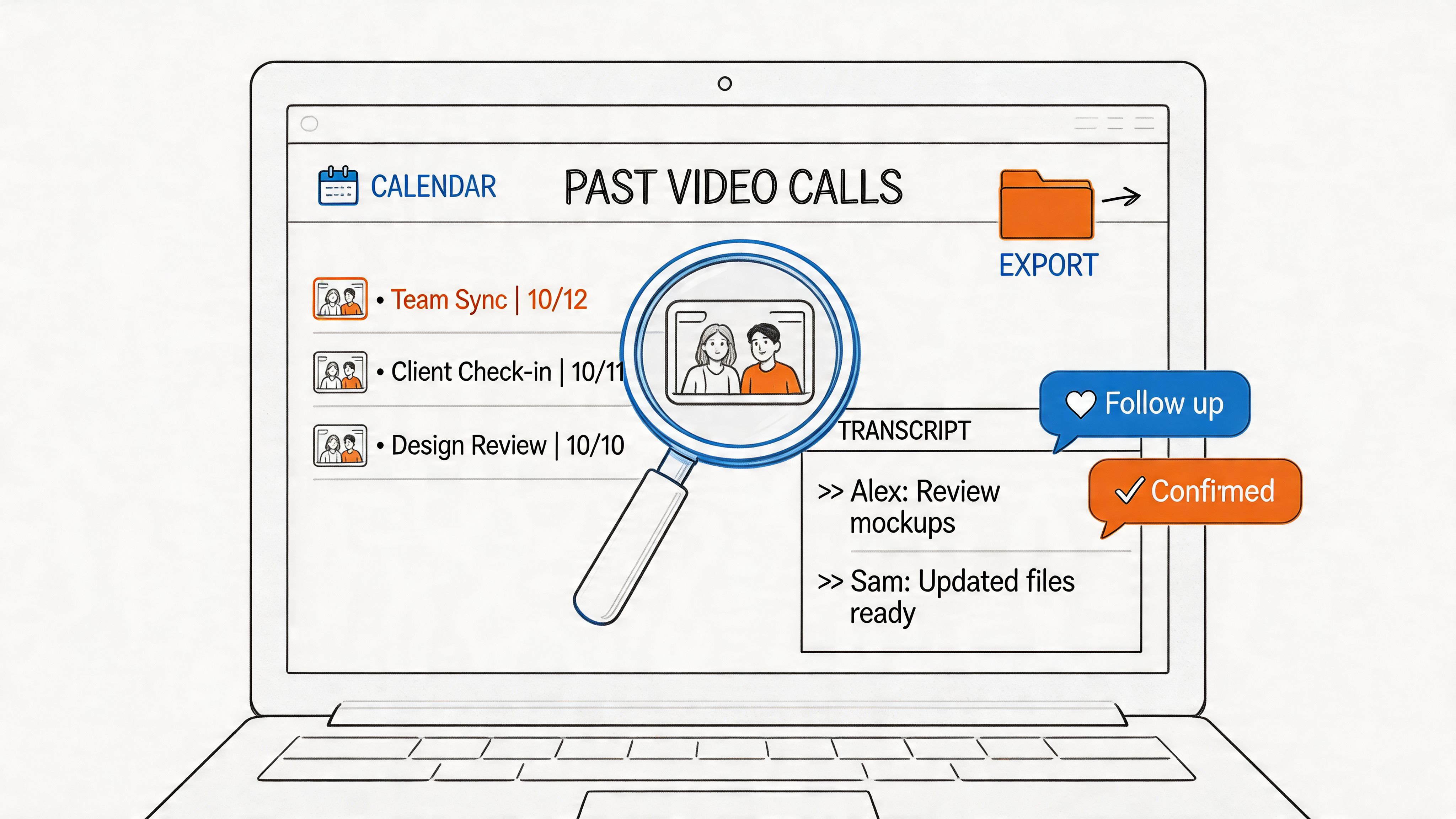
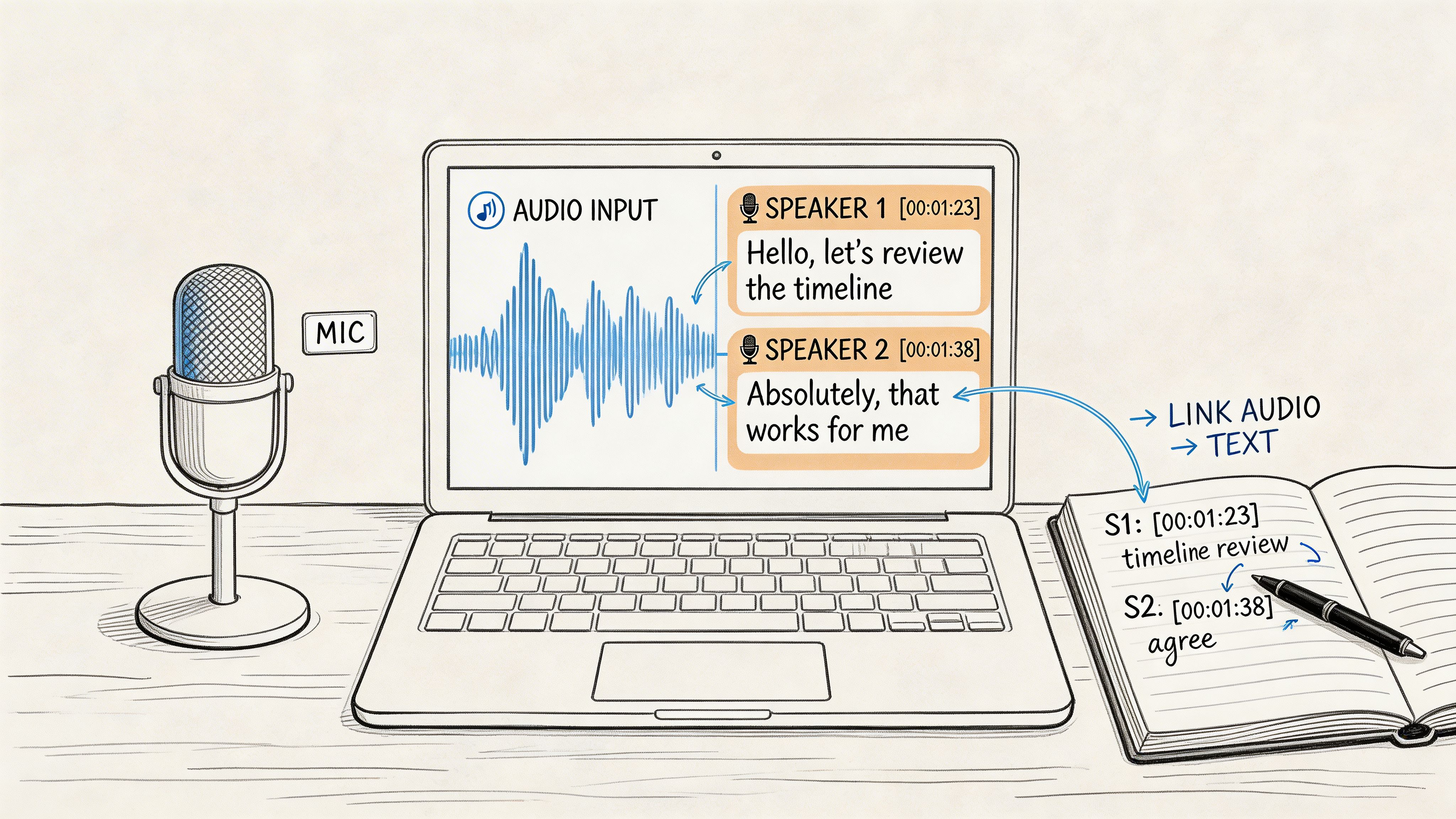
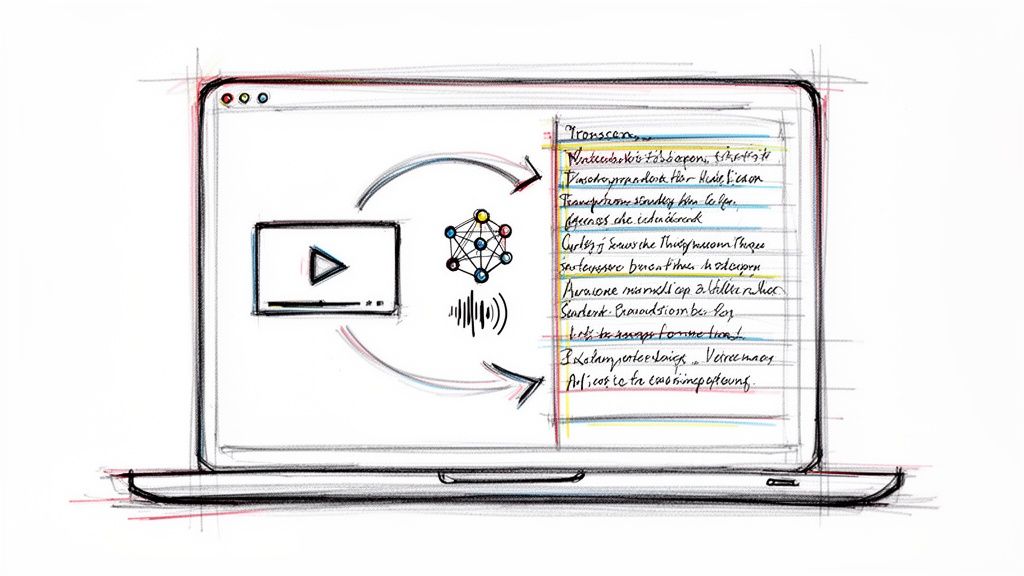
If you want a more data-driven way to track your progress, think about using a transcription tool to analyze your own conversations (with permission, of course). Recording a virtual meeting and then running it through an AI transcriber gives you a word-for-word breakdown of the entire interaction.
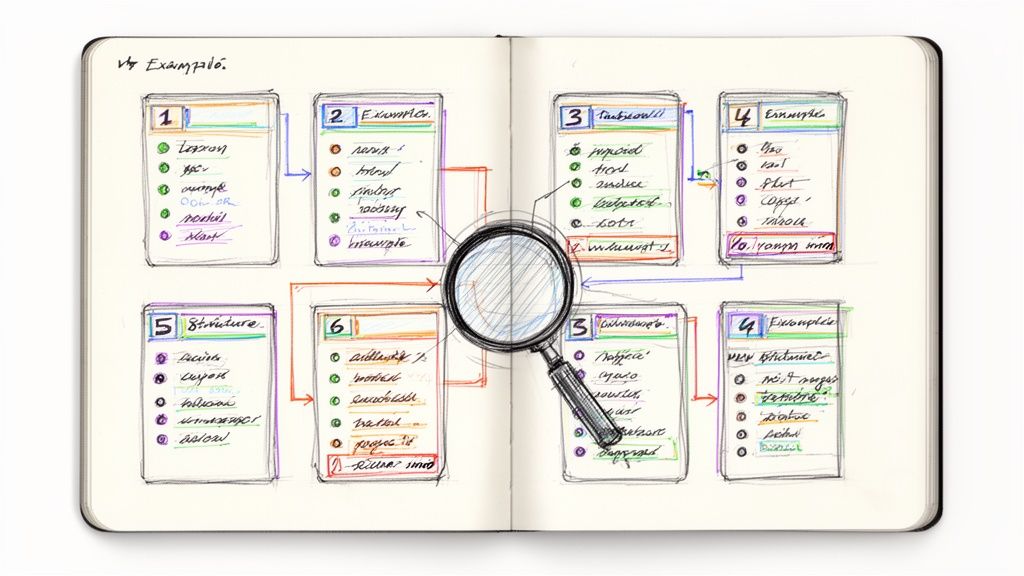
With a transcript, you can see exactly where you might have interrupted someone, missed a subtle cue, or fumbled a chance to ask a great clarifying question. It turns a fleeting conversation into a concrete learning tool, making your self-assessment much more objective. You can explore some highly effective note taking examples to see how pulling insights from transcripts can reveal these patterns and help you improve.
How Leaders Can Build a Culture of Listening
https://www.youtube.com/embed/qpnNsSyDw-g
If you're a manager, learning to be a better active listener isn't just about personal growth—it's one of the most powerful tools you have for building a stronger organization. When leaders truly listen, they cultivate a culture where every single person feels heard and valued. This is never more important than during uncertain times, when a listening ear can make all the difference.
At its core, leadership listening is all about creating psychological safety. It's that feeling someone gets when they know they can voice a concern, share a dissenting opinion, or even admit a mistake without fearing the consequences. When people feel heard, they feel secure.
Model the Behavior You Want to See
The single most effective way to build a listening culture is to lead by example. Your team is constantly picking up cues from your behavior in meetings, one-on-ones, and even in Slack messages. If you’re distracted, constantly interrupting, or brushing off ideas, you’re sending a clear signal that listening just isn't a priority.
So, start by being fully present. It’s a simple change, but it speaks volumes. In team meetings, shut your laptop. Silence your phone notifications. When an employee is talking, give them your full attention. Make eye contact and use non-verbal cues like nodding to show you’re locked in. This small act of respect encourages everyone else to follow suit.
A leader who listens first and speaks second creates an environment where ideas can flourish. It shows your team that their perspective is not just welcome, but required for success.
This approach becomes even more critical when employees are worried about their jobs. In fact, research from MacEwan University revealed that when managers actively listen, they provide a "safe space" that makes employees feel supported and significantly more hopeful about their future with the company. You can find more insights on this in research about how listening affects job security on PSU.edu.
Create Channels for Honest Feedback
Modeling great listening habits is the foundation, but you also have to build structured ways for your team to share what’s on their minds. Many employees simply won't speak up unless you give them a clear and safe opportunity.
Here are a few practical ways to get honest input:
- Ask Powerful Questions: Stop ending meetings with a flat "Any questions?" Instead, try open-ended prompts that invite real thought, like, "What are we not considering here?" or "What's one thing that could go wrong with this plan?"
- Establish Anonymous Channels: Simple tools like anonymous surveys or suggestion boxes can be a great way to gather feedback from team members who might be hesitant to attach their name to an idea or concern.
- Act on What You Hear: This is the most important part. When your team sees that their input actually leads to real change, you close the loop and build a powerful culture of trust. Nothing encourages more feedback than seeing previous feedback put into action.
By consistently showing and encouraging active listening, you can shift it from a "soft skill" to a core, non-negotiable part of how your team operates. For more on organizing these discussions, take a look at our guide on how to take effective meeting notes to make sure you capture every valuable insight.
Got Questions About Active Listening?
It's one thing to read about techniques and exercises, but putting them into practice in the real world? That’s where the real questions pop up. Let's dig into some of the most common hurdles people face when they start trying to become better listeners.
Think of this as a quick troubleshooting guide to keep you moving forward with confidence.
What If I'm Too Shy to Practice Active Listening?
This is a common concern, especially for introverts. If the thought of jumping in to paraphrase or summarize makes you nervous, don't worry. The "responding" part of active listening doesn't have to be a big performance.
The key is to start small. Your goal isn't to dominate the conversation, just to show you're tuned in.
Focus on asking thoughtful, open-ended questions instead. A simple, "That's interesting, could you tell me more about that part?" or "How did that make you feel?" does two things brilliantly: it keeps the spotlight on the speaker and proves you’re genuinely curious. It's a low-pressure way to be an active participant without feeling like you have to be the center of attention.
What's the Real Difference Between Just Hearing and Actually Listening?
It's easy to confuse the two, but they're worlds apart. Hearing is purely physical and passive. It's the biological process of sound waves hitting your eardrums. You can "hear" a TV in the next room without absorbing a single word.
Active listening, however, is a conscious choice. It’s an active mental process that demands your full attention. It involves comprehension, retention, and a thoughtful response. Think of it like a mechanic listening intently to a car engine to diagnose a faint rattle—it’s a deliberate search for meaning, not just background noise.
Hearing is simply noticing that someone is talking. Listening is making an effort to understand what they mean.
How Long Until I Actually See Some Improvement?
Like learning any new skill, there's no magic timeline. But with consistent, mindful effort, most people start seeing small but encouraging changes within just a few weeks. You might catch yourself before interrupting someone or find you're remembering key details from meetings without having to check your notes.
More significant, lasting changes usually become second nature after a couple of months. The goal here isn't overnight perfection; it's steady progress. Celebrate the small victories, like when you successfully rephrase a complex idea and the other person says, "Yes, exactly!" Those moments are proof that your new habits are taking hold. Remember, consistency beats intensity every time.
Ready to stop missing key details in your conversations? Whisper AI transcribes and summarizes your audio and video, giving you a perfect record of every discussion. Review transcripts to analyze your listening patterns, pull out key insights, and create actionable follow-up items instantly. Try it today and turn every conversation into a valuable asset.