How to Increase Social Media Engagement with Proven Strategies
Before you can think about how to increase social media engagement, you need a reality check. What does "success" actually look like for your brand? From my experience, it’s not about chasing vanity metrics; it's about building real connections through a clear, intentional strategy. This all starts with auditing your current performance, getting to know your real audience, and setting goals that actually move the needle for your business.
Defining Your Social Media Engagement Strategy

Jumping into content creation without a baseline is like driving blind. You'll burn through resources and wonder why nothing is working. The very first move I always recommend is to hit pause and take a good, hard look at what's already happening on your accounts.
So many brands get hung up on follower count, but a massive audience that's completely silent is just an empty stadium. Real engagement is about starting conversations and fostering a community. It's the crucial difference between shouting at people and talking with them.
A solid strategy is built on a few core pillars. Understanding these is key to making sure your efforts are focused and effective.
Core Pillars of a High-Engagement Strategy
This table breaks down the essential components you need to build and sustain meaningful social media engagement.
Each of these pillars supports the others, creating a feedback loop that continually refines your approach and strengthens your community.
Start with a Performance Audit
Let's get tactical. Pull up your analytics and start digging into your existing content. Which posts sparked the most comments, shares, and—importantly—saves? Don't just skim the numbers; look for the story they're telling.
- Top-Performing Content: Find the common threads. Are your most popular posts behind-the-scenes glimpses? How-to guides? User-generated content features? Note the format, too—are videos outperforming static images?
- Low-Performing Content: Pay just as much attention to what flopped. Did those posts feel too salesy or generic? Was the caption confusing? This is where some of the best lessons are learned.
- Audience Demographics: Check who you're really talking to. The audience you have might be different from the one you think you have.
This audit gives you a solid, data-driven foundation. It replaces guesswork with genuine insight into what your audience actually wants from you.
Pro Tip: The biggest revelation from an audit is often the gap between the content you think your audience wants and what they actually engage with. Closing that gap is where the magic happens.
Set Meaningful Engagement Goals
With your baseline established, you can now set goals that aren't just wishful thinking. A vague goal like "get more engagement" is useless because you can't measure it. Instead, tie your social media goals directly to business outcomes.
For example, you could aim to:
- Foster Brand Loyalty: Increase positive-sentiment comments and user-generated content submissions by 15% this quarter.
- Drive Website Traffic: Boost the click-through rate from your Instagram Stories to your blog by 20%.
- Spark Authentic Conversations: Achieve an average of 10 meaningful comments (more than just a few words or emojis) on every post.
Goals like these turn social media from a time-sink into a strategic asset. They give every post a purpose. If you're looking for more ways to build a strong online community, getting tips on how to grow a YouTube channel fast can offer some great parallel strategies.
Ultimately, a well-defined strategy ensures you're not just posting into the void. You're building a thriving, interactive community, one purposeful post at a time.
Crafting Content That Actually Starts a Conversation
Ever wonder why some social media posts get crickets? It's not bad luck. Great engagement is never an accident; it happens when you create content that feels like an invitation to a real conversation. If your posts are just a one-way broadcast, you're going to get silence in return.
The goal here is to stop posting generic updates and start crafting content that people want to talk about. This means a fundamental shift in your thinking. Move away from "What can I sell today?" and lean into "What interesting conversation can I start?" When you do that, your feed transforms into a space where your audience feels seen, heard, and genuinely wants to participate. That's how you build a loyal community, not just a list of followers.
Ask a Question, Get an Answer
It sounds simple, but the easiest way to get a response is to ask for one. The trick is in the quality of the question. Lazy, generic prompts get lazy, generic answers. You have to ask something that people actually find interesting to think about.
Instead of a bland, "What are your weekend plans?" get specific to your niche. If you're a fitness brand, you could ask, "What's the one workout you refuse to skip, even on a crazy busy week?" This question prompts a more thoughtful response and, as a bonus, gives you real insight into your audience's habits.
Polls are another fantastic, low-effort tool for getting people involved. They're especially effective on platforms like Instagram Stories, LinkedIn, and X (formerly Twitter) because they let people engage with a single tap.
Here are a few ways I’ve seen polls work brilliantly:
- Settle a fun debate. A coffee shop could run a simple "Espresso vs. Cold Brew" poll. It's lighthearted, gets people talking in the comments, and everyone has an opinion.
- Gauge genuine interest. Thinking about launching a new product or a new YouTube series? Use a poll to see what your audience is most excited about. It's market research disguised as an engagement hook.
- Get quick feedback. Ask for opinions on a new logo design, a website feature, or even what your next blog post should be about. People love feeling like they have a say.
The real secret here is turning passive scrollers into active participants. When you make it easy and fun to engage, you tear down the barrier to entry, and more people will jump into the conversation.
Pull Back the Curtain and Show Your Human Side
People connect with other people, not with faceless logos. Sharing behind-the-scenes (BTS) content is one of the most powerful ways to humanize your brand and build real trust. It pulls back the curtain and shows the hard work, the occasional mess, and the personalities that make your brand what it is.
And this content doesn't need to be polished. In fact, raw, unfiltered moments often perform way better. Think about showing the messy process of creating a product, a quick video of a typical day at the office, or even a team brainstorming session gone wild. These little glimpses make your brand relatable and give your followers a reason to feel invested in your story.
Let Your Community Do the Talking with UGC
User-generated content (UGC) is the holy grail of social proof and a goldmine for engagement. When your followers create and share content that features your brand, it's a genuine endorsement that’s more powerful than any ad you could ever run. It’s proof that real people love what you do, which in turn encourages others to check you out.
You don't need a massive budget to launch a UGC campaign. Start with a clear call-to-action and a simple, branded hashtag. For example, a travel gear company could run a #VentureReady campaign asking customers to share photos from their latest adventures.
When you repost the best submissions, you get a flood of amazing, authentic content for your feed, and you make your community members feel like rockstars. This creates a positive feedback loop: more people get inspired to share, which boosts your reach and engagement even further. Managing all this new content can feel like a lot, but having solid content repurposing strategies in place will help you turn every piece of UGC into multiple engaging posts.
Use Short-Form Video to Stop the Scroll
If you're serious about boosting social media engagement right now, the conversation has to start with short-form video. In a world where people are scrolling faster than ever, a static image just doesn't have the same stopping power. Video is your best bet for getting someone to pause, especially on platforms like Instagram Reels and TikTok.
This isn't just a trend anymore; it's the main event. Putting short-form video at the center of your strategy is one of the quickest ways to grow your reach and get people interacting. The numbers don't lie. Global data shows that a staggering 78% of consumers would rather learn about a product from a short video. Brands are catching on, too, with social ad spend expected to hit $276.7 billion.
You can also see the difference in platform health. Instagram's engagement rate sits around 0.50%, which is roughly 3× higher than Facebook’s 0.15%. It’s clear where people's attention is going.
Hook Them in the First Three Seconds
Think about how you scroll. You give a post a second, maybe two, before you swipe on. That’s all the time you have to grab someone's attention. The first three seconds of your video are absolutely critical.
Forget the slow, cinematic intros. You need to open with a punch. A great hook should do one of three things:
- Ask a sharp question: "Are you making this huge mistake with your marketing?"
- Make a bold claim: "This is the only metric that actually matters for growth."
- Show something visually stunning: Start with the "after" shot—the beautiful final product—before you show the "before."
If you can get someone to stop scrolling, you’ve won the most important battle.
Ride the Wave of Trending Audio
You don’t need a fancy studio or a professional film crew. I've seen some of the most viral videos shot on a smartphone with basic editing. The trick is to play by the platform's rules.
Trending audio is basically a cheat code for getting seen. When you use a popular sound on Reels or TikTok, the algorithm is far more likely to push your content out to people who don't even follow you. Just don't force it. The best creators find a clever way to tie the sound back to their own message or niche.
Simple edits like quick cuts and on-screen text also work wonders. They keep the viewer's eyes engaged and make the content feel dynamic and easy to digest.
Don't Forget: Most People Watch with the Sound Off
Here's a hard truth: a huge number of people are watching your videos in public, at work, or late at night—all with the sound off. If your message is only in the audio, you're missing out on a massive audience.
This is why captions are non-negotiable.
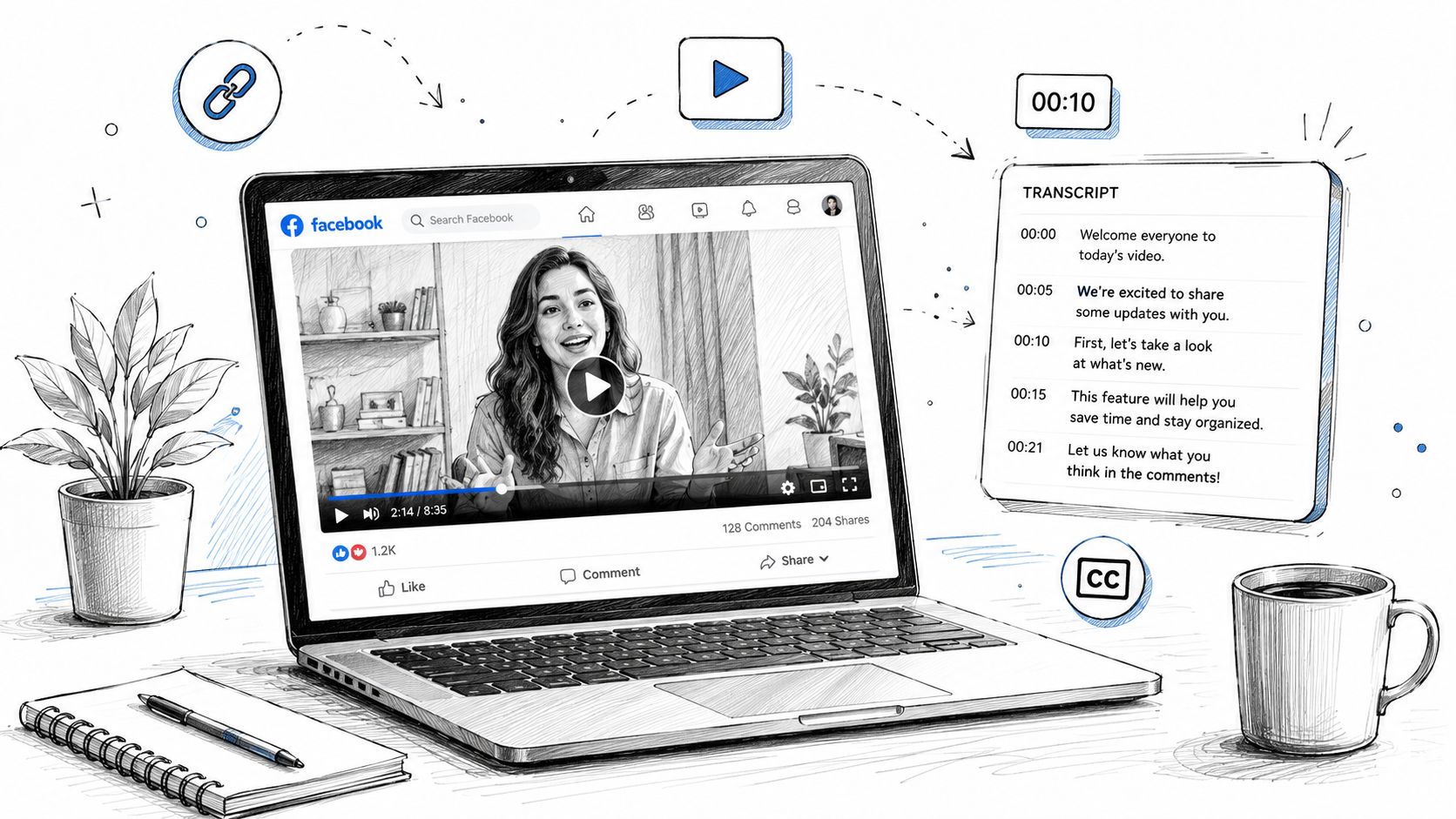
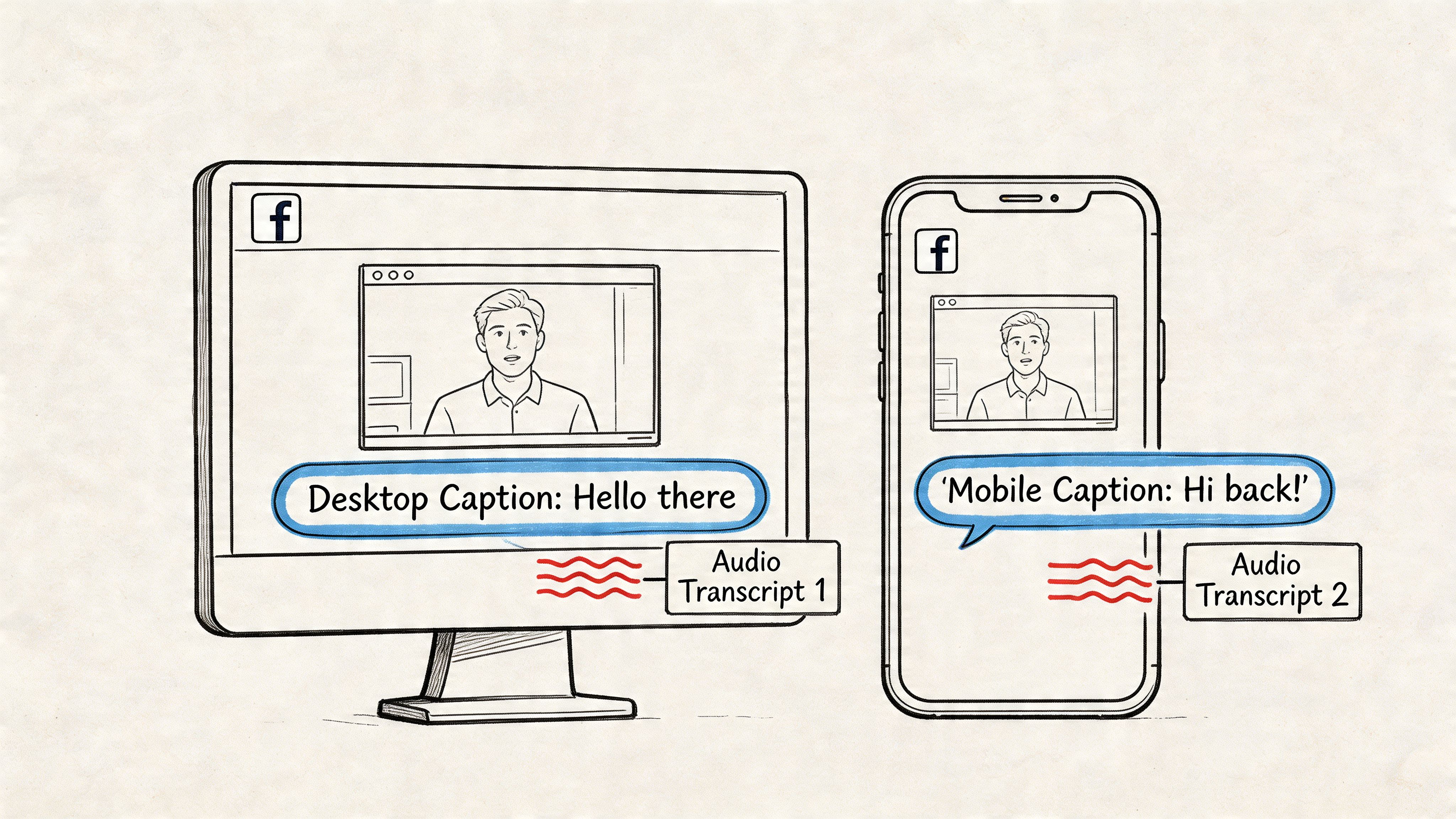
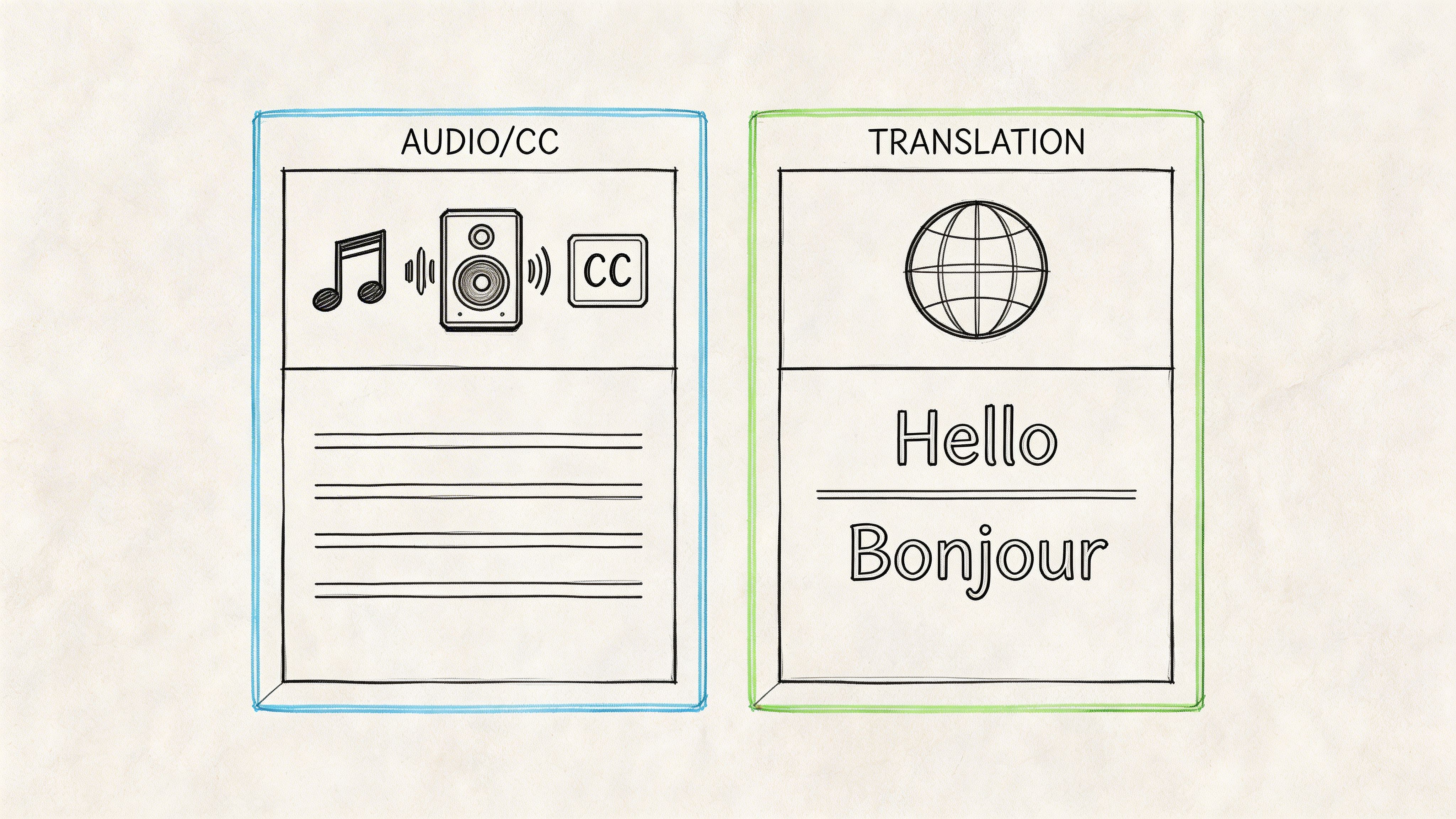
Adding accurate, easy-to-read text on screen makes sure your point gets across, no matter how someone is watching. It also makes your content accessible to people who are deaf or hard of hearing, which is not only the right thing to do but also smart for business. You can dive deeper into the differences between subtitles and closed captions to really nail this.
My Two Cents: Don't treat accessibility like a box to check at the end. Build it into your process from the start. Videos that everyone can enjoy will always perform better. It's that simple.
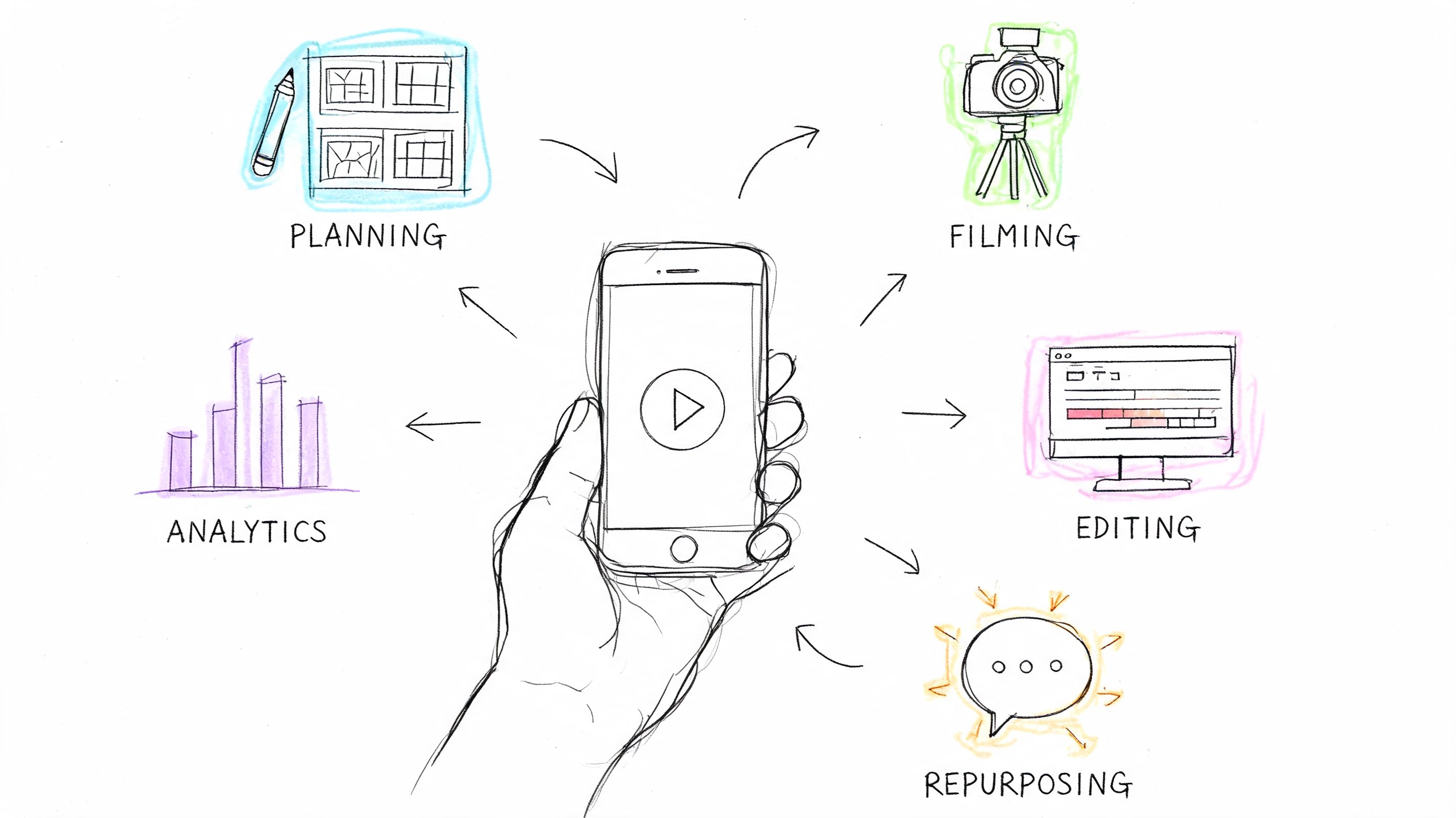
This simple flowchart shows how you can build a self-sustaining content engine, where one piece of content naturally flows into the next.
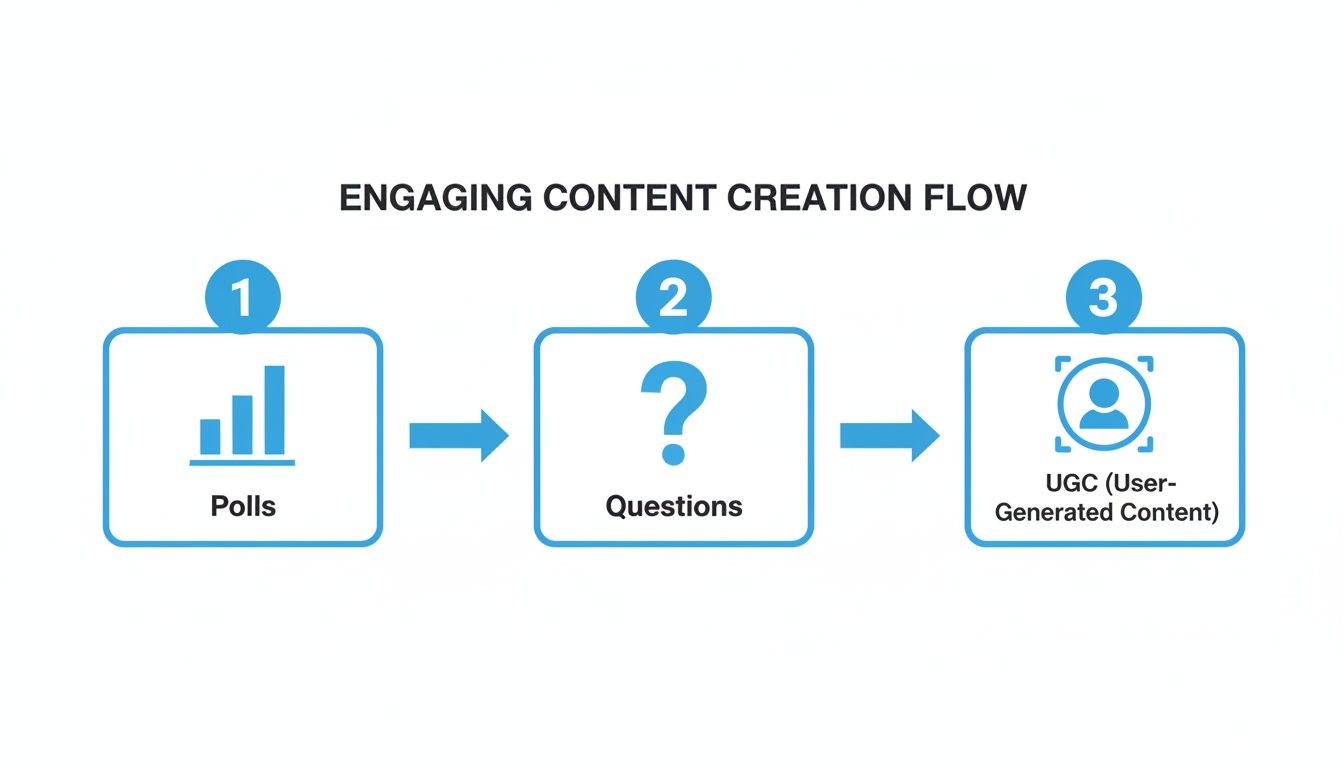
You can see how a simple poll can spark questions, which then encourages your audience to share their own content. It’s a powerful way to build a real community, one interaction at a time.
Partnering with Creators for Authentic Reach
If you want to genuinely boost your social media engagement, you have to start with trust. Let's be honest—your audience is savvy. They can sniff out a hard sell a mile away, and that's where creator partnerships become one of your most valuable assets for building real connections.
Working with creators isn't just about renting their audience for a quick sponsored post. It’s about tapping into a community that already trusts their judgment. A good creator has spent months, maybe even years, cultivating a relationship with their followers. When they feature your brand, a little bit of that hard-earned trust transfers over to you.
The real magic happens when you shift from one-off, transactional deals to building genuine, long-term relationships with creators whose values and voice truly align with your brand's DNA.
Finding the Right Partners, Not Just the Biggest Names
It's tempting to chase creators with massive follower counts, but I've learned that micro-influencers—those with smaller, tight-knit communities—often deliver a much stronger return. Why? Their audiences are incredibly niche and fiercely loyal.
When you're looking for potential partners, don't get mesmerized by the follower number. Dive deep into their actual engagement metrics. A creator with 10,000 followers who gets hundreds of thoughtful comments on every post is infinitely more valuable than one with 100,000 followers whose comment section is a ghost town of bots and generic emojis.
Here’s what I look for to spot a healthy, authentic community:
- Meaningful comments: Are followers asking genuine questions and sharing their own stories, or is it just a sea of "Great post!" replies?
- Creator interaction: Does the creator actually jump into the comments and have real conversations with their audience?
- Consistent vibe: Does their content consistently reflect the values you want your brand to be associated with?
A creator’s authenticity is their currency. If a partnership feels forced or out of character for them, their audience will spot it instantly, and the whole collaboration will backfire.
Structuring Collaborations for Mutual Success
The best partnerships are a two-way street; they need to feel like a natural fit for both you and the creator. My advice? Ditch the rigid scripts and treat it like a co-creation process. Give them the creative freedom to talk about your product or service in their own unique voice.
This approach ensures the content feels completely native to their feed and connects with their audience on a much deeper level. The most effective creator content never feels like an ad. It feels like a recommendation from a friend you trust. This is the shift—from sponsored posts to authentic storytelling—that will make a real difference in your engagement numbers.
The industry data backs this up. Spending on creator marketing is exploding, projected to hit around $32.55 billion globally. And market reports found that campaigns dedicating 10–30% of their paid media budgets to boost creator content hit the sweet spot for both scale and engagement. It's proof that combining organic storytelling with a smart promotional strategy is a winning formula. You can find more insights on social media marketing statistics and see how they're shaping brand strategies today.
Measuring the Real ROI of Creator Marketing
So, how do you know if these partnerships are actually moving the needle? It’s time to look past the vanity metrics like likes and views. The real value is in the quality of the engagement and the actions people take because of it.
To get a clear picture of your success, focus on these key performance indicators (KPIs):
- Comment Sentiment: Are the comments overwhelmingly positive? Are people asking smart questions about your brand?
- Saves and Shares: These are huge indicators. They show that the content was so valuable people wanted to save it for later or pass it along to their own networks.
- Click-Through Rate: If you gave the creator a unique link or a special discount code, track how many people actually used it. This is a direct line to measuring conversions.
By focusing on authentic relationships and tracking the metrics that truly matter, you can transform your creator partnerships from a simple tactic into a powerful, sustainable engine for driving deep and lasting engagement.
Turning Social Media Analytics into Action

Let's be honest, data can feel overwhelming. But it’s also the most honest feedback you'll ever get. If you really want to boost your engagement, you have to look past the easy numbers like follower counts and dive into the metrics that show what your audience actually cares about. This is where you stop guessing and start building a real strategy.
Your analytics dashboard is full of information, but you don't need to track everything all at once. The trick is to identify the key performance indicators (KPIs) that truly reflect a healthy, interactive community.
Moving Beyond Likes to Meaningful KPIs
A "like" is a low-effort nod. It’s nice, but it doesn't tell you much about how your content really landed. Instead, I always focus on the metrics that show someone was invested enough to take a more deliberate action. These are the numbers that signal a real connection.
Here’s what I keep a close eye on:
- Share Rate: This is gold. A share means your content was so useful or relatable that someone stamped their own name on it and passed it along. It’s the digital equivalent of word-of-mouth marketing.
- Save Rate: Saves are a private action, which makes them incredibly valuable. Someone thought your post was so good they wanted to bookmark it for later. This is a huge win, especially for educational or inspirational content.
- Comment Sentiment: Don't just count the comments; read them. Are people asking thoughtful questions? Are they sharing their own experiences? High-quality conversations are a sign of a thriving community, not just a passive audience.
- Click-Through Rate (CTR): Did your post do its job? A strong CTR shows that your content was compelling enough to get someone to leave the platform and visit your website, blog, or product page.
Tracking these KPIs tells a much richer story about what's actually working. For a deeper dive, especially on specific platforms, you might want to look into some of the best Facebook analytics tools available.
Using A/B Testing to Refine Your Approach
Analytics tell you what happened in the past, but A/B testing is how you optimize for the future. It’s just a simple process of testing small, controlled changes in your content to see what your audience responds to best. It takes the guesswork out of creative decisions.
You don't need to make it complicated. The key is to change only one variable at a time so you know exactly what made the difference.
Here are a few simple tests to get you started:
- Test Your Visuals: Post the exact same caption but use two different images. Maybe a polished graphic vs. a candid, behind-the-scenes photo. See which one racks up more saves and comments.
- Test Your Headlines: For a video, try two different opening hooks in the first three seconds. Then, check your analytics to see which version had a higher average watch time. This is absolutely critical on YouTube, and you can get more ideas by exploring solid YouTube SEO best practices.
- Test Your Calls-to-Action (CTAs): Does asking a direct question get you more comments than ending with a personal story? Run both on similar posts and compare the results.
By running these small, consistent experiments, you create an incredibly powerful feedback loop. You're no longer just guessing what works; you're building a data-backed playbook for what your specific audience wants to see, share, and talk about.
This approach strips the emotion and guesswork out of your content strategy. Every post becomes a chance to learn something new, ensuring your efforts are always getting sharper and more effective over time.
Answering Your Top Social Media Engagement Questions
You can have the best strategy in the world, but when you're in the trenches managing social media, the same tricky questions always seem to pop up. It's easy to get lost in the noise.
Let's cut through that and get straight to some practical answers based on real-world experience.
How Often Should I Be Posting?
This is the age-old "quality versus quantity" debate, and honestly, anyone who gives you a single magic number is lying. Posting too little means you're basically invisible. Post too much, and you'll burn out your audience and watch your engagement plummet.
The real goal isn't a specific frequency; it's finding a sustainable cadence. What can you consistently create high-quality content for?
Here are some solid starting points I've seen work:
- Instagram & Facebook: Start with 3-5 great posts per week. This keeps you on their radar without becoming wallpaper.
- X (formerly Twitter): This is a faster-moving conversation. 1-3 times a day works well, especially if you’re jumping into trending topics or sharing timely updates.
- TikTok & YouTube: Here, one knockout video is worth more than five mediocre ones. Aim for one or two well-produced videos a week. Consistency is what builds the audience.
Ultimately, your analytics hold the real answer. Experiment with different frequencies for a couple of weeks. If you notice a sharp drop in engagement-per-post after your second post of the day, you've found your limit.
When Is the Best Time to Post?
You’ve probably seen those infographics claiming Tuesday at 10 AM is the golden hour. Treat those as a general guide, not gospel. Your audience is unique. A B2B crowd on LinkedIn is probably scrolling during their workday, but a community of gamers on TikTok might not even be awake until the afternoon.
My best advice: The "best" time to post is simply when your people are most active online.
Dive into your native platform analytics. Instagram Insights, Facebook's Meta Business Suite, and TikTok's analytics will literally show you the days and hours your followers are most active. Start there. But don't be afraid to experiment with off-peak hours, like a Sunday evening. You might be surprised by the results. That initial burst of engagement in the first hour can make all the difference in a post's overall reach.
How Do I Handle Negative Comments and Trolls?
Sweeping negativity under the rug is a bad look. How you respond to criticism in public speaks volumes about your brand's character. The first thing to do is figure out who you're dealing with.
Legitimate Customer Feedback: Someone has a real problem with your product or service. Address it head-on, publicly. A simple, "We're so sorry to hear about your experience. I'm sending you a DM right now to get the details and make this right," does two things: it shows you're listening and it moves the nitty-gritty of the conversation to a private channel.
Constructive Criticism: Not all negative feedback is a personal attack. If someone offers a thoughtful critique, thank them for their input! It shows you value your community's opinion and can actually turn a critic into an advocate.
Trolls and Spam: This is different. If a comment is just hateful, abusive, or spammy, don't give it the time of day. Hide or delete it immediately and block the user. Do not engage. Arguing with a troll is like wrestling with a pig in the mud—you both get dirty, but the pig likes it.
Having a clear moderation policy isn't about censorship; it's about protecting your community and keeping your page a place where productive conversations can happen.
Which Engagement Metrics Actually Matter?
Getting caught up in a vanity metric like "likes" is a trap. You need to look deeper to see what's truly resonating with your audience.
These are the metrics I always tell people to obsess over:
When you focus on these KPIs, you get a much sharper picture of what your audience truly cares about, allowing you to create more of what works and drive results that matter.
Ready to stop wasting time on manual transcription and start creating more engaging content? Whisper AI uses advanced AI to accurately transcribe your audio and video content, providing you with summaries, highlights, and captions in minutes. Turn your long-form content into dozens of social media clips, blog posts, and more with just a few clicks. Join over 50,000 users and see how easy it can be at https://whisperbot.ai.