How to Improve Your Note-Taking Skills and Retain Information
If your notes aren't working for you, the problem usually isn't how fast you write—it's what you're writing. Many of us were taught to act like court reporters, trying to capture every word. But the real key to effective notes is to shift from being a passive transcriber to an active participant in the learning process.
It’s not about getting every single word down. From my experience helping students and professionals alike, the goal is to grab the core ideas, connect them, and create a summary that actually makes sense to you later.
Why Your Current Note-Taking Method Isn't Working
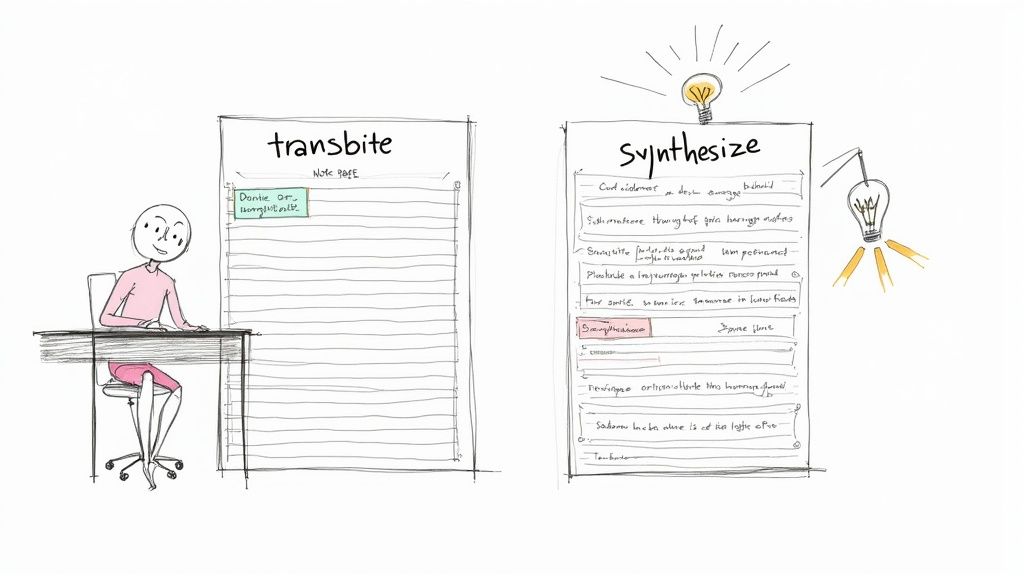
Let's be honest: mindlessly scribbling down everything said in a lecture or meeting is one of the least effective ways to learn. If your only goal is to capture every word, you're just a human recording device, which is a surefire way to forget everything almost immediately.
This is a common trap. We're told to "take notes" but rarely taught how. This often results in pages of verbatim text that are overwhelming to review and nearly useless for actual studying or project preparation.
The Problem with Passive Note Taking
When you simply transcribe, you disengage the part of your brain that performs critical thinking. You're so focused on the act of writing that you miss the meaning. This leads to several significant issues:
- Information Overload: Your notes become a dense wall of text with no hierarchy or clear takeaways. Finding key points feels like searching for a needle in a haystack.
- Zero Recall: Since you haven't actually processed the information, it never moves into your long-term memory. Studies show we can forget up to 50% of new information within an hour if we don’t actively engage with it.
- No Connections: You're left with a list of isolated facts, not a web of interconnected ideas. You understand the "what" but completely miss the "why" and "how."
The goal isn’t to create a perfect transcript; it's to build a personal knowledge base you can actually use. Effective note-taking is your first, most critical step in the learning process.
Shifting to an Active Mindset
To improve your note-taking skills, you have to fundamentally change your approach. Stop viewing it as a chore and start treating it as the beginning of a conversation with the material.
This guide provides practical strategies to help you make that switch—from passive stenographer to active synthesizer. We'll walk through concrete methods that work whether you're a student preparing for exams, a professional in back-to-back meetings, or a creator gathering ideas.
3 Proven Note-Taking Systems for Better Recall
The secret to better notes isn't just about writing faster; it's about using the right system for the situation. You wouldn't use a hammer to turn a screw. Similarly, the best method for a creative brainstorm is entirely different from what you need in a structured lecture.
By having a few core systems ready, you can stop worrying about how to write and focus on understanding the information. Think of these methods less as rigid rules and more as flexible frameworks that help you think clearly.
The Cornell Method: Best for Active Recall
Developed at Cornell University by education professor Walter Pauk, this method is a powerhouse for anyone who needs to learn and remember information. Its brilliance lies in its structure, which forces you to engage with the material actively. The page itself becomes a study tool.
Here’s the simple but powerful layout:
- Main Notes Area (Right Side): During the lecture or meeting, use this large column to capture key ideas, concepts, and data. Don't worry about perfection—use shorthand, abbreviations, and bullet points.
- Cues Column (Left Side): As soon as possible after the session, review your notes. Pull out main ideas, keywords, or potential questions. Write these in the narrow left-hand column, aligned with the relevant notes.
- Summary Section (Bottom): This is the final, crucial step. At the bottom of the page, write a one or two-sentence summary of the page's content. This is a quick test of your comprehension.
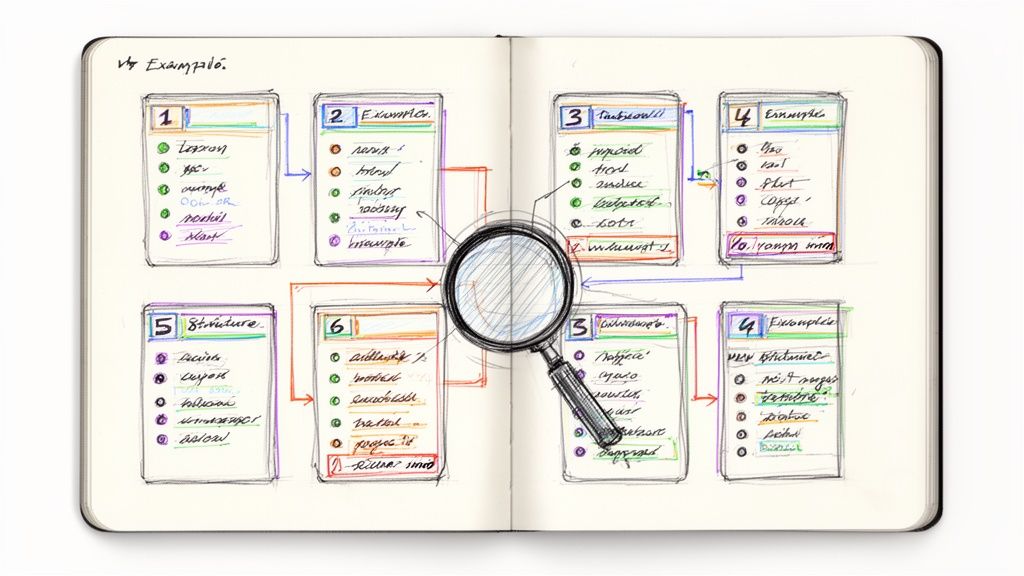
The magic of the Cornell Method happens during review. Cover the main notes area and use the cues in the left column to quiz yourself. It’s active recall built right into your notes. To see this in action, check out these helpful note-taking examples.
Mind Mapping: Best for Visual Brainstorming
Sometimes, a linear list stifles creativity. When you need to see how ideas connect, mind mapping is the answer. It’s a visual method that mirrors how our brains make associations, making it perfect for brainstorming, project planning, or breaking down complex topics.
Start with a central idea in the middle of the page. Then, branch out with related thoughts, sub-topics, and supporting details. This non-linear format helps you see the big picture and spot connections you might miss with a traditional list.
Mind mapping is less about capturing every word and more about capturing the structure of an idea. It’s fantastic for team strategy sessions where you need to visualize how different goals connect.
For instance, a project manager planning a product launch could put the product name in the center. Major branches might be "Marketing," "Sales," "Development," and "Support." The "Marketing" branch could then split into sub-branches for "Social Media," "Email Campaigns," and "Content." In minutes, you have a powerful, one-page visual of the entire project.
The Outline Method: Best for Structure and Hierarchy
The Outline Method is a classic for a reason: it’s one of the best ways to capture information that already has a logical structure. By using main points, sub-points, and indented details, you create an instant visual hierarchy.
This approach excels in well-organized lectures, textbook readings, or meetings with a clear agenda. The indented structure makes it incredibly easy to distinguish between core concepts and supporting details.
For digital note-takers, this method is even more powerful with a good Notion note-taking template. Many templates use collapsible toggles, letting you create a clean, interactive outline where you can hide or reveal details as needed.
Which Note-Taking Method Should You Choose?
The best system depends on the context and your personal thinking style. There's no single "best" method—the key is matching the tool to the task. This table breaks down where each foundational system shines.
Ultimately, the most effective note-takers are flexible. They might start with an outline during a structured presentation and then switch to a mind map when the discussion moves to brainstorming. Don't be afraid to experiment and combine elements from different methods to create a hybrid system that works perfectly for you.
How Digital Tools and AI Can Improve Your Note-Taking
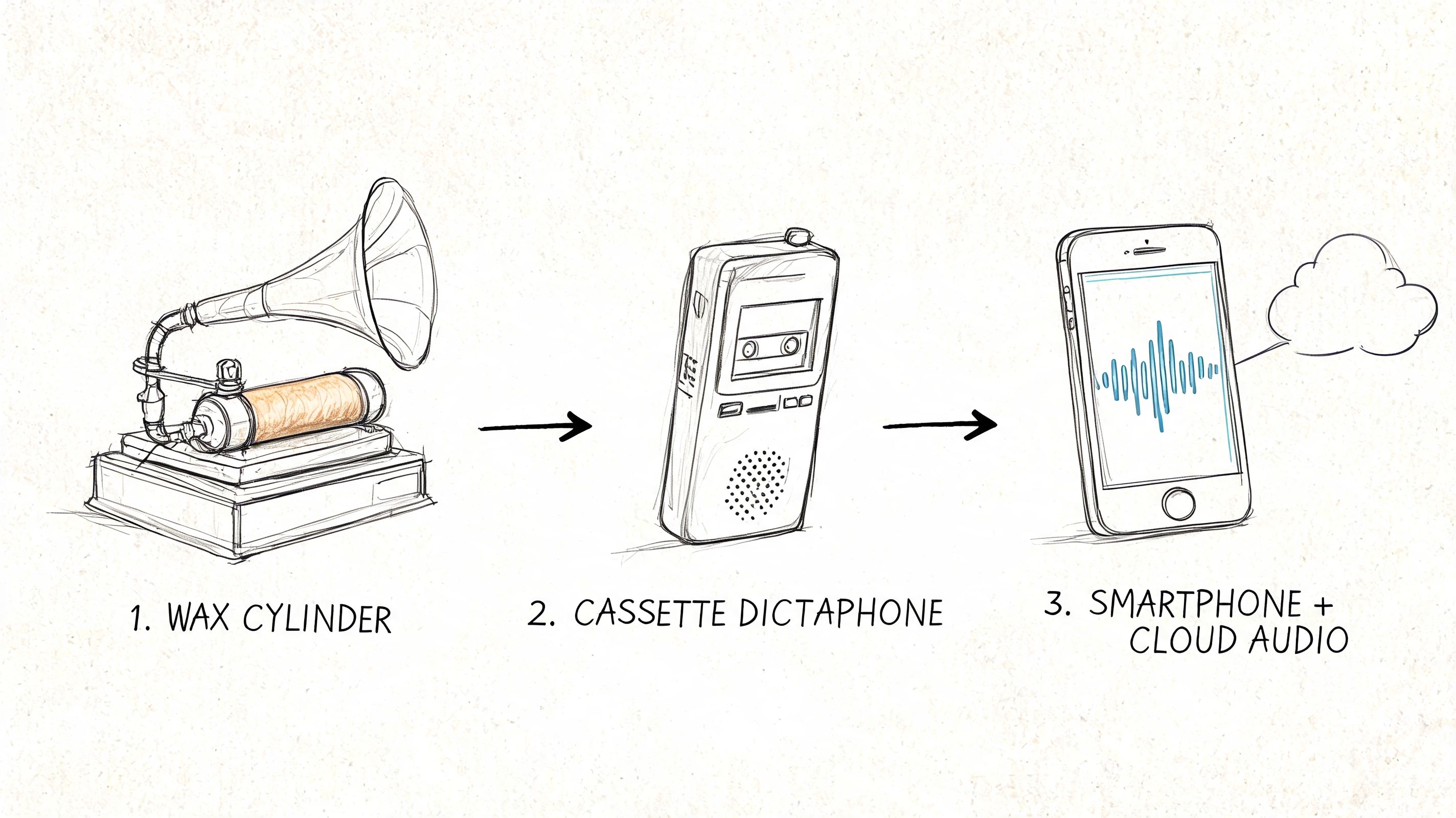
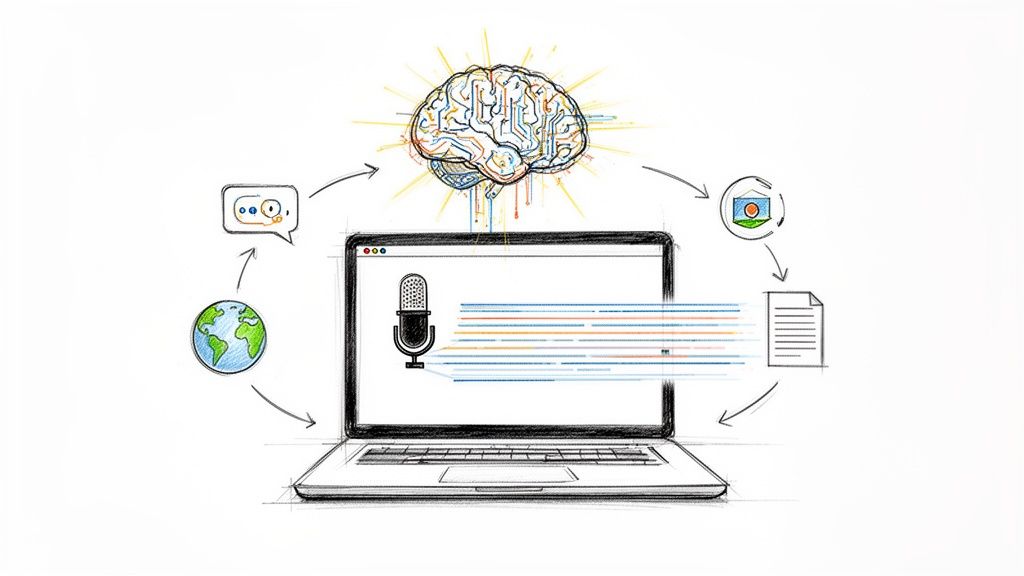
Technology has transformed note-taking from simple typing into an intelligent workflow. The best systems today blend smart apps with artificial intelligence, helping you not just capture information but actually understand and use it.
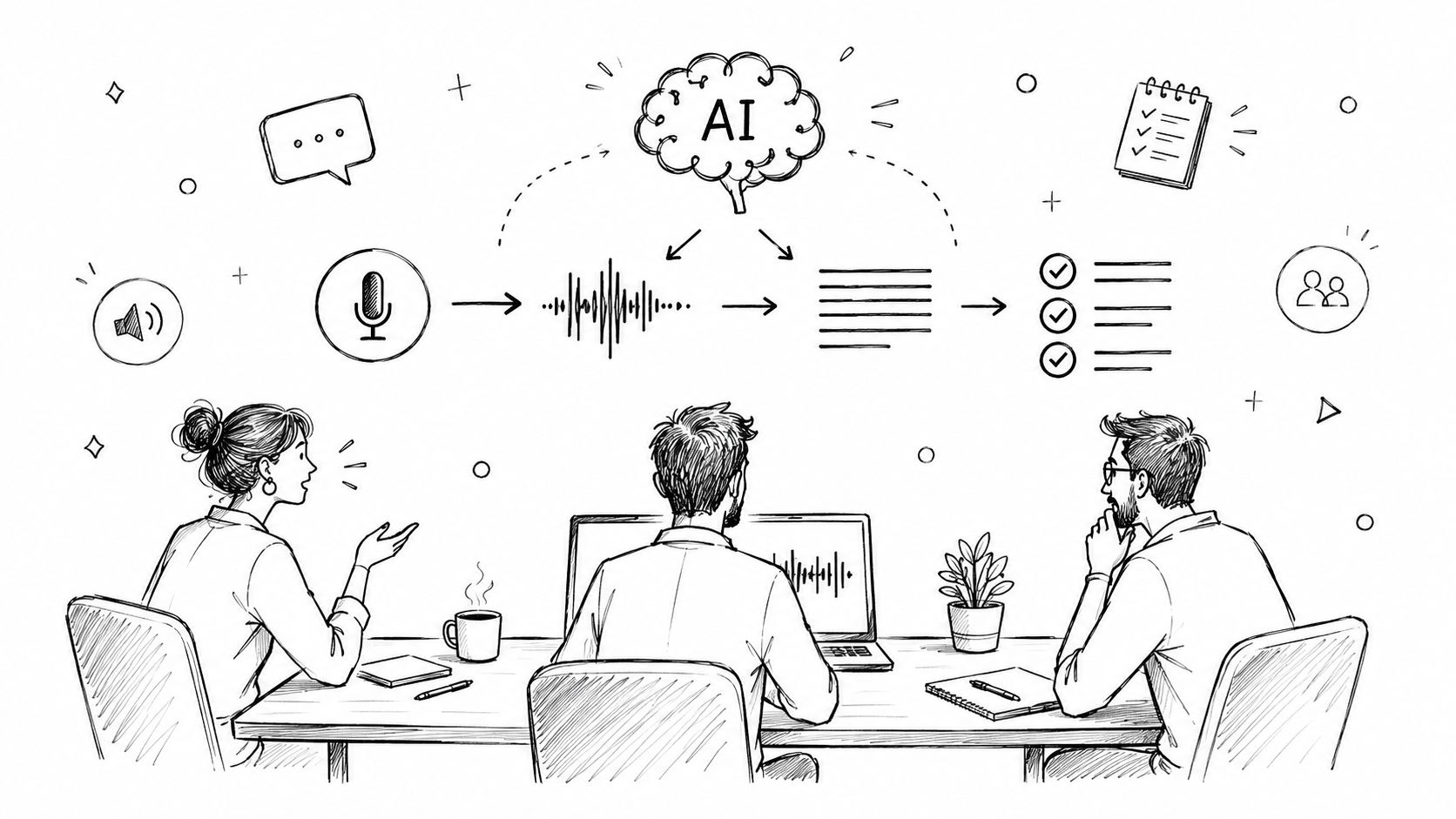
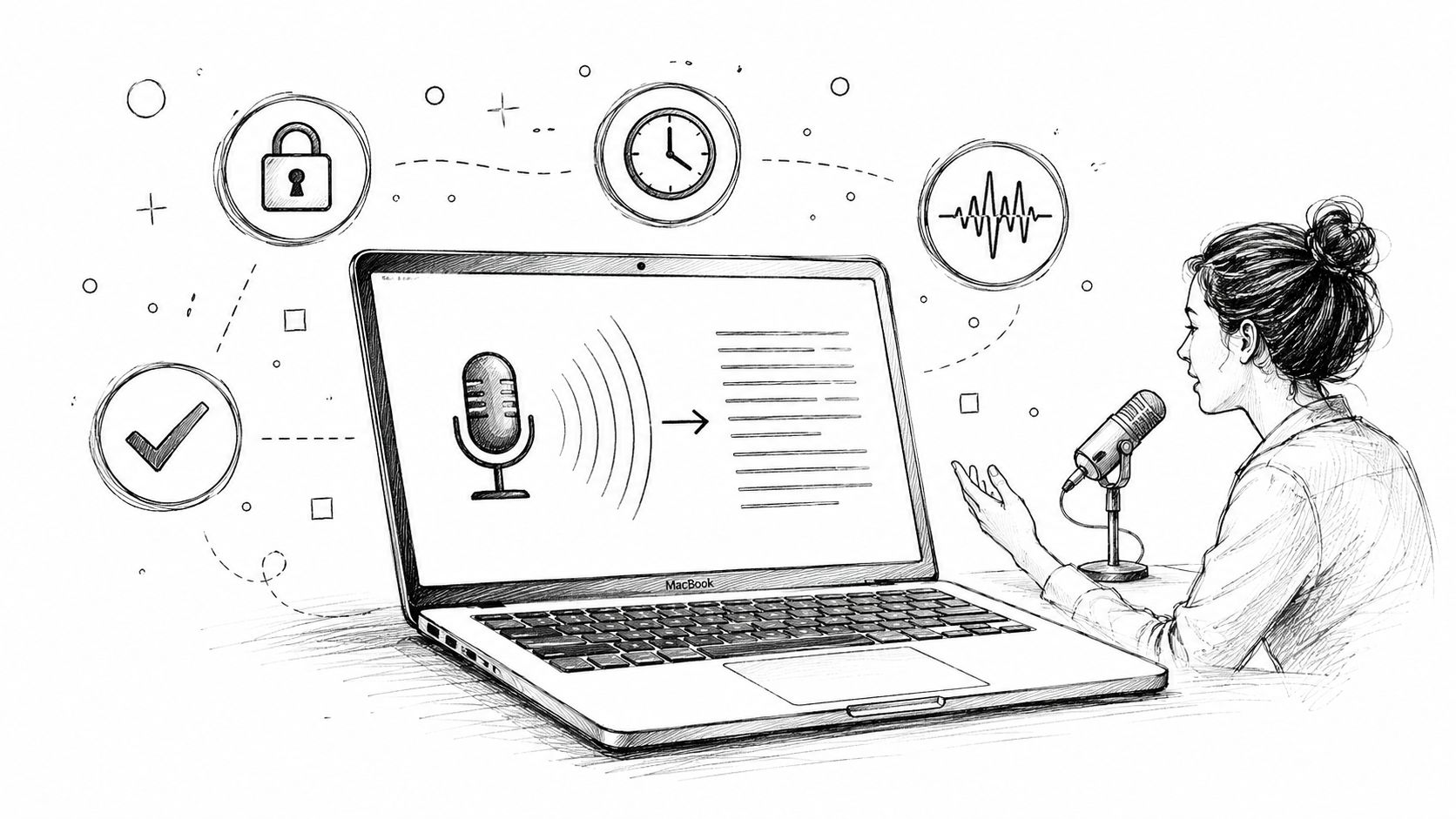
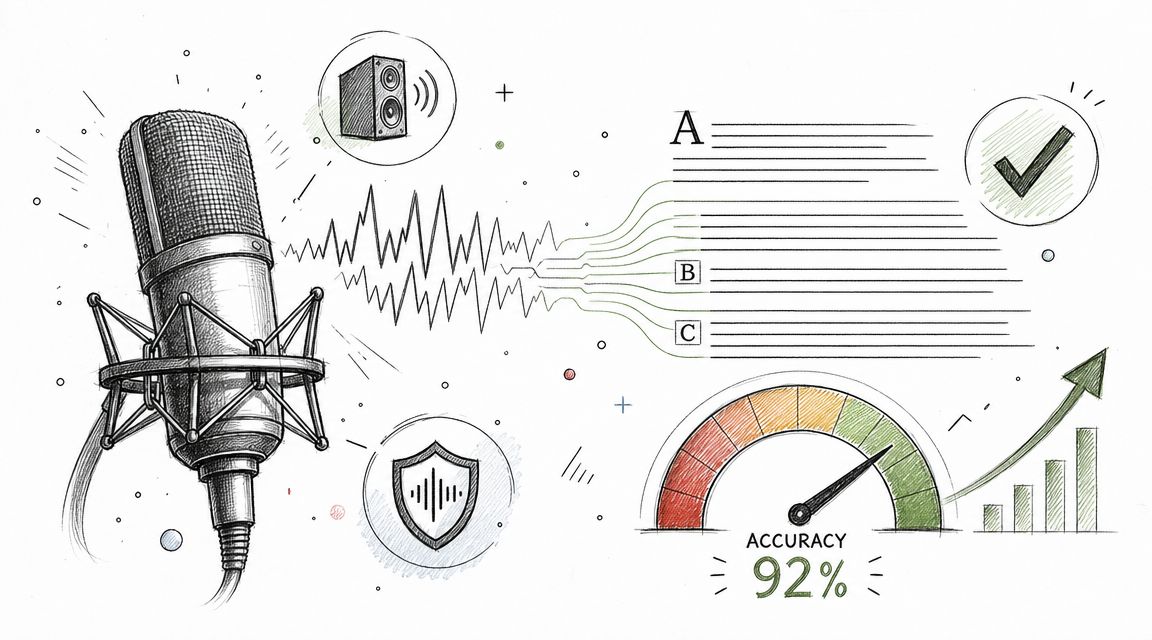
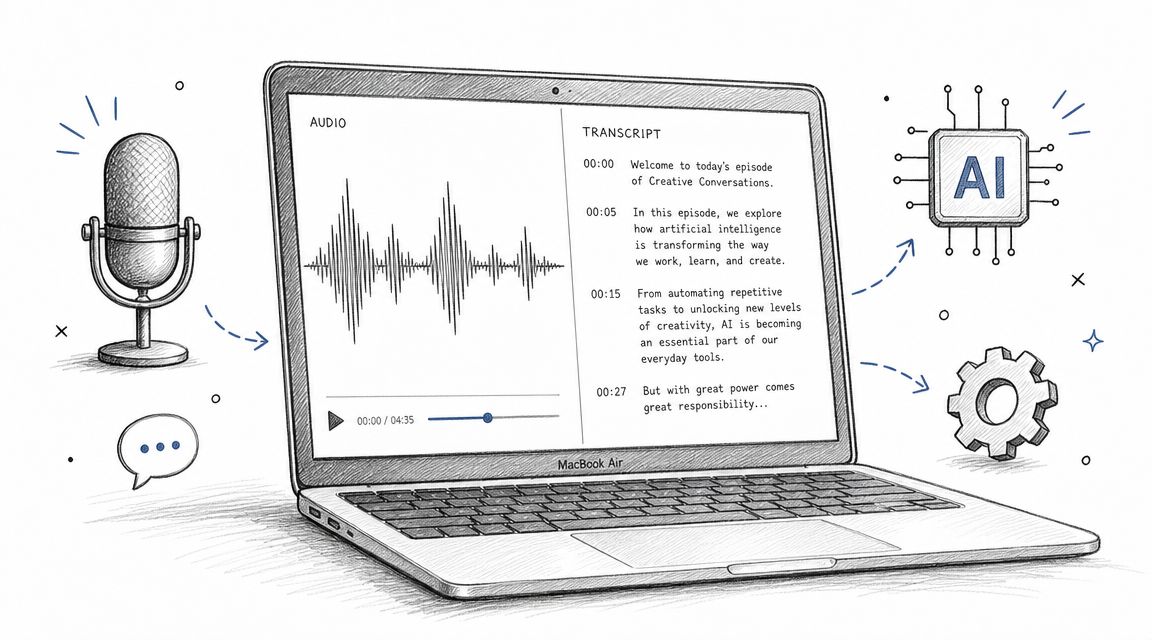
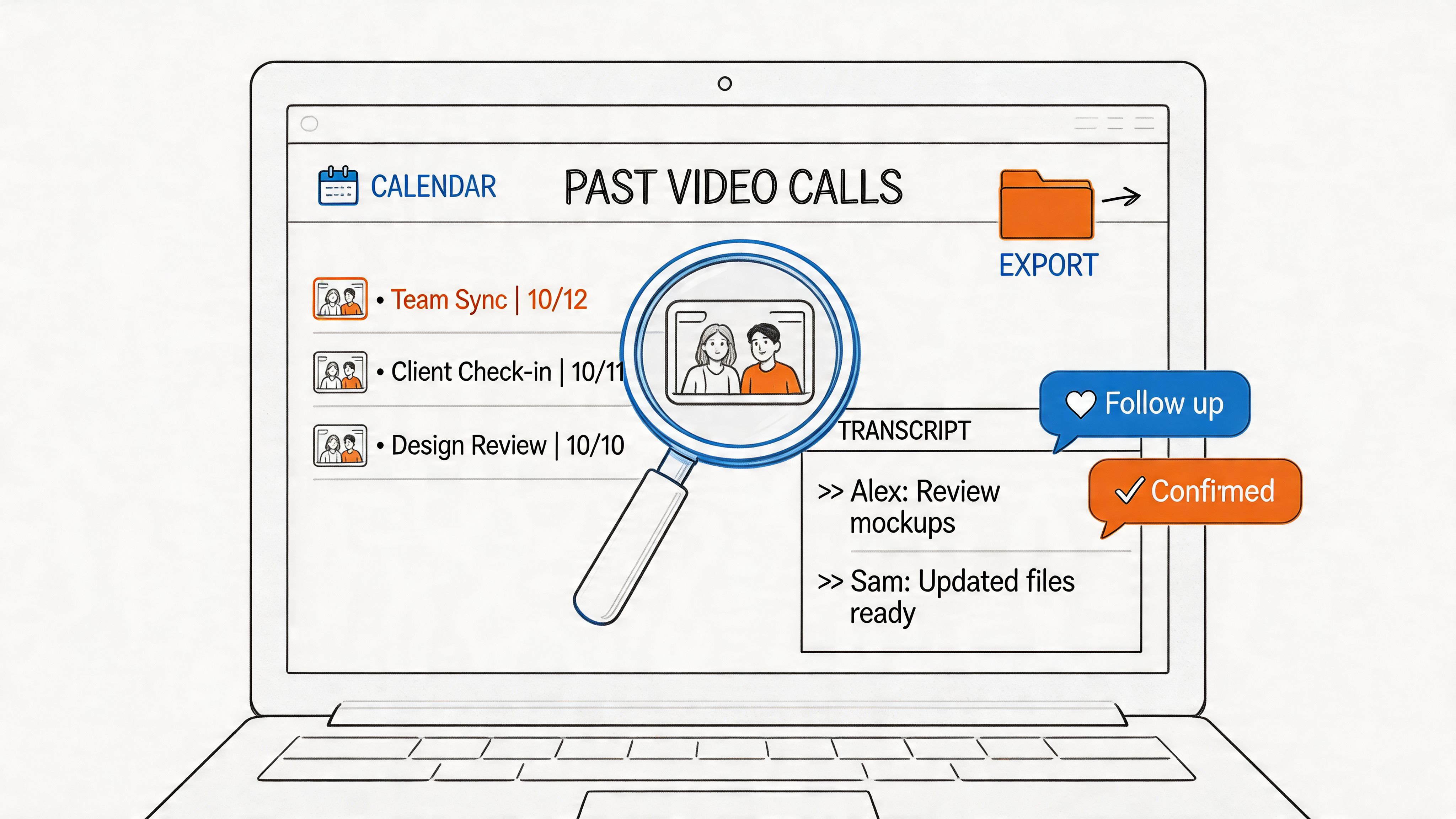
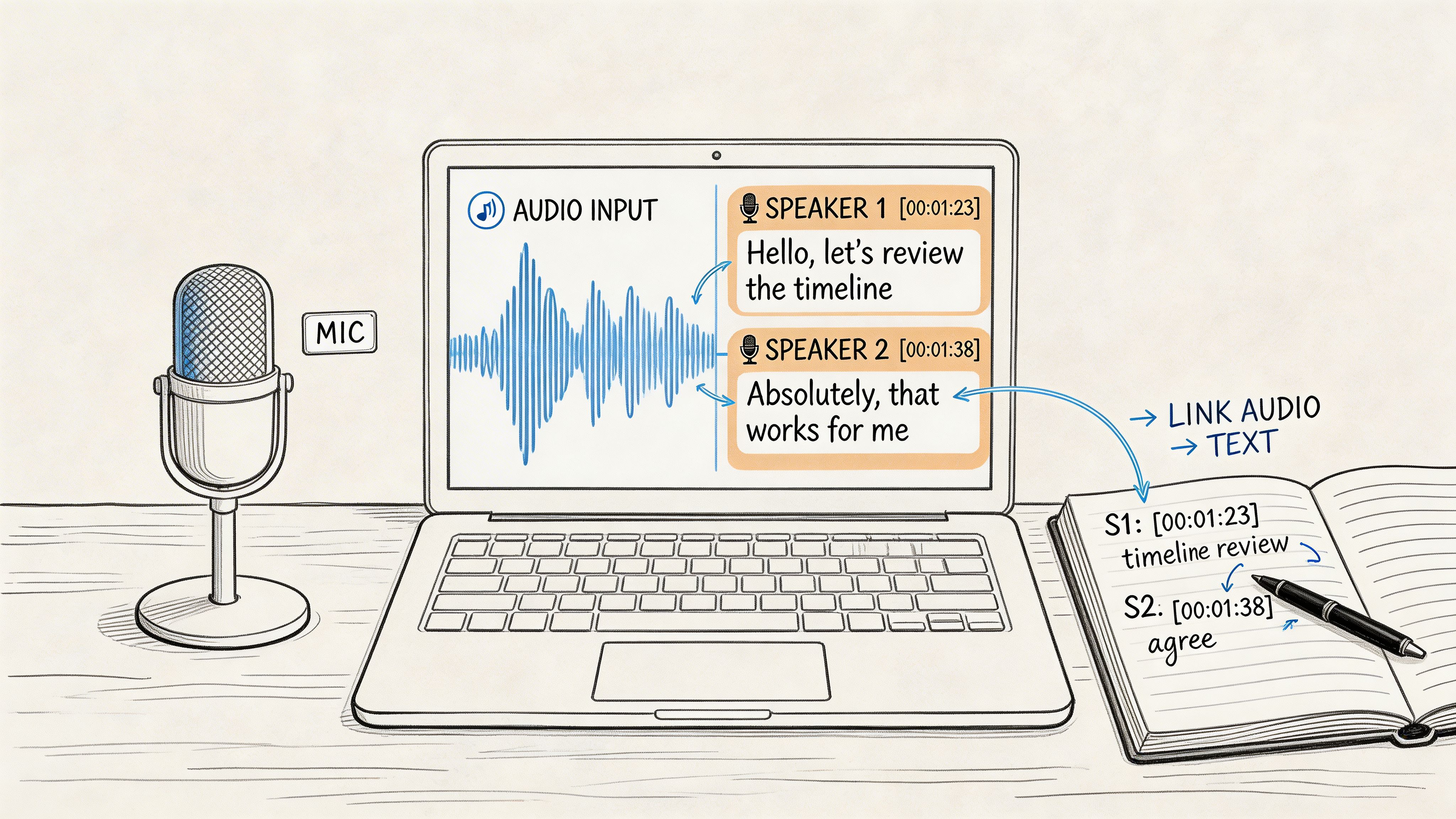
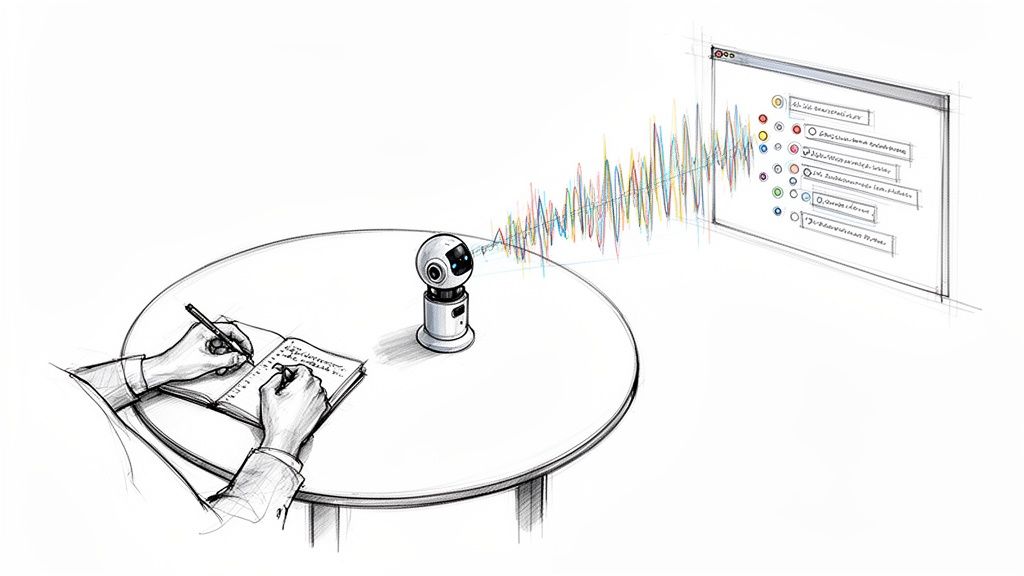
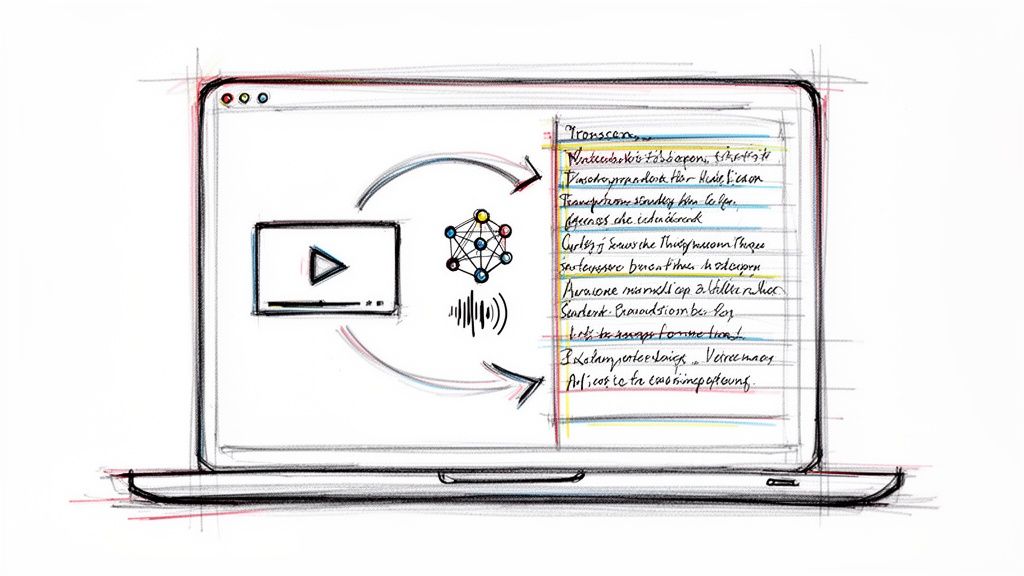
Instead of frantically trying to type every word in a meeting, you can use a service like Otter.ai or Whisper AI to generate an accurate transcript. This frees up your mental energy to listen, think, and engage with the conversation.
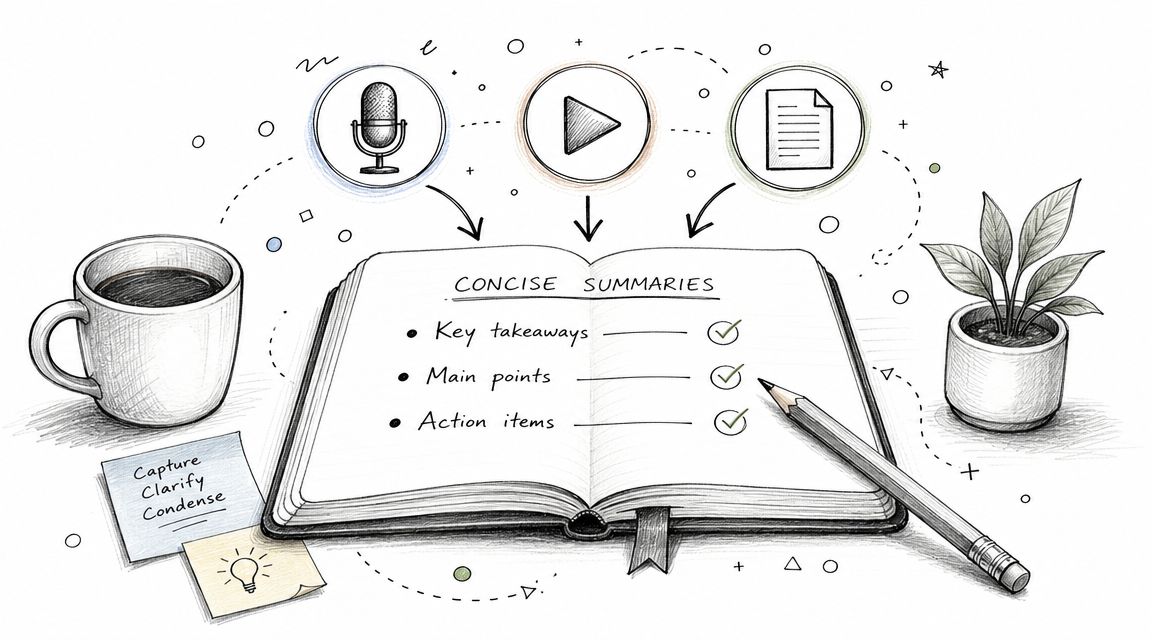
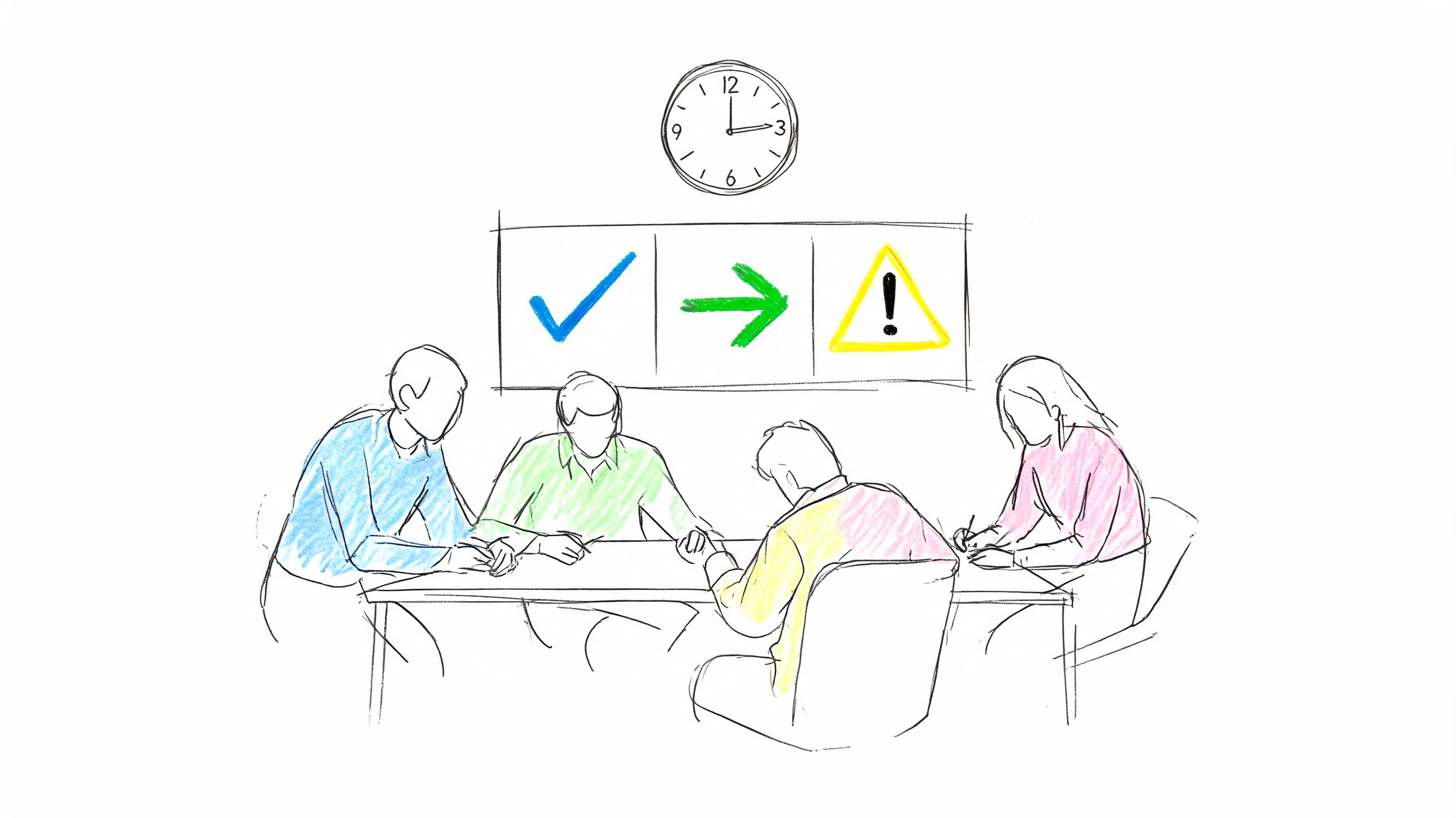
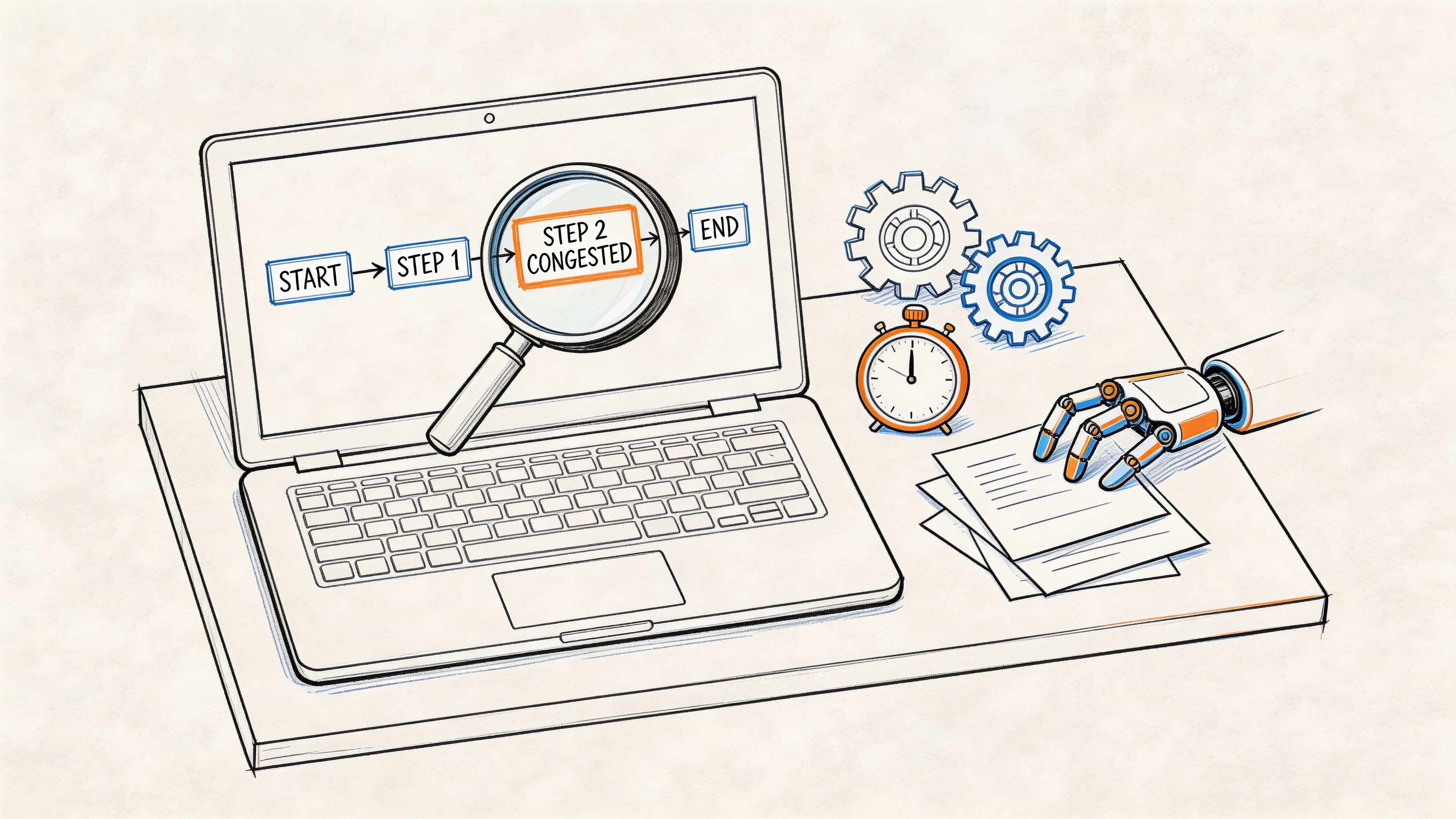
The real advantage comes next. You can take that hour-long transcript and use an AI summarizer to instantly pull out key takeaways, decisions, and action items. A review process that used to take 30 minutes can now be done in 30 seconds.
Turning Your Notes Into a "Second Brain"
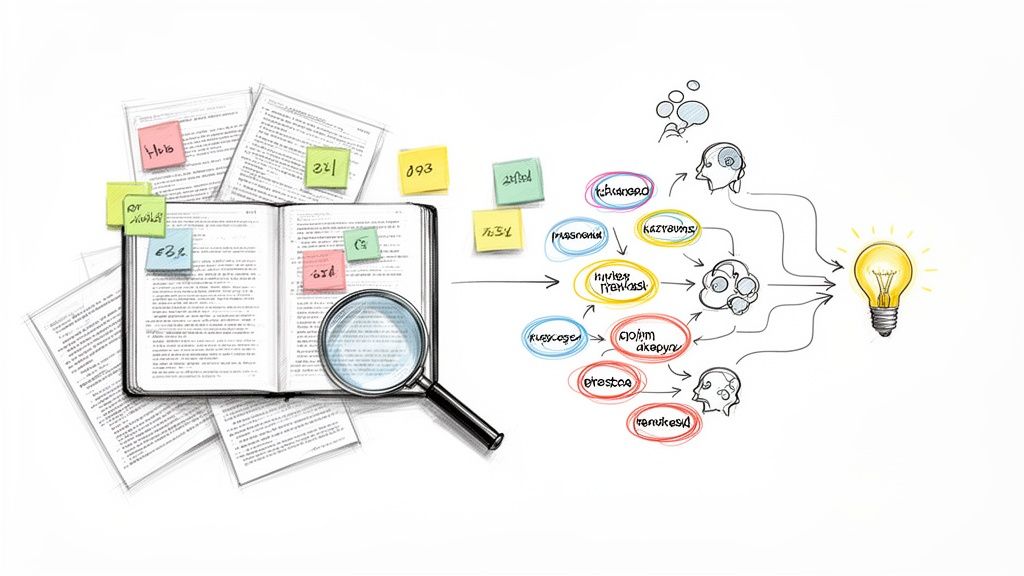
Effective digital note-taking isn't about creating a folder of random text files. It's about building an interconnected personal knowledge base—often called a "second brain." This is where your ideas, meeting notes, and research live together, making it easy to find what you need, when you need it.
Modern apps are built for this. By mastering a few core features, you can transform digital chaos into a powerful, organized system.
- Tagging: Get into the habit of applying relevant keywords to every note (e.g.,
#ProjectPhoenix,#Q4Strategy,#ClientMeeting). Tags let you instantly find related information, no matter where it's stored. - Cross-Linking: Create links between your notes to connect ideas. A link in today’s meeting notes can point directly to the project brief it references, weaving your knowledge together.
- Search: The killer feature of digital notes. The ability to search your entire library for a single word means no idea is ever truly lost.
The goal is to build a system where your knowledge is actively connected and easy to retrieve. It becomes a dynamic tool for thinking, not just a digital filing cabinet.
If you're looking for platforms that excel at these features, check out our guide on the best note-taking apps available today.
This flowchart can help you decide which style—structured, linear, or visual—fits you best before committing to a digital tool.

As you can see, the right method often depends on whether you prefer a logical structure, a sequential flow, or more creative, visual connections.
Why AI in Note-Taking Is a Game-Changer
The rise of AI-powered tools isn't just a trend; it's a solution to information overload. The numbers confirm this.
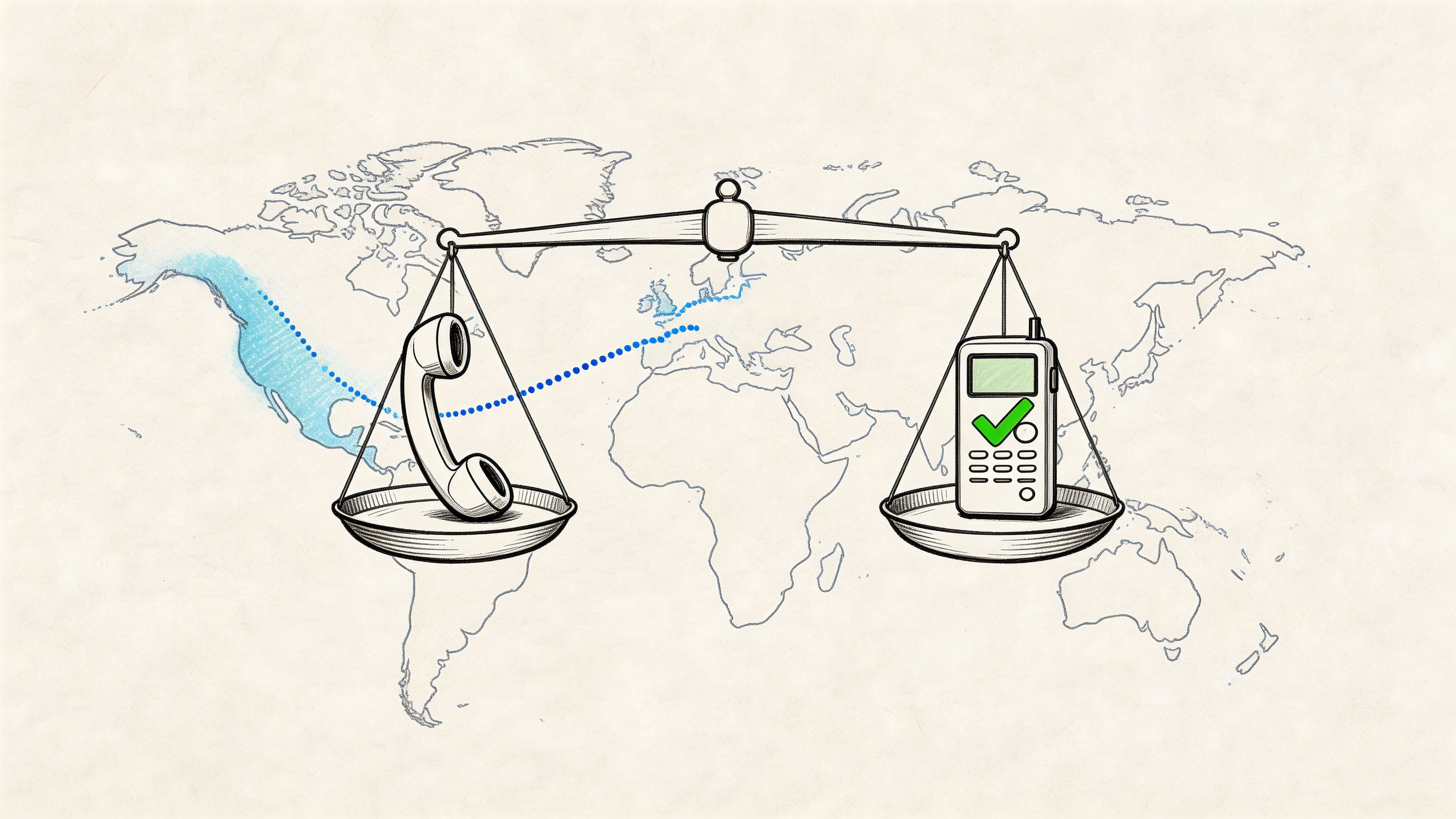
The AI note-taking market is projected to grow by an astounding USD 821.0 million between 2025 and 2029, with a compound annual growth rate of 21.3%. North America is leading this adoption, accounting for 32.0% of that growth, driven by high demand for productivity tools in business and education. You can explore the full market analysis on Technavio.com for more details.
This growth is happening because AI tools do more than just transcribe. They synthesize, organize, and highlight what matters, transforming how we process information. They turn raw data from lectures and meetings into structured, actionable knowledge, saving countless hours and significant mental energy.
How to Listen and Read Actively for Better Notes

The best notes don’t just happen when your pen hits the paper. They are the result of how you engage your brain before you even start writing. To truly improve your note-taking skills, you must master active listening and reading—shifting from passively receiving information to actively engaging with it.
Before you enter a meeting or open a textbook, ask yourself: What am I trying to get out of this? Your goal might be to identify three key action items or to understand a difficult concept. This simple step primes your brain to focus on what truly matters and filter out the noise.
Tuning In to Identify Key Information
Think of active listening as a skill you can train. One of the best exercises is learning to recognize "signpost" phrases. These are the verbal cues a speaker uses to highlight the most important information. When you hear one, it's a signal to pay close attention.
Listen for phrases that indicate structure, emphasis, or a change in direction:
- Introducing a topic: "The main point is..." or "First, let's look at..."
- Contrasting ideas: "On the other hand..." or "However, a different perspective is..."
- Giving an example: "For instance..." or "A good example of this is..."
- Summarizing: "In conclusion..." or "The key takeaway is..."
When you hear these phrases, the speaker is essentially telling you what's most important. All you have to do is be ready to capture it.
By training yourself to catch these verbal cues, you stop mindlessly transcribing and start selectively capturing the core framework of the discussion. Your notes become leaner, smarter, and infinitely more useful.
How to Engage with Texts Using the SQ3R Method
Just as with listening, your reading should be active, not passive. We've all been guilty of highlighting an entire page, but that's one of the least effective ways to learn because it doesn't require any real mental processing.
A much better strategy is a proven system like the SQ3R method. It's a simple, five-step process for deeply engaging with any written material.
- Survey: Before you read, quickly scan the chapter. Look at headings, subheadings, images, and the first and last paragraphs. This gives you a mental map of the content.
- Question: Turn each heading into a question. If a heading is "The Causes of the Industrial Revolution," your question becomes, "What were the causes of the Industrial Revolution?" This gives your reading a clear purpose.
- Read: Now, read the section with one goal: to answer the question you just formed. This turns reading from a passive activity into an active search for answers.
- Recite: After finishing a section, look away from the text and try to answer your question out loud in your own words. If you can't, you know you need to review that part again. This is where true understanding begins.
- Review: Once you've finished the entire chapter, go back over your questions and notes. This final pass helps solidify the information in your long-term memory.
By adopting active strategies like these, you ensure information is actually processed and understood, not just temporarily seen. It’s the foundational work that makes every other note-taking system more powerful.
How to Review Your Notes for Long-Term Retention
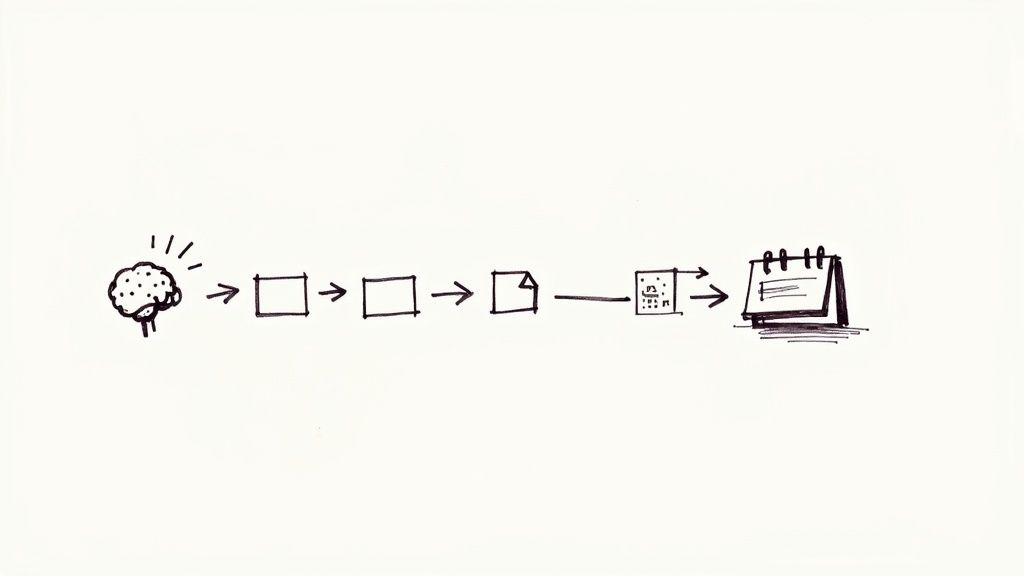
Taking great notes is only half the battle. The real learning, where information truly sticks, happens during review. If you just file your notes away, they become a forgotten archive. A smart review strategy transforms those notes into a dynamic tool for building lasting knowledge.
This all comes down to fighting the brain's natural tendency to forget. Our minds are designed to discard information that doesn't seem important. Your job is to signal that what you've recorded is crucial and needs to be retained.
Use Spaced Repetition to Beat the Forgetting Curve
Have you ever crammed for an exam, felt confident, and then a week later, struggled to recall the basics? That's the "forgetting curve" in action. Spaced repetition is the scientifically-backed method to combat it.
The concept is simple: you review new information at increasingly longer intervals. Instead of cramming, you strategically revisit your notes over time. Each review strengthens the memory.
Here’s a practical schedule to get started:
- Review 1: Within 24 hours of taking the notes.
- Review 2: About 3-4 days later.
- Review 3: One week later.
- Review 4: One month later.
This might seem demanding, but each review session can be quick—often just 5-10 minutes to scan your summaries and key points. Set calendar reminders or use apps like Anki, which automates the process with smart flashcards. To really lock in information, it also helps to explore strategies for improving working memory, which can make a huge difference.
Practice Active Recall to Strengthen Your Memory
Simply re-reading your notes is one of the most passive and ineffective ways to study. It creates a false sense of familiarity without true understanding. You need to switch to active recall, which forces your brain to retrieve information from scratch, strengthening the neural pathways.
Active recall is like a mental workout. Each time you successfully retrieve a piece of information, you make it easier to access in the future.
Instead of just reading, turn your notes into a self-quiz.
- Use the Cornell Method: Cover the main notes section and try to explain the concepts using only the cues from the left-hand column.
- Create a summary sheet: Without looking at your original notes, try to condense an entire lecture onto a single page from memory.
- Teach someone else: This is the ultimate test. If you can explain the concepts clearly to a friend, you truly understand them.
Interestingly, while some research suggests handwritten notes can fade from memory 20% faster than typed ones, modern apps with search and AI tagging can reverse this, boosting recall by up to 60%. This is especially relevant now, as post-pandemic online learning has driven demand for tools that integrate with platforms like Zoom, saving students 10+ hours per week.
This active engagement is fundamental for anyone wondering how to study for exams effectively, as it builds true, lasting comprehension.
Your Top Note-Taking Questions Answered
As you experiment with new note-taking methods, questions are bound to come up. That’s normal. Improving this skill is all about finding what works best for you. Let's address some of the most common questions people have when trying to level up their note-taking.
Is It Better to Handwrite Notes or Type Them?
This is a classic debate, and the honest answer is: it depends on your goal.
There’s a reason many people still prefer pen and paper. Handwriting is inherently slower, which forces you to synthesize and summarize information as you go. You can't possibly write fast enough to capture every word, so your brain naturally starts processing the content more deeply.
However, laptops are unmatched for speed, organization, and searchability. If you need to capture detailed meeting minutes or build a searchable personal knowledge base, digital is the clear winner. For many, a hybrid approach is the perfect solution. Using a stylus on a tablet, for example, combines the cognitive benefits of handwriting with the organizational power of a digital tool.
What’s the Single Most Important Habit for Better Notes?
If you only adopt one new habit, make it this: regular review.
The most powerful thing you can do is schedule time to look over your notes within 24 hours. This simple act directly combats the brain's natural tendency to forget and is the first crucial step in moving information from short-term to long-term memory.
Great notes are useless if they're never seen again. A five-minute review the next day is more effective than a two-hour cram session a month later. It transforms your notes from a static archive into active, usable knowledge.
How Can I Keep Up in a Fast-Paced Lecture or Meeting?
When information is coming at you quickly, trying to write everything down is a recipe for failure. You'll get frustrated and fall behind. The key is to stop trying to be a court reporter and start acting like a strategist.
Your goal is to capture the essence, not a full transcript. Here’s how:
- Focus on keywords, main ideas, and action items. Forget full sentences.
- Develop your own shorthand. Use abbreviations, symbols, and whatever helps you write faster (
(Q)for question,->for action item, etc.). - Use technology as a backup. A recording app or a transcription tool can be a safety net. This allows you to relax and actually listen, knowing you can fill in any gaps later.
This is precisely why AI tools have become so popular. The global AI note-taking market was valued at USD 450.7 million in 2023 and is projected to reach USD 2,545.1 million by 2033. With North America comprising over 38% of that market, it’s clear that professionals and students are embracing these tools to keep up. You can read more about innovations in AI-powered organization on superagi.com.
How Do I Keep My Digital Notes from Becoming a Mess?
The secret to effective digital organization is simple: consistency.
It doesn't matter as much which system you use—folders, notebooks, or tags—as it does that you pick one and stick to it. One of the most reliable methods is to combine broad categories (like folders) with specific identifiers (tags).
For example, you could have a main "Work" notebook. Inside, every note gets tagged with relevant keywords like #ProjectX, #Meeting, or #ToDo. This dual structure is incredibly flexible. You can view everything for a single project in its folder, or you can instantly pull up every to-do item across all your projects by searching for the #ToDo tag.
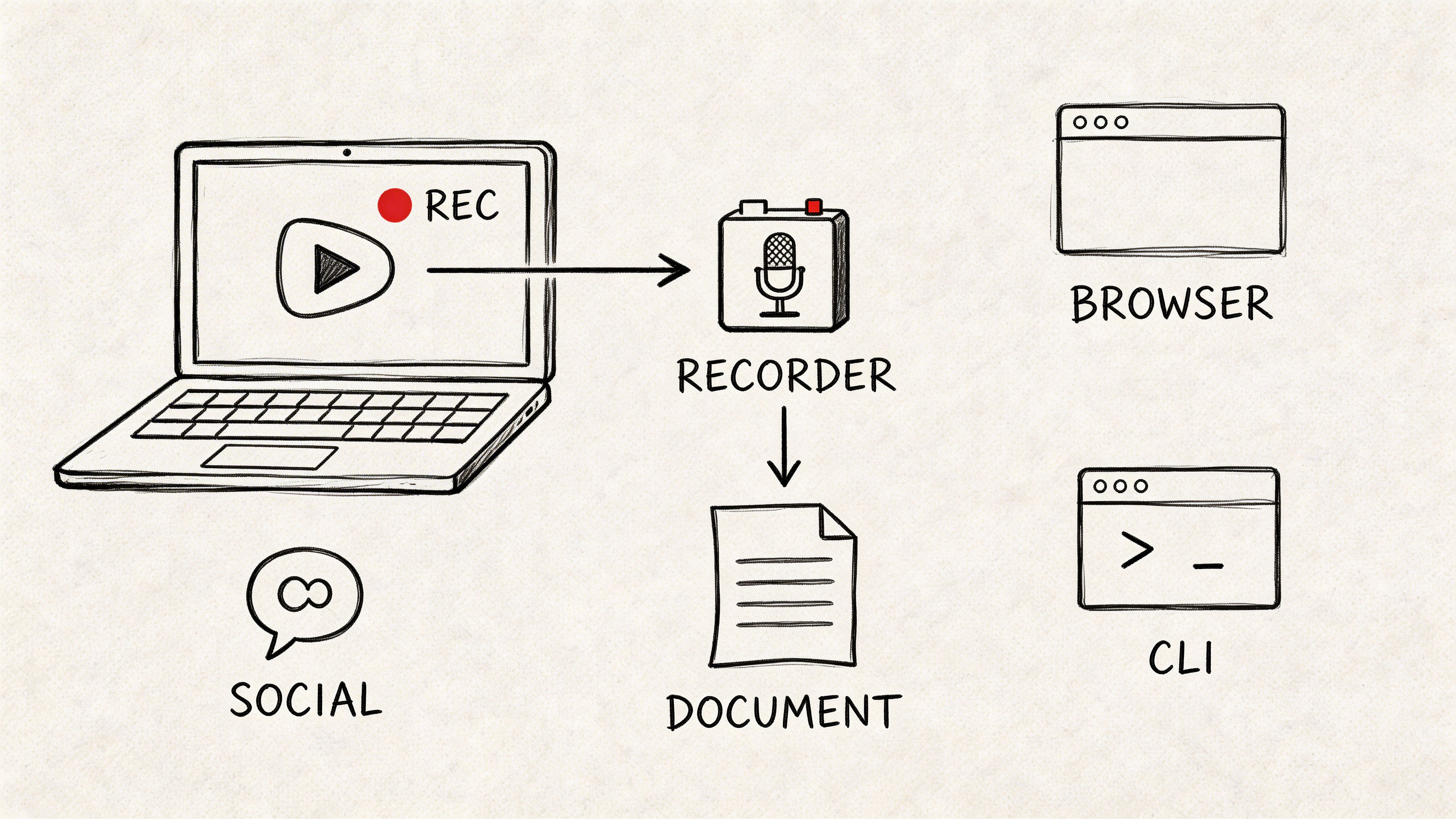
Ready to stop manually transcribing and start getting instant, actionable insights from your meetings, lectures, and videos? Whisper AI uses advanced AI to create accurate transcripts, summaries, and highlights in minutes. Join over 50,000 users and turn your audio and video content into organized, searchable knowledge. Get started with Whisper AI today.