The Ultimate Guide to Taking Notes in an Interview
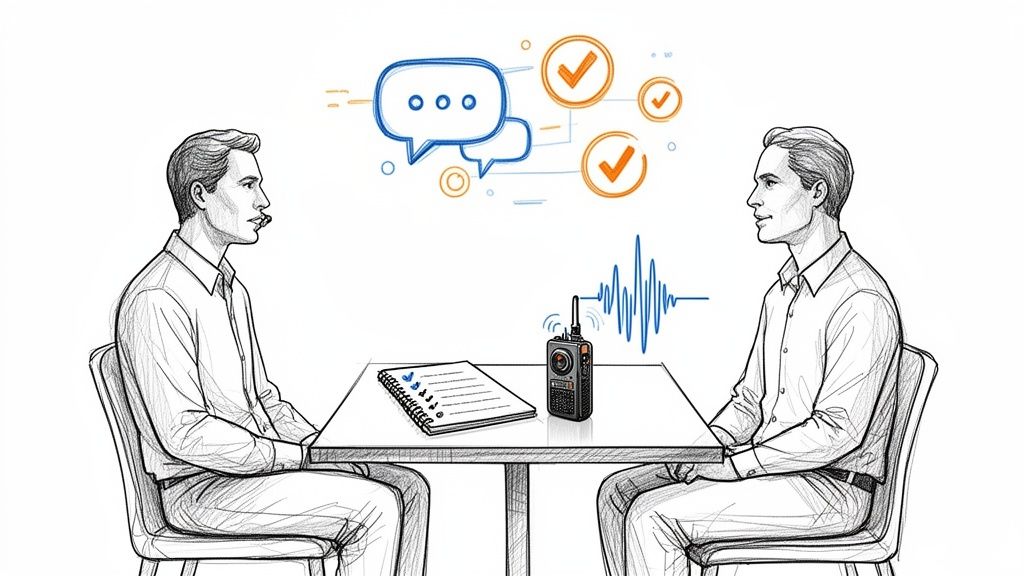
Taking good notes on interview sessions is more than just a helpful habit—it’s a strategic advantage that can set you apart from other qualified candidates. The simple act of writing things down shifts you from being a passive participant to an engaged, thoughtful professional, which clearly signals your genuine interest in the role and the company.
Why Interview Notes Are Your Secret Weapon
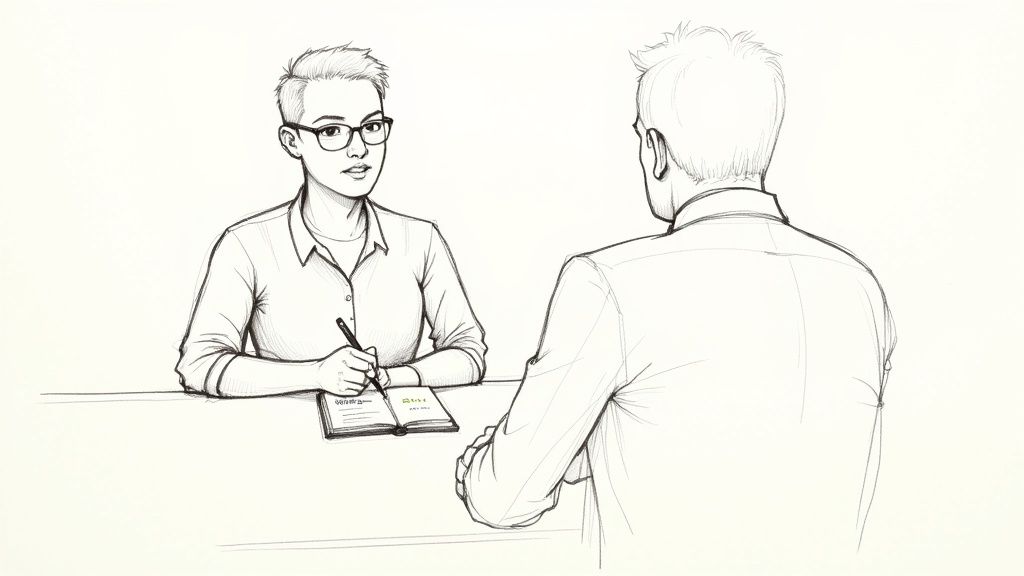
Let's be honest—the job market is competitive. Every edge counts. When you consider that only about 17% of U.S. applicants report 'always' getting an interview after applying, you have to make every conversation matter.
This is where well-crafted notes come in. They become your secret weapon for a few key reasons. First, they help you ask smarter, more specific follow-up questions in the moment. Instead of relying on a generic list, you can reference something the interviewer just said, showing you’re not just hearing them—you’re actively processing the information.
How Notes Boost Your Recall and Confidence
Have you ever walked out of an interview and immediately forgotten the name of the person you spoke with or a key project they mentioned? It happens to the best of us. The physical act of jotting down a few keywords can dramatically improve your recall.
Anchoring these important details—team members' names, specific challenges, key metrics—gives you the raw material for an outstanding follow-up email. This isn't about creating a perfect transcript; it’s about building a reliable personal record that helps you connect the dots later.
This organized approach does more than just help you remember facts. It builds confidence. Walking into a conversation with a structured plan and a place to capture new insights reduces anxiety and helps you stay present and focused.
How Taking Notes Creates a Stronger Connection
Ultimately, taking notes shows respect. It tells the interviewer that you value their time and are taking this opportunity seriously. It’s a powerful non-verbal cue that you’re committed to understanding the role on a deeper level.
Of course, notes are just one part of the equation. Sharpening your overall performance is key, and an Interview Skills Practice Guide can help you master your answers. But combining that preparation with active listening is what transforms a standard interview into a memorable, positive conversation.
Crafting Your Pre-Interview Game Plan
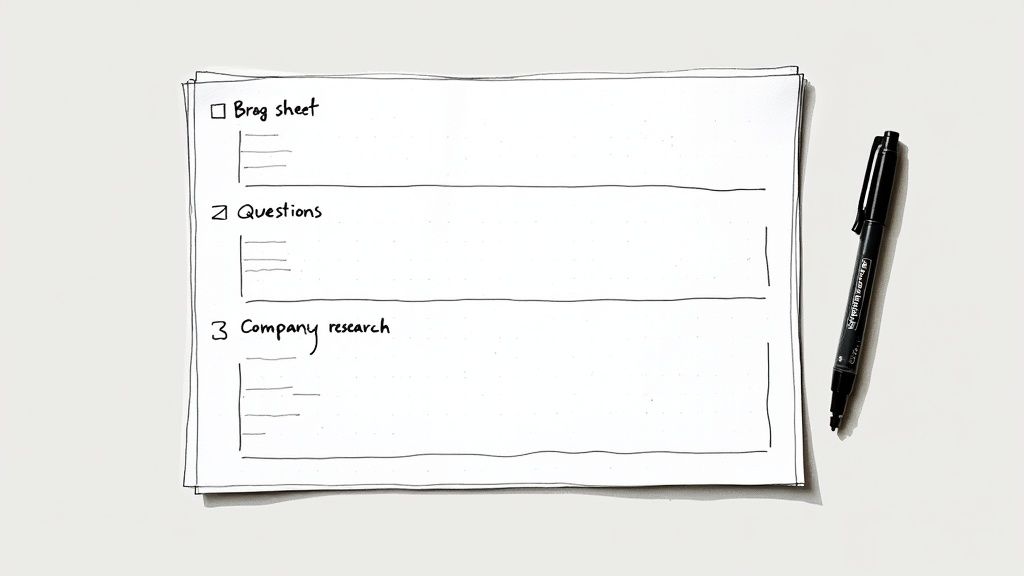
A great interview doesn't just happen. It's the direct result of thoughtful, structured preparation that starts long before you sit down with a hiring manager. When you build a solid blueprint for your notes on interview sessions, you transform nervous energy into focused confidence.
This isn’t about creating a rigid script to memorize. Think of it as a flexible framework—a reliable home base you can return to throughout the conversation. Of course, good notes are just one piece of the puzzle. For a comprehensive guide on how to prepare for a job interview, it's always worth brushing up on the fundamentals.
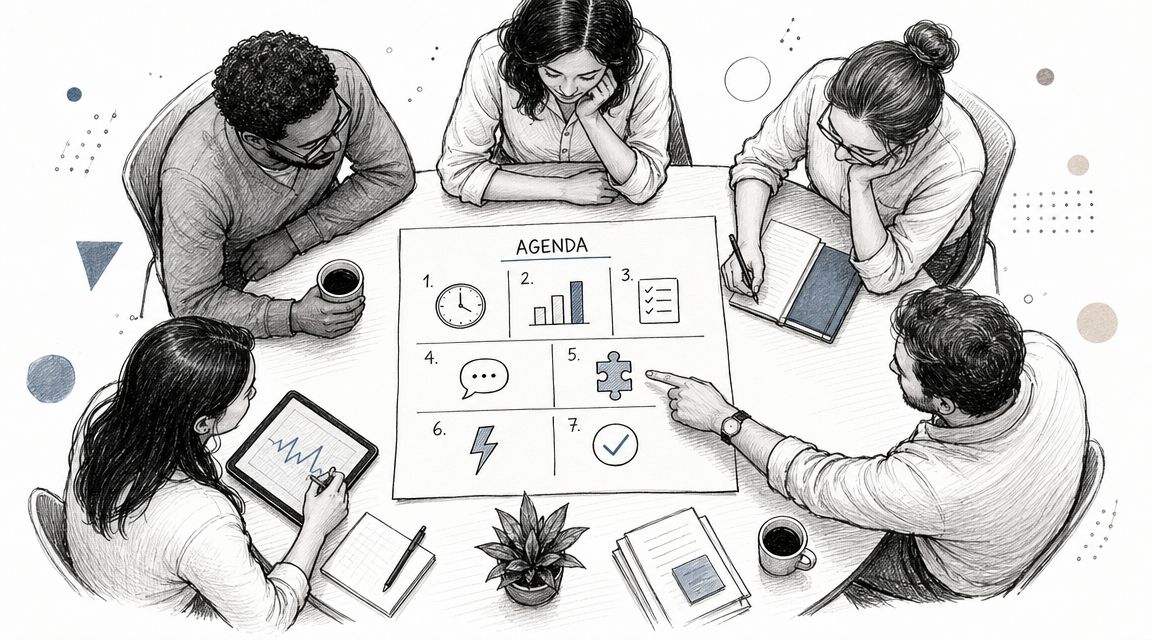
The secret is to organize your prep work into clean, easy-to-scan sections. This way, you can find exactly what you need in a split second, without frantically shuffling papers or scrolling through a wall of text.
The Essential Pre-Interview Note-Taking Checklist
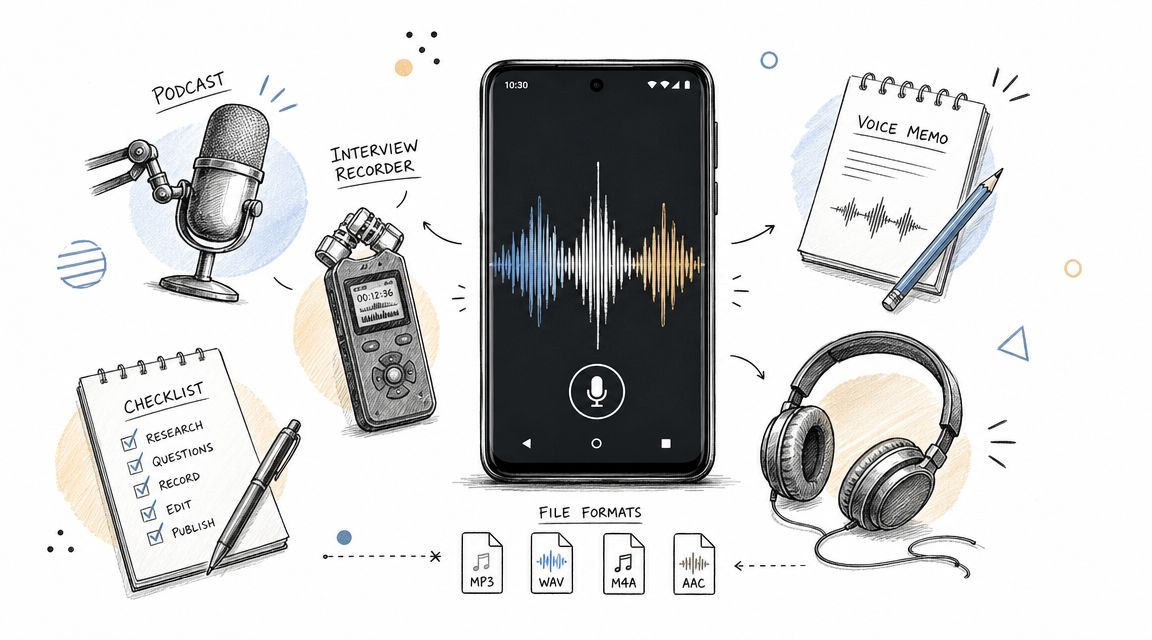
Your notes are only as good as the research you put into them. Before building your template, you need to gather the right intelligence. This checklist breaks down exactly what to look for and why it’s so critical for a successful conversation.
With this information gathered, you're not just prepared—you're armed with the context needed to have a strategic, two-way dialogue.
How to Build Your Personal Template
Once you've done your homework, it's time to organize it into a practical, reusable template. From my experience, a simple document with three main sections is the most effective way to keep everything straight.
Your pre-interview notes should function like a well-organized briefing document. The key sections are your personal highlights, your insightful questions, and a dedicated space to capture new information in real-time.
This structure is brilliant because it lets you pivot seamlessly. You can go from showcasing your own skills to engaging with a new piece of information the interviewer just shared, all without missing a beat.
Here’s a breakdown of how I structure my own template:
My Brag Sheet: This is where I jot down my key accomplishments, tailored specifically to the job description. I use bullet points with hard numbers and the STAR method (Situation, Task, Action, Result) so I can recall my stories easily. For instance: Led a team of 5 to increase user engagement by 15% in Q3 by implementing a new feedback loop.
My Questions: These aren't generic, last-minute questions. They're thoughtful and show I've been paying attention. A good example might be, "Can you describe the biggest challenge the team is currently facing with the upcoming product launch?"
Live Notes: This is simply a blank space ready for action. During the interview, I'll capture names, project codenames, key challenges they mention, or anything that sparks a follow-up question. For example: Project Phoenix - key stakeholders: Sarah (Marketing), Tom (Eng). Biggest hurdle = legacy code.
This simple framework does more than just keep you organized. It empowers you to walk into any interview ready to have a memorable, high-impact conversation that truly highlights what you bring to the table.
How to Take Notes Without Losing the Connection
The real trick to taking notes on interview sessions is learning how to capture what matters without disconnecting from the conversation. Your goal isn't to be a court stenographer, but to create a mental map of the discussion. It's all about being discreet, intentional, and, most importantly, engaged.
It’s always a good idea to give the interviewer a heads-up. Something simple like, "I've prepared a few thoughts and might jot down some notes as we talk, I hope you don't mind," works perfectly. It comes across as professional and prepared, not distracting.
This balance between active listening and note-taking is a skill that takes practice. To dive deeper, our guide on how to improve active listening skills has some excellent tips for staying tuned in during these high-stakes conversations.
Adopting a Strategic Shorthand
Trying to write in full sentences is a recipe for disaster. You’ll fall behind, your handwriting will become unreadable, and your focus will drift from the person speaking to your paper. The solution is to develop a personal shorthand that captures the essence of what's being said.
Train yourself to listen for keywords, metrics, and names. This isn't just about speed; it's about actively filtering for the most critical pieces of information.
- Keywords & Concepts: Snag the specific terms they use for projects, tech, or company values. Think "Project Phoenix," "Agile workflow," or "Customer-first culture."
- Key Metrics: If they mention a goal or a result, grab the number. You want to remember things like a "15% growth target" or that they "reduced churn by 5%."
- Names & Titles: Jot down the names of any team members or key stakeholders they bring up. This is gold for asking informed follow-up questions and personalizing your thank-you notes.
The most effective note-takers are selective. They listen for the 'aha' moments—the challenges, the goals, the team dynamics—and capture just enough to trigger their memory later.
The Three-Column Technique: An Easy Method
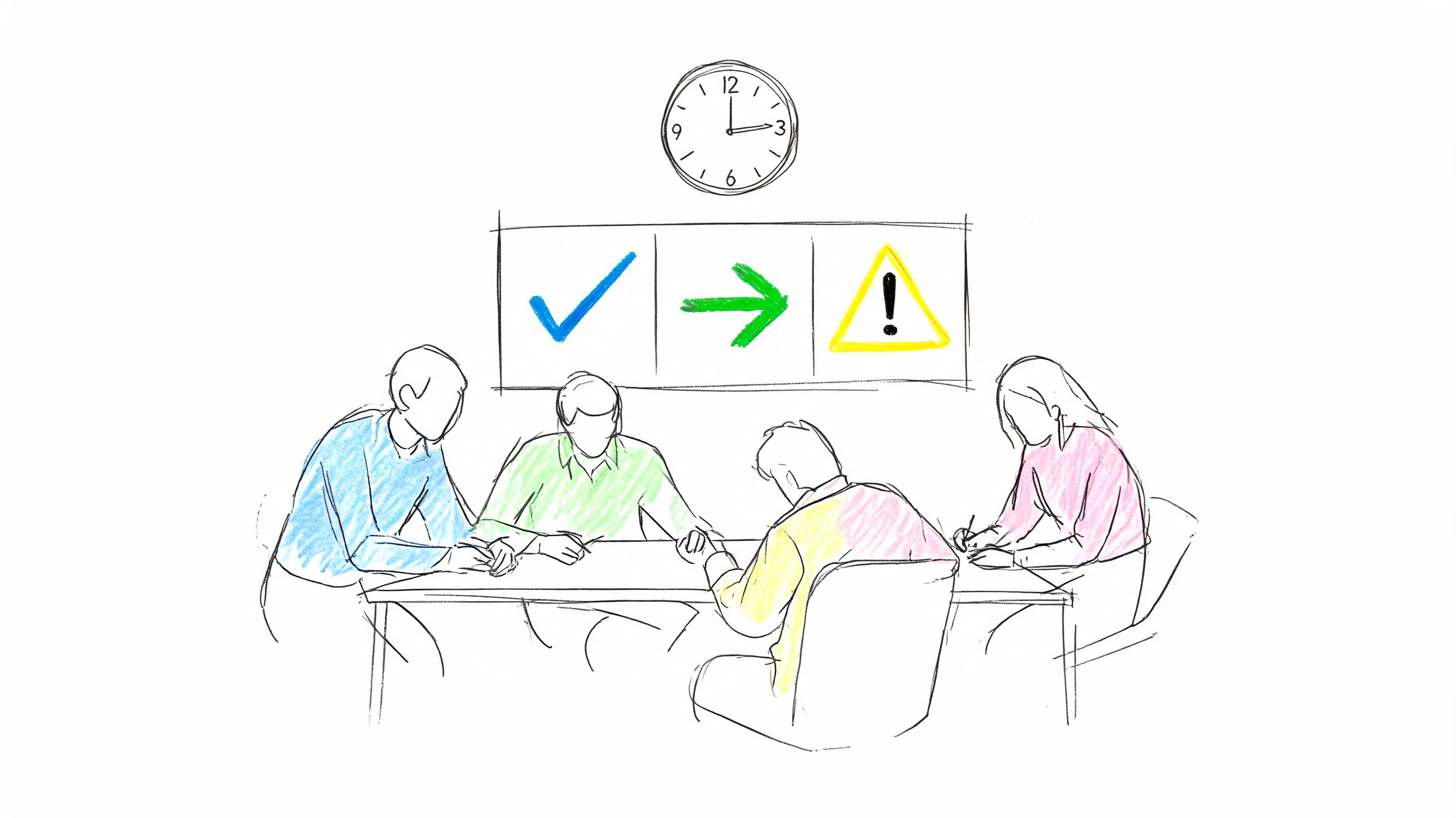
For a more organized approach, you can't go wrong with the three-column method. It's a simple layout that helps you process information in real-time, making your notes infinitely more useful after the interview is over. Just divide your page into three sections:
This method is so effective because it forces you to actively connect what you're hearing to what you bring to the table. It turns passive listening into a much more active, and impressive, dialogue.
How to Manage Notes in a Virtual Interview
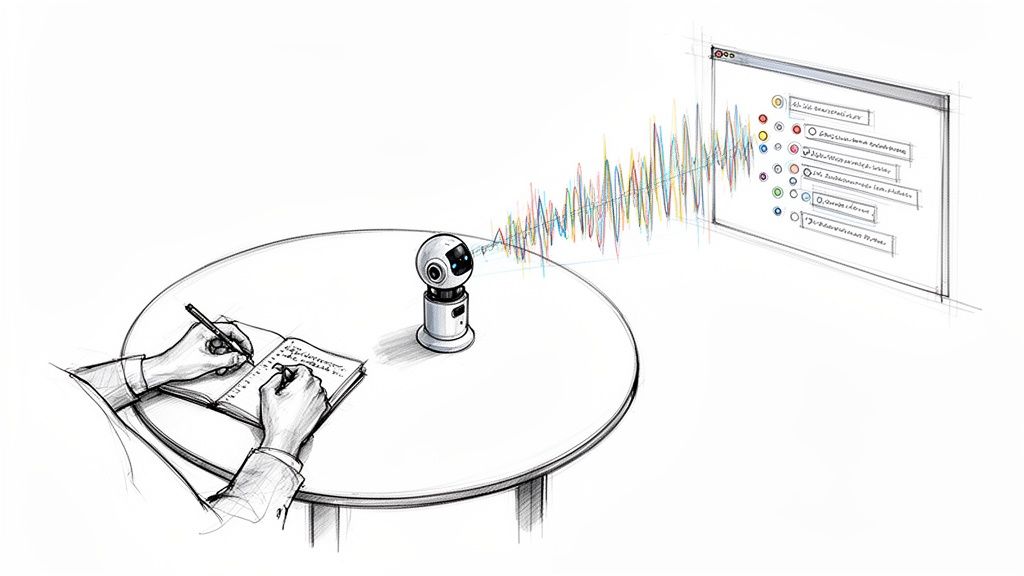
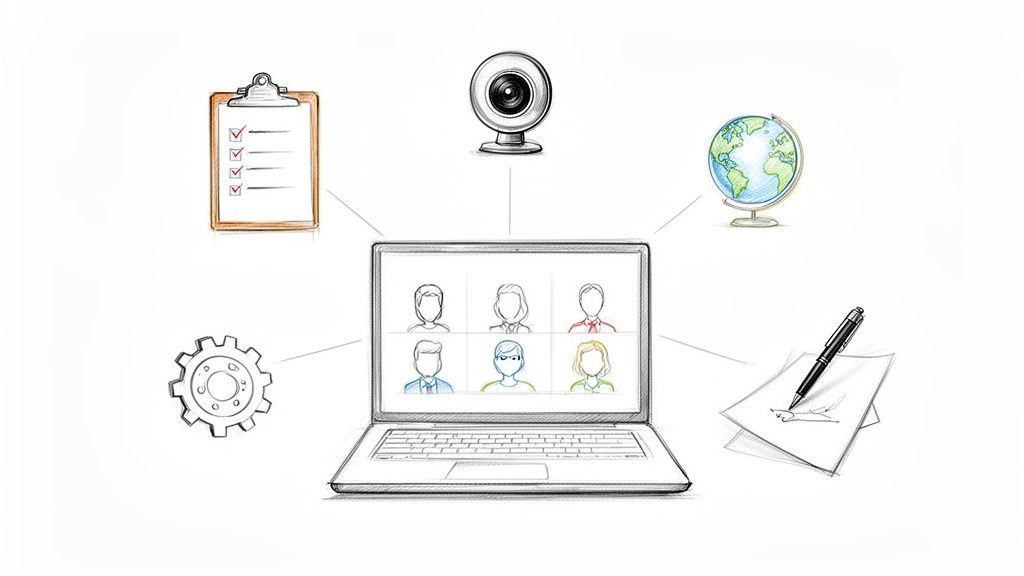
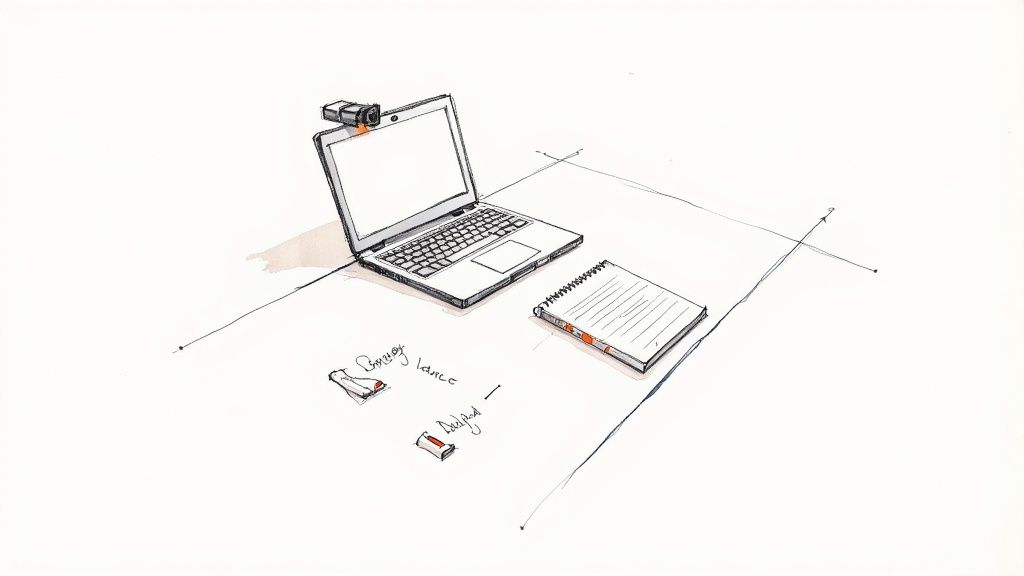
With so many interviews happening over video, your virtual setup is part of your first impression. To avoid looking down and away from the camera, you need to be strategic with your notes.
Place your notebook or open your document right next to your webcam. This little trick allows your eyes to glance over at your notes without breaking that all-important sense of eye contact with the interviewer.
Ultimately, the best tool is the one that feels most comfortable to you. A classic pen and notebook are often less distracting than the click-clack of a keyboard. But if you're a fast typist and interviewing for a tech-heavy role, a digital tool can be perfectly fine. Just choose the option that helps you capture insights without sacrificing the human connection.
From Messy Notes to a Strategic Advantage
The interview doesn't end when you hang up the call or leave the building. Some of the most important work happens right after. Think of your raw, cryptic notes as a goldmine. But that gold loses its shine with every hour that passes. Your immediate mission is to turn that shorthand into a powerful asset you can actually use.
The golden window for this? The first 30 minutes after the interview. Don't put it off. The little details, the tone of voice, and the nuances of the conversation are all still fresh in your mind. Find a quiet spot, pull out your notes, and start turning your scribbles into complete thoughts. That quick note "Proj Phoenix - Sarah/Tom" can now become, "Project Phoenix is a major Q4 initiative, led by Sarah (Marketing) and Tom (Engineering)."
This isn't just about typing things out. It's an active reflection. As you expand on your notes, you're replaying the conversation in your head, organizing the information, and letting the bigger picture come into focus.
How to Find Clarity in Your Notes
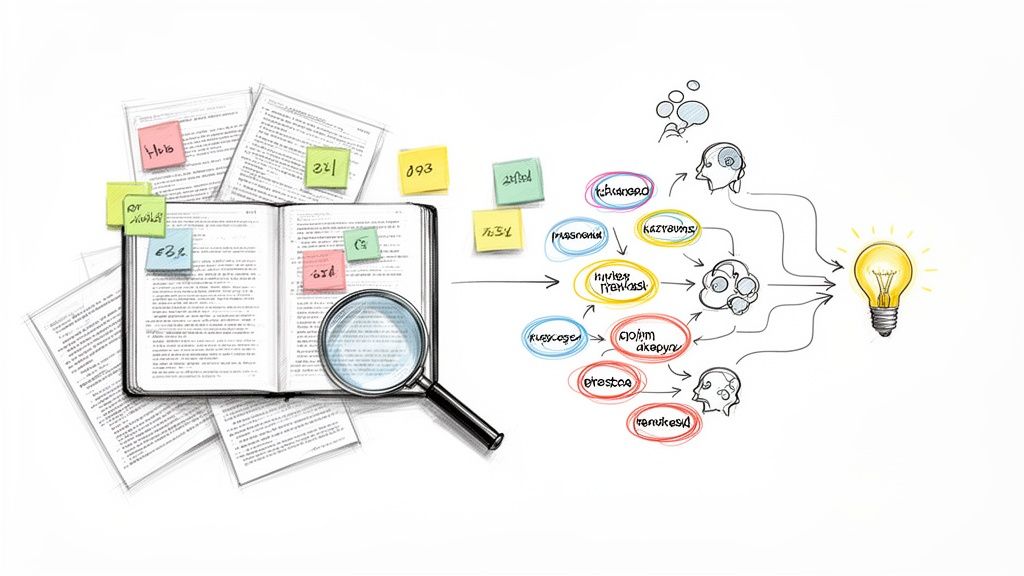
Once you start translating your notes, the real goal is to spot patterns and pull out the core themes. This is where you shift from just collecting data to performing strategic analysis. Start grouping related points together to build a clearer story about the role, the team, and the company culture.
Put on your detective hat for a minute. What topics did the interviewer keep coming back to? Were there specific words or concerns that popped up repeatedly? This structured review is how you uncover critical insights you might have missed while you were busy answering questions.
Here's what to look for:
- Key Themes: Did they mention "cross-functional collaboration" five times? Did they constantly talk about the need for "data-driven decisions"? These are likely core values.
- Potential Red Flags: Did they get vague when you asked about team turnover? Does the role they described sound completely different from the job description? It's okay to acknowledge these concerns.
- Your Impact Points: Where did their problems perfectly line up with your biggest wins? Think back to the moments where they leaned in or their eyes lit up when you told a specific story.
- The Nitty-Gritty Details: Make sure you've captured names, project titles (like "Project Phoenix"), and any metrics they shared. These details are absolute gold for your follow-up.
This organized summary is the foundation for everything that comes next. You’ve just turned a messy page of notes into a strategic brief that will guide your follow-up and get you ready for the next round.
How to Write a Follow-Up That Gets Read
Armed with your polished notes, you're now ready to write a thank-you email that does more than just check a box. A truly great follow-up is specific, personal, and proves you were paying close attention.
Forget the generic, "Thanks for your time." You can now write something with real substance. By referencing specific points from your conversation, you’ll jog their memory and strengthen the connection you made.
Think of your thank-you note as the first real test of your interview notes. It's your chance to remind them of your value by directly linking your experience to the specific challenges and goals you talked about.
Let’s see how this plays out in a real-world scenario.
Your Note: Challenge = legacy code slowing down Project Phoenix. Need someone w/ experience refactoring.
Your Thank-You Email Snippet: *"I really enjoyed our conversation about the challenges with Project Phoenix. It reminded me of a similar situation at my last company, where I led the project to refactor a legacy system. We ended up increasing deployment speed by 25%, and I'm confident I could bring that same problem-solving mindset to your team."*
See the difference? This shows you didn't just hear their problems—you were already thinking about how you could step in and solve them. That’s how you stand out.
Advanced Tools and Strategies for Power Notetakers
Once you get into second or third-round interviews, your notes need to evolve. They stop being a simple record of one conversation and become your strategic playbook for the entire process. The real goal isn't just to remember what was said, but to start connecting the dots across every interaction. This is how you show the hiring team you're a cohesive thinker who sees the bigger picture.
Imagine the first interviewer mentions a problem with their legacy code, and the second talks about their push for faster deployment. Good notes help you bridge that gap. You can then position your experience not just as a skill, but as the specific solution that addresses both of those interconnected challenges. It demonstrates a much higher level of engagement.
Building a Digital Master File for Your Job Search
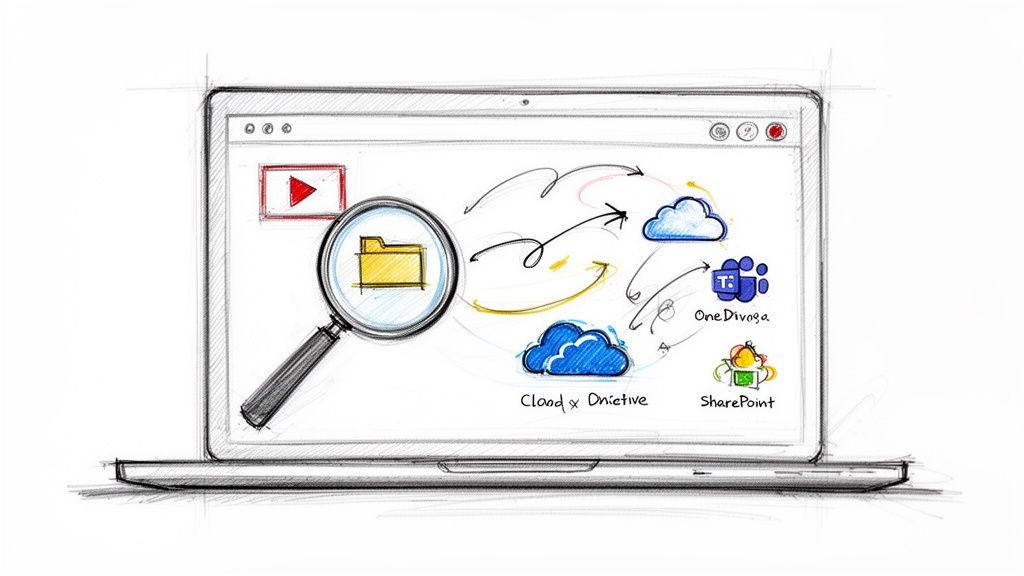
Many serious job seekers create a “master file” for their entire career journey, and it’s a brilliant move. Tools like Notion or OneNote are fantastic for this because they’re flexible. You can build out a database where every company you interview with gets its own entry.
From there, you can nest pages for each interview round within a company’s main page. This structure is perfect for keeping track of who you talked to, what you covered, and how your understanding of the role sharpened over time.
A workflow that I've found works really well is a hybrid approach:
- Digital Template for Research: Before any interview, I build out a blueprint in Notion. It holds all my company research, my "brag sheet" of accomplishments, and the initial questions I want to ask.
- Handwritten Notes for Engagement: During the actual conversation, I stick with a pen and a notebook. It feels more natural, minimizes the distraction of a screen, and keeps me fully present.
- Consolidate Everything Digitally: Right after the interview, while it's still fresh, I transfer my handwritten notes into that digital master file. This is the crucial step where messy scribbles become clear, actionable insights.
A master file isn't just for this one job hunt. Think of it as a long-term career asset. It helps you track your professional growth, spot patterns in interview questions, and really hone your personal story over the years.
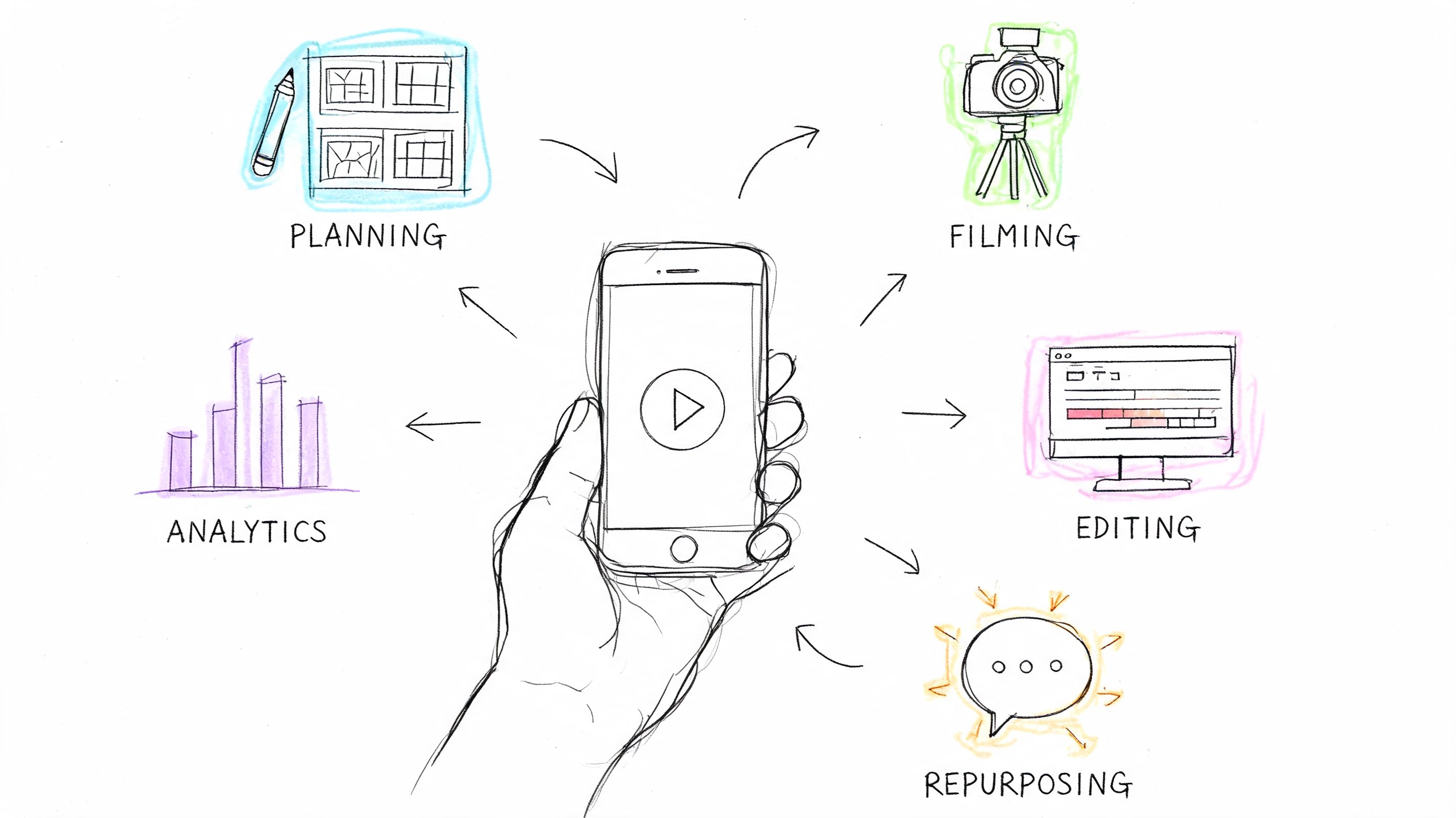
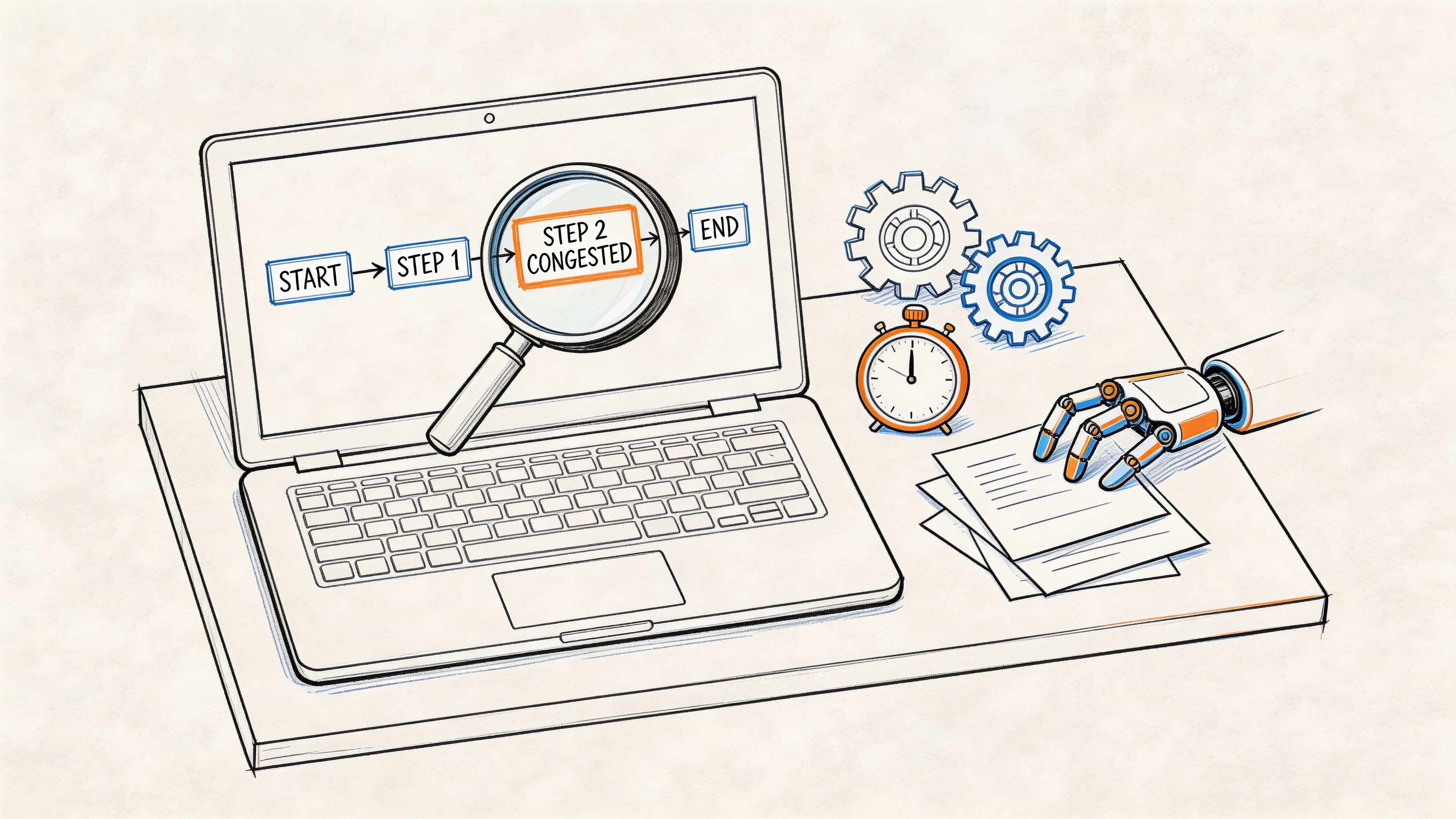
This simple process transforms what you capture in the moment into a powerful tool for your follow-up and any future prep.
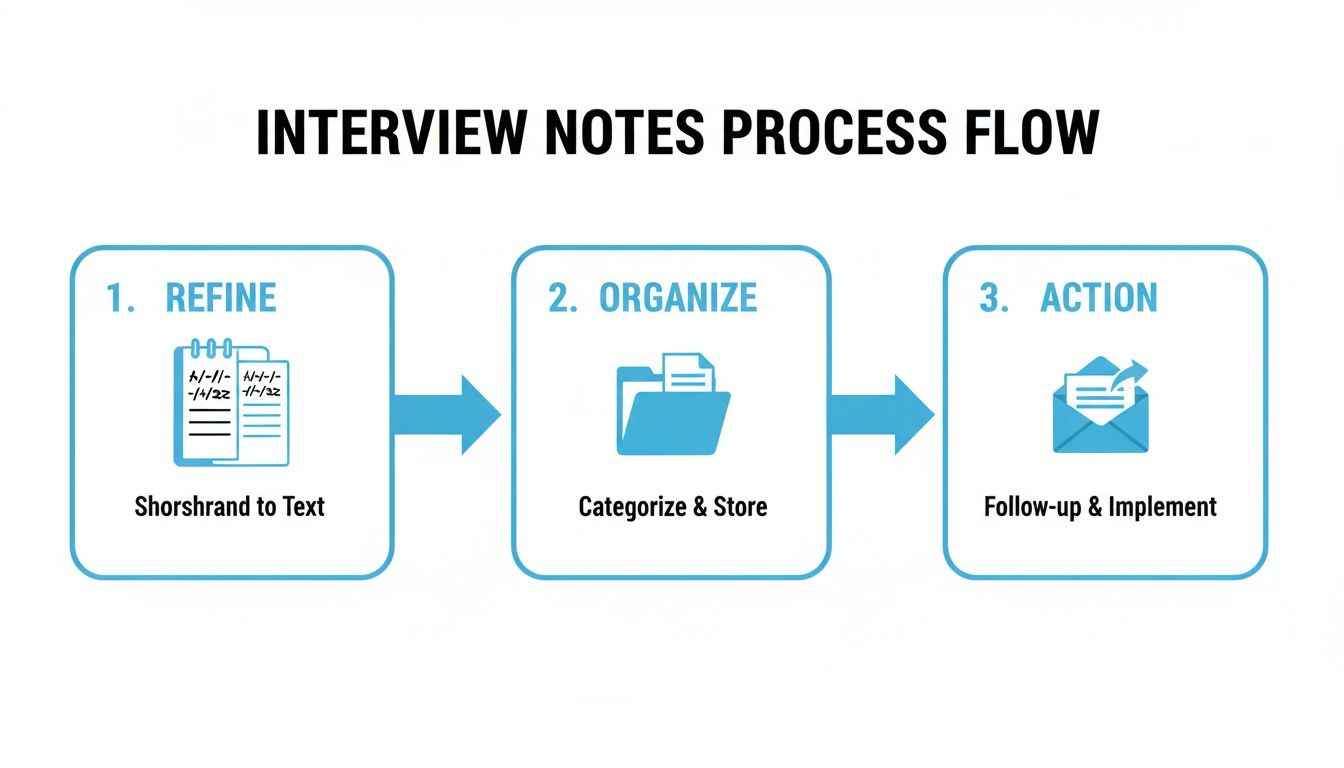
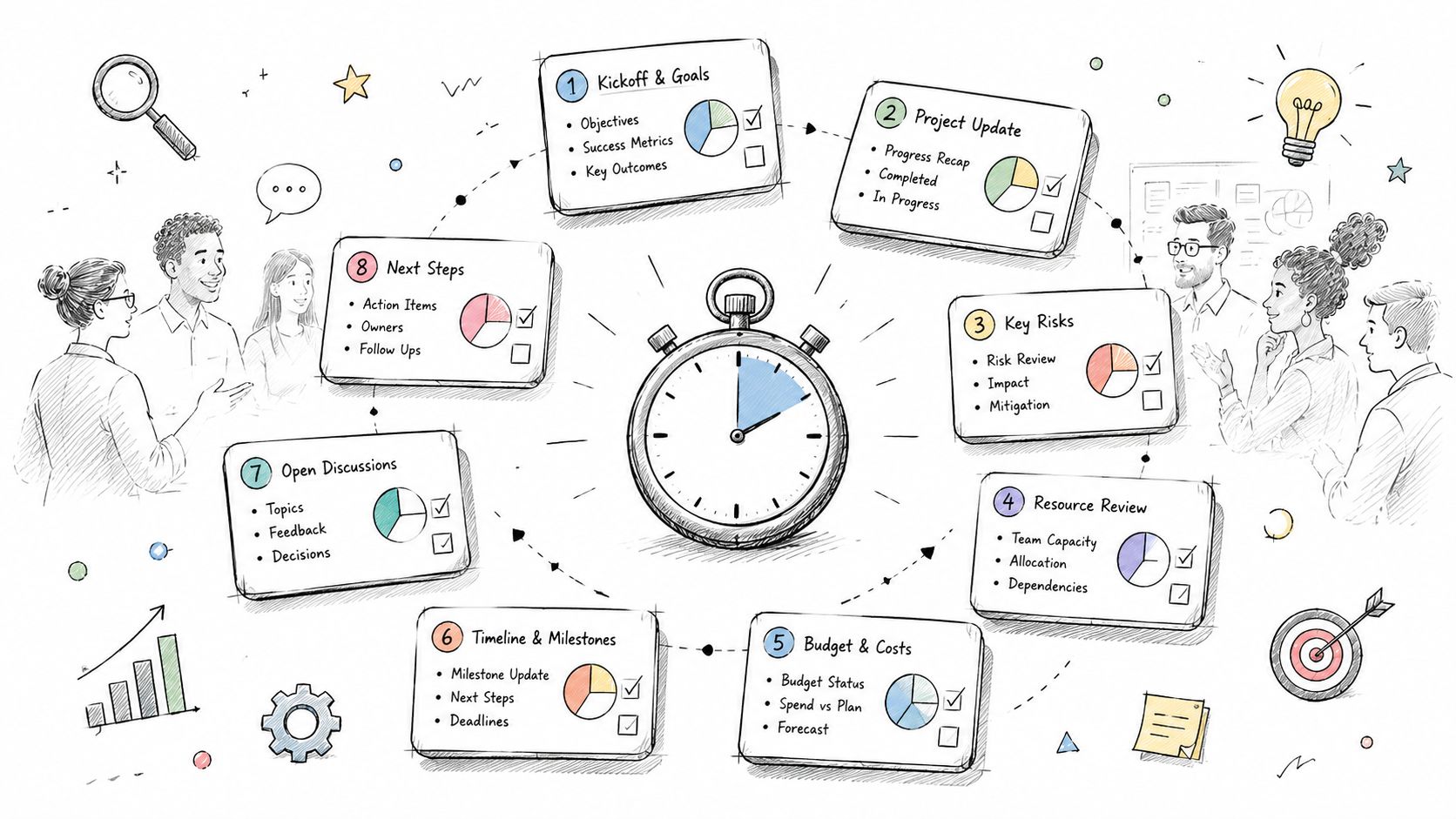
Each stage logically flows into the next, ensuring no valuable detail gets lost and you're always ready to build on what you've learned.
Leveraging AI for Deeper Insights
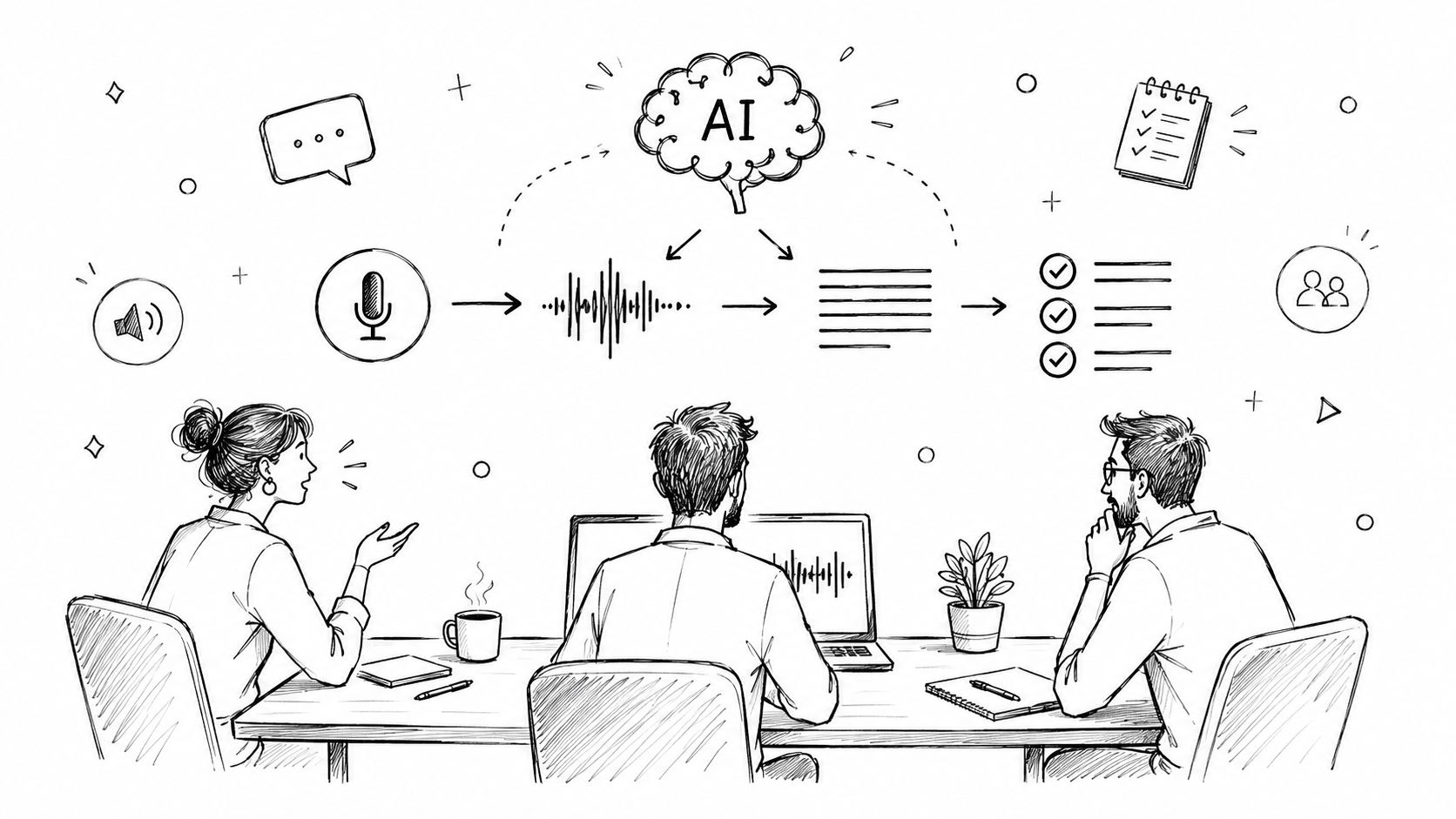
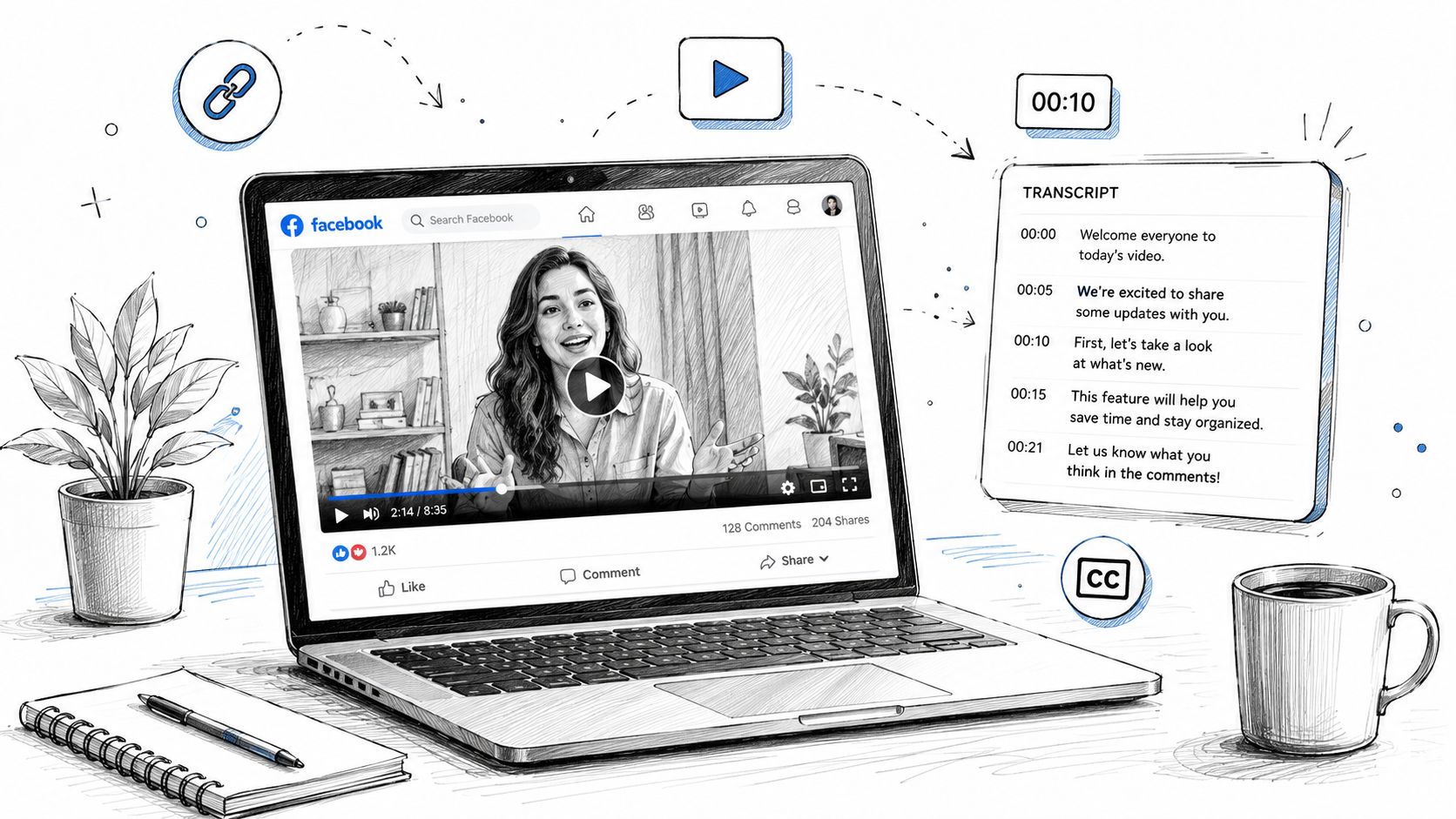
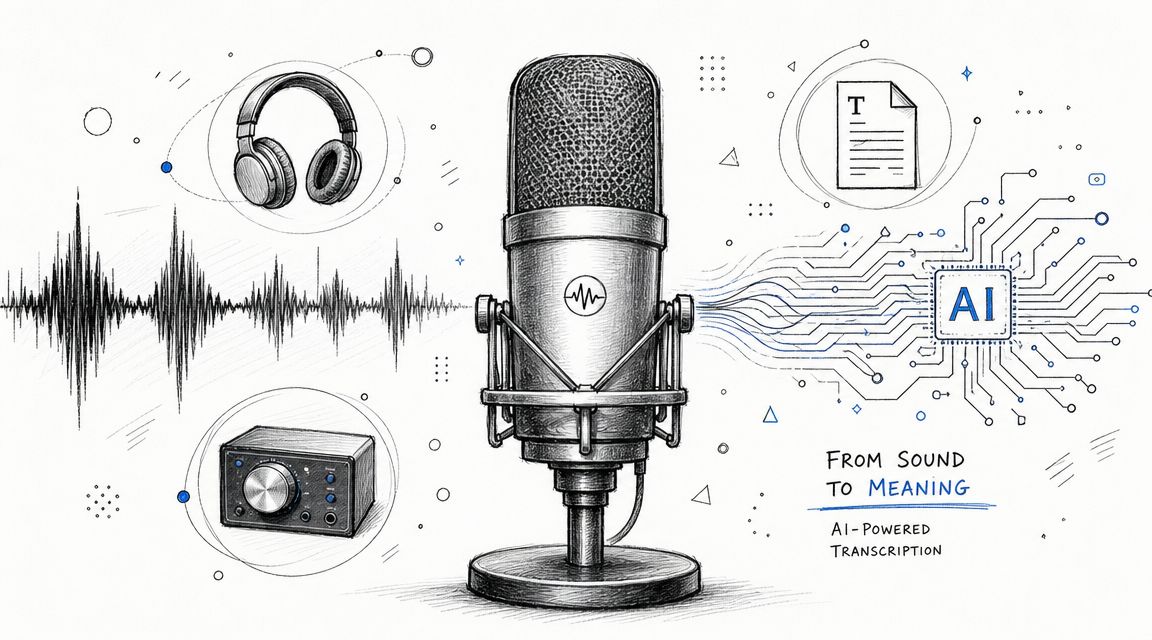
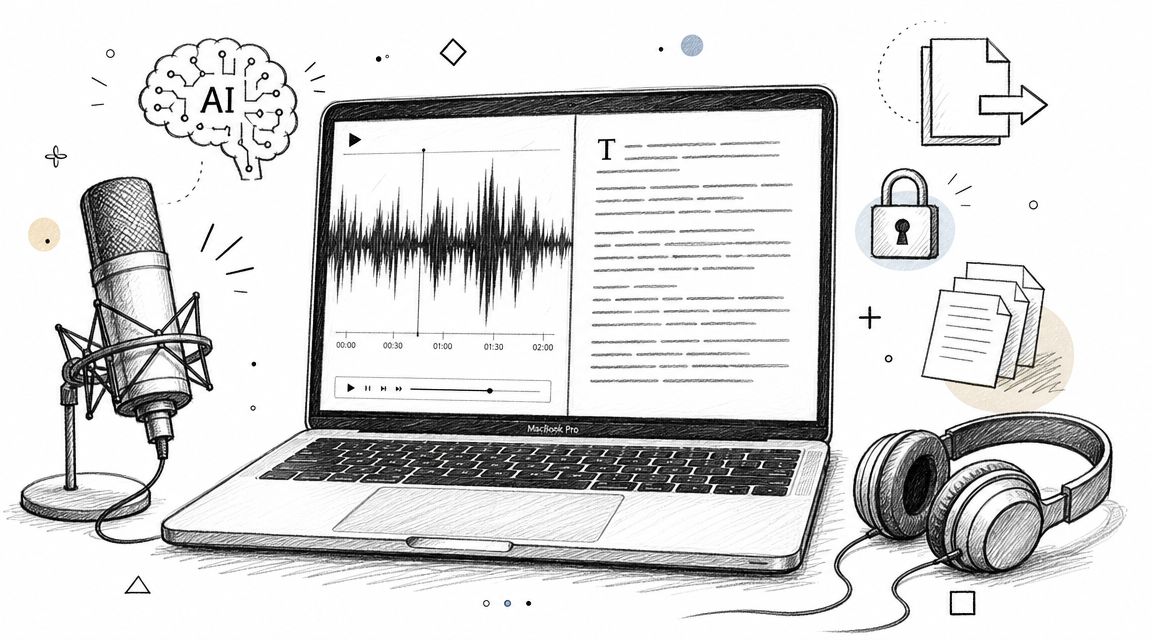
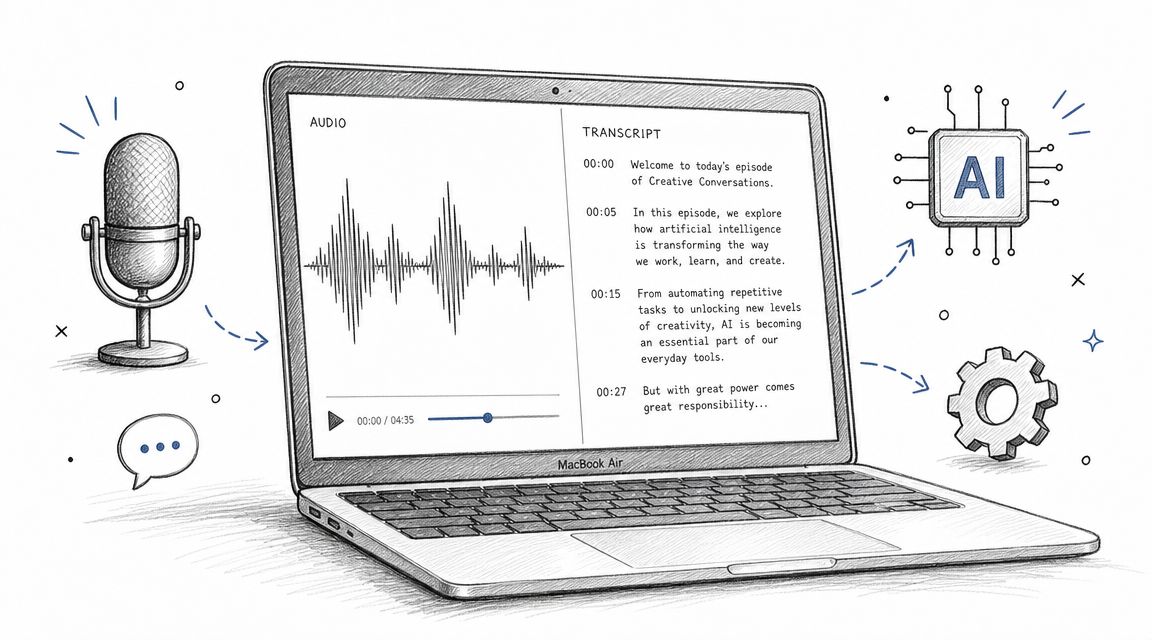
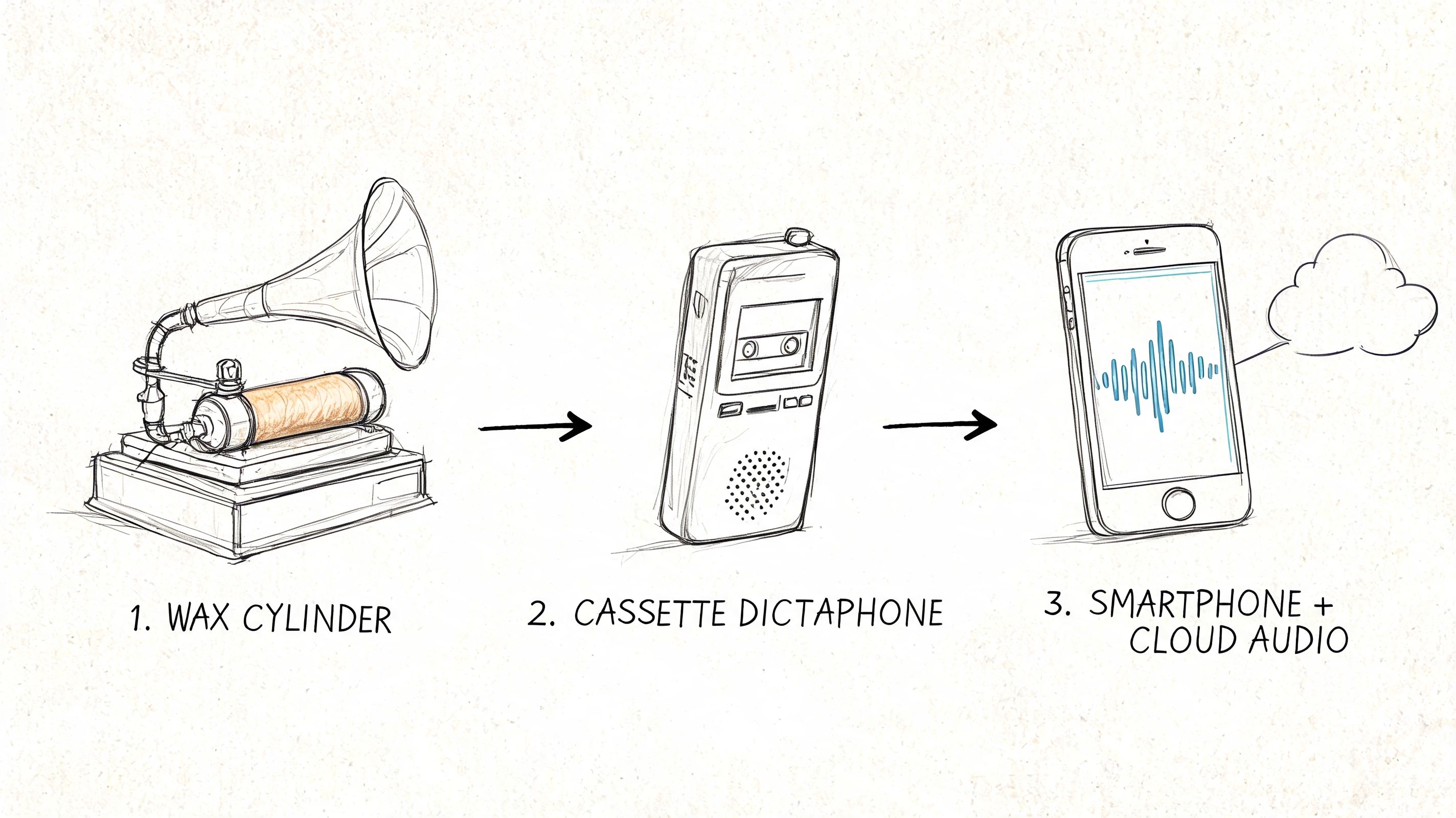
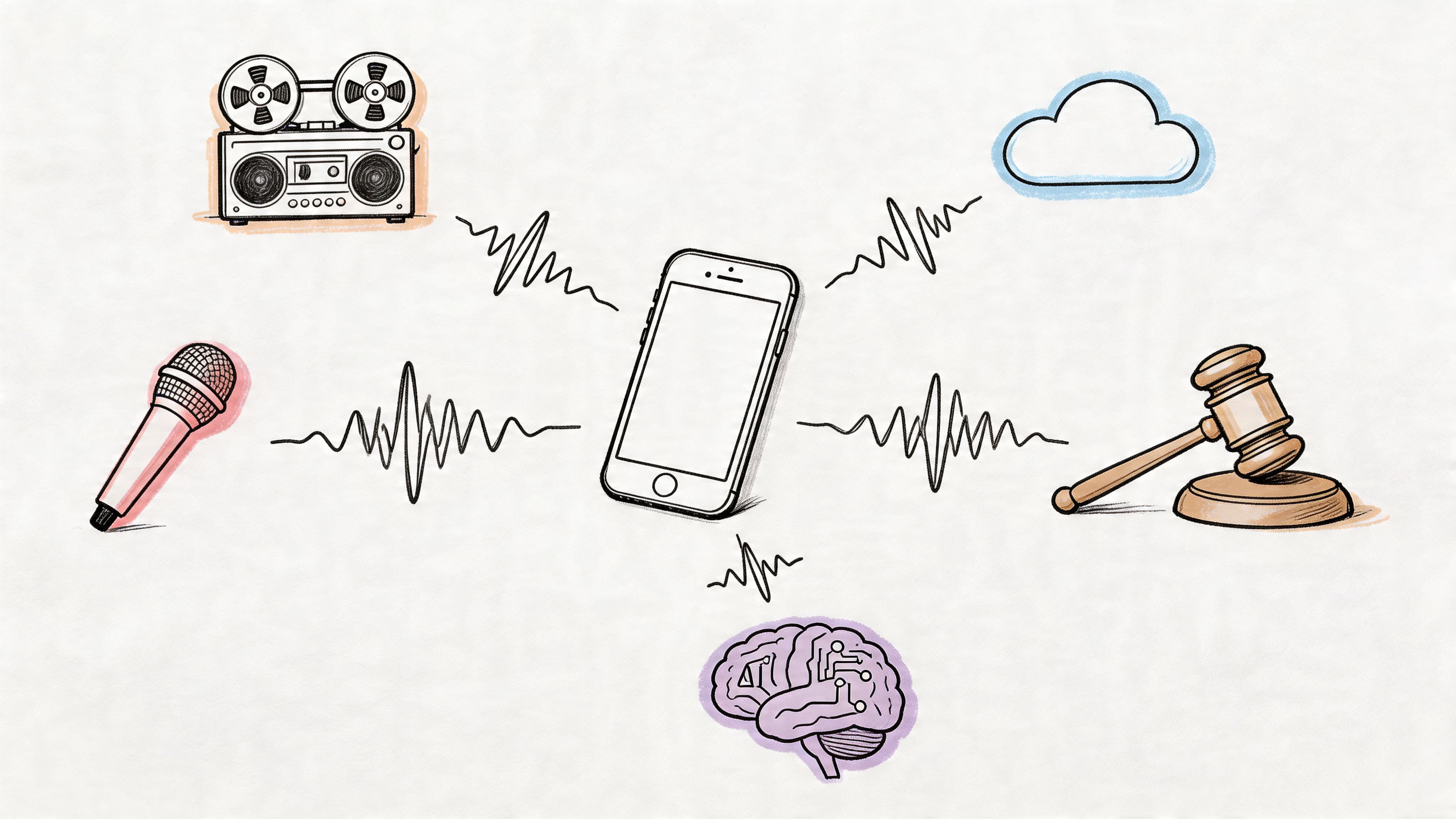
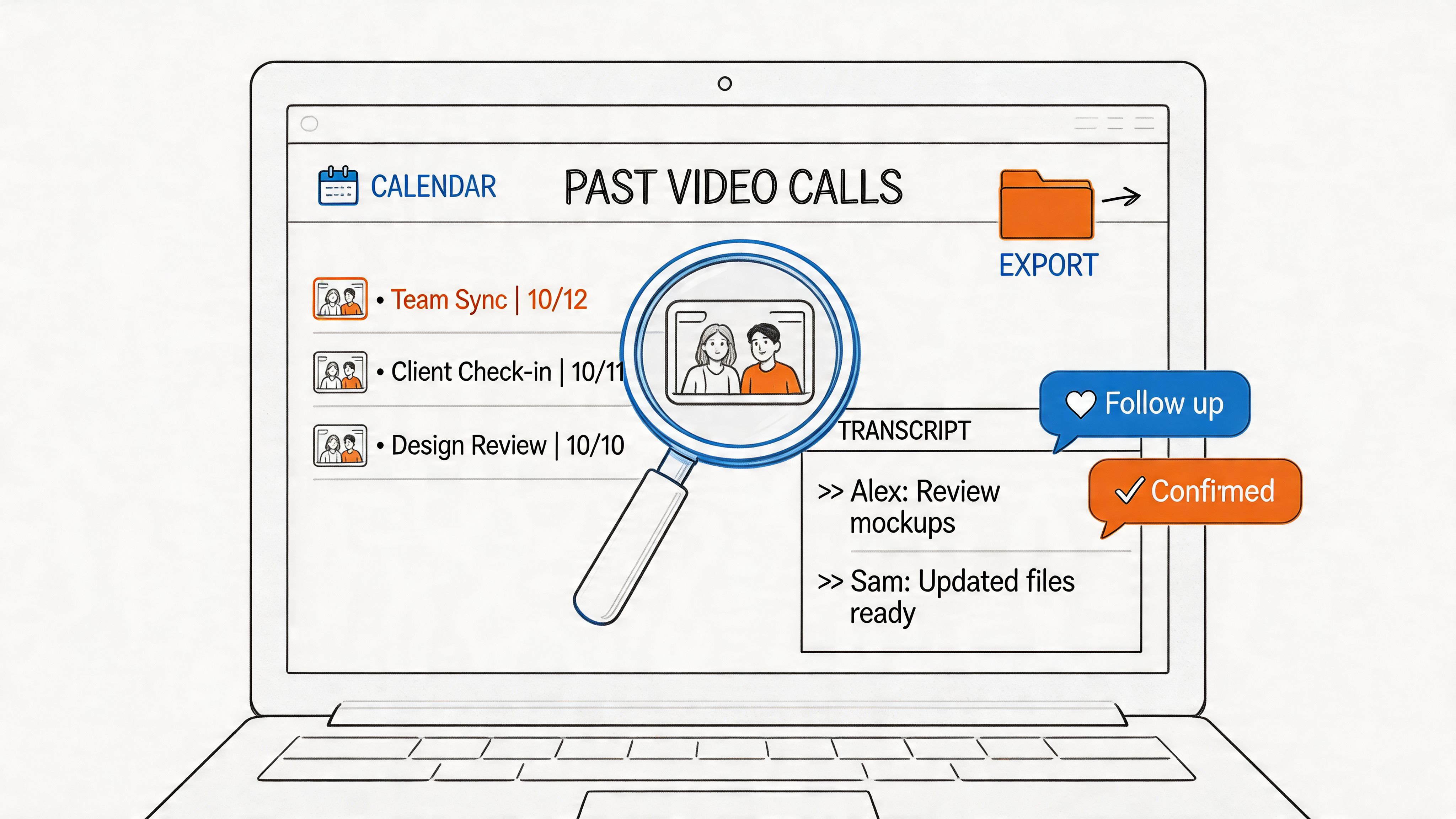
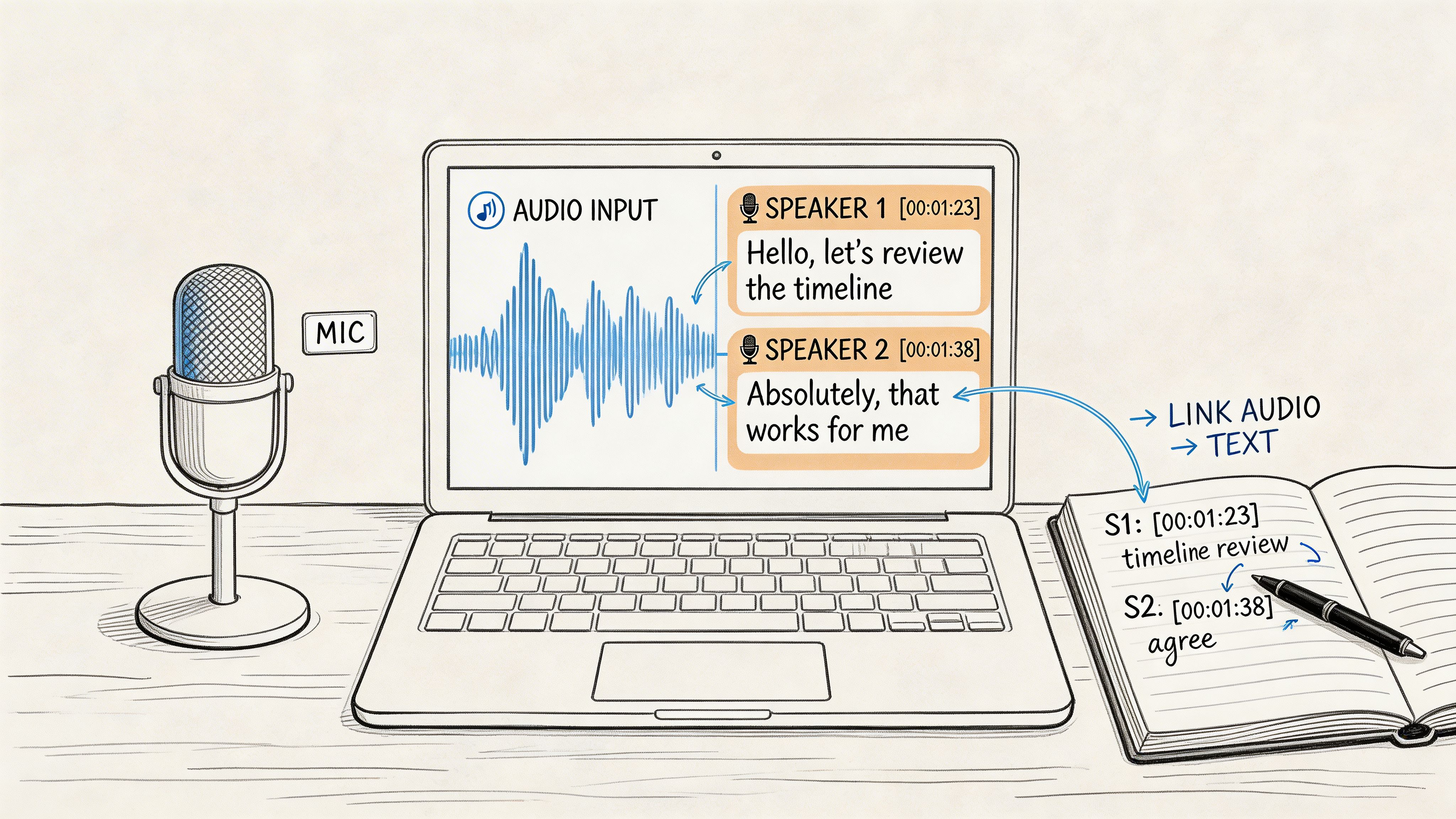
For any interview that happens over video or phone, adding transcription to your process can be a game-changer. If you get permission to record the audio, running it through a transcription service gives you a perfect, searchable record of the entire conversation. Suddenly, you’re free to focus completely on the discussion itself, not on frantically trying to write down every single word.
This approach is especially powerful for technical interviews, where you're often dealing with complex jargon or multi-part problems. Having an exact transcript lets you go back and review the precise wording of a question or the specific details of a project they described. If you're looking to explore this, you can check out some of the best interview transcription software on the market. This tech not only saves time but also ensures your post-interview analysis is built on perfect information, not just your memory of what was said.
Answering Your Questions About Interview Notes
Even with the best game plan, you might still have questions about the finer points of taking notes during an interview. It's easy to get in your head about these details, but the answers are usually simpler than you think. Getting clear on these things beforehand helps you walk in with confidence, making sure your note-taking is an asset, not an awkward distraction.
It's totally normal to worry about how you'll come across. Just remember, the whole point is to show you're engaged and serious about the job. A little foresight and a professional approach can make a world of difference.
Is It Unprofessional to Take Notes During an Interview?
Not at all. In fact, most interviewers will see it as a huge plus. It immediately signals that you're prepared, genuinely curious about the role's specifics, and actively listening to what they have to say. It shows a level of engagement that just isn't possible when you're relying purely on memory.
The trick is to handle it smoothly. A great way to kick things off is to simply ask for permission at the start.
Something as simple as, "I've prepared a few things and might jot down some notes as we talk, I hope you don't mind," sets a collaborative, professional tone right away.
Taking notes shows you respect the interviewer's time and insights. It sends a subtle message that you value the information they're sharing and are taking the conversation seriously.
This small gesture turns your notepad from a potential distraction into a clear sign of your professionalism and genuine interest in the role.
What Are the Most Important Things to Write Down?
You can't write down everything, and you shouldn't even try. The real goal is to capture the details you won't find on the company's "About Us" page. Zoom in on these key areas:
- Project Details: Grab the names of key projects, where they are in the lifecycle, and any specific challenges the interviewer mentions.
- Team Dynamics: Note down names, roles, and any descriptions of how the team works together. This is gold for understanding the real company culture.
- How They Measure Success: If they mention specific goals or metrics for the role (e.g., "we need to boost lead conversion by 15%"), get that down verbatim.
- Your Own Questions: New questions will bubble up as they talk. Scribble them down quickly so you can ask them when the time is right.
Should I Use a Laptop, Tablet, or a Paper Notebook?
While we live in a digital world, a classic paper notebook and a good pen are almost always the safest and most professional choice. They come with zero risk of dead batteries, distracting pop-up notifications, or the noisy click-clack of a keyboard.
If you're interviewing for a tech role or simply prefer digital, a tablet with a stylus is a solid compromise. It’s silent and visually looks more like you're writing than typing away on a laptop. Using a laptop is generally not recommended—it can feel like you're putting up a physical barrier between you and the interviewer, which can disrupt the natural flow of the conversation.
After your interview, turn those valuable notes into a perfect transcript with Whisper AI. Our AI-powered platform lets you upload audio or video of your practice sessions or virtual interviews to get accurate, searchable text in minutes. Try Whisper AI today and make your post-interview follow-up smarter and more effective.