How to Write an Objective Summary: A Clear, Unbiased Guide
At its core, writing an objective summary is about stripping a text down to its essential ideas, completely free of my own opinions or feelings. It's not about adding my two cents; it's about reporting the facts as presented.
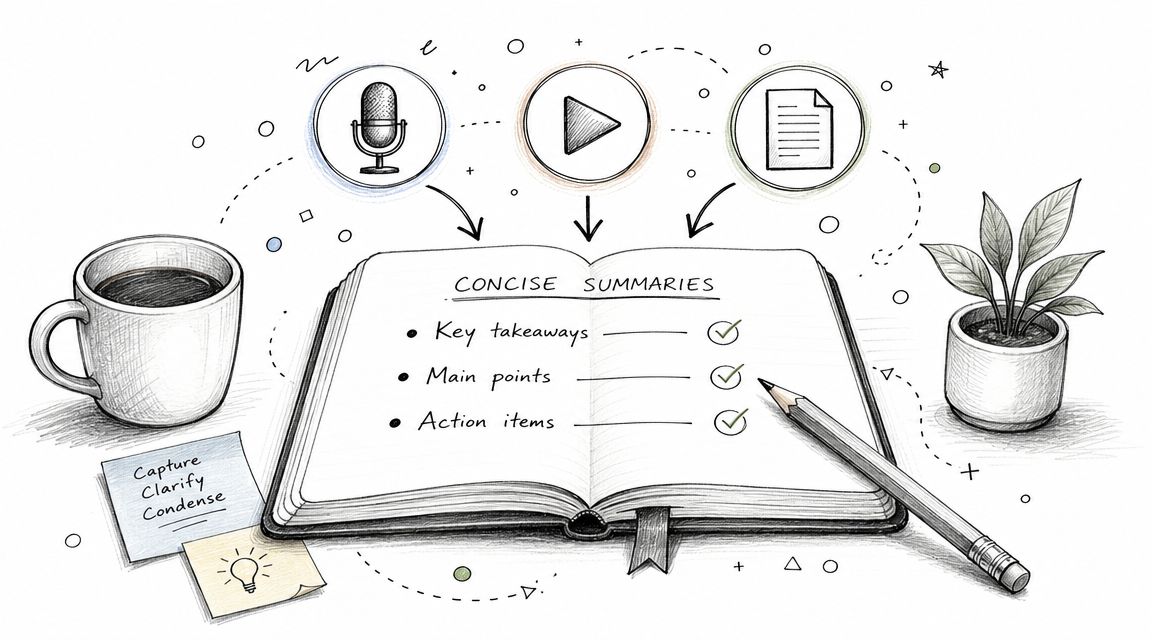
The goal is to identify the main points, put them into your own words, and present them in a neutral way. Think of it as creating a purely factual and concise reflection of the original source material. I've written countless summaries in academic and professional settings, and the process is always the same: find the core message, report it cleanly, and get out of the way.
What an Objective Summary Actually Is
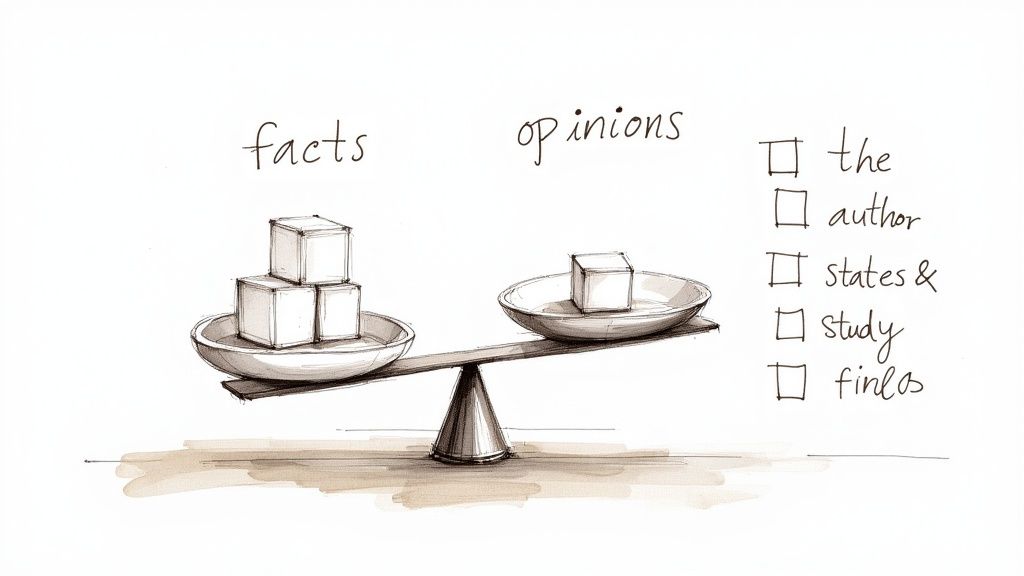
Before you can get good at this, you need to really grasp the purpose. An objective summary is like a clean, unfiltered mirror held up to the original content—nothing more, nothing less. Your job isn't to interpret, analyze, or critique. It's simply to report.
From my experience, this skill is incredibly useful in all sorts of professional and academic situations. I’ve had to brief a boss on a dense market analysis and explain the key findings of a scientific paper to my team. In these moments, people need the vital information, and they need it fast, without a personal take muddying the waters. Objectivity is what builds trust and makes communication crystal clear.
An objective summary is essentially a factual brief. It distills the main ideas and leaves out personal views or extra fluff, making it much easier for someone to quickly understand the source. Seasoned writers know to avoid phrases like “I think” or “I feel,” focusing only on what the original text states. You can find more insights on creating factual briefs from the experts at MeetJamie.ai.
The core principle is simple: An objective summary presents what the author said, not what you think about what the author said. Sticking to this rule is the key to success.
To really put this into practice, you have to get sharp at telling the difference between a verifiable fact and a personal feeling. This distinction is the bedrock of all objective writing.
Key Differences at a Glance
Subjective statements are all about beliefs, feelings, and personal perspectives. You can't really prove them true or false for everyone because they often contain judgmental words. Objective statements, on the other hand, are grounded in evidence and can be verified.
Learning to spot this difference is your first real step. Before you even start writing, you have to consciously filter out any emotional or biased language from the source. The table below lays out exactly what to look for and what to steer clear of.
Objective vs Subjective Statements At a Glance
Use this table as your guide. It’s a great framework for helping you strip away any personal bias and zero in on just the facts presented in the source material.
Finding the Core Message Before You Write

A great summary isn't just written; it's assembled. From my experience, the real work happens long before you type the first sentence. This prep phase is all about breaking down the original material to its essential components, which makes the actual writing part surprisingly easy.
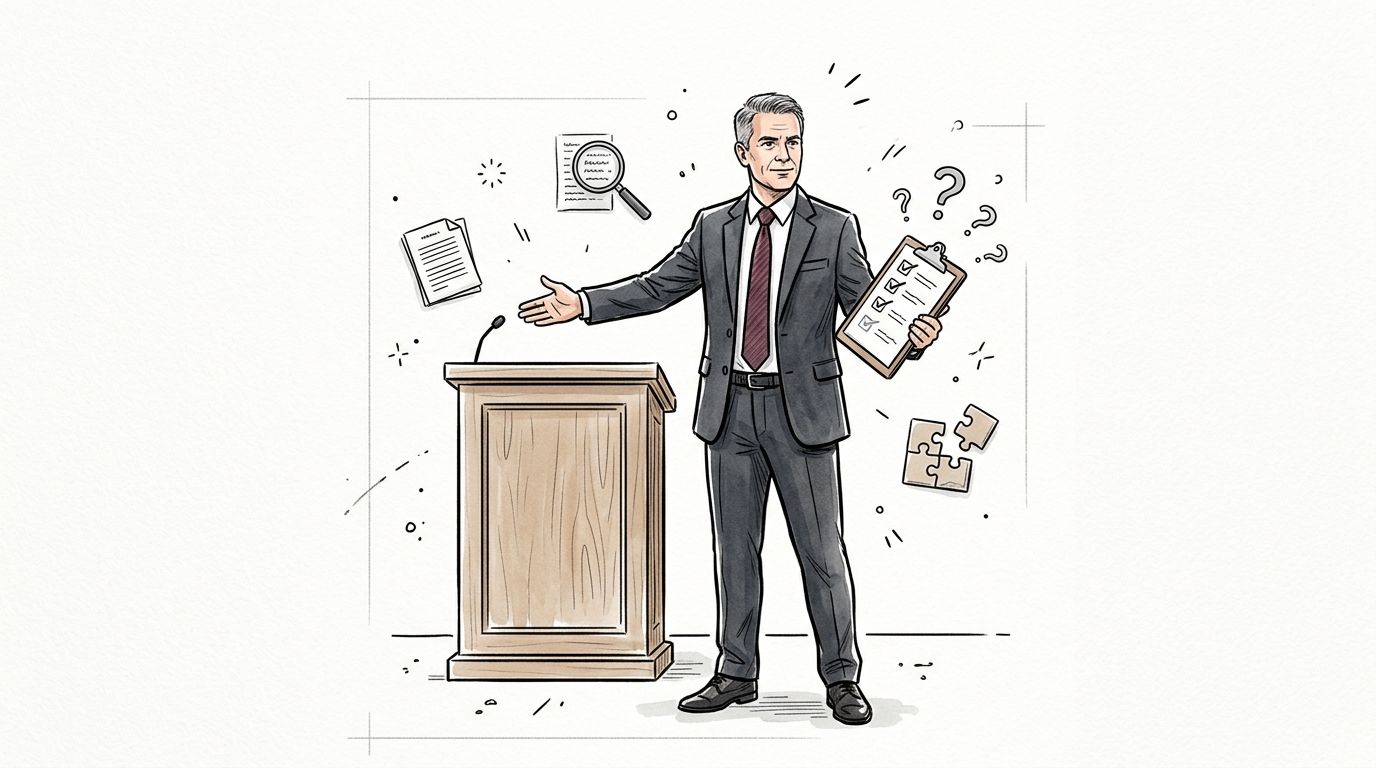
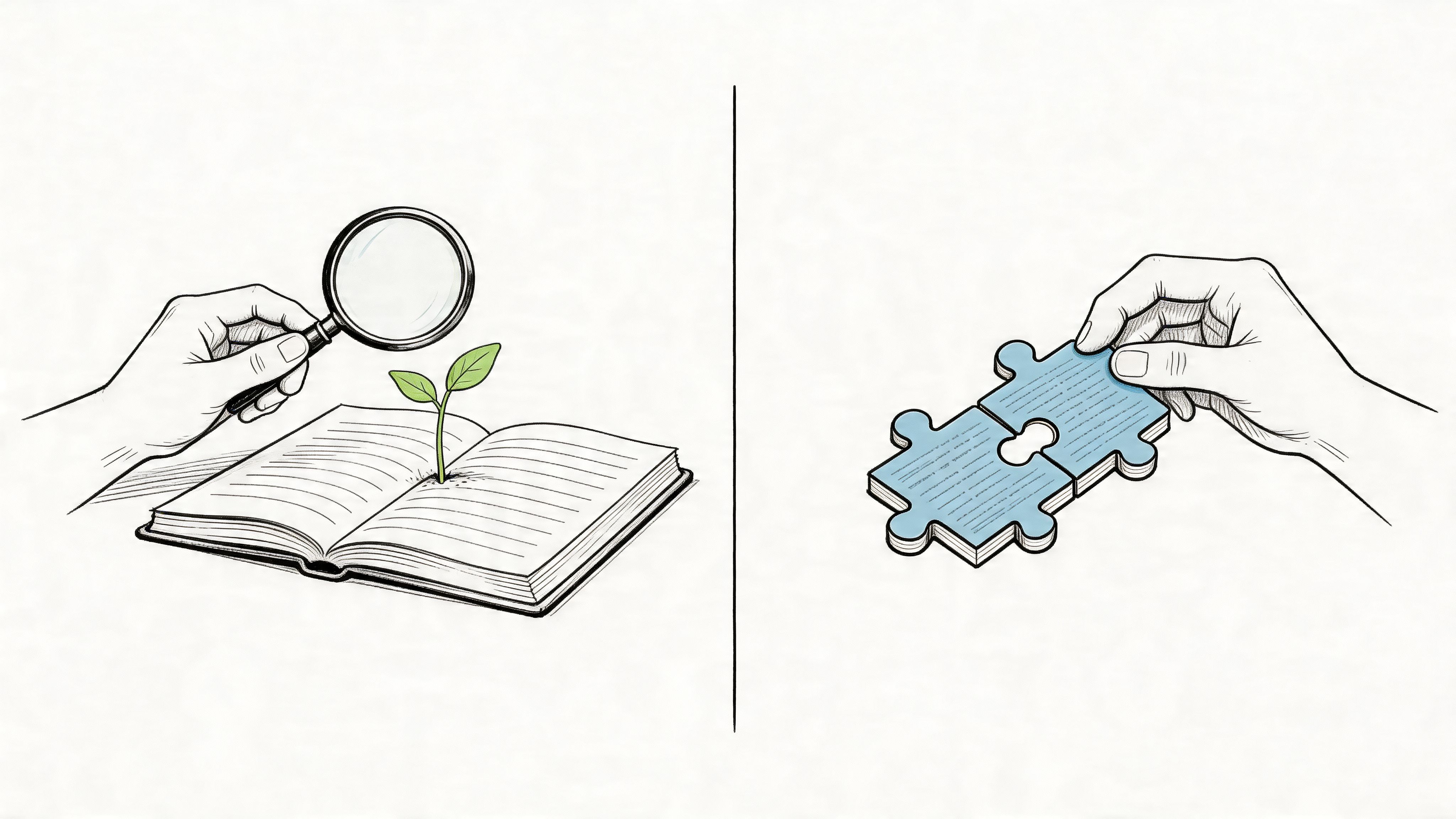
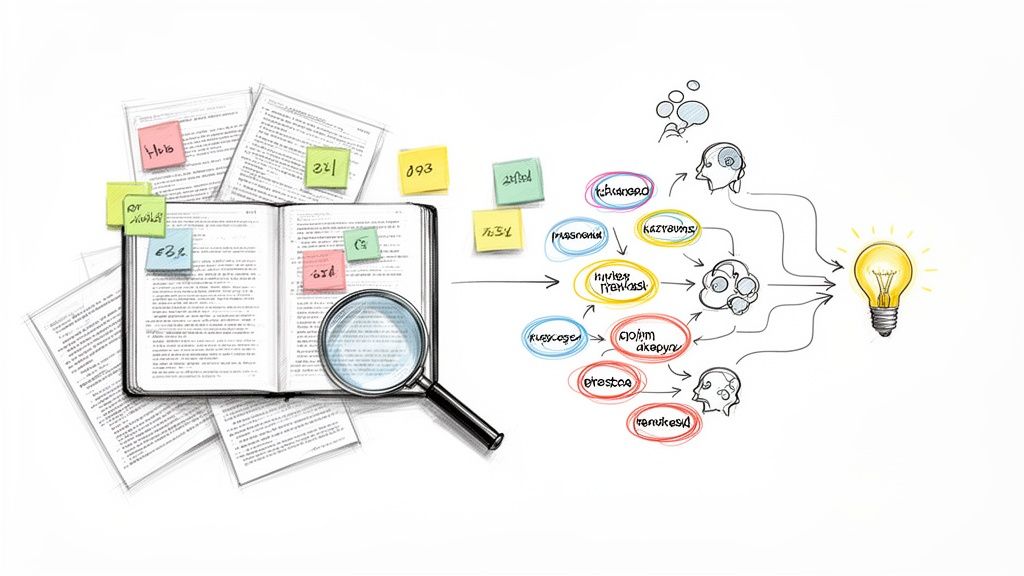
Think of yourself as a detective investigating a complex case. My first move is always to read through the entire piece just to get the lay of the land. Don't get bogged down in details yet—this first pass is for absorbing the big picture and understanding where the author is trying to go.
Once you have a feel for it, go back in with a magnifying glass. This time, you're on a mission to hunt down the central thesis—the single most important idea the author wants to convey. It’s often lurking in the introduction or conclusion, but good writers will weave it throughout the entire text.
Zeroing In on Key Supporting Arguments
After you’ve locked onto the main idea, your next job is to find the key arguments the author uses to back it up. These are the pillars that hold the whole thing together. You can safely ignore the fluff—the anecdotes, repetitive phrases, and filler content. You’re looking for the structural beams.
As you uncover these points, jot them down in a rough list. The wording doesn't need to be perfect at this stage; just capture the core of each argument. This simple act is fundamental to learning how to write an objective summary that’s both tight and accurate.
Here are a few active reading tricks I’ve found incredibly helpful:
- Highlight with purpose: Use one color for the main idea and a different one for the supporting points. It creates an instant visual map of the text's structure.
- Talk back in the margins: Scribble short paraphrases or questions next to key sentences. This forces your brain to engage with the material instead of just skimming it.
- Look for topic sentences: The first sentence of a paragraph is often a dead giveaway for its main point, acting like a little signpost.
Mastering this pre-writing phase is a game-changer. It transforms summarizing from a guessing game into a methodical process of extraction and reconstruction.
This isn’t just an academic exercise, either. In the business world, this skill is gold. Data suggests that around 60-70% of information executives review comes in the form of summaries, not full-length reports. You can find more details on this at niftypm.com.
Separating Signal from Noise
One of the toughest parts is telling the difference between a crucial fact and mere background noise. In a business report, for example, a hard statistic about market share is a key detail. A long story about the company's early days? That’s probably just color, not core information for your summary.
The same goes for qualitative data, like an interview transcript. Your job is to pull out the core answers while filtering out the friendly chitchat. If you're tackling this kind of material, our guide on how to analyze interview data has some great pointers.
By creating a clean, focused list of only the essential points, you’re building a solid foundation to draft a summary that gets straight to the point.
Drafting Your Summary with Precision and Clarity

Alright, you've done the legwork. You've identified the core message and the key arguments holding it up. Now it's time to actually write the thing.
This is the part where you translate your notes into a smooth, coherent summary. The real test here isn't just about stringing sentences together; it's about showing you understand the material by rephrasing it entirely in your own words.
Your first sentence is everything. It needs to grab the central idea of the source material and present it cleanly, with zero bias. Think of it as the thesis statement for your entire summary. A great opening will usually name the author and the work, then state the main idea. This immediately tells the reader what they're in for and sets a neutral, professional tone from the get-go.
Crafting a Strong Opening
That first sentence has to be a powerhouse. It should encapsulate the entire text in a single, clear statement. This is your chance to prove you’ve grasped the big picture right away.
Feeling stuck? Here are a few simple frames I often use to kick things off:
- In the article "[Article Title]," [Author's Name] argues that [main idea of the text].
- [Researcher's Name]'s study, "[Study Title]," reveals that [key finding].
- According to the report "[Report Name]," the primary cause of [issue] is [main cause identified].
This kind of direct approach forces you to be factual and cuts out any temptation to start with a vague intro or personal opinion. If you're still honing your ability to pull out these main ideas, looking at different note-taking examples can really help you get better at capturing them during your initial read-through.
The whole point of an objective summary is to faithfully represent the original text. Using your own words is how you prove you've actually processed and understood the material, not just parroted it back.
Weaving in Supporting Points
Once you've nailed that strong opening, you can start weaving in the key supporting points from your notes. Try to follow the original text's structure when you can—it helps maintain the logical flow the author intended.
Present each point clearly and keep it brief. You're building the body of your summary, adding just the essential details that support the main idea you already introduced. Mastering this is a huge part of learning how to write an objective summary that feels complete without being long-winded.
To keep your own voice out of it, lean on strong reporting verbs and attributive phrases. These are your best friends for maintaining neutrality. They act like little signposts, constantly reminding the reader that these ideas come from the original author, not from you.
Here are a few reporting verbs to keep in your back pocket:
- The author states...
- The research highlights...
- The speaker explains...
- The article suggests...
- The report concludes...
Using phrases like these helps you maintain a critical distance, making you a reporter of information rather than a commentator. For a deeper look at this, there's a great guide on how to make any summary clear and concise that has even more tips for refining your word choice. And remember, always write in the third person. No "I," "you," or "we"—the focus needs to stay squarely on the source material.
Polishing Your Draft Until It's Perfectly Objective
You’ve got a first draft. That’s a great start, but the real work begins now. This is where you put on your editor’s hat and hunt down every last trace of your own opinion, turning a decent summary into an impeccable one.
A surprisingly effective first step I use is to read it out loud. Seriously. This simple trick makes clunky sentences and awkward phrasing jump out at you. More importantly, you'll hear the spots where your own voice and biases might have slipped in.
Once you've done that initial pass, it's time to zoom in and check your work with a fine-tooth comb. The mission is to make sure every word is a pure reflection of the source material.
Your Self-Editing Checklist for Neutrality
I find it helps to be systematic about this. Instead of just rereading, I go through a mental checklist for every single sentence. It’s not just about weeding out the obvious opinions, but also catching those sneaky biases that hide in our word choices.
Here’s what I look for:
- Loaded or judgmental words: Are you using adjectives or adverbs like "brilliantly," "sadly," or "surprisingly"? These words carry emotion and judgment. Swap them out for neutral alternatives.
- Unsupported claims: Can you point to the exact spot in the original text that supports every statement you've made? If you can't find direct evidence, that sentence needs to be cut or rewritten.
- Added analysis: Did you try to explain why the author made a certain point or what something really means? Unless the source text explicitly states that reasoning, you're adding your own interpretation. Stick to the "what," not the "why."
- Fluffy language: Is your writing tight and direct? Unnecessary words can sometimes smuggle in subtle bias. A cleaner, more concise summary is often a more objective one.
The best objective summaries are so precise they almost feel invisible. They present the facts so clearly that the reader gets the information without ever noticing the hand of the writer.
This kind of precision isn't just an academic exercise; it’s critical in professional settings. Think about the intelligence community, where analysts distill vast amounts of complex information into objective briefs for policymakers. A single biased word in a report from the National Intelligence Council could have massive implications. You can see more examples of how professionals use objective summaries on scribbl.co.
Treat this final review as your last line of defense. By meticulously polishing your language and fact-checking every point against the source, you ensure your summary is a truly objective and faithful representation of the original.
Common Summary Writing Mistakes To Avoid

Knowing the steps to write a good summary is one thing. Knowing the traps to avoid is what really elevates your skill. I've seen even seasoned writers make small missteps that undermine the entire point of an objective summary.
Let's walk through some of the most common errors I see and, more importantly, how to catch and fix them.
Inserting Unintentional Bias
This is, without a doubt, the most frequent mistake. It's often subtle, slipping in through a single word. You might describe a study's results as "impressive" or an argument as "disappointing." Just like that, you've shifted from neutral reporter to opinionated critic.
The goal is to be an invisible conduit for the original information, not a reviewer. To get there, you have to be ruthless with your word choice.
Here’s a real-world example of how this happens:
- Mistake: "The author makes a surprisingly weak argument that social media negatively impacts mental health, failing to provide enough evidence."
- Why it's wrong: The words "surprisingly weak" and "failing to provide" are your judgments. They aren't facts from the source material.
- Fix: "The author argues that social media negatively impacts mental health, presenting three case studies as evidence."
See the difference? The second version just states the facts. It presents the author's claim and the evidence they used, leaving the reader to decide if it's "weak" or not. Mastering this distinction is fundamental to learning how to write an objective summary.
A truly objective summary should be invisible. If the reader can detect your feelings or opinions about the source material, you need to revise until your personal voice disappears completely.
Getting Lost In Minor Details
Another classic blunder is getting tangled up in the weeds. A summary isn't a play-by-play recap; it's the highlight reel. When you start including minor stats, tangential stories, or excessive background info, you dilute the core message.
It’s easy to do. You’ve just read the material, and all the details are fresh in your mind. But your job is to filter, not to transcribe.
When I'm editing my draft, I ask a simple question for every sentence: "Is this detail essential to understanding the main point?" If you can cut it and the central message holds up, then it needs to go. For example, if a report’s main takeaway is a 15% profit decline, that number is crucial. The fact that office supply costs went up by a tiny fraction? Probably not.
Quick Fixes for Common Summary Writing Errors
To help you troubleshoot your own work, I've put together a quick reference table. Think of it as a cheat sheet for spotting and fixing those sneaky errors that can compromise your summary's integrity.
Use this table as a final checklist before you consider your summary complete. Running your draft through these checks can make the difference between a mediocre summary and a genuinely professional one.
Using Modern Tools to Write Summaries Faster
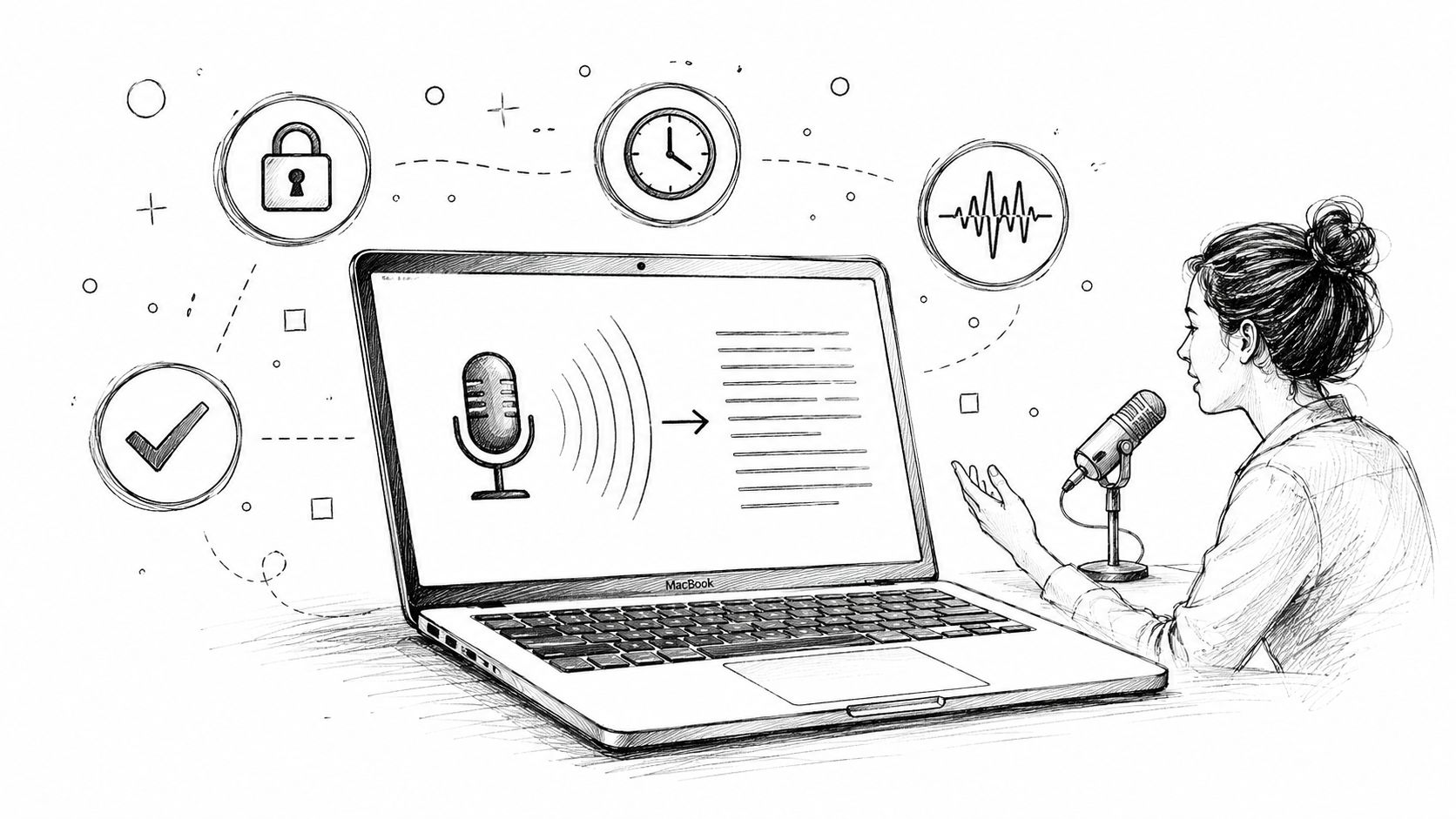
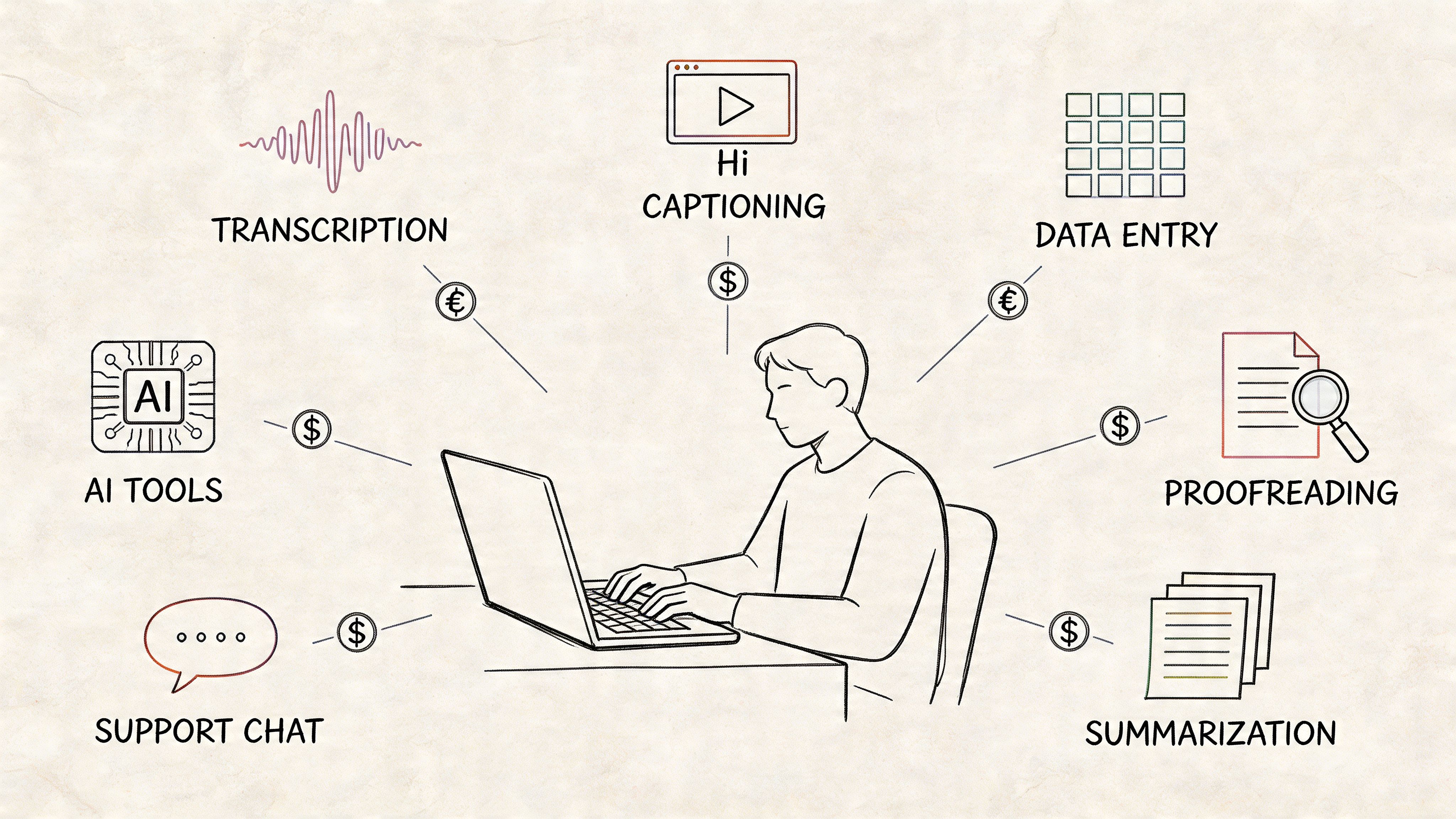
Let's be honest: manually transcribing a long video or audio recording just to summarize it is a huge time sink. I've been there, and it's a surefire way to kill your productivity. Thankfully, modern tools can take on the grunt work, freeing you up to focus on the more strategic parts of the process.
https://www.youtube.com/embed/rxGVLSlUfaQ
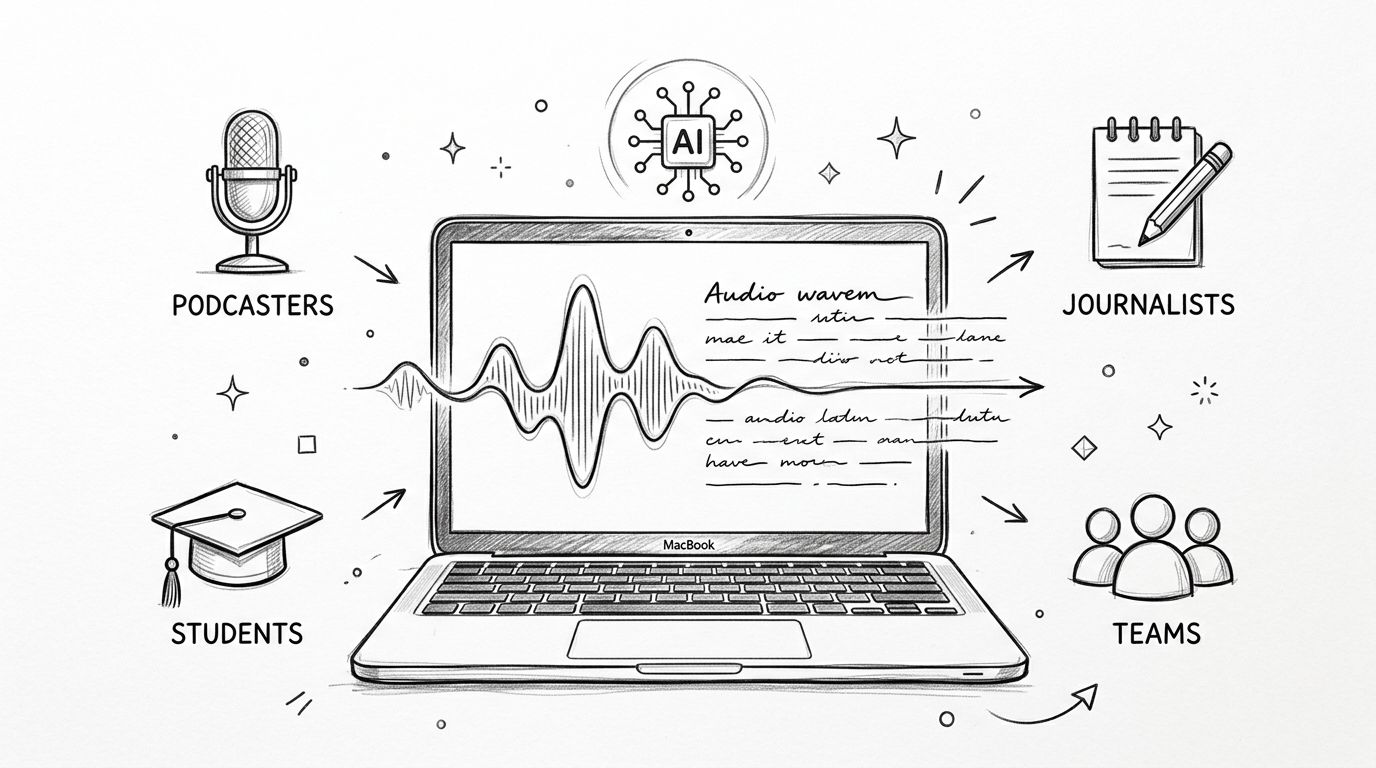
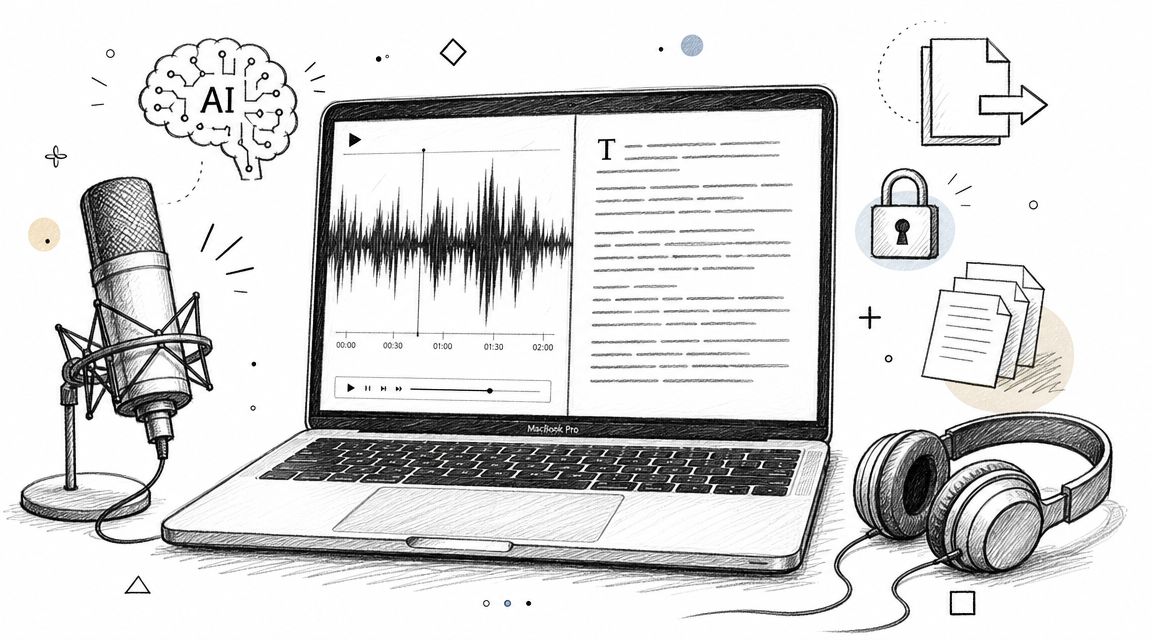
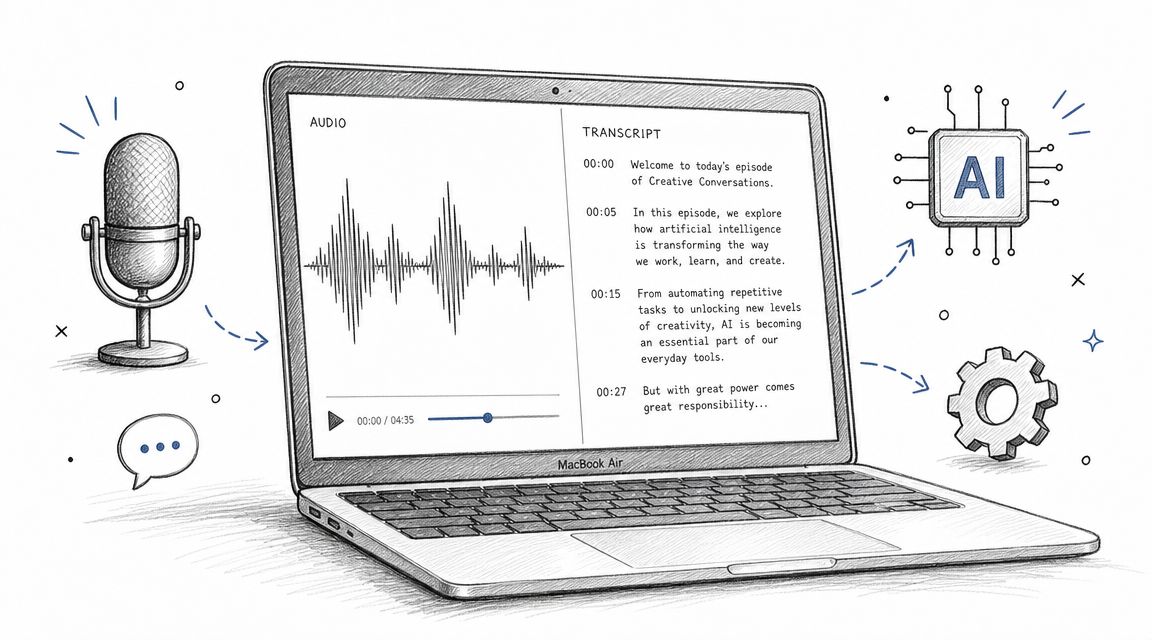
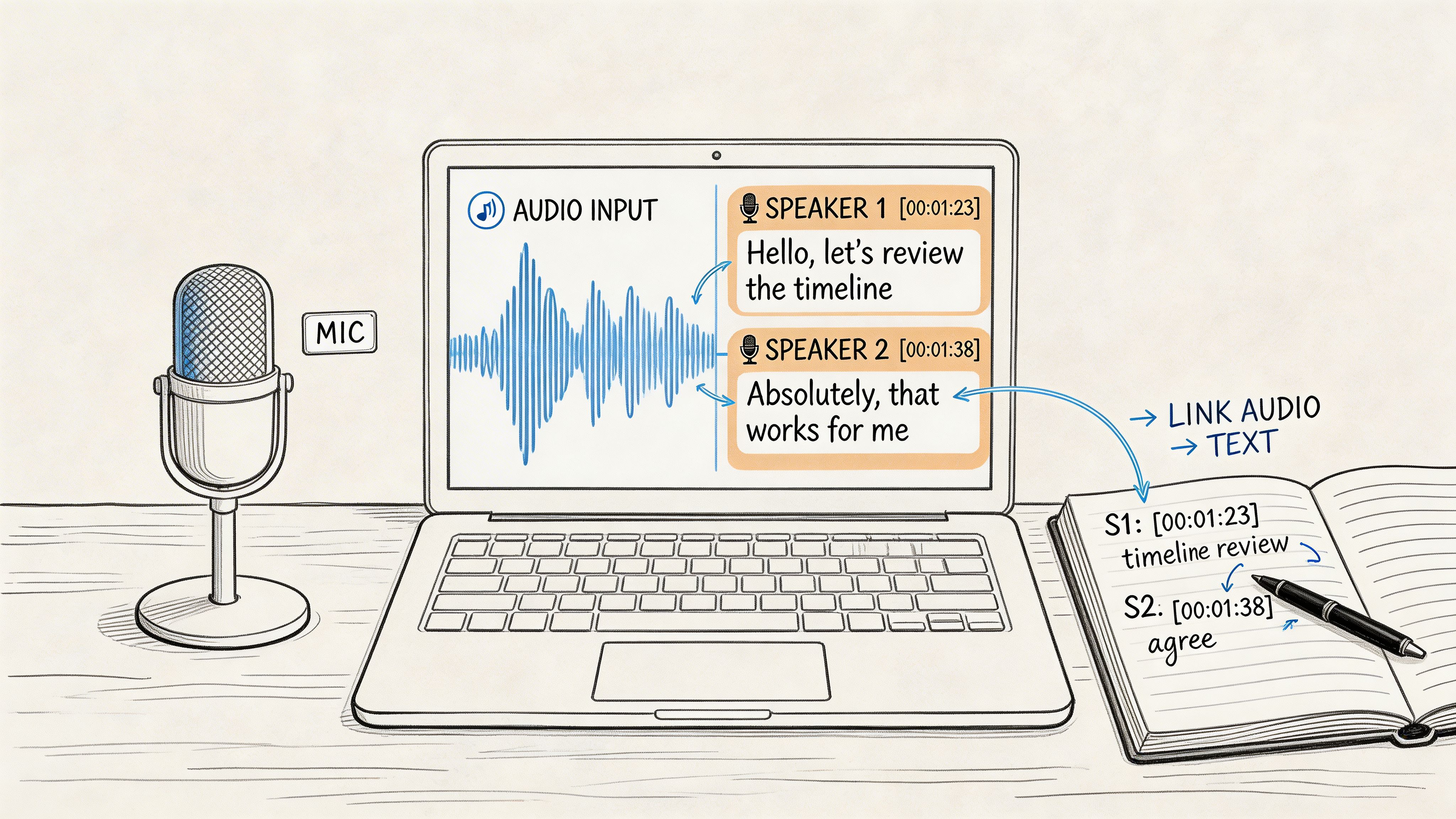
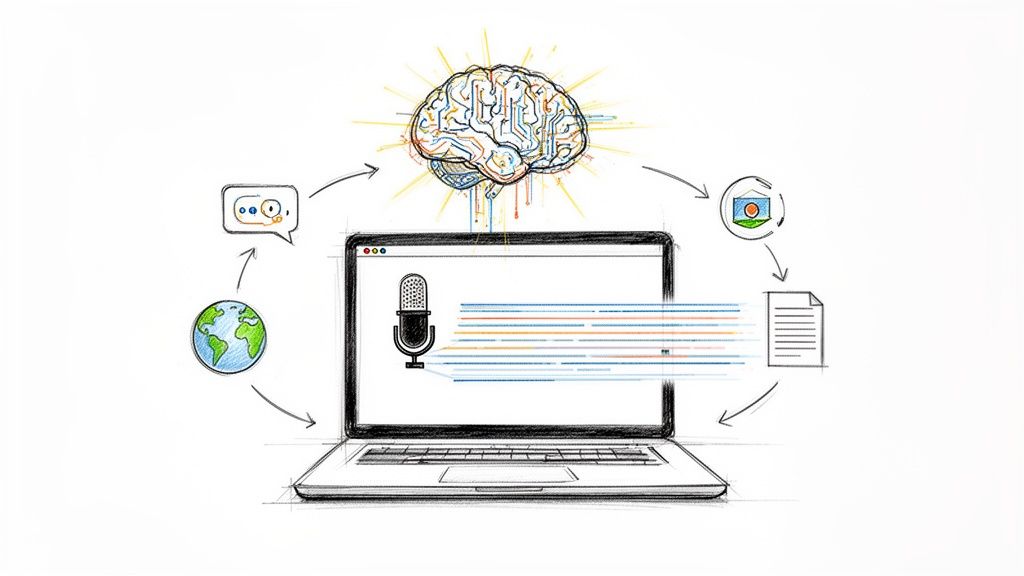
Think about it. AI-powered transcription services can turn hours of spoken audio into an accurate, searchable text document in a matter of minutes. This alone is a massive win, making it so much easier to pinpoint main ideas and pull out key quotes without endlessly scrubbing through a recording.
From Raw Text to Polished Summary
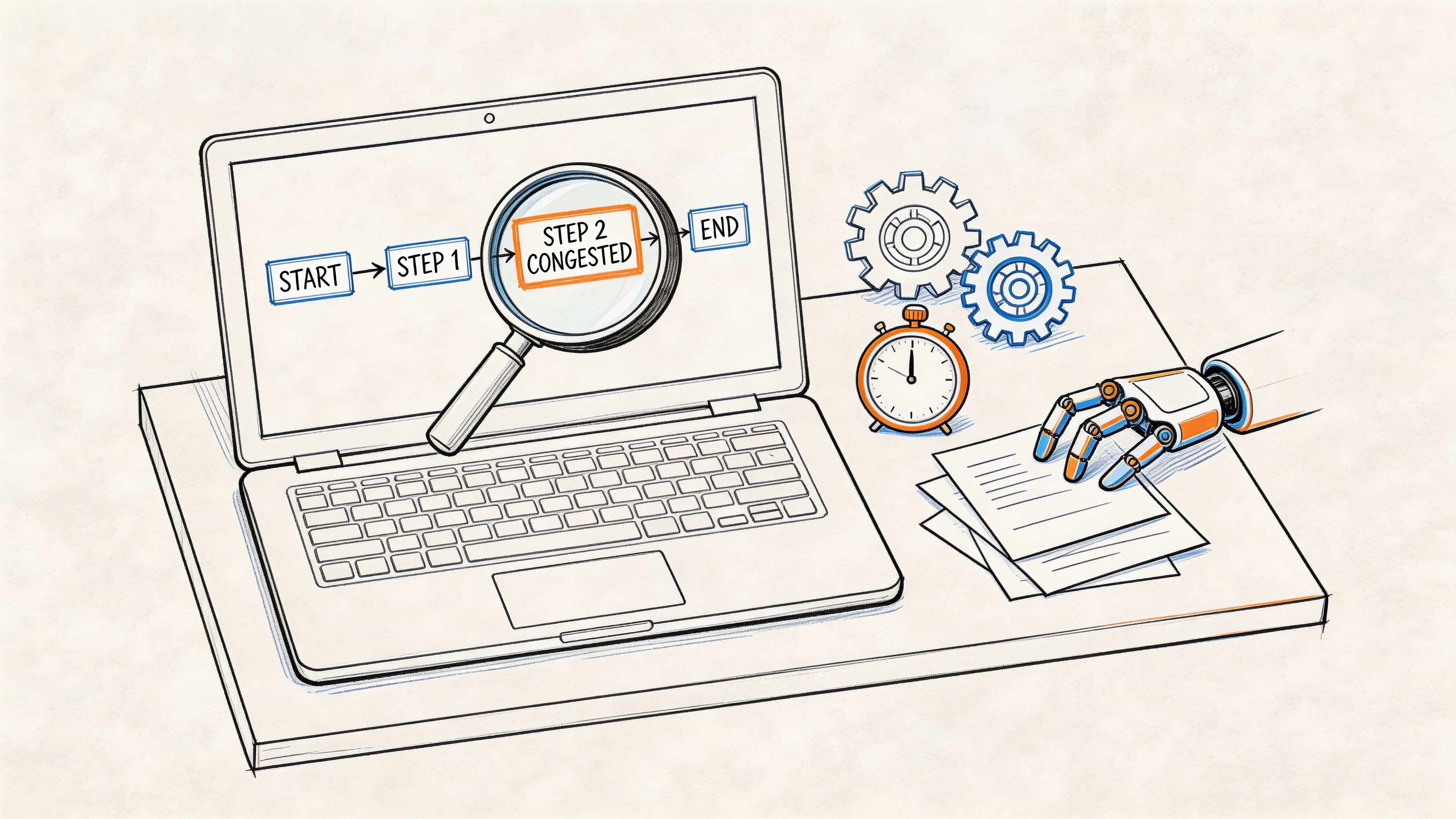
With a full transcript in hand, the next step is often a first-draft summary. This is where AI summarizers really shine. They can generate a coherent draft in seconds, giving you a solid foundation to build upon.
The trick is to treat this AI output as a starting point—never the final product. It’s an incredibly useful time-saver, but it doesn't have the nuanced understanding needed to create a truly objective summary.
I like to think of AI as a research assistant. It does the heavy lifting of gathering and organizing the raw information. But I’m the editor-in-chief, and it’s my job to fact-check, strip out any potential bias, and make sure the final summary is clear and accurate.
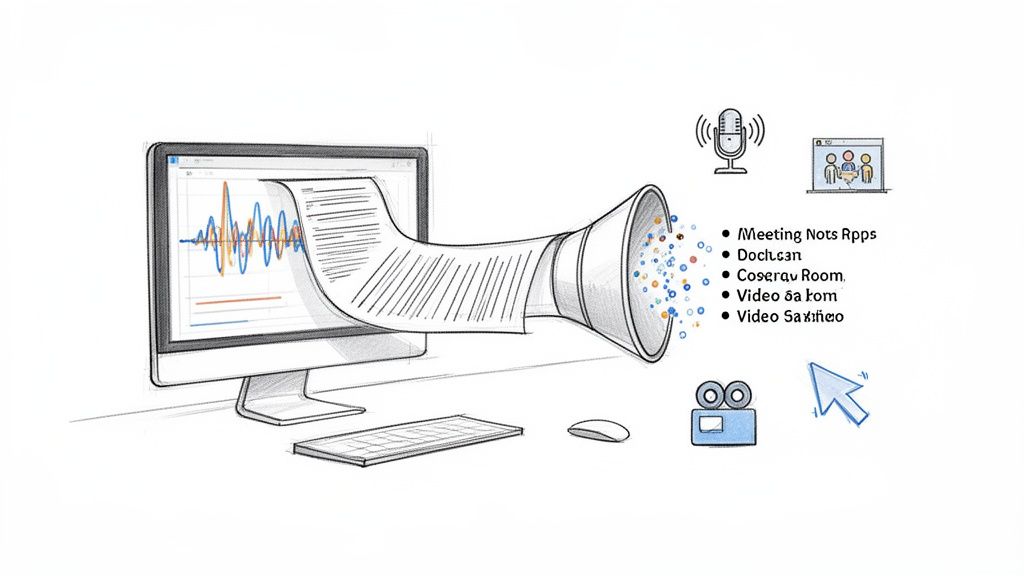
For example, many tools can highlight what they determine to be the most important points in a text, like you see here:
This feature is great for getting a quick overview. Your role is to then take these fragmented points and weave them into a smooth, neutral narrative that flows naturally.
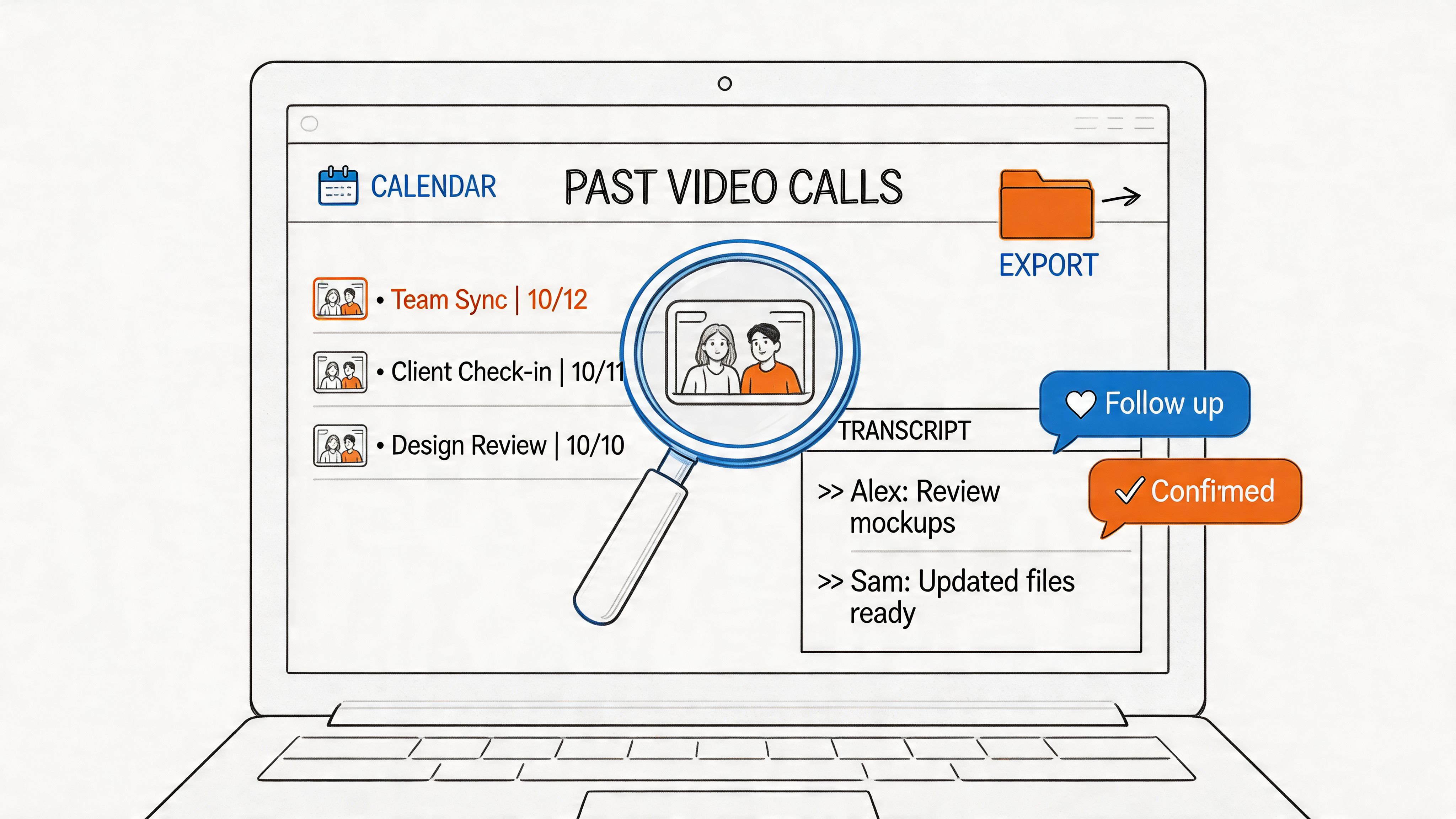
This process isn't just for general articles. You can also leverage AI meeting note-takers to quickly distill complex discussions into actionable summaries. If you're working with video, our guide on how to use a video summarizer has some great tips for streamlining that specific workflow.
Frequently Asked Questions
Even with a clear guide, a few specific questions always pop up when you're getting the hang of objective summaries. Let's tackle some of the most common hurdles I see writers face.
How Long Should an Objective Summary Be?
This is the classic "how long is a piece of string?" question. There's no single magic number because the length always hinges on the complexity and size of the original work.
That said, a good rule of thumb is to aim for roughly 10-25% of the original's word count. For a standard article or a short report, one tight, well-written paragraph usually does the trick. But if you’re summarizing a whole book or a dense academic paper, you might need a page or two.
The real key is to be as concise as possible while still hitting all the main ideas and critical supporting details. And always double-check for specific length requirements if it's for an assignment—those instructions trump any general guideline.
The goal is maximum clarity in minimum space. Every single word should work hard to convey the source's core message. If a word isn't adding essential meaning, it's probably just taking up space.
Can I Use Quotes in an Objective Summary?
My advice is to steer clear of direct quotes. The whole point of writing a summary is to show you've processed the information and can explain it in your own words.
When you lean too heavily on quotes, your summary can start to feel like a patchwork of sentences lifted from the original text. It doesn't prove you actually understand the material. Now, if there's a very short, specific phrase that is so unique or vital it's nearly impossible to rephrase well, you can use it—but do it sparingly. And make sure you weave it seamlessly into your own sentence so it doesn't disrupt the flow.
What Is the Difference Between a Summary and a Paraphrase?
This is a great question because the two are often confused, but they serve very different purposes.
A paraphrase is when you take a small, specific part of a text—maybe a single sentence or one paragraph—and restate it in your own words. The length stays about the same as the original, and you're just trying to clarify that one particular point.
An objective summary is a bird's-eye view. It condenses the main ideas of the entire text into a much shorter package.
Here’s an easy way to think about it: paraphrasing is like explaining a single, pivotal scene from a movie in your own words. Summarizing is like telling someone the entire plot from start to finish.
Ready to stop wasting time on manual transcription and start creating perfect summaries in minutes? Whisper AI takes your audio and video content and delivers accurate, searchable transcripts complete with speaker labels, timestamps, and AI-generated highlights. Turn your content into actionable insights, captions, and articles with just a few clicks. Join over 50,000 users and see how easy it can be.