How to Take Meeting Notes: A Practical, Experience-Based Guide
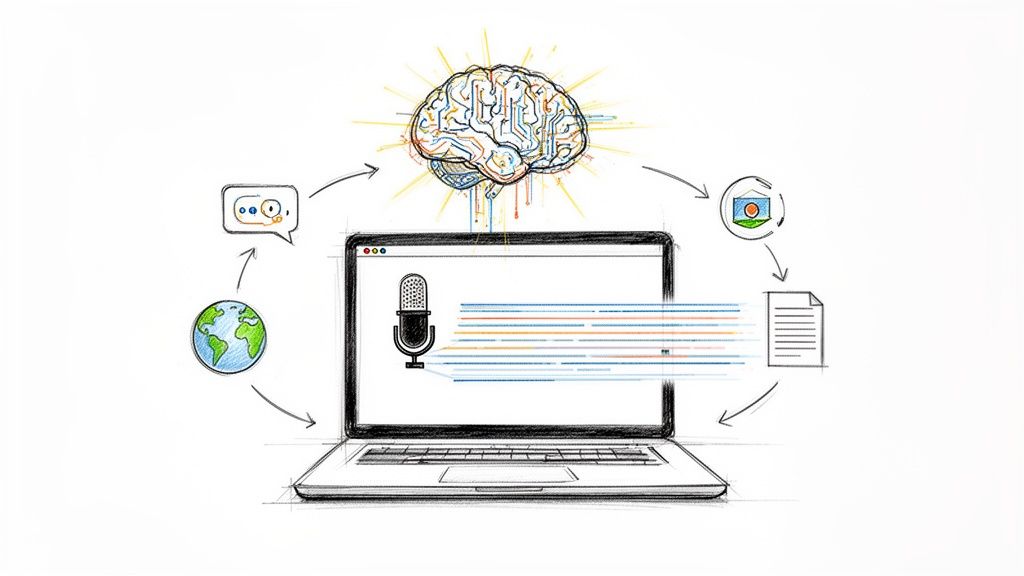
Taking meeting notes turns scattered discussions into a clear roadmap of decisions and next steps. It brings accountability into every conversation and slashes the chaos of follow-up emails.
Why You Need To Take Meeting Notes
Meeting outcomes too often fade into overflowing inboxes or slip off to-do lists. Capturing decisions and assignments on the spot creates a definitive record everyone can trust. This simple habit can trim decision-making time by 30% and keep your team aligned from kickoff to delivery.
- Reduced email volume by gathering all questions in one place
- Real-time clarity on who owns each task
- A shared reference that prevents misunderstandings
With meetings on the rise, teams that skip note-taking struggle to track key conversations. For a deep dive into meeting trends, check out this Notta Meeting Statistics report.
The chart highlights an 11% rise in meetings during 2023 and a 37% increase by year seven.
Key Meeting Statistics
Below is an overview of meeting frequency and growth projections based on recent industry findings:
These figures underline why solid note-taking isn’t optional—it’s essential. One project manager rolled out a three-section template and instantly eliminated overlapping tasks across three teams.
“Having clear action items directly in meeting notes boosted our on-time delivery by 20%,” recalled a marketing lead.
Some teams still face 50 unread emails Monday mornings despite daily syncs. Publishing live notes trimmed that backlog by 40%.
Accountability And Speed
A consistent note template points directly to who does what and by when. When every decision carries a name and a date, questions evaporate.
- Accountability through assigned owners and deadlines
- Transparency with timestamped decisions and comments
- Efficiency by cutting redundant follow-ups
Prevent Duplicate Efforts
Organizing notes into Discussion Points, Decisions, and Action Items stops teams from retracing old ground.
- Discussion Points keep topics focused
- Decisions lock in final calls without second-guessing
- Action Items list next steps in one glance
After adopting this layout, one team saw duplicate follow-ups drop by 45% in two months.
Single Source Of Truth
Storing notes in a centralized document means no more version conflicts or endless hunting through folders. When you take meeting notes in a shared doc, everyone gets real-time access.
- Centralized docs reduce search time
- Timestamped entries track progress over months
- Access rights control edits and feedback
New hires catch up faster when they can review past decisions at a glance.
Streamlined Communication
Well-structured notes convert meetings into bullet lists you can scan in seconds. Instead of wading through chat logs, teams jump straight to what matters.
- Replace sprawling threads with concise summaries
- Highlight owners and deadlines in one view
- Use timestamps to match notes with the conversation
In one case study, a creative team slashed post-meeting emails by 60% after adding time-stamped notes.
“Annotating whiteboard sketches on the spot saved our team an hour of follow-up clarifications,” says a senior product manager.
Taking meeting notes isn’t extra work—it’s an investment. When you capture decisions clearly and distribute them fast, you reclaim hours every week and keep projects moving at pace.
Prepare Your Tools And Agenda Templates
A few minutes of setup before a meeting can save you time and headaches later. When your workspace is ready, you’re free to focus on the discussion—not chasing links or flipping pages.
- A dedicated digital document or analog notebook with sections for Agenda, Notes, and Action Items, plus room for timestamps
- A color-coded calendar invite pointing to your workspace and any pre-reading
- An AI transcription tool like Whisper AI to record and summarize conversations
Agenda Templates For Clarity
An agenda that clearly lists topics, owners, and time slots keeps everyone on the same page. One marketing director uses a vibrant Google Docs agenda—complete with colored headers for each section and embedded pre-read links. Another team prints a simple template and pins it on their whiteboard.
“Color coding agendas cut prep time by 20%,” says a marketing lead.
Manual Versus Automated Note Taking
Here’s a quick snapshot comparing old-school note-taking with AI-driven transcription:
The right choice often depends on your team’s size and workflow—but AI transcription shines when speed and collaboration matter most.
Shorthand And Note App Criteria
Pen-and-paper shorthand can boost memory, but it slows down sharing. Digital note apps add search, tags, and templates so you can find details later. Meanwhile, Whisper AI handles transcription and summarization in the background, letting you stay fully present.
Poor meeting practices drain billions each year, with U.S. businesses losing $259 billion and the UK around £50 billion due to unproductive sessions. Learn more about meeting impact findings.
Notice how time slots and owner assignments jump off the page, signaling exactly what to prepare in advance.
Best Practices For Your Setup
Test every tool before the meeting starts to avoid last-minute surprises. Rotate the note-taking role so everyone steps in occasionally, and keep a backup analog option if technology hiccups.
- Sketch out an agenda with topics, owners, and timings
- Share it at least 24 hours before the meeting
- Enable Whisper AI transcription integration for hands-free notes
A clear agenda is a roadmap that everyone follows.
Choosing Between Digital And Analog Options
Analog notebooks
- Promote focus and minimize digital interruptions
- Require manual scanning to locate past notes
Digital apps
- Offer instant search and tag-based organization
- Can distract with pop-up alerts
Using Whisper AI For Transcription Setup
Link Whisper AI to your calendar so it automatically joins and records each session. Then:
- Configure export preferences to send transcripts to Google Docs or your preferred note hub
- Turn on speaker detection and timestamps for clear attributions
This frees you from typing every word and keeps your notes consistent.
Real-World Example Of Setup Workflow
A product team I worked with paired Google Docs agendas with a printed backup sheet. They ran Whisper AI alongside, tested the flow in a dry run, and found vocal cues triggered perfectly timed timestamps. After the call, they had a searchable transcript and a bullet-point summary ready in under five minutes. Prep stress? Gone.
Customizing Your Digital Workspace
Organize recordings, transcripts, and summaries into dedicated folders. Adopt a naming convention—like YYYY-MM-DD_ProjectName_MeetingTitle—and tag files by project or client for quick retrieval.
- Link action items directly to tools like Asana or Trello
- Set reminders to review and distribute notes within 1 hour
- Archive outdated agendas to keep your workspace clutter-free
These little tweaks turn taking meeting notes into a seamless part of your routine.
Summary Of Pre-Meeting Prep
Investing ten minutes in setting up tools and templates pays off tenfold. Clear agendas and robust tech reduce confusion, save time, and ensure every crucial decision is captured.
- Export transcripts to Word, PDF, or Markdown for flexible sharing
- Ask Whisper AI follow-up questions to clarify any ambiguous points
With this foundation in place, you can dive into meetings confidently—knowing you won’t miss a thing.
Capture Key Points With Proven Note-Taking Methods
Ever find yourself scrambling to jot down every detail when a meeting picks up pace? Switching to a compact set of shorthand symbols cuts keystrokes and lets you stay tuned in. A sales team cut missed follow-ups by 40% simply by tagging each action owner with a unique symbol.
That flowchart highlights how clearing your workspace, drafting an agenda and scheduling reminders slot together in a smooth, repeatable process.
Shorthand Symbols And Speaker Tags
Bullet-style notes paired with speaker initials keep pace with rapid dialogue.
- Arrow (→) to flag follow-up tasks
- Asterisk (*) for urgent decisions
- Initials (e.g., JD, SM) to track who said what
With each symbol carrying clear meaning, you can flip between topics without missing a beat.
Balance Listening With Writing
Timestamps lock your notes to specific moments in the conversation. That way, you can leap back to any point when you’re reviewing. Adding color highlights separates final decisions from open ideas. Stick to a simple palette—too many colors create clutter, not clarity.
Annotate Slides And Sketches
Don’t let visuals vanish in summary notes.
- Reference slide numbers in parentheses right after your note
- Capture a one-sentence description of each whiteboard sketch
- Link to slide decks or upload quick photos whenever possible
These steps transform images into actionable narratives you can revisit instantly.
Note Taking Methods Comparison
Below is a quick rundown of three popular approaches to note taking. Use it to pick the style that suits your team’s pace and collaboration needs.
AI-driven tools, like Whisper AI, combine instant transcription with speaker attribution and smart summaries. Check out our guide on note-taking examples for ready-to-use templates to explore ready-made formats that speed up your setup.
Real World Scenario From Engineering
An engineering crew I worked with tagged decisions with colored flags during sprint demos. Green meant approved; yellow flagged ideas needing follow-up. That visual cue cut review time in half and kept no suggestion slipping through the cracks.
- Define a color legend in your notebook or app
- Rotate note-taking duties each week so everyone learns the system
- Archive logs in a shared folder with consistent file names
Best Practices For On-The-Fly Notes
Skip full transcripts—focus on outcomes and key points.
- Pause writing when someone shares a crucial insight
- Mark open questions with a “?” icon
- Circle confirmed decisions for easy scanning later
These small habits turn noisy dialogue into a clear, actionable record.
“Annotating whiteboard sketches on the spot saved our team an hour of follow-up clarifications,” says a senior product manager.
Use Color To Highlight Decision Types
A simple palette guides your post-meeting focus the moment you open your notes.
- Red flags blockers needing fast resolution
- Blue marks reference items to review later
- Purple designates creative ideas worth exploring
Treat it like a traffic-light system—urgent items glow brightest.
Capture Action Items Under Agenda Headings
Linking tasks directly to discussion topics prevents loose ends.
- Write each agenda heading on its own line
- List bullet-style tasks immediately beneath
- Tag each action with an owner and due date
This structure makes it obvious which conversation point led to each next step.
Quick Tip For Distributed Teams
When attendees span multiple time zones, note approximate local times beside key items. That tiny detail cuts out back-and-forth on deadlines and syncing.
Wrap Up And Next Steps
Combining shorthand symbols, timestamps, speaker tags and color highlights turns chaotic meetings into clear decision maps. Review your approach regularly, gather team feedback, and tweak your system. With a bit of practice, your notes will become the ultimate guide for follow-through and accountability.
Automate Meeting Notes With Whisper AI
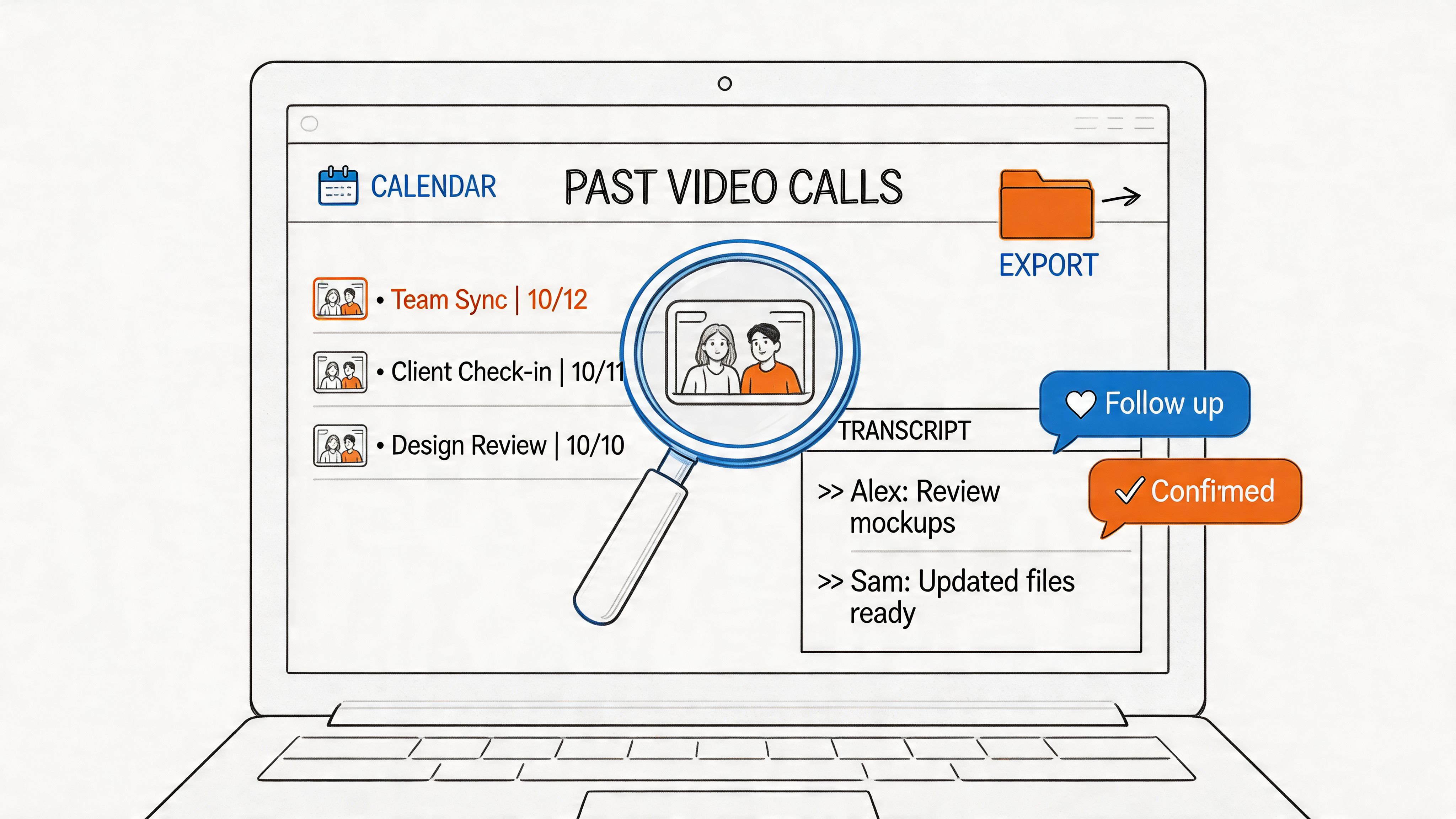
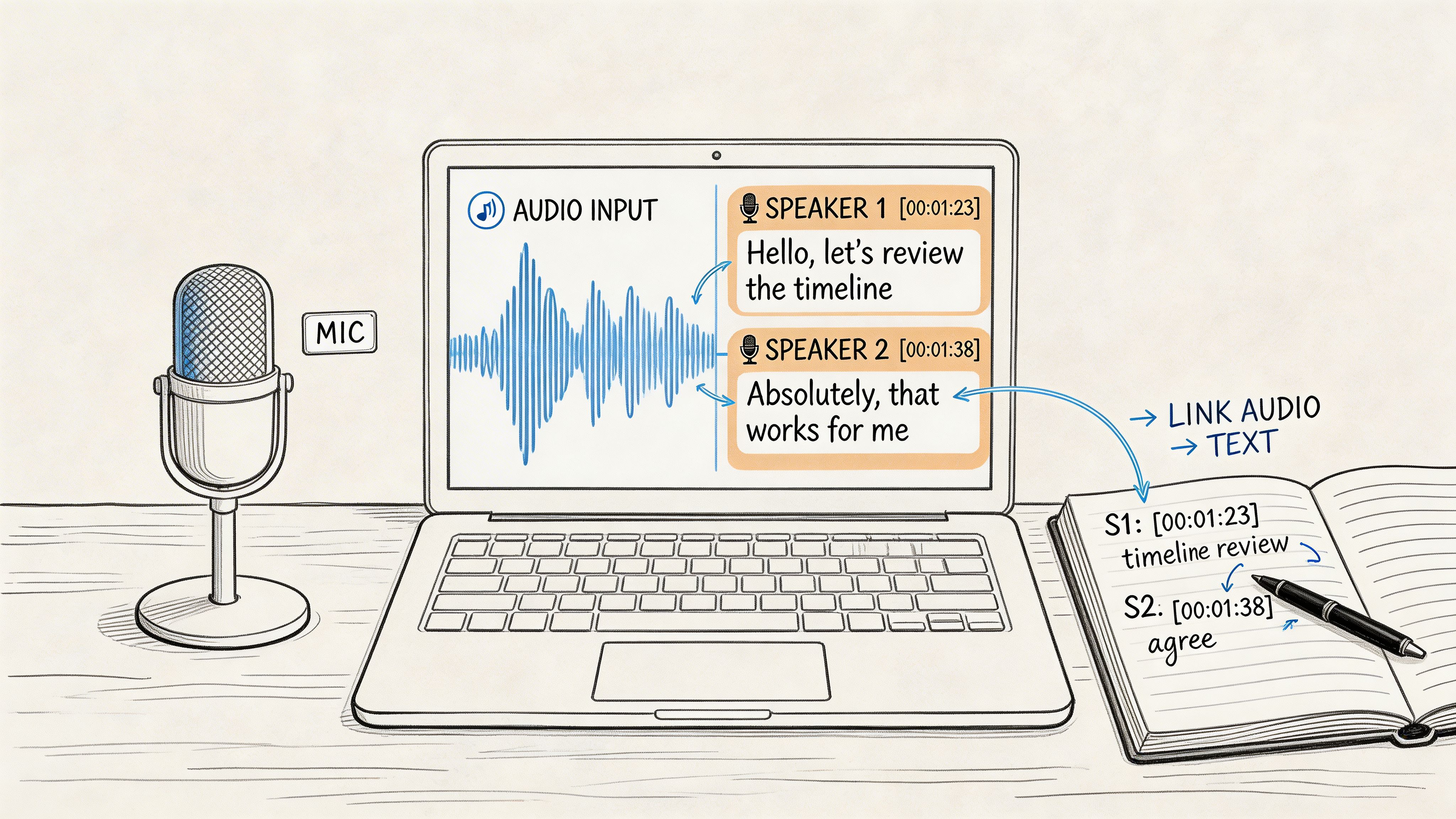
Whisper AI joins your calls and handles every line of dialogue, so you can finally stop typing notes in real time. It labels speakers, stamps timestamps, and turns each meeting into a searchable record.
One product team spread across three time zones hooked Whisper AI up to Google Calendar and Slack in under ten minutes. They slashed manual edits by 50% and gave everyone instant access to clear transcripts.
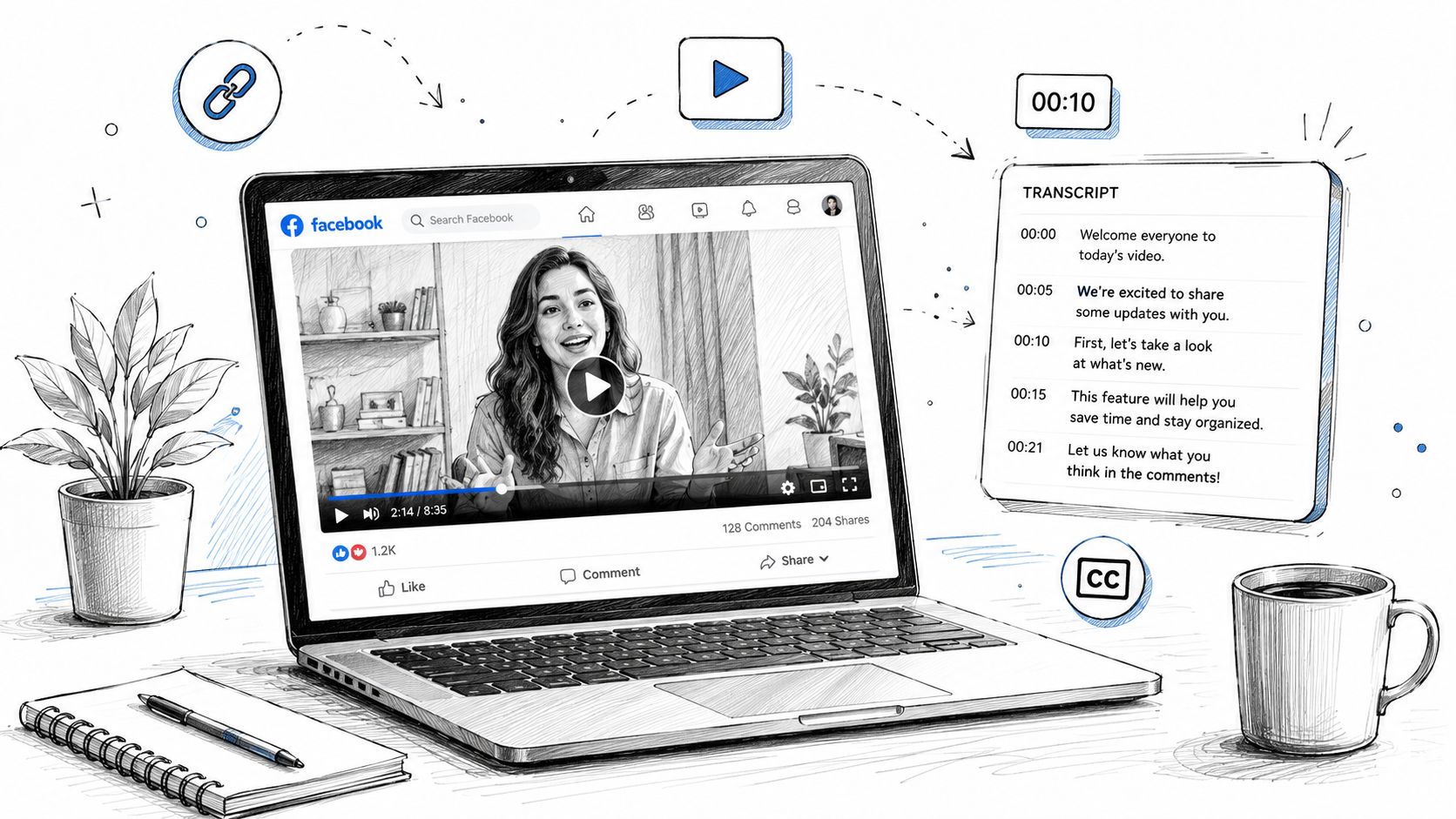
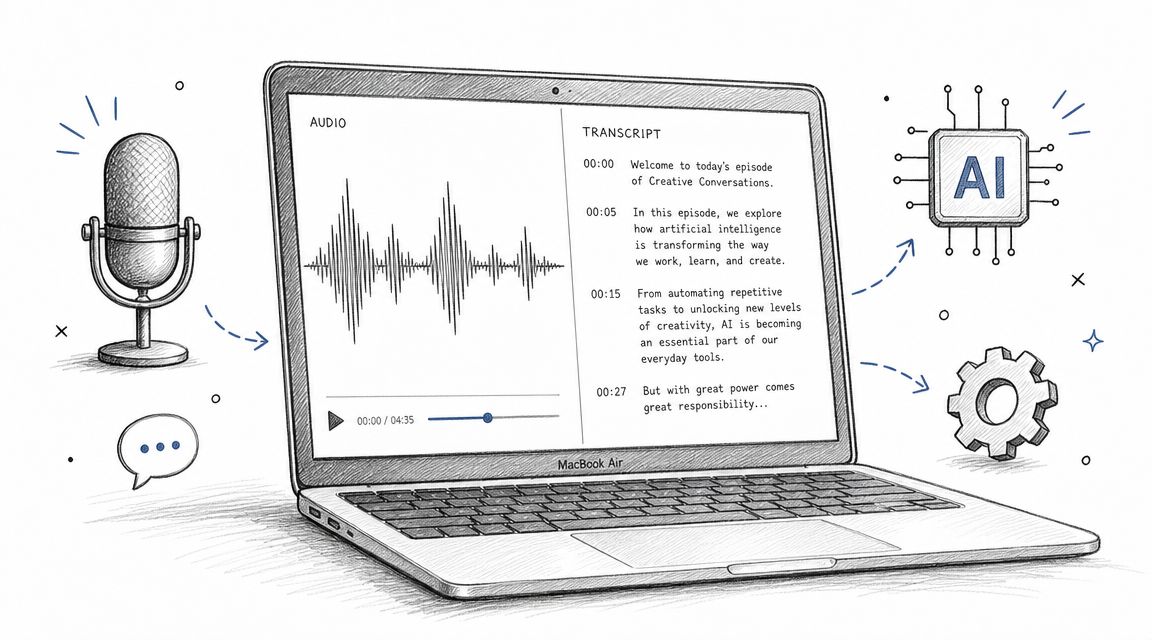
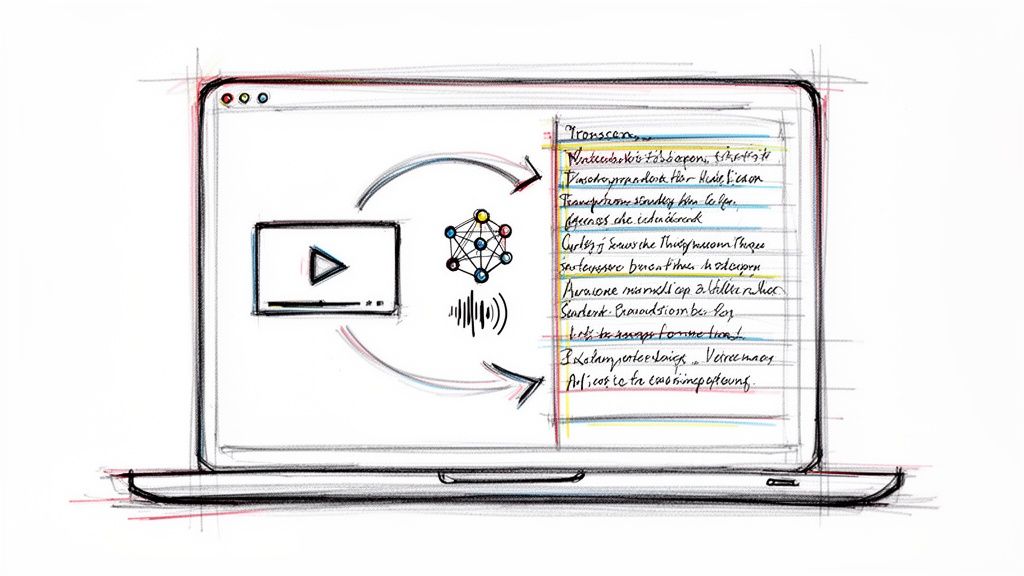
Below is a peek at Whisper AI’s interface, complete with speaker tags and time markers.
That level of clarity means follow-ups happen in half the time.
Integration Steps
Getting started takes moments:
- Connect your calendar so Whisper AI auto-joins your meetings
- Enable Slack integration to stream live transcripts into a channel
- Tweak speaker detection rules in the dashboard
- Choose export formats: Google Docs or Markdown
A remote design team I work with completed all of that in three steps—calendar auth, Slack bot setup, then export preferences—and never looked back.
Summarizing Raw Transcripts
Whisper AI not only writes out everything said, it also builds bullet-point summaries for you. A customer trimmed summary prep from ten minutes to two. Key highlights include:
- Bold bullets for top decisions
- Timestamps that let you replay specific sections in seconds
- Clear speaker labels so you always know who said what
Review AI Output
It’s smart, but it pays to give transcripts a once-over. Scan for mislabels and play any fuzzy bits in the app. Fix names, refine timestamps, then export polished notes.
“Automated transcripts cut our manual work by 50% without losing accuracy,” a project lead told us.
After that, choose Word, PDF, TXT, Markdown or Google Docs. You can even push notes straight into Asana or Trello for your team. Learn more about integrating Whisper AI in our detailed guide How To Use Whisper AI.
Tips For Quick Adoption
- Verify new transcripts within five minutes of each meeting
- Rotate review duties so everyone knows the process
Case Study Real Workflow
A support squad records their daily standups with Whisper AI. They flag blockers, share summaries before noon, and tighten feedback loops with engineers. Fewer meetings, faster fixes.
Best Practices You Need To Follow
- Schedule transcripts to land in your inbox within an hour
- Use bullet summaries to surface key takeaways
- Archive raw transcripts for compliance and audit trails
- Tag action items with due dates and owners immediately
- Share polished notes in Slack, email, or your project board
Common Mistakes To Avoid
- Overlooking speaker mislabels—double-check attribution
- Dumping raw text without a summary, which overloads readers
- Forgetting to link notes to tasks, stalling next steps
- Neglecting integration health checks and missing recordings
Next Steps
Ready to stop typing and start focusing on your meeting? Head over to whisperbot.ai to kick off a free trial today.
curl -X POST -H "Authorization: Bearer TOKEN" -F audio=@meeting.mp3 https://api.whisperbot.ai/transcribeThat call returns structured JSON with segments, speaker names and timestamps. You can feed it into custom dashboards or analytics tools in minutes.
Case Study From Marketing Team
A marketing lead pumped transcripts into Tableau via API. They tracked keyword trends over several months and shaped agendas that hit the mark every time. Planning became sharper and meetings shorter.
Start letting Whisper AI do the heavy lifting and reclaim hours every week. It even supports 92 languages for global teams and processes audio securely without storing files beyond the task.
Implementing Whisper AI means zero minutes spent typing and all your attention on decisions. It’s like having a note-taker who never misses a beat.
Organize And Share Meeting Summaries
Turning rough notes into crisp summaries makes it easy for everyone to act. A well-structured summary cuts through clutter, laying out next steps at a glance. Here’s how to package your meeting record so it invites quick review and clear follow-up.
Structure your summary in sections that readers can tick off in seconds. Bold headings and bullet points help decisions, tasks, and reference links stand out immediately.
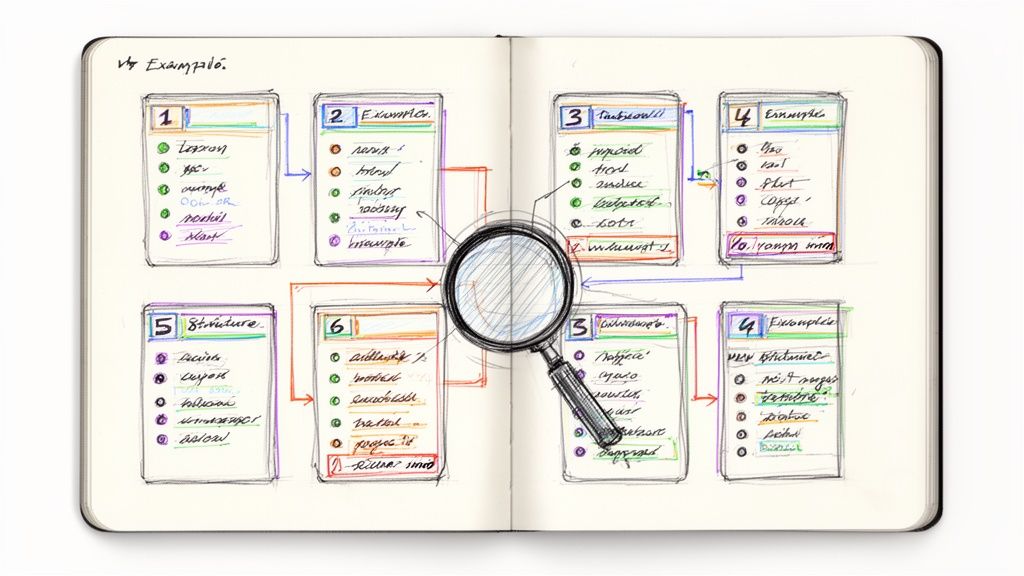
The example above compares layouts in popular workspace tools. Notice how a clear header, dedicated decision log, and one-click task links (for Asana) keep everyone on the same page.
Structure Notes For Quick Scanning
Break your summary into three clear sections: Decisions, Action Items, and References. Bold each heading, then list out the details with bullet points.
- Decisions: include a timestamp and brief background
- Action Items: tag the owner and set a due date
- References: link to slides, documents, and recordings
One product manager I work with built a Google Doc template that auto-fills headings via a simple script. As soon as the summary is saved, tasks flow directly into Asana without extra clicks.
Automate Task Creation In Asana
Connecting your summary template to Asana’s API slashes manual entry time. Tasks appear on the right board within seconds of clicking save.
With this setup, you’ll spot new tasks alongside your project boards and calendar almost immediately.
Distribute Summaries Effectively
Choose the channel that fits your team’s habits. Whether it’s email, a shared doc, Slack, or a project board, aim for consistency.
- Email: subject your message “Meeting Recap [Project] – [Date]” for 95% open rates
- Shared Doc: maintain a central Google Doc with version history and comments
- Slack Channel: post a quick snippet and attach the full summary
- Project Board: link the summary to cards, tagging each owner
Subject: Meeting Recap – Q3 Roadmap
Hi Team,
Below are today’s key takeaways and next actions:
Decisions
- Finalize feature list for launch
Action Items
- @alice: Draft release notes by June 5
- @bob: Update PRD by June 7
References
- Deck: https://linktodoc
- Recording: shared drive link
Thanks,
Project Lead
Direct tags and a concise preview make sure notes land in front of the right people every time.
Check out our guide on organizing meeting notes into actionable summaries for more tips.
Use Shared Docs And Boards
A single source of truth keeps questions and updates in one place. Create project folders with clear, date-based names and set read/write permissions for each stakeholder.
- One folder per project with subfolders by meeting date
- Read/write access for contributors; view-only for most
- Comment threads on specific agenda points
On boards like Trello or Asana, attach each summary to its card and use labels for priority. Direct tagging cuts the time to assign and track tasks.
Tagging owners right in the board card slashes follow-up time.
Use Slack Channels For Updates
Slack can turn meeting summaries into living documents. Post the key points in a dedicated channel, then pin the message and open a thread for questions.
- Pin the summary so it’s always at the top
- Start a thread for related comments
- Use
/remindto nudge people on deadlines
Integrating Whisper AI lets you auto-post transcripts after each call, saving 15 minutes per meeting on manual uploads.
Slack channels become a searchable archive of decisions and next steps.
This mix of structure and quick sharing keeps everyone on track and speeds up follow-through.
Frequently Asked Questions About Taking Meeting Notes
What’s the Best Method for Note-Taking?
It really comes down to the type of meeting you’re running. For rapid-fire brainstorming, jotting ideas on paper can spark creativity. When you’re handling status updates or quick check-ins, AI transcription tools deliver a searchable record in seconds.
How Detailed Should My Notes Be?
Prioritize decisions, action items and the person responsible. Skipping side chatter keeps your summary concise and easy to scan.
- Agenda-driven discussions: Use a template that outlines topics, presenters and time slots
- Brainstorming sessions: Capture raw ideas with pen and paper or a simple digital notepad
- Status calls: Rely on AI transcription for instant, searchable archives
Common AI Accuracy Questions
Can I Rely Solely on AI for Transcriptions?
AI engines like Whisper AI move fast, but a quick manual review to fix speaker tags and clarify context makes your notes rock-solid.
How Do I Encourage My Team to Share Notes Consistently?
A shared, streamlined template works wonders. Rotate the scribe role each meeting and post the final summary to your project board or email digest. That small tweak can boost follow-through by 30%.
“A shared note template and clear workflow boosted our team’s meeting follow-through by 30%.”
Ready to stay focused on the conversation, not your keyboard? Give Whisper AI a spin for free at Whisper AI