10 Proven Strategies for How to Improve Listening Comprehension
In a world saturated with podcasts, video lectures, and online meetings, simply hearing the words is not enough. True listening comprehension—the ability to accurately understand, process, and retain spoken information—is a critical skill for students, professionals, and lifelong learners. Yet, from my own experience and in talking with others, I know many of us struggle, finding our minds wandering or forgetting key details moments after they're said. This isn't a personal failing; it's a sign that our listening habits haven't kept up with today's high-volume information environment.
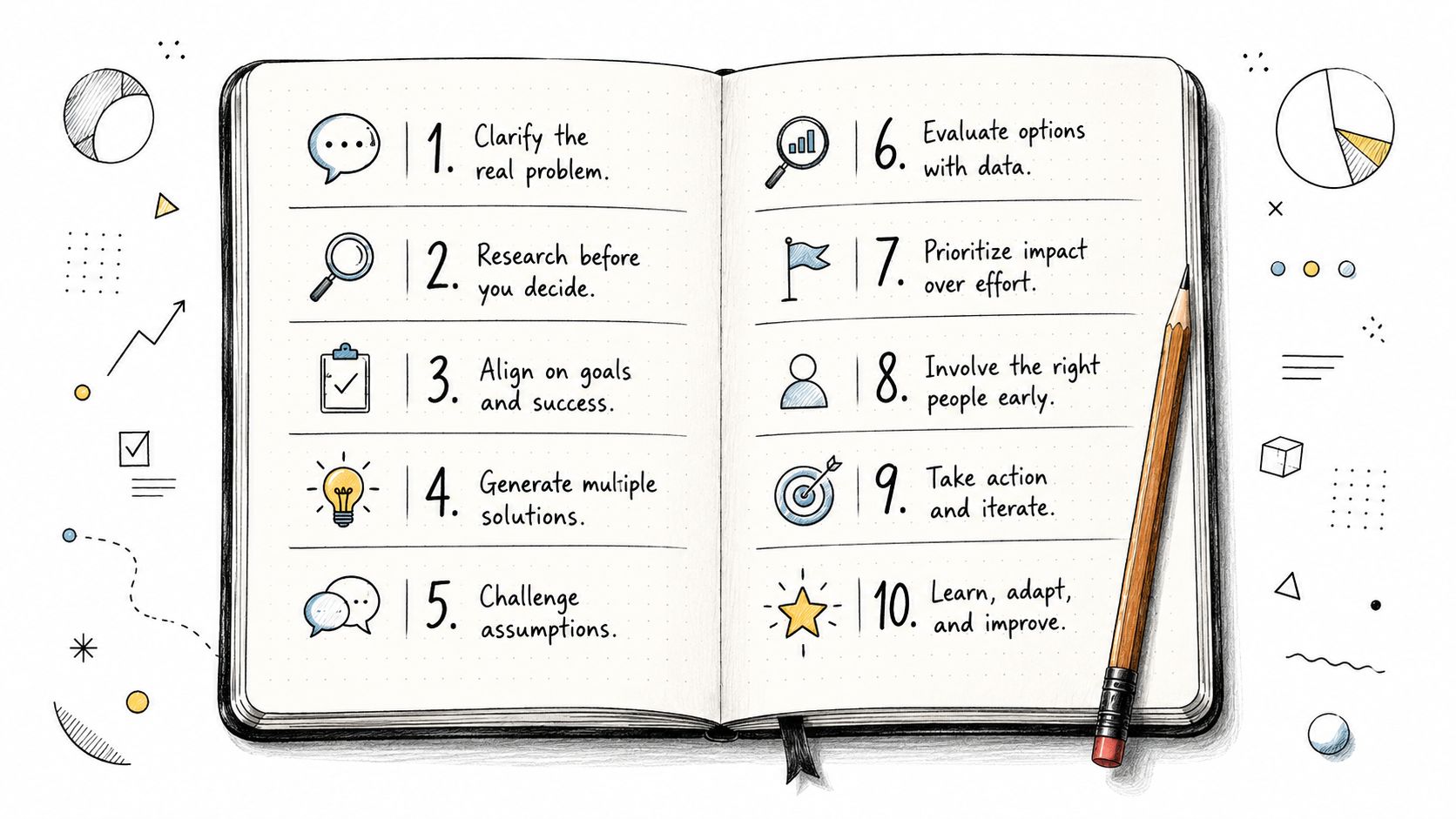
This guide will show you how to improve listening comprehension with 10 proven strategies I've found effective. You will learn how to move beyond passively hearing and start actively engaging with content, ensuring you capture every crucial insight. We will explore practical, actionable techniques that you can implement immediately to make your learning more efficient and effective, turning listening into your most powerful tool for growth.
1. Practice Active Listening and Integrated Note-Taking
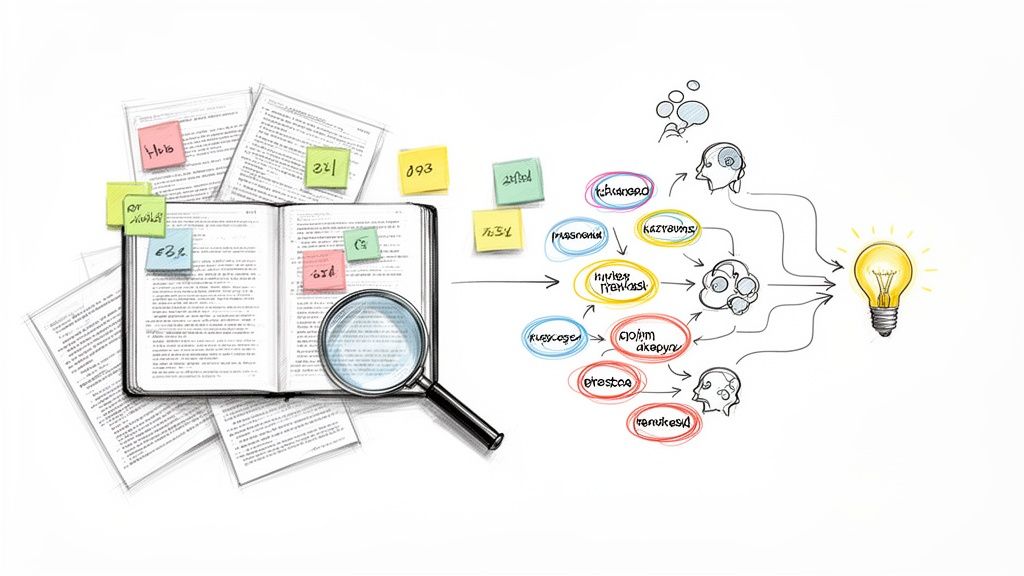
Active listening isn’t just about hearing words; it’s about fully concentrating on the message to understand its meaning. I've found that integrating this with strategic note-taking creates a powerful method for improving listening comprehension. Instead of trying to write everything down verbatim, which can distract from the core message, this approach focuses on capturing key ideas, questions, and connections as they arise.
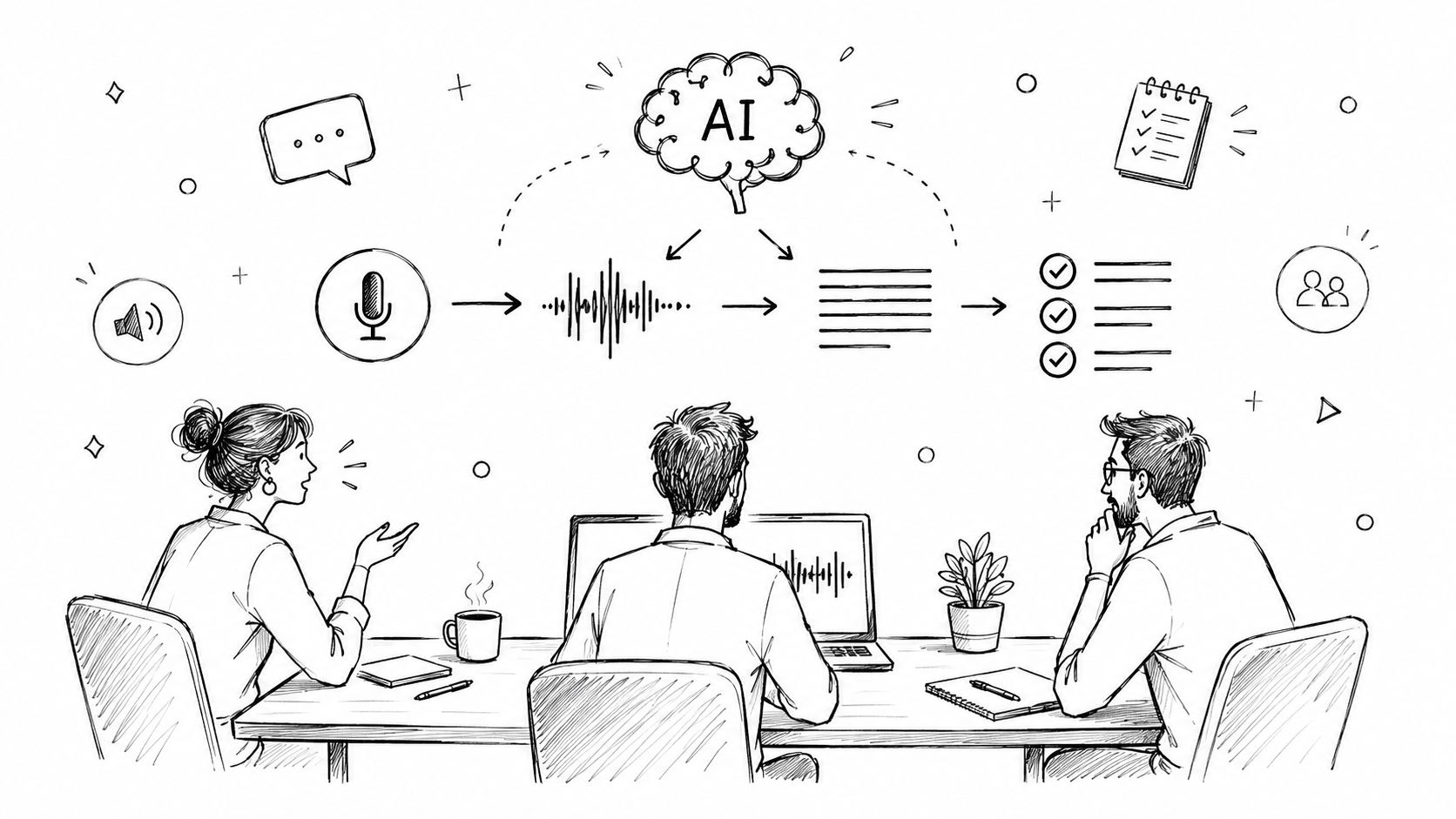
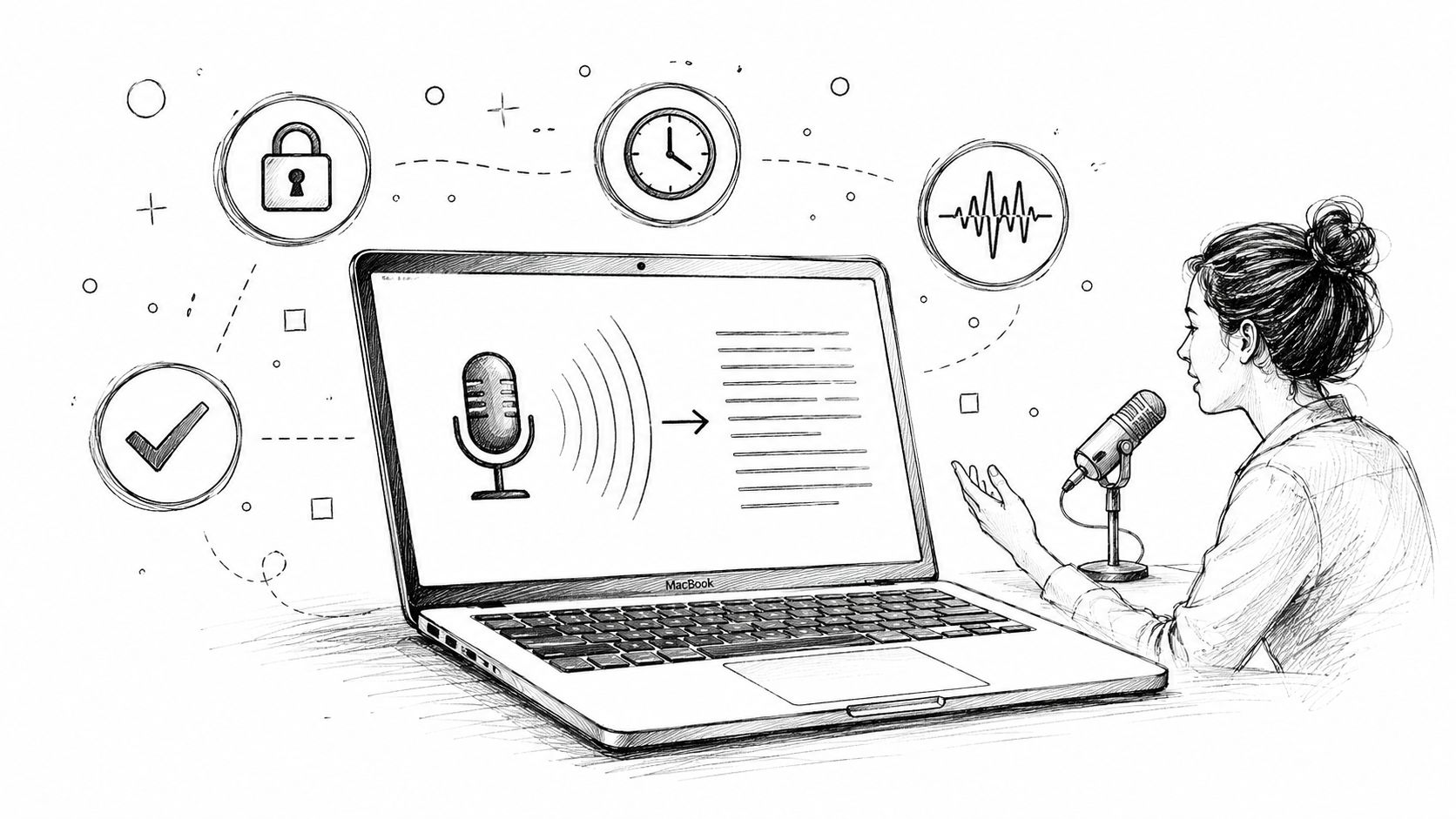
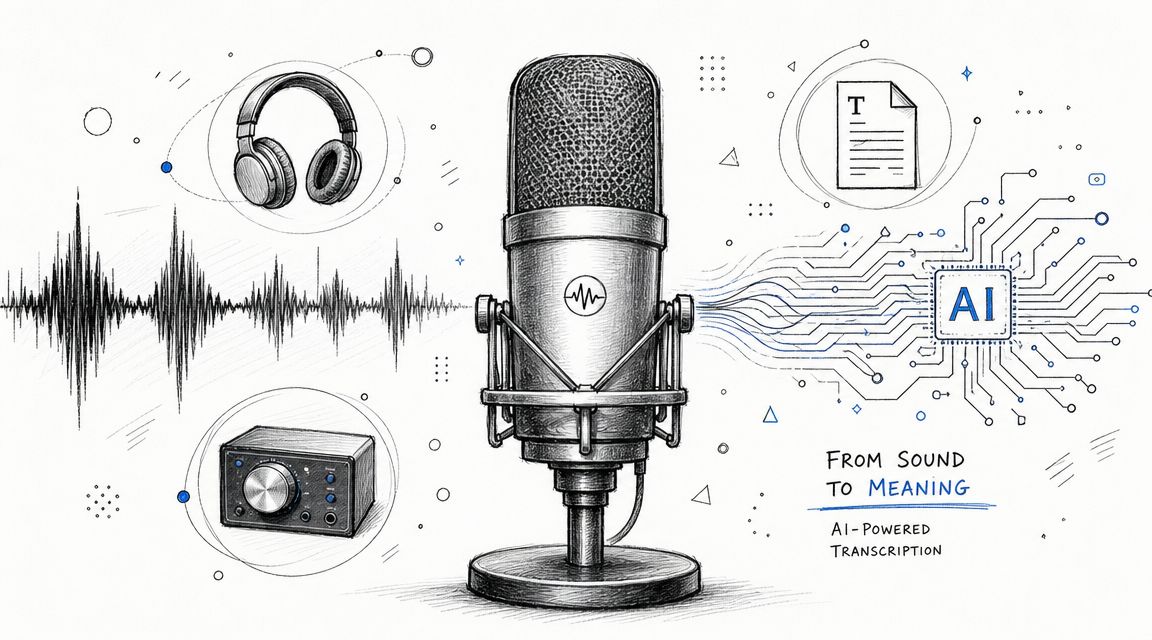
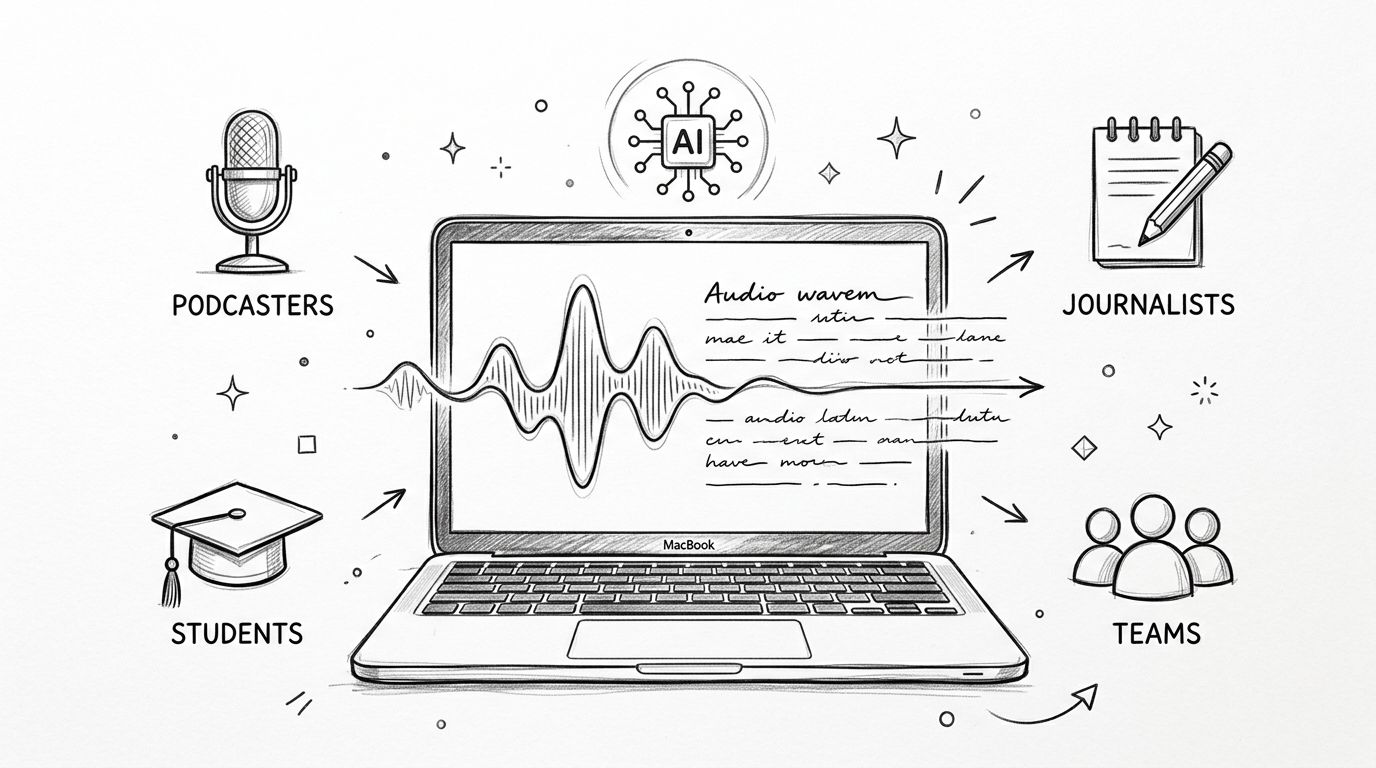
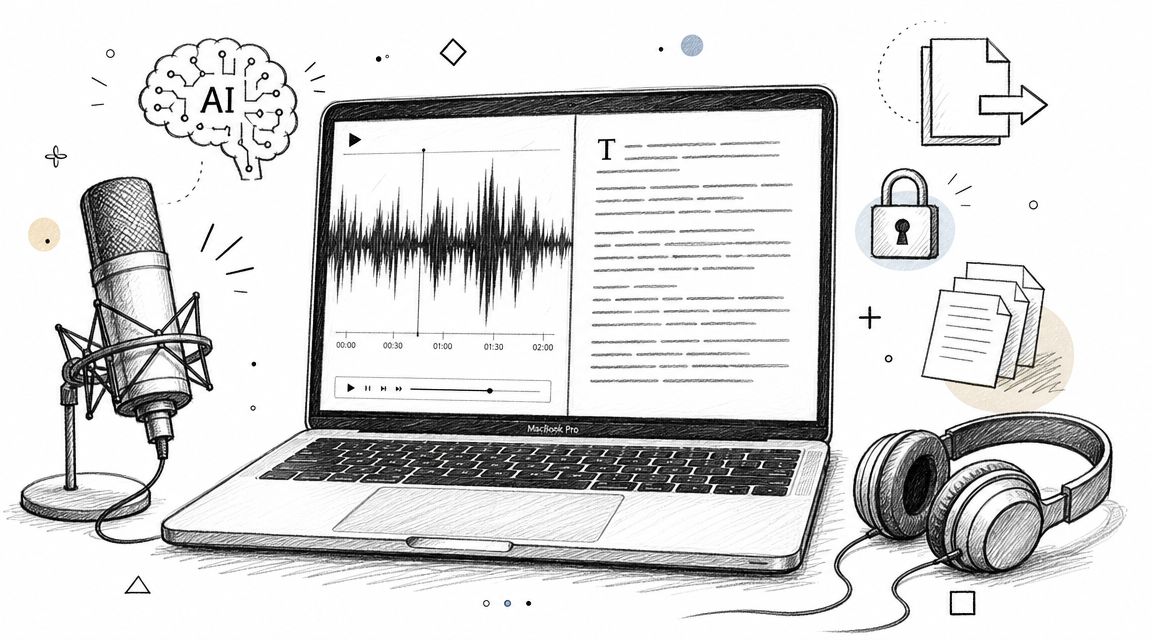
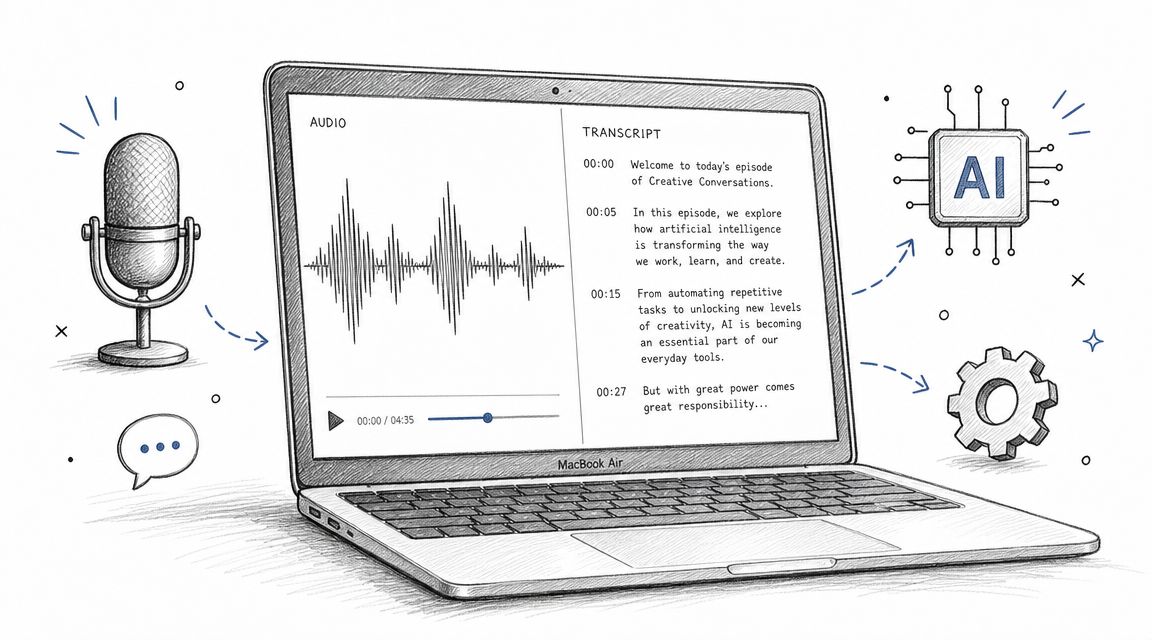
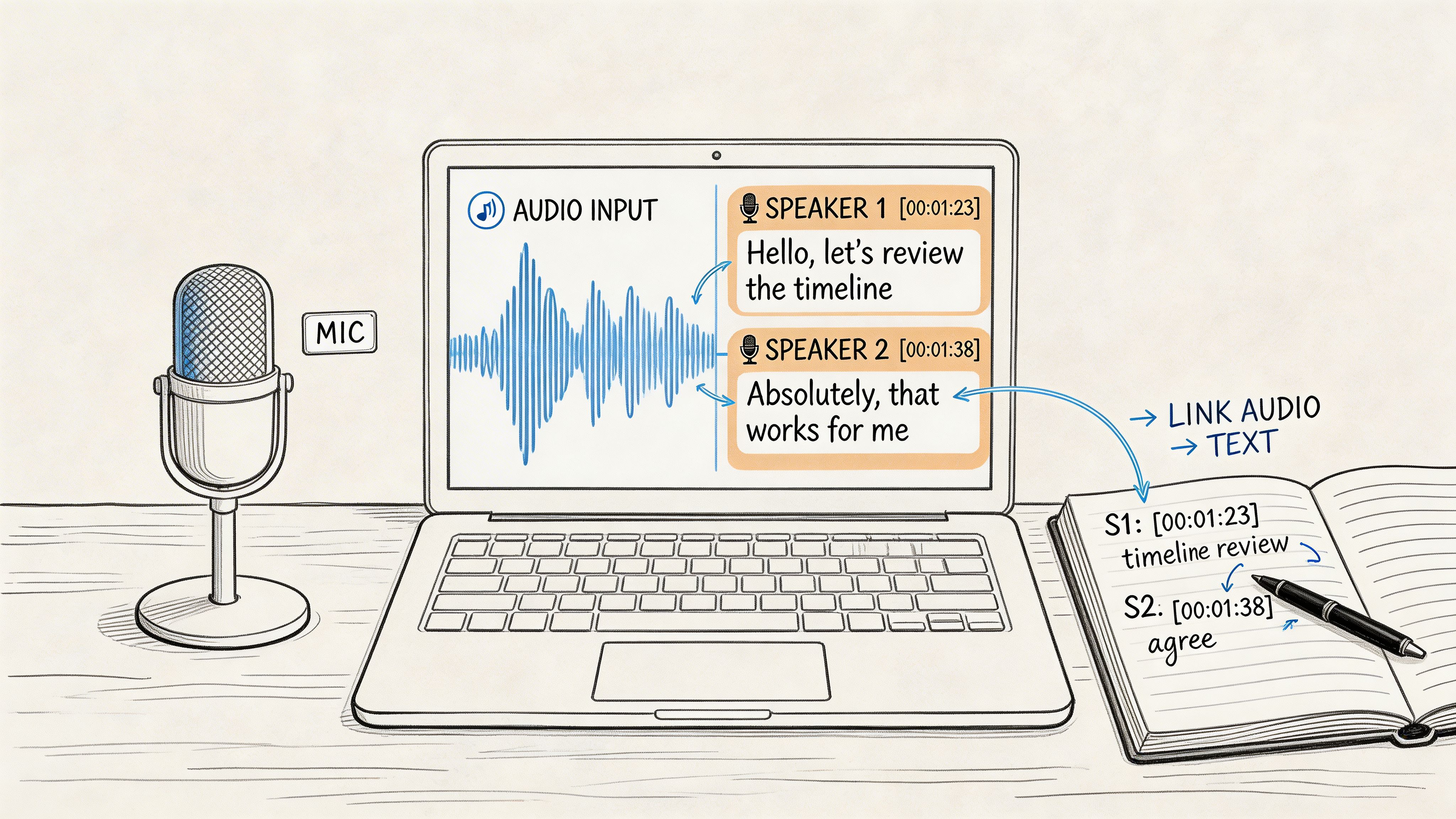
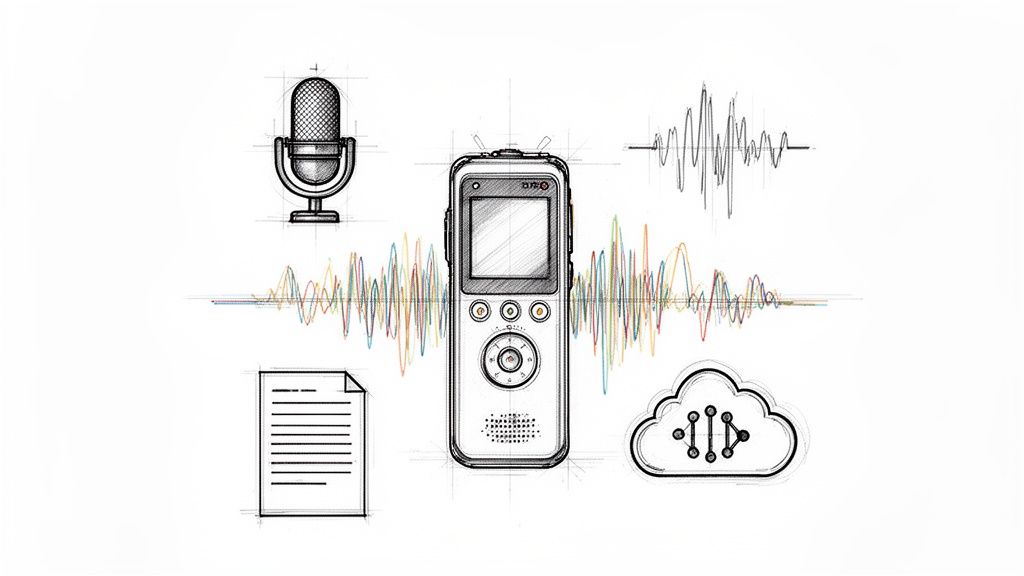
When I started pairing this technique with a transcription tool like Whisper AI, it became even more effective. The tool handles the verbatim transcription, freeing me to focus entirely on comprehension during the actual event.
Practical Implementation
- Students: Use a tool to transcribe lecture recordings. While listening, I recommend highlighting key concepts directly on the transcript or using timestamps to mark important moments for later review. This is much better than trying to scribble notes.
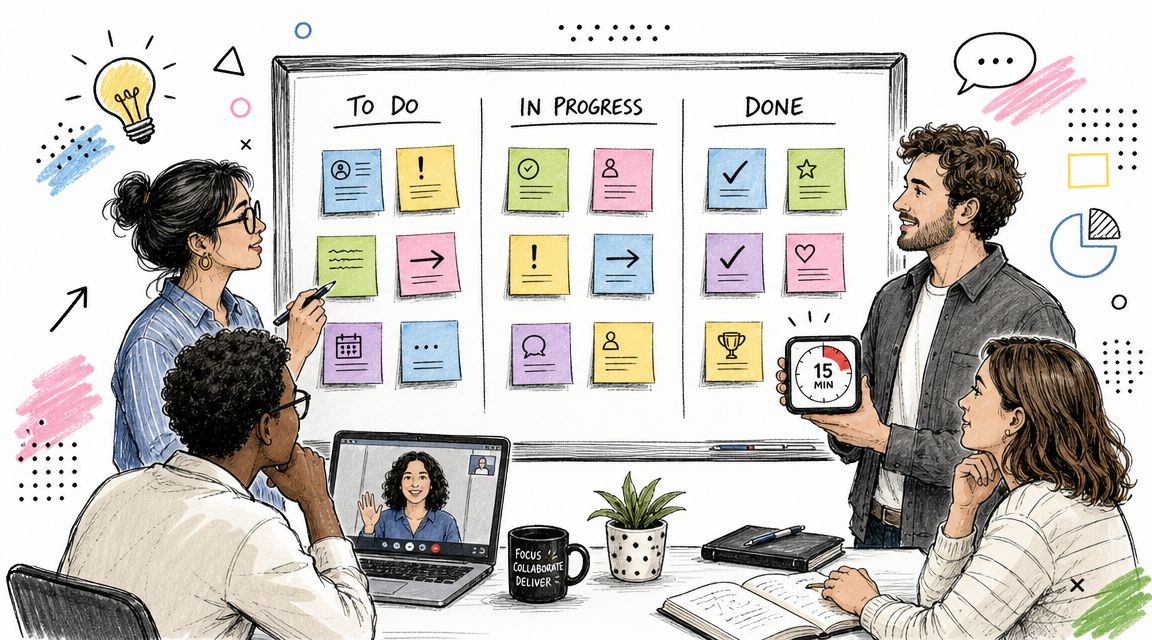
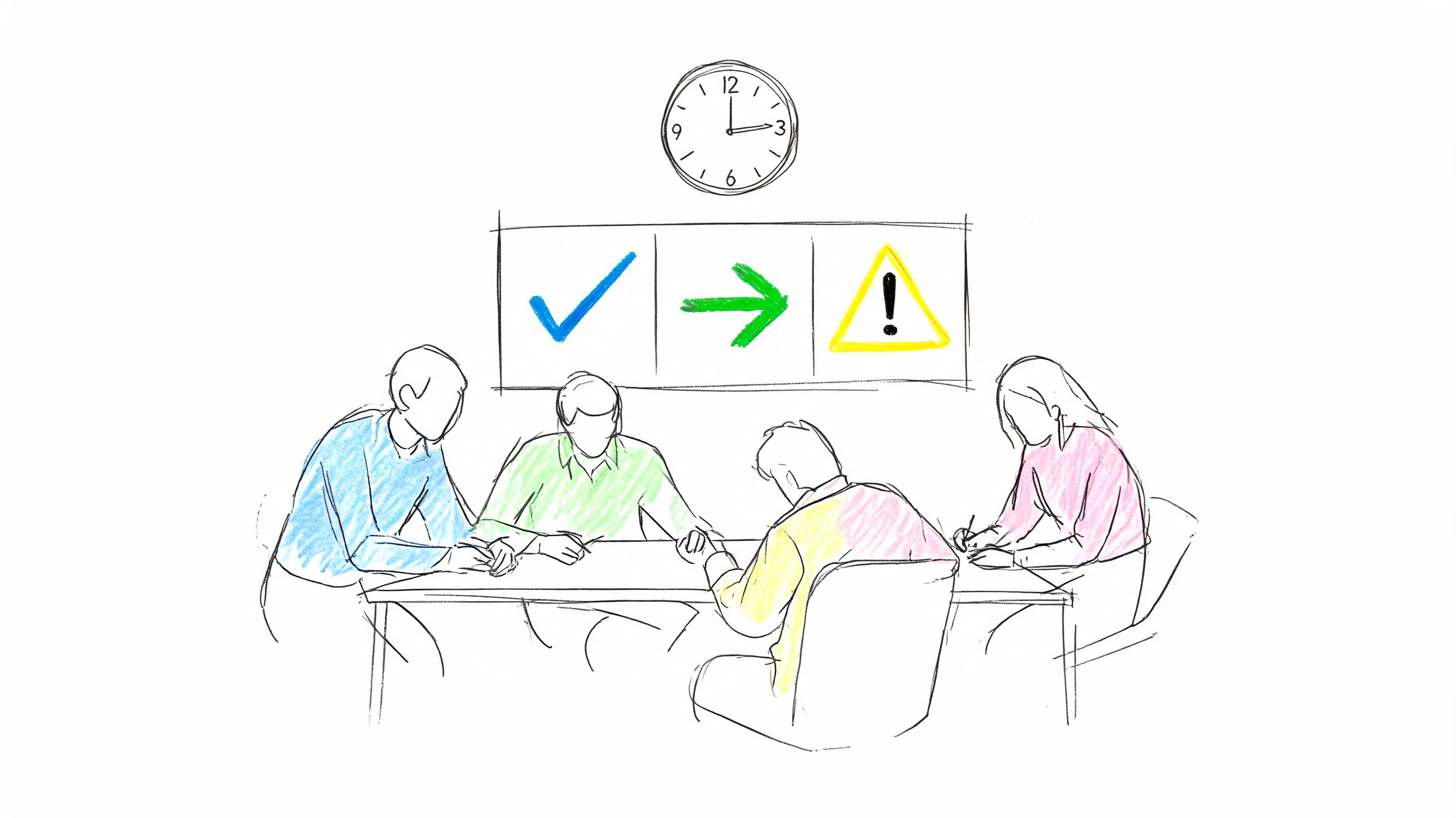
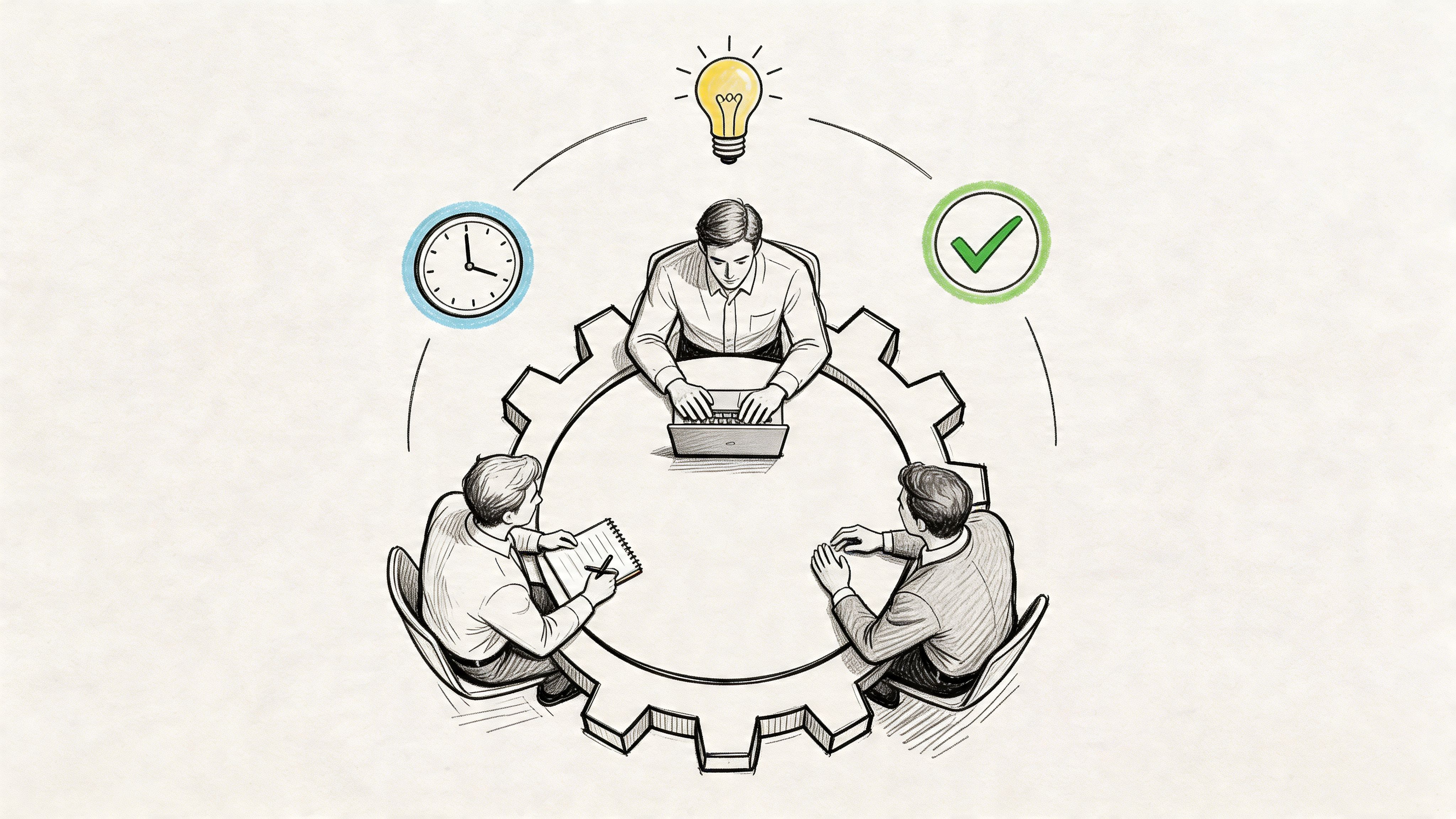
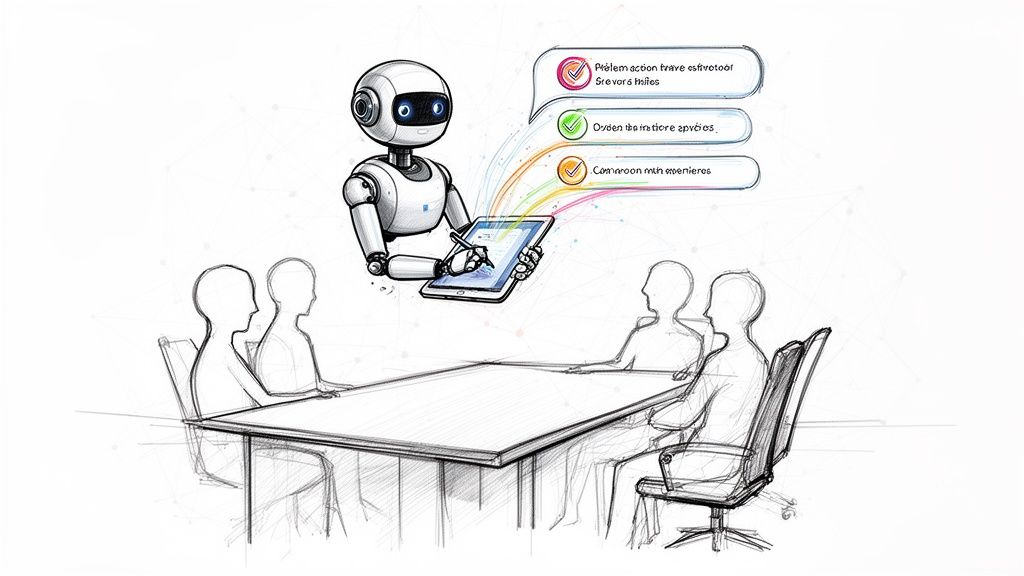
- Professionals: During a meeting, focus on the discussion instead of frantically typing. Afterward, I review the automated transcript to pull out action items and key decisions without missing any context.
Key Insight: The goal is not to create a perfect transcript yourself, but to engage with the material in real-time. By letting an AI handle the transcription, your mental energy is reserved for understanding and synthesis, which is crucial for deep comprehension. For more strategies, you can learn more about how to improve active listening skills in our detailed guide.
2. Break Down Content with Chunking and Segmentation
Chunking is the practice of breaking down long-form audio into smaller, manageable segments to avoid cognitive overload. This technique, rooted in cognitive psychology, helps you process information more effectively by organizing it into meaningful units. From personal experience, segmenting content allows me to focus on one core idea at a time, which is essential for deep understanding, especially with dense material.
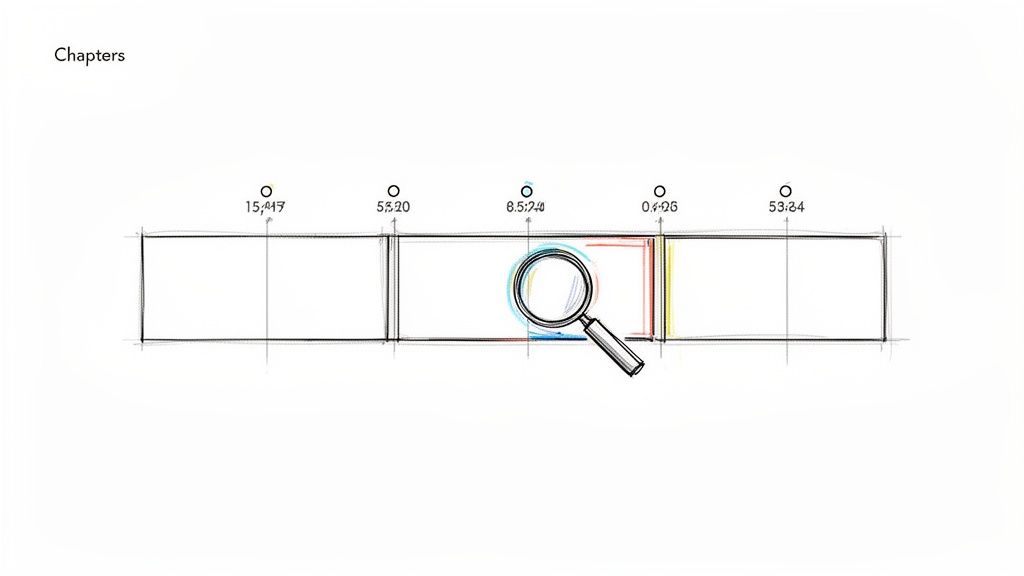
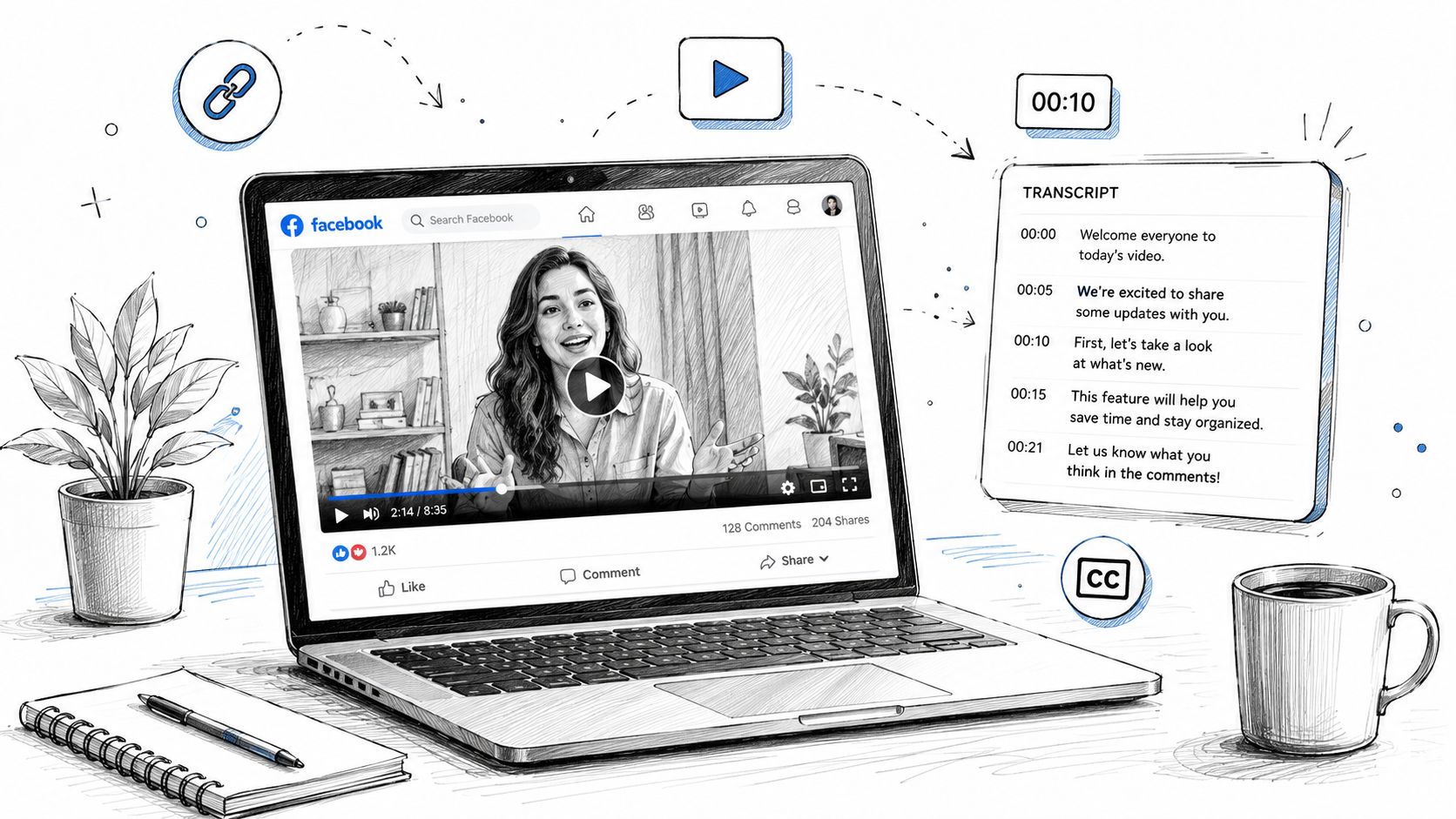
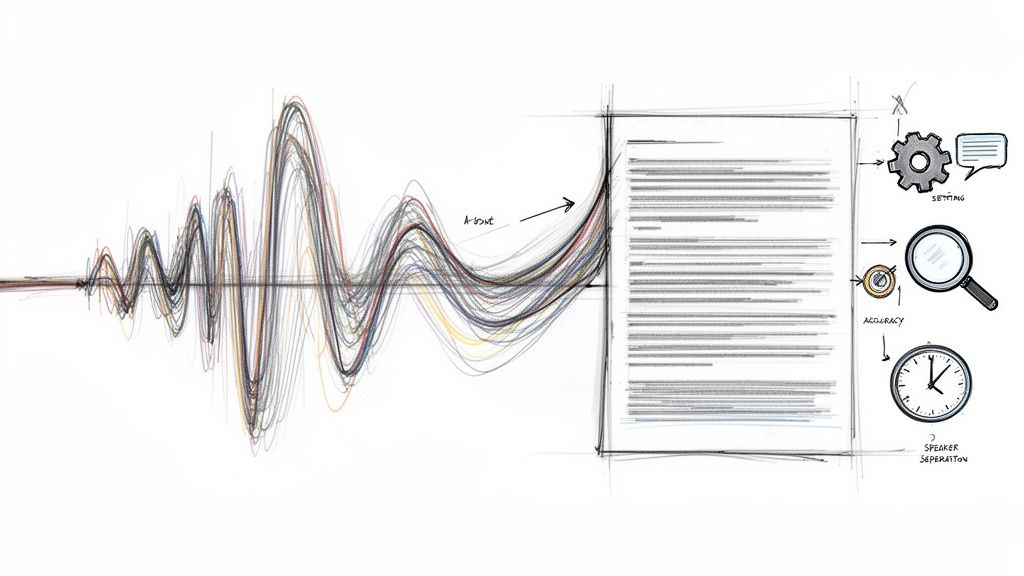
This approach naturally complements AI transcription tools. Whisper AI's timestamping and speaker detection features create clear demarcation points, making it simple to identify topic transitions and isolate key sections for focused review.
Practical Implementation
- Educators: I've seen great success when instructors divide lengthy lecture recordings into chapter-based units. Students can review one focused segment at a time, improving retention and making it easier to find specific information.
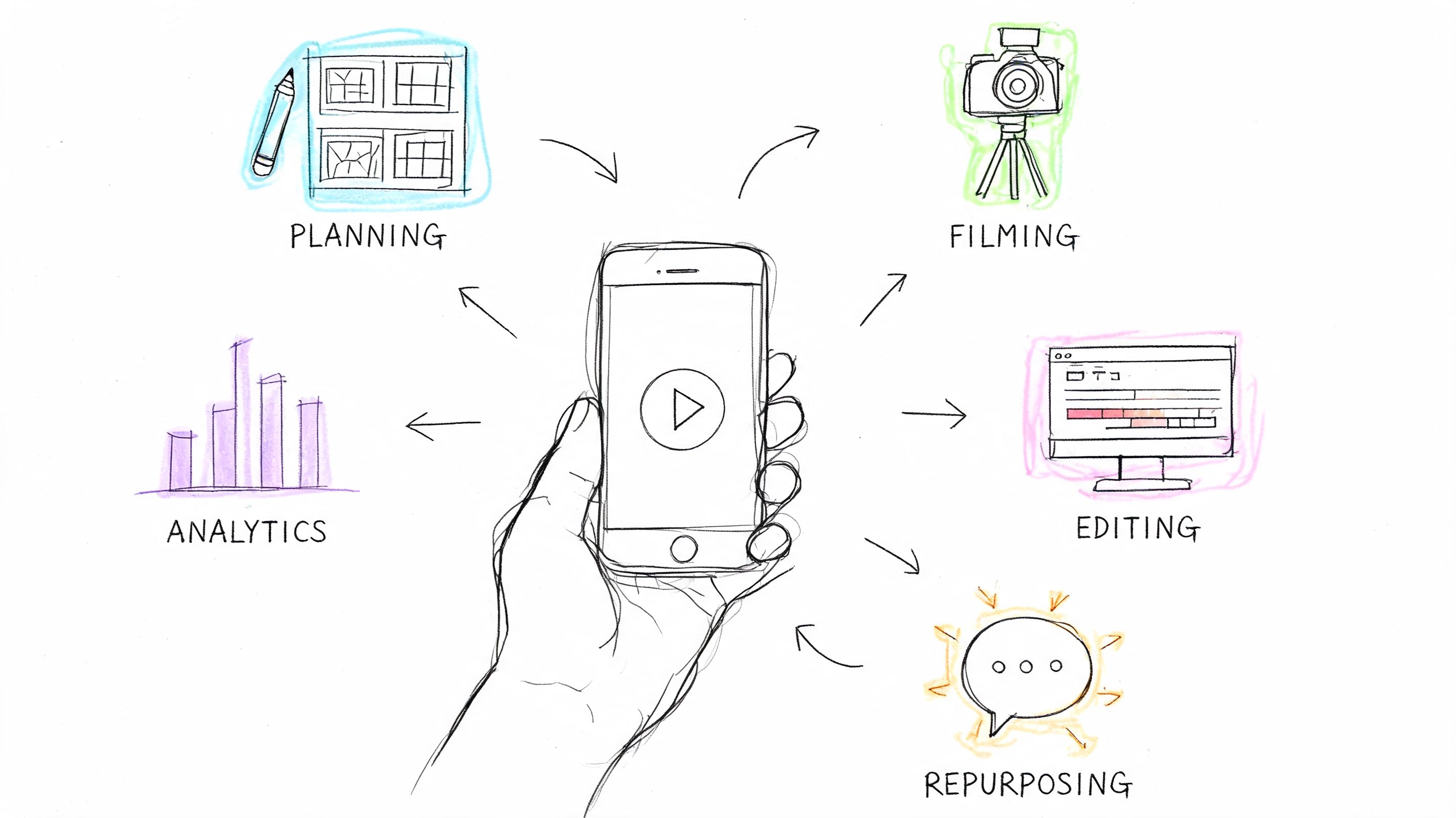
- Content Marketers: Break down a 60-minute webinar recording into several shareable, quotable clips for social media. Use the segmented transcripts to create blog posts or articles from a single piece of content.
Key Insight: The brain can only process so much information at once. Chunking prevents you from becoming overwhelmed by lengthy content, allowing you to absorb, understand, and retain complex ideas more reliably. This strategic segmentation is a cornerstone of how to improve listening comprehension for any dense material.
3. Use Predictive Listening and Pre-Comprehension
Predictive listening is the practice of anticipating content and making educated guesses about what you will hear. This proactive mental engagement creates a framework for new information, significantly boosting your ability to organize and retain what you hear. In my experience, it primes the brain to listen for specific details, making the entire process more efficient and effective.
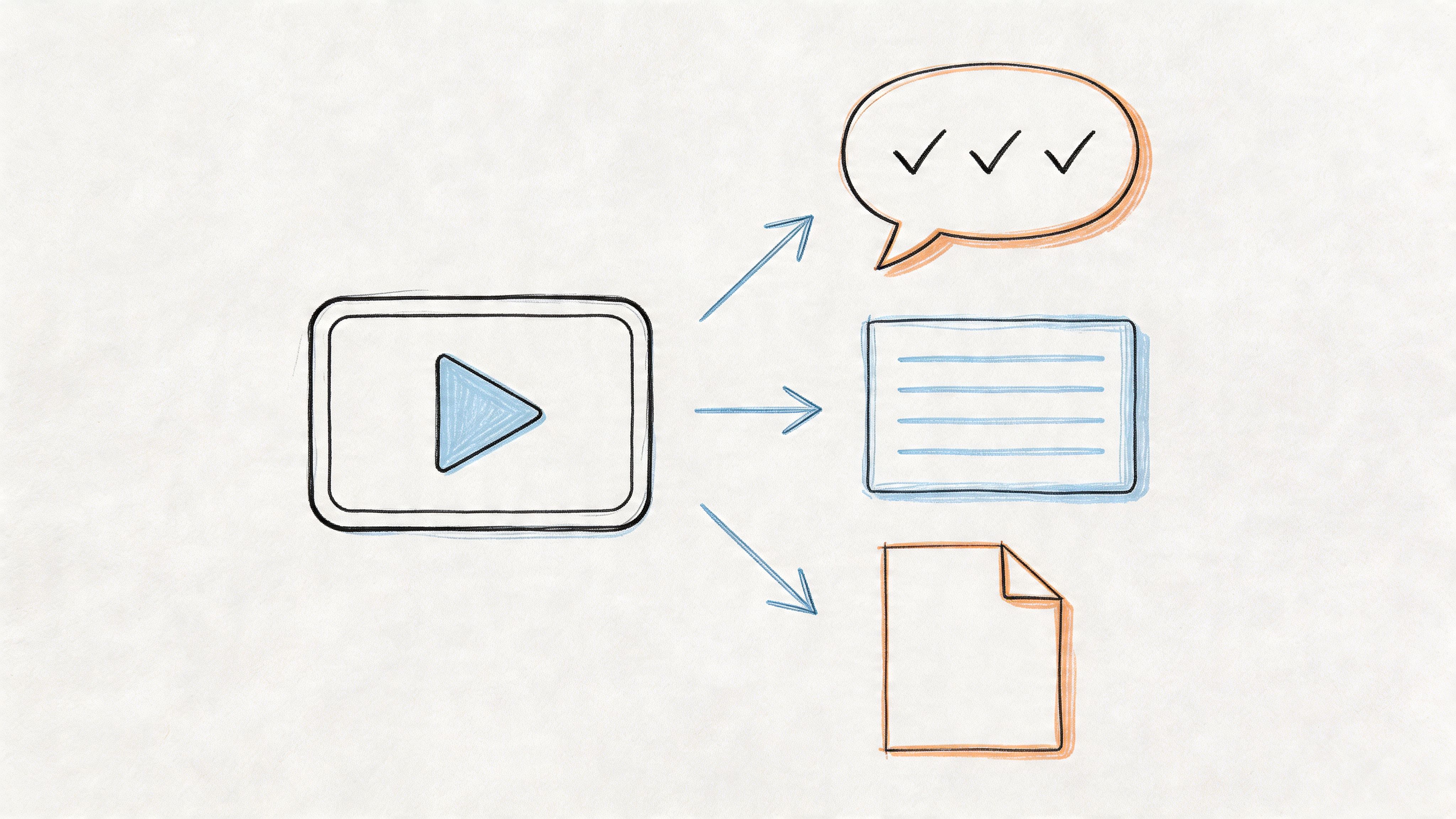
This strategy is particularly powerful when combined with modern AI tools. Using a tool like Whisper AI to generate a summary or bullet-point highlights beforehand gives you a roadmap of the content. This preview allows you to predict the flow of information and prepare your mind for the key topics that will be discussed.
Practical Implementation
- Business Teams: I always advise teams to review an AI-generated summary of a meeting recording before watching the full video. This helps team members anticipate key decisions and action items, allowing for more focused viewing.
- Students: Before diving into a lengthy lecture recording, read the bullet-point highlights. This pre-comprehension step helps you identify the core concepts and listen for the detailed explanations that support them.
Key Insight: The goal is to warm up your brain before the main listening event. By creating a mental outline based on a summary, you shift from passive reception to active prediction. This simple preparatory step transforms how you process information, leading to a much deeper and more structured understanding of the material.
4. Build Context with Background Knowledge
Listening comprehension isn't just about understanding words; it's about connecting them to a broader framework of knowledge. I've learned that building context beforehand dramatically enhances the ability to grasp complex ideas and retain information. This technique involves proactively gathering relevant background information before you listen, creating a mental scaffold that makes new details easier to place and understand.
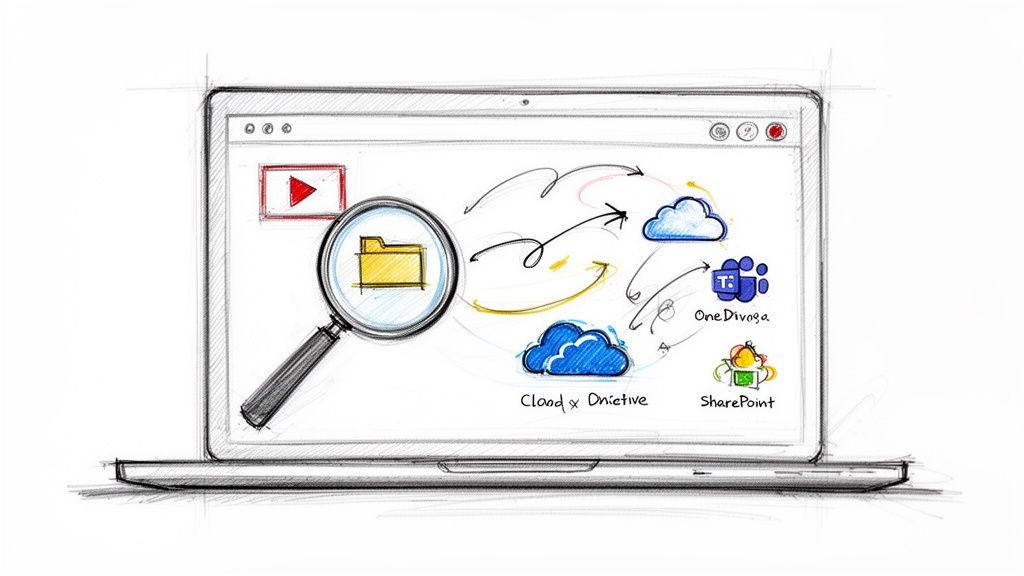
When you have a baseline familiarity with a topic, you can shift your focus from decoding basic terminology to analyzing nuance and absorbing key arguments. Tools that can quickly search and summarize vast amounts of related content are invaluable for this preparatory work.
Practical Implementation
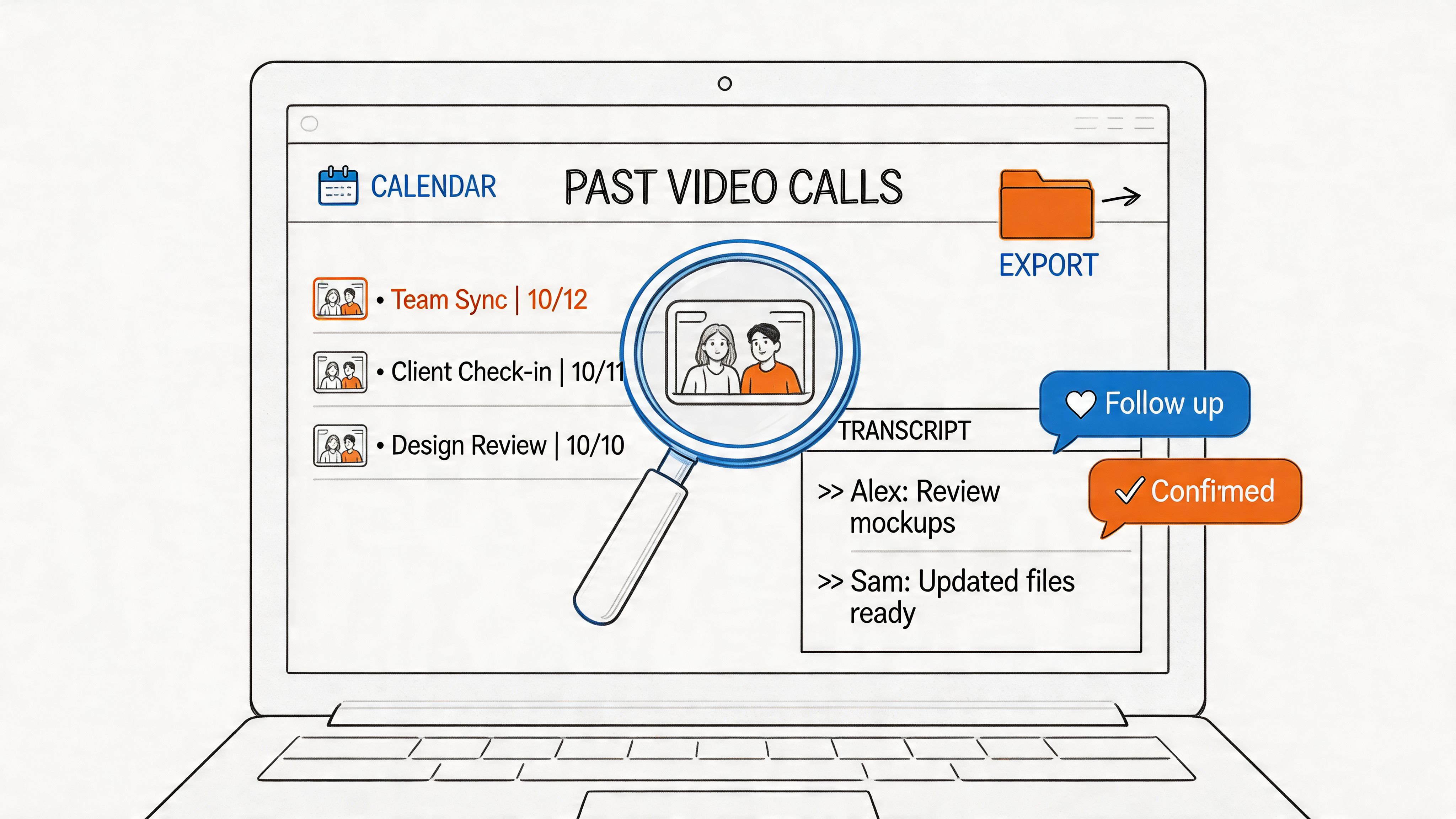
- Researchers: Before an industry conference, I recommend reviewing transcripts of past interviews or related talks. Use search functions to identify key themes and terminology, allowing for deeper engagement with live presentations.
- Students: Before tackling an advanced lecture, quickly review summaries of prerequisite video content. This ensures foundational concepts are fresh, making it easier to follow complex new material.
Key Insight: Proactive context-building turns passive listening into an active, insightful experience. By establishing a knowledge base first, you empower yourself to engage with content on a much deeper level, significantly boosting how you improve listening comprehension and long-term retention.
5. Reinforce Learning with Spaced Repetition
Spaced repetition is an evidence-based learning technique that interrupts the natural process of forgetting. It involves reviewing information at increasing intervals, which systematically moves knowledge from short-term recall into long-term memory. I've personally found this method incredibly effective for improving listening comprehension because it ensures that key concepts from audio content are not just heard once but are truly retained over time.
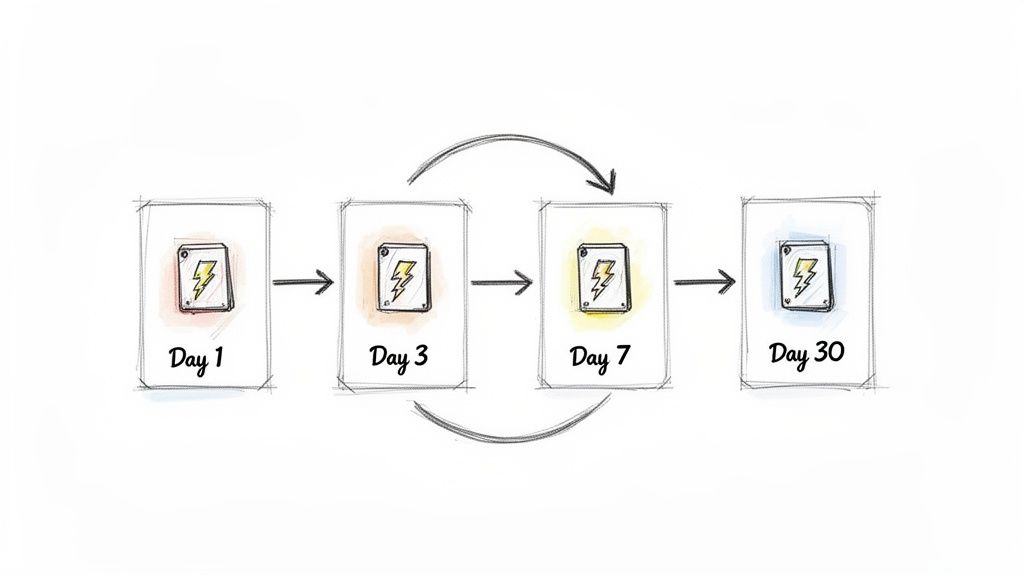
By using searchable transcripts, you can easily pull key phrases or concepts from lectures or podcasts to create review materials without re-listening to the entire recording. This streamlines the process of building a distributed review schedule.
Practical Implementation
- Language Learners: Export key vocabulary and phrases from a podcast transcript into a flashcard app like Anki. I do this myself, and reviewing them at increasing intervals builds fluency fast.
- Students: After transcribing a lecture, extract core concepts and definitions. Set calendar reminders to review these specific notes on day one, day three, and day seven.
Key Insight: The power of this method lies in strategic timing. Instead of cramming, you reinforce learning precisely when you're about to forget. To ensure long-term retention of new auditory information and vocabulary, mastering techniques like spaced repetition is essential. For more powerful study methods, discover how to study for exams effectively with our comprehensive guide.
6. Improve Focused Attention by Eliminating Distractions
Focused attention is the deliberate act of concentrating on a single audio source while actively filtering out distractions. This foundational technique for improving listening comprehension requires intentional environmental and cognitive management. It’s about creating a mental space where you can fully process information without interruption. I've learned the hard way that multitasking during important listening is a recipe for misunderstanding.
By leveraging technology like Whisper AI to generate transcripts, you can significantly reduce the cognitive load associated with simultaneous listening and note-taking. This frees up mental resources, allowing you to dedicate your full attention to absorbing the core message.
Practical Implementation
- Students: Before watching a recorded lecture, I always tell my students to close all unrelated browser tabs and silence notifications. Use the transcript to follow along, knowing you can easily revisit any missed points without breaking concentration.
- Professionals: During an important training video, dedicate a specific time block for watching it. Afterward, use the transcript’s timestamps to jump directly to key segments for a focused review, avoiding the need to re-watch the entire session.
Key Insight: True comprehension is a product of deep work. By consciously eliminating distractions, you create an optimal environment for listening. To truly eliminate distractions and enhance your listening, it's essential to develop strategies that help you improve focus at work and achieve a state of deep concentration.
7. Monitor Your Comprehension with Self-Assessment
Improving your listening comprehension involves more than just hearing; it requires metacognitive awareness. This means actively monitoring how well you understand the information as you receive it. I make it a practice to check in with myself: "Do I actually get this?" This self-assessment allows you to take immediate corrective action, ensuring you don't miss crucial details or misinterpret the speaker's message.
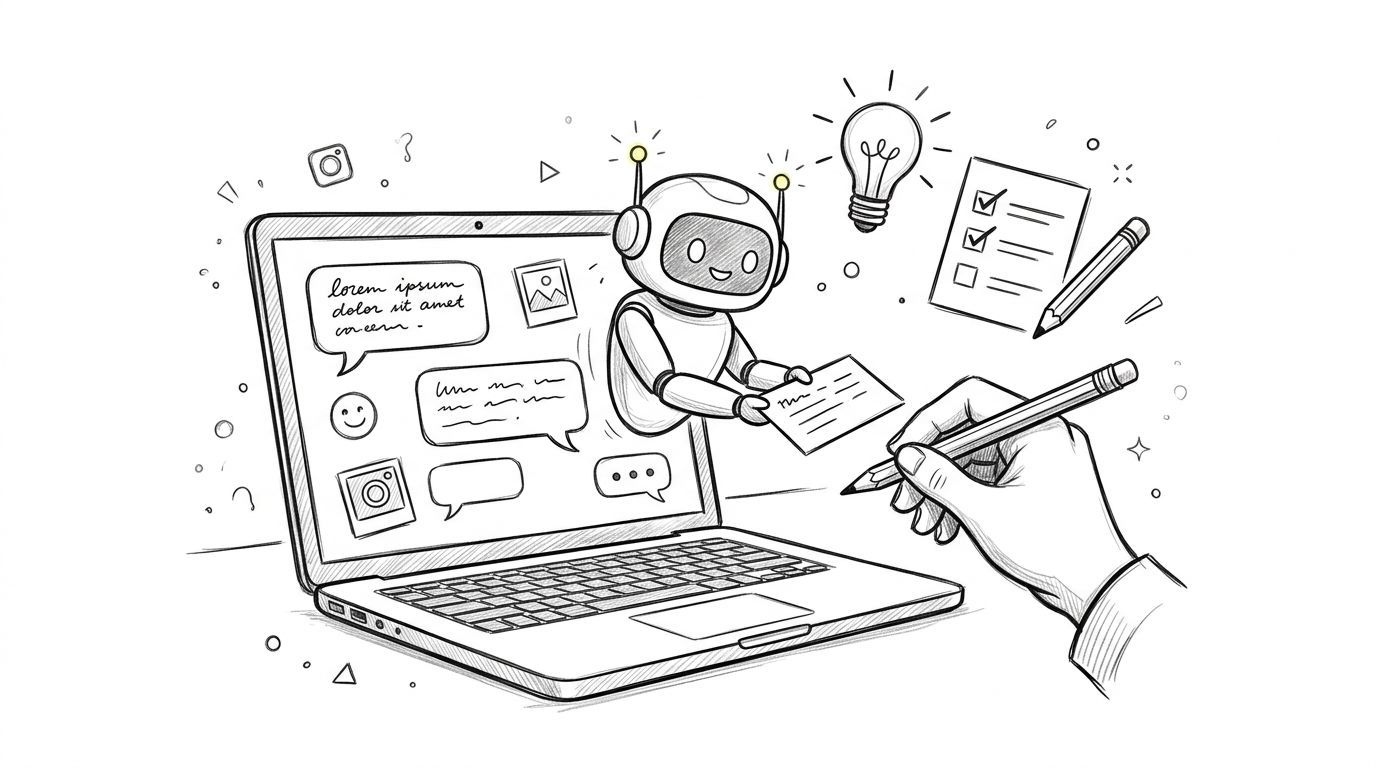
This technique is particularly powerful when supported by technology. For instance, after listening to a segment, you can pause and use a tool like Whisper AI to ask clarifying questions about the content or generate summaries to see if they align with your own interpretation. This is a great way to test yourself.
Practical Implementation
- Students: After a lecture is transcribed, test your recall by asking specific questions about key theories or concepts discussed. This verifies your understanding without needing to re-listen to the entire audio.
- Professionals: Following a project update meeting, I use the transcript to generate a list of action items and compare this automated list to my own notes to confirm I captured all responsibilities accurately.
Key Insight: The essence of this strategy is turning passive listening into an active feedback loop. By regularly pausing to check your understanding against an accurate source like a transcript, you train your brain to stay engaged and identify comprehension failures as they happen—a vital skill for anyone looking to truly improve listening comprehension.
8. Use Visualization and Mental Imagery
Visualization is the practice of creating mental pictures of the information you are hearing. This technique strengthens comprehension by engaging both your auditory and visual cognitive pathways, creating a more robust mental model of the content. When I listen, I actively try to construct scenes, processes, and relationships in my mind, which significantly boosts retention and understanding.
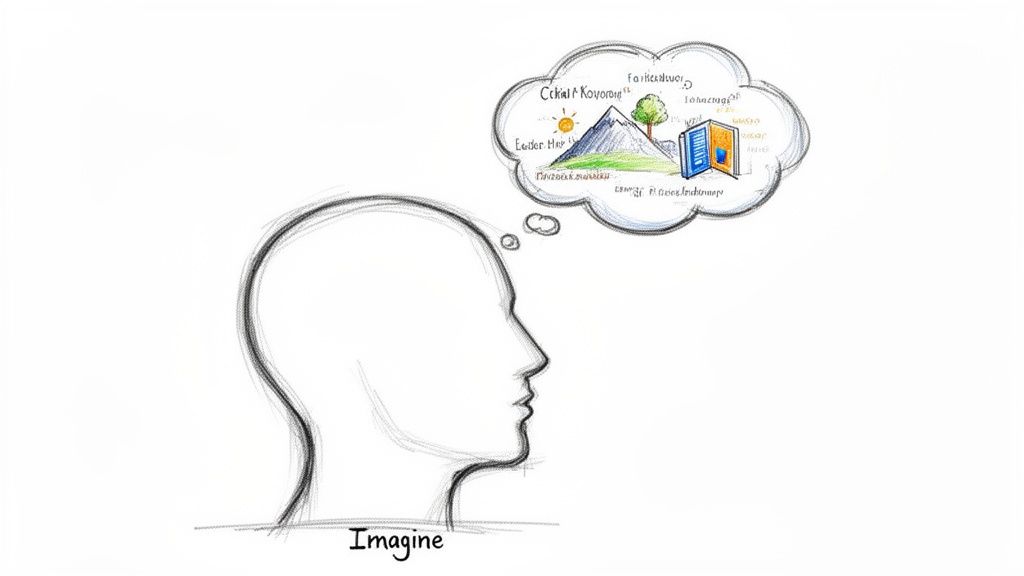
This method is especially powerful when supported by a transcript. A tool like Whisper AI can provide the textual foundation, allowing you to build accurate and detailed mental images without the pressure of catching every word.
Practical Implementation
- Students: When listening to a science lecture, use the transcript to visualize complex biological processes or historical events as they are described, creating a mental movie of the information. This made a huge difference for me in college.
- Content Creators: While reviewing an interview transcript, visualize the narrative arc and emotional beats of the conversation. This helps identify the most compelling segments to use for storytelling in a podcast or video.
Key Insight: The brain processes images far more efficiently than abstract text. By converting spoken words into mental imagery, you are translating the information into a language your brain is naturally wired to comprehend and remember. Using a transcript as a guide ensures your visualizations are grounded in the actual content, making this an effective strategy for improving listening comprehension.
9. Master Vocabulary for Semantic Understanding
Building a strong vocabulary is foundational to listening comprehension, as unfamiliar words can instantly disrupt understanding. My approach focuses on actively identifying and learning new terms from audio content, turning every conversation or lecture into a language-building opportunity. When you don't have to pause and question the meaning of a word, you can better follow the speaker's main ideas.
Using a tool like Whisper AI accelerates this process by creating a searchable text version of any audio. This allows you to pinpoint, define, and study specialized terminology in its original context, a key step in how to improve listening comprehension for complex subjects.
Practical Implementation
- Language Learners: I always transcribe podcasts or videos in a target language. Then I use the search function to find new words and create vocabulary lists directly from the contextual sentences in the transcript.
- Medical Students: After a lecture on a complex topic, use the transcript to build a digital glossary of all new medical terminology, complete with definitions and usage examples from the professor.
Key Insight: True vocabulary mastery isn't about memorizing dictionary definitions; it's about understanding words in context. From my experience, using transcripts to see how terms are applied connects vocabulary directly to meaning, ensuring knowledge is retained and comprehension deepens.
10. Summarize and Synthesize for Deep Processing
Effective listening comprehension isn't just about hearing words; it’s about grasping the core message. Summarization forces you to identify the most critical information, condense it, and rephrase it in your own words. I find this active process moves information from passive reception into my working memory, solidifying my understanding of how different ideas connect.
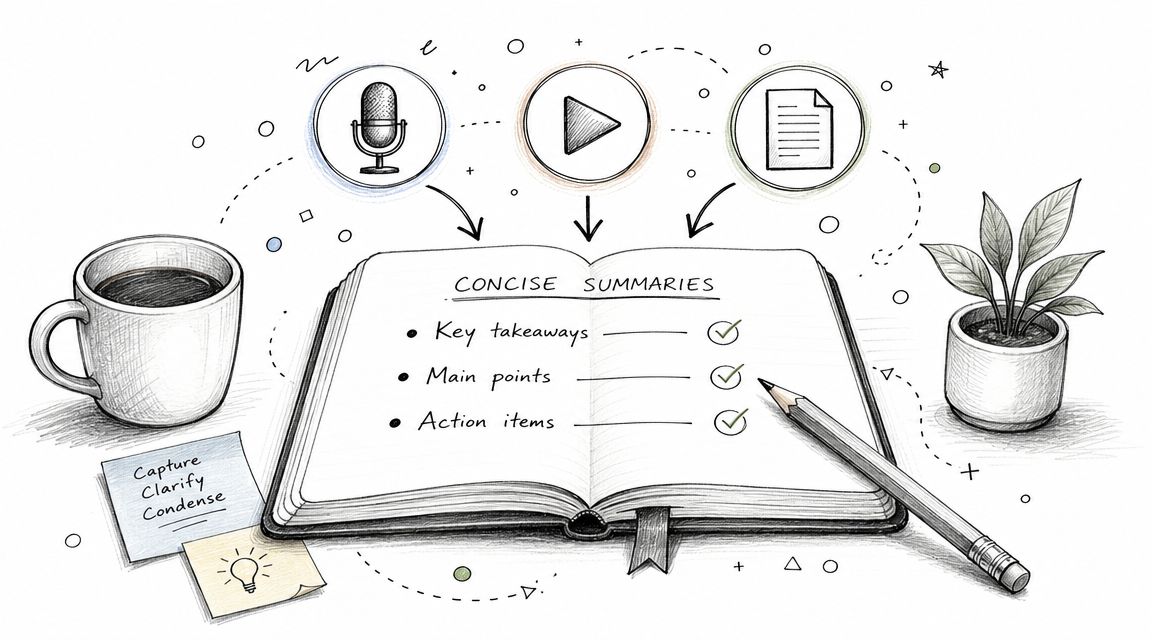
Synthesis takes this a step further by weaving together key points to form new insights. Tools like Whisper AI can generate automatic summaries, providing an excellent foundation. You can then use the full transcript to build your own, more nuanced summary, which is a powerful technique for deep processing and long-term retention.
Practical Implementation
- Students: After a lecture, use an AI-generated summary as a guide. Then, I advise reviewing the full transcript to create a more detailed personal study guide, focusing on the concepts you found most challenging.
- Content Marketers: Transcribe a long-form video or podcast. Synthesize the key insights from the transcript into a series of concise social media posts, a blog article, or an email newsletter.
Key Insight: The act of creating a summary is more important than the summary itself. By comparing your own summary to an AI-generated one, you can identify gaps in your understanding and refine your ability to pinpoint essential information. To master this skill, you can explore our guide on how to write an objective summary and apply it to your listening practice.
10 Listening Comprehension Strategies Compared
From Passive Hearing to Active Understanding: Your Next Steps
Navigating the path to improve listening comprehension is not a quest for a flawless memory but a journey of strategic engagement. Throughout this guide, we've explored ten powerful techniques I've personally used, moving beyond generic advice to provide actionable frameworks. You've learned how to transform passive hearing into active understanding by integrating methods like active note-taking, content chunking, and predictive listening.
The core takeaway is this: comprehension is a skill, not a gift. It's built through consistent, intentional practice. By focusing on specific strategies such as developing background context, using spaced repetition for retention, and actively monitoring your own understanding, you create a robust system for processing auditory information. Techniques like visualization and summarization aren't just academic exercises; they are practical tools that force deeper cognitive processing, helping you connect ideas and retain knowledge long-term.
Your immediate next step is to choose just one or two of these methods to implement. Perhaps you'll start by consciously segmenting the next podcast you listen to or by creating mental images during your next team meeting. The goal is to build a habit. Mastering how to improve listening comprehension unlocks significant advantages, from excelling in professional environments and academic pursuits to simply gaining more from the content you consume daily. By adopting these active strategies, you're not just hearing words; you're constructing meaning and unlocking a more profound connection to the world around you.
Ready to put these strategies into practice with a powerful assistant? Let Whisper AI handle the transcription and summarization, so you can focus on comprehension and analysis. Try Whisper AI today to turn any audio or video into accurate, actionable text and see how much more you can understand.