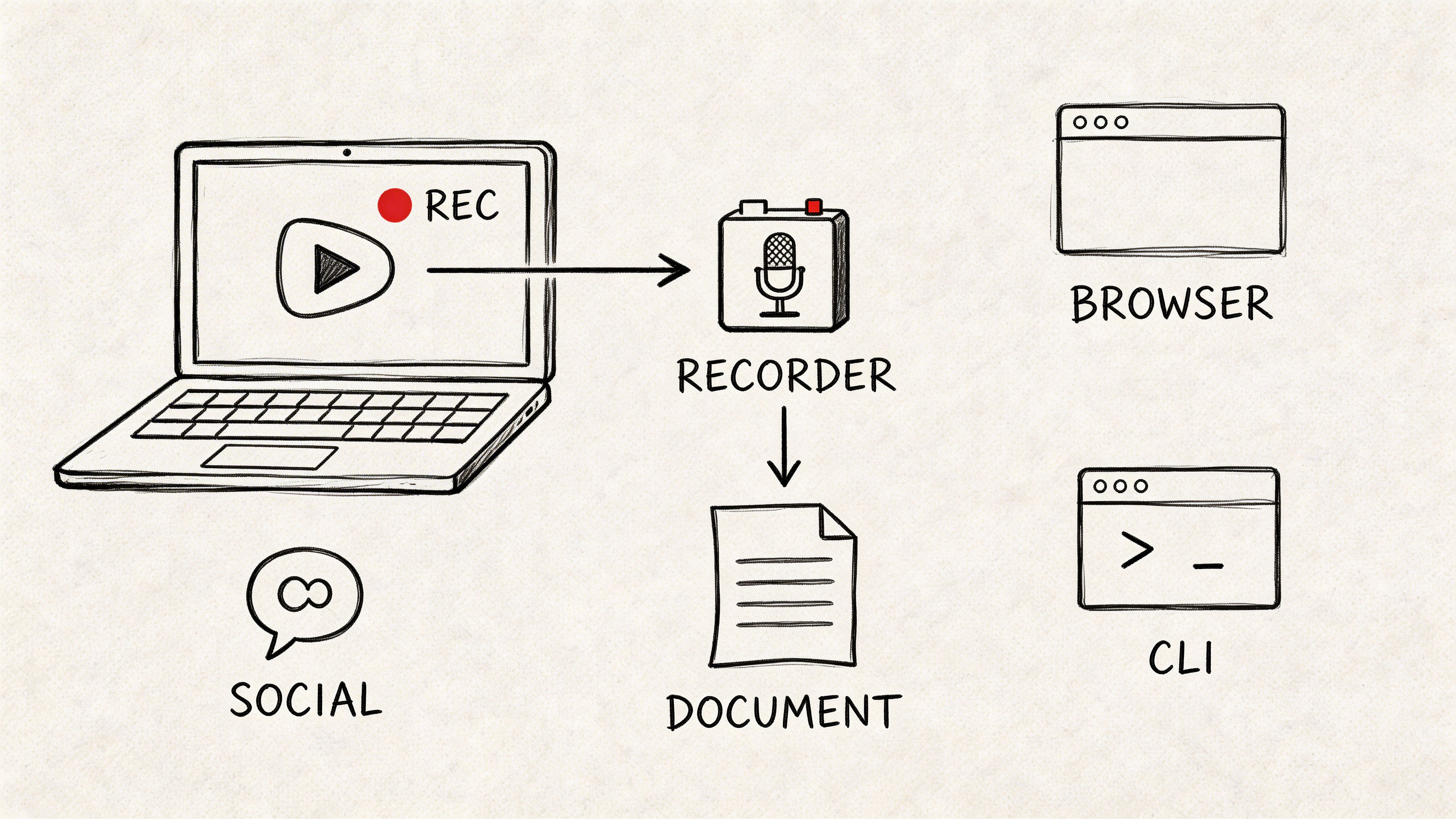
Your Practical Guide to Converting MP3 to Text with AI
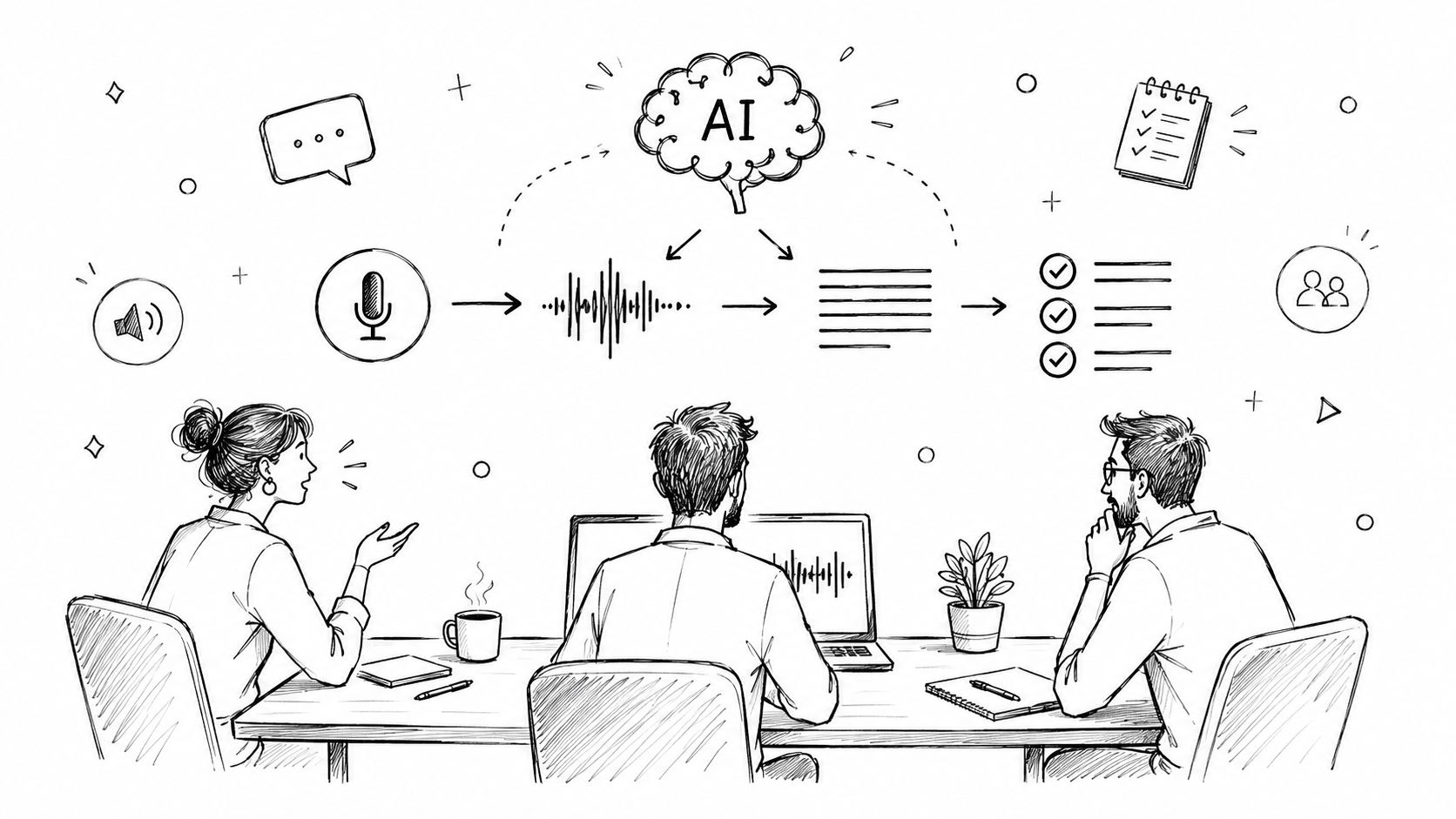
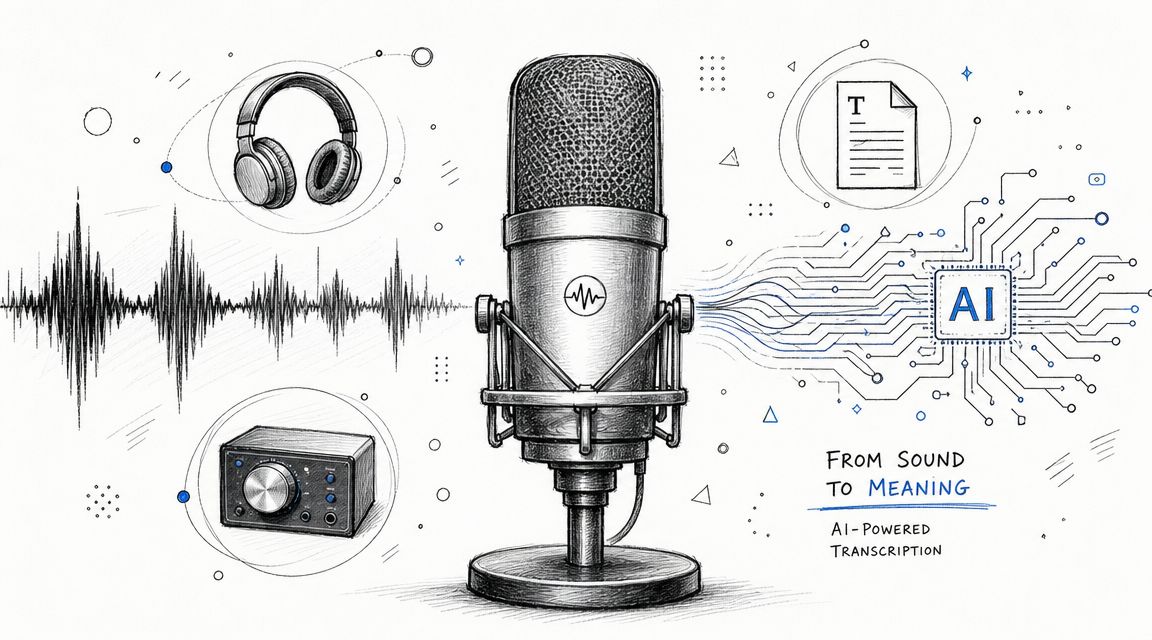
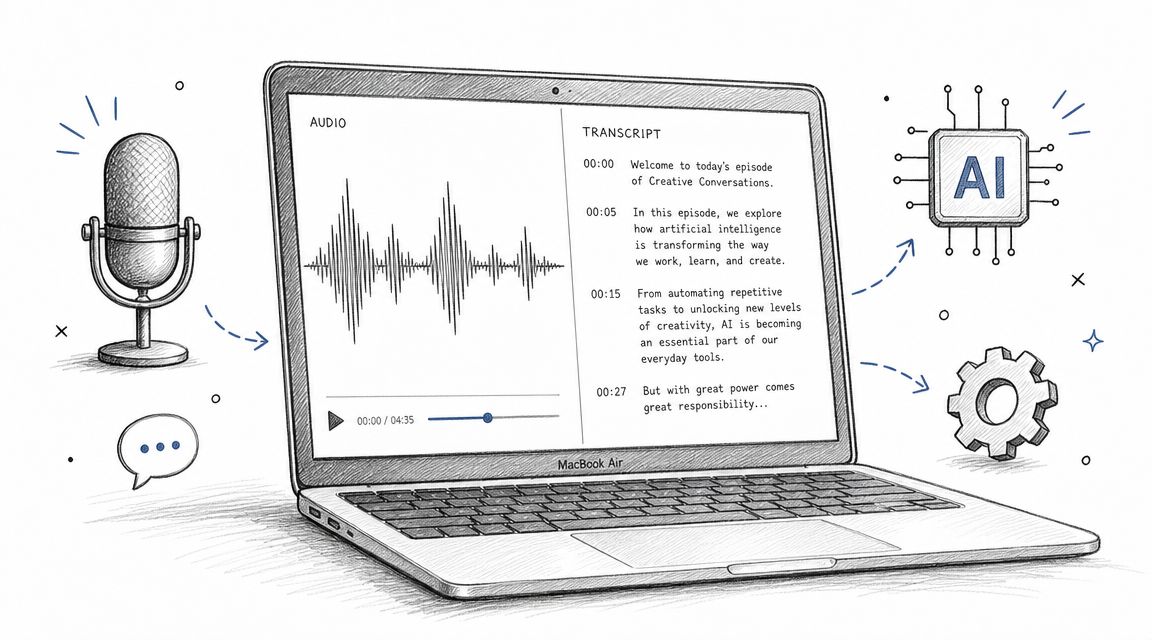
Ever listened to a great podcast episode or sat through an important meeting and wished you had a written version? The solution is converting your MP3 file into text using AI. This isn't just a shortcut to avoid typing; it's about making your audio content searchable, accessible, and much easier to analyze and repurpose.
Why Should You Convert MP3s to Text?
Before jumping into the "how," let's talk about the "why." From my experience, transcribing audio is one of the most effective ways to add value to your content, no matter what industry you're in.
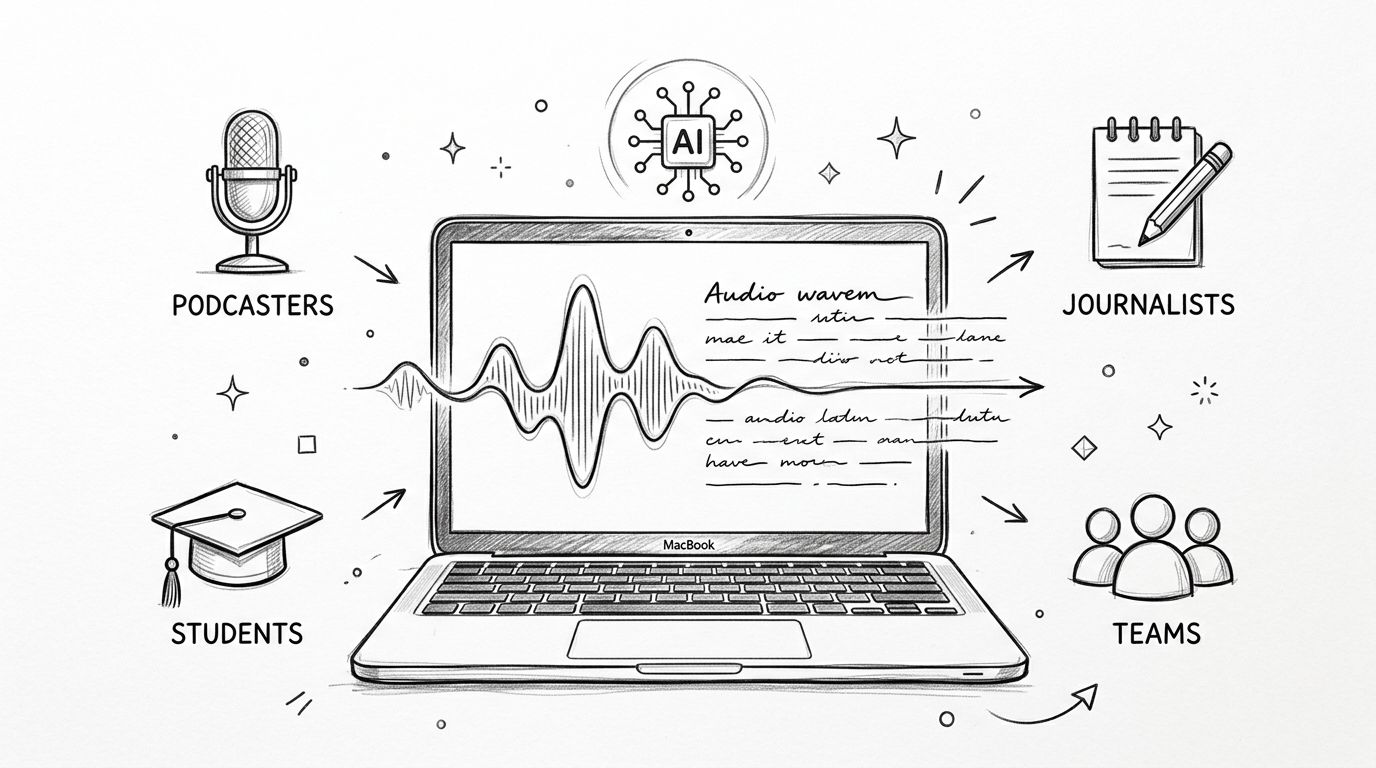
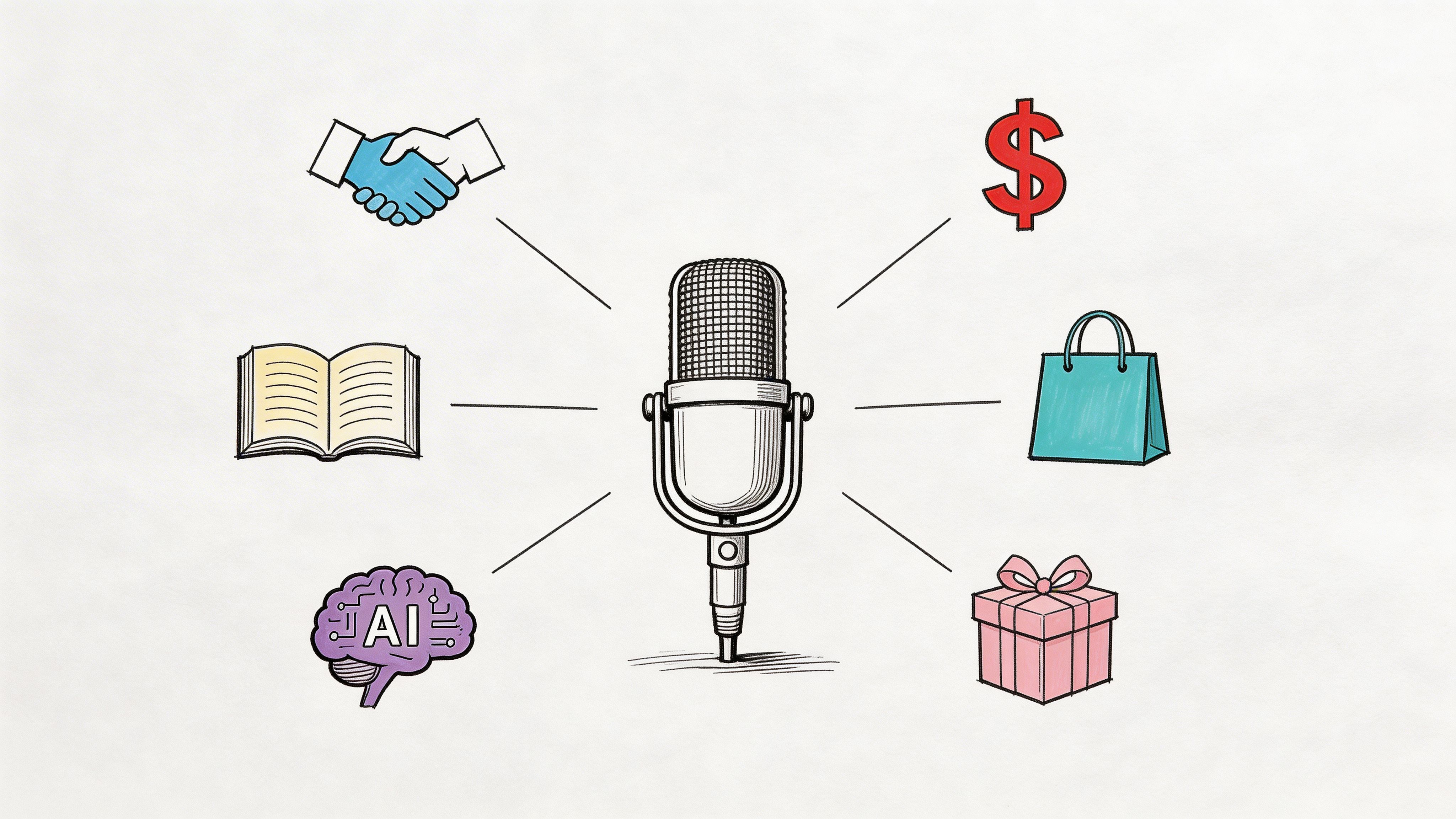
If you're a podcaster or YouTuber, a transcript can become a ready-made blog post or a set of detailed show notes. Suddenly, all those insightful conversations are being indexed by search engines, helping a completely new audience discover your work. It’s also the technology behind accurate auto captions apps, which are essential for keeping viewers engaged and making your content accessible to everyone.
Finding Valuable Insights in Your Audio
But the benefits aren't limited to content creators. I've seen researchers use transcripts to sift through hours of interview recordings in minutes. Businesses can quickly analyze customer feedback calls to pinpoint common issues and compliments.
The advantages are clear:
- Improve Accessibility: Transcripts open up your audio content to people who are deaf or hard of hearing, and to those who simply prefer to read.
- Boost Your SEO: Search engines like Google can't listen to your audio files, but they can crawl and index text. A transcript puts your content directly on their radar.
- Analyze Content Efficiently: Need to find a specific quote or identify a recurring theme? A quick Ctrl+F on a transcript is far more efficient than scrubbing through an audio timeline.
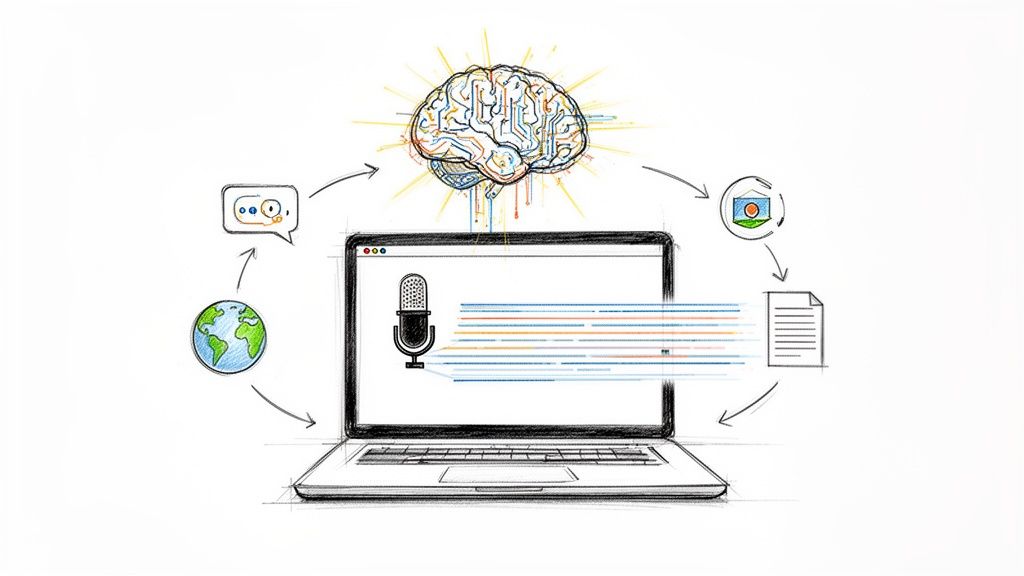
The powerful AI models available today have completely changed the transcription landscape. What used to be a time-consuming manual task can now be done automatically in dozens of languages with remarkable accuracy.
How to Choose the Right MP3 to Text Tool
Picking the best tool to convert an mp3 to text depends entirely on your specific needs. The right choice for a student transcribing a lecture is going to be very different from what a journalist needs for a sensitive interview.
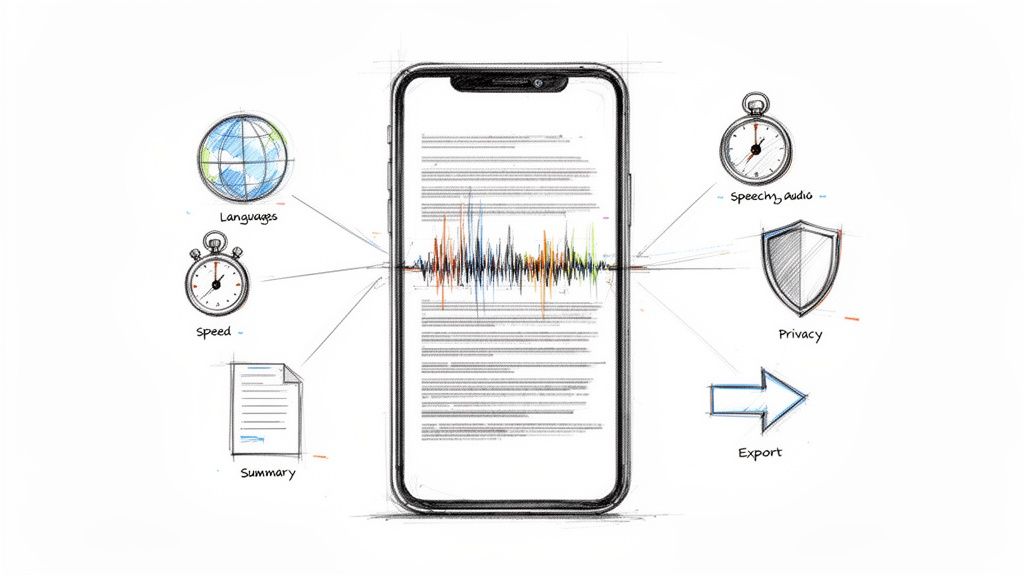
From my experience, it's best to think about your must-have features first. For instance, if you're analyzing a focus group recording, automatic speaker identification is a lifesaver. Without it, you're left manually figuring out who said what. Similarly, if your audio features speakers with different accents or languages, you'll need a tool with robust multilingual support to get an accurate transcript.
Key Factors to Consider
As you evaluate different services, keep these three criteria in mind:
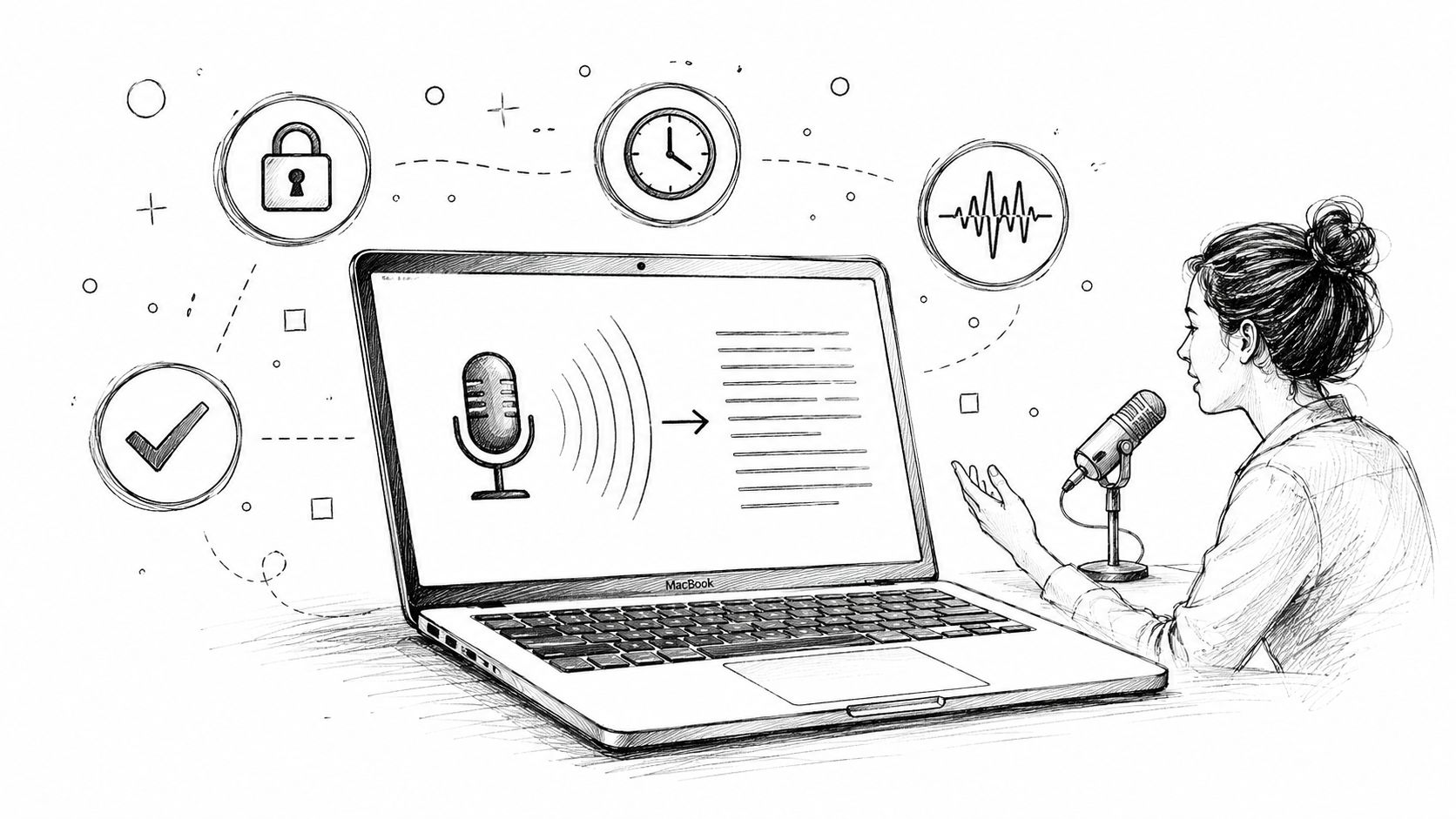
- Accuracy: This is the most important factor. How well does the tool handle your specific type of audio? If your recordings contain technical jargon, heavy accents, or background noise, you need a service that's up to the challenge.
- Security: This is especially crucial for confidential content. Look for providers that use strong encryption and have a transparent privacy policy. The safety of your data should be a top priority.
- Features: What else do you need besides the raw text? Consider whether you'll need automatic timestamps, a custom dictionary for industry-specific terms, or the ability to export your transcript in different formats like Word, PDF, or SRT.
To get a better sense of what's available, looking at a comparison of the best AI transcription software options can be a huge help. Seeing the features laid out side-by-side often makes the decision much clearer.
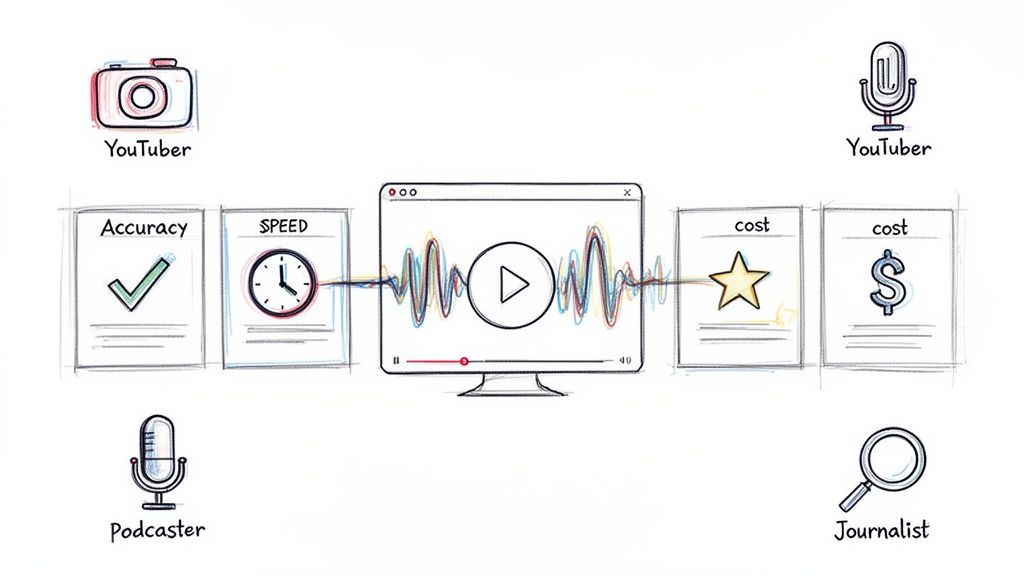
This decision tree illustrates how different users might select a tool based on their primary goals.

The key takeaway is that your role—whether you're a podcaster creating show notes or a researcher analyzing interviews—directly influences which features you should prioritize.
Comparing MP3 to Text Transcription Methods
To help you decide, here’s a quick breakdown of the common transcription methods. Each has its own strengths and weaknesses.
As you can see, there's a trade-off between speed, cost, and accuracy. An AI service is fantastic for getting a draft quickly, but for something like a court-admissible document, you'll still want a human to review it.
Ultimately, the best tool is the one that fits your workflow, budget, and security requirements. Don't just settle for the first free converter you find; a little research now can save you a lot of frustration later.
Getting familiar with the landscape of AI-powered transcription services is the first step. It will help you find a solution that doesn't just convert your files but genuinely makes your work easier and more effective.
A Step-by-Step Guide to Transcribing Your First MP3 File
Let's walk through the process together. Getting your first AI transcript is surprisingly straightforward. Imagine you've just finished a 15-minute podcast interview and you need to turn that MP3 to text for your show notes.
The first step with any AI transcription tool is uploading your file. Most platforms, including those built on Whisper AI, have a clear "Upload" button. You can typically drag and drop your MP3 file directly onto the page or browse your computer to select it. For a standard audio file, this takes just a few seconds.
Once the file is uploaded, the AI gets to work. But first, you need to provide a little more information about your audio to ensure you get the best possible result.
Configuring Your Transcription Settings
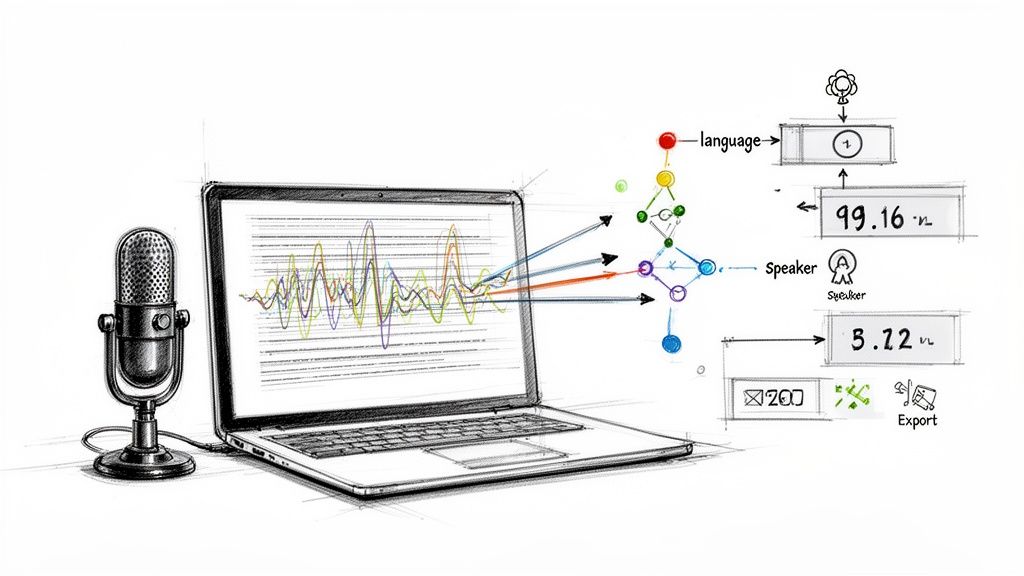
Before you hit "Transcribe," you'll see a few options. Taking a moment to adjust these settings tells the AI what to listen for and how to format the text, which can save you a lot of editing time later.
Here’s what I recommend you look for:
- Language: This seems obvious, but be precise. If your audio is in UK English, select that specifically. Most modern tools can handle dozens of languages.
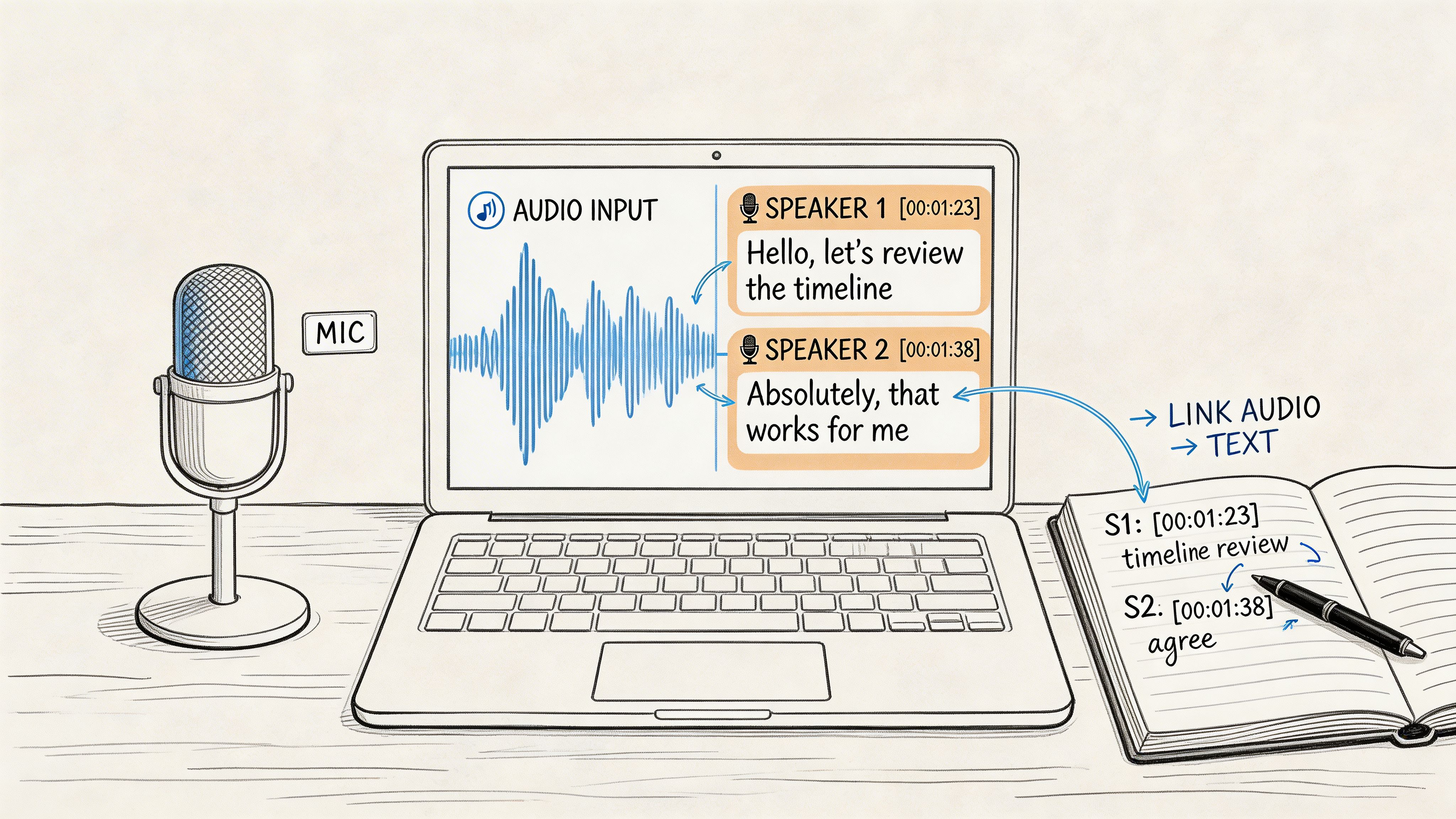
- Number of Speakers: This is a huge time-saver. If you know there are two people in your interview, telling the AI helps it correctly label who is speaking, a feature known as speaker labeling or diarization.
- Feature Selection: Some tools offer extra features like generating a summary or creating automatic chapters. If those sound useful for your project, select them.
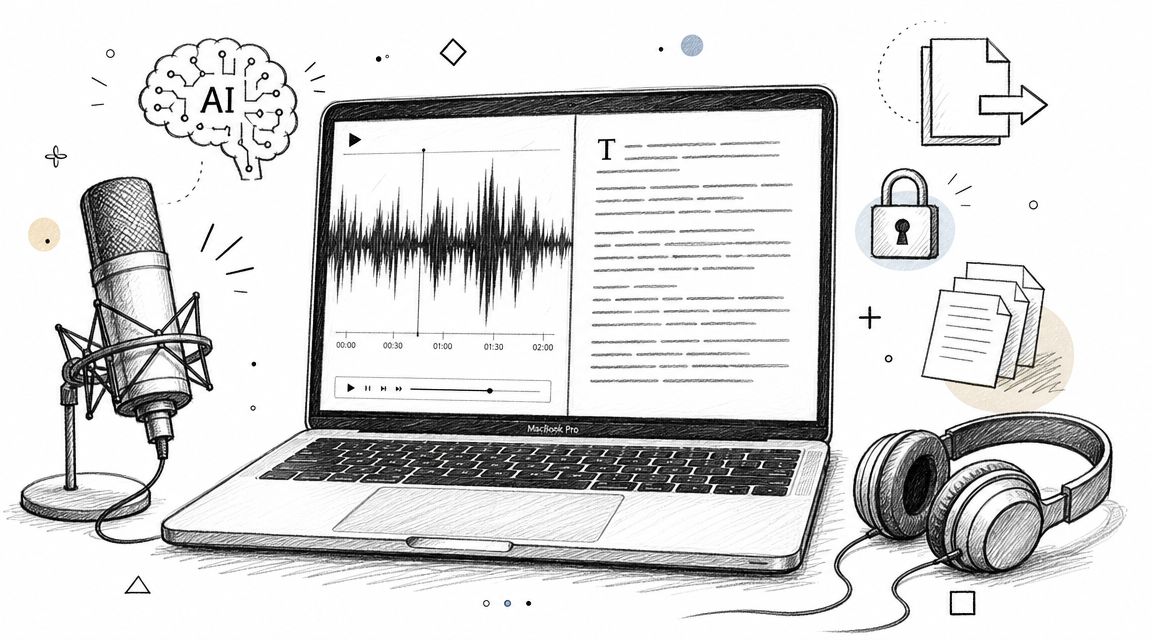
This screenshot shows a typical interface you'll encounter before starting the transcription.

As you can see, the layout is designed to be clean and intuitive, guiding you through the necessary steps for a high-quality transcript.
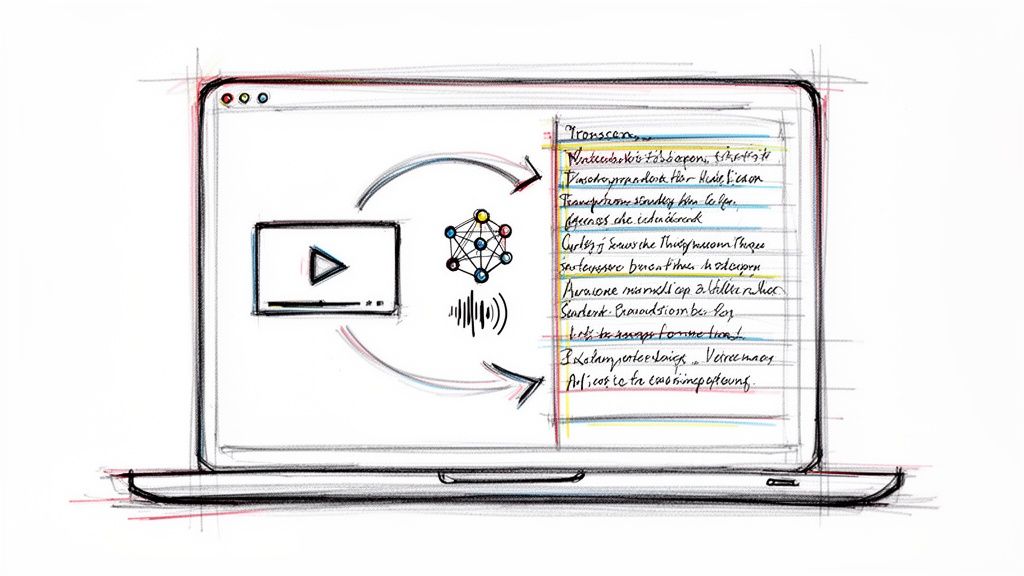
With your settings confirmed, it's time to let the AI do its job. For a 15-minute file, you can expect the full text to be ready in just a few minutes. Many tools even display the transcript in real-time as it's being generated. When it’s finished, you’ll have a complete, timestamped document ready for review. You can learn more about the best ways to convert audio to text to get the most out of these powerful tools.
The most important thing to remember is that this process is designed for everyone. You don't need a technical background to upload an MP3 and get a high-quality transcript. The system handles all the complex work, turning your spoken words into a clean, usable document.
How to Edit and Polish Your AI-Generated Transcript
https://www.youtube.com/embed/My-t09vy5Co
So, you have your raw transcript. It's a fantastic starting point, but even the best AI makes mistakes. This is where a little bit of human review can transform a good transcript into a professional, polished document.
The good news is that you don't need to scrutinize every single word. From my experience, a quick, strategic review is usually enough to catch the most common errors.
I always start by scanning for the obvious mistakes. I've found that AI tends to struggle with a few specific things that are easy for a human to spot.
Here’s my checklist for a first pass:
- Proper Nouns: AI often misspells the names of people, companies, or specific places. It might hear "Notion" and write "ocean."
- Industry Jargon: If your audio contains technical terms, the AI might substitute them with more common words that sound similar but are incorrect.
- Homophones: Words like "their," "there," and "they're" are classic stumbling blocks for AI.
Once you’ve corrected those glaring errors, the next step is to improve readability. The initial output from an mp3 to text conversion can often look like a solid wall of text.
Making Your Transcript Easy to Read
First, break up long paragraphs. I add a line break every time a new person speaks or when the topic of conversation changes. This simple adjustment makes the entire document feel more organized and less intimidating.
Next, I do a quick punctuation check. AI has improved significantly in this area, but it's not perfect. I look for run-on sentences, add missing question marks, and correct any unusual capitalization.
A great transcript isn't just accurate; it's also easy to follow. Spending a few extra minutes on formatting and punctuation makes a world of difference for anyone reading it.
For some projects, like creating video subtitles or analyzing specific moments in an interview, you need the text to be perfectly synchronized with the audio. If that's your goal, you'll want to learn more about creating a transcription with timecode. This final step ensures every word aligns perfectly with the audio, making your transcript ready for any professional use case.
Pro Tips for Achieving a More Accurate Transcription
I've learned that the secret to a great transcript isn't just the AI tool you choose; it's heavily dependent on the quality of your original audio file. If you put a little effort into your recording process, you’ll see a significant improvement in the final text when you convert your MP3 to text.
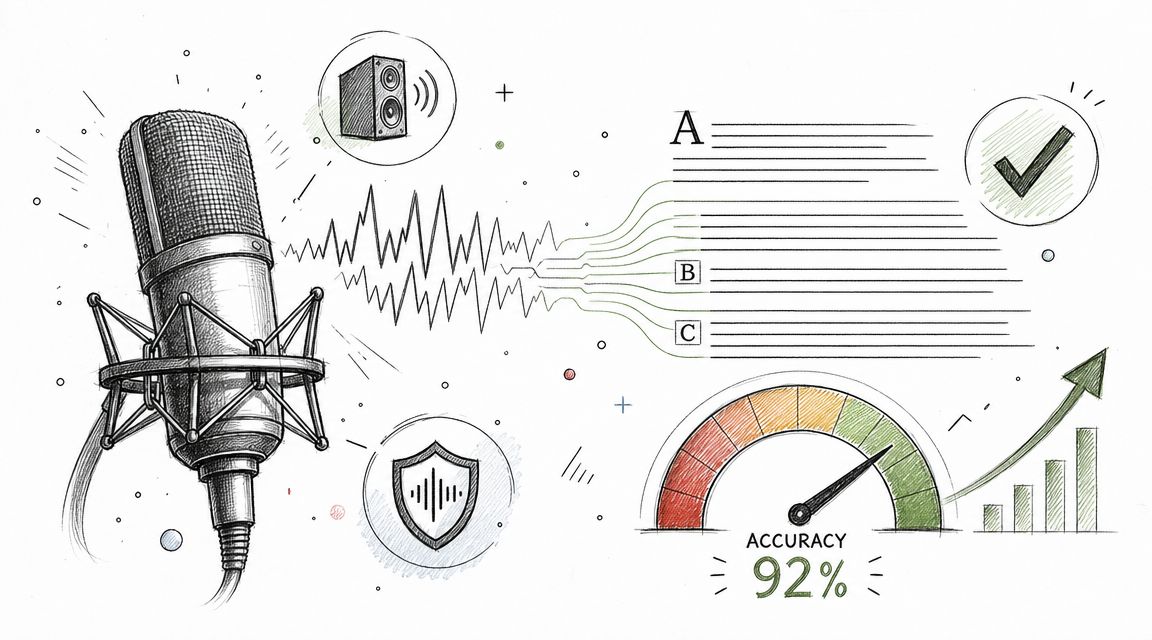
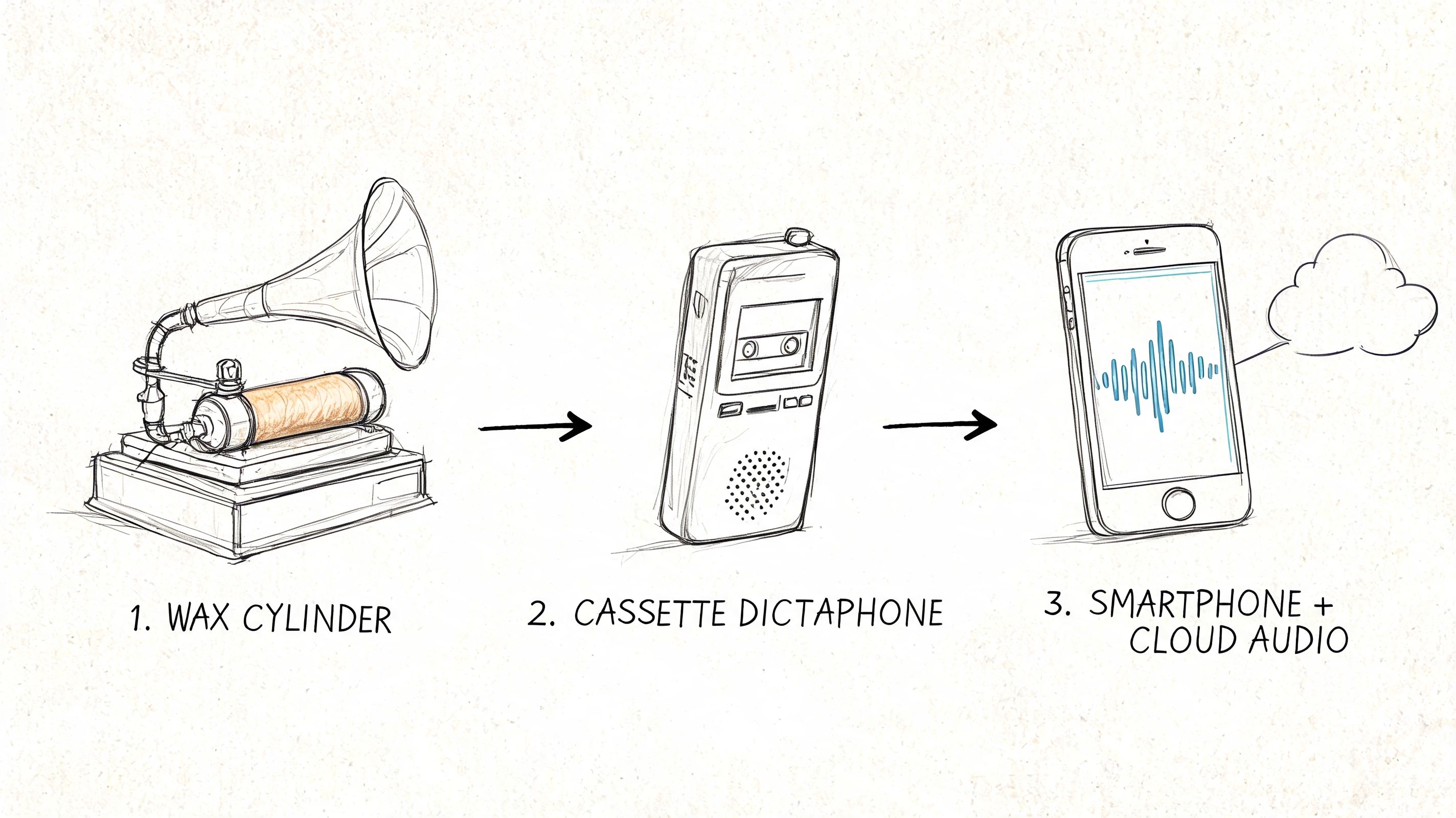
Think of it as giving the AI a clear, well-lit workspace. When there's less background noise for the algorithm to filter out, it can better focus on the spoken words. This is a far cry from the early days of speech recognition. Back in 2001, the best systems had an accuracy rate of around 80%. The deep learning models we use today are in a different league, but they still perform best with high-quality input. You can read more about the history and accuracy milestones of speech recognition to appreciate how far the technology has come.
Setting Your Audio Up for Success
To get the cleanest possible transcript from the start, I recommend focusing on these simple recording habits:
- Use a Decent Microphone: You don't need a professional studio, but using an external microphone instead of your laptop's built-in one makes a huge difference. It captures your voice with greater clarity and reduces echo.
- Record in a Quiet Environment: This sounds obvious, but it’s critical. Record in a quiet space. Close the windows, turn off any fans or air conditioning, and silence your phone. Every background noise, from a dog barking to a humming refrigerator, can confuse the AI.
- Speak Clearly and Avoid Crosstalk: If multiple people are speaking, encourage them to talk one at a time. Mumbling, speaking too quickly, and talking over each other are the fastest ways to get a messy, inaccurate transcript that requires extensive editing.
It all comes down to the old saying: Garbage In, Garbage Out. A few minutes of preparation before you hit record can easily save you an hour of tedious editing later. Making these small adjustments is the single best thing you can do to ensure a smooth transcription process.
Frequently Asked Questions About MP3 to Text
Even with the best tools, you might still have some questions about turning audio into text. Here are answers to a few common ones I hear all the time.
How Fast Can I Get My Transcript?
The answer is likely much faster than you think. The total time depends on the length of your audio file, but modern AI tools are incredibly efficient.
For a typical one-hour interview or podcast, a service like Whisper AI can often deliver the complete transcript in just 5-10 minutes. The process is so fast that you'll have your text back before you can finish a cup of coffee.
Are There Any Truly Free Transcription Services?
Yes, but it's important to understand the limitations. Many platforms offer a free trial or a small number of free transcription minutes each month, which is great for testing the service or for short, one-off projects.
However, free plans usually come with trade-offs:
- File Size Limits: You might be restricted in how long your audio file can be.
- Lower Accuracy: The most advanced and accurate AI models are often reserved for paying customers.
- Fewer Features: Useful tools like automatic speaker identification or custom dictionaries might not be included.
A free plan is perfect for a test run, but for consistent, high-quality results, a paid subscription is typically the better choice.
How Secure is it to Upload My Audio Files?
This is a valid concern, especially if you're working with confidential or sensitive conversations. Reputable, professional transcription services take security very seriously. They use strong encryption to protect your files from the moment you upload them to when you download the final transcript.
My best advice is to always review the privacy policy before uploading any files. A trustworthy platform will be transparent about how it handles your data and will explicitly state that your files will not be used for training their AI models without your consent.
Ready to see how fast and accurate AI transcription can be? Whisper AI uses a blend of top-tier AI models to deliver polished text from your audio in minutes. Give it a try for free and experience the difference for yourself.