How Do Podcasters Make Money? 7 Proven Strategies for 2026
So, you want to know how podcasters actually make money? Let's get one thing straight: it’s rarely from a single, magic-bullet revenue source. Forget the myth that you need millions of downloads to earn a living. The reality is that most successful creators build a sustainable income by smartly stacking several different revenue streams together.
Based on my experience working with hundreds of podcasters, the key is finding the right mix of monetization models that fits your show, your audience, and your goals. This guide will walk you through the exact strategies I've seen work time and again.
The Four Main Ways Podcasters Get Paid
Think of your podcast's income like a well-balanced investment portfolio. You wouldn't put all your money into one stock, right? The same logic applies here. Relying on a single income source is risky, but a diversified strategy creates stability and opens up more doors for growth down the road.
For almost every podcaster out there, revenue flows from four main areas: ads and sponsorships, direct listener support, affiliate marketing, and selling your own products or services.
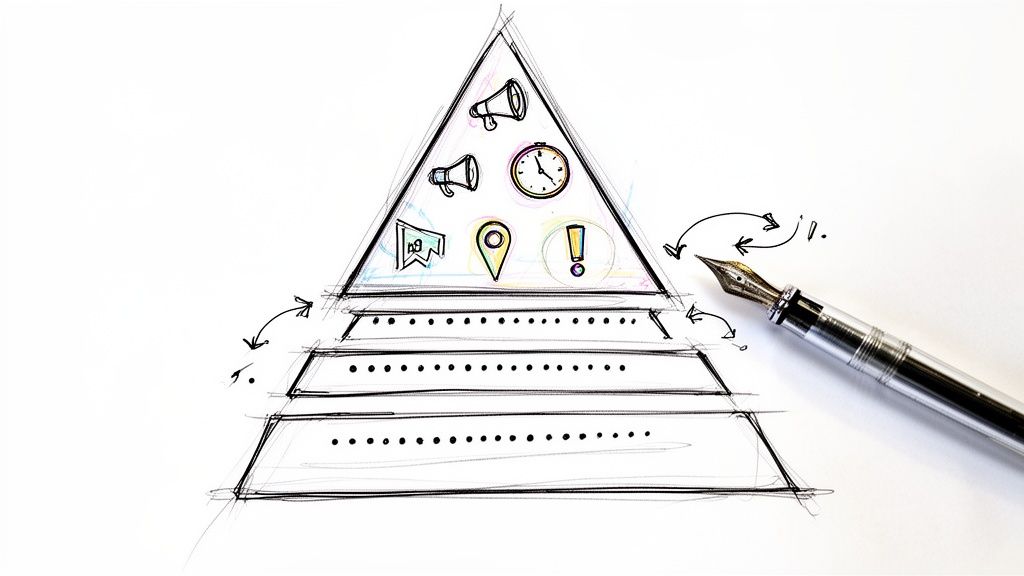
This infographic gives you a great visual breakdown of these four core strategies and shows which types of podcasts are a natural fit for each.
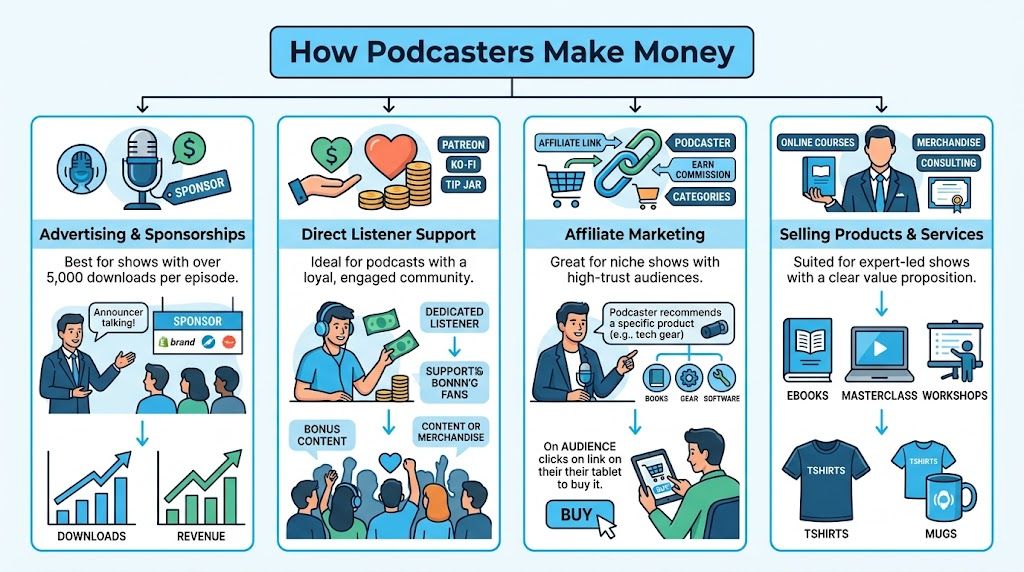
As you can see, there's no "one-size-fits-all" answer. The path you take will really depend on the size of your audience, the loyalty of your community, and the level of trust you've worked so hard to build.
A Realistic Look at Earning Potential
Before we get into the nitty-gritty of each method, it's important to set some realistic expectations. Making money from your podcast is a marathon, not a sprint. This table gives you a general idea of what you can expect to earn from each strategy as your show grows.
| Strategy | Typical Revenue Potential (Per Month) | Best For |
|---|---|---|
| Advertising & Sponsorships | $200 - $10,000+ | Shows with 5,000+ downloads/episode |
| Direct Listener Support | $100 - $5,000+ | Shows with a loyal, engaged community |
| Affiliate Marketing | $50 - $2,000+ | Niche shows with high-trust audiences |
| Selling Products & Services | $500 - $15,000+ | Expert-led shows with a clear value proposition |
The journey from your first dollar to a full-time income is built on consistency and providing genuine value. Your initial focus should be on building an engaged audience that trusts you. Profitability naturally follows a strong creator-audience relationship.
Of course, none of these monetization methods work without an audience. Building a strong presence on social media is essential for growth. For many, exploring dedicated Instagram growth services tailored for podcasters can be a smart move to speed things up. A larger, more engaged following makes every single one of these income streams more powerful.
In the next few sections, we’ll dive deep into each of these four pillars. I'll give you actionable steps, real-world examples, and the tools you need to start building a profitable podcast.
1. Mastering Podcast Advertising and Sponsorships
When people ask how podcasters make money, the first thing that usually comes to mind is advertising. It’s the most well-known route, and for good reason—it’s the engine that powers a huge part of the industry. The model is simple: brands pay you to put their message in front of your audience.
In 2026, ads and sponsorships make up about 60% of all podcast revenue. We’re talking about a massive market, with global ad spending hitting a cool $4.46 billion this year. Standard rates, or CPMs, are hovering between $20 and $25. For a show with 10,000 downloads per episode, that’s $200–$250 in your pocket from just one ad spot. If you want to dive deeper into the numbers, you can explore these podcasting revenue trends to see just how much the market has grown.
Decoding Podcast Ad Terminology
Before you can start pitching brands, you need to be able to speak their language. The podcasting world has its own lingo, but it’s all pretty straightforward once you get the hang of it.
Here are the key terms you’ll run into constantly:
- CPM (Cost Per Mille): This is just a fancy way of saying "cost per thousand" downloads. It’s the industry standard for pricing ads. So, if a sponsor agrees to a $25 CPM and your new episode gets 5,000 downloads, you’ve just earned $125 ($25 x 5). Simple as that.
- Pre-Roll Ad: This is a short, 15-30 second ad that plays right at the start of your show. Think of it as the opening act before your main content kicks in.
- Mid-Roll Ad: These ads run during a natural break in the middle of your episode. Since your listeners are already hooked and engaged, these are considered the most valuable ad slots and fetch the highest rates.
- Post-Roll Ad: Just like it sounds, this is an ad that plays after your episode has wrapped up. It’s a good spot for a final call-to-action, but they're generally less common than pre- and mid-rolls.
Getting these terms down is the first step. It shows you know what you’re talking about and gives you the confidence to negotiate deals with potential sponsors.
How to Find Your First Sponsors
Here’s a secret I share with new podcasters: you don't need a massive audience to land your first sponsor. In fact, many brands are specifically looking for smaller, niche shows with a super-engaged and targeted community. The trick is knowing where to find them and how to frame your pitch.
Start by brainstorming brands that would genuinely resonate with your listeners. If your podcast is about sustainable living, pitching a fast-fashion brand is a dead end. But a company selling reusable home goods? That's a perfect match.
Key Insight: Authenticity is everything. The best ad reads don't even sound like ads; they sound like a genuine recommendation from a friend. Brands are well aware of this and actively search for hosts who can weave their products into the conversation naturally.
Once you have a list of dream sponsors, it's time to be proactive. Don't just sit back and hope they stumble upon your show. Most first deals happen because the podcaster reached out.
Here’s a simple game plan to get you started:
- Create a Media Kit: This is your podcast's resume on a single page. It should cover your show's description, who your listeners are (demographics), your download numbers, and how to get in touch. Keep it clean and professional.
- Find the Right Contact: Hop on LinkedIn or the company's website and look for someone with "marketing" or "partnerships" in their title. A personalized email to the right person will always beat a generic "info@" address.
- Write a Compelling Pitch: Keep your email short and sweet. Introduce your show, explain why you think their brand is a fantastic fit for your audience, and attach that media kit you just made.
Focus on the value you bring to the table. Instead of just listing your download stats, explain who your listeners are and why they would be excited about the brand. This shows you've done your homework and are serious about building a real partnership.
2. Building a Community with Listener Support and Subscriptions
While ads are the most talked-about way to make money from your podcast, they aren't the only game in town. In fact, some of the most reliable and predictable income comes from building a genuine community and inviting your most dedicated listeners to support you directly.
This is where listener support and premium subscriptions come into play. Instead of selling access to your audience to other brands, you're creating a direct partnership with your fans. They fund your show because they truly believe in the work you're doing, and in return, you give them a little something extra. It shifts the entire focus from chasing massive download numbers to nurturing the audience you already have.

This isn't a niche strategy anymore—it's a massive and growing part of the creator economy. By 2026, direct fan support is projected to account for about 20% of all podcast revenue. That's a huge slice of the pie. Globally, podcasters are already bringing in $400–$450 million each year from their communities through platforms like Patreon, Spotify, and Apple Podcasts. You can dig into these numbers in these creator revenue forecasts.
Even for a show with a more intimate audience of 1,000–5,000 listeners, this can be a game-changer, realistically generating $100–$1,000 per month.
Choosing the Right Platform for Your Community
Getting started with a subscription or membership is incredibly straightforward these days. There are several fantastic platforms built for exactly this purpose, each with its own flavor.
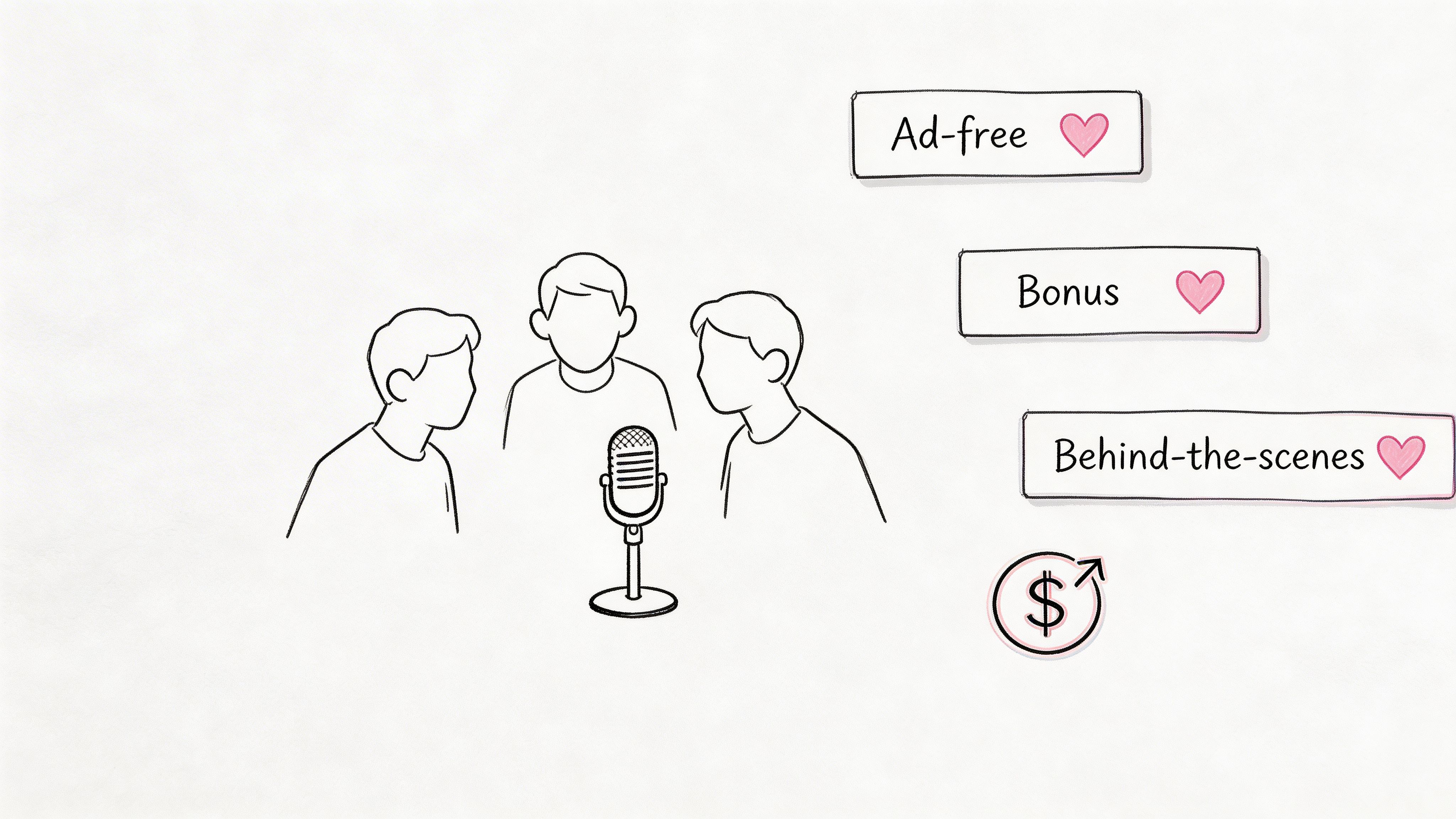
- Patreon: This is the OG of membership platforms and gives you total creative control. You can set up different membership tiers with unique perks. For instance, a $5/month tier might get ad-free episodes, while a $10/month tier gets a bonus Q&A video.
- Apple Podcasts Subscriptions: If you know a big chunk of your listeners are in the Apple ecosystem, this is a no-brainer. It lets you offer premium content right inside the Apple Podcasts app, making it dead simple for your fans to subscribe.
- Spotify for Podcasters: Just like Apple, Spotify lets you lock specific episodes for subscribers only. This is perfect for offering early access or bonus episodes on the platform where millions of people already listen.
The best advice? Start small. You don't need five complicated tiers from day one. A single, affordable option with one or two clear benefits is the perfect way to test the waters and get your program off the ground.
Creating Content That Justifies a Subscription
Here's the most important part: people don't pay for a podcast out of charity. They pay for value. Your premium content has to feel like a genuine perk—something that makes them feel like an insider for supporting you.
Key Insight: Think of your premium content as a "director's cut" for your biggest fans. It should enhance the experience for those who want more, but it shouldn't be required to understand or enjoy your main show.
So, what kind of perks actually work? Here are a few tried-and-true ideas that listeners are happy to pay for:
- Ad-Free Episodes: This is the easiest and most-requested perk. Simple, but highly effective.
- Bonus Episodes: Give them more of what they love. This could be a monthly "ask me anything" (AMA) session, a behind-the-scenes chat, or a deep dive into a topic you only touched on in the main show.
- Early Access: Let your subscribers hear new episodes 24-48 hours before anyone else. It costs you nothing and instantly creates a feeling of exclusivity.
- Exclusive Community Access: Set up a private Discord server or Facebook group. This gives your supporters a place to connect with you and, just as importantly, with each other.
To make this all work, you'll need to get comfortable talking about it. Mention your membership program at the end of your episodes, but do it authentically. Explain what a supporter gets and, most importantly, thank them for making the show possible. This isn't just about selling a product; it’s about strengthening the bond with your audience. Of course, this all starts with building a loyal following, which is a journey in itself. Check out our full guide on how to grow a podcast audience to master that crucial first step.
3. Generating Income With Affiliate Marketing and Merchandising
While sponsorships and subscriptions get all the attention, two of the most powerful monetization strategies don't require huge download numbers at all. In fact, you can start earning with affiliate marketing and merchandising much earlier in your podcasting journey.
These methods work because they are built on trust and community, not just raw audience size.
Think of affiliate marketing as earning a commission for a recommendation you’d probably make anyway. It’s like telling a friend about a great restaurant, but in this case, the restaurant sends you a thank-you check when your friend eats there. It feels authentic because it is authentic.
The key is to only promote products you genuinely use and love. Listeners have a sixth sense for a phony sales pitch, but a real-deal endorsement of a tool that saved you time or solved a problem feels like valuable advice from a trusted friend.
Getting Started With Affiliate Marketing
So, where do you start? The best place is your own toolkit. Think about the products, software, or services you already rely on that would be a no-brainer for your audience.
If you host a true-crime podcast, why not recommend the microphone you use for that crisp audio? If you talk personal finance, sharing the budgeting app on your phone is a perfect fit.
Once you have a shortlist, here's how to move forward:
- Find Affiliate Programs: Most big companies, like Amazon with its Associates program, have established affiliate sign-ups. A quick search for "[Brand Name] affiliate program" is usually all it takes to get started.
- Negotiate Custom Codes: Don’t be shy about reaching out to smaller brands directly. Proposing a unique discount code, like "MYPODCAST15," is a win-win. Your audience gets a deal, and the brand gets a simple way to track sales from your show.
- Track Your Performance: Use the dashboards your affiliate programs provide. This data is pure gold—it shows you what’s clicking (literally) and what your audience truly values.
Remember to place your affiliate links where they're easy to find, especially in your show notes. Check out these podcast show notes examples for ideas on how to integrate them smoothly.
Turning Your Podcast Into a Brand With Merchandising
Merchandising is another brilliant way to monetize your show, essentially turning your most dedicated listeners into walking ambassadors. This isn't about launching a retail empire; it's about giving your community a tangible way to signal they're part of the club.
The best part? You no longer need to risk thousands of dollars on inventory. Print-on-demand (POD) services have completely changed the game for creators.
With POD, you can design t-shirts, mugs, hats, and pretty much anything else without ever touching a single piece of stock. When a listener buys from your online store, the POD company prints, packs, and ships the item for you. You just collect the profit.
This approach is a game-changer for a few key reasons:
- Zero Upfront Cost: You never pay for an item until after a customer has already bought it.
- No Inventory Management: Say goodbye to the nightmare of storing boxes of unsold t-shirts in your garage.
- Creative Freedom: You can launch new designs, test inside jokes, or try out different products with absolutely no financial risk.
The most successful podcast merch is born from the show itself—think inside jokes, memorable quotes, or a slick logo. It takes your audio and makes it a real-world brand people are proud to wear.
4. Monetizing Your Expertise Through Digital Products and Services
Every time you release an episode, you're doing more than just filling an RSS feed. You’re building a reputation as a trusted voice in your field, one free "seminar" at a time. This consistent value you provide lays the groundwork for one of the most profitable ways to monetize a podcast: selling your own products and services.
This strategy changes the game entirely. Instead of simply renting your audience's attention to advertisers, you're directly solving their problems with something you've built. Once you've earned that trust, listeners are already warmed up and ready to buy when you offer them a premium solution.
Turning Listeners Into Customers
Think about it. You already spend hours identifying your audience's biggest challenges and giving away great advice for free. The natural next move is to package that expertise into something more focused and valuable—whether that's a quick-win ebook or a deep-dive online course.
This makes your podcast your most powerful marketing channel. You aren’t just pitching a random product; you’re offering the next logical step on a journey your listeners have already begun with you.
A podcast is one of the most intimate ways to build trust. Your voice is literally in your listener’s ears while they’re washing dishes or driving to work. Over time, this consistent presence builds a connection that makes them more likely to take your recommendations and buy your products.
That trust is gold. It’s the magic ingredient that turns someone from a passive listener into an enthusiastic customer.
Creating and Selling Your Own Offerings
The best part about selling your own stuff? You’re in complete control. You set the price, you own the content, and you keep the profits. There's no ad network taking a cut or a sponsor dictating your script. You can build a whole ecosystem of products that help your audience at different price points and commitment levels.
Here are the most common paths expert podcasters take:
Digital Products: These are fantastic because you create them once and can sell them forever.
- Ebooks & Guides: A perfect entry-level product, usually priced between $19 - $49.
- Templates & Worksheets: These are instant problem-solvers for a specific, nagging task.
- Online Courses: For when you want to go deep on your subject. These can range anywhere from $197 - $1,997+.
High-Touch Services: Here, you're trading your focused time and expertise for a premium.
- Consulting & Coaching: Use your authority to offer one-on-one or group guidance.
- Workshops & Masterminds: Create an exclusive, small-group setting for accelerated learning.
- Paid Speaking Gigs: Think of your podcast as a 24/7 audition tape for event organizers.
The secret is to start with an offer that directly solves a problem you find yourself talking about on your show again and again.
Validating Your Idea Before You Build
The single biggest mistake I see creators make is pouring months into building a product that nobody actually wants. Your podcast is a direct line to your future customers, so use it to test your idea before you sink a ton of time and money into it.
Here’s a simple way to validate your next big idea:
- Listen Intently: What questions pop up in your DMs, emails, and comments over and over? What topics generate the most buzz? That's where the demand is.
- Float the Idea: Casually mention on your show that you're thinking about creating a course or a workshop on that popular topic. Ask listeners to email you or reply to a post if they're interested.
- Run a Pre-Sale: This is the ultimate test. Ask people to pay for the product before it's even finished, usually with a nice early-bird discount. If you get sales, you've got a certified winner.
Using this method takes all the guesswork out of the equation. You're not just building something you think your audience wants; you're co-creating it with them, ensuring you have paying customers waiting for you on day one.
5. Using AI Tools to Boost Your SEO and Monetization
Making money from your podcast isn't just about creating great episodes. It's about getting those episodes in front of the right people, and that's where so many of us hit a wall. Audio has a fundamental discovery problem: search engines like Google can't "listen" to your content, so you remain invisible to millions of potential listeners.
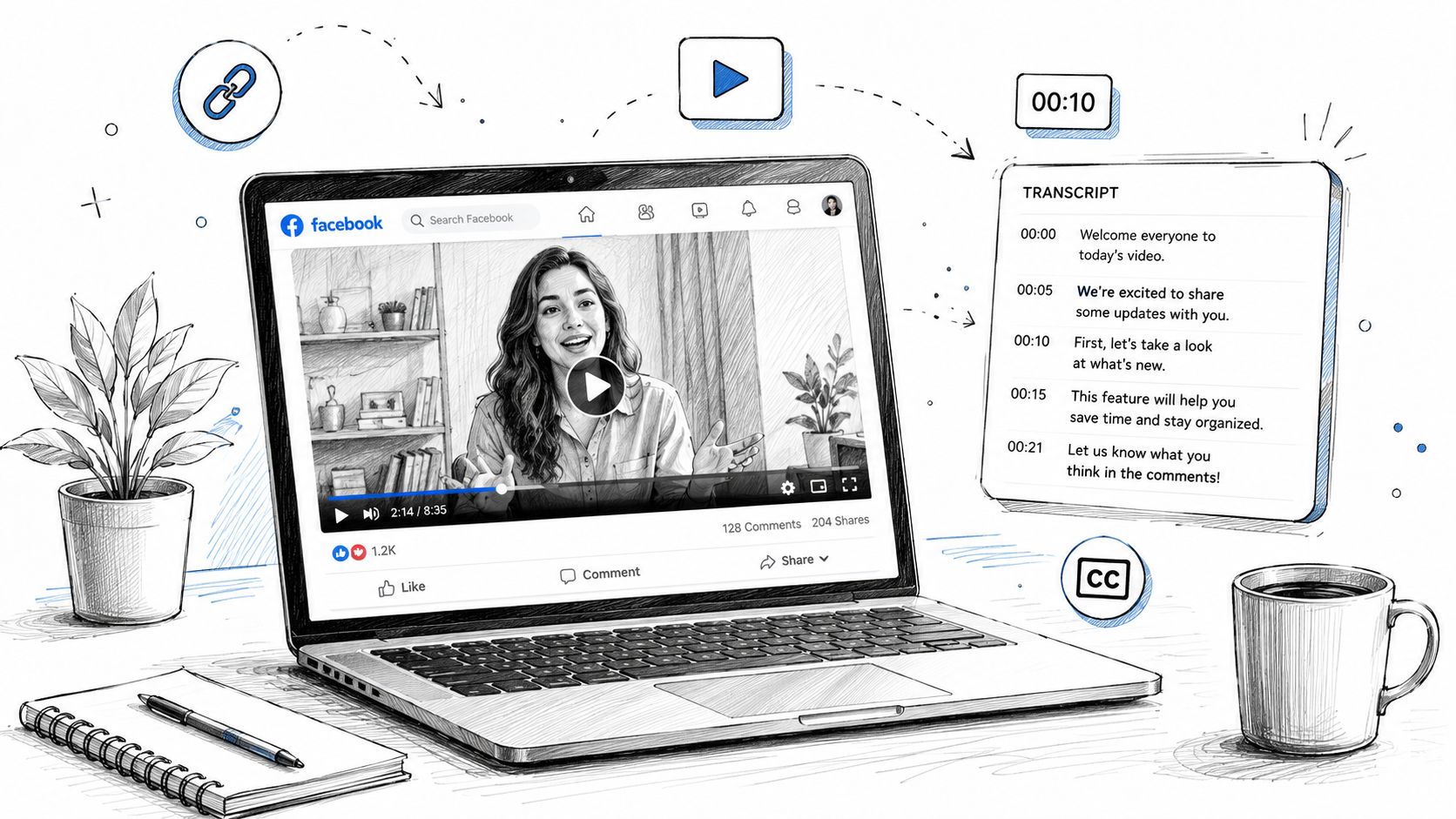
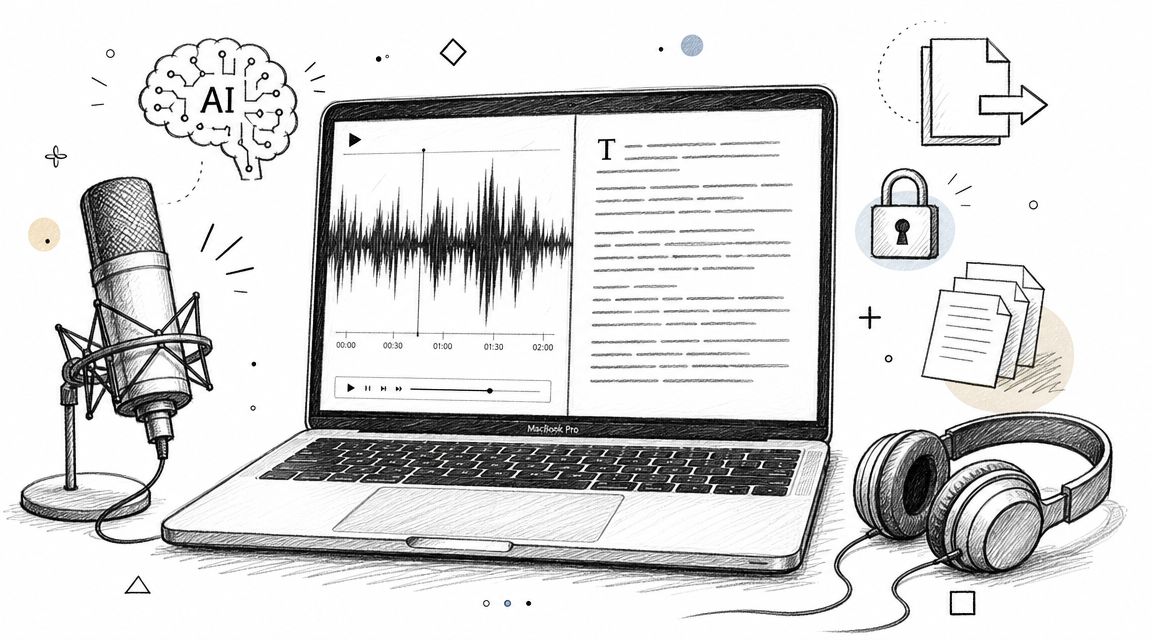
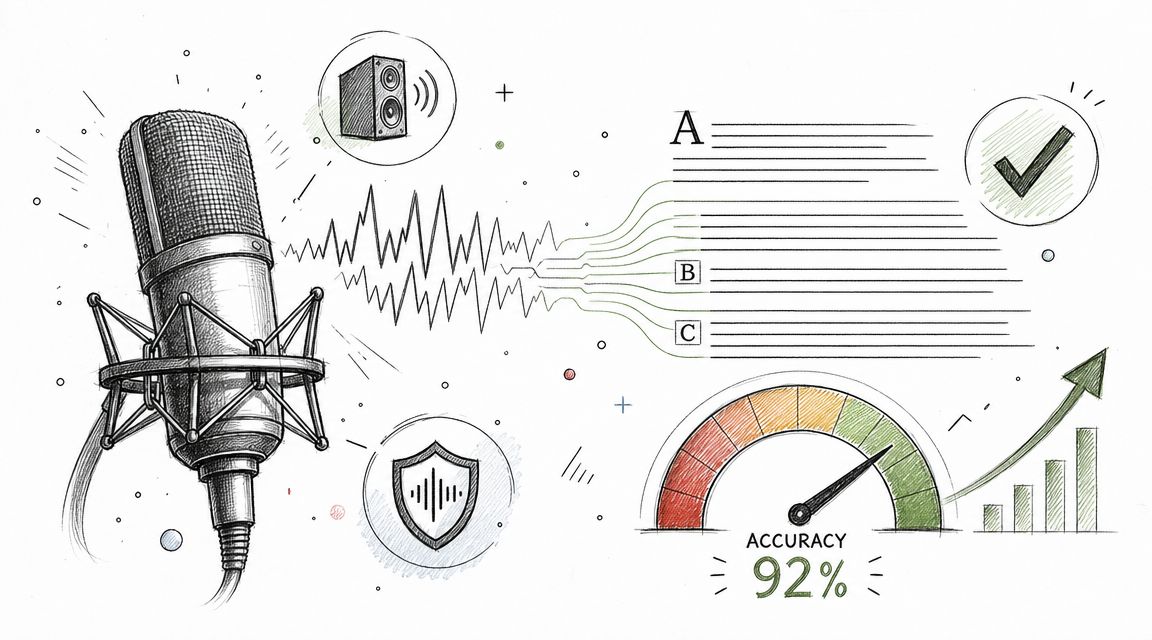
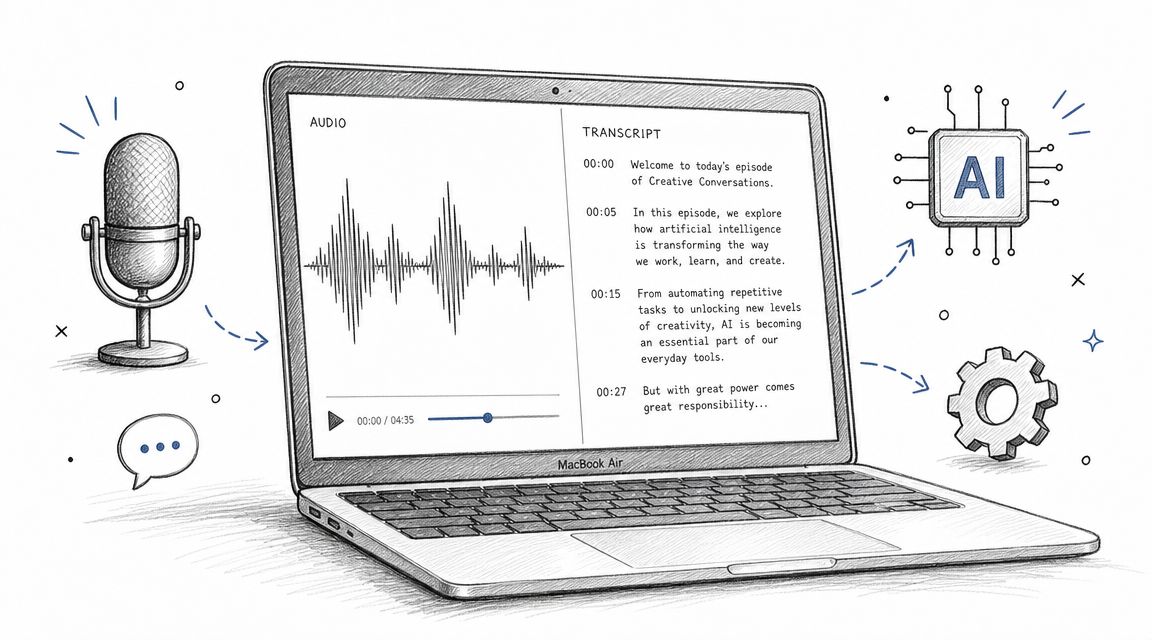
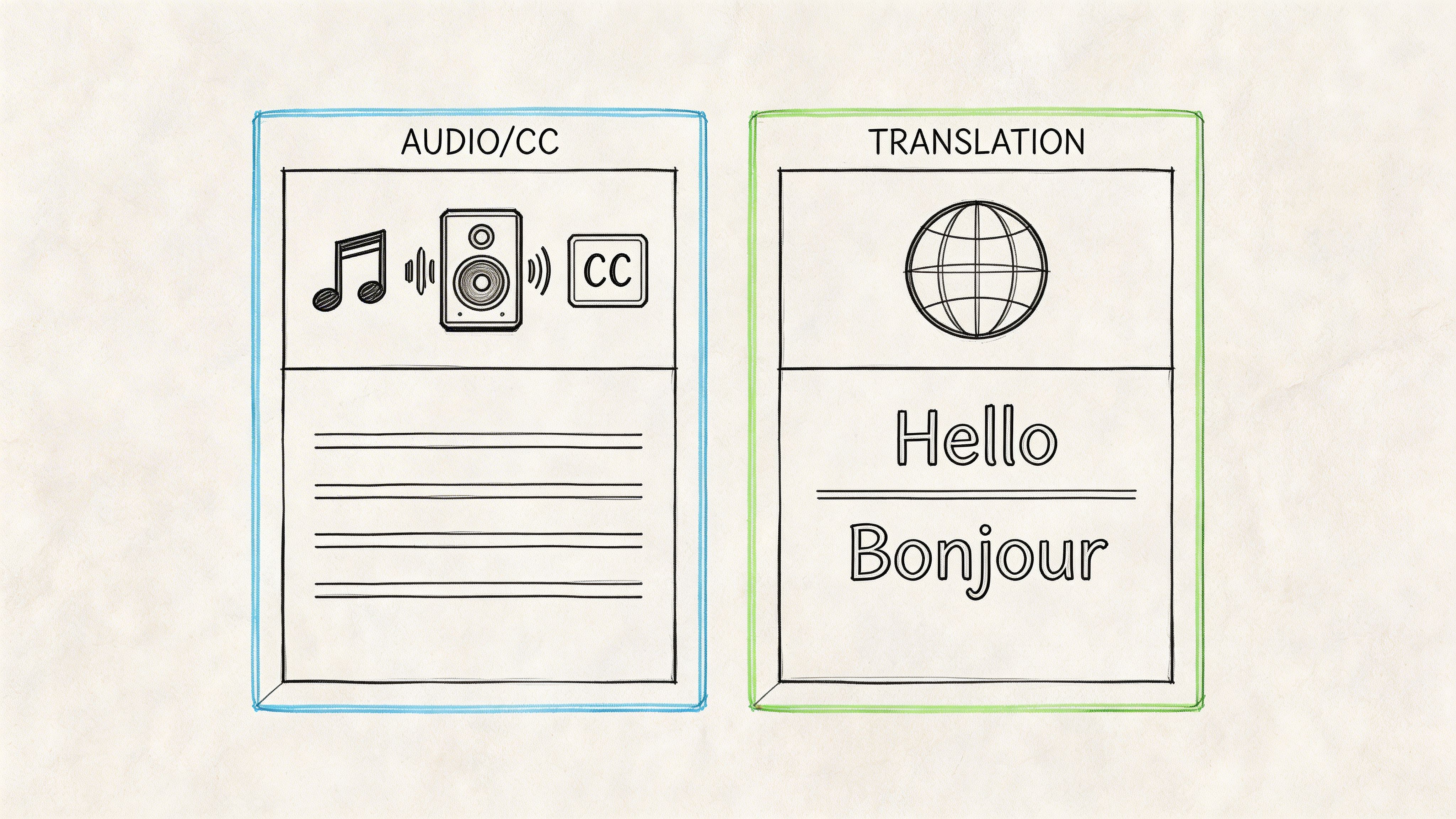
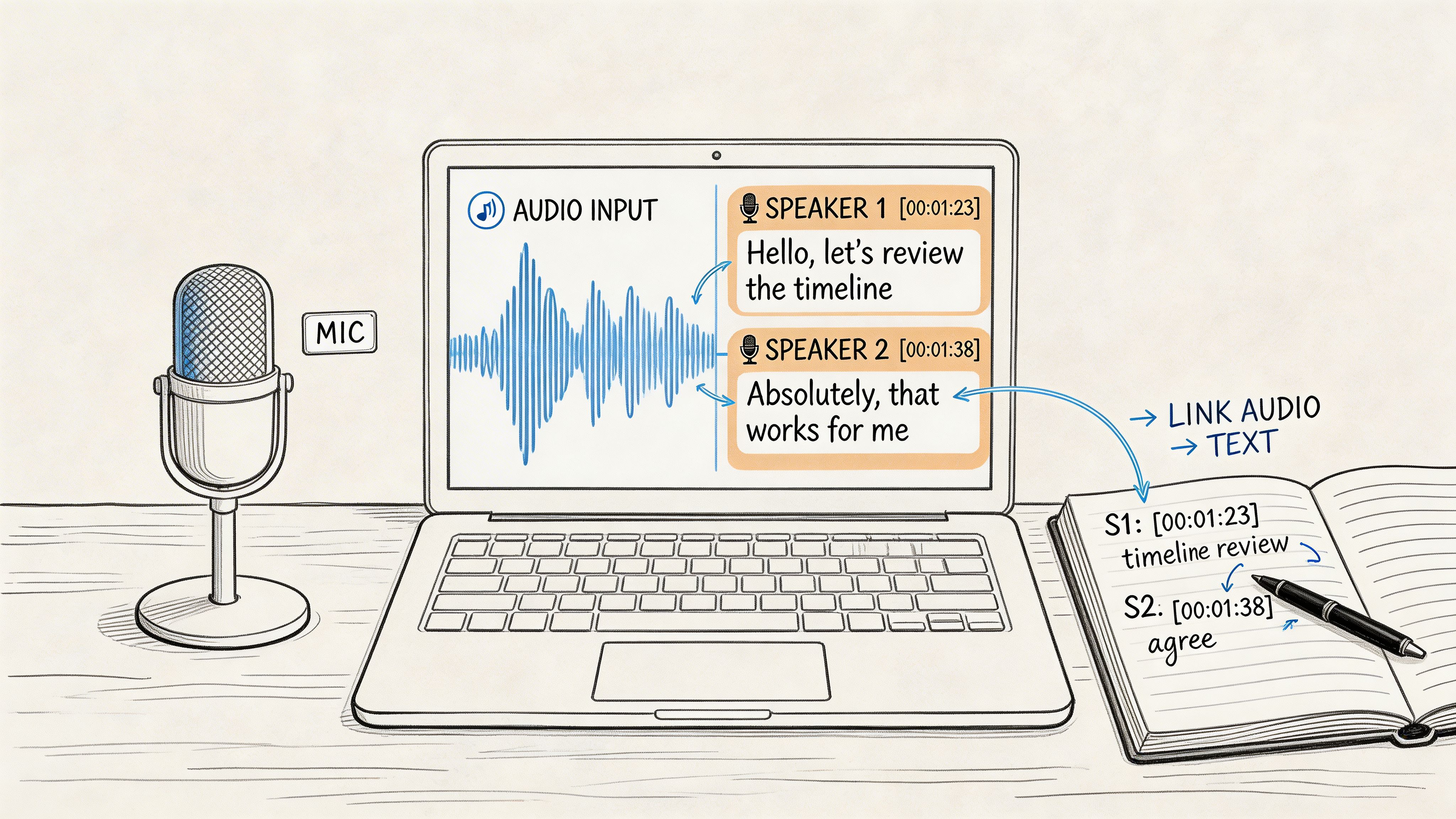
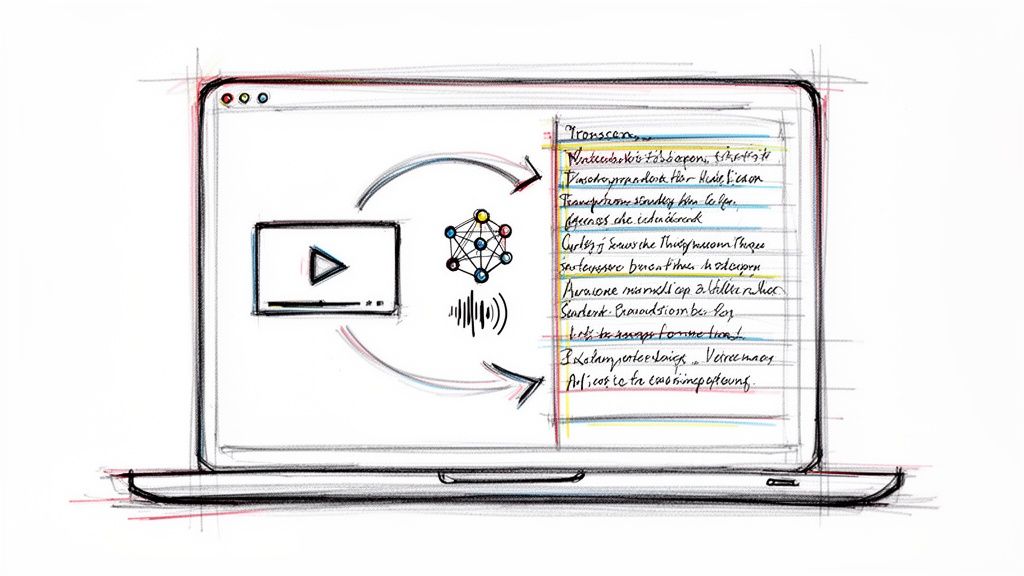
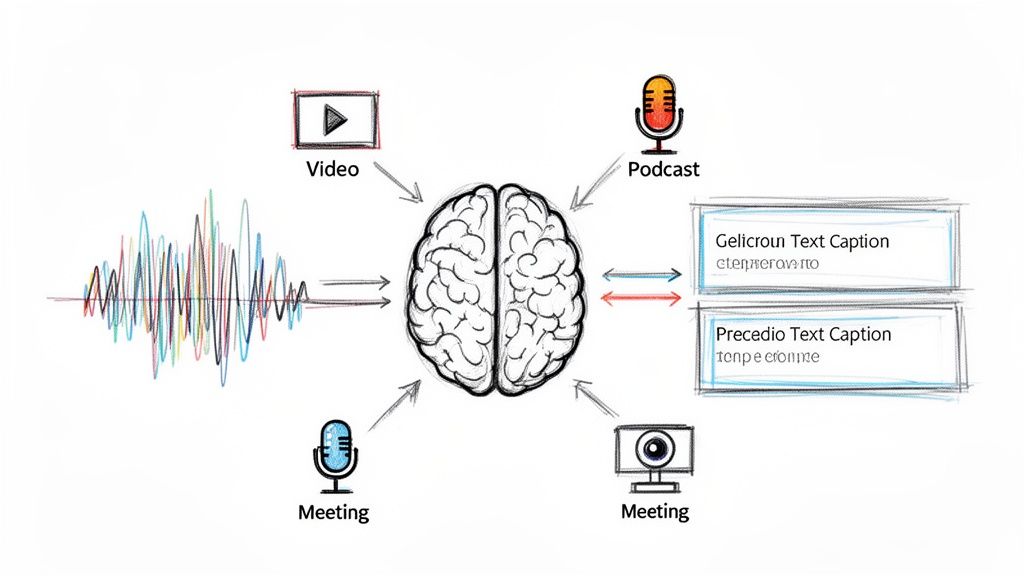
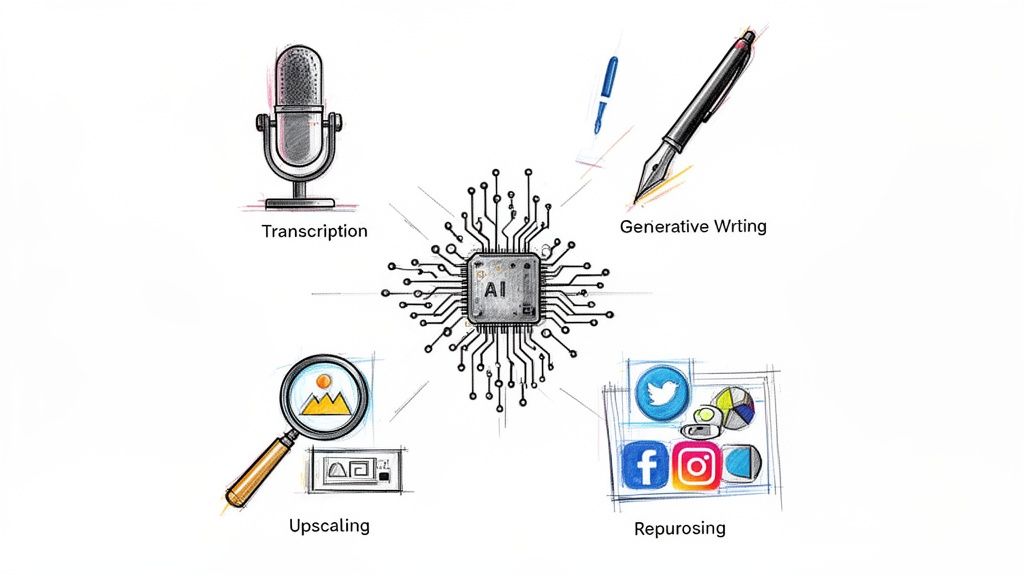
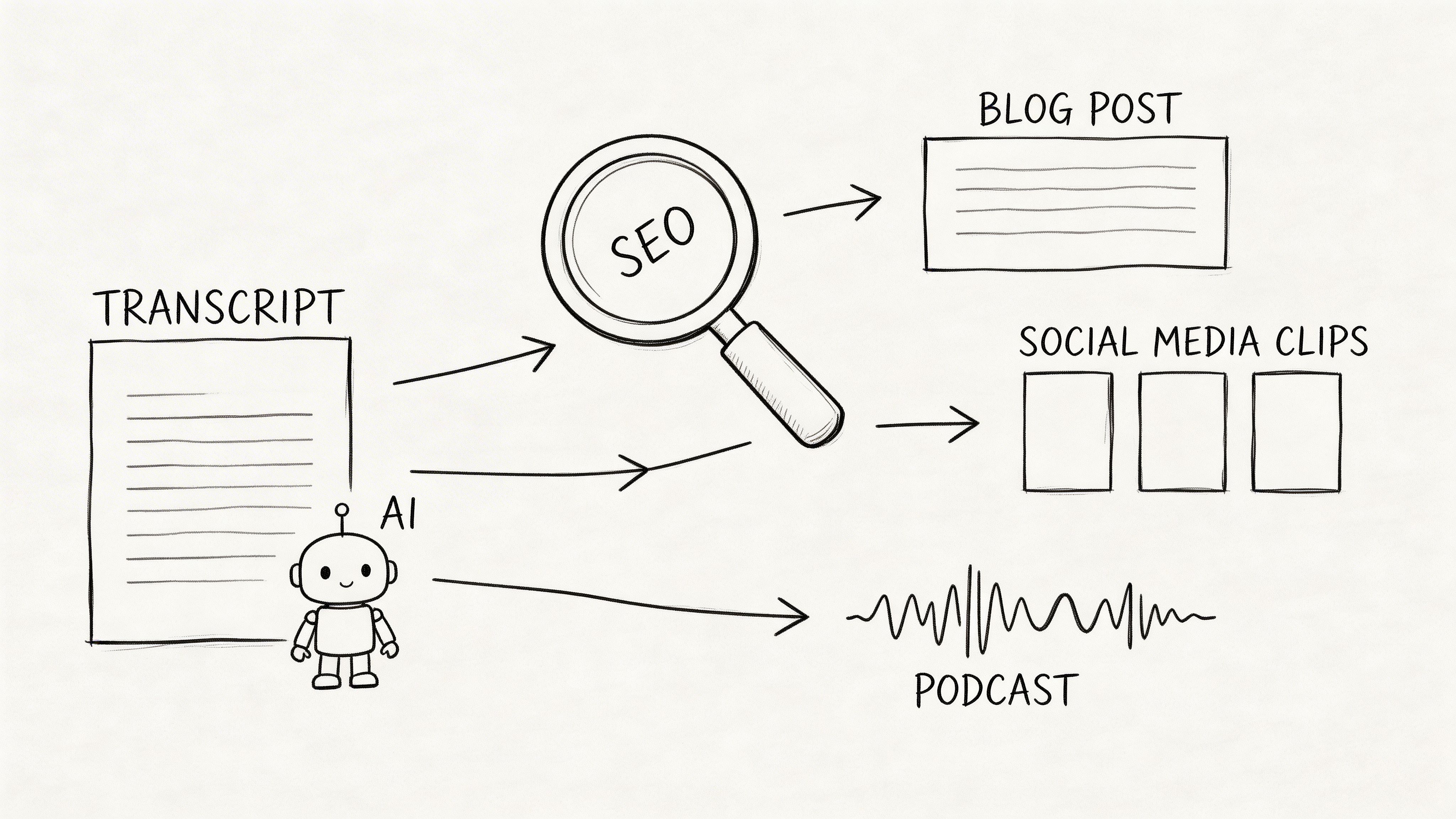
This is where AI tools completely change the game. By using a transcription service, you can turn every single word you speak into a text-based asset that search engines can crawl and index. Suddenly, your podcast isn't just living inside listening apps; it's showing up in Google search results for the exact questions and topics your audience cares about.
From Audio to an SEO Goldmine
Think of your podcast transcript as the raw material for a powerful content engine. For years, the conventional wisdom was that podcasts were impossible to optimize for search, leaving all the SEO glory to blogs and YouTube. While platforms like Apple and Spotify have gotten better with their internal search, nothing beats having a full transcript on your own website.
An accurate transcript lets search engines see everything—every topic, guest name, and key phrase you mention. This means someone searching for a niche problem you solved at the 42-minute mark can find your show, even if they've never heard of it. It creates a direct path from their search query right to your content, attracting highly engaged new listeners.
Key Takeaway: An AI-generated transcript transforms your audio from a closed format into open, indexable text. This makes every spoken word a potential hook for search engines, dramatically increasing your show's discoverability and attracting a steady stream of new, relevant listeners.
This one document becomes the starting point for so much more content, which in turn helps you open up even more ways to make money. Once your spoken words are in text form, the possibilities are endless.
Multiply Your Content Without Extra Work
This is where you really start to work smarter, not harder. Instead of staring at a blank page trying to come up with new blog posts, social media updates, or newsletters, you can simply pull from your transcript. It’s like having a ready-made content library, freeing you up to focus on the things that actually grow your show and its revenue.
Here’s how just one episode can be repurposed to fuel your entire marketing strategy:
- Create SEO-Optimized Blog Posts: A full transcript can be quickly edited into a detailed blog post. This strategy is a one-two punch: it boosts your site's SEO and gives you a brand-new asset to share. You can learn more about how to transcribe a podcast to text and see how it becomes a high-performing article.
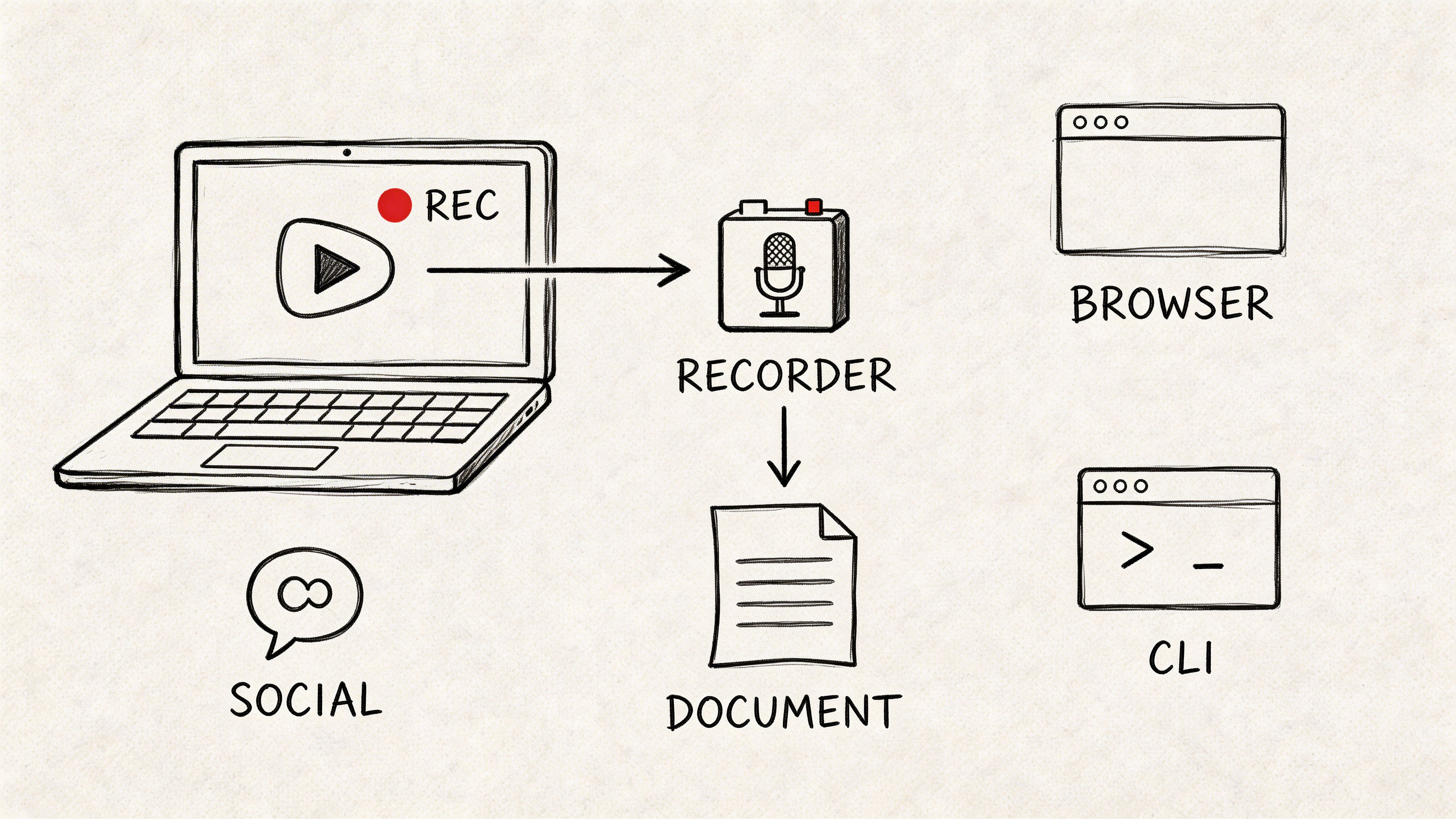
- Generate Engaging Social Media Clips: Scan the transcript to pinpoint the most powerful quotes, actionable tips, or funny stories. These golden nuggets are perfect for creating eye-catching quote graphics, short video clips, or viral tweet threads.
- Draft Compelling Email Newsletters: Pull the key takeaways and bullet points from an AI summary to create your weekly newsletter. It’s a fast and effective way to drive your subscribers back to your latest episode or a related product you’re selling.
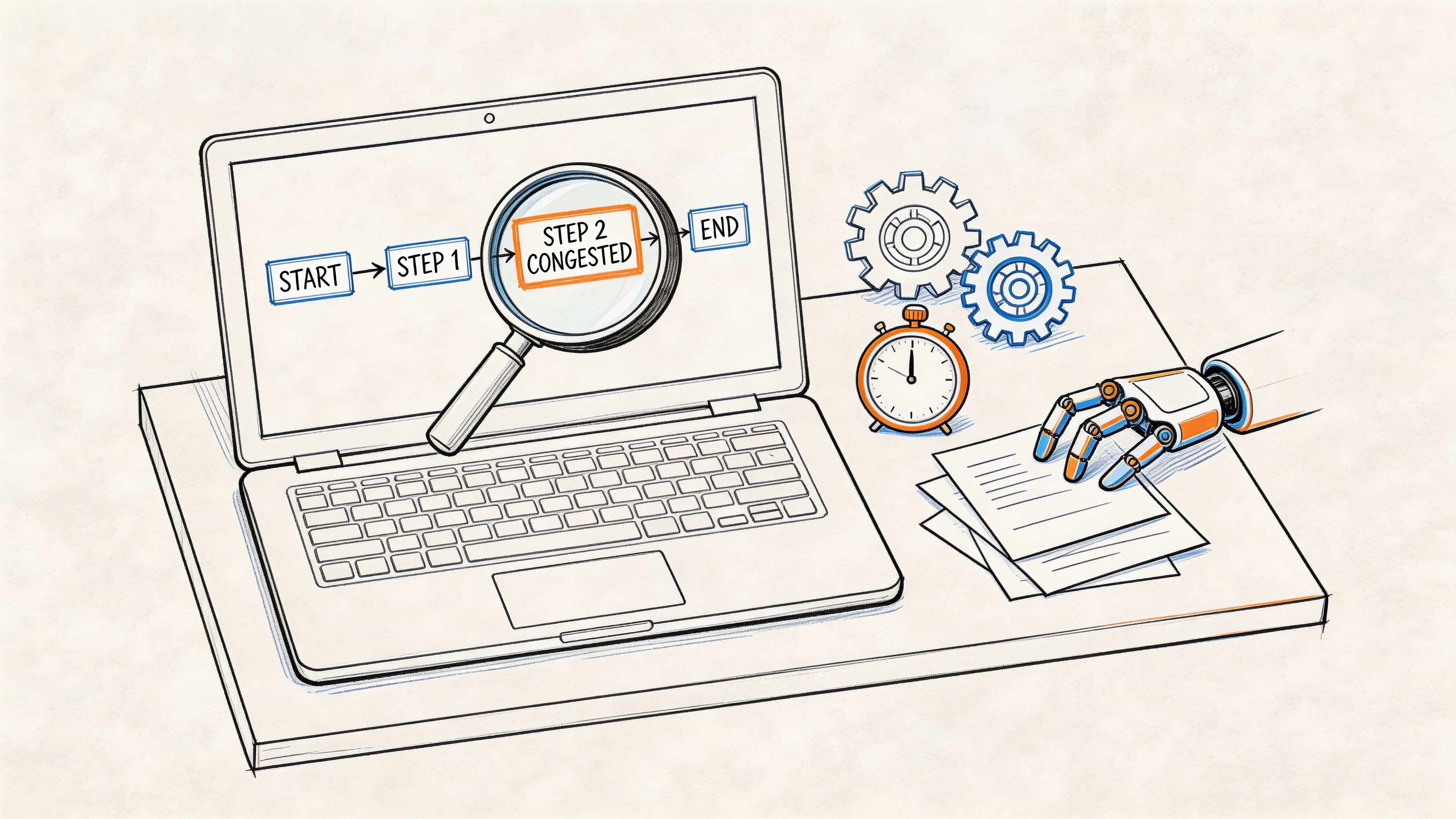
By automating these otherwise time-consuming tasks, you get back hours every single week. That’s more time you can spend engaging with your listeners, pitching new sponsors, or building your next digital product—all activities that directly grow your income.
Answering Your Top Questions About Podcast Monetization
If you're thinking about making money from your podcast, you've probably got a few questions swirling around. Let's cut through the noise and tackle the ones I hear most often from podcasters, so you can build a monetization strategy that actually works.
How Many Downloads Do I Need to Make Money?
This is the big one, isn't it? Everyone wants to know the magic number. The truth is, there isn't one. You can actually start earning money long before you hit the big leagues.
For methods that rely on a deep connection with your audience, like affiliate marketing or getting direct listener support through a platform like Patreon, you can see results with as few as 100 die-hard fans. It's all about trust, not just raw numbers.
Now, if you're chasing traditional sponsorships, the game changes. Most ad networks and brands won't look your way until you're consistently getting at least 1,000 to 5,000 downloads per episode. That's the typical entry point to be considered for wider advertising campaigns.
What Is a Realistic First-Year Income?
Let's be real for a second. Your first year is mostly about laying the groundwork. You’re finding your voice, building a routine, and gathering a core audience. Monetization usually has to wait its turn.
For a new podcast, a realistic first-year income is anywhere from $0 to a few hundred dollars a month. That money almost always comes from early wins with affiliate links or a handful of dedicated listeners signing up for a subscription. You're usually looking at 12 to 18 months of consistent work before significant ad revenue becomes a real possibility.
Should I Use Multiple Monetization Methods at Once?
Absolutely. In fact, it's one of the smartest things you can do. Putting all your eggs in one basket is a risky move. An algorithm changes, a platform pivots, and suddenly your only income stream is gone. Diversifying your revenue makes your podcasting business much more stable.
But don't try to do everything at once. Here’s a more practical approach:
- Start with one or two methods that make sense for your show right now. If you're just starting out, that probably means affiliate marketing and a simple tip jar or subscription option.
- Get really good at those. Learn what works for your audience and master those channels before you add anything else to your plate.
- Add new streams as you grow. Once your audience is larger and more engaged, you can start exploring sponsorships or creating your own digital products without burning out your listeners.
Think of it as layering your income streams over time. This approach lets your revenue grow with your audience, creating a much more sustainable path to making a living from your show.
Ready to put these ideas into action? Whisper AI can be a huge help by turning your audio into perfect transcripts. Use them to create SEO-friendly blog posts, clips for social media, and more content that gets you discovered. Boost your growth and monetization by visiting whisperbot.ai to get started for free.