Is It Legal to Record Calls? A 2026 Compliance Guide
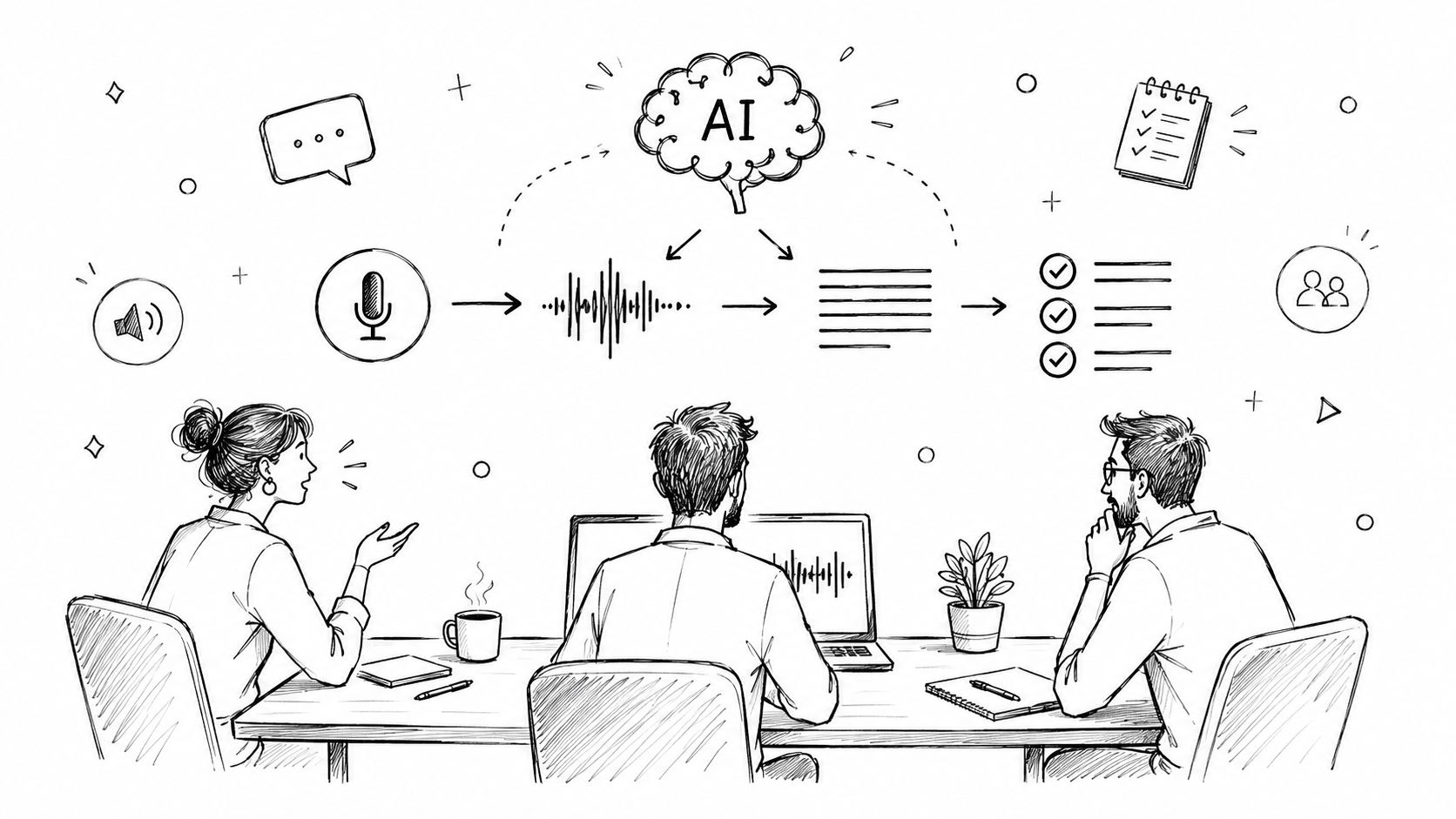
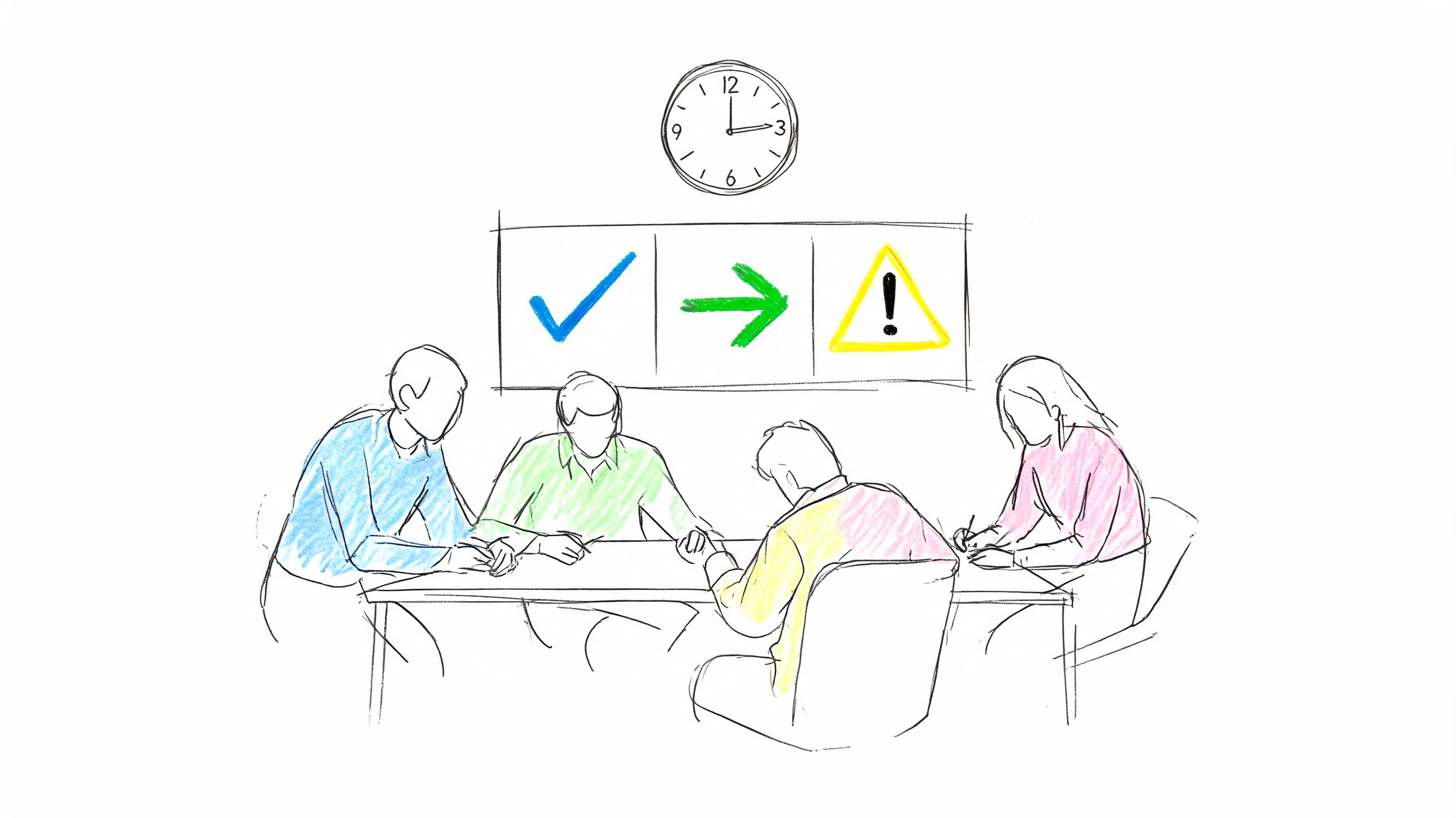
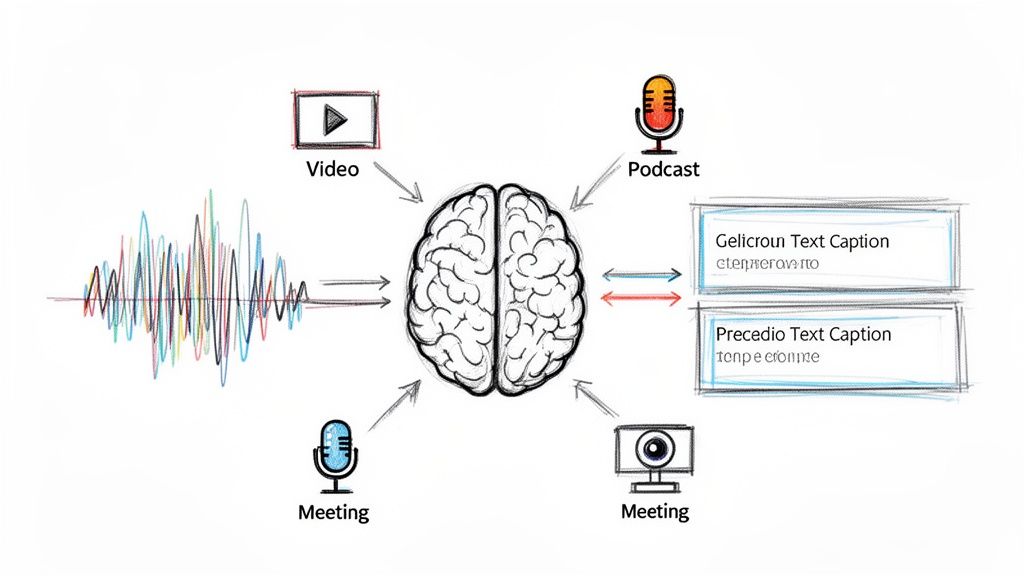
A producer is waiting in the Zoom room. A podcast guest has finally replied after two weeks of email. A sales manager wants a clean record of a difficult client call. You are one click away from recording, transcribing, summarizing, and sharing the conversation.
Then the hesitation hits.
Is it legal to record calls if you are on the call yourself? What if the other person is in another state? What if this is not a phone call at all, but a Google Meet, a Teams interview, or a podcast session that you plan to upload to an AI transcription tool?
That pause is justified. Recording law is not one simple yes or no. In practice, the answer depends on where the people are, what kind of conversation you are recording, how you give notice, and what you do with the file afterward. For creators and businesses in 2026, the legal risk does not stop at the red record button. It continues into storage, transcription, exports, summaries, and internal sharing.
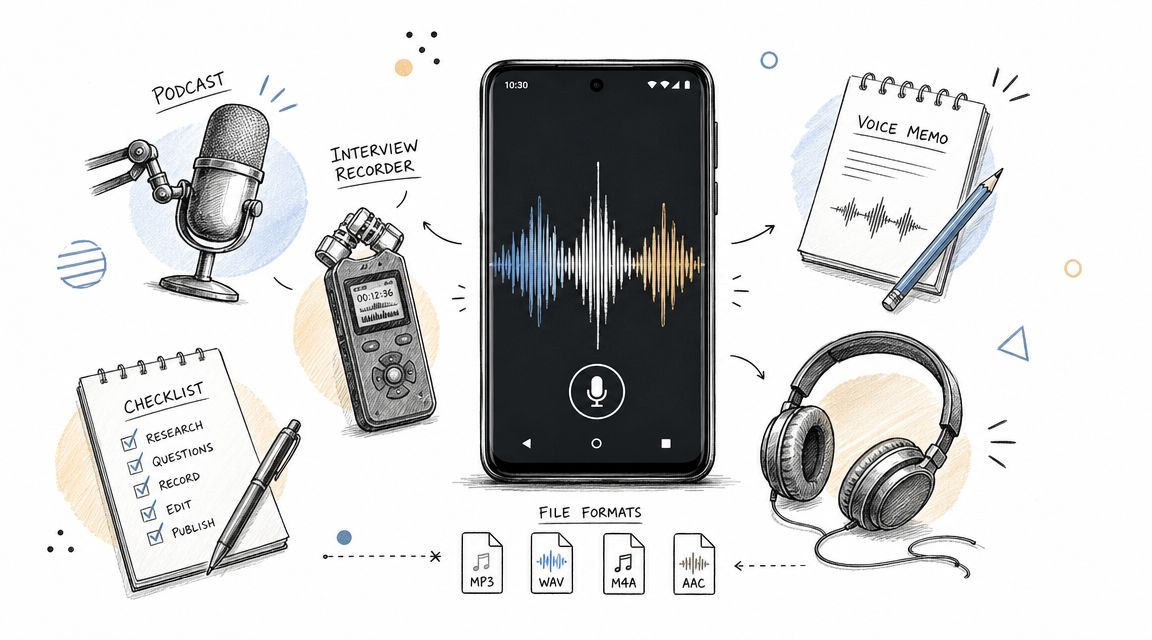
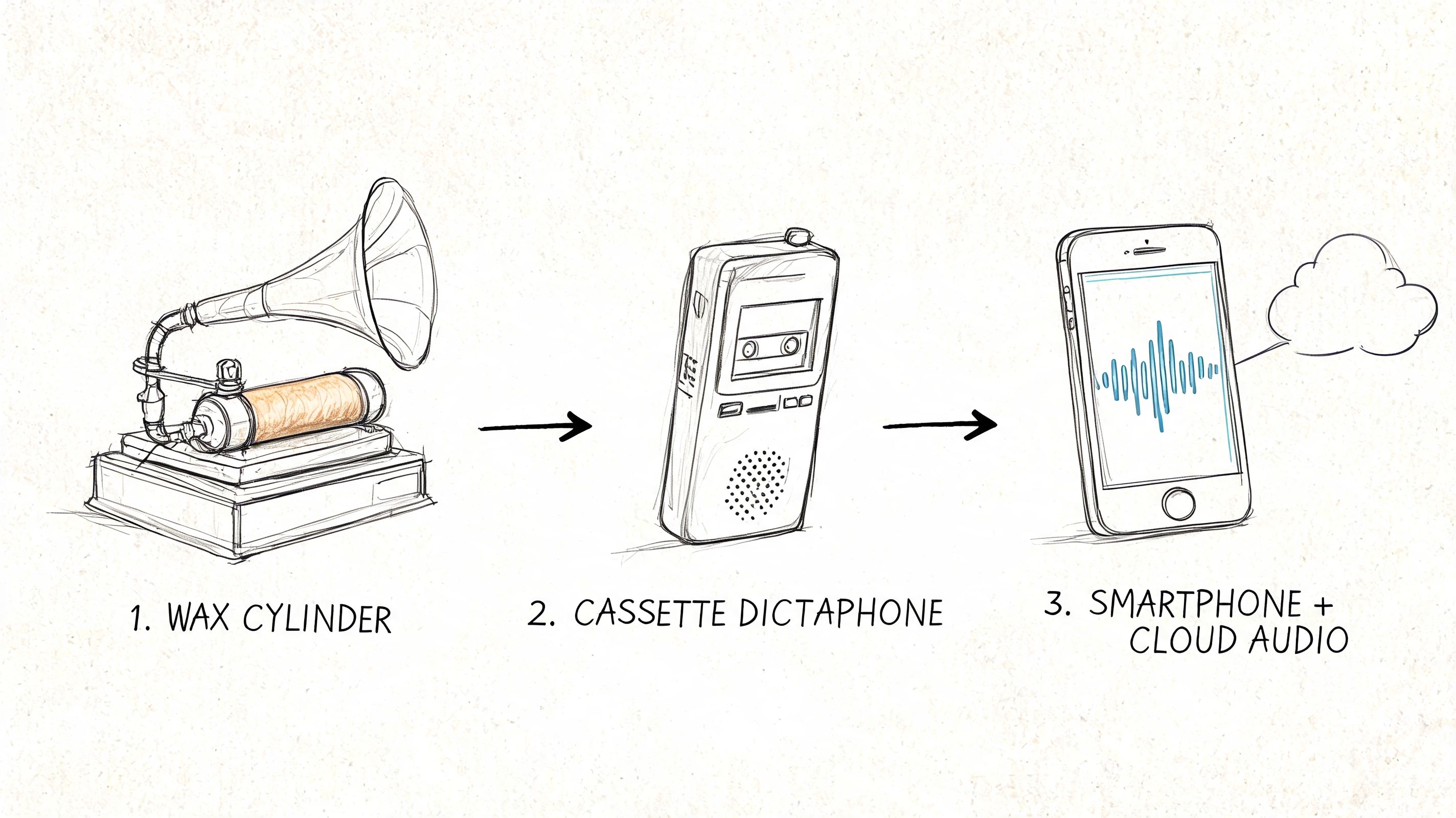
The practical problem is that modern workflows are fast. You might capture audio on a phone, move it to a recorder, upload it for transcription, then publish clips. If you have been comparing workflows or hardware, this guide to an audio recorder device shows how easy the capture side has become. Compliance has to keep up with that speed.
This guide takes the question seriously. It treats recording as both a legal issue and an operational one. If you are a podcaster, journalist, researcher, team lead, or business owner, the safest path is not memorizing every statute. It is building a workflow that assumes complexity and handles it before problems start.
The Moment of Truth Before You Hit Record
The most common mistake is treating recording law like a technical setting. People search for a rule, find a short answer, and assume they are covered. In reality, legality turns on context.
A founder recording user interviews has one set of risks. A journalist calling across state lines has another. A creator inviting remote guests from different jurisdictions faces a different set again. The law also cares about whether the conversation is private, whether everyone knew they were being recorded, and whether stricter local rules override a looser baseline.
Why this question comes up so often
Recording feels ordinary now. Phones, meeting apps, and transcription tools make it frictionless. That convenience creates a false sense of safety.
Three habits cause most trouble:
- Recording first, thinking later: People assume participation alone makes recording lawful in every setting.
- Borrowing business scripts for creator use: A generic “this call may be recorded” line may not fit an interview, documentary, or sensitive source conversation.
- Ignoring the upload step: Even if the recording itself was allowed, uploading unconsented audio into a transcription workflow can create a second layer of privacy risk.
What works in practice
The teams and creators who stay out of trouble usually do the same few things consistently:
- They ask for permission clearly.
- They capture that permission in the recording itself or in writing.
- They use the same consent standard every time instead of improvising by jurisdiction.
- They pause recording when a participant objects.
Tip: If your workflow crosses states, platforms, or countries, stop trying to be clever with minimum legal thresholds. Build for the highest likely standard.
That approach is less glamorous than finding a loophole. It is also what survives real-world use.
One-Party vs All-Party Consent Explained
At the core of the answer to is it legal to record calls is one distinction: one-party consent versus all-party consent.
Under federal law in the United States, the Electronic Communications Privacy Act of 1986 sets a baseline of one-party consent. States can adopt stricter rules. According to Plaud’s breakdown of call recording laws by state, 11 states enforce all-party consent, while federal law provides the one-party floor.
The simple way to think about it
A one-party consent rule means one person on the conversation can authorize the recording. If you are part of the call, your own consent may satisfy that rule.
An all-party consent rule means everyone on the conversation must agree before the recording is lawful.
That is the legal distinction. The operational distinction is even simpler:
- In a one-party setting, you may be able to record without announcing it.
- In an all-party setting, silence is risky.
Why federal law does not settle the issue
People often stop at “federal law says one-party consent.” That is incomplete.
Federal law is the baseline. It is not the ceiling. If a state is stricter, the stricter state rule matters. That is why you cannot answer the legality question with federal law alone.
US State Call Recording Laws at a Glance 2026
| Consent Type | States |
|---|---|
| One-party consent | 39 states plus Washington, D.C. Examples named in the verified data include Arizona, Colorado, New York, Texas, Alabama, Arkansas, and New Mexico |
| All-party consent | 11 states including California, Florida, Illinois, Massachusetts, Pennsylvania, Delaware, Maryland, Montana, Nevada, New Hampshire, and Washington |
How to use this table
If everyone is in a one-party jurisdiction, the baseline question is relatively straightforward.
If even one participant is in an all-party jurisdiction, your risk changes. At that point, the practical answer is usually to notify everyone and get clear agreement before recording.
A few state examples matter more than others
Some states come up repeatedly because creators and businesses interact with people there constantly.
- California: Frequently relevant for media, startups, and interstate business calls.
- Florida: Often catches businesses that assume a generic recording notice is enough without explicit consent.
- Illinois, Massachusetts, Pennsylvania: Known for serious consequences when people get the rule wrong.
This is also why short online lists can mislead. They may name a state but skip the practical effect. For a podcaster, the issue is not only “what is my state?” It is “where is my guest located when we record?”
The safest interpretation for everyday use
If you do not want to perform a legal analysis before every interview, use one rule across the board:
- Tell participants the conversation will be recorded.
- State why you are recording it.
- Get a verbal yes before the substantive discussion starts.
- Keep that yes in the audio or video file.
Key takeaway: One-party consent tells you what may be permitted. All-party notice tells you what is easiest to defend.
That difference matters. Legal minimums are narrow. Workflows need margin for error.
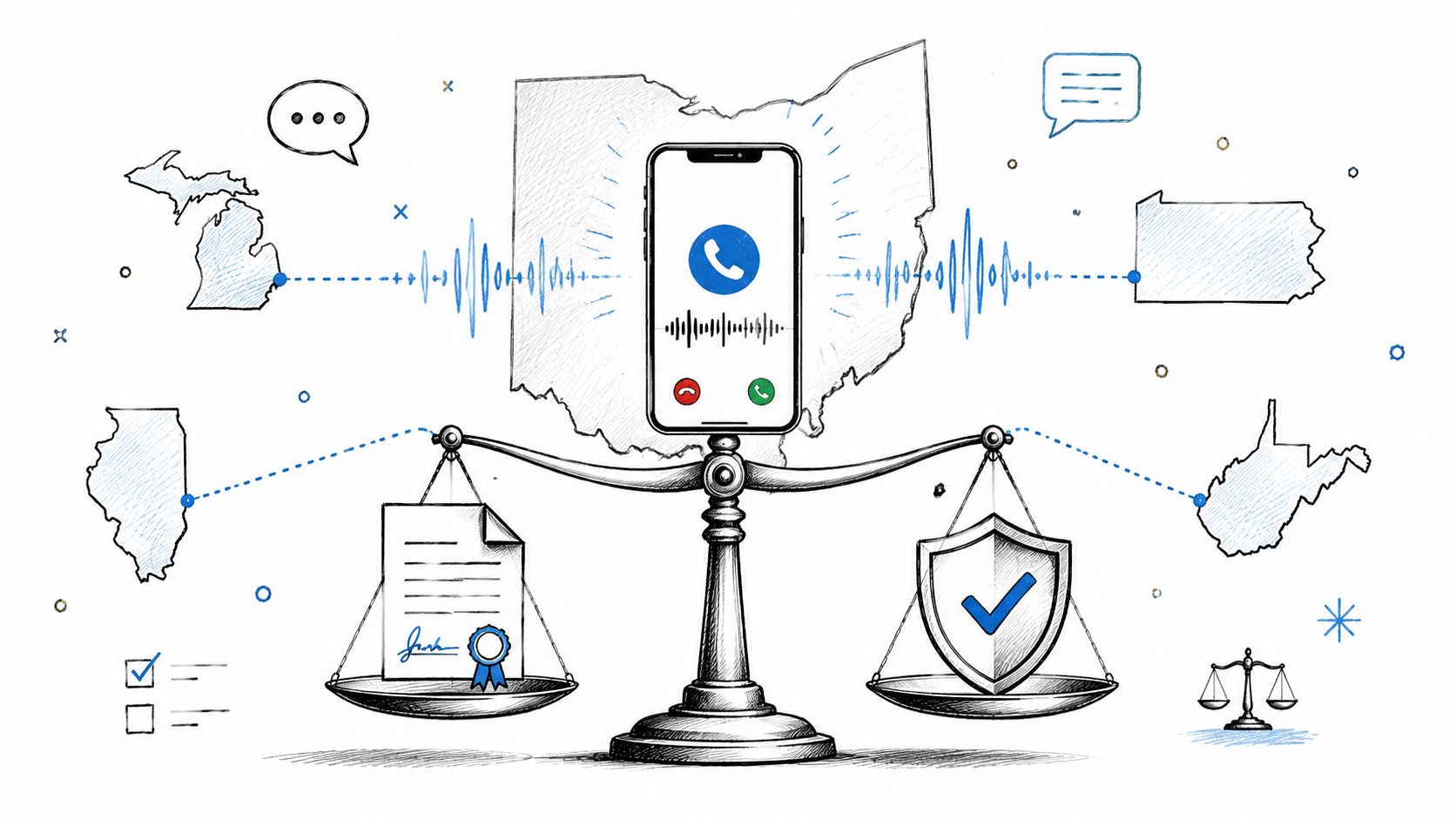
Navigating the Maze of US Interstate Call Laws
The hardest calls are not the local ones. They are the interstate calls where each side sits under a different rule.

A lot of people assume the caller’s home state controls. That assumption causes problems.
According to GetNextPhone’s discussion of interstate call recording law, the California Supreme Court’s 2006 Kearney v. Salomon Smith Barney ruling established that the strictest law applies in interstate calls, and non-compliance in some states can risk felonies or up to 5 years imprisonment.
What Kearney changed in practical terms
The Kearney case matters because it gave businesses and creators a rule they can work with. If one side of the call is in a stricter jurisdiction, that stricter rule may govern.
That means a recorder in a one-party state cannot safely assume local law protects them when the other participant is in California.
A simple example:
| Scenario | Practical reading |
|---|---|
| Caller in Ohio, participant in Texas | Federal one-party baseline may align with both states |
| Caller in Ohio, participant in California | Use all-party consent practices |
| Team member traveling between states | Do not rely on office location. Confirm where people are when recording |
Why interstate risk is higher than people think
Creators often work across borders without noticing. Guest interviews, remote reporting, client calls, distributed teams, and audience research all create interstate exposure.
The failure points are predictable:
- The host assumes their own state controls
- The guest joins from a stricter state
- The recording is stored and reused later
- Nobody captured clear consent at the start
Once that happens, the file may become a liability instead of an asset.
What works and what does not
What works:
- A standard verbal notice at the start
- A pause for explicit agreement
- A written confirmation in the calendar invite or pre-interview email
- Internal policies that treat all interstate recordings as all-party situations
What does not:
- Burying notice in terms nobody reads
- Assuming a meeting platform’s record icon solves consent
- Starting the interview, then mentioning recording halfway through
- Treating “everyone knows podcasts get recorded” as legal consent
If your workflow touches multiple states, default to the strictest applicable law. It is far easier to standardize notice than to unwind a bad recording later.
The business trade-off
Some teams worry that explicit notice will make conversations stiffer. Sometimes it does for the first minute.
But legal uncertainty is worse. A clean opening script creates a professional tone, reduces later disputes, and avoids the far bigger disruption of pulling files, apologizing to participants, or involving counsel after the fact.
Recording Laws Beyond US Borders
A US-only policy breaks quickly if your guest, client, or source is abroad.

The United States often frames recording as a consent question tied to state law. Other jurisdictions treat recording more broadly as a data privacy issue. That changes both the analysis and the workflow.
According to HubSpot’s overview of international call recording rules, the EU’s GDPR and ePrivacy Directive impose all-party consent for call recordings because recordings are treated as personal data. Non-compliance can trigger fines of up to 4% of global annual turnover or €20 million, whichever is higher.
The EU approach is broader
In the EU, recording is not just about who may press record. It also concerns:
- lawful basis for processing
- notice to participants
- retention and deletion
- access controls
- downstream use of transcripts and summaries
For creators, that means a lawful recording process still needs disciplined handling after capture.
A quick comparison
| Region | Practical posture |
|---|---|
| United States | Consent depends heavily on federal and state interaction |
| European Union | Treat recordings as personal data. Use explicit opt-in and careful processing |
| United Kingdom | Business use typically requires notice even where participation matters |
| Canada | Notice still matters in business settings |
| Australia | Federal rules and local listening-device rules create added caution for recorded conversations |
What this means for remote interviews
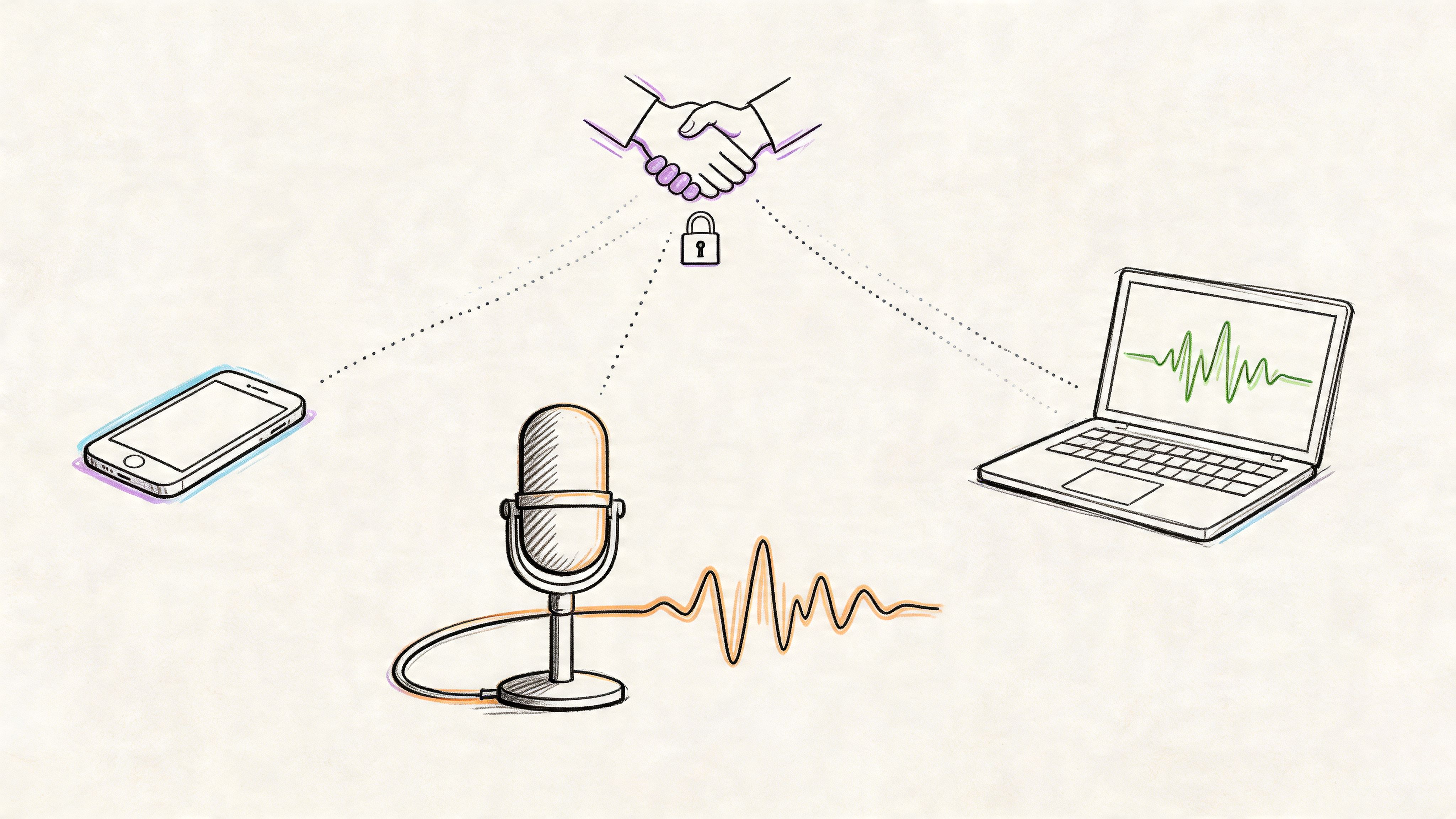
If your guest is in the EU, a casual US-style approach is weak. You should use explicit, affirmative consent and keep your handling narrow. Record only what you need. Keep only what you need. Share only with people who need access.
A global rule that holds up well
For international work, use a three-part habit:
- Tell the participant before recording begins
- State the purpose clearly
- Offer a real chance to decline
That works better than relying on implied awareness. It also respects the fact that international guests may have stronger expectations around privacy than US-based teams are used to.
Recording legally is only half the job. Cross-border compliance also depends on what you do with the file after the call ends.
Important Exceptions and Special Scenarios
The law gets messier when the conversation is not a classic phone call.

Podcast interviews, Zoom sessions, Teams meetings, documentary b-roll, in-person research interviews, and hybrid calls all blur lines that older legal guides treat separately. According to Justia’s survey of recording laws and conversation rules, there is a significant gap in guidance for non-phone audio like podcast interviews or video calls, and state laws such as Nevada’s all-party rule can still apply.
Video calls are not a free pass
People often think video is less regulated because it feels more public or more formal. That is a mistake.
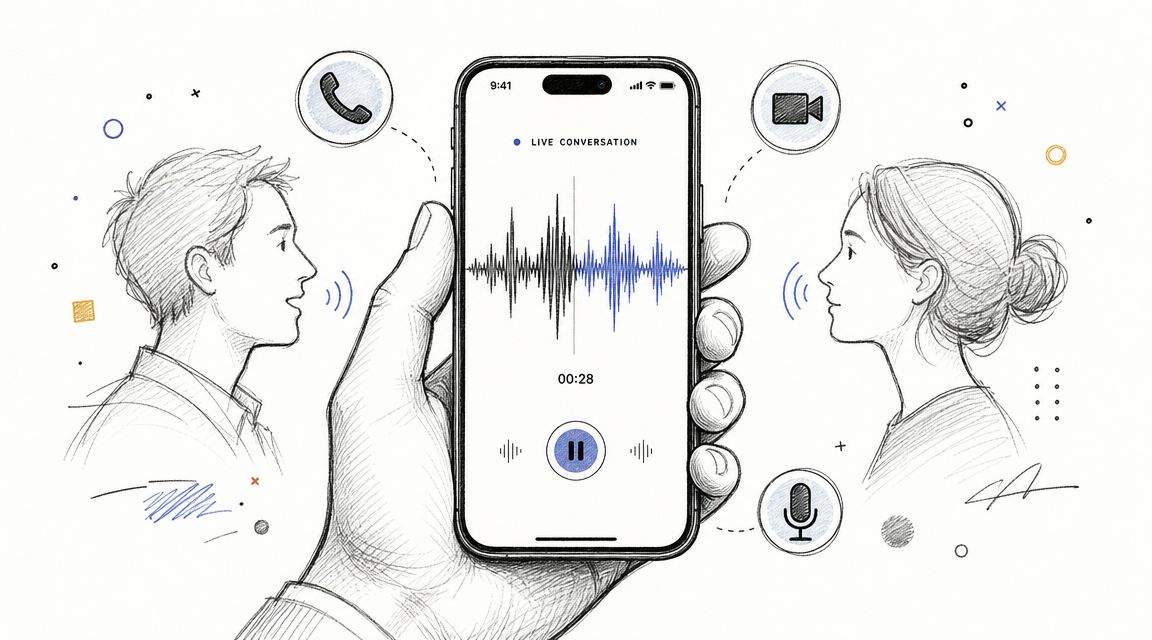
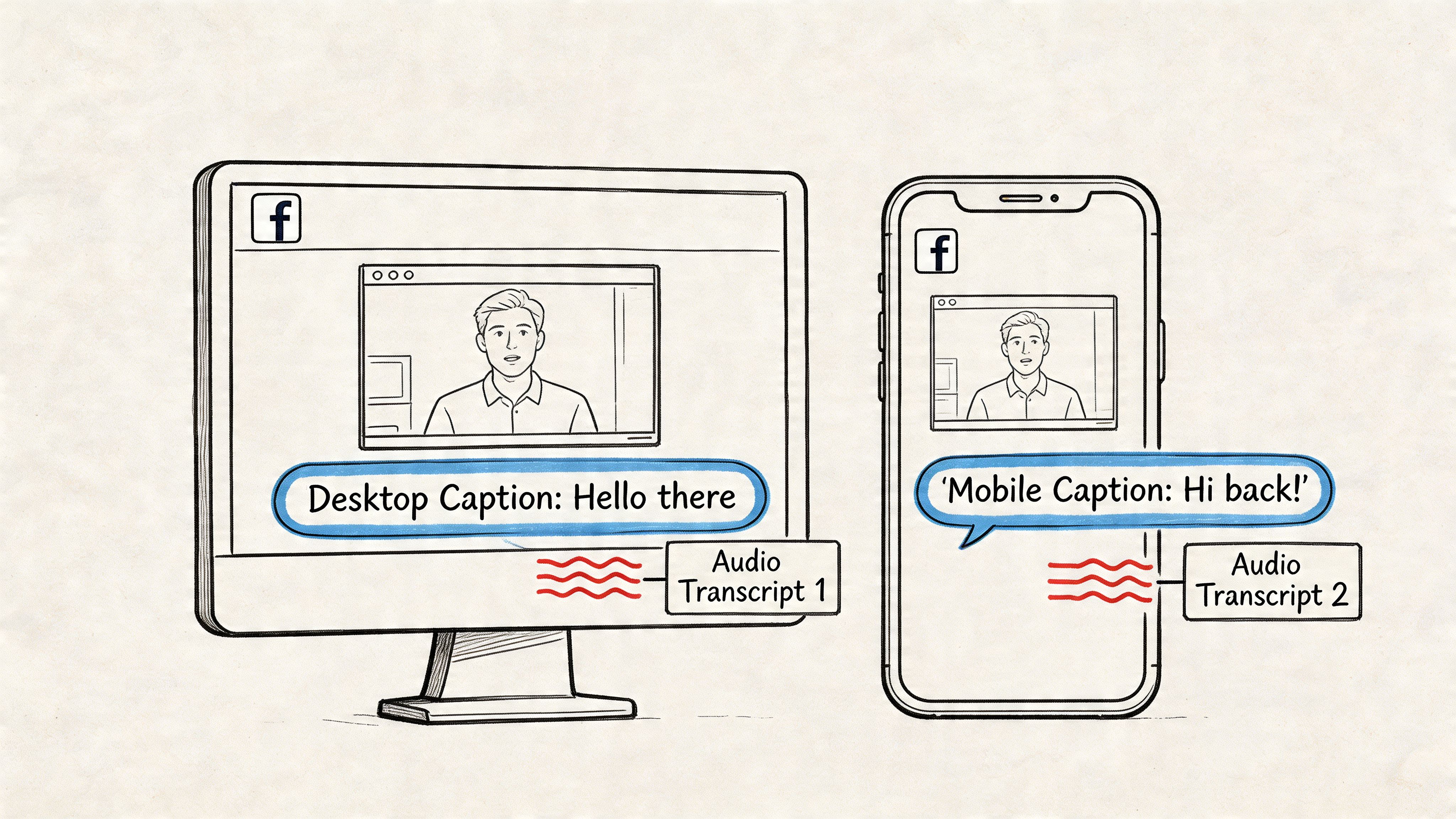
A Zoom or Google Meet recording can raise the same consent issues as a phone call, especially when the conversation is private and one participant is in a stricter jurisdiction. The platform interface does not replace legal notice.
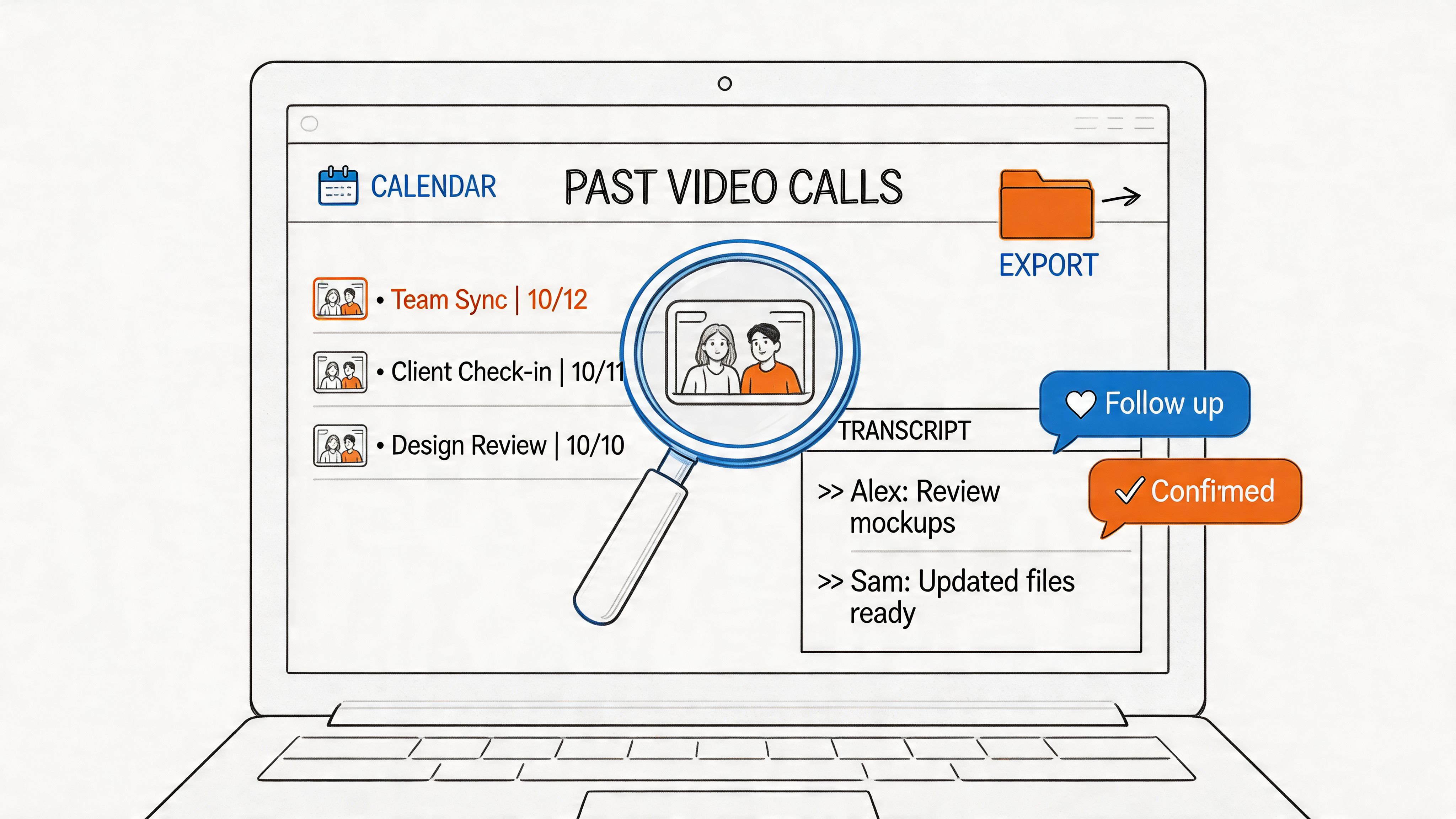
If you record remote meetings often, this guide on can you record a Teams meeting is useful for the platform side. The legal side still depends on participant location, notice, and use.
In-person recordings follow different contours
In-person interviews can be easier or harder depending on the setting.
A street interview in a clearly public place is different from a private office conversation. A source speaking on a podcast mic in a studio usually understands the recording context. A private side conversation before the formal interview starts may not be covered by that understanding.
That is why professionals separate phases:
- pre-interview chat off record
- formal start on record
- explicit confirmation of recording
- clear close when recording ends
Implied consent can help, but it is not a strong foundation
Sometimes a participant stays on the line after hearing a recorded notice. That may support an implied-consent argument in some contexts.
It is still weaker than a direct verbal yes.
Use implied consent only as a supporting fact, not as the whole strategy. For journalism, documentaries, and high-stakes business calls, a recorded acknowledgment is much stronger.
Public officials and low-privacy settings
Expectation of privacy matters. A conversation in a public setting may be treated differently from a confidential one. Interactions with public officials can also involve separate considerations.
That does not mean every recording of a public employee is automatically lawful. Context matters. So does local law. If the conversation is sensitive, private, or potentially disputed later, get consent anyway.
The upload problem creators miss
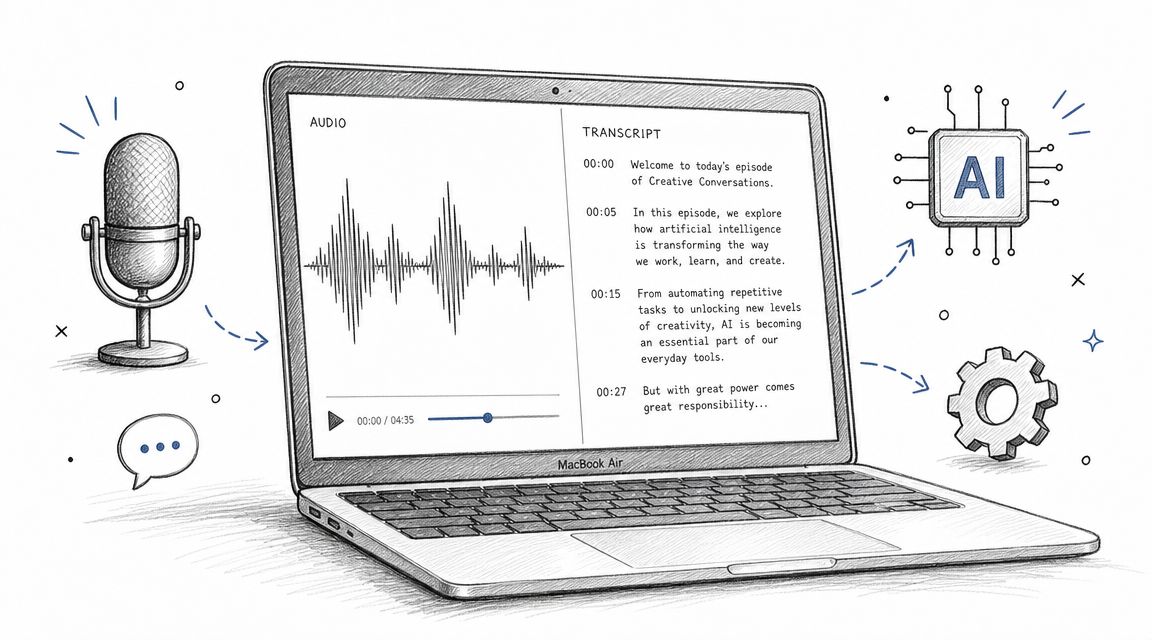
A creator may think, “I recorded it myself, so I’m fine.” Then they upload the file to an AI workflow, generate a transcript, export clips, and share excerpts with collaborators.
That chain multiplies exposure. If the original consent was shaky, every downstream use becomes harder to defend. The safest move is to treat consent as covering both recording and transcription from the outset.
A Practical Compliance Playbook for Creators
Most legal trouble around recorded conversations is preventable with a repeatable process.

The goal is not to become a lawyer before every interview. The goal is to build a workflow that produces usable recordings, usable transcripts, and clean records of consent.
According to Phonely’s guide to US recording compliance, for platforms processing over 60,000 hours of media, practical compliance includes using geolocation APIs to detect participant states, auto-inserting verbal disclosures like “This call may be recorded,” and logging consent. That automated approach can mitigate 90% of multi-state legal risks, and violations in states like Florida can be a third-degree felony.
Step one starts before the call
Send notice early when you can.
For scheduled interviews, add one plain sentence to the invite or confirmation email:
“I plan to record and transcribe our conversation for accuracy. Please let me know before we begin if you have any concerns.”
That early notice does two jobs. It reduces surprise, and it gives the participant room to set limits before the live conversation starts.
Use a script that sounds normal
Legal language often makes people tense. Simple language works better.
For podcasters
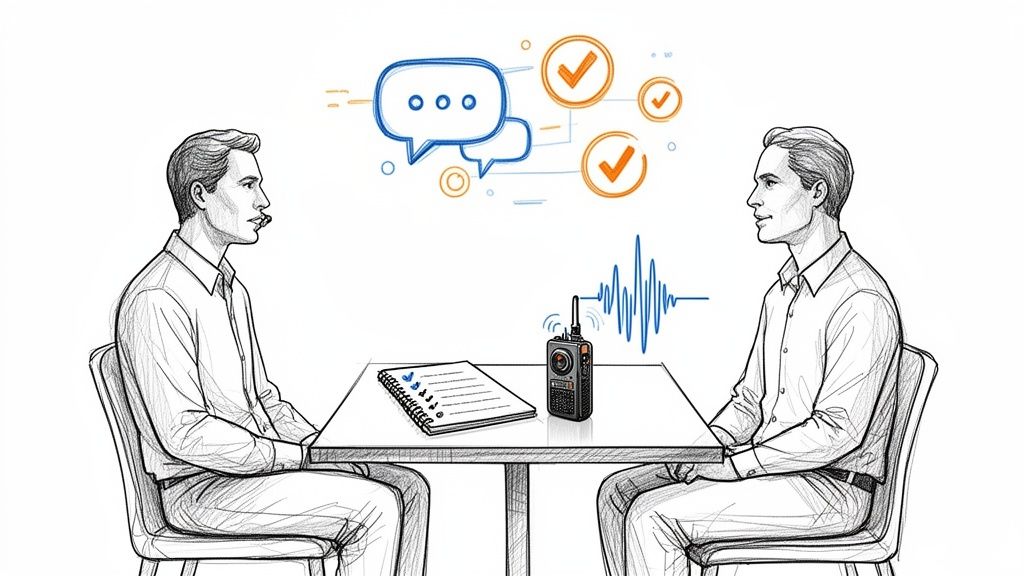
- “Before we start, I want to confirm that I’m recording this conversation and may transcribe it for editing and accuracy. Are you okay with that?”
For journalists
- “I’d like to record this interview so I can quote you accurately and keep a precise record. Do I have your permission to record and transcribe?”
For business teams
- “For documentation and quality purposes, I’d like to record and transcribe this call. Is everyone okay proceeding on that basis?”
Pause. Wait for the answer. Capture it in the file.
Build visible and audible notice into the workflow
On video calls, combine methods:
- Audible notice: Say it at the start
- Visual notice: Use the platform recording banner or an on-screen label
- Written notice: Include it in scheduling or intake
One signal is good. Two is better. Three creates a strong record.
Here is a practical walkthrough worth reviewing before you train a team on it:
Separate consent from convenience
Do not let convenience decide your legal posture.
A lot of teams use recording because notes are inconsistent, disputes happen, and summaries save time. Those are valid business reasons. But “we need records” does not erase the consent step.
Small operational support can matter here. If you need help organizing intake forms, call logs, approval records, or transcript review, it can be practical to hire legal assistants who can maintain compliance documentation without slowing the core team down.
Secure handling matters after the recording
Creators focus on permission. Businesses often focus on policy. Both should care about file handling.
Use a simple retention posture:
- Keep recordings only as long as you need them.
- Limit access to people who need the files.
- Label files clearly so “consent captured” is easy to verify.
- Store transcripts and exports with the same care as the original audio.
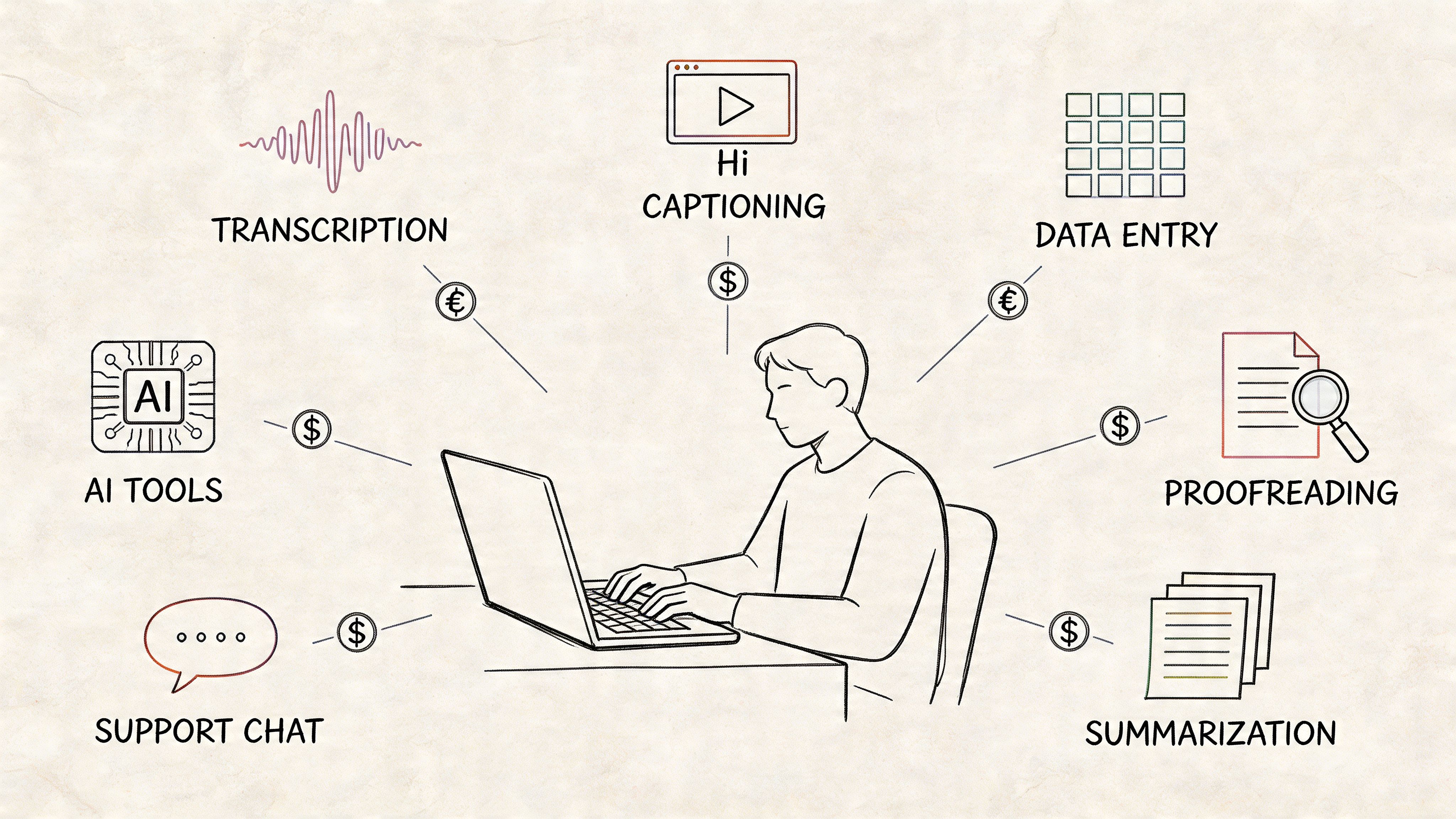
If you use automated transcription in your workflow, evaluate the provider’s security and processing practices carefully. This guide to AI-powered transcription services is a useful starting point when comparing the operational side.
The best compliance workflow is boring. It uses the same notice, the same confirmation step, and the same storage rules every time.
A creator-friendly checklist
| Stage | What to do |
|---|---|
| Before the session | Notify participants in writing if the conversation is scheduled |
| At the start | State that recording and transcription will occur |
| Before questions begin | Get explicit verbal agreement |
| During the call | Stop if anyone withdraws consent |
| After the call | Store, label, and limit access to the file and transcript |
That checklist is not flashy. It is what keeps the file usable.
Conclusion Recording Calls Responsibly Builds Trust
The shortest useful answer to is it legal to record calls is this: sometimes yes, sometimes no, and when doubt exists, get consent from everyone.
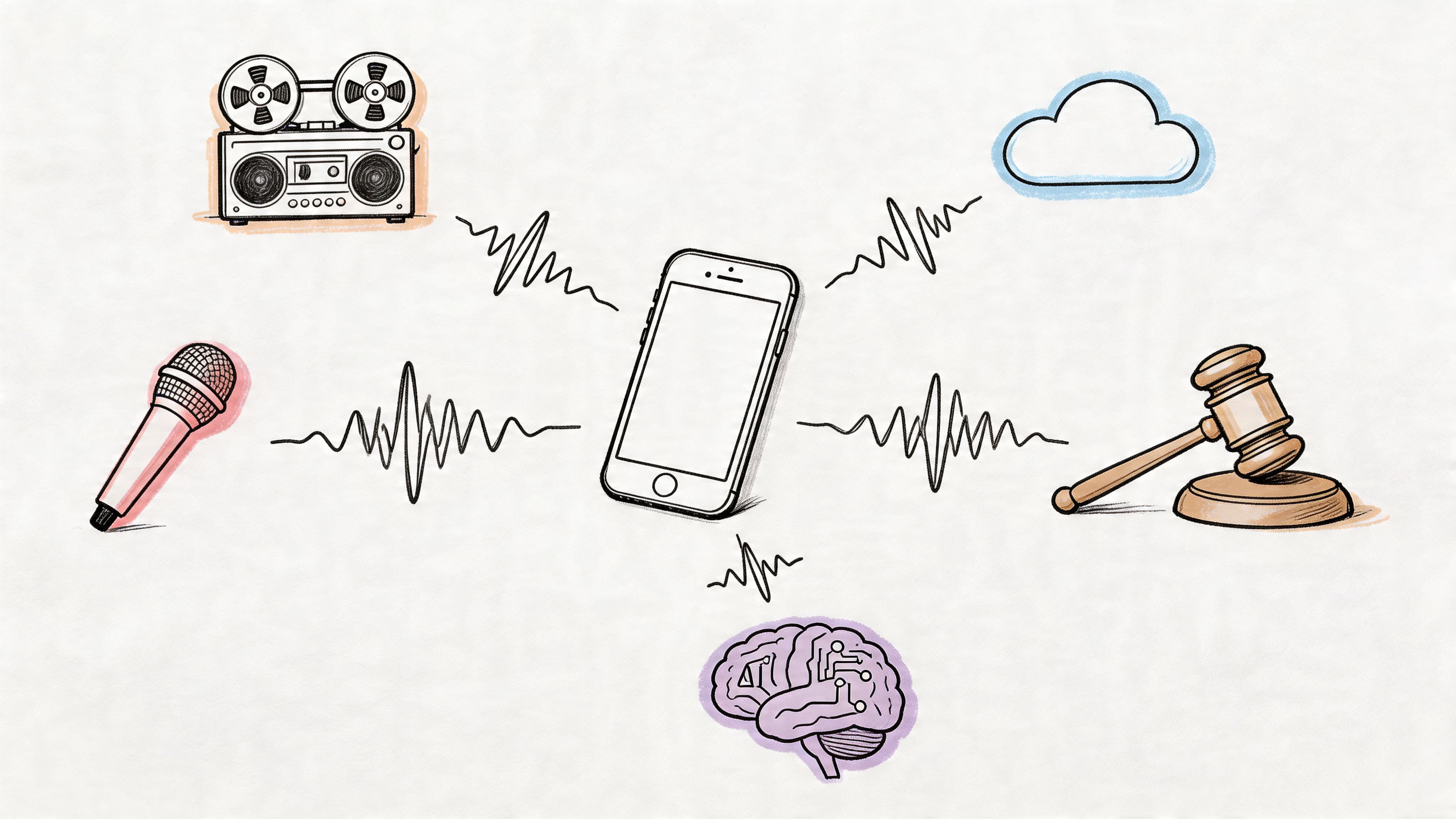
That rule is safer than trying to squeeze every situation into the narrowest legal interpretation. It also fits how people work now. Calls cross states. Guests join from different countries. Interviews become transcripts, summaries, clips, and searchable records. The legal question is no longer just about the record button. It is about the full lifecycle of the conversation.
Transparent recording practices do more than reduce legal risk. They make people more willing to talk. Guests trust producers who explain the process. Sources trust journalists who mark the line between on-record and off-record. Clients trust teams that say what they are doing and why.
That same logic applies after the recording too. If someone later wants sensitive content removed or limited, broader privacy issues can come into play. For readers thinking about post-publication cleanup and reputation rights, this overview of the Right to be Forgotten offers useful context.
Good recording practice is not secrecy with better software. It is clarity, restraint, and documentation. If you build those into your workflow, you can record confidently without treating every call like a legal gamble.
Frequently Asked Questions About Recording Calls
Can I record a call if I am one of the people on it
Sometimes, yes. Federal law sets a one-party baseline, but stricter state rules can override that in practice. If any participant may be in an all-party jurisdiction, the safe move is to tell everyone and get clear permission before recording.
If I forgot to announce the recording, can I keep using it
That is risky. Do not assume you can salvage the file by adding notice later. In a professional workflow, the better move is to stop, disclose the recording issue, and restart with consent if appropriate.
Does a Zoom or Teams recording count the same as a phone recording
Often, yes in practical terms. Video platforms do not erase consent requirements. If the conversation is private, participant location and applicable state law still matter.
Is a platform recording banner enough by itself
Not always. A visible banner helps, but it is stronger when paired with a verbal notice and an explicit acknowledgment from participants.
Are in-person conversations treated differently
They can be. Privacy expectations and state-specific rules matter more in face-to-face settings. Public environments, studio interviews, and private office conversations do not all carry the same legal posture.
What should podcasters and journalists do as a default
Use a simple on-record consent script at the start of every session. Confirm recording and transcription. Wait for a yes. Keep that exchange in the file. That habit solves most avoidable problems before they start.
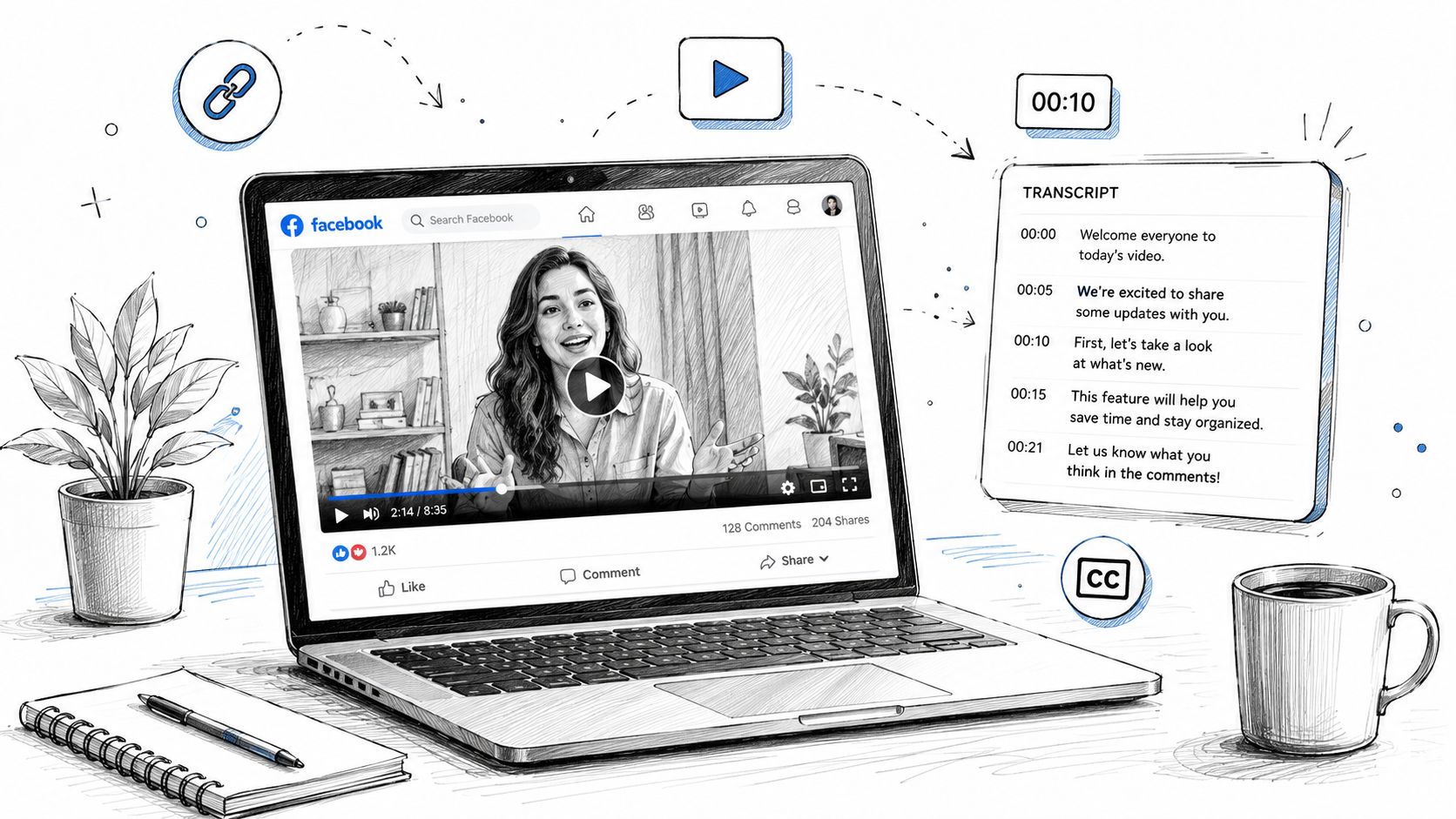
If you want a faster way to turn recorded interviews, meetings, podcasts, and video calls into searchable text and summaries, Whisper AI is built for that workflow. It helps creators and teams transcribe audio and video, detect speakers, add timestamps, export in multiple formats, and review key points quickly, while fitting into a more deliberate consent-first process.