Mastering the Inverted Pyramid Style of Writing
Think of the last time you landed on a webpage. Did you read every word, or did you scan for the good stuff? If you’re like most people, you skimmed. The inverted pyramid style of writing is a time-tested journalistic technique built for exactly that behavior. From my experience, it's one of the most effective ways to structure content because it puts the most important information right at the top, ensuring your readers get the main point immediately.
What Is the Inverted Pyramid Style of Writing?
The inverted pyramid style of writing flips traditional storytelling on its head. Instead of building suspense and saving the big reveal for the end, you start with the conclusion. The very first sentences deliver the essential information—the who, what, where, when, and why of your story.
This "front-loading" approach has roots in journalism but has become even more critical for online content. We all know attention spans are short. Research confirms that 79% of web users scan pages instead of reading word-for-word. They want answers, and they want them now. The inverted pyramid respects their time by giving them the core message first. You can dive deeper into its origins by exploring the history of the inverted pyramid on Wikipedia).
The Structure of the Inverted Pyramid
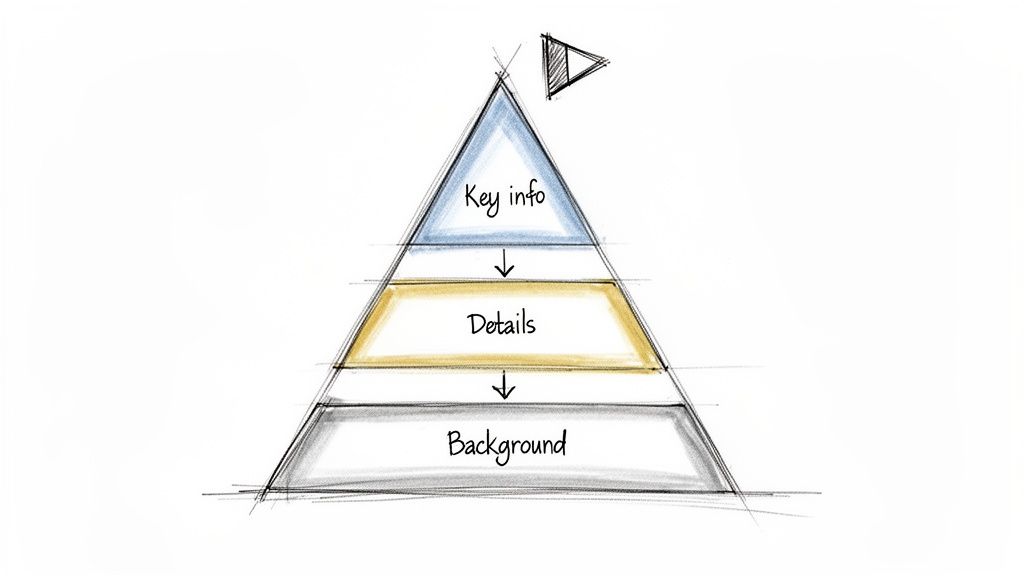
Visually, it’s exactly what it sounds like: a triangle balancing on its point. The wide top holds all the critical, must-know information, and as you move down the narrowing sides, the details become progressively less essential.
This diagram clearly shows how the information is layered.
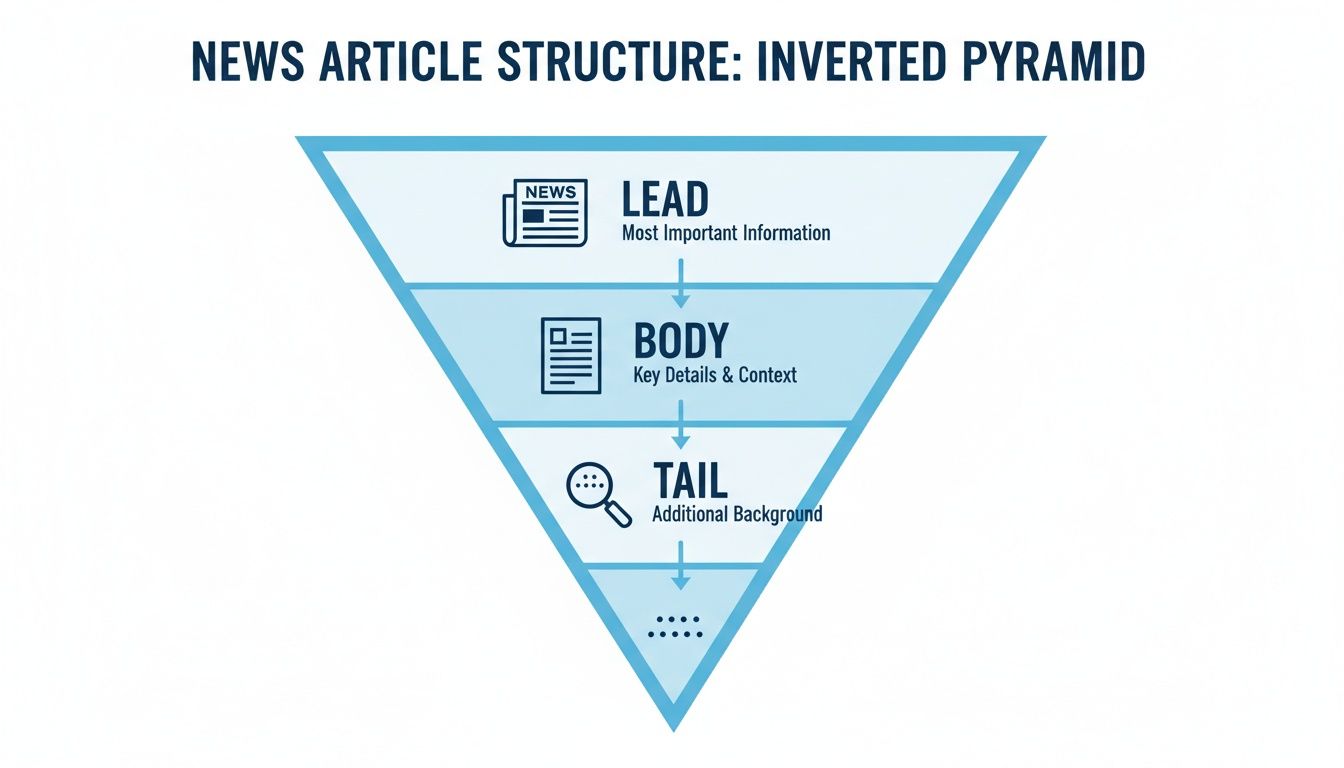
As you can see, the "Lede" carries the most weight, containing the absolute essentials. The "Body" follows with important, clarifying details, and the "Tail" rounds things out with nice-to-have background context.
Let's break down these three layers. The table below outlines what each section contains and what it accomplishes for the reader.
Anatomy of the Inverted Pyramid
| Pyramid Level | Content Focus | Reader Takeaway |
|---|---|---|
| The Lede (or Lead) | A concise summary of the entire story—the most critical facts answering who, what, where, when, and why. | "I get the main point, even if I stop reading now." |
| The Body | Important supporting details, context, evidence, quotes, and statistics that expand on the lede. | "I understand the key details and why this matters." |
| The Tail | General background information, historical context, or other non-essential details. | "I have some extra context if I'm interested." |
Each layer builds on the one before it, but only the top is truly indispensable. If an editor needed to shorten a news story to fit a column, they could always trim from the bottom up without losing the core message. It's a brilliantly practical design.
Key Takeaway: The inverted pyramid gets the job done by delivering the most valuable information first. It ensures that even the busiest, most distracted readers walk away understanding your main point, making your content far more effective.
The True Story Behind the Inverted Pyramid
Ask any writer about the inverted pyramid style of writing, and you'll probably hear a romantic tale about reporters on Civil War battlefields. The story goes that they developed this front-loading method to get the most critical facts out over unreliable telegraph lines. It’s a great story, but based on historical records, it’s mostly a myth.
The historical record actually shows something a bit different. Most reports from the Civil War (1861-1865) were written in the traditional, chronological style of the day. The real change happened after the war, thanks to the widespread use of the telegraph, which Samuel Morse invented way back in 1844. As Poynter.org explains in a fascinating deep dive, technology and money were the real parents of this invention.
Necessity Becomes Invention
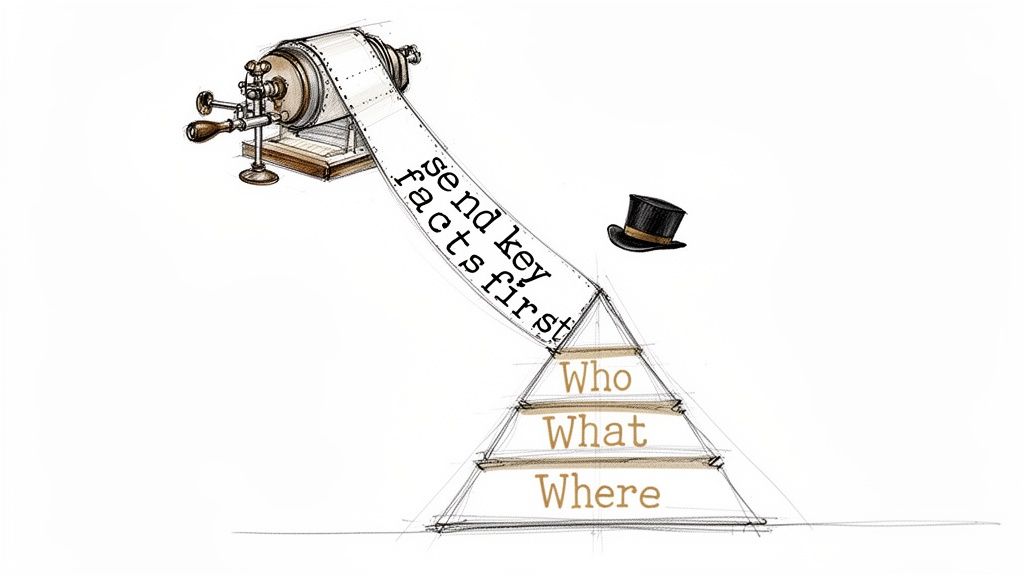
Put yourself in the shoes of a reporter in the late 19th century. You’ve got a massive story, but sending it to your editor means using a costly and fickle telegraph wire. The connection could drop at any second from bad weather, a technical glitch, or even a rival journalist cutting the line.
So, how do you make absolutely sure the most important part of your story lands on the editor's desk? The solution was beautifully simple and practical: send the conclusion first.
The most crucial facts—the who, what, when, and where—were wired over in the very first sentence. If the line went dead, the newsroom would at least have a short, usable story.
This practical pressure completely flipped the script on how stories were told. Instead of building up to a dramatic climax, journalists learned to lead with it.
A Turning Point in Journalism
The assassination of President Abraham Lincoln in April 1865 is a perfect real-world example of this new style in action. The first dispatches were brutally efficient, delivering the shocking news with no fluff.
- Who: President Lincoln
- What: Was shot at Ford's Theatre
- When: That evening
- Where: Washington, D.C.
These bulletins gave editors just enough to run bold headlines and get the first reports out. As the telegraph lines stayed open, reporters continued sending more paragraphs filled with witness accounts, background information, and other details. Editors would simply tack this new information onto the end of the existing story.
This event proved just how powerful the inverted pyramid was in a crisis. It quickly became the gold standard for breaking news and has shaped how we communicate important information ever since.
How to Craft a Powerful Lede and Body
Okay, let's move from theory and actually start building the core pieces of an inverted pyramid article. The success of this whole approach really hangs on one thing: the lede. This is your opening paragraph, and its entire job is to give away the whole story right at the top.
Think of the lede as the "too long; didn't read" (TL;DR) version of your own article. It needs to immediately answer the big questions—Who? What? When? Where? Why? Don't save the good stuff for later or hide your main point behind a lengthy intro. Get right to it and hook the scanners from the first sentence.
Writing an Effective Lede
To write a great lede, you have to get comfortable with putting your conclusion first. I know, it can feel unnatural, especially if you were taught to build up to a grand finale. But for online readers, it’s the only way to fly.
Let’s see what this looks like in practice.
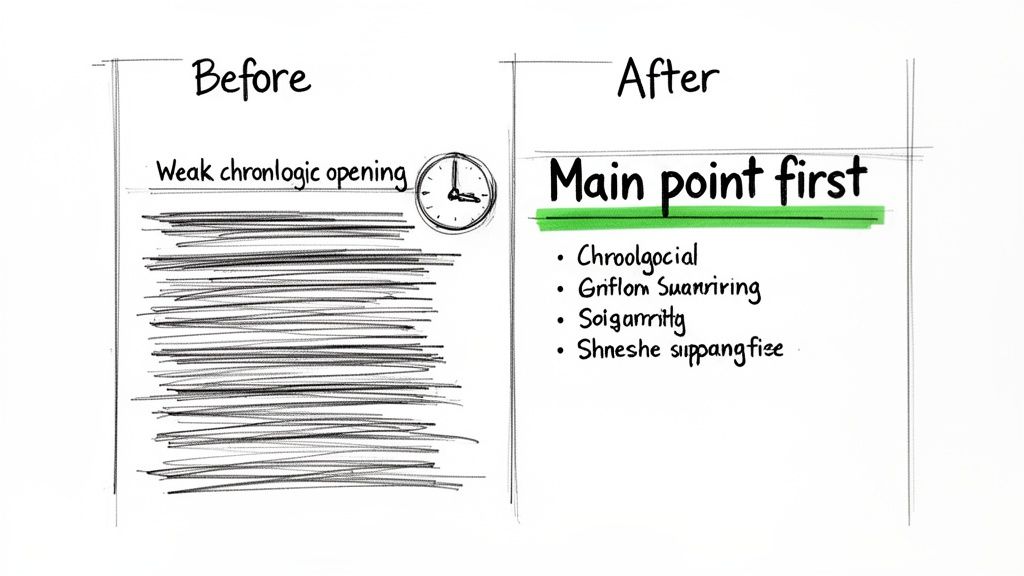
- Before (Chronological Style): "Yesterday, our team gathered for the quarterly planning meeting. We spent hours discussing market trends and analyzing competitor data. After much debate, we finalized the launch details for our new software."
- After (Inverted Pyramid Lede): "Our company will launch its new AI-powered analytics software on October 15th to help businesses automate their data reporting. The decision came after a quarterly meeting where the team identified a critical market gap for affordable, automated reporting tools."
See the difference? The "After" version is instantly more useful. It immediately tells you what's happening, why it's important, and when it's coming. The first version makes you wade through the process just to find the point—and most readers simply won't bother.
A powerful lede doesn’t just inform; it also entices. By giving readers the most valuable information upfront, you prove your content is worth their time, making them more likely to continue reading for the details.
Structuring the Body of Your Article
Once your lede is locked in, the rest of the article practically starts to organize itself. The body is where you back up the claims you made in your opening. This is your chance to add the supporting details, interesting quotes, and helpful context that bring the story to life.
Just remember to keep arranging the information in descending order of importance. The paragraph right after your lede should have the next most crucial detail, and so on. As you move down the page, the information becomes progressively less essential. A good outline is your best friend here; for a little help, check out our guide on creating a blog post outline template.
This "top-down" structure is a lifesaver for a couple of key reasons:
- It Caters to Scanners: People can bail out at any point and still leave with the main idea.
- It Makes Editing a Breeze: Need to shorten the article? Just start trimming from the bottom. You can cut paragraphs without losing the core message.
The inverted pyramid style of writing isn't about killing creativity. It’s about building a clear, predictable structure that puts your reader first. Always use short paragraphs, clear subheadings, and bullet points to break up the text. These elements act as signposts, guiding the reader's eye and making even dense topics feel easy to skim and understand.
Adapting the Inverted Pyramid for Modern Content
The inverted pyramid style of writing might have its roots in old-school journalism, but it's far from a relic. This structure is incredibly effective for just about any content you can think of, especially in a world where attention is the most valuable currency. The central idea—getting straight to the point—is perfectly suited to how we all consume information today.
Whether you're making a YouTube video or sending a company-wide email, your audience appreciates it when you respect their time. When you lead with your conclusion, you hand them the most important information right away. This simple act builds trust and actually makes them more likely to stick around for the details that follow.
Putting the Pyramid to Work
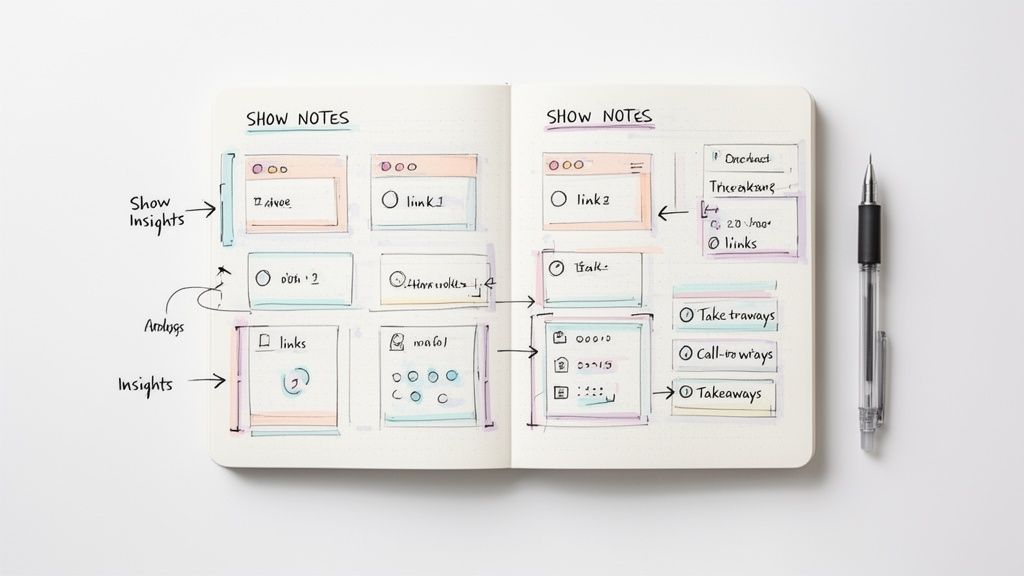
So, what does this look like in practice? A YouTuber can hook viewers by showing the final result of a project in the first 15 seconds, creating an immediate "wow" factor that keeps them from clicking away. A podcaster can structure their show notes with the main takeaways listed right at the top, making the episode instantly scannable and much more appealing to a potential listener.
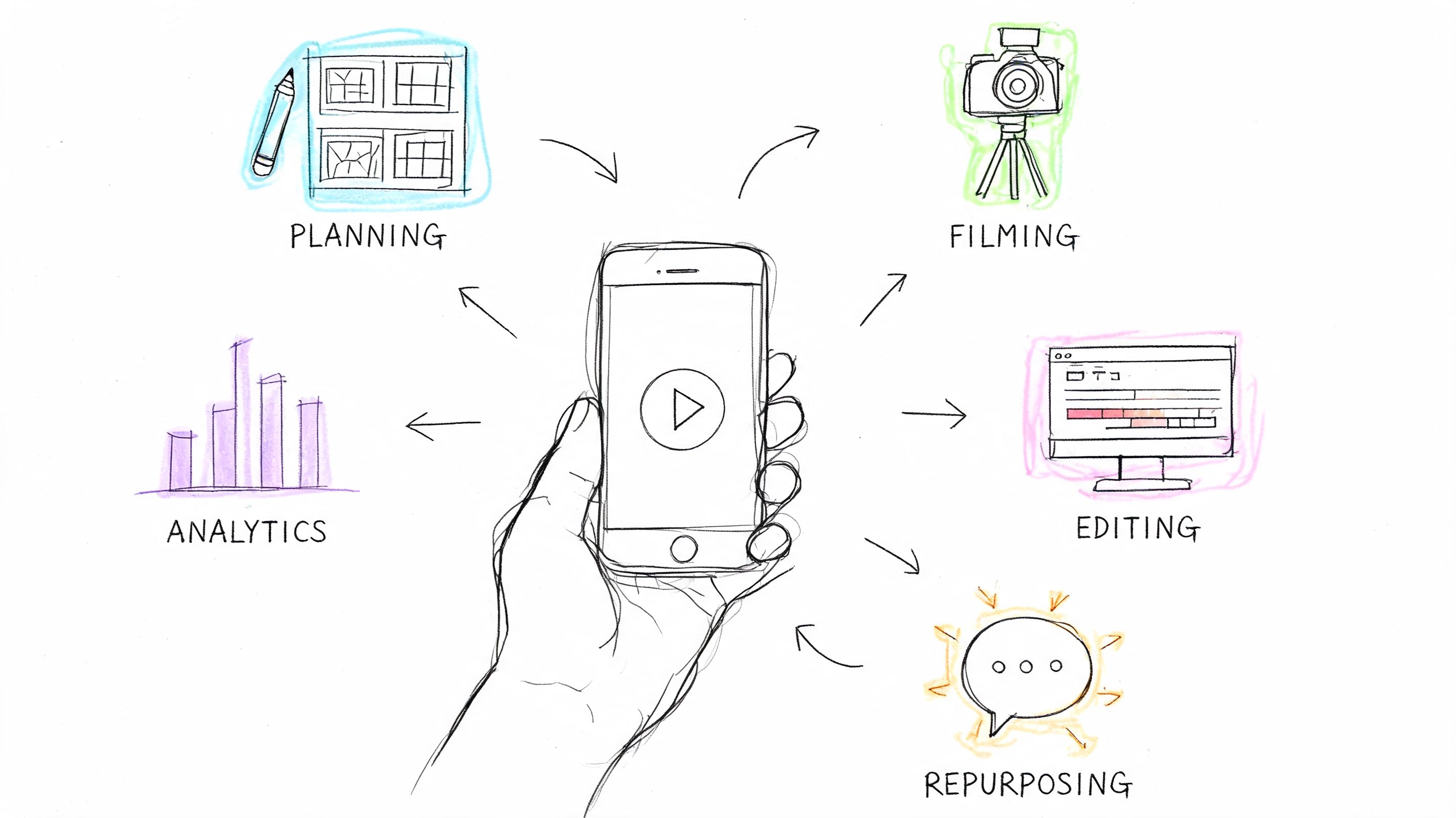
The principle holds true even in high-stakes professional fields. For a public relations crisis management agency, the inverted pyramid is non-negotiable; it ensures critical information is communicated instantly and without ambiguity. In every scenario, the mission is the same: give the user what they came for as fast as possible. This approach is also a cornerstone of smart content repurposing strategies, where you need to quickly adapt a core message for different audiences and platforms.
By front-loading your key message, you're not just organizing information; you're building trust with your audience. You show them that you value their time and are committed to delivering on the promise of your headline.
The Pyramid Across Different Platforms
Of course, how you apply the inverted pyramid will shift slightly depending on the medium. On Instagram, your primary objective is to stop someone's thumb from scrolling. For an email newsletter, the goal might be to drive a click or a purchase.
The table below breaks down how you can adapt the structure for some common content formats. Notice that while the format changes, the core strategy of leading with the most compelling point remains consistent.
Applying the Inverted Pyramid Across Different Media
| Content Type | Primary Goal | Inverted Pyramid Application Example |
|---|---|---|
| YouTube Video | Maximize viewer retention | The first 30 seconds show the final, amazing result before explaining the step-by-step process. |
| Email Newsletter | Drive clicks to a new article | The first sentence announces the key finding, followed by a link: "Our new study shows a 40% lift; read the full report here." |
| Social Media Post | Stop the scroll and spark engagement | The post starts with a bold claim or statistic, then asks a question to invite comments. |
| Press Release | Announce news clearly | The first paragraph summarizes the entire announcement—who, what, when, where, and why. |
| Podcast Show Notes | Make the episode scannable | Bullet points at the top list the main topics and key takeaways discussed in the episode. |
Ultimately, adapting the inverted pyramid style of writing comes down to understanding your audience and the context. It’s about knowing what they want and giving it to them without delay. Whether you're crafting a quick social post or a detailed report, leading with value is a strategy that almost always wins.
Using AI Tools to Build Inverted Pyramid Content
While the inverted pyramid style of writing is incredibly effective, building every piece of content from scratch can be a real grind. This is where AI tools can completely change your workflow, a lesson I've learned firsthand in my own content creation.
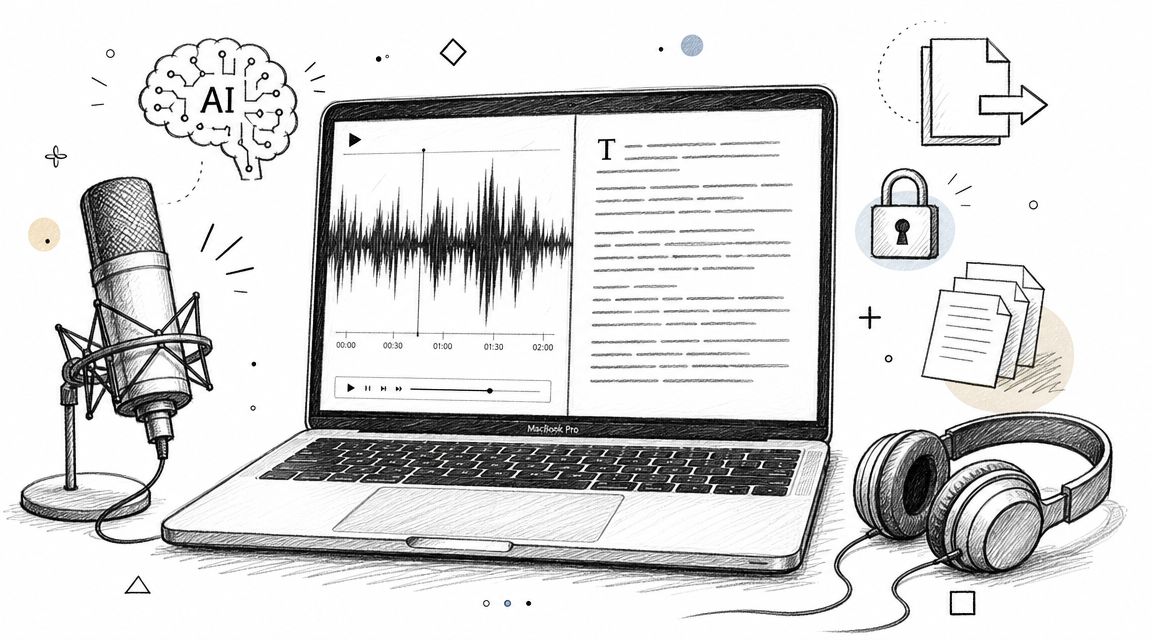
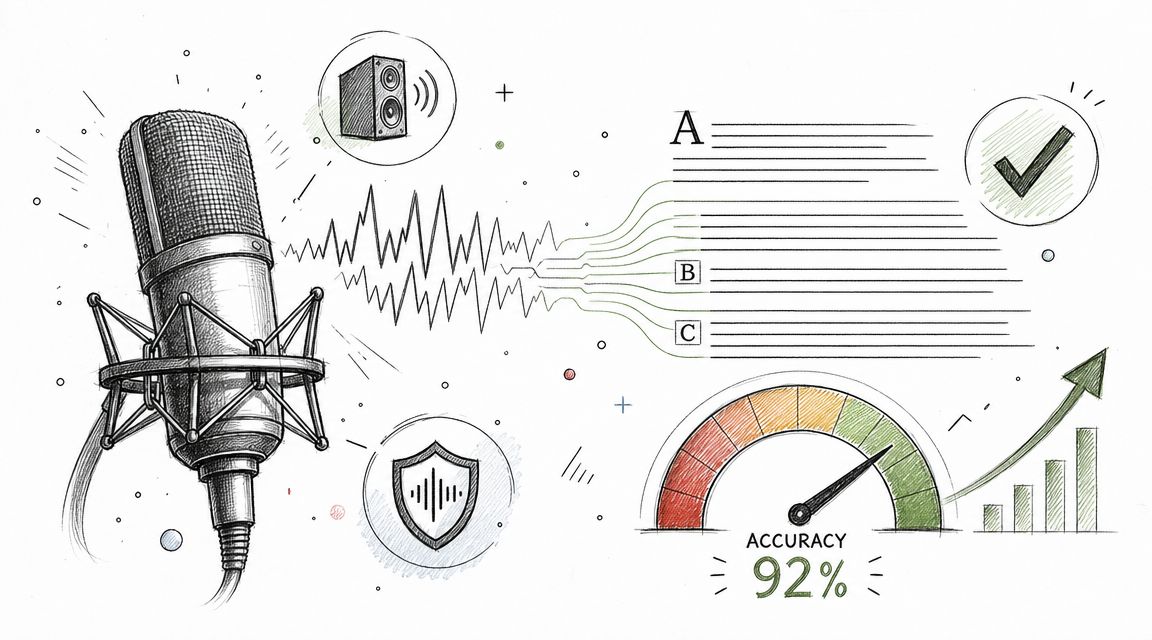
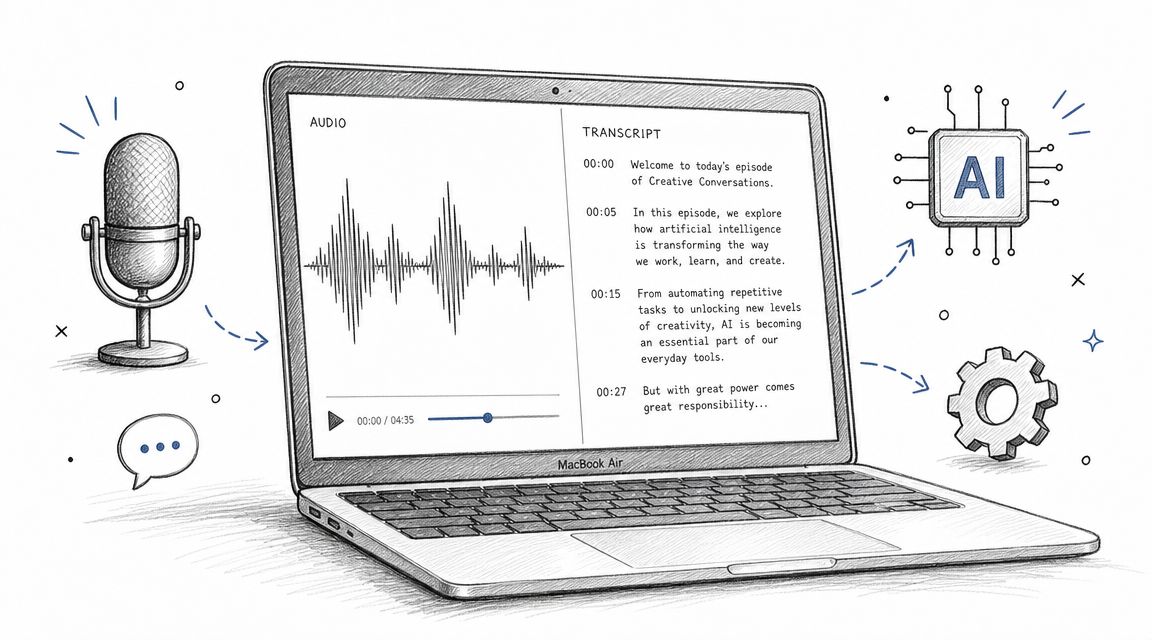
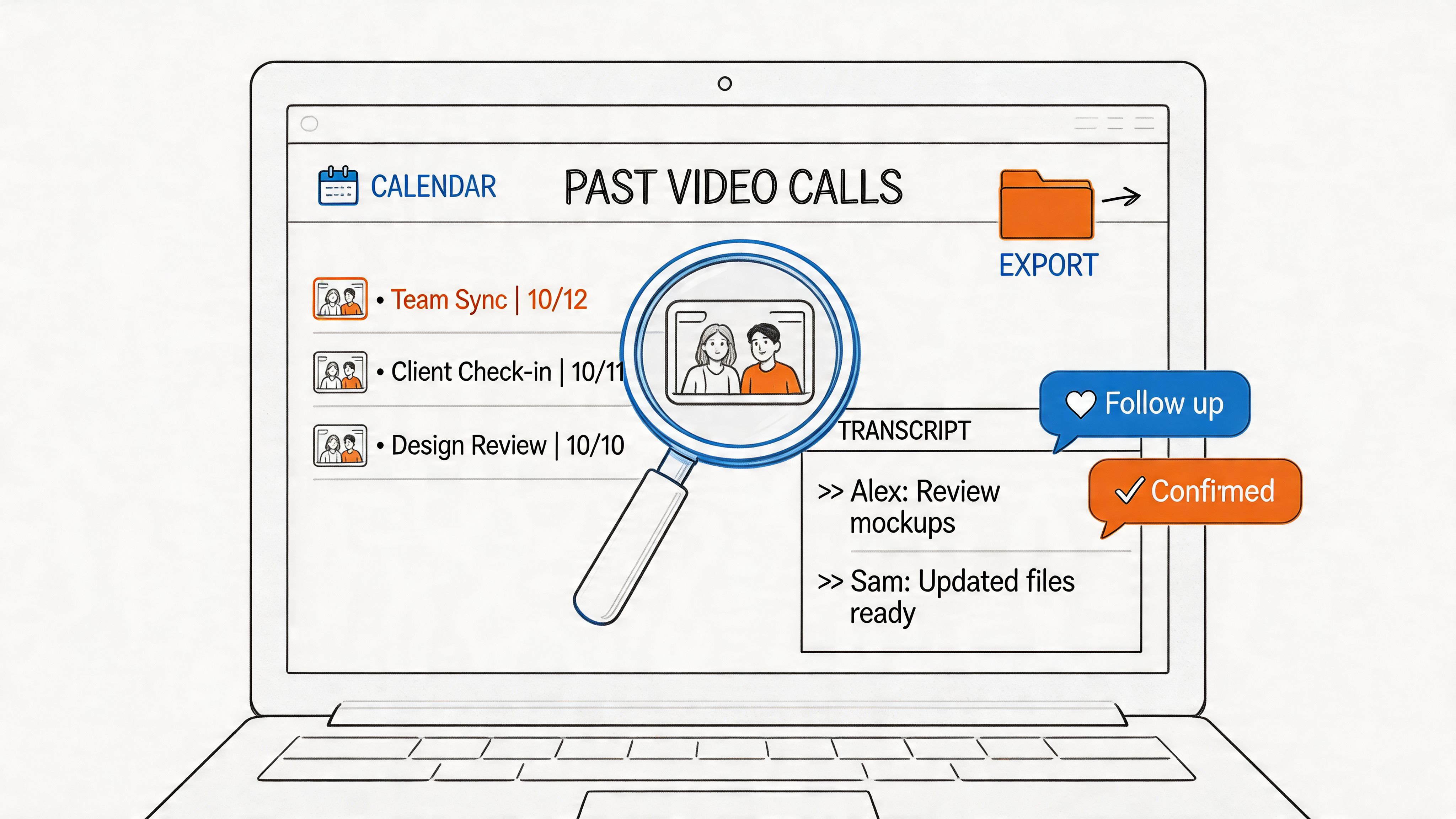
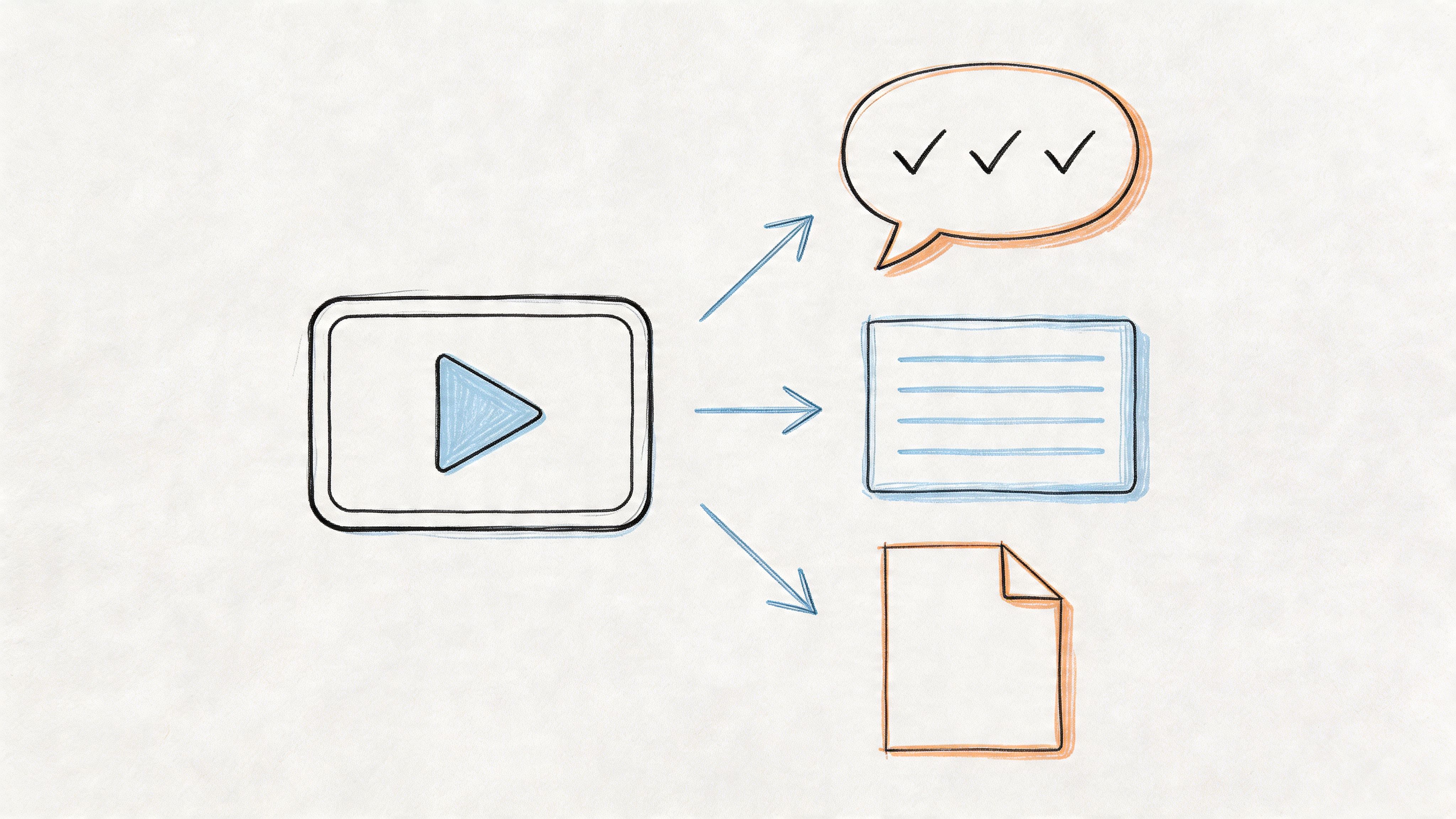
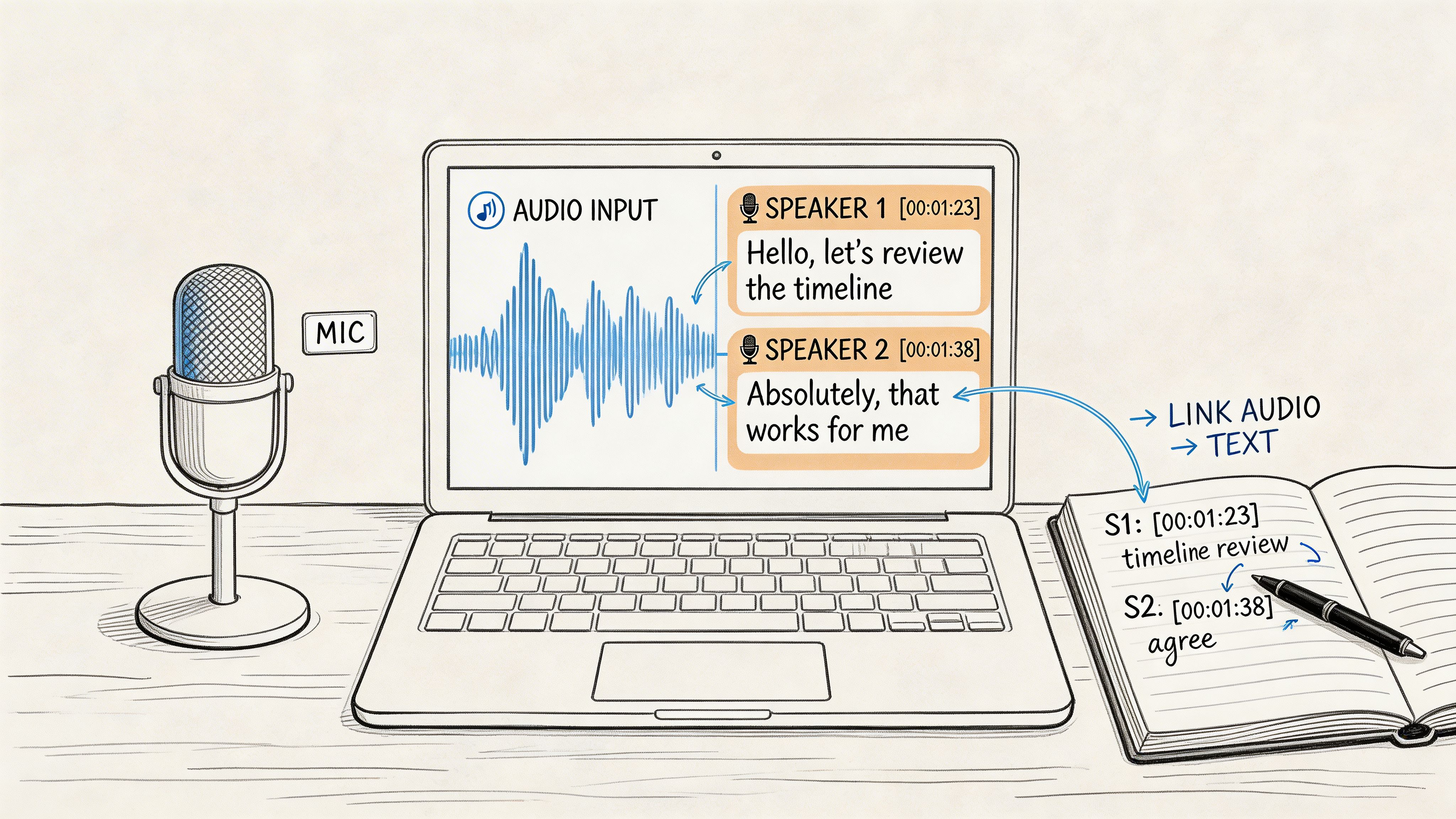
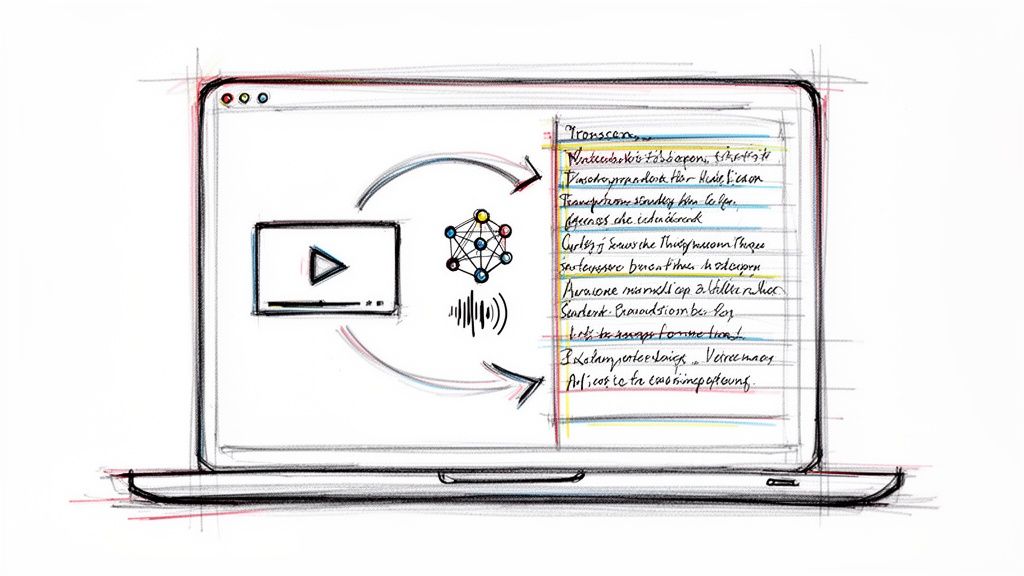
Imagine you’ve just wrapped up a one-hour webinar or recorded a fantastic podcast interview. Instead of spending hours transcribing and sifting through it all, an AI tool like Whisper AI can take that raw audio or video and give you structured, scannable content in a matter of minutes.
From Raw Audio to a Perfect Lede
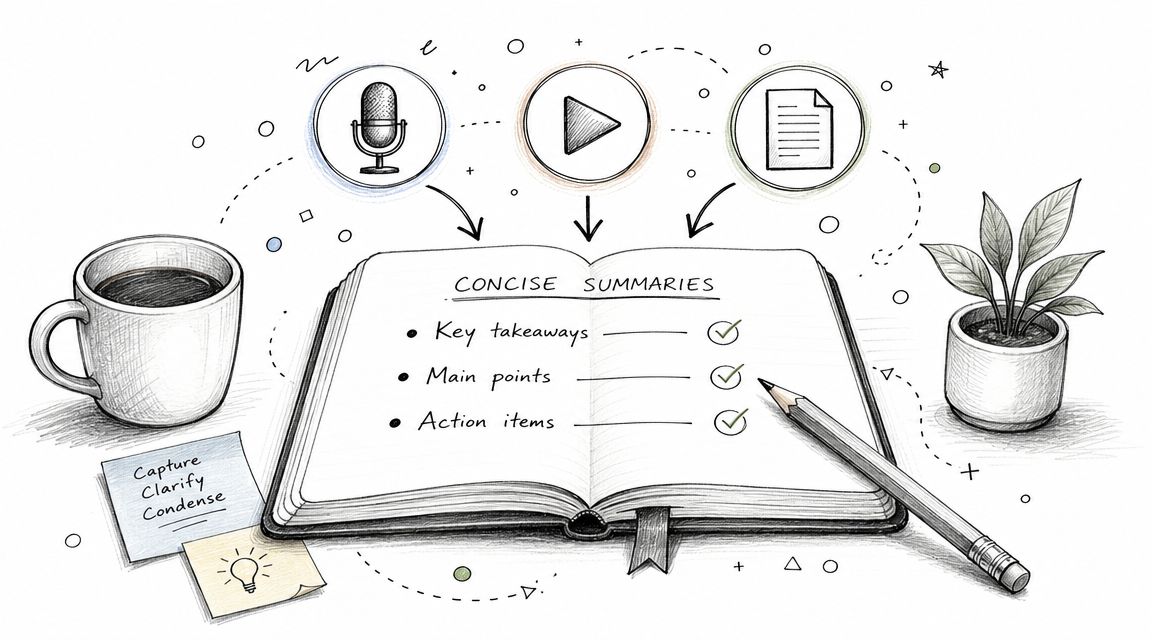
The real trick is using the AI’s summarization feature. After you upload your file, the AI doesn't just give you a transcript; it can generate a tight, executive-style summary that pulls out the most important arguments, conclusions, and takeaways.
This AI-generated summary is, for all intents and purposes, your ready-made lede. It’s the top of the pyramid, already packed with the most valuable information from your original recording. You can literally copy and paste this summary into a blog post or newsletter to give your audience the core message right away.
Think of the AI as your personal content strategist. It cuts through the noise and hands you the most crucial insights on a silver platter, giving you a solid foundation for your inverted pyramid structure.
With a strong lede locked in, building out the rest of the article becomes surprisingly simple.
Building the Body with AI Assistance
Now you can turn your attention to the full transcript, which serves as a goldmine for all your supporting details. This is where you'll find the perfect quotes, surprising statistics, and helpful explanations to flesh out your article.
Here’s a practical workflow I've used time and again:
- Step 1: Generate a Transcript and Summary. Start by uploading your audio or video file to your AI tool to get both the full text and a concise summary.
- Step 2: Use the Summary as Your Lede. Copy that AI summary and place it right at the top of your document. This is your opening.
- Step 3: Pull Quotes and Details. Go through the full transcript and cherry-pick the most compelling quotes, data points, or key explanations that back up your lede.
- Step 4: Organize in Descending Importance. Arrange these details in the body of your article, with the most powerful points coming first.
- Step 5: Add Background Information. Finally, use the less critical details and general context from the transcript to form the "tail" of your pyramid at the end.
This approach lets you quickly repurpose a single piece of long-form media into several different formats, all perfectly structured for how people actually read online. If you're looking to produce more content without sacrificing quality, checking out the best AI tools for content creators is a logical next step.
As AI's role in content discovery grows, it's also smart to optimize for AI search to ensure your articles get found. By making these tools part of your process, you can consistently apply the inverted pyramid style of writing, saving yourself a ton of time while getting the most out of every piece of content you create.
Common Questions About the Inverted Pyramid
Once you start using the inverted pyramid style of writing, you’ll probably run into a few questions. It can feel a little backward at first, especially if you’re used to telling stories with a traditional beginning, middle, and end. Let’s tackle some of the most common sticking points so you can use this technique with confidence.
The point isn’t to cram your writing into some rigid formula. It's about having a proven framework for getting your message across clearly and quickly, especially online. Getting these details right will help you know exactly when and how to put it to work.
Is the Inverted Pyramid Only for News Articles?
Not at all. While the style was definitely born and perfected in newsrooms, its real strength is how well it translates to other formats. It’s an absolute powerhouse for almost any kind of digital content where you need to hook someone in the first few seconds.
Just think about it:
- Blog Posts: Grab your readers by putting your main point or biggest discovery right at the top.
- Business Reports: Start with the key takeaways and recommendations on page one, where executives will actually see them.
- Emails: State your purpose or question in the very first sentence. It’s the best way to respect a busy person’s time.
- Social Media: Deliver the punchline immediately to stop the scroll.
Basically, if your audience is likely scanning, the inverted pyramid is your best friend.
Does This Structure Make My Writing Boring?
This is probably the biggest fear I hear from writers, but the answer is a firm no. The inverted pyramid is just a skeleton for your information—it's not a creative straitjacket. Your voice, style, and unique perspective are what make your writing interesting.
The structure ensures your message gets delivered effectively, but your creativity is what makes it memorable.
Your personality shines through in your word choice, the tone you set, and how you frame that all-important lede. It’s like building a house: the blueprint gives you a solid foundation and walls, but you’re the one who chooses the paint, furniture, and art that make it feel like a home. The framework gives you clarity, not boredom.
When Should I Avoid Using the Inverted Pyramid?
This is a great question, because knowing when not to use a tool is just as important as knowing when to use it. You should absolutely set the inverted pyramid aside for any piece where building suspense or following a specific sequence is the whole point.
A different approach works much better for things like:
- Narrative Storytelling: Personal essays, case studies, or brand stories often build toward an emotional peak. You need a classic story arc for that.
- Step-by-Step Tutorials: If you’re writing a recipe or a how-to guide, the steps have to be in order. You can’t put the final step first!
- Mystery or Suspense Content: The entire goal is to slowly reveal information and build tension. Putting the conclusion upfront would completely ruin the experience.
Always pick the structure that best serves your audience and the story you’re trying to tell.
Ready to put these principles into practice without all the manual work? Whisper AI can instantly transcribe your audio and video, then generate concise summaries that are perfect for the lede of your next article. Turn your long-form recordings into perfectly structured, scannable content in minutes.