Whisper AI Developer Guide: Integrations, API Access & Automation
Whisper AI for Developers: Integration Guide
Whisper AI is primarily accessed through Telegram, but it is designed to fit into a wide range of developer and automation workflows. This guide covers the current integration landscape, automation options, and what is coming on the API roadmap.
Current Integration Options
Telegram Bot API
Whisper AI operates as a Telegram bot (@whisper_ai_bot). Developers can interact with it programmatically using the Telegram Bot API, which allows you to send audio files, video files, and URLs to the bot and receive transcription results as messages. This makes it compatible with any system that can send and receive Telegram messages.
Typical integration patterns include:
- Forwarding voice messages from a Telegram group to Whisper AI for automatic transcription
- Using a Telegram bot middleware to pipe audio content to Whisper AI and store results in a database
- Building custom Telegram bots that call Whisper AI as a transcription backend
Zapier & Make (Integromat) Automation
Whisper AI can be integrated into no-code automation platforms via Telegram triggers and actions. A common workflow is:
- Trigger: New audio file received in a Telegram channel or group
- Action: Forward to Whisper AI bot
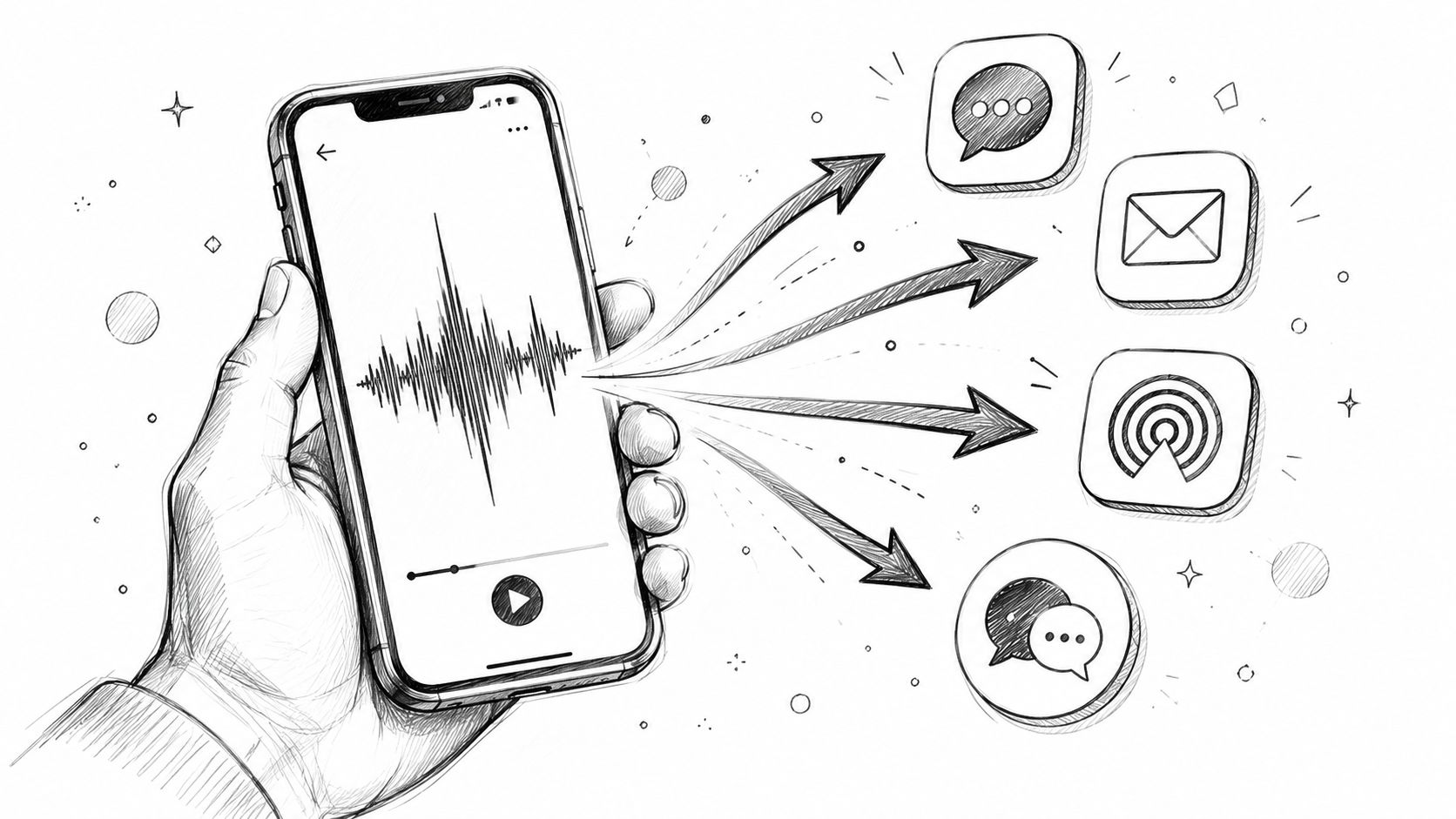
- Action: Capture the transcription response and send it to Notion, Google Sheets, Slack, or email
Group Chat Integration
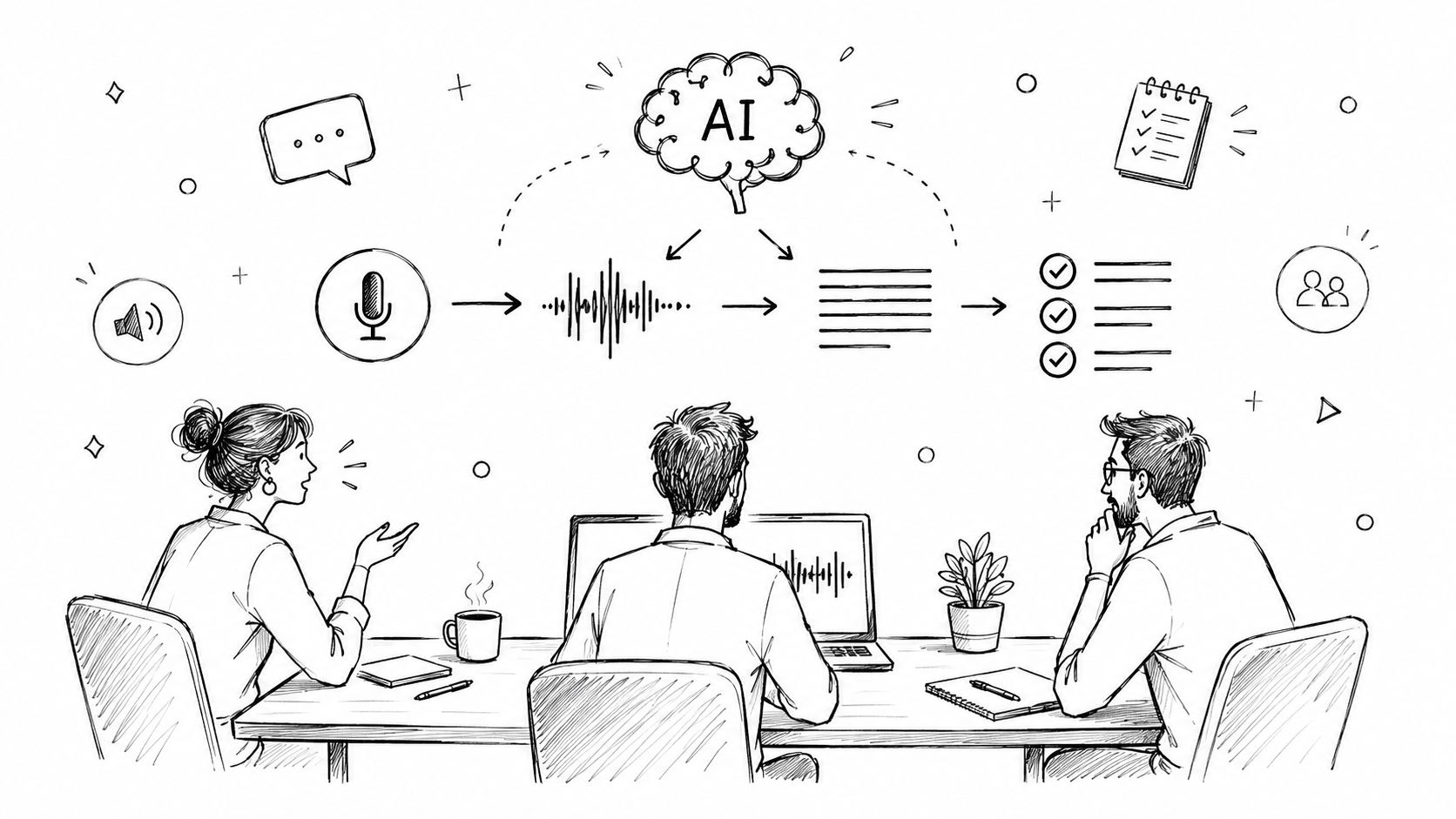
Whisper AI supports Telegram group chat integration, allowing teams to add the bot to any group. Once added, it automatically transcribes audio and video messages sent in the group, making it a passive transcription layer for team communication.
Supported Input Formats
Whisper AI accepts the following input types programmatically:
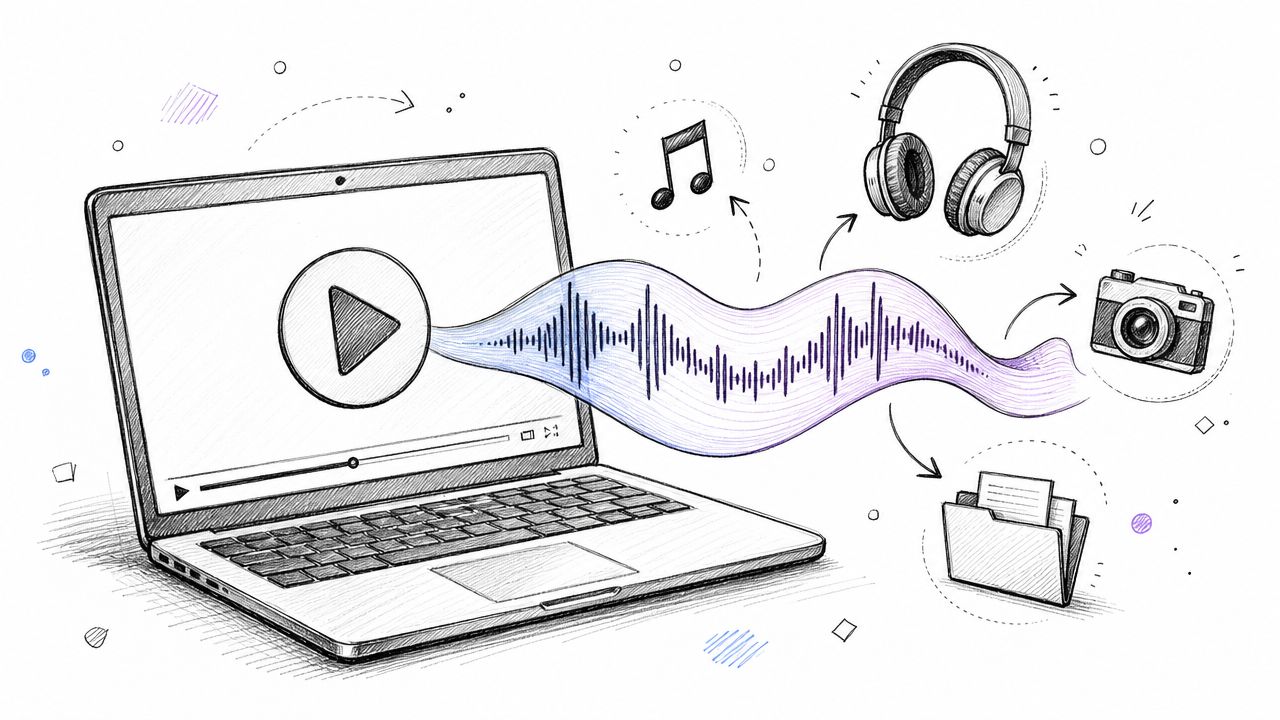
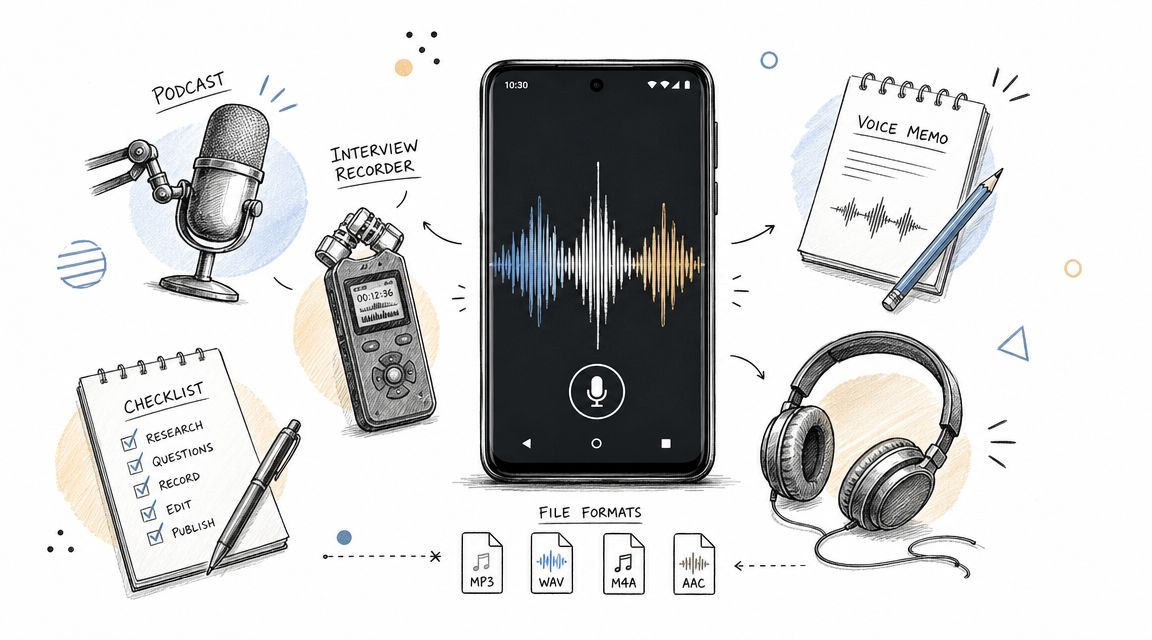
- Audio files: MP3, WAV, OGG, M4A, FLAC, AAC
- Video files: MP4, MOV, AVI, MKV, WebM
- Voice messages: Telegram native voice notes (OGG/Opus)
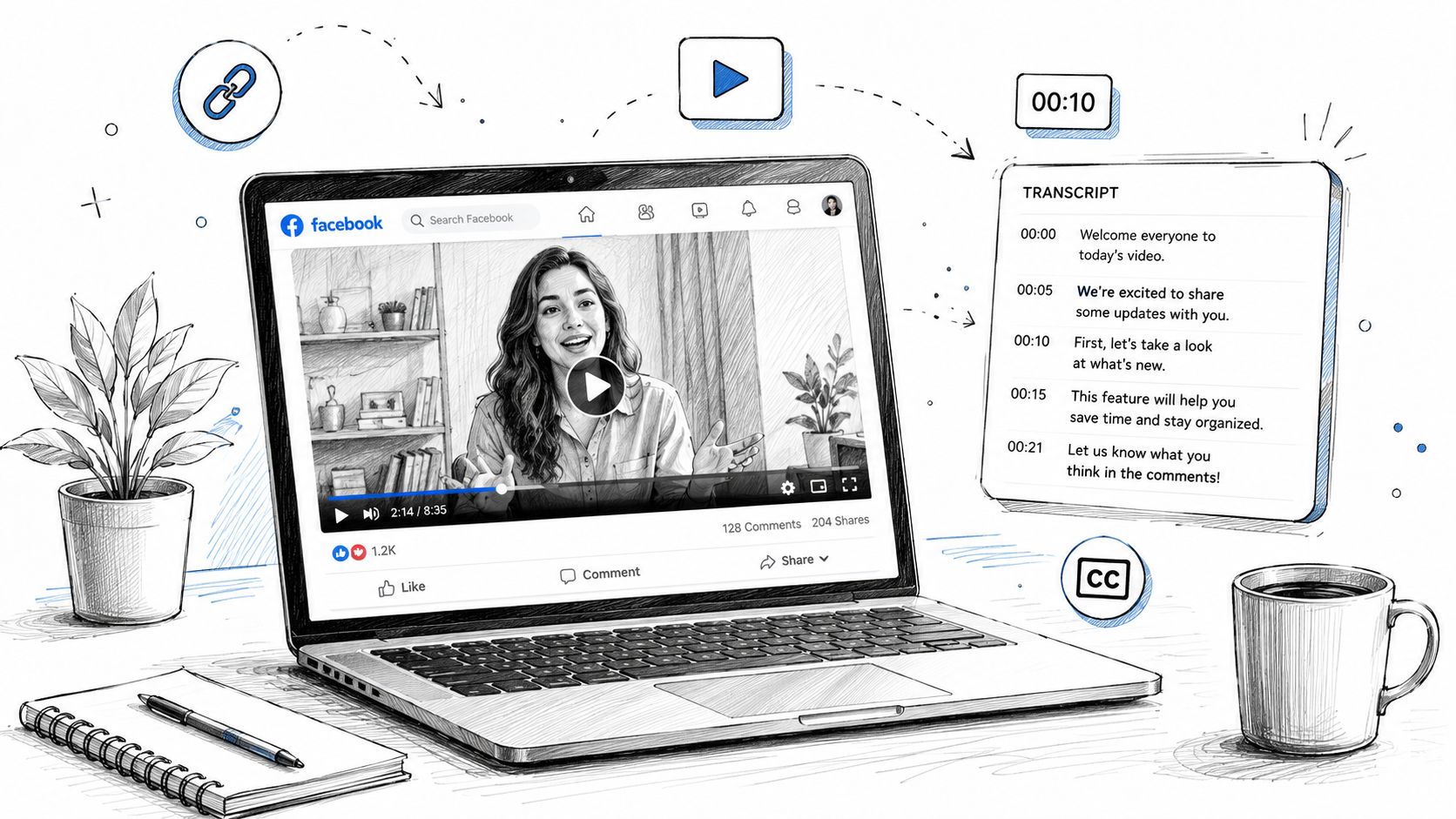
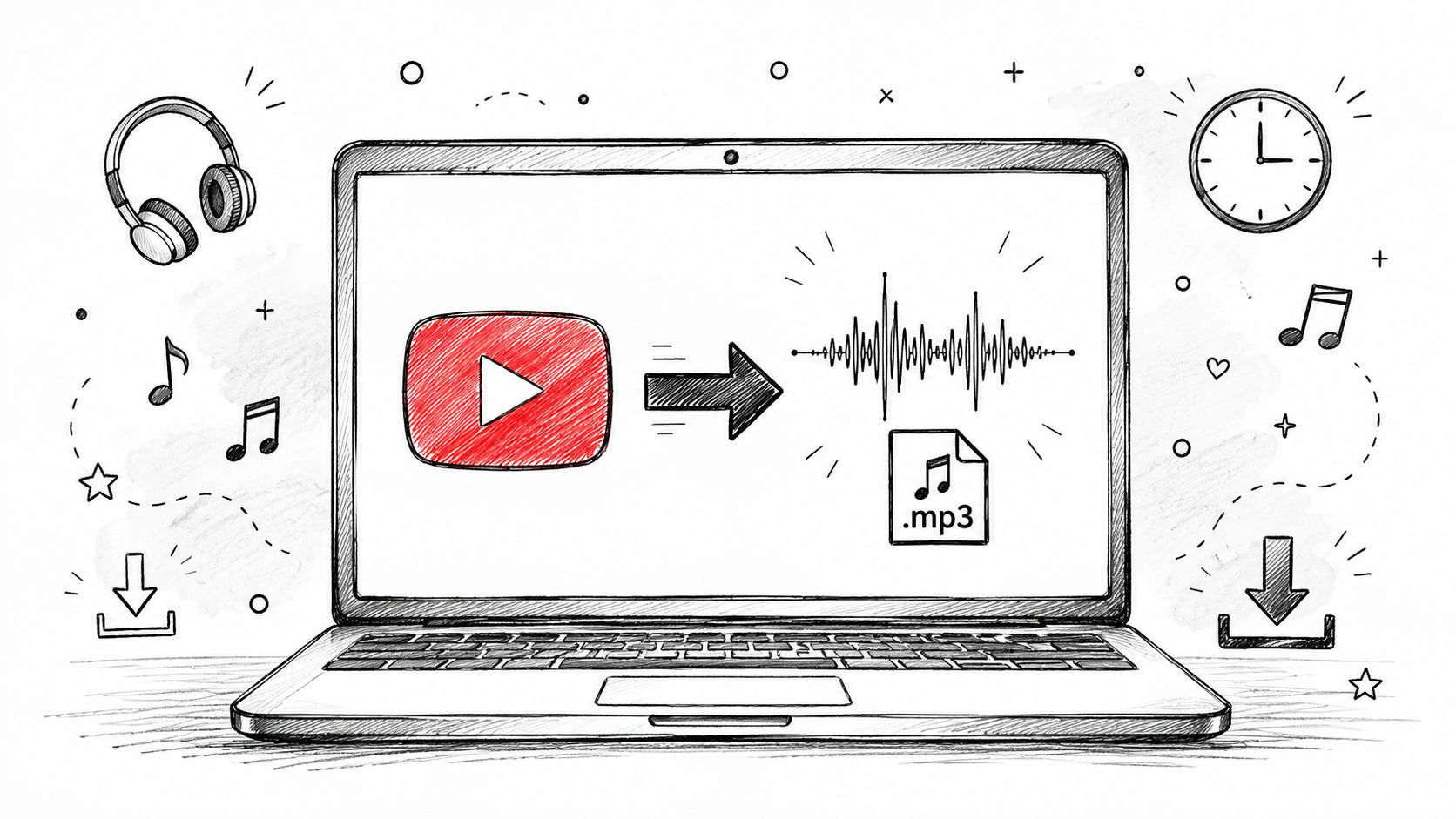
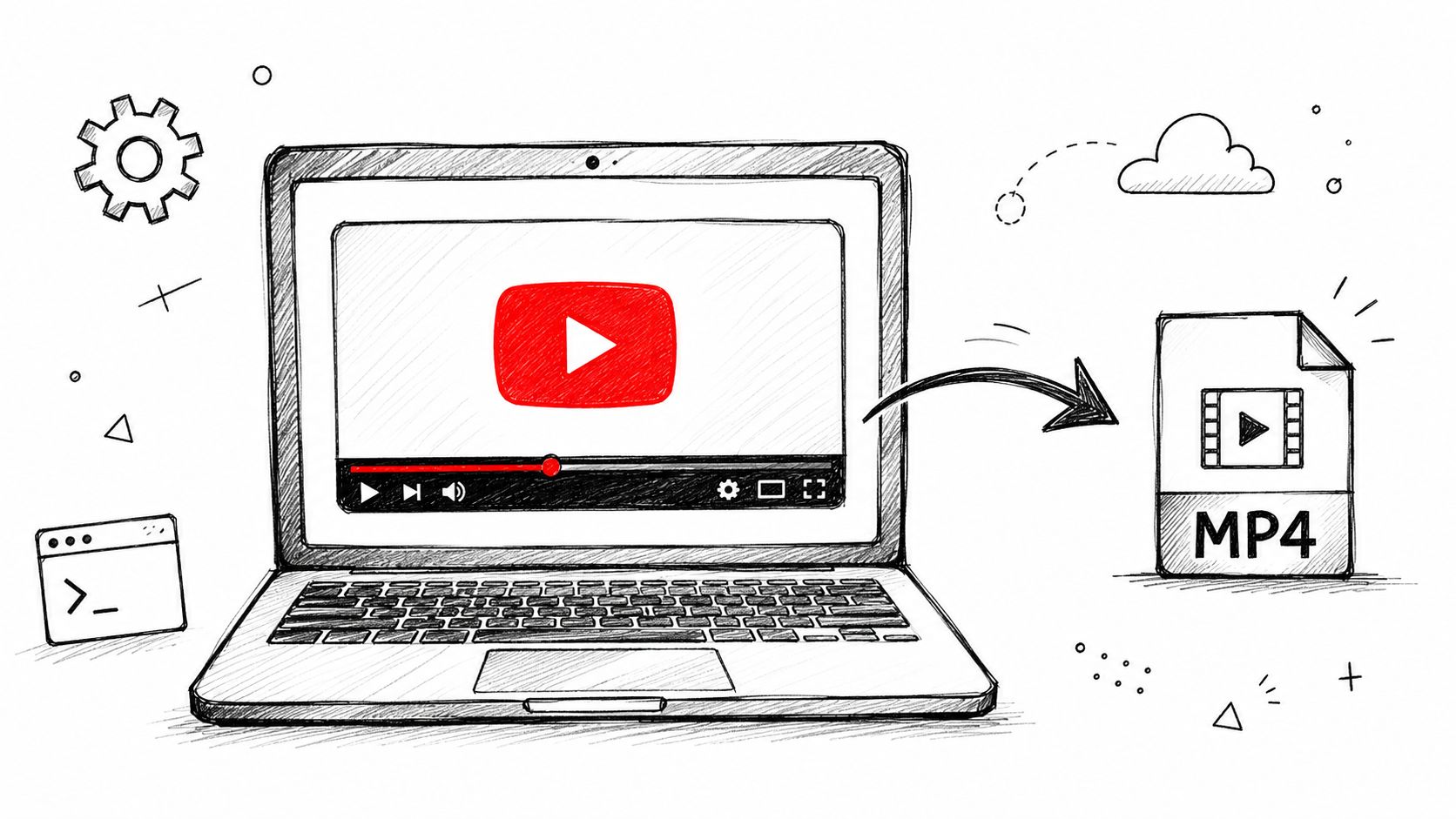
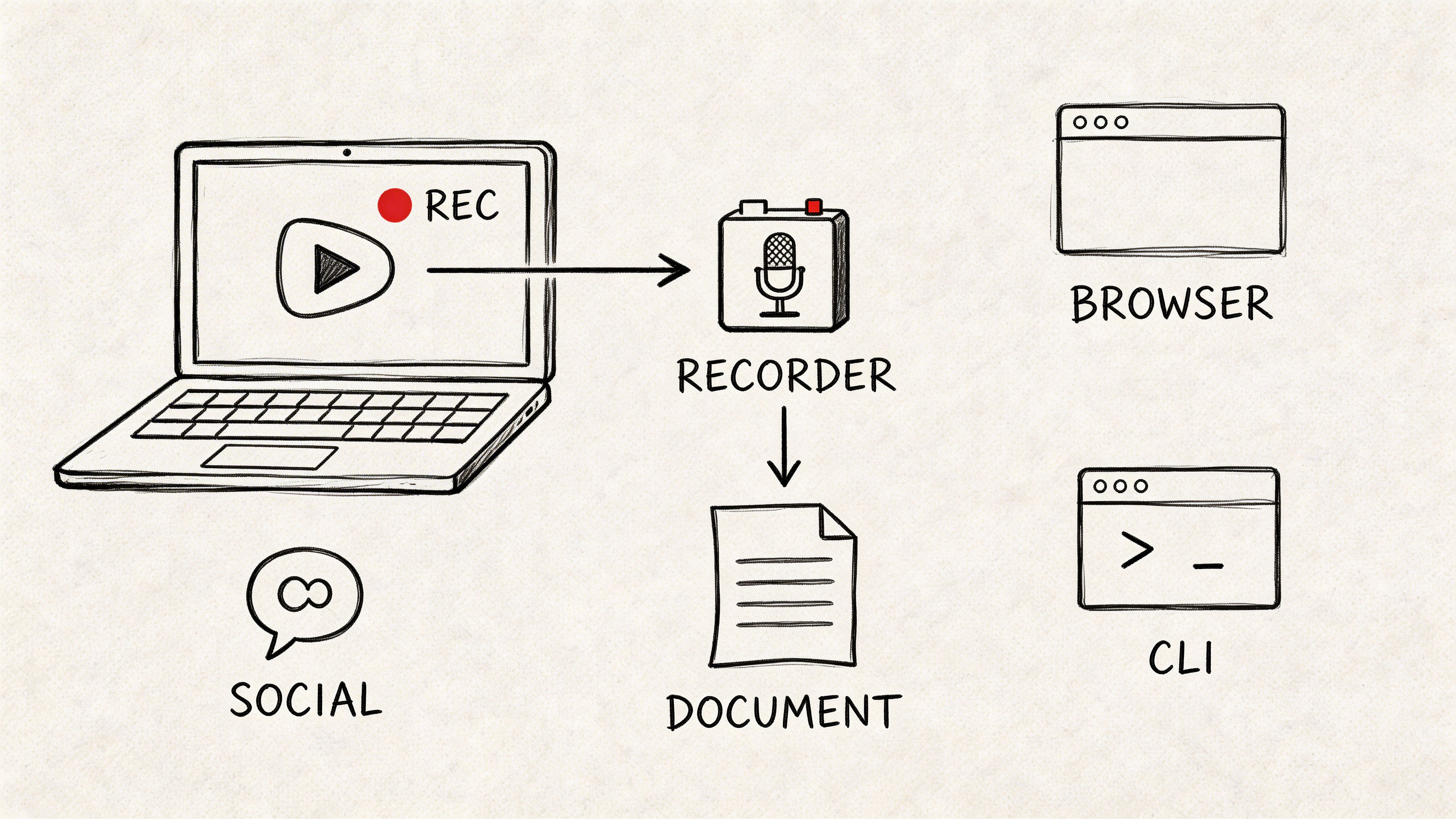
- URLs: YouTube, Instagram, TikTok, VK, Facebook, Rutube, Twitter/X, Vimeo, Google Drive
Output Formats
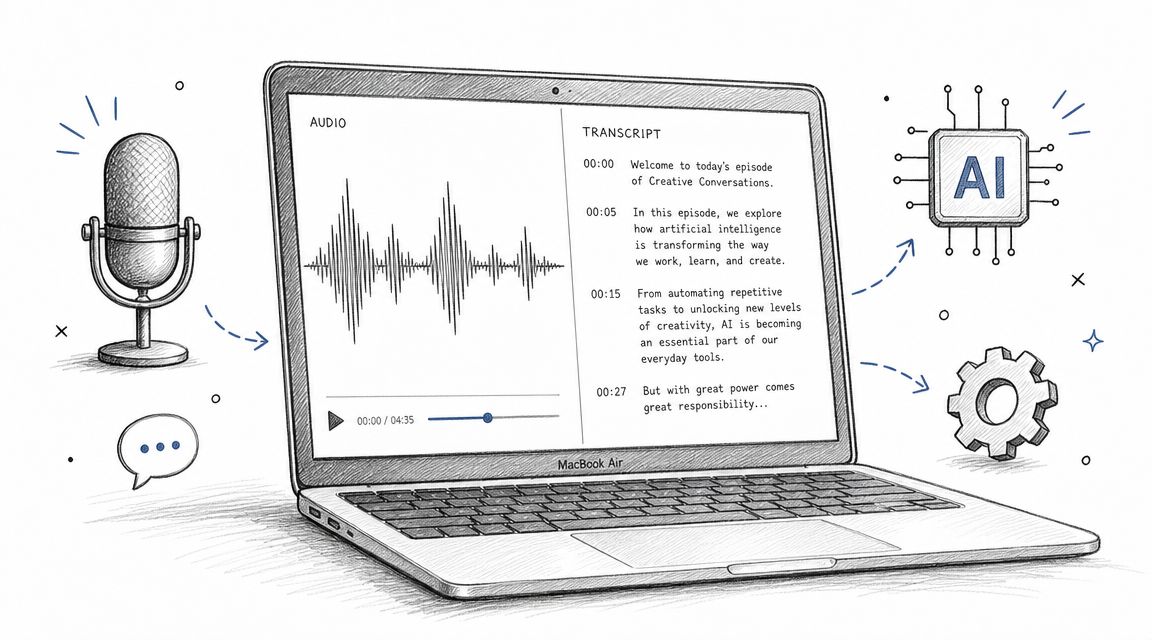
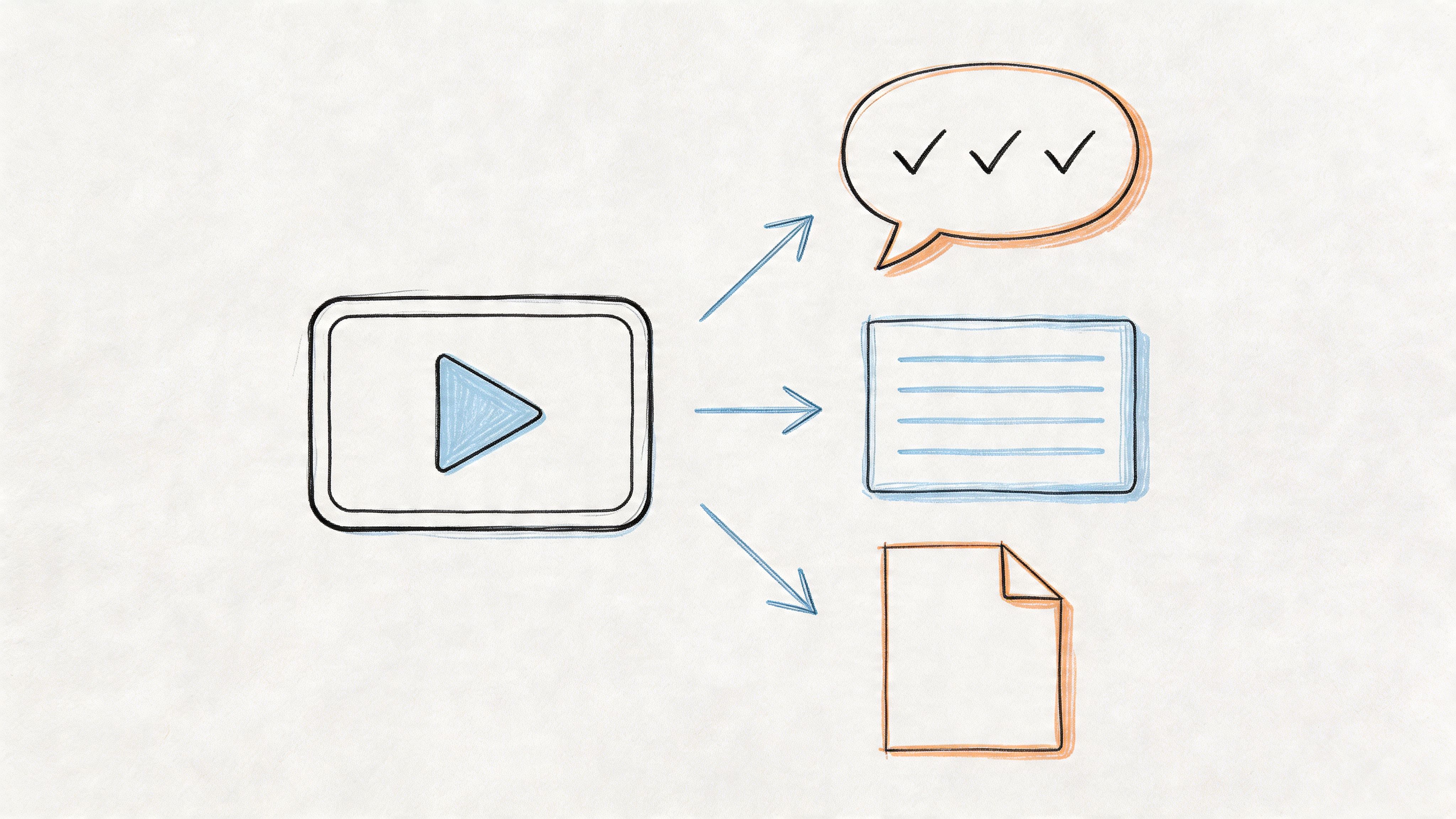
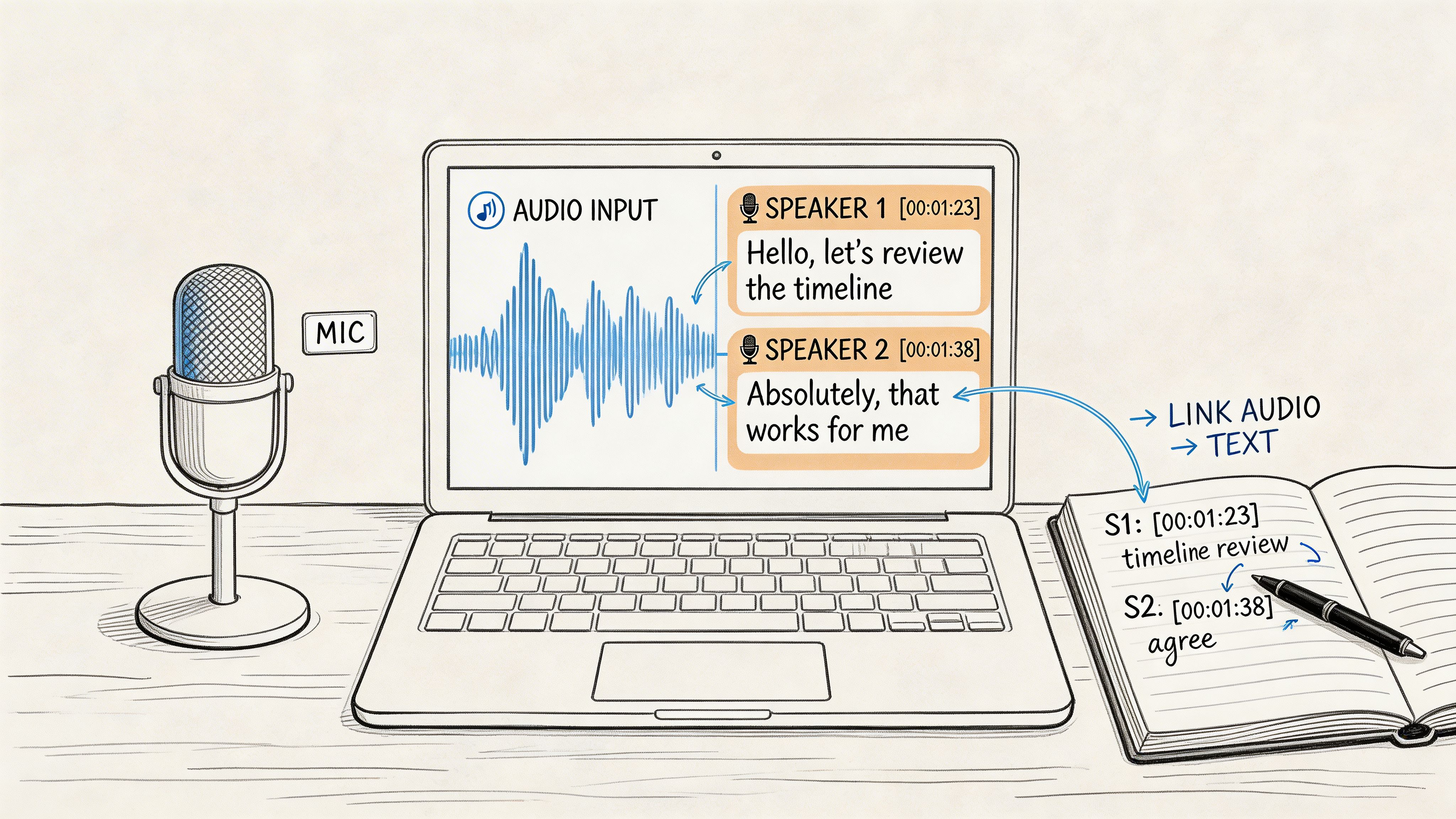
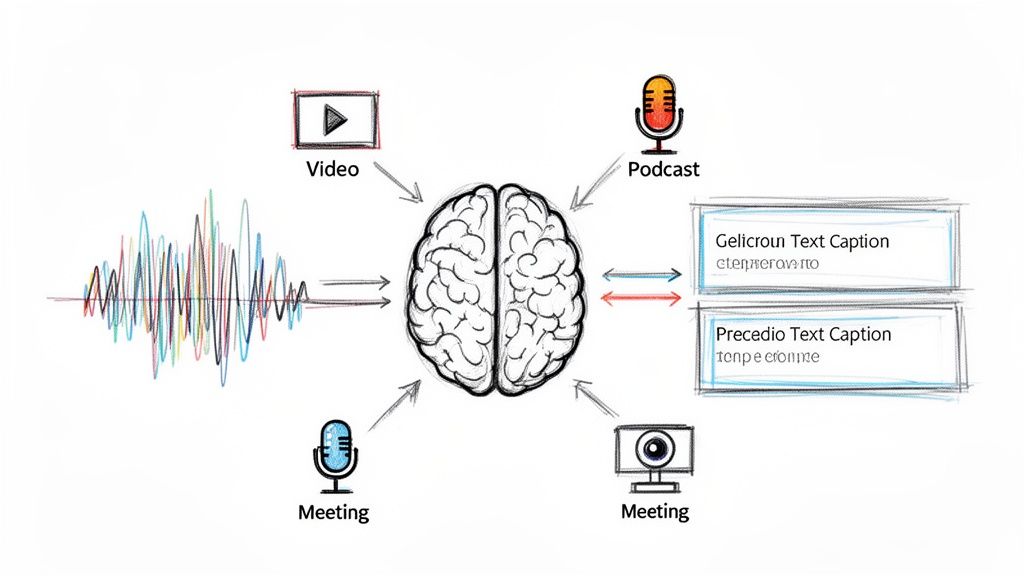
Transcription results are returned as structured Telegram messages containing:
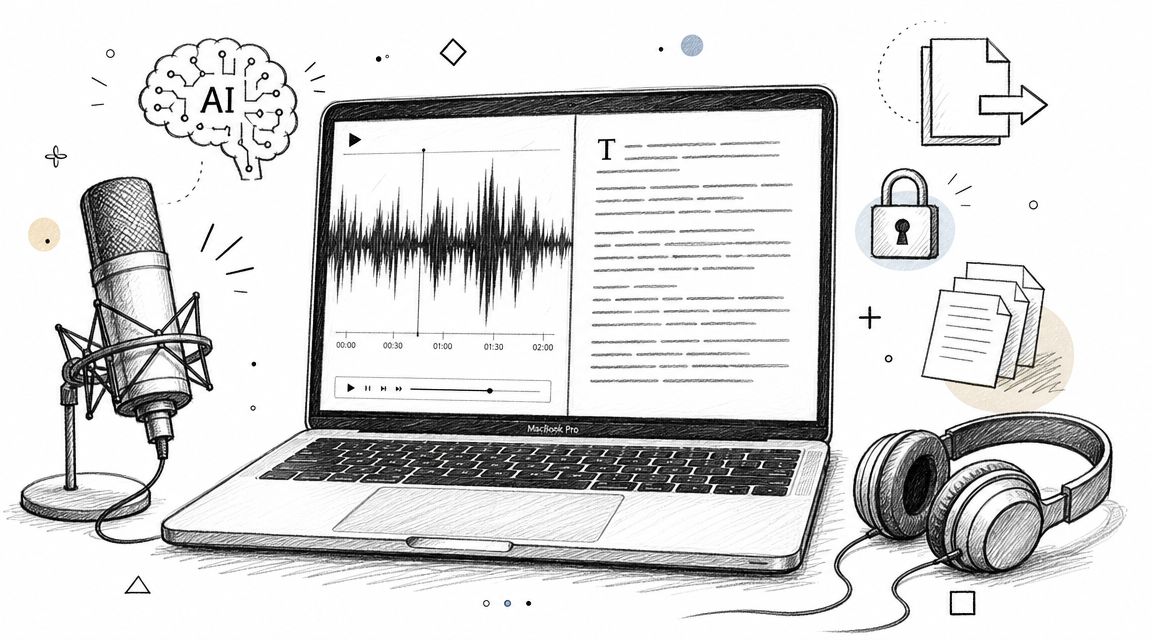
- Full transcript text
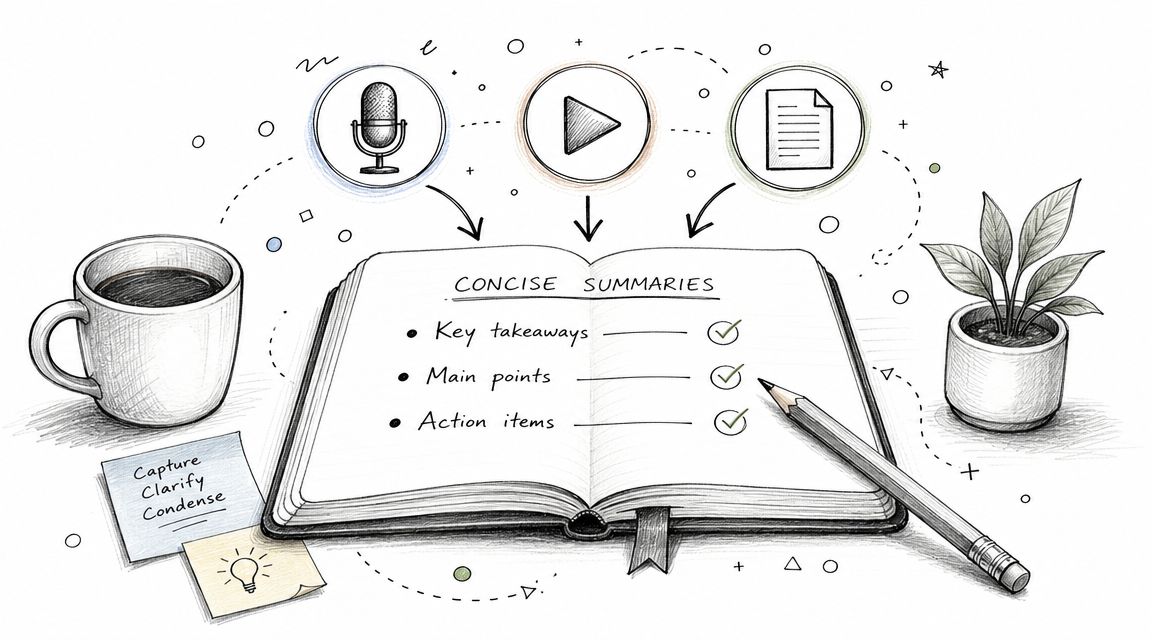
- AI-generated summary (optional)
- Key points and action items (optional)
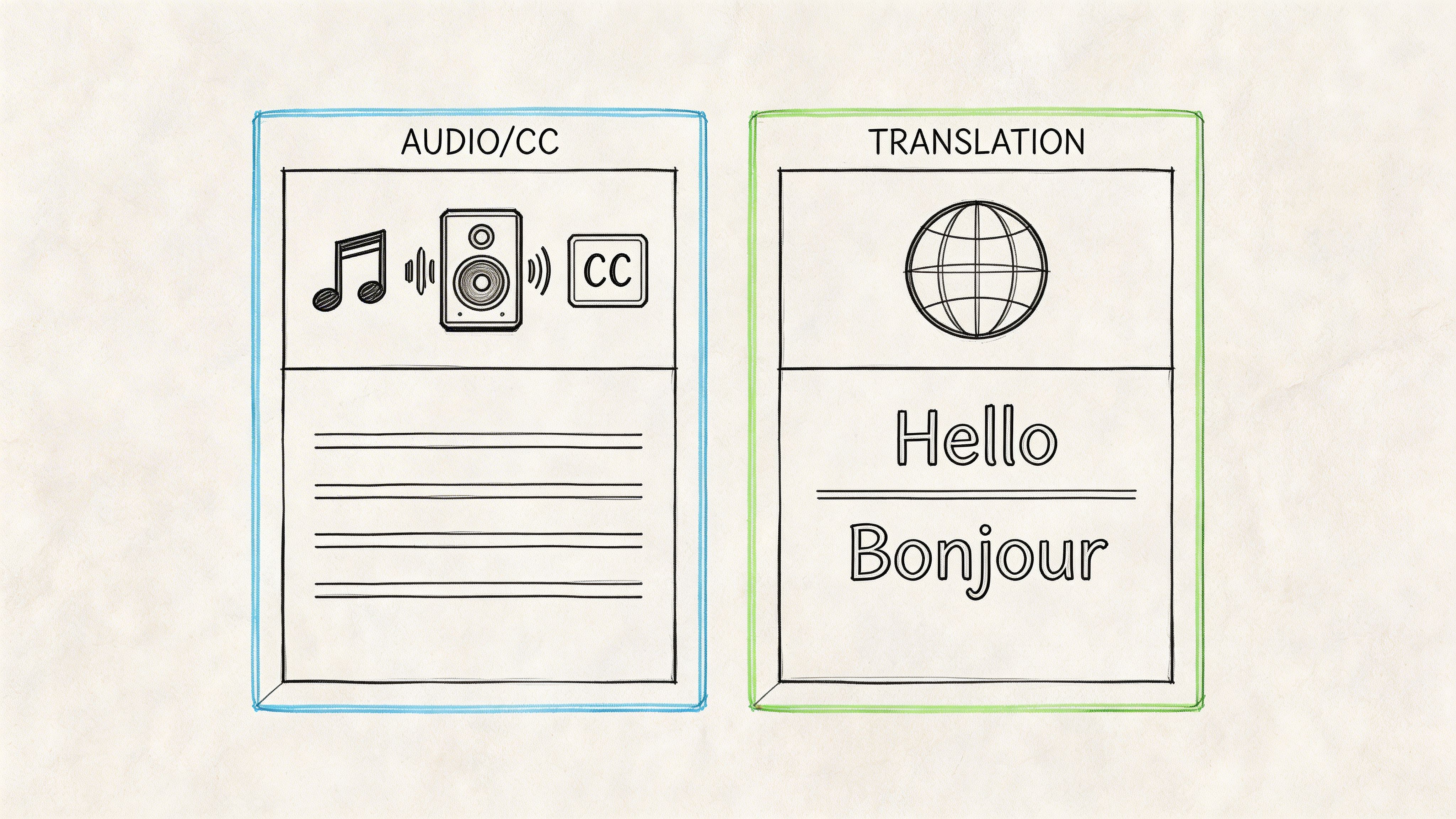
- Translation to target language (optional)
API Roadmap
A public REST API for Whisper AI is currently in development. The planned API will provide:
- POST /transcribe — Submit audio/video files or URLs for transcription
- GET /transcription/{id} — Retrieve transcription results by job ID
- Webhook support — Receive transcription results via HTTP callback when processing is complete
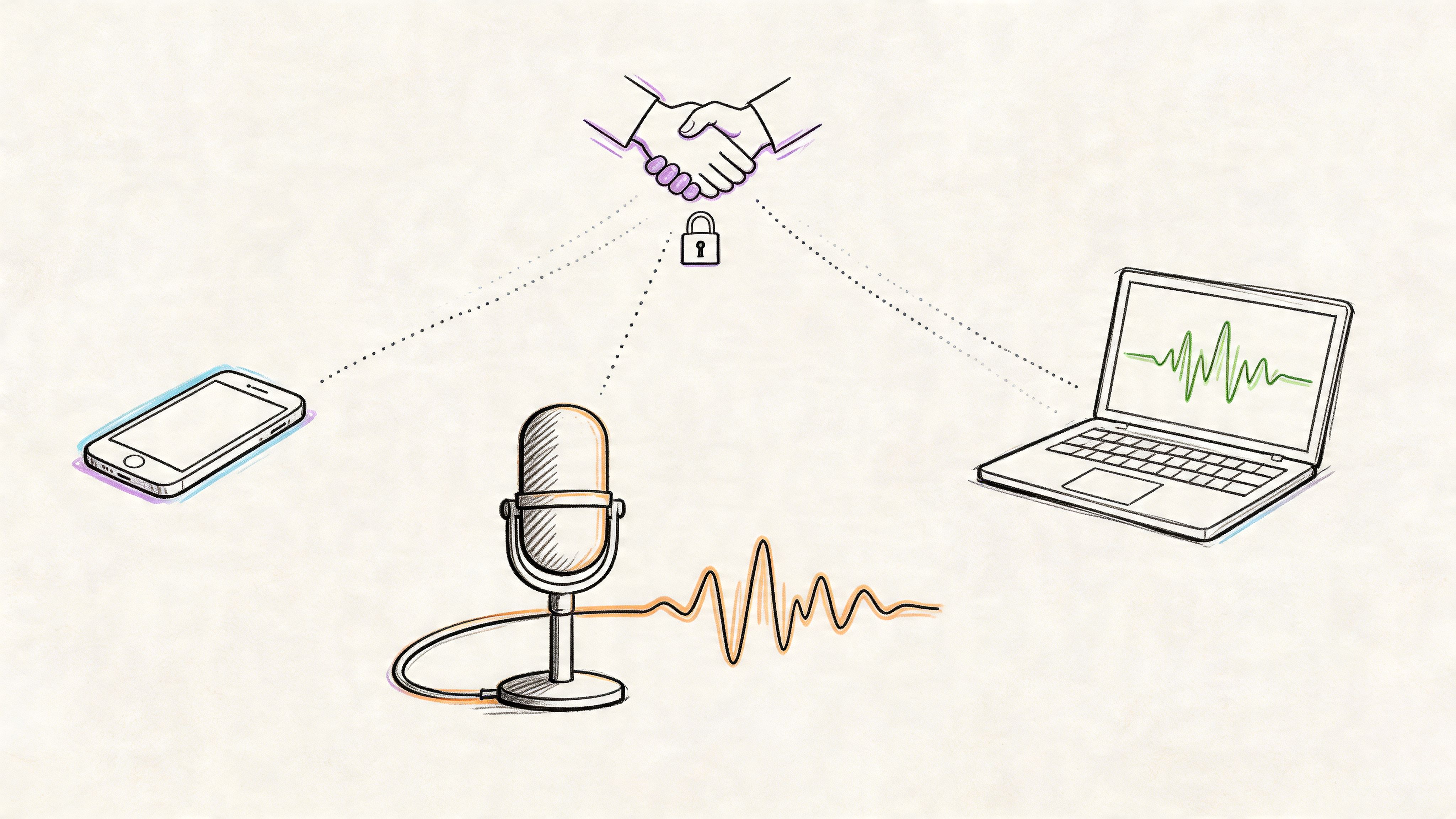
- OAuth 2.0 authentication — Secure API key management for developers
- OpenAPI specification — Full Swagger documentation for easy integration
To register interest in early API access, contact the Whisper AI team via the official Telegram channel.
Language & Model Capabilities
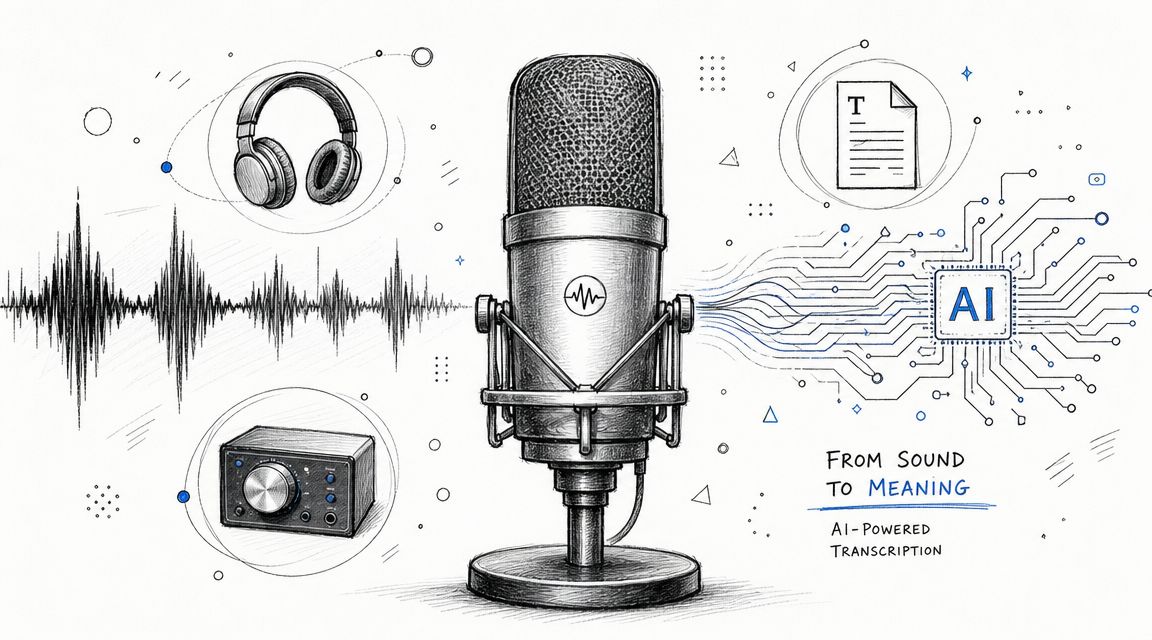
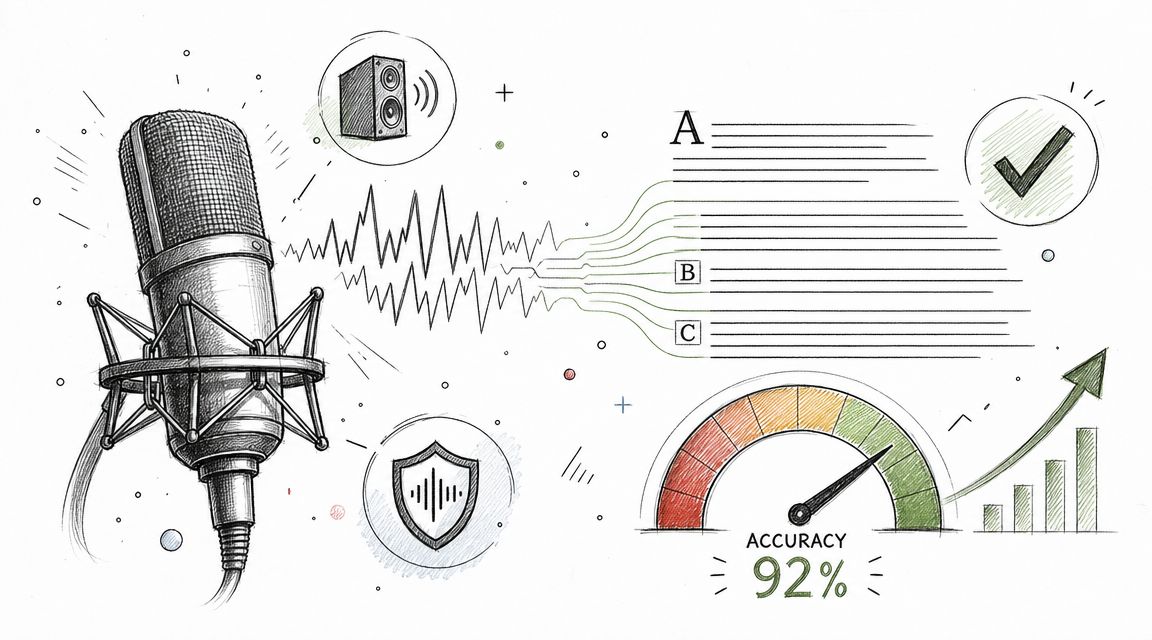
Whisper AI supports 92+ languages with automatic language detection. The underlying model is optimized for both short-form content (voice messages, clips) and long-form audio (lectures, podcasts, meetings). Processing time is typically under 30 seconds for files up to 10 minutes in length.
Rate Limits & Quotas
Current limits depend on the subscription tier:
- Free: Limited transcription minutes per month
- Basic (~$4.99/month): Increased monthly quota
- Pro (~$9.99/month): Highest quota with priority processing
For high-volume or enterprise use cases requiring dedicated capacity, contact the Whisper AI team directly.
Getting Started
The fastest way to start integrating Whisper AI today is to open @whisper_ai_bot on Telegram and send a test audio file or URL. For automation workflows, use the Telegram Bot API to build programmatic integrations while the public REST API is in development.