Convert Videos From YouTube Free: A Safe 2026 Guide
You've probably had this happen. You finish a long YouTube interview, tutorial, lecture, or podcast, then realize you need something practical from it right away. Maybe you want the audio for a commute, a saved MP4 for offline access, a quote for an article, or clean notes you can search later.
That's where most advice falls short. A lot of guides on convert videos from youtube free stop at file downloading. They tell you how to grab an MP3 or MP4, but they don't help you decide whether downloading is even the best move for what you need.
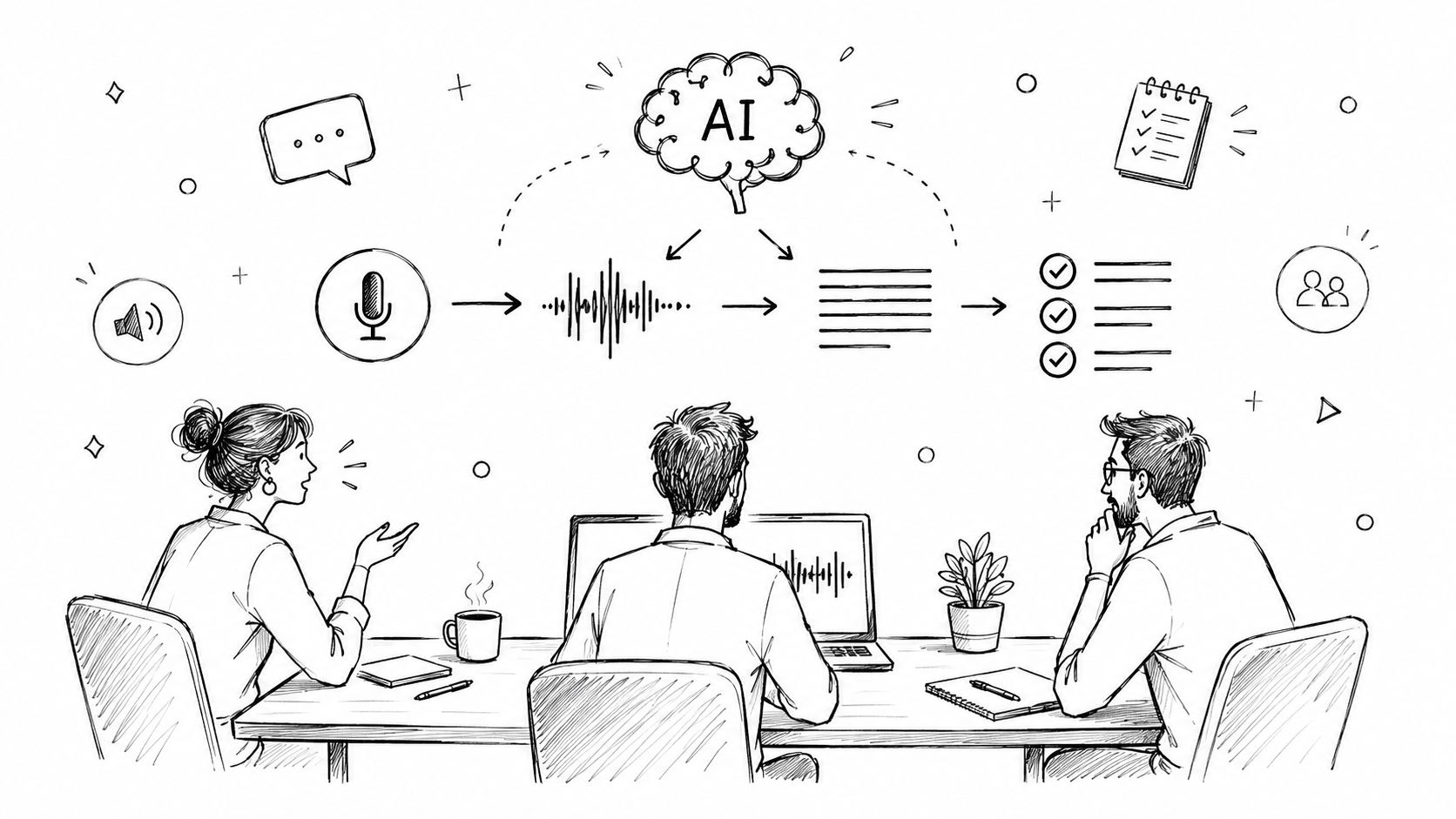
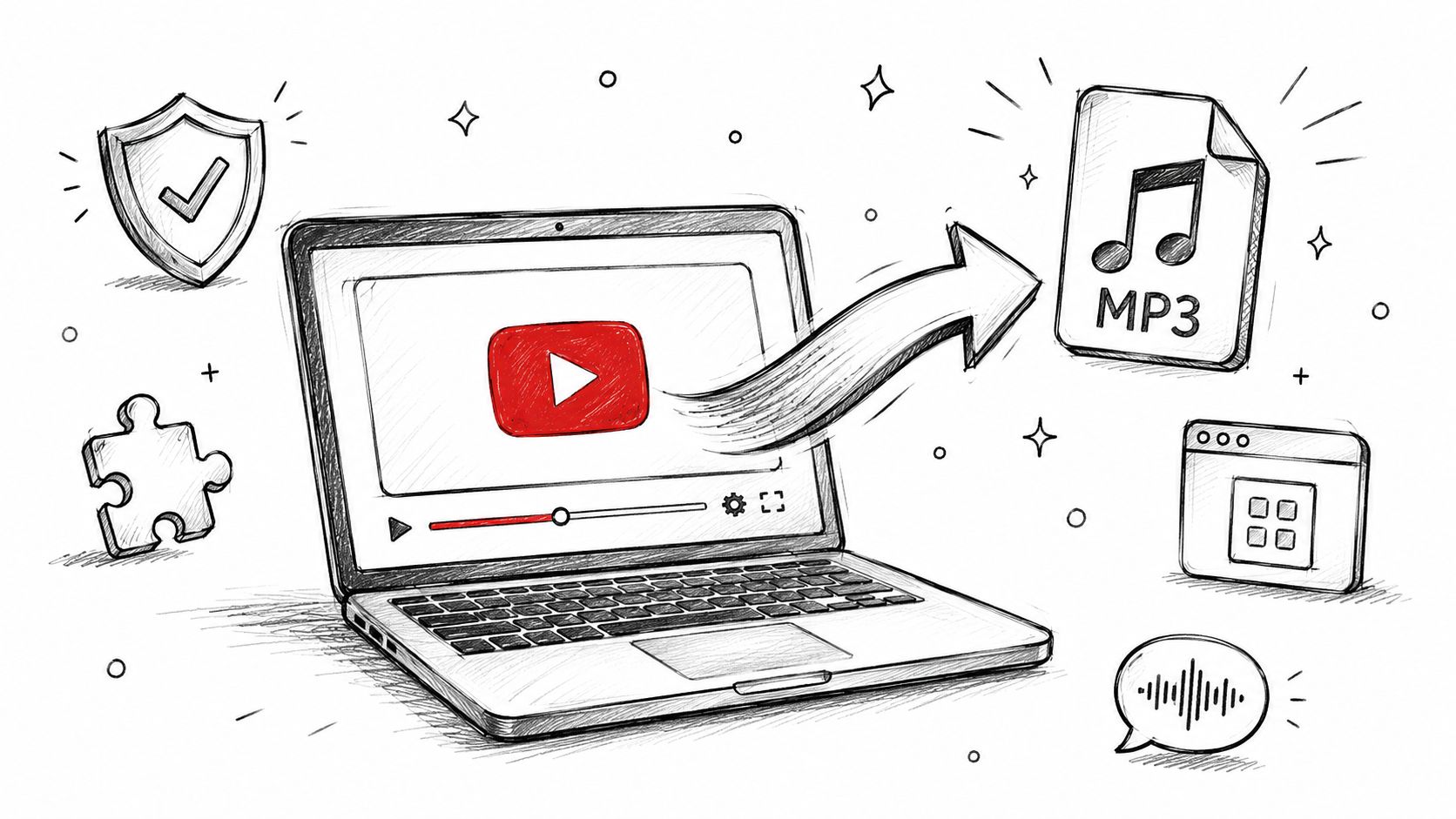
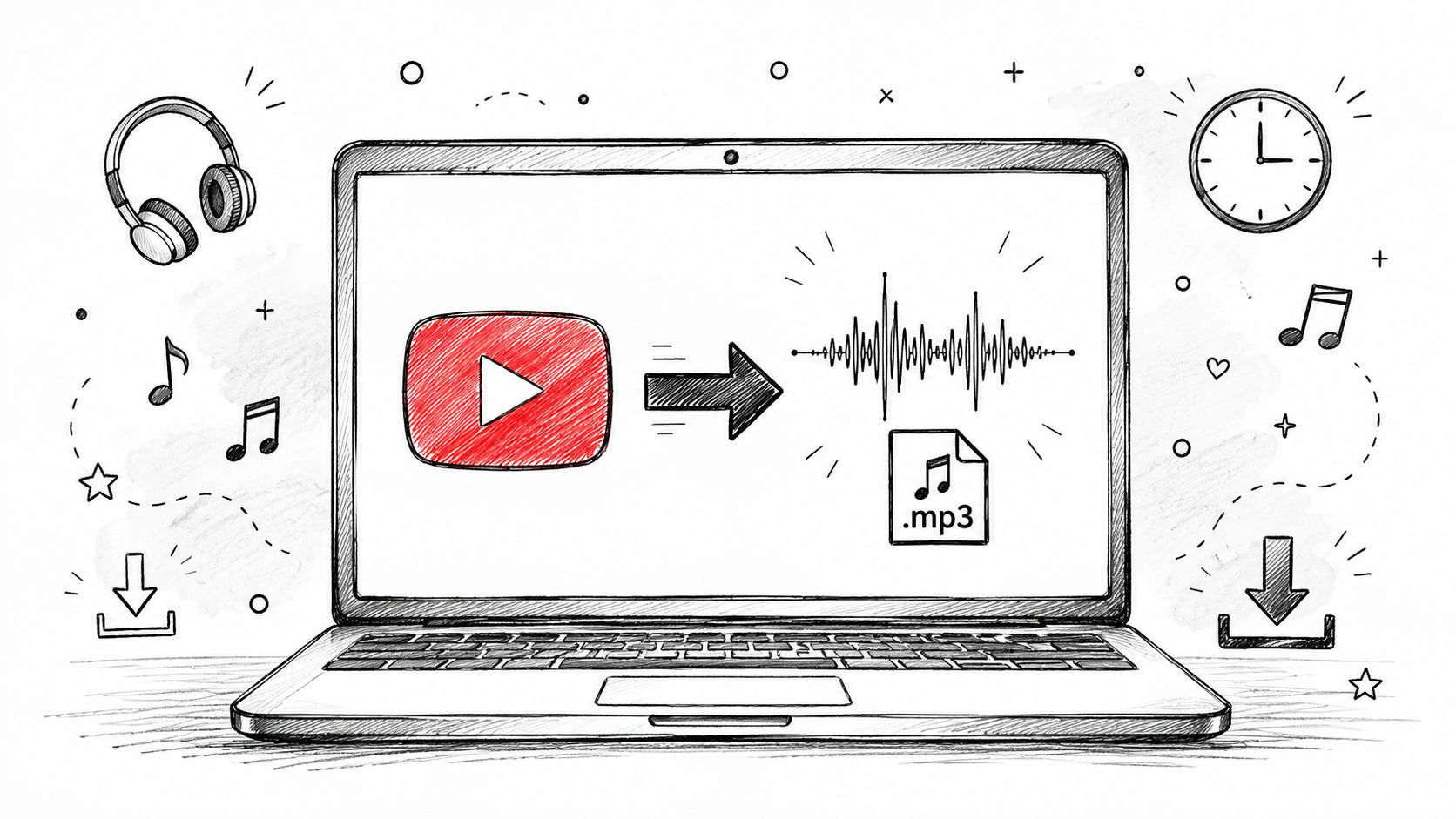
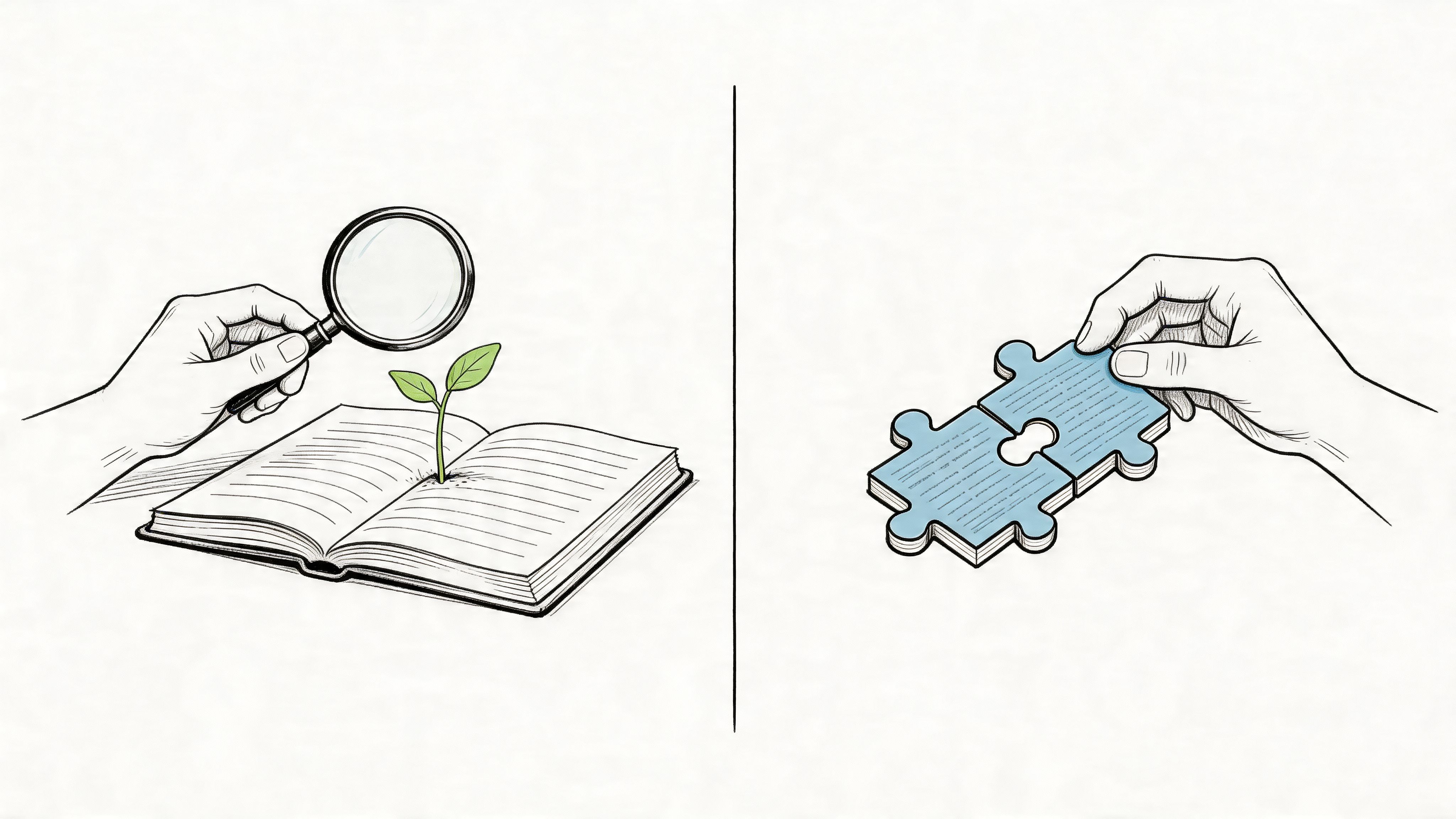
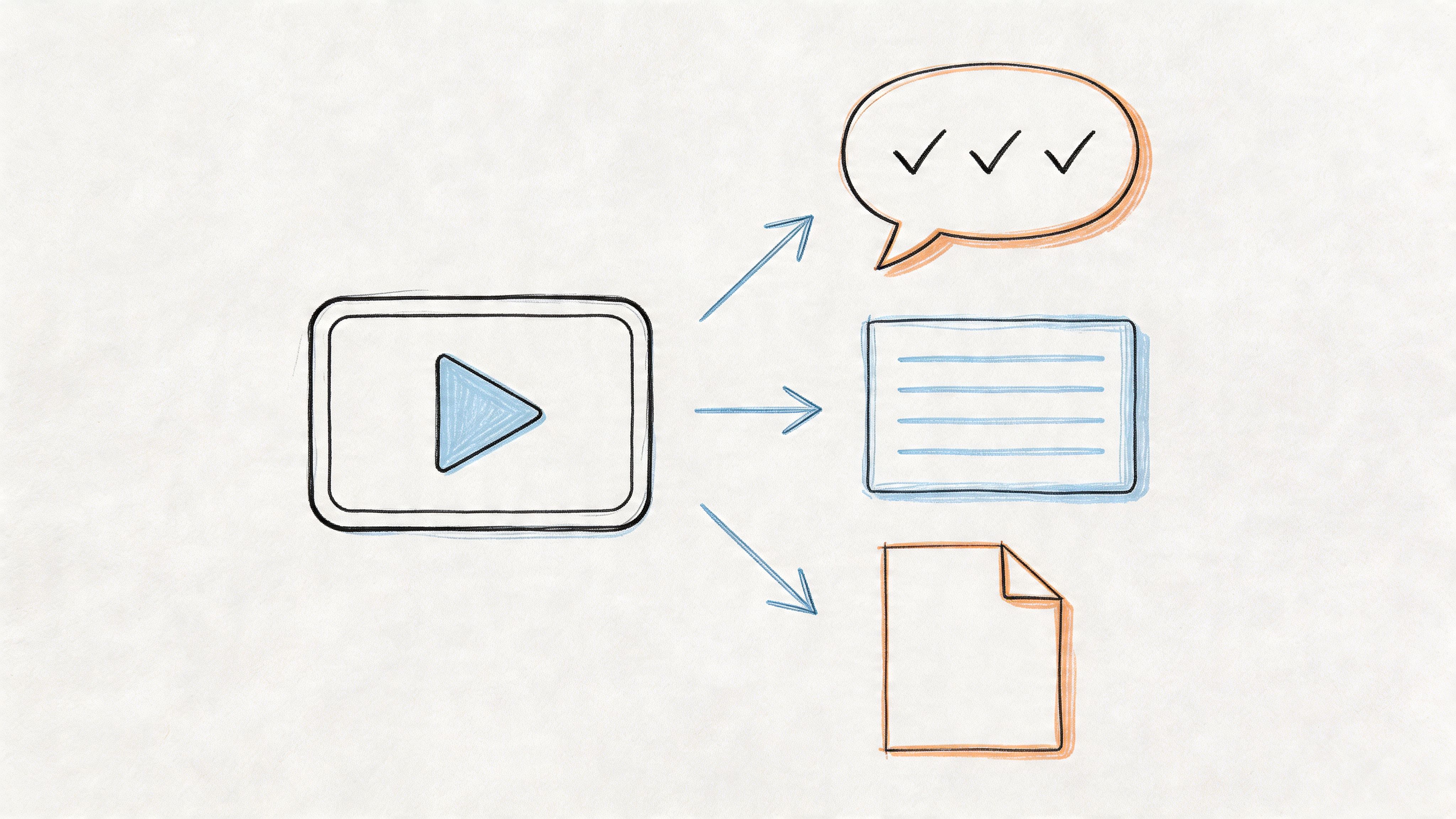
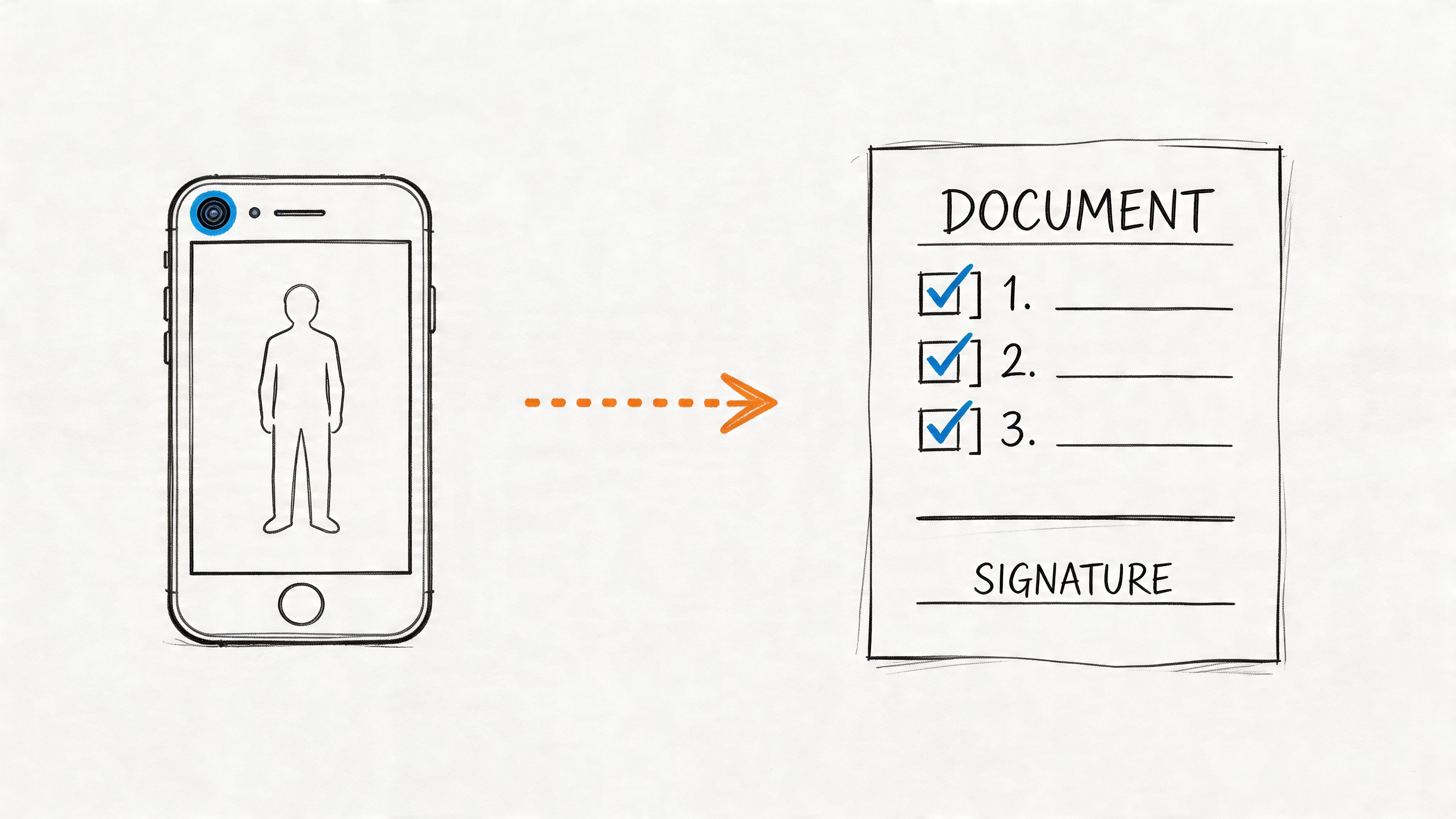
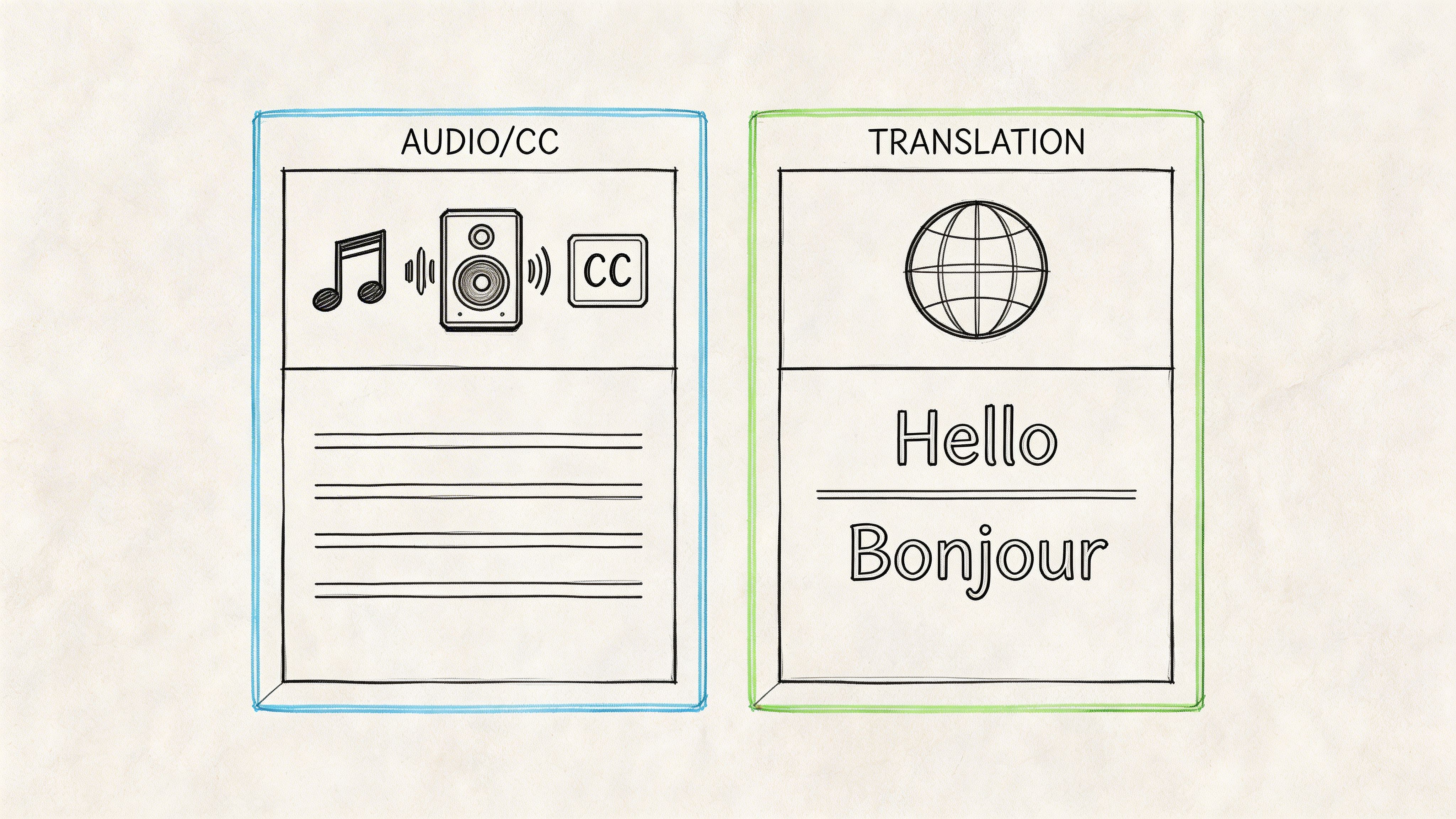
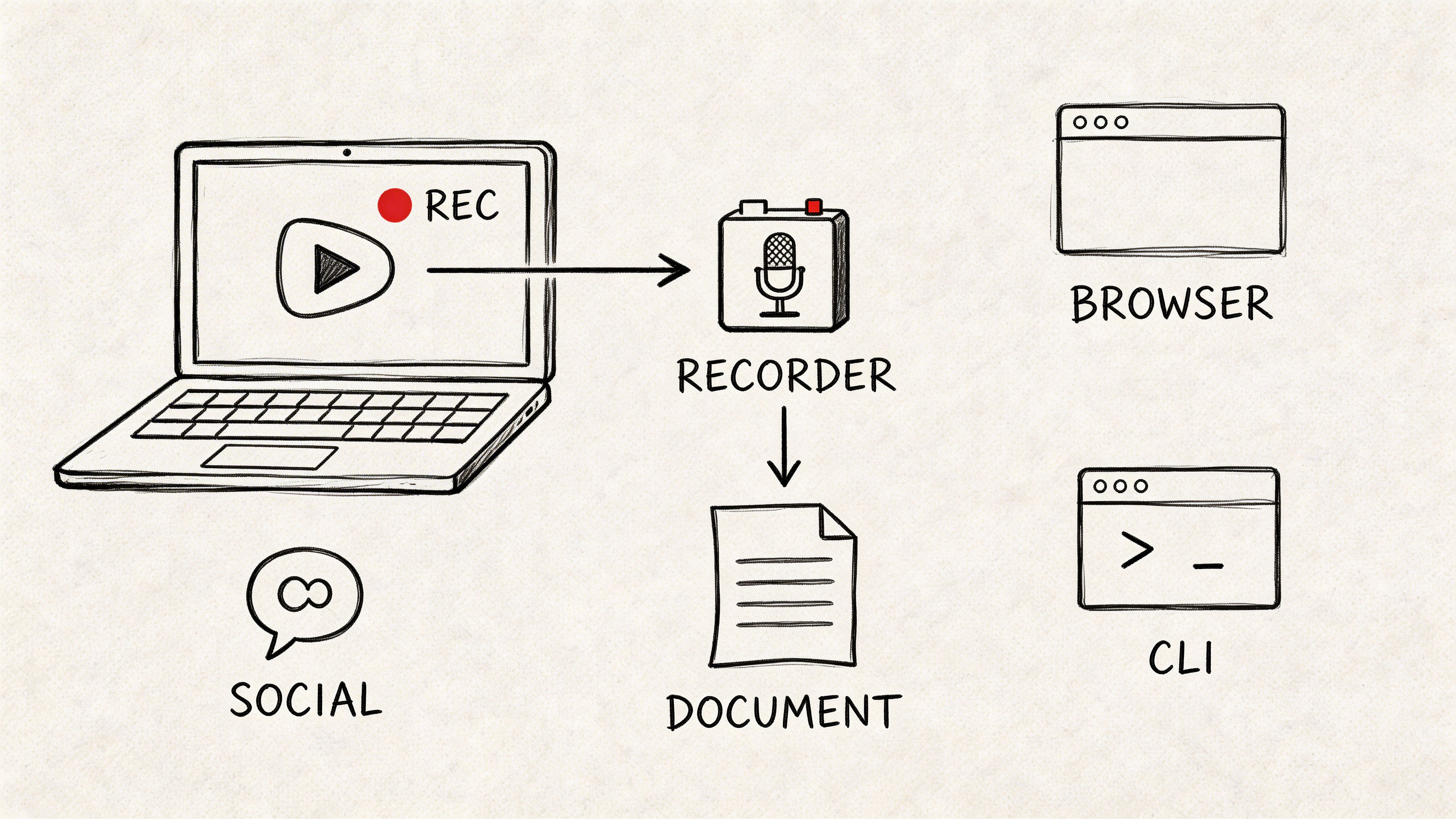
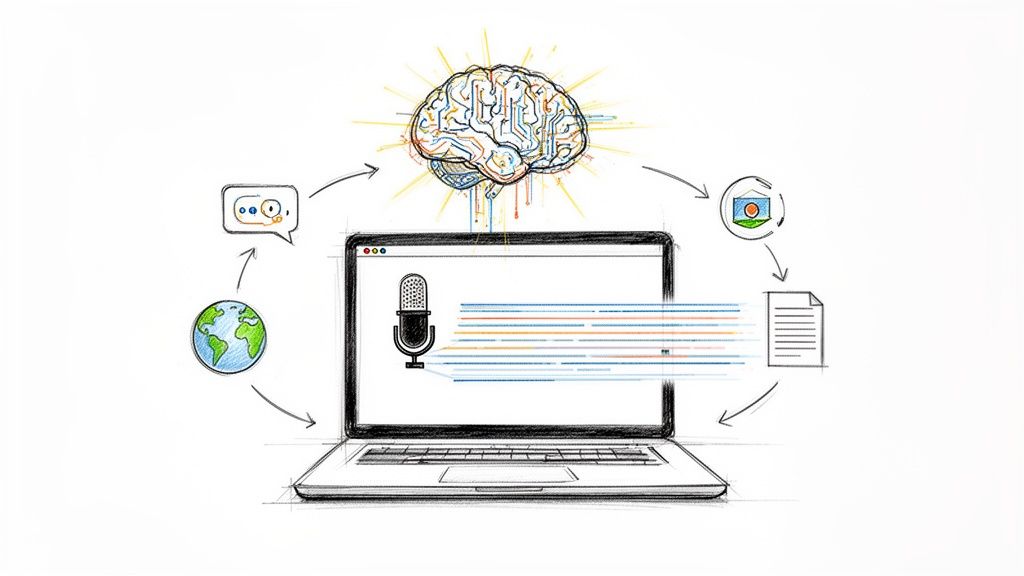
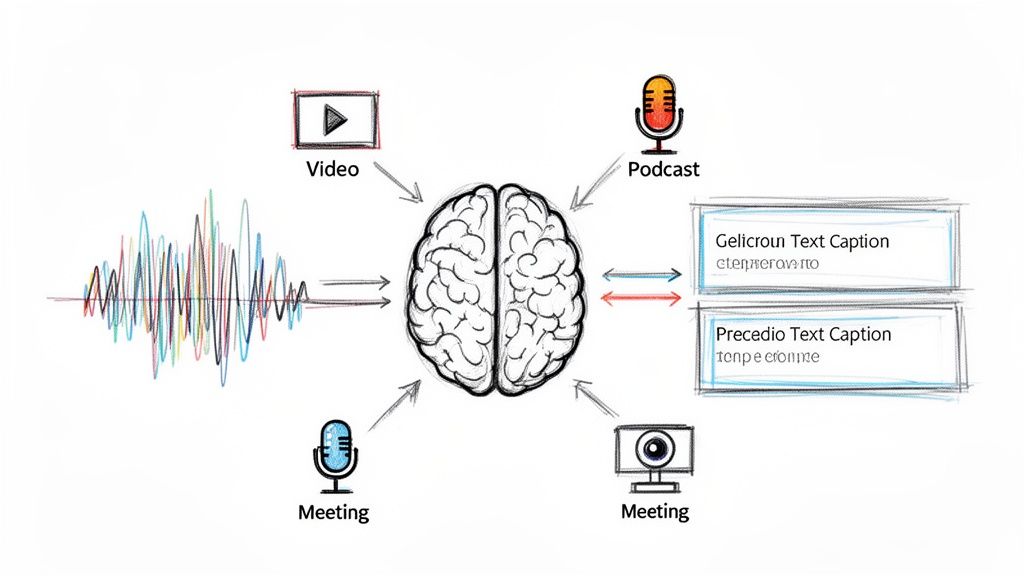
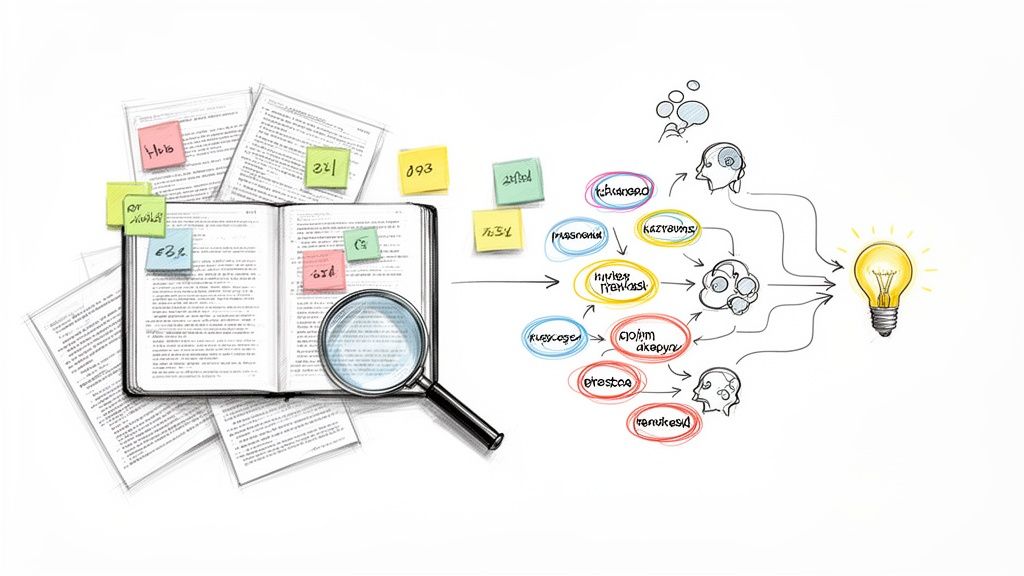
In practice, there are two very different jobs people mean when they say “convert.” One is format conversion, where you turn a YouTube video into an MP3 or MP4. The other is knowledge conversion, where you turn the video into text, notes, timestamps, summaries, and reusable content. Both matter. They just solve different problems.
Why You Need to Convert YouTube Videos
A simple download still has a place. If you're traveling, dealing with spotty internet, or saving your own published material for archive purposes, an MP3 or MP4 is useful. It gives you a file you can carry around, organize locally, and use without a browser tab open.
But that's only half the story. A lot of the time, the actual need isn't the file. It's the information inside the file.

As of 2026, YouTube has a potential ad reach of 3.35 billion users, is available in over 100 countries and 80 languages, and sees over 500 hours of video uploaded every minute, according to Global Media Insight's YouTube statistics roundup. At that scale, manual listening and manual note-taking don't hold up well.
Two different reasons people convert
Most users fall into one of these buckets:
- Offline access: You want a file you can play later without relying on YouTube.
- Content extraction: You want the spoken content turned into text you can quote, search, edit, and reuse.
Those goals look similar at first. They aren't.
If you only need background listening, an MP3 is enough. If you need to pull key claims from a panel discussion, scan a lecture for definitions, or repurpose an interview into an article, a media file alone won't help much. You still have to scrub through the timeline and listen again.
Practical rule: Choose the conversion format based on your next action, not your first impulse.
Where free conversion helps most
Free tools make sense when you need one of these common outcomes:
- Save for later: Keep a version of your own content or permitted content offline.
- Listen instead of watch: Strip audio from a long discussion so you can review it while commuting.
- Find the useful parts fast: Turn spoken content into text so you can search for names, quotes, or takeaways.
- Repurpose efficiently: Use transcript text as the starting point for notes, captions, summaries, or derivative content.
The mistake is treating all of those jobs like they require the same tool. They don't. Some methods are better for file access. Others are better for analysis and reuse.
Choosing Your Free Conversion Method
Before you paste a link into the first converter you see, it helps to separate the three common methods. They all work. They also fail in different ways.

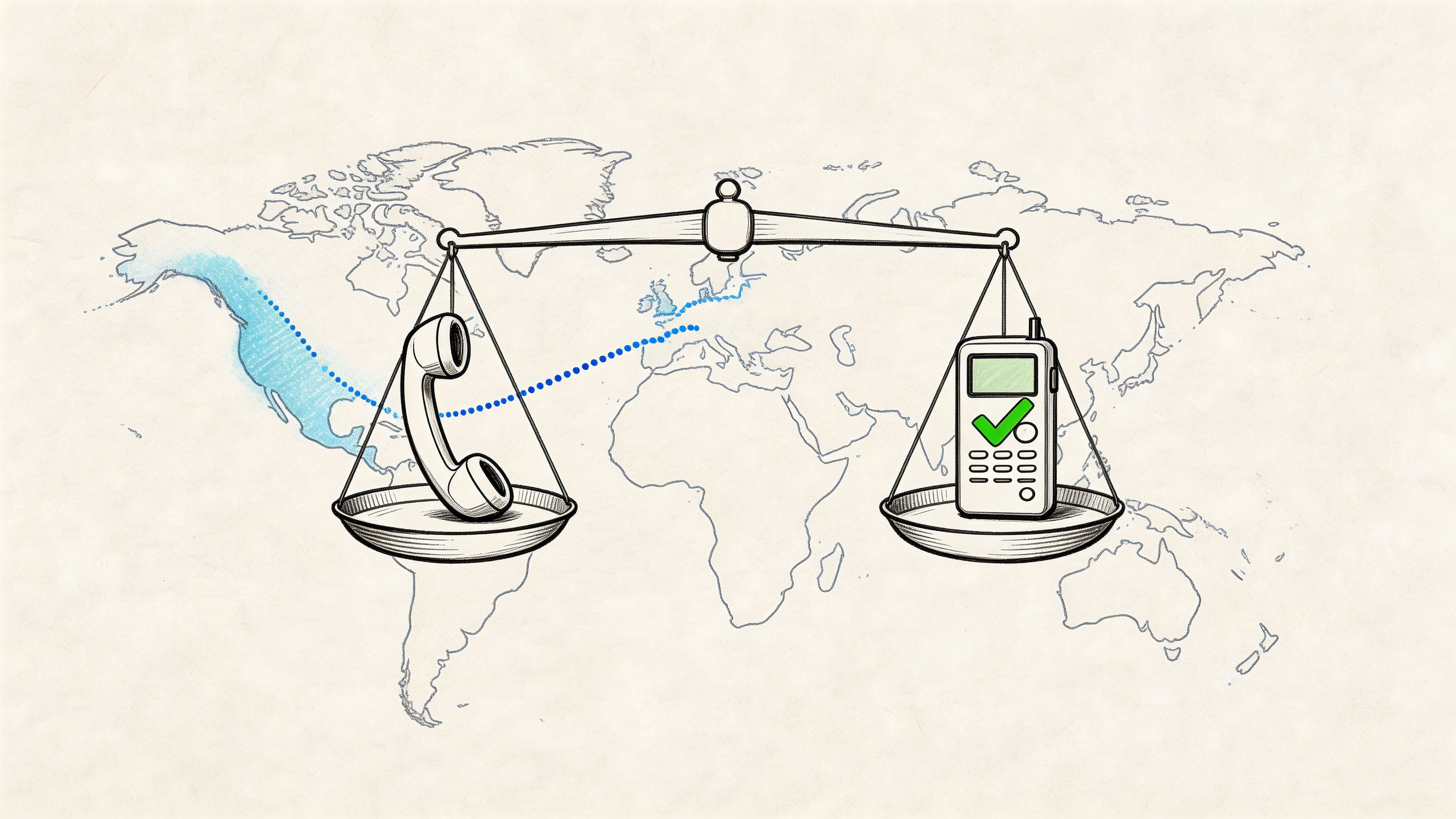
Many free converters under-explain the risks. One tool explicitly warns users not to violate others' rights, yet most pages still don't explain what's permitted or what happens to uploaded data. TurboScribe's downloader page at least surfaces that risk, which is more than many free tools do.
Web-based tools
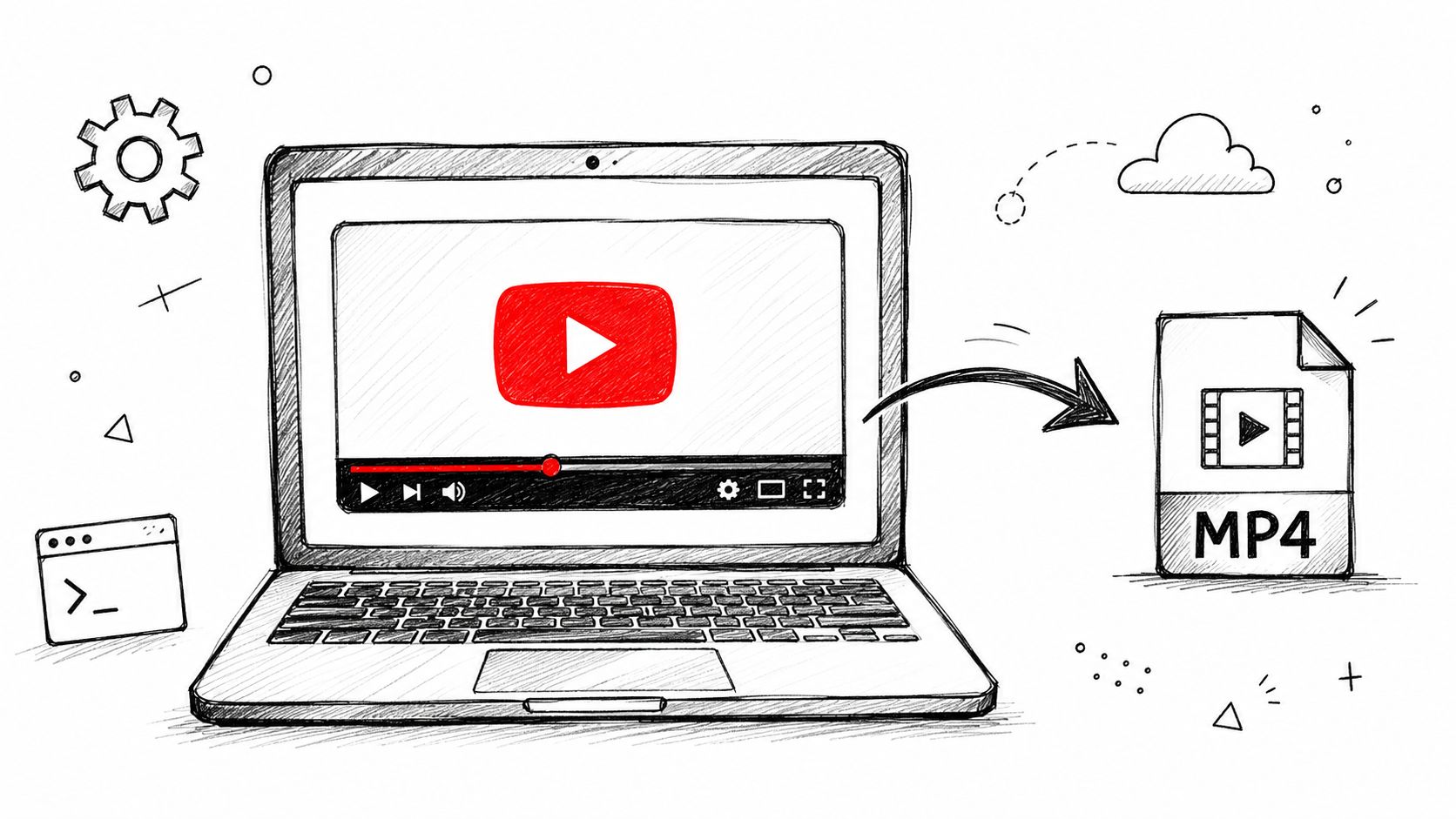
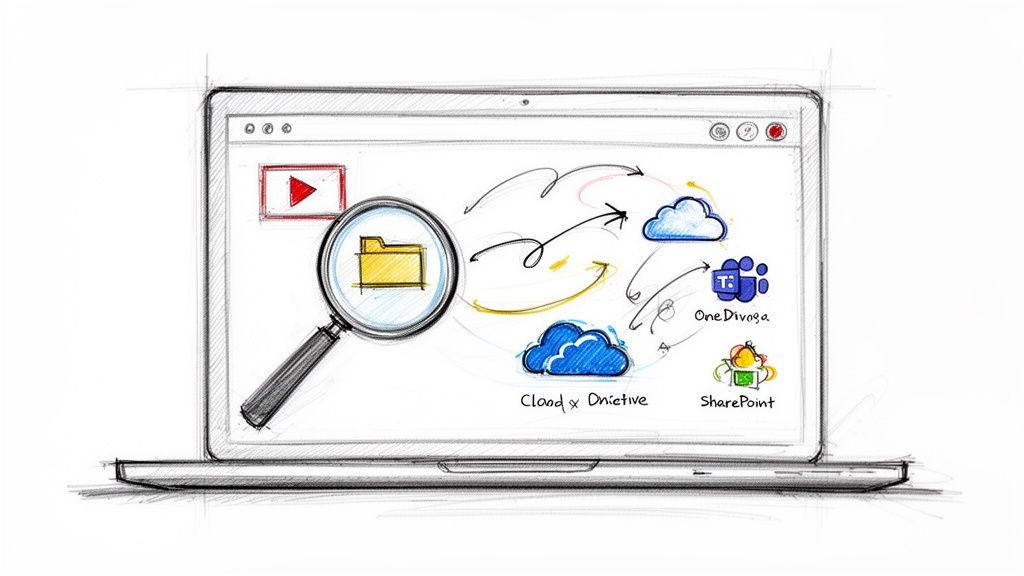
These are the fastest way to convert videos from youtube free. You paste a URL, choose a format, and download the result in your browser.
They're convenient, but they also create the most friction around trust. Many are cluttered with misleading buttons, redirects, and pop-ups. Some ask for more permissions than they need. Others funnel you into fake “download managers.”
Best use case: quick, one-off conversions where you don't want to install anything.
Desktop software
Desktop apps usually give you more control. They often handle multiple files better, work more reliably on longer content, and don't depend on a browser session staying clean. If you regularly process media, they're often less frustrating than ad-heavy websites.
The trade-off is installation risk. If you download desktop software from the wrong place, you can end up with bundled junk or unstable software. I only trust this route when the publisher is well-known and the install path is clear.
Browser extensions
Extensions feel convenient because they sit right next to the video you're watching. For light use, that can be appealing. But extensions also get broad browser access, and some become sluggish, break after browser updates, or stop working when a platform changes its page layout.
For casual users, they're easy to overestimate. For long-term reliability, they're often the least dependable option.
Comparison of Free YouTube Conversion Methods
| Method | Pros | Cons | Best For |
|---|---|---|---|
| Web tools | Fast, no installation, easy for one-off tasks | Pop-ups, privacy concerns, deceptive buttons, inconsistent quality | Occasional MP3 or MP4 conversion |
| Desktop software | More control, often better for repeated use, can handle larger jobs | Requires installation, possible bundled software risk | Frequent converters who want more control |
| Browser extensions | Built into the browser, convenient from the YouTube page | Can be unstable, privacy concerns, browser performance issues | Light convenience use |
If a free converter looks more focused on getting you to click ads than finishing the job, leave it.
How I choose between them
I use a simple filter:
- Need speed once? Web tool.
- Need reliability often? Desktop software.
- Need in-browser convenience and accept some fragility? Extension.
If your workflow grows beyond simple downloads, it helps to understand how media is handled across tools and protocols. For a grounded technical reference, OctoStream's RTSP streaming guide is useful because it shows how playback and stream handling differ across VLC, GStreamer, and FFmpeg. That context makes it easier to spot when a “converter” is really just wrapping a rough media pipeline in a flashy UI.
How to Safely Convert to MP3 and MP4
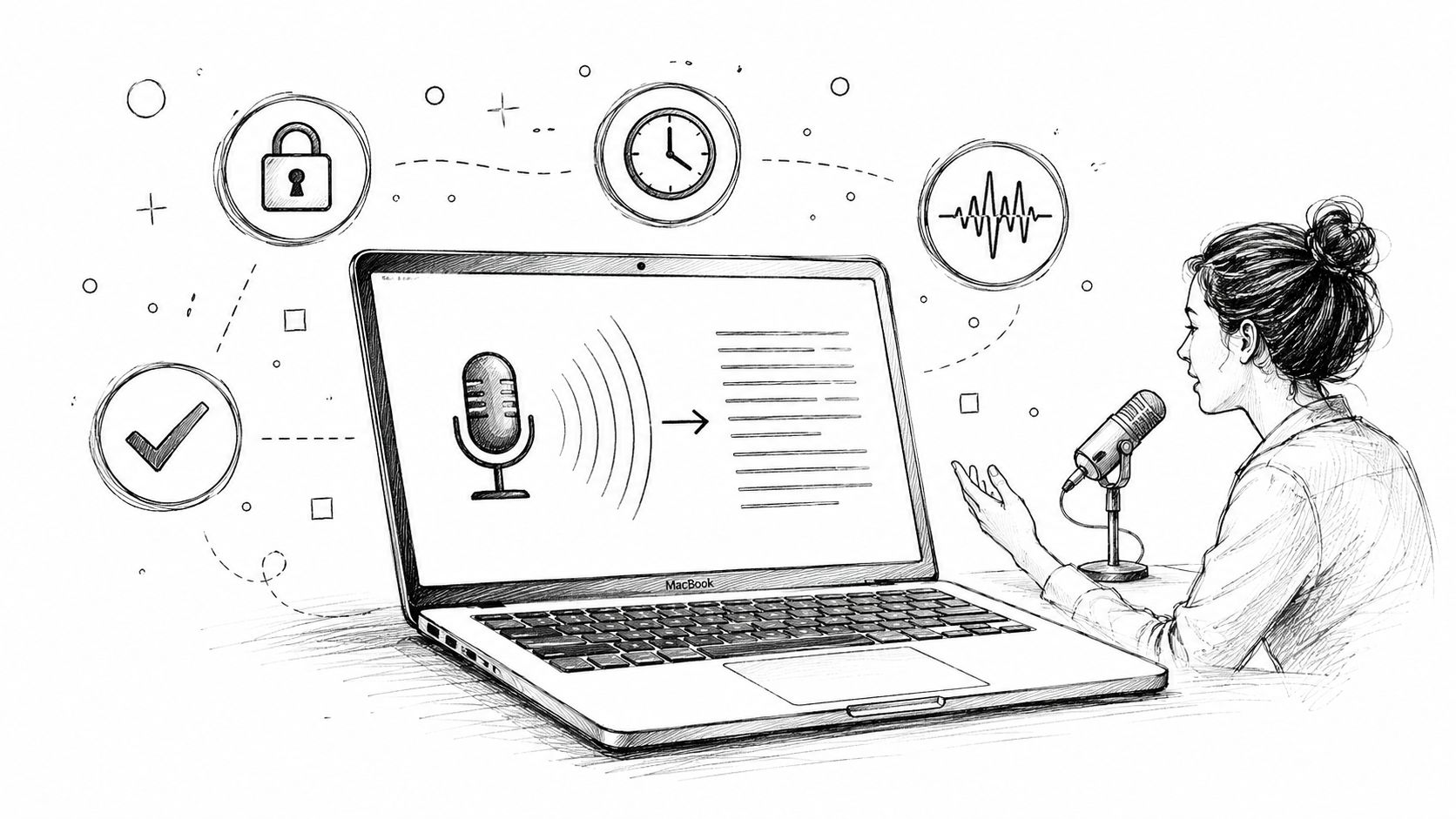
If your goal is still a file, keep the workflow boring. That's a good thing. The safest conversion process is usually the least flashy one.
What to check before you paste a link
Start by looking at the page itself. If the site is full of animated banners, duplicate download buttons, push-notification prompts, or forced redirects, back out. A safe converter shouldn't make you guess which button is real.
Look for a clean input field, clear format options, and minimal permissions. If the site asks you to install a helper app for a basic MP3 or MP4 export, I'd treat that as a warning sign unless you already know the publisher.
A practical safe workflow
Use this sequence:
- Confirm your right to convert the video. Your own content is the cleanest case. For third-party videos, be careful and don't assume personal convenience equals permission.
- Paste the YouTube URL into a converter with a simple interface. The cleaner the page, the lower the chance you're fighting ad traps.
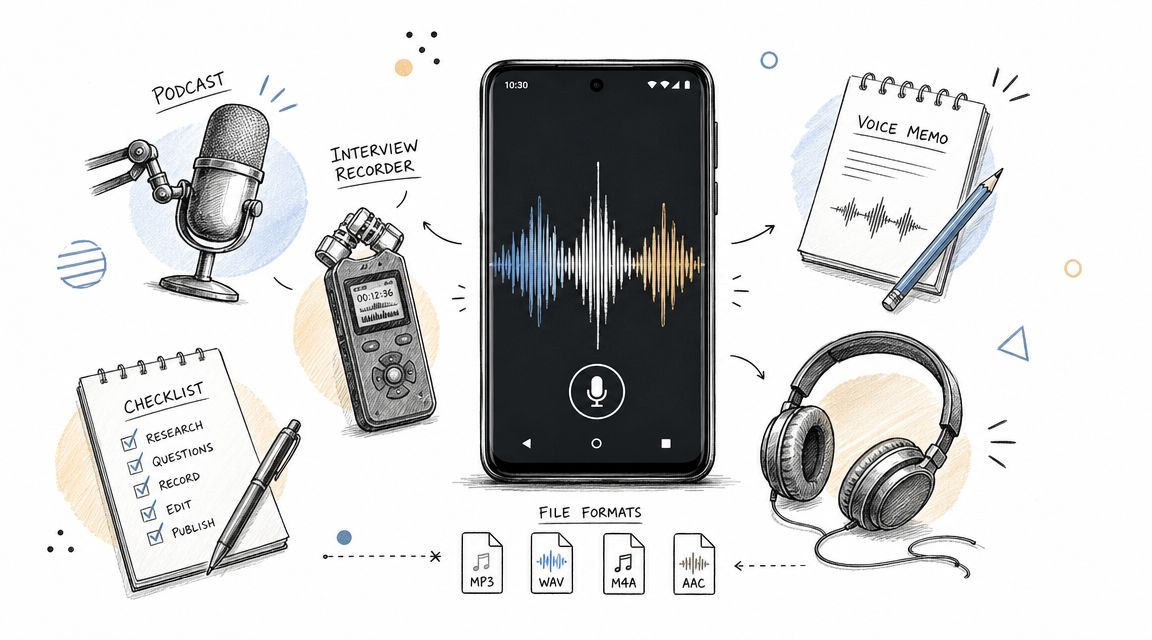
- Choose the format based on use. MP3 makes sense for spoken content. MP4 makes sense when visuals matter.
- Check the output before storing or sharing it. Some free tools trim unexpectedly, degrade sync, or inject strange filenames.
- Rename the file immediately. Good organization prevents duplicate downloads and confusion later.
One habit that saves trouble: never click the biggest button on the page until you're sure it belongs to the converter, not an ad network.
Quality settings without overthinking them
A lot of free tools try to sell themselves on quality options. That matters, but not as much as people think for everyday use.
For spoken-word videos, almost any reasonable MP3 setting is fine if your goal is listening or rough review. For MP4, the key question is whether you need the visuals in detail. Tutorial text on screen, slide decks, and demos usually benefit from a higher-resolution export than a talking-head interview.
If your real task starts after extraction, such as cleaning audio or preparing it for another transformation step, a specialist tool can help. I've found Flaex.ai's advanced audio conversion AI useful as a reference point because it reflects the difference between simple format swapping and actual audio-oriented processing.
If you're dealing with streams rather than ordinary uploads, the capture step changes too. A practical walkthrough on that side is this guide to capture streaming video, which is closer to what you need when the media source isn't a straightforward downloadable page.
What doesn't work well
The worst free converters usually fail in predictable ways:
- They overload the page with ads
- They hide the actual action behind fake download buttons
- They ask for odd permissions
- They produce inconsistent files
- They make rights and privacy feel like your problem alone
That last point matters. If a service says nothing about rights, storage, or data handling, assume you're getting speed instead of safety.
The Smarter Way to Convert Videos to Text
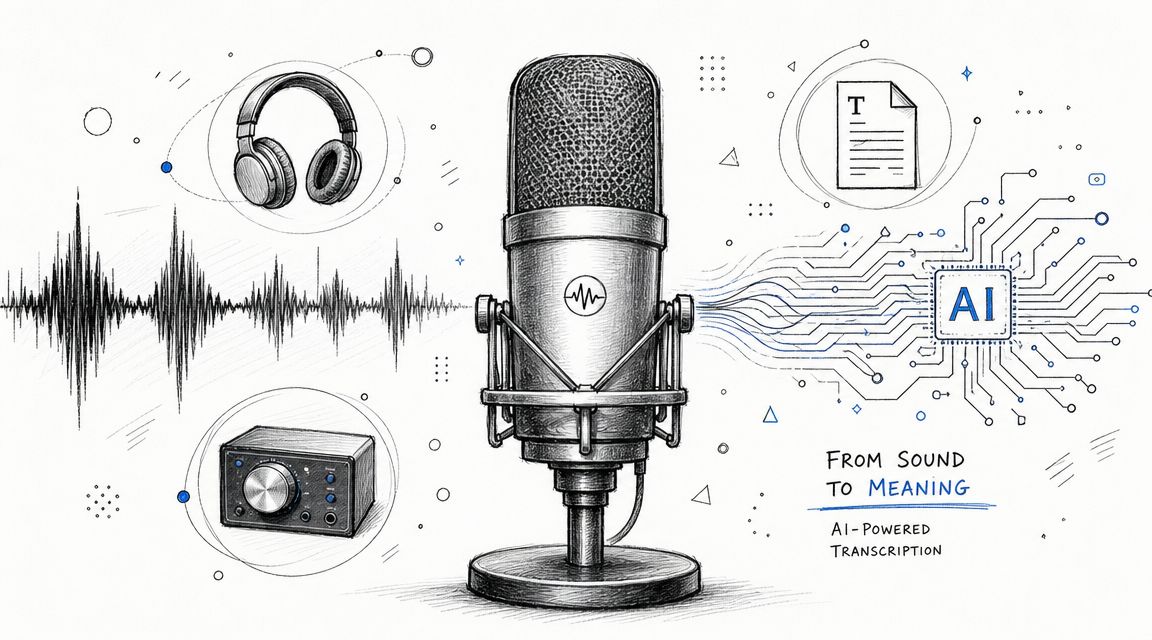
For many people, the best answer to convert videos from youtube free isn't MP3 or MP4 at all. It's text.

With over a billion hours of YouTube video watched daily and an average session lasting 40 minutes, manual note-taking becomes unrealistic fast, as noted in the Supreme Court-cited YouTube usage summary. That's why automated transcription has become a practical workflow for podcasts, interviews, lectures, and explainers.
Why text beats files for many jobs
A downloaded file is storage. A transcript is an asset.
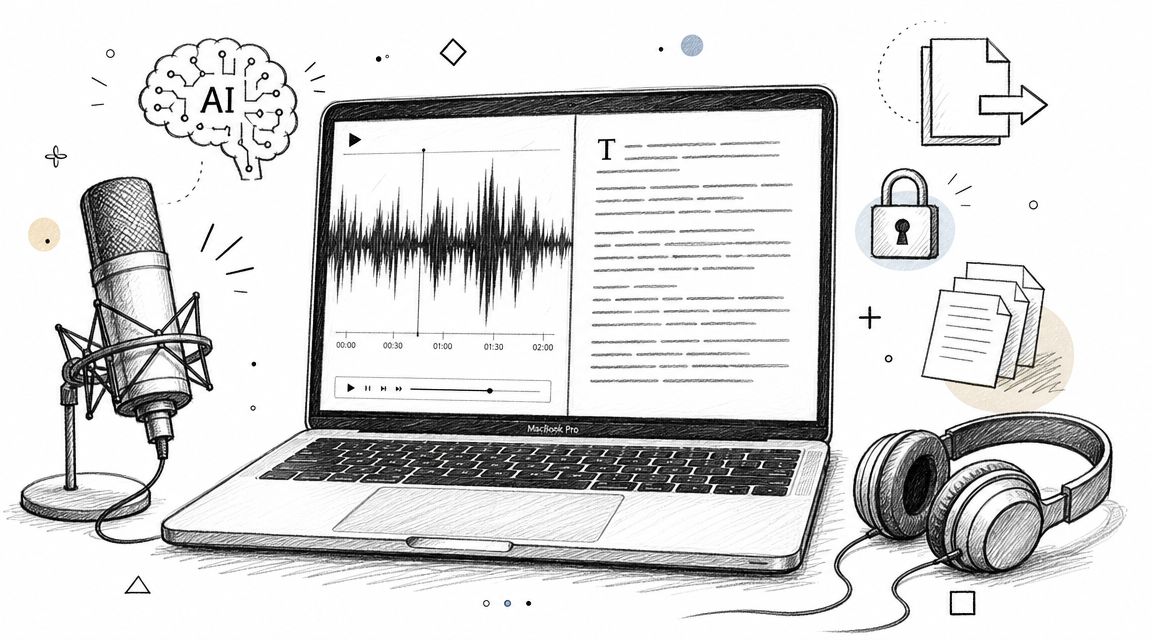
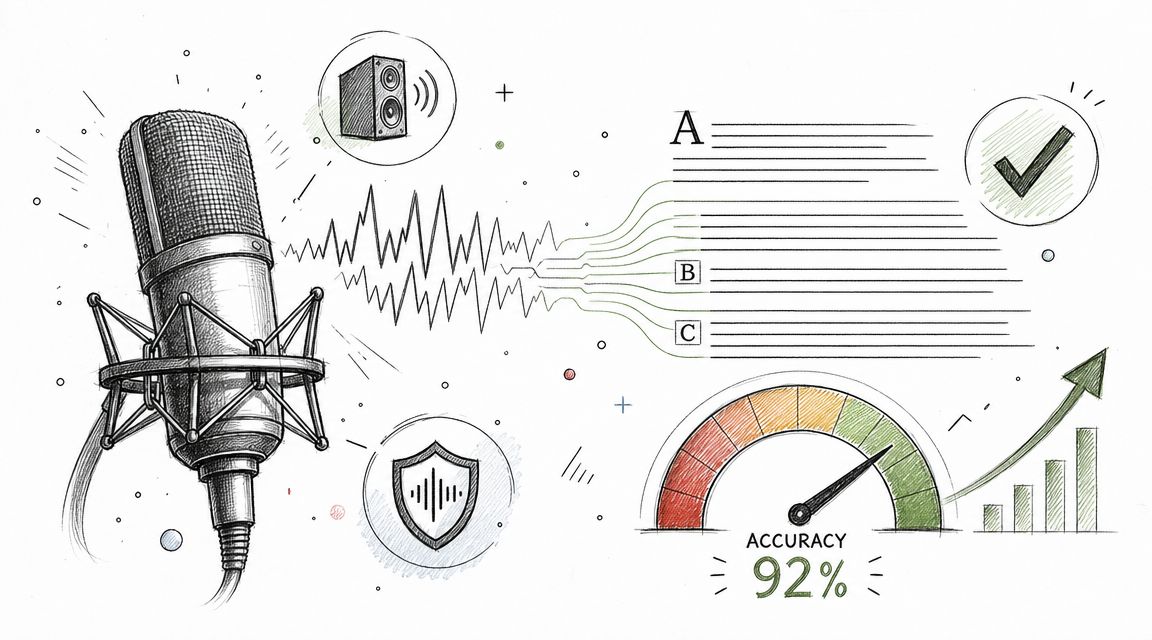
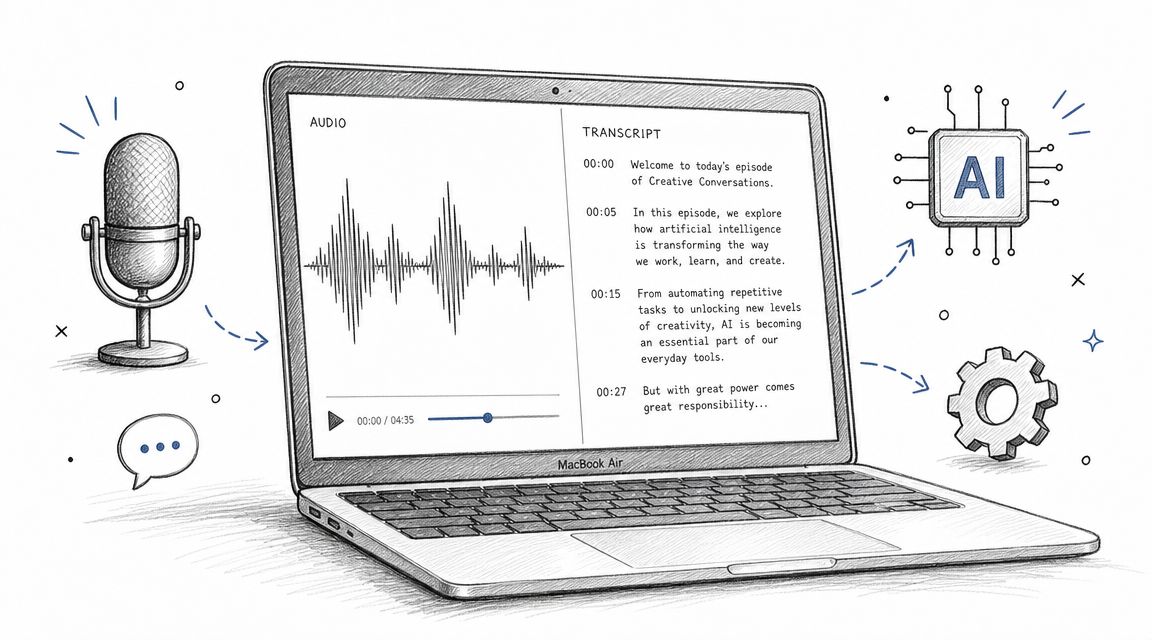
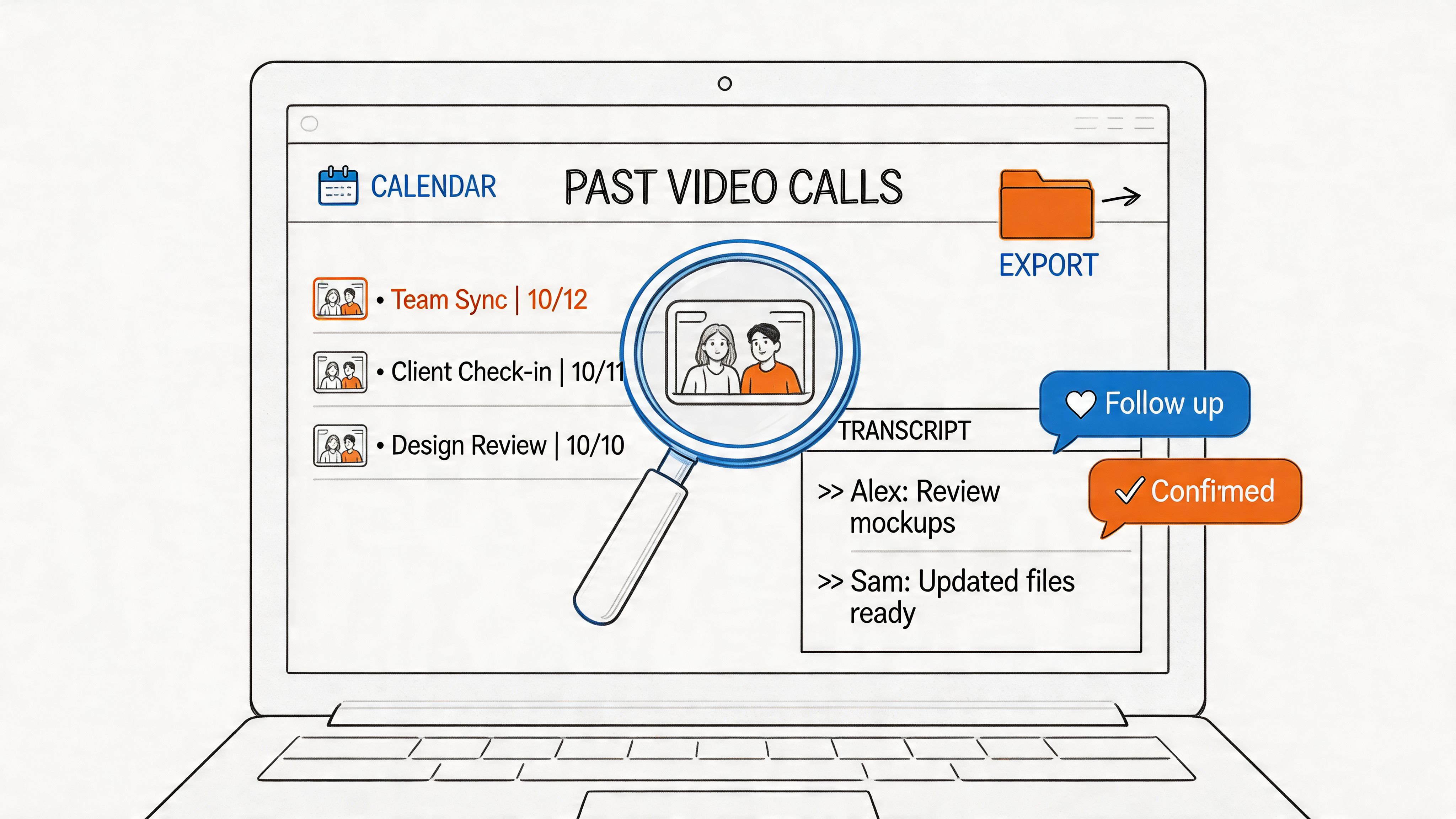
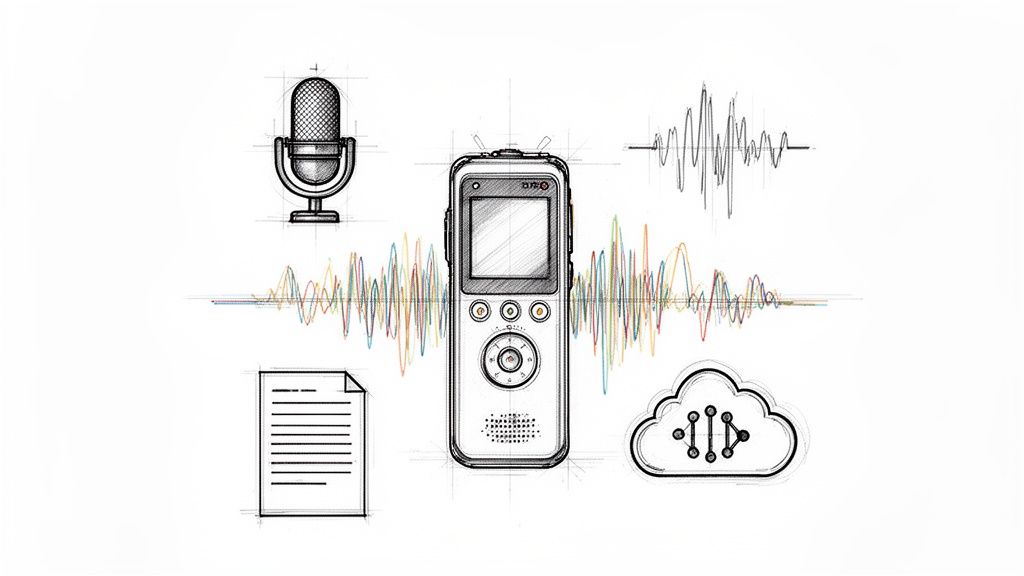
Once speech becomes text, you can search it, skim it, highlight it, quote it, and turn it into other formats. You're no longer trapped in timeline scrubbing. You can jump straight to the exact section where someone defined a term, made a claim, or listed action items.
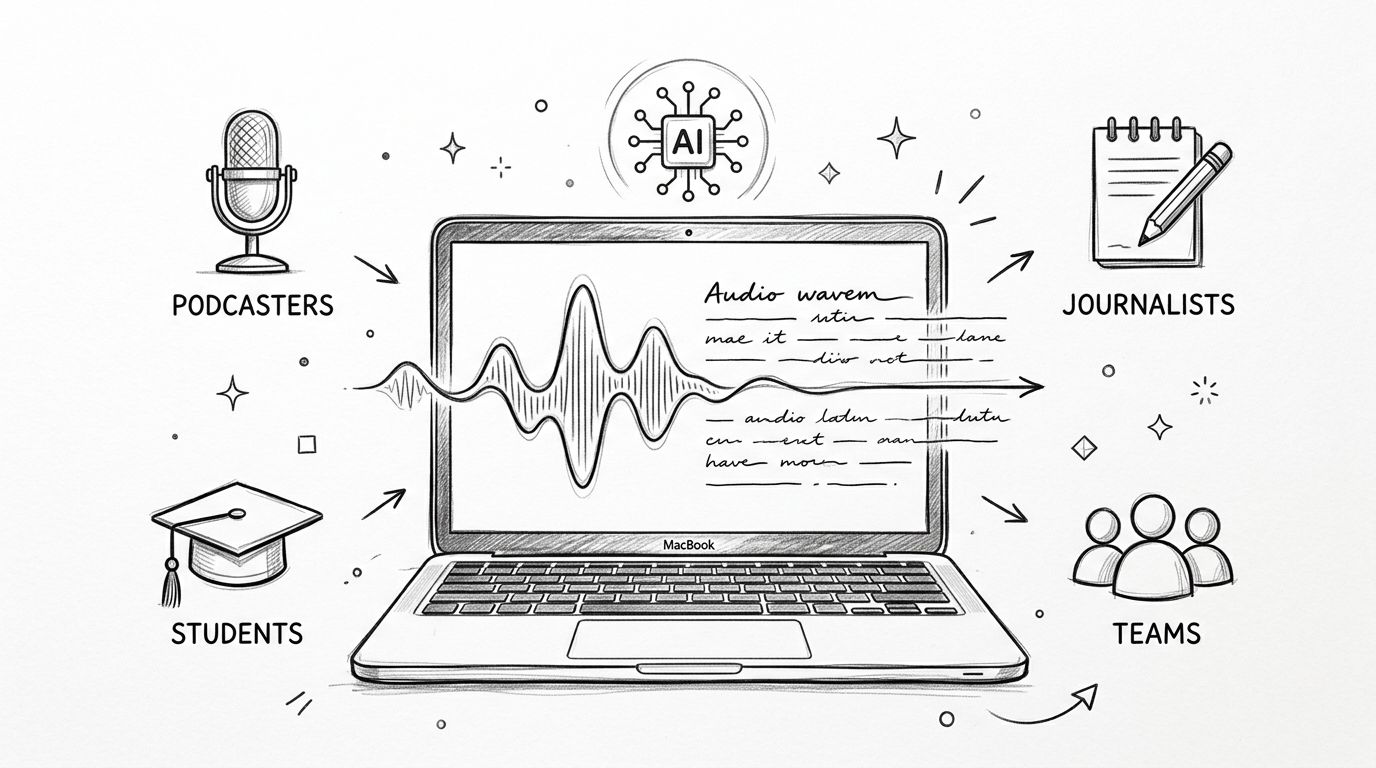
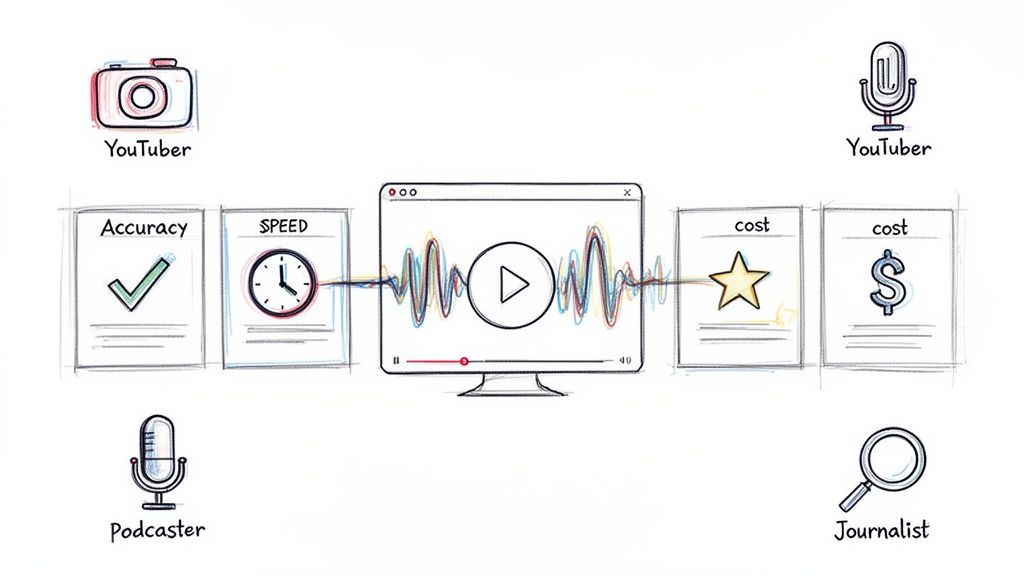
That matters for more than creators. Students can scan lectures by keyword. Journalists can pull exact wording from interviews. Marketers can extract talking points from webinars. Researchers can locate names, topics, or arguments without replaying the whole thing.
What a useful transcript workflow looks like
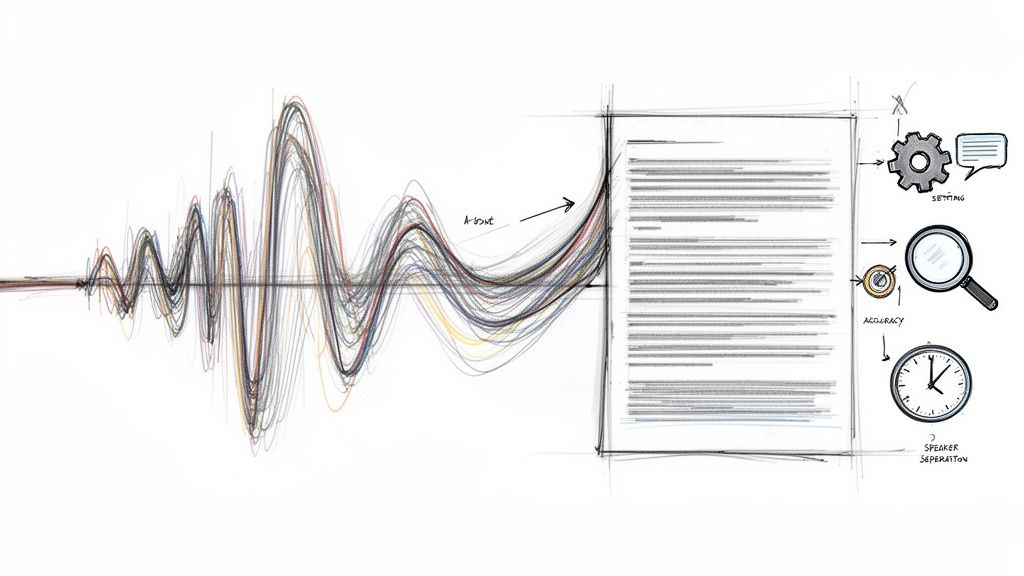
The best workflows don't stop at raw speech-to-text. They add structure.
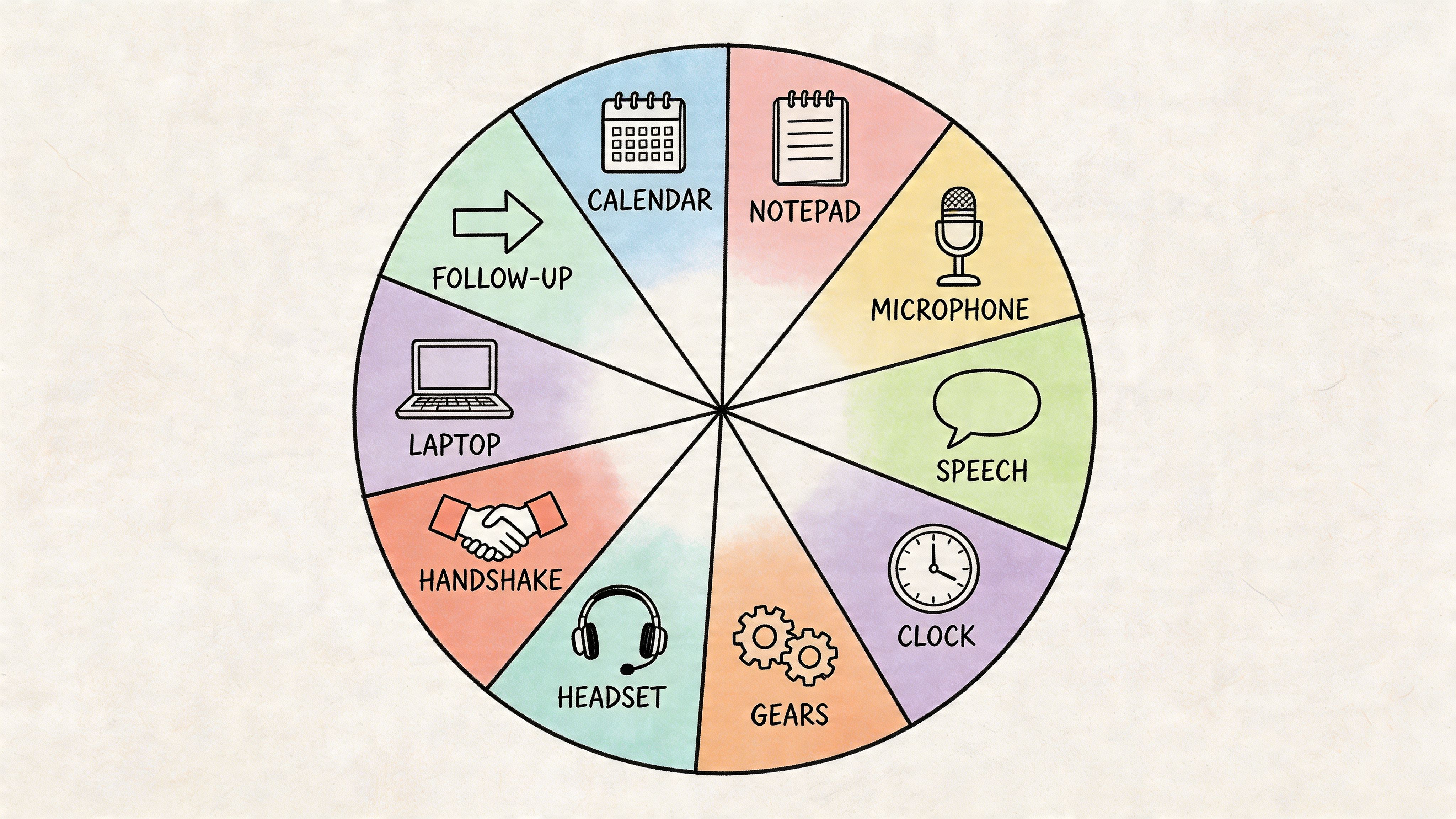
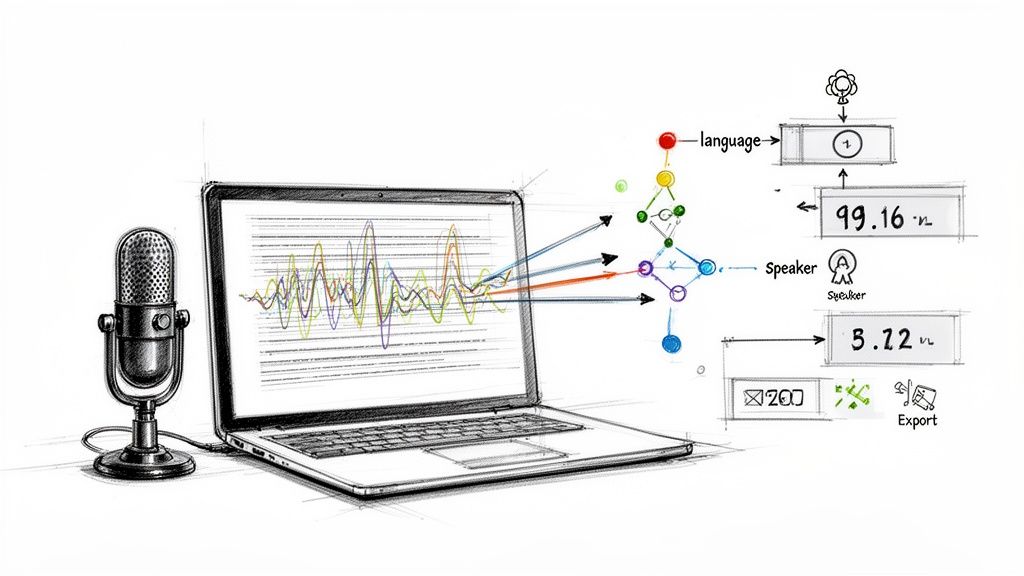
Look for these features when turning YouTube content into text:
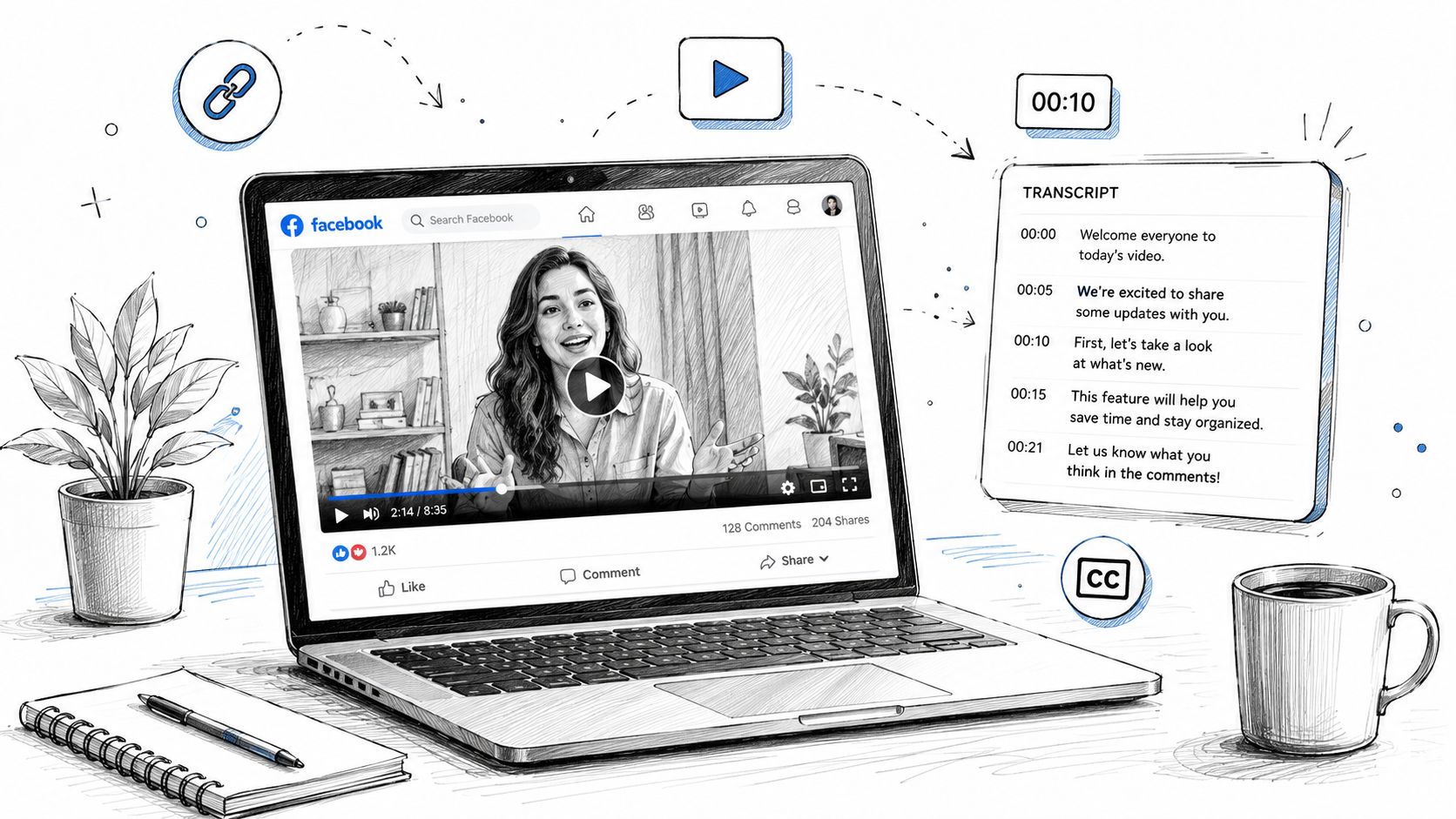
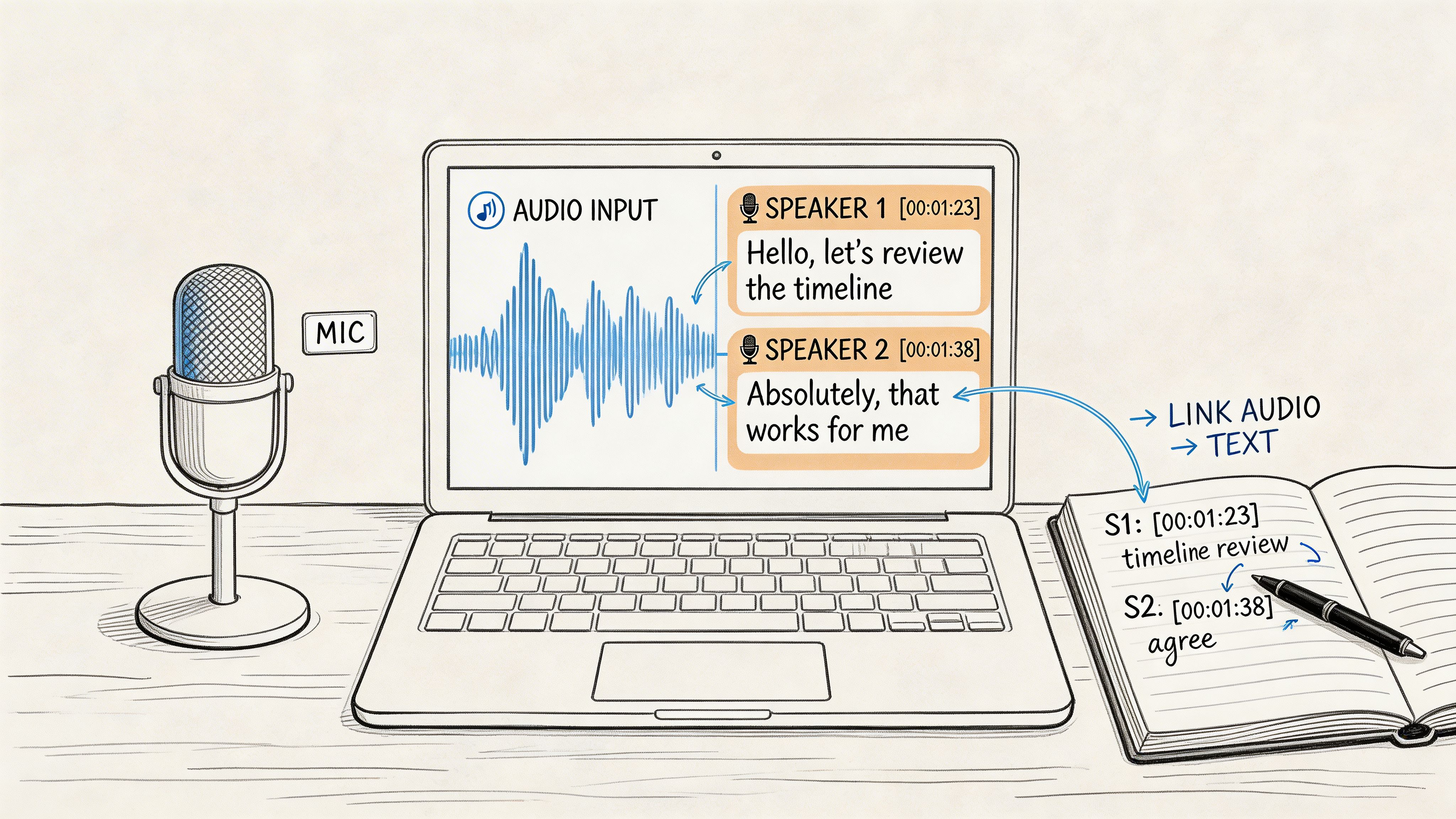
- Speaker labels: critical for interviews, panels, and podcasts
- Timestamps: useful when you need to jump back to the video
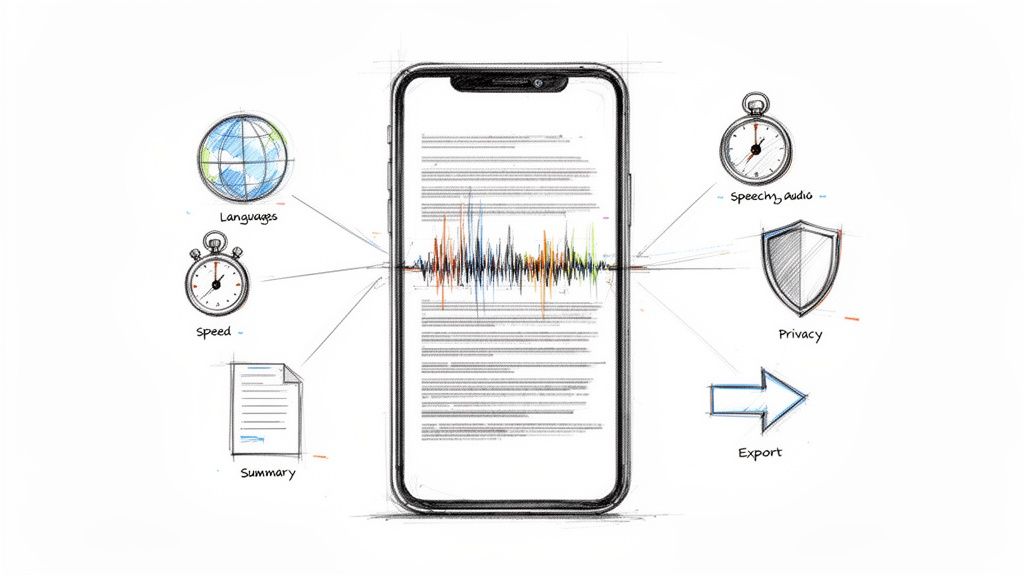
- Clean exports: Docs, Word, PDF, TXT, or Markdown are all more useful than a locked viewer
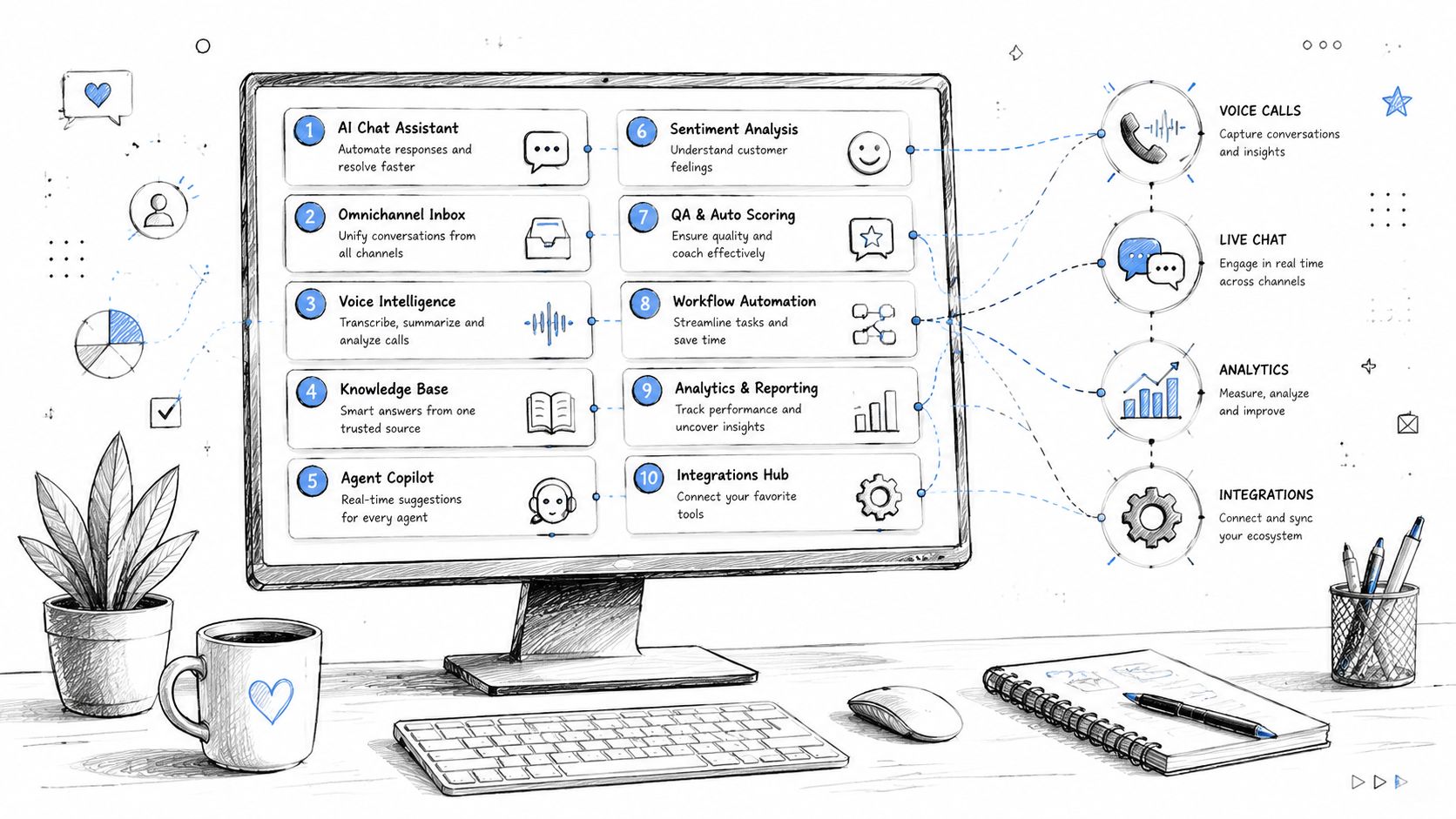
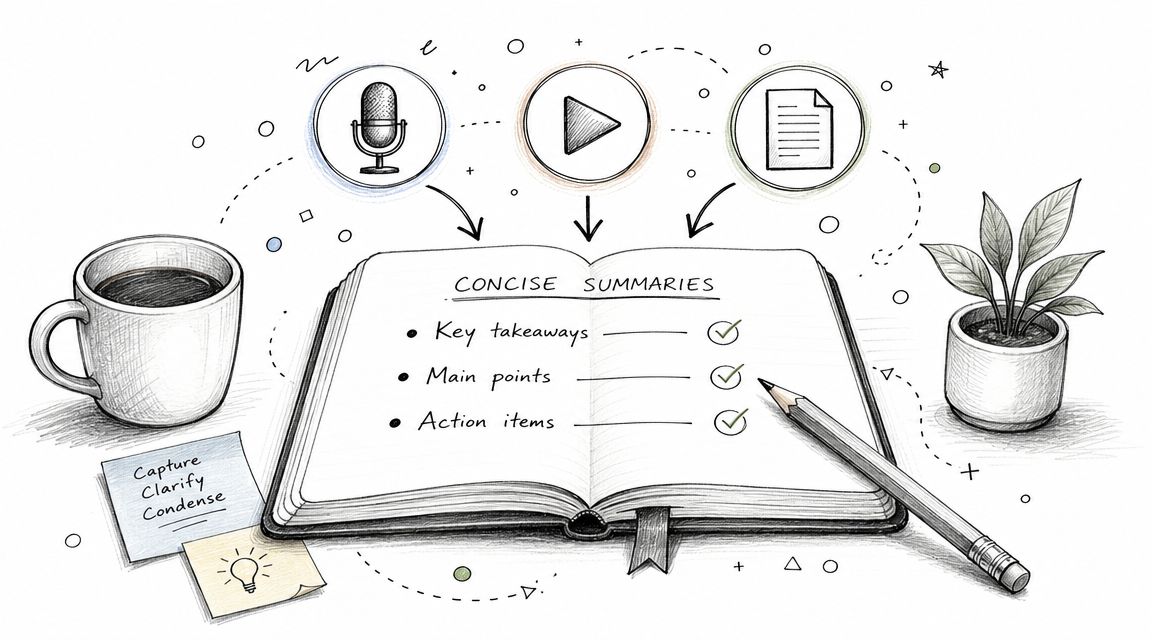
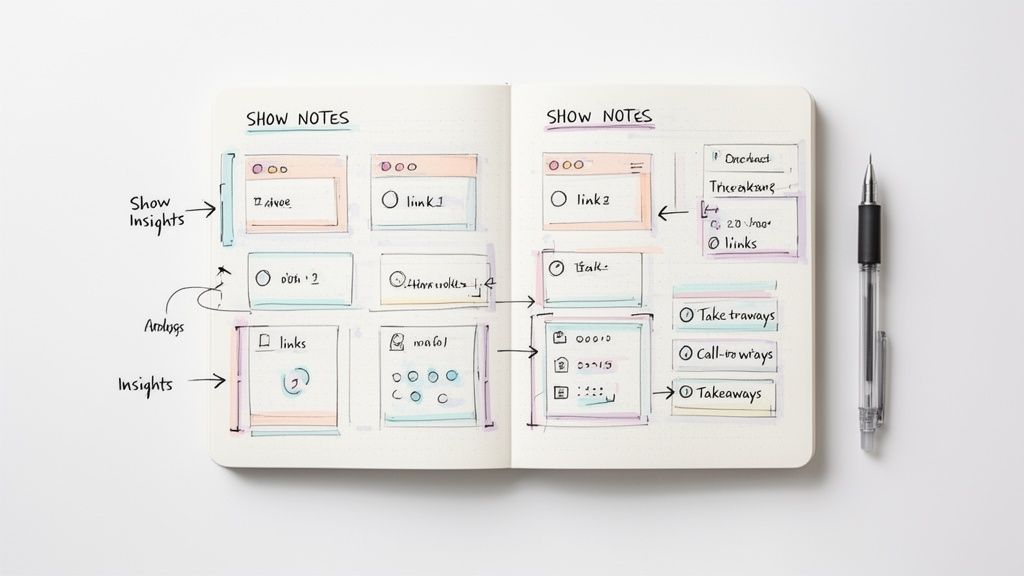
- Summaries and highlights: helpful when the full transcript is too long to review in one pass
- Searchability: the difference between “saved” and “usable”
A lot of “free converter” pages miss this completely. They assume the output file is the destination. In modern workflows, the file is often just the raw material.
Searchable text changes the job. You stop collecting media and start extracting value from it.
If you're building more advanced content systems around YouTube, including metadata, retrieval, or app integrations, Mallary.ai's YouTube API guide is worth reading because it shows how YouTube data can be structured and used beyond basic viewing.
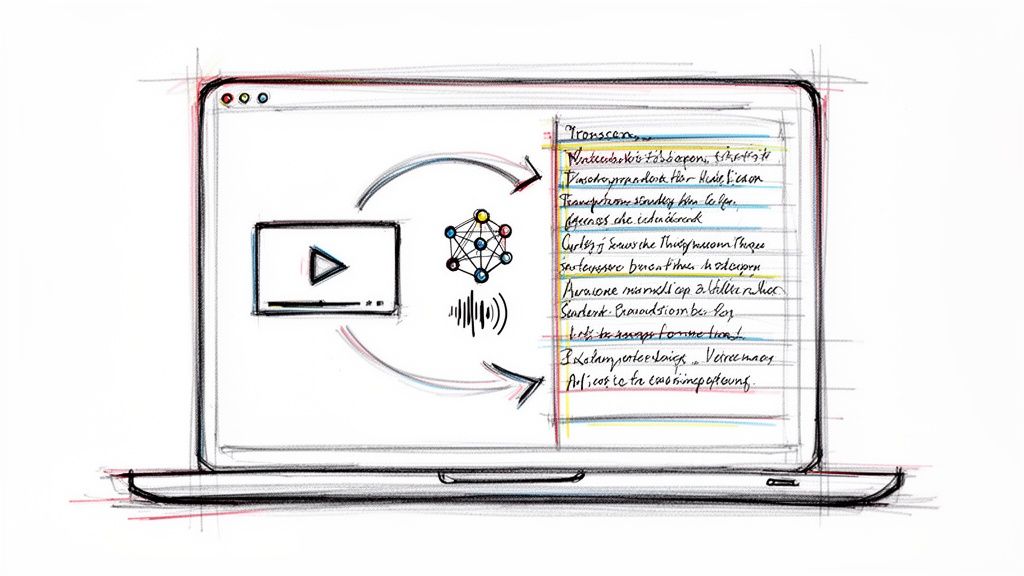
Here's a quick example of what a text-first workflow supports in practice:
A better target than downloads
A more durable goal is not “How do I save this video?” It's “How do I turn this video into something I can work with?”
That's why transcript-first tools have become more useful than generic converters for many people. If that's your use case, this walkthrough on turning a YouTube video into text is closer to the workflow you want than another MP3-only tool.
Putting Your Converted Content to Work
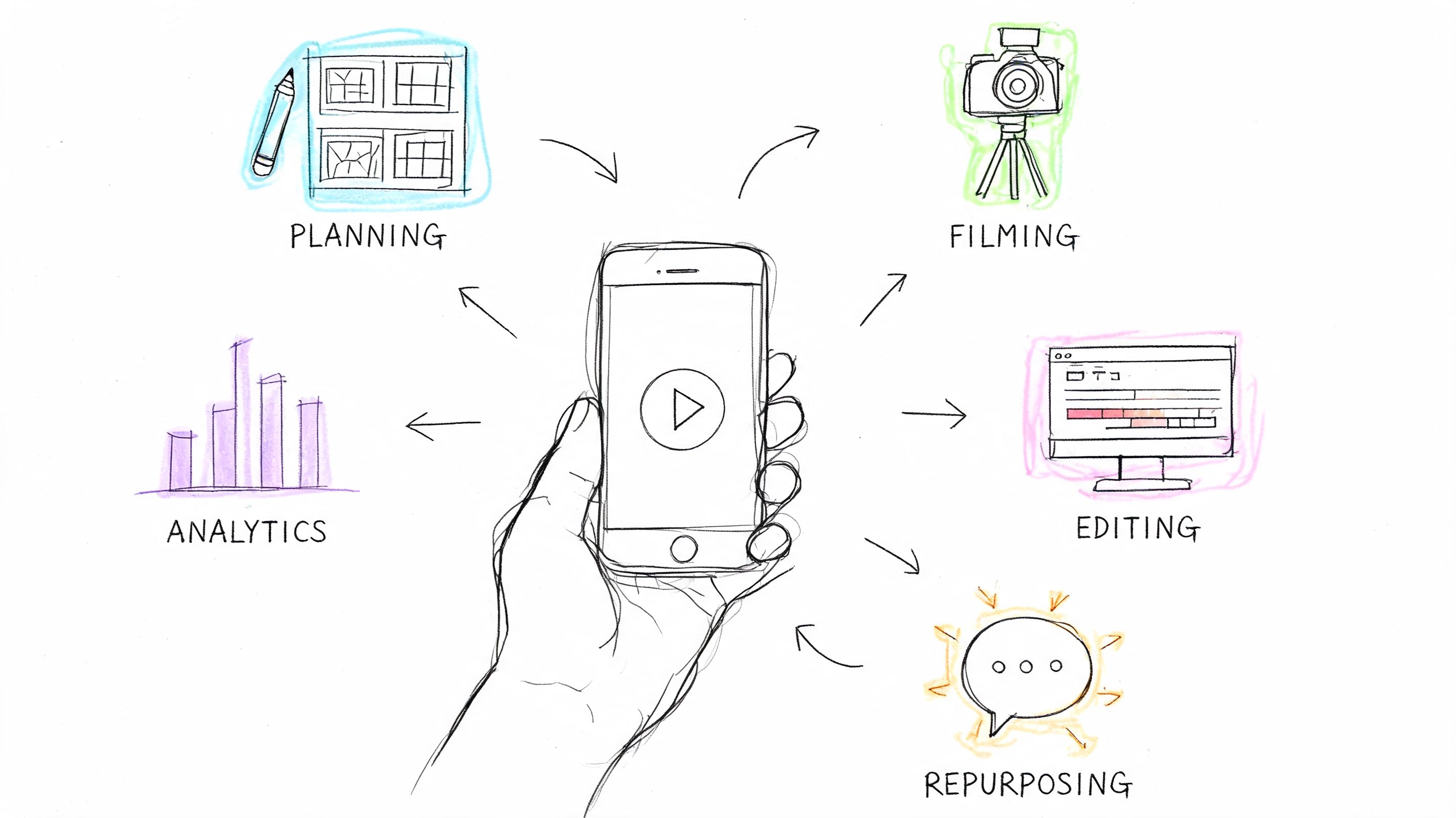
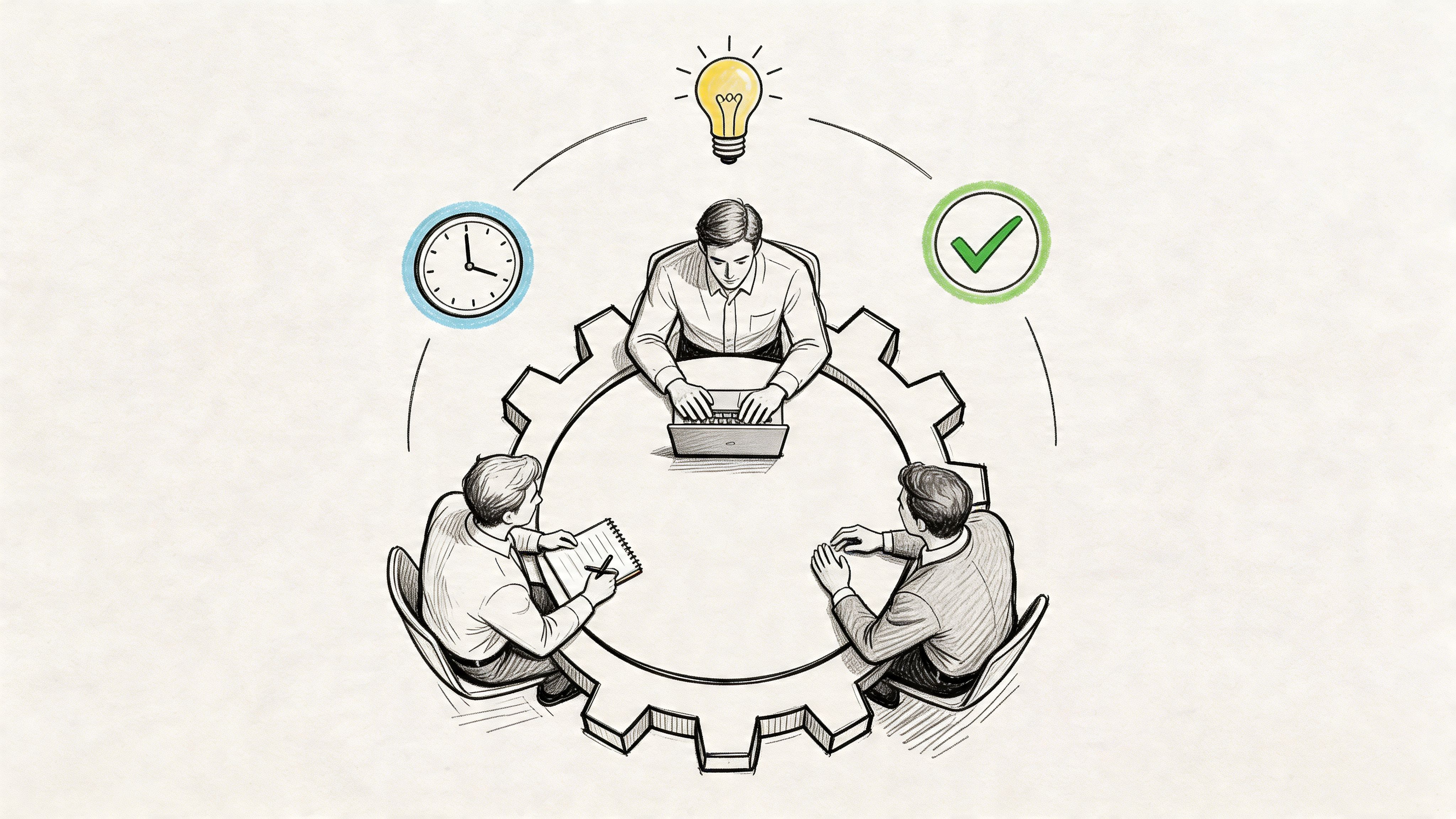
Most “convert YouTube” advice gets stuck on formats and speed. The bigger need is turning video into usable text, notes, or clips. That's the key opportunity for journalists, educators, and teams that need searchable insights, not just offline playback, as discussed in this video on knowledge extraction from YouTube content.
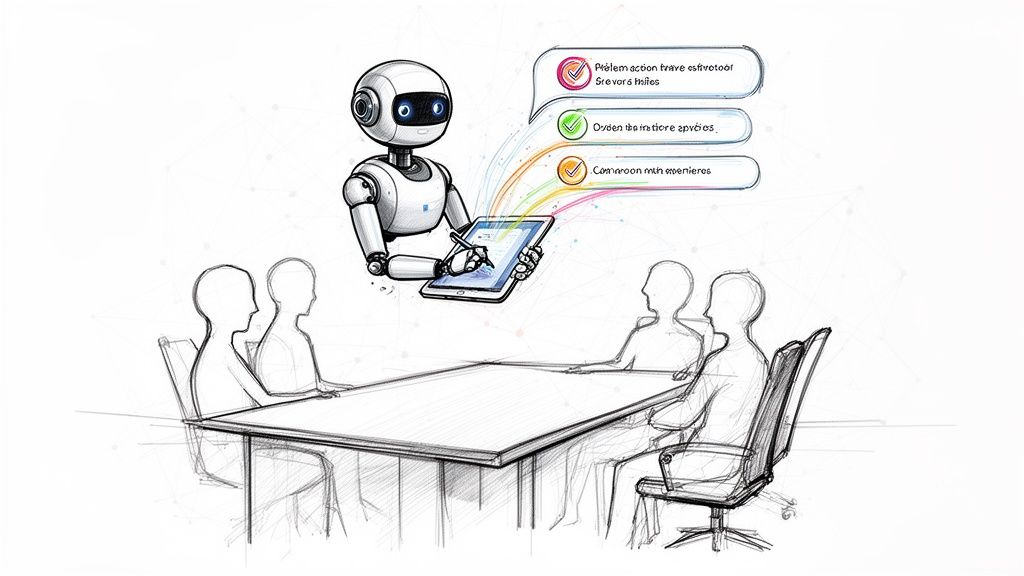
A marketing manager's workflow
A marketing manager starts with a webinar recording. Instead of just saving the MP4, they use the transcript to identify the strongest statements, recurring objections, and clean explanations from the speaker.
From one transcript, they can build:
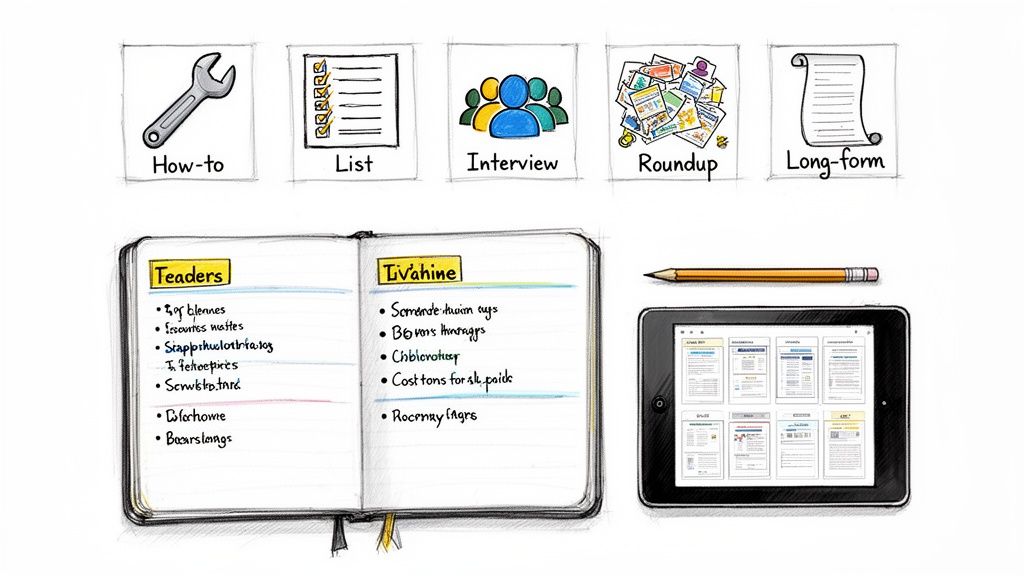
- A blog draft based on the main sections of the webinar
- Quote posts pulled from the clearest lines
- An email summary for subscribers who won't watch the full session
- Short clip ideas based on timestamped moments worth reusing
That's a stronger return than keeping a file in a downloads folder and never opening it again.
A student's workflow
A student watching a long lecture usually doesn't need a local video file as much as a way to study. A searchable transcript makes that easier. They can find definitions, copy key explanations into notes, and jump back to the exact timestamp when something needs clarification.
The best output here isn't “I saved the video.” It's “I turned a lecture into organized study material.”
A journalist's workflow
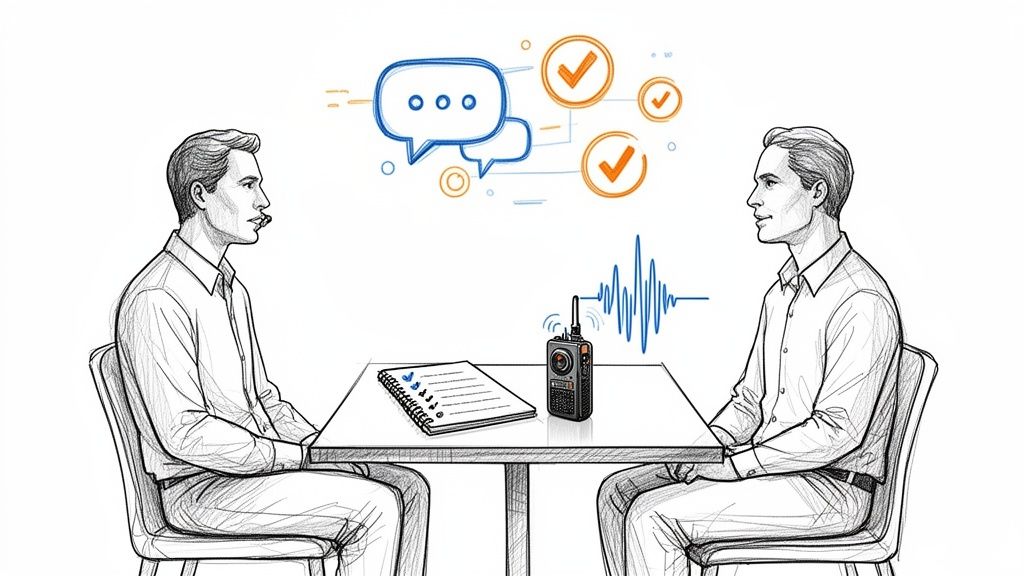
A journalist often needs precision more than convenience. A transcript gives them a text version they can review carefully, search by keyword, and export into an editing environment. That's much faster than repeatedly replaying an interview and trying to capture exact wording by hand.
For teams building that sort of pipeline consistently, these content repurposing strategies are useful because they show how one transcript can feed multiple assets without turning the work into a mess.
The best conversion outcome is the one that shortens your next task.
Frequently Asked Questions About YouTube Conversion
Is it legal to convert YouTube videos for free
It depends on the video and how you use the result. Converting your own uploads is the simplest case. Converting third-party copyrighted content is where things get risky, especially if you plan to redistribute, republish, or reuse it publicly.
A lot of free tools don't explain this well. That doesn't remove your responsibility. If you're not sure you have rights to convert and reuse a video, don't assume a tool's availability makes it acceptable.
Are free YouTube converters safe
Some are. Many aren't.
The main risks are misleading ads, malware-like installers, invasive permissions, and unclear data handling. If a tool makes you fight pop-ups, hides the actual download action, or says nothing about rights and privacy, that's enough reason to leave.
Should I convert to MP3, MP4, or text
Choose based on what you'll do next. MP3 fits listening. MP4 fits visual review. Text fits research, note-taking, quoting, summarizing, and repurposing.
If your next action involves finding information rather than playing media, text is usually the better conversion target.
Can free tools handle high-quality output
Sometimes, but free tools often have limitations. Some cap format choices, reduce quality options, or become unreliable on longer videos. Even when quality settings are available, the output can still be inconsistent.
That's one reason people outgrow generic converters. They start with “save this video,” then realize they need something cleaner, safer, or more useful.
If your real goal isn't just downloading a file but turning YouTube content into searchable transcripts, summaries, speaker-labeled notes, and export-ready text, Whisper AI is the better workflow to try. It's built for extracting value from audio and video, not just saving a copy, which makes it a better fit for creators, students, journalists, and teams who need to reuse what they watch.