Level 10 Meeting Template: Fix Your Meetings
You're probably already holding a weekly leadership meeting. It's on the calendar, people show up, updates get shared, a few side topics explode, someone says “we should circle back on that,” and the hour disappears. By the end, nobody is fully clear on what got decided, what moved forward, or why the meeting had to happen live in the first place.
That pattern is common because most weekly meetings try to do everything at once. They mix reporting, problem solving, brainstorming, accountability, and announcements into one loose conversation. The result is predictable. Prepared people get impatient, unprepared people hide, and the team leaves with more ambiguity than it had walking in.
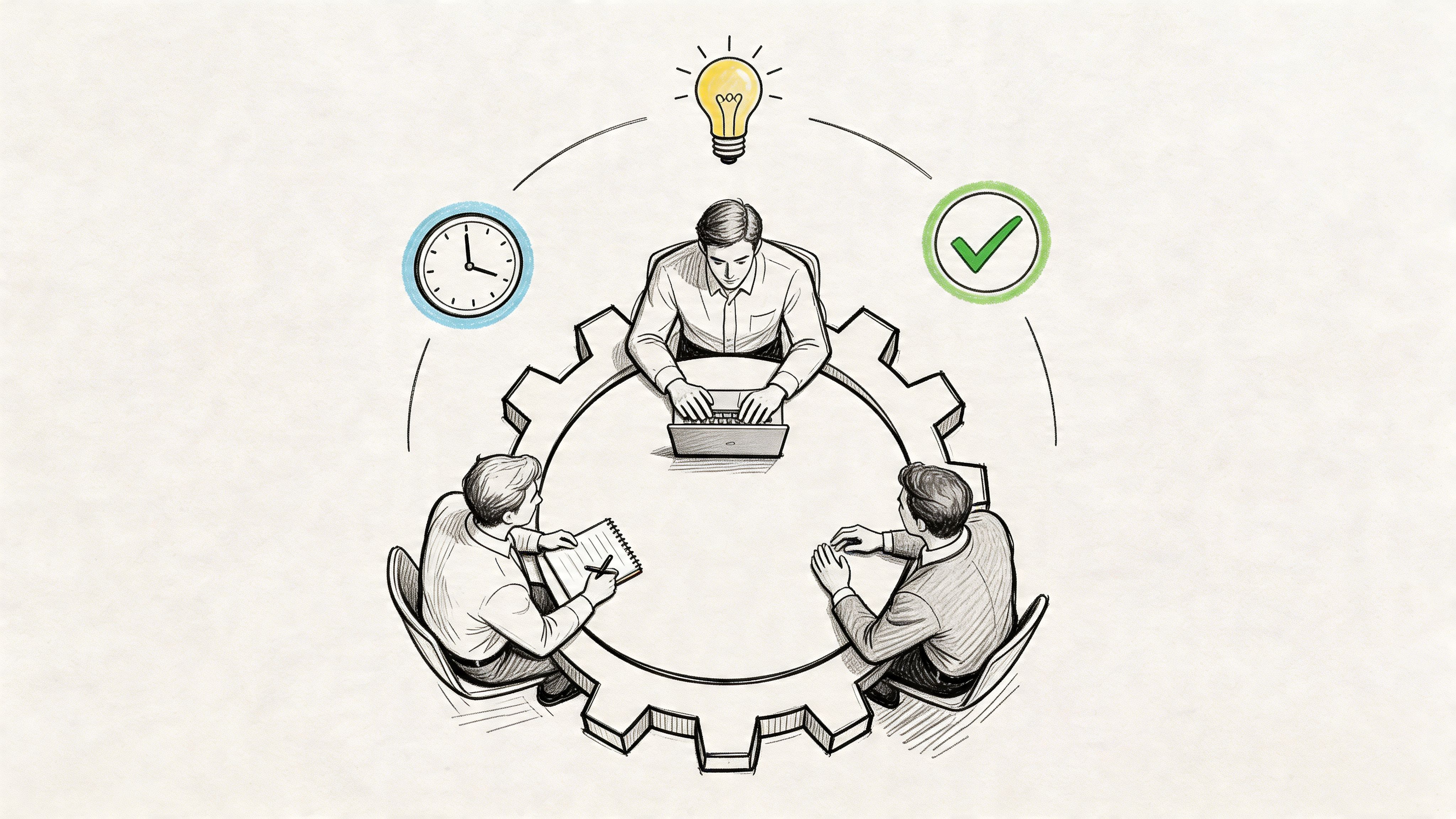
A level 10 meeting template fixes that by forcing discipline into a recurring weekly rhythm. It gives the team a shared operating system instead of a loose agenda. It also creates one of the most useful distinctions in executive meetings: what gets reported quickly, what gets parked, and what deserves focused discussion.
For teams that want tighter meeting rules before they implement a stricter cadence, this guide to rules for a meeting is a useful companion. The teams that benefit most from Level 10 meetings usually aren't missing effort. They're missing structure.
The End of Unproductive Weekly Meetings
Monday, 9:00 a.m. The leadership team joins from three offices, two home setups, and one airport lounge. Ten minutes go to status updates people could have read before the call. A customer issue pulls everyone sideways. The CFO raises a risk that needs real discussion, but there is no time left to solve it. By the end, half the team is unclear on decisions, and the rest are writing follow-up messages to reconstruct what happened.
I see this pattern in hybrid companies all the time. The problem is rarely effort. It is meeting design.
A Level 10 meeting gives weekly leadership meetings a consistent operating rhythm, so the team can separate quick reporting from actual problem solving. That matters even more in hybrid settings, where side conversations happen in chat, people join with uneven context, and details get lost unless someone captures them well in real time.
Good teams still get stuck here. They assume the meeting failed because the wrong people talked too much, or because the agenda was too loose, or because nobody prepared. Sometimes all three are true. But the bigger issue is that many weekly meetings ask one block of time to handle updates, accountability, issue solving, and communication cleanup at once.
That creates drag. People tune out during topics that do not require them. Important issues surface late. Action items get buried in notes, or never make it into notes at all.
The shift is simple. Treat updates as inputs. Treat discussion time as scarce.
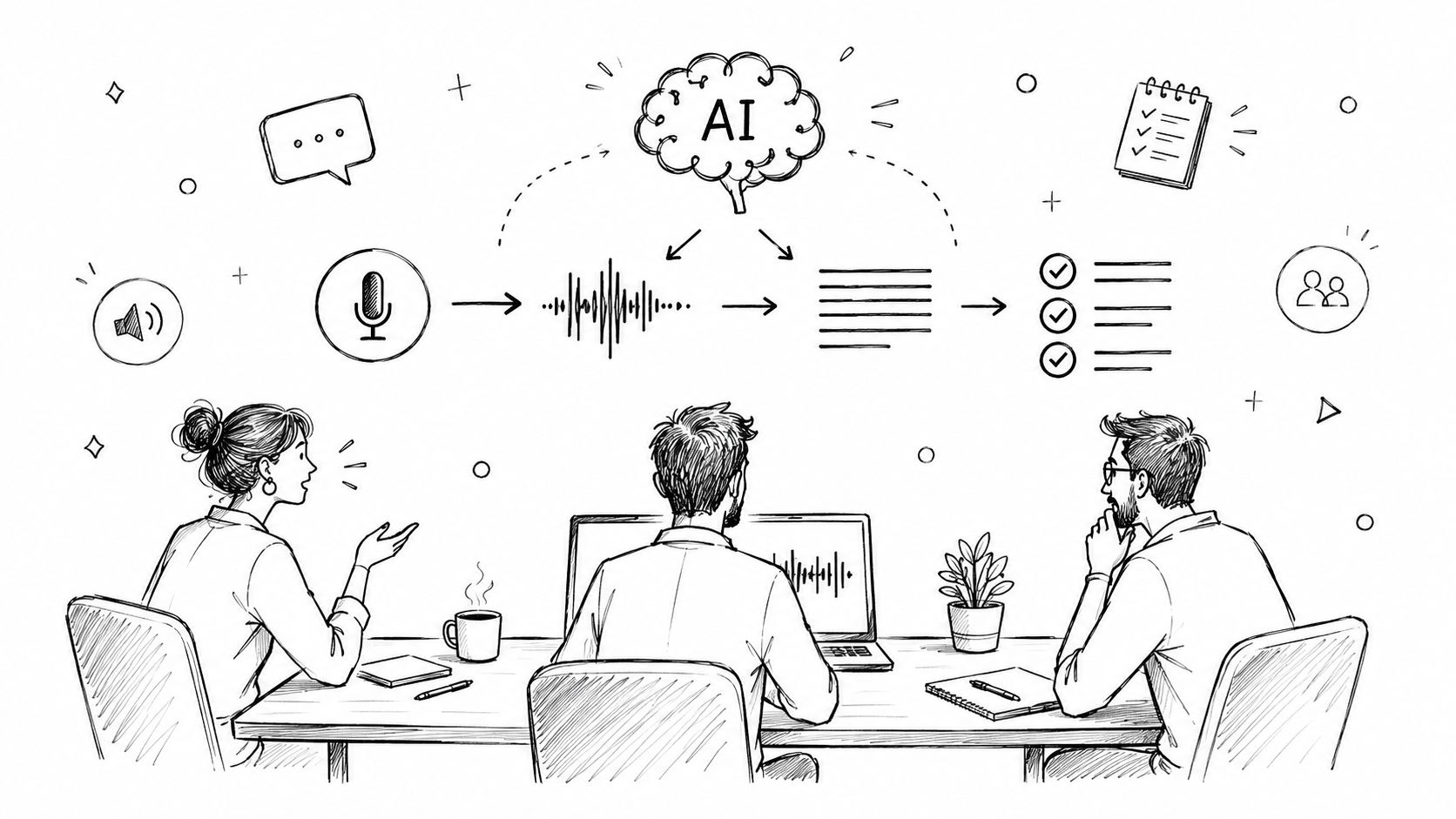
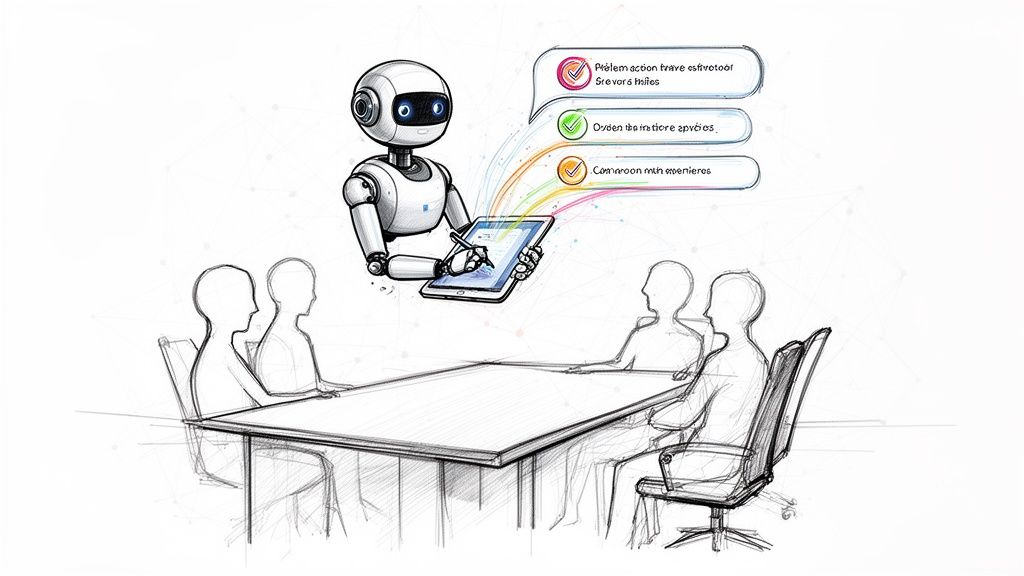
That is why this format keeps working across different companies. It creates a repeatable cadence that helps leadership teams stay aligned without reopening the same meeting debate every week. For hybrid teams, I recommend one practical update to the classic EOS approach: pair the meeting structure with AI transcription and action capture. Tools such as Whisper AI can record decisions, pull out owners and due dates, and reduce the usual scramble after the call. That does not replace discipline. It supports it.
Teams usually do better with this format when they also tighten the basic expectations around participation, preparation, and follow-through. A clear set of meeting ground rules for accountability and focus helps the cadence stick.
If your weekly meeting feels full but still fails to move issues to resolution, the answer is not a more creative agenda. It is a format that keeps the team focused, captures what matters, and makes the next week easier instead of messier.
The Anatomy of a Level 10 Meeting Agenda
A Level 10 agenda works because it settles the meeting design before the team joins the call. Time boxes are fixed. The order is fixed. The team does not spend the first 10 minutes deciding whether this week is for updates, problem-solving, or accountability. That decision was already made.
That matters even more in hybrid teams. In-person groups can recover from a loose agenda with hallway follow-up. Distributed teams usually cannot. If discussion drifts, people leave with different interpretations, weak notes, and vague ownership. A structured agenda prevents that. Good AI note capture strengthens it by recording decisions and action items cleanly, but the structure has to come first.
The fixed structure
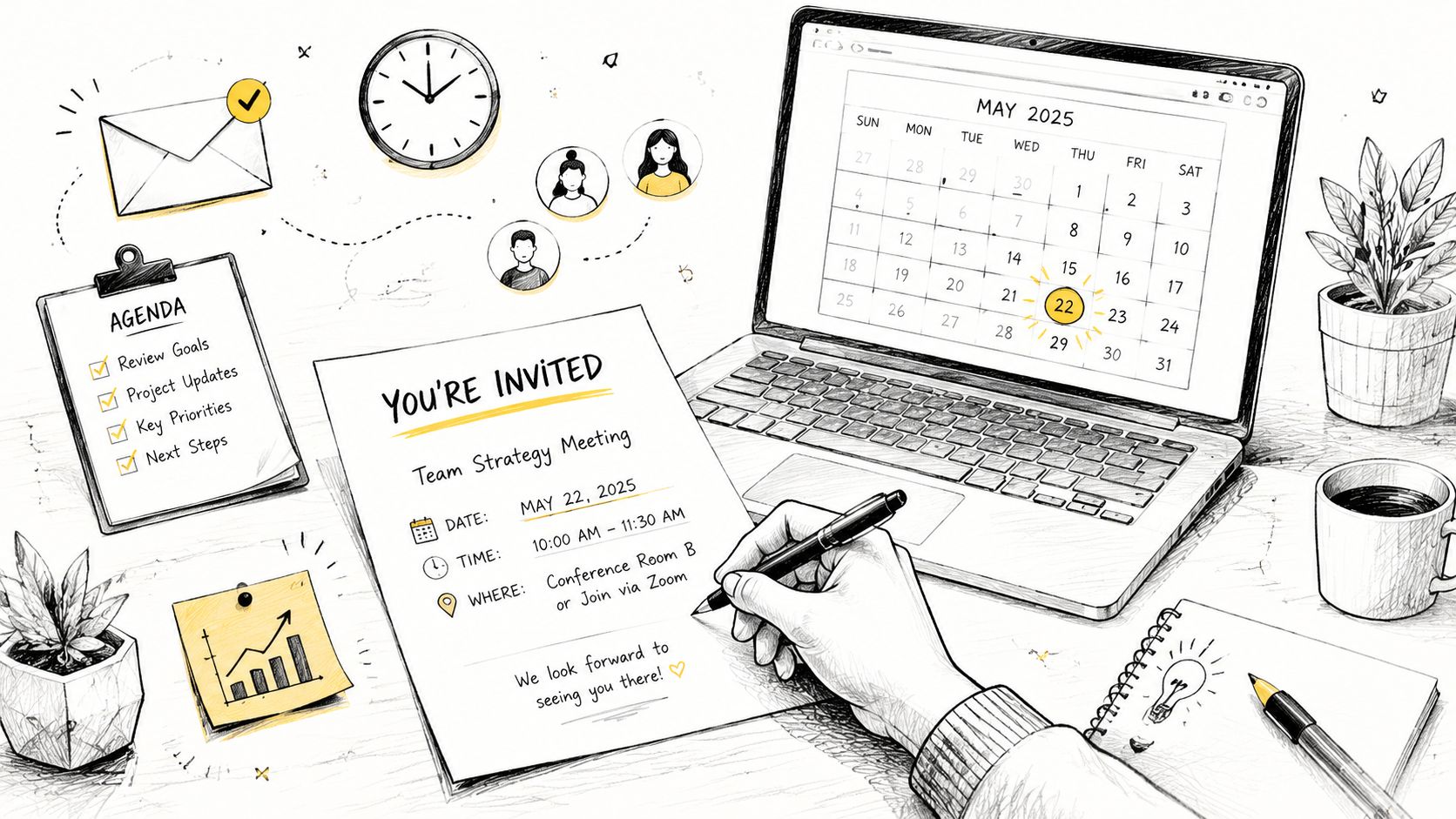
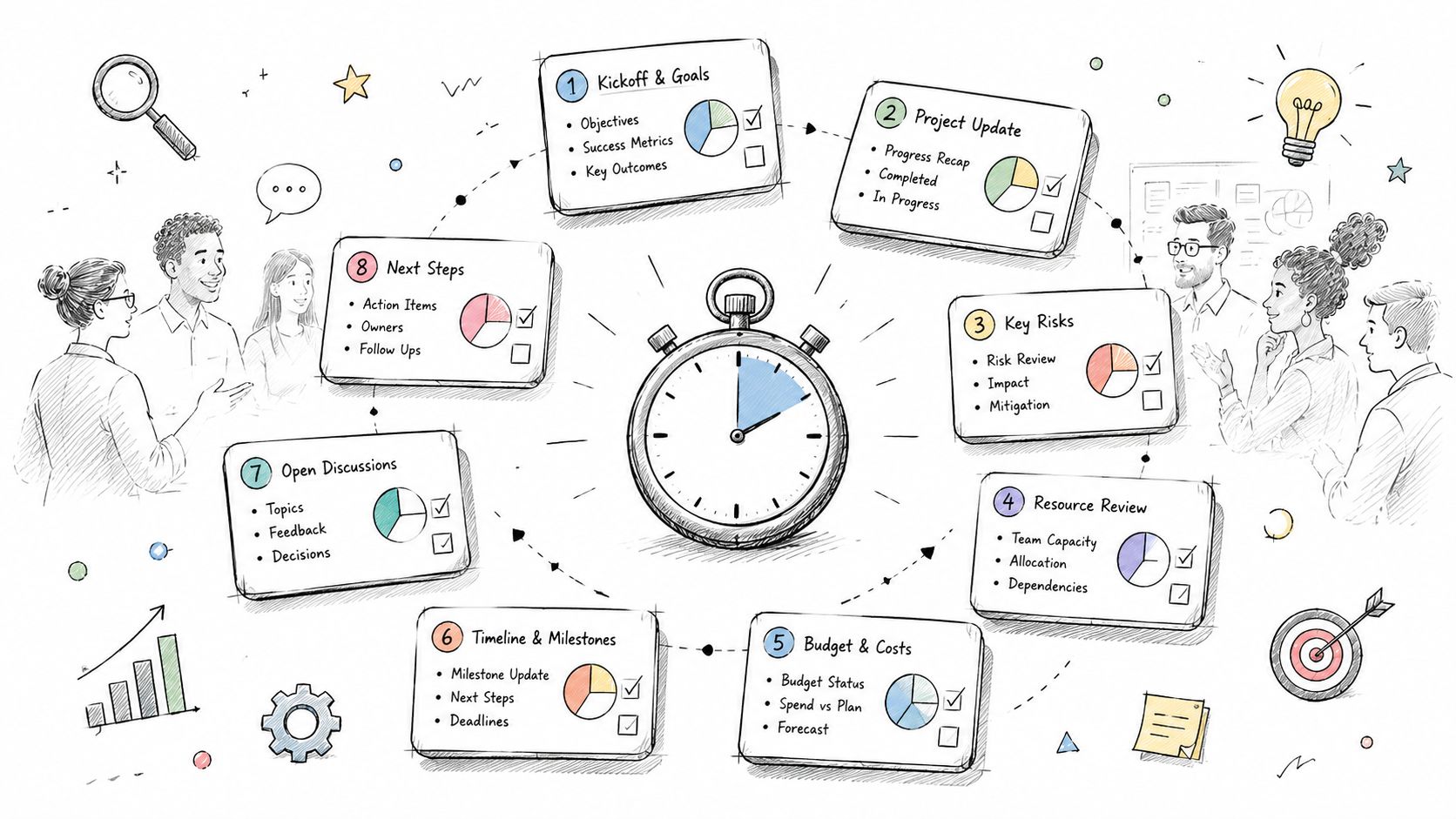
The agenda has 7 sections inside a 90-minute weekly cadence: Segue, Scorecard, Rocks, Headlines, To-Do List, IDS, and Conclude. In practice, keeping the same facilitator and the same note-taking process from week to week reduces friction. Teams waste less time re-explaining the format, and remote participants know where to focus.
A practical level 10 meeting template looks like this:
| Section | Time Allotment | Objective |
|---|---|---|
| Segue | 5 minutes | Help people shift into meeting mode and connect briefly |
| Scorecard | 5 minutes | Review core numbers and flag off-track items |
| Rocks | 5 minutes | Check whether key priorities are on or off track |
| Headlines | 5 minutes | Share notable customer or employee updates |
| To-Do List | 5 minutes | Review last week's commitments for completion |
| IDS | 60 minutes | Identify, discuss, and solve the most important issues |
| Conclude | 5 minutes | Confirm actions, cascade messages, and rate the meeting |
The first five sections are triage. IDS is where the substantive work happens.
Teams often miss that distinction. They turn Scorecard into analysis, Rocks into debate, and Headlines into storytelling. By the time they reach IDS, they have 18 minutes left and no energy. The template fails in that situation, not because the agenda is wrong, but because the team used the wrong section for the wrong job.
Why the front half is tightly capped
Short front-end segments force clarity. A number is on track or off track. A Rock is on track or off track. A to-do is done or not done. If an item needs discussion, it goes to the Issues List and waits its turn.
That discipline sounds mechanical. It is also what keeps the meeting useful.
For teams that struggle with preparation, weak inputs usually show up fast in Scorecard, Rocks, and IDS. Late numbers, unclear owners, and missing context create avoidable drag. A simple routine for meeting preparation before the weekly leadership cadence solves more of this than another agenda tweak.
What the agenda is actually doing
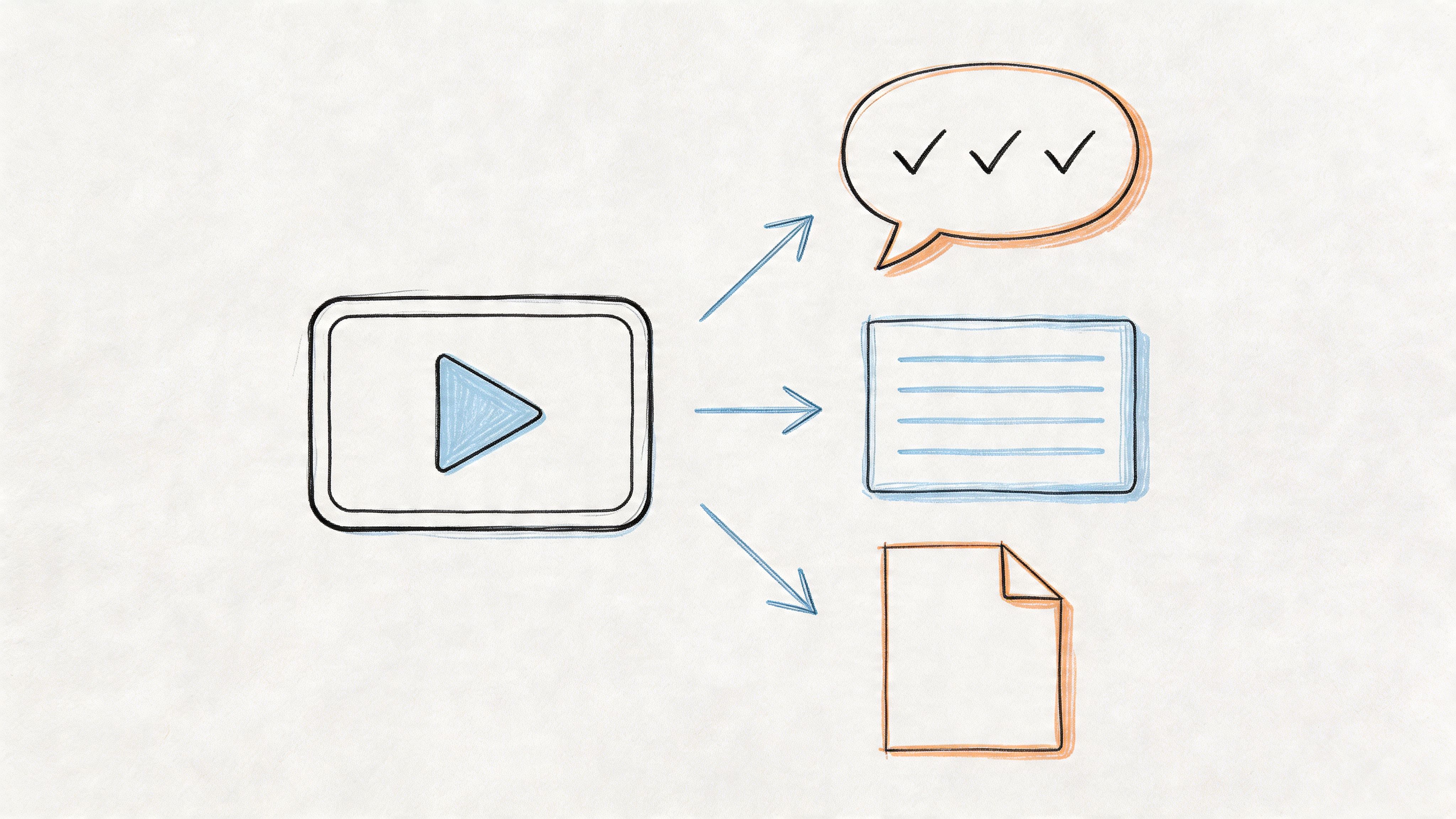
The meeting runs as a simple operating sequence.
- Capture: bring in numbers, priorities, headlines, and open commitments.
- Sort: mark what is fine and what needs attention.
- Queue: move unresolved items onto the Issues List instead of discussing them everywhere.
- Solve: spend the bulk of the meeting on the few issues that matter most.
This is why the format holds up across different companies. It gives leadership teams one place to solve real problems without letting every agenda item expand into a side conversation.
For hybrid teams, there is one update I now recommend almost every time I implement this cadence. Record the meeting, transcribe it, and use AI tools such as Whisper AI to pull out decisions, owners, and due dates. Traditional EOS guidance explains the agenda well, but it assumes someone can reliably capture notes while also tracking the room. In a video call with uneven audio, chat comments, and screen sharing, that is a weak assumption. The modern version of the Level 10 meeting keeps the same cadence and adds better capture. That combination is what makes follow-through stick.
How to Run Each Stage of the 90-Minute Cadence
The meeting lives or dies in execution. Teams usually understand the agenda quickly. The hard part is enforcing what each stage is for, and just as important, what it isn't for.
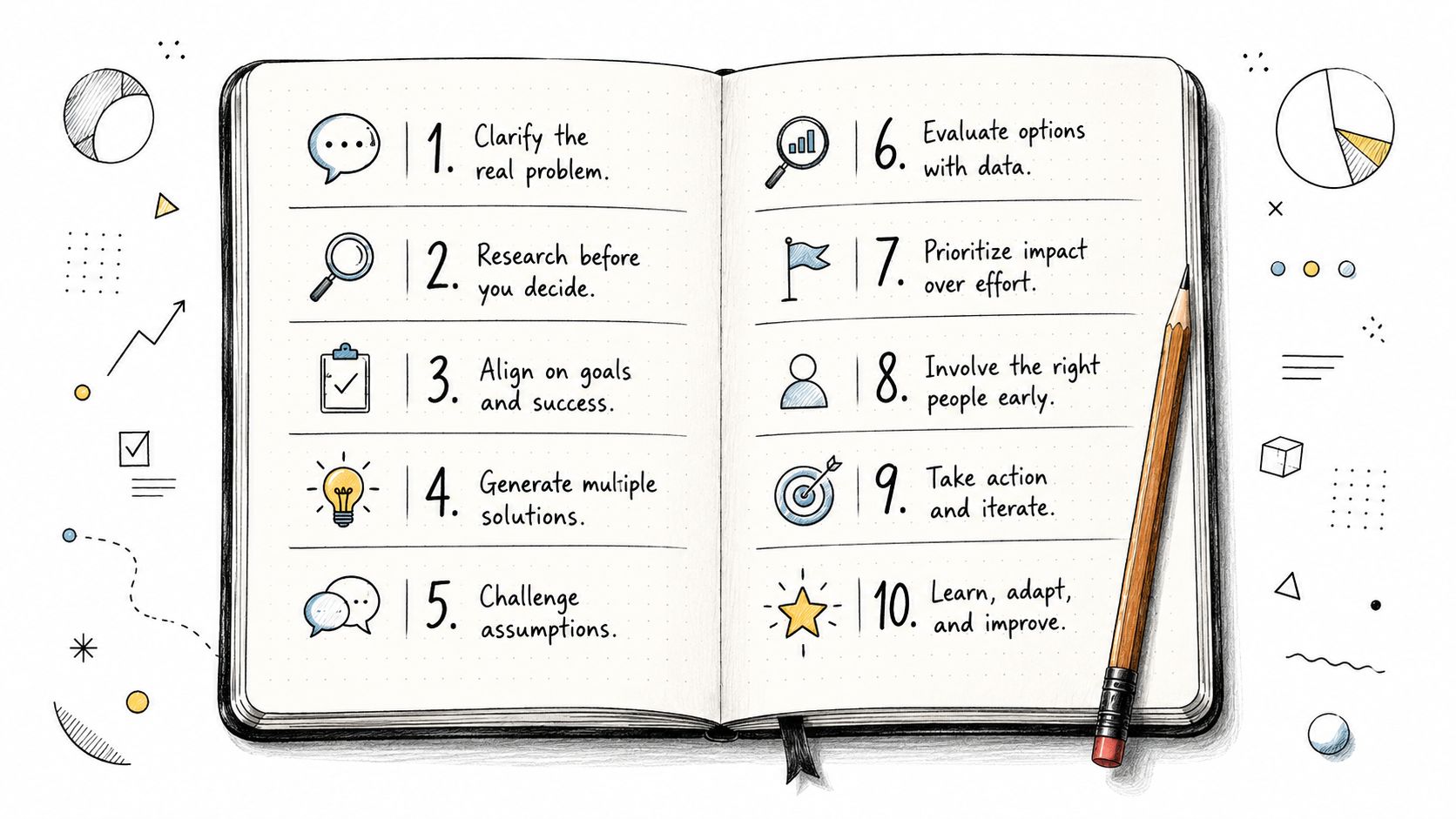
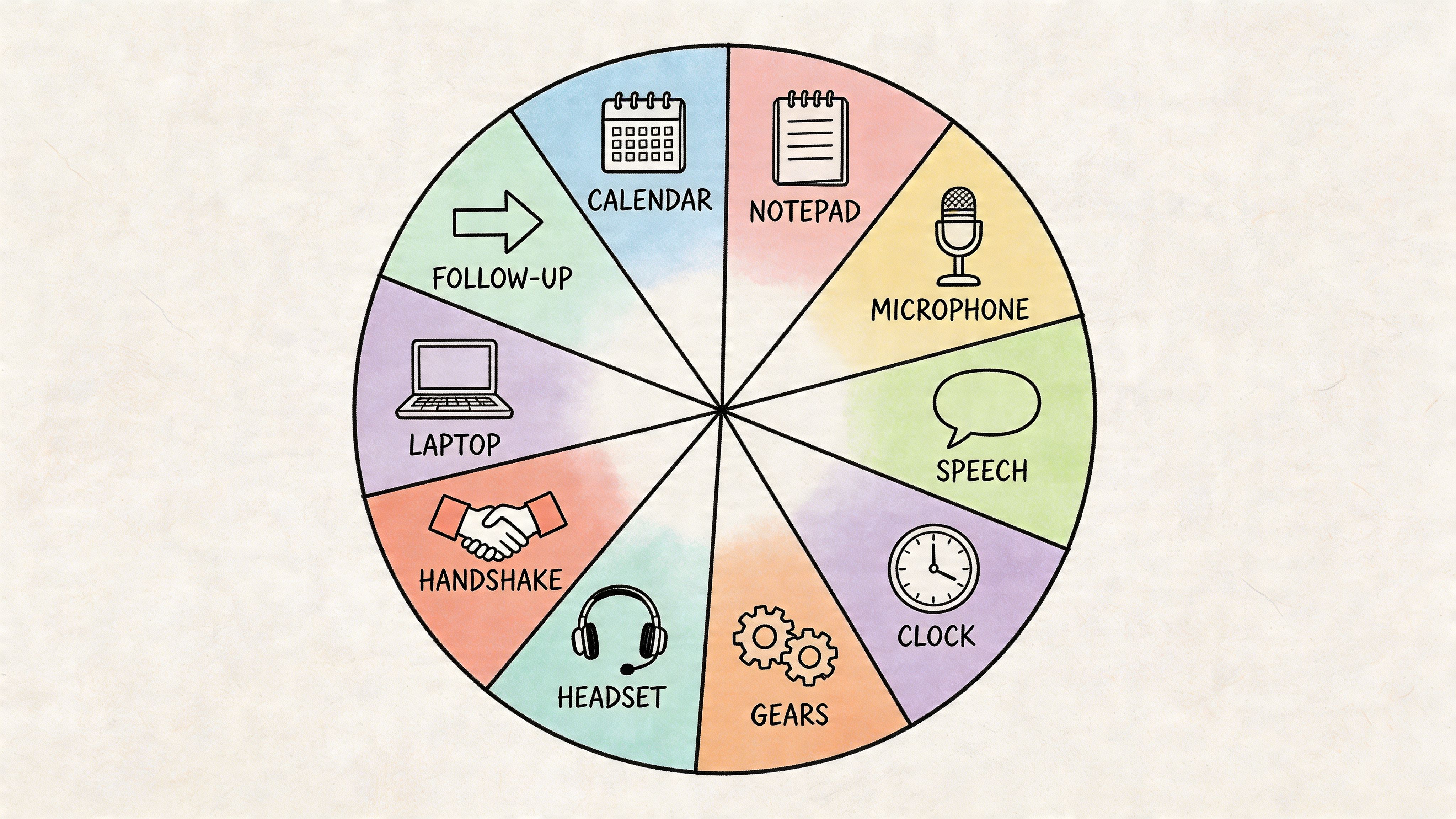
A practical visual helps before the team starts using the rhythm each week.

Noota's breakdown defines the cadence as 5 minutes for Segue, 5 for Scorecard Review, 5 for Rock Review, 5 for Customer or Employee Headlines, 5 for To-Do List Review, 60 for IDS, and 5 for Conclude, and stresses that off-track items should be pushed into the Issues List to prevent agenda drift (Noota guide to the Level 10 meeting template).
Segue
Start with a fast personal and professional check-in. The goal isn't team therapy. It's transition.
A useful opening line is: “Give us one personal win and one professional win from the last week.”
Keep this moving. If someone starts telling a long story, cut it off politely and move on.
Scorecard
Review the numbers. Don't explain them yet unless the explanation is a single sentence and clarifies whether the item belongs on the Issues List.
Ask: “What's off track?” Then add those items to the list.
Practical rule: If the team starts solving a metric in Scorecard, the facilitator should stop the discussion and say, “Good issue. Put it on the list.”
Rocks
This section is a quick check on priority status. Each owner should report whether the Rock is on track or off track. That's it.
If a Rock is off track, the team logs it as an issue. Don't burn the IDS block before IDS begins.
Headlines
Headlines are for customer and employee updates that the team needs to hear. They are not mini IDS sessions.
Good opening prompt: “What do we need the team to know this week?”
Some headlines are just context. Others clearly belong on the Issues List. The facilitator should decide quickly.
A short walkthrough is often useful for first-time teams:
To-Do List
Review last week's commitments. A to-do is either done or not done.
Ask each owner directly: “Done?” If not, note the miss and decide whether the pattern belongs in IDS. Don't let this section become excuse management.
IDS
This is the meeting. Everything before this is setup.
The facilitator should first confirm the order of priority on the Issues List. Then the team works one issue at a time:
- Identify the core issue, not just the symptom.
- Discuss it long enough to understand the root cause.
- Solve it with a decision or clear next action.
The biggest mistake in IDS is staying in discussion mode. If the same point is being repeated, ask a forcing question: “What decision are we making?” or “Who owns the next step?”
Conclude
Use the last few minutes to lock in the output.
Review new to-dos, confirm any messages that need to be shared outside the room, and rate the meeting. That rating matters because it teaches the team to diagnose its own meeting quality instead of pretending every week was fine.
Essential Facilitator Tips to Keep Meetings on Track
A weak facilitator can ruin a strong template. A strong facilitator can make an average team much sharper in a few weeks.
Most Level 10 failures don't come from the agenda itself. They come from a leader who won't interrupt, won't enforce time, or confuses inclusion with letting every topic run long. The facilitator's job is not to be the nicest person in the room. The job is to protect the meeting.

Be strict on time and loose on ego
The best facilitators act like benevolent dictators with the clock. They don't ask permission to move on. They move on.
That doesn't mean being robotic. It means understanding that the team agreed to a structure for a reason. If one person gets unlimited airtime, everyone else pays for it.
Keep the meeting moving even when the most senior person in the room wants to wander.
Use a few standard interventions
Facilitators don't need a large script library. They need a few phrases they can repeat every week.
- For tangents: “That belongs in IDS. Add it to the list.”
- For repetition: “We've heard the point. What's the decision?”
- For vague ownership: “One owner. Who has it?”
- For drift: “We're still in Headlines. This is not the place to solve it.”
Those phrases matter because teams improve through repetition. The room learns the rules by hearing the same corrections over and over.
Build the right room, then protect it
Meeting design matters before the conversation even starts. EOS notes that the ideal Level 10 meeting size is generally 6 or 7 people. Strety adds practical targets often used in these meetings, including 80%+ issue resolution, 90%+ to-do completion, and 95%+ attendance for core team members (Strety's Level 10 meeting guide).
That guidance lines up with what happens in practice:
- Too few people: The meeting lacks enough perspective to solve cross-functional issues.
- Too many people: Discussion gets crowded, slower, and less honest.
- Wrong people: The room surfaces issues that nobody present can solve.
Keep psychological safety practical
Psychological safety in a Level 10 meeting doesn't mean endless softness. It means people can raise a hard issue without getting punished for it.
A facilitator can support that by separating the issue from the person. Focus on the process, the decision, the metric, the missed handoff, the unclear owner. Once the team starts making everything personal, IDS gets weaker.
A candid meeting is not the same thing as a hostile meeting.
Consistency helps here. Using the same facilitator and scribe every week creates rhythm. People know how the meeting works, how interruptions are handled, and how issues will be recorded. That predictability lowers friction more than is commonly expected.
Capture Notes and Actions with Modern Tools
The traditional Level 10 model assumes a human scribe in a live meeting. That still works, but it creates a trade-off. The person taking notes often captures too much of the wrong detail and too little of the actual decisions. In hybrid teams, it gets worse. Side comments get missed, action items get buried, and absent teammates receive a recap that feels incomplete.
That gap matters because modern teams don't only work live. A recent gap in Level 10 content is how to adapt the format for asynchronous and hybrid work, even though many teams now rely on async updates and need clarity on which parts of the agenda should stay live versus which can happen before the meeting (SUCCESS on Level 10 templates for modern teams).

What should stay synchronous
Not every part of a level 10 meeting template needs equal live time.
The parts that usually benefit most from live discussion are:
- IDS: Root-cause discussion and decision-making are harder to do well asynchronously.
- Conclude: Final ownership and alignment should be explicit in the room.
- Short Segue: A quick check-in still helps people arrive mentally.
The parts that can often be prepared or handled partly async are different.
What can happen before the meeting
Hybrid teams usually get better results when they do some of the admin work before the call.
- Scorecard updates: Owners can post numbers in advance.
- Rock status: On-track or off-track can be updated before the meeting begins.
- Headlines: Routine updates can be added to a shared document or workspace ahead of time.
- Issue submission: Team members can log issues throughout the week instead of waiting for the meeting.
That doesn't eliminate the live meeting. It sharpens it. The team spends less time reading and more time solving.
Where AI note-taking fits
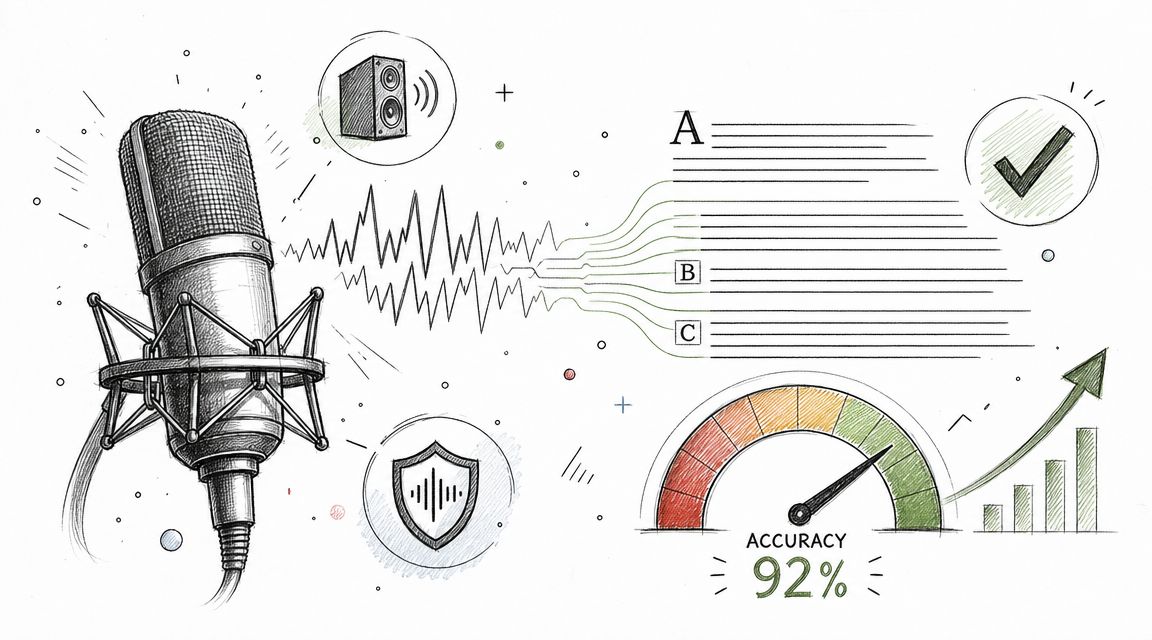
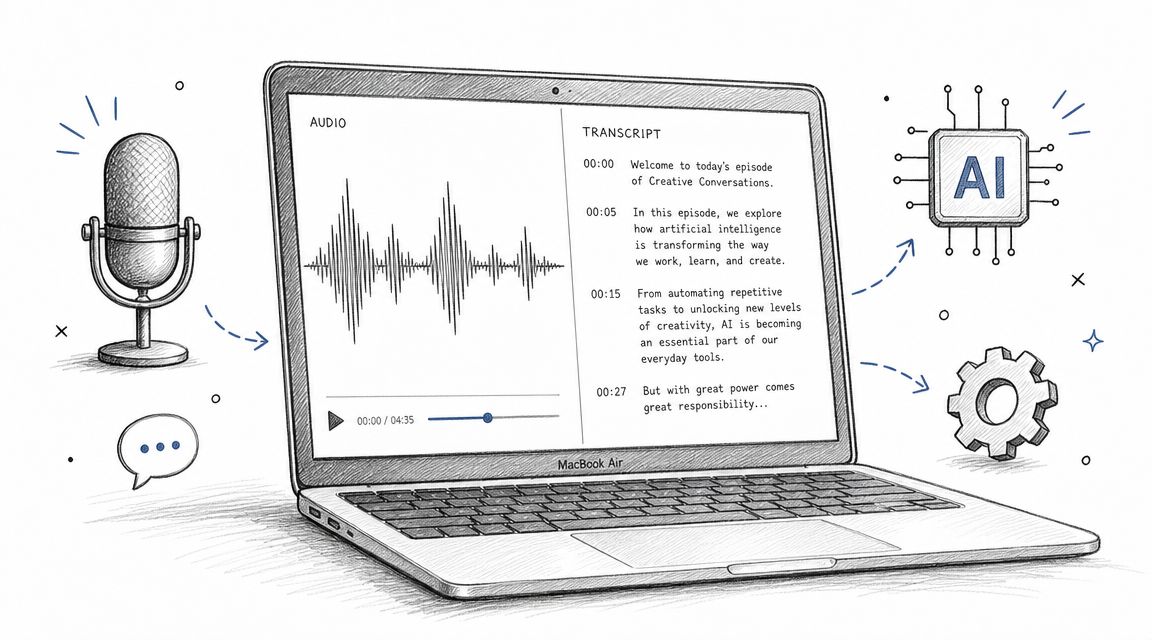
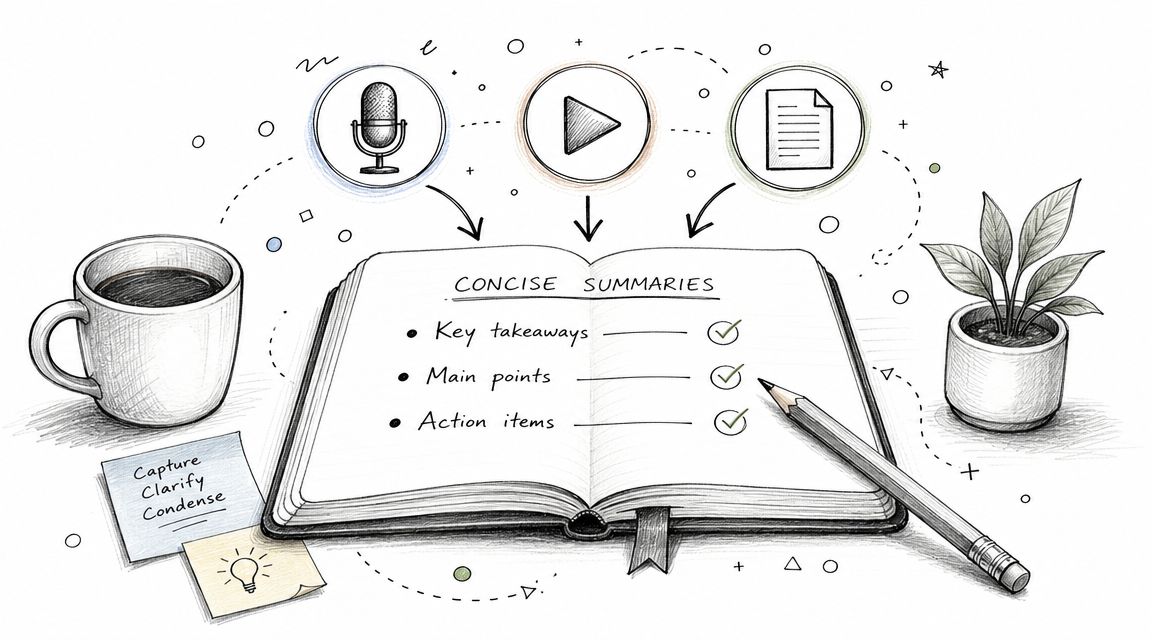
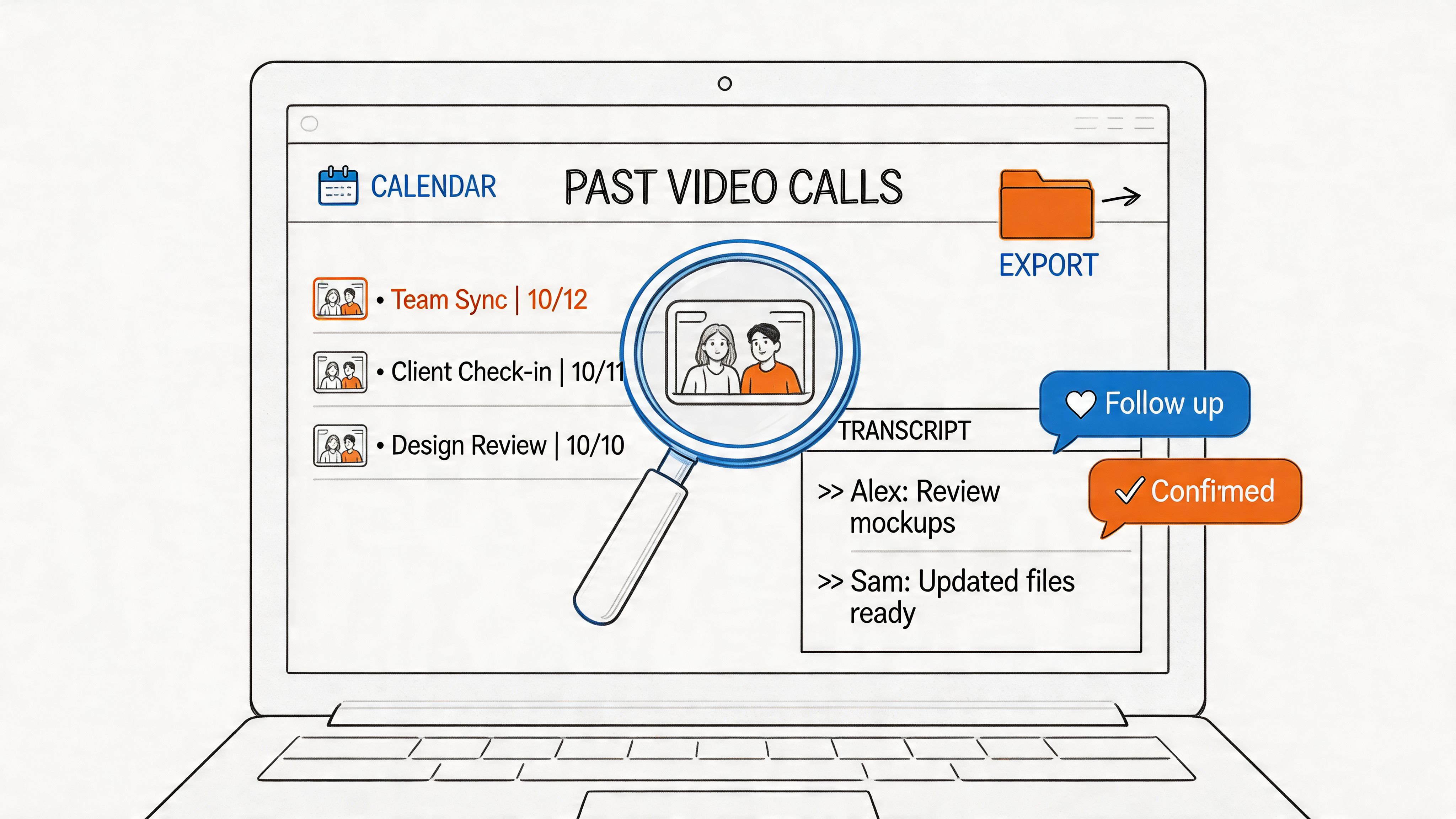
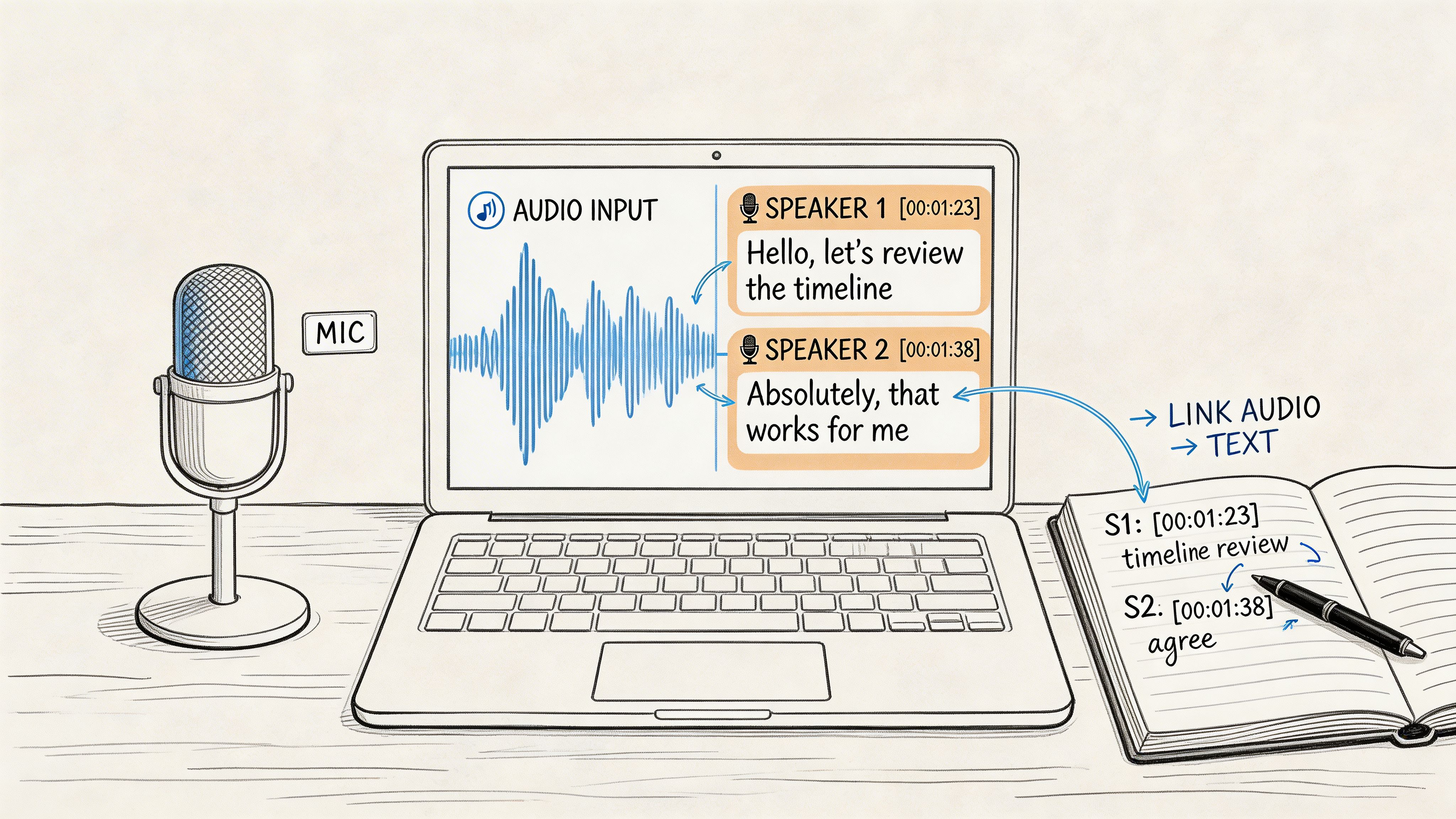
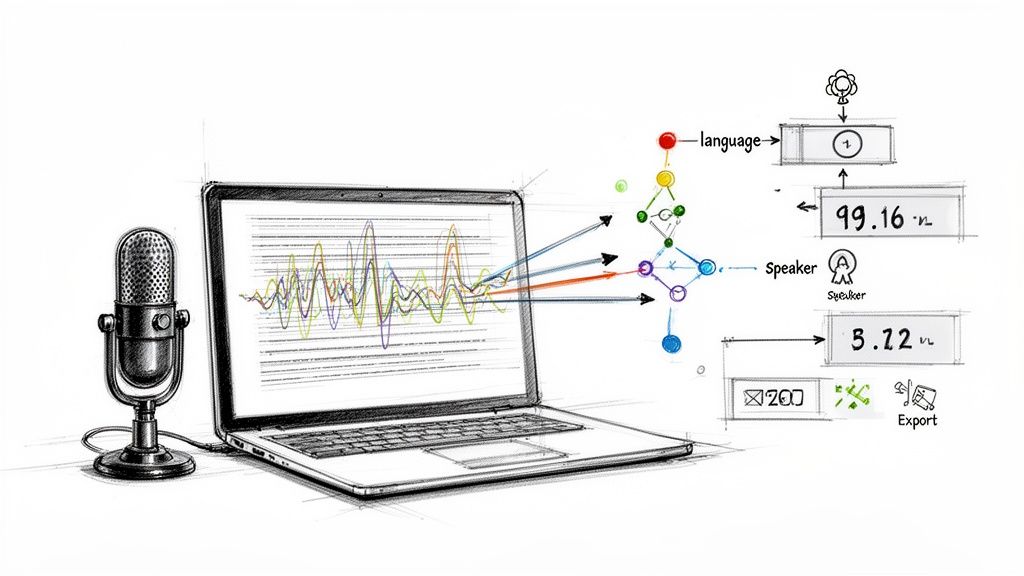
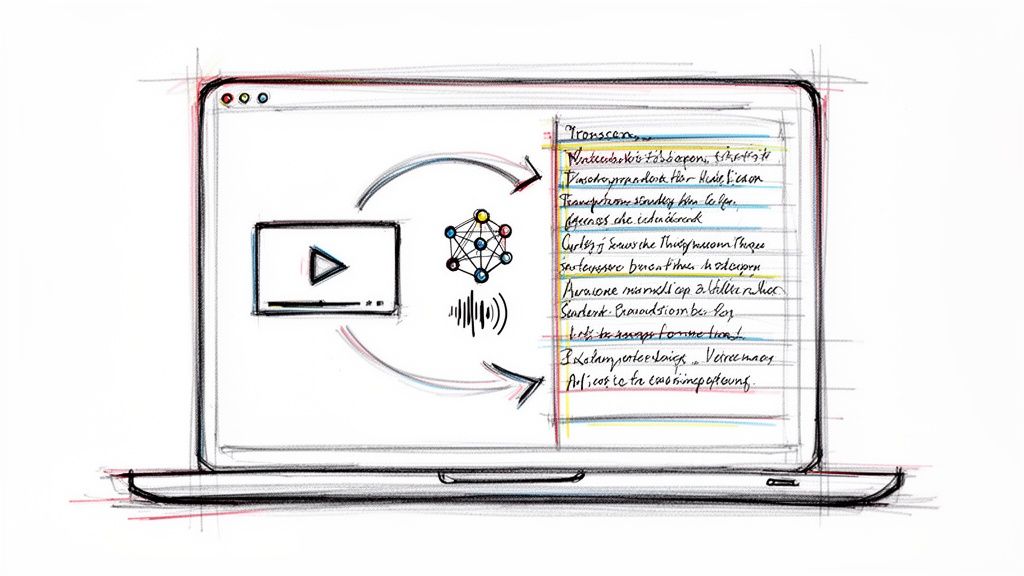
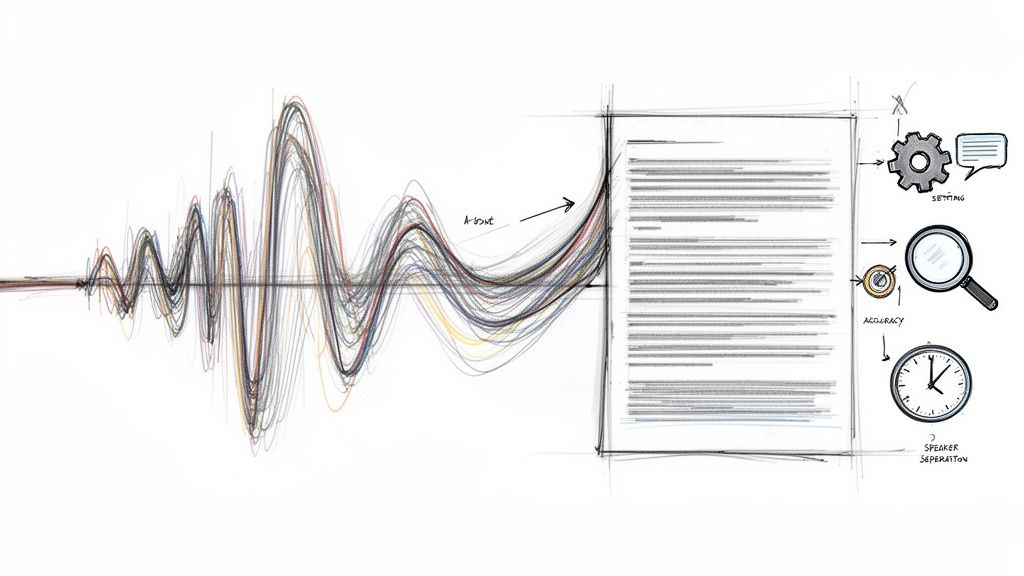
An AI transcript and summary tool is useful when the team wants a reliable record of what was said, what was decided, and what actions came out of IDS. Instead of forcing the scribe to choose between participating and documenting, the team can use a tool to capture the conversation, summarize it, and turn decisions into action items that absent members can review later.
One option is Whisper AI's meeting note taker, which can transcribe meetings with speaker attribution, generate summaries, and surface action items. In a hybrid Level 10 workflow, that's especially useful after IDS and Conclude, where the signal is highest and the cost of missed decisions is real.
The practical test is simple. If your recap requires someone to watch the full recording to understand what happened, your documentation process is still too heavy.
Troubleshooting Common Level 10 Meeting Problems
Even good teams hit friction early. Most problems aren't signs that the method is wrong. They're signs that the team is only using part of it.
IDS turns into endless talk
This usually happens when the issue isn't clearly identified. The team is discussing symptoms, opinions, and history, but not the actual problem.
Fix it by forcing a cleaner issue statement before discussion starts. Then ask for a decision, owner, or next action before moving on.
If IDS feels circular, the issue probably wasn't identified clearly enough.
The meeting always runs long
This almost always means people are solving issues in the wrong sections. Scorecard becomes debate. Headlines become side conversations. To-do review becomes explanation theater.
The fix is strict enforcement. Log off-track items and defer them. Protect IDS for the work that deserves time.
To-dos keep rolling over
When to-dos don't get completed, the problem is usually one of three things: the task was vague, ownership was fuzzy, or the person never had the capacity or authority to do it.
Use sharper assignments. One owner. One expected result. Then bring repeated misses into IDS instead of normalizing them.
The team keeps rating the meeting low
A low rating isn't a failure. It's feedback.
Look for the pattern. If ratings stay low, the team is usually reacting to one of these issues:
- Poor prioritization: The room spent time on the wrong problems.
- Weak facilitation: Nobody stopped drift.
- Wrong attendees: The people in the room couldn't solve what came up.
- Bad prep: Metrics, rocks, and issues weren't ready.
Don't defend the meeting. Diagnose it.
Hybrid participation feels uneven
This is the modern failure mode many classic EOS write-ups skip. In-office participants naturally dominate unless the facilitator actively balances the room.
A practical fix is to separate pre-work from live work. Use written updates for status, reserve live time for IDS, and make sure decisions and actions are documented clearly for anyone who joined remotely or needs to catch up later.
The Level 10 template works. What fails is loose implementation. Teams that stay with the discipline, keep refining the issue list, and treat the meeting as an operating system rather than a calendar event usually see the difference quickly.
If your team is already running a Level 10 meeting template and still losing decisions in messy notes, Whisper AI can help you turn meeting audio or recordings into searchable transcripts, concise summaries, and clear action items. That makes the EOS cadence easier to support in hybrid teams, especially when people need to review IDS outcomes without replaying a full meeting.