How to Conduct Effective Interviews: A Practical Guide for Hiring Managers
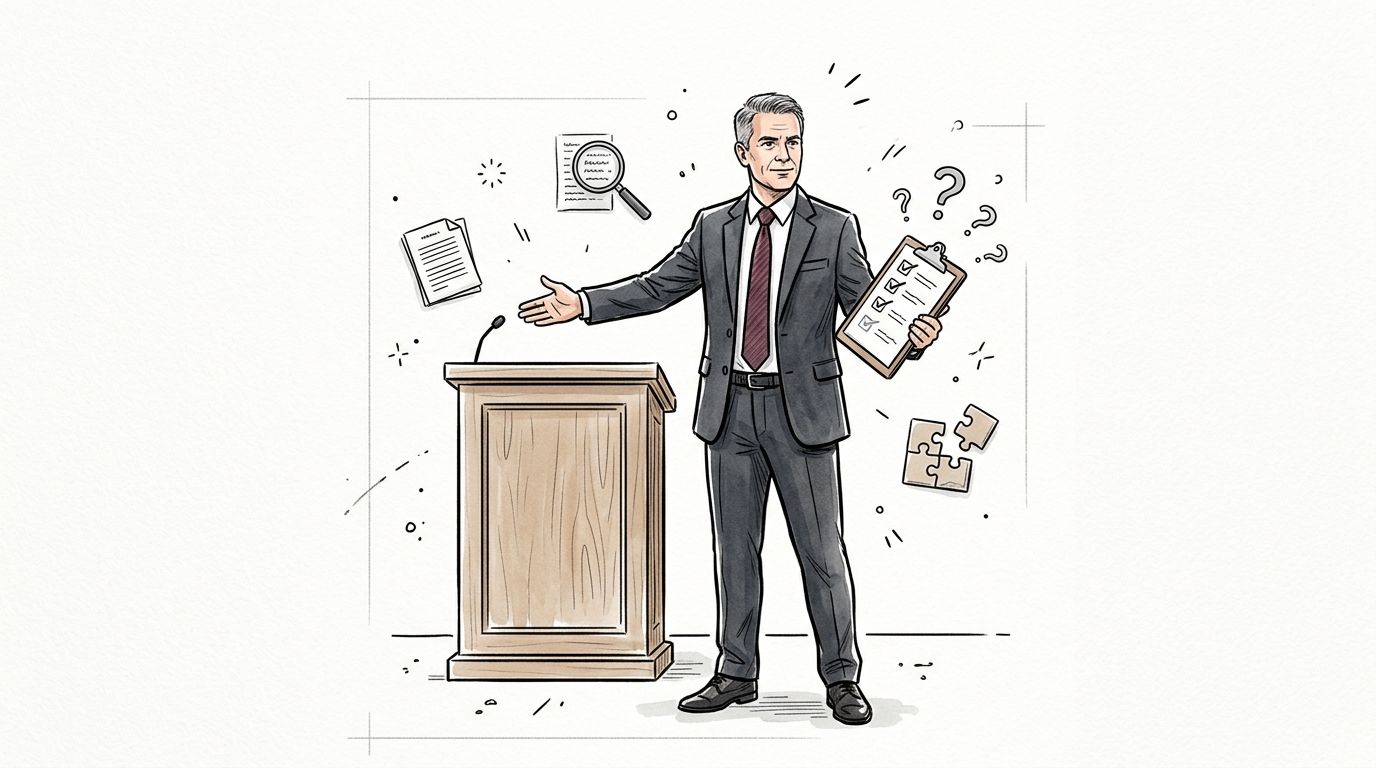
If you’re still conducting interviews by just “going with your gut,” you’re leaving your team’s success up to chance. From my experience, the best hiring managers know that effective interviewing isn't an art form—it's a discipline. It hinges on a simple, powerful framework: defining what success looks like for the role, preparing targeted behavioral questions, and using a standardized rubric to evaluate every candidate fairly.
This structured approach is the single most reliable way to predict who will actually succeed on the job. This guide will walk you through exactly how to conduct effective interviews, from preparation to post-interview analysis.
Why Mastering How to Conduct Effective Interviews Is No Longer Optional
Think of the interview as the most important conversation you'll have in the entire hiring process. It's more than just a formality. Getting good at it is a game-changing skill, not just for recruiters, but for anyone responsible for building a team. An unstructured, "let's just chat" style of interview is often a recipe for disaster.
A well-planned interview, on the other hand, is your single best defense against the staggering costs of a bad hire. And when you get it wrong, the consequences are felt everywhere.
The Real Cost of a Bad Hire
A bad hire isn't just an inconvenience; it's a massive drain on your company's finances and morale. The U.S. Department of Labor estimates that a bad hire can cost up to 30% of that employee's first-year salary. For a role paying $100,000, you’re looking at a $30,000 mistake.
That cost isn't just a number on a spreadsheet. I've seen it show up in very real ways:
- Wasted Resources: All the time and money you poured into recruiting, onboarding, and training? Gone.
- Lost Productivity: It starts with the new person failing to deliver, but then it spreads. Your other team members have to pick up the slack, and their own output suffers.
- Damaged Team Morale: A toxic or incompetent team member can quickly sour the group's dynamic, creating frustration and driving down engagement among your top performers.
A thoughtful, structured interview process is your best insurance policy against these risks. It gives you a systematic way to filter for the skills, behaviors, and values that actually predict success in the role and at your company.
The Principles of an Effective Interview
So, what’s the real difference between a great interview and a mediocre one? It’s a shift in mindset from having a casual conversation to conducting a professional assessment. Great interviews are built on a solid foundation of objectivity, consistency, and a crystal-clear understanding of what you’re looking for.
From my own experience, the entire game changes with preparation and intent. An amateur interviewer walks in hoping a great candidate will appear; a professional walks in with a clear plan to identify one.
This means you absolutely have to:
- Define Success First: Before you even post the job, you need to know exactly what skills and behaviors a top performer in this role demonstrates. You can't find what you're not looking for.
- Ask Probing Questions: Ditch questions like "What are your strengths?" Instead, use behavioral prompts like "Tell me about a time when..." that force candidates to provide real evidence from their past experience.
- Evaluate Consistently: Use a simple scorecard or rubric to rate every single candidate on the same criteria. This is the key to removing personal bias and making a decision based on evidence, not just a feeling.
When you embrace these principles, the interview transforms from a subjective guessing game into a reliable engine for building a fantastic team.
Step 1: Laying the Groundwork Before the Interview
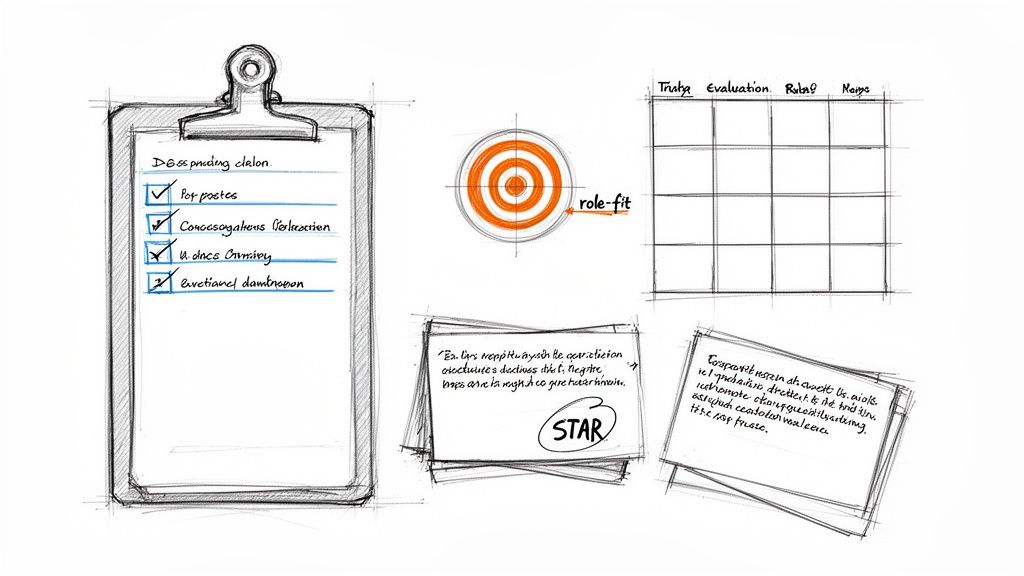
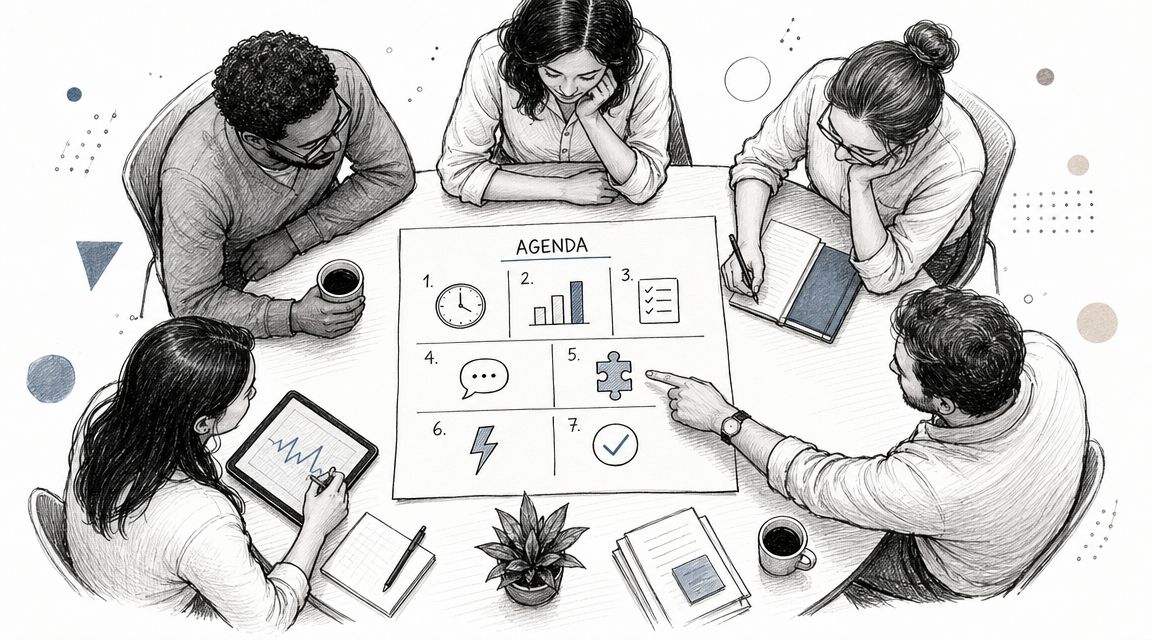
I've seen it a hundred times: an interview goes off the rails because the person running it decided to just "wing it." The reality is, a great interview is won or lost long before the candidate even walks through the door. Solid preparation is what separates a biased, inconsistent hiring process from one that reliably finds the right person.
This isn't just about booking a room and printing a resume. It’s about building a blueprint for success. After all, the qualities that make a star software engineer are worlds apart from those of a top sales lead. Your prep work needs to reflect that.
Define What "Good" Actually Looks Like
Before you even think about a single question, you need to know exactly who you're looking for. Forget the vague buzzwords on the job description. Instead, pinpoint the three to five non-negotiable skills or traits someone absolutely must have to succeed in this role.
Get specific. "Strong communication skills" is useless. A much better objective is, "Can they explain a complex technical issue to the sales team without making their eyes glaze over?" That's a tangible goal you can actually test for. These core objectives become the bedrock of your entire interview.
Build Your Question Arsenal
With your objectives clear, you can now start building a set of questions to target them. The most powerful questions aren't hypotheticals ("What would you do if...?"). They're about past behavior ("Tell me about a time when..."). This is the heart of behavioral interviewing, and it’s how you get real evidence, not just polished answers.
This is where the STAR method comes in handy. I always coach my teams to listen for this structure in a candidate’s answer:
- Situation: What was the context?
- Task: What was their specific goal?
- Action: What, exactly, did they do?
- Result: What was the outcome? What did they learn?
Digging into why questions matter in job interviews is a crucial part of this. Each question you ask should be a deliberate tool to probe one of your core objectives.
Create a Simple Scoring Rubric
If you do only one thing from this list, make it this. A standardized rubric is your single best defense against hiring bias. It's just a simple scorecard that lists your core objectives and gives you a scale (say, 1-5) to rate the candidate's answers against each one.
A good rubric forces you to measure every candidate with the same yardstick. It moves you past "gut feelings" and makes you justify your ratings with actual evidence from the conversation. This isn't just about fairness; it's about making your hiring decisions defensible and repeatable.
This structured approach pays off. When you consider that global employee engagement was a dismal 21% in 2024—often because poor interviews fail to identify a genuine fit—this isn't just a nice-to-have. It's essential. Capturing those answers accurately for review is also key, and our guide on how to properly transcribe an interview can help with that later on.
Nail the Logistics
Finally, take care of the small stuff. A smooth, professional process shows you respect the candidate's time and sets a positive tone from the start.
For Remote Interviews:
- Test your video link at least 30 minutes before the call. No one likes a "Can you hear me now?" start.
- Check your background. Make sure it's clean and professional.
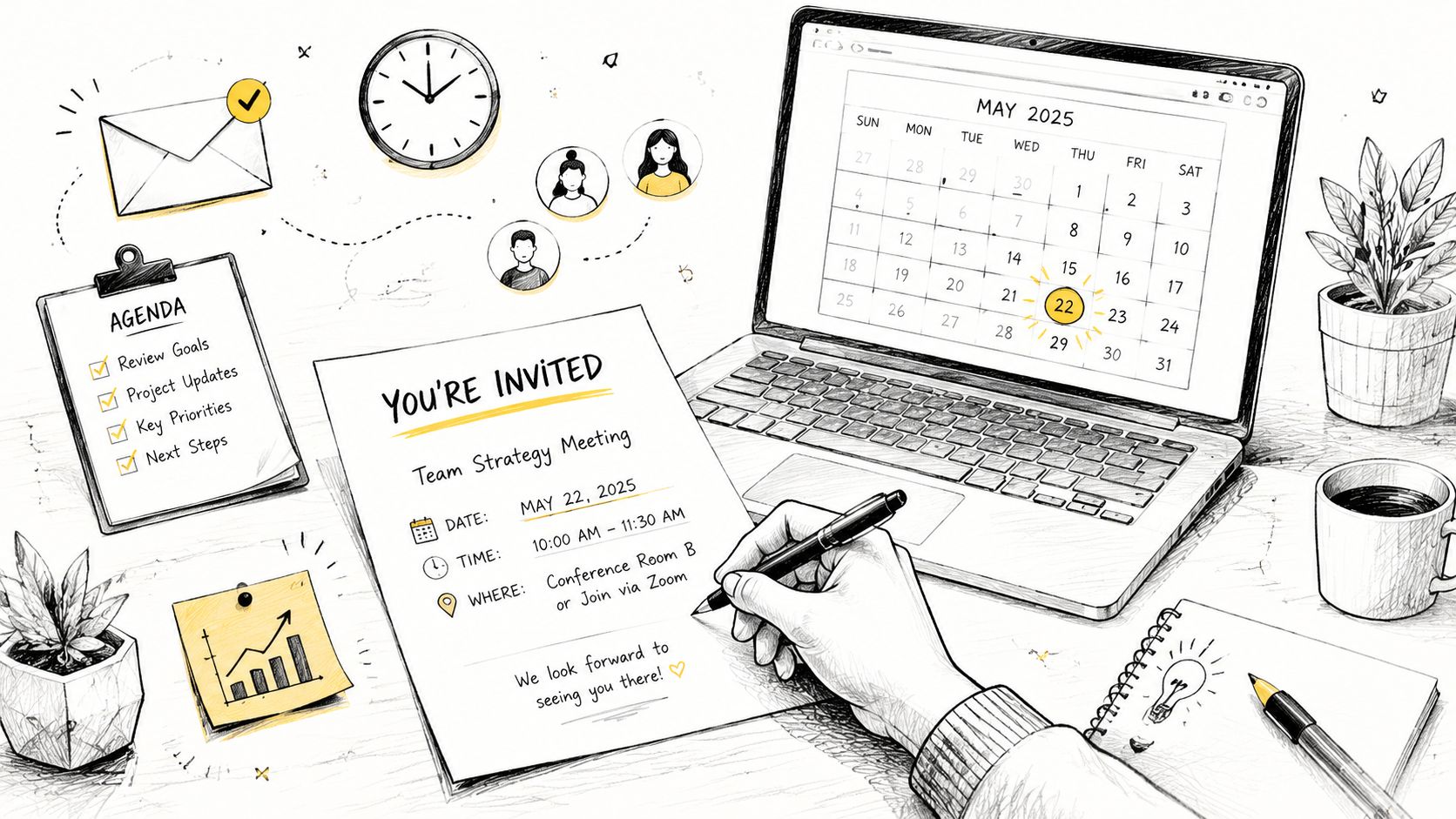
- Send a clear calendar invite with the link and any dial-in numbers.
For In-Person Interviews:
- Book a quiet, private room where you won't be interrupted.
- Give the front desk a heads-up on who to expect and when.
- Have a glass of water ready for the candidate (and yourself!).
Getting this groundwork right frees you up to do the most important thing in the interview itself: listen, observe, and find the best possible person for the job.
Step 2: Executing the Interview Like a Pro
Alright, you’ve done your homework. The prep is finished, and now it’s time for the main event: the interview itself. This is where all that planning pays off, but conducting the interview itself is more art than science.
You’re not there to just fire off a list of questions. Your real job is to create an environment where the person across from you—whether in person or on a screen—feels comfortable enough to drop the rehearsed answers and show you who they really are.
How you steer this conversation makes all the difference. It’s a dynamic dance of listening, probing, and connecting that separates a sterile Q&A from a conversation that truly reveals a candidate's potential.
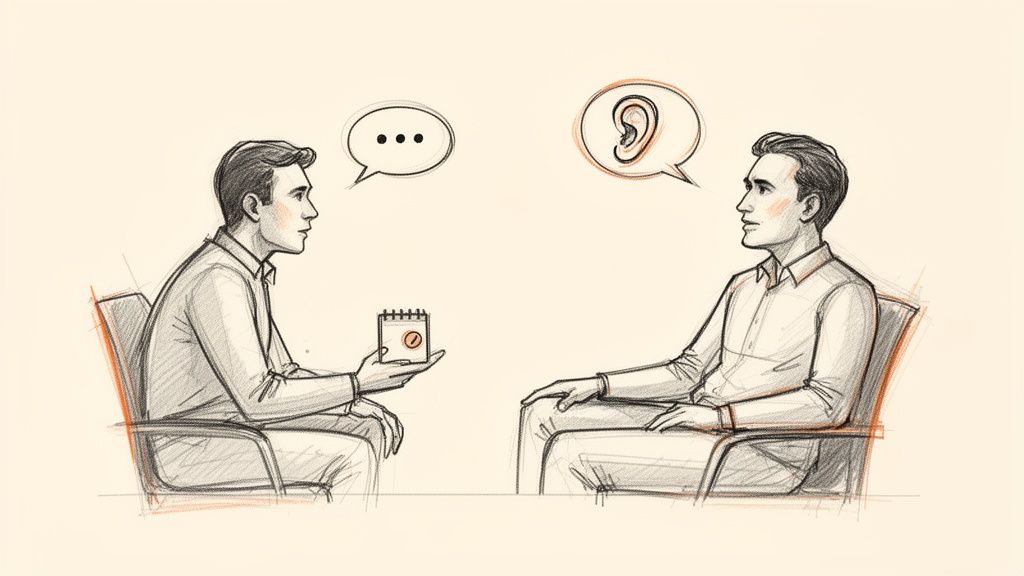
Make a Human Connection First
Those first few minutes are critical. A candidate who’s on edge will give you guarded, defensive answers. A relaxed candidate, on the other hand, will offer up far more insightful stories. I always make it a point to spend a few minutes on genuinely human conversation before jumping into the formal interview.
Ask them about their trip to the office, mention a shared interest you spotted on their profile, or simply offer them a drink. It’s a small gesture, but it instantly lowers their guard and signals that this is a conversation, not an interrogation. Your calm, welcoming vibe sets the tone for everything that follows.
Your goal is to treat the candidate like a respected collaborator in this process, not a subject under a microscope. This simple atmospheric shift encourages honesty and bypasses those perfectly polished, but ultimately useless, answers.
This is especially true in our current remote-first world. With 70% of talent leaders now relying on virtual interviews, being able to build that connection through a screen is a non-negotiable skill. You can dig into more of these interview statistics and see how they’re shaping modern hiring on high5test.com.
Guide the Conversation with a Strategic Flow
Don't just throw your questions out randomly. A well-thought-out sequence builds momentum and lets you dig deeper as the interview progresses. I structure my interviews to create a natural conversational arc.
It's best to start with an easy, open-ended warm-up. Something like, "Could you walk me through your resume and what sparked your interest in this role?" works perfectly. It’s familiar territory, so they can speak confidently and settle their nerves.
Once they're warmed up, you can smoothly transition into your core behavioral questions. These are your "Tell me about a time when…" prompts that get to the heart of their past performance and problem-solving skills.
Then comes the most important part: digging deeper with follow-ups. This is where you really start to see the difference between a good candidate and a great one. If an answer feels a bit too high-level, don’t just nod and move on. Use targeted questions to get the specifics you need.
Ask Follow-Up Questions That Get to the Truth
A candidate’s first answer is rarely the full story. It’s just the opening. Your ability to ask smart, unscripted follow-up questions is what will uncover the details hiding beneath the surface.
Think of vague answers as a soft-spoken red flag. Your follow-ups are the tool you use to see what’s really there.
Keep these powerful prompts in your back pocket:
- "What was your specific role in that project?"
- "Could you put a number on that? What was the actual impact?"
- "Looking back on it now, what would you do differently?"
- "What was the most challenging part of that situation for you, personally?"
These questions push candidates beyond their practiced narratives and compel them to provide the concrete evidence you need to make an informed decision.
Take Notes Without Killing the Vibe
You absolutely need to take notes to remember key details, but you can’t let it break the conversational flow. Nothing kills rapport faster than frantically typing or scribbling while someone is talking. It sends a clear message: "My notes are more important than you."
Here are a few tricks I’ve learned over the years to avoid this common pitfall:
- Develop a shorthand: Create simple abbreviations for the key criteria on your scorecard (e.g., PS for problem-solving, C for communication).
- Capture keywords, not full sentences: Focus on the core of their story—the specific action they took and the result—instead of trying to write a transcript.
- Keep your head up: Look up often, nod, and maintain eye contact to show you’re engaged. A quick smile while they’re talking goes a surprisingly long way.
For a deeper dive into this, you might find our guide on how to take interview notes helpful.
Record the Conversation (Ethically) for Better Analysis
Whenever you can, recording the interview is a game-changer—but only with the candidate’s explicit permission. It frees you up to be completely present in the conversation instead of worrying you might miss something important.
Just ask at the very beginning: "To make sure I can stay fully engaged with our conversation and capture everything accurately, would you be comfortable if I recorded the audio for my personal notes?"
This recording becomes a powerful asset later on, especially when it’s time to analyze what was said. We'll get into how you can use AI tools to transcribe and summarize these recordings in the next section.
Common Interview Mistakes and How to Sidestep Them
Knowing what to do in an interview is only half the battle. What truly separates a good interviewer from a great one is knowing which common traps to avoid. I've seen even the most experienced hiring managers fall into these pitfalls, and it can seriously compromise the quality of a hire.
The pressure is on. The average time-to-hire is a whopping 44 days, so every conversation counts. Getting it right means you can sharpen your decision-making and cut down that hiring time significantly. You can dig into more of this data by checking out these job interview statistics on high5test.com.
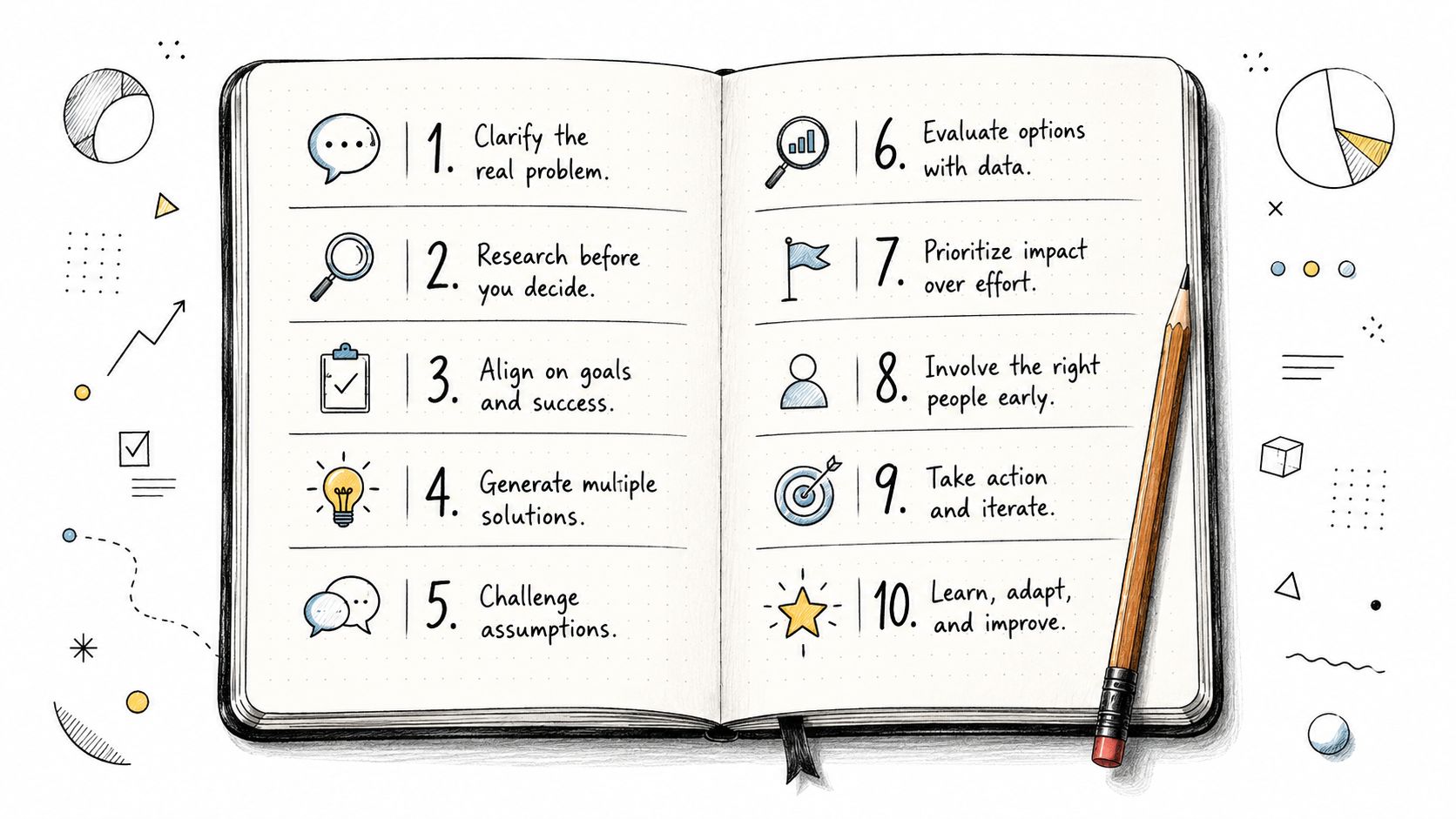
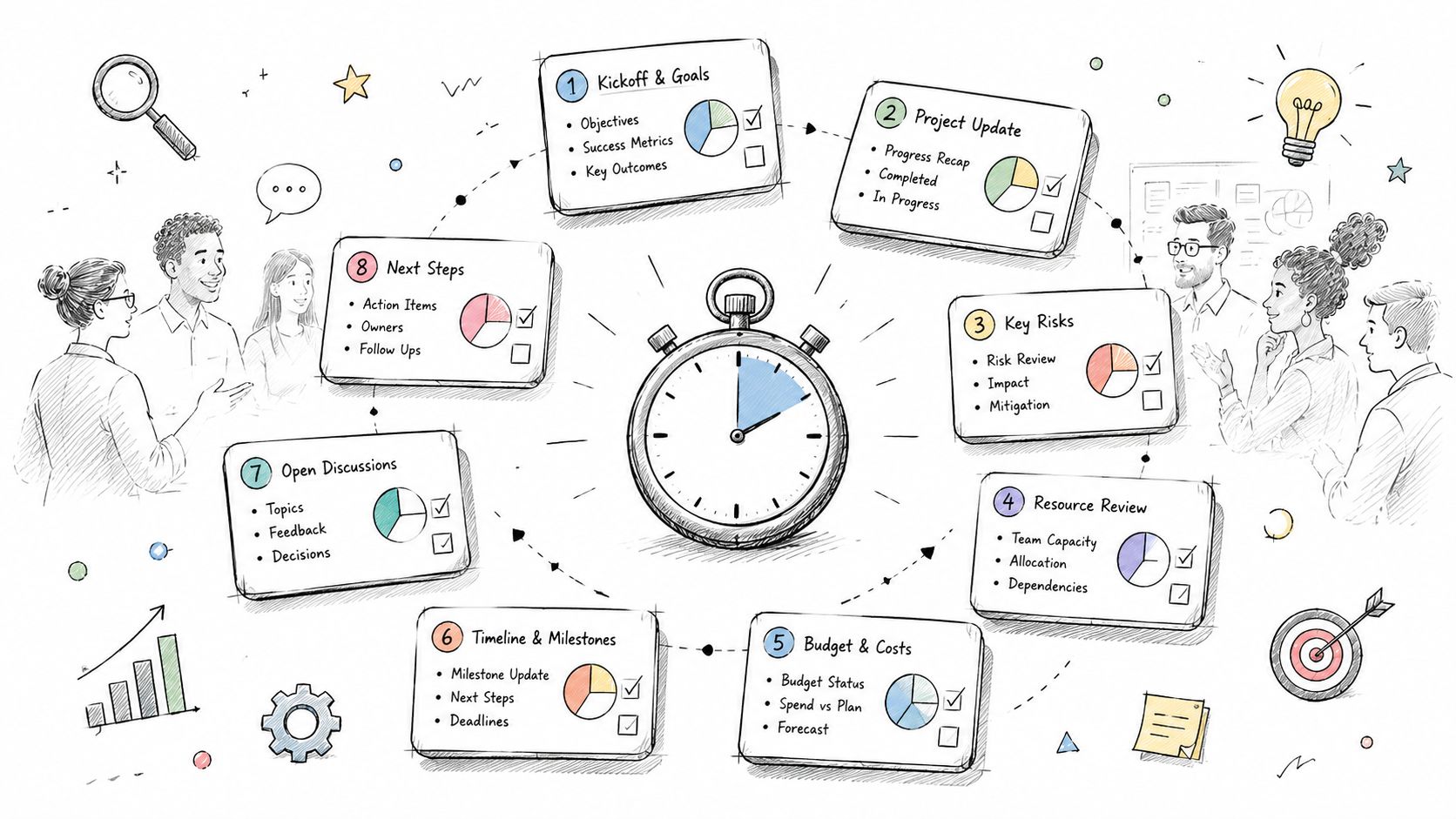
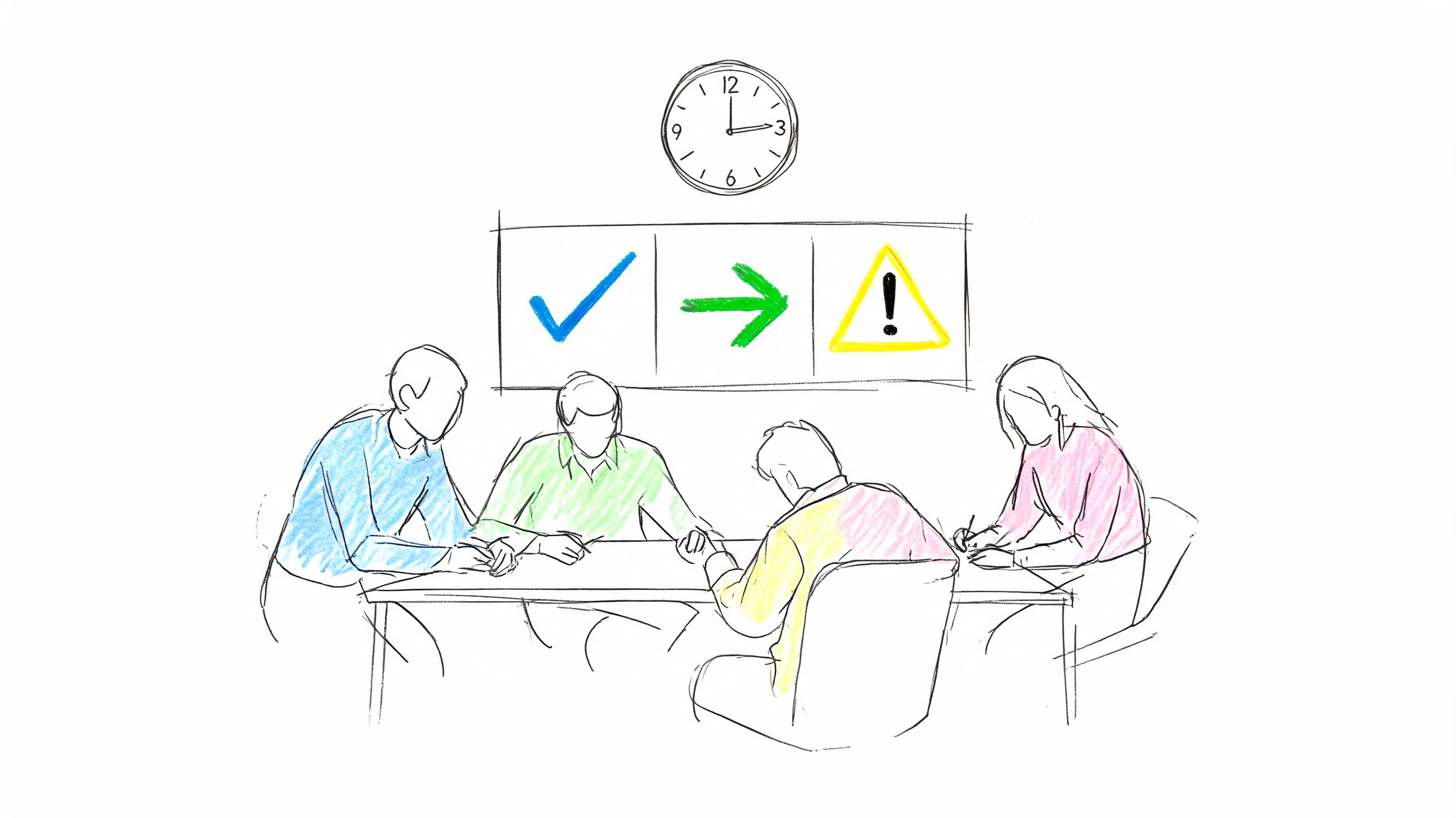
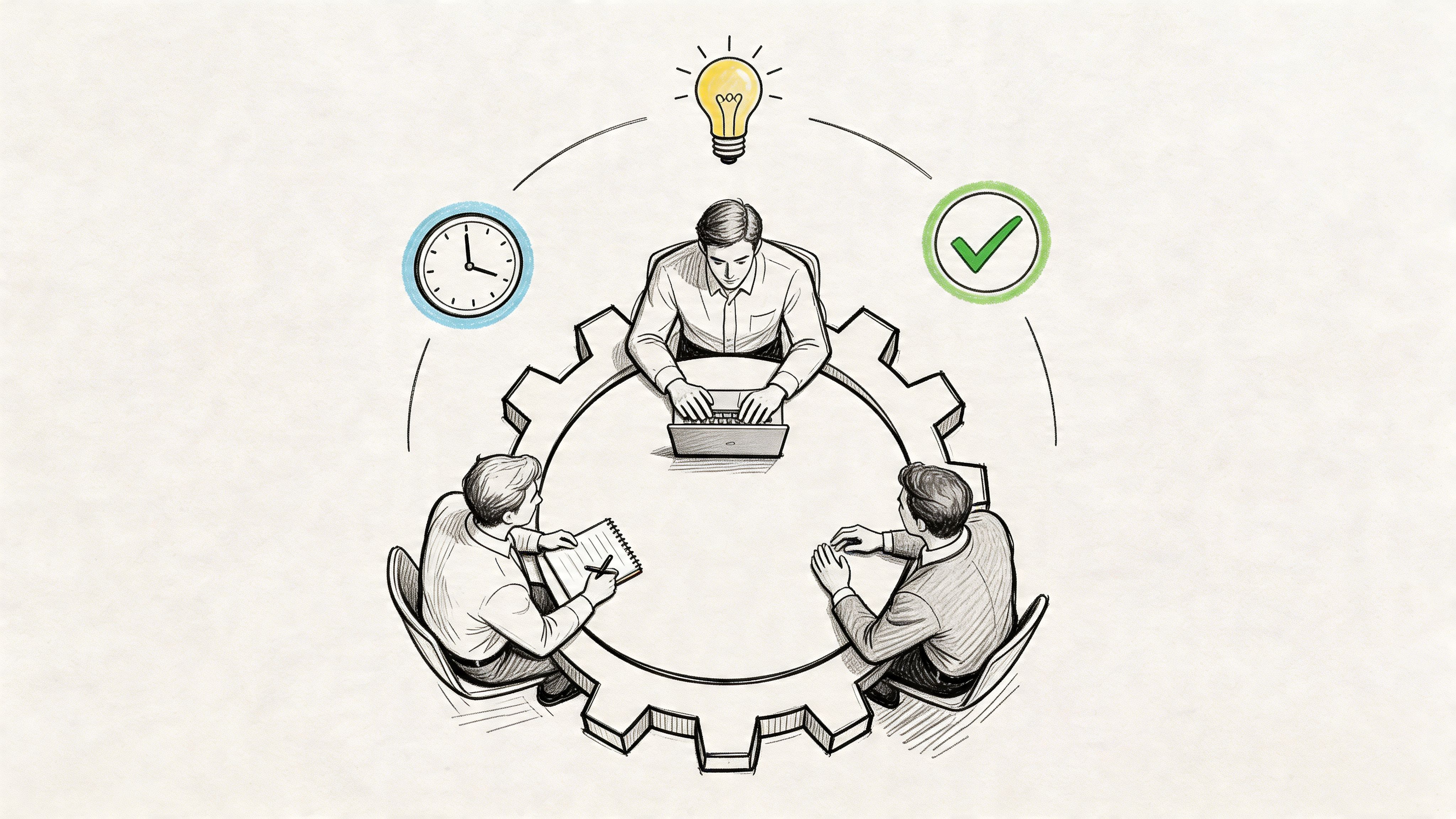
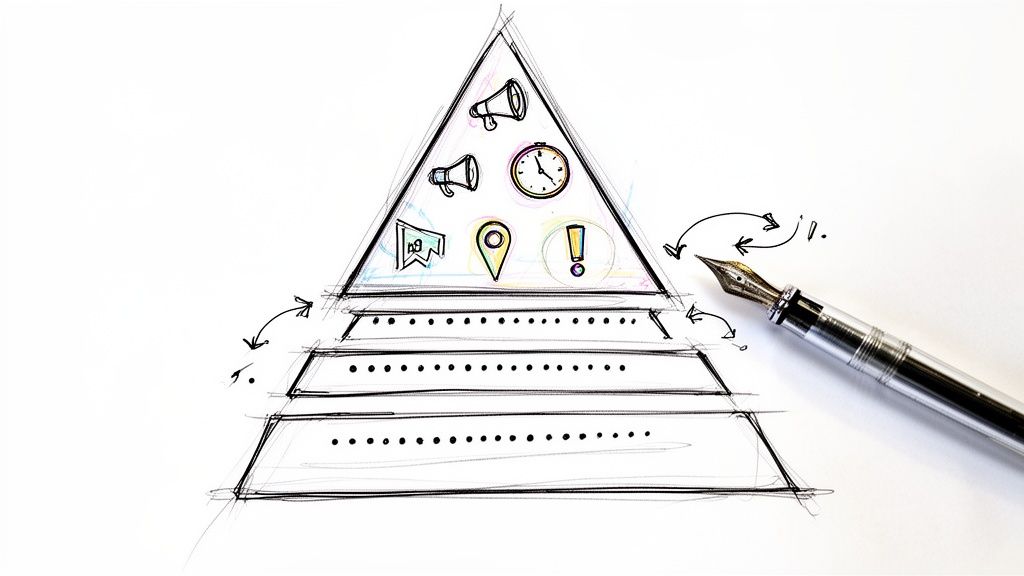
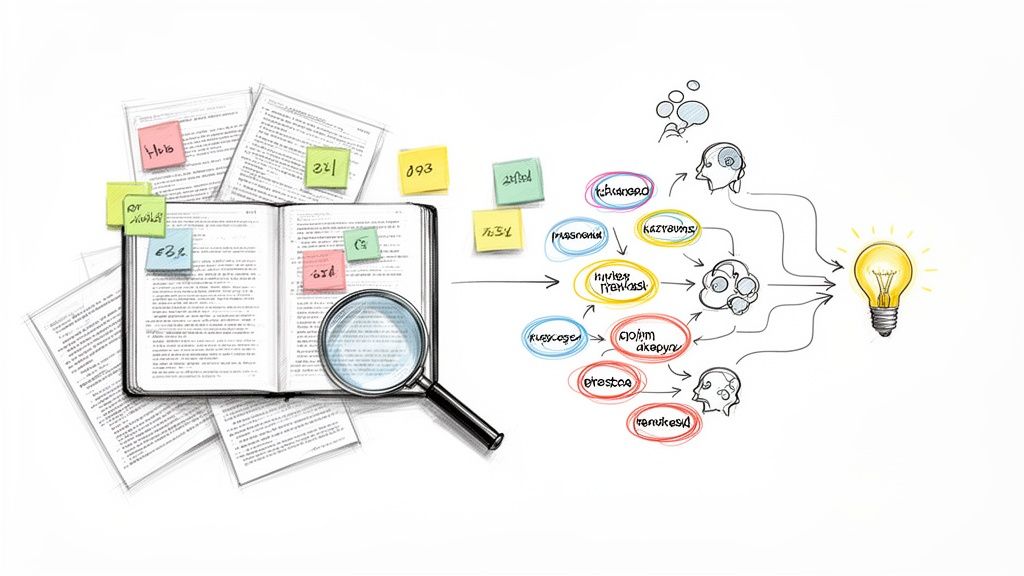
This infographic breaks down a simple, three-part approach to dodging the most frequent interview blunders.
The core idea is a continuous loop: stay alert to your own biases, let the candidate do the talking, and anchor your final decision in a structured scorecard, not just your gut.
The Bias Trap: Unconscious Judgments
It’s human nature to make snap judgments, and that’s what makes cognitive biases so tricky. The big one is confirmation bias. This is where you form an impression in the first few minutes and then, without realizing it, spend the rest of the interview fishing for evidence that proves you were right. You might instantly click with a candidate who went to your alma mater and find yourself lobbing them softball questions.
Then there’s the halo/horn effect. This happens when you let one fantastic (or awful) trait color your entire perception. A candidate who is a masterful public speaker might completely dazzle you, making it easy to miss that their technical skills are actually pretty weak.
The only real defense against this is your scorecard.
Force yourself to connect every single score on your rubric to a concrete example from the candidate's answer. If you can’t pinpoint a specific story they told, your "gut feeling" is probably just a bias talking.
The Monologue Mistake: Talking More Than Listening
I see this all the time, especially with interviewers who are nervous or just really passionate about their company. They end up dominating the conversation—selling the role, over-explaining the company mission, or telling their own war stories.
A good interview follows the 80/20 rule: the candidate should be speaking for about 80% of the time. Your job is to pose a thoughtful question, then shut up and listen.
Here’s a little trick I’ve used for years:
- After you ask a question, silently count to three in your head before saying anything else. It feels a bit awkward at first, but this "power of the pause" gives the candidate the space they need to think and expand on their answer.
- It also stops you from instinctively jumping in to "help" or fill a quiet moment.
Remember, this isn't your stage for a presentation; it's an investigation. You're there to gather information, and you can’t do that while your own mouth is moving. Sometimes, staying quiet is the most powerful tool you have.
Step 3: Using AI to Supercharge Your Post-Interview Analysis
The interview is over. You've got a notebook full of scribbled notes and a head full of impressions. But what really just happened? The hardest part isn't asking the questions—it's piecing together the answers into a coherent, objective decision. This is where even the best-laid plans can go sideways, as our own biases and flawed memories start to take over.
This is the perfect spot to bring in some smart technology. By using AI tools, you can anchor your decision-making in concrete evidence, not just a gut feeling. It allows you to be faster, fairer, and far more accurate.
Get From Raw Audio to Usable Text in Minutes
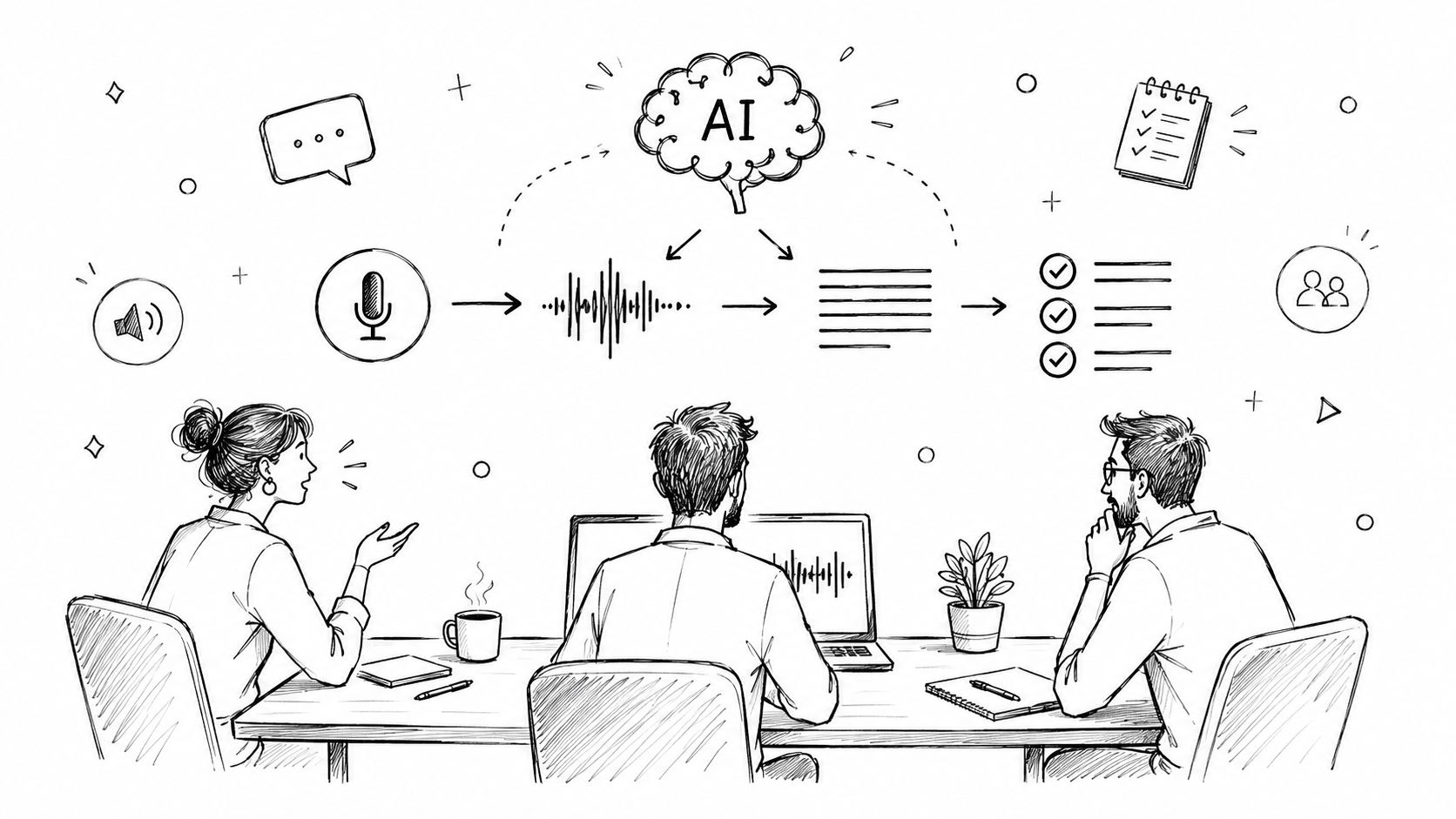
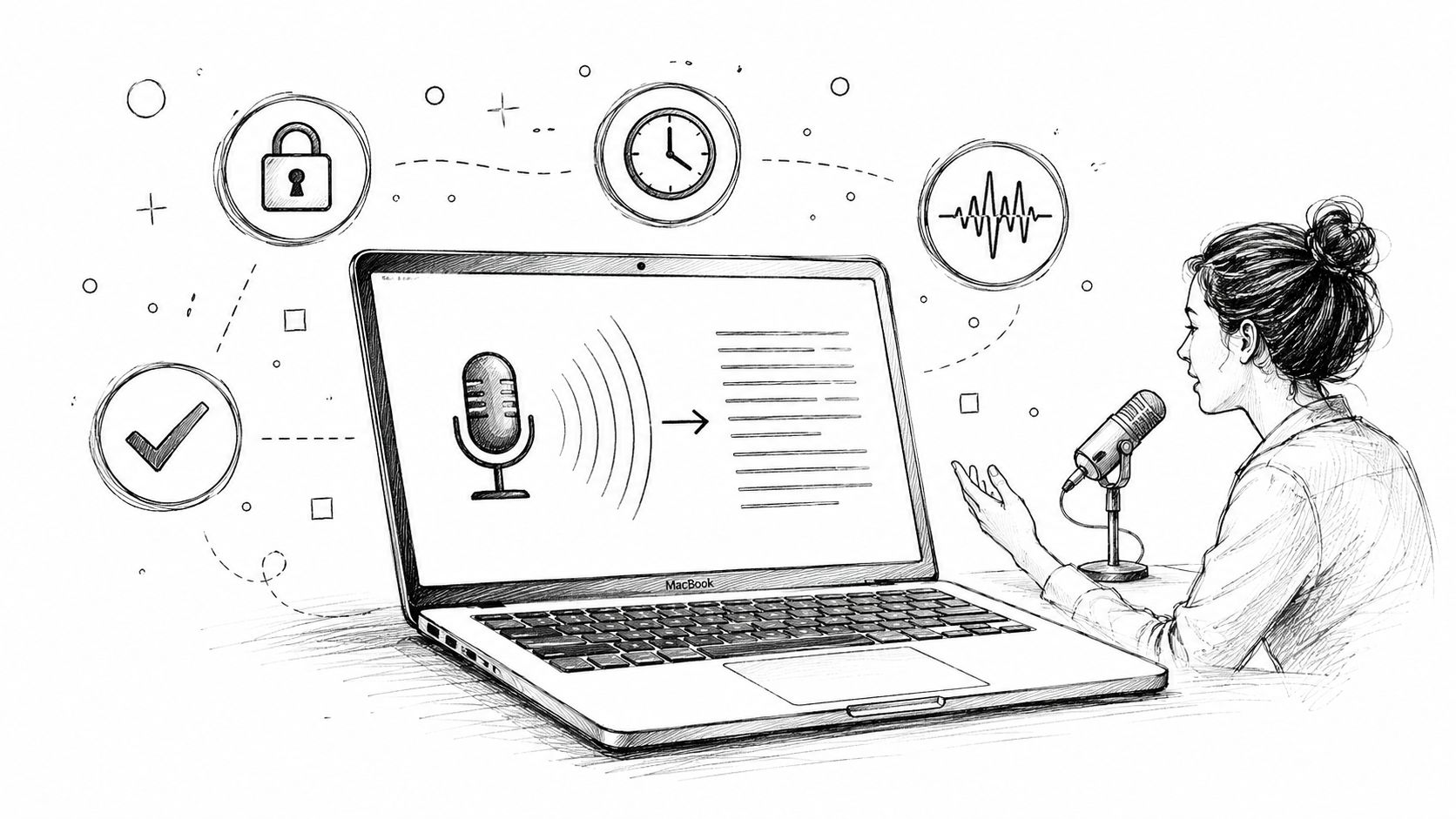
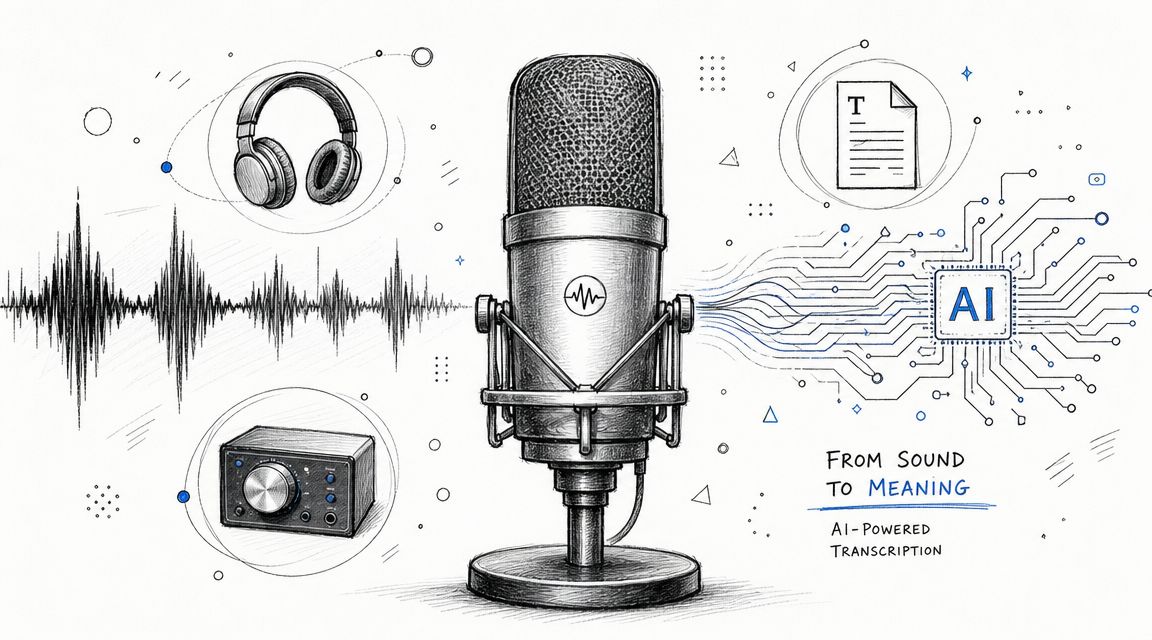
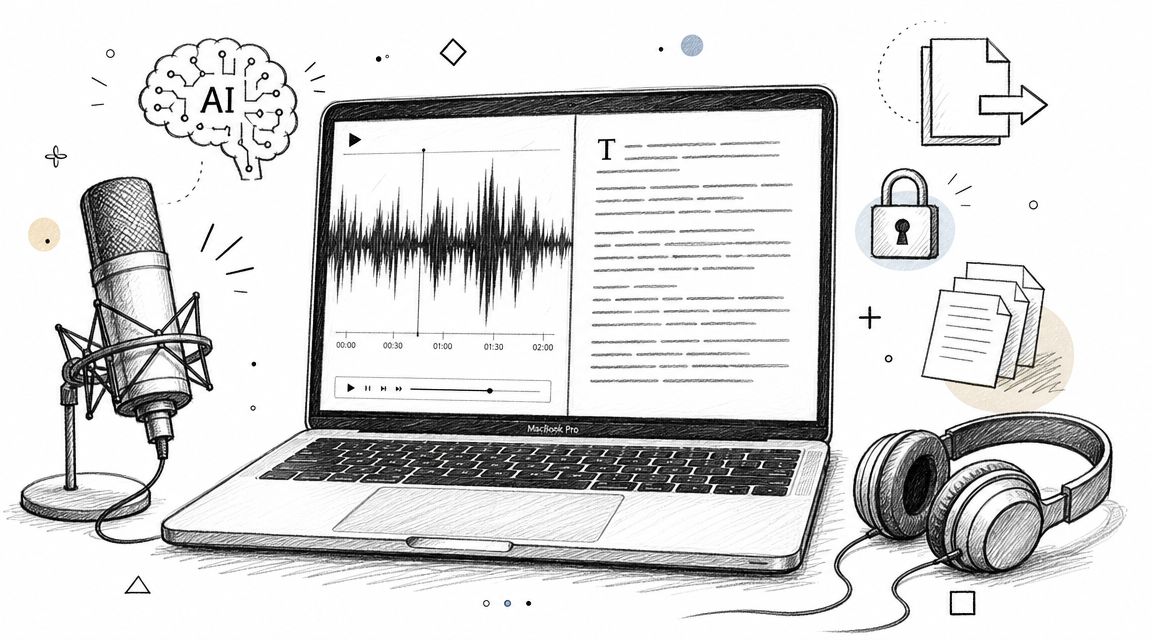
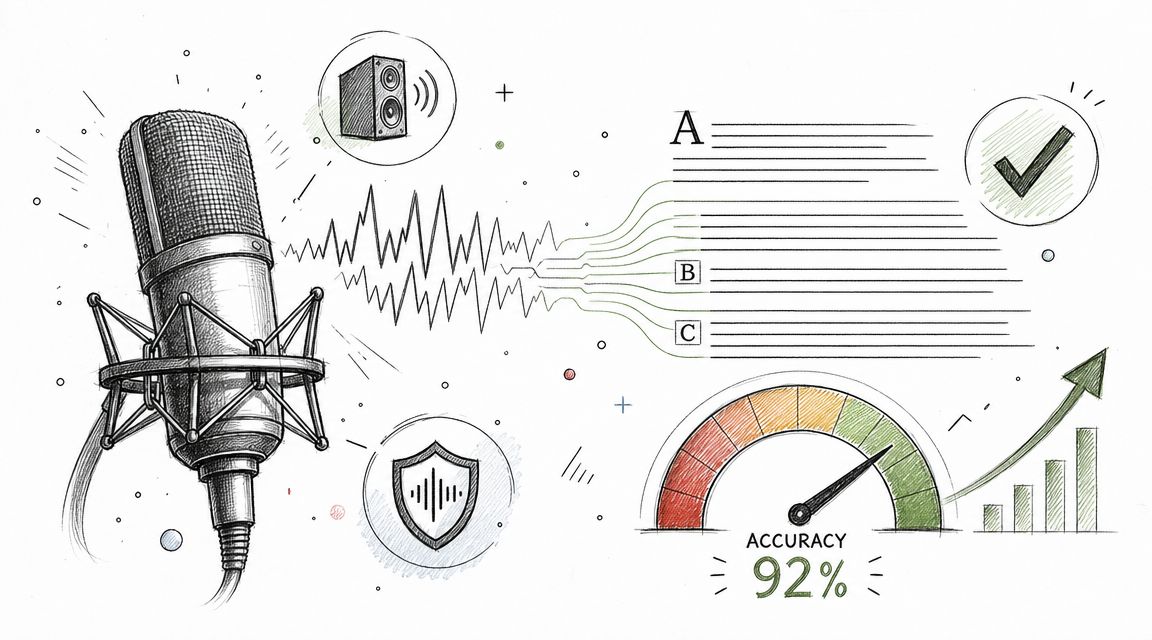
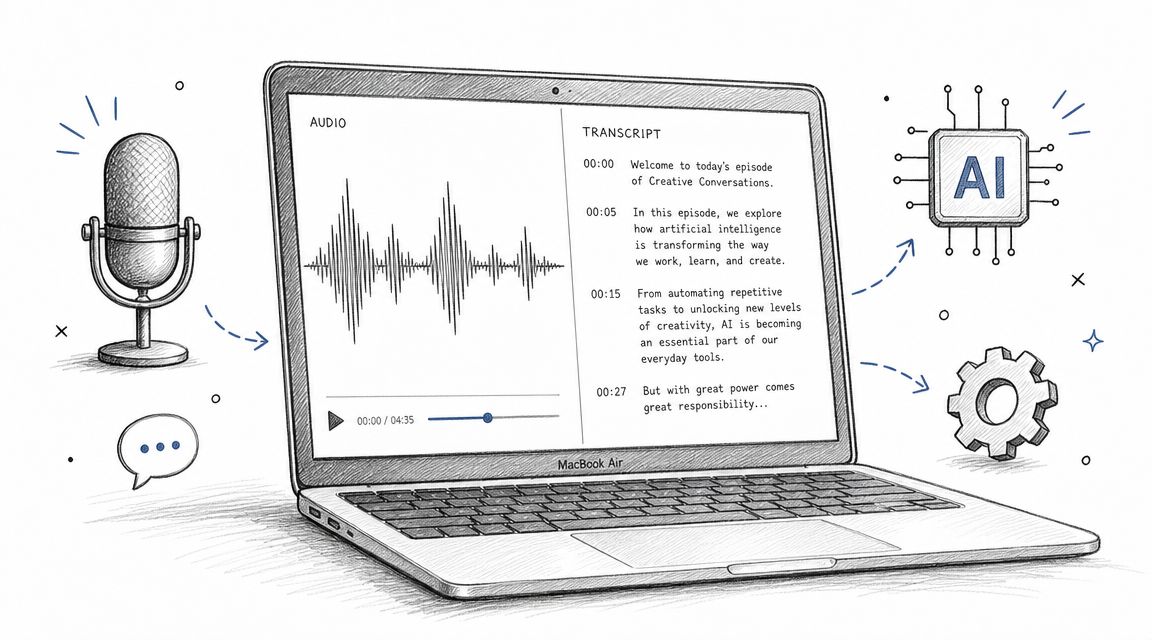
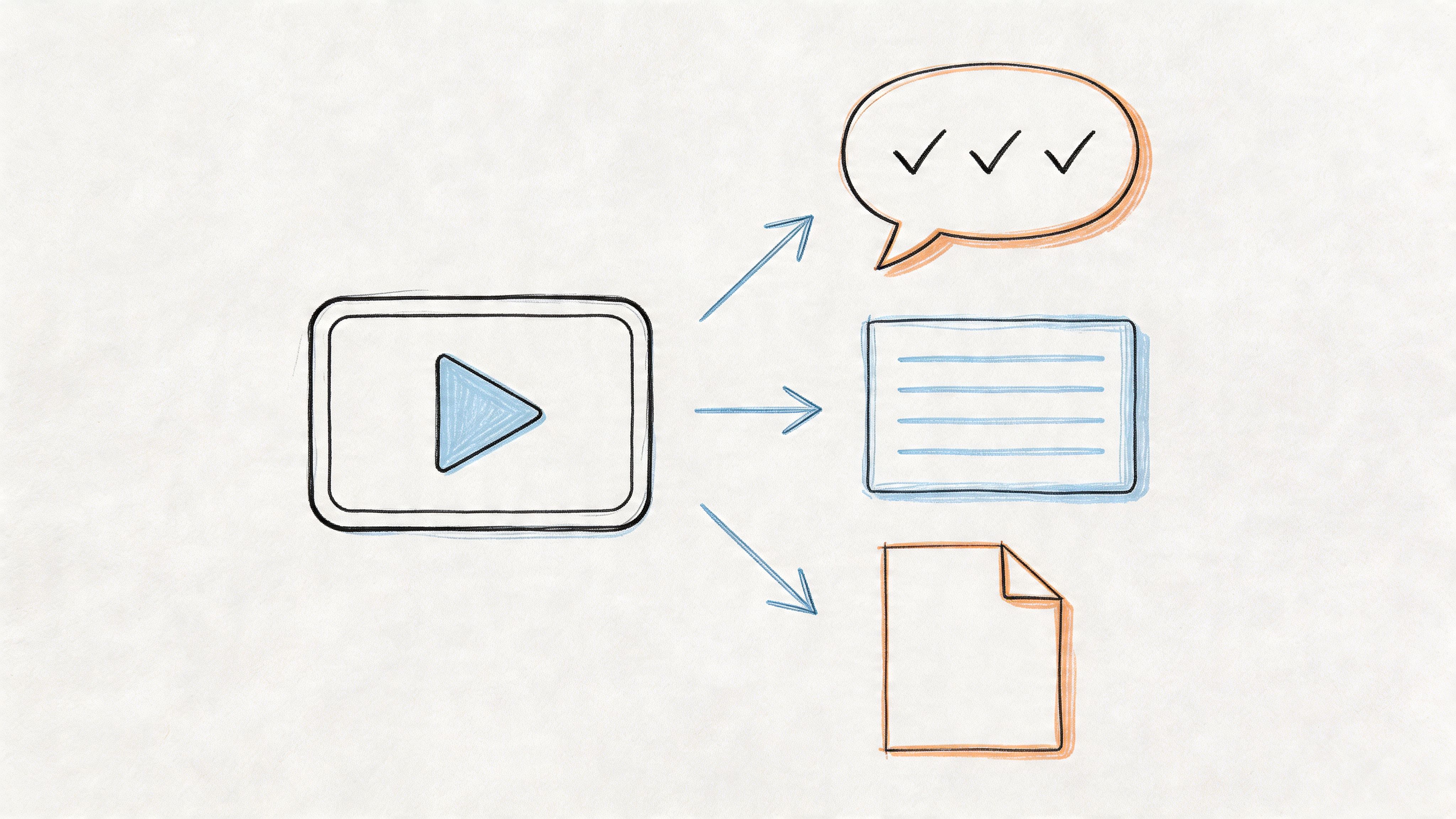
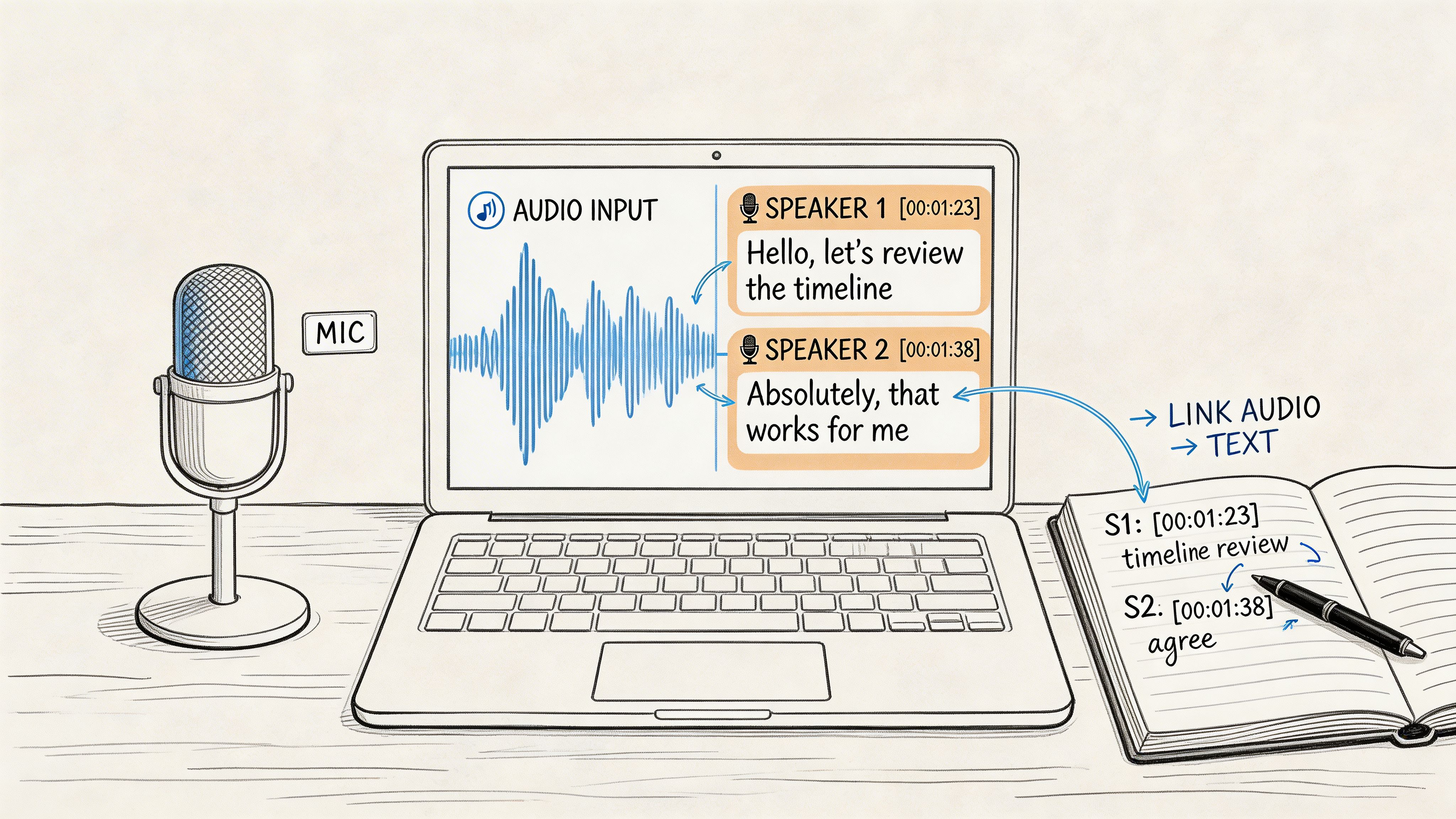
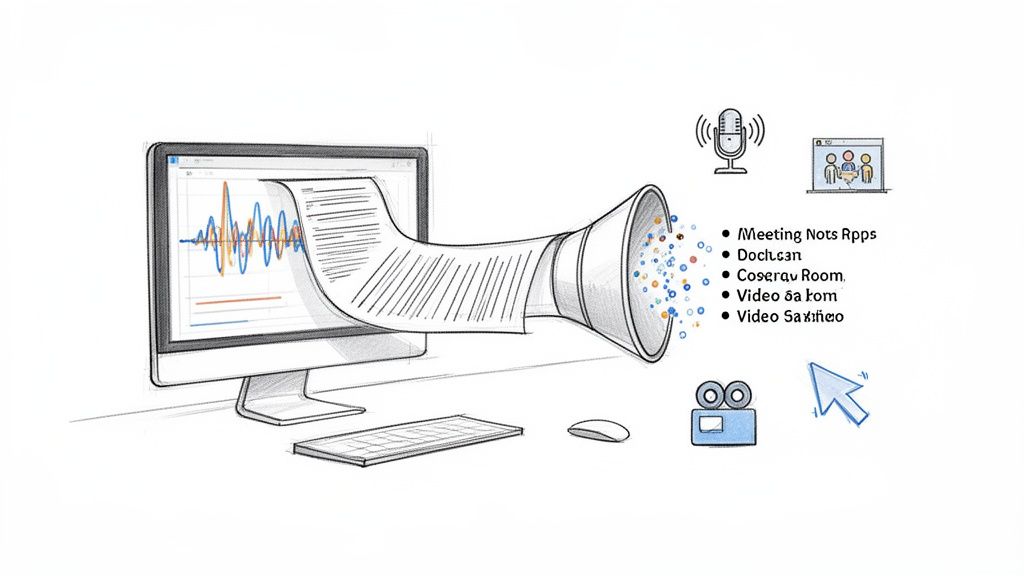
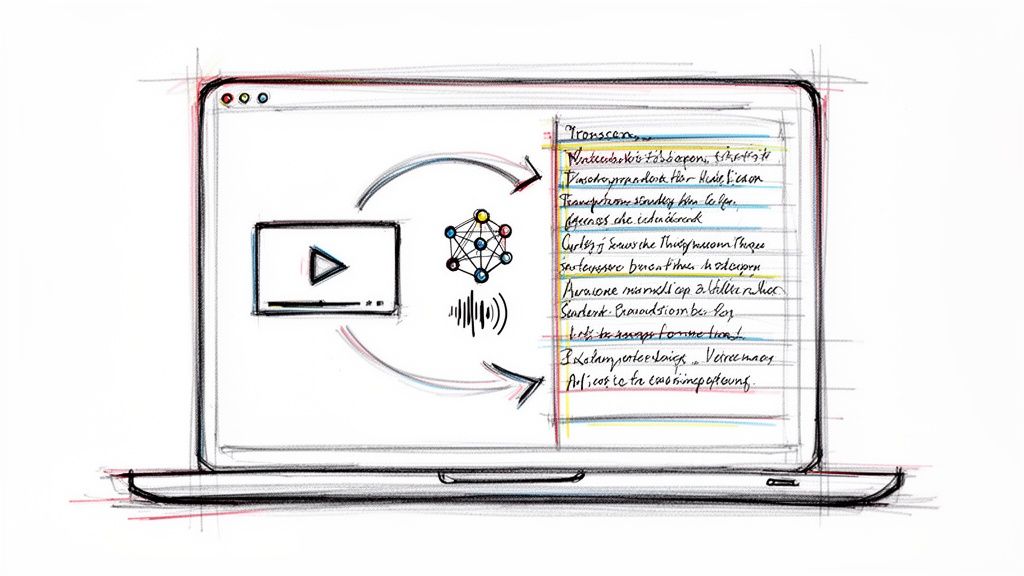
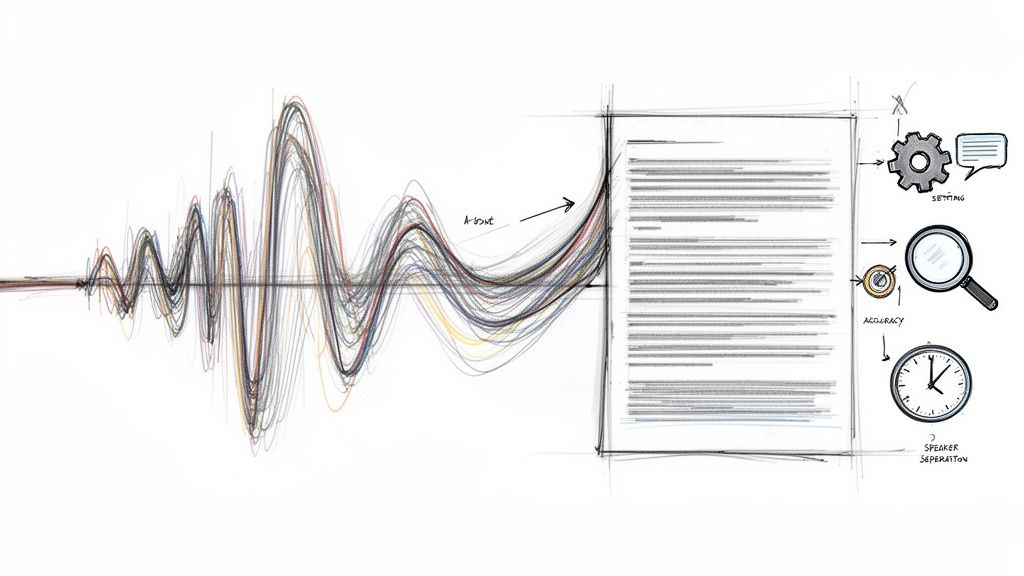
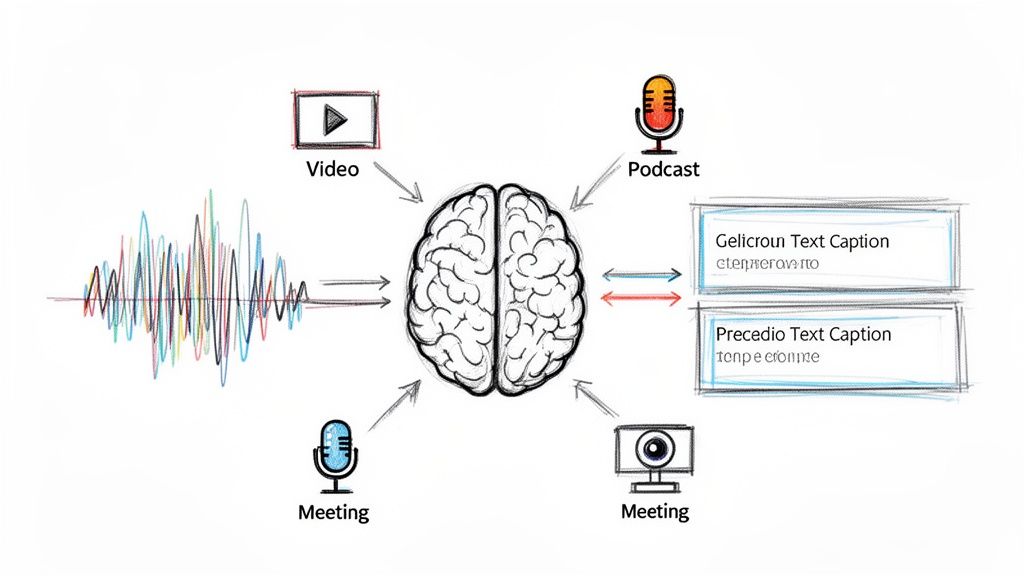
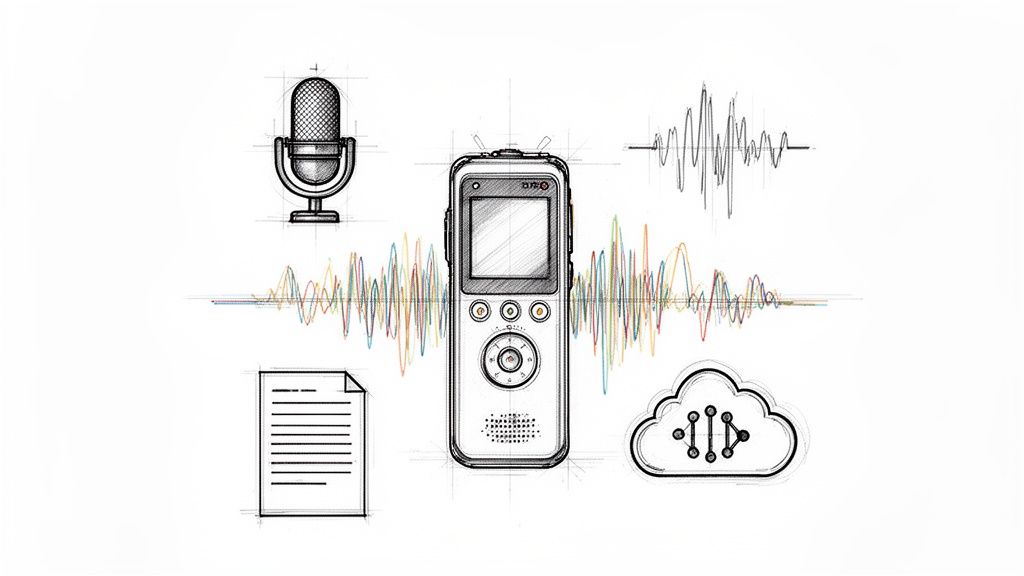
Let’s be honest, nobody wants to spend hours manually transcribing an interview recording. It's a tedious, time-consuming chore. AI-powered transcription services, like our own Whisper AI, can take this entire task off your plate. Just upload your audio or video file, and in a few minutes, you’ll have a full, searchable script.
What makes this so powerful are the details the AI handles automatically:
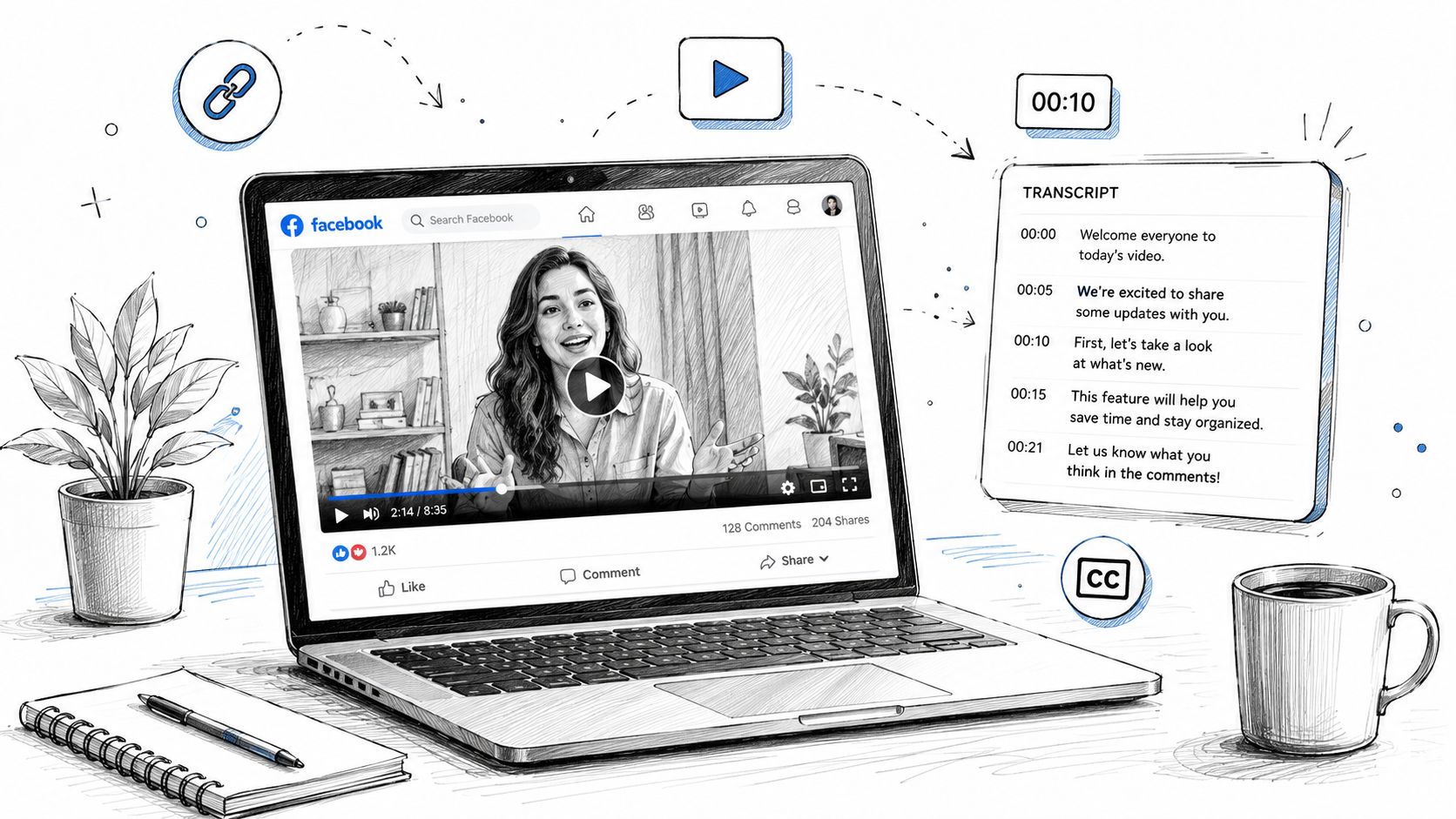
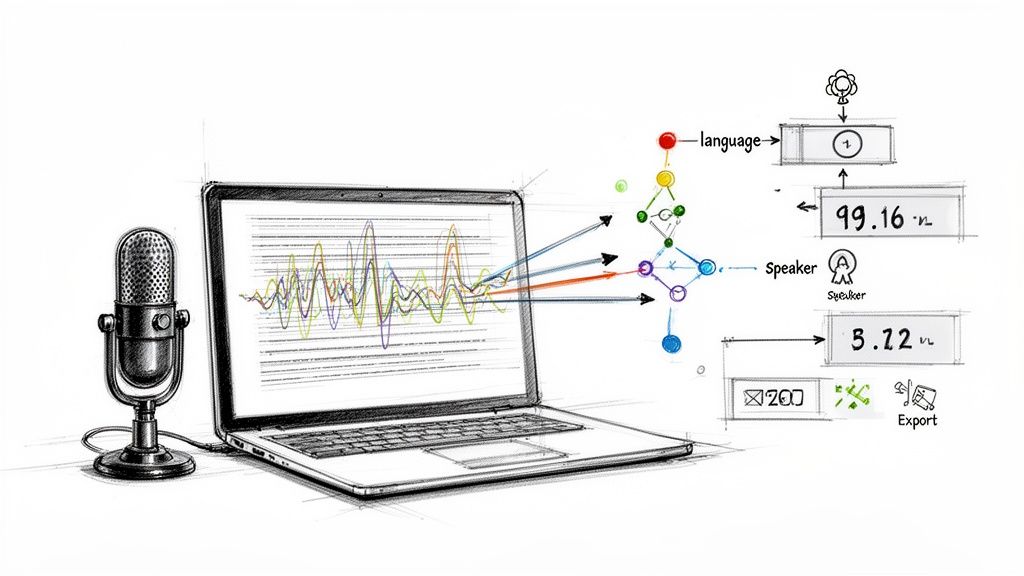
- Speaker Detection: The tool figures out who is speaking and labels the dialogue, so you’re not left guessing whether it was you or the candidate who said something important.
- Timestamps: Every bit of conversation is time-stamped. If you want to rehear the candidate’s tone when they discussed a tough project, you can click and jump right to that moment in the audio.
This quick conversion from spoken words to a structured document sets the stage for much more meaningful analysis.
By getting rid of hours of manual work, you free up your mental energy to focus on what actually matters—evaluating the substance of what was said. This is your first step toward a more agile and effective hiring process.
Uncover Key Insights with Automated Summaries
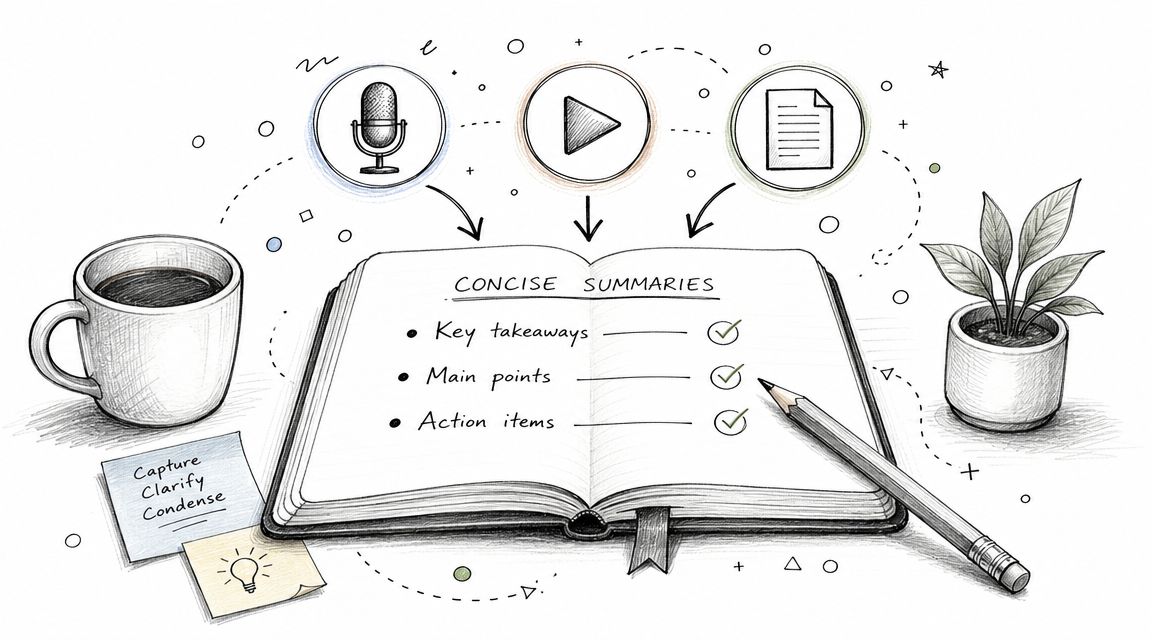
Even with a perfect transcript, reading through an hour-long conversation is a heavy lift. This is where AI summarization becomes incredibly helpful. Instead of drowning in text, you can get the key takeaways in seconds.
For example, a tool like Whisper AI can deliver:
- Bulleted Highlights: It can pull out the most important points—like key projects, skills, or results the candidate mentioned—and put them in a simple, scannable list.
- Brief Overviews: You can generate a quick paragraph that captures the essence of the entire interview, which is perfect for sharing with hiring managers or other stakeholders who need the quick version.
This is a massive time-saver when you’re comparing several candidates. You can line up the highlights from three different interviews and immediately see how each person tackled the same core questions. For a deeper dive, our guide on how to analyze interview data offers more great tips on this.
“Talk” to Your Transcript to Find What You Need
The most impressive AI tools do more than just transcribe and summarize; they let you interact with the content. Using an "Ask AI" feature, you can query your interview transcript just like you would a search engine.
Imagine you just wrapped up an interview and want to quickly double-check a few details. You could ask the AI things like:
- "What were the candidate's top three challenges on the Project X?"
- "Summarize how the candidate described their approach to team conflicts."
- "Did they mention using Python or SQL? If so, in what context?"
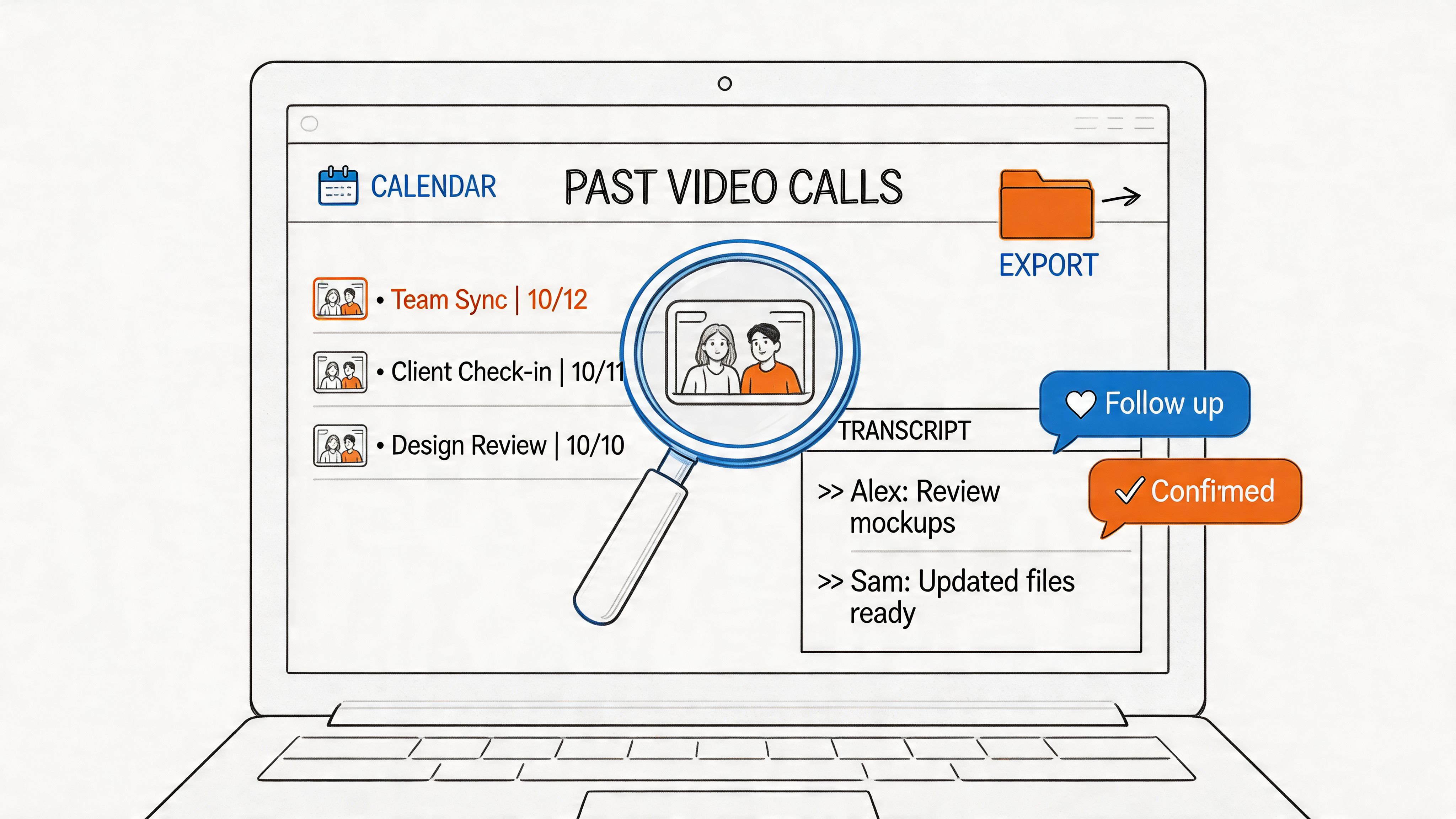
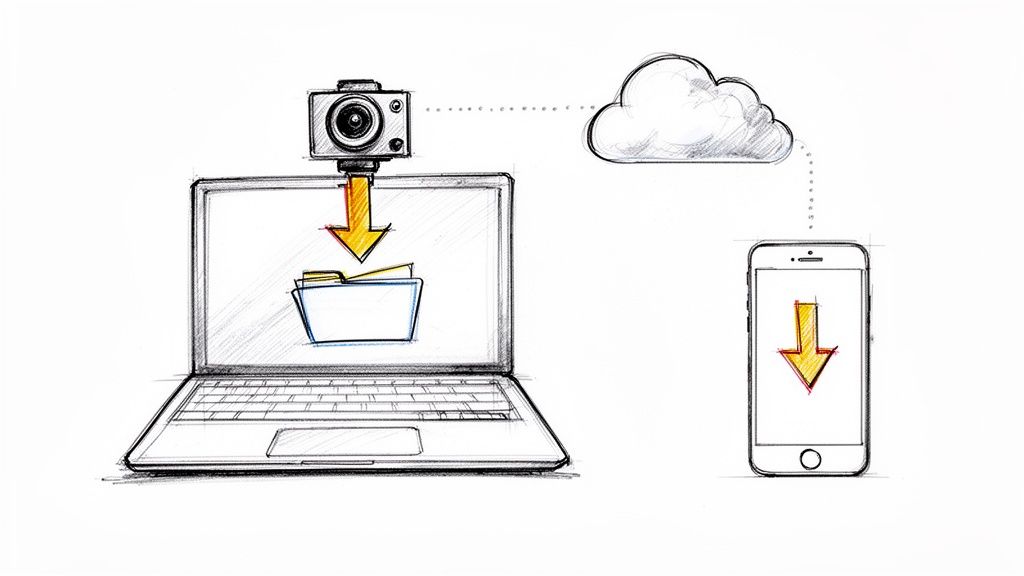
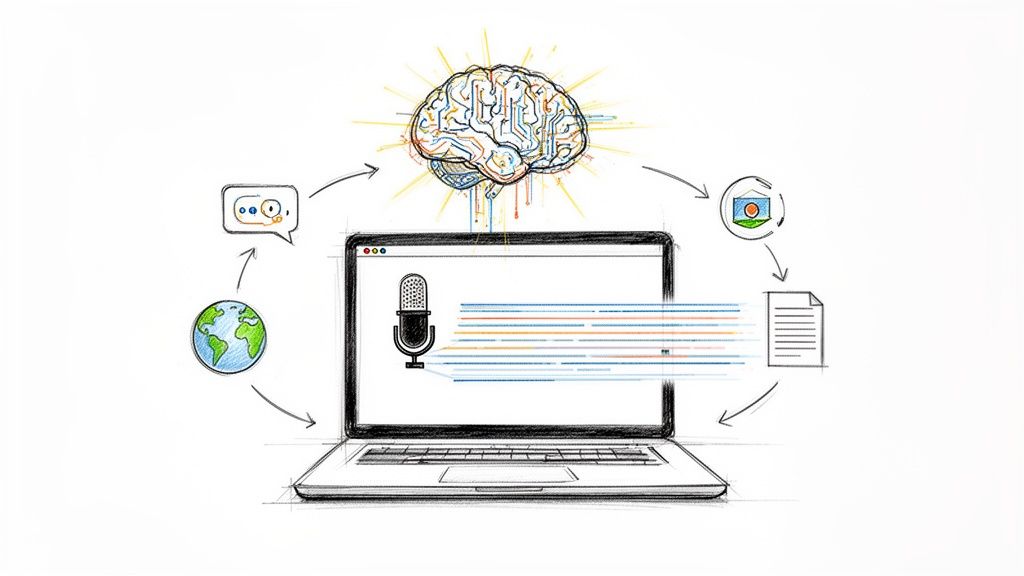
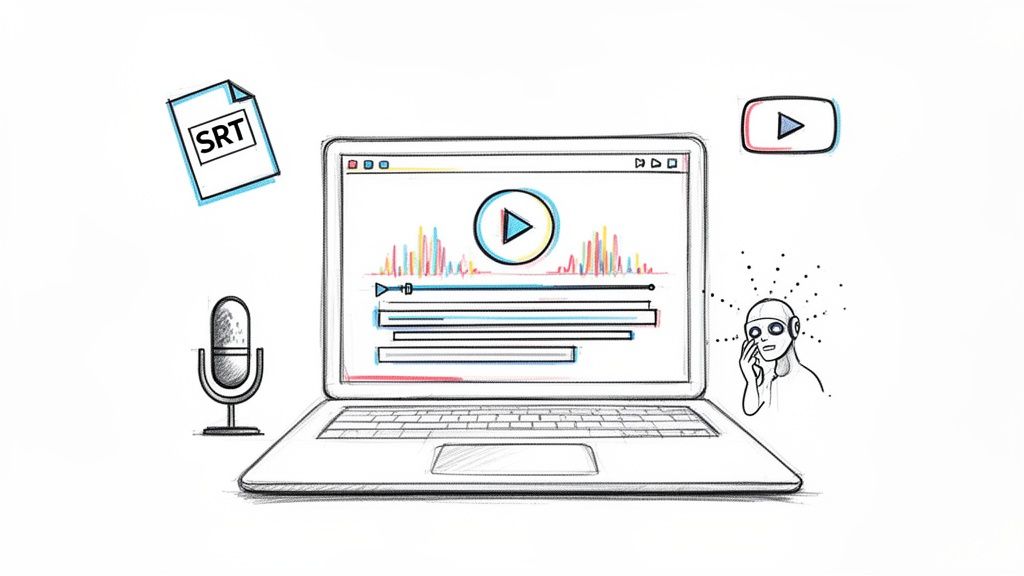
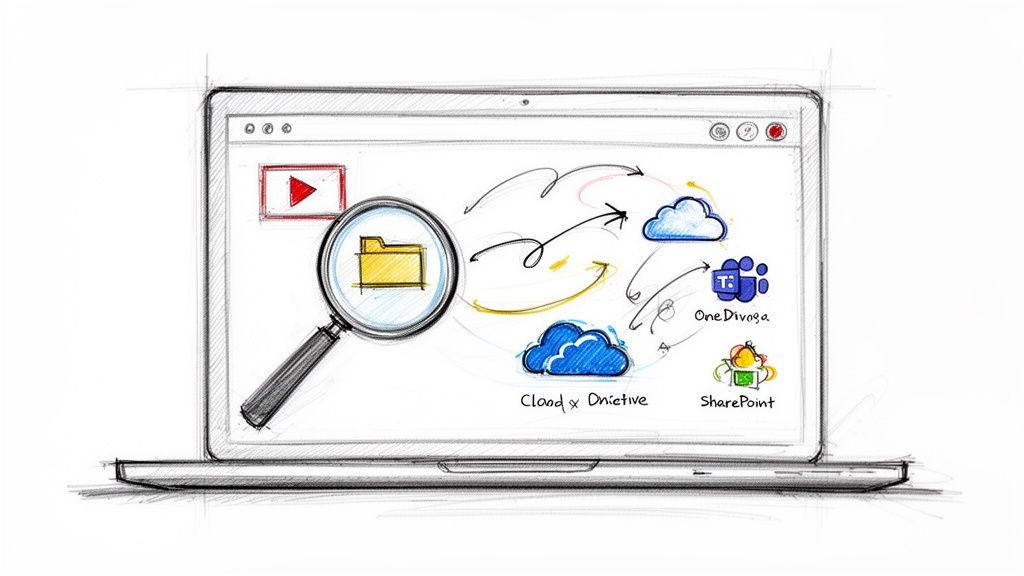
The process is incredibly straightforward. As you can see below, a clean interface makes it easy to get started.
You just drag and drop your file, and the AI begins its work, turning a simple recording into a rich source of information.
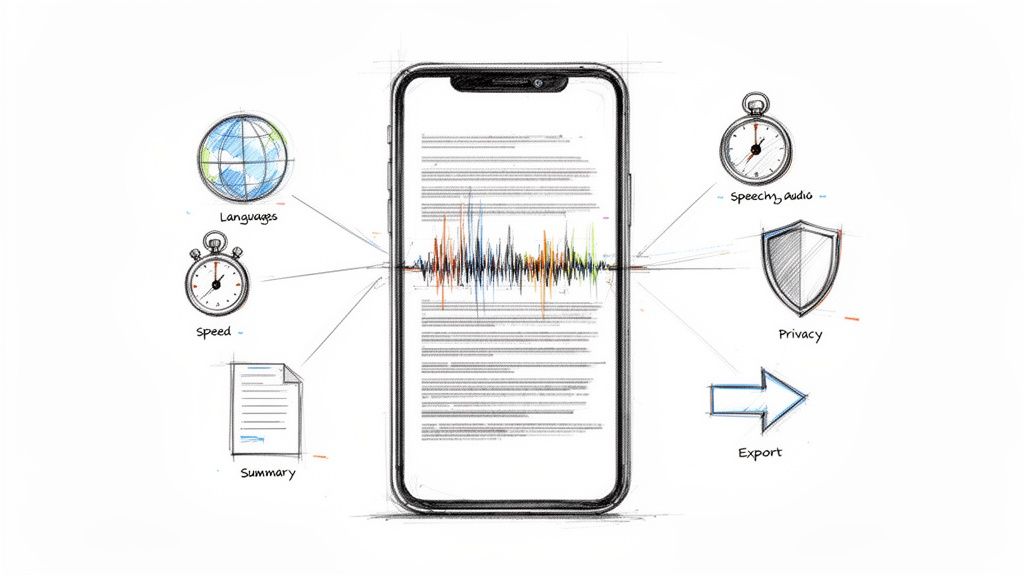
This makes the transcript a living document, not a static one. You can instantly cross-reference a candidate's answers with your scorecard, ensuring you're evaluating everyone on a level playing field—something that’s nearly impossible with handwritten notes alone. For professionals handling hours of audio—like podcasters, researchers, and recruiters—this technology is indispensable. It supports over 92 languages and processes files securely. You can learn more about these advanced transcription features on whisper-ai-transcription.com.
This kind of detailed analysis also fits neatly into the bigger picture of your hiring workflow. Many modern talent acquisition software platforms are designed to work with these kinds of tools. By pairing AI-powered analysis with your main hiring system, you create an efficient, data-driven process that helps you consistently find the right people.
Answering Your Most Common Interview Questions
Even when you have a solid plan, the reality of sitting across from a candidate brings up a lot of practical "what if" scenarios. I've been there. Let's walk through some of the most common questions that pop up so you can handle them like a seasoned pro.
How Long Should an Interview Really Be?
There's no magic number, but my experience shows the sweet spot for most professional roles is between 45 and 60 minutes. That gives you enough runway to build some rapport, dig into your key behavioral questions, and still leave plenty of time for the candidate to ask their own questions without anyone feeling rushed.
Of course, for senior leadership or deeply technical roles, you might need to stretch that to 90 minutes. That extra time is crucial for complex problem-solving scenarios or a deeper dive into their career history. Just remember, the goal isn't to fill the clock; it's to gather the specific evidence you need to make a confident decision.
An interview that drags on forever leads to fatigue, and you'll see the quality of their answers dip. But one that’s too short feels dismissive and signals that you aren't truly invested.
What's the Best Way to Handle a Really Nervous Candidate?
First off, remember that interview nerves are completely normal. A great interviewer sees past the jitters to find the real person and their capabilities. Your best tool is a calm, reassuring presence.
I always start with a few minutes of casual, non-evaluative chat. Ask about their commute, mention a shared interest from their resume, or just offer them a glass of water. It helps break the ice. From there, ease into the formal part of the interview with a softball question they can answer confidently.
My go-to opener is usually something like:
- "Could you walk me through your resume and share a bit about what led you to apply for this role with us?"
This lets them start on familiar ground. Once you see their shoulders relax a bit, you can transition into the tougher behavioral questions. Showing that little bit of empathy not only helps the candidate perform their best but also speaks volumes about your company's culture.
How Many People Should I Have on an Interview Panel?
I've found the ideal panel size is two or three interviewers. Any more than that, and it starts to feel like an interrogation. Having a partner or two in the room is fantastic for getting multiple perspectives and catching things you might have missed. It’s also a great way to check individual biases.
A solo interview can work in a pinch, but it's risky. You're relying entirely on one person's gut feeling, which can be a recipe for a bad hire.
If you are using a panel, make sure you huddle up beforehand to create a game plan.
- Assign Focus Areas: Decide who will probe on which competencies. For example, one person can focus on technical skills while the other explores cultural fit and teamwork.
- Avoid Dogpiling: This prevents you from asking the same question three different times and ensures you cover more ground.
- Schedule a Debrief: The most critical step is to compare notes immediately after the interview while your impressions are still fresh.
Is It Okay to Take Notes on a Laptop During the Interview?
Yes, it’s fine, but you have to be smart about it. The last thing you want is a laptop screen creating a wall between you and the candidate. The key is transparency and maintaining that human connection.
I always kick things off by explaining what I'm doing. I’ll say something like, "Just so you know, I'll be taking some notes on my laptop to make sure I capture everything accurately. I’m still fully focused on our conversation, so please don't let it be a distraction."
To keep it from feeling cold:
- Angle your laptop so it doesn't create a barrier.
- Make a conscious effort to look up, nod, and maintain plenty of eye contact.
- Don't try to transcribe everything. Just type keywords and core ideas.
Honestly, even with the convenience of laptops, I often go back to a simple notepad and pen. It just feels less intrusive and helps me stay more present in the conversation. Ultimately, choose whichever method lets you listen most effectively.
Ready to turn your interview recordings into actionable insights? With Whisper AI, you can transcribe, summarize, and analyze your conversations in minutes, not hours. Join over 50,000 users who are making smarter, faster, and fairer decisions. Try it for free today.