Master the Goals of a Meeting for 2026 Success
It is 10:07 on a Tuesday. Eight people are on the call. One person is walking through background slides, two are debating a side issue in chat, and the meeting owner is trying to remember why half the group was invited. By the end, nobody can point to a decision, an action item, or a useful record of what happened.
That is what an unplanned meeting looks like in real life.
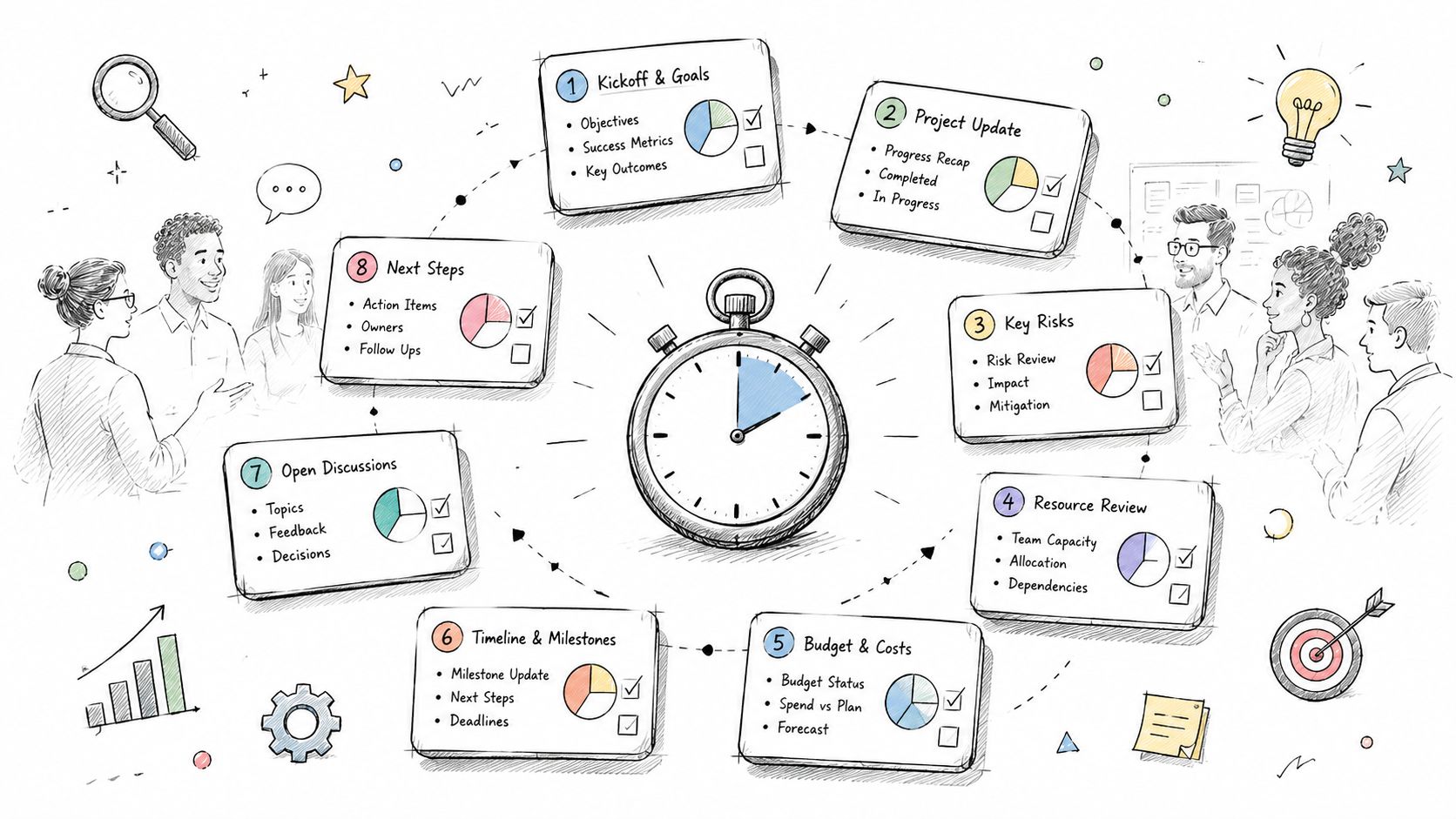
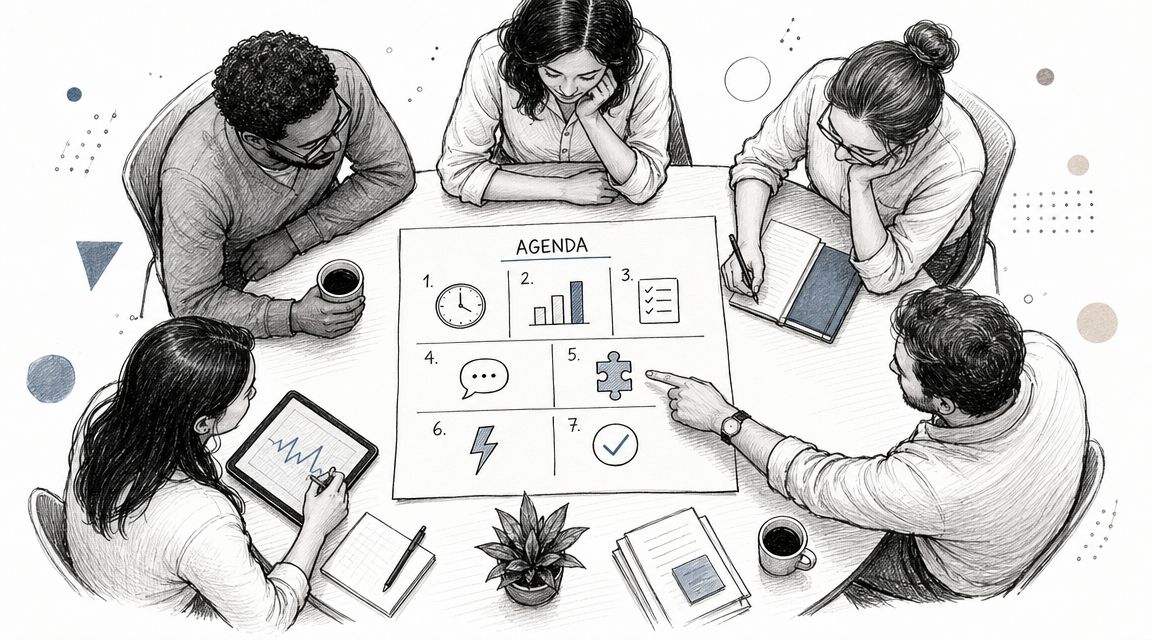
A meeting only earns its place on the calendar when it has a clear job. The goal sets the job. It tells people whether they are there to decide, learn, report progress, build trust, practice a skill, generate options, or handle a client conversation. Those goals sound similar in a calendar title, but they require different attendees, different agendas, and different outputs.
In my experience leading weekly team meetings, project reviews, hiring debriefs, and client calls, the failure usually starts before anyone joins. The invite says “weekly sync” or “brainstorm,” but it never states what has to be true by the end of the meeting. That gap creates drift. People bring updates to a decision meeting, opinions to a training session, and new problems to a call that was supposed to close old ones.
A better standard is operational. State the goal in a sentence. Define the expected outcome. Name who will own the next step. Decide how the result will be captured while the discussion is still fresh. If you want those follow-ups to stick, use a system for turning notes into owners and deadlines. A practical starting point is this guide to capturing action items in meeting minutes.
Written follow-up changes the quality of a meeting. Verbal agreement feels productive in the moment, then disappears by Thursday.
This article focuses on execution. Each meeting goal below includes what success looks like, sample invite wording, a quick agenda pattern, and a practical way to document outcomes. If you also run company-wide updates, it helps to understand the definition of a town hall meeting so you do not treat a broad communication forum like a decision meeting.
1. Decision Making and Problem Solving
Some meetings exist for one reason. A team needs to choose.
Not discuss forever. Not “align.” Choose.
That might mean picking a campaign direction, deciding whether to change a process, approving a budget trade-off, or resolving a product issue that has been blocking progress for days. If that’s the job, run the meeting like a decision meeting. Anything else creates noise.
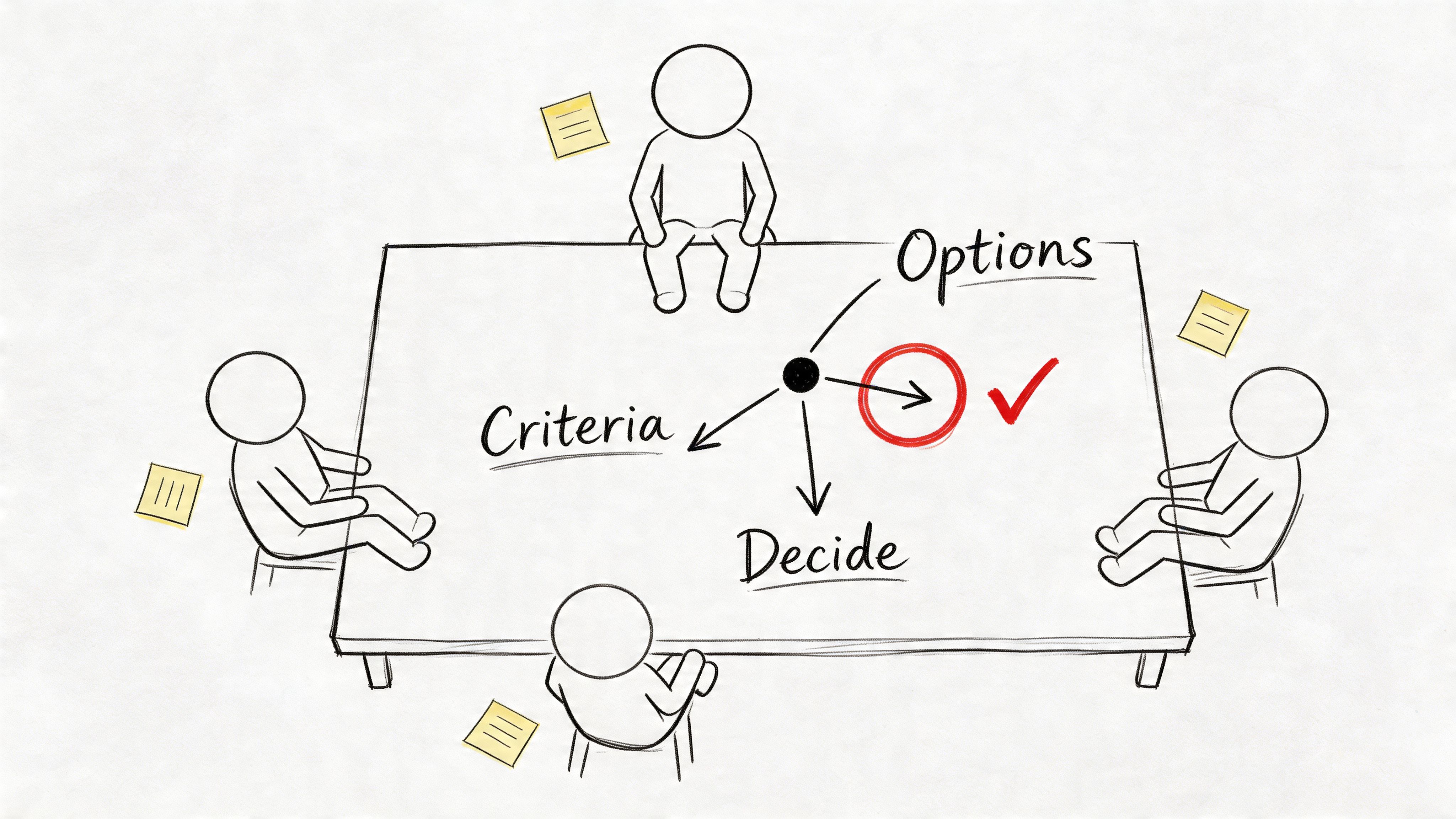
A lot of bad decision meetings fail for predictable reasons. The wrong people attend. Nobody sees the options in advance. Participants debate facts that should have been sent as pre-read. Then the meeting ends with “let’s think about it” because no decision rule was set up.
What good looks like
A useful decision meeting ends with four things written down:
- The decision itself: What was approved, rejected, or deferred.
- The rationale: Which criteria mattered most.
- The owner: Who moves it forward.
- The follow-up: What happens next and by when.
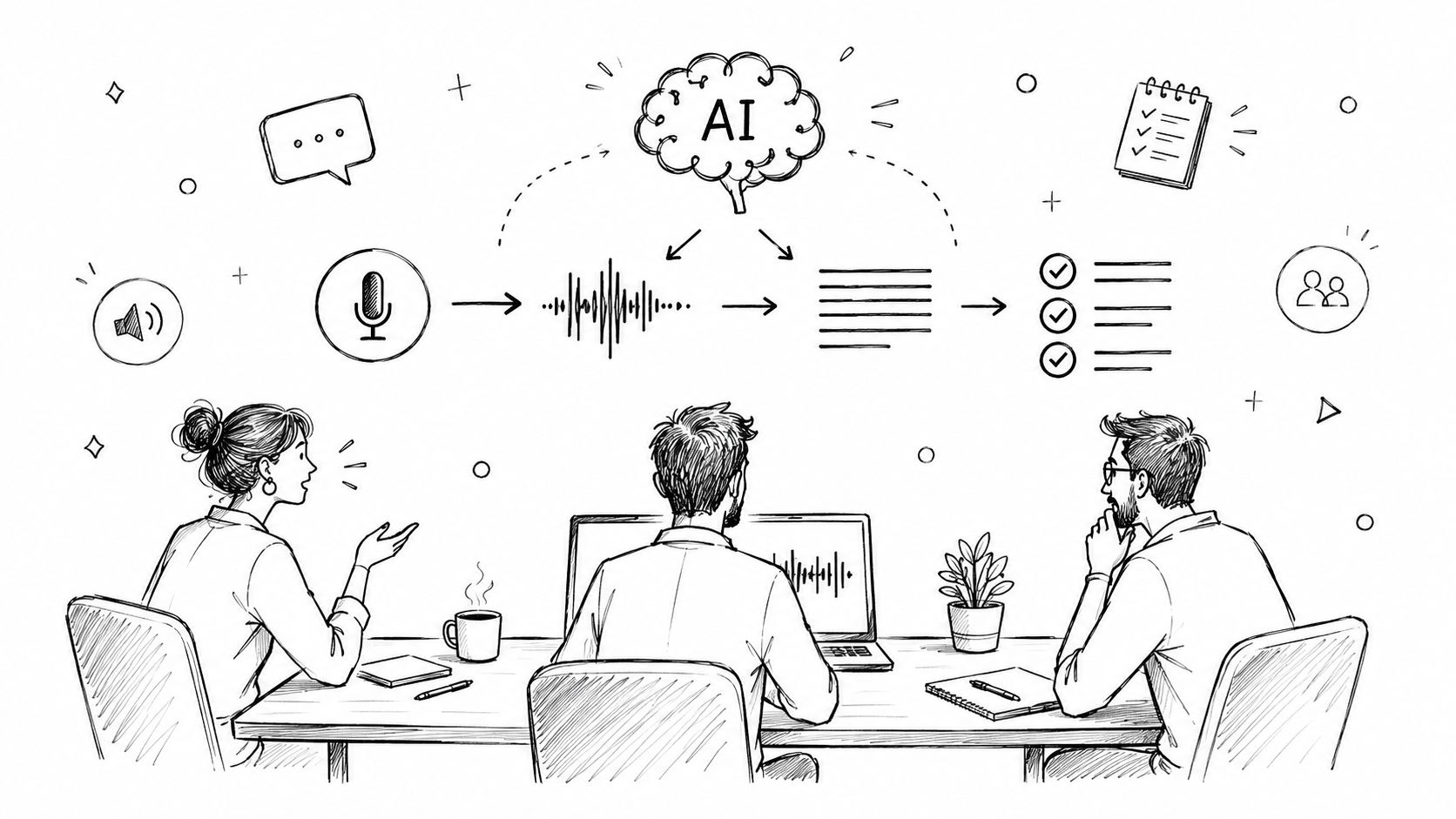
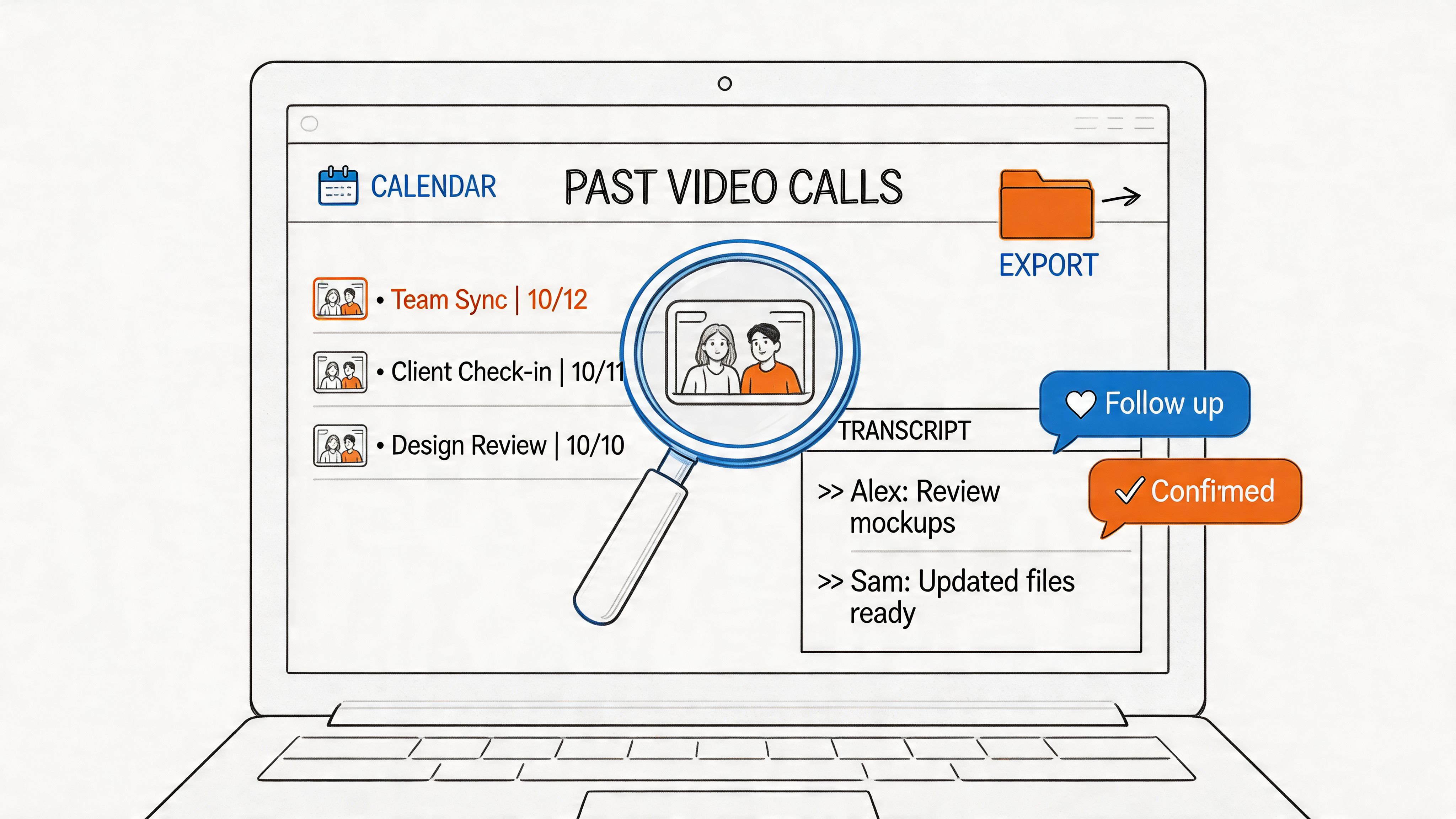
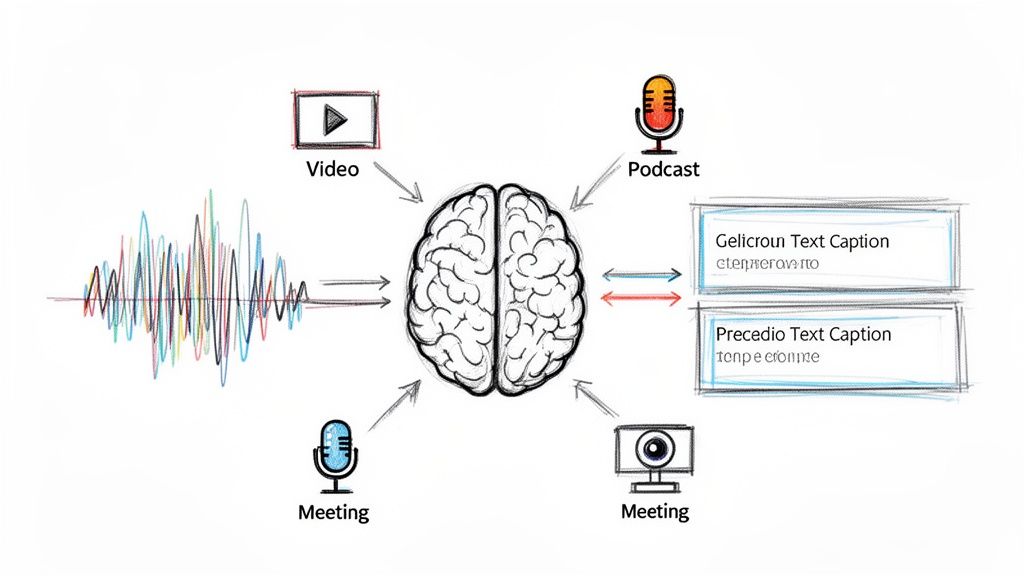
That structure matters because people remember outcomes differently. A transcript or summary gives the team a shared record of what was said, especially when debate got messy.
Practical rule: If the meeting can’t name the decision in a single sentence in the invite, it probably isn’t ready to be scheduled.
For example, a YouTube team deciding channel direction can send: “Decide whether Q1 content will prioritize tutorials, commentary, or interview-led formats.” A research team can send: “Choose final methodology for participant recruitment and approval workflow.” A podcast network can send: “Select launch date and episode order for the next series.”
Invite wording and a quick agenda
Sample invite wording:
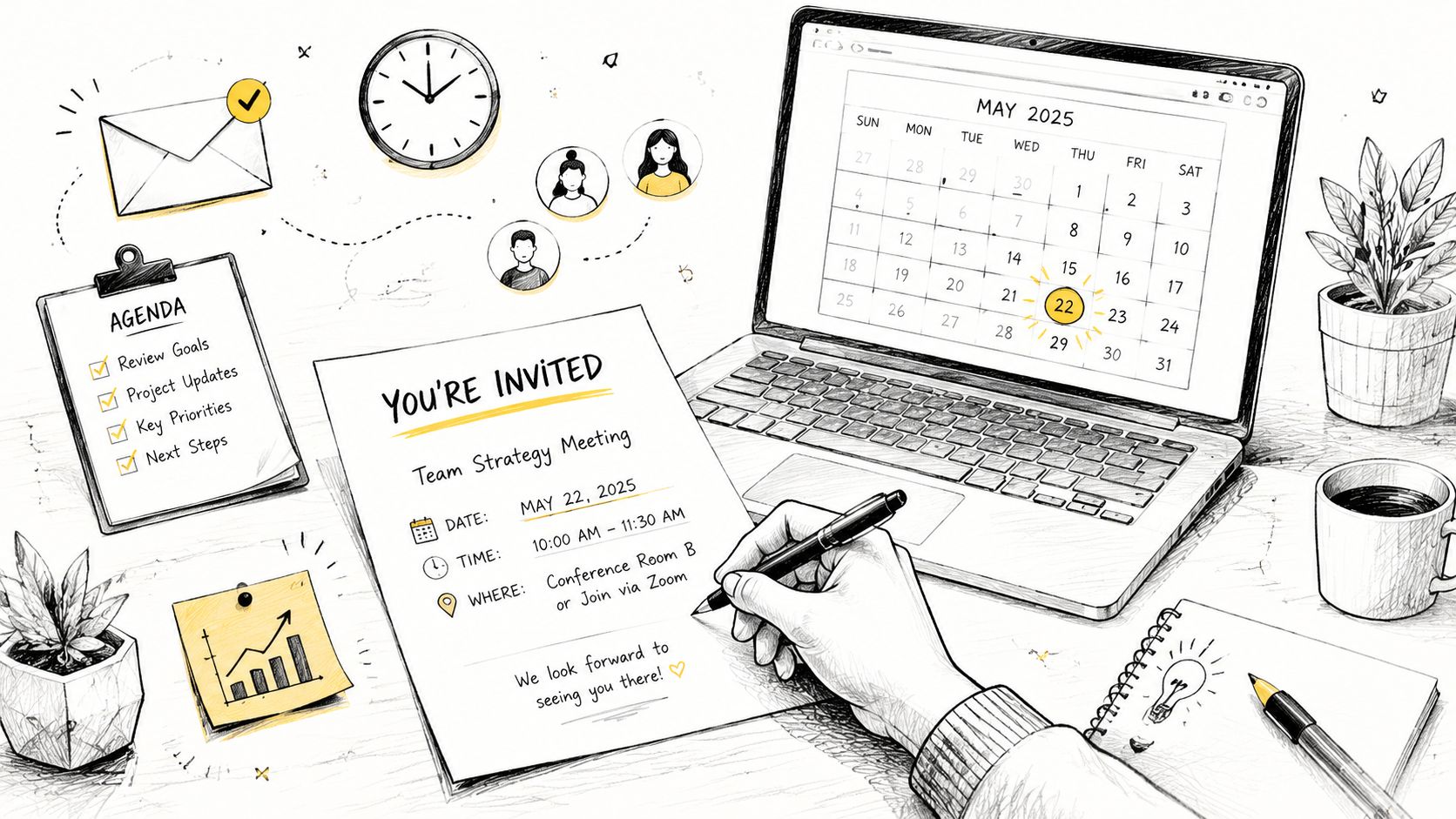
“Goal: decide on the final approach for [topic]. By the end of this meeting, we’ll choose one option, document why, and assign next steps.”
Simple agenda:
- Context review: Five-minute recap of the issue
- Options review: Present the choices and constraints
- Discussion: Test assumptions, risks, and trade-offs
- Decision: Confirm final choice
- Next steps: Assign owners and deadlines
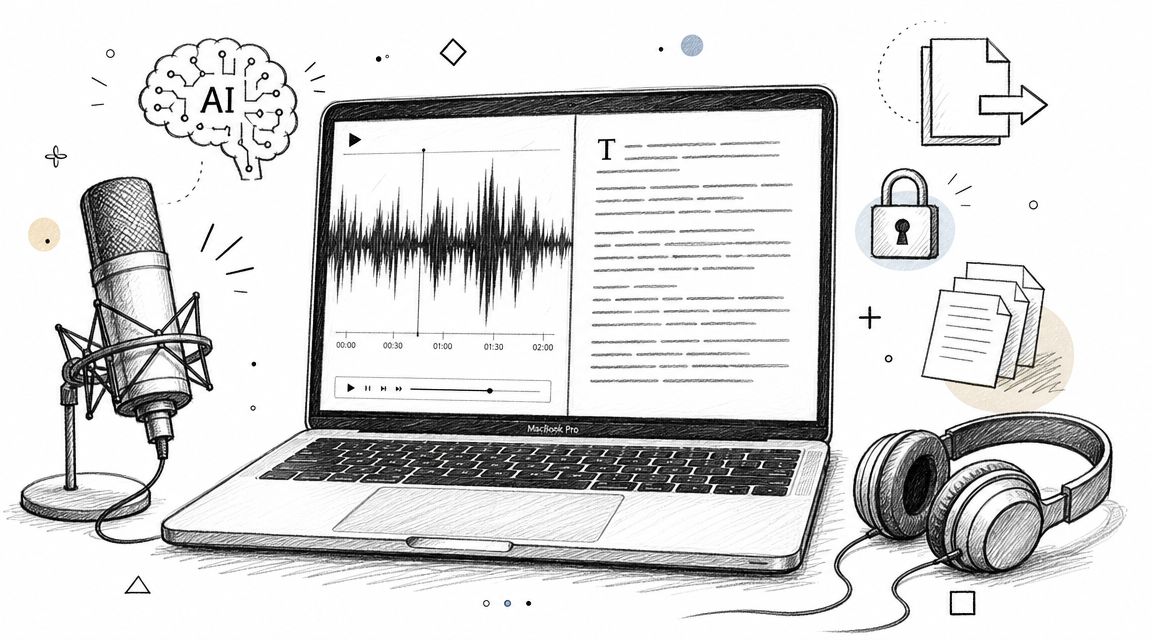
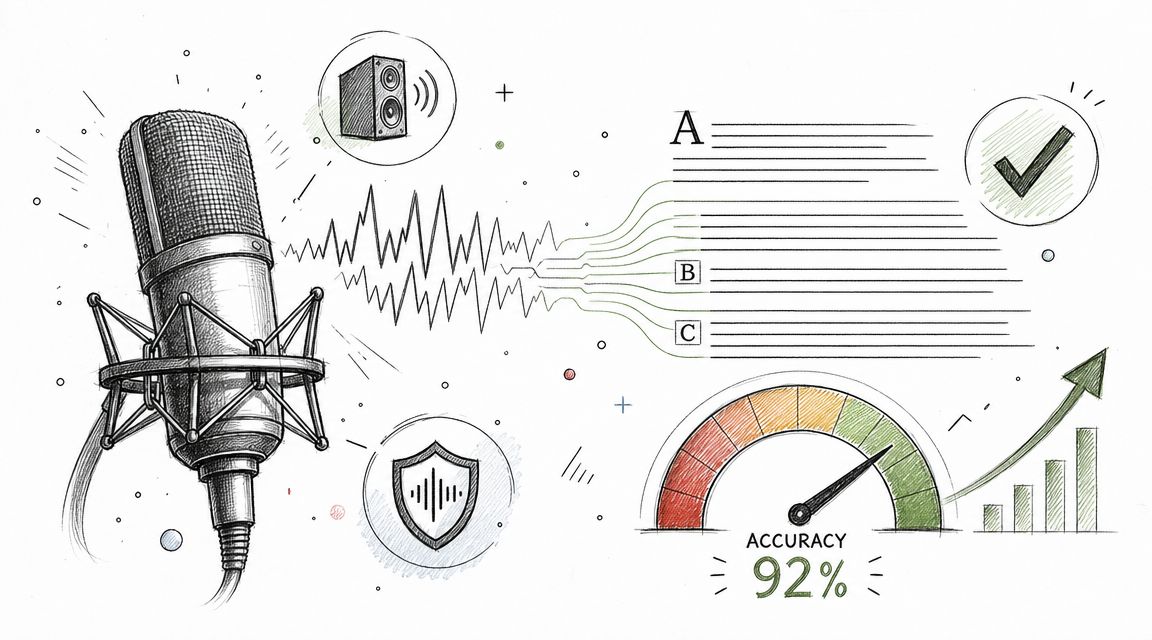
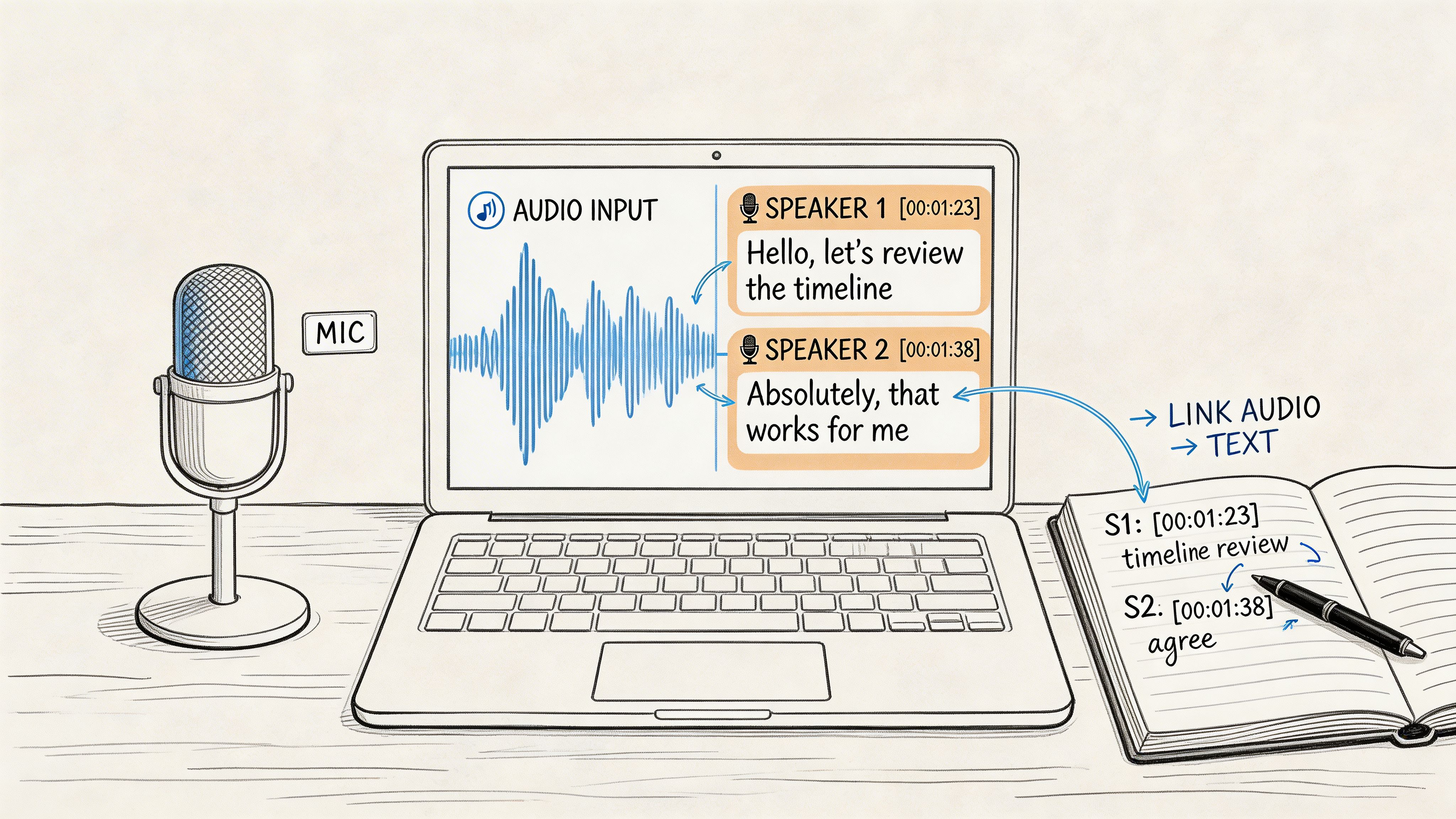
Documentation tools earn their place here. Whisper AI can capture the full discussion, separate speakers, summarize the decision, and turn the end of the meeting into a usable record instead of rushed manual notes. If your team struggles with follow-through, this guide on action items on meeting minutes is the practical piece many teams overlook.
One more point. Strong goals of a meeting aren’t just about making choices. They’re about making choices you can revisit later without re-litigating the whole conversation. That’s what written reasoning gives you.
2. Information Sharing and Knowledge Transfer
Some meetings shouldn’t be decision meetings at all. They exist to make sure people leave with the same understanding.
That sounds simple, but it’s where many teams waste time. Someone gathers a group for “updates,” spends most of the meeting talking, and then discovers that half the attendees still don’t know what changed, what matters, or where to find the details later.
Information-sharing meetings work when the output is clarity, not discussion volume.
What people need after the meeting
In practice, useful knowledge-transfer meetings answer three questions:
- What changed?
- Why does it matter?
- What should people do differently now?
If those answers aren’t obvious, the meeting didn’t transfer knowledge. It just exposed people to information.
This format matters for onboarding, policy changes, process rollouts, training refreshers, editorial standards, and tool updates. A social media team documenting platform changes, an educator recording a lesson, or a journalist transcribing an expert interview all face the same challenge. People need a record they can search later instead of replaying an entire session.
That’s where transcripts become more than convenience. They become infrastructure.
Research summarized in the goal-setting roundup at Kole Hard Facts notes that specific, challenging goals led to higher performance 90% of the time in Locke and Latham’s research. The meeting version is straightforward. “Share Q2 update” is weak. “Make sure every manager can explain the new approval process and where to find the documentation” is strong.
Sample invite and operating pattern
Try invite wording like this:
“Goal: ensure everyone understands the new workflow, key changes, and where to access the reference materials after the session.”
Keep the agenda clean:
- What changed: New information only
- Why it matters: Impact on roles, timelines, or standards
- Examples: Show the new workflow in practice
- Questions: Clear up confusion live
- Reference pack: Confirm where the permanent record lives
A recording without indexing is a landfill. A recording with transcripts, timestamps, and summaries becomes a library.
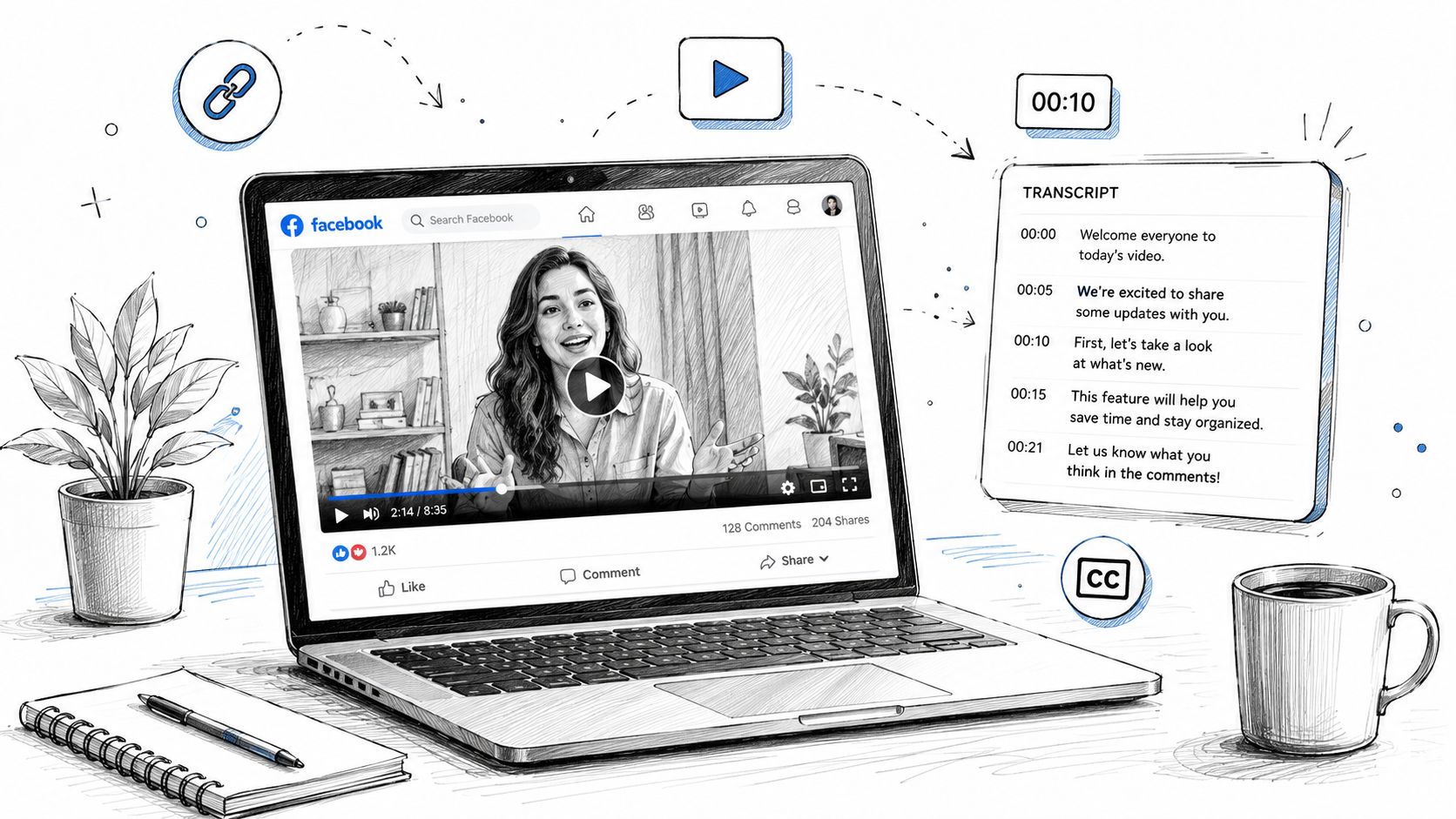
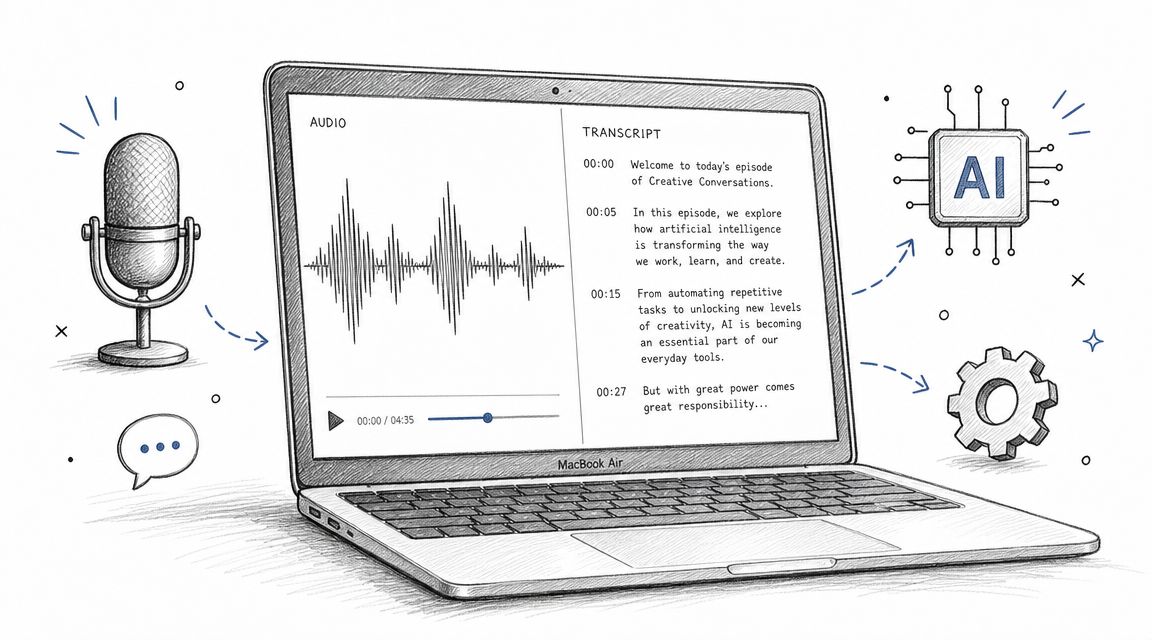
Whisper AI fits naturally here because teams can upload the session, generate a transcript, create a short summary, and export the material into Google Docs, Markdown, PDF, or Word for internal use. The searchable part is a significant advantage. New hires, students, and cross-functional partners can find the exact segment they need without rewatching the whole thing.
If you’re trying to turn meeting content into a usable internal resource, this piece on knowledge management best practices is worth applying directly after the session.
One caution. Don’t call a meeting for information sharing if a short written update would do the job better. But if the material is nuanced, likely to raise questions, or important enough to preserve in a reusable form, this is one of the most valuable goals of a meeting.
3. Progress Monitoring and Status Updates
A status meeting should answer one question fast. Are we on track?
If the answer is unclear after the first few minutes, the meeting design is wrong.
Numerous teams don’t need more update meetings. They need tighter ones. The problem isn’t the existence of recurring check-ins. It’s that they drift into storytelling, problem-solving, and debate when their main function is tracking movement against a known plan.
What to track every time
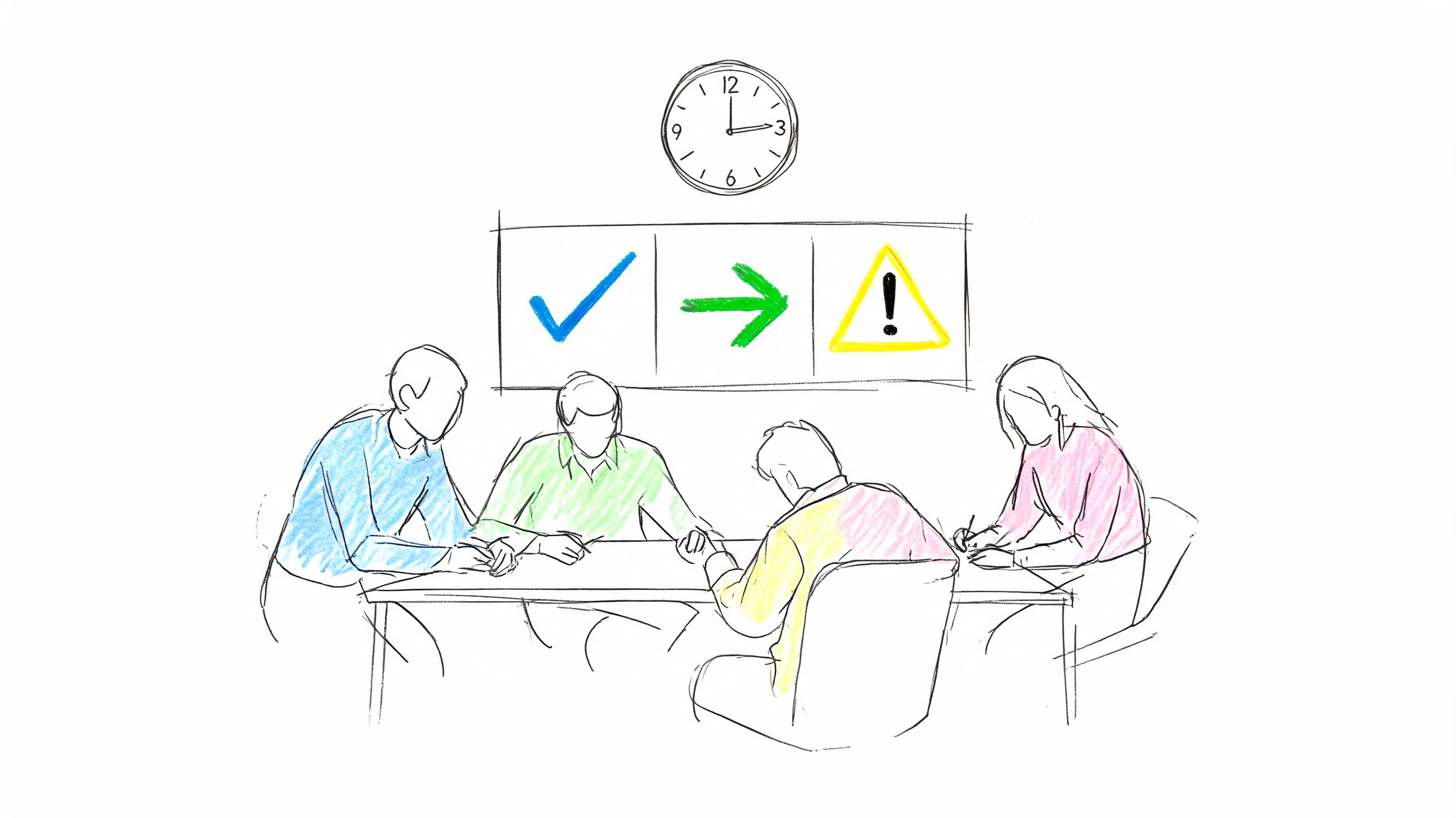
A strong progress meeting covers only the essentials:
- Completed since last check-in: What moved
- Current priorities: What happens before the next one
- Blockers: What’s slowing progress
- Requests: What help or decision is needed
That sounds basic, but discipline is the whole point. Research referenced by the same goal-setting roundup noted earlier also highlights that progress monitoring improves goal attainment likelihood, and that more frequent monitoring is associated with a greater chance of success. In plain English, teams that check progress consistently tend to catch drift earlier.
The trap is letting every update become a mini workshop. If someone has a deep issue, spin it into a follow-up with the right people. Don’t hijack the recurring rhythm.
A content team running a weekly editorial review, a student project team doing Friday check-ins, or a research group reviewing experiment status all benefit from the same habit. Keep the recurring meeting narrow, then branch out only where needed.
Invite wording and follow-up discipline
Use invite wording like this:
“Goal: confirm current progress, identify blockers, and assign immediate follow-up for anything off track.”
Then use an agenda that keeps pressure on movement:
- Round-robin update: What changed since the last meeting
- Risk scan: What might slip
- Blocker escalation: What needs help now
- Next commitments: What each owner will complete before the next check-in
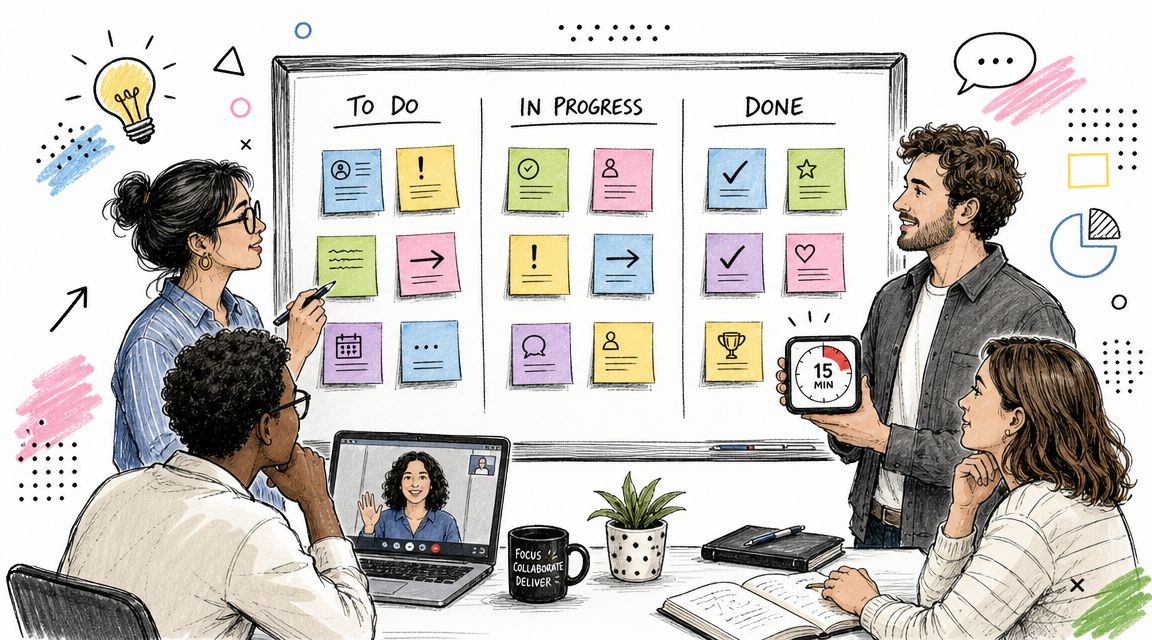
This format becomes much more useful when commitments are captured cleanly. Whisper AI can turn spoken updates into searchable records and extract action items so you can compare what was promised with what was done. Over time, that record shows patterns. Which blockers repeat. Which projects always turn “almost done” into another week. Which owners overcommit.
For teams that also rely on written stakeholder updates, these project status update email templates pair well with the meeting itself. The meeting surfaces reality. The email communicates it clearly.
Status meetings don’t create accountability by existing. They create accountability when last week’s commitments are visible in this week’s room.
One caution from experience. If nobody changes behavior based on the updates, stop pretending the meeting is useful. A status review with no decisions, no escalations, and no consequences is just a ritual.
4. Team Building and Relationship Development
Not every meeting should push toward a decision or deadline. Some meetings exist because people work better when they know each other well enough to trust intent, ask for help, and disagree without turning every friction point into politics.
That doesn’t make team-building meetings fluffy. It makes them structural.
Teams that only meet under pressure usually communicate badly when pressure arrives. They misread tone. They hesitate to raise concerns. They assume conflict means disrespect when it may just mean different working styles.
The part most managers miss
Relationship meetings need structure too. If you just put people in a room and say “connect,” the extroverts carry the hour and everyone else waits for it to end.
A better approach is to define the outcome. Maybe the goal is to help a newly merged team understand each other’s roles. Maybe it’s to surface collaboration preferences. Maybe it’s to reflect on a shared milestone and reinforce what the team wants more of.
This is also where inclusive meeting design matters. Existing guidance on meeting ground rules often mentions voice and fairness, but there’s still a real gap around neurodiversity-informed meeting goals. The challenge isn’t only who speaks live. It’s whether the meeting allows different processing styles and asynchronous participation. That gap is noted in SME Strategy’s discussion of ground rules for effective meetings and strategic planning offsites.
For remote and global teams, a transcript helps because not everyone contributes best in real time. Some people think by writing. Some need time after the session to process and add a better response.
Invite wording that doesn’t feel fake
Skip language that sounds forced. Use something like:
“Goal: strengthen working relationships across the team by sharing current challenges, preferred ways of working, and one thing each person needs from others this quarter.”
A useful agenda might look like this:
- Warm opening: Personal or work check-in with a real prompt
- Role clarity: What each person owns and where they need support
- Working norms: Communication preferences and friction points
- Commitments: One behavior the team will practice
Whisper AI can support this kind of meeting carefully. With permission, teams can preserve key themes, shared values, and agreed norms without relying on one person’s selective notes. For culture-heavy sessions, use summaries, not raw transcripts, when privacy matters.
The trade-off is simple. Recording can help quiet voices be remembered, but it can also make people more guarded if the room doesn’t trust how the material will be used. Explain the purpose up front and keep access tight.
5. Training and Skill Development
Training meetings fail when they try to be both a class and a performance.
The facilitator rushes through material to prove coverage. Learners nod along. A week later, people remember almost none of it and still ask the same operational questions.
A training meeting only works if people can apply something after it ends.
Design for reuse, not just delivery
This is one of the most underrated goals of a meeting because teams often think the live session is the product. It isn’t. The product is improved capability.
That means a good training meeting should leave behind usable assets. A transcript. A summary. A step-by-step reference. A searchable archive. Without those, every learner has to depend on memory or ask someone to repeat the lesson.
Educators, podcast networks training new hosts, journalists mentoring junior reporters, and business teams rolling out new software all run into the same issue. Live explanation is valuable, but durable reference material is what scales.
There’s also a practical product angle here. In SaaS onboarding, activation rate measures how many users reach the key “aha” milestone after signup. Industry benchmarks cited by Product Marketing Alliance’s overview of product adoption metrics say top-performing tools often reach 40% to 60% activation in the first seven days. For training, that’s a useful reminder. Don’t judge a session by attendance. Judge it by whether people complete the first meaningful task afterward.
Sample invite and training flow
Use invite wording like this:
“Goal: help attendees complete [specific task] on their own after the session, using the shared reference materials if needed.”
A practical agenda:
- Outcome first: What participants will be able to do
- Live demo: Show the process end to end
- Guided practice: Let attendees try it
- Common mistakes: Fix errors before they stick
- Reference pack: Share transcript, summary, and materials
Here’s a relevant walkthrough to support that approach:
If your audience learns online or asynchronously, this guide to best practices for online learning is a good companion to any live training session.
Whisper AI is useful here because it can turn expert instruction into searchable text, add timestamps for specific modules, and generate a shorter version for people who need a refresher instead of the full replay.
Train for the moment after the meeting, when nobody is there to explain it again.
6. Brainstorming and Innovation Sessions
A brainstorming meeting has a different job from a decision meeting, and teams ruin both when they mix them.
If you ask for wild ideas and immediate evaluation in the same breath, people censor themselves. The room fills with safe suggestions, obvious rewrites, and comments that sound smart but don’t create anything new.
Separate idea generation from idea selection
Good innovation sessions protect the messy middle. They let people say half-formed things. They create room for combinations, tangents, and surprising connections. That doesn’t mean the meeting should be chaotic. It means the structure should support divergence first and judgment later.
The room also needs psychological safety, but in a practical sense. People need to know whether the meeting rewards originality or rewards sounding polished. Those are not the same thing.
Invite wording should make that clear:
“Goal: generate a broad set of new ideas for [problem or opportunity], then identify which ones deserve follow-up testing.”
Then run the session in phases:
- Prompt: Frame the challenge tightly
- Divergence: Collect ideas without critique
- Clustering: Group similar concepts
- Selection: Choose which ideas move forward
- Ownership: Assign next exploration steps

One hidden benefit of AI transcription in these sessions is that it captures the odd comments people usually forget. Those fragments often become the seed for a better concept later. Content teams brainstorming new series, product teams exploring feature directions, and journalists building story angles all benefit from being able to search the raw ideation afterward instead of relying on whatever made it onto the whiteboard.
Don’t over-clean the output too early. Save the original language, then summarize.
A final trade-off. Recording can help preserve idea ownership and reduce note-taking loss, but it can also make a sensitive team more cautious. In high-trust groups, it usually helps. In low-trust groups, fix the trust issue first.
7. Client and Stakeholder Engagement
External meetings raise the stakes.
Internal confusion is frustrating. External confusion can damage trust, create scope disputes, or leave both sides with different memories of what was promised. That’s why client and stakeholder meetings need tighter goals, cleaner language, and better records than most internal sessions.
The outcome has to be explicit
A kickoff, review, investor update, sponsor call, or partner discussion should never end with vague optimism. It should end with documented agreement on what was discussed, what was approved, what’s pending, and who owes what next.
The hardest part is that these meetings often try to do too much at once. They mix relationship building, discovery, negotiation, delivery review, and future planning in a single call. That can work, but only if the meeting owner names the primary outcome.
Use invite wording like this:
“Goal: confirm priorities for the next phase, capture feedback on current work, and agree on decisions or next actions before we close.”
Then stay disciplined during the meeting:
- Context reset: Confirm purpose and current scope
- Review: Walk through work, updates, or proposal points
- Feedback: Capture reactions and concerns
- Decision points: Confirm approvals, changes, or open items
- Close: Restate commitments and next steps
There’s a broader strategic gap here too. Many teams know how to set meeting goals, but they don’t measure whether the meetings were worth the time or whether they reduced confusion afterward. That ROI and meeting-fatigue gap is highlighted in Mural’s article on meeting goals. For client work, that gap matters because repeated “alignment calls” often signal that previous outcomes were never captured clearly enough.
Documentation protects both sides
Always get permission before recording. Be clear about confidentiality, access, and how the notes will be used. Then send a summary quickly while the conversation is fresh.
Whisper AI can help by producing transcripts, timestamps, and concise recaps that make it easier to confirm what each party said and agreed to. That’s useful for consulting teams, content creators in sponsor calls, educators meeting with administrators, and anyone who needs a reliable account of the conversation.
Send the summary while everyone still remembers the call. That’s when misunderstandings get fixed cheaply.
If the summary triggers corrections, that’s a good outcome. It means the meeting record is doing its job before confusion hardens into conflict.
7-Point Meeting Goals Comparison
| Meeting Type | 🔄 Implementation Complexity | ⚡ Resource Requirements | ⭐ Expected Outcomes | 📊 Ideal Use Cases | 💡 Key Advantages / Tips |
|---|---|---|---|---|---|
| Decision Making and Problem Solving | High, needs structured facilitation and data prep | Moderate–High, stakeholders, data, documentation time | High-quality, accountable decisions with documented rationale | Strategic planning, editorial direction, research decisions | Creates audit trail; record full meeting; use speaker detection & timestamps |
| Information Sharing and Knowledge Transfer | Medium, requires organized presentation and indexing | Moderate, presenters, recording, transcription, tagging | Consistent, searchable knowledge repositories | Onboarding, training, company updates, lectures | Record systematically; tag topics; export summaries to KM systems |
| Progress Monitoring and Status Updates | Low–Medium, recurring, routine format | Low, short recurring meetings, minimal prep | Improved accountability and early risk detection | Daily standups, weekly check-ins, project reviews | Auto-generate action items; compare summaries over time; use timestamps |
| Team Building and Relationship Development | Low–Medium, facilitation for inclusivity | Low–Medium, time for activities, permission to record | Stronger trust and engagement; cultural reinforcement | Virtual socials, icebreakers, all-hands celebrations | Get consent; share filtered highlights; preserve team memories selectively |
| Training and Skill Development | High, curriculum design and production effort | High, expert time, quality audio/video, LMS integration | Scalable, reusable learning resources and assessments | Workshops, certification courses, how-to tutorials | Record high-quality audio; create chapter markers and study summaries |
| Brainstorming and Innovation Sessions | Medium, needs facilitation to surface all voices | Low–Moderate, time and post-session organization | Large volume of raw ideas; requires synthesis to act | Ideation workshops, campaign concepting, product features | Record to capture ideas; organize transcripts by theme; attribute contributors |
| Client and Stakeholder Engagement | Medium, formal prep, consent and confidentiality steps | Moderate–High, secure storage, compliance, legal oversight | Clear, auditable records of commitments and feedback | Pitches, negotiations, client briefings, stakeholder reviews | Always obtain explicit permission; secure transcripts; send summary within 24h |
From Goal to Action Making Every Meeting Matter
It’s 4:52 p.m. The call ends, everyone drops, and one question hangs in the air. What exactly did we decide?
I’ve seen that pattern in weekly team meetings, client reviews, and executive check-ins. The meeting felt productive in the moment. By the next morning, two people remember different decisions, one owner was never confirmed, and the same topic shows up on next week’s agenda.
In many organizations, calendar clutter starts there. Meetings get repeated because the output was never clear enough to use. A conversation happened, but no operating record came out of it.
The practical fix is simple. Define the goal before the invite goes out, then build the meeting so the output matches that goal. A decision meeting should end with a decision, owner, and deadline. A status meeting should produce a current view of progress and clear escalations. A brainstorming session should leave with ranked ideas, not just an energetic discussion.
That level of precision changes the whole setup. It tells you who needs to be in the room. It tells you whether people need a pre-read, a draft recommendation, or customer context in advance. It tells you whether the agenda should be tightly controlled or left open enough for exploration.
Documentation is where teams either keep momentum or lose it.
I’ve run enough meetings to know that the meeting itself does not create progress. The usable output does. That means written decisions, assigned actions, due dates, open questions, and a place to find them later. For this reason, written capture is critical. Without it, teams revisit the same issue, argue over what was agreed, and burn time reconstructing context.
The teams that handle meetings well usually follow the same operating loop:
- define the goal in one sentence
- choose the format that fits that goal
- capture the outcome in writing
- assign owners and deadlines before the meeting ends
- review whether the meeting earned a place on the calendar again
That last step matters more than many managers admit. Some meetings should stay recurring because they reduce risk, speed decisions, or keep stakeholders aligned. Others should become async updates, shared documents, or short ad hoc calls. The trade-off is straightforward. Synchronous time is expensive, but ambiguity is expensive too. Good meeting design manages both.
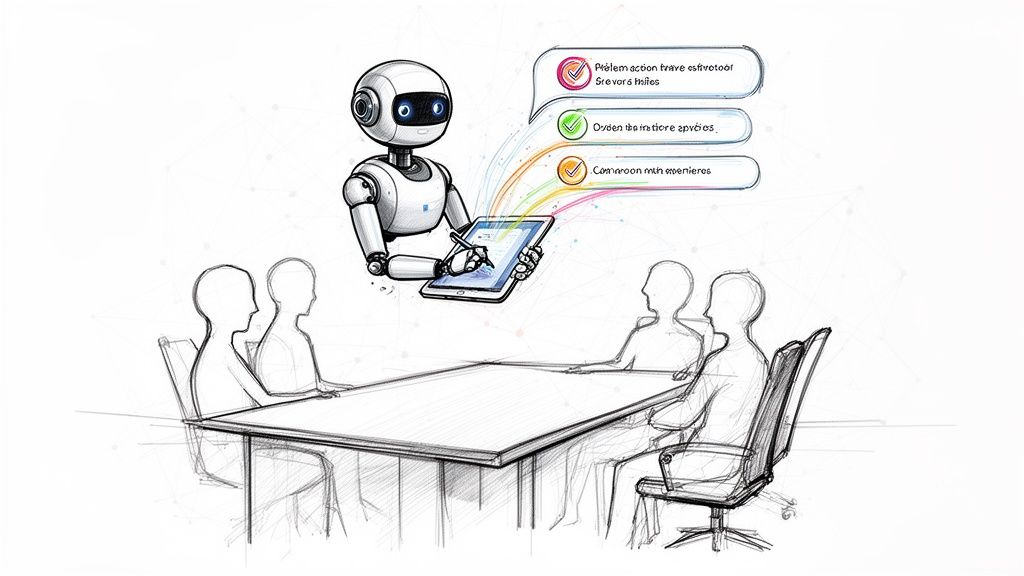
Modern tools help with the capture problem. Instead of asking one person to participate fully and take perfect notes at the same time, teams can use transcription and summarization tools to create a reliable record. Whisper AI is one option for turning recorded conversations into transcripts, summaries, and action items, which makes follow-up faster and easier to check.
A meeting has done its job when the team can answer three questions before anyone leaves:
- What was the goal?
- Did we achieve it?
- What happens next?
Use that as the standard. Meetings become easier to justify, easier to improve, and much less likely to return to the calendar for the wrong reasons.
If you want a simpler way to capture decisions, summaries, and follow-up from your meetings, Whisper AI can help turn recorded conversations into searchable transcripts and actionable recaps without relying on frantic manual notes.