Converting YouTube Video to MP3: A 2026 Guide
You've probably done this before. A podcast episode runs for two hours on YouTube, the discussion is excellent, and you want the audio on your phone for a commute, a workout, or a flight. Or you're pulling a lecture into your note-taking workflow and don't need the video at all.
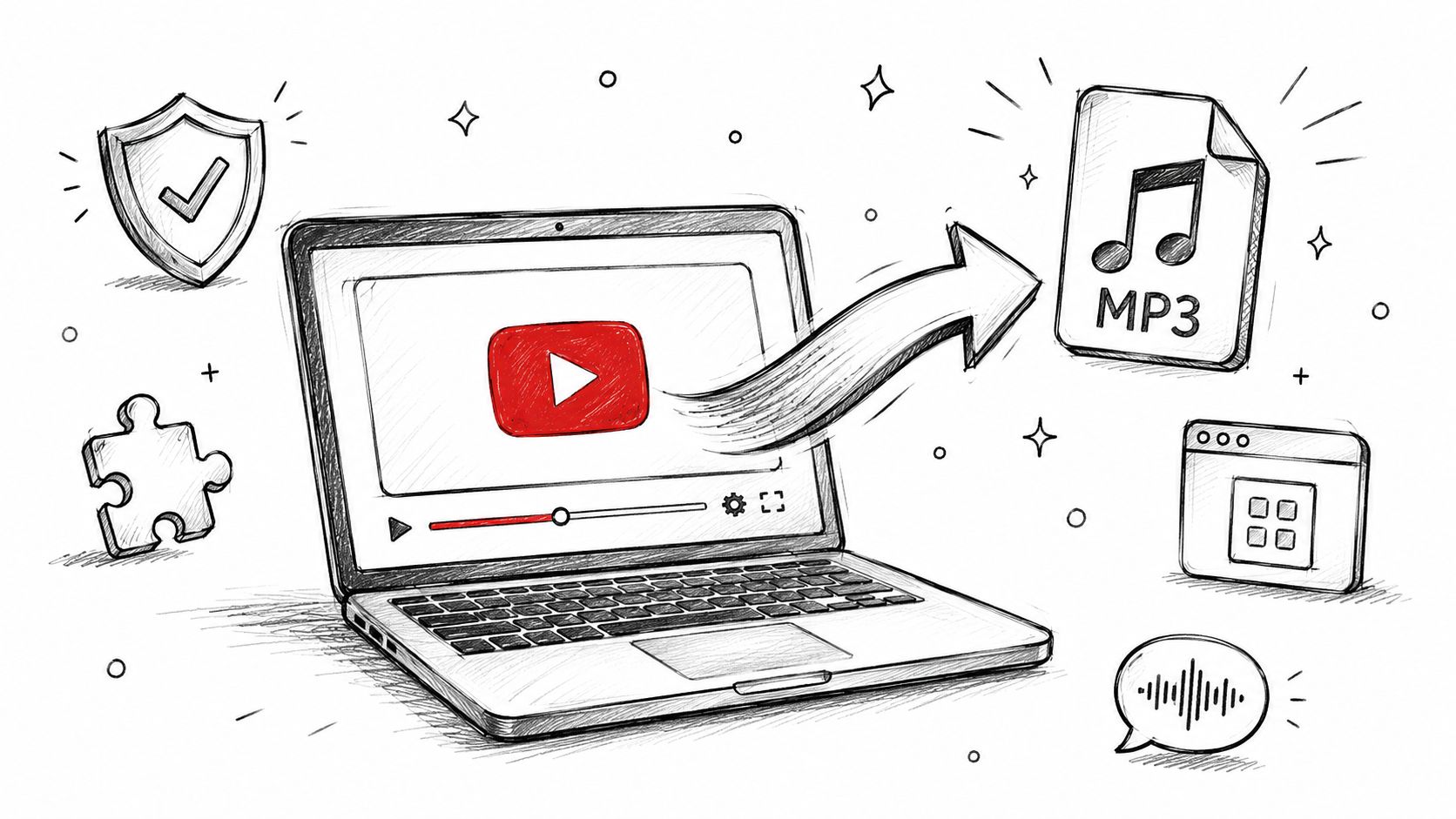
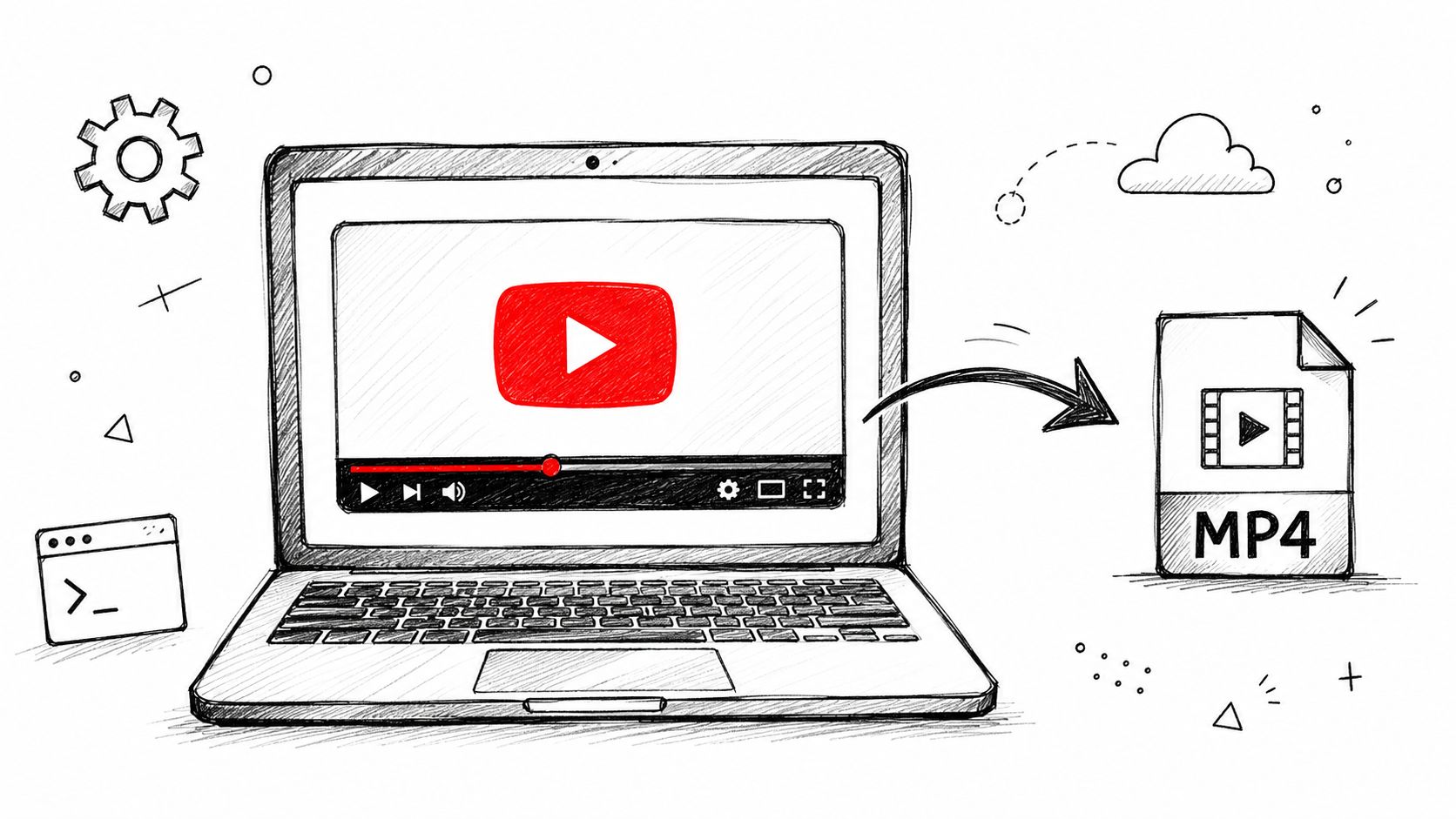
That's the core appeal of converting YouTube video to MP3. It turns a watch-first format into something portable, lighter, and easier to revisit. The problem is that the fastest method usually gives up something important, whether that's audio quality, privacy, reliability, or legal clarity.
Why You Want to Convert YouTube Videos to MP3
Many users aren't trying to “hack” anything. They just want easier access to content they already spend time with. A long interview becomes background listening. A tutorial becomes an audio reference. A panel discussion becomes something you can replay while walking.

That demand has been around for a long time. YouTube's scale is part of the reason. The platform had over 2 billion monthly logged-in users globally as of 2024, and early conversion tools started appearing around 2008. By 2015, top converter sites were drawing over 10 million monthly visits, which shows how persistent the need for offline audio has been as YouTube grew into a major place for music and spoken-word consumption, according to this industry overview of converter demand and platform growth.
The usual reasons people do it
- Offline listening: Trains, flights, patchy mobile coverage, and low-data situations still make audio files useful.
- Focus: Audio strips away visual distraction. That matters with interviews, lectures, and podcasts.
- Portability: MP3 files work with more apps, players, and archiving setups than streaming alone.
- Repurposing: Creators often need audio for editing, notes, clipping, or research.
Practical rule: If your goal is simply to listen later, convenience matters. If your goal is to reuse, archive, or analyze the content, your workflow matters more than speed.
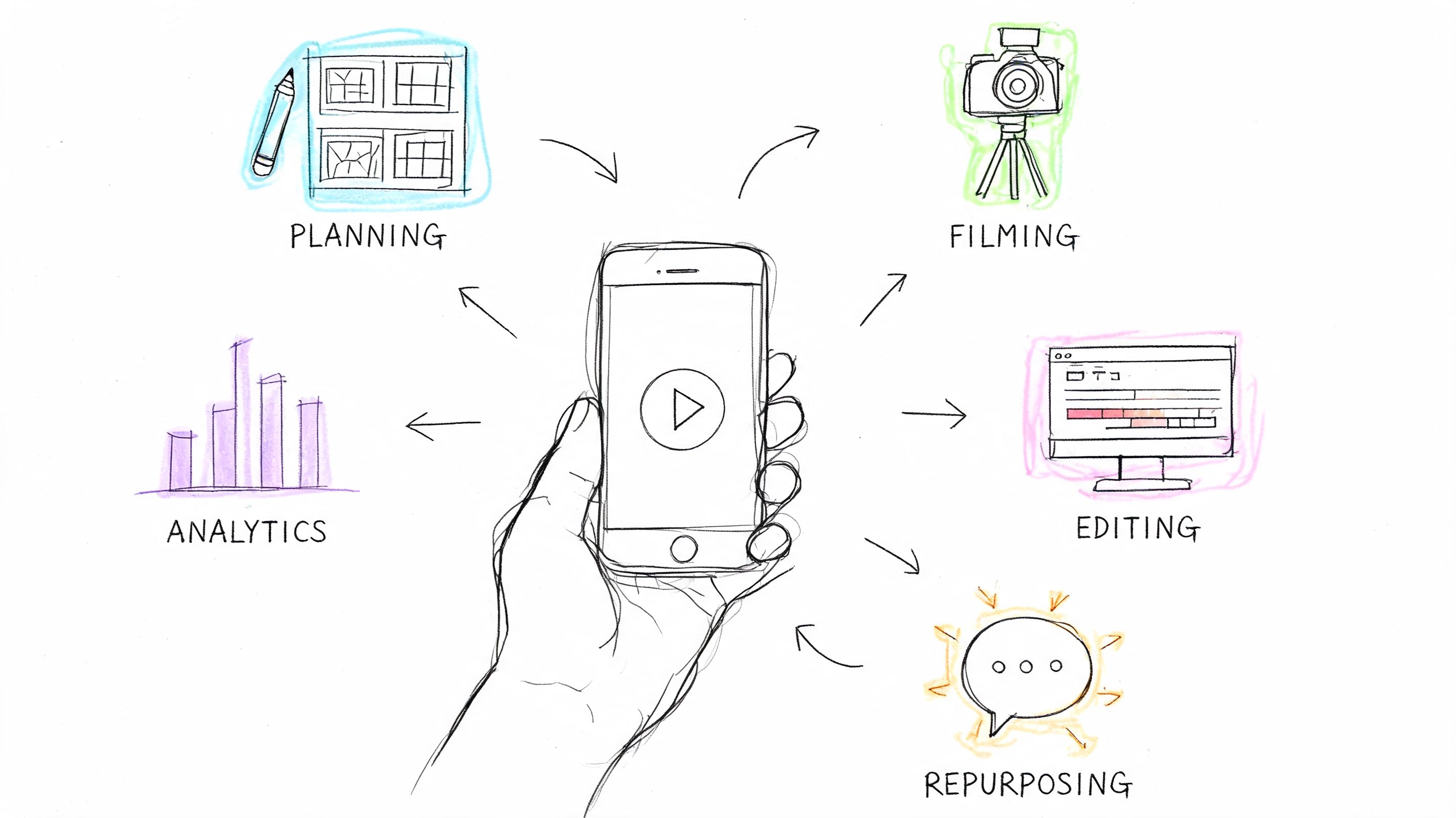
There's also a business angle. If you work in content, it helps to understand why video marketing is so powerful, because the same strength that makes video effective also creates the need to extract its audio, summarize it, and repurpose it in other formats.
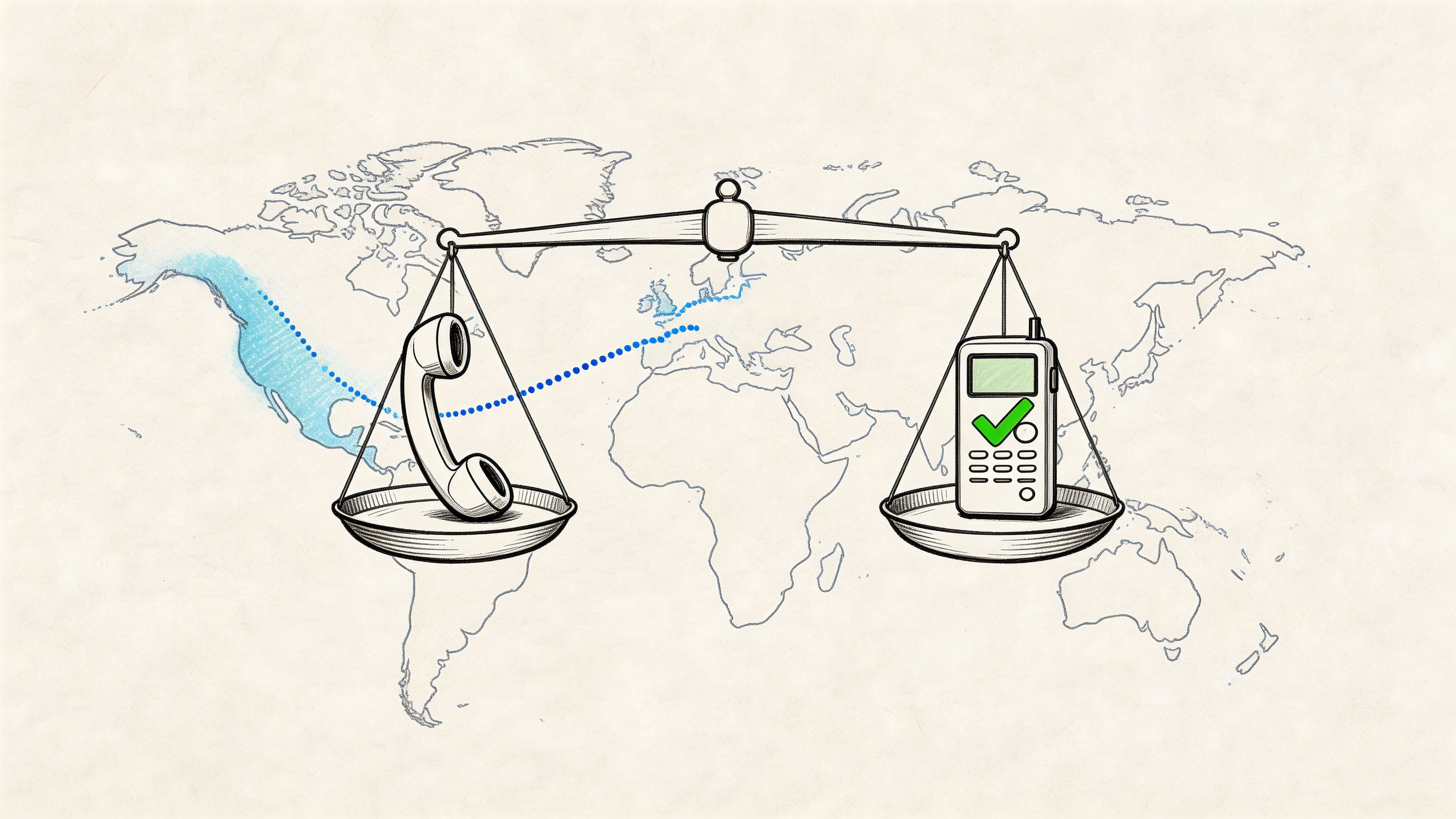
The trade-off starts immediately
You usually have three paths:
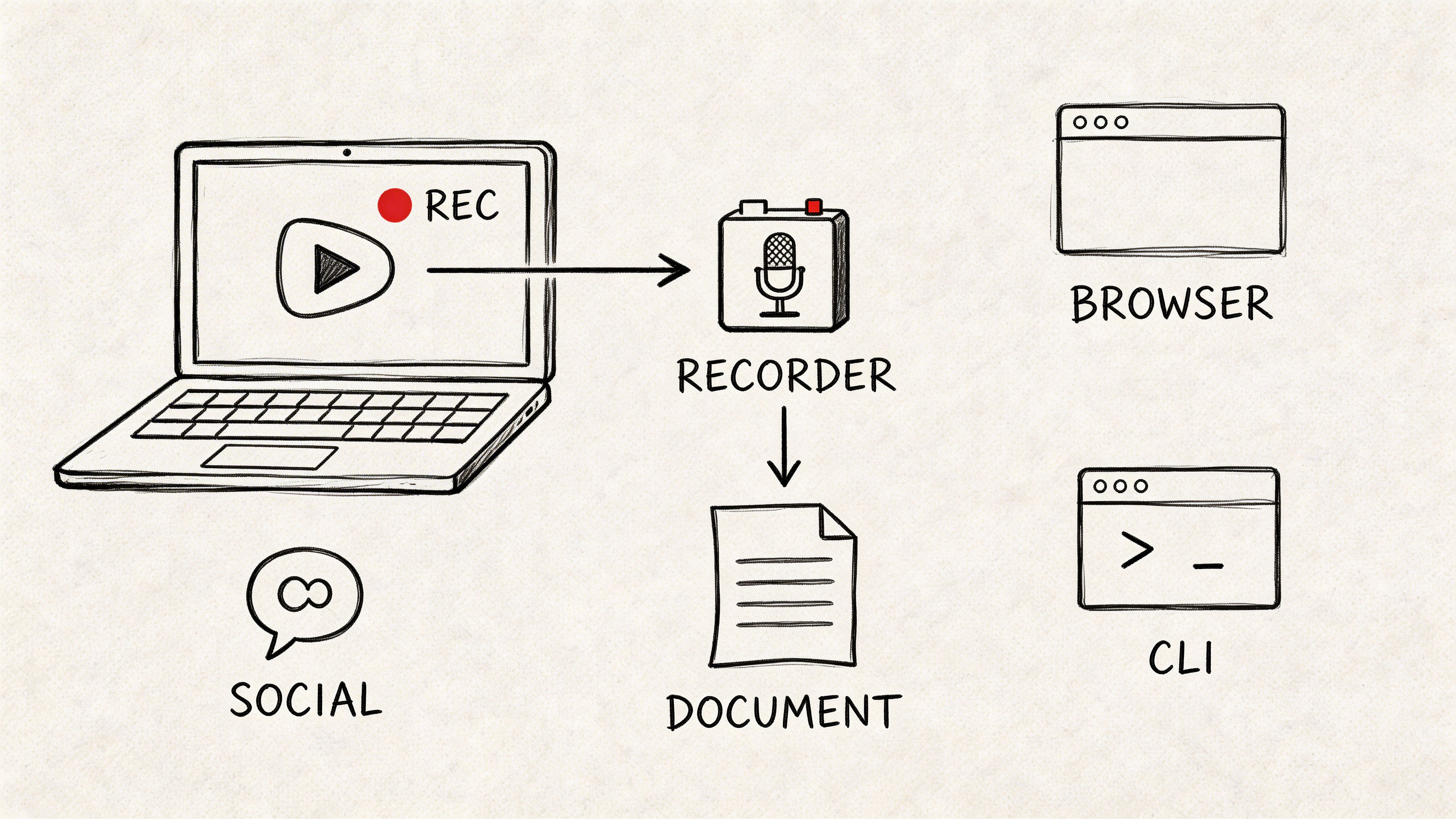
- Online converter sites
- Desktop software
- Mobile apps
All of them can get you from YouTube link to audio file. They don't get you there with the same level of safety or consistency. That's where many users make the wrong choice. They optimize for the first click, not the final result.
Choosing Your Conversion Method
If you're converting one file in a hurry, your choice will look different from someone archiving a playlist, extracting podcast audio, or building a research library. The right method depends on what you care about most.

A simple way to decide
| Method | Best for | Upside | Main downside |
|---|---|---|---|
| Online converters | One-off jobs | Fast, no install | Privacy, ads, inconsistent quality |
| Desktop software | Repeat use, playlists, better control | More reliable, safer, stronger output settings | Requires install and setup |
| Mobile apps | On-device convenience | Useful when you need audio directly on your phone | App quality varies, and platform restrictions can get in the way |
The fastest option is usually the least controlled. The most controlled option usually takes a few extra minutes to set up once, then saves time every time after that.
How each option feels in real use
Online converters are built for impulse use. Paste a link, click convert, download the file, move on. That's why people keep using them. They remove friction.
Desktop tools are what experienced users settle on after enough bad browser-based experiences. You get cleaner handling of long videos, better playlist support, and fewer surprise redirects.
Mobile apps can work if you want the file directly on your device, but they're rarely the most dependable route for serious use. They also tend to sit in the middle. More convenient than desktop, less stable than a well-run local workflow.
Match the method to the job
- Need one audio file right now: Online can work, but treat it as a disposable option.
- Need recurring conversions: Use desktop software.
- Need playlist handling: Desktop is the practical choice.
- Need better control over bitrate and format: Desktop again.
- Need minimal setup on a phone: Mobile apps are the convenience play, if you trust the app and understand the limits.
The mistake isn't using a simple method. The mistake is using a simple method for a job that needs consistency.
For most creators, researchers, and podcasters, converting youtube video to mp3 stops being a casual task very quickly. Once that happens, tool choice matters more than raw speed.
The Quickest Path Using Online Converters
Online converters win on speed. You search, open a site, paste the YouTube URL, choose MP3, and download the result. For a rare one-off file, that's why people keep coming back to them.
The process itself is straightforward:
- Copy the YouTube video URL.
- Paste it into the converter site.
- Choose MP3 output.
- Wait for processing.
- Download the file.
That's the whole pitch. No install. No setup. No learning curve.
Where the shortcuts hurt
The problem centers on the circumstances surrounding that basic workflow. Many online converters track user activity, and some release policies that provide users almost no privacy. Testing also discovered that effective audio quality was less than 128kbps in 65% of cases, even though sites claim better output, according to this analysis of converter privacy and audio quality issues.
That lines up with the common experience people report. The file downloads, but the path there is messy. Pop-ups, fake buttons, odd redirects, browser noise, and output that doesn't sound as good as promised.
When online tools are still usable
There are situations where browser-based conversion is still the practical answer:
- A single public talk or interview: You need temporary listening audio, not a permanent archive.
- A borrowed or locked-down device: You can't install software.
- A low-stakes task: You understand the privacy trade-off and just need speed.
If you go this route, be selective and keep the session narrow. Use the converter, get the file, and leave. Don't browse around the site.
Use online converters like a convenience store. Fine for one quick stop. Not where you want to do all your shopping.
A safer way to think about browser-based conversion
Treat online tools as the fallback, not the default. Don't trust bitrate labels blindly. Don't click secondary download buttons. Don't assume “free” means harmless.
If you want a step-by-step on the extraction side before deciding which method to use, this guide on how to download audio from YouTube is a useful companion.
For occasional use, online converters are acceptable if you understand what you're giving up. For regular use, they're where most workflow problems begin.
For Better Quality and Safety Use Desktop Software
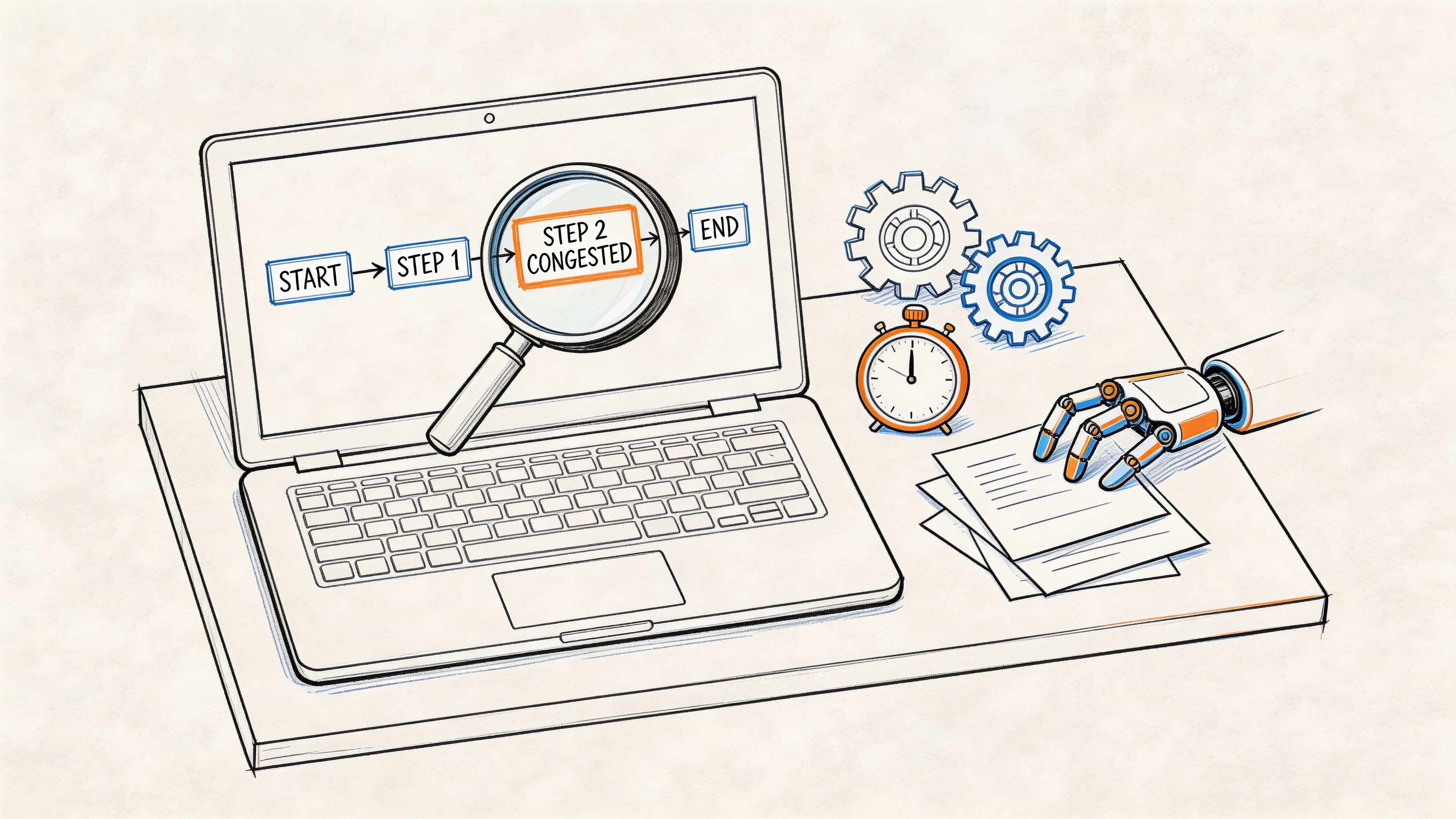
A browser converter is fine until the job gets bigger than one file. The break point usually shows up fast. A 90-minute interview stalls halfway through, filenames come out messy, or the site claims a high bitrate that the source never had in the first place.

Desktop software is the safer middle ground in the speed versus safety versus quality trade-off. It takes a few minutes to install, but after that you get local processing, better queue handling, fewer sketchy redirects, and more control over the output. For anyone converting youtube video to mp3 more than occasionally, that trade is usually worth it.
The tools worth knowing
Two tools cover most serious use cases:
- 4K YouTube to MP3 for a cleaner interface and easy batch downloads
- yt-dlp for creators, editors, and researchers who want format control, metadata options, and scriptable workflows
I usually point non-technical users to 4K first. If the workflow needs playlists, automation, naming rules, or handoff into editing software, yt-dlp with FFmpeg is the setup that holds up.
A desktop workflow that works
Use a repeatable process:
- Install a local tool from the official source. That cuts out the browser clutter and reduces exposure to fake download buttons.
- Paste the video or playlist URL. Desktop apps handle long videos and multi-file jobs more reliably.
- Pull the best available source audio. The source matters more than the export label.
- Convert only when the target format serves a purpose. MP3 is fine for broad compatibility, but it is not always the best archive format.
- Save with a naming system you can search later. Date, show name, guest, and topic beat random default filenames.
If you need a broader capture workflow before extracting audio, this guide on how to capture streaming video is a useful companion.
The 320kbps mistake
A lot of people still assume a 320kbps MP3 must sound better. It usually does not.
YouTube audio is already compressed before you ever touch it. Re-encoding that stream to a higher MP3 bitrate does not restore detail that is already gone. Hydrogenaudio's listening tests and codec guidance make the core point clearly: transcoding lossy audio does not improve fidelity, and poor conversion choices can make it worse, as explained in this Hydrogenaudio overview of transcoding and lossy formats.
Reality check: Larger files often mean larger files, not better sound.
Match your output to the source quality instead of trying to “upgrade” compressed audio after the fact. Desktop tools make that choice easier because they expose the format, codec, and extraction options instead of hiding them behind one oversized download button.
Why professionals stick with local tools
A key advantage is consistency. Long podcasts finish. Queues resume. Metadata stays cleaner. File locations stay under your control.
That matters if audio extraction feeds real work, like clipping interviews, building research libraries, checking rights ownership, or preparing spoken content for repurposing. If you also publish music or licensed media on YouTube, local file control makes it easier to track what belongs to you and where monetization can break, especially when you need to fix Content ID gaps with Mogul.
For serious users, desktop conversion is the practical ceiling of the MP3 workflow. It lowers risk and improves consistency, but it still leaves you with a compressed audio file. If the actual goal is quoting, searching, summarizing, or turning spoken content into something useful, transcription is usually the better end point.
Understanding the Legal and Ethical Lines
The technical part is easy. The legal part is where people get sloppy.
Most converter tools focus on speed, file type, and convenience. Very few explain what you're allowed to do with the content after conversion. That gap matters, especially for creators, marketers, researchers, and editors who may assume “personal use” solves everything.
What creates the confusion
There's documented confusion around copyright compliance, and many converter tools don't offer meaningful guidance on legal risk. That leaves users converting content without understanding DMCA implications or fair use limitations, as noted in this summary of legal ambiguity around converter use.
That confusion usually comes from mixing together three separate questions:
- Can you technically download it
- Does YouTube allow it under its terms
- Do you have copyright permission to reuse it
Those are not the same question.
A practical way to think about legality
Start with ownership and permission.
If the video is your own upload, or you have a clear license from the rights holder, the situation is much cleaner. If the content belongs to someone else, especially music, podcasts, lectures, or premium material, you need to assume there are rights attached unless you know otherwise.
Fair use is where people get overconfident. It isn't a universal pass. It's a legal defense that depends on context, jurisdiction, purpose, amount used, and market effect. That's not something a converter site can decide for you.
Don't confuse “I can download this” with “I can legally use this.”
Ethics matter even when enforcement feels distant
A lot of misuse happens in repurposing. Someone extracts audio from a creator's video, cuts clips, republishes excerpts, or uses it in a commercial workflow without permission. That's not just a platform issue. It's a rights issue.
If you're working with music rights specifically, it helps to understand how platforms identify ownership and royalties. This breakdown of how to fix Content ID gaps with Mogul gives useful context on how claims and ownership tracking affect creators.
You should also be careful with streams and live content. If your workflow involves pulling content from live broadcasts or hosted platforms, this guide on capturing streaming video responsibly is worth reading before you build a process around it.
The safest line
Use official offline features when they meet the need. Convert your own content when you need local audio. Use licensed or clearly permitted material when you want to edit, archive, or publish anything downstream.
Everything else deserves caution. The legal risk isn't always obvious at the moment you click download, but that's exactly why so many people get it wrong.
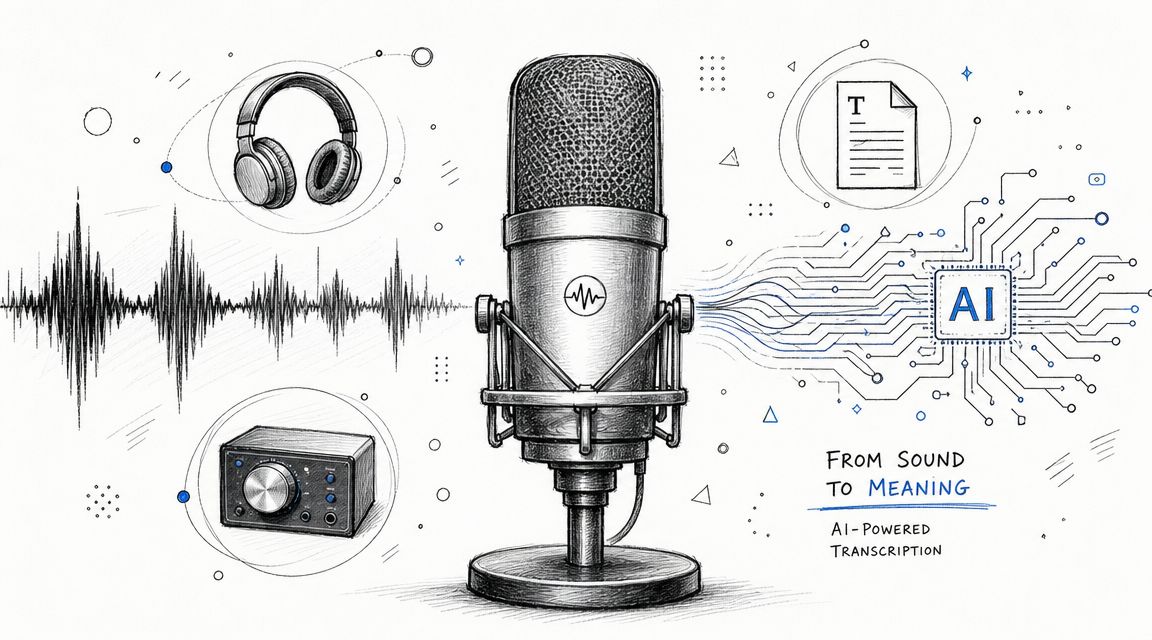
A Smarter Alternative From Audio to Insights with Transcription
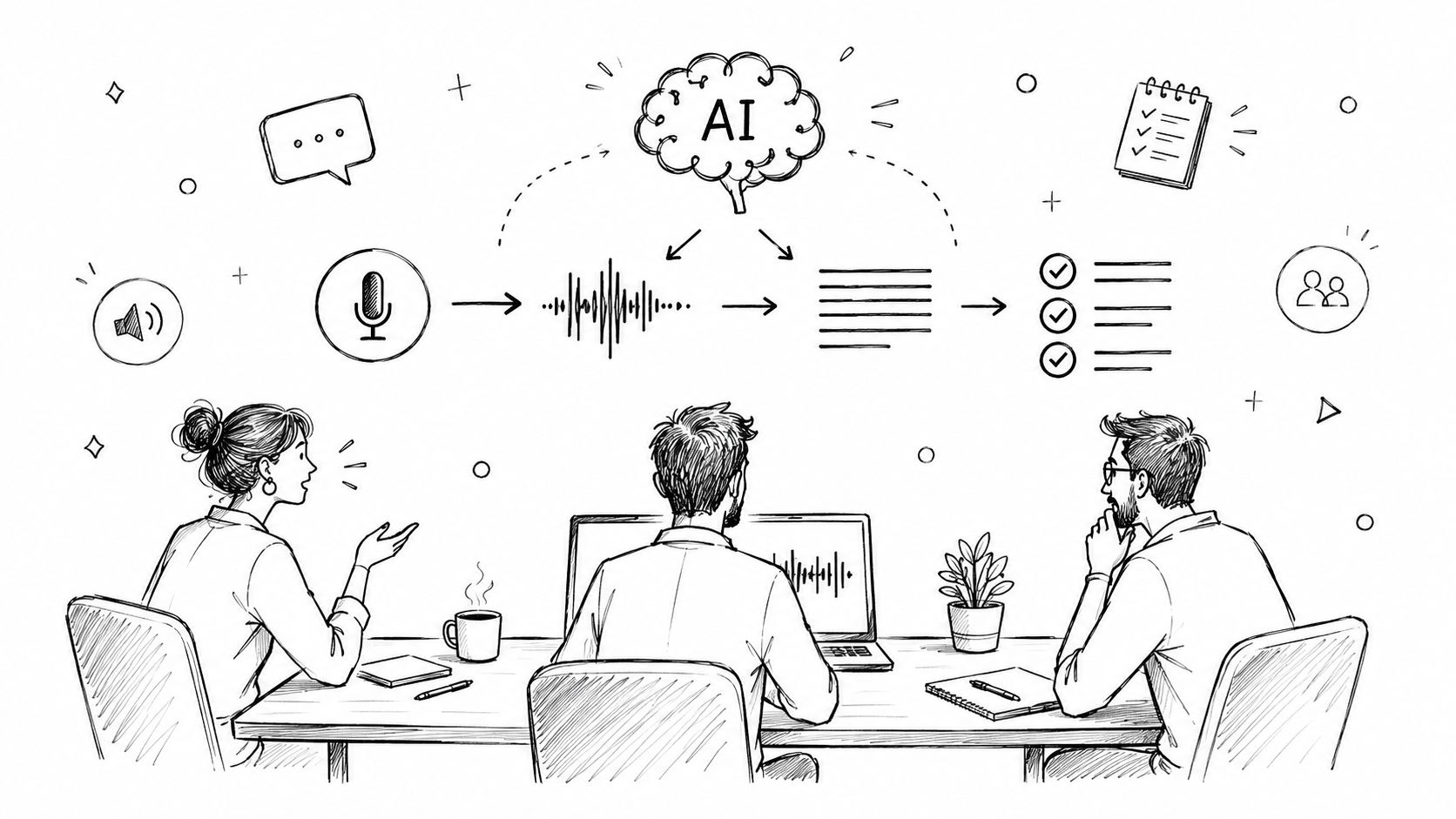
A lot of people think they need an MP3 when what they really need is access to what was said. That's a different job.

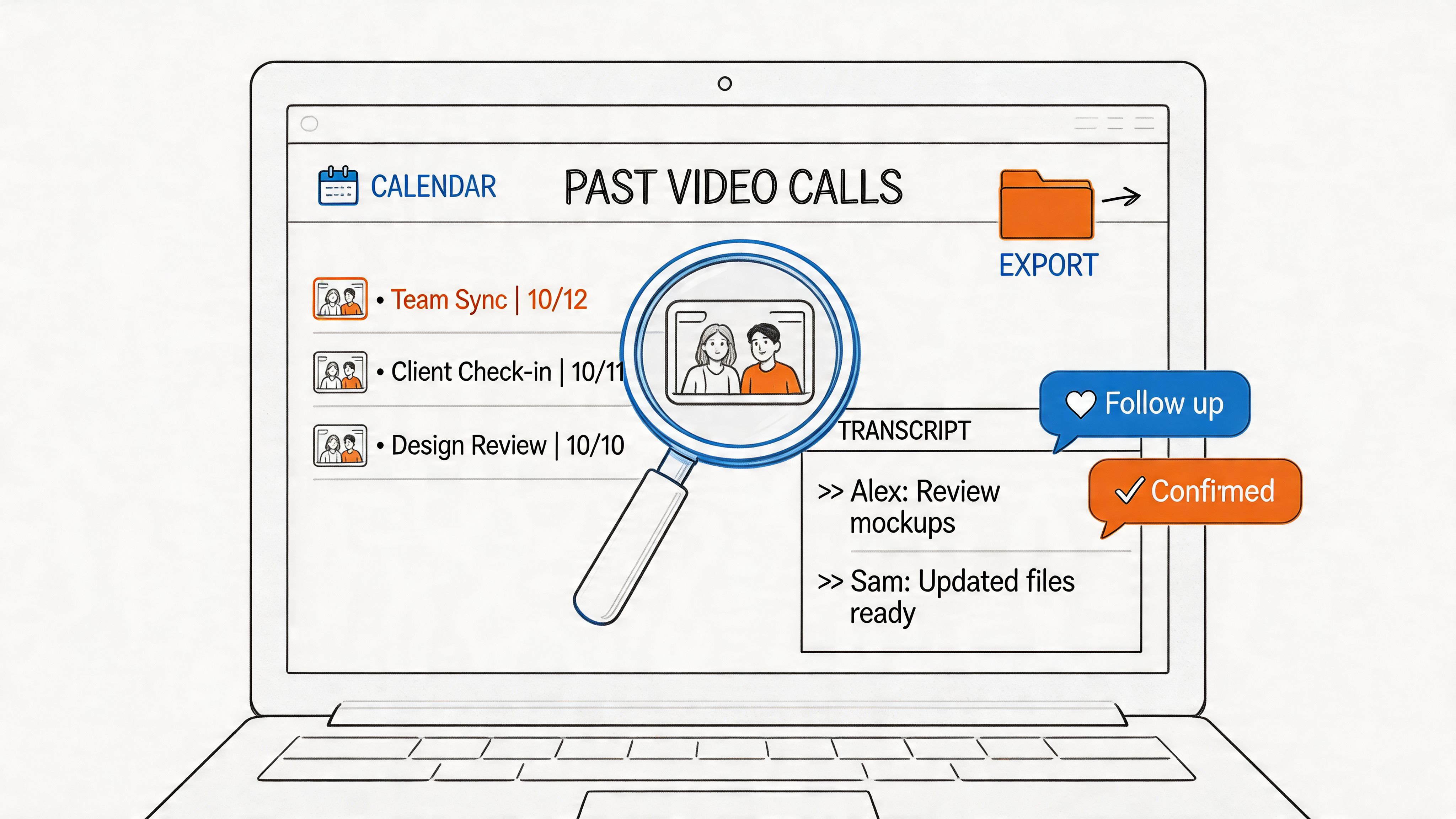
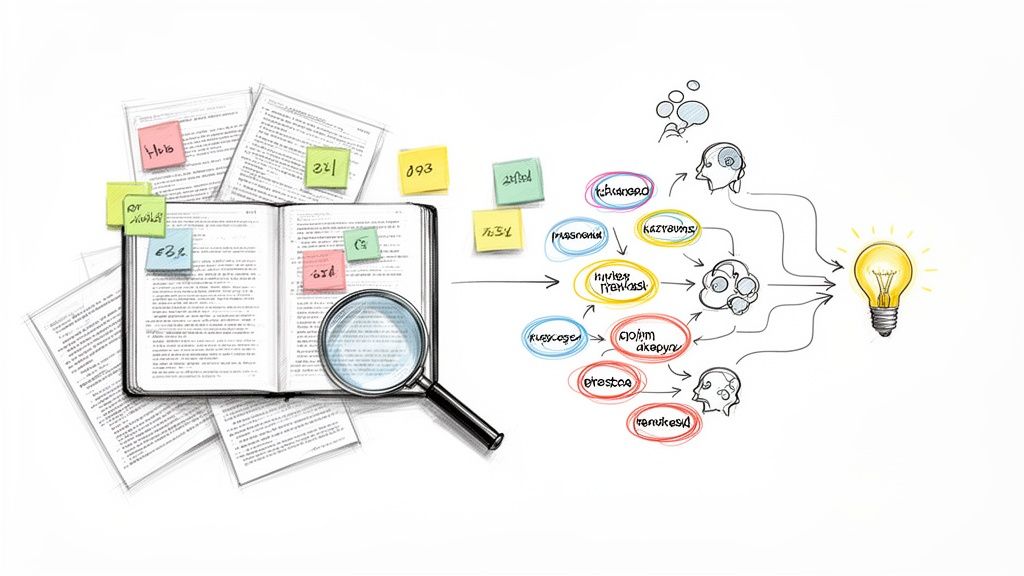
If your goal is study notes, quotes, research, content repurposing, summaries, or pulling action items from a long video, an audio file is only half useful. You still have to listen through it again. That's slow.
Why transcription is often the better workflow
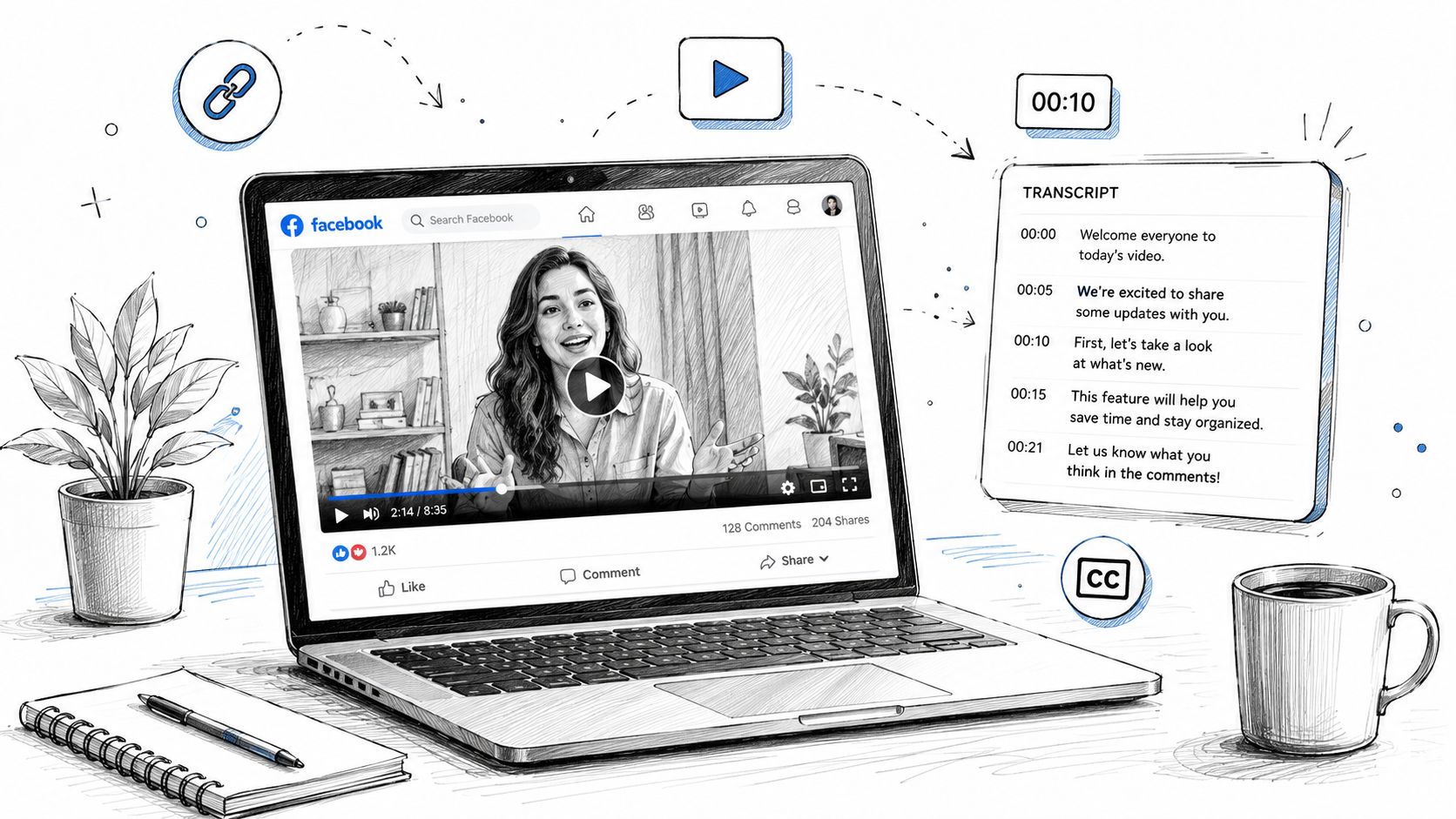
A transcript gives you something an MP3 never does:
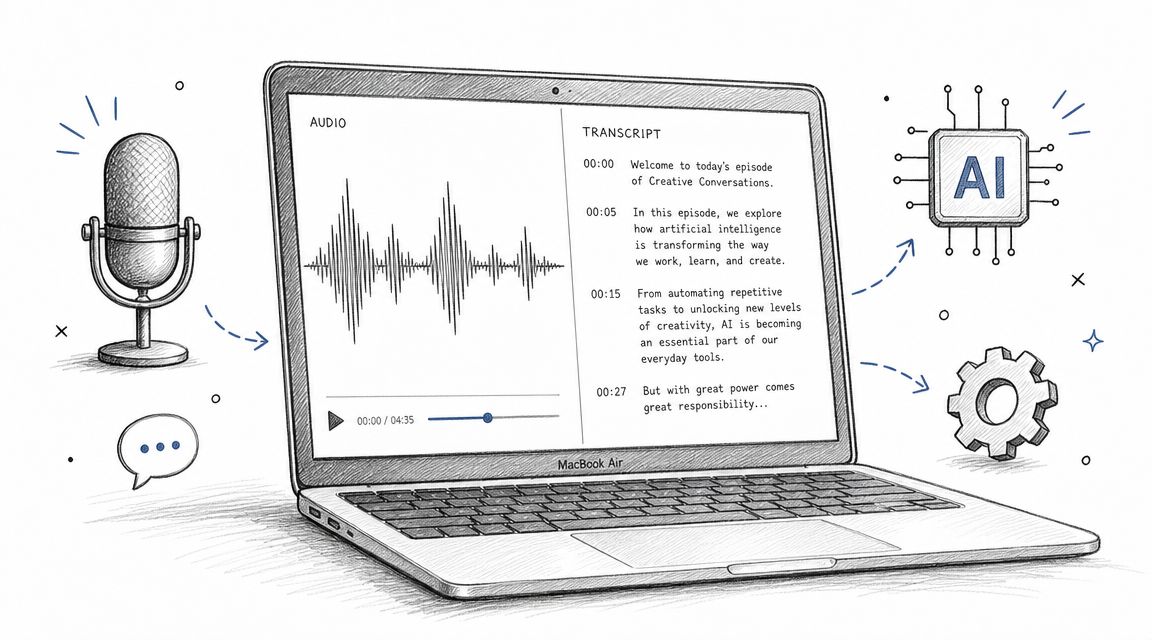
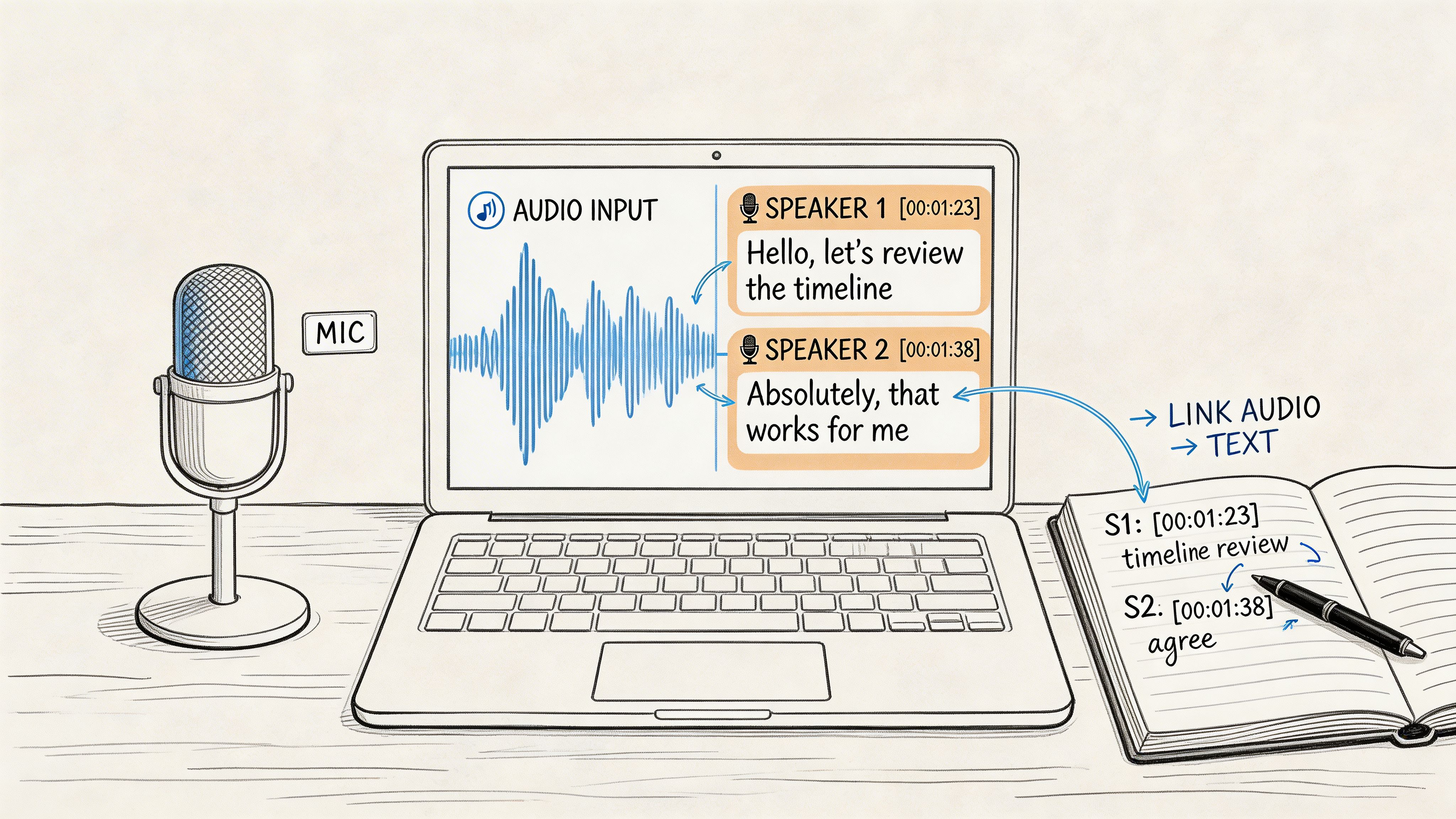
- Searchability: Find the exact moment someone mentioned a topic
- Speed: Scan a long interview in minutes instead of replaying the full recording
- Usability: Pull quotes, build notes, create summaries, and draft content faster
- Accessibility: Text is easier to review, share, and organize than raw audio alone
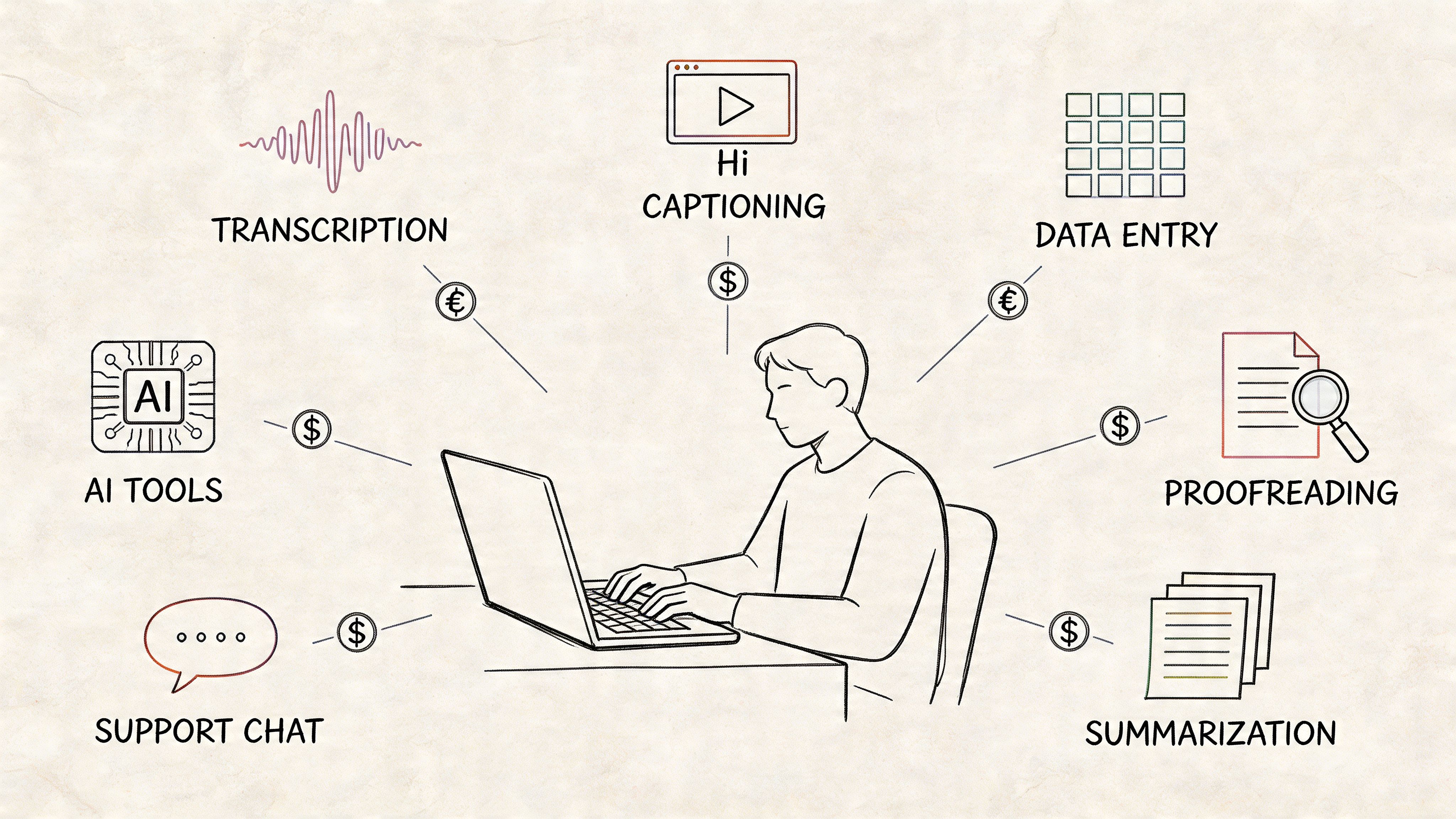
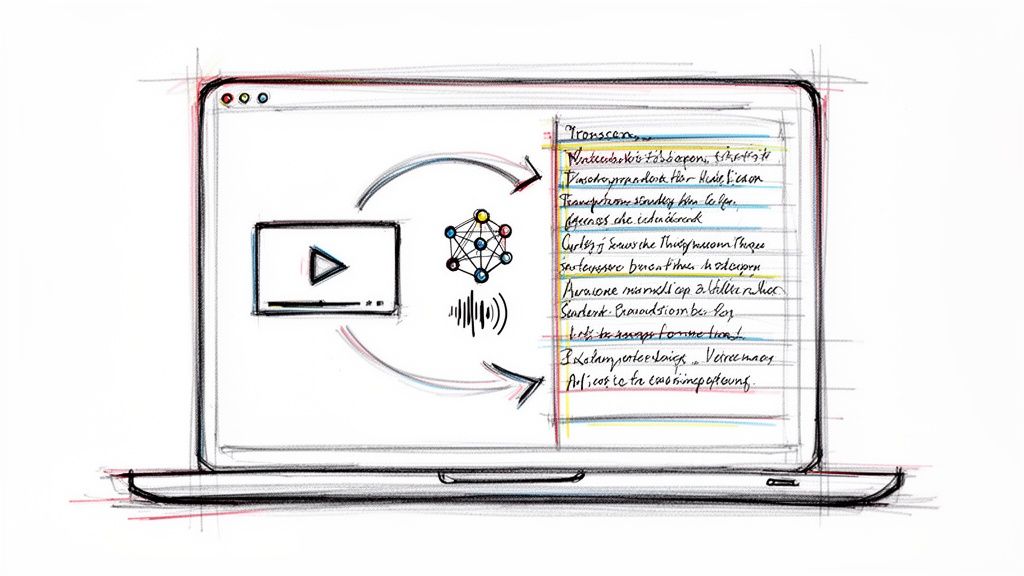
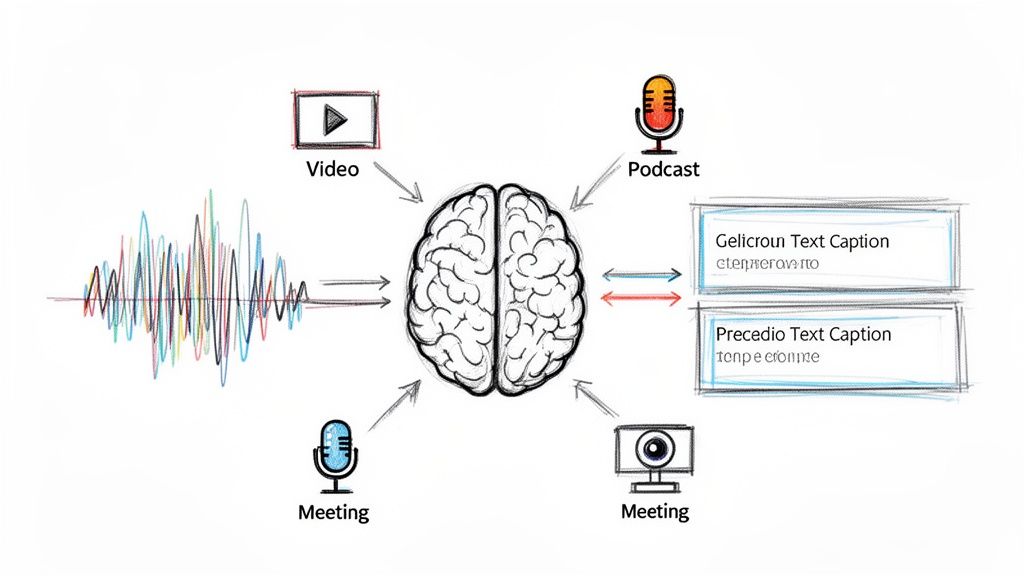
That's why serious users often move away from “download and store” and toward “transcribe and extract insights.” It changes the task from media handling to information handling.
The professional upgrade isn't a different file format. It's a workflow that lets you find meaning fast.
If that's the direction you're exploring, this overview of AI-powered transcription services is a practical starting point.
A quick demo helps show what that workflow looks like in practice:
When this beats converting youtube video to mp3
Transcription is the better choice when you're dealing with:
- Interviews
- Lectures
- Podcasts
- Webinars
- Research material
- Creator content you need to summarize or mine for clips
You still care about the audio, but only as the source. Practical value is in the text, timestamps, speaker turns, and summaries you can work with afterward.
For professionals, that's usually the stronger end state.
Frequently Asked Questions About YouTube to MP3 Conversion
What's the best audio quality you can get from YouTube
You're limited by the source stream YouTube provides. Exporting to a much higher MP3 setting doesn't create better sound if the original stream was already compressed. Matching the output sensibly is better than chasing inflated bitrate labels.
Can you convert an entire playlist
Yes, but desktop tools are much better for it than web converters. Playlist jobs need stability, file naming control, and fewer interruptions.
Is converting YouTube video to MP3 legal
It depends on the content and your rights. Your own uploads or clearly licensed material are safer cases. Other people's copyrighted content is where legal and platform issues start.
If I must use an online converter, how do I reduce the risk
Keep the task narrow. Use it for a one-off file, avoid extra clicks, don't trust every download button, and don't treat browser-based tools as your long-term workflow.
Is there a better option if I mostly want notes or summaries
Yes. If the primary need is understanding content faster, transcription and summarization are usually more useful than keeping an MP3. For a good overview of that use case, Maeve's YouTube video summary AI guide is a helpful read.
If your real goal is to turn videos, podcasts, interviews, or social clips into something searchable and usable, Whisper AI is the cleaner next step. It transcribes audio and video into accurate text, adds timestamps and speaker labels, and helps you summarize long content without getting stuck in a messy download-and-listen loop.