10 Best Social Media Video Platforms for 2026
You finish a strong edit at 6 p.m. and want it live before the day ends. The easy move is to upload the same file everywhere. That usually creates more work, not better results.
A tutorial that earns search traffic on YouTube can feel slow on TikTok. A polished brand video that fits Instagram can look too produced for LinkedIn. A fast opinion clip that starts conversation on X can disappear on Facebook without the right context. Distribution is not a copy-paste task. It is a platform choice, a format choice, and often a packaging choice.
The practical filter is simple. Ask three questions before you publish. Who are you trying to reach on this platform? What job should the video do here: get attention, build trust, spark replies, or drive leads? Does the edit match the feed culture, whether that means raw, polished, short, long, searchable, or built for quick shelf life?
This trend is why choosing the right social media video platforms matters more than ever. Cisco previously projected that video would account for 82% of global internet traffic, but the more useful takeaway for creators is operational: attention keeps shifting toward video, while each platform rewards different behavior.
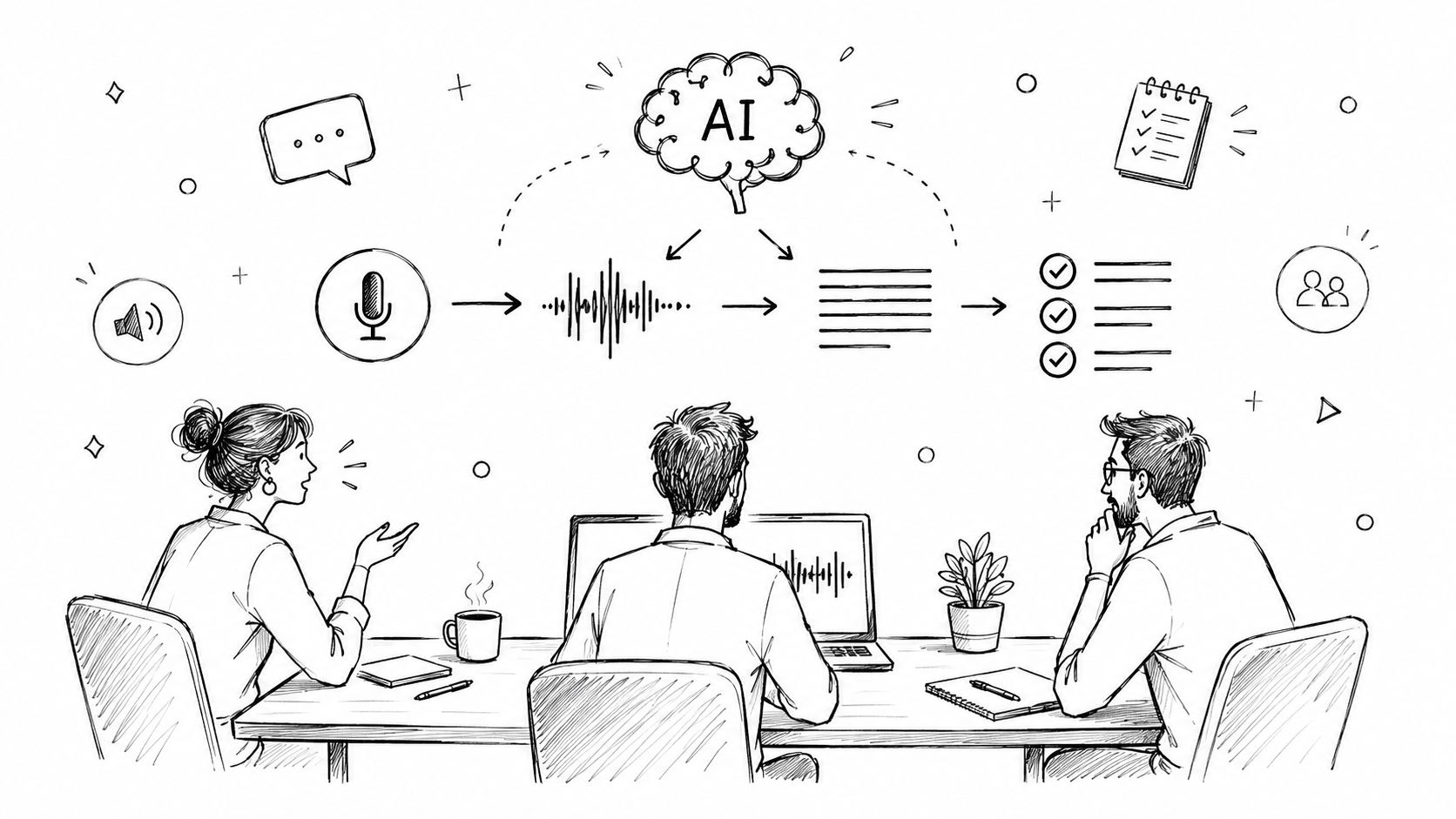
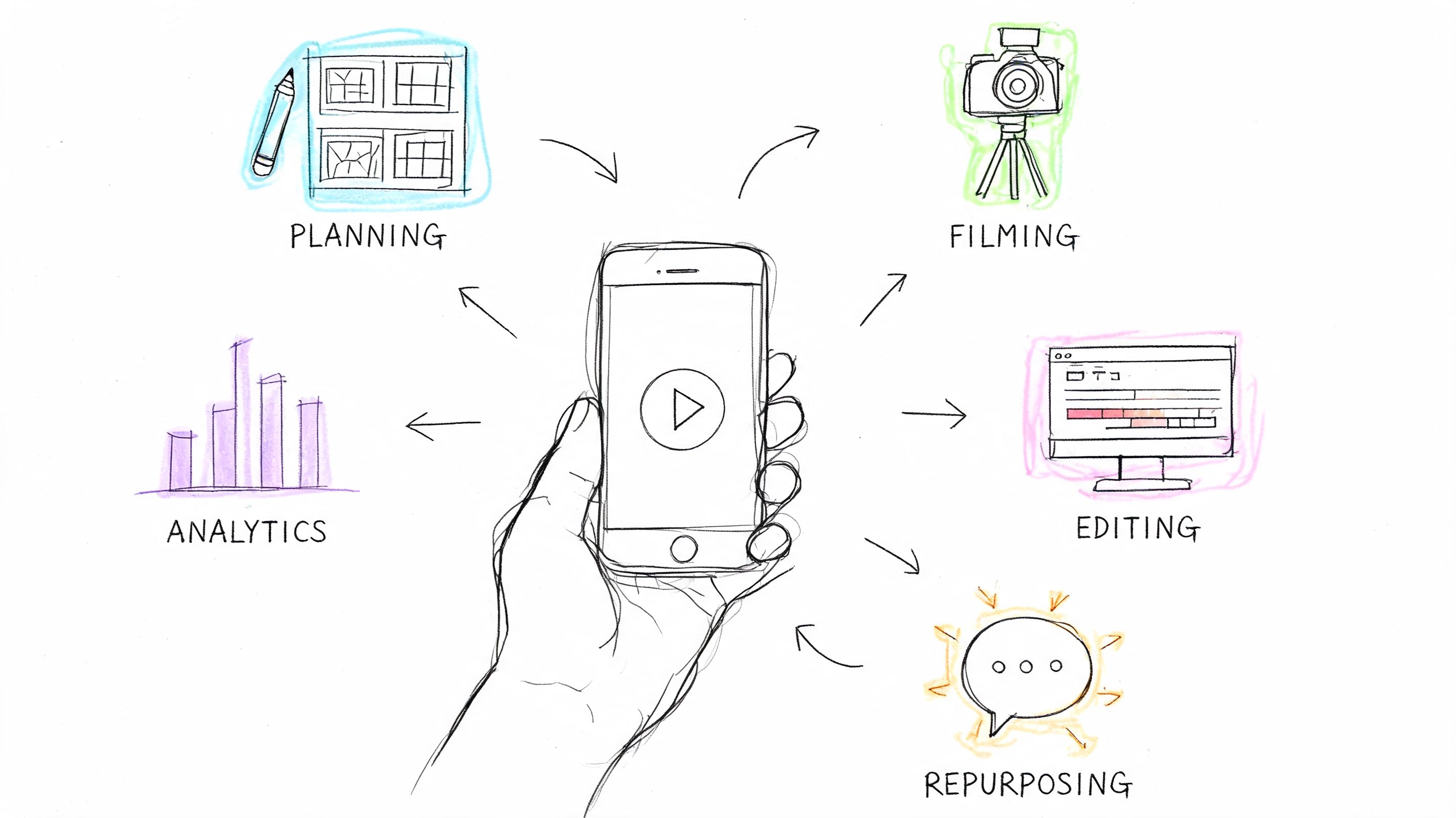
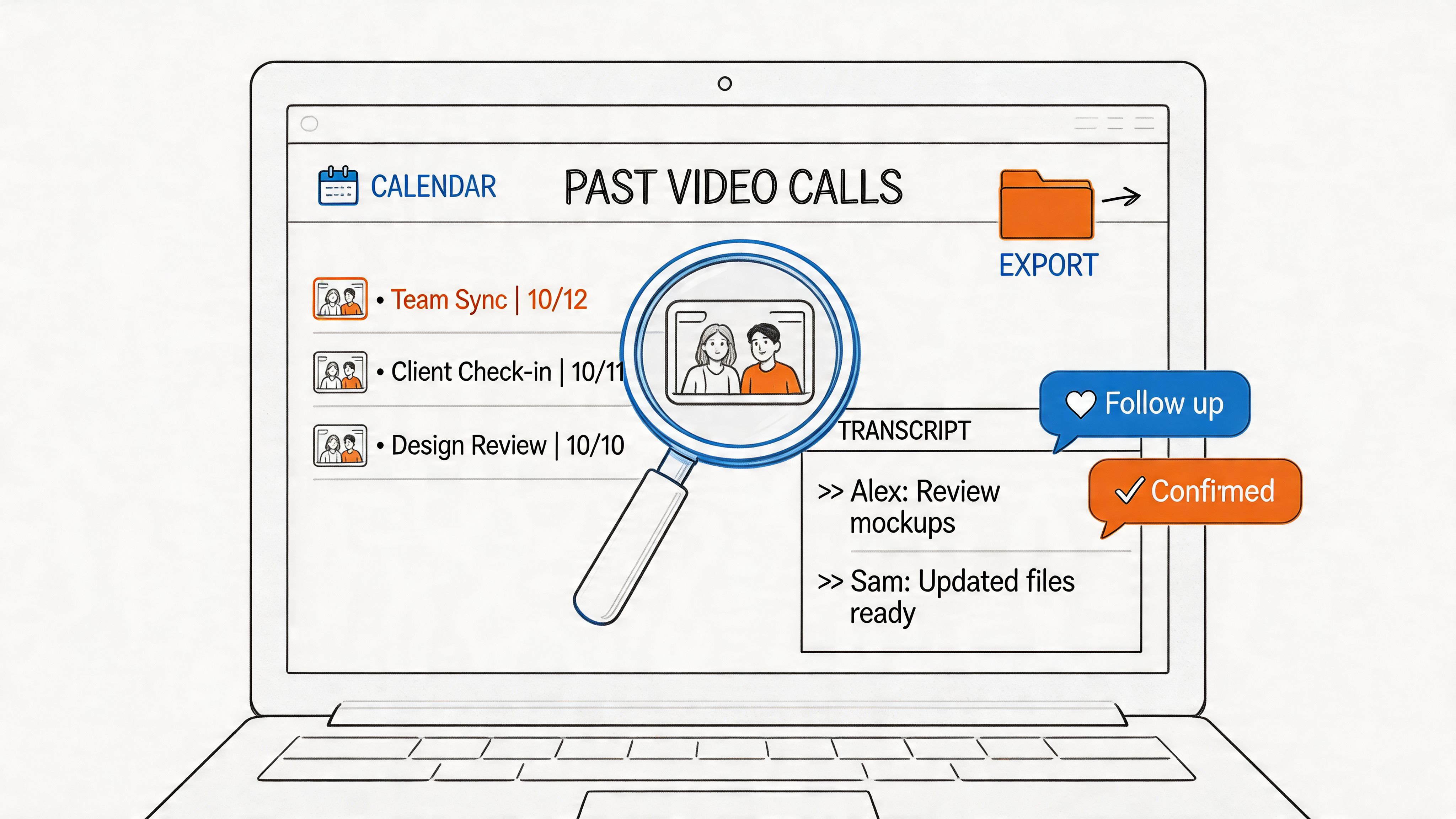
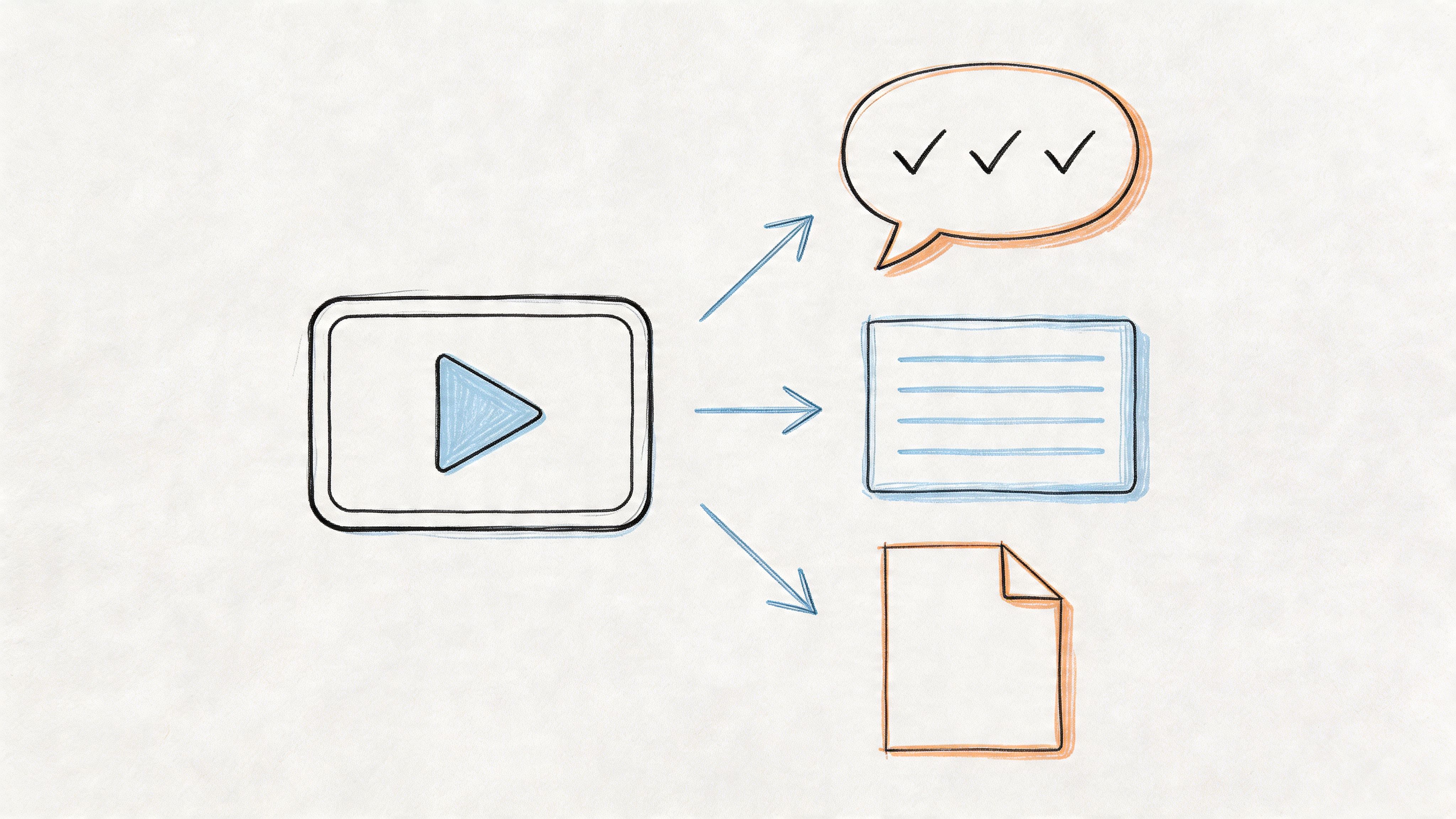
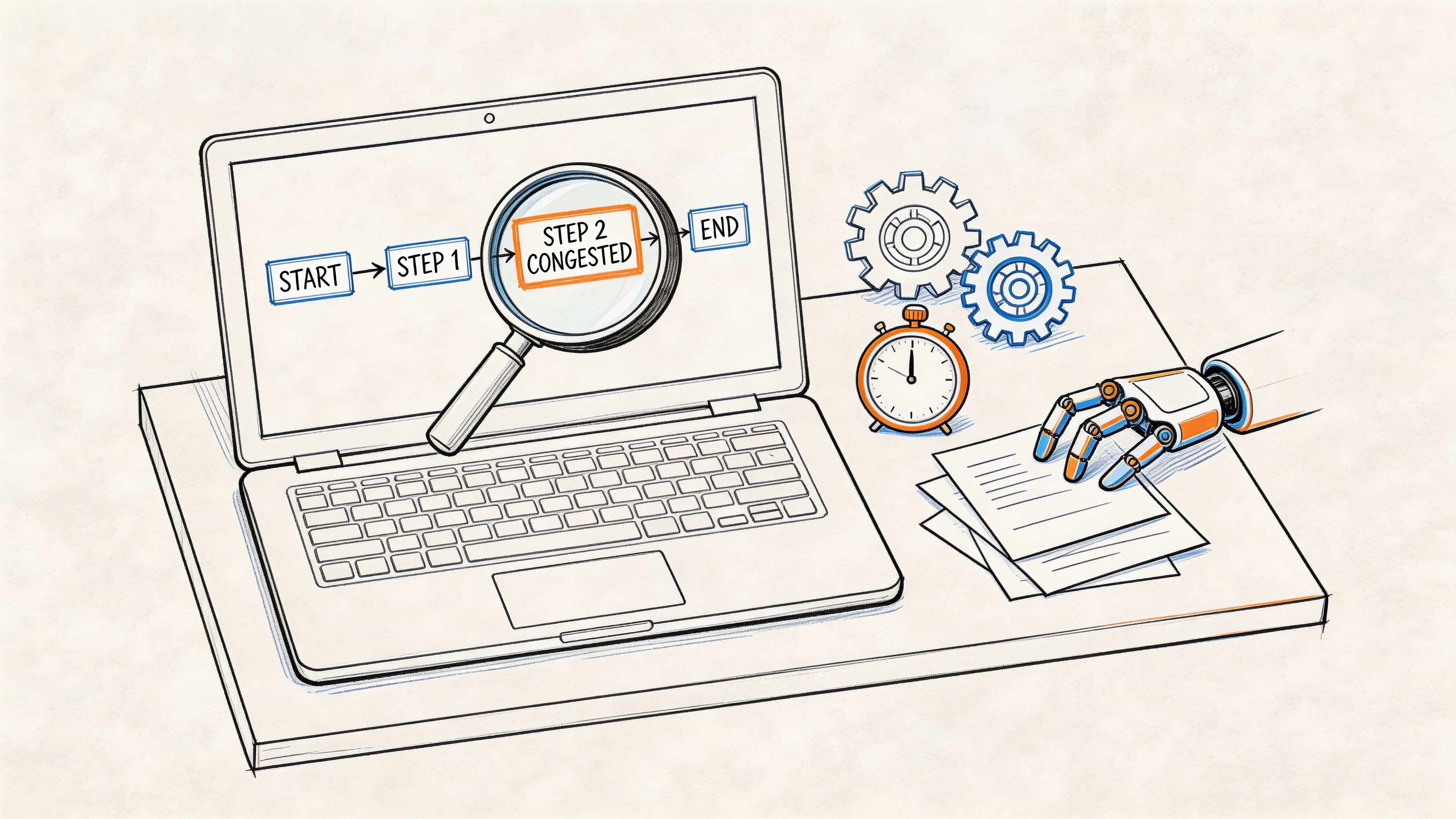
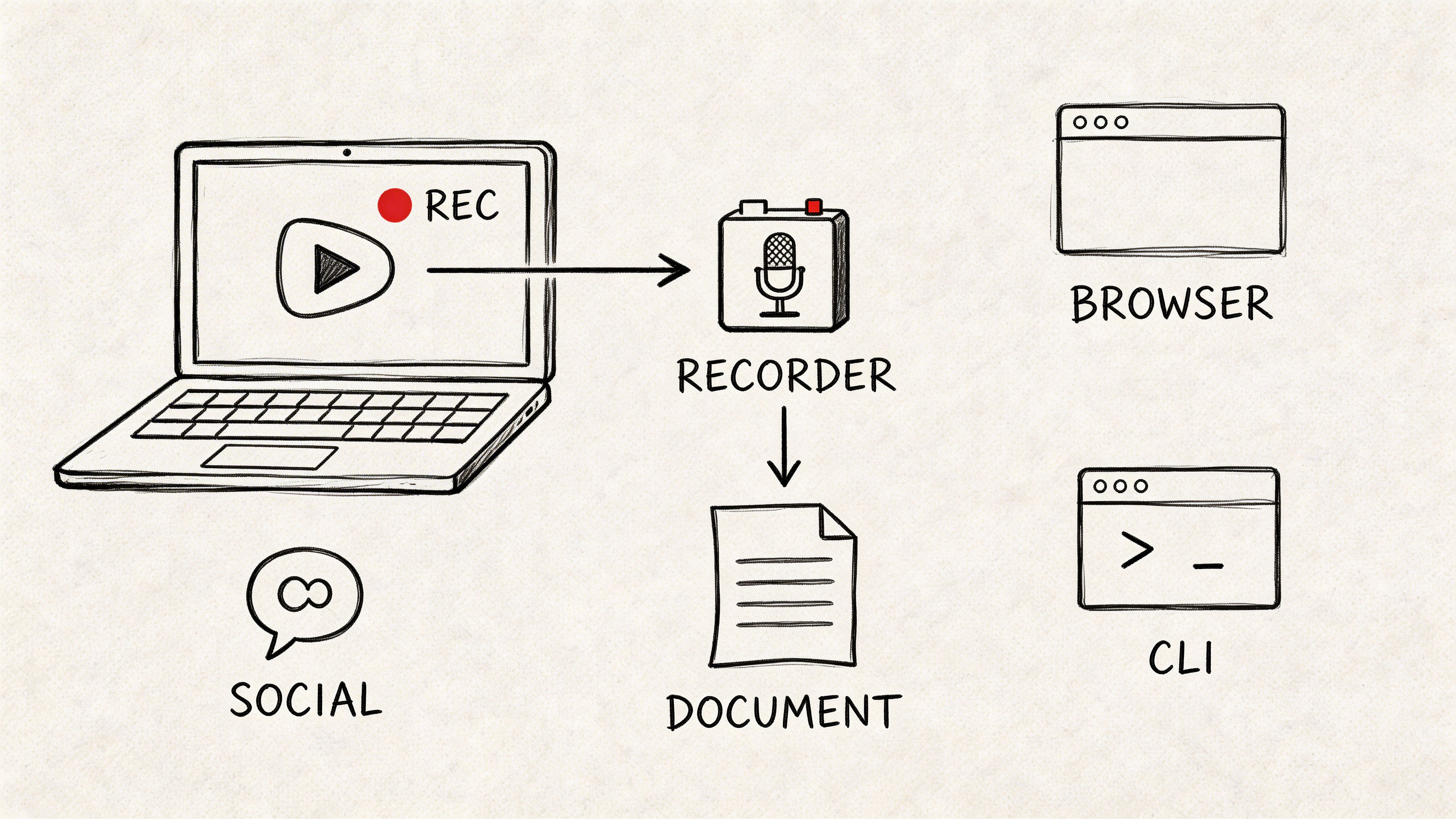
That changes how smart teams publish. The goal is not to be active everywhere. The goal is to build a platform mix that fits your content, audience, and business model, then create a workflow that lets one core asset turn into multiple native versions. In practice, that often means one primary recording, a few platform-specific cuts, and support systems like AI transcription, captioning, and repurposing workflows that remove repetitive editing work. If YouTube is part of that mix, strong packaging and YouTube SEO best practices help each video keep working after publish day.
Some platforms are better for evergreen depth. Others reward speed, familiarity, or tight community participation. The list below is built around those trade-offs, so you can choose the right stack instead of signing up for a content treadmill.
1. YouTube
A creator records a strong 20-minute tutorial, posts a clipped version everywhere, and sees the same result each week. The short clips spike, then disappear. The full video on YouTube keeps pulling views, comments, and search traffic long after publish day. That difference is why YouTube usually earns the anchor role in a video strategy.
If your content needs time to explain, demonstrate, compare, or teach, YouTube gives it the best chance to keep producing value. It handles tutorials, interviews, commentary, podcasts, product walkthroughs, live streams, Shorts, and archived event content in one place. More important, it combines search behavior with recommendation behavior, so a useful video can get discovered by intent and by interest.
Here's the homepage most creators are building around:

Where YouTube wins
YouTube works best for videos with shelf life. How-to content, product education, reviews, interviews, and topic-driven series can keep earning attention well after launch, which makes the platform a better fit for teams that want a content library instead of a stream of disposable posts.
That creates a practical advantage in a multi-platform mix:
- Long-form depth: Videos have room to explain the full idea instead of reducing everything to a teaser.
- Short-form support: Shorts give you a native way to test hooks and recycle standout moments from larger videos.
- Better catalog control: Playlists, chapters, thumbnails, and descriptions help viewers move from one video to the next with intent.
Practical rule: If the video answers a question people will still ask next month, publish it on YouTube first.
The trade-off
YouTube asks more from packaging than creators often expect. A strong recording is not enough. Weak titles, flat thumbnails, poor pacing, and vague descriptions can bury a useful video, especially in crowded categories.
It also rewards operational discipline. Transcripts, chapters, captions, and clear descriptions help both viewers and the platform understand what the video covers. If you want a repeatable process for clipping, captioning, and transcript-based editing, a stack of content creation tools for social media saves hours once publishing volume increases. Then apply YouTube SEO best practices based on the language your audience searches for.
The strategic use case is straightforward. Put the full idea on YouTube when depth and discoverability matter. Then cut the best moments for faster platforms. That split keeps YouTube focused on evergreen value instead of forcing every platform to do a job it was not built for.
2. TikTok
You post a clipped insight at 9 a.m., and by lunch you know whether the topic has real pull or just sounded good in the edit. That feedback speed is TikTok's real advantage. Use it when the goal is testing demand, sharpening hooks, and finding out which angle earns attention without weeks of production behind it.
TikTok rewards clarity fast. The opening line has to carry weight. The frame has to make sense on a phone. The payoff has to arrive early enough that viewers do not swipe before the point lands. For creators with strong opinions, recognizable personality, or repeatable short formats, it is often the quickest way to pressure-test an idea before turning it into something bigger.
Where TikTok fits
TikTok works best as the top of your video system, especially for content that can stand on one sharp point. A lesson, contrarian take, reaction, mini demo, or story beat can travel well here because the platform is built around fast pattern recognition. Viewers decide quickly, and the algorithm responds quickly.
That makes it useful for a few specific jobs:
- Hook testing: Run multiple openings on the same core idea and see which framing earns watch time.
- Format validation: Test recurring series before committing to longer production workflows.
- Niche reach: Specific subcultures often respond to direct, focused clips faster than broad brand messaging.
- Repurposed momentum: One strong moment from a podcast, interview, webinar, or livestream can become a standalone post.
If your team is clipping from long-form, speed matters more than fancy editing. Searchable transcripts, fast excerpting, and caption cleanup usually do more for output than another transition pack. That is why many creators build TikTok production around content creation tools for social media that support transcript-based repurposing and faster publishing.
Sound also matters more here than on several other platforms. If your workflow depends on music-led pacing, trend-aware edits, or matching cuts to audio, AI music tools for TikTok creators can save real production time.
Use TikTok to test messages and formats quickly. Do not ask it to carry your archive, your search strategy, and your customer education at the same time.
The trade-off
TikTok gives you speed, but it takes away stability. A post can hit hard for a day and then disappear from your working mix. Trend formats expire fast. A clip that performs well there may still fail on YouTube or LinkedIn because the audience expectation is completely different.
It is also a weak home for videos that need setup, nuance, or reference value later. If someone needs to find the piece again in three months, TikTok is rarely the best primary home. I treat it as an input signal, not the final shelf.
The practical strategy is to publish the strongest short angle on TikTok first when you need rapid feedback. If it gets traction, expand it on a platform that supports depth, stronger organization, or better long-tail discovery. That is how TikTok fits into a platform mix. It helps you find winners early, then move the proven ideas into formats that last longer.
3. Instagram
You post a strong short video. It gets shared in DMs, pulls profile visits, and starts conversations in Stories. Then a new viewer lands on your grid, checks your Highlights, and decides whether your brand feels credible enough to follow. That sequence is why Instagram still matters. It asks your video to do more than earn a view. It has to support identity, trust, and ongoing attention.
Instagram works best when presentation affects performance. Reels can bring in new people, Stories keep active followers engaged, and the feed still shapes first impressions once someone clicks through. For consumer brands, creators, coaches, and product-led businesses, that mix gives Instagram a different job than TikTok or YouTube. It is often the platform where discovery and brand perception meet.
Where Instagram fits
Instagram is a strong home for videos that benefit from context around the clip itself. Product demos, transformations, routines, founder updates, customer proof, and collaboration content all perform better when the surrounding profile adds social proof and visual consistency.
I'd use Instagram for three jobs:
- Reels for discovery: Short tutorials, opinion clips, visual hooks, before-and-after edits, and fast answers to common questions.
- Stories for relationship-building: Polls, replies, launch reminders, casual updates, and follow-up context after a Reel performs well.
- Feed and profile assets for conversion: The grid, pinned posts, and Highlights help a new visitor decide whether to trust the account.
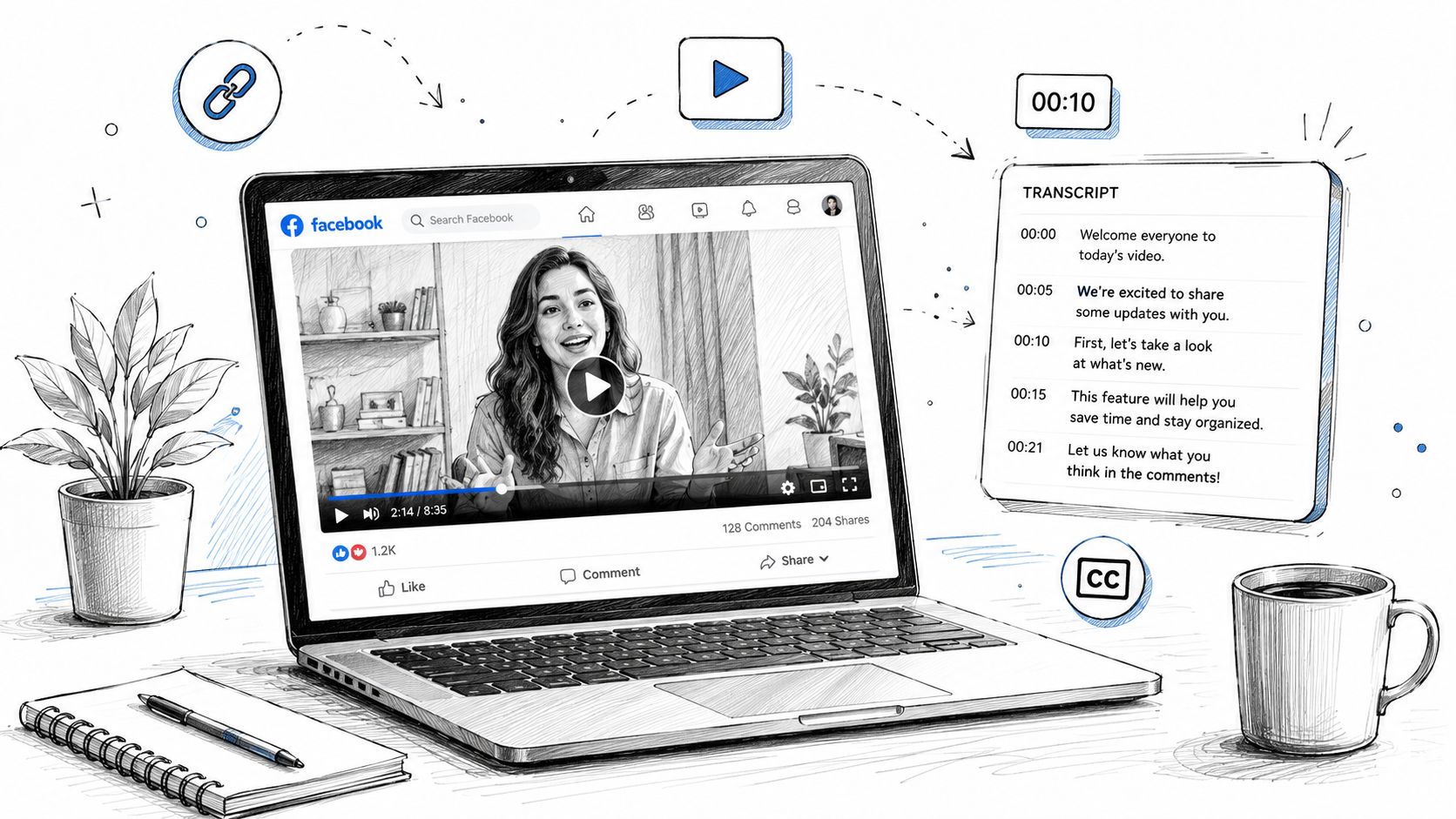
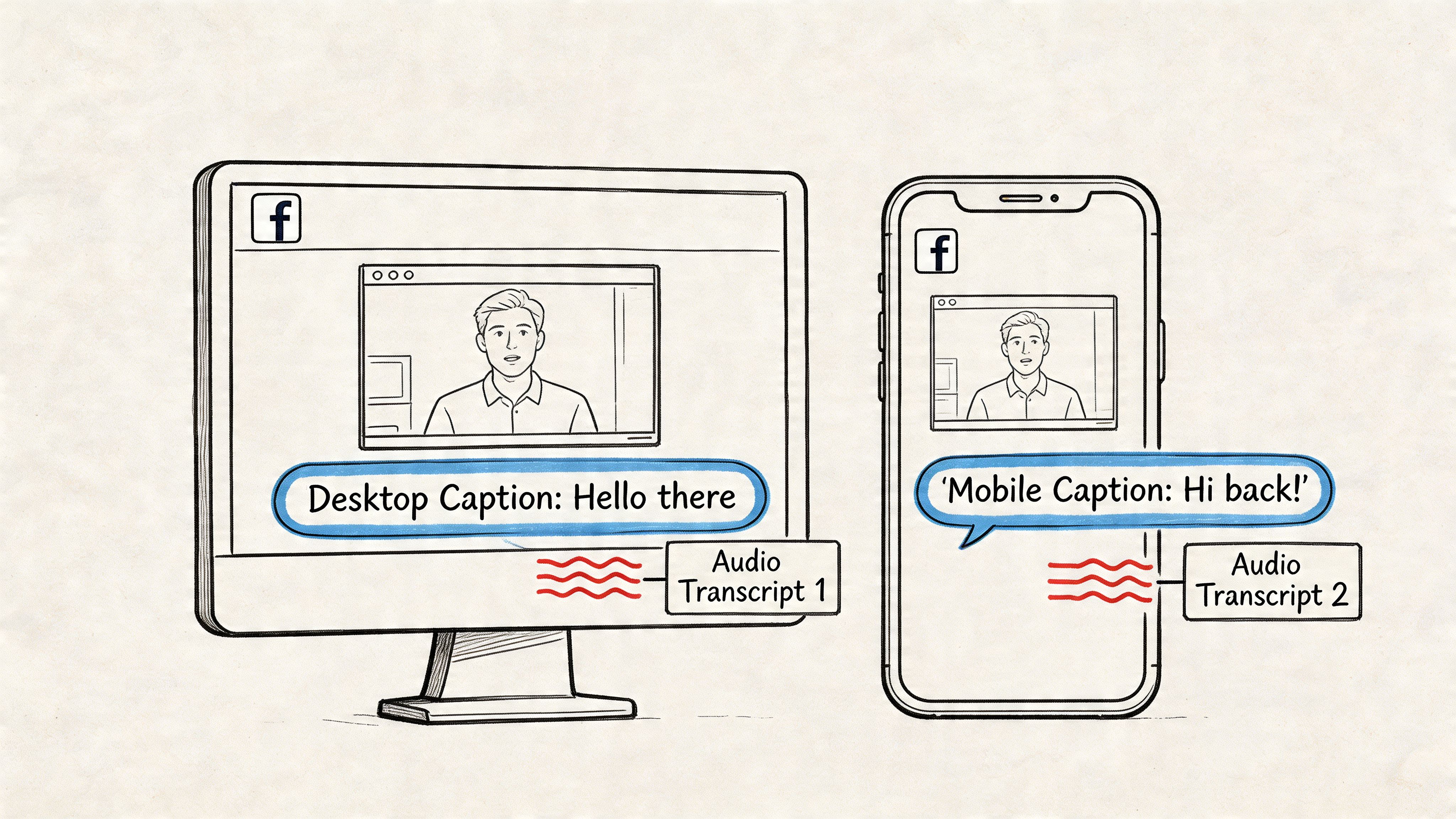
Captions matter here more than many creators expect, especially for viewers watching with sound off in Reels or tapping through Stories quickly. A good workflow for Facebook video captions and mobile-friendly subtitle formatting also carries over well to Instagram because the viewing behavior is similar.
Instagram also rewards teams that repurpose with intent. A Reel can start as a clipped lesson from a longer video, then become a Story sequence, a carousel script, or a DM follow-up asset. AI transcription helps here because it shortens the time between recording and redistribution. Instead of editing from scratch for each format, you can cut one source video into multiple Instagram-native outputs.
If your short-form process already depends on soundtrack selection, pacing, or trend-aware edits, the same production choices often overlap with TikTok. These AI music tools for TikTok creators can also inform how you package Instagram Reels.
The trade-off
Instagram rewards consistency, but not a single fixed style. Polished edits can work. So can low-production talking-head clips. The challenge is that creators have to match the format to the audience moment. A well-shot Reel may bring reach, while a rough Story update can do more for replies and sales.
That is why Instagram works best inside a platform mix. Use it for brand-led short video, relationship maintenance, and conversion support after discovery. Do not rely on it as your main library for searchable education or long-term reference content. Instagram is where people decide how your brand feels, not where they usually go to study your best ideas in depth.
4. Facebook
A local business posts the same short video to Instagram and Facebook. Instagram brings views. Facebook brings event RSVPs, comments from existing customers, and shares inside neighborhood groups. That difference is the whole reason Facebook still deserves a place in a smart platform mix.
Facebook works best when your video spreads through relationships, communities, and existing audience ties. If you run a local brand, membership business, education business, nonprofit, or event-driven company, Facebook can outperform trend-first platforms on outcomes that matter more than raw reach. Analysts cited by Hashmeta's video marketing statistics roundup note that short-form video remains a major behavior on Facebook, which is why Reels and feed clips still deserve attention here.
Where Facebook earns its spot
Use Facebook when the goal is response from people who already have a reason to know you. Pages, Groups, Events, and local sharing patterns give it a different job from YouTube or TikTok. It is less about building a searchable library and more about activating trust that already exists.
Facebook tends to be a strong fit for:
- Community-based distribution: Group posts, member updates, event reminders, and niche communities where comments matter more than broad discovery.
- Local and service businesses: Videos tied to a place, schedule, offer, or customer relationship often get better business results here than trend-driven clips elsewhere.
- Live and timely updates: Q&As, announcements, behind-the-scenes coverage, and event check-ins perform best when people already follow the business or organizer.
- Repurposed short-form: Instagram Reels and trimmed clips can work on Facebook too, but they usually need a stronger caption or local angle.
That last point matters. Facebook is rarely the first platform to design around. It is often the platform that helps you get more value from footage you already made.
The trade-off
Facebook punishes lazy reposting faster than many teams expect. A clip that works on Instagram because of aesthetics or momentum may stall on Facebook unless the post answers a practical question: why should this audience care today?
Context carries more weight here. A short video attached to an event, customer problem, community topic, or local conversation has a clear job. A random repost does not.
Captions also matter because a lot of viewing starts without sound in-feed. If your workflow includes turning longer videos into short clips, a clean system for Facebook video captions saves time and makes repurposing more reliable. AI transcription helps here for a simple reason. It shortens the gap between recording once and publishing several Facebook-ready edits with readable subtitles, quote cards, and post copy.
I would not use Facebook as the main platform for building a creator brand from scratch. I would use it as a distribution layer for community-driven video, especially when the business already has an email list, customer base, event calendar, or active group structure. That is the strategic choice. Put your original energy into the platform that creates demand, then use Facebook to capture extra reach and stronger response from the audience that already knows your name.
If part of your process already includes clipping videos into opinion-led posts, the writing discipline behind a good caption also overlaps with social commentary formats. The same editorial judgment in a guide to quote tweeting like a pro applies here too. Context changes performance.
5. X formerly Twitter Video
X is less about building a video library and more about attaching video to conversation. That's the difference that decides whether it's useful for you. If your content benefits from timing, reactions, commentary, politics, sports, tech, finance, media, or public discussion, X can still move fast.
The platform rewards relevance over polish. A clean clip tied to a live moment can outperform a better-produced video posted at the wrong time. That's why journalists, analysts, founders, and creators with strong opinions often get more from X than creators whose work depends on evergreen viewing.
Best use cases on X
Native video works well when it supports a broader thread, debate, or event cycle. Instead of treating the clip as the whole post, use it as the proof, demo, or excerpt that drives replies and reposts.
This platform is strongest for:
- Real-time reactions: Commentary during launches, games, breaking news, or industry moments.
- Contextual clips: Posting a segment from a longer interview with a text thread that frames why it matters.
- Conversation-driven distribution: Letting the comment layer extend the life of the video.
If your workflow already depends on threaded storytelling, this is also where strong copy matters as much as editing. The same principle behind a good video hook applies to a good quote post, which is why tactics from this guide to quote tweeting like a pro often translate well to video distribution too.
A weak X video usually isn't a video problem. It's a timing problem or a framing problem.
The trade-off
X is volatile. Features change. Discovery shifts. Longer uploads may depend on paid tiers. The environment can also be noisy enough that thoughtful educational content gets buried unless the topic already has momentum.
Use X if your video needs discussion. Skip it if you want calm, searchable, evergreen performance.
6. Snapchat
Snapchat is easy to underestimate because so much of its value comes from behavior that doesn't look like traditional creator growth. People use it as a camera-first communication tool, and that changes what kind of video feels native there.
This isn't where I'd post a polished mini-documentary and expect it to spread. It is where personality-driven vertical clips, casual updates, and camera-native moments can feel natural with much less production overhead.
Where Snapchat makes sense
Snapchat works best for creators and brands that already understand younger audience behavior and don't need every post to become a durable public asset. Spotlight gives public discovery. Stories keep ongoing audience contact. AR lenses and lightweight editing make it useful when speed matters more than finish.
Good fits include:
- Casual brand presence: Daily snippets, creator check-ins, quick reactions, and playful updates.
- Youth-oriented campaigns: Products, entertainment, fashion, and creator-led storytelling.
- Face-first content: Clips where authenticity matters more than heavy scripting.
What to expect
Searchability is limited compared with YouTube or Pinterest. Conversation depth is lighter than Reddit or X. A lot of the value is in frequency, familiarity, and native platform feel.
That means Snapchat usually works as a support channel, not the center of your video system. If your content engine depends on evergreen discovery or long-tail search, put your effort elsewhere first. If your audience lives on the camera and responds to informal updates, Snapchat can be a smart add-on.
Its best use is often simple. Show the human layer of the brand there, not the entire brand story.
7. Twitch
Twitch is still the best mainstream platform for creators whose core strength is live presence. If your audience shows up for the process, not just the polished outcome, Twitch has a role that short-form apps can't replace.
That matters for gaming, music, creative work, commentary, education, coding, and IRL formats where the chat itself is part of the product. Twitch turns long sessions into community time, then lets you pull VODs and clips from that live source.
Here's the environment most live-first creators are working inside:

What Twitch does better than others
Twitch is excellent at building habit. Viewers don't just watch a finished piece. They return for a stream slot, a recurring show, or a creator relationship built through chat.
Its strongest advantages are practical:
- Live community depth: Chat, emotes, moderation tools, and channel culture create loyalty.
- Clip generation: Good moments can be cut quickly and reused elsewhere.
- Monetization tied to fandom: Subs, Bits, and ads reward creators with engaged communities.
The trade-off
Discovery is weaker than on algorithm-heavy short-form platforms. If nobody knows you exist, Twitch won't solve that on its own. VOD retention can also be limiting depending on account setup, so relying on Twitch as your archive is risky.
The strongest setup is to stream on Twitch, archive important content on YouTube, and turn clips into Shorts, TikToks, Reels, or subreddit posts. This is also where transcript-based workflows help. Long streams produce too much material to review manually, so searchable transcripts, timestamps, and speaker-separated summaries can make stream repurposing far more manageable.
Twitch is where you build the relationship. Other platforms are where you package the proof of that relationship.
8. LinkedIn
A consultant posts the same 45-second insight on TikTok, Instagram, and LinkedIn. TikTok gets more views. LinkedIn gets the inbound message from a buyer, a podcast host, or a hiring manager. That is the primary reason to use LinkedIn video. It reaches people in a professional context, where useful content can turn into pipeline, credibility, and opportunities faster than on entertainment-first feeds.
LinkedIn fits videos that answer a work question clearly. If the clip helps someone do a job better, understand a market shift, avoid a mistake, or explain a decision to their team, it has a real shot. That makes the platform a strong match for B2B creators, consultants, operators, recruiters, coaches, educators, and founders.
What works on LinkedIn
The best LinkedIn videos usually start with a specific business problem and resolve it fast. Broad motivation posts get attention for a day. Clear expertise gets remembered.
Formats that tend to hold up well include:
- Practical explainers: One process, one lesson, one mistake, one useful framework.
- Webinar and podcast cuts: Short sections with a strong takeaway, not just a highlight with no setup.
- Point-of-view clips: Reactions to industry news, policy changes, product shifts, or hiring trends.
- Executive and team visibility: Founder updates, operator insights, behind-the-scenes decision making.
Production polish matters less than relevance, but clarity matters a lot. Clean audio, readable captions, and a caption post that adds context usually beat flashy editing. I have seen simple webcam videos outperform polished brand edits on LinkedIn because the idea was sharper and easier to apply.
The trade-off
LinkedIn has narrower creative range than TikTok or Instagram. Humor can work, but trend formats often feel out of place unless your audience already knows your voice. The feed also punishes vague self-promotion. A video that says "we're excited to announce" rarely does much unless the announcement solves a real problem for the viewer.
This platform is also slower and more selective. You may get fewer raw views here than on short-form entertainment apps. The upside is intent. A smaller number of qualified viewers can matter more than a larger number of casual ones.
That changes how I recommend using LinkedIn in a platform mix. Do not treat it as your main discovery engine unless your niche is highly professional. Use it as your trust and conversion layer. Publish broad awareness content on YouTube, TikTok, or Instagram. Then bring your strongest insights, client lessons, webinar clips, and opinionated analysis to LinkedIn, where buyers and peers are more likely to act on them.
LinkedIn also benefits from a good repurposing system. Webinars, interviews, internal trainings, and podcast recordings can all become short native clips if you can pull clean moments quickly. AI transcription helps here. Search the transcript for objections, useful quotes, or decision points, then cut those into concise videos with captions. That workflow saves time and makes LinkedIn easier to sustain without recording from scratch every week.
9. Pinterest
Pinterest is often dismissed as “not really social,” but that's exactly why it can be valuable. It behaves more like a visual discovery engine than a conversation platform. For the right categories, that makes it a very useful place to host evergreen video snippets.
I like Pinterest for content that solves recurring problems visually. Recipes, DIY, home projects, productivity systems, beauty, education, templates, checklists, and step-based tutorials all fit the platform well.
Here's the kind of search-led environment Pinterest supports:

Why Pinterest is different
Unlike platforms driven by fast conversation, Pinterest lets a good idea keep circulating when search intent stays strong. Users often arrive looking for a method, an answer, or inspiration they can save for later.
That's why Pinterest video works best when it's:
- Searchable: Clear titles, visible text, and focused topics matter.
- Step-based: Tutorials and transformations are easier to save and revisit.
- Linked to a destination: Blog posts, product pages, courses, or longer videos benefit from the referral intent.
The trade-off
Pinterest isn't built for audience intimacy. Comments and creator community are lighter than on Instagram, Reddit, or Twitch. If your brand depends on back-and-forth interaction, this won't replace those platforms.
But if you already produce educational or lifestyle content, Pinterest can give your clips a longer working life than trend-driven feeds. It's especially useful when you can turn one larger video into several small, keyword-rich extracts with clean captions and clear takeaways.
Use Pinterest when your viewer wants to save the answer, not just react to it.
10. Reddit
A 30-second clip can disappear on a fast feed and still become valuable on Reddit if it answers the right question in the right subreddit. That is the core trade-off. Reddit offers less predictable scale than TikTok or YouTube Shorts, but the response is often sharper, more specific, and more useful.
It works best for creators who want signal, not just impressions. If you publish tutorials, product breakdowns, experiments, developer content, finance commentary, gaming analysis, or podcast excerpts with a clear opinion, Reddit can outperform larger platforms on quality of feedback. Niche communities often create stronger organic traction than broader social feeds, especially for specialized topics, as noted in this discussion of underrated social platforms and niche community opportunity.
What Reddit is good for
Reddit rewards context. A clip needs a reason to exist inside the thread, not just a title and a thumbnail.
Use it for:
- Problem-solving videos: Quick fixes, walkthroughs, test results, and side-by-side comparisons.
- High-context excerpts: A strong minute from a podcast, livestream, webinar, or interview, posted where that exact topic already has an active audience.
- Market research: Comments often reveal objections, confusion points, and follow-up questions you can turn into your next video.
- Community-first repurposing: One long-form recording can become several Reddit-ready clips if each one answers a specific subreddit-level interest.
Workflow plays a critical role. AI transcription is especially useful with Reddit because it helps you scan long recordings for quotable moments, recurring questions, and precise answers. Instead of trimming clips at random, you can pull segments that match the language people already use in those communities.
The trade-off
Reddit has a higher posting tax than many video platforms. You need to read subreddit rules, watch tone, and decide whether native upload, a text post with embedded context, or a linked clip fits best. Self-promotion is heavily policed in many communities, and audiences can spot recycled platform-first content immediately.
That friction is also the advantage. If a post earns traction on Reddit, it usually means the idea resonated with a specific audience, not just an algorithmic burst. Use Reddit when your goal is validation, feedback, and topic testing. Skip it if your workflow depends on fast distribution with minimal adaptation.
For a smart platform mix, Reddit usually plays a supporting role rather than serving as the primary video home. Publish the full asset on a platform built for hosting and discovery. Then cut Reddit versions for niche communities where discussion adds value to the content and the content adds value to the discussion.
Top 10 Social Video Platforms Comparison
| Platform | Best fit (👥) | Core features & USP (✨) | UX & Discoverability (★ / 🏆) | Monetization & Value (💰) |
|---|---|---|---|---|
| YouTube | Creators, podcasters, educators 👥 | Long‑form, Shorts, Live, captions, SEO ✨ | ★★★★☆ Strong search/recommendation; 🏆 longevity | 💰 Robust (ads, memberships); high competition |
| TikTok | Short‑form creators, viral-driven audiences 👥 | In‑app editor, sounds, effects, For You alg ✨ | ★★★★★ Viral discovery; fast feedback loop 🏆 | 💰 Creator funds & partnerships; short shelf life |
| Instagram (Reels + Feed + Live) | Brands, influencers, lifestyle creators 👥 | Reels, Feed, Stories, templates, cross‑post ✨ | ★★★★☆ Visual discovery; reach can fluctuate | 💰 Good for shopping/influencer deals; variable reach |
| Facebook (Feed Video, Reels, Live) | Local communities, older demos, groups 👥 | Feed videos, Reels, Pages, Events ✨ | ★★★☆☆ Legacy audiences; inconsistent organic reach | 💰 Ads & boosted posts; strong community tools |
| X (formerly Twitter) Video | News, events, conversational creators 👥 | Native video, Threads, Spaces, real‑time ✨ | ★★★☆☆ Fast distribution; features volatile | 💰 Limited; longer uploads may need paid tier |
| Snapchat (Spotlight + Stories) | Gen Z, AR/voice‑first creators 👥 | Spotlight, Stories, AR lenses, quick editing ✨ | ★★★☆☆ Highly engaged but ephemeral discovery | 💰 Occasional Spotlight payouts; limited search value |
| Twitch | Live streamers, gaming, community builders 👥 | Low‑latency Live, chat, VOD, Clips ✨ | ★★★★☆ Strong community building; weaker short‑form discovery | 💰 Subscriptions, Bits, ads; great for long streams |
| B2B, professionals, educators 👥 | Native video, Live, targeted professional reach ✨ | ★★★★☆ High‑intent audience; conservative trends | 💰 Best for lead gen & sponsored content | |
| Pinterest (Video Pins) | How‑to, recipes, DIY, evergreen niches 👥 | Video Pins, boards, search‑driven discovery ✨ | ★★★★☆ Evergreen discovery & referral traffic 🏆 | 💰 Strong referral value; limited direct monetization |
| Reddit (Native Video) | Niche communities, researchers, testers 👥 | Subreddit targeting, threaded discussion, native video ✨ | ★★★☆☆ Deep topical engagement; strict moderation | 💰 Low direct monetization; high qualitative insight |
Build Your Video Engine, Not a Content Treadmill
The biggest mistake creators make with social media video platforms isn't picking the wrong app. It's building a workflow that assumes every platform deserves equal effort. That's how teams burn out. They end up editing the same idea six different ways, posting inconsistently, and learning almost nothing about what works.
A better system starts with roles. Give each platform a job. One platform should be your anchor. That's where the full idea lives, where your best content stays accessible, and where people can binge more than one clip. For most creators, that's YouTube. For live-first creators, it might be Twitch plus YouTube archive support. For B2B educators, it could be YouTube or LinkedIn depending on the content depth and sales cycle.
Then pick one or two secondary platforms for discovery. TikTok and Instagram Reels are obvious choices when short-form hooks drive new awareness. LinkedIn works when expertise and professional trust matter more than broad reach. Facebook can still be useful for local businesses, communities, and mature audiences. Pinterest works when the content solves a recurring visual problem. Reddit works when you want targeted discussion and niche feedback.
The strategic part is knowing what not to do. Don't force every long-form video into every platform. A podcast clip that works on LinkedIn may feel too slow on TikTok. A trend-based vertical edit may look out of place on Pinterest. A Twitch highlight may work on Reddit if the subreddit cares about the exact topic, but fail completely if it's just a generic “watch my stream” post.
The strongest content systems usually look like this in practice:
- Anchor platform first: Publish the full interview, tutorial, stream archive, or core video where it has a durable home.
- Clip from moments, not from timelines: Don't just cut random sixty-second chunks. Pull the strongest claim, lesson, story, or reaction.
- Match the platform culture: Reframe the same source material differently for search, entertainment, authority, or conversation.
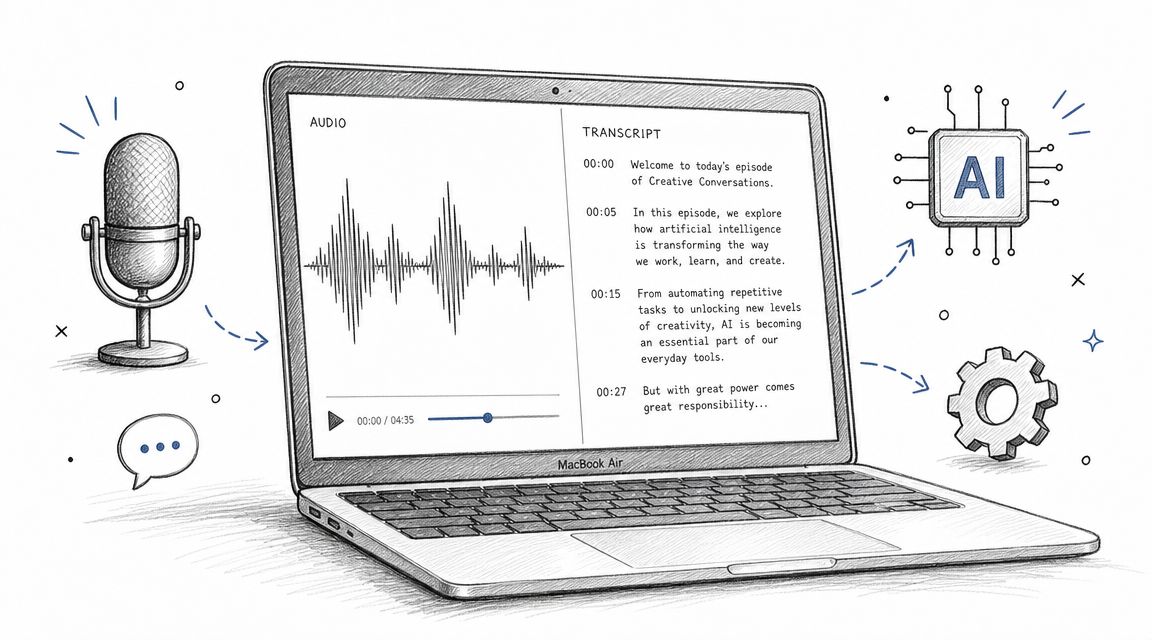
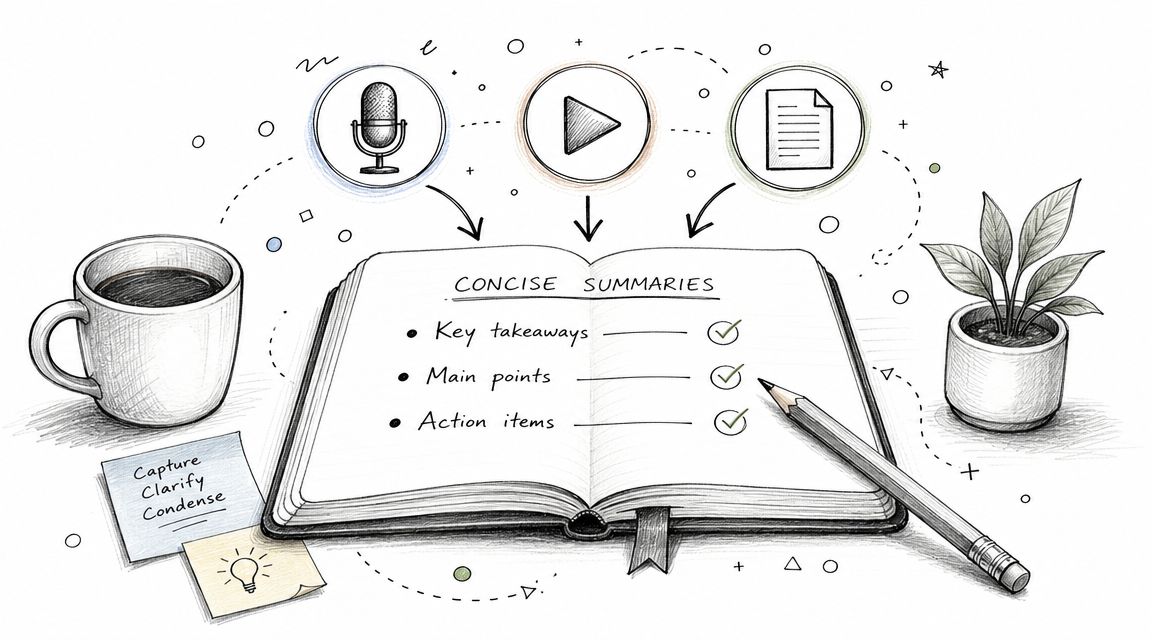
- Use transcripts as production infrastructure: Searchable text makes it easier to find hooks, quote moments accurately, build captions, write descriptions, and create summaries without rewatching everything.
- Track response by goal: Views matter less than whether the platform did its assigned job. Did TikTok produce discovery? Did LinkedIn generate qualified replies? Did YouTube hold long-term watch interest?
This also becomes more important as video keeps expanding across the internet. Weekly and daily viewing habits remain high, short-form consumption keeps growing, and projected monthly video viewing is still rising globally, as noted earlier. The conclusion isn't “be everywhere.” The conclusion is that video now matters enough that your distribution choices need structure.
If you're starting from scratch, keep it lean. Choose one primary platform and one discovery platform. Run that combination long enough to learn what your audience responds to. Build repeatable formats. Tighten your captions, hooks, titles, and thumbnails. Add a third platform only when the workflow is stable.
The goal isn't to keep feeding every feed. The goal is to build a video engine that turns one good recording into durable assets, searchable knowledge, and repeatable audience growth.
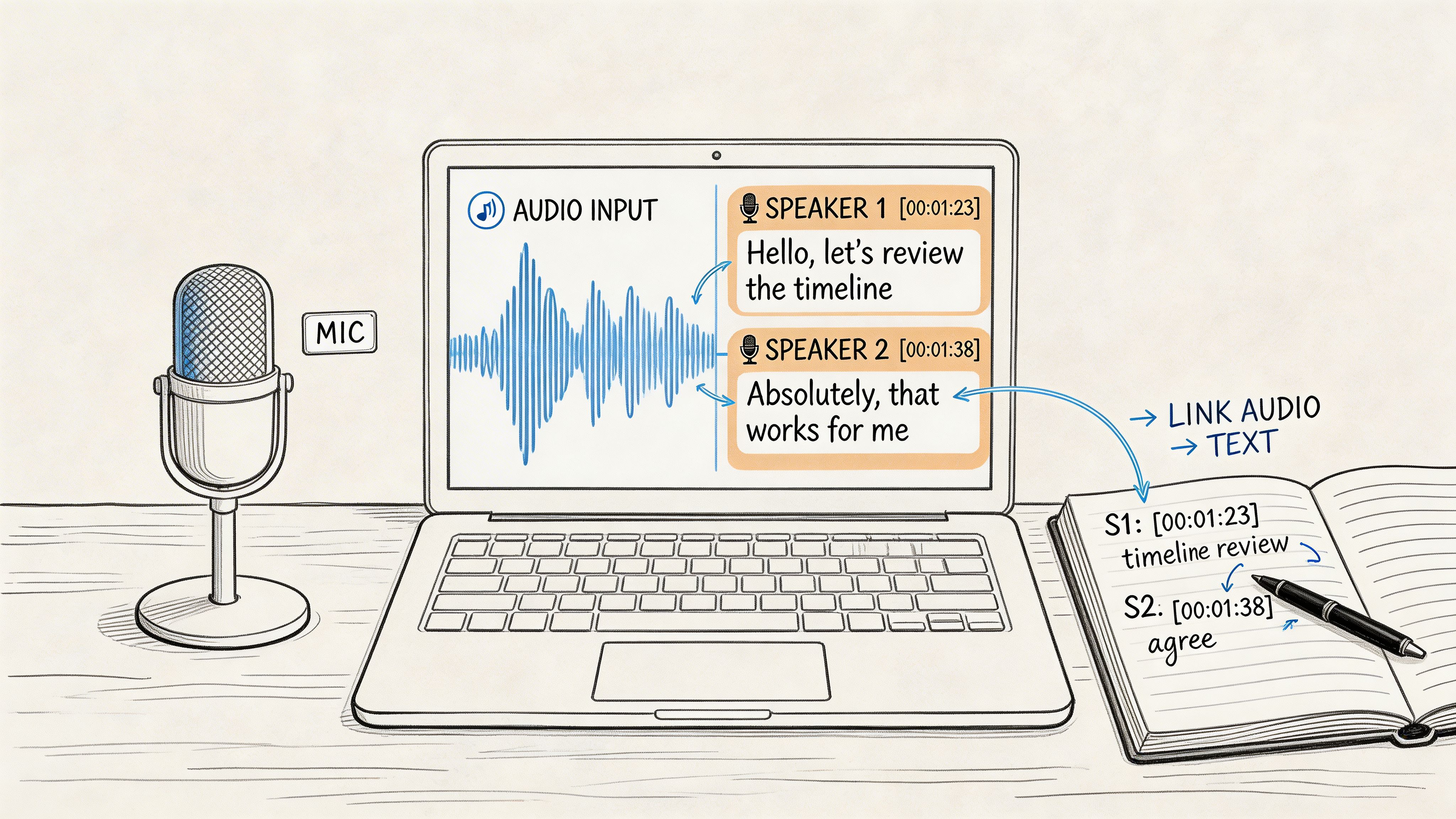
If you're publishing across multiple social media video platforms, Whisper AI makes the repurposing side much easier. You can turn long videos, podcasts, streams, and social clips into searchable transcripts with speaker detection, timestamps, summaries, and export-ready text for captions, posts, notes, and content briefs. That's a practical way to spend less time scrubbing footage and more time finding the moments worth publishing.