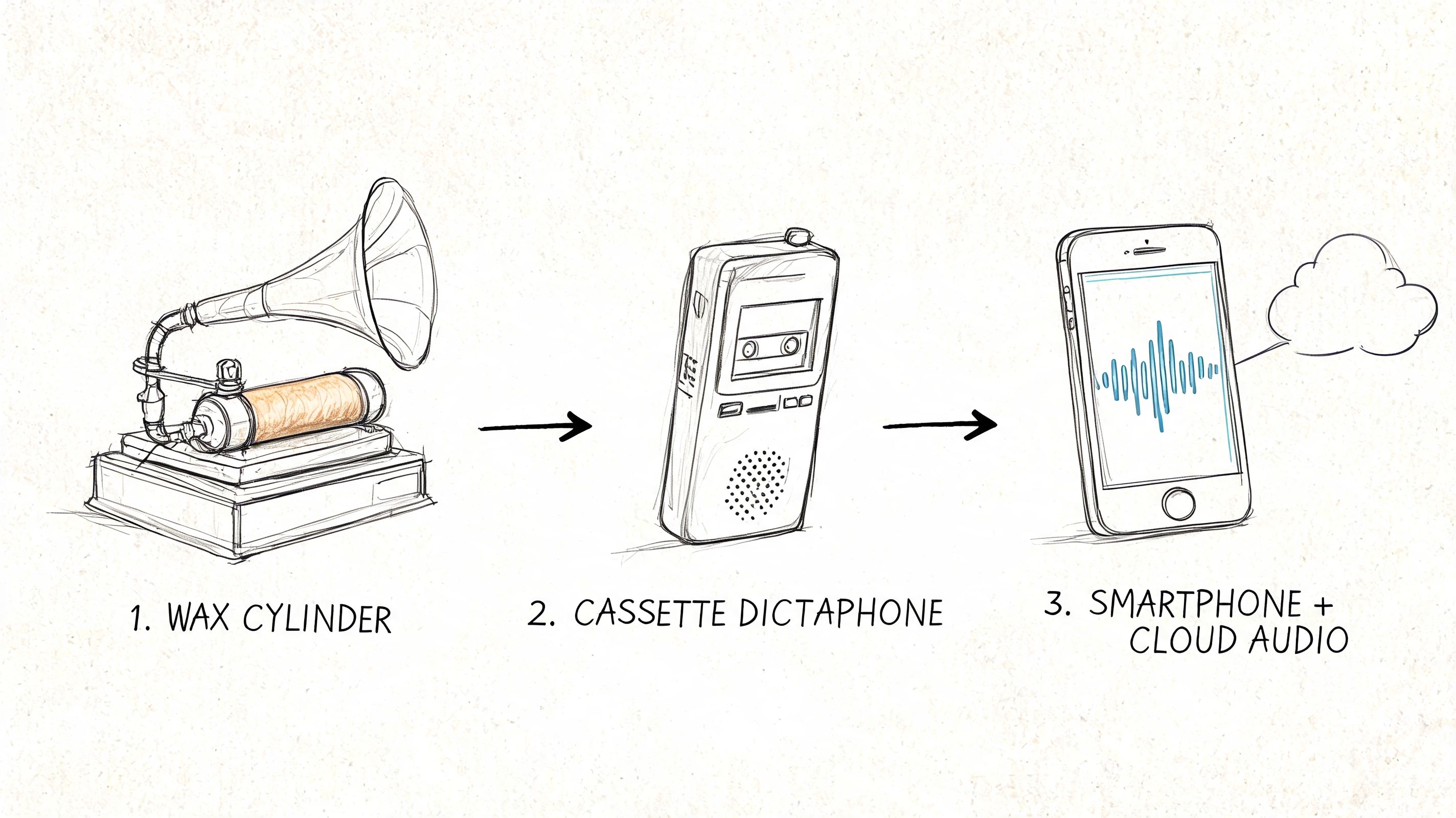
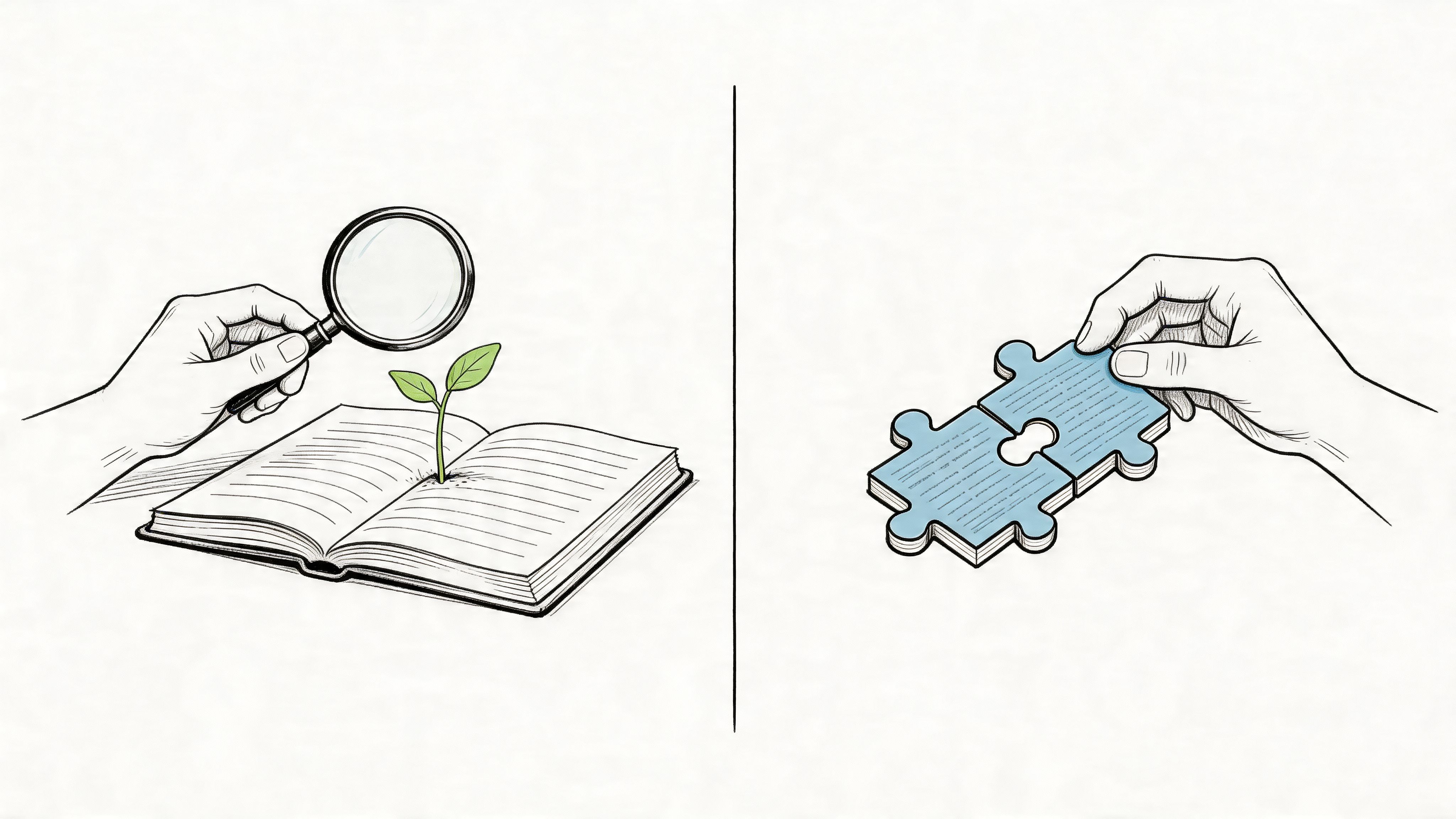
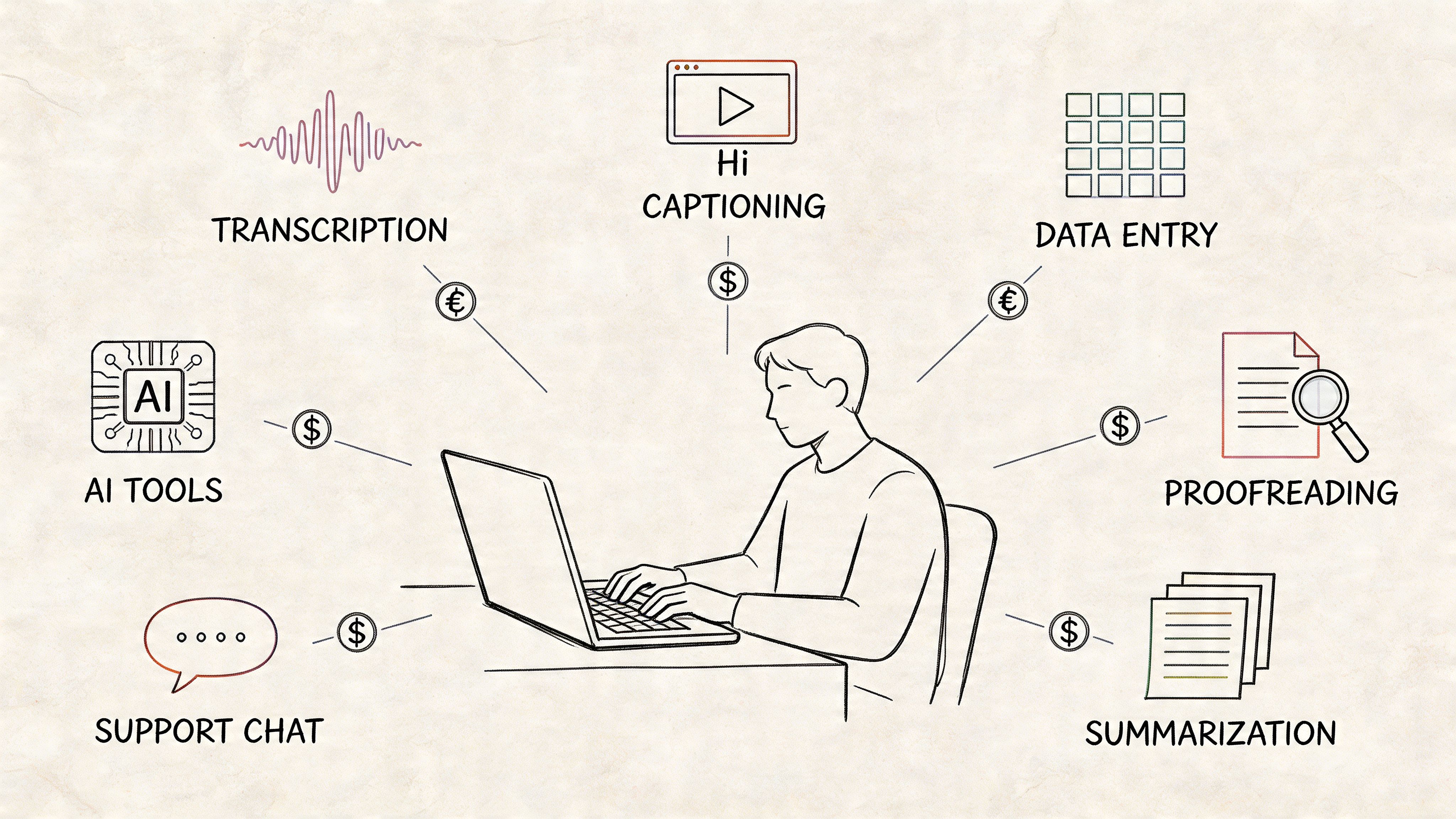
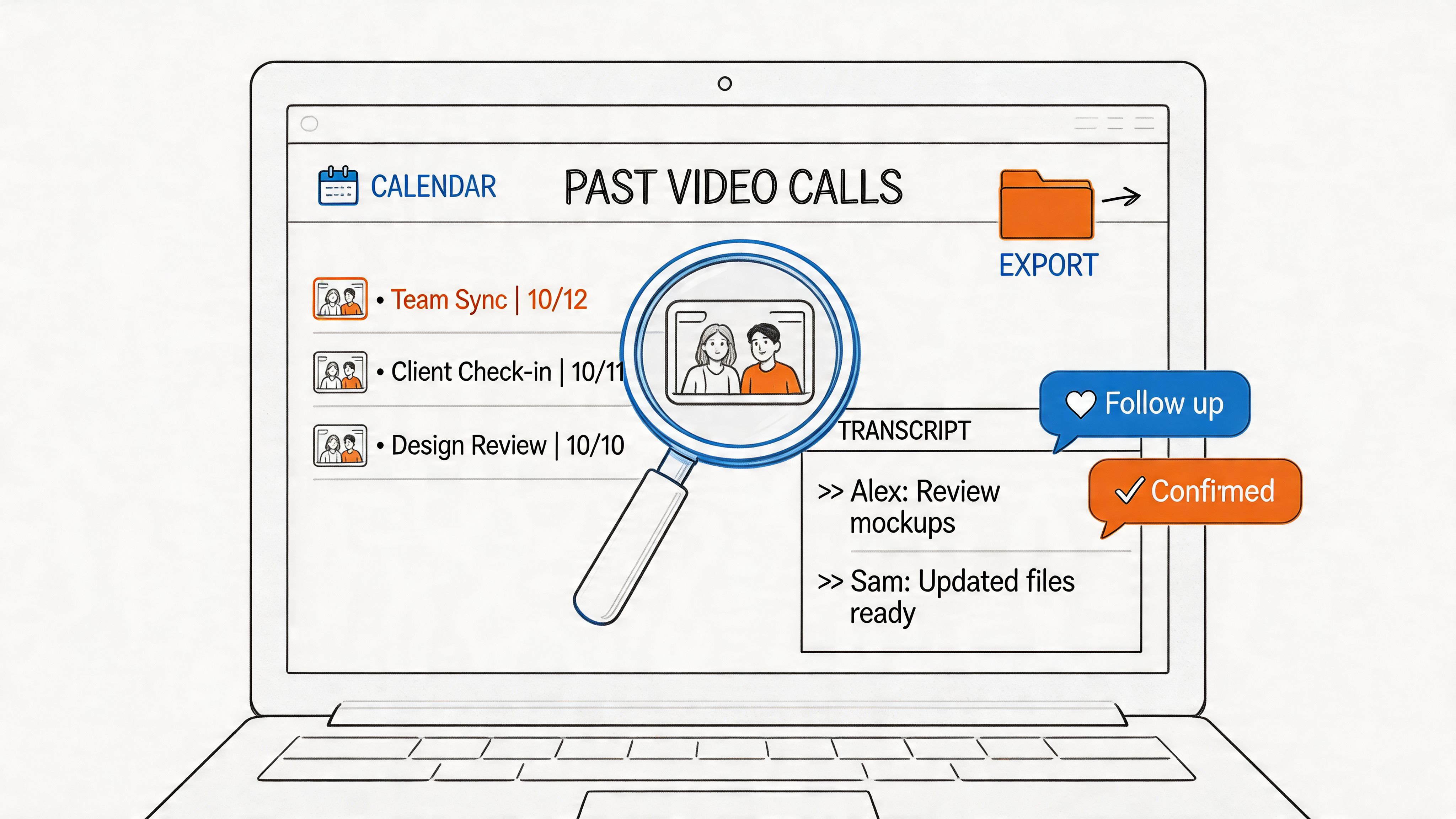
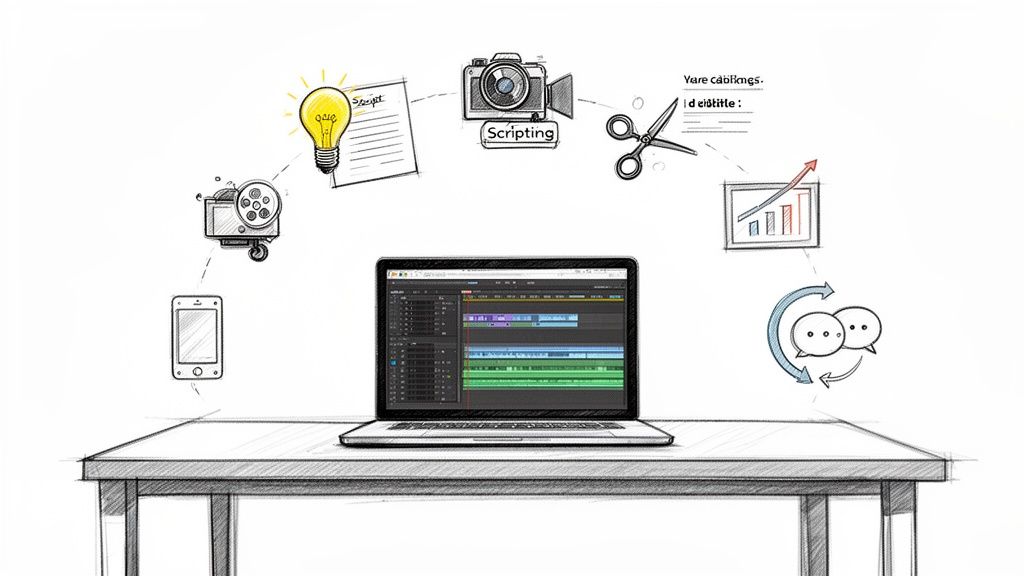
The Perfect Podcast Transcript Format: A Guide
You finish editing an episode, export the MP3, upload the artwork, write two lines of show notes, and hit publish. Then the episode starts fading into the archive.
That's the moment most podcasts lose a large part of their value.
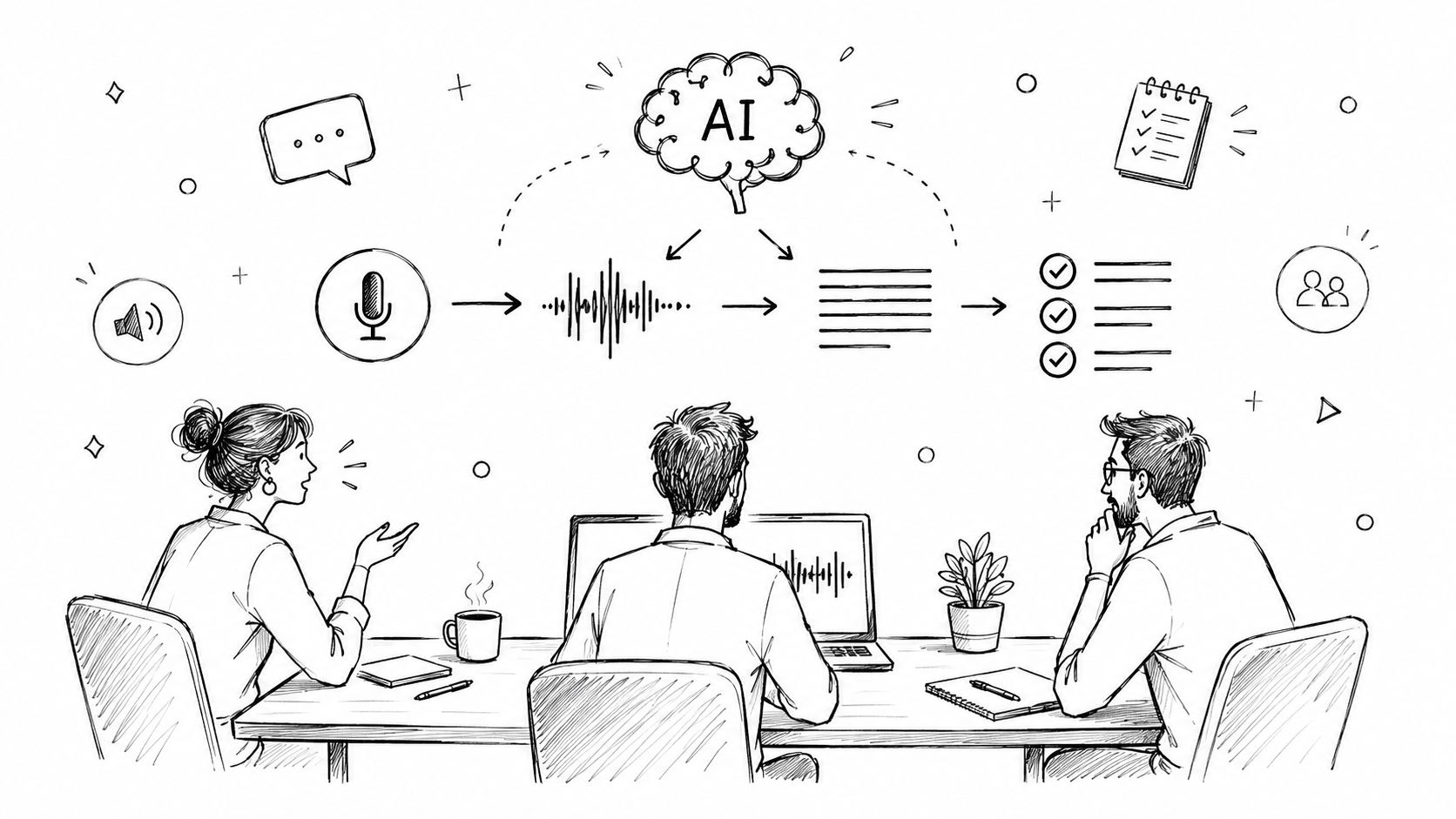
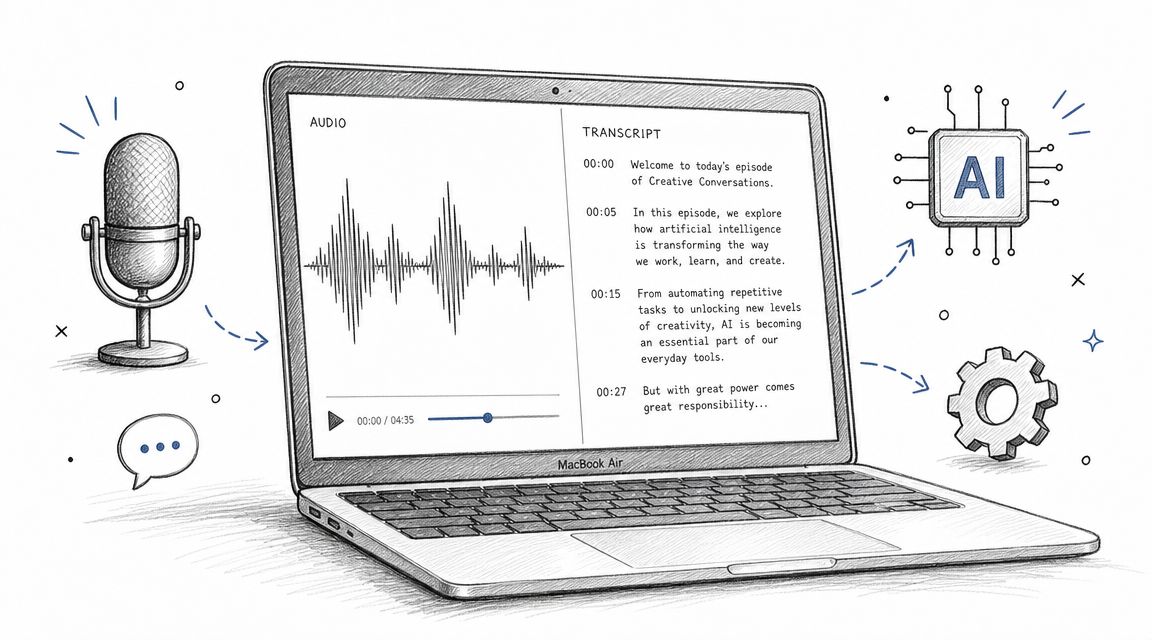
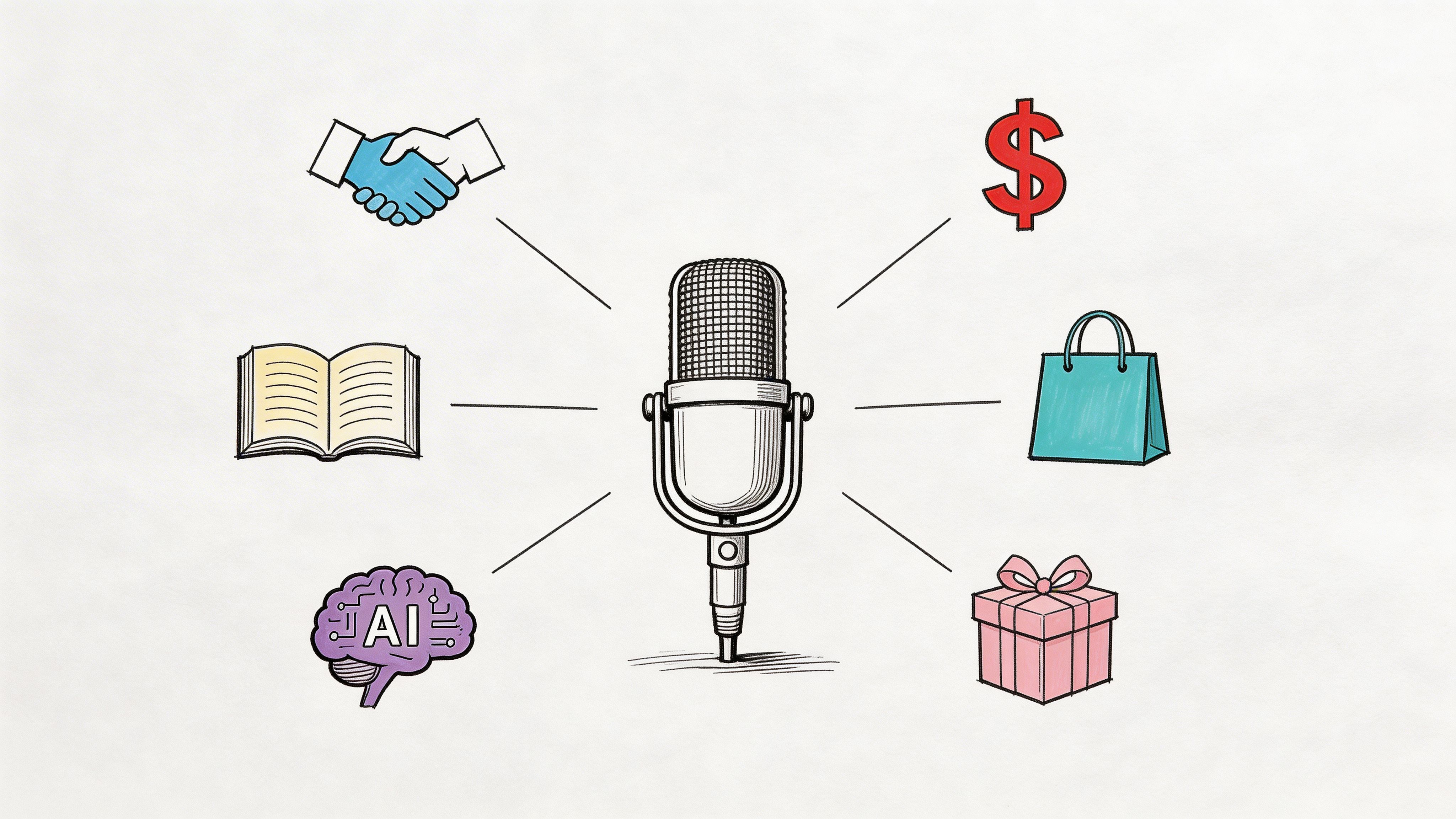
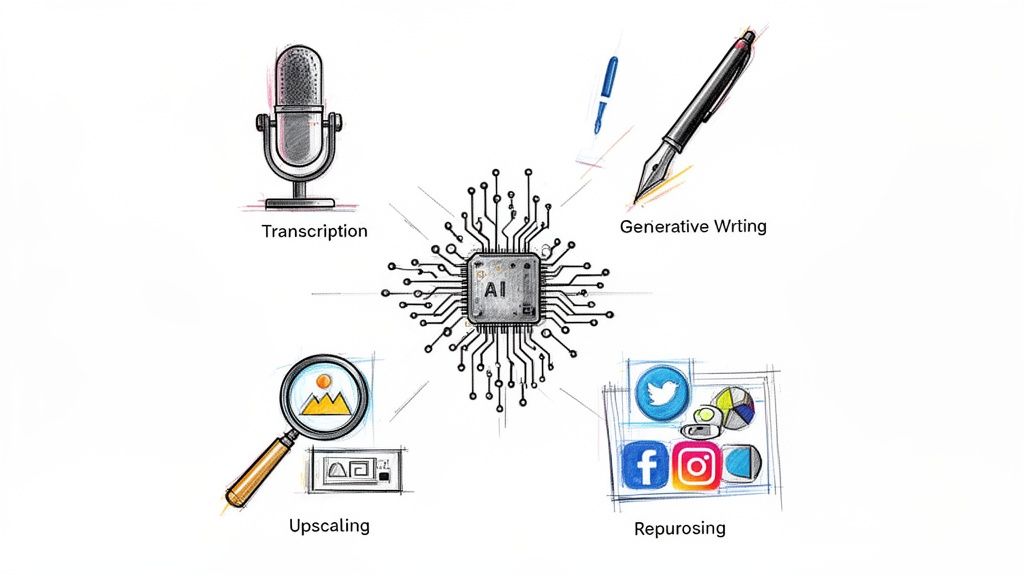
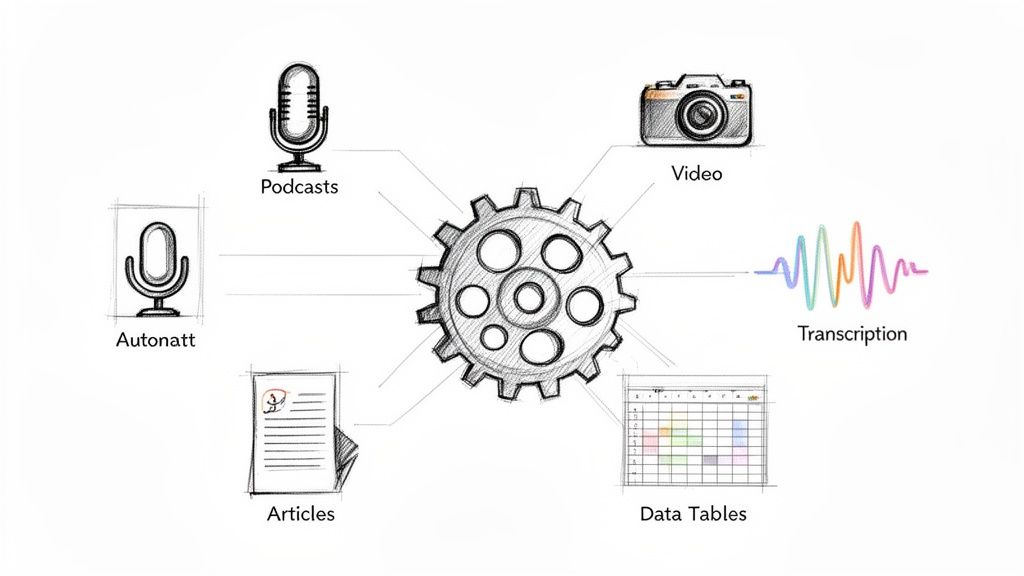
Audio is strong for listeners, but weak for search, weak for skimming, and weak for reuse. A solid podcast transcript format fixes that. It turns one recording into searchable text, usable quotes, cleaner show notes, and a source document your team can work with.
Why Your Podcast Needs More Than Just Audio
The audience is there. The challenge is getting your episode discovered, consumed, and reused in more than one format. The global podcast audience is projected to reach 584.1 million listeners in 2025, a 6.8% annual increase, and the AI transcription market is projected to reach $19.2 billion by 2034 as creators push for searchable and accessible text outputs, according to Sonix podcast transcription growth statistics.
That matters because a podcast episode without text is difficult to index and difficult to repurpose. Search engines work with words on a page. Readers skim. Editors pull quotes. Social teams need captions. Newsletter writers need clean excerpts. None of that starts smoothly from raw audio alone.
What a transcript actually does
A transcript isn't just a compliance add-on or a box to check. In practice, it becomes the master document for everything that comes after publication.
- Search visibility: Full conversations contain the phrases, questions, and terms people search for.
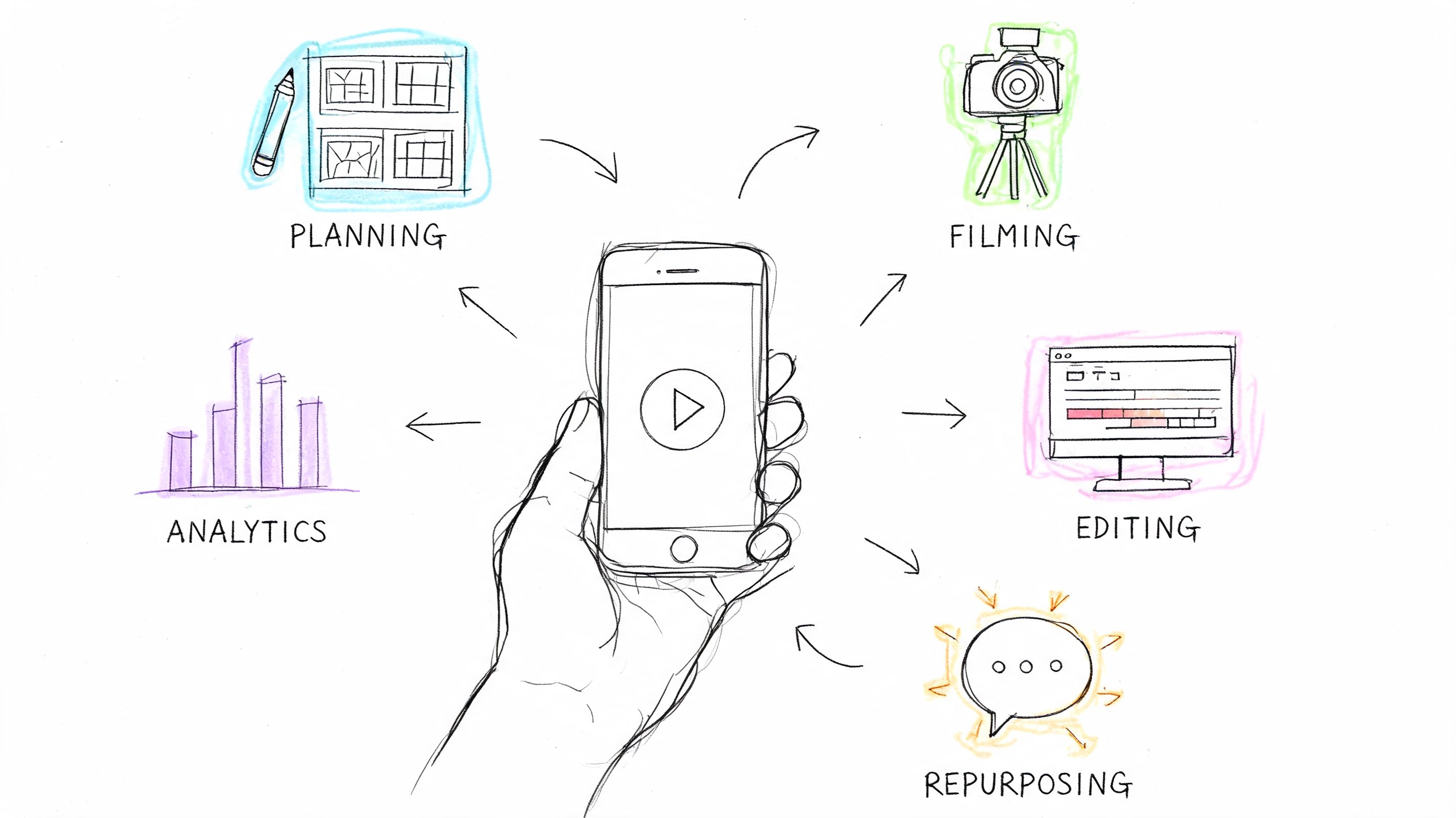
- Content reuse: One transcript can feed blog posts, social snippets, newsletters, and clips.
- Internal reference: Producers and hosts can find the exact moment a guest said something worth quoting.
- Audience access: Some people need text. Others prefer it.
A good transcript turns a finished episode into working inventory.
The shift from task to strategy
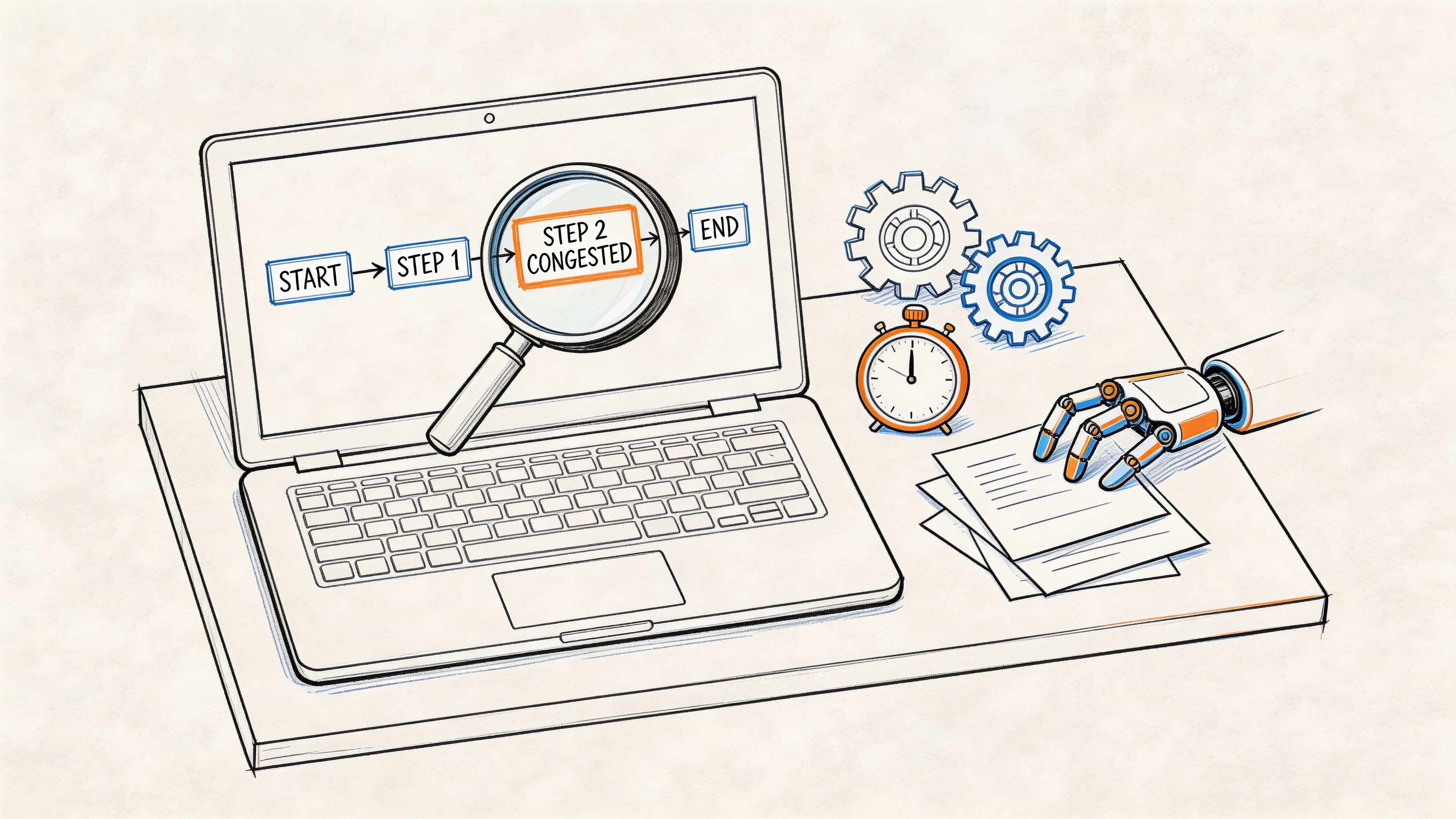
A lot of podcasters still treat transcription like cleanup. That's backwards. The transcript should be part of the production plan from the start, because the format you choose affects how useful the episode becomes later.
If the transcript is messy, unlabeled, and dumped into one giant block, it won't help much. If it has speaker labels, logical paragraphing, and timestamps, it becomes a practical asset. That's the difference between “we have a transcript” and “we can build from this.”
Choosing Your Transcript Format
Before you worry about timestamps or speaker labels, pick the kind of transcript you need. Most podcast transcript format problems start earlier than people think. They start when someone wants a readable blog-style transcript but generates a raw verbatim file, or needs a legal-style record but edits out every hesitation.
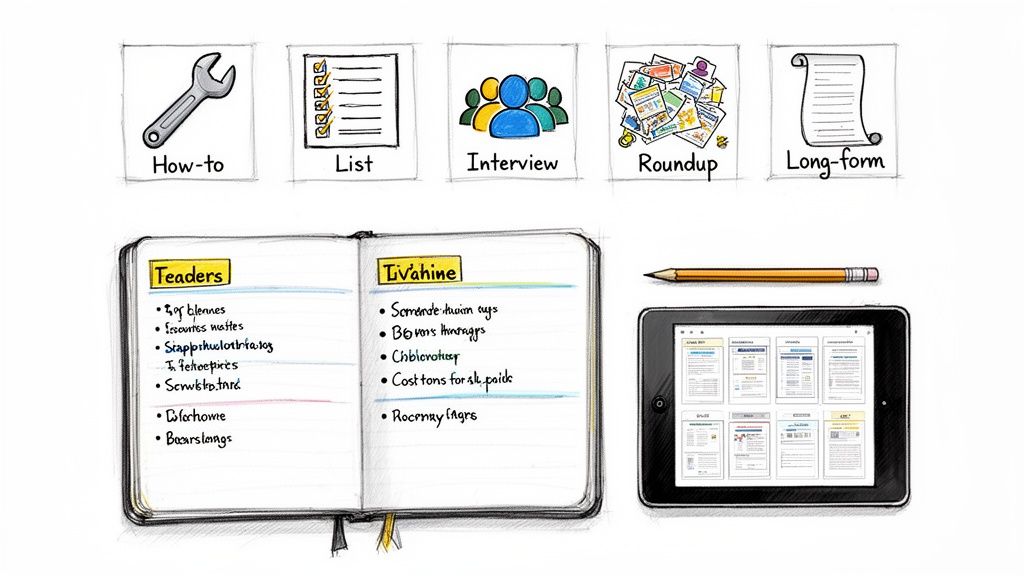
The three formats that matter
Verbatim keeps everything. Filler words, repeated phrases, false starts, interruptions, and the rough edges of spoken language all stay in place.
Cleaned verbatim keeps the meaning and voice but removes obvious clutter. This is the format many podcast producers use most often because it reads well without sounding rewritten.
Edited transcript reshapes spoken content into polished prose. It's useful when the transcript is serving as the base for an article, not as a faithful record of the recording.
Podcast Transcript Formats Compared
| Format Type | Best For | Includes | Removes |
|---|---|---|---|
| Verbatim | Legal records, research, exact quote review | Filler words, pauses, repetitions, false starts, interruptions | Very little |
| Cleaned verbatim | Podcast websites, accessibility pages, SEO pages, internal reference | Core meaning, natural speech, speaker turns, key non-verbal cues | Excess filler, obvious stumbles, duplicate phrasing |
| Edited | Blog articles, newsletters, thought leadership content | Main ideas, cleaned structure, polished wording | Spoken detours, filler, most disfluencies, rough phrasing |
What works in real production
For most weekly podcasts, cleaned verbatim is the sweet spot. It respects what was said, keeps the rhythm of a conversation, and doesn't punish the reader with every “um,” restart, or mid-sentence pivot.
Verbatim has a place, but it's harder to read and often harder to repurpose. Edited transcripts can look polished, but if you push too far, you stop publishing a transcript and start publishing an adaptation.
Practical rule: If a listener expects to find the moment they heard in the episode, use cleaned verbatim. If a reader expects an article, edit more aggressively.
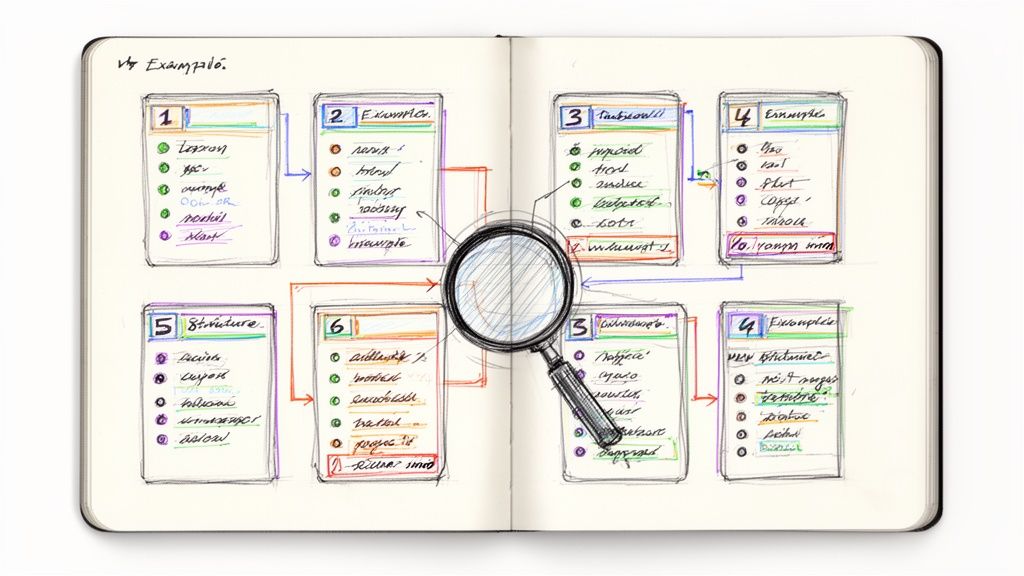
One useful reference point is this guide to video transcript format examples, because the same decision logic applies across spoken media. The output format should match the job the transcript has to do.
The trade-off most teams miss
Removing too much can flatten personality. Leaving too much in can make smart guests sound less clear on the page than they did in the room. Good producers edit for readability, not perfection.
That means keeping the speaker's intent, preserving strong phrasing, and cutting noise that slows a reader down. If you approach transcript formatting like line editing for a magazine feature, you'll usually overdo it. If you approach it like raw caption export, you'll usually underdo it.
Essential Formatting Rules for Readability
Formatting is where a transcript becomes usable. Without structure, even accurate text feels sloppy. Modern standards from guides such as Rev and Writing Alchemy focus on readability, and AI tools now reach 99% accuracy in automating rules like new paragraphs per speaker and timestamps. Those choices also support the 15% of U.S. adults with hearing issues and improve discoverability, as summarized by TranscriptionHub's transcript formatting statistics.

Use speaker labels every time the voice changes
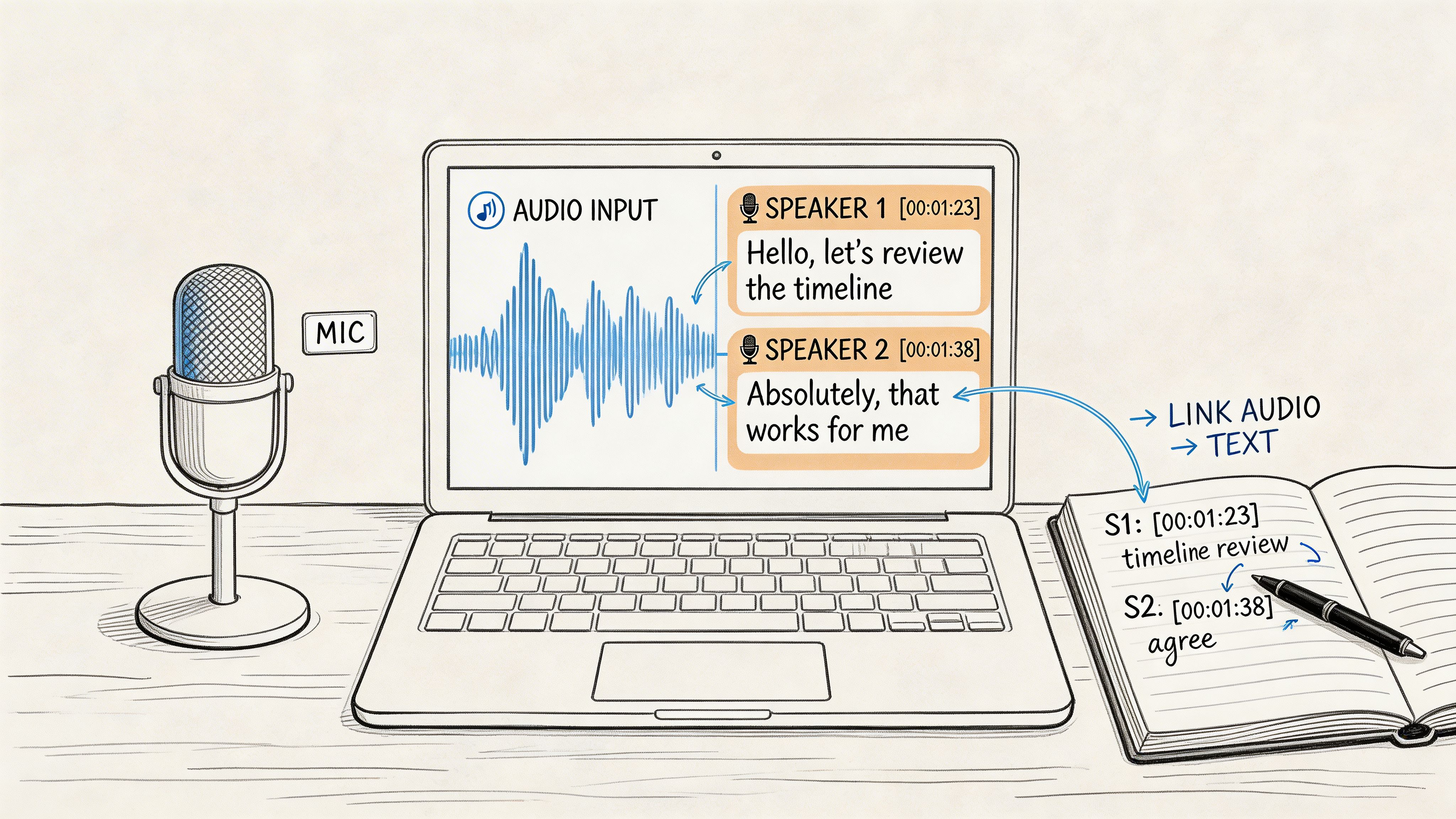
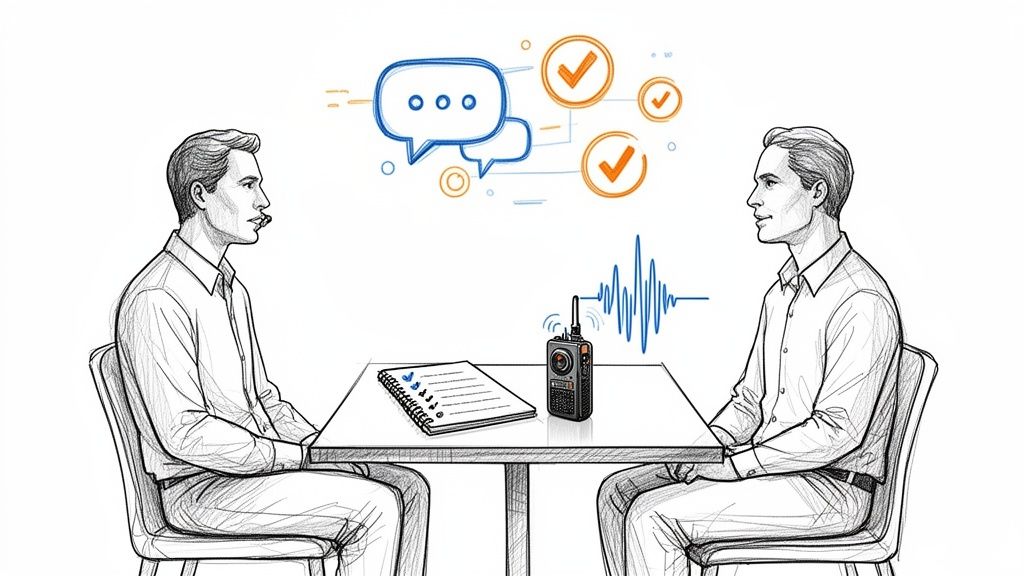
If more than one person speaks, label every speaker. Don't rely on context. Don't assume readers will infer who's talking three paragraphs later.
Use a consistent style such as:
- Host: Welcome back to the show.
- Guest: Thanks for having me.
Bold labels work well because they make scanning easier. If the host speaks often, label them as Host: instead of repeating a full name every time. For guests, use their name if that adds clarity.
Add timestamps where readers actually need them
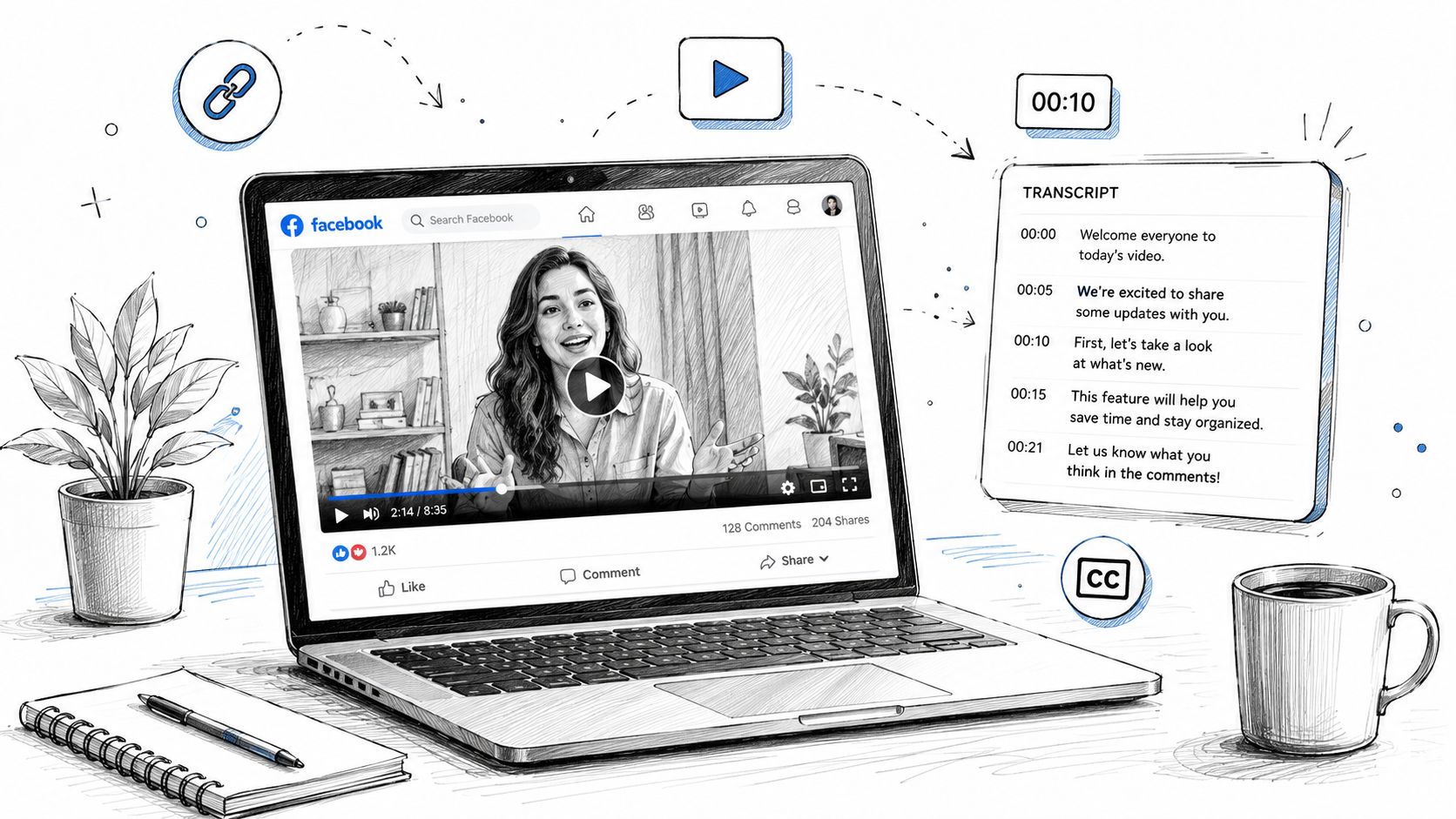
Timestamps help readers jump between text and audio. They also make transcripts easier to skim, cite, and reuse later.
Good placements include:
- At topic changes: Useful for show notes and readers scanning for a segment
- At regular intervals: Helpful in longer episodes
- At major quotes: Useful when social or editorial teams need exact clip locations
A timestamp format like [12:30] is simple and readable. Don't overdo it. A timestamp on every line creates visual noise.
Put timestamps where they support navigation, not where they interrupt reading.
Start a new paragraph for every new speaker
This one sounds basic, but it fixes a lot. A new speaker should start a new paragraph. Long mixed blocks make transcripts feel harder than they are.
Also keep paragraphs short. Spoken language already runs long. The transcript should compensate for that, not amplify it.
A few practical rules help:
- No indents: They don't render well on many websites
- Use spacing between paragraphs: That works better for web reading
- Break long responses: If one person talks at length, split by idea or topic shift
Mark non-verbal cues sparingly
Some moments matter even if nobody speaks. Laughter can soften a sentence. Music can mark a transition. A long pause can change the meaning of an answer.
Use brackets for cues that affect interpretation, such as:
- [laughter]
- [music fades in]
- [long pause]
Don't annotate every breath or every small vocal sound. Most transcripts improve when cues are selective.
Transcript Templates for Common Use Cases
A transcript is rarely the final deliverable. It's usually the source material. The useful question isn't “Do I have a transcript?” It's “What am I turning this into next?”

Template for a blog section
Raw transcript snippet
Host: Why do small teams struggle with content consistency?
Guest: Usually because they think every post has to be original from scratch. It doesn't. Most strong teams build a repeatable system from one core idea and adapt it across channels.
Formatted as a blog section
Build from one core idea
Small teams often stall because they treat every piece of content like a blank page. A more workable approach is to start with one strong idea, then adapt it for the channels you already use. That gives you consistency without forcing constant reinvention.
The transcript gives you the wording. The edit gives you shape.
Template for show notes
Show notes work best when they help a listener decide where to jump in, not when they try to restate the entire episode.
Raw transcript snippet
Guest: The issue wasn't recording. It was retrieving the moments we wanted later.
Formatted as show notes
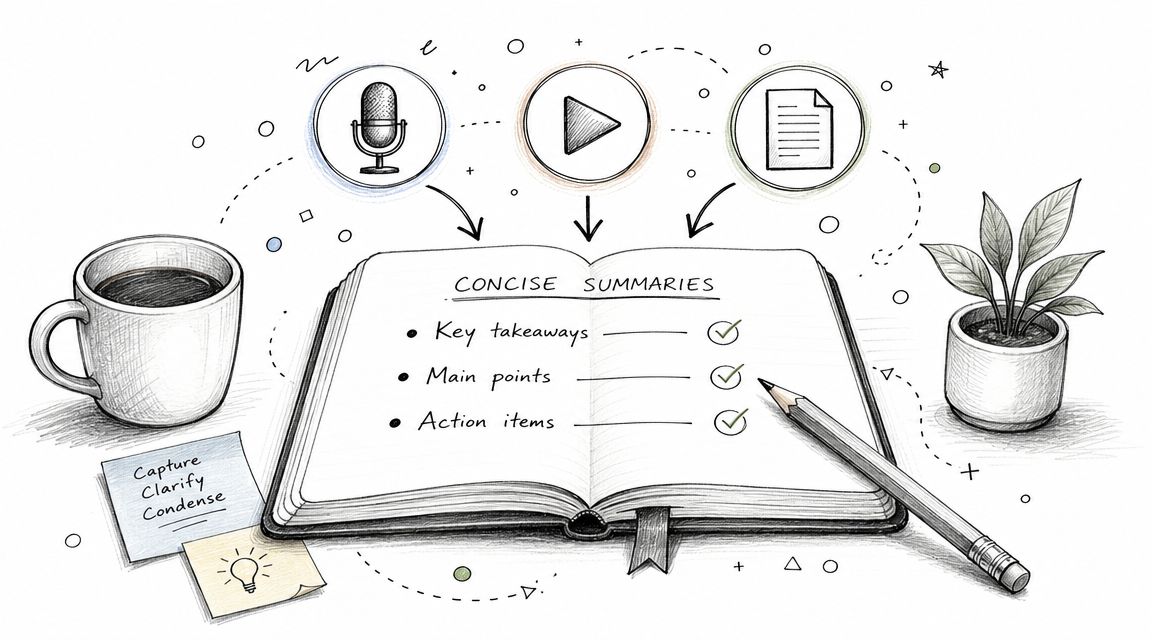
- Why transcripts matter: The guest explains why retrieval is often a bigger problem than recording quality.
- Key takeaway: Structured transcripts make clips, quotes, and article drafting much faster.
- Timestamped moment: Add the clip location so readers can jump straight to it.
If you need a reference point for how spoken dialogue can be cleaned up without losing intent, this conversation transcription example is a helpful model.
Template for social posts and captions
Social formatting should be tighter than transcript formatting. Pull one idea, one quote, or one tension point.
Raw transcript snippet
Guest: If your episode only exists as audio, your best ideas are trapped in the least searchable format you publish.
Formatted for social graphic or caption
Quote: “If your episode only exists as audio, your best ideas are trapped in the least searchable format you publish.”
Caption: Strong podcast content doesn't stop at publish. The transcript is what makes the episode reusable.
The fastest repurposing workflows start with a transcript that was formatted cleanly enough to skim in seconds.
Boost Your Reach with SEO and Accessibility
Formatting choices have business consequences. A transcript with labels, paragraph breaks, and timestamps is easier to publish, easier to read, and easier for search engines to understand.
That's why transcript quality affects more than presentation. It affects reach.
Why formatting helps search
A Buzzsprout study found that transcripts can lift podcast SEO rankings by 50%, and formatting with clear speaker labels and timestamps boosts user retention by 35% while accessibility compliance increases the potential audience by 22%, according to this summary of podcast transcript SEO and accessibility data.
Those gains make sense in practice. A transcript surfaces all the phrases your guest used naturally. That gives your episode page more topical depth than a short summary ever could. It also gives readers a reason to stay on the page longer when they can scan sections instead of bouncing.
Why accessibility starts with structure
Accessibility isn't solved by dumping machine text below an audio player. Readers need a transcript they can follow.
That means:
- Clear speaker attribution: Especially important in interviews and panel episodes
- Logical paragraphing: Easier for screen readers and easier for humans
- Useful timestamps: Helpful for syncing text with spoken moments
- Clean wording: Less clutter means less friction
If you also publish on video platforms, good transcript habits carry over directly into YouTube closed captioning, where readability and timing matter just as much.
Accessibility improves when the transcript reads like a document someone intended to publish, not a rough dump from a tool.
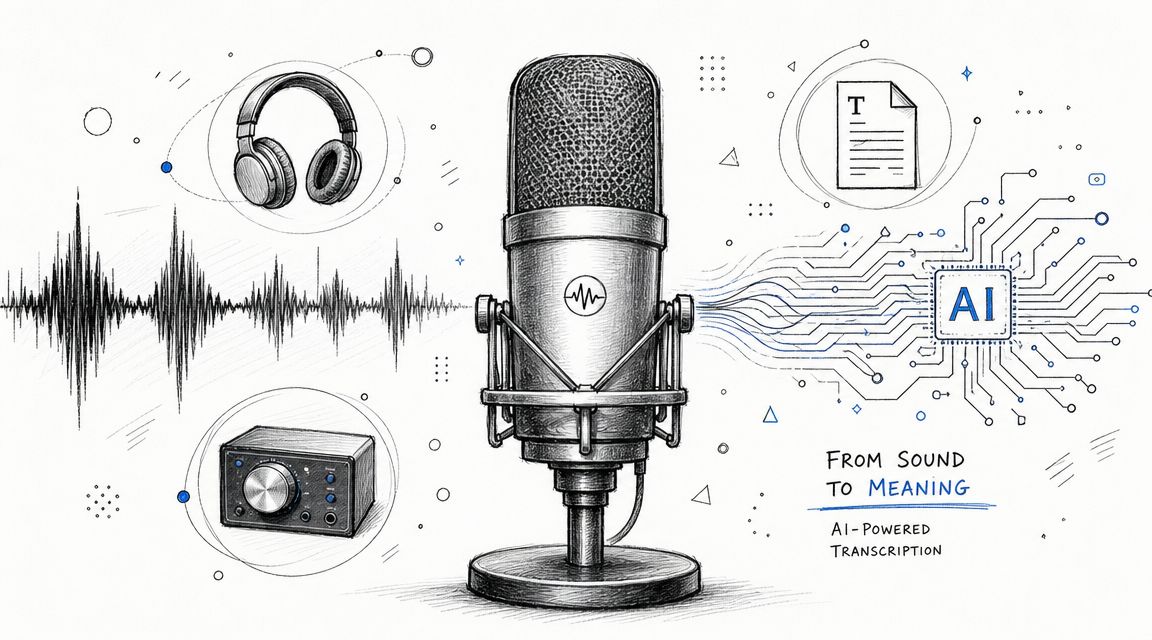
Your AI-Powered Transcription Workflow
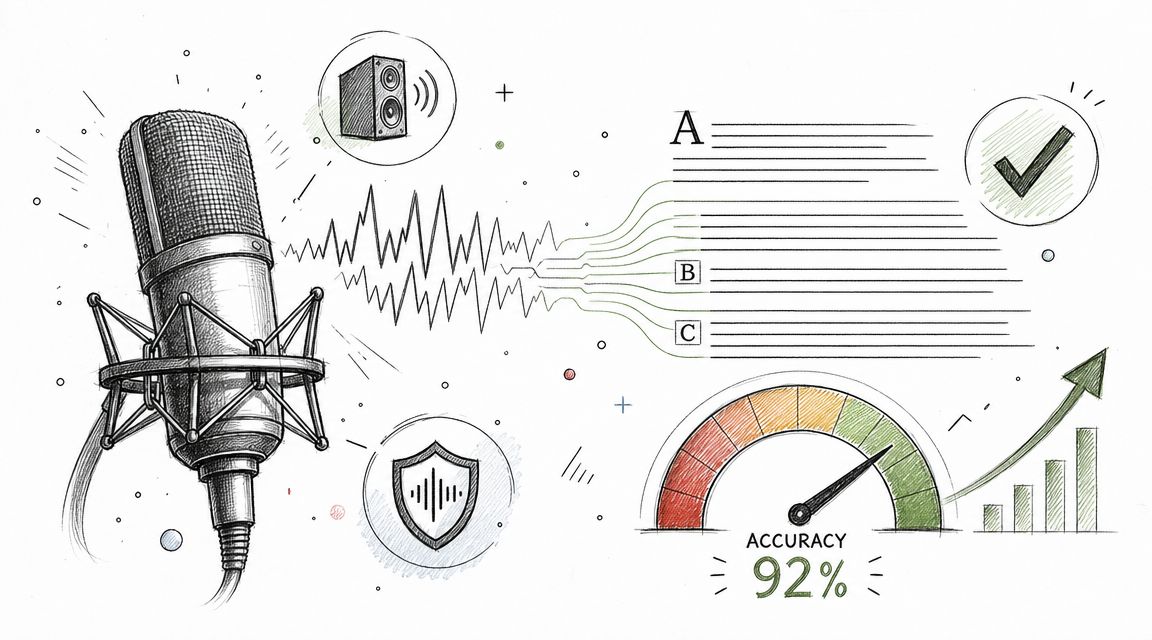
Manual transcription is still possible. It's just not a good use of production time for many creators. An efficient AI workflow can process one hour of podcast audio in under 5 minutes with over 95% accuracy, and adding timestamps every 30 to 60 seconds can increase user engagement by 40% by syncing text to audio, according to Writing Alchemy's transcript workflow guide.

The workflow that saves the most time
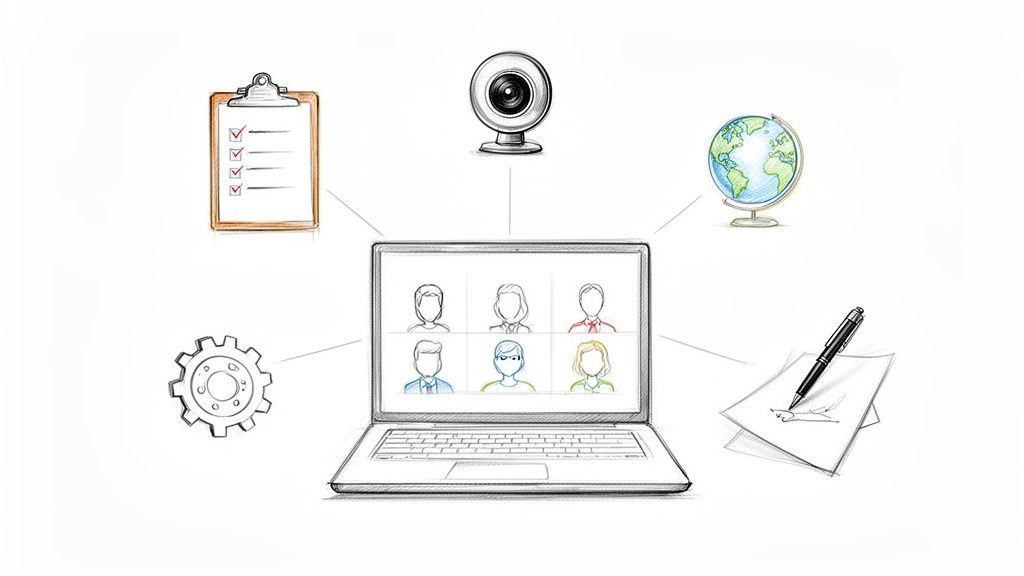
The practical setup is simple. Let AI handle the first pass. Let a human handle the judgment calls.
Upload the final audio file
Use the edited master, not a scratch recording. Clean audio gives better speaker separation and fewer correction passes.Generate the first draft with diarization and timestamps
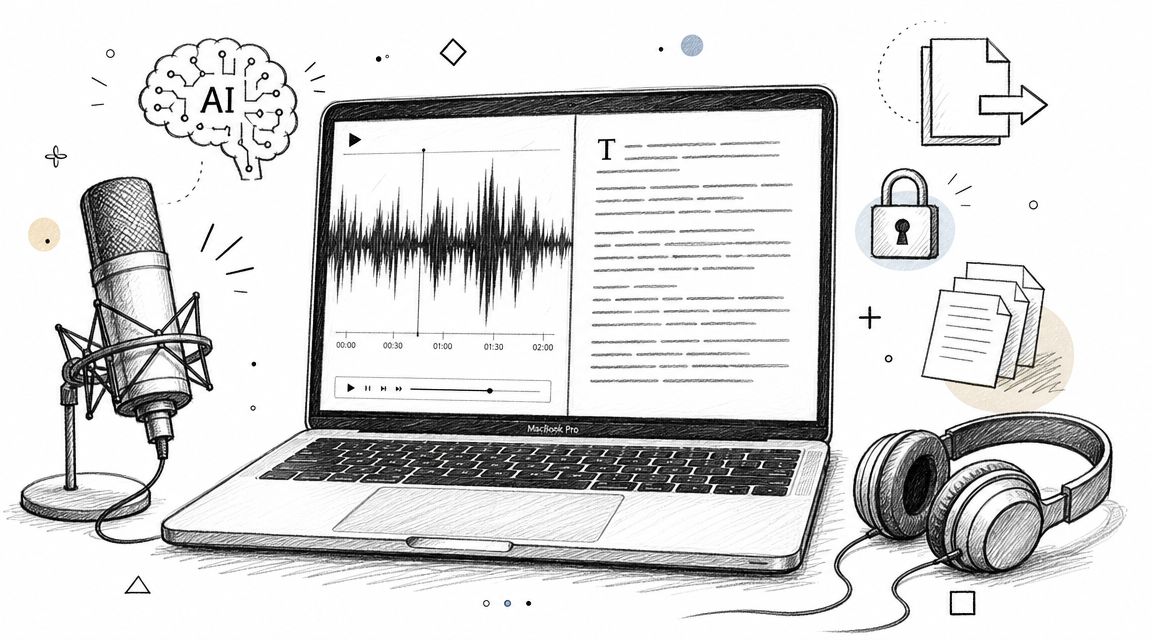
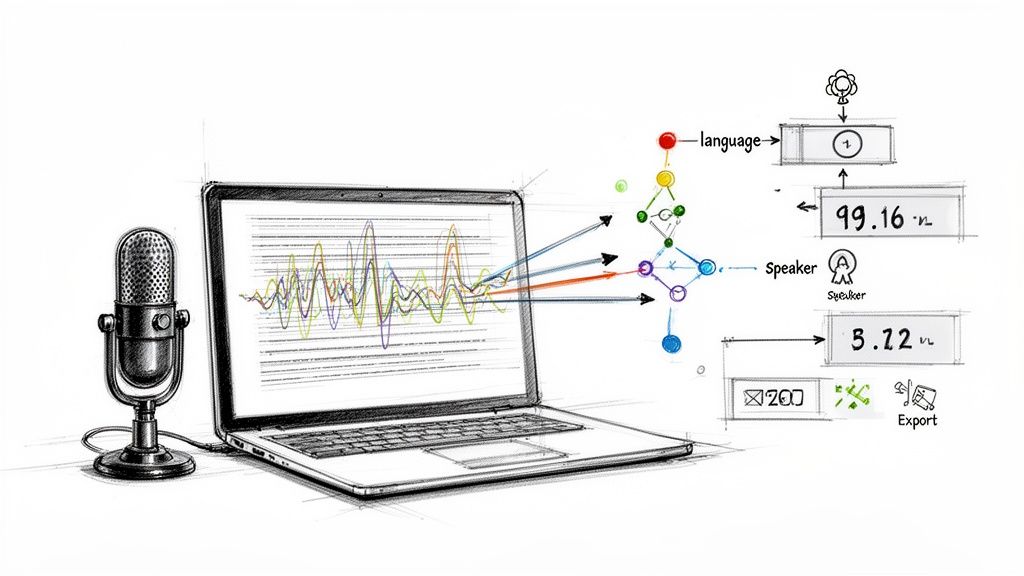
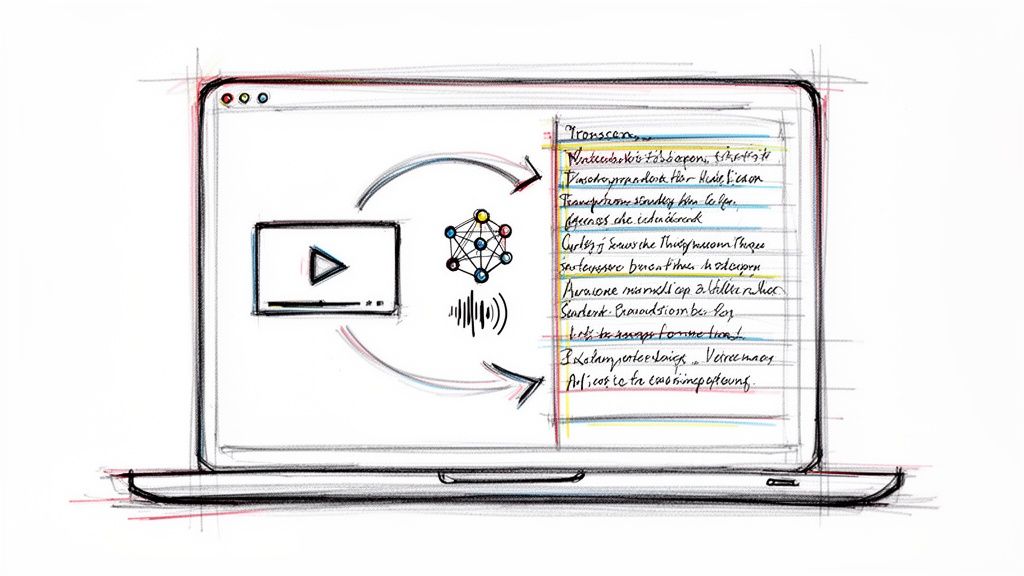
Tools such as OpenAI Whisper-based systems, Descript, and Whisper AI can create a draft with speaker labels and timestamped sections. Whisper AI, for example, transcribes audio and video, detects speakers, inserts timestamps, and exports to formats such as Google Docs, Word, PDF, TXT, or Markdown.Review for names, jargon, and formatting consistency Human review still matters most in this stage. AI tends to struggle with product names, surnames, industry acronyms, and overlapping speech.
Choose the output based on the destination
Markdown is useful for blog workflows. TXT works for simple archives. A document format can help if an editor needs to comment.
A more detailed walkthrough of the production side is in this guide on creating a transcript for recorded content.
What to fix by hand
Don't spend your review pass polishing every sentence. Spend it on errors that break trust or make reuse harder.
Focus on:
- Speaker mistakes: Wrong labels are more damaging than small word errors
- Proper nouns: Guest names, brands, book titles, and tools
- Crosstalk: Clean up sections where two people speak at once
- Formatting drift: Keep labels, timestamps, and paragraph breaks consistent
The big win is that AI removes the drudgery. The editor keeps control of meaning.
If your broader operation also turns podcast material into blogs, newsletters, and social assets, this article on content automation for founders is useful for thinking beyond transcription and into a repeatable publishing system.
A quick visual walkthrough helps if you're setting this up for the first time:
What not to automate blindly
The weak workflow is “upload, export, publish.” That's how you end up with misspelled guests, unlabeled side comments, and giant text blocks nobody wants to read.
The strong workflow is “upload, structure, review, repurpose.” AI handles the heavy lifting. The producer decides what kind of document goes live.
Podcast Transcript FAQ
Should I publish the full transcript or a polished article?
Usually both, if your workflow supports it. Publish a readable page for humans, then include the full transcript in a clean format when readers want detail or exact wording.
How do I handle interruptions and people talking over each other?
Keep the transcript readable first. If overlap matters to meaning, show it clearly with separate speaker lines and brief cues. If it doesn't change the substance, simplify the exchange so the reader can follow it.
Should I remove filler words?
Remove fillers that add noise. Keep ones that add meaning, tone, or emphasis. Over-cleaning can make a guest sound unlike themselves.
How often should I add timestamps?
Use them at topic changes, major quotes, or regular intervals in longer episodes. The right density depends on how readers will use the transcript.
Is AI transcription enough on its own?
It's enough for a draft. It's rarely enough for a finished transcript you'd want attached to your brand.
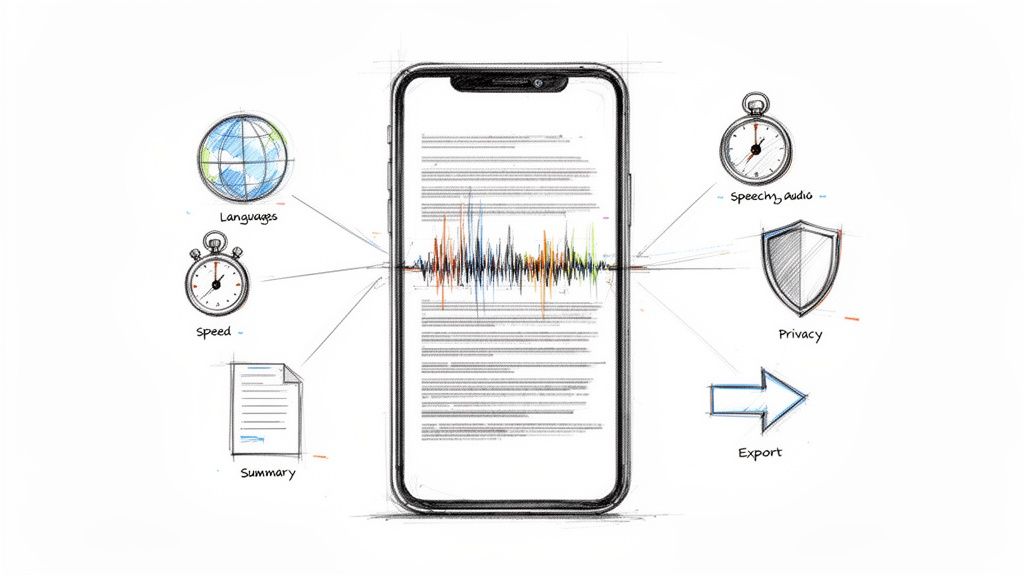
If you want a faster way to turn podcast audio into structured, exportable transcripts, Whisper AI is built for that workflow. It can transcribe long-form audio and video, detect speakers, add timestamps, generate summaries, and export the result in formats that fit publishing and repurposing workflows.