What Is a Dictaphone: its Role in 2026
A dictaphone is a specialized voice recording device designed specifically for capturing speech that will later be transcribed into text. It traces back to 1881, when Alexander Graham Bell, Chichester Bell, and Charles Sumner Tainter developed a practical speech-recording device on wax-coated cylinders, the early foundation of what later became known as the Dictaphone.
If you're here, you probably aren't trying to buy a wax cylinder machine. You're trying to answer a simpler question: what is a dictaphone, and does the idea still matter when your phone can already record audio?
It does. The hardware changed, but the job stayed the same. A busy lawyer dictating case notes, a doctor speaking patient observations, a journalist capturing a fast interview, or a podcaster outlining tomorrow's episode all face the same problem. Speech is often faster than typing. A dictaphone existed to catch those spoken words before they disappeared.
That’s why the term still shows up, even now. Sometimes people use it to mean an old office dictation machine. Sometimes they mean any recorder at all. Both uses are common, and that’s where the confusion starts.
From Courtrooms to Content Studios Where Did Dictaphones Come From
A century ago, dictation solved a very practical office problem. A professional spoke into a machine, and someone else later turned that recording into letters, reports, notes, or legal documents. That workflow sounds old-fashioned, but the underlying need is modern. People still need a fast way to move from spoken thought to usable text.
In early offices, the dictaphone wasn’t a casual gadget. It was part of a system. A doctor could record observations between patients. A lawyer could dictate a memo instead of writing by hand. A reporter could preserve details while they were still fresh. The machine existed for one reason: capture speech accurately enough that it could become text later.
Practical rule: If a recording tool is built around transcription rather than casual listening, you’re already thinking in dictaphone terms.
That’s why the term has lasted so long. Even when people now use "dictaphone" loosely, they’re usually pointing to a specific kind of task, not just a device.
The confusion most readers have
Many readers mix up three different things:
- The brand name: Dictaphone started as a trademarked name tied to a specific company and product line.
- The device category: Over time, people used "dictaphone" for many kinds of dictation machines.
- The workflow itself: Speaking first, then converting speech into text.
That third meaning matters most today. If you understand the workflow, the rest of the history makes sense.
Why the concept still matters
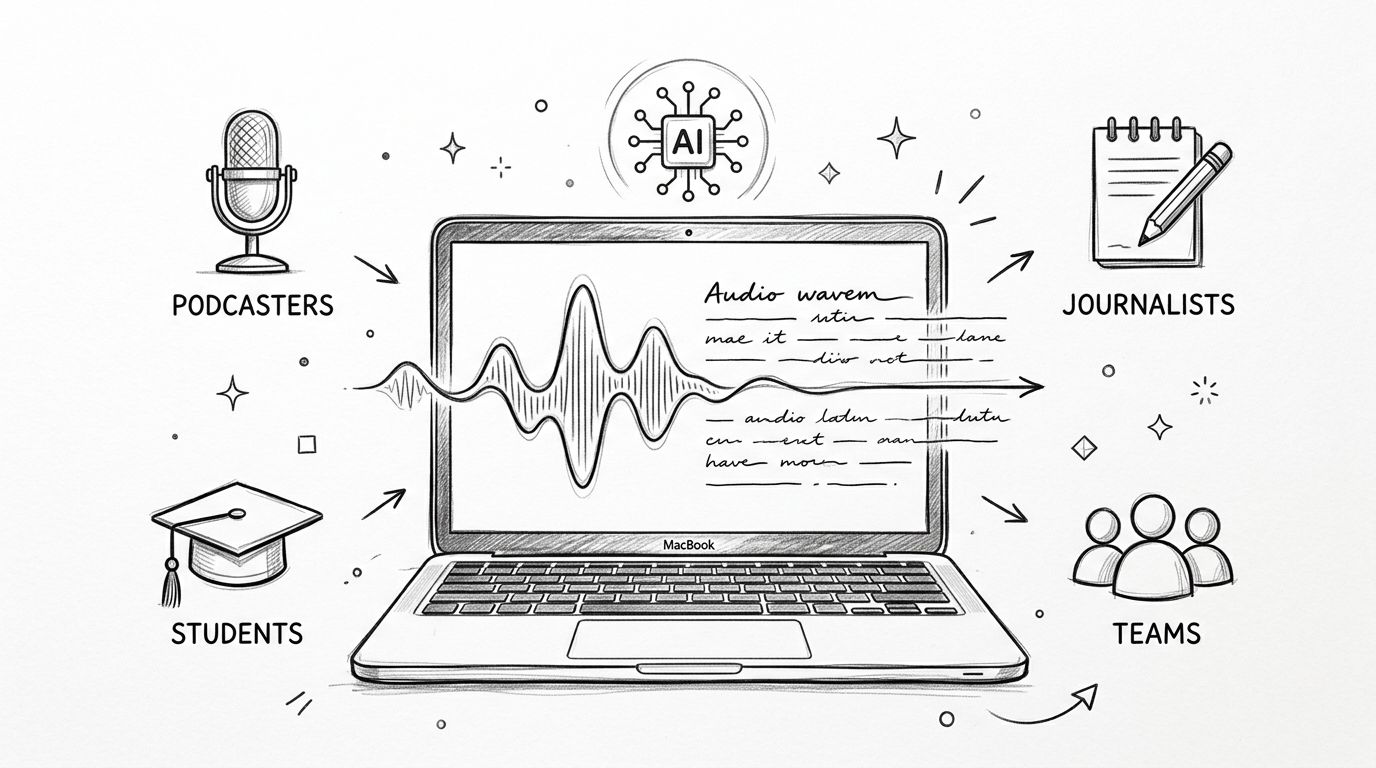
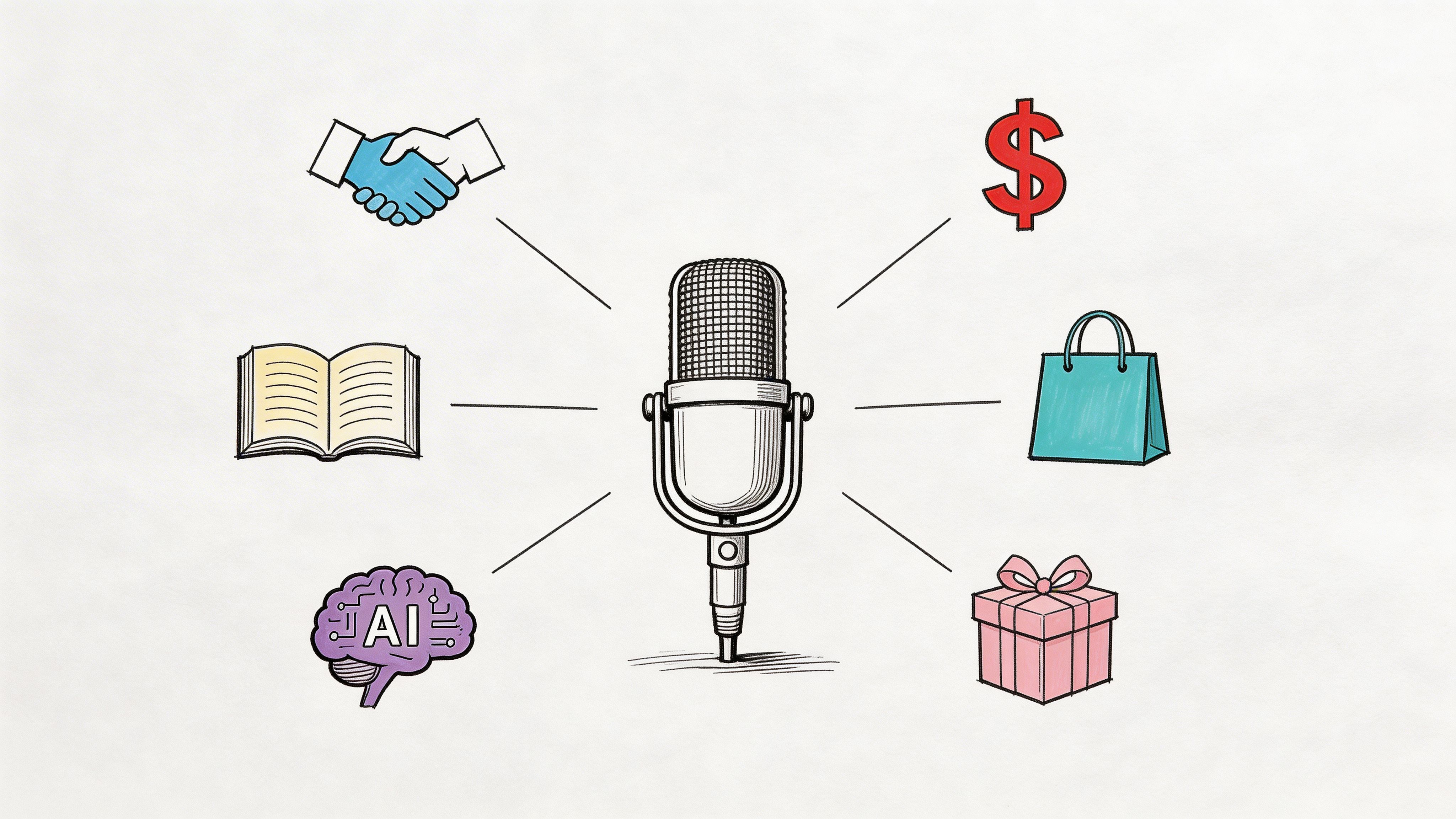
The modern creator economy has recreated the old dictation problem in a new setting. Instead of office memos, people now record interviews, meeting recaps, podcast drafts, lecture notes, and video ideas. The tools are different, but the need is familiar. You talk first. You organize later.
The Dictaphone's Journey Through Time
A century ago, a doctor finishing rounds, a lawyer leaving court, or an executive between meetings faced the same problem many creators face now. The idea arrived faster than the paperwork. Dictation machines grew out of that gap.
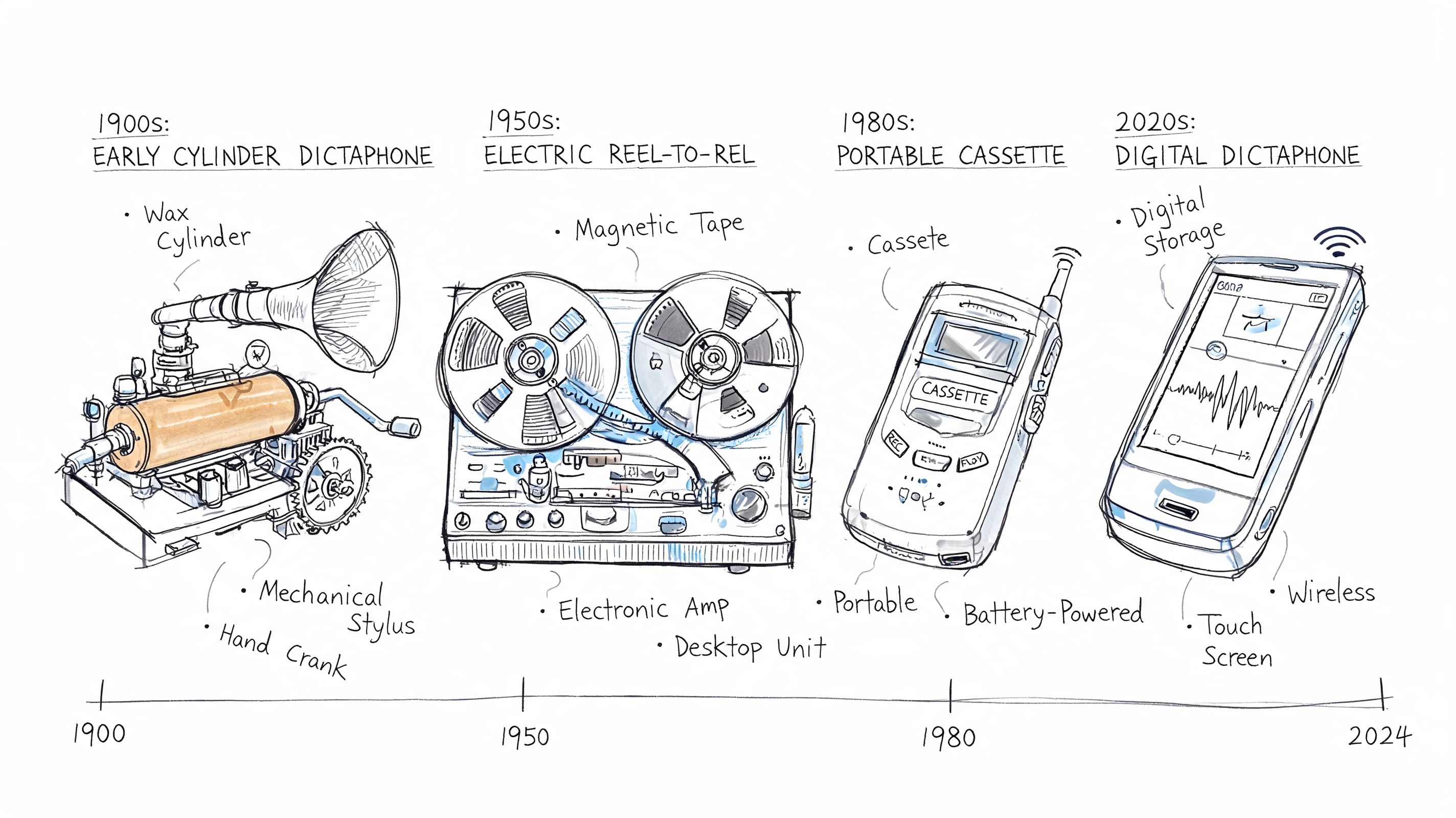
The earliest versions came from late 19th-century experiments in sound recording. What mattered was not the cabinet size or the mechanism inside. It was the new promise: spoken words could be captured, saved, replayed, and handed off for transcription. That changed office work in the same way a shared doc later changed drafting. Speech no longer disappeared the moment it was spoken.
From invention to office standard
As noted earlier, the technology that led to the Dictaphone name emerged from the work of Alexander Graham Bell, Chichester Bell, and Charles Sumner Tainter, then moved into commercial form through the Graphophone business. By the early 20th century, "Dictaphone" had become more than a product label. It had become shorthand for a professional system for spoken input and typed output.
That shift is easy to miss if you picture a dictaphone as just an old recorder. In practice, it sat inside a workflow. One person dictated. Another person transcribed. The machine acted like a holding area between speech and text.
A legal case from the early 1930s showed how seriously recorded speech could be treated. A Dictaphone recording made in a lawyer's office helped document details tied to a kidnapping investigation. This detail is significant because it shows that dictation machines were used to preserve an account that people might later verify, reference, and transcribe, not merely to save time.
Smaller formats changed who could dictate and where
The biggest changes came when dictation moved away from bulkier recording formats and toward media that were easier to store, swap, and carry. Wikipedia’s Dictaphone history traces that progression through Dictabelt systems and later portable magnetic machines such as the Dictet, which brought dictation closer to the pace of daily professional work.
That portability widened the job the device could do. A fixed office recorder suits scheduled correspondence. A portable dictation machine suits field notes, hallway observations, and ideas captured before they fade. The same pattern now shows up in phones and laptops. Content creators record a podcast outline while walking, consultants capture meeting takeaways in a car, and journalists save interview reflections before the next call.
Even niche audio communities still care about dedicated capture tools. For a very different use case, HauntGears' EVP equipment insights show how people evaluate recorders based on clarity, handling noise, and playback usefulness. The context is different, but the underlying question is familiar: can this device preserve spoken sound in a way that remains useful later?
The real legacy of the dictaphone
The dictaphone's history makes more sense when you track its job instead of its casing. Its job was to catch speech early, hold it reliably, and help turn it into text later.
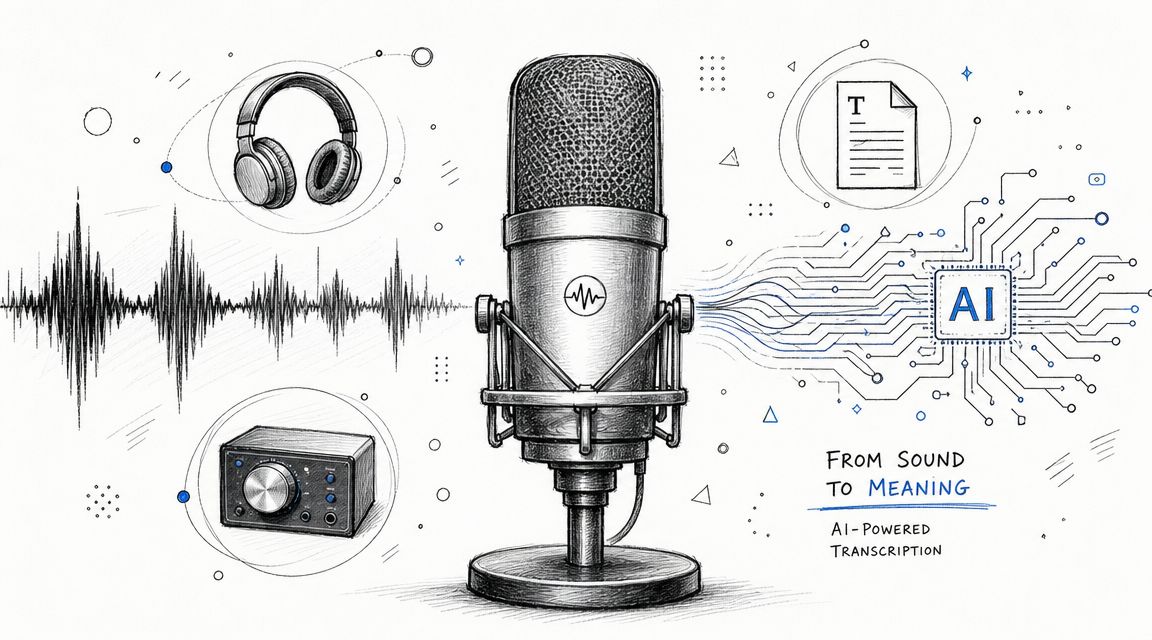
That job survived every format change. Wax cylinders gave way to belts, tapes, digital files, and eventually software. Today, AI transcription tools do the second half of the work that once belonged to a typist. A recorder captures the voice. A system like Whisper AI converts it into searchable text, drafts, notes, and content assets.
So the modern successor to the dictaphone is not just a better recorder. It is the full speech-to-text workflow, with AI finishing in minutes what older offices finished by hand.
What Makes a Dictaphone More Than a Voice Recorder
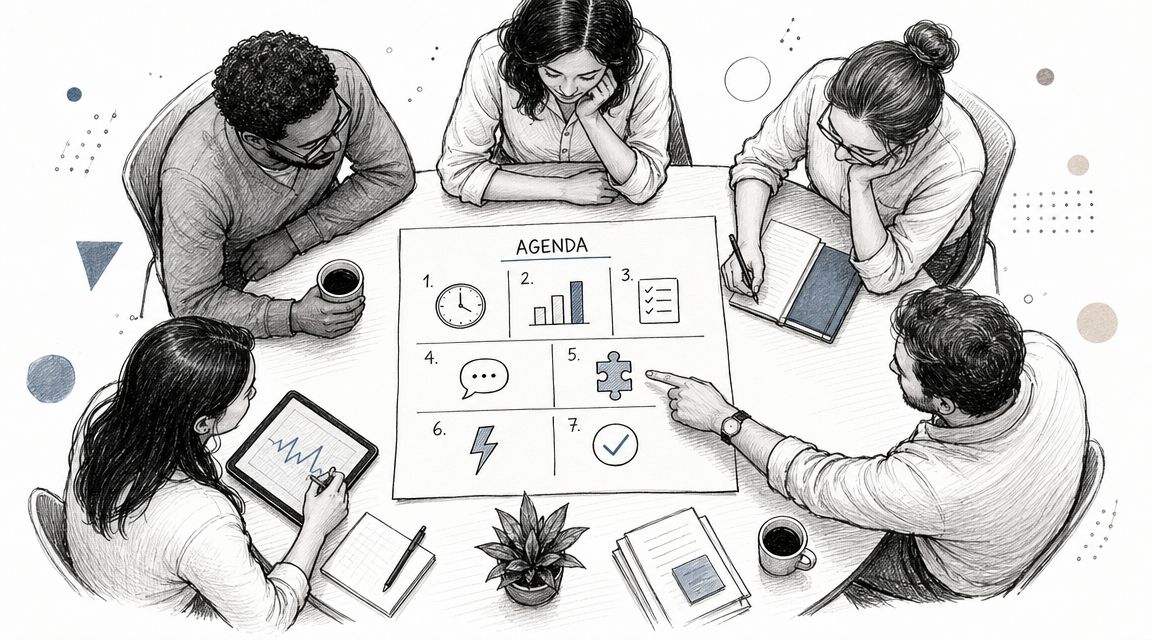
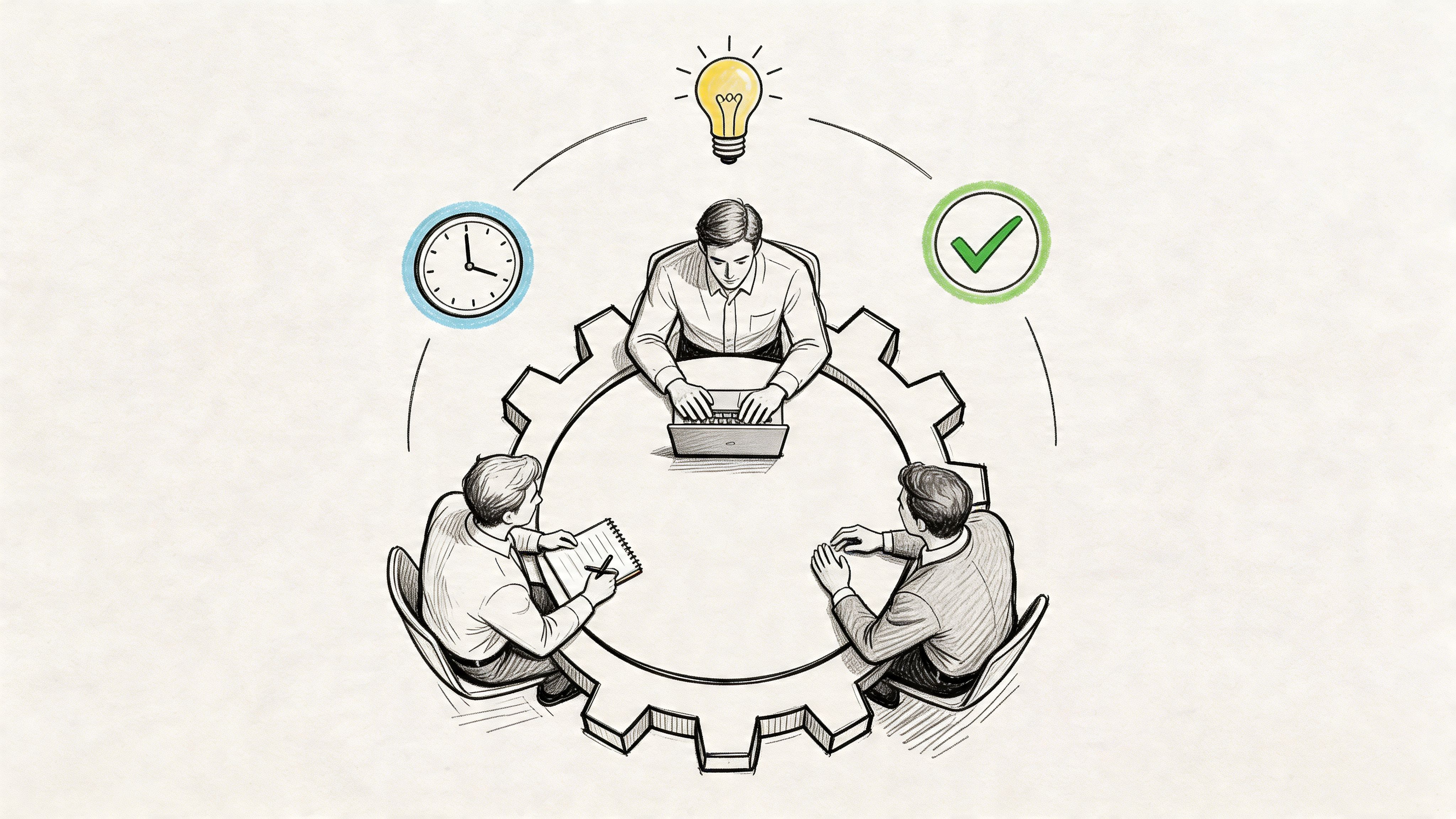
A lawyer dictates case notes after court. A physician records observations between appointments. A podcast producer speaks an outline before a recording session. In each case, the job is the same: capture spoken words in a form that can become usable text later.
That is what separates a dictaphone from a generic recorder.
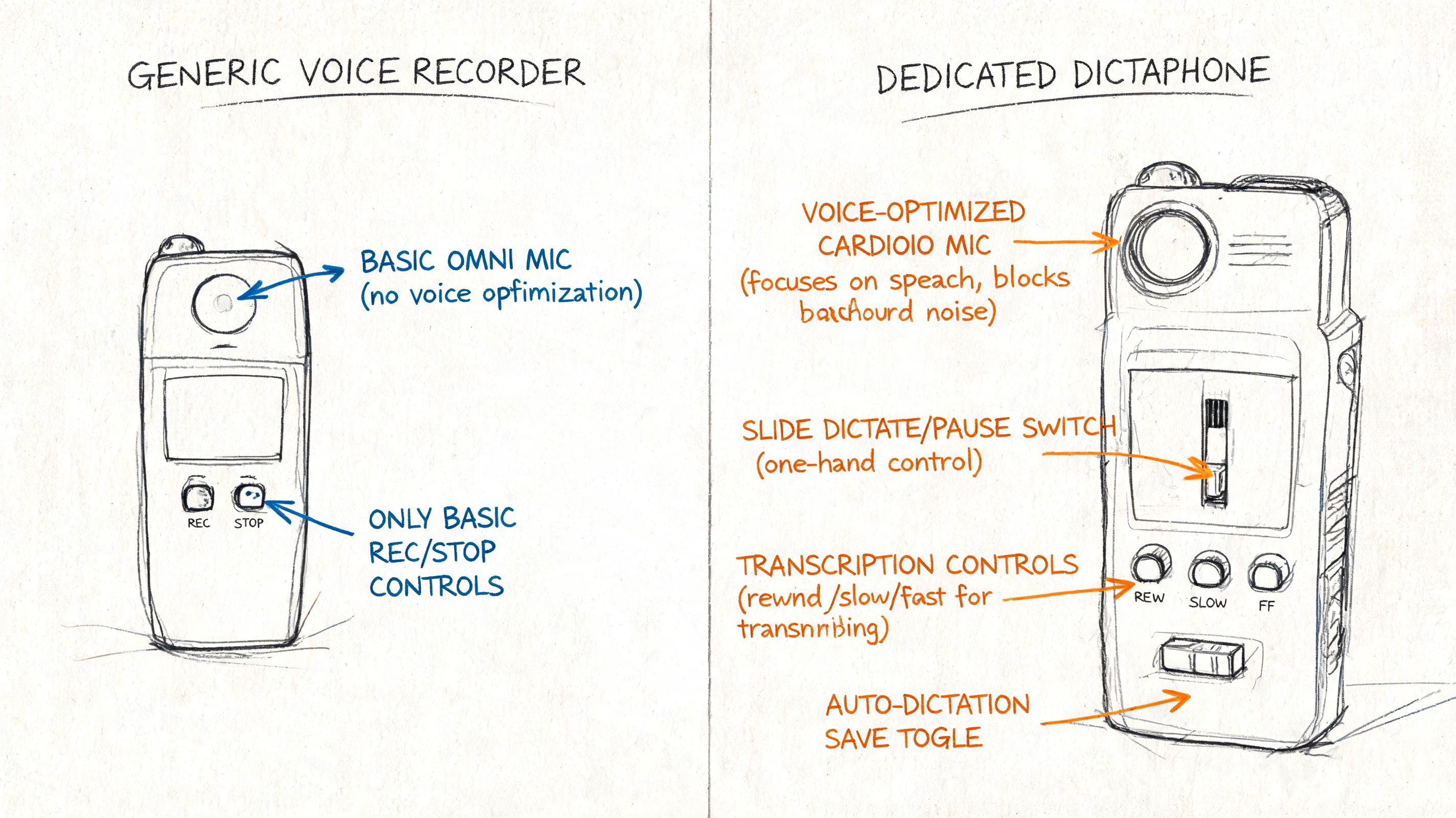
A basic recorder stores sound. A dictaphone was designed around the full dictation workflow, especially the moment when someone has to review speech, pause it, repeat a phrase, and turn it into writing without losing time or context.
The features built for transcription
The easiest way to understand the difference is to look at the person doing the listening. A casual listener wants play, pause, and maybe rewind. A transcriptionist needs tighter control, because spoken language is messy. People trail off, restart sentences, mumble names, and jump between ideas.
Older dictation systems were built around that reality. The Dictaphone 2750 transcriber overview from Porter Electronics shows the kind of controls that made dictation practical in offices: variable playback speed, foot pedal operation, backspace, and headset support. Those are workflow tools, not just audio features.
Here is why they mattered:
- Foot pedal control: playback can be started, stopped, or reversed while both hands stay on the keyboard.
- Variable speed playback: the listener can match the speaker's pace without changing the task.
- Backspace control: the machine returns to the last phrase quickly, instead of forcing a manual search.
- Indexing and organization: recordings are easier to sort, revisit, and assign to a specific document or case.
That design logic still matters. A dedicated audio recorder device for spoken capture often makes sense when the recording needs to feed a transcript, notes, or a draft rather than simple playback.
The real distinction is workflow
A dictaphone works like office infrastructure for speech. The microphone is only the front end. Its value comes from reducing friction between speaking and writing.
That is why the word "dictaphone" lasted even as the hardware changed. The format could shift from tape to digital files, but the purpose stayed stable: record speech clearly, review it efficiently, and convert it into text with as little delay as possible.
Modern AI tools now handle the last step that once belonged to a typist. In that sense, transcription software is not separate from the dictaphone story. It completes it.
Why specialized recorders still exist
Specialized capture tools still appear in narrow fields because recording quality is only part of the problem. Controls, handling noise, playback behavior, and review workflow also shape whether the audio stays useful later. HauntGears' EVP equipment insights show that pattern in a very different niche, but the lesson carries over well.
Once a device is built for a specific listening task, its buttons, format choices, and playback tools start to look very different from a consumer gadget.
A simple way to tell the difference
| Question | Generic voice recorder | Dictaphone |
|---|---|---|
| Main goal | Capture audio | Capture speech for transcription |
| Playback controls | Basic | Designed for repeated review |
| Workflow | Solo listening | Dictation, review, and written output |
| File handling | General use | Organized around speech-to-text tasks |
A dictaphone, then, is best understood as a tool built for spoken input that needs to become text. That is its historical identity, and it is also why AI transcription systems now feel like its logical successor.
Analog Tapes vs Digital Files The Two Worlds of Dictation
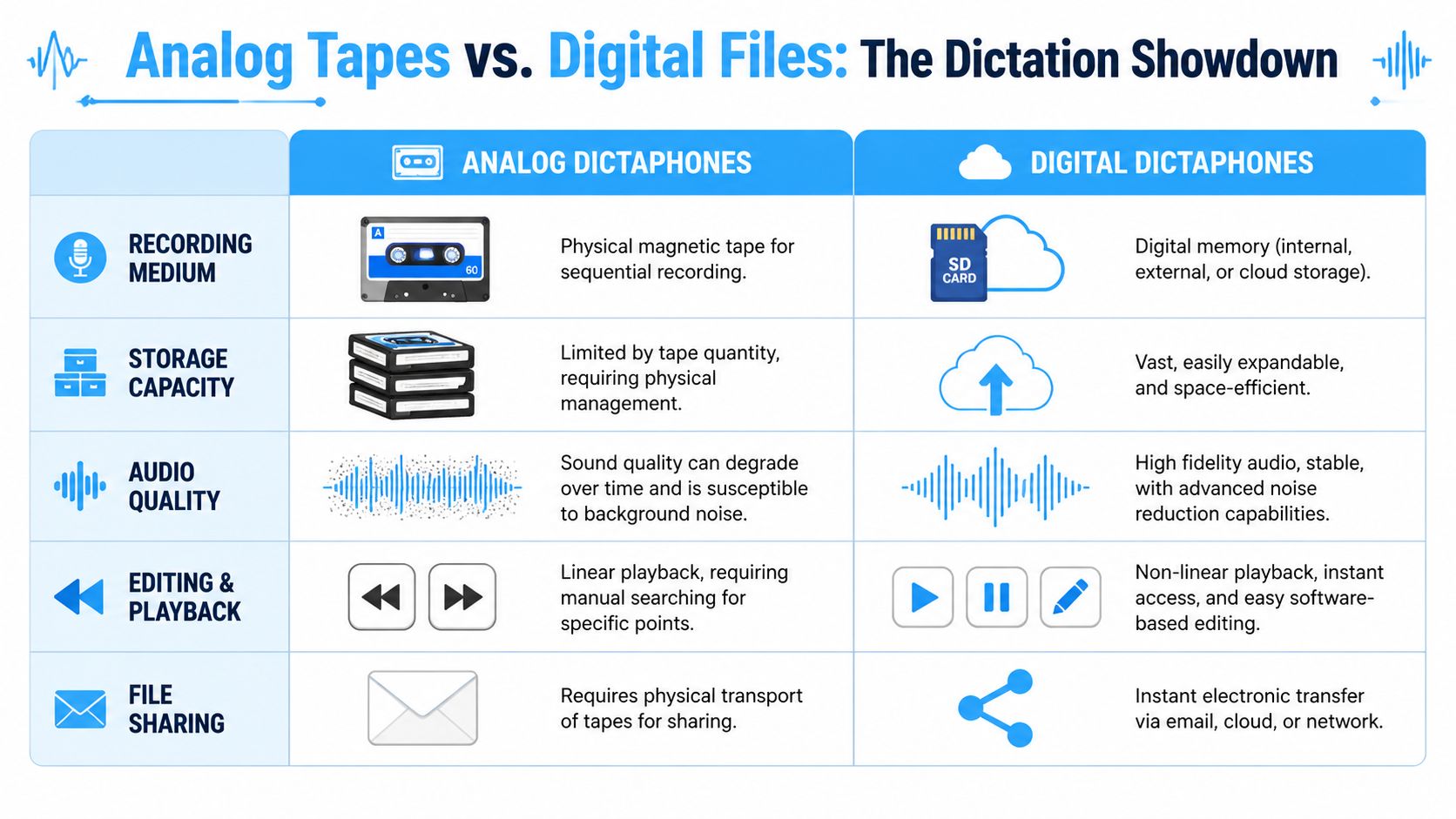
For many readers, "dictaphone" brings up a tiny cassette recorder. For others, it means a digital handheld device with folders, memory cards, and USB transfer. Both are part of the same family, but they create very different daily workflows.
How analog dictation feels in practice
Analog dictaphones are physical. You record onto a cassette or similar medium, rewind through material in sequence, and hand off the tape or play it back on a matching transcriber.
Some people still like that setup because it’s tangible. You can label a cassette, file it in a drawer, and keep work physically separate. In environments with established habits, that can feel dependable.
But analog has obvious tradeoffs. Searching is slower. Sharing is clumsier. Audio can degrade. Managing lots of recordings means managing lots of objects.
How digital dictation changed the workflow
Digital dictaphones made a big shift. The recording stopped being tied to a single physical strip of tape and became a file. That changed everything around it: naming, copying, moving, organizing, and eventually uploading.
If you want a broader look at how dedicated hardware compares with newer capture options, this guide to an audio recorder device and modern alternatives is useful background.
The most important difference between analog and digital dictation isn’t sound. It’s what happens after you press stop.
Dictation methods compared
| Feature | Analog Dictaphone | Digital Dictaphone | Smartphone + AI App (e.g., Whisper AI) |
|---|---|---|---|
| Recording medium | Physical tape or similar removable media | Internal memory, memory card, or digital file | Phone storage plus cloud-connected workflow |
| Access to a specific moment | Linear rewind and fast-forward | Faster navigation through files | Fast navigation plus transcript-based search |
| Sharing | Physical handoff | File transfer by cable or upload | Immediate upload and collaborative access |
| Best fit | Established legacy workflows | Professionals who want dedicated hardware | Creators, teams, researchers, and mobile users |
| Editing | Limited and sequential | Easier file-based handling | Text-centered review after transcription |
| Portability | Good, but tied to tapes and accessories | Strong portability with dedicated controls | Highest convenience because many users already carry the device |
Which one makes sense today
If you already work inside a legal, medical, or archival environment built around dedicated dictation hardware, a digital dictaphone can still make sense. It gives you purpose-built controls without the physical drag of analog tape.
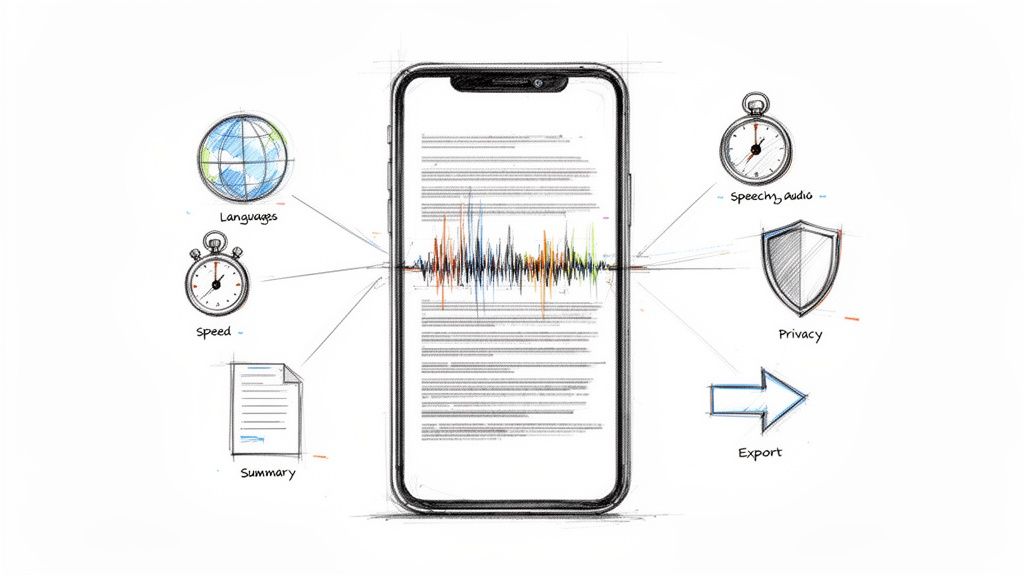
But for many modern users, the hardware itself is no longer the center of the workflow. The center is the output. They don’t just want a recording. They want searchable notes, clean quotes, timestamps, action items, and a transcript they can reuse in other tools.
That’s where the old hardware categories start to feel incomplete. Once spoken content becomes a file, it naturally moves toward software.
Practical Dictation for Modern Professionals
The easiest way to understand what is a dictaphone is to stop thinking about the machine and start thinking about the moment someone reaches for it. That moment still happens every day.

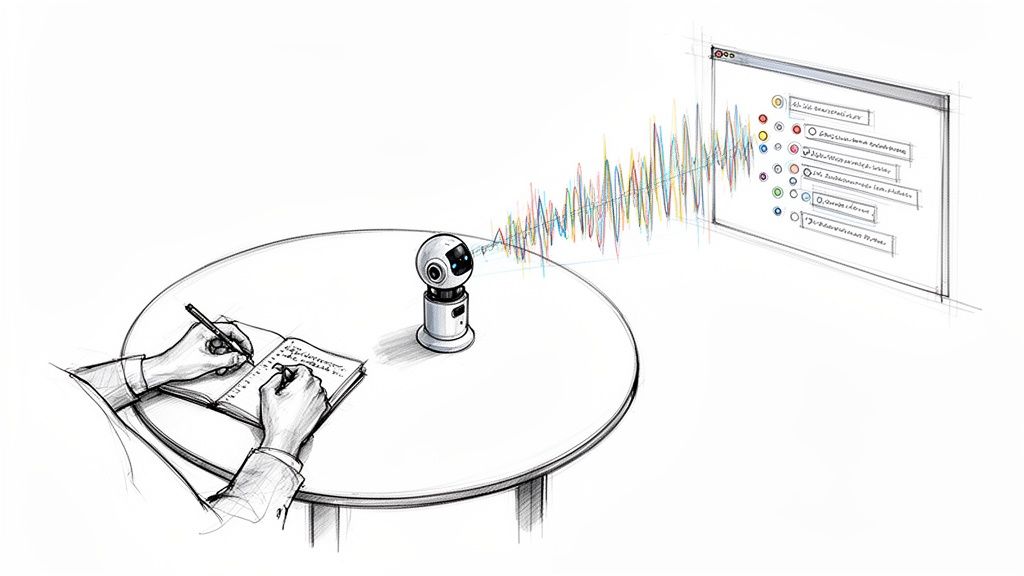
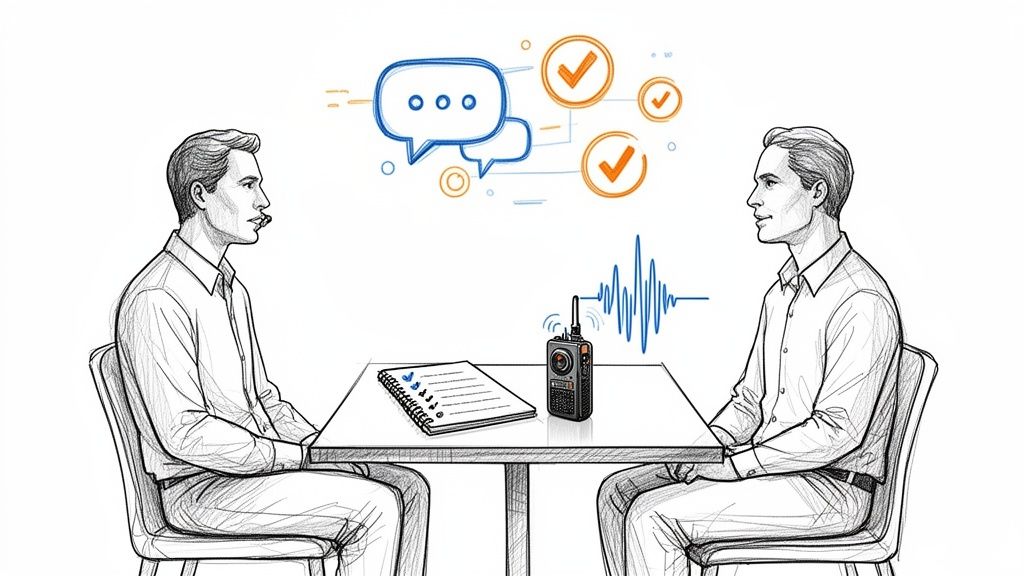
A journalist leaves an interview with pages of hurried notes and a half-remembered quote. A professor finishes office hours with three useful ideas for tomorrow’s lecture. A manager walks out of a meeting knowing the key decisions are clear right now, but may blur by the afternoon. Dictation exists for that fragile window between speaking and forgetting.
Four familiar situations
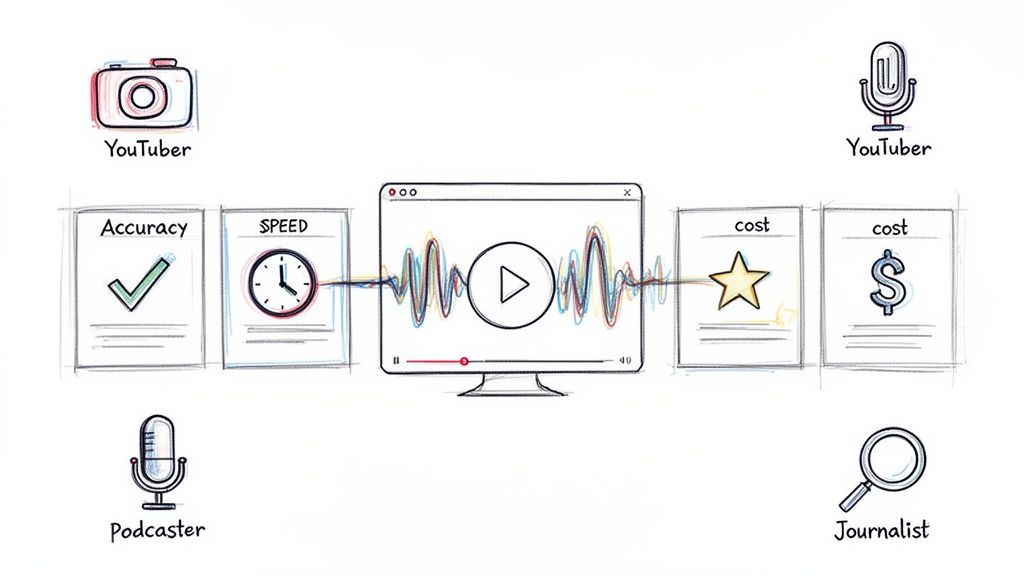
- Journalists in the field: They need exact wording, names, and reactions while moving quickly between interviews.
- Lawyers after a call: They often need a verbal case memo while the reasoning is still sharp.
- Doctors between appointments: They may need a faster alternative to stopping and typing every detail.
- Podcasters and creators on the move: They often draft outlines, hooks, and episode ideas while walking or commuting.
Notice what all of these have in common. The user isn’t chasing perfect studio audio. They’re trying to preserve usable speech before the moment passes.
Why speaking first is often better
Typing can interrupt thought. Dictation doesn’t. Many people explain ideas more naturally out loud than on a blank page, especially when they’re tired, multitasking, or trying to keep up with a live event.
That’s why old dictation machines were so effective in office life. They let professionals stay in motion. They spoke the material once, then handled cleanup later.
For a quick visual example of how portable dictation tools fit into daily use, this clip is a useful reference:
The creator version of dictation
Today’s content teams often do the same thing under a different name.
A YouTuber records rough script ideas as voice notes. A researcher narrates field observations. A social media manager talks through campaign takeaways after a client call. A student records a summary after class instead of trusting memory alone.
Speak when your idea is alive. Edit when you have time.
That sentence could have described a secretary’s desk workflow decades ago. It also describes modern production habits surprisingly well.
The Modern Workflow From Audio Capture to AI Transcript
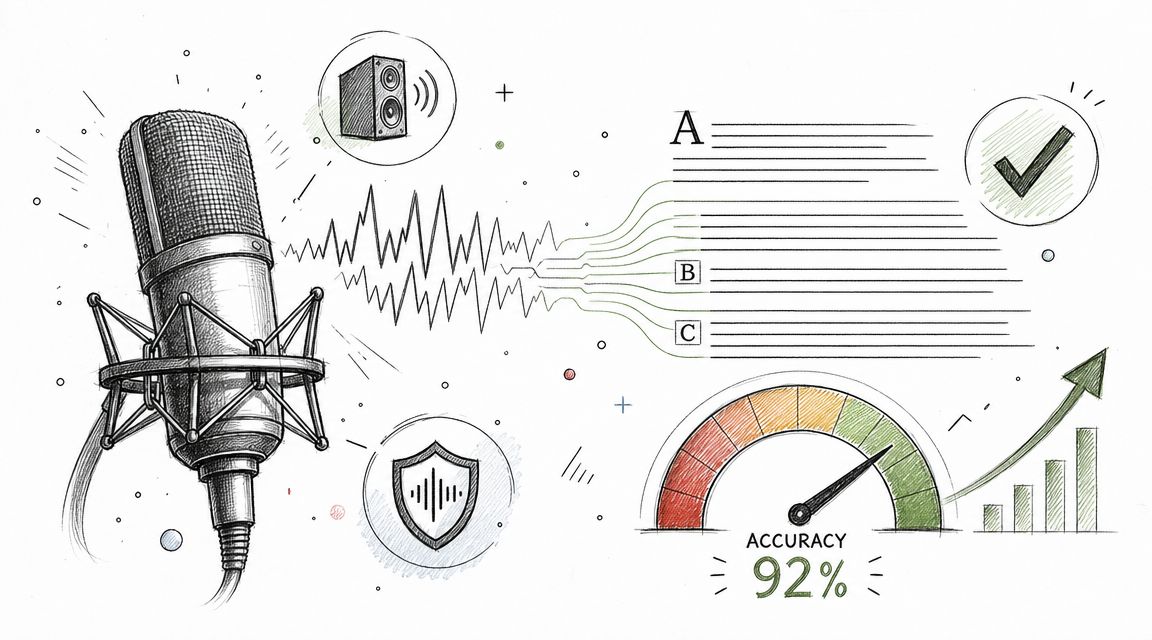
A lawyer leaves a deposition with an hour of recorded testimony. A podcaster finishes an interview on the way to the next appointment. A consultant walks out of a client meeting with six ideas that will matter later. In each case, the old dictaphone job remains the same. Capture spoken words now, turn them into usable text soon enough to act on them.
That continuity matters more than the hardware.
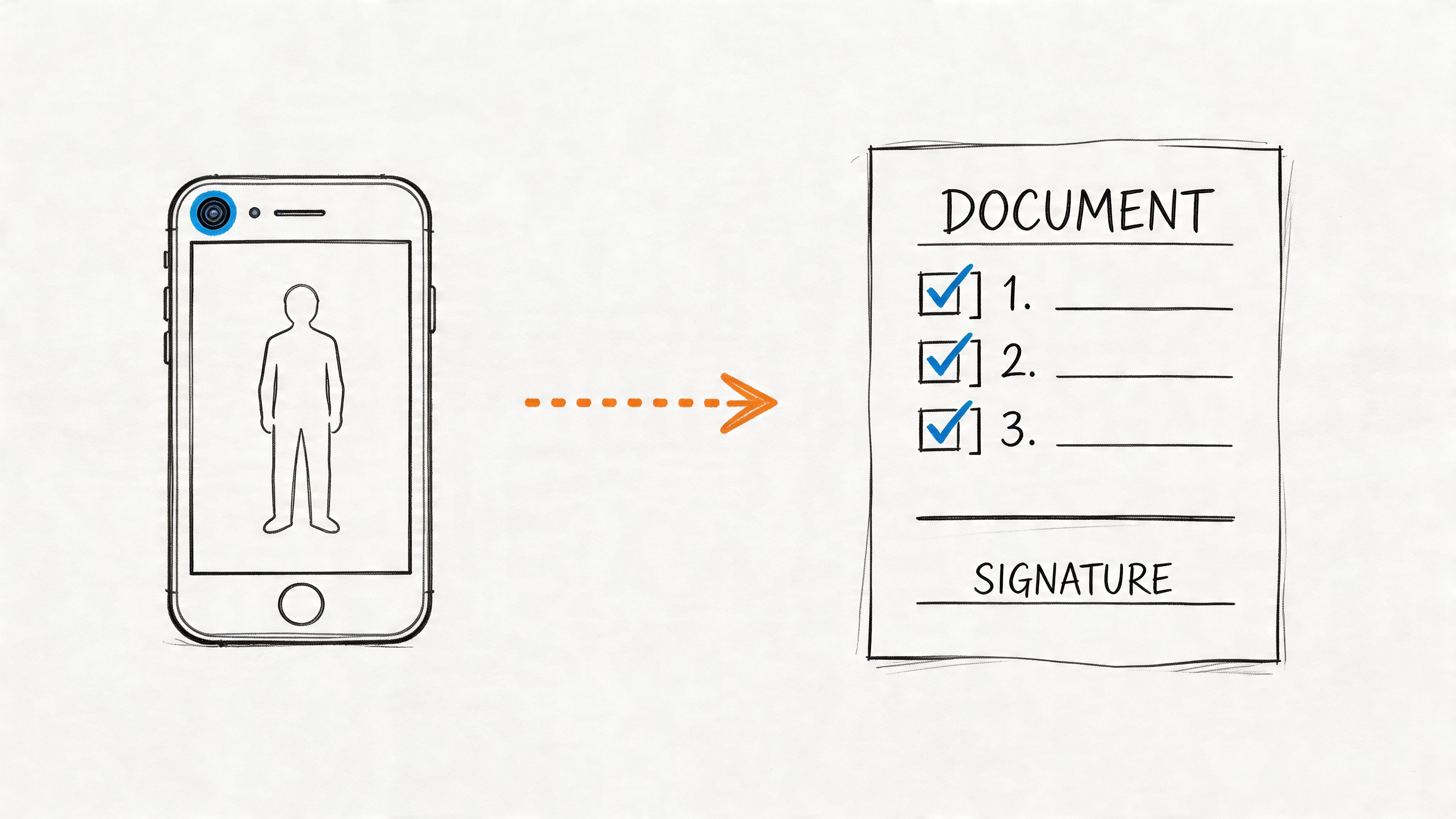
The classic dictaphone split work into two parts. One person spoke. Another person, often a secretary or transcriptionist, converted the recording into text. Modern software collapses much of that second step into the same workflow. The tool changed, but the purpose did not.
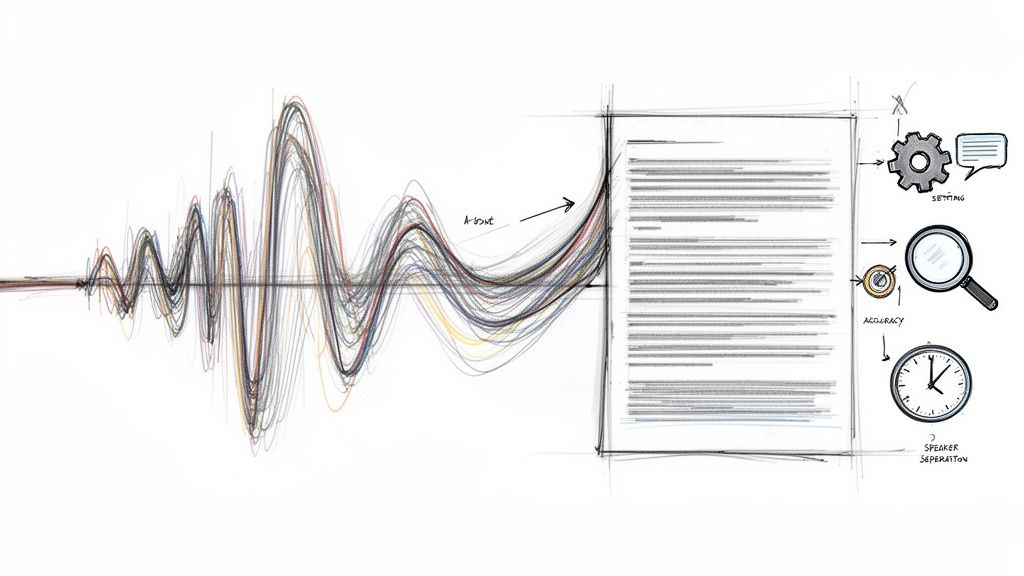
From recording device to speech-to-text system
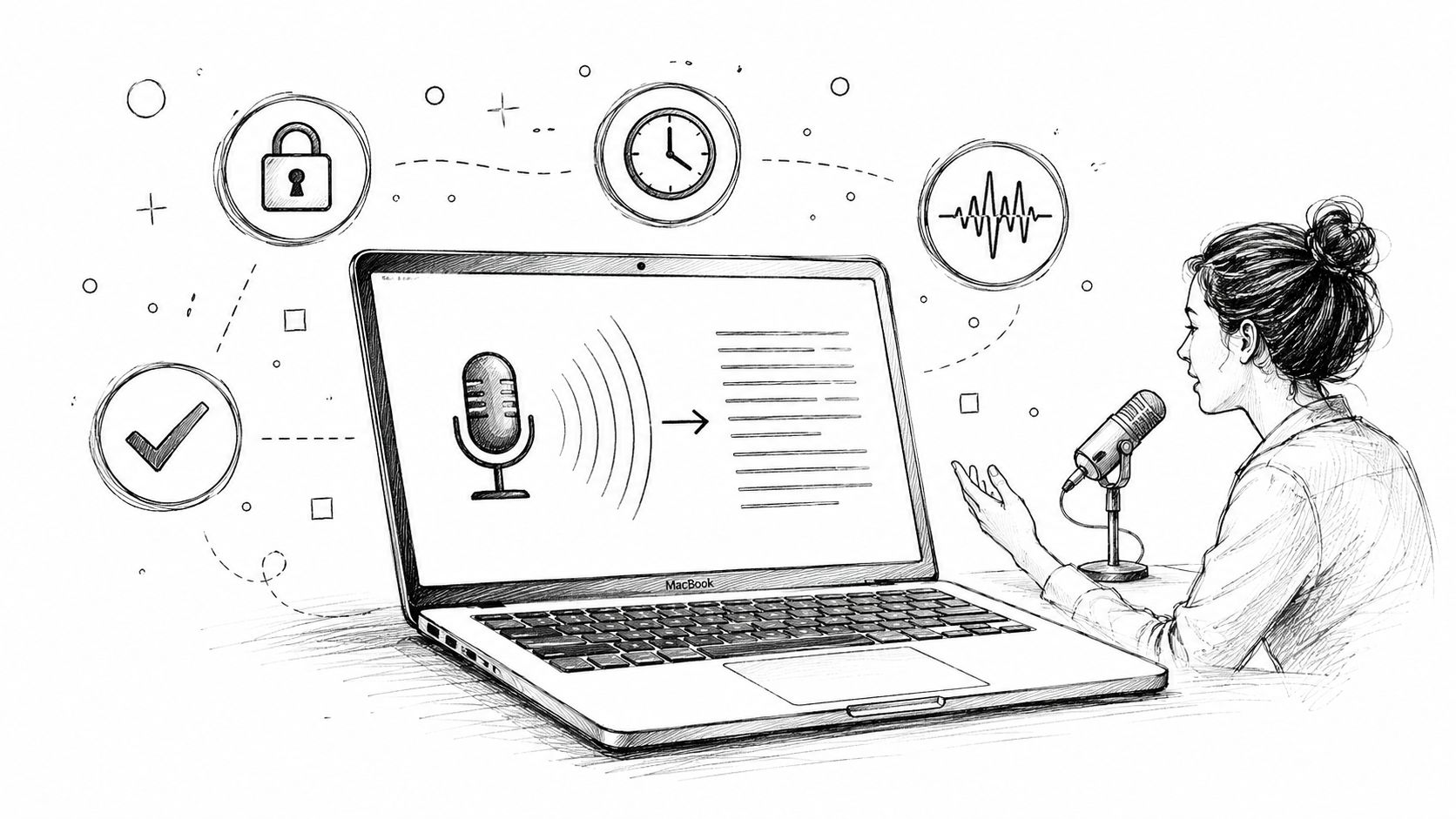
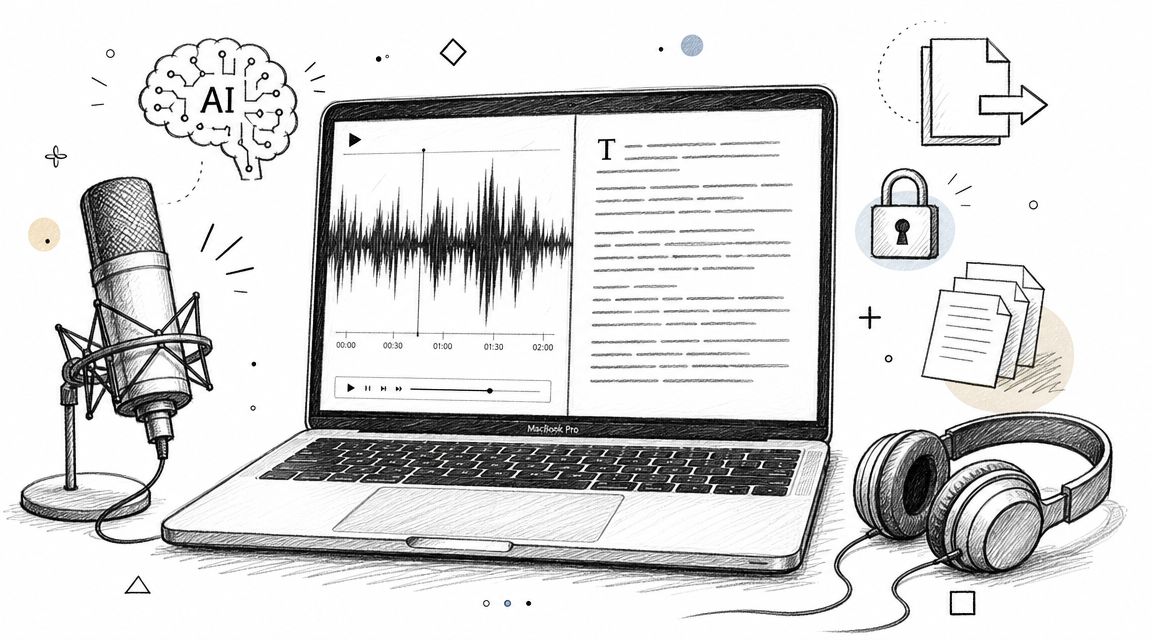
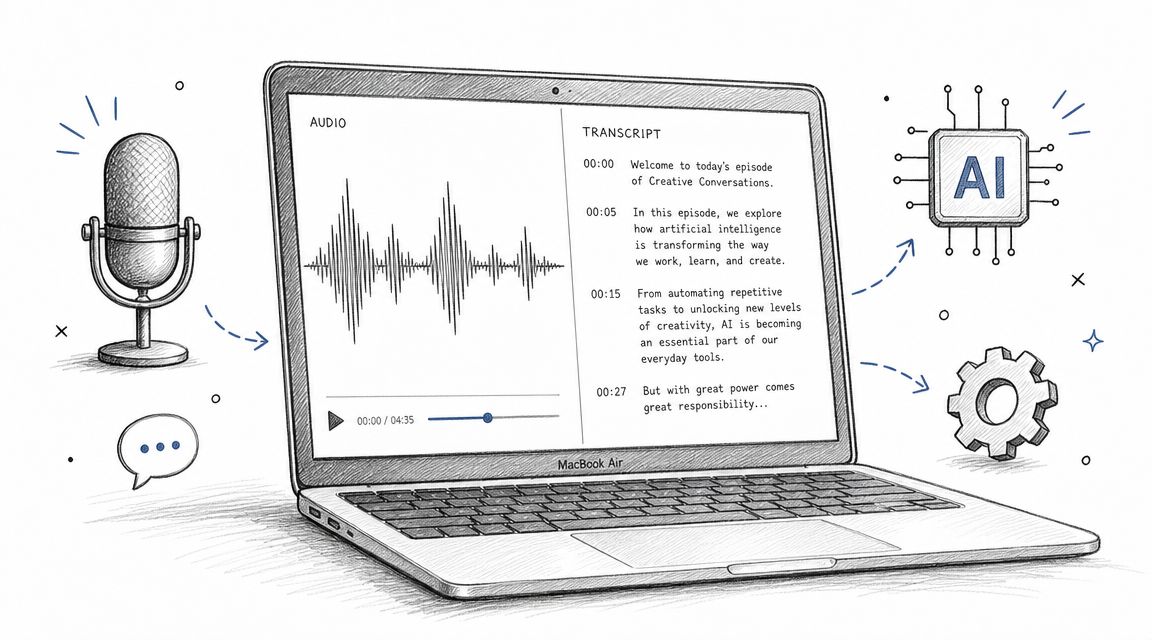
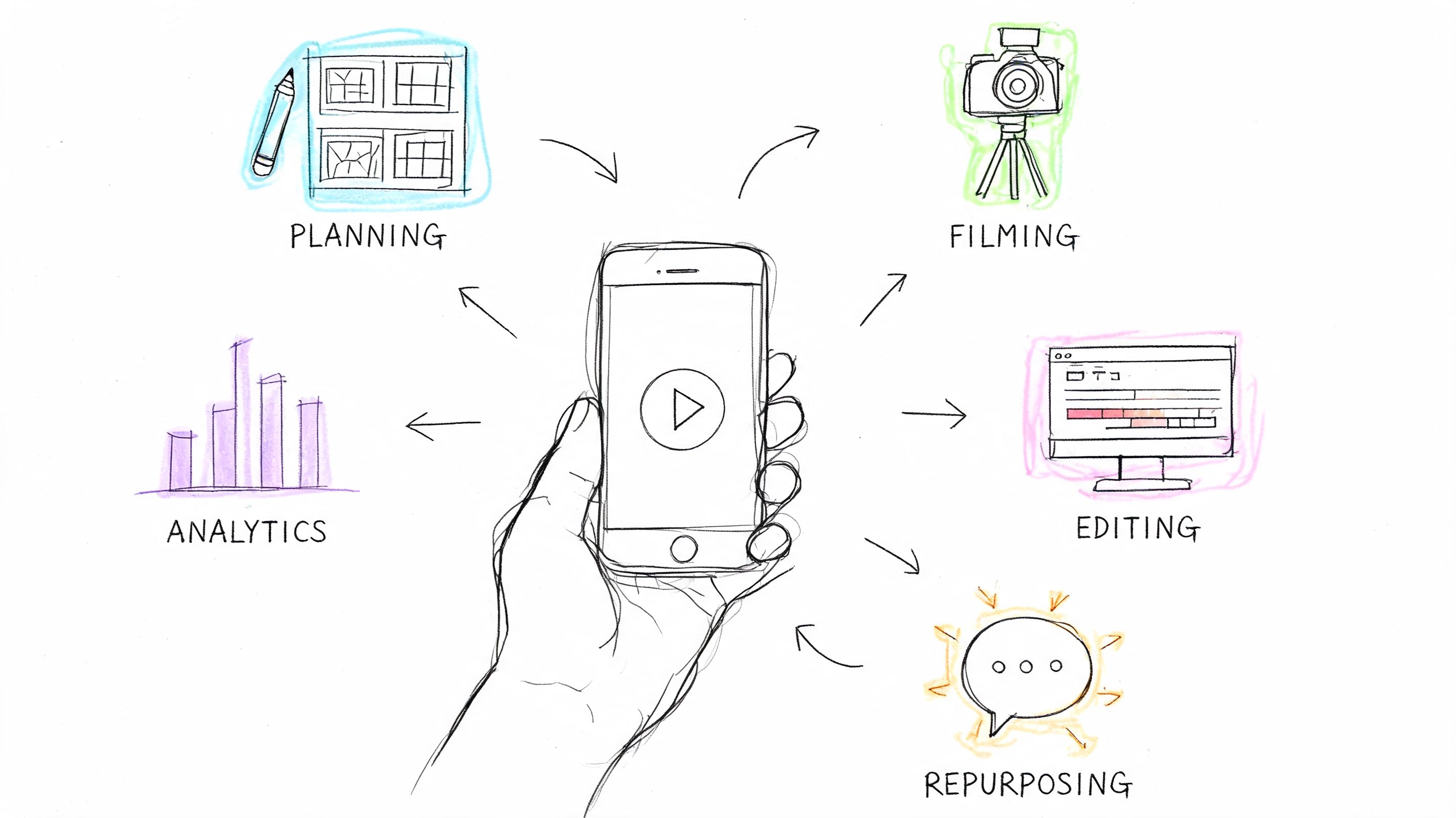
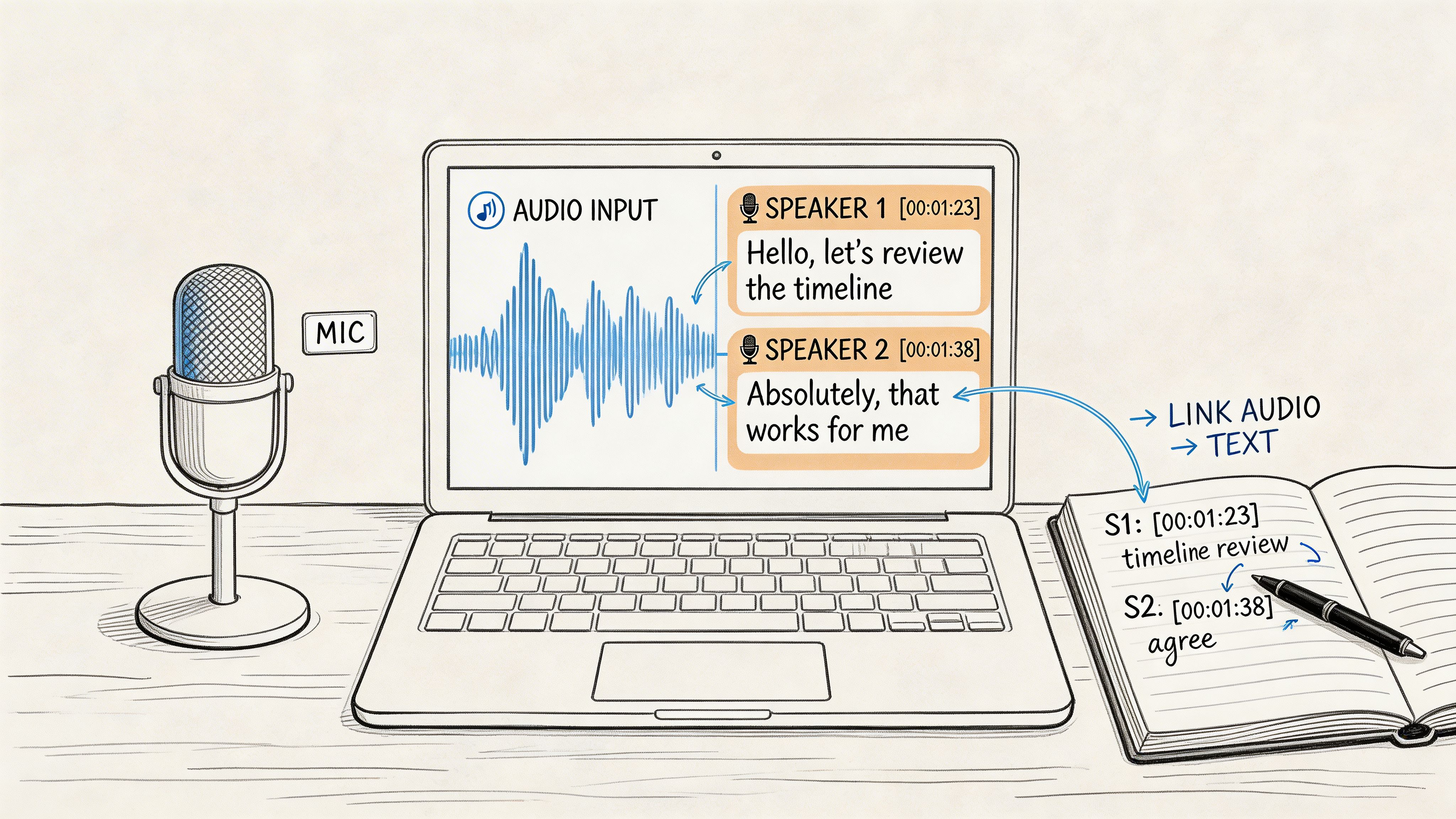
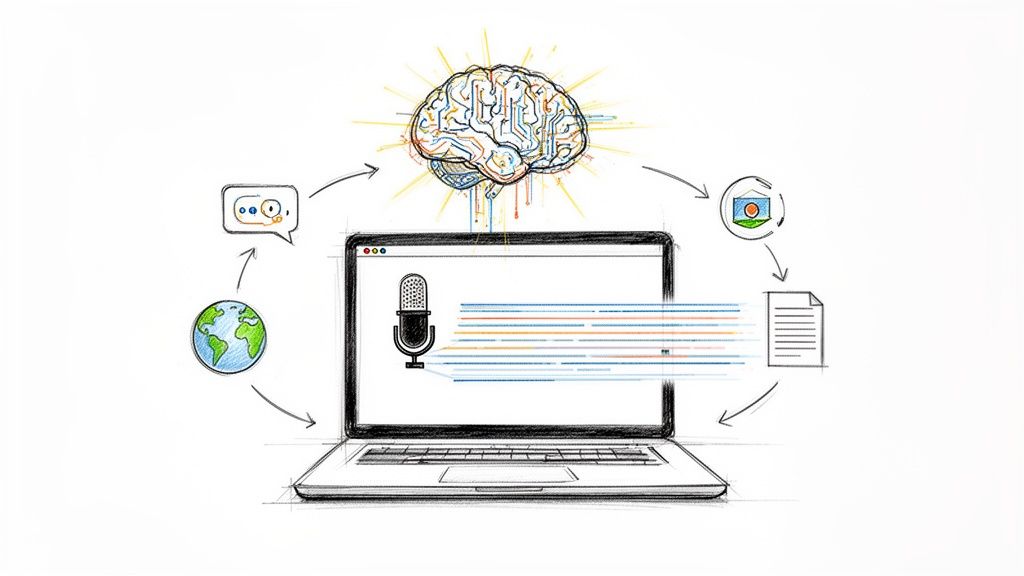
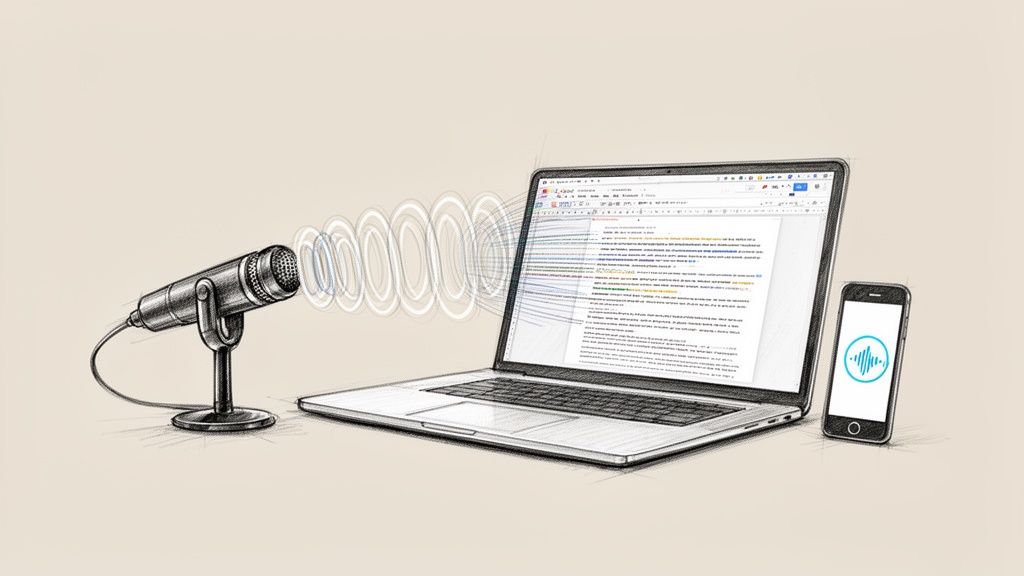
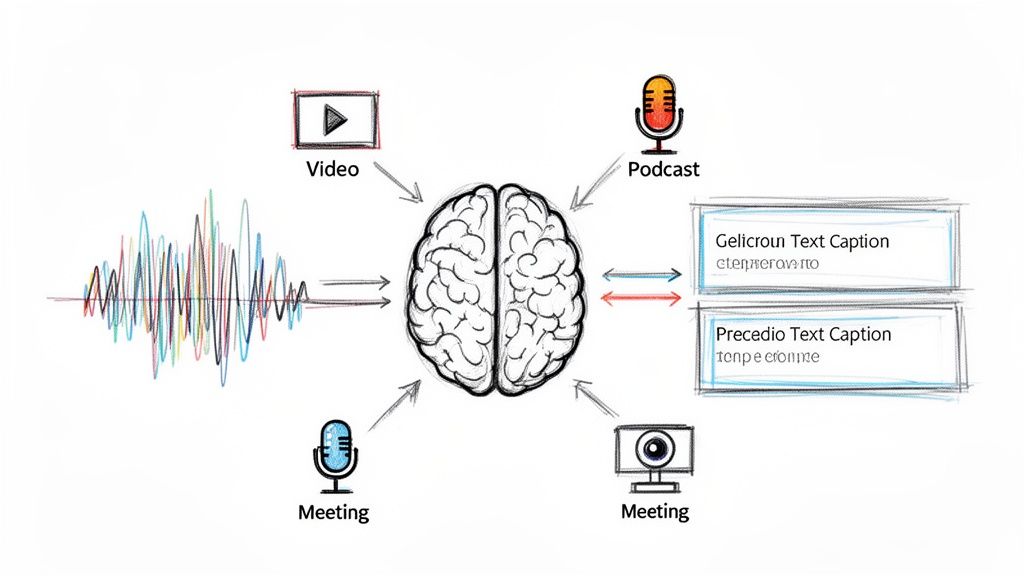
A dedicated dictation machine used to be part recorder, part office process. Today, a phone, laptop, meeting app, or handheld recorder can handle the capture step, and transcription software handles the conversion. That makes the modern successor to the dictaphone less like a single object and more like a relay race. One tool catches the voice. The next tool turns it into text you can search, edit, quote, and repurpose.
For creators and knowledge workers, that difference is huge. Audio used to sit in a folder like a box of unlabeled tapes. AI transcription turns that raw material into draftable text.
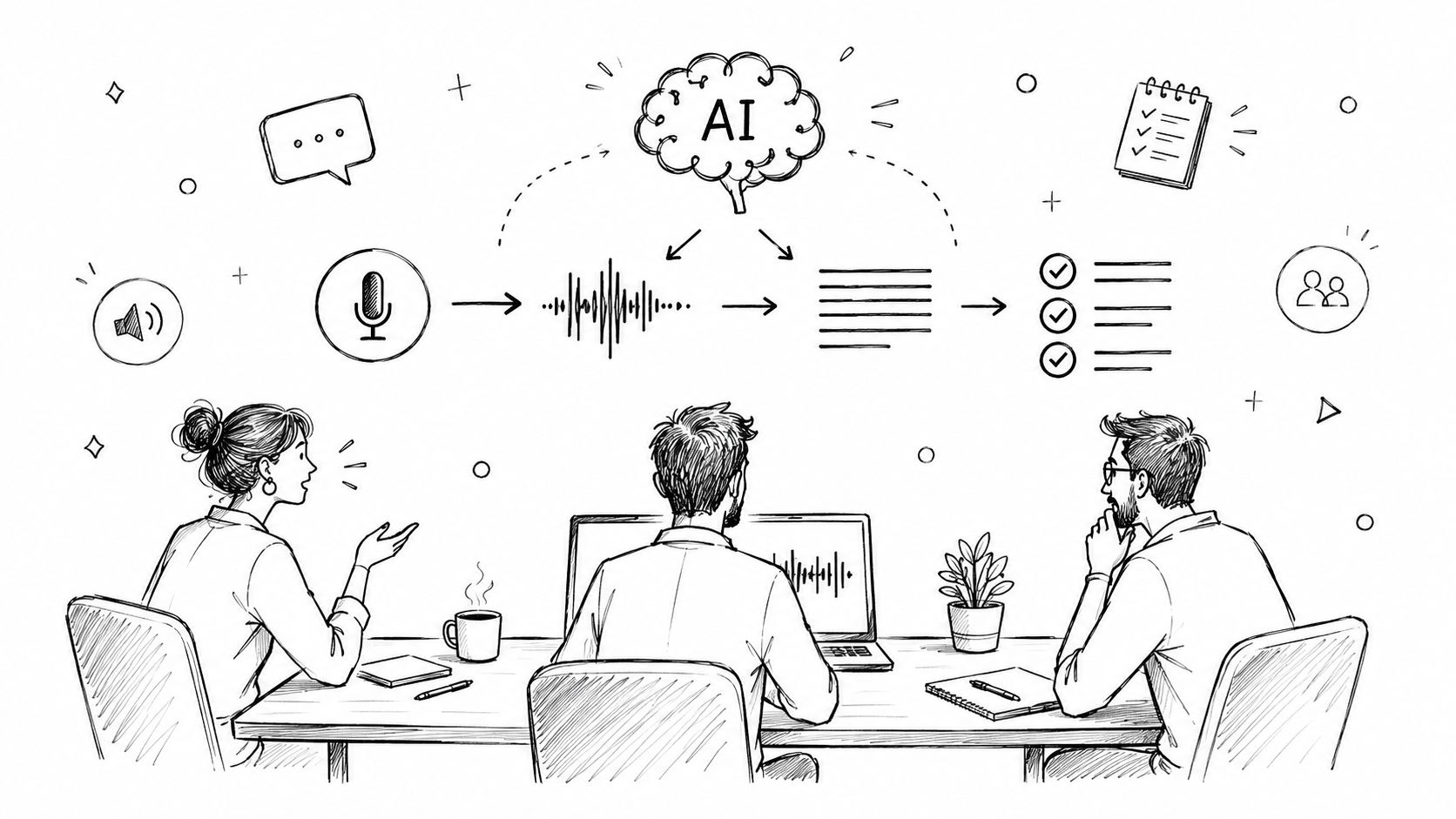
A practical workflow usually looks like this:
- Capture the audio. Record a meeting, interview, lecture, memo, or rough spoken draft.
- Send the file into transcription. Upload it, sync it, or process it directly from the device.
- Clean the transcript. Fix names, jargon, timestamps, and any misheard phrases.
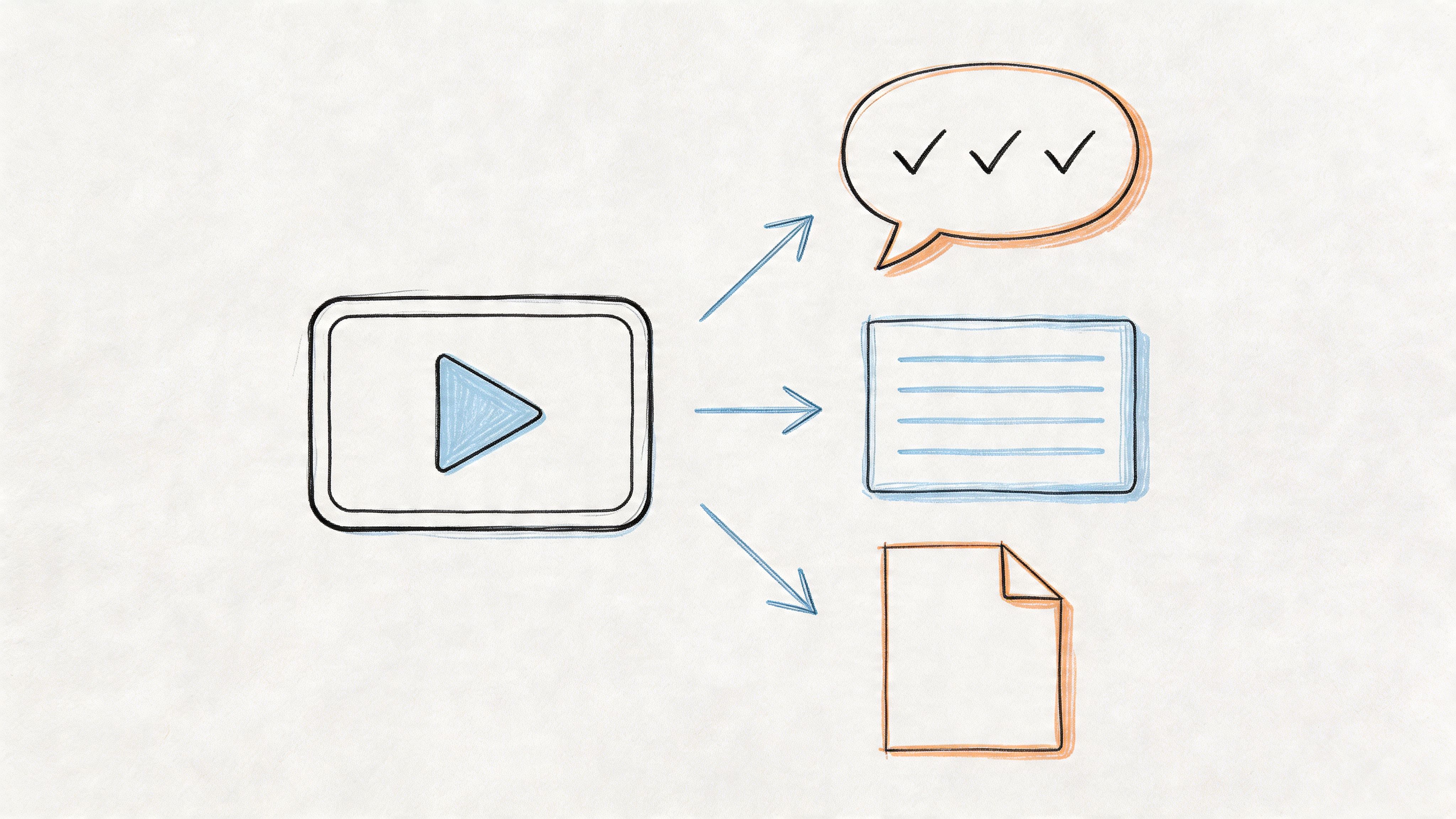
- Put the text to work. Turn it into notes, summaries, captions, articles, quotes, or action items.
If you want a closer look at that conversion step, this guide on turning audio into text from recorded files shows how the process works in practice.
Why AI transcription fits the dictaphone's original job
The dictaphone was never important because it recorded sound. Plenty of devices can do that. It mattered because it helped speech become writing without forcing the speaker to stop and type.
AI transcription continues that same mission with fewer handoffs.
A doctor can dictate observations and review text instead of waiting on manual transcription. A reporter can search a transcript for the exact quote instead of replaying the full interview. A marketing team can turn one recorded planning session into meeting notes, a campaign brief, and social copy.
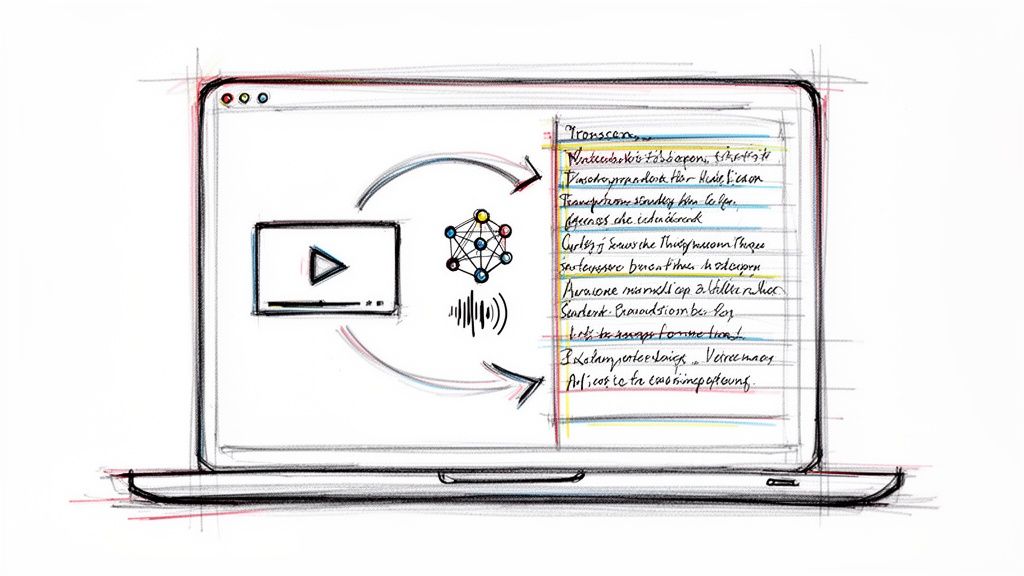
That is why tools like Whisper AI feel less like a replacement from a different category and more like the next stage of the same idea. The machine once captured speech for a typist. The modern workflow captures speech for software first, then for human editing.
What changes in daily work
The biggest shift is not just speed. It is reuse.
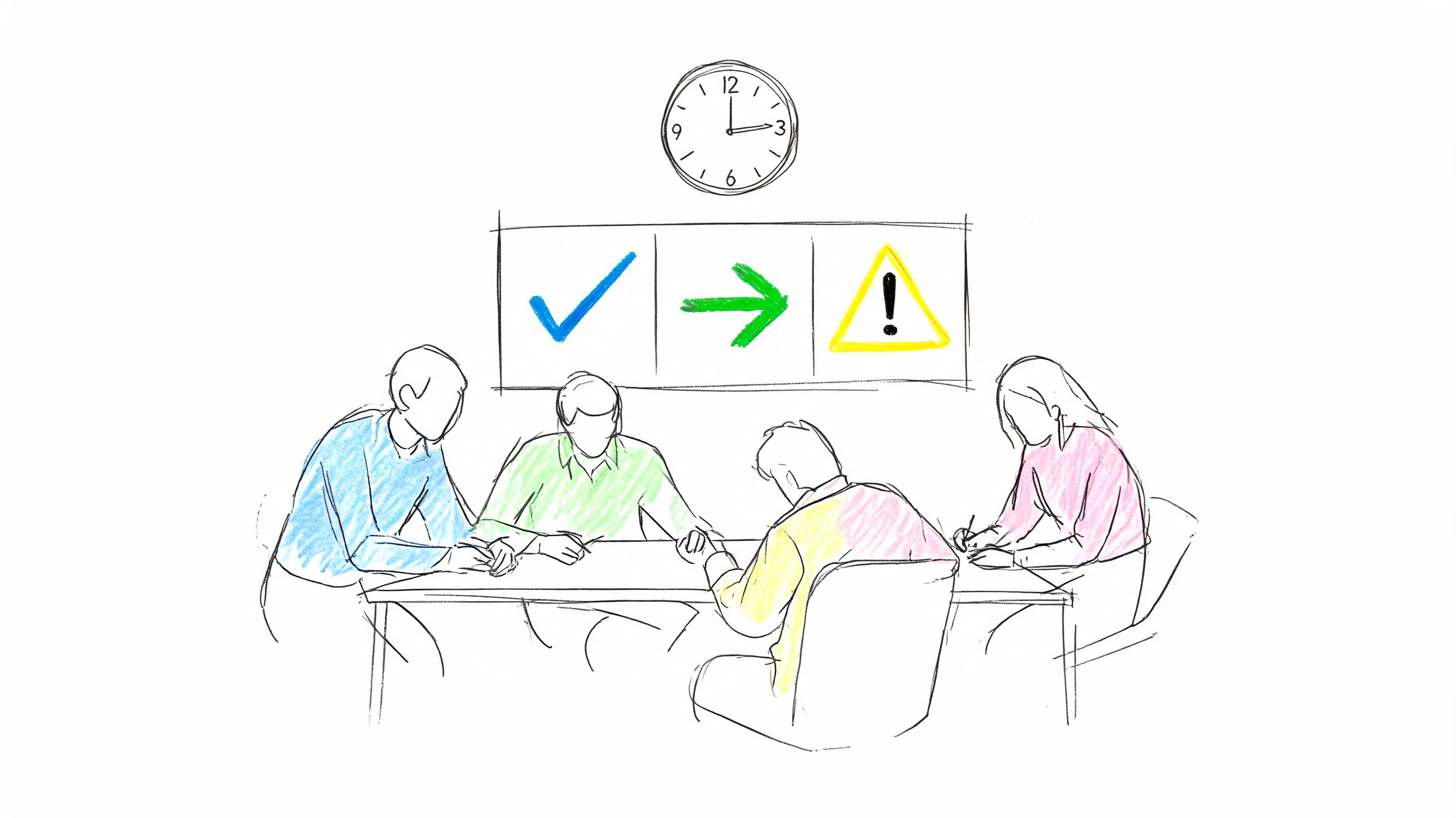
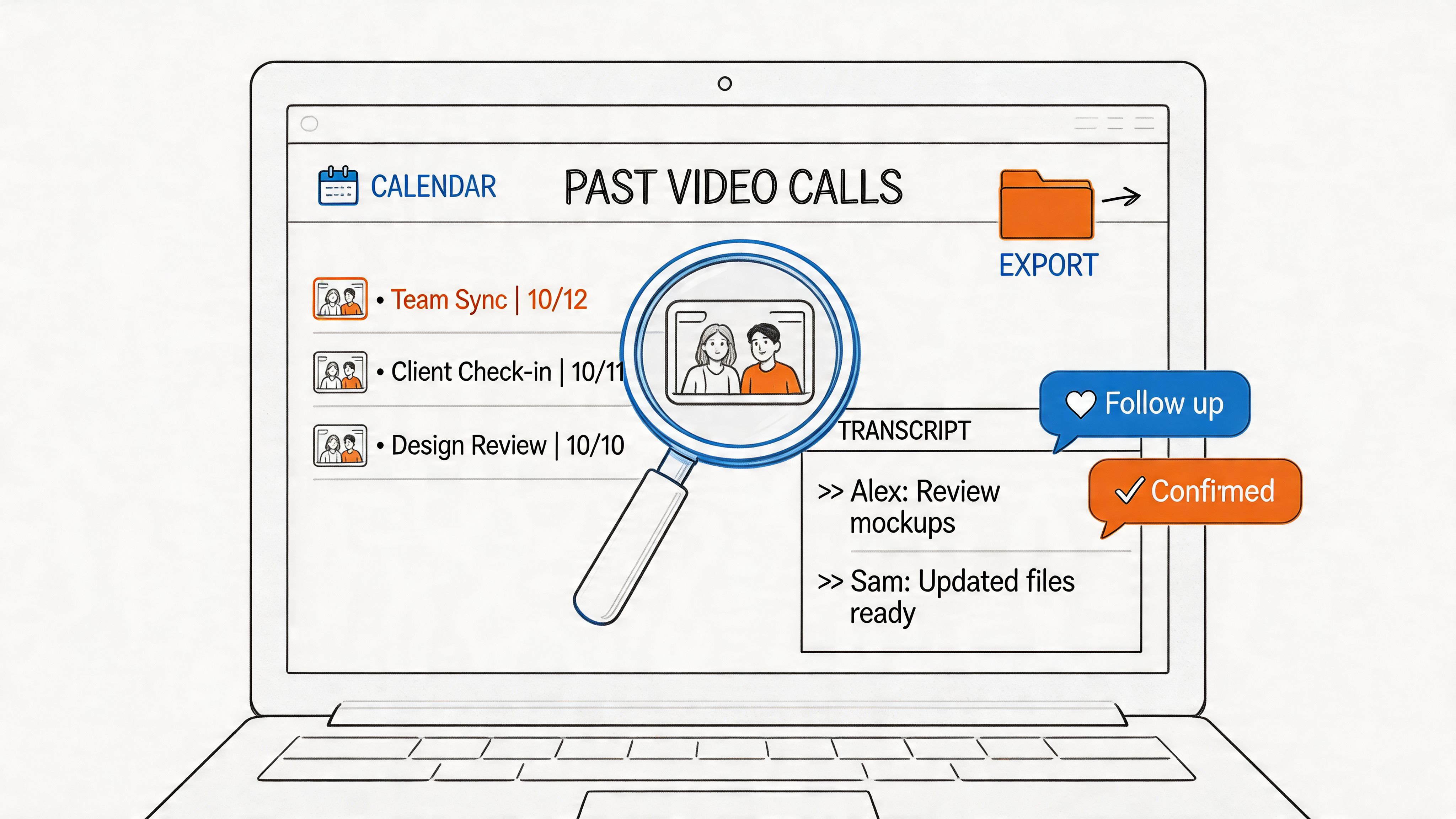
Once speech becomes text quickly, the recording stops being an archive and starts becoming working material. A creator can pull quotes for a newsletter. A researcher can scan interviews for recurring themes. A manager can review action items without relistening to an entire meeting.
Capture quality still matters, of course. Clear audio produces better transcripts. If your setup starts with desktop or production audio rather than a phone memo, tools covered in guides to free recording software for gaming can help at the recording stage before transcription begins.
A dictaphone used to be a machine for delaying typing. AI transcription is a workflow for reducing delay altogether.
That is the clearest modern answer to what a dictaphone does. Historically, it was hardware. In current practice, it is a speech-to-text pipeline.
Your Dictaphone Questions Answered
Is a dictaphone just another name for a voice recorder
Not exactly. The term Dictaphone became genericized over time, so people often use it to mean any speech recorder. But the more precise meaning points to equipment and workflows built for dictation and transcription, not just general audio capture, as discussed in Nearity’s overview of dictaphones and modern recording needs.
Can a smartphone replace a dedicated dictaphone
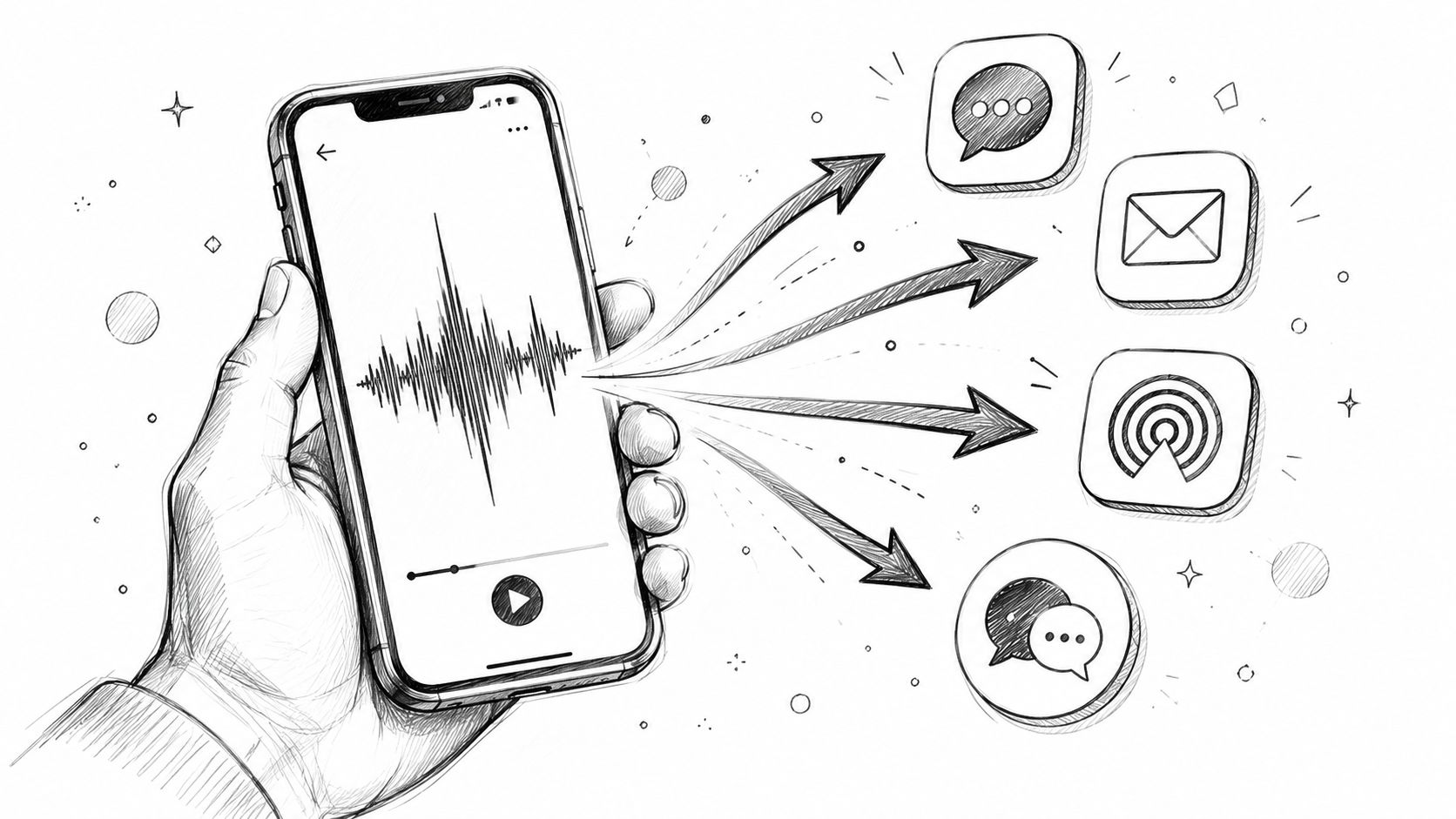
For many people, yes. A phone is easier to carry, simpler to share from, and better suited to modern transcription workflows. Dedicated hardware still has a place in some professional environments, but many users now care more about searchable text, summaries, and portability than about owning a separate recorder.
Why do people still say "dictaphone"
Because the word survived the hardware. It still names the old job: capture speech so it can become text later.
What if I need software to capture audio before transcribing it
If your work overlaps with streaming, gameplay, or creator production, guides to free recording software for gaming can help you think through capture tools before you even reach the transcription step.
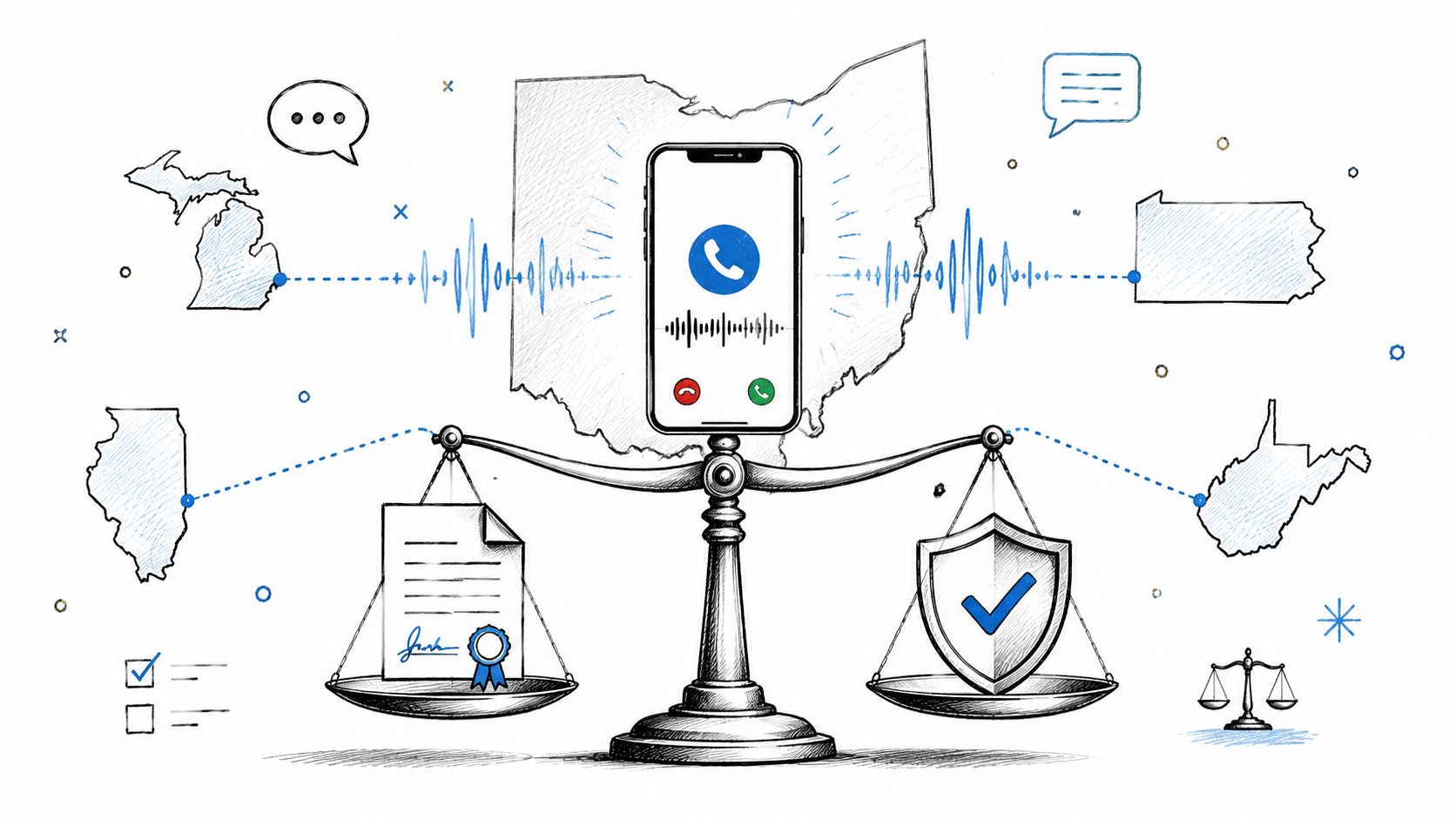
Is it always legal to record conversations
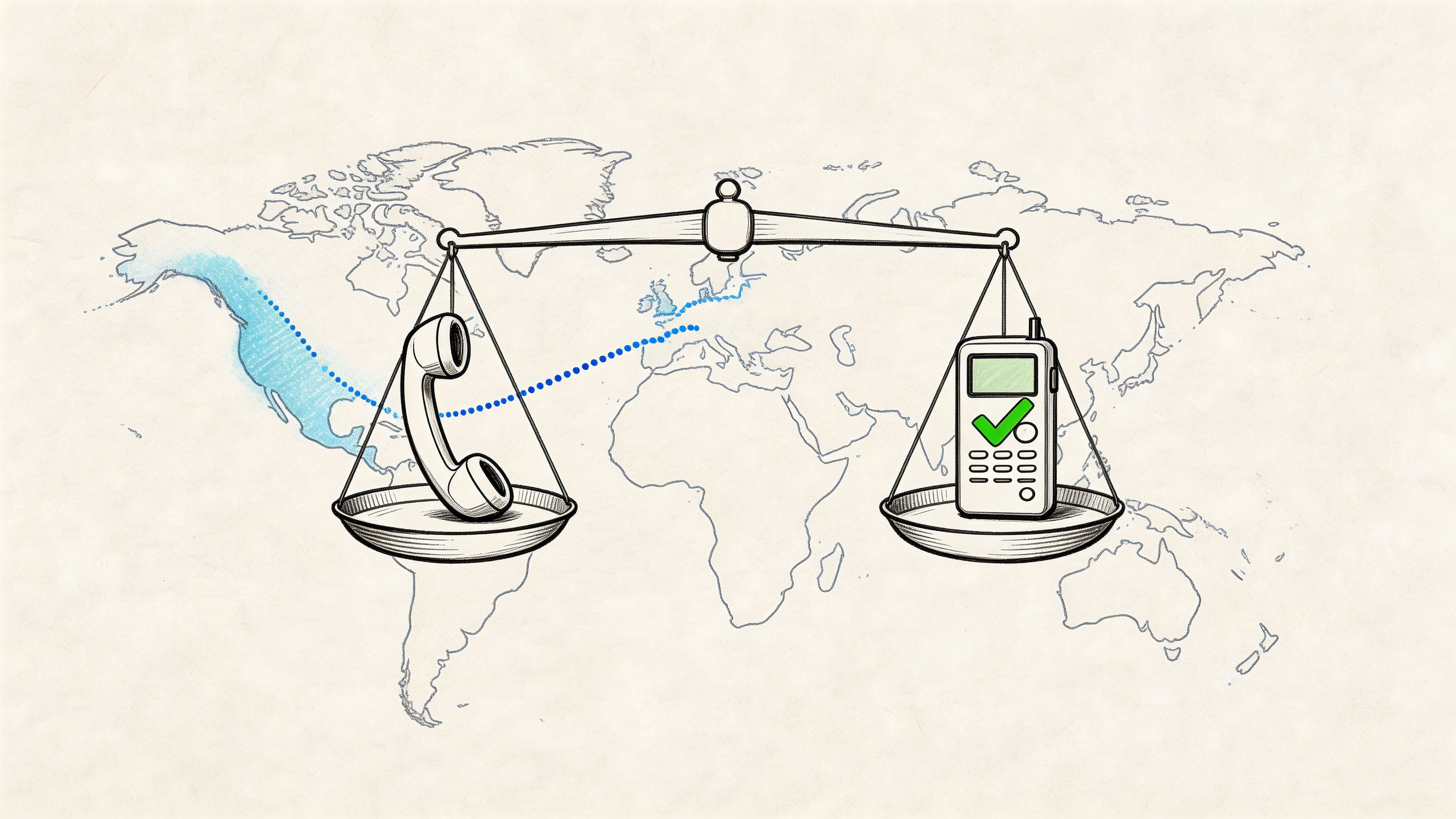
No. Laws vary by place and situation, so it’s smart to check before recording calls or meetings. This guide on whether it’s legal to record calls is a useful starting point.
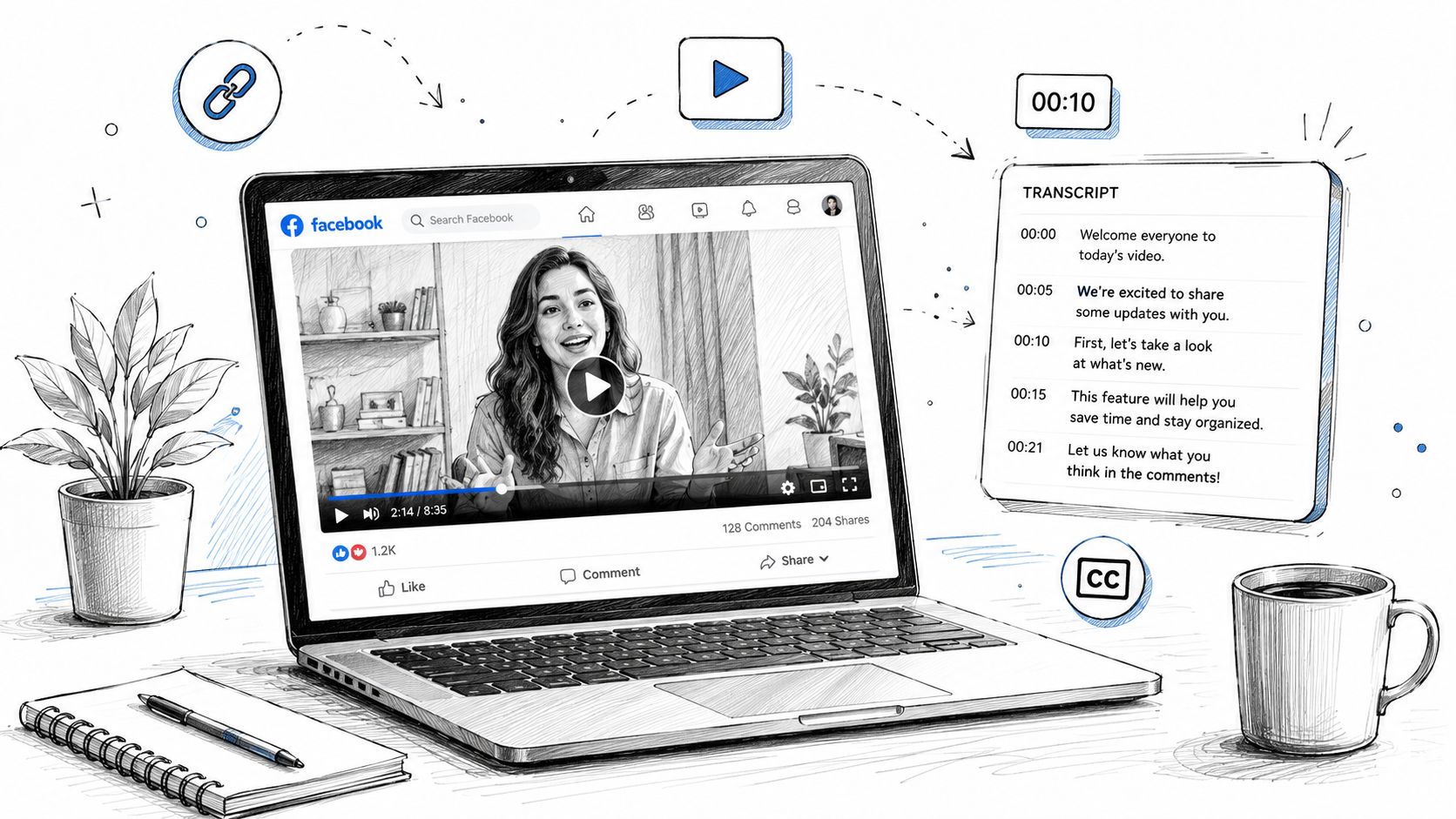
If you want the modern version of the dictaphone workflow, Whisper AI turns audio and video into searchable transcripts, timestamps, speaker labels, and summaries so you can spend less time typing and more time using what was said.