Mastering Notes in Interview: A Practical Guide for Recall and Better Decisions
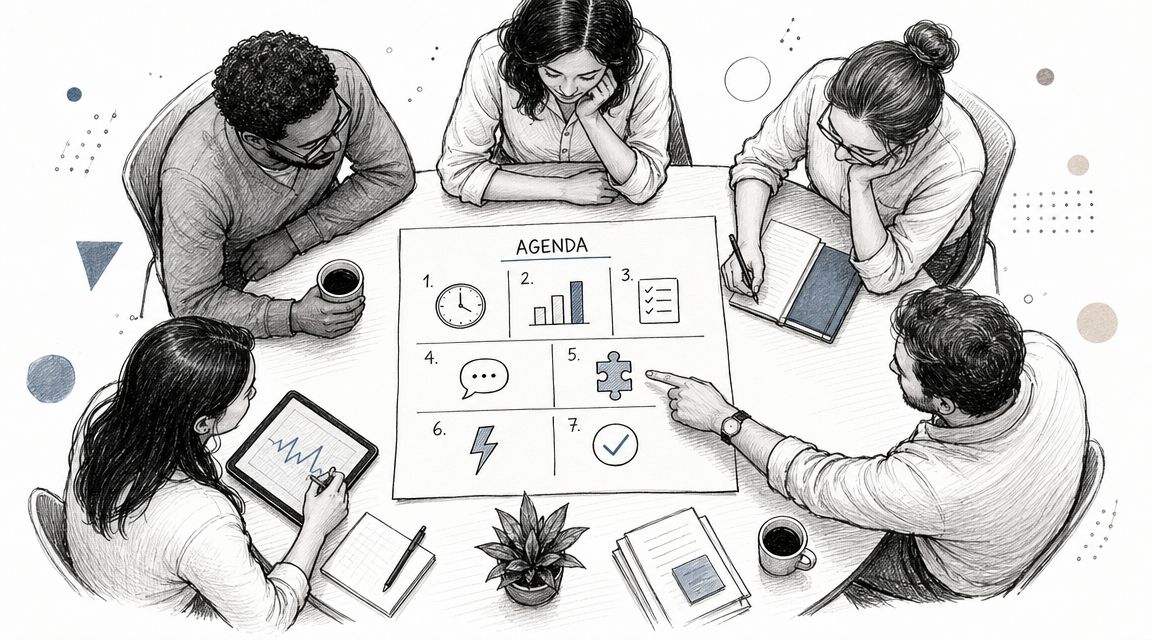
Taking effective notes in an interview isn't just about remembering details later—it's a strategic tool that elevates the quality of the conversation for everyone involved. Whether you're a candidate aiming to make a lasting impression or a hiring manager searching for the perfect fit, your notes are fundamental to achieving clarity and making confident decisions.
The Strategic Advantage of Taking Great Interview Notes
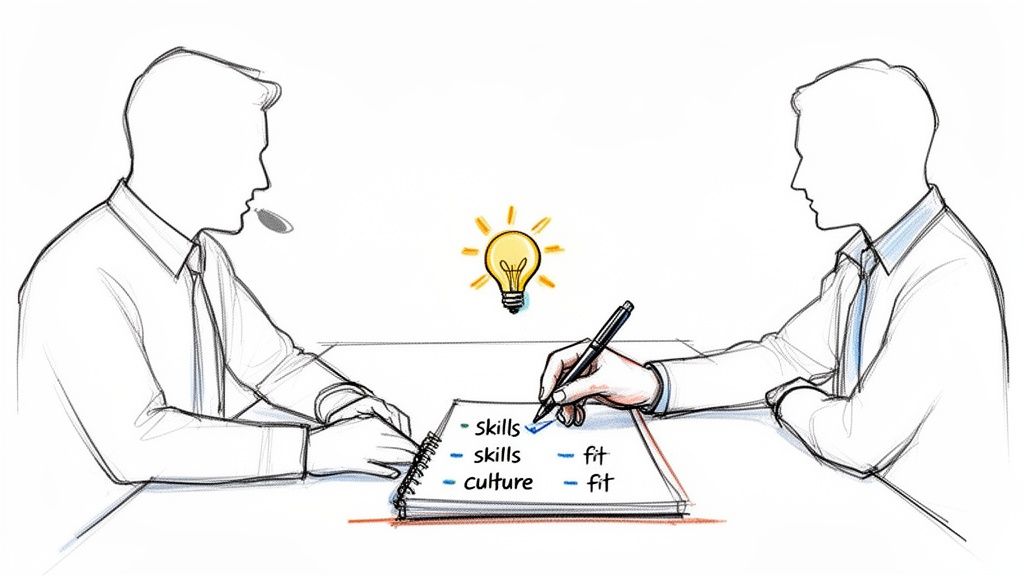
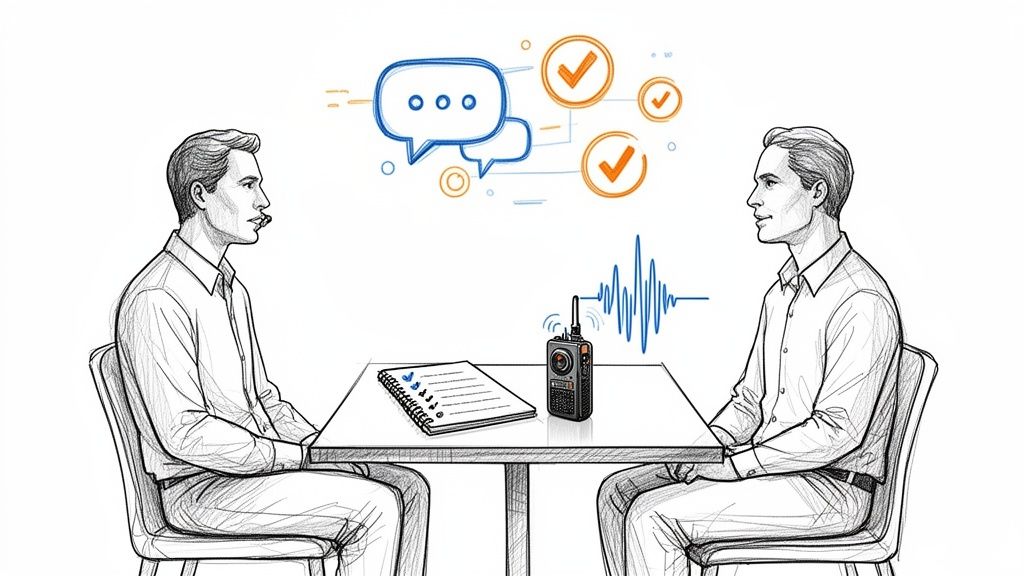
Let's be honest: trying to jot down notes while maintaining a natural conversation can feel awkward. The key is finding the balance between capturing what matters and genuinely connecting with the person across from you. When you get this right, the benefits are immense.
For an interviewer, solid notes are the foundation of an objective hiring process. They allow you to move beyond a simple "gut feeling" by recalling specific examples, quotes, and answers that map directly to job requirements. Without them, candidates can easily blur together, leading to biased or incomplete assessments.
For a candidate, the advantages are just as significant. Taking notes demonstrates engagement and genuine interest. It shows you're an active listener, not just waiting for your turn to speak. More importantly, it empowers you to ask smarter, more specific follow-up questions based on what’s been discussed, positioning you as a prepared and detail-oriented professional.
Why Your Notes Matter More Than You Think
The real power of taking notes in an interview is how they transform a fleeting conversation into a lasting, usable resource. This guide is about more than just scribbling a few things down; it's about practical, real-world methods that help you capture every crucial detail without sacrificing that all-important human connection.
Good notes don't just record what was said; they capture context, highlight key themes, and uncover the questions you didn't know you had. They are your personal data set for making one of the most important decisions for your career or company.
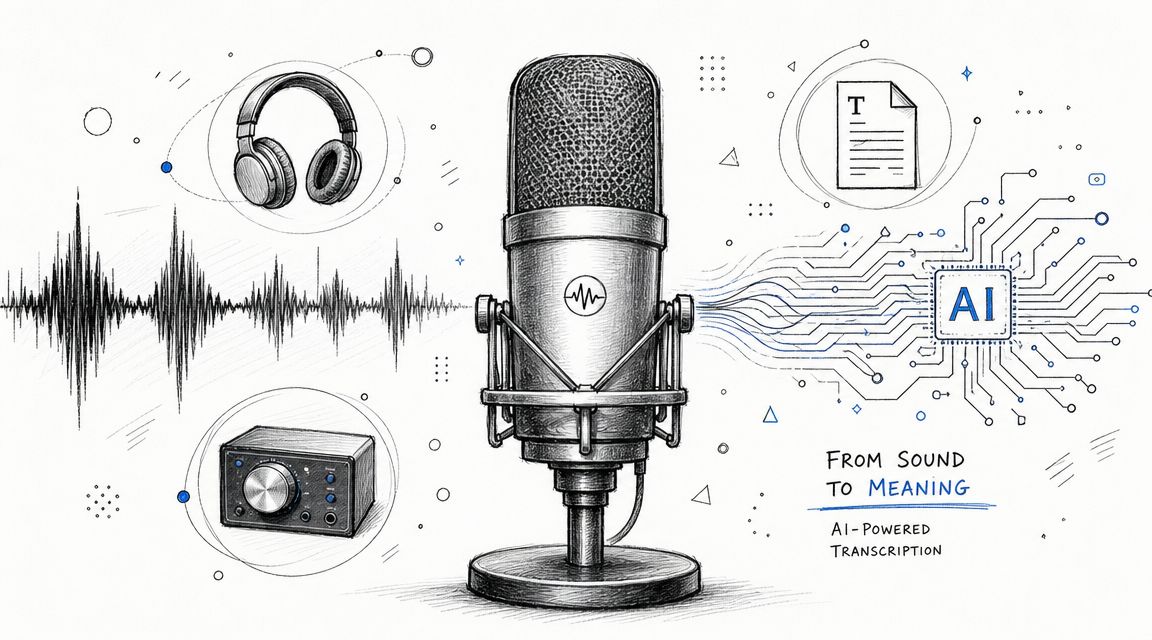
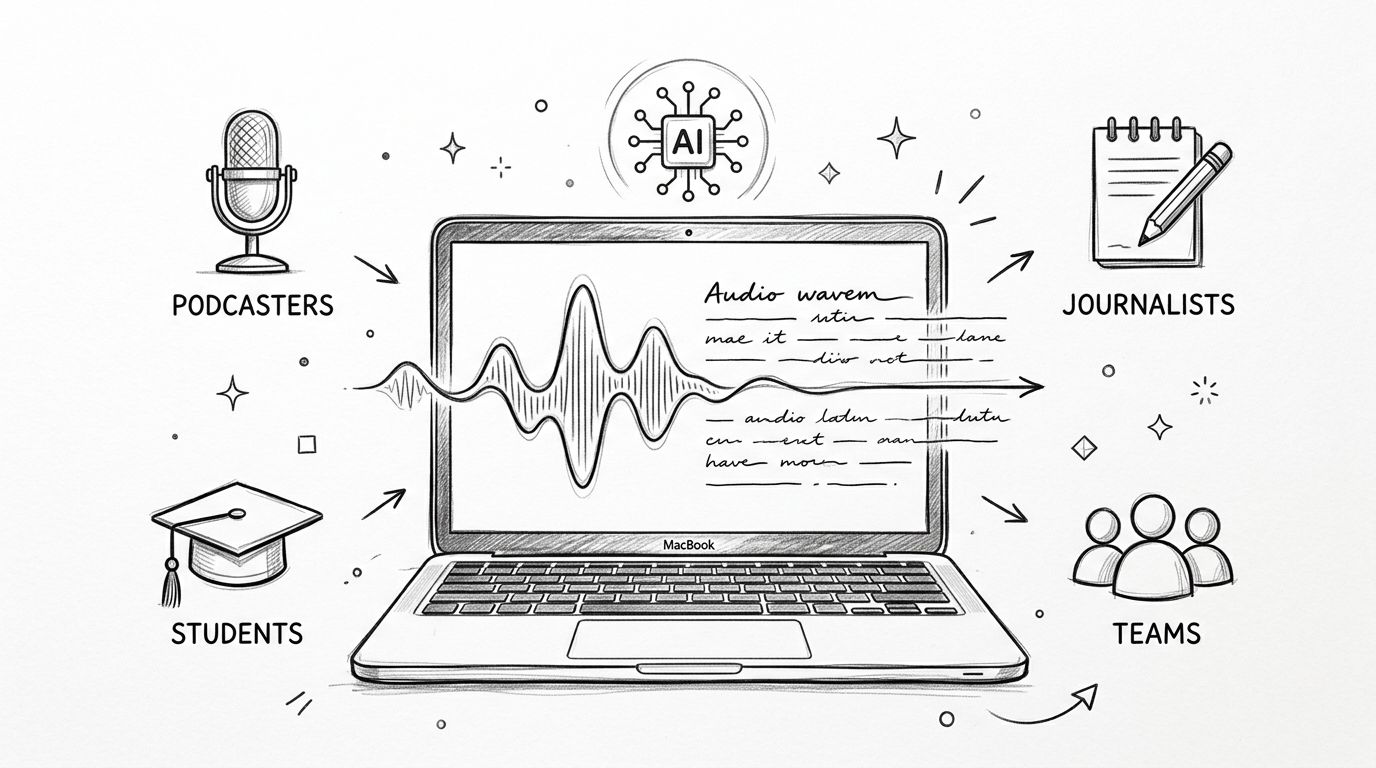
We’ll cover everything from classic pen-and-paper techniques to modern tools that allow you to stay completely focused. This includes new approaches, like using OpenAI's Whisper for transcription, which frees you up to be fully present while ensuring you don't miss a single detail.
Laying the Groundwork: Your Note-Taking Blueprint
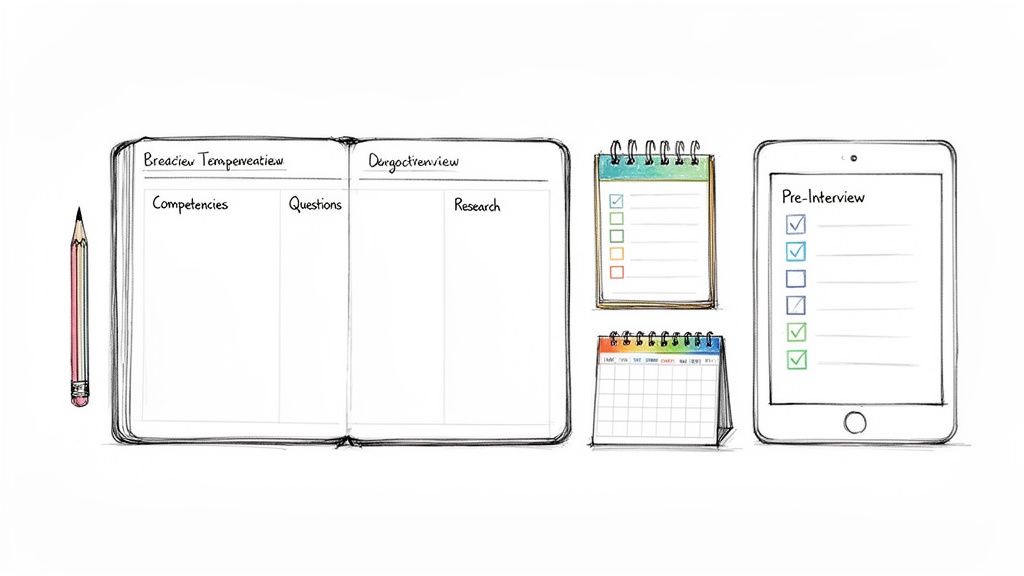
Effective note-taking doesn't begin when the interview starts. It begins with your preparation.
Entering a high-stakes conversation without a plan is a recipe for messy, unhelpful notes. You might capture something, but it won’t be the focused insight you need. A little prep work ensures every note you take has a purpose.
Think of this as defining what success looks like. For a hiring manager, this means going beyond the job description to pinpoint the core skills and personality traits that predict success. For a candidate, it’s about researching the company and role so you can ask intelligent, targeted questions.
The goal is to create a framework for your notes in the interview. This way, you’re not just passively scribbling down everything you hear. Instead, you're actively listening for specific details that fit into your structure, which makes post-interview analysis much more straightforward.
Structuring Your Notes for Interview Success
The right structure can turn a blank page into your most powerful tool. Instead of letting your notes become a long, rambling block of text, divide your note-taking space into logical sections before the interview begins. This simple trick helps you categorize information on the fly.
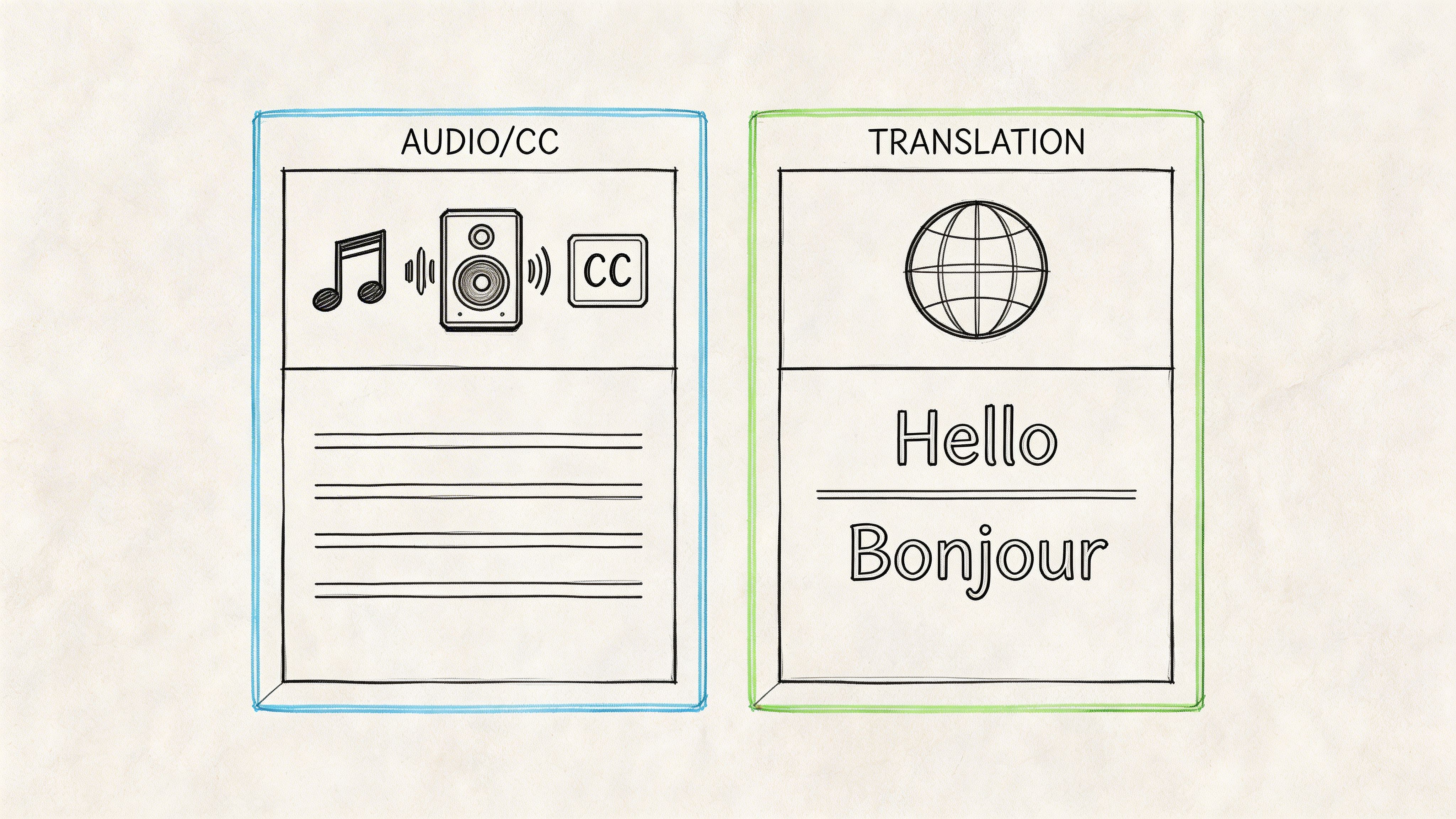
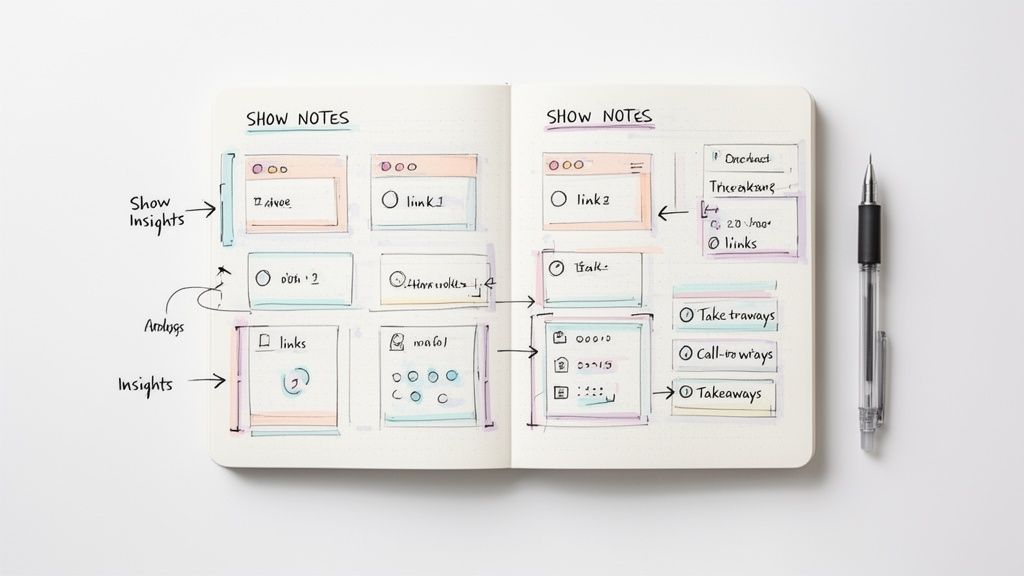
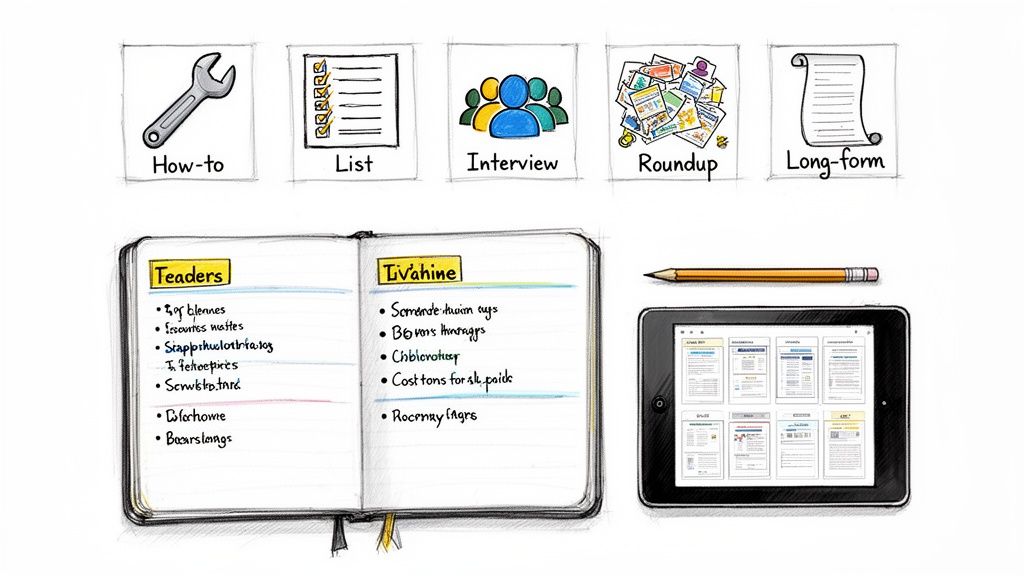
A two-column layout is a fantastic, versatile starting point for both interviewers and candidates.
- Left Column (Their Answers/Key Points): Use this side to capture what they’re actually saying. Stick to keywords, powerful quotes, and specific numbers or project details they mention.
- Right Column (Your Thoughts/Follow-Up Questions): This is your personal analysis space. Jot down your immediate impressions, note potential red flags, or park a follow-up question that comes to mind.
By setting up your note-taking canvas beforehand, you remove the mental load of organizing during the interview. This frees you up to focus on what really matters in the moment: active listening and building a genuine connection.
This simple layout is a solid foundation. If you want to level up, it's worth exploring proven strategies on how to take better meeting notes, as many of the core principles apply perfectly here.
For Interviewers: Zeroing In on Key Competencies
If you're leading the interview, your blueprint should be built around the role's essential skills. Don't just copy and paste from the job description. Instead, turn those skills into specific, behavior-based questions and leave dedicated space under each one for your notes.
For example, if you're hiring a project manager and "Leadership" is a critical competency, your template could look like this:
Competency: Leadership
- STAR Method Notes: (Quick notes on Situation, Task, Action, Result)
- Specific Examples:
- Leadership Style Observed:
- Conflict Resolution Approach:
- Outcome:
- Powerful Quotes: When someone says something truly memorable or impactful, capture it word-for-word. These are gold, whether you're a hiring manager evaluating a candidate's communication style or a podcaster looking for a great soundbite.
- Keywords and Themes: Forget full sentences. Jot down single words or short phrases that recur. If a candidate repeatedly mentions "collaboration" or "data-driven decisions," noting those themes is far more efficient than writing out every example.
- Action Items and Follow-ups: Did the interviewer mention sending over a project portfolio? Did the candidate ask for more info on the team structure? Note these as clear to-dos so nothing falls through the cracks.
- Metrics and Data: Numbers are easy to miss but impossible to argue with. If someone mentions a 25% increase in efficiency or that they managed a $2 million budget, write that down immediately. Concrete data is powerful.
- Technical Skills: Group together everything related to specific software, coding languages, or technical processes.
- Problem-Solving: Pull out all the examples where the candidate described tackling a tough challenge.
- Cultural Fit: Isolate comments about teamwork, communication style, and what they're looking for in a workplace.
- Red Flags: Create a section for any points of concern or answers that felt evasive.
- Core Skills Assessment: List the top 3-5 must-have skills for the role. Leave space under each to jot down specific examples or proof the candidate offers.
- Cultural Fit & Team Dynamics: This is where you note their communication style, how they talk about teamwork, and whether their approach aligns with your company’s values.
- Candidate Questions: Always write down the questions they ask you. It's a huge indicator of what they prioritize, how much research they did, and how they think.
- Red Flags & Follow-Up: Have a dedicated spot for any concerns or areas you need to investigate further.
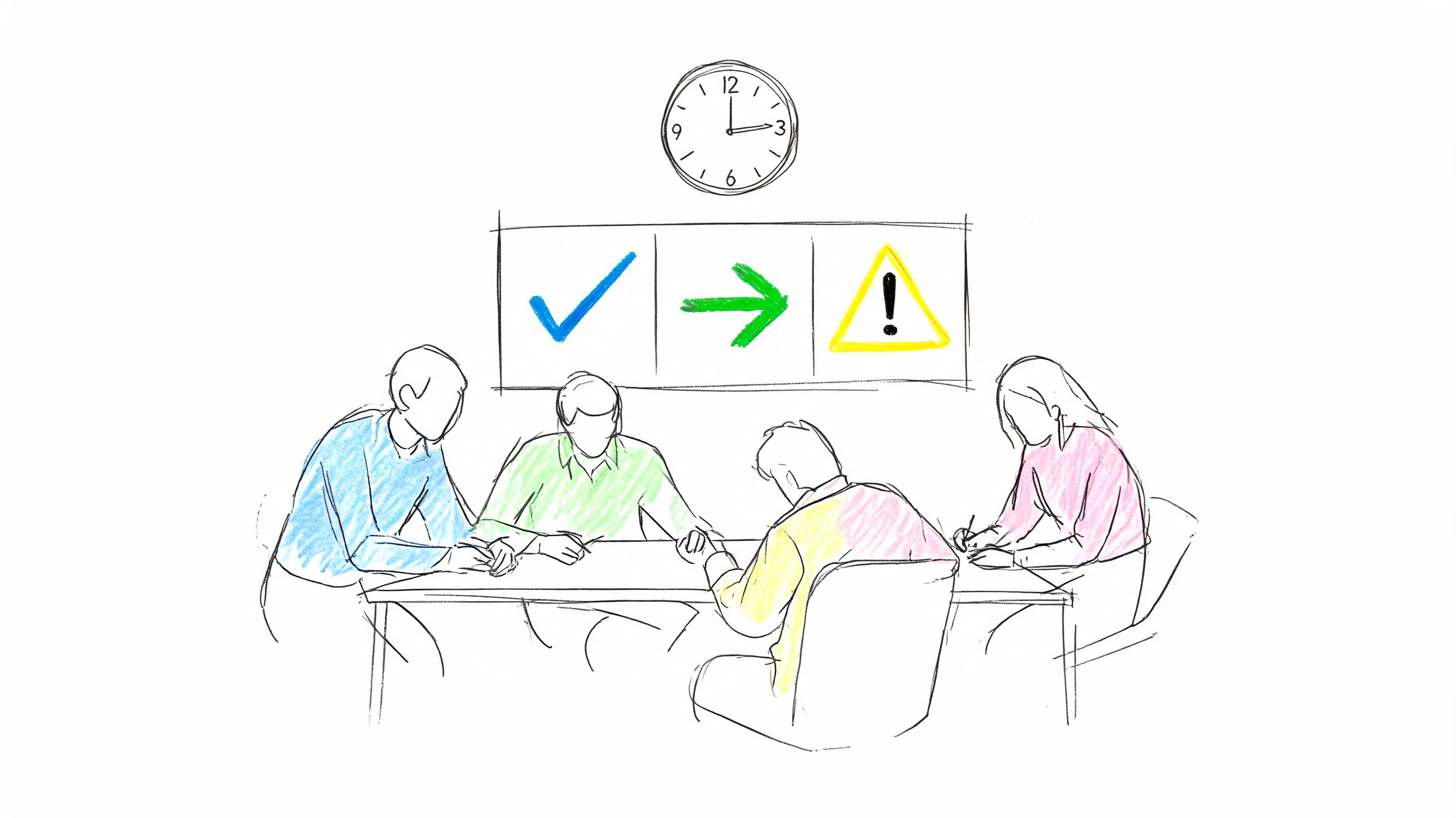
- For quick, in-the-moment thoughts: You can't go wrong with a simple digital document or even a classic pen and paper. This is perfect for jotting down a follow-up question or a key impression while it's fresh.
- For total accuracy and recall: If you need to remember exactly what was said, pairing an audio recording with an AI transcription service is the best approach. This combination allows you to stay completely present during the interview, knowing you'll have a perfect, searchable transcript to review later. For creators, researchers, or anyone needing 100% certainty, this is a game-changer.
This structure ensures your notes in the interview are directly linked to your evaluation criteria. It makes your final hiring decision much more data-driven and fair, allowing you to objectively compare candidates. You’re no longer just relying on a vague memory of a good story; you're documenting clear evidence of a core competency.
How to Take Notes Without Losing the Connection
The biggest challenge when taking notes in an interview is the balancing act. How do you capture important information without breaking eye contact and disrupting the conversational flow? It's a delicate dance between being an attentive listener and a diligent scribe.
The secret isn’t to write down every single word. That’s a losing battle. If you try to create a perfect transcript in real-time, you'll spend the entire time staring at your screen or notebook. The real goal is to be selective and strategic, a skill that journalists and researchers have honed for years.
Master the Art of Selective Note-Taking
A game-changing technique is to train yourself to listen for specific types of information. This frees you to stay present and engaged in the actual conversation.
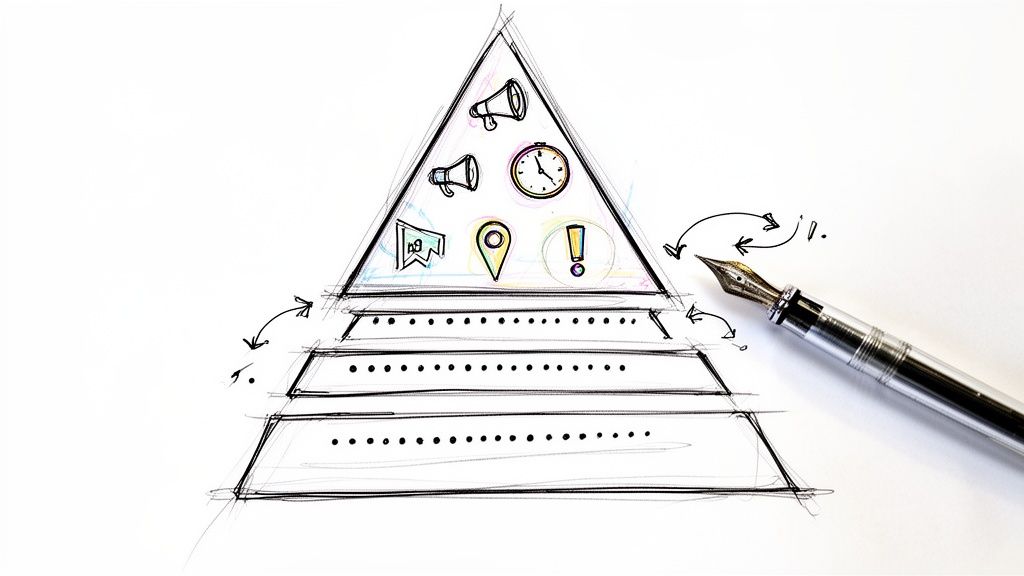
Here are the key things I always listen for:
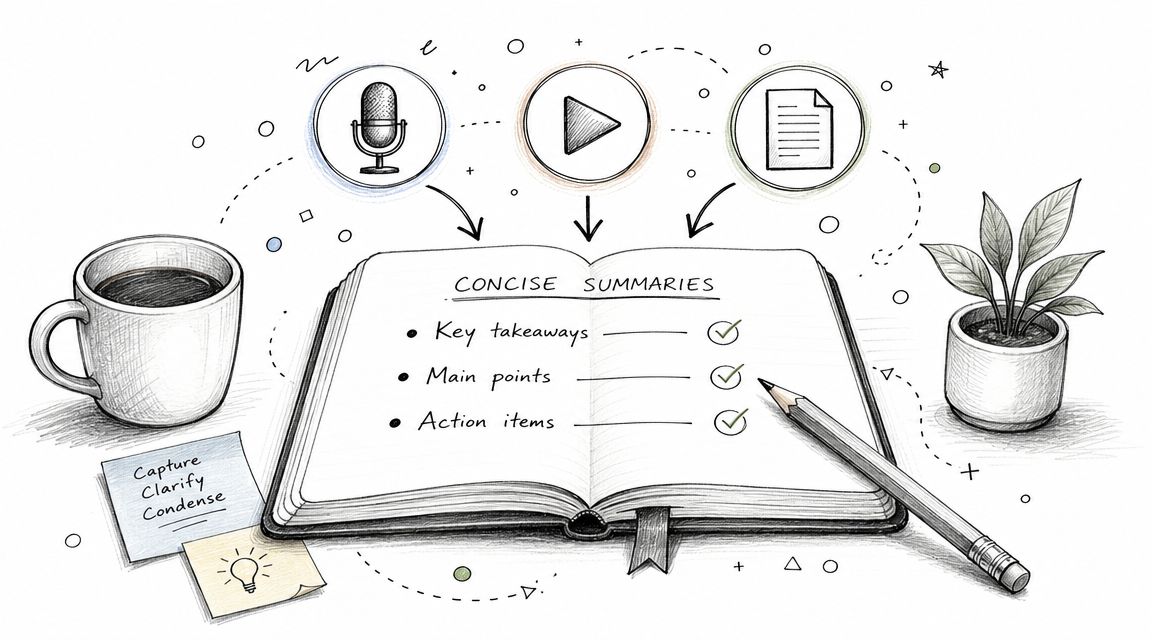
When you narrow your focus like this, you spend less time writing and more time listening—and observing body language. Your notes become a high-impact summary, not a messy transcript.
The most effective notes aren't a record of what was said, but a highlight reel of what mattered. They capture the essence of the conversation, letting you recall the details and the feeling of the interaction later.
Practical Tactics for Virtual and In-Person Interviews
Your note-taking method should adapt to your environment.
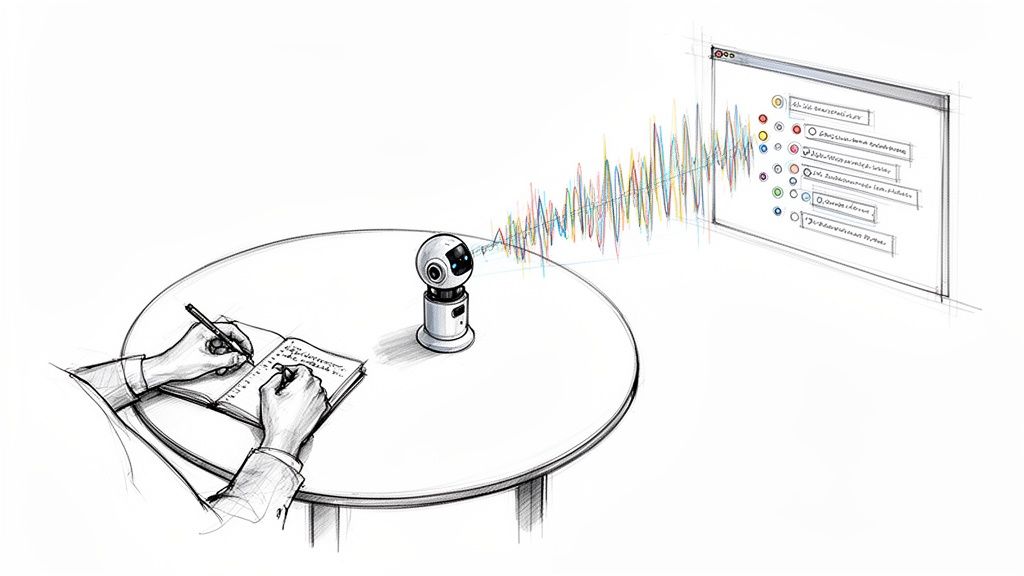
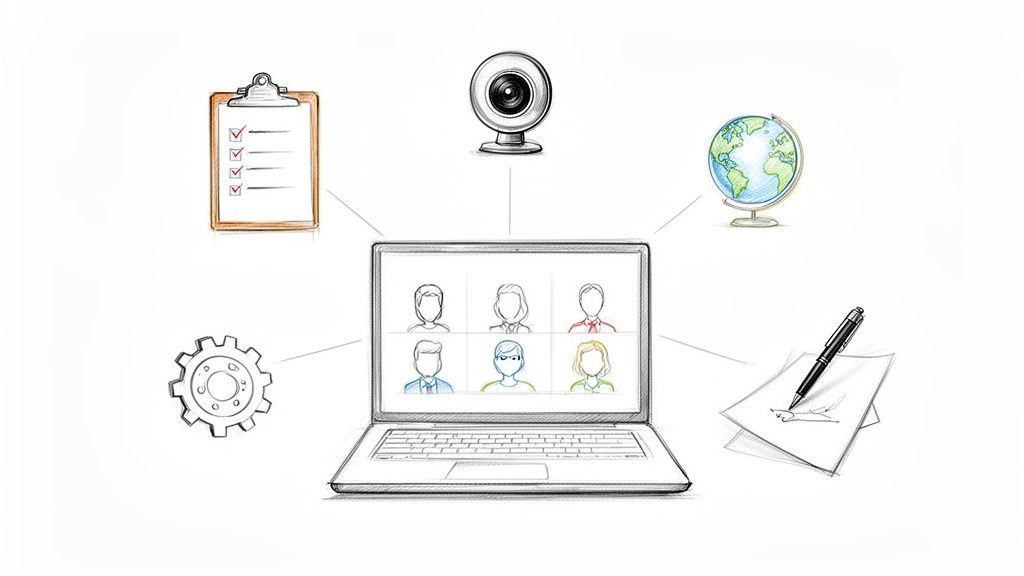
For virtual interviews, I always position my note-taking app or window directly below my webcam. This is a simple but effective trick. It lets my eyes dart down to type a quick note without making it look like I've completely disengaged, helping maintain a sense of eye contact.
When I'm meeting someone in person, a classic paper notebook is often less distracting than a laptop. The sound of typing can be jarring, whereas the quiet scribble of a pen is more subtle. Simply glance down, write your note, and immediately look back up. A quick nod while you write can even signal to the other person, "What you just said was important, and I'm capturing it."
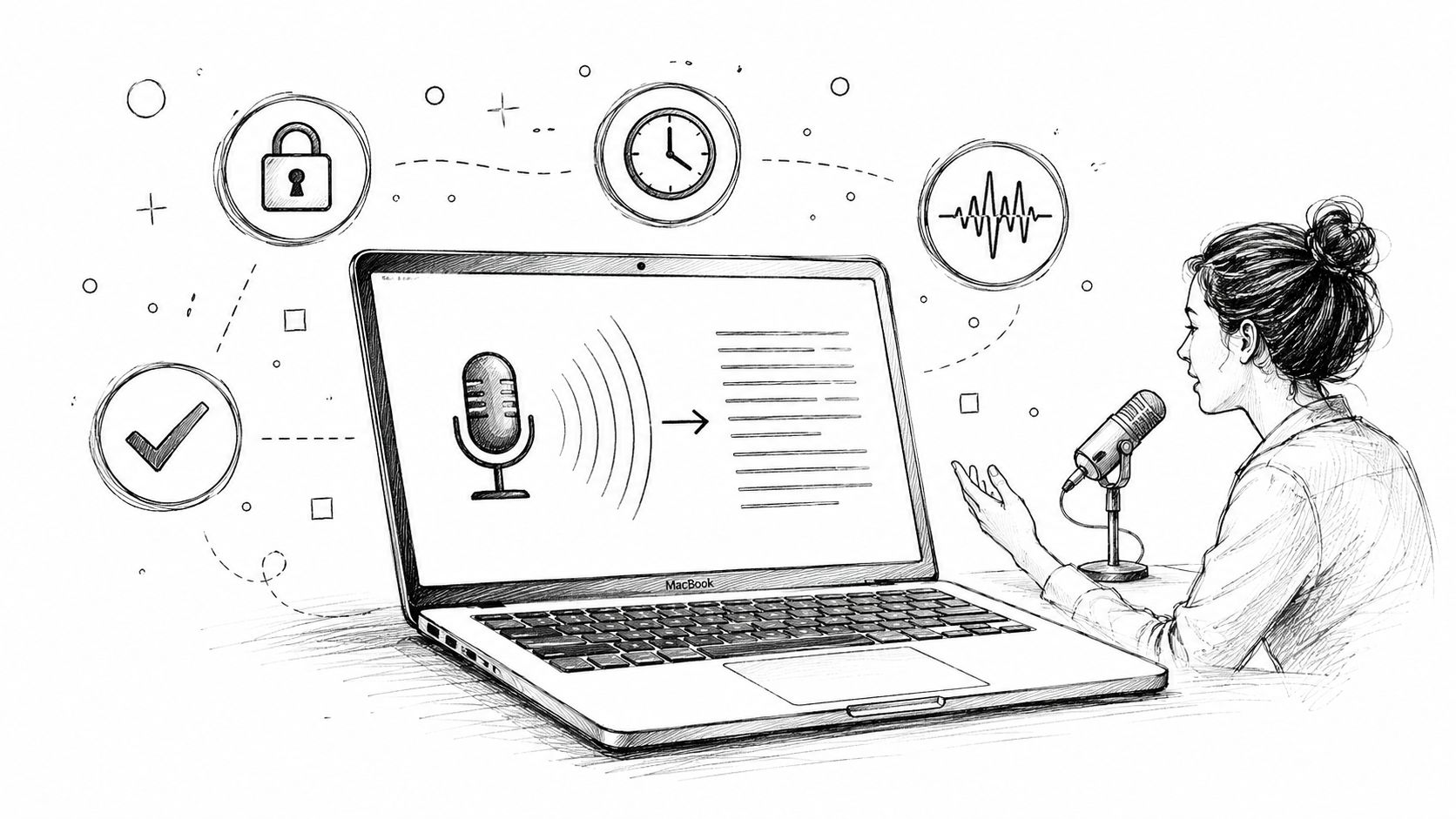
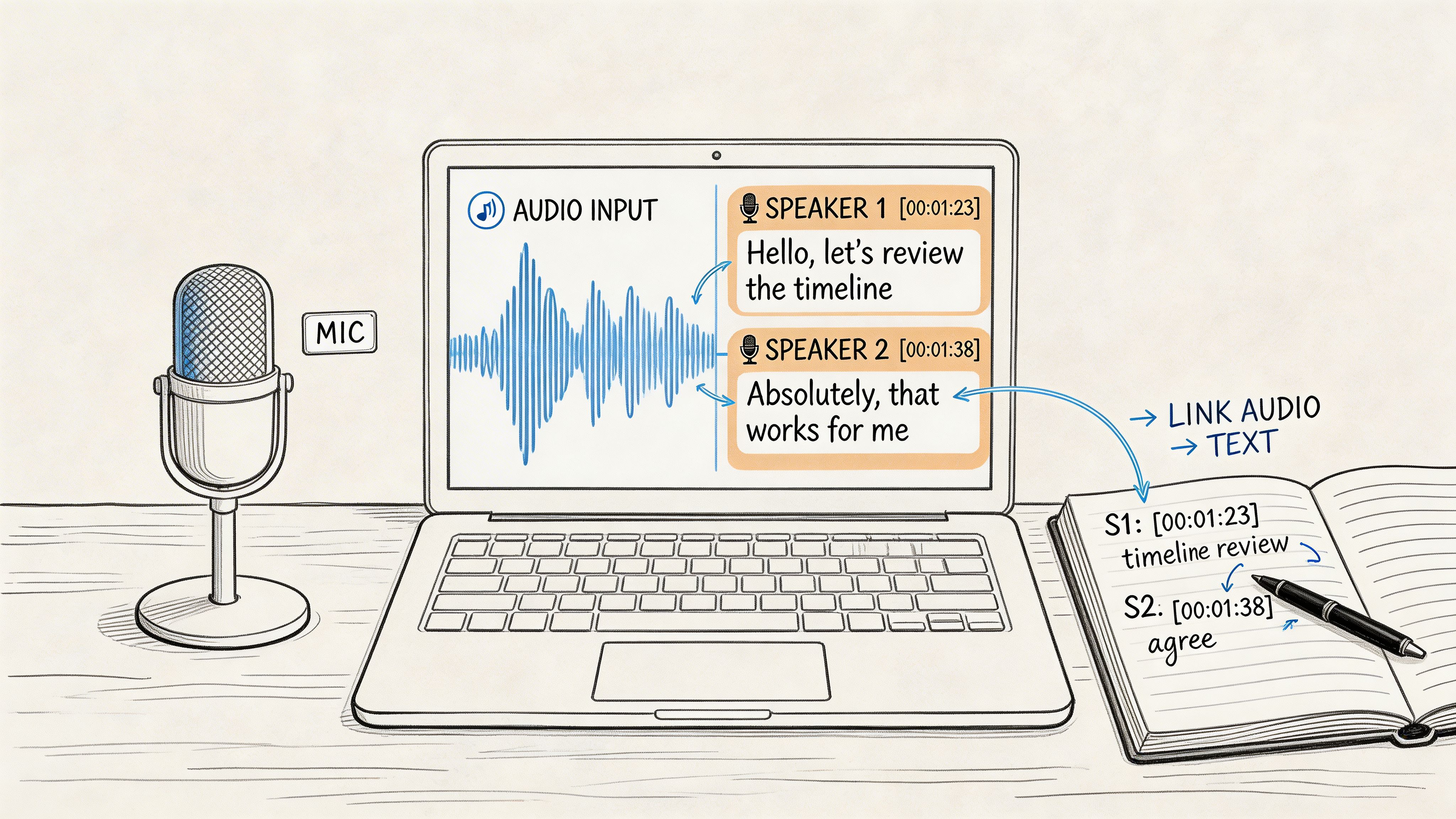
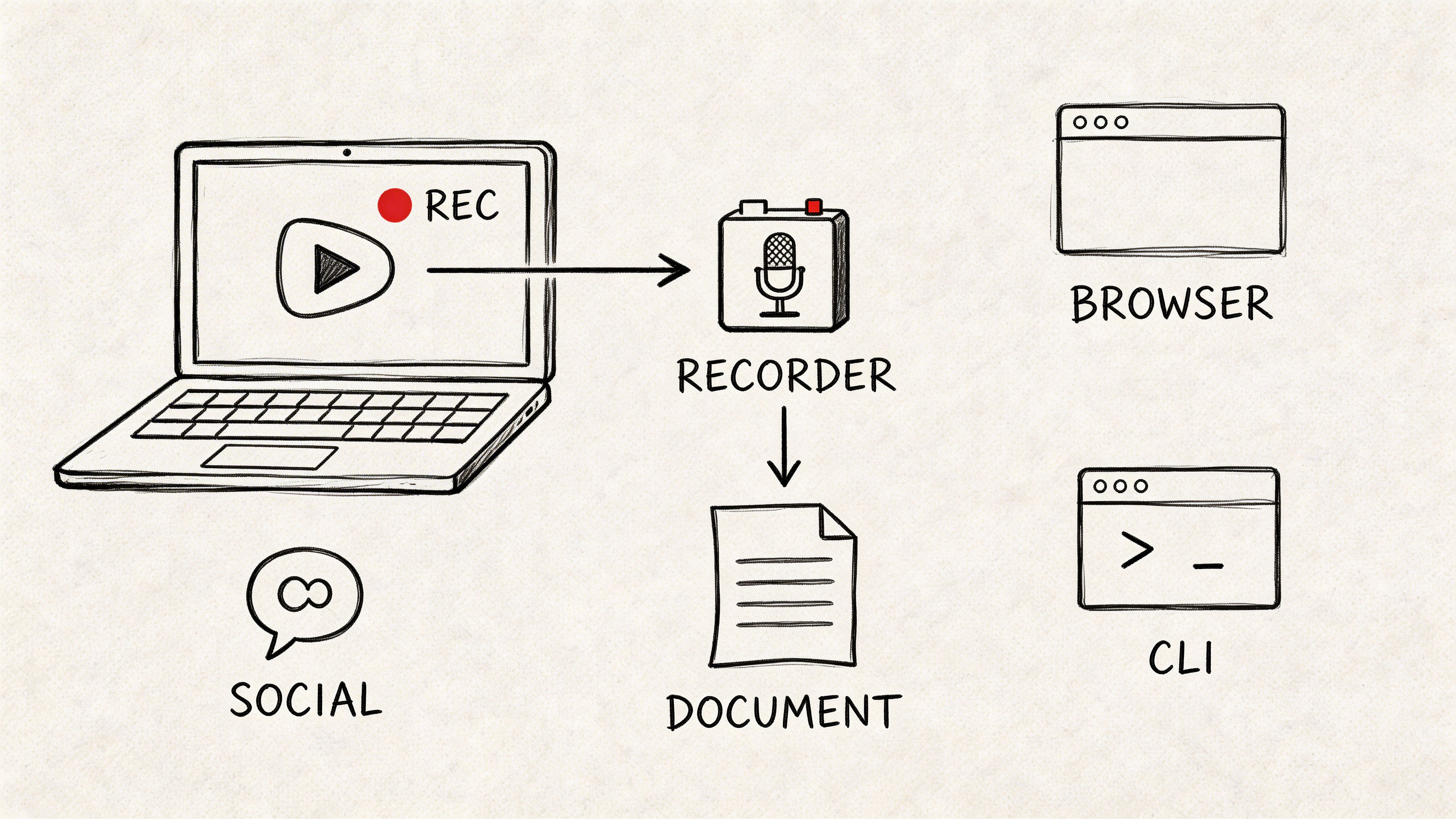
Ultimately, the goal is to be fully present. While these tactics help, the biggest shift happens when you offload transcription entirely. Tools like Whisper AI can record and transcribe the conversation for you, freeing you up to focus 100% on the person. You can build genuine rapport and have a perfect, searchable record to analyze later. This combination of presence and precision is key to improving your active listening skills and getting the most out of every interview.
Turning Raw Notes Into Actionable Insights
The interview might be over, but the real work on your notes has just begun. Their true value is realized when you transform that collection of scribbles and thoughts into a clear, organized asset. This process should happen immediately.
Don't let your notes get cold. The details, nuances, and gut feelings are sharpest in the first hour after the conversation ends. This is your golden window to expand on your shorthand, clarify any cryptic points, and add the context your future self will appreciate. If you wait, you risk losing valuable information.
Your first pass should be a quick review and expansion. Read through everything you wrote down. What did you mean by "good team example"? Write out the specific project they mentioned. Why did you circle that particular skill? Add a note explaining how it aligns with one of the role's key requirements.
The Power of an AI Transcript
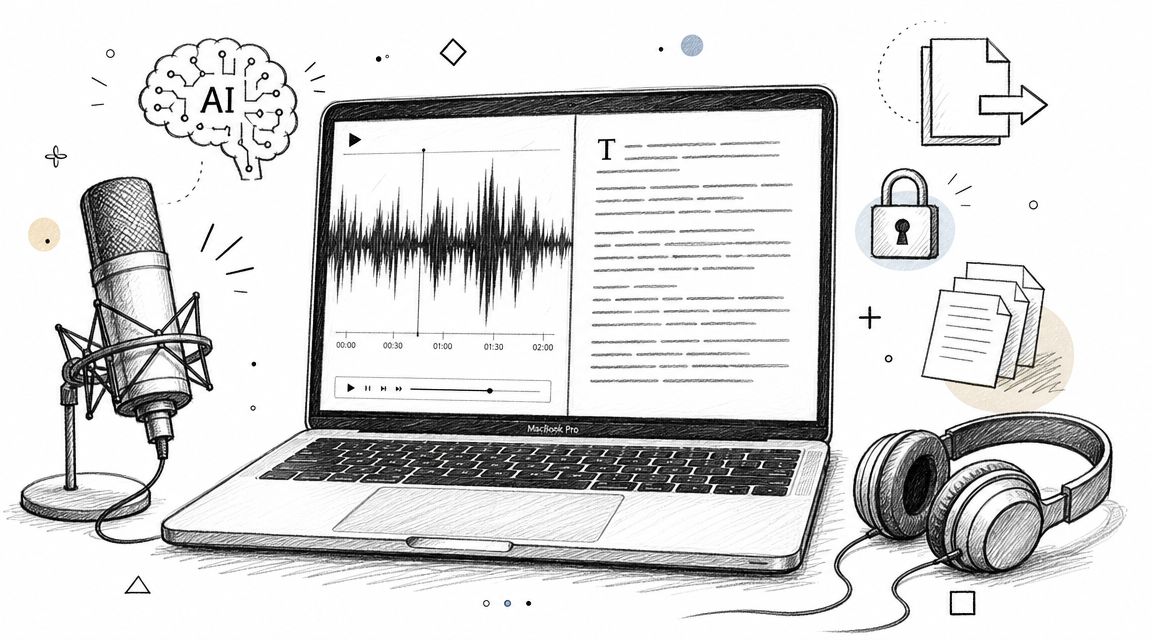
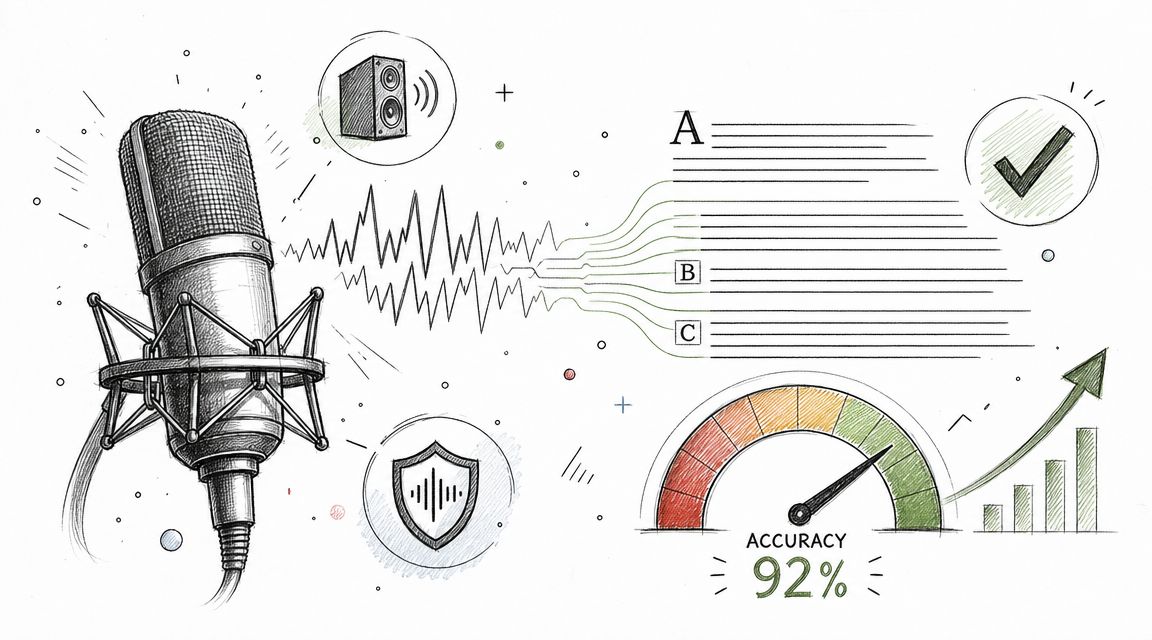
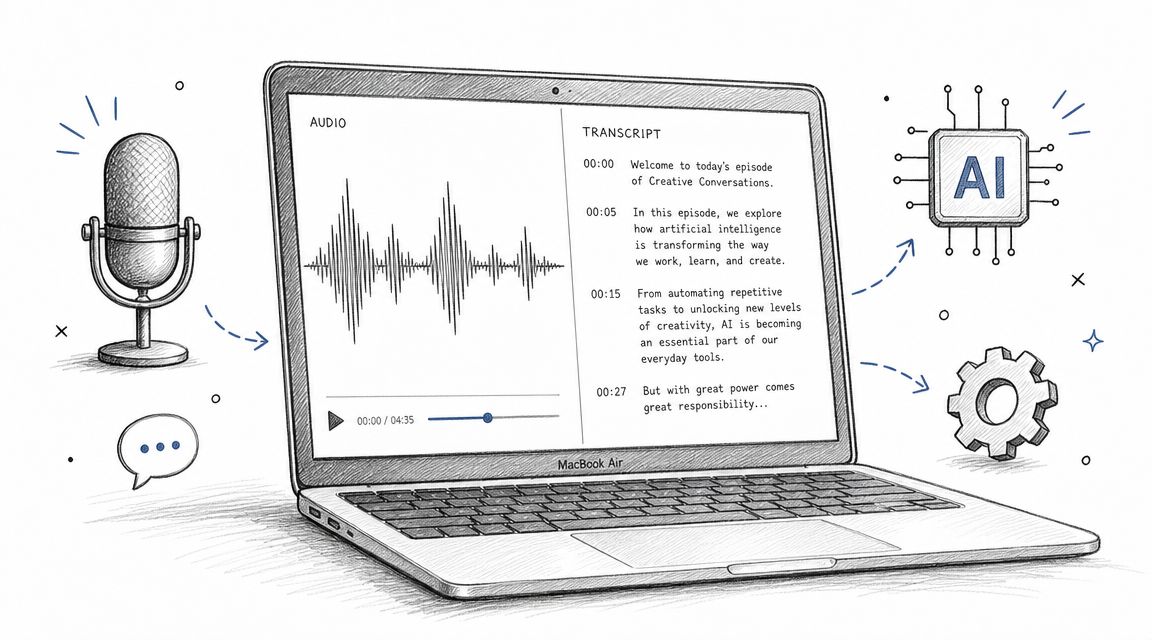
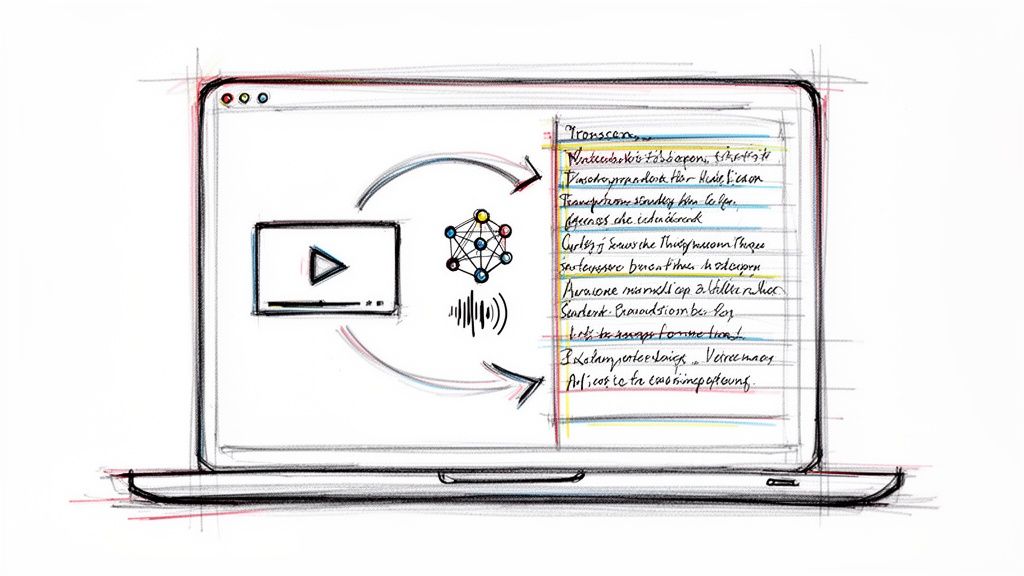
This is where having a recording is an absolute game-changer. Let's be honest, manually transcribing an hour-long conversation is a tedious and time-consuming task. Instead, using an AI transcription tool like Whisper AI provides a perfect, searchable text record in minutes.
With a full transcript, you can instantly check your handwritten points against a flawless record. Did you capture that quote perfectly? Now you can copy and paste the exact wording. Did you miss a key metric while you were busy writing something else down? A quick search of the transcript will find it for you.
This step transforms your initial notes in interview from a basic memory aid into a rich, data-packed document. It eliminates ambiguity and ensures your analysis is built on hard facts, not fuzzy recollections.
The goal is to build a complete picture. Your real-time impressions combined with the objective record of a transcript let you see both the "what" (the words spoken) and the "how" (the context and your gut reactions).
The explosive growth of this technology points to a major shift in how we handle information. The global AI transcription market is projected to grow from USD 4.5 billion in 2024 to an estimated USD 19.2 billion by 2034. This isn't just a trend; organizations are integrating automated transcription as a core part of their workflow to make knowledge accessible and searchable.
From Raw Text to Thematic Analysis
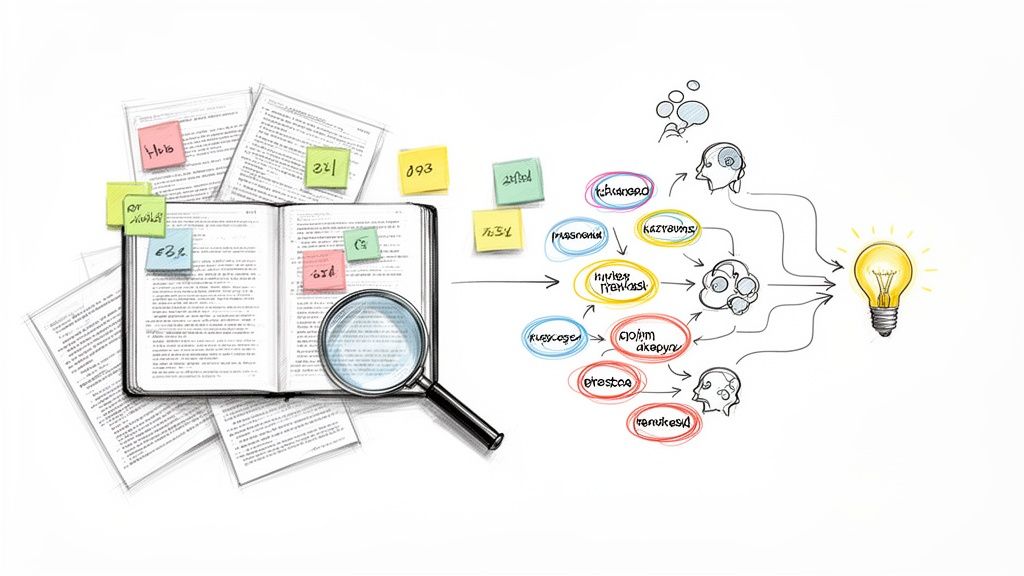
Once your notes are cleaned up and cross-referenced with the transcript, it's time to look for patterns. Stop looking at individual answers and start seeing the connections between them. This is how you move from simply recording information to generating genuine insight.
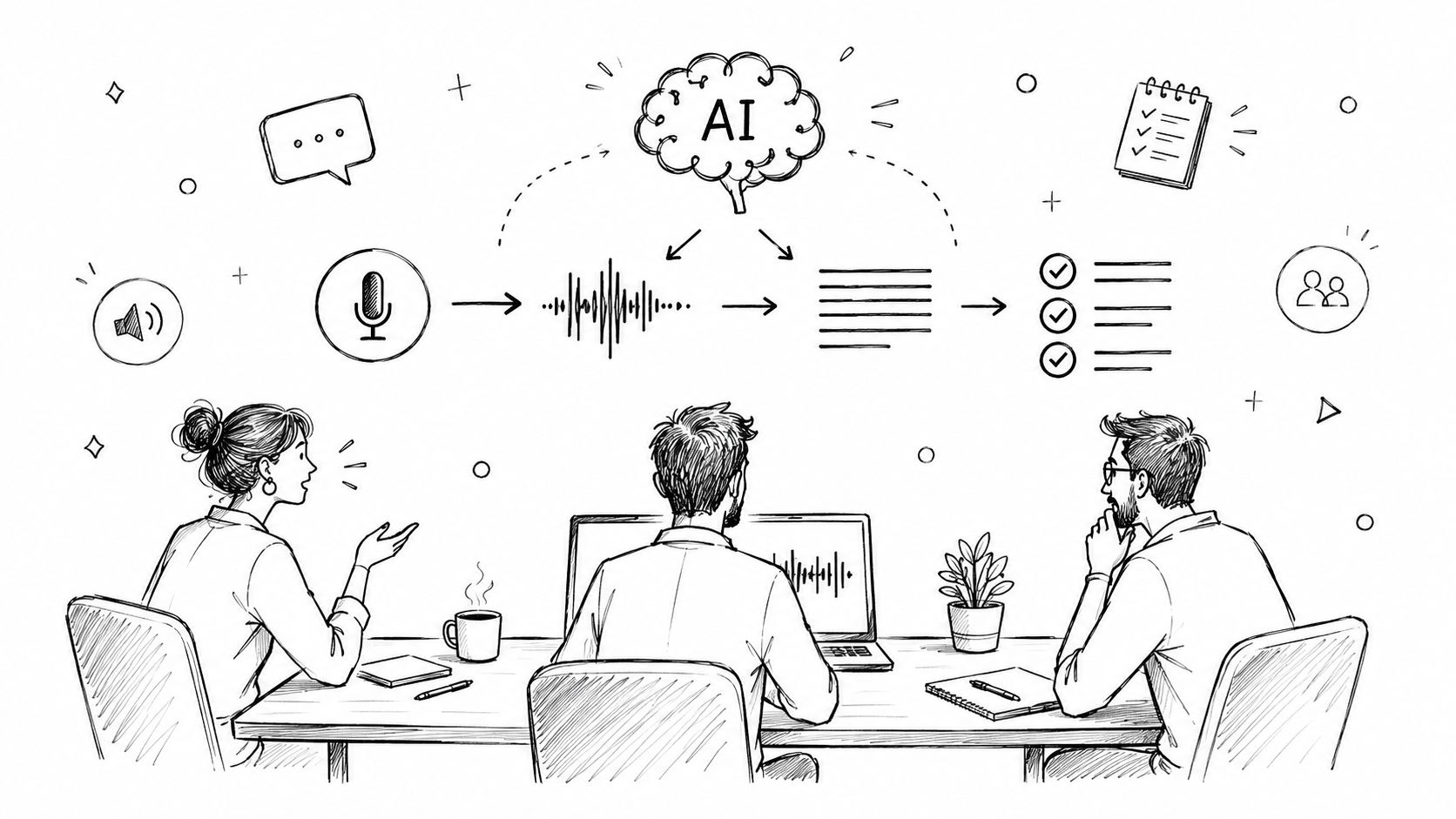
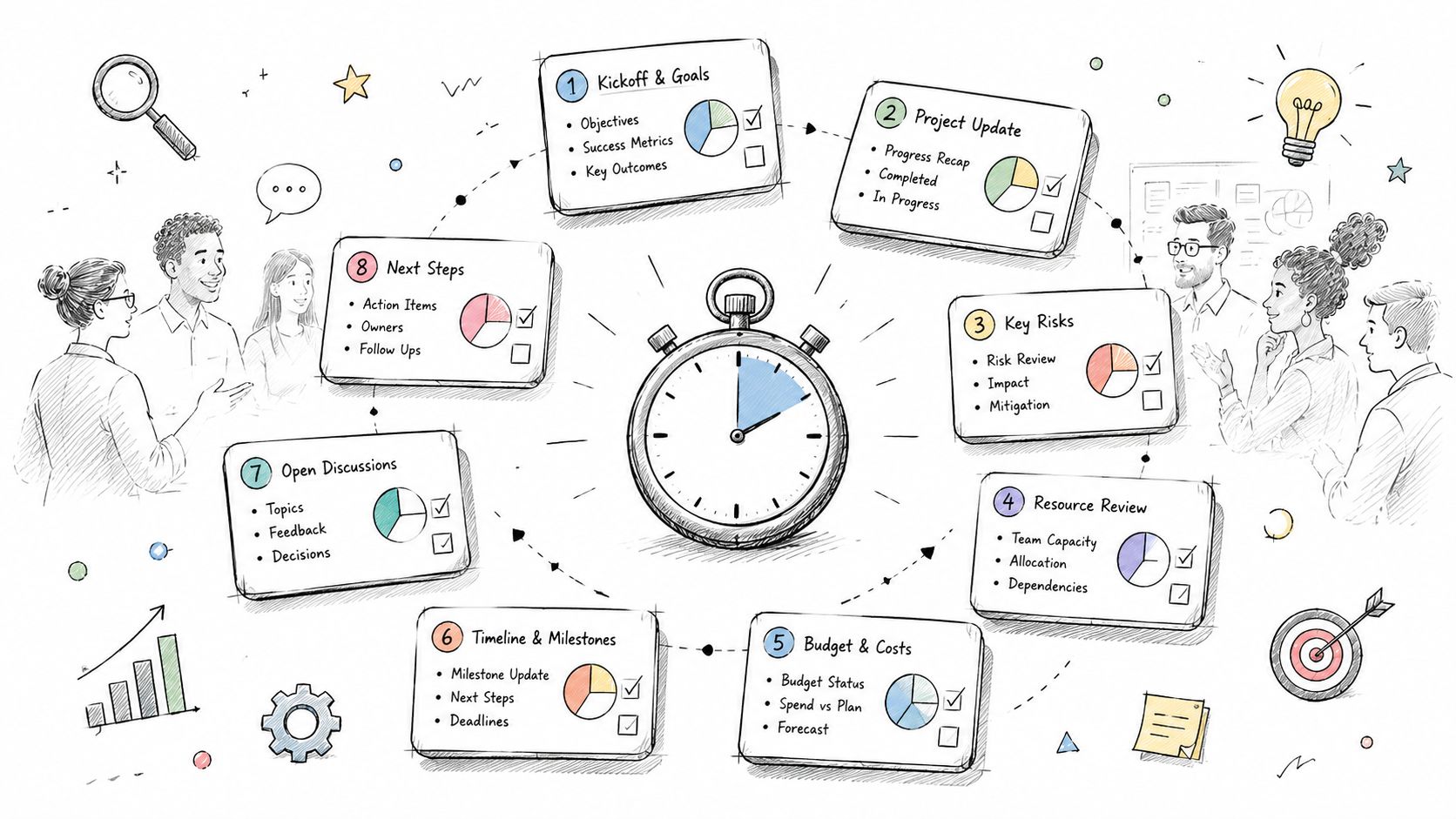
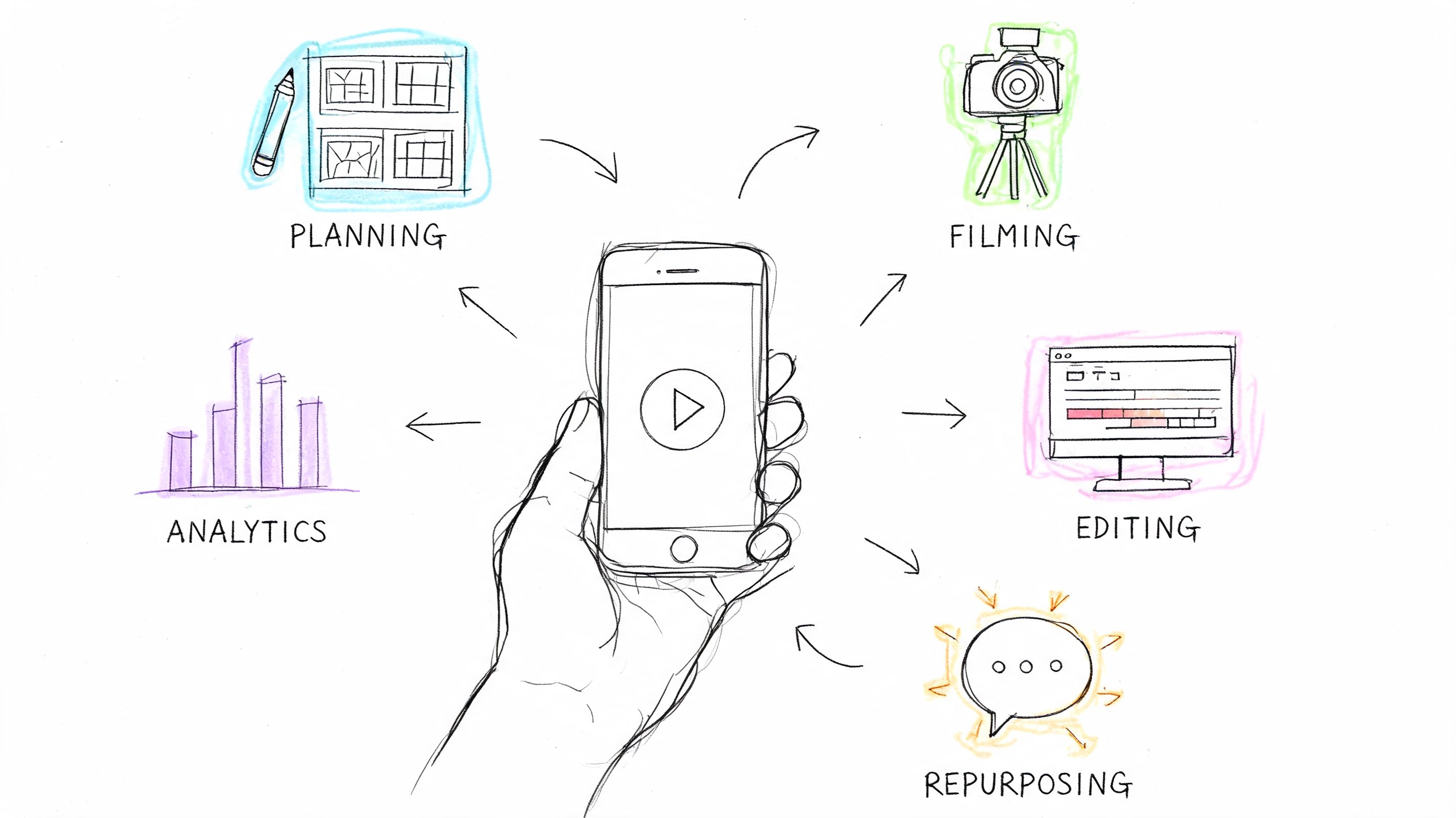
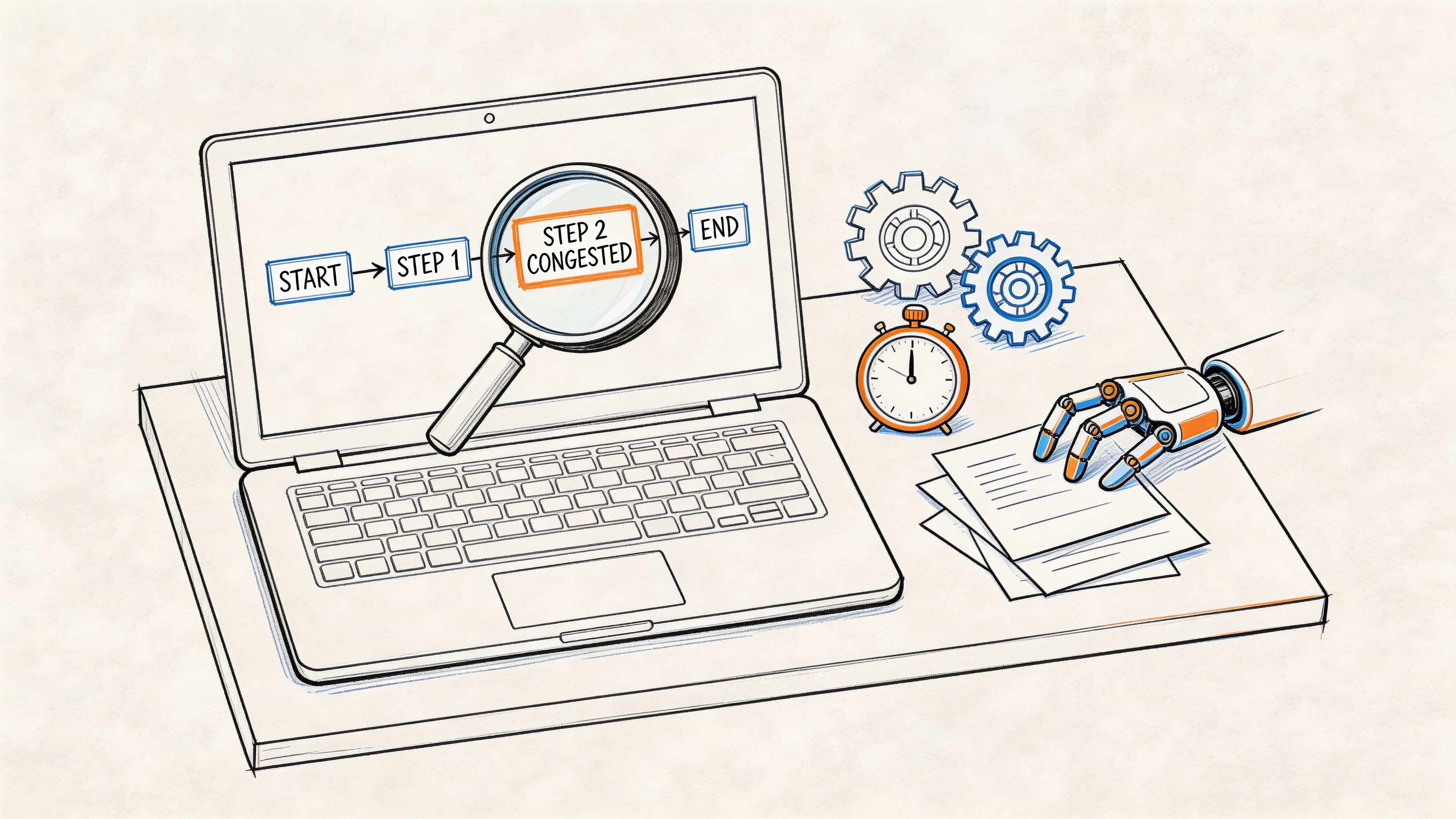
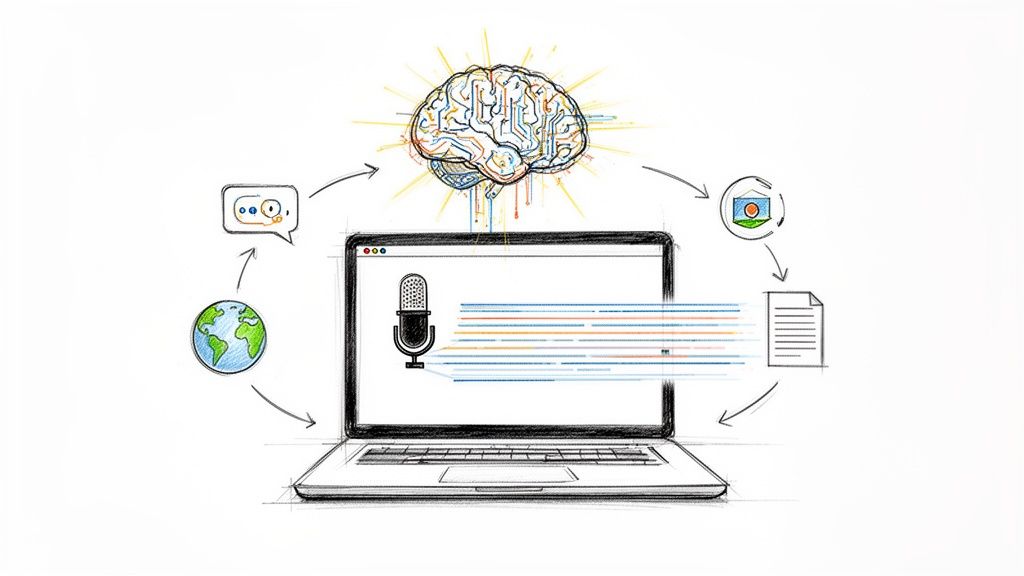
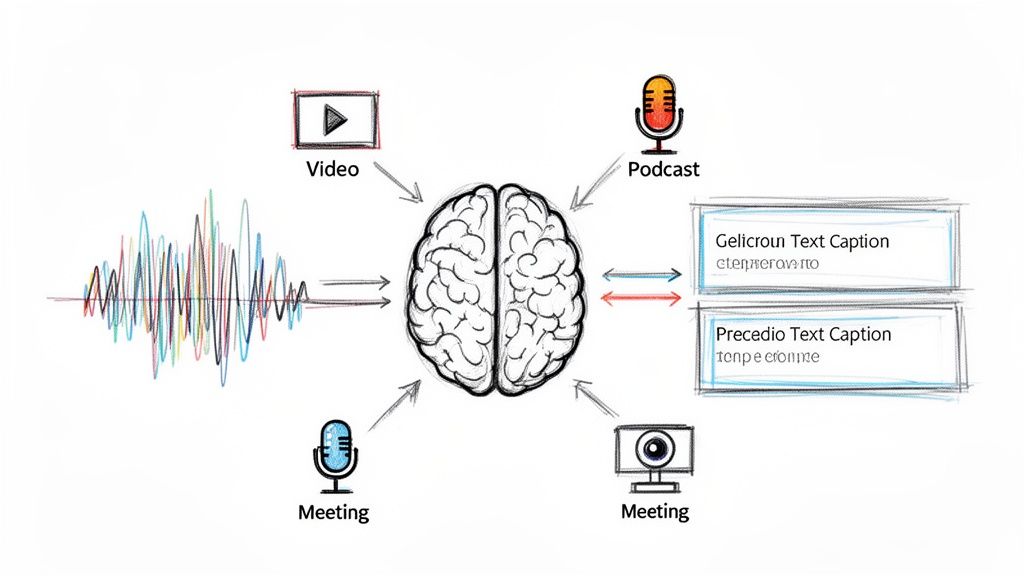
This is the essential flow: you listen, you capture what matters, and then you connect the dots.
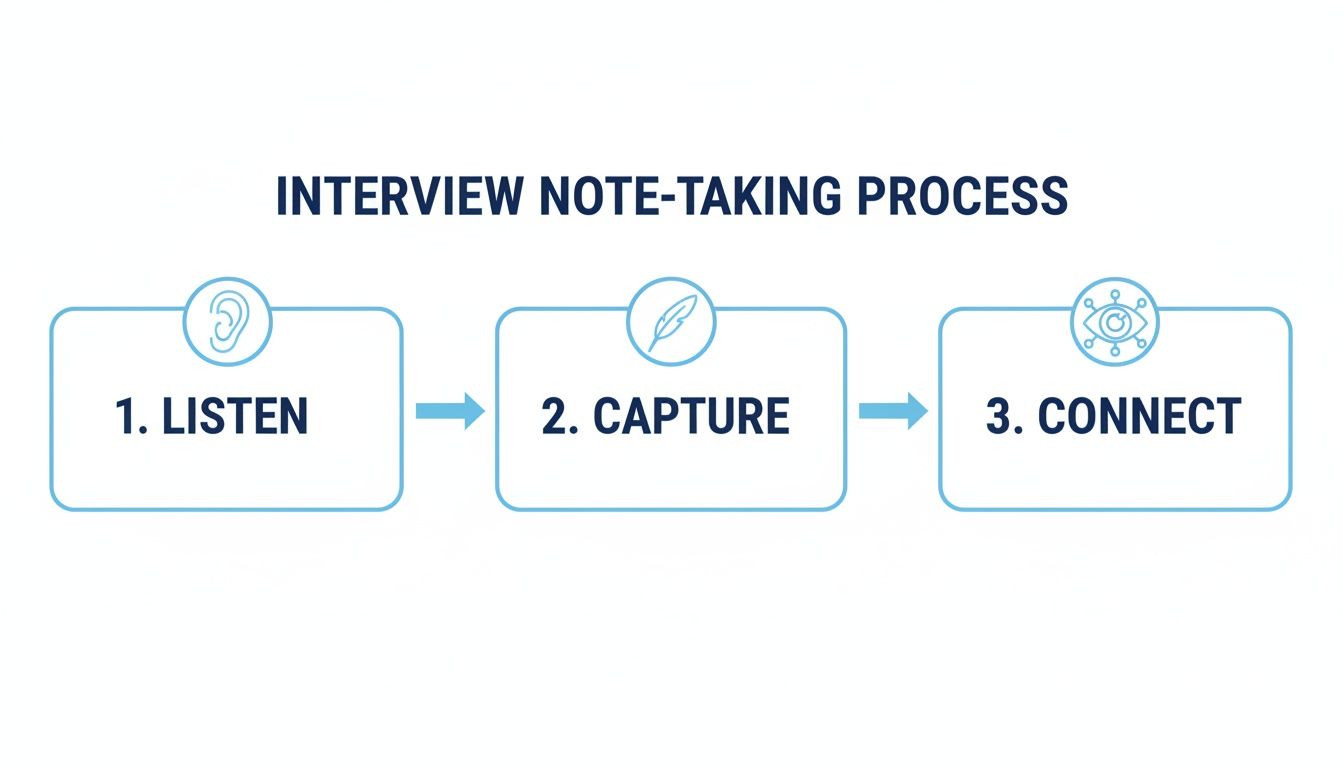
That final step—connecting the ideas—is where the magic happens. It’s what separates good notes from great notes.
Start by grouping your notes into themes. If you're a hiring manager, these categories can mirror the core competencies you mapped out before the interview.
Organizing your raw data this way provides a structured overview that is far easier to analyze and share with your hiring committee. A thematic approach helps you build a strong, evidence-based case for your final decision, moving you beyond "I just had a good feeling about them."
For a deeper dive into this part of the process, check out our guide on how to analyze interview data.
Essential Tools and Templates for Better Notes
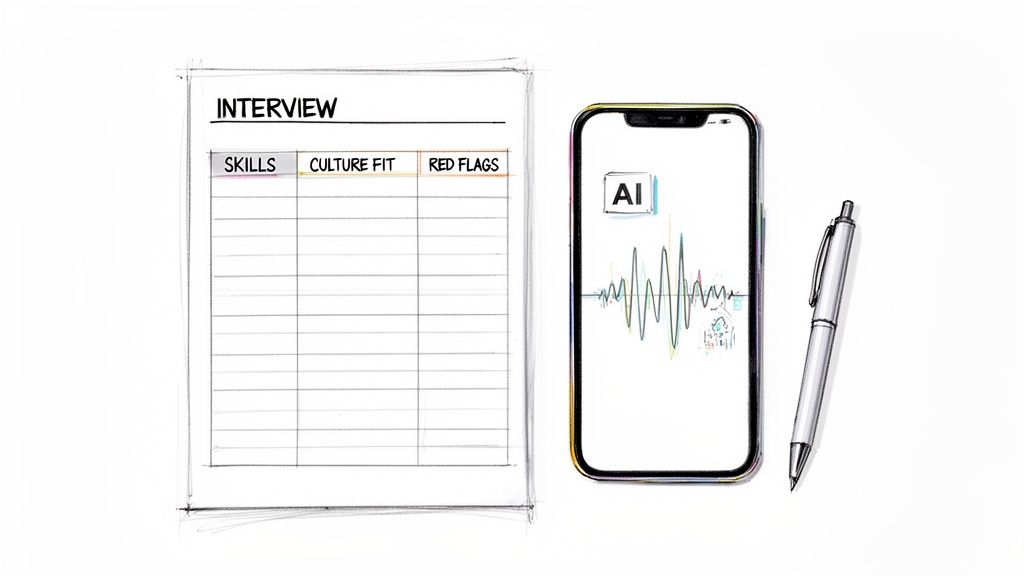
Let's get practical. Having the right system in place makes all the difference when taking notes in an interview. A solid template and the right technology aren't just nice-to-haves; they can completely transform how effectively you capture and recall important details.
A good template prevents your notes from becoming a jumbled mess. It provides a framework to guide your listening, ensuring you capture the information needed to make a smart, objective decision.
Simple Templates for Focused Note-Taking
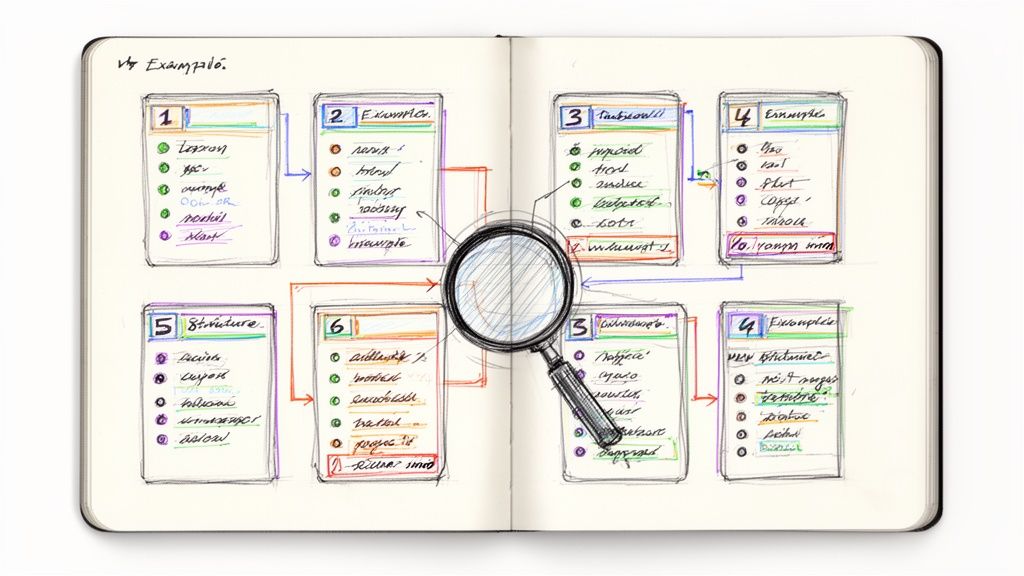
If you're conducting the interview, a template built around your evaluation criteria is essential. Instead of starting with a blank page, set up predefined sections that mirror the job description. This keeps you focused and makes comparing candidates on an apples-to-apples basis much easier.
Here’s a simple but effective layout you can start with:
This structure turns a simple notebook into a powerful evaluation tool.
The best notes don't just record answers; they organize them in a way that makes your final decision clearer and more defensible. A good template is the first step toward that clarity.
For candidates, the concept is the same but reversed. Organize your thoughts to appear prepared and engaged. A simple document with your pre-written questions, key facts about the company, and space to write down names or project details is all you need.
The Technology Powering Modern Notes
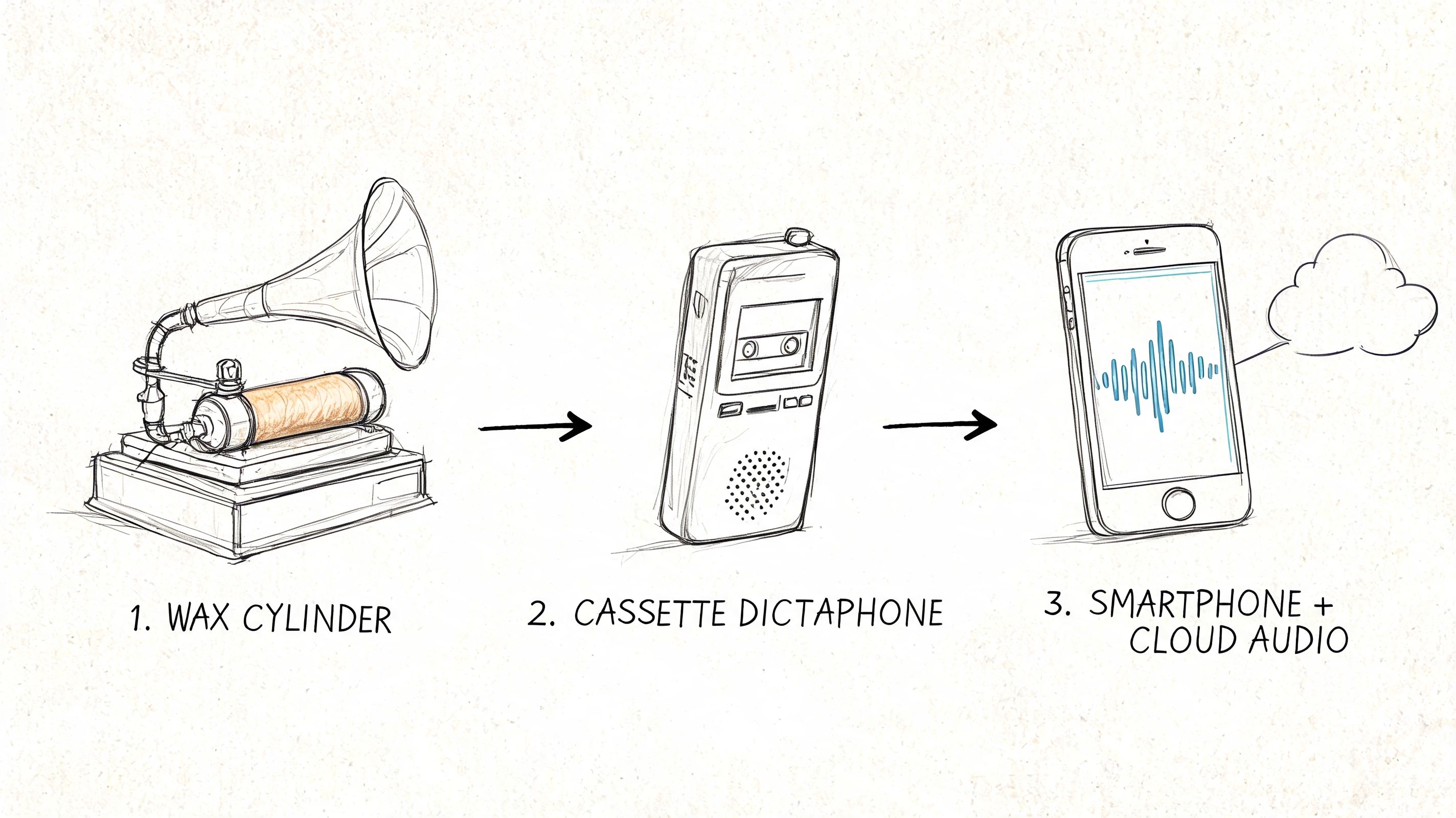
While templates provide structure, technology brings efficiency. Today's tools are completely changing how we take notes, especially for remote interviews where everything can be recorded.
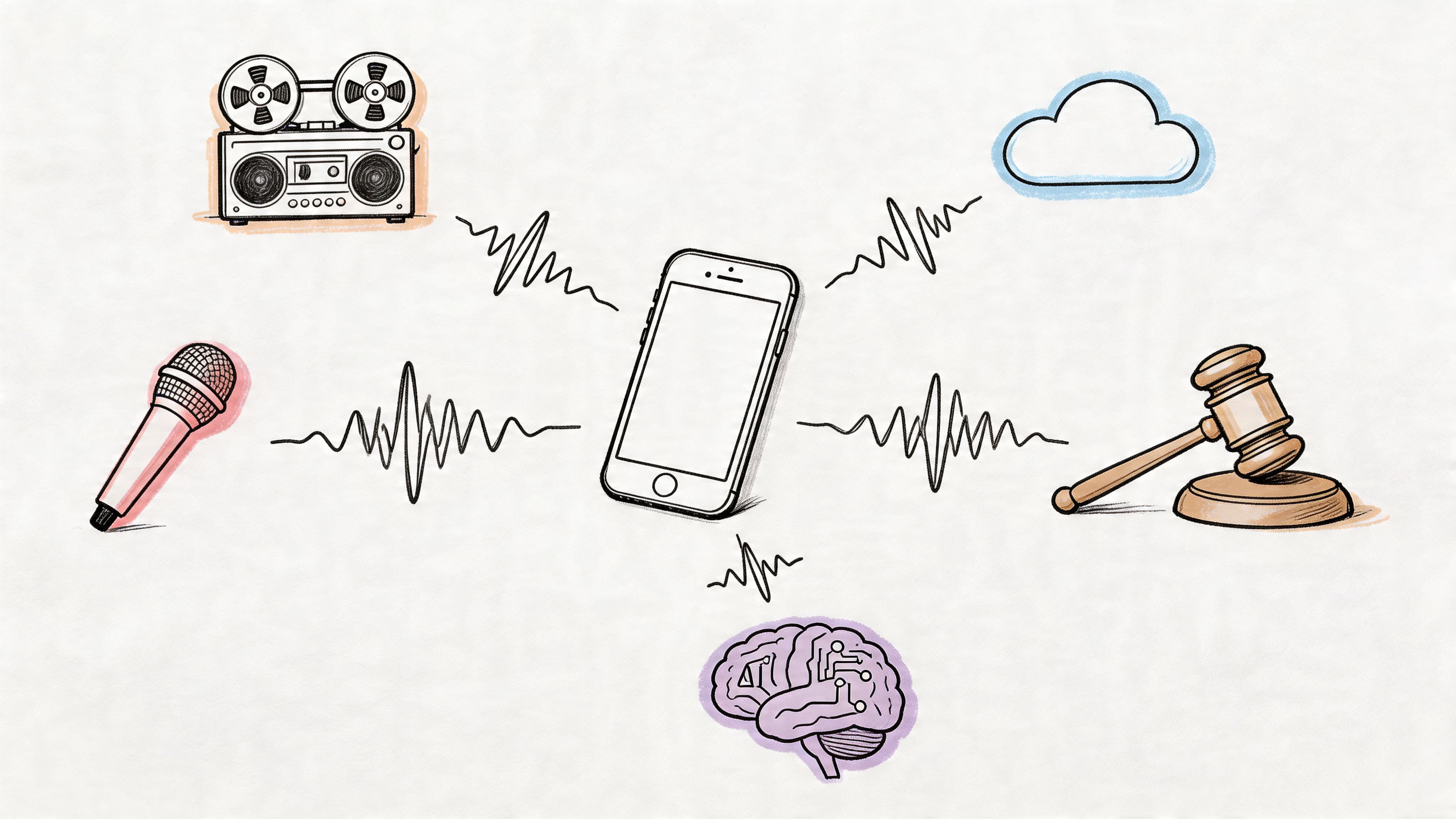
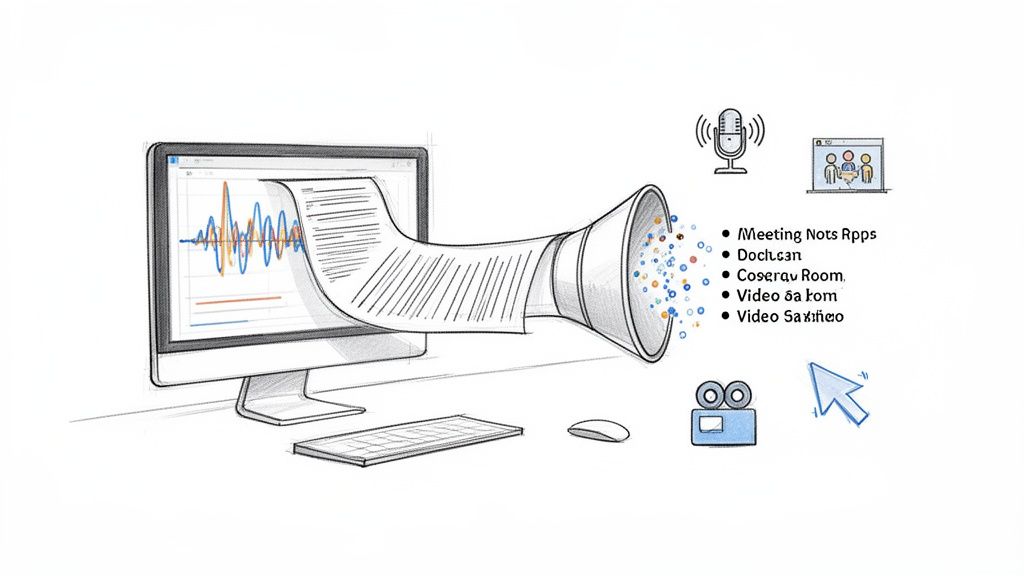
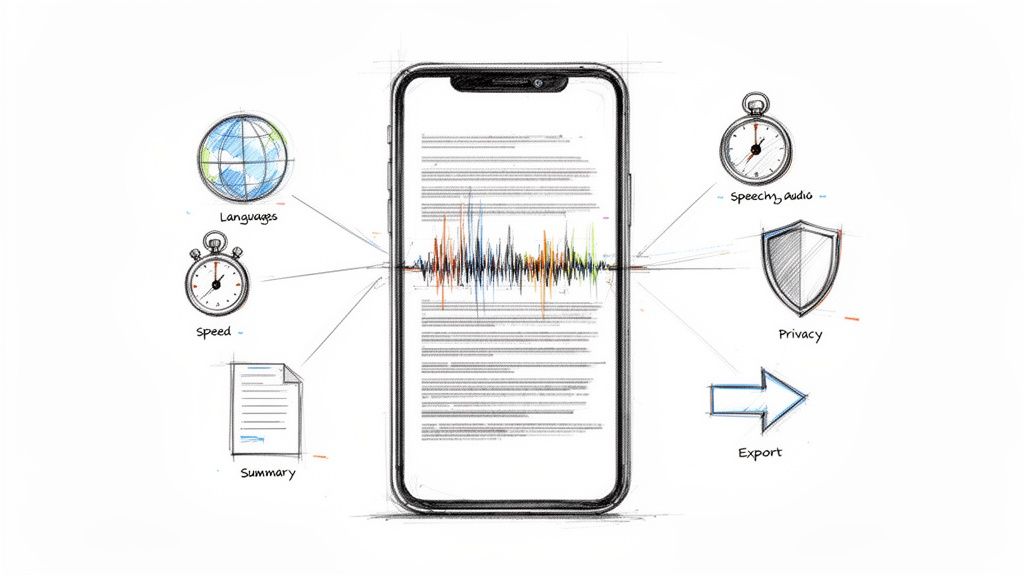
AI-powered transcription has become a game-changer. Instead of scrambling to write while trying to listen, you can stay fully engaged in the conversation, knowing a perfect record is being created for you. A good AI note taker app can transcribe the entire conversation, identify who said what, and even generate a quick summary.
This is exactly why the AI transcription market is booming. Projections show it growing from USD 3.86 billion in 2025 to a massive USD 29.45 billion by 2034. That’s a compound annual growth rate of 25.62%, which highlights how many professionals are leaning on technology to handle the tedious aspects of note-taking.
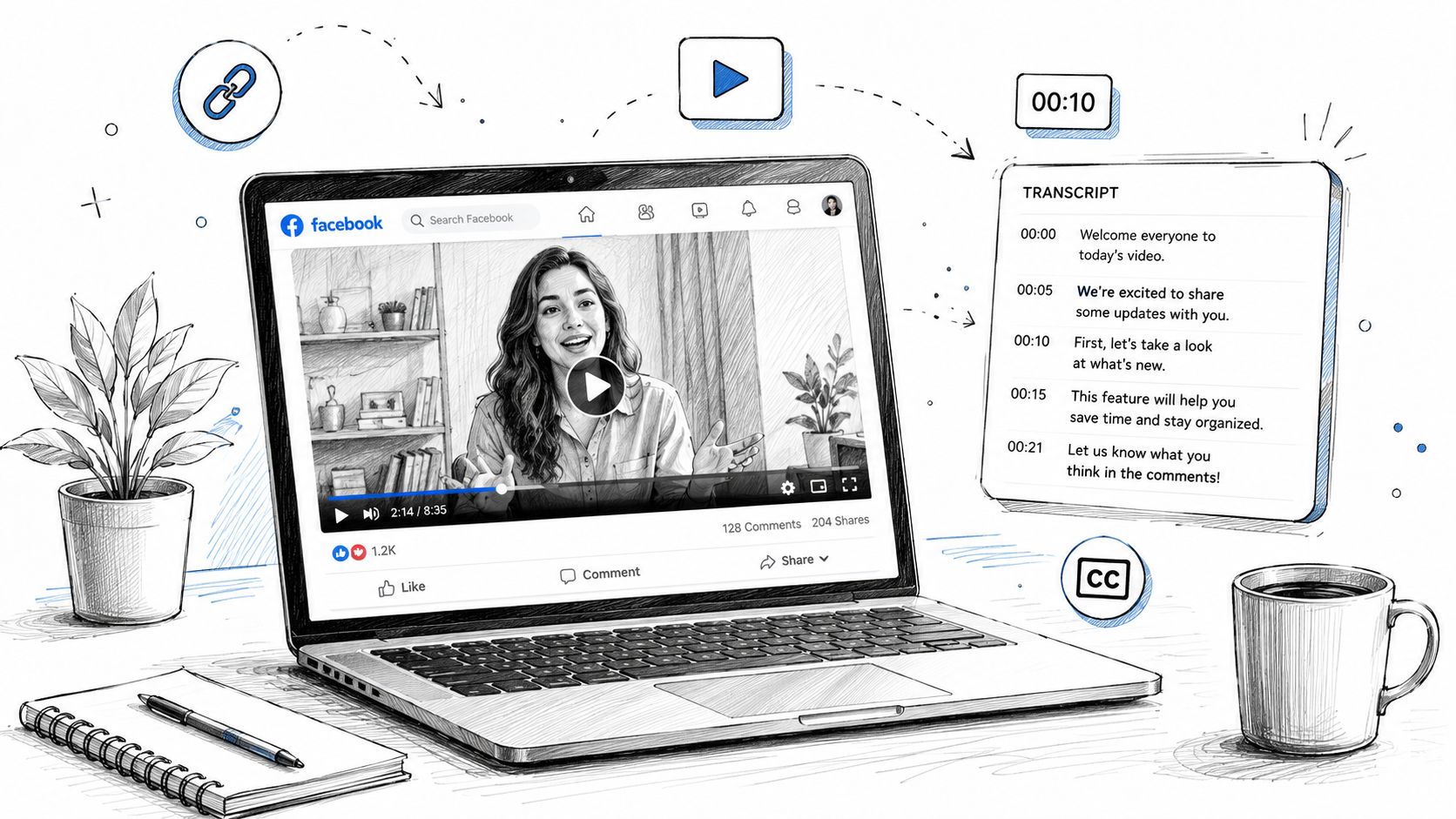
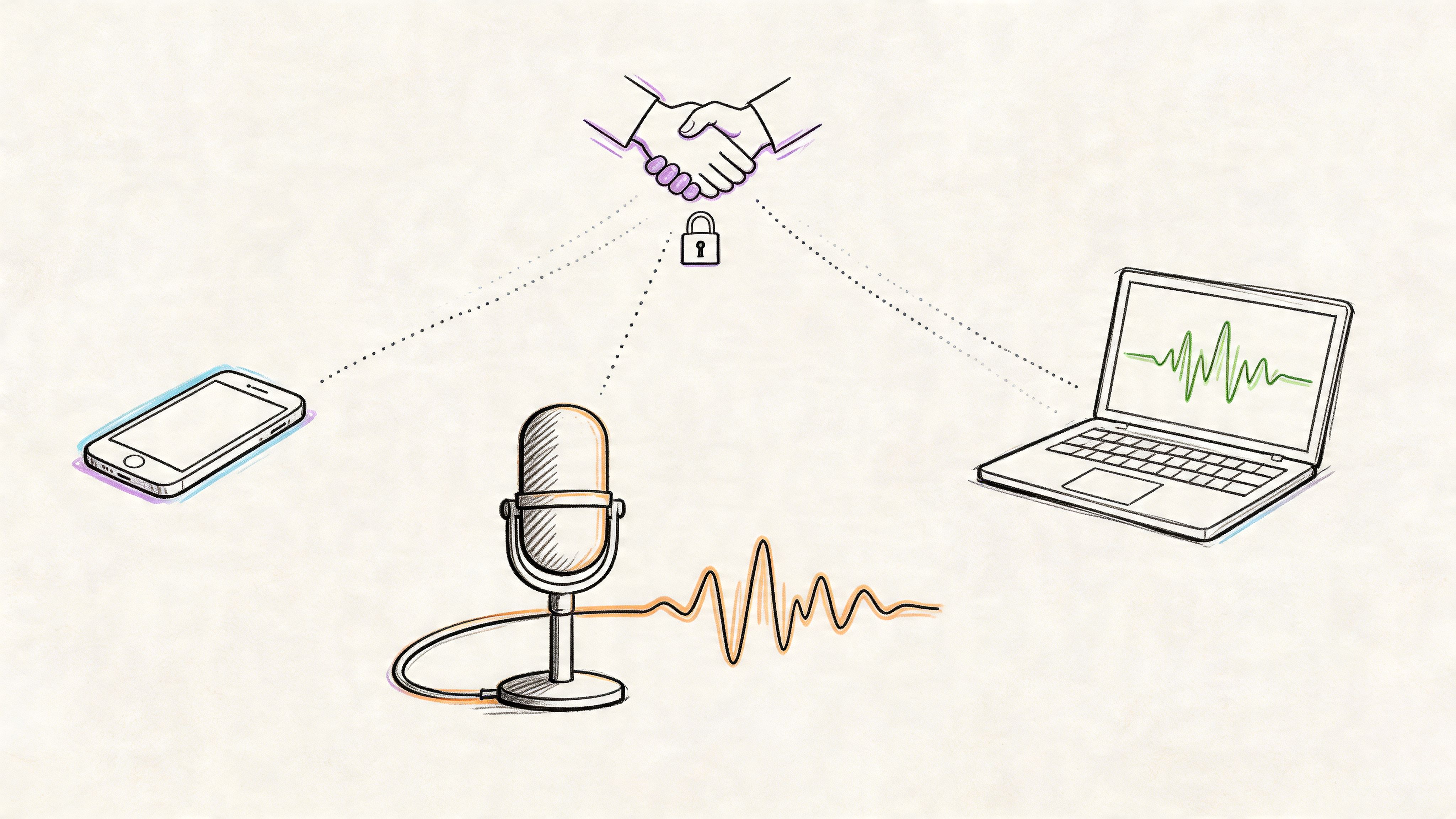
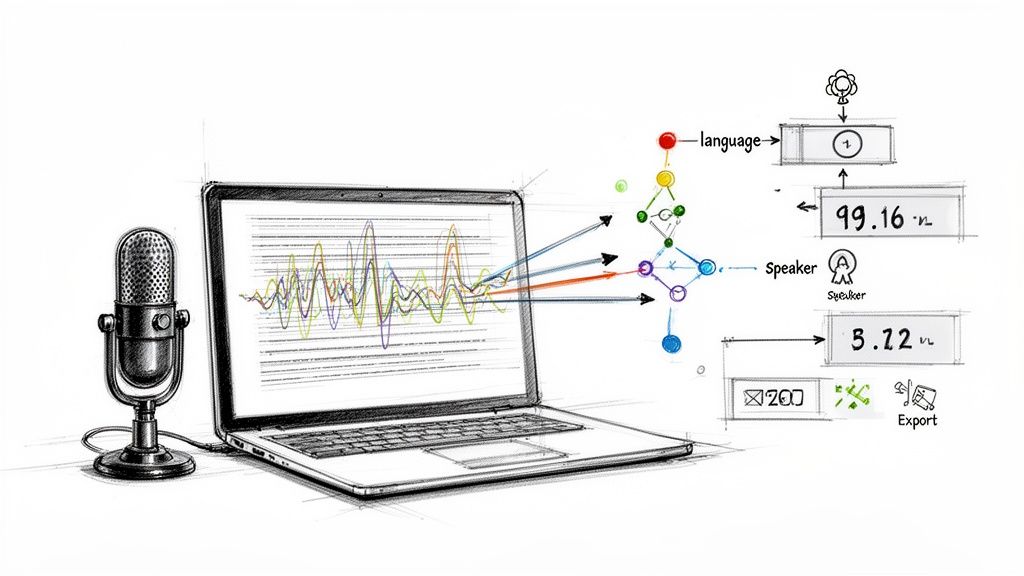
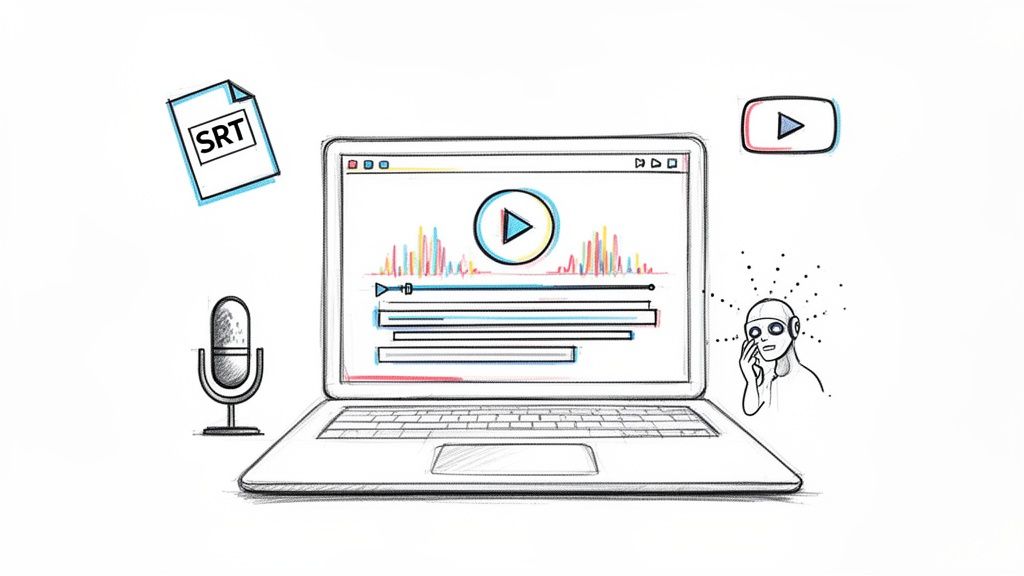
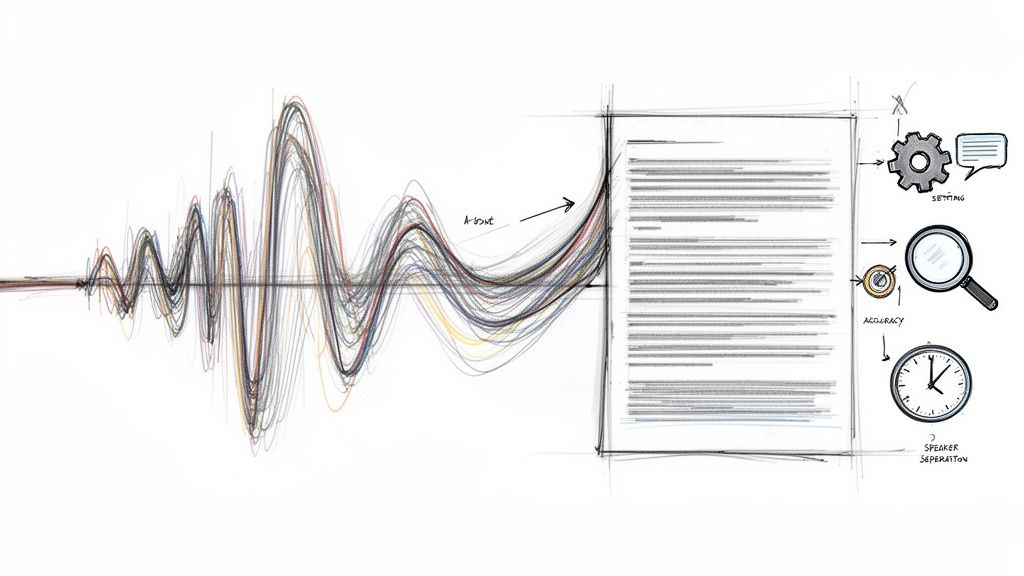
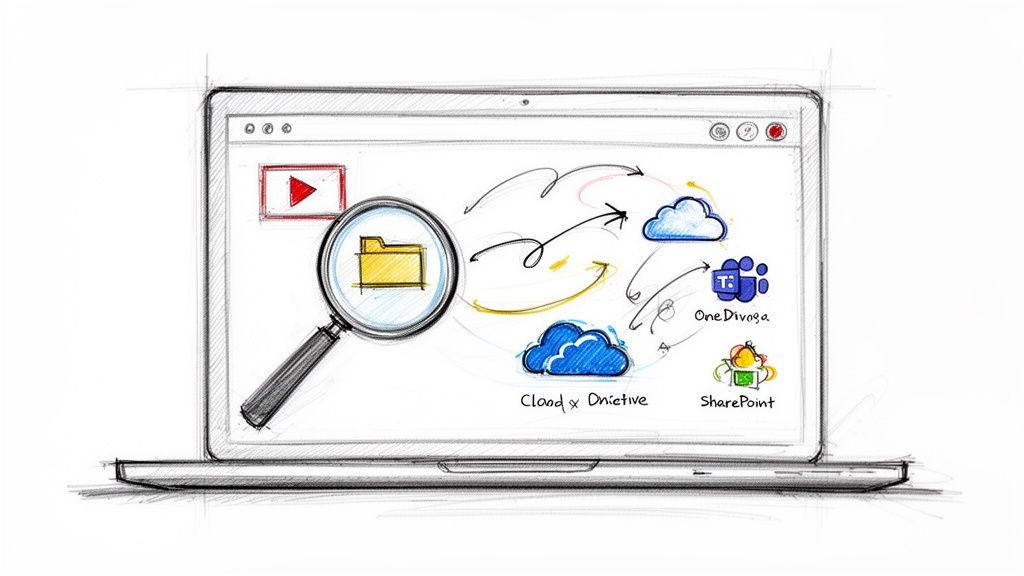
Tools like Whisper AI can manage this whole process, turning spoken words into searchable, time-stamped text with speaker labels. It lets you be 100% present in the moment and still have a flawless record to review later. You'll never miss a key detail again.
Answering Your Top Questions About Interview Note-Taking
Even with a solid strategy, the act of taking notes in an interview can feel a little awkward. It raises common questions for both candidates and hiring managers.
Let's address some of the most frequent concerns so you can feel confident that your note-taking is helping, not hindering, the conversation.
Is It Okay to Record an Interview to Get Better Notes?
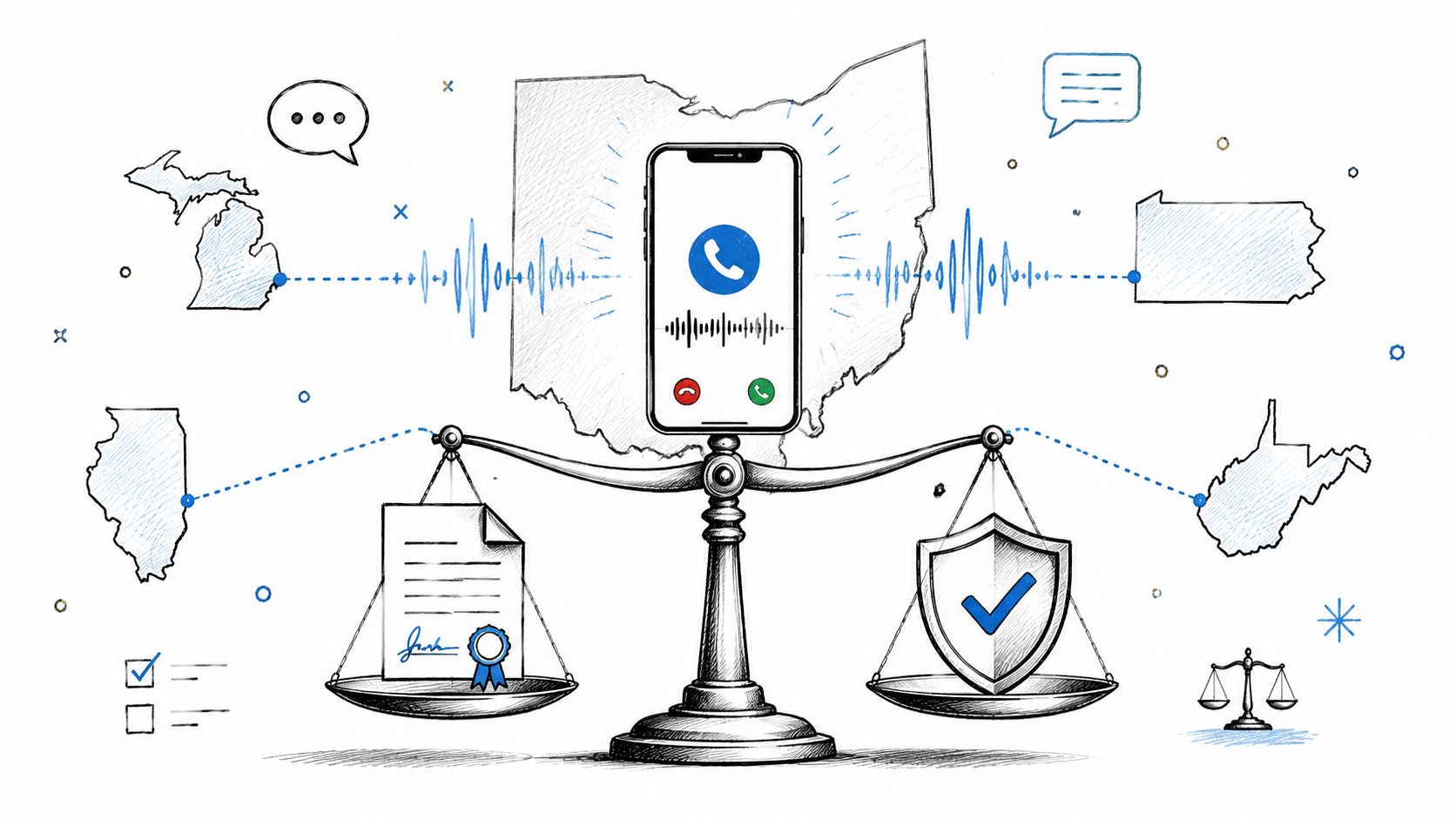
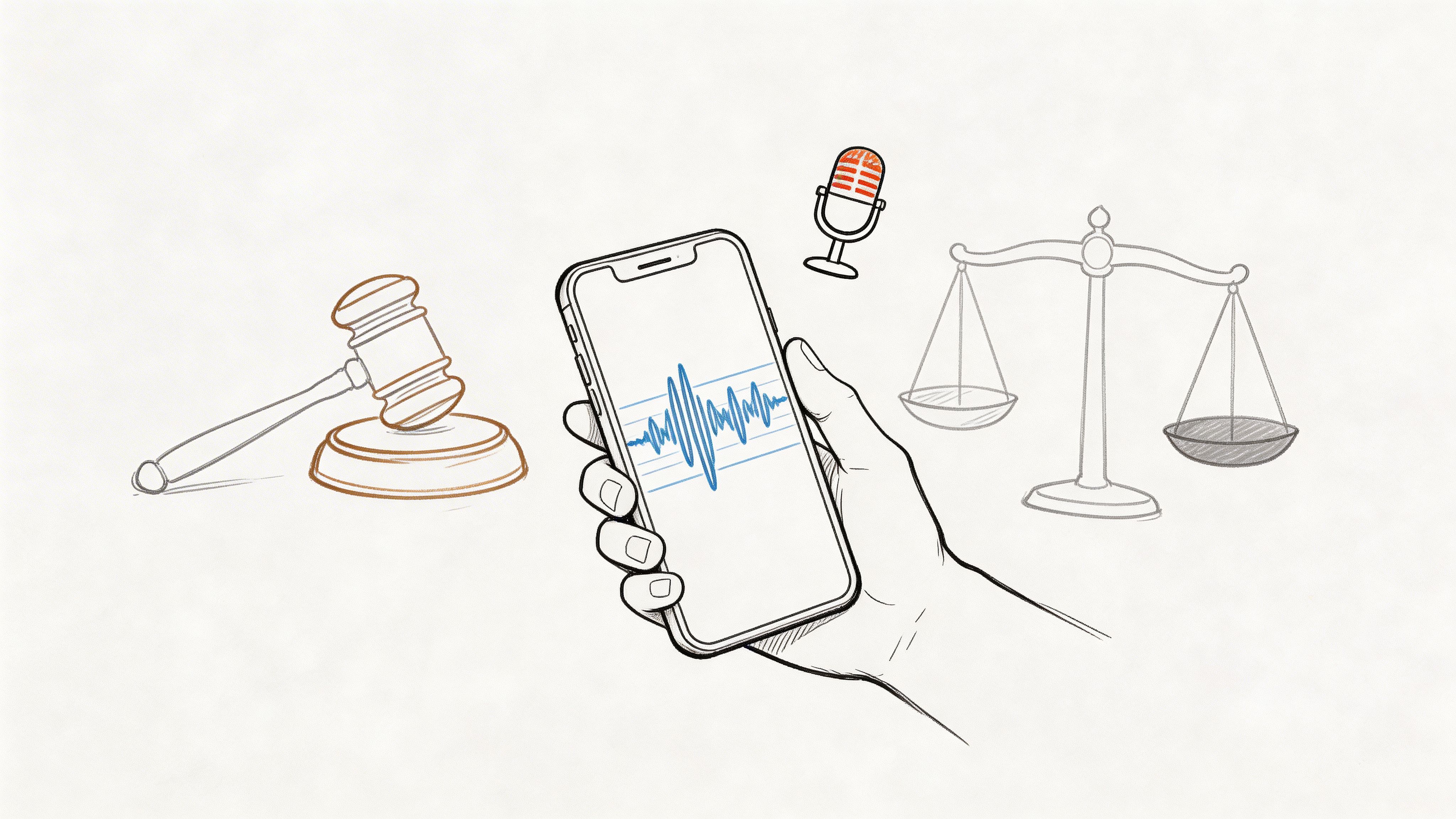
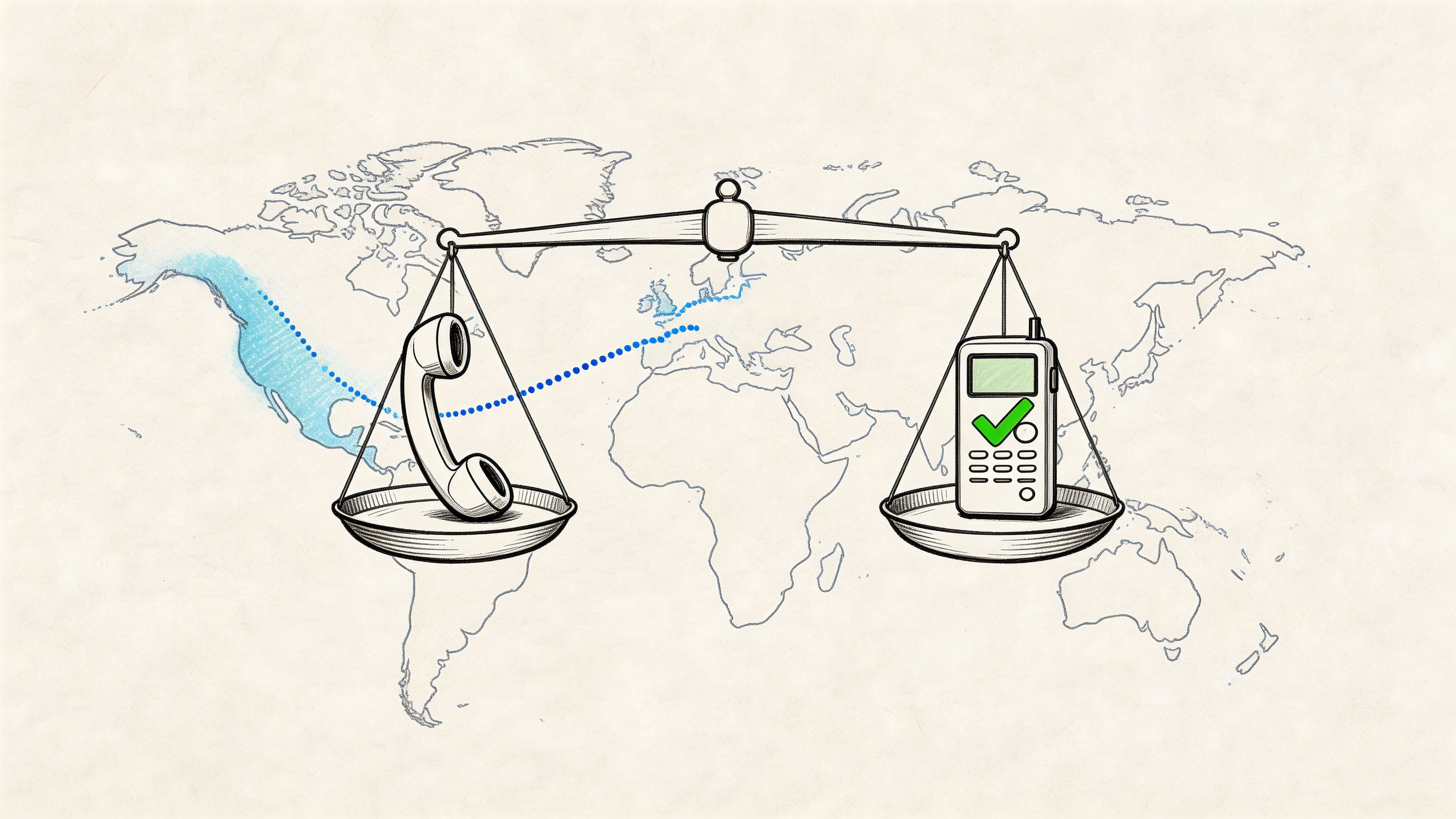
Absolutely, as long as you ask for permission first. This is a critical and non-negotiable step.
Before you hit record, you must get a clear "yes" from everyone in the room or on the call. Being upfront builds trust. You can say something simple, like, "Would you mind if I record the audio for my personal notes? It helps me ensure I don't miss any important details." Laws on this vary by location, but the golden rule is always to get consent.
As a Candidate, Won't Taking Notes Make Me Look Distracted?
It’s a valid fear, but when done correctly, the opposite is true. Taking notes shows you’re engaged, organized, and genuinely interested. It signals that you take the conversation seriously and care about the details.
The key is to avoid being glued to your notebook. Your priority is still eye contact and active listening.
Jot down key phrases, names, or a question you want to circle back to. Don't try to write down everything they say. A quick note here and there shows you're capturing what matters, not just tuning out.
What’s the Best Tool for the Job?
There’s no single "best" tool—it really comes down to what you're trying to achieve with your notes.
At Whisper AI, we turn your interview recordings into accurate, searchable text with speaker detection and summaries, so you can focus on the conversation, not the note-taking. Capture every detail effortlessly with Whisper AI.