How to Study for Exams Effectively: A Science-Backed Guide
If you want to ace your exams, you need to move past simply rereading your notes. The key is an active, goal-oriented approach. It’s about creating a structured plan, leaning on science-backed techniques like active recall, and getting your mind and body ready to perform when it counts. This isn't just about cramming; it's about turning studying into a powerful process that builds knowledge that actually sticks.
Build a Rock-Solid Study Foundation
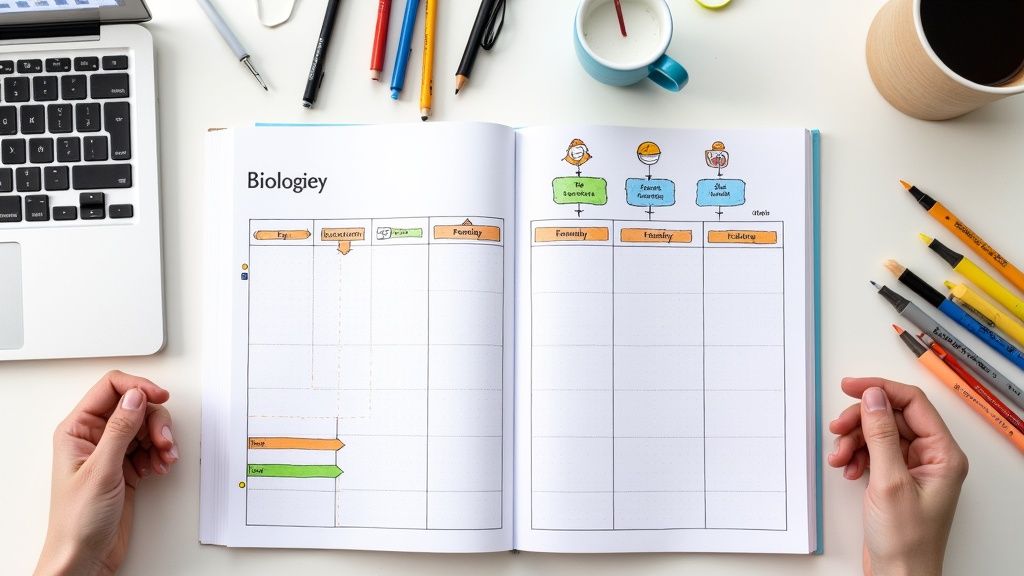
We've all been there: staring at a mountain of textbooks and lecture notes, feeling completely overwhelmed. The secret to getting through it isn't about brute force or pulling all-nighters. It's about laying a solid foundation before you even start the heavy lifting of learning.
Think of this early phase as your strategic launchpad. You're creating clarity and giving yourself a clear direction. Without this groundwork, even the most effective study techniques can end up feeling like spinning your wheels.
Set Clear and Achievable Goals
Just cracking open a textbook and starting on page one is like setting off on a road trip with no map. Sure, you'll cover some ground, but you'll have no idea if you're heading toward your destination. The very first thing to do is break down that intimidating syllabus into small, weekly objectives.
For instance, a vague goal like "study biology this week" is a recipe for procrastination. Instead, get specific:
- Monday: Review and summarize my lecture notes on cellular respiration.
- Wednesday: Make 20 flashcards for the key terms in Chapter 5.
- Friday: Work through the end-of-chapter practice questions and figure out why I got certain answers wrong.
This turns a giant, scary subject into a simple checklist. You get the satisfaction of ticking off small wins, which builds the momentum and confidence you need to keep going.
"Goal setting allows you to plan and focus your time to study more efficiently. As you achieve small wins, you’ll feel more motivated to keep studying."
This approach also forces you to prioritize. By mapping everything out, you can see which topics are most critical (or which ones you find toughest) and dedicate your energy where it’ll make the biggest difference to your final grade.
Organize Your Study Materials and Space
A messy desk and a chaotic desktop are more than just an eyesore—they create mental friction that makes it incredibly hard to focus. Before you dive in, take a little time to get your physical and digital study areas in order. A clean, dedicated space is a powerful signal to your brain that it's time to get down to business.
This isn't just about tidying up; it's about structuring your resources so you can find what you need without a thought.
- Create a Master Folder: On your computer, make one main folder for each course. Inside that, have subfolders for lecture notes, readings, assignments, and practice exams.
- Standardize File Naming: A consistent system like
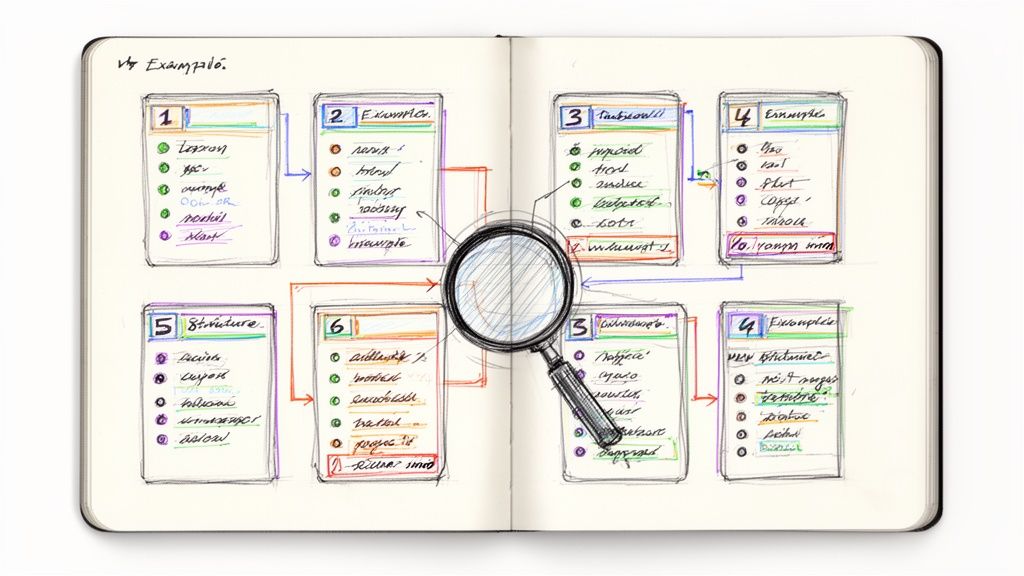
[CourseCode]_Lecture_Topic_[Date]saves you so much time hunting for a specific file later. - Physical Note-Taking: If you prefer pen and paper, use dividers or colored tabs to separate topics. For some great systems, check out our guide featuring different note-taking examples.
Getting organized is a small, one-time investment that pays off all semester. You'll spend less time digging for information and more time actually learning it. The global exam preparation market was valued at over $50 billion in 2023 and continues to grow, showing a clear demand for smarter, more effective study strategies. This prep work truly sets the stage for everything else you'll do.
Design a Study Schedule That You Can Actually Stick To

Let's be real: most study schedules are dead on arrival. They look incredible on paper—a perfectly color-coded grid promising peak productivity—but they completely fall apart in the real world. Why? Because life happens. They’re too rigid, too optimistic, and they don't leave any room for the unexpected.
The secret to learning how to study for exams effectively isn't about crafting a military-grade schedule. It's about building a flexible routine you can actually follow. A sustainable plan that works with your life is infinitely better than a "perfect" one that implodes the second you get a flat tire. The goal here is consistency, not intensity. Short, regular study sessions will always beat those soul-crushing, last-minute cramming marathons.
Master Your Calendar with Time Blocking
Forget vague to-do lists. Time blocking is about giving every hour of your day a job. This isn't meant to be restrictive; it's about being intentional. By scheduling everything—from classes and work to meals and downtime—you get a crystal-clear map of your available time.
Let's take a student named Alex. They have classes Monday, Wednesday, and Friday, plus a part-time job on Tuesday and Thursday evenings. Here’s how Alex would tackle time blocking:
- Plot the "Big Rocks" First: Alex opens a digital calendar and immediately blocks off all the non-negotiables: class times, work shifts, even the commute. These are the anchors of the week.
- Hunt for the Gaps: With the fixed commitments in place, Alex can see the open spaces. There's a two-hour window between classes on Monday and a free morning on Tuesday. These are gold.
- Assign Specific Missions: Instead of just penciling in "Study," Alex gets granular. The Monday slot becomes "Review History lecture & make flashcards." The Tuesday morning block is now "Tackle Chapter 4 Calculus problems."
This approach completely removes the "what should I do now?" paralysis. You just look at your calendar and do what it says. You can also explore some of the best apps for college students to find great tools that make this even easier.
When you schedule your study sessions with the same weight as a class or a work shift, you're so much less likely to blow them off. It's a mental shift that turns studying from an option into an appointment with your own success.
Stay Hyper-Focused with the Pomodoro Technique
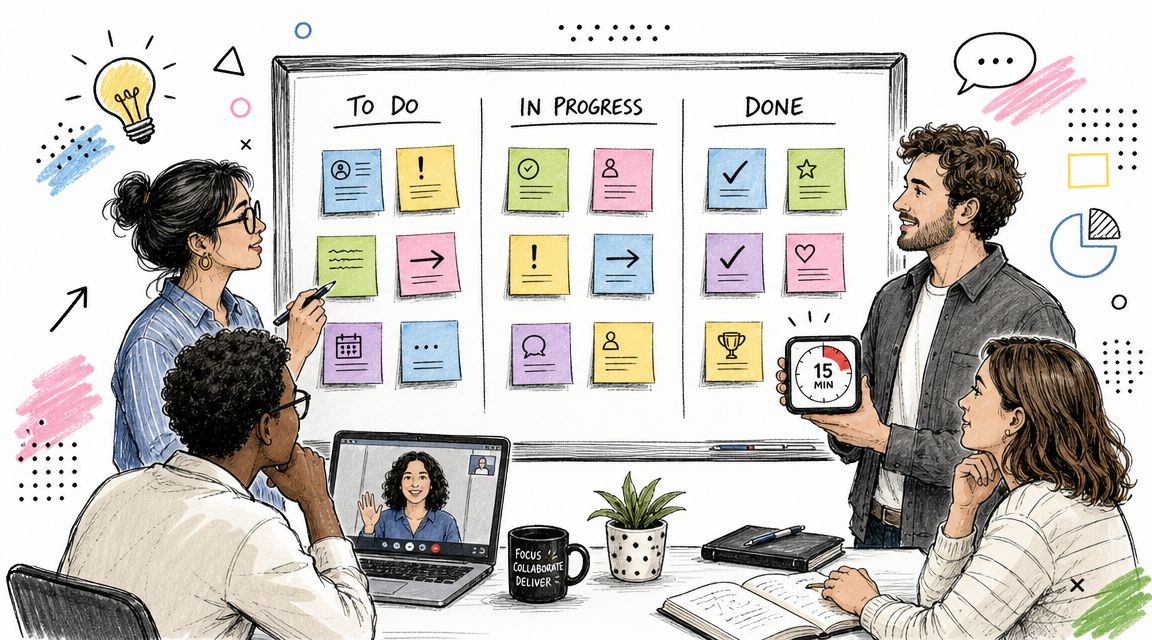
Even the best-laid schedule is useless if you can't focus. That's where the Pomodoro Technique comes in. It's a brilliantly simple time management method that breaks your work into focused, 25-minute sprints separated by short breaks.
This technique is a procrastination-killer because it makes even the most intimidating tasks feel manageable. Seriously, anyone can commit to just 25 minutes of work.
Here’s how it works:
- Pick a single task: Decide exactly what you'll get done in the next 25 minutes (e.g., "Summarize the first five pages of the textbook").
- Set a timer for 25 minutes and go: No phone, no social media, no distractions. Just you and the task.
- Take a 5-minute break: When the timer dings, you stop. Get up, stretch, grab a glass of water—anything to get your eyes off the screen.
- Repeat, then rest: After four of these "Pomodoros," take a longer, more substantial break of 15-30 minutes to really recharge.
This cycle keeps your mind fresh and stops you from hitting that wall of mental fatigue that leads to burnout. It ensures every minute you spend studying is high-quality, focused time.
Schedule Breaks to Avoid Burnout
So many students fall into the trap of thinking breaks are a waste of time. The truth is, strategic breaks are non-negotiable for locking in what you've learned and avoiding a total meltdown. Your brain needs that downtime to process and file away information.
Plan your breaks just like you plan your study blocks. And please, don't just use them to mindlessly scroll Instagram. Make them restorative. Go for a quick walk, listen to some music, or do a few stretches. Research has shown that even a ten-minute break can seriously boost your focus when you get back to work. A well-designed schedule with plenty of rest isn't a luxury; it's the foundation for making it through exam season in one piece.
Unlock Science-Backed Study Techniques
Let's be honest: spending hours rereading notes and highlighting every other sentence feels productive, but it's mostly an illusion of learning. If you really want to know how to study for exams effectively, you have to move past these passive habits. It's time to bring in the heavy hitters—the evidence-based techniques that cognitive scientists have proven actually work.
This isn't just theory. We're going to break down the three powerhouses of real learning: Active Recall, Spaced Repetition, and Interleaving. I'll show you exactly how to turn these concepts from abstract ideas into your go-to study tools, making your prep time count.
Master Active Recall to Truly Know Your Stuff
Active Recall, often called retrieval practice, is all about pulling information out of your brain instead of just passively putting it in. It’s the difference between looking at the answer to a math problem and thinking, "Oh yeah, I knew that," and actually solving the problem from scratch without any help.
Think of your brain as a muscle. Rereading is like watching someone else lift weights at the gym. Active recall is you picking up the weights and doing the reps yourself. It’s that struggle to retrieve information that builds strong, lasting neural pathways.
So, how do you put this into practice?
- Quiz Yourself Constantly: Go through your lecture notes and turn every key concept into a question. Instead of just reading "Mitochondria is the powerhouse of the cell," ask yourself, "What is the primary function of mitochondria?" and answer it without peeking.
- Use the Blank Page Method: After reading a chapter, close the book. Grab a blank sheet of paper and write down everything you can possibly remember. Then, compare your notes to the source material. This method is brilliant because it instantly shows you exactly what you don't know yet.
- Explain it to Someone Else: Try teaching a complex idea, like the causes of the French Revolution, to a friend. If you can't explain it in simple terms, you haven't fully grasped it.
Beyond these recall tricks, truly mastering your textbooks is a game-changer for exam prep. Dive into some effective textbook study methods to make sure you're getting the most out of your reading time.
Use Spaced Repetition to Beat the Forgetting Curve
Ever crammed for an exam, aced it, and then forgotten everything by the following week? You've just met the "forgetting curve." Spaced repetition is the perfect way to fight back. The idea is to review information at increasingly longer intervals, which systematically interrupts the natural process of forgetting.
This strategy works because each time you successfully recall something just as you were about to forget it, you send a powerful signal to your brain: "Hey, this is important! Hang onto it." Studies in cognitive psychology consistently show that spacing out study sessions is far superior to cramming. In fact, a major analysis found it can boost long-term retention by up to 50%.
By strategically spacing out your reviews, you're not just memorizing—you're signaling to your brain that this information is crucial for the long haul. It's the difference between renting knowledge for an exam and truly owning it.
Here’s a simple way to get started:
- Make Your Flashcards: Create flashcards (digital or physical) for key concepts, vocab, or formulas.
- Try a Simplified Leitner System: Get three boxes (or digital folders). All new cards start in Box 1.
- Review Daily: Go through the cards in Box 1 every day. If you get one right, it graduates to Box 2. If you get it wrong, it stays in Box 1 for another round tomorrow.
- Space It Out: Review Box 2 every three days. Correct cards move to Box 3, while incorrect ones get demoted back to Box 1. Review the "mastered" cards in Box 3 just once a week.
This simple system forces you to focus your energy on the material you find most difficult, making your study sessions incredibly efficient.
Deepen Understanding with Interleaving
Most of us were taught to study in blocks: two hours of algebra, then two hours of geometry the next day. Interleaving completely flips that model. It involves mixing up different but related topics within the same study session.
So, instead of tackling 20 algebra problems in a row, you’d do a few algebra problems, then a few from geometry, then maybe some trigonometry, and then circle back to algebra.
I'll admit, this feels much harder at first. But that difficulty is actually a good sign—it’s your brain working harder. This method forces you to constantly switch gears and figure out the right strategy for each problem, rather than just mindlessly applying the same formula over and over.
It’s like practicing for a baseball game. If you only practice against fastballs, you'll be completely lost when the pitcher throws a curveball. Interleaving is like practicing against a mix of different pitches. It builds mental flexibility and prepares you to handle whatever the exam throws your way.
Use Technology to Study Smarter, Not Harder
Your phone and laptop can be your greatest study allies or your biggest distractions. The secret to effective exam prep is learning how to wield them strategically. Instead of seeing your devices as a temptation, think of them as a system you can build to automate the grunt work, leaving you more time for actual, deep learning.
Making this mental switch is more important than ever. The global test preparation market hit $100 billion in 2023 and is on track to reach $168.8 billion by 2032, according to Dataintelo. That growth is driven by the demand for flexible, tech-powered study tools. The tools are out there; you just need a smart way to use them.

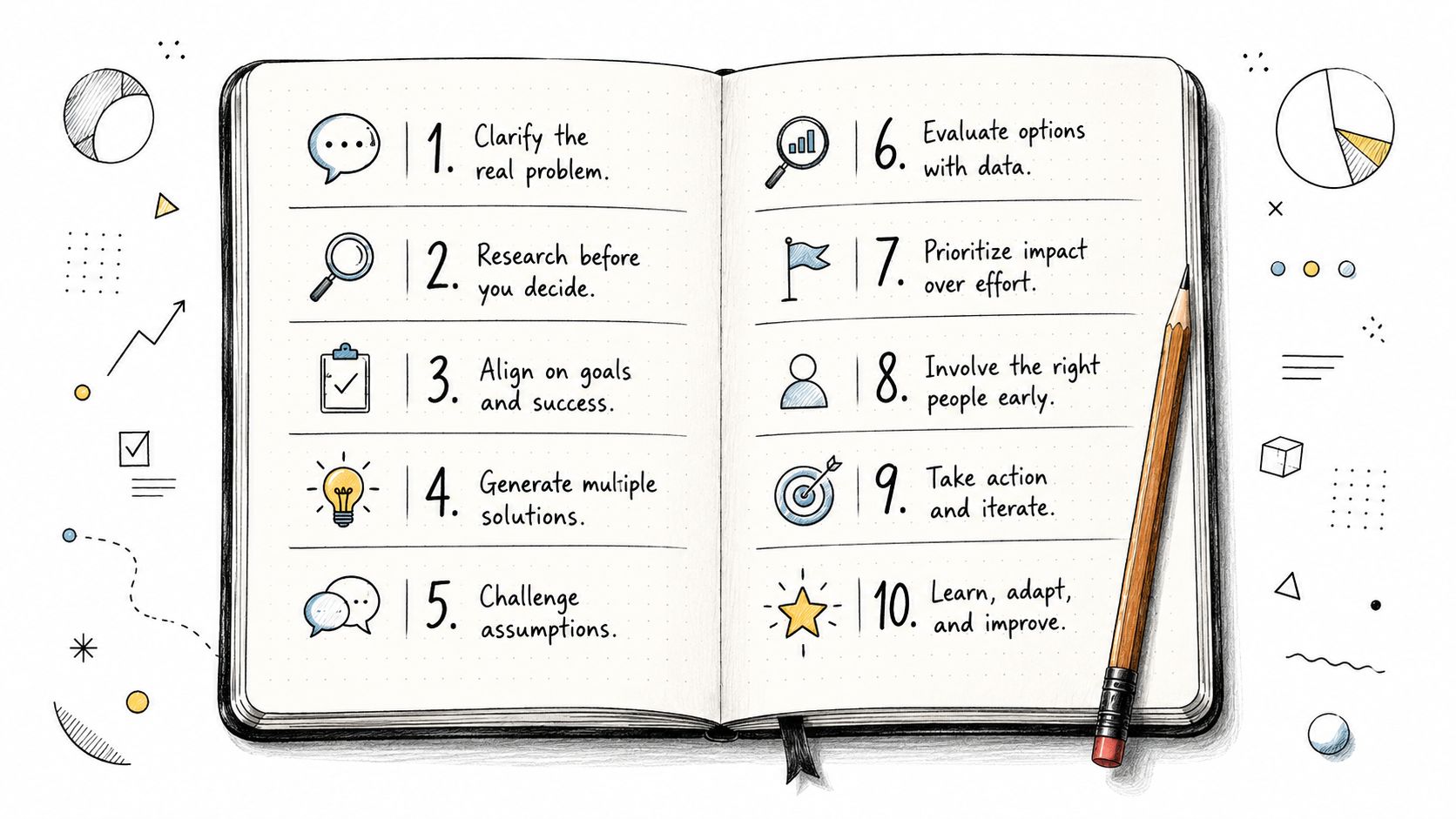
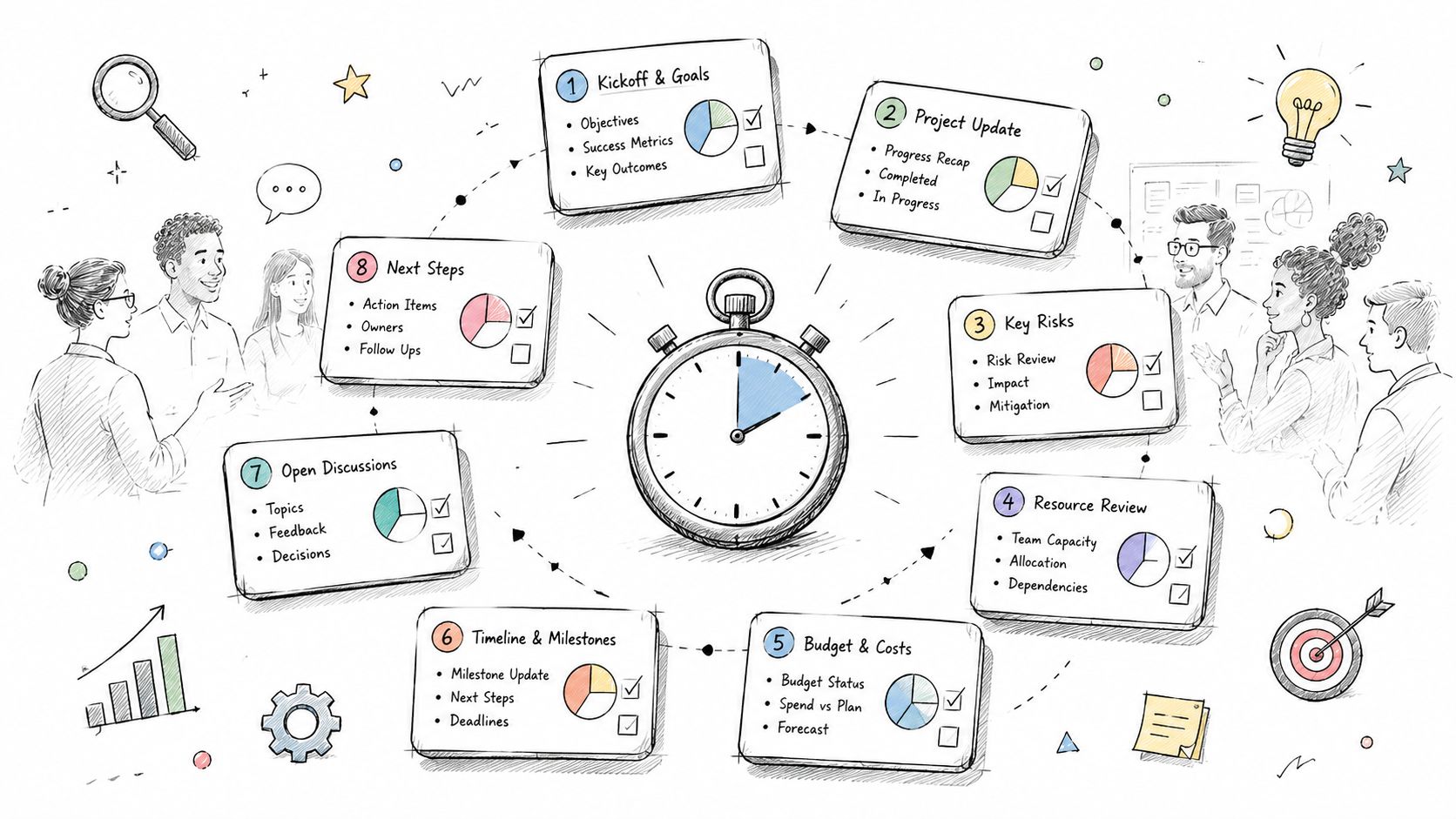
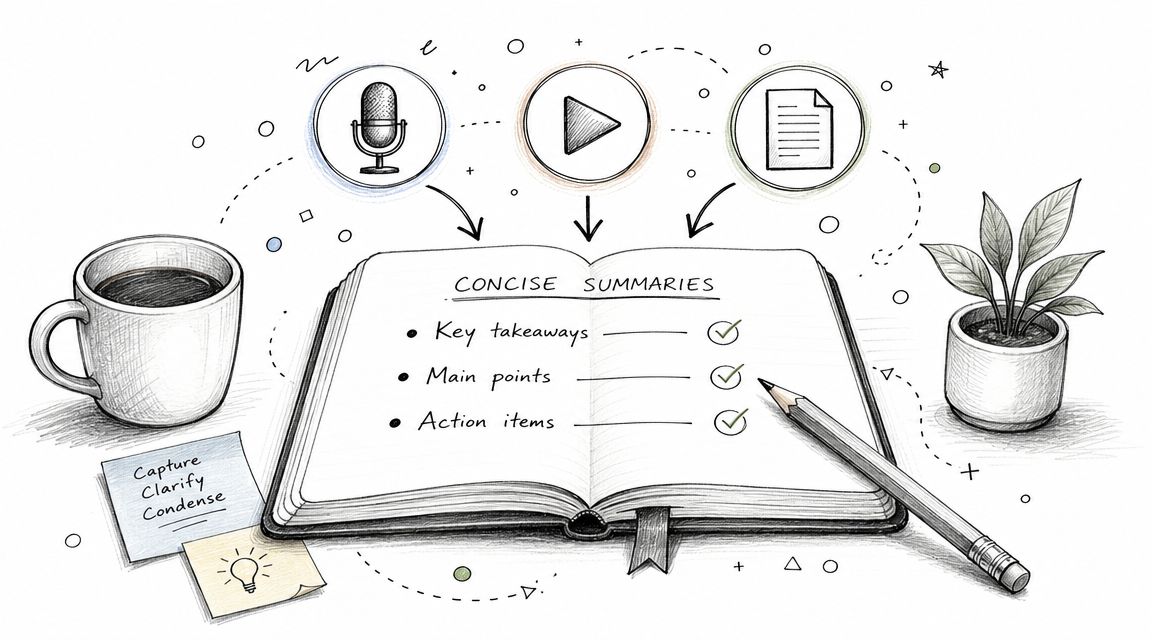
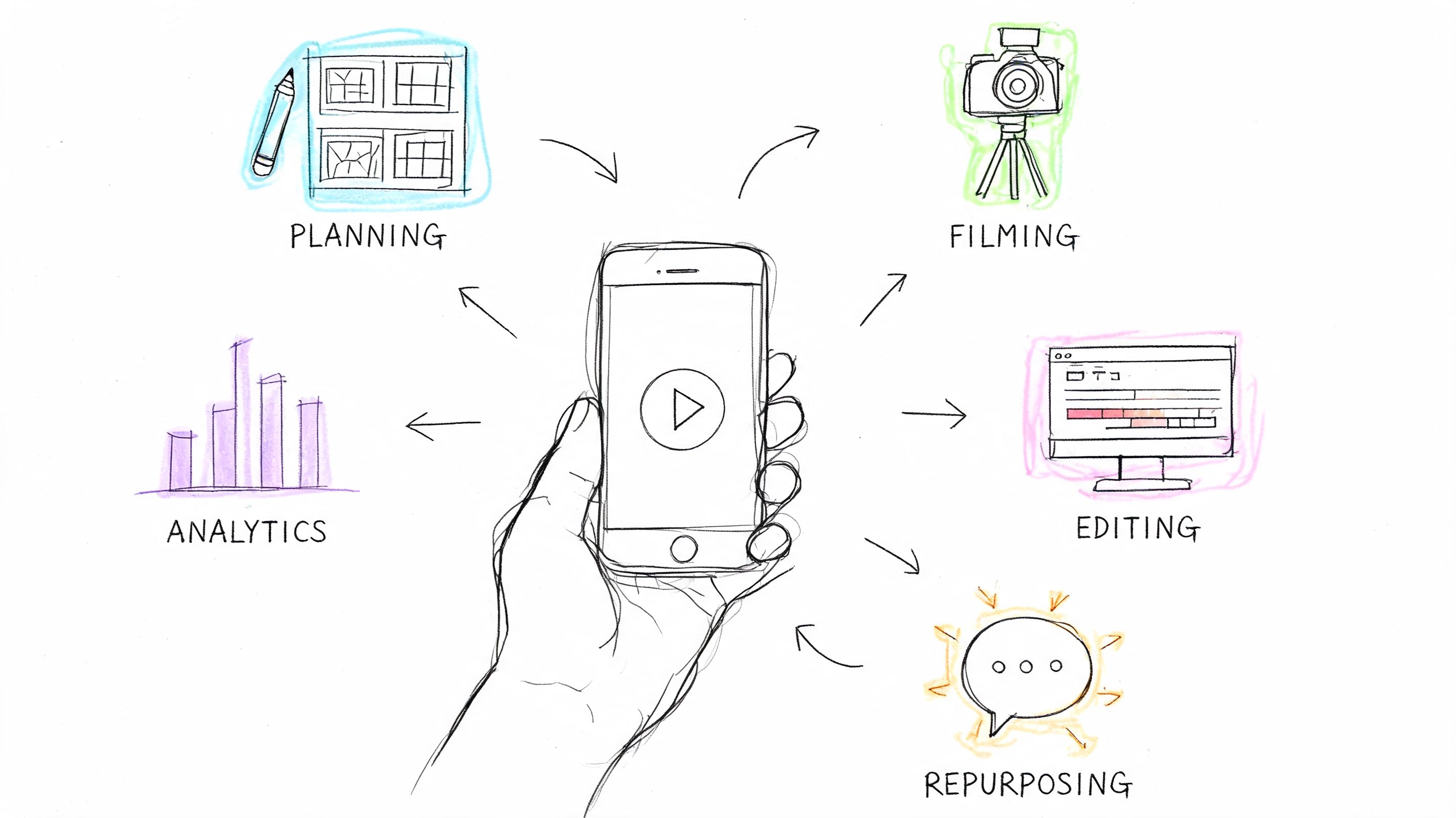
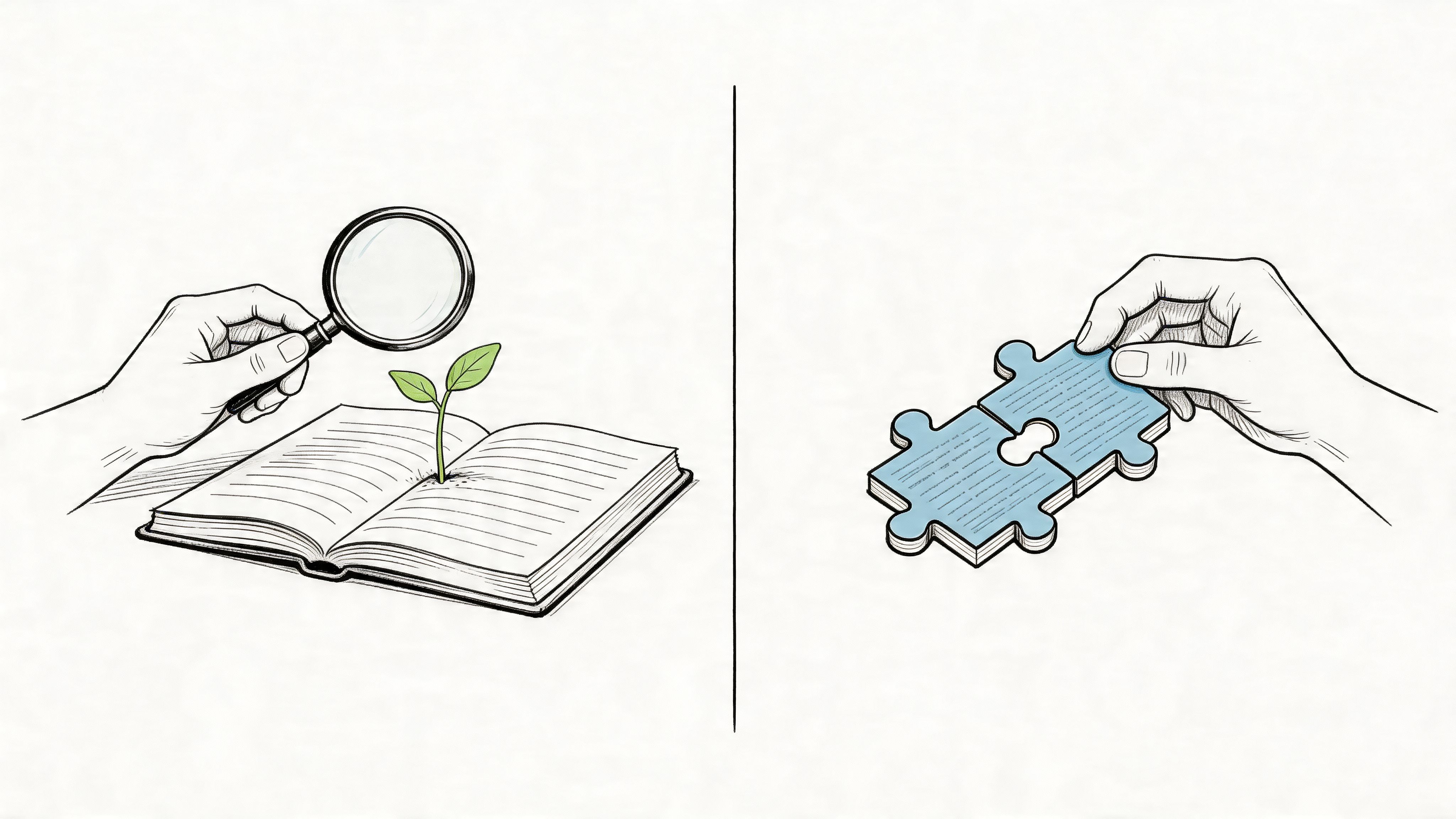
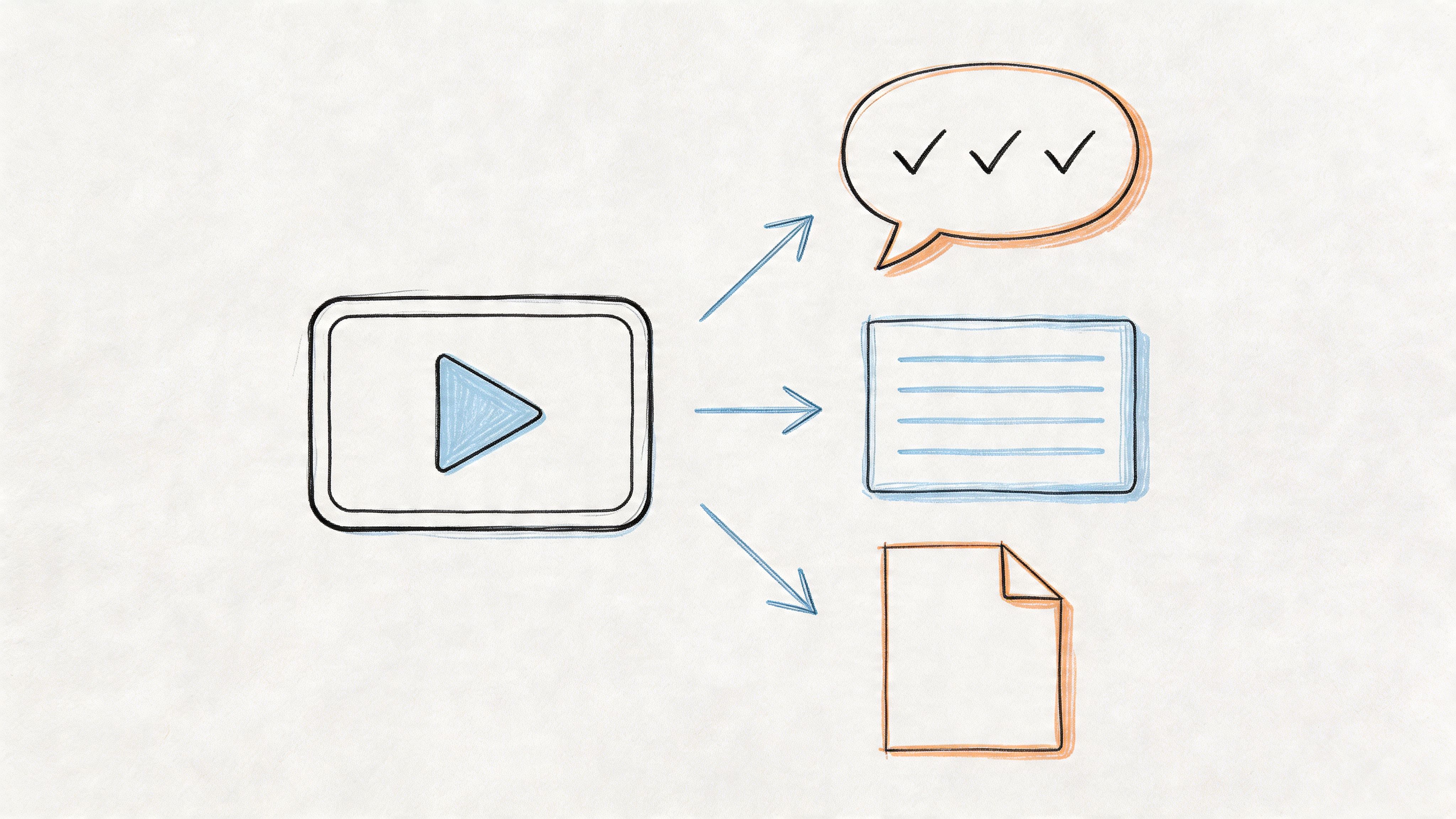
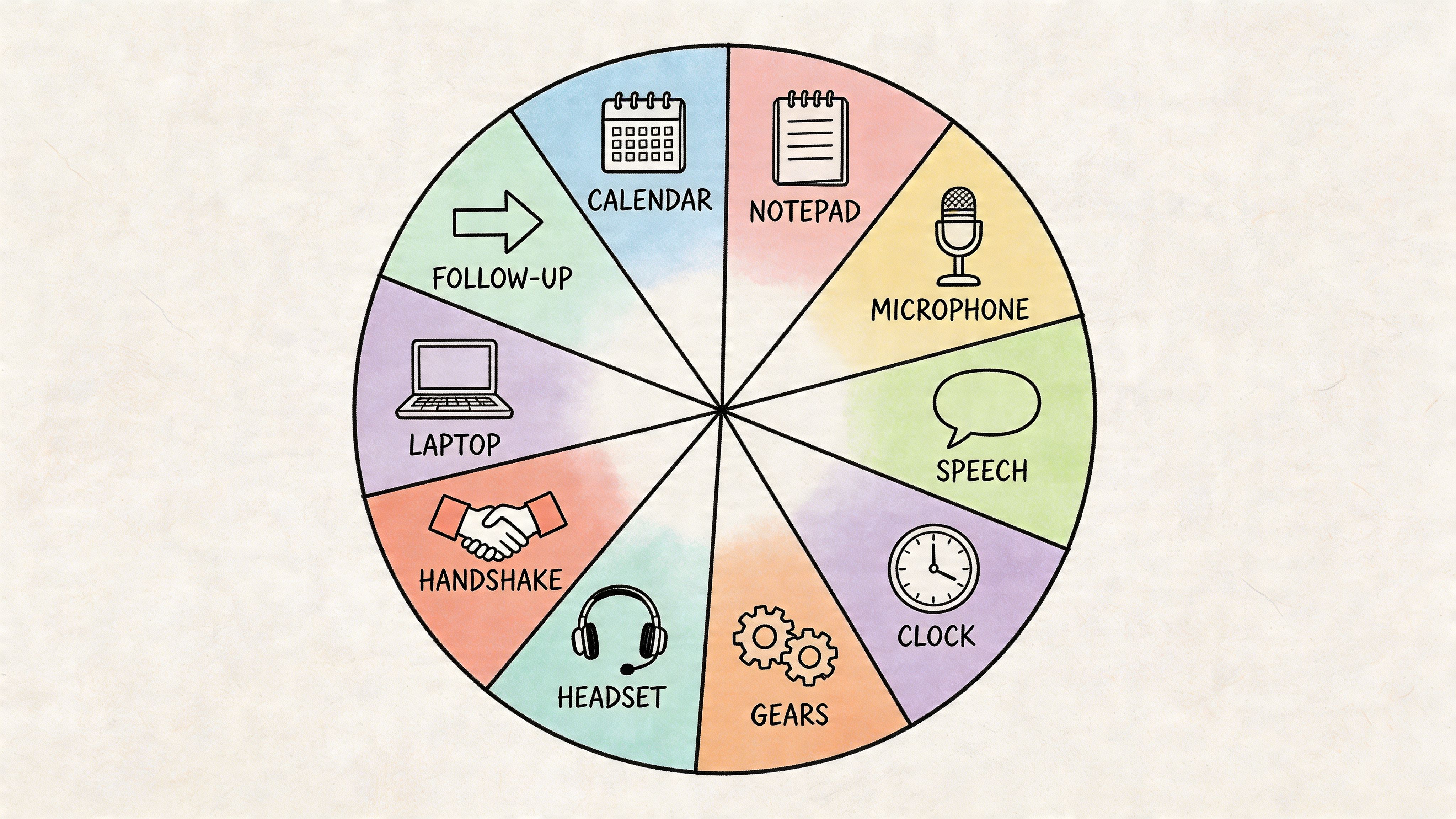
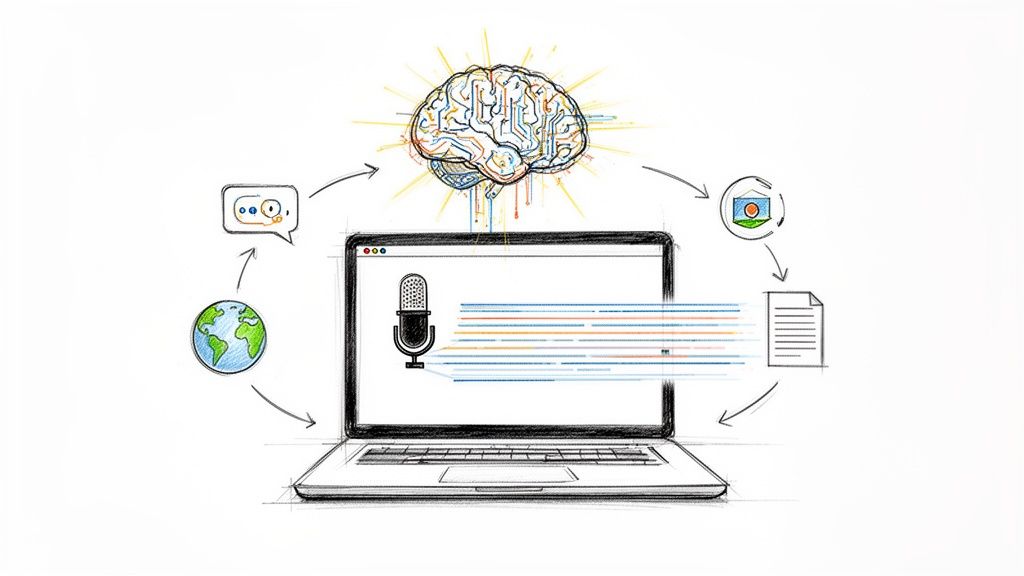
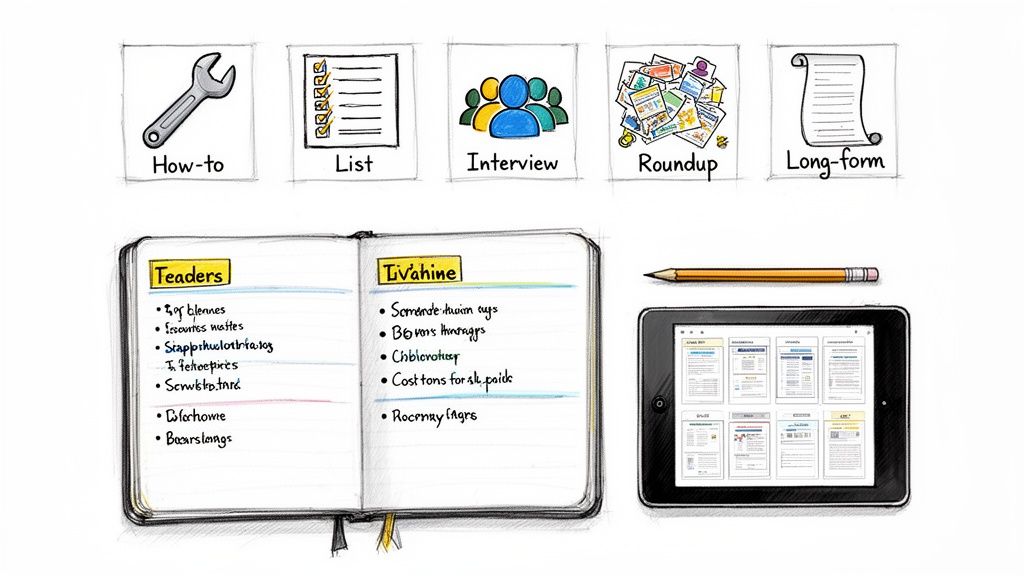
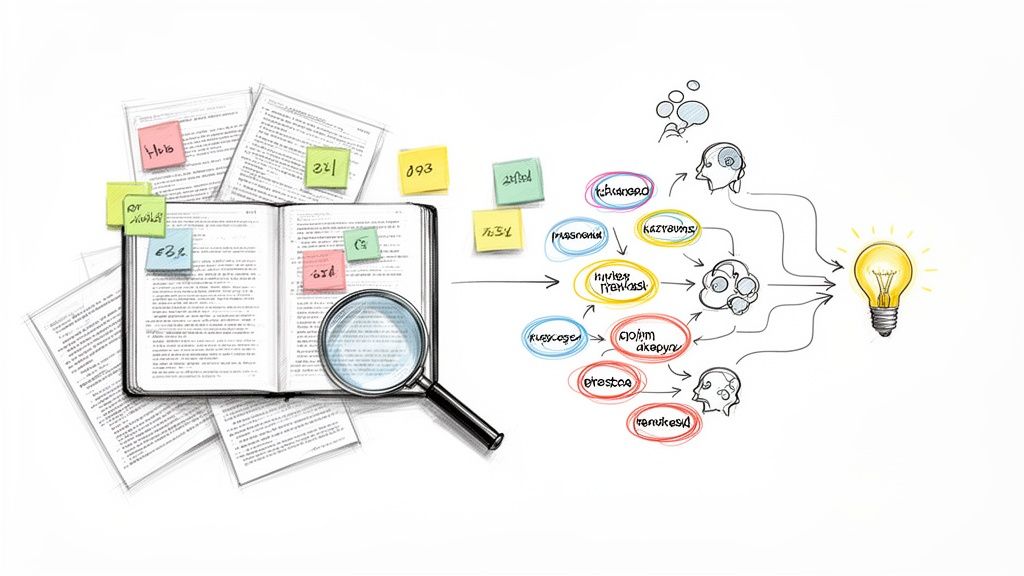
As this image shows, the core principles of effective learning—recalling information, repeating it over time, and mixing up subjects—are what stick. The right technology helps you put these principles into practice effortlessly.
Build an AI-Powered Study Workflow
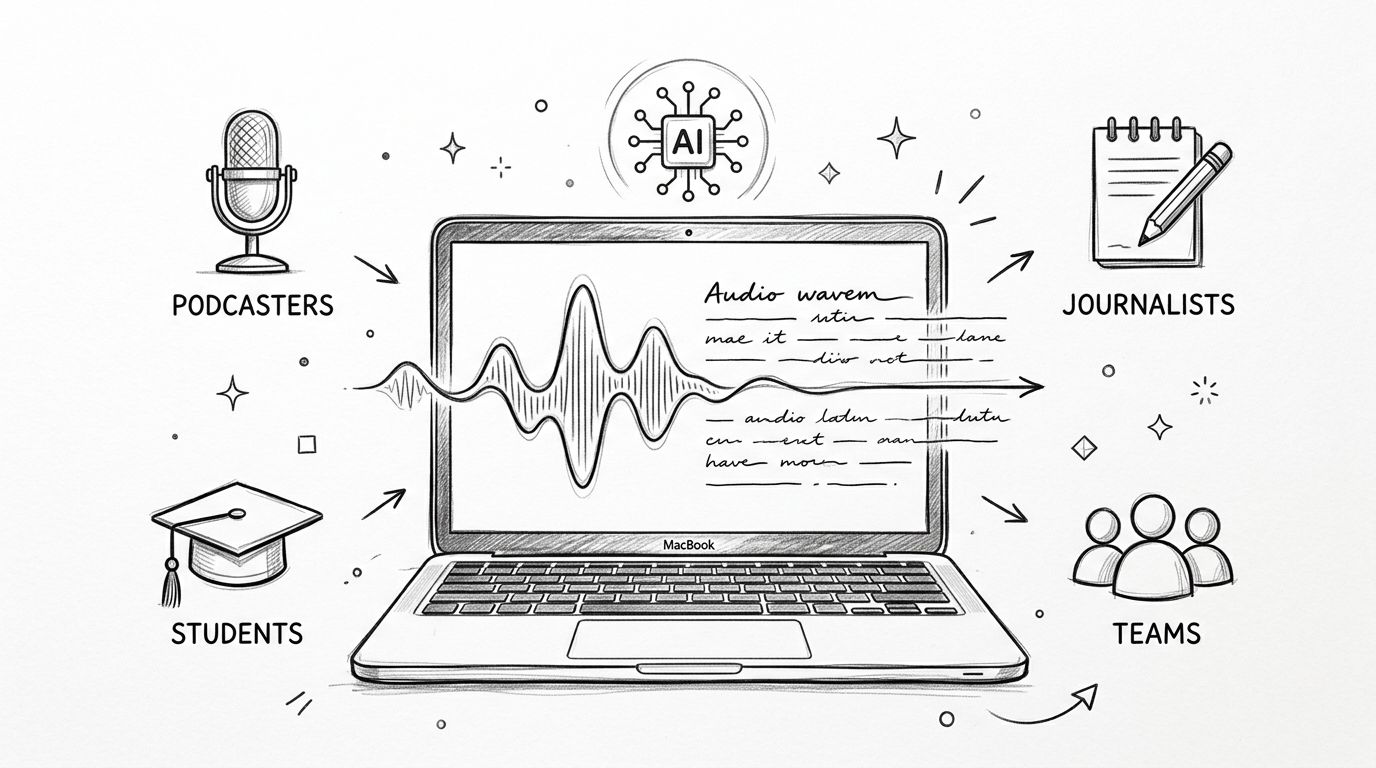
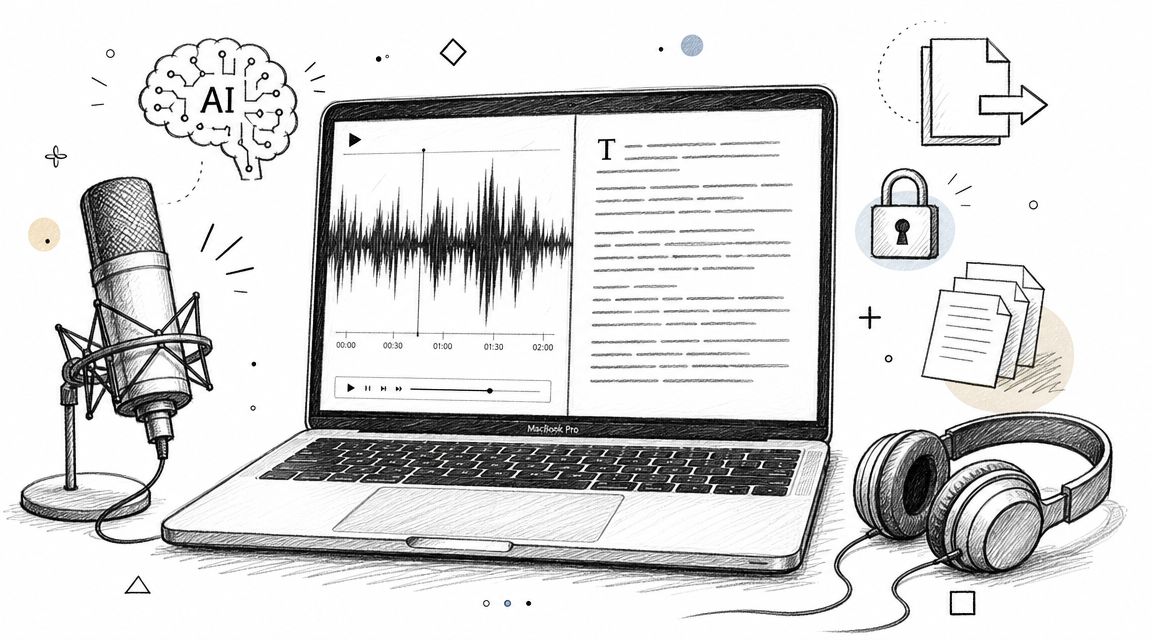
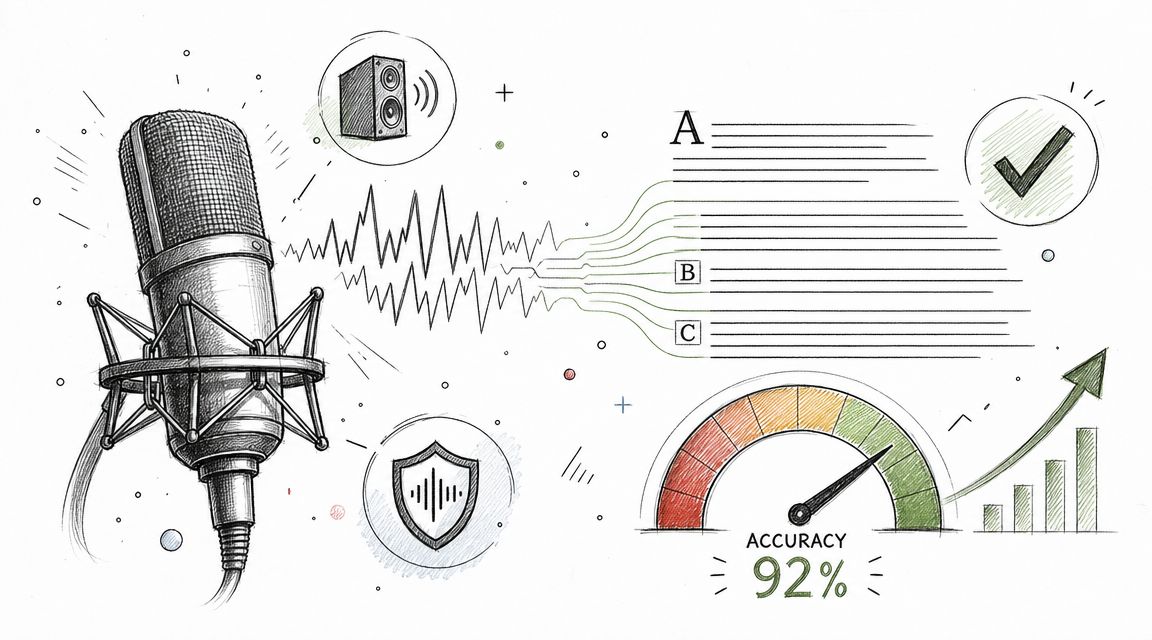
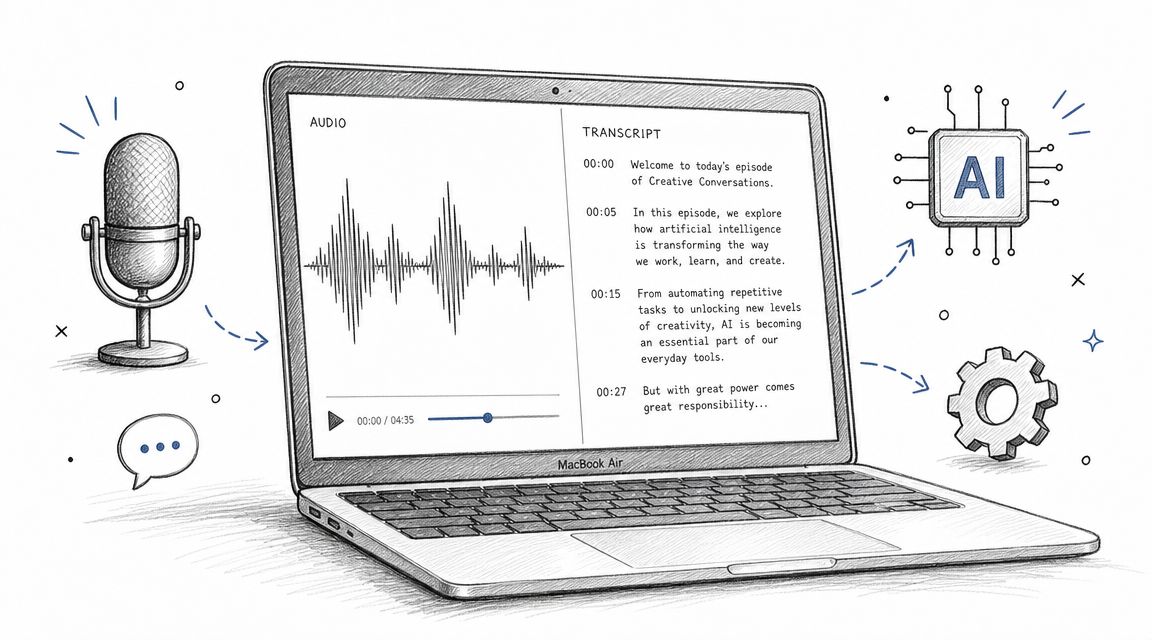
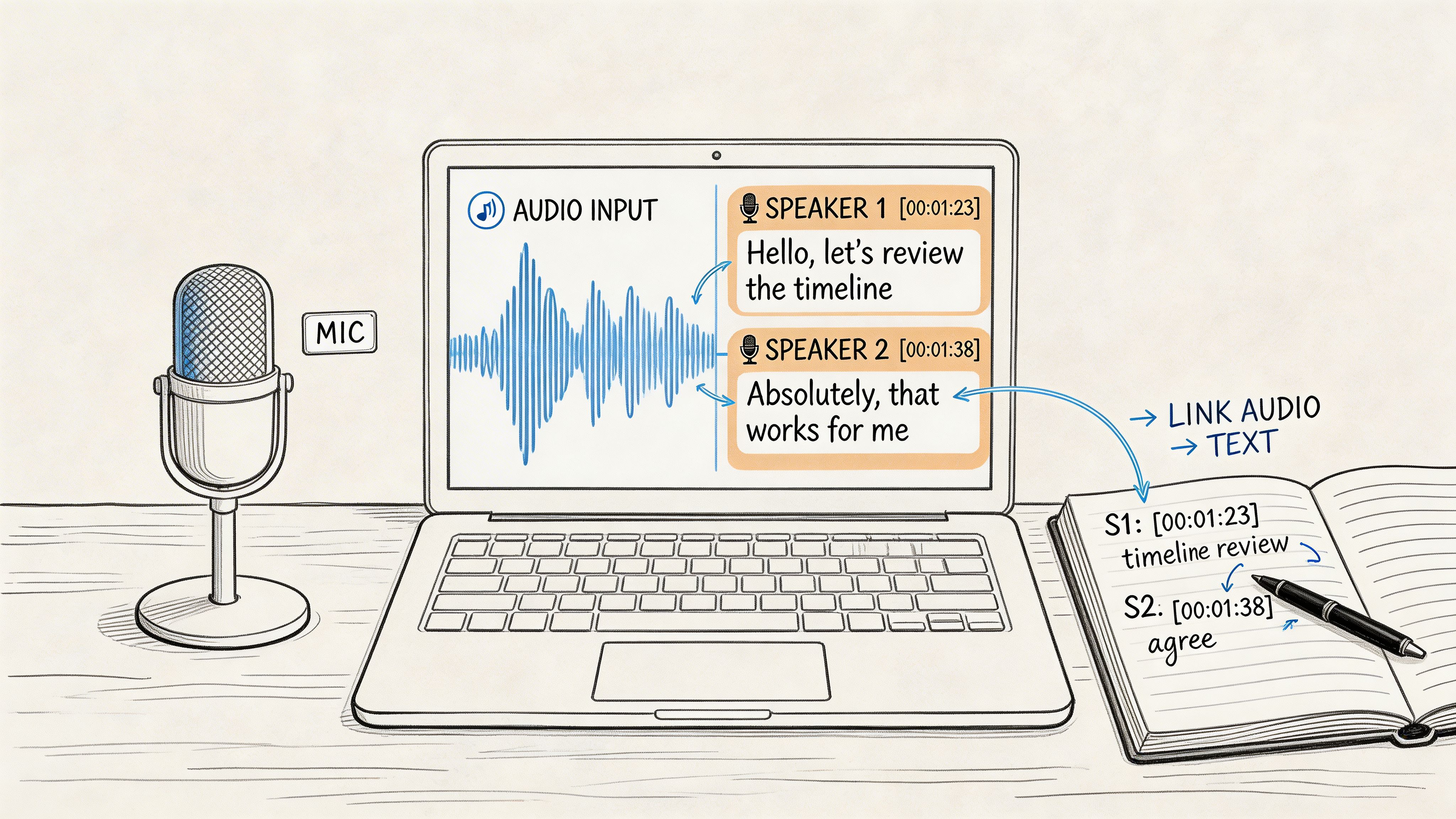
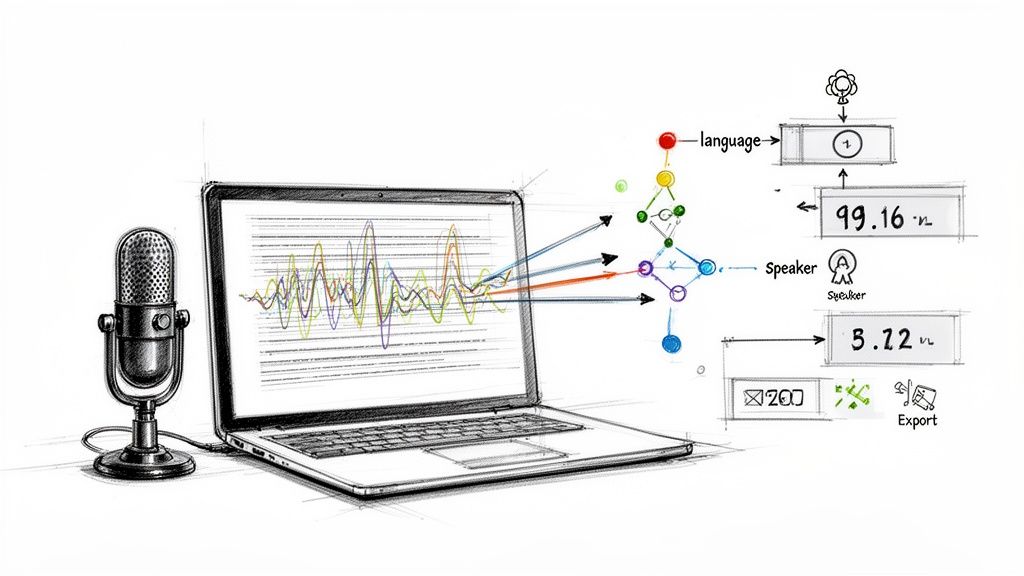
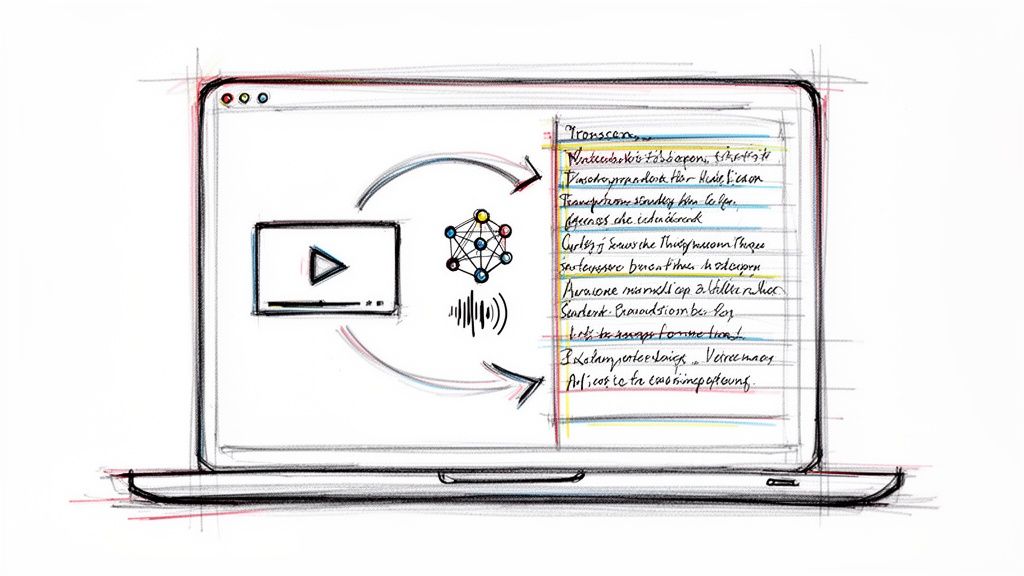
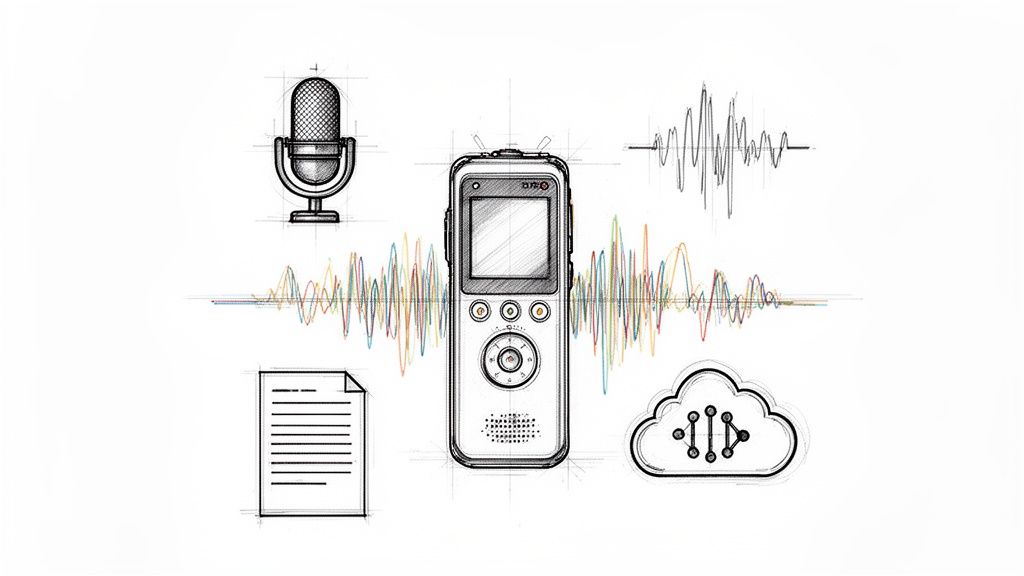
What if you could turn a one-hour lecture into a full set of study materials in just a few minutes? This isn't some far-off dream; it's a practical workflow you can set up today. By using AI to handle the tedious tasks like transcribing and summarizing, you get to focus on what matters: understanding the concepts.
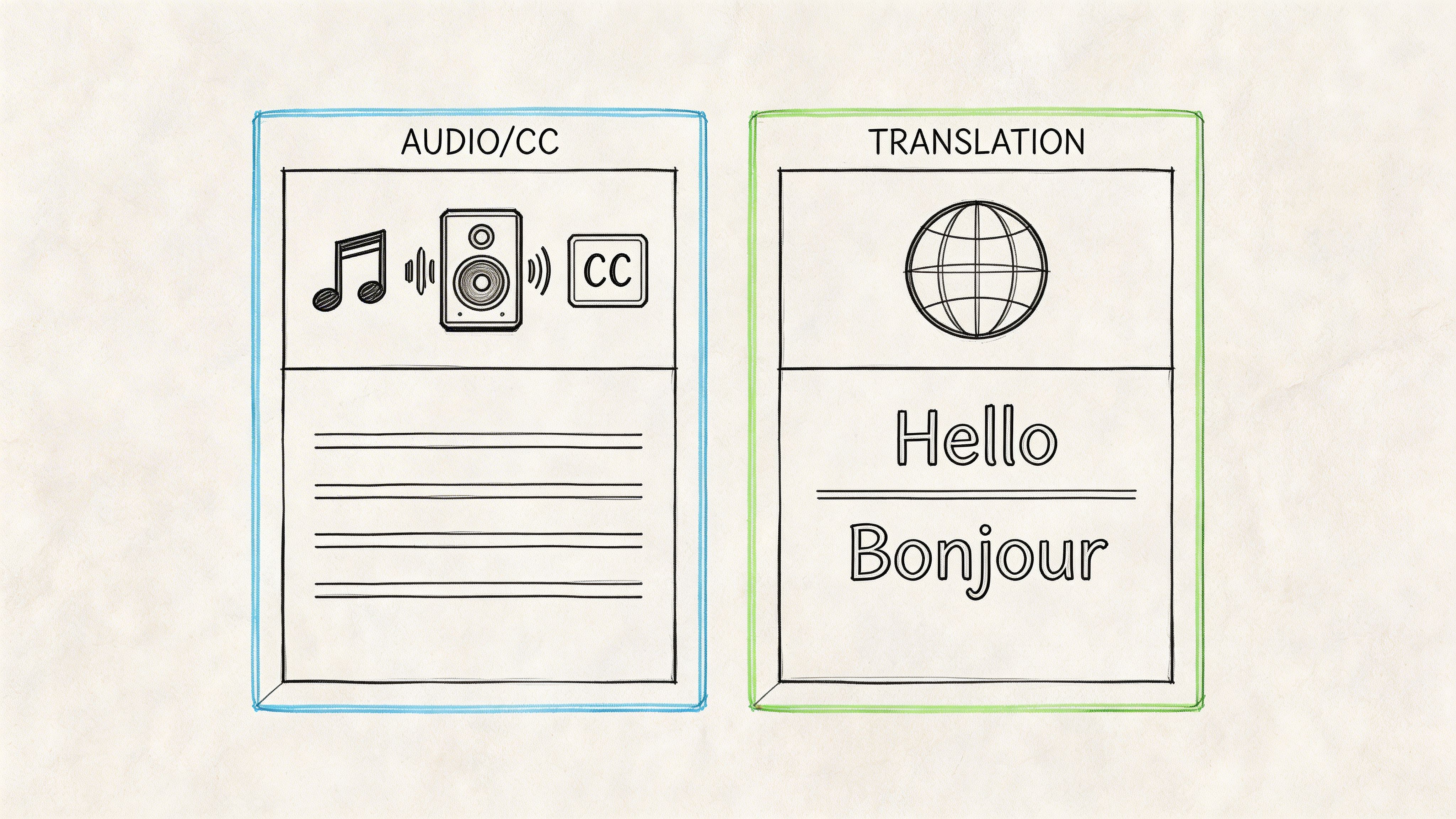
This table breaks down a simple, repeatable process for turning raw lecture audio into a powerful study asset.
AI-Powered Study Workflow Example
In under 15 minutes, this workflow transforms a passive listening activity into active, organized study materials ready for review.
Choose the Right Digital Tools
Beyond that specific workflow, there's a whole world of apps designed to sharpen your study sessions. The right tools help you organize your thoughts, take dynamic notes, and manage your schedule without getting lost in digital rabbit holes.
- Digital Note-Taking: Apps like Notion or Evernote are so much more than digital paper. You can embed videos, link to articles, and build an interconnected knowledge base that actually mirrors how your brain connects ideas.
- Mind-Mapping Software: When you're trying to get your head around a big, complex topic, visual tools like Miro or XMind are game-changers. They let you map out information visually, see connections between different concepts, and grasp the big picture in a way that linear notes just can't match.
The goal isn't to download every app you see. It's about finding a handful of tools that click with your learning style and using them consistently to make studying more efficient and a lot less painful.
To really get your tech stack dialed in, it's worth exploring the best productivity apps for students that are built specifically to help you manage your workload and stay focused.
Prepare Your Mind and Body for Exam Day
Knowing the material is only half the battle. The other half is showing up on exam day ready to perform under pressure. All that hard work can go down the drain if anxiety or exhaustion gets the best of you.
Think of the final week before an exam like an athlete tapering for a big race. The intense training is done. The focus now shifts to rest, nutrition, and mental readiness. This is your game plan to walk into that exam room feeling calm, sharp, and in control.
Simulate Exam Conditions to Build Confidence
One of the biggest drivers of test-day anxiety is the fear of the unknown. The fix? Make the unknown familiar. Taking full-length practice exams under timed conditions is a non-negotiable part of your final prep.
This isn't just about reviewing questions. It’s a full-dress rehearsal for the real thing.
- Set the clock for the exact duration of the actual exam.
- Go into lockdown. Put your phone away and find a quiet space where you won't be interrupted.
- Complete the entire test in one sitting, pushing through even when you get stuck.
This exercise does more than just show you where your knowledge gaps are. It builds mental stamina. It helps you dial in your pacing. Most importantly, it gets you comfortable with the pressure of a ticking clock. After a few timed sessions, the real exam starts to feel like just another practice run, which works wonders for your nerves.
The goal here is to demystify the experience. When you make the pressure predictable, you strip it of its power and put yourself back in control.
Prioritize Sleep and Nutrition
You can't expect peak performance from a depleted system. In the days leading up to an exam, your lifestyle choices are a huge part of how to study for exams effectively. Sleep and nutrition become your most powerful tools for memory consolidation and focus.
The science is clear: getting enough sleep is crucial for cognitive function. As you sleep, your brain is busy strengthening the neural pathways related to everything you've studied. An all-nighter doesn't just make you tired; it actively sabotages your brain's ability to retrieve information. You absolutely have to aim for 7-9 hours of quality sleep, especially the two nights right before your exam.
What you eat matters just as much. Ditch the heavy, processed foods that leave you feeling sluggish. Instead, load up on "brain foods" that provide sustained energy and focus:
- Complex carbohydrates: Think oatmeal or whole-grain toast for energy that lasts.
- Lean protein: Eggs or Greek yogurt will keep you feeling full and focused.
- Healthy fats: Avocados, nuts, and seeds are great for supporting brain health.
- Hydration: Don't forget to drink plenty of water. Even mild dehydration can wreck your concentration.
Create Your Pre-Exam Ritual
Having a simple, consistent routine for the night before and the morning of the exam is incredibly grounding. It cuts down on last-minute panic and decision-making, which saves your mental energy for the test itself.
The Night Before Checklist
- Final Quick Scan: Do a light, 30-minute flick-through of your summary notes or top flashcards. This is not the time to learn anything new.
- Pack Your Bag: Get everything you need ready to go—pencils, pens, calculator, student ID, and a water bottle.
- Lay Out Your Clothes: Choose something comfortable so you won’t be distracted.
- Set Multiple Alarms: Seriously. Don't leave this to chance.
- Unwind: Do something totally unrelated to studying for at least an hour before bed. Listen to music, read a novel, or do some light stretching.
The Morning Of Checklist
- Eat a Solid Breakfast: Stick with foods you know sit well with you. Now is not the time to experiment.
- No Last-Minute Cramming: Frantically flipping through notes just before walking in is a recipe for anxiety, not success. Trust the work you've put in.
- Arrive Early: Give yourself a generous buffer to find the room, get settled, and take a few deep breaths without feeling rushed.
By following this plan, you're not just preparing your knowledge—you're preparing yourself. You'll walk into that exam hall knowing you’ve done everything in your power to succeed.
Answering Your Biggest Questions About Studying
Even the best-laid study plans can leave you with nagging questions. It’s totally normal. Let's tackle some of the most common hurdles students face, so you can stop second-guessing and start learning with confidence.
How Many Hours a Day Should I Actually Study?
Forget what you've heard about all-nighters. The real game is quality over quantity. An eight-hour slog fueled by caffeine and panic is worth less than two hours of genuinely focused work.
So, where do you start? Aim for 1-2 hours of deep work per subject, per day. The magic isn't in the number itself, but in the consistency. Spreading your effort out over weeks is always, always better than a last-minute cram session. Think of it as a marathon, not a sprint.
If I Only Use One Technique, What Should It Be?
Hands down, Active Recall. If you only have time to master one thing, this is it. It’s the simple act of pulling information out of your brain instead of just passively pushing it in by rereading notes. This is what cements knowledge for the long haul.
You can put this into action right away:
- Flashcards: The classic for a reason. They force you to retrieve an answer from memory.
- Practice Questions: Doing problems without peeking at the solutions is pure active recall.
- The Blank Page Method: My personal favorite. After you've studied a topic, grab a blank piece of paper and write down everything you can remember. You’ll see in about 60 seconds what you truly know versus what you just recognize.
Pair active recall with spaced repetition, and you’ve got the most powerful combination there is for remembering information when it counts.
How Do I Stay Motivated When I'm Totally Overwhelmed?
Here's a secret most people get backward: action creates motivation, not the other way around. When you're staring at a mountain of work, the trick is to make the first step ridiculously small.
Don't tell yourself, "I need to study all of Chapter 5." That’s a recipe for procrastination. Instead, commit to something tiny, like, "I will read two pages of Chapter 5 and write down three questions about what I just read."
Completing these tiny tasks gives you a small hit of accomplishment, which builds momentum. Small wins are the antidote to feeling overwhelmed and are what will carry you through a long, tough exam period.
It also helps to zoom out. Take a minute to remember why you're doing this. Connecting the tedious task of today with your bigger, long-term goals is a powerful way to refuel your drive when you feel like you're running on empty.
Is It Better to Study Alone or in a Group?
Why not both? The most effective students I've seen use a hybrid approach because each style serves a very different—and very important—purpose.
- Go Solo First: This is your time for deep work. You need quiet and focus to really grapple with the material, take your own notes, and do your initial active recall practice. This is where you build your foundation.
- Use the Group to Test and Refine: Once you've put in the solo hours, a well-run group session is invaluable. It's the perfect place to quiz each other, debate tricky concepts, and fill in gaps in your understanding. Honestly, trying to teach a concept to someone else is one of the fastest ways to find out if you really know your stuff.
Stop drowning in lecture notes and start studying smarter. With Whisper AI, you can automatically transcribe class recordings, get instant summaries, and even generate Q&As for your flashcards in just a few minutes. It’s time to focus on learning, not on busywork. See how Whisper AI works