10 Knowledge Management Best Practices to Streamline Your Team's Workflow
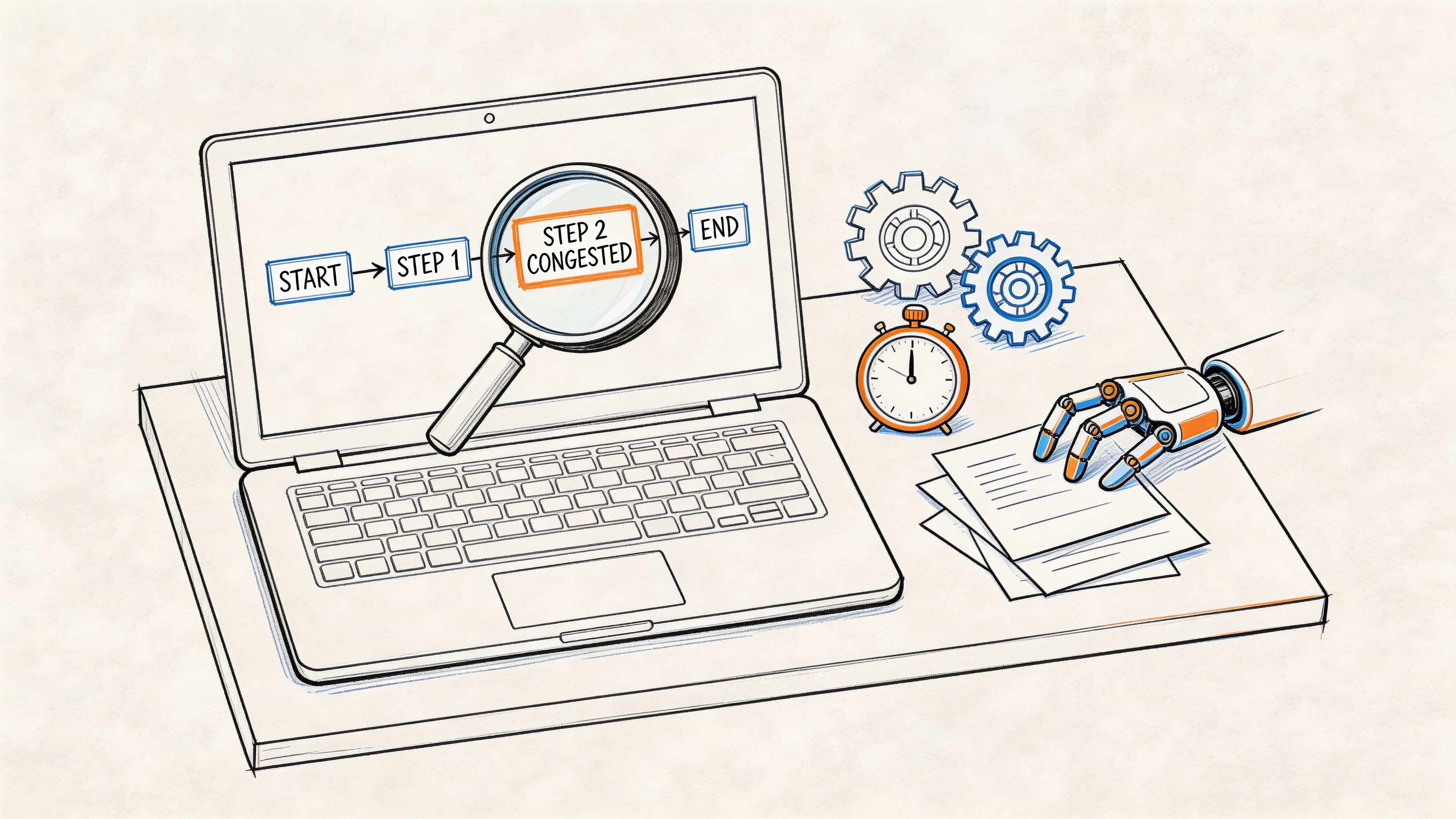
Your creative workflow is leaking value. Every team meeting, research interview, and spontaneous brainstorming session generates a wealth of knowledge. For YouTubers, podcasters, social media managers, and researchers, this information is the raw material for your next great piece of content. But what happens to it after the moment passes? Too often, it evaporates—lost in forgotten Slack channels, unstructured meeting notes, or individual hard drives. This disorganization isn't just an inconvenience; it's a direct drain on your resources, forcing you to constantly reinvent the wheel, miss opportunities for repurposing content, and lose brilliant ideas forever.
This article provides a direct solution. We are cutting through the abstract theories to deliver 10 essential knowledge management best practices tailored for creators and their teams. Forget generic advice. You will find actionable strategies to capture, organize, and surface information effectively. We will cover everything from establishing a centralized knowledge repository and creating a culture of sharing to implementing robust governance and measuring the return on your intellectual assets.
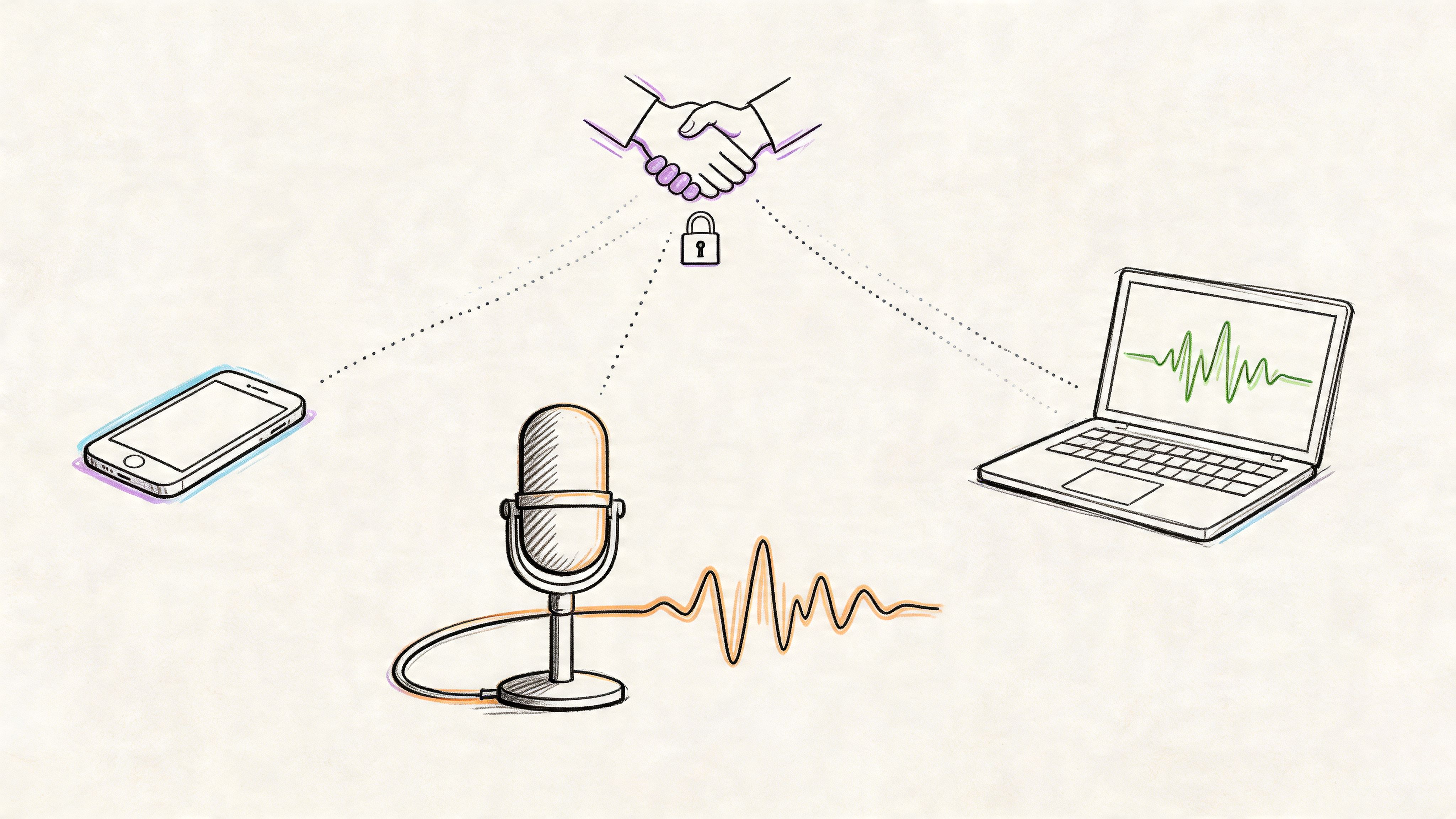
You will learn how to build a searchable, collective brain for your team, making it simple to find that one key insight from a six-month-old interview or repurpose a podcast segment into a viral social media clip. We'll provide specific examples for different creative roles and even show how tools like Whisper AI can accelerate the entire process. This guide is your blueprint for transforming scattered information into a powerful, streamlined asset that fuels innovation and growth. Let's plug the leaks in your workflow and start building a smarter, more efficient creative engine.
1. Establish a Centralized Knowledge Repository: Your Team's Single Source of Truth
The first step in any effective knowledge management strategy is to stop the endless searching through Slack threads, email chains, and scattered documents. A centralized knowledge repository is the foundation of an organized system, acting as a single, accessible platform where all organizational knowledge lives. This includes everything from brand guidelines and project plans to meeting notes and research findings.
Think of it as your team's shared brain. It serves as the definitive source of truth, eliminating the confusion, redundant work, and version control nightmares that plague distributed teams. For creators like YouTubers or podcasters, this means having one place for all show notes, research, and repurposed content ideas, streamlining the entire production workflow.
Why It's a Top Best Practice
A single source of truth is non-negotiable for scaling operations and maintaining consistency. It empowers team members to find answers independently, accelerates onboarding for new hires, and prevents valuable insights from being lost when a team member leaves. Instead of asking a colleague where a file is, they can simply search the repository, saving everyone time and preserving focus.
How to Implement It
- Choose the Right Tool: Select a platform that fits your team's workflow. Popular options include Notion for its flexibility, Confluence for deep project integration, Microsoft SharePoint for enterprise needs, or Guru for surfacing knowledge within existing apps.
- Define a Clear Structure: Before migrating content, map out a logical folder structure and naming convention. For example:
Project > YYYY-MM-DD_ProjectName_DocumentType_vX.X. - Assign Ownership: Designate a "knowledge manager" or a small team to oversee content quality, organization, and regular audits (e.g., quarterly reviews).
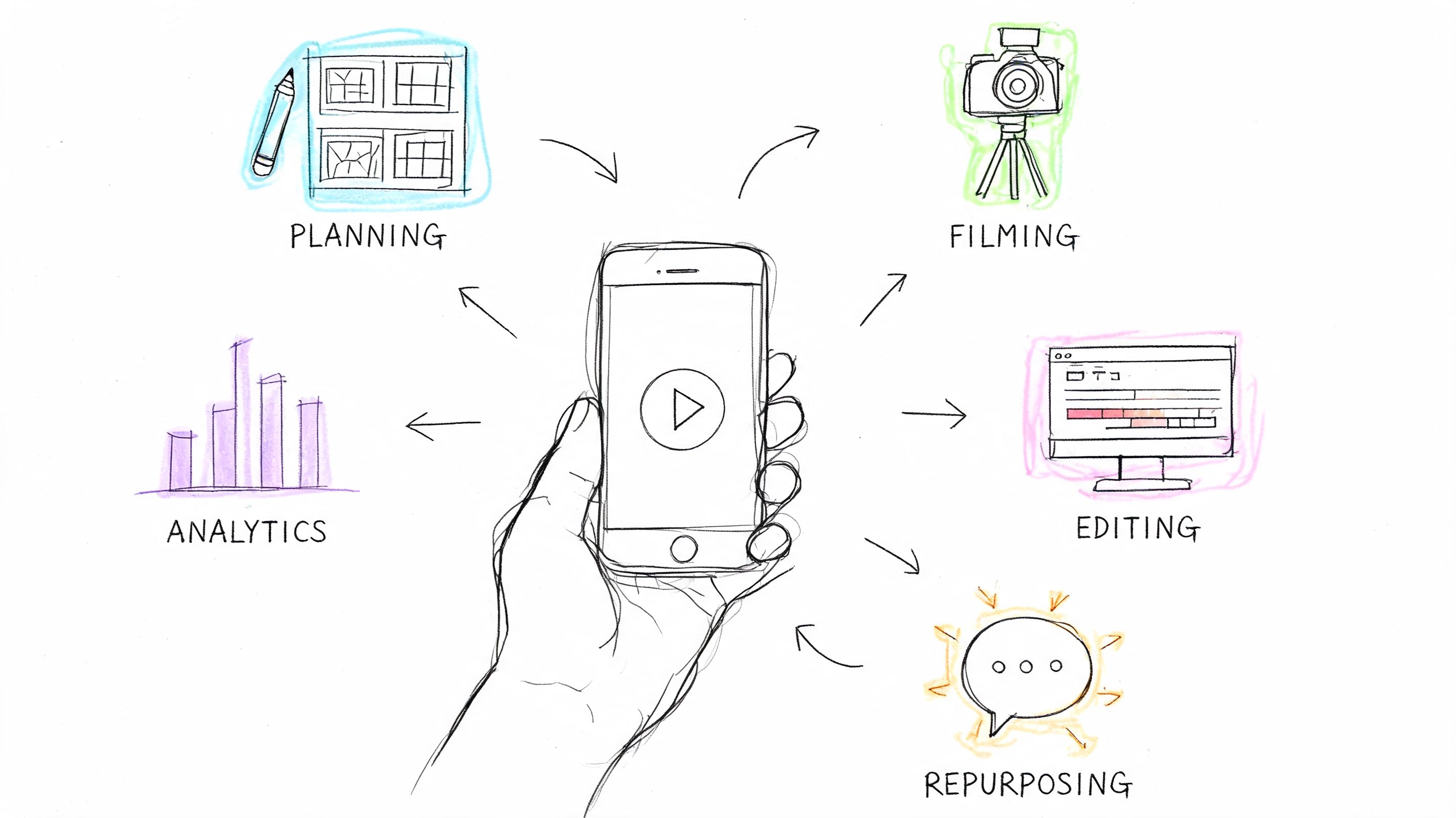
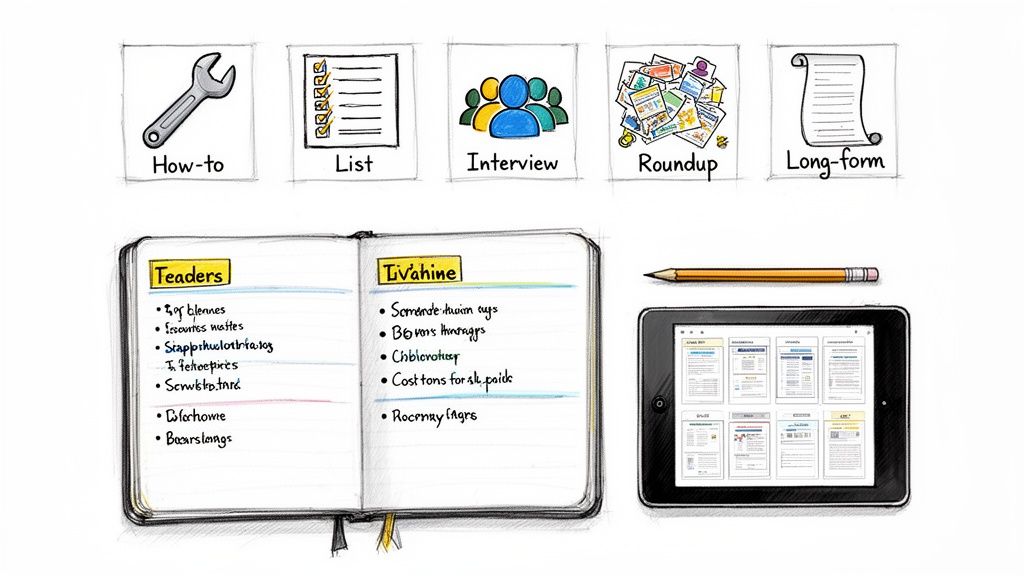
- Leverage Tags and Templates: Use metadata and tags strategically to enable powerful, cross-functional search. Create pre-built templates for common documents like meeting notes or project briefs to make contributions easy and consistent. This organized system is especially powerful for content creators who want to build a library of repurposable assets. For further reading, discover more about content repurposing strategies.
2. Implement a Systematic Knowledge Capture Process
A centralized repository is only as good as the information it contains. The next critical step is to implement a systematic process for knowledge documentation and capture. This involves actively recording organizational knowledge, from high-level strategic decisions and project post-mortems to the tacit, "unwritten" expertise held by experienced team members. It’s about making the implicit, explicit.
For creators, this means not just storing final videos or podcast episodes, but capturing the brainstorming sessions, research notes, and creative decisions that led to them. This creates a rich, reusable asset library that can fuel future content and prevent valuable insights from being lost in the fast-paced creation cycle. By documenting both successes and failures, teams build a powerful learning engine that compounds over time.
Why It's a Top Best Practice
Systematic knowledge capture is the best defense against knowledge loss. When an expert team member leaves, their unwritten knowledge often leaves with them, forcing the organization to relearn lessons and solve the same problems repeatedly. Documenting processes standardizes quality, ensures consistency, and empowers team members to act with more autonomy. It transforms individual expertise into a durable, scalable organizational asset.
How to Implement It
- Standardize with Templates: Create and enforce the use of templates for common knowledge-capture activities like meeting notes, project briefs, and after-action reviews. This ensures all critical information is recorded consistently.
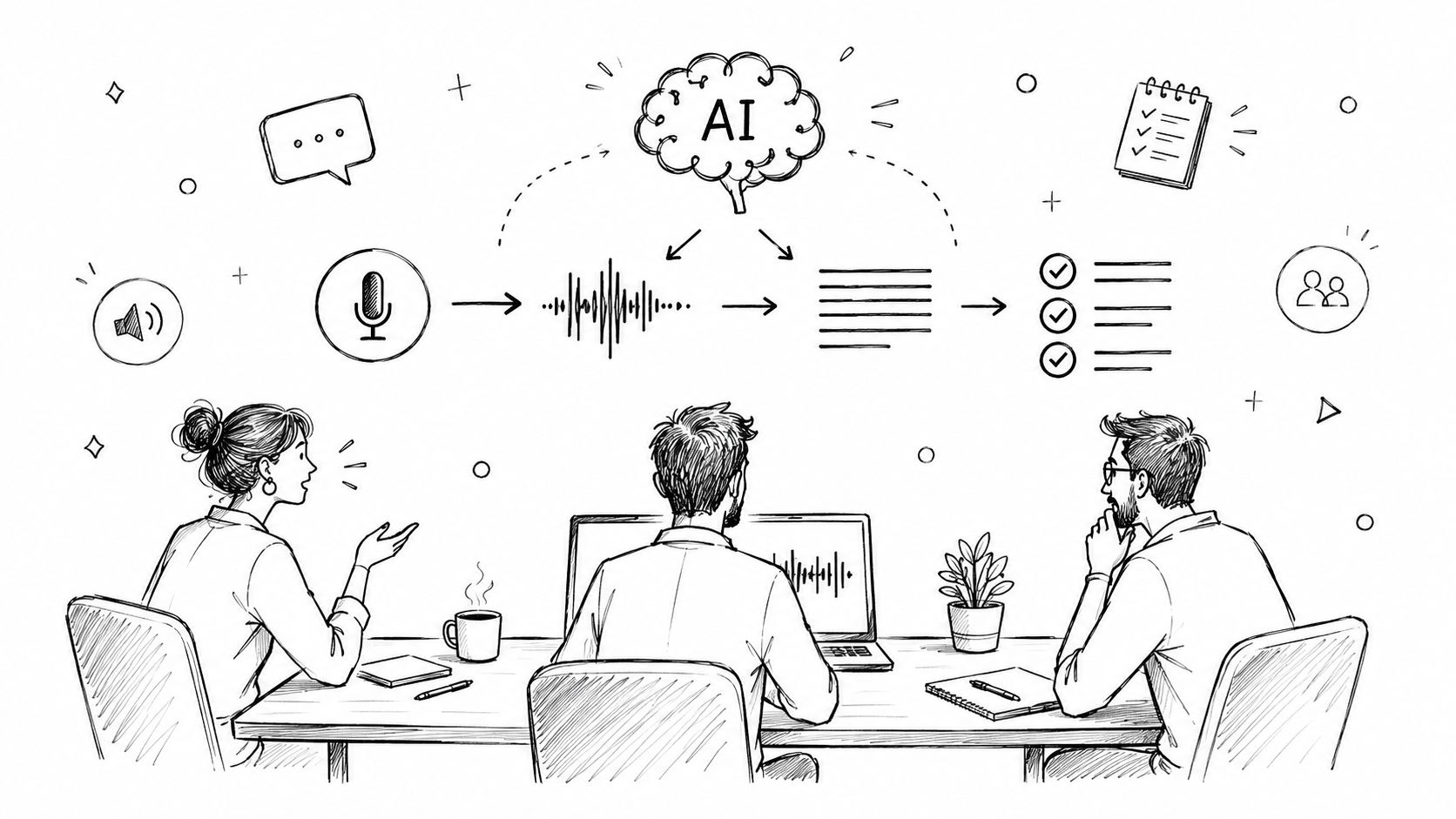
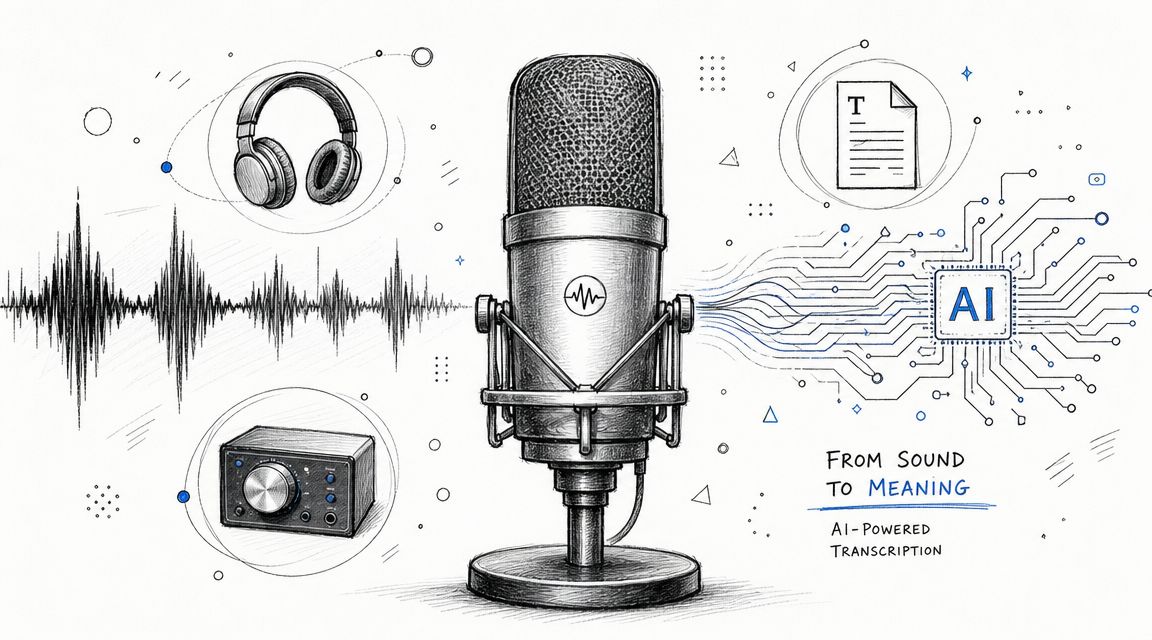
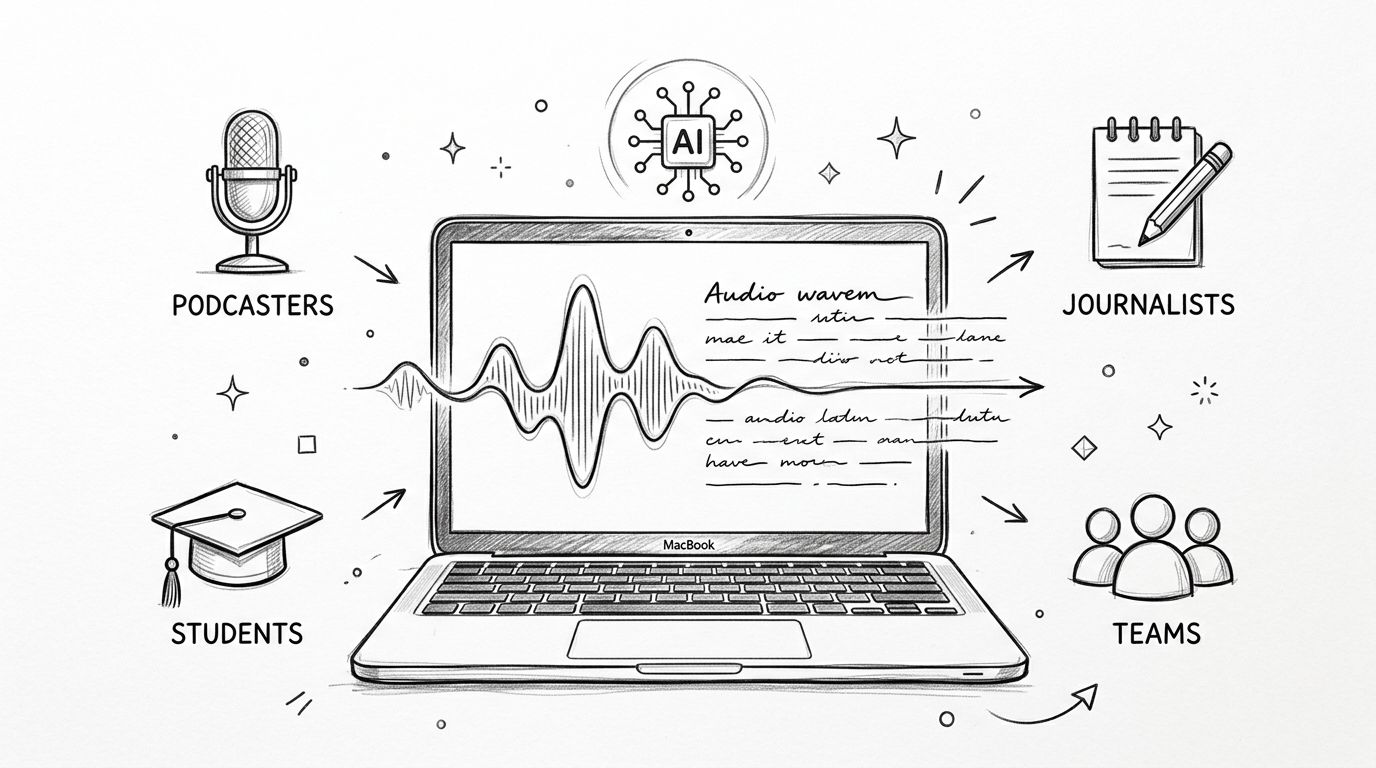
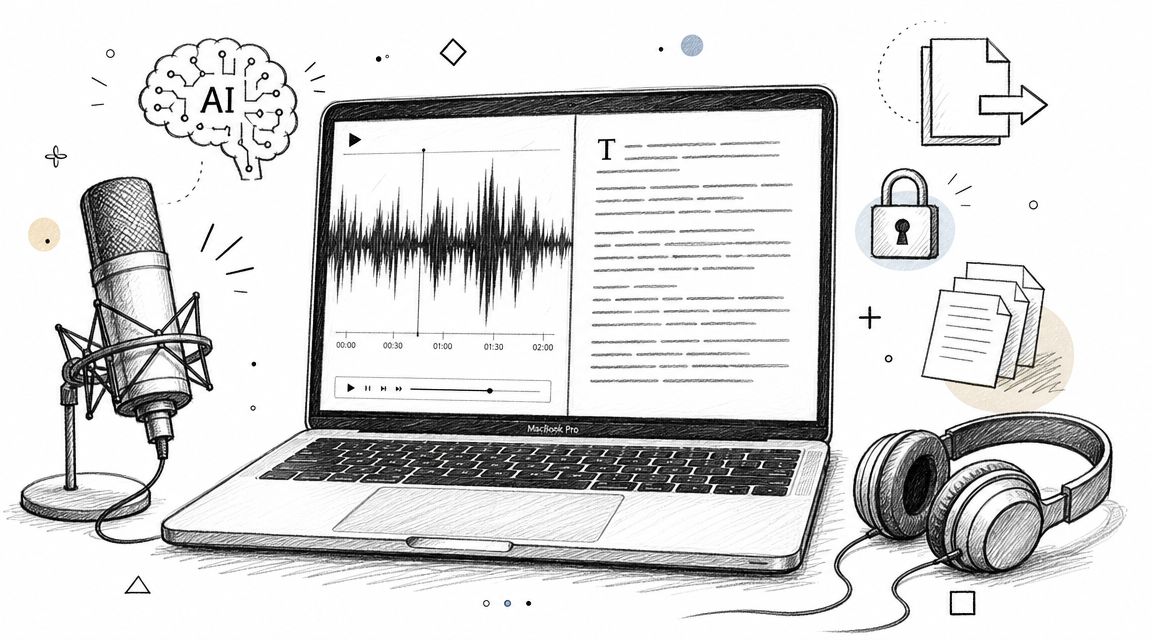
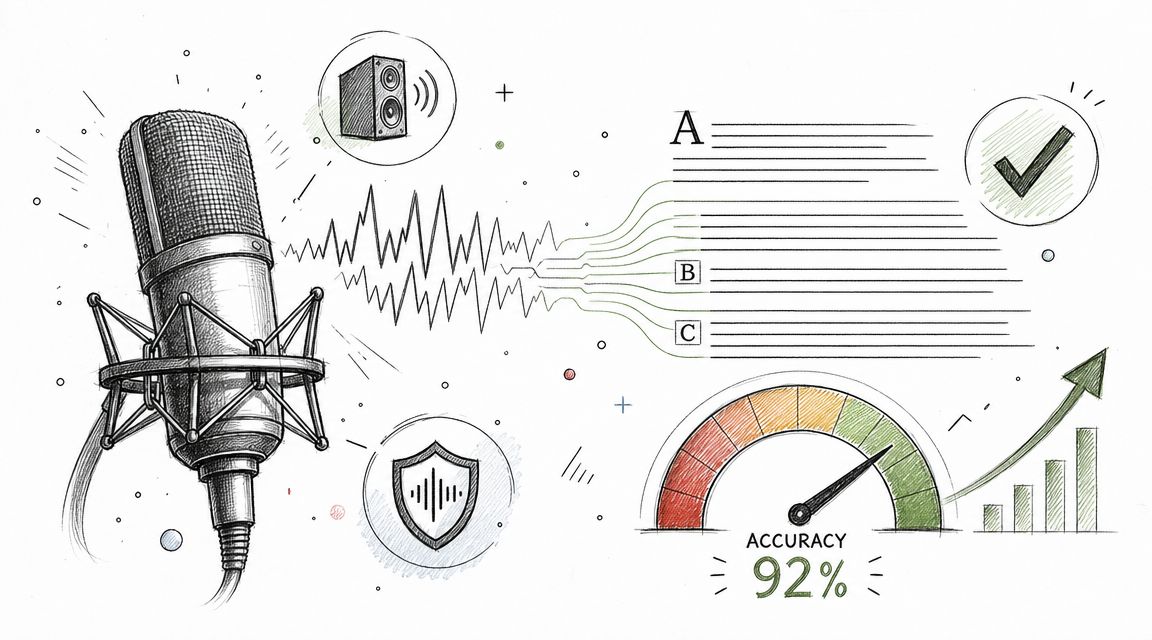
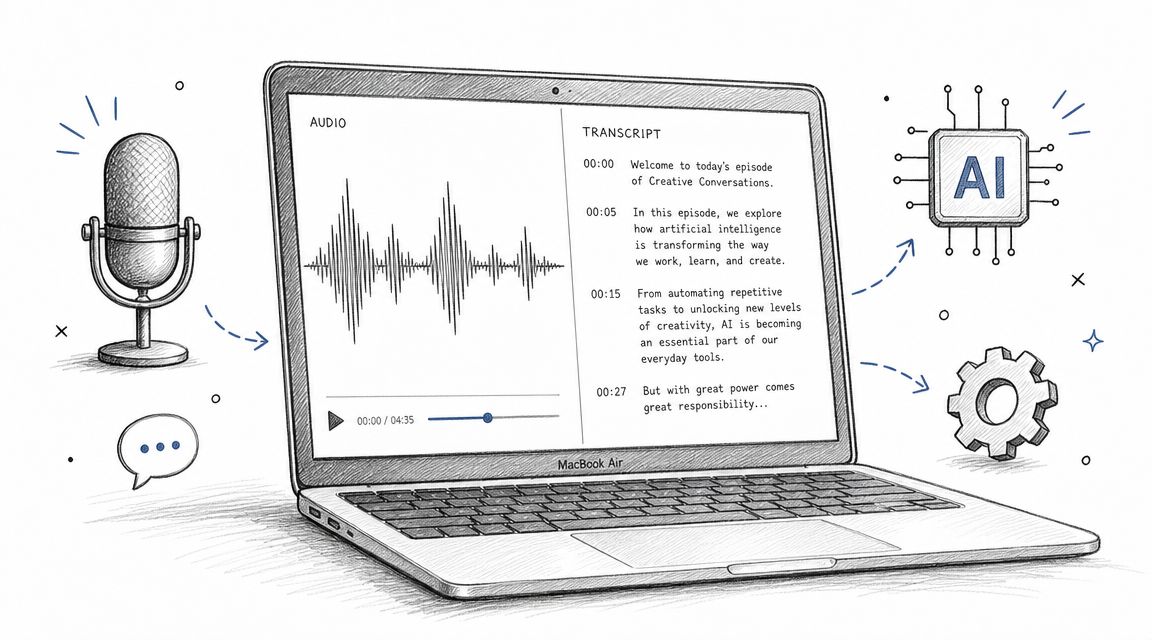
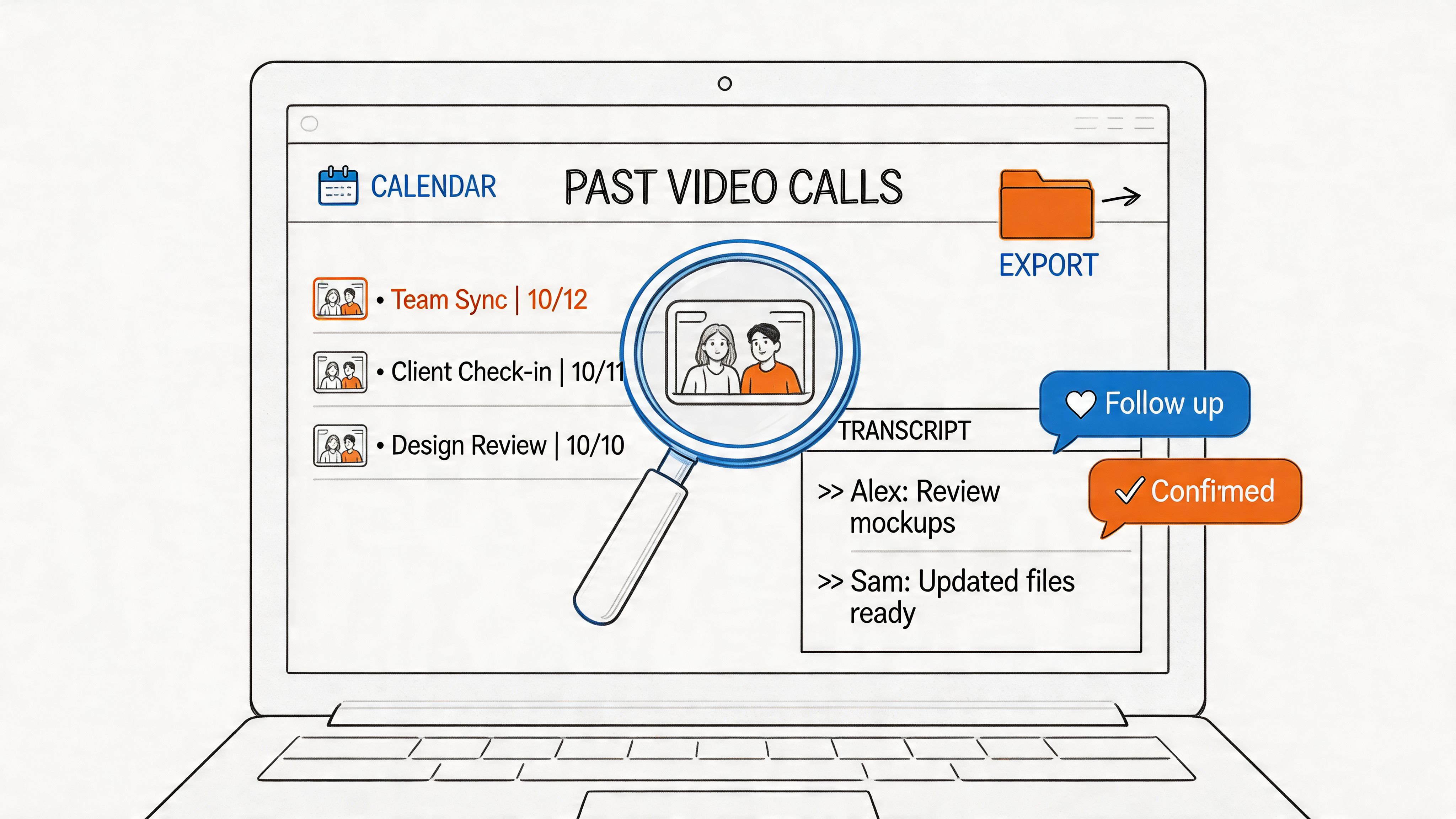
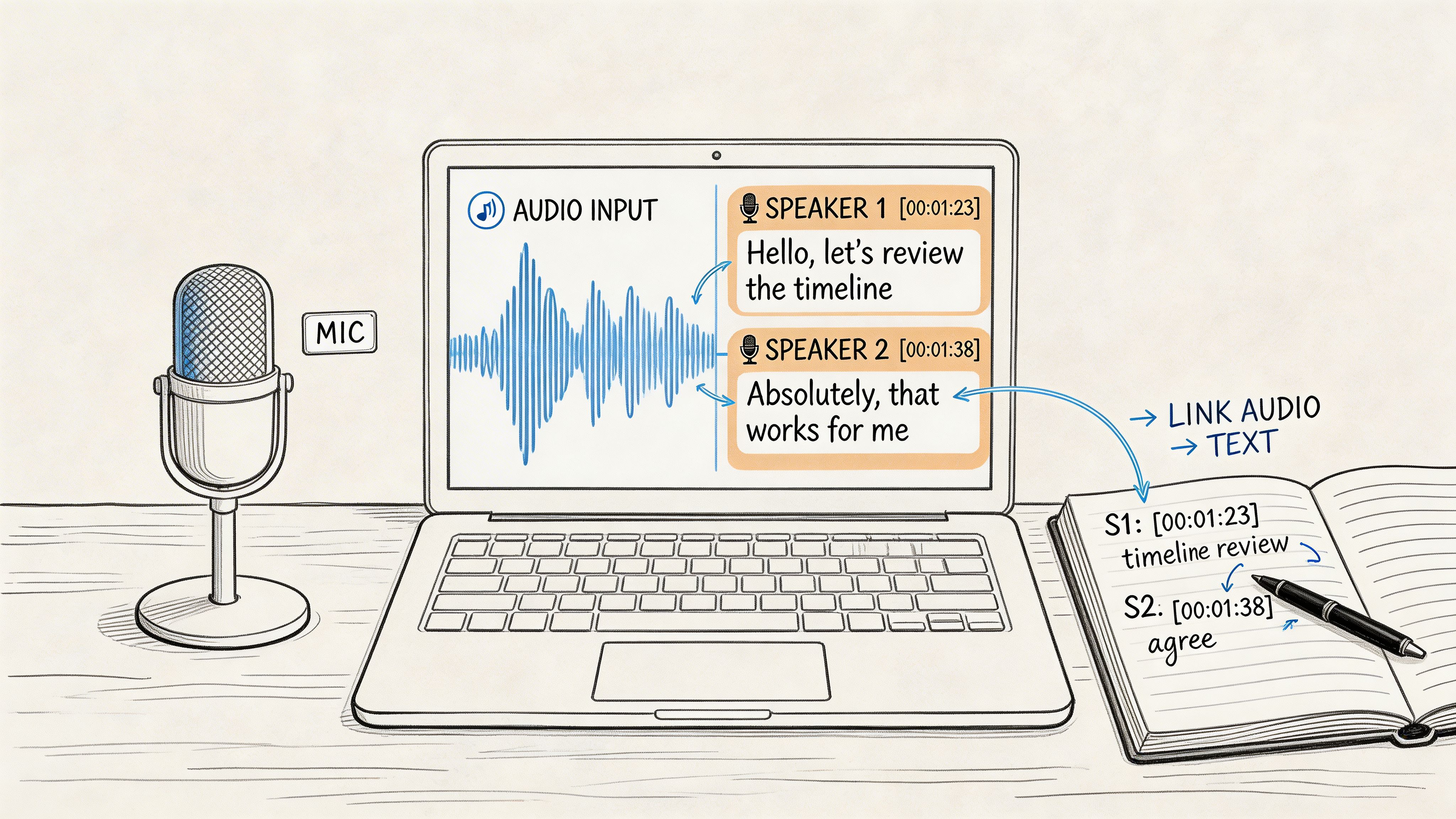
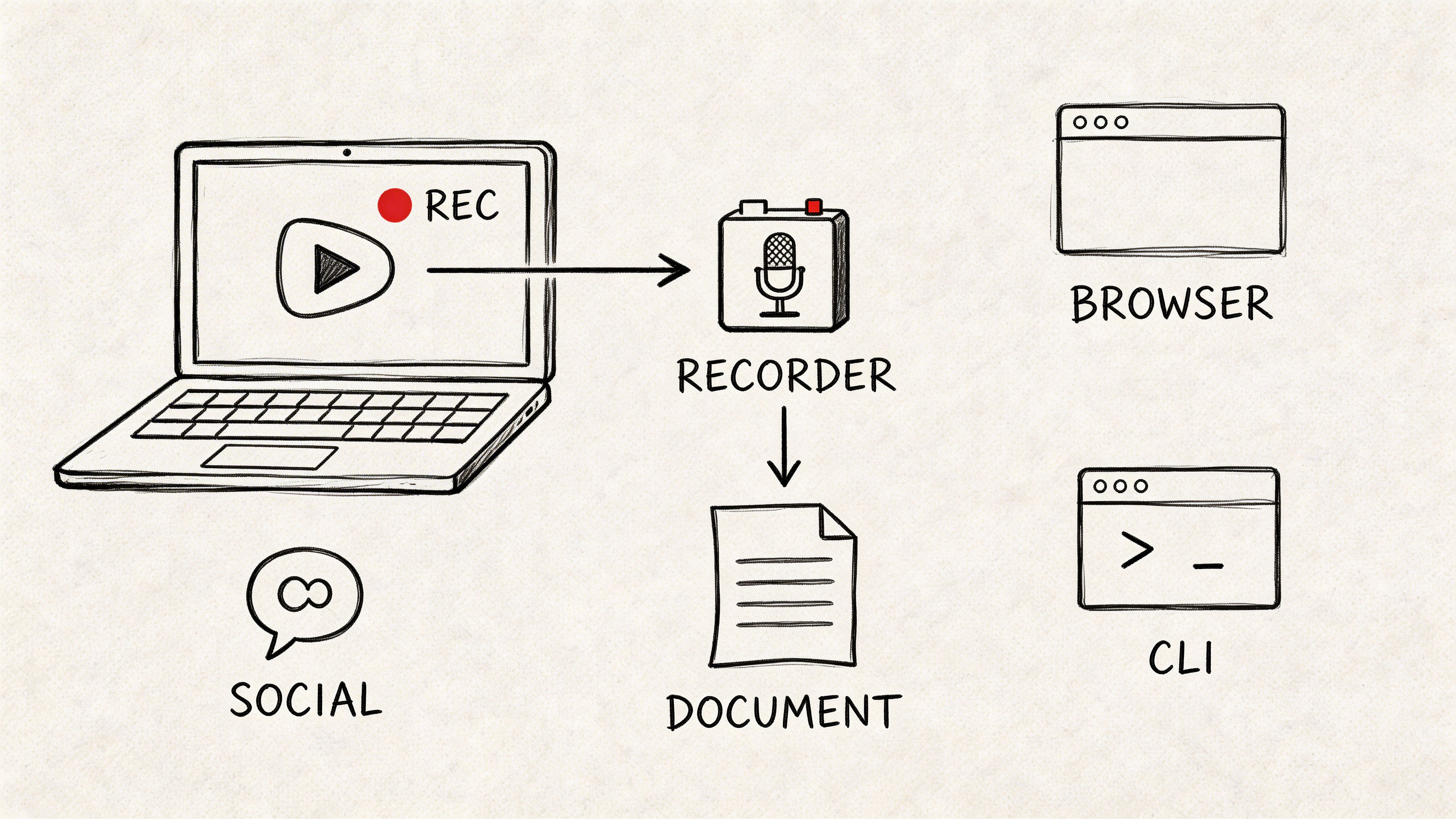
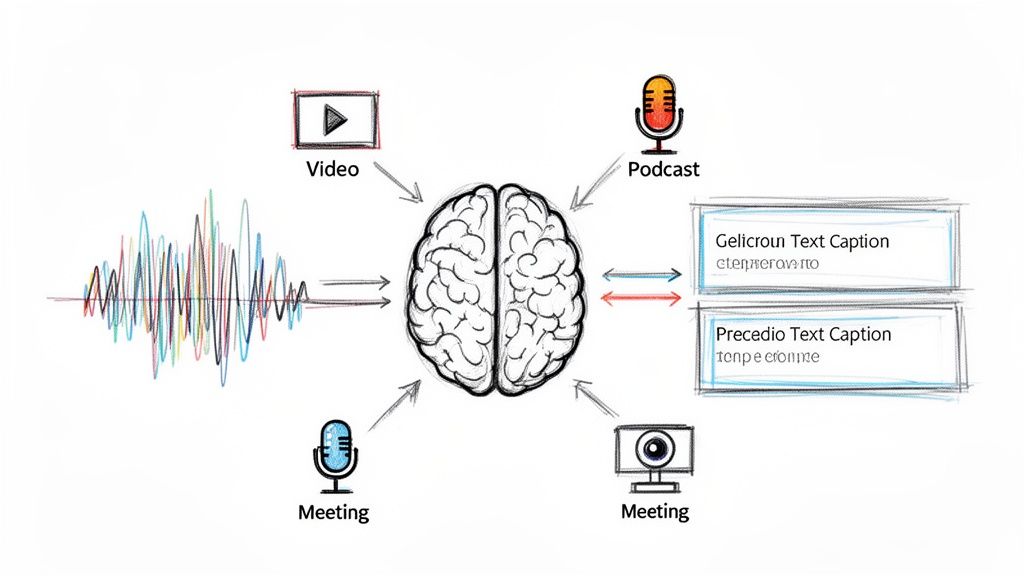
- Automate Capture When Possible: Use tools to automatically record and transcribe important conversations. For example, a podcaster can use an audio-to-text service to create searchable transcripts of all interviews, capturing every detail for later use. For more on this, check out our guide on transforming audio to text.
- Schedule "Knowledge Dumps": Make documentation a routine, not an afterthought. Schedule regular sessions where team members can document their processes, workflows, and recent learnings.
- Conduct Exit Interviews: When a team member departs, conduct a structured exit interview focused on knowledge transfer. Ask them to document their key responsibilities, contacts, and any undocumented "tricks of the trade."
- Document Both Wins and Losses: Encourage a culture where documenting failures is seen as a learning opportunity, not a punishment. Analyzing what went wrong is often more valuable than only celebrating what went right.
3. Foster a Culture of Knowledge Sharing
Even the most sophisticated tools are useless if people don't use them. One of the most critical knowledge management best practices is fostering an organizational culture where sharing information is not just encouraged, but is a core, celebrated behavior. This involves creating an environment where team members feel psychologically safe to ask questions, volunteer insights, and collaborate without fear of judgment.
It's about shifting the mindset from "knowledge is power" to "shared knowledge is power." For creators, this could mean establishing a community where fellow podcasters share growth hacks, or a team of YouTubers collaborates on successful thumbnail strategies. This culture turns static information into a living, evolving asset that benefits everyone.

Why It's a Top Best Practice
A strong sharing culture directly combats knowledge hoarding and information silos, which are major obstacles to innovation and efficiency. It accelerates problem-solving, as team members can tap into the collective expertise of the group rather than reinventing the wheel. This collaborative spirit also boosts morale, strengthens team cohesion, and ensures that critical know-how isn't lost when an employee departs.
How to Implement It
- Lead by Example: Leadership must actively participate in sharing knowledge. When managers and senior members openly share their learnings, challenges, and expertise, it sets a powerful precedent for the rest of the team.
- Recognize and Reward Sharing: Acknowledge individuals who consistently contribute to the knowledge base or help colleagues. This can be through public shout-outs in meetings, small bonuses, or making knowledge sharing a formal part of performance reviews.
- Create Dedicated Sharing Forums: Establish channels for both formal and informal knowledge exchange. This could be a weekly "show and tell" session, a dedicated Slack channel for asking questions, or communities of practice focused on specific skills like video editing or audience growth.
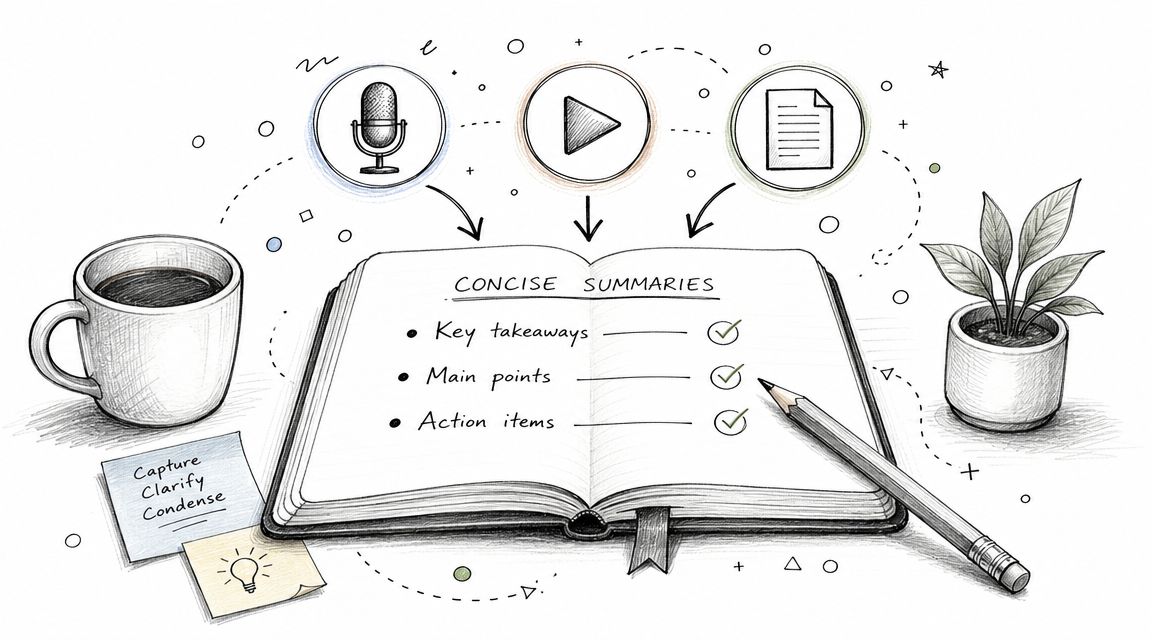
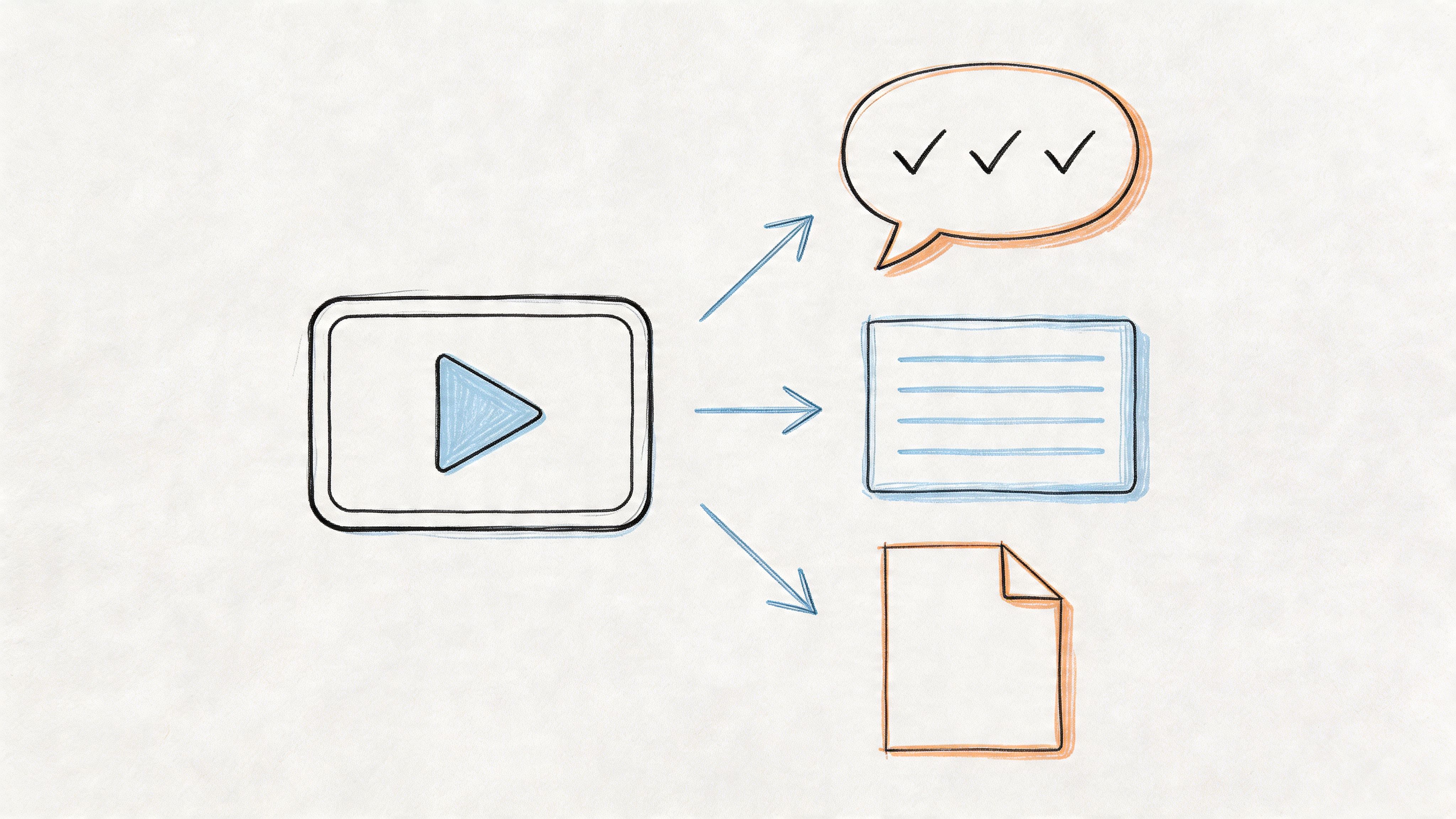
- Make it Easy: Remove friction from the sharing process. Use tools that allow for quick capture and dissemination of information. For instance, teams can record brainstorming sessions and instantly create shareable summaries. You can learn more about how a video summarizer can streamline this process.
4. Foster Bidirectional Learning with Mentoring and Reverse Mentoring Programs
Knowledge management isn't just about documents and databases; it's also about people. Formal mentoring programs create a powerful, structured channel for transferring tacit knowledge, the unwritten expertise and wisdom that veterans possess. In these relationships, experienced employees guide less experienced ones, sharing invaluable context, skills, and career navigation advice that can't be found in a manual.
Reverse mentoring flips this dynamic, pairing senior leaders with junior employees to learn about emerging technologies, social media trends, or new digital workflows. This bidirectional flow ensures that knowledge is not only preserved but also continuously updated. For a podcasting team, a veteran host could mentor a new producer on interview techniques, while the producer could teach the host how to leverage TikTok for show promotion.
Why It's a Top Best Practice
These programs are a cornerstone of effective knowledge management best practices because they transform knowledge from a static asset into a living, evolving part of your culture. They accelerate skill development, improve employee retention by fostering a sense of belonging, and break down organizational silos. For creators, this prevents the "key person dependency" where critical skills are held by just one individual, ensuring the show can go on even if a team member leaves.
How to Implement It
- Define Clear Objectives: Start with the end in mind. Are you trying to improve technical skills, develop leadership qualities, or bridge a generational gap? Clear goals will guide the program's structure.
- Provide Structure and Training: Don't just pair people up and hope for the best. Offer mentors and mentees training on effective communication, goal setting, and feedback. Provide structured discussion guides for the first few meetings to get the conversation started.
- Establish a Regular Cadence: Consistency is key. Mandate a regular meeting schedule, such as bi-weekly check-ins, to maintain momentum and build a strong rapport.
- Measure Success and Gather Feedback: Use surveys and one-on-one interviews to gauge participant satisfaction and track progress against the program's initial objectives. Companies like IBM have successfully used reverse mentoring to help executives understand the mindset and digital habits of millennial consumers, directly influencing their business strategy.
5. Implement Expert Location and Skills Mapping: Find Answers, Not Just Documents
While a centralized repository holds explicit knowledge like documents and data, much of an organization's most valuable wisdom is tacit, existing only in the minds of its people. Expert location and skills mapping is a system designed to codify this "who knows what," creating a searchable directory of subject matter experts (SMEs), their skills, and their experience levels. This transforms your organization from a collection of siloed individuals into a connected, collaborative network.
For a creator team, this means instantly finding the person who is a pro at Adobe After Effects for a complex animation, or the team member who has deep research experience on a specific podcast topic. It eliminates the time-wasting process of asking around in a group chat, "Does anyone know how to...?" and instead provides a direct path to the right person, accelerating problem-solving and fostering mentorship.

Why It's a Top Best Practice
In any growing organization, bottlenecks are often caused not by a lack of information but by an inability to find the person who holds it. A skills map makes expertise visible and accessible, which is crucial for cross-functional projects, peer-to-peer learning, and quick issue resolution. It ensures that when someone with critical knowledge leaves the team, you not only have their documented work but also a clear understanding of the expertise gap that needs to be filled. This is a key component of robust knowledge management best practices.
How to Implement It
- Start with Simple Profiles: Use tools like Microsoft 365 Profiles, a dedicated platform like ProFinda, or even a detailed database in Notion. Make profile creation a simple, 5-minute task focused on core skills, project history, and areas of interest.
- Automate Skill Suggestions: Leverage AI and Natural Language Processing (NLP) tools to analyze an employee’s work in documents, project management tools, or communication platforms to automatically suggest relevant skills. This reduces manual entry and keeps profiles current.
- Encourage Regular Updates: Tie profile updates to performance reviews or project completion milestones. Offer small incentives, like a "Top Expert of the Month" shout-out, to encourage participation and keep the directory accurate.
- Protect Expert Time: Implement features that show an expert's availability or preferred contact method. Create a clear process for inquiries, ensuring SMEs aren't overwhelmed and that their primary responsibilities are protected while still encouraging knowledge sharing.
6. Implement "Lessons Learned" for Continuous Improvement
Effective knowledge management isn't just about storing what you already know; it's about systematically learning from your experiences. Implementing a "lessons learned" process creates a powerful feedback loop, turning every project, campaign, or content release into an opportunity for growth. This involves capturing, analyzing, and acting upon insights from both successes and failures.
Think of this as your team's institutional memory. Instead of repeating the same mistakes or forgetting what made a video go viral, you create a structured process to ensure those insights inform future decisions. For a podcaster, this could be a post-launch debrief on what promotion channels worked best, ensuring the next launch is even more successful.
Why It's a Top Best Practice
A continuous improvement cycle is essential for any creator or team aiming for long-term growth and operational excellence. It prevents knowledge from being siloed with individuals and ensures that valuable, hard-won experience benefits the entire organization. By formalizing this process, you foster a culture of learning and accountability, transforming reactive problem-solving into proactive strategy.
How to Implement It
- Schedule Timely Reviews: Conduct reviews, like an After-Action Review (AAR), within days of project completion while memories are fresh. For creators, this could be a weekly review of content performance.
- Adopt a Blameless Approach: Focus on systems and processes, not individuals. Google's "blameless postmortems" are a great example, encouraging honest analysis by asking "What went wrong?" instead of "Who made a mistake?"
- Document Both Wins and Losses: Analyze successes with the same rigor as failures. Understanding why something worked is just as critical as understanding why it didn't.
- Assign Actionable Ownership: Each lesson learned should result in a concrete action item assigned to a specific owner with a clear deadline. For example: "Update our YouTube thumbnail template by Friday to incorporate higher-contrast text."
- Centralize and Share Findings: Store these lessons in your central knowledge base, tagged by project or topic. A simple template asking "What was expected?", "What actually happened?", and "What will we do differently next time?" can standardize this process.
7. Build a Robust Knowledge Management Technology Infrastructure
Your knowledge management strategy is only as strong as the technology supporting it. A well-designed technology infrastructure is the engine that powers the storage, retrieval, collaboration, and analysis of your organization's collective intelligence. It goes beyond a simple repository and includes all the integrated tools that help you capture, organize, and surface information seamlessly.
Think of this as the digital nervous system of your creative operation. For a podcaster, it’s not just the place where interview transcripts are stored; it's the interconnected system that allows an AI tool to transcribe an audio file, a project manager to assign clips to a social media manager, and a search function to instantly find every time a specific topic was mentioned across all episodes.
Why It's a Top Best Practice
A cohesive tech stack is crucial for making knowledge management a frictionless part of your team's daily workflow, rather than an administrative burden. The right infrastructure automates tedious tasks, ensures data integrity, and provides powerful analytics on how knowledge is being used. This is a core component of knowledge management best practices because it transforms a static library of information into a dynamic, actionable asset that drives efficiency and innovation.
How to Implement It
- Choose Platforms Aligned with Your Stack: Select tools that integrate smoothly with your existing software. For example, if your team lives in Microsoft 365, SharePoint is a natural fit. If you use Atlassian products, the deep integration between Confluence and Jira is powerful.
- Prioritize an Excellent User Experience: If a tool is clunky or difficult to use, your team will avoid it. Prioritize intuitive interfaces, fast load times, and minimal friction to encourage adoption.
- Implement Powerful Search Functionality: The ability to find information quickly is paramount. Look for tools with advanced search capabilities, including filtering by metadata, tags, and even content within documents. AI-powered search can elevate this even further.
- Ensure Mobile-First Accessibility: Knowledge should be accessible anytime, anywhere. Choose platforms with robust mobile apps or responsive designs, allowing team members to find answers or capture insights on the go.
- Plan for Scalability from the Start: Your knowledge base will grow exponentially. Select infrastructure that can handle increasing volumes of data and a growing number of users without a decline in performance.
8. Institute Formal Knowledge Transfer and Onboarding Programs
Knowledge isn't static; it moves with people. One of the most critical knowledge management best practices is establishing formal programs for transferring expertise during key transitions. This includes onboarding new hires, managing role changes, and capturing insights from departing team members. Without a structured process, valuable institutional knowledge walks out the door every time an employee leaves, and new hires face a steep, frustrating learning curve.
Think of it as creating a relay race system for your team's expertise. A structured onboarding program ensures the baton of knowledge is passed smoothly, empowering new contributors to get up to speed quickly and confidently. For a growing podcast team, this means the new audio editor knows exactly where to find asset libraries, how to apply the show's signature EQ settings, and who to contact for approvals without disrupting the entire workflow.
Why It's a Top Best Practice
Formal knowledge transfer mitigates the risk of creating single points of failure, where critical information is held by only one person. It drastically reduces "time-to-productivity" for new hires and ensures operational continuity during personnel changes. By systemizing this process, you protect your intellectual capital and create a more resilient, self-sufficient team that can scale without constant bottlenecks.
How to Implement It
- Create Role-Specific Checklists: Develop detailed onboarding and offboarding checklists for each role. This should outline key systems to learn, essential documents to review, and specific knowledge to be transferred.
- Assign a "Knowledge Buddy": Pair new hires with an experienced team member for their first 30-60 days. This mentor provides context, answers informal questions, and helps them navigate the organization's culture and unwritten rules.
- Document Before Departure: Implement a mandatory knowledge transfer process before an employee's last day. This can involve a series of interviews, screen recordings of key workflows, or a final documentation sprint to capture their unique expertise in the central repository.
- Measure and Refine: Track metrics like time-to-first-contribution or new hire satisfaction scores. Adhering to proven employee onboarding best practices is essential for efficient knowledge transfer and provides a framework for measuring success and refining your program.
9. Implement Governance and Quality Assurance: Protecting Your Knowledge Integrity
A knowledge base without standards is just a digital junkyard. Governance and quality assurance are the policies, processes, and structures that ensure your collected knowledge is accurate, current, consistent, and secure. This isn't about creating bureaucracy; it’s about building trust in your single source of truth so everyone feels confident using it.
Think of it as the editorial team for your team’s shared brain. For a podcaster, this means having a process to verify that research statistics are up-to-date before an episode is recorded. For a business, it’s ensuring that brand guidelines are the official, most recent versions and not drafts from three years ago. This framework prevents misinformation and keeps your knowledge valuable.
Why It's a Top Best Practice
Without governance, your knowledge base will quickly suffer from content decay, becoming outdated, unreliable, and ultimately ignored. Implementing these controls is one of the most critical knowledge management best practices because it maintains the integrity and utility of your entire system. It establishes accountability, manages risk (especially in regulated fields), and ensures the information people find is trustworthy and safe to use.
How to Implement It
- Establish Clear Content Ownership: Assign an "owner" to every major category or piece of content. This person is responsible for keeping the information accurate and up-to-date. For example, the marketing lead owns the brand assets section.
- Implement Review Cycles: Don't let content go stale. Set up automated reminders for content owners to review their pages quarterly or annually. Use metadata to track the last review date and next review date.
- Create Lightweight Approval Workflows: For critical information, establish a simple review process. A draft can be reviewed by one or two subject matter experts before being published. The goal is quality control, not a bottleneck.
- Balance Governance with Accessibility: Make it easy for people to contribute, but have a system to ensure quality. The more barriers you create, the less likely your team is to share their knowledge. Start simple and add more controls only where necessary.
10. Measure and Analyze Your Knowledge ROI
You can’t improve what you don’t measure. Implementing analytics to track your knowledge management efforts is how you transform a "nice-to-have" resource into a provable business asset. This practice involves setting up systems to monitor how your knowledge base is used, who is contributing, and what impact it has on key business outcomes.
For a creator, this could mean tracking how often a specific video script template is used or which piece of research is most frequently accessed for new content ideas. For a business, it's about connecting knowledge base usage to a reduction in support tickets or faster onboarding times for new hires. It’s about proving the return on investment (ROI) of your organizational knowledge.
Why It's a Top Best Practice
Measuring your knowledge management system's performance provides critical feedback for continuous improvement. It helps you identify high-value content, spot knowledge gaps, and understand user behavior. By tracking metrics, you can demonstrate tangible value to stakeholders, justifying the resources invested in the system and securing buy-in for future enhancements. It’s one of the most crucial knowledge management best practices for long-term success.
How to Implement It
- Define Success Metrics Upfront: Before you start tracking, decide what success looks like. Is it reduced time to find information, higher employee satisfaction, or fewer repetitive questions in team chats?
- Start with Simple, Trackable Metrics: Don't overcomplicate it. Begin with easy-to-gather data like page views, search queries (successful vs. failed), content ratings, and the number of new articles created per month.
- Correlate Knowledge Use with Business Outcomes: Look for connections between your knowledge base and performance. For example, did a new, detailed "Video Editing Workflow" guide correlate with a 15% decrease in post-production time? Track these links to build a powerful ROI case.
- Use Built-in Analytics: Most modern knowledge base tools (like Confluence, Guru, or SharePoint) have built-in analytics dashboards. Leverage these to monitor usage patterns, identify popular content, and see what search terms are failing, which indicates a content gap you need to fill.
- Share Metrics Transparently: Create a simple dashboard and share it with your team and leadership regularly. This transparency builds trust and encourages everyone to see the value in contributing to and using the knowledge base.
10-Point Comparison of Knowledge Management Best Practices
From Information Overload to a Competitive Advantage
Moving beyond the theory and into application is where the real value of knowledge management lies. Throughout this guide, we've explored ten foundational best practices, from establishing a centralized knowledge repository and systematizing documentation to fostering a vibrant knowledge-sharing culture. We’ve seen how deliberate processes like "lessons learned" sessions, robust onboarding programs, and clear governance can prevent valuable insights from evaporating into digital ether. The journey from scattered data to a cohesive, intelligent system is not about adopting every practice at once; it's about making a strategic, intentional shift.
The core principle unifying these strategies is transformation. It’s about transforming raw information into actionable wisdom. For a YouTuber, this means turning hours of interview footage into easily searchable clips for a future compilation video. For a marketing team, it's converting a single webinar into a dozen distinct assets, each logged, tagged, and ready for deployment. This is the essence of effective knowledge management: creating a living, breathing ecosystem where your collective intelligence becomes your greatest competitive advantage.
Key Takeaways for Immediate Action
To avoid analysis paralysis, focus on the most critical takeaways. Your goal is to build momentum, not a perfect system overnight.
- Start with Capture: The most significant bottleneck is often the failure to capture knowledge at its source. Implement a simple, low-friction process for documenting meeting outcomes, project retrospectives, and spontaneous brainstorming sessions. This is where tools like Whisper AI become indispensable, effortlessly transcribing audio and video to create an instant, searchable record.
- Structure is Non-Negotiable: A knowledge base without structure is just a digital junkyard. Before you add another document, agree on a simple, scalable system for naming conventions, tagging, and version control. This discipline upfront saves hundreds of hours of searching and rework down the line.
- Culture Eats Strategy for Breakfast: You can have the best technology and the most detailed governance documents, but if your team doesn't feel psychologically safe to ask questions or share incomplete ideas, your system will fail. Reward curiosity, celebrate knowledge sharing, and lead by example. Make "What did we learn from this?" a standard part of your operational rhythm.
Your Path Forward: From Concept to Reality
Implementing these knowledge management best practices is a marathon, not a sprint. The most successful teams start small, prove value, and then scale their efforts. Choose one area of friction in your current workflow. Is it onboarding new team members? Is it finding past project details? Is it repurposing content efficiently?
Select one or two practices from this list that directly address that pain point. For instance, if onboarding is slow, focus on building out your Knowledge Transfer and Onboarding Program by documenting core processes. If content repurposing is the goal, double down on your Knowledge Documentation and Capture workflow. For organizations looking to mature their systems, diving into the specifics of knowledge management best practices for growing teams can provide a broader perspective on scaling these initiatives for maximum impact and efficiency.
Ultimately, the goal is to create a system that works for you, not against you. It should feel less like a chore and more like a superpower, giving you and your team the ability to access the right information at the right time. This proactive approach stops the endless cycle of reinventing the wheel and frees up critical mental bandwidth for innovation, creativity, and strategic growth. Your organization's knowledge is its most valuable, renewable resource; it's time to start treating it that way.
Ready to build the foundation of your knowledge management system? Whisper AI makes the crucial first step of knowledge capture effortless by providing fast, accurate transcriptions for your meetings, interviews, and video content. Turn your spoken words into searchable, summarizable, and shareable assets today with Whisper AI.