Understanding Transcription Service Cost and Pricing
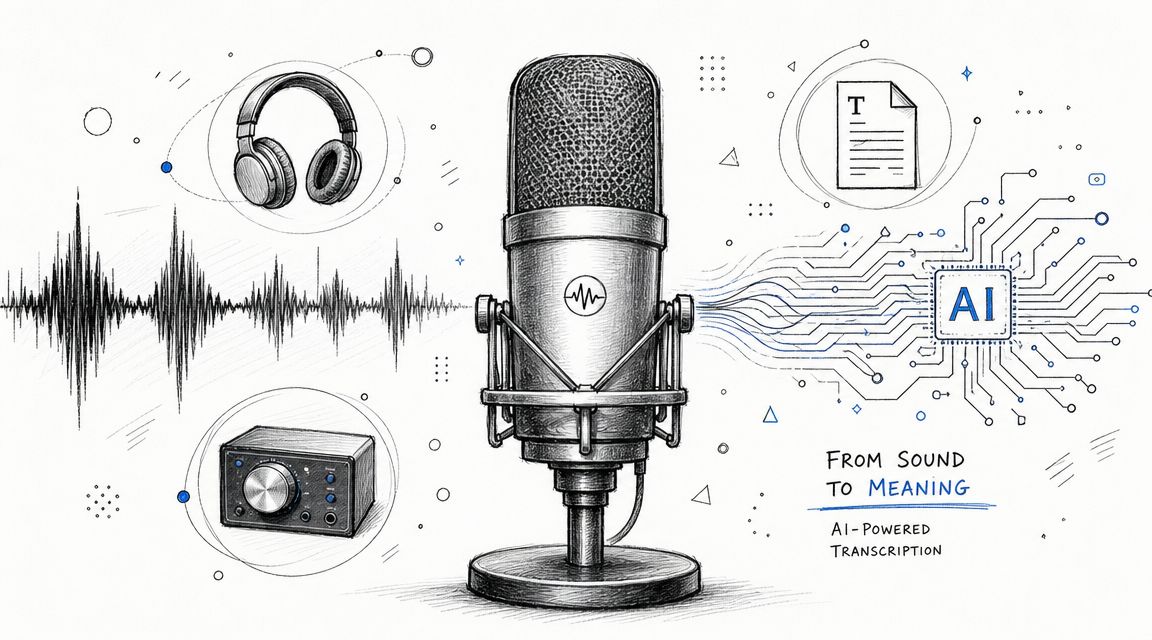
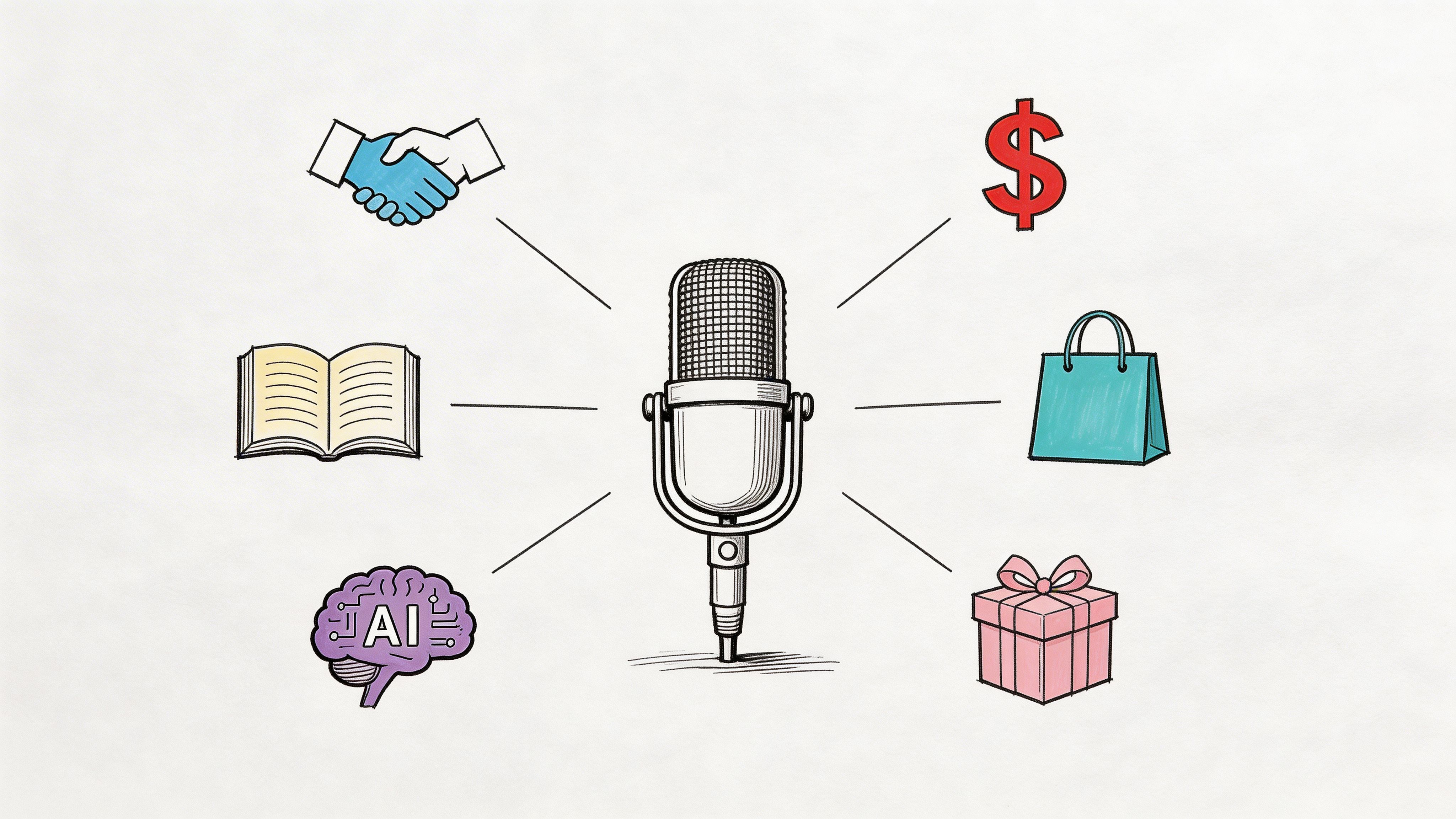
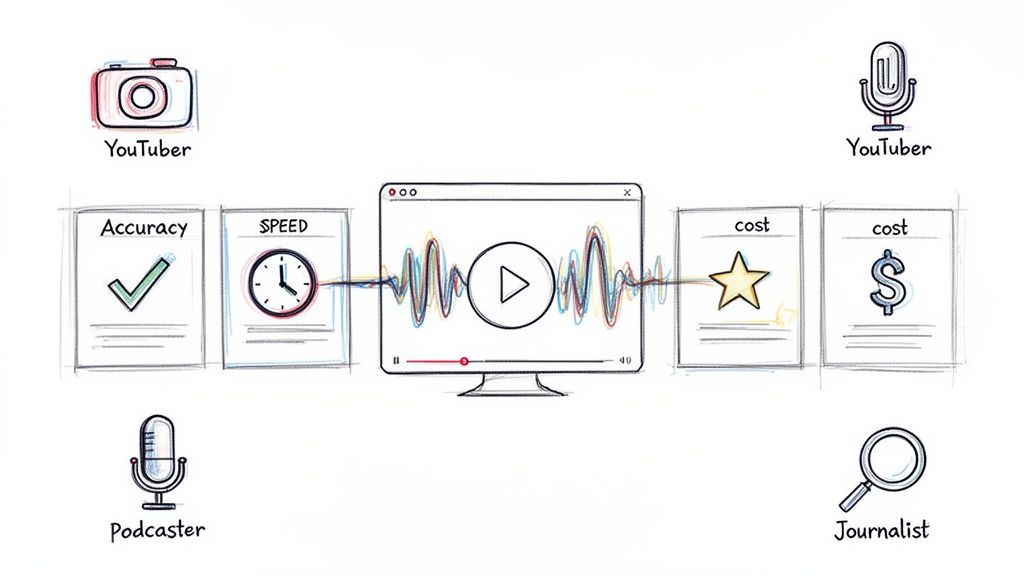
When you start looking at transcription service costs, you'll find a wide range, typically from $0.10 to over $2.50 per audio minute. The final price tag really boils down to one key decision: are you using a fast, automated AI service or relying on a detail-oriented human professional?
Your choice ultimately depends on balancing speed, accuracy, and what you're willing to spend to get the job done right.
How Much Does Transcription Really Cost?
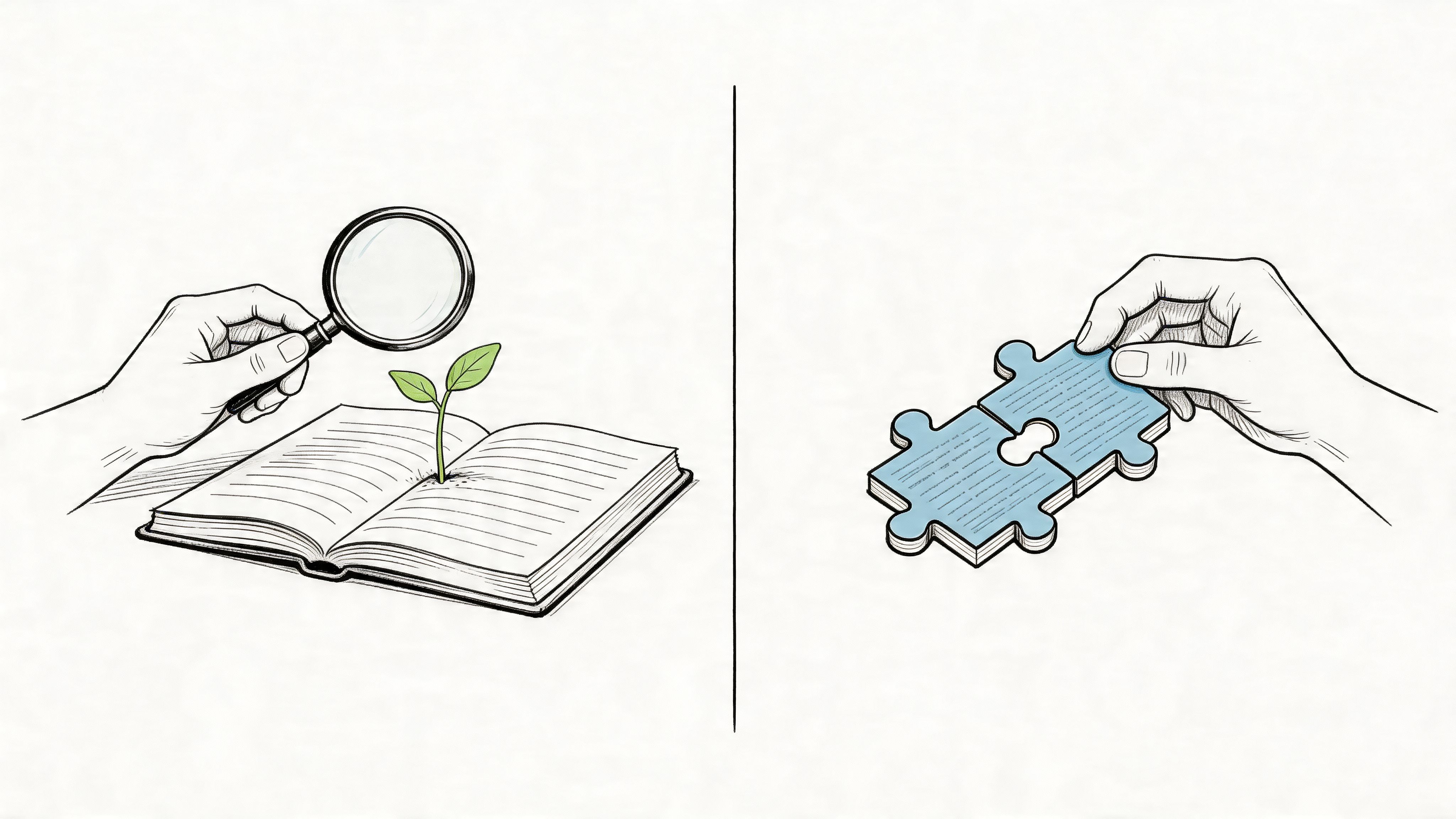
Breaking down transcription costs is easier when you understand the two main options available. Think of it like this: you can either grab a quick, affordable slice of pizza on the go, or you can sit down for a gourmet meal prepared by a chef. Both solve your hunger, but the experience, quality, and cost are completely different.
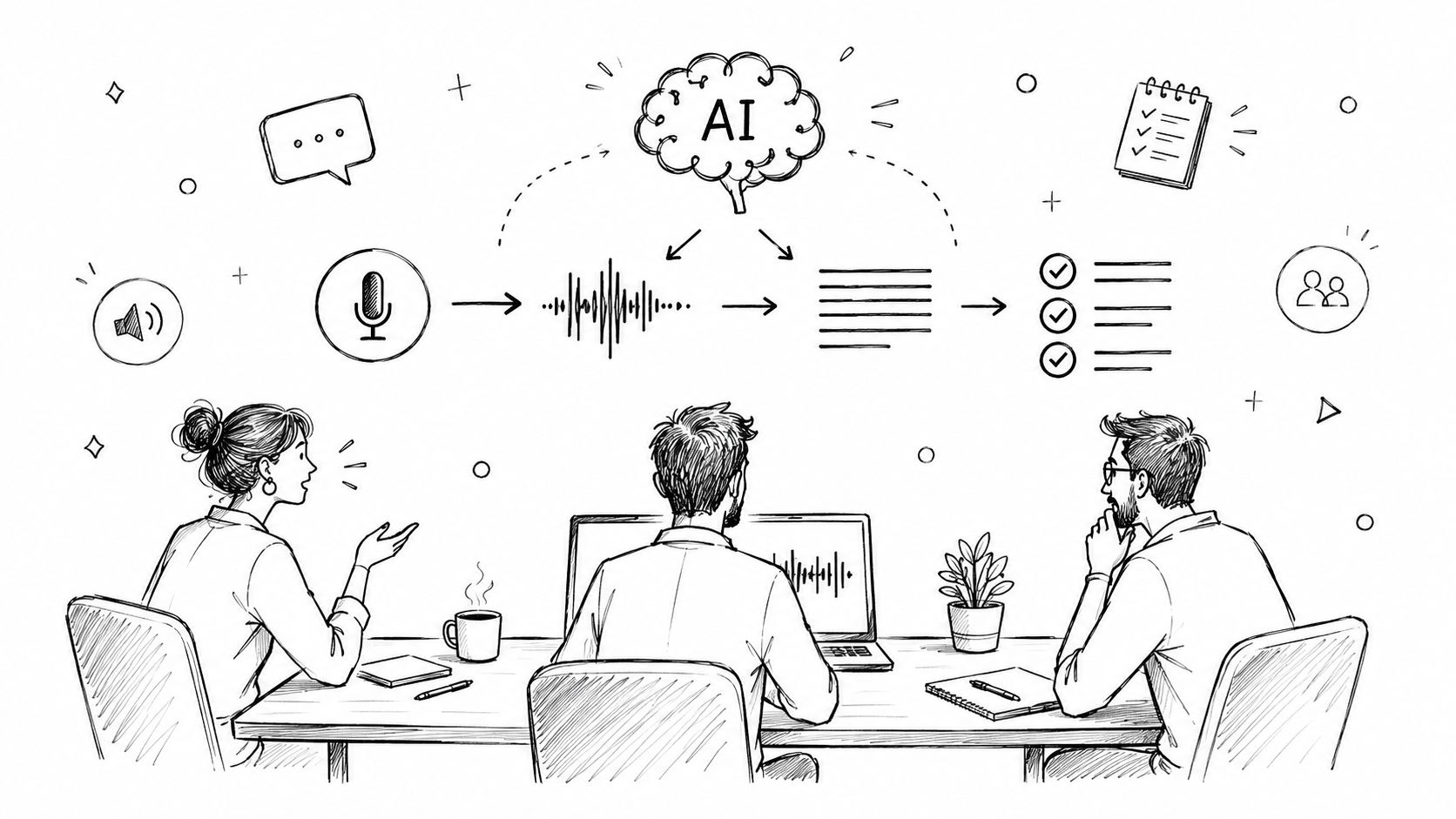
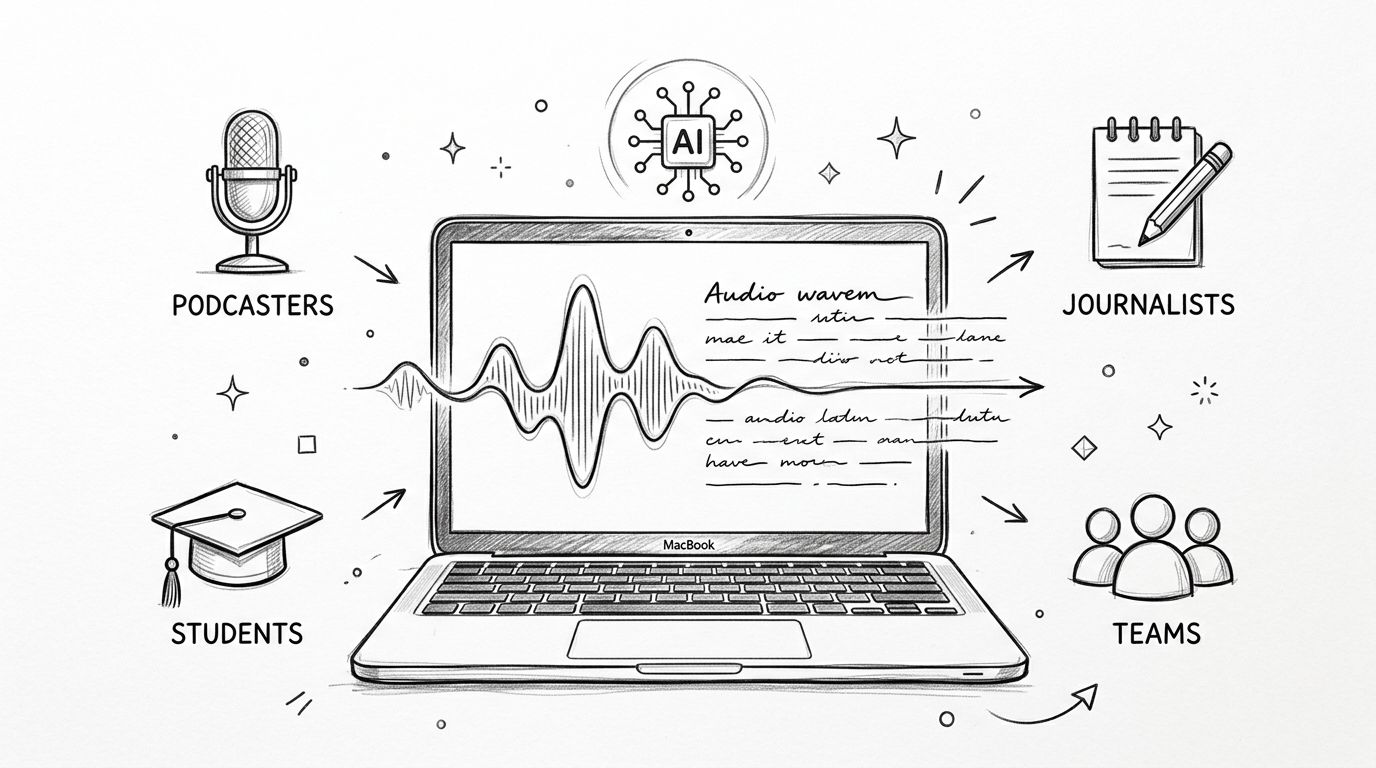
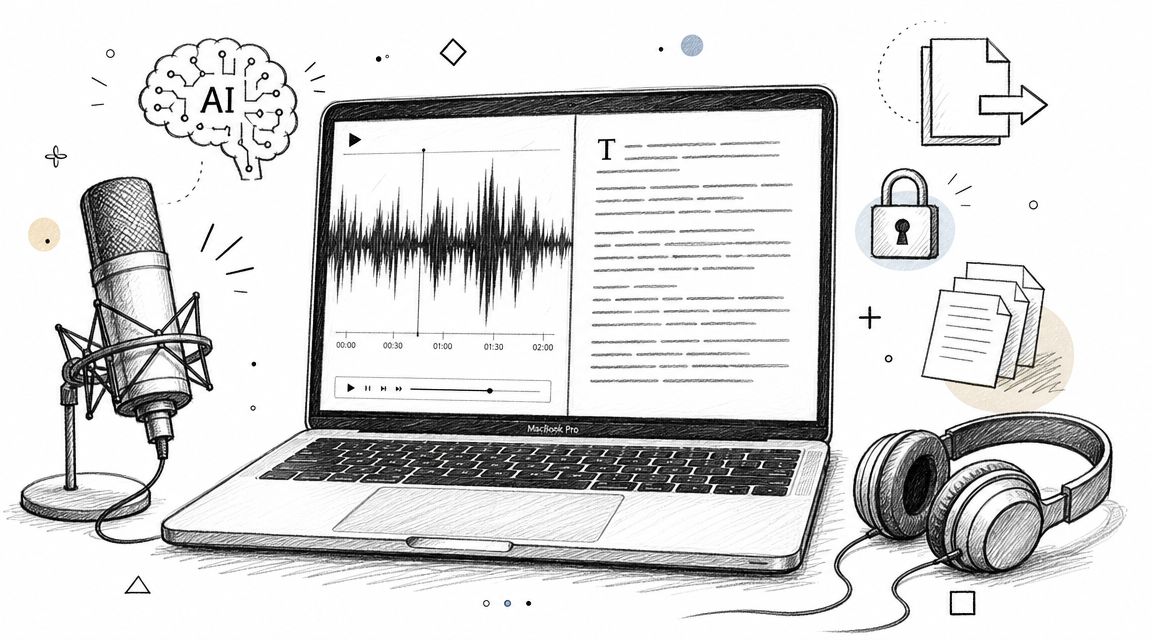
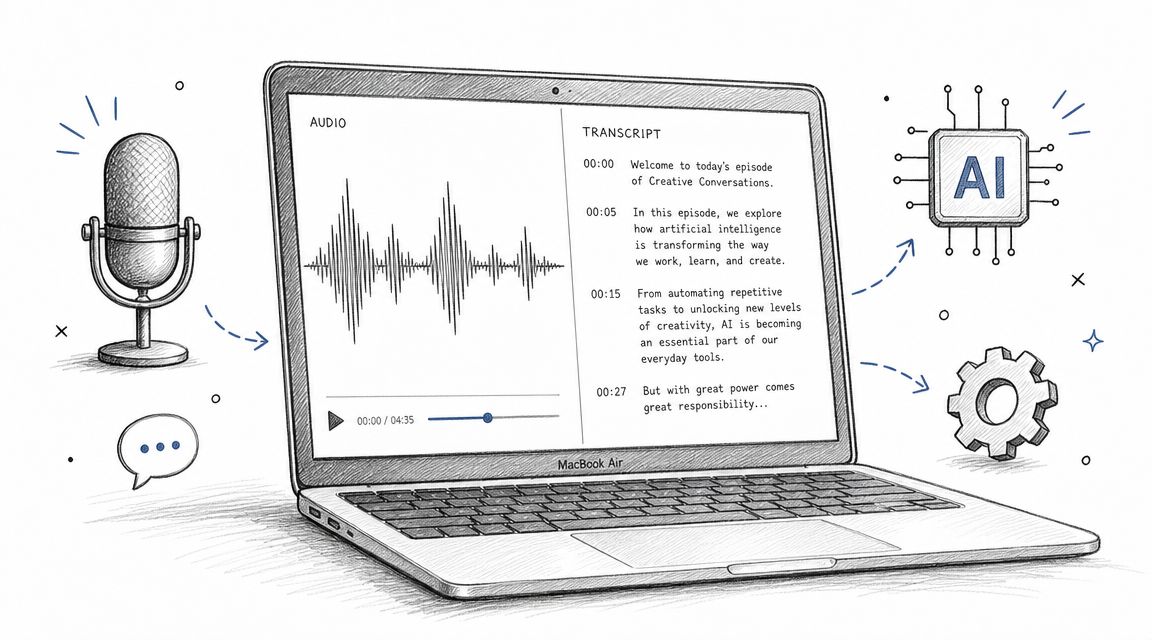
Automated AI transcription is your grab-and-go slice. It’s incredibly fast, using powerful software to convert your audio into text in just a few minutes. This makes it a perfect fit if you need a transcript now—for example, if you're a podcaster creating show notes, a marketer adding captions to social videos, or a student reviewing a lecture. It’s all about getting the speed and efficiency you need.
Then there's human transcription, which is the full-service, gourmet meal. A real person listens carefully to your recording, catching every nuance, identifying different speakers, and making sure the final text is accurate. This level of detail is absolutely essential for things like legal depositions, medical records, or academic research where near-perfect accuracy is non-negotiable.
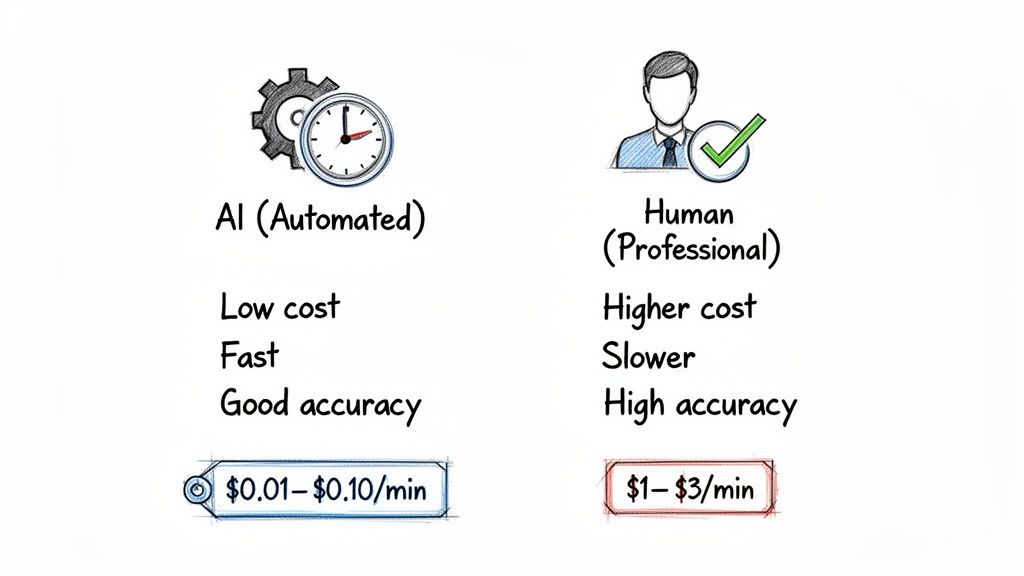
Transcription Costs at a Glance: AI vs Human
To give you a clearer picture, let’s compare the typical costs, speeds, and accuracy levels side-by-side.
The core of your decision boils down to a simple question: Do you need a fast, affordable draft for internal use, or do you need a flawless document for official records? Your answer will point you straight to the right service.
Here’s a quick snapshot of what you can generally expect.
As you can see, the differences are significant. An AI service provides a solid, searchable transcript almost instantly for pennies on the dollar, while a human offers that extra layer of polish and precision, which comes with a higher price and a longer wait time.
How Transcription Services Bill You: A Look at Common Pricing Models
Figuring out transcription costs starts with understanding how services charge. It's not just one flat rate; different pricing models are designed for different types of users. Think of it like a cell phone plan—some people are power users who need unlimited data, while others just need a basic plan for occasional calls.
Each payment structure has its own pros and cons. Once you understand the common setups, you can choose the one that best fits how often you'll use the service, how much content you have, and your budget. This way, you avoid paying for features you don't need or getting stuck in a plan that can't grow with you. Looking at some general service pricing models can give you a good sense of how companies structure their fees across different industries.
The Classic: Pay-As-You-Go Per Minute
The most common and straightforward model is pay-as-you-go, where you're billed for each minute or hour of audio you submit. It's wonderfully simple: you only pay for what you use. This works just like your electricity bill and is perfect for one-off projects or if you only need transcriptions occasionally.
This model is a great fit for:
- Students who need to transcribe a single, important lecture for their notes.
- Journalists with one crucial interview that needs to be converted into text for an article.
- Small businesses looking to turn a single webinar into a blog post.
The biggest advantage here is flexibility. There are no monthly fees, no commitments, and no wasted credits. The only downside is that if your needs suddenly increase, the costs can add up quickly and might end up being more expensive than a subscription in the long run.
The Predictable Choice: Subscription Plans
If you have a steady stream of audio or video to transcribe, a subscription plan is usually the smarter, more predictable option. These plans give you a set number of minutes or hours each month for one flat fee. It’s a lot like a Netflix subscription—you know exactly what you’re paying and what you’re getting.
This model is a fantastic choice for anyone who creates content regularly. By committing to a monthly plan, you almost always get a much lower per-minute rate compared to the pay-as-you-go price.
Key Insight: Subscription plans shift the relationship from a one-time transaction to more of a partnership. They reward your consistent business with better rates and often include premium features that aren't available on basic plans.
Who gets the most out of subscriptions?
- Podcasters releasing weekly episodes who need reliable transcripts for show notes and accessibility.
- YouTubers who upload videos regularly and want accurate captions to improve viewer engagement and SEO.
- Content marketers who are constantly turning video interviews and meetings into articles, case studies, and social media posts.
For example, a podcaster with four one-hour episodes a month needs 240 minutes of transcription. A subscription offering 300 minutes for a fixed price would almost certainly be cheaper than paying the standard per-minute rate for each of those 240 minutes individually.
For the Power Users: Enterprise and Tiered Packages
Finally, for large organizations, teams, and anyone with a massive volume of content, there are enterprise and tiered packages. These are custom-built solutions designed for serious scale, often including features that go beyond basic transcription, like enhanced security, a dedicated account manager, and tools for team collaboration.
Think of this model like buying in bulk at a warehouse club. The more you commit to, the lower your price per item becomes, and you get access to exclusive perks. These tiers are usually based on volume, but they can also be built around specific features, like advanced speaker identification or API access for developers.
This approach is the go-to for:
- Large marketing teams that need to transcribe dozens of customer interviews and webinars every month.
- Universities that offer transcription services across entire departments. Researchers at Indiana University, for example, built a centralized service to handle hundreds of hours of sensitive interviews, saving them a significant amount of time and money.
- Media companies that process a high volume of broadcast content and cannot compromise on accuracy or security.
These packages are all about managing costs and workflows at a large scale. The upfront commitment is higher, but the overall transcription service cost per minute can be dramatically lower, and the extra features can make entire teams more efficient, delivering a great return on investment.
AI vs. Human Transcription: Which One Is Right for You?
When considering transcription costs, the biggest question is always: should I use a machine or a person? This decision isn't just about price—it's a classic trade-off between speed, accuracy, and your project's specific needs. Each has its place, and knowing their strengths helps you invest your money wisely.
Think of AI transcription like a high-speed assembly line. It’s incredibly fast, super efficient, and operates at a fraction of the cost of manual labor. This makes it an ideal choice for jobs where speed is critical and you just need a solid first draft to work with.
On the other hand, human transcription is more like a master woodworker handcrafting a piece of furniture. It’s a slower, more deliberate process, and it costs more. But what you get in return is exceptional quality, nuance, and a level of detail a machine just can't replicate yet.
When to Use AI Transcription: For Speed and Scale
AI transcription is the clear winner when you need to move fast and process a large volume of audio. If you need a transcript right now or have a mountain of recordings to get through on a tight budget, automation is your best friend. Modern AI can achieve accuracy rates between 95-99% in clear audio, which is more than sufficient for most everyday tasks.
AI is the perfect fit for things like:
- Internal Meeting Notes: Get a searchable text version of a team call or brainstorming session in minutes.
- First Drafts for Content: Quickly generate a rough transcript of a podcast or video that you can clean up later.
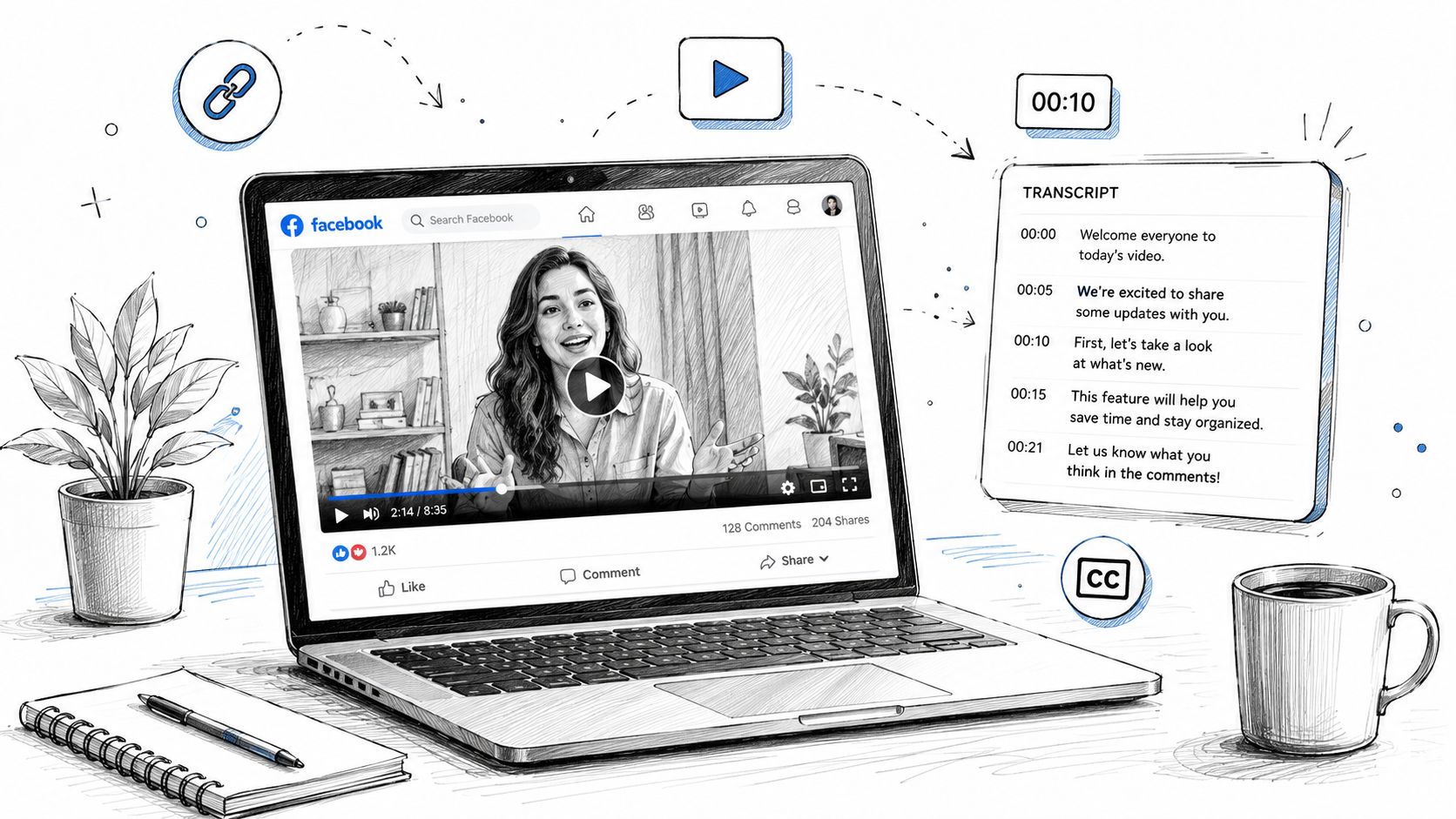
- Boosting Accessibility: Use AI tools for captions on social media to grab attention and reach a wider audience.
- Academic Research: Turn hours of interview audio into a searchable database for qualitative analysis.
The progress in this field has been remarkable. AI is no longer just a cheap substitute; it’s a powerful tool that's completely reshaping the industry. The global AI transcription market, valued at $4.5 billion in 2024, is projected to soar to $19.2 billion by 2034. This growth is driven by AI's ability to deliver solid accuracy for a surprisingly low price—often $0.10 to $0.25 per minute, while human services typically range from $1.50 to $2.50.
For a content creator, that means transcribing an hour-long podcast for less than $15 instead of paying over $100.
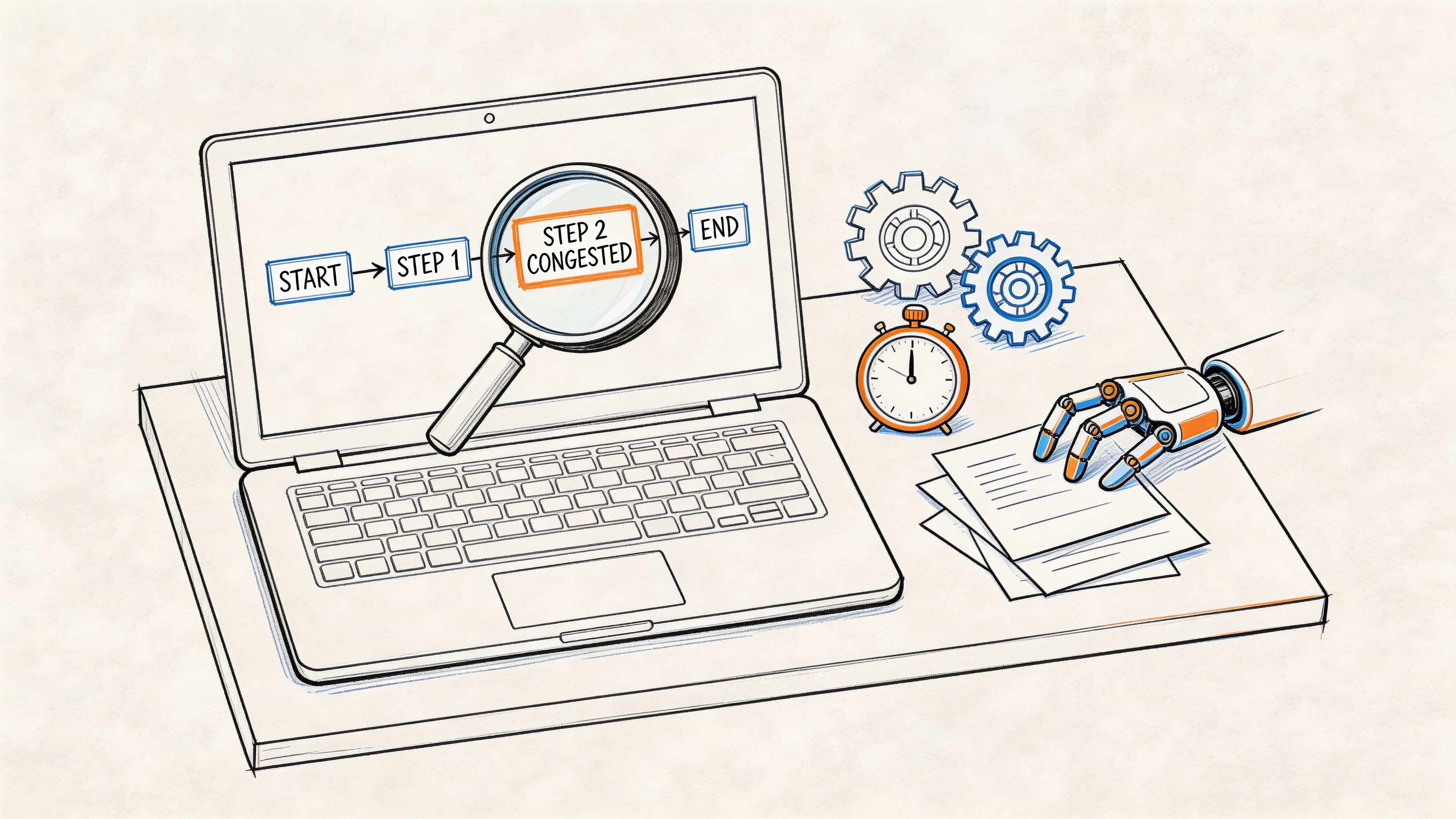
This flowchart can help you determine which pricing model makes the most sense based on your transcription frequency and volume.
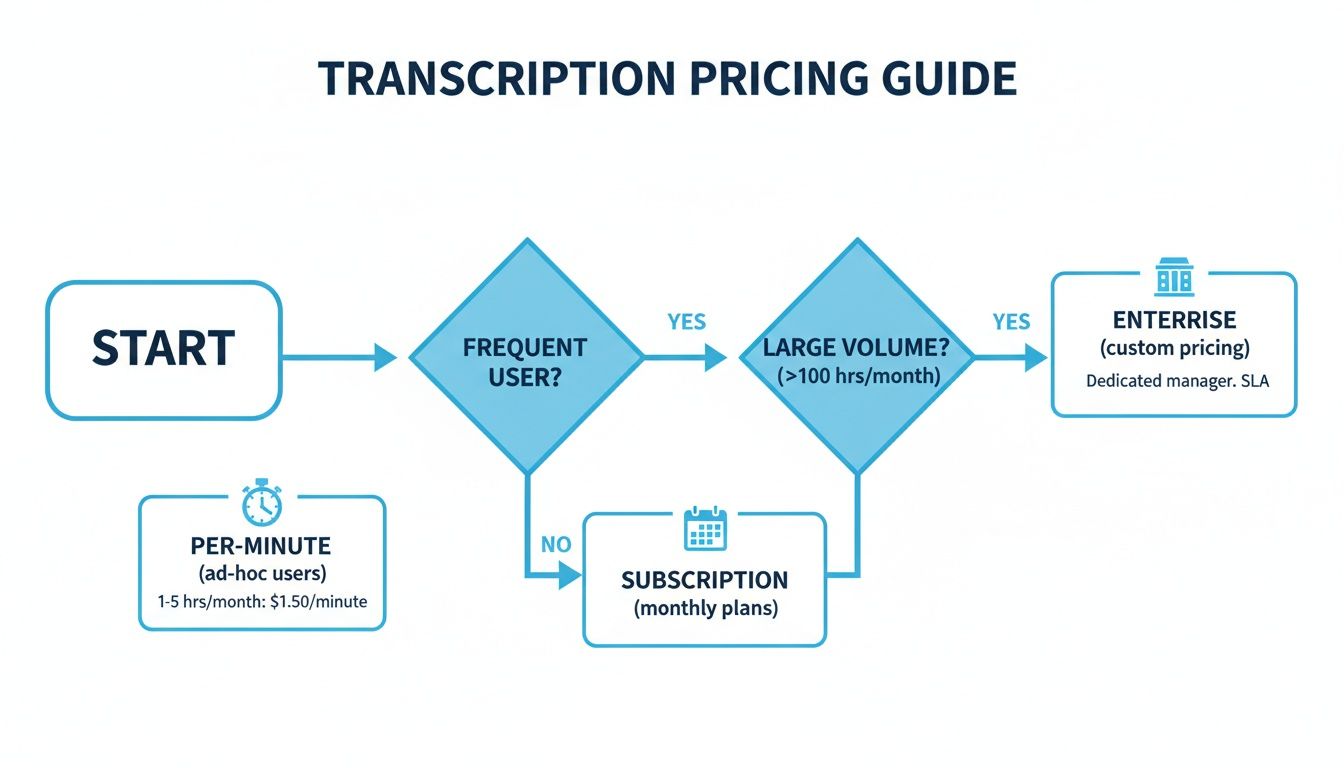
As you can see, how often you need transcripts and the total volume of audio are the biggest factors in finding the most cost-effective plan.
When to Invest in Human Transcription: When Precision Is Non-Negotiable
As advanced as AI is, it can still struggle with complex audio. It might misinterpret a thick accent, get confused when people talk over each other, or fail to recognize industry-specific jargon. This is where a human transcriber excels. They don't just process sounds; they understand context, sarcasm, and emotion, delivering a transcript that's practically flawless.
For any high-stakes situation where every single word matters, you should always opt for a human service.
Key Takeaway: Human transcription is an investment in certainty. When the legal, medical, or professional cost of an error is high, the extra expense isn't just justified—it's essential.
Consider human transcription a must-have for:
- Legal Proceedings: Depositions, court hearings, and witness interviews require certified, error-free transcripts.
- Medical Records: Accuracy in patient notes and physician dictations is critical for providing proper care.
- Broadcast Media: Subtitles for TV and film need to be perfectly timed and contextually accurate.
- Published Research: Interview transcripts intended for academic publication must be a faithful representation of every word.
Finding the Best of Both Worlds: The Hybrid Approach
Fortunately, you don't always have to choose between one or the other. A hybrid approach offers a powerful middle ground, blending AI's speed with a human's touch. In this workflow, an AI generates the initial transcript in minutes for a low cost. Then, a professional proofreader reviews it to correct any errors and refine the text.
This method drastically reduces the manual labor involved, which brings the overall cost down significantly compared to a fully human service. It’s a fantastic strategy for getting highly accurate transcripts without the premium price tag. You can explore some of the top AI-powered transcription services in our guide to see how new tools are making this hybrid workflow simpler than ever.
What's the Real Price of a Transcript?
That advertised per-minute rate you see for a transcription service? Think of it as a starting point. The final transcription service cost on your invoice can often look quite a bit different once all the details of your project are factored in. Knowing what these variables are is the key to budgeting properly and avoiding any sticker shock.
It’s a bit like booking a flight. You see a great base fare, but then you start adding extras like checked bags, seat selection, and priority boarding. Before you know it, the total is much higher. Transcription works in a similar way—the base rate is just the beginning.
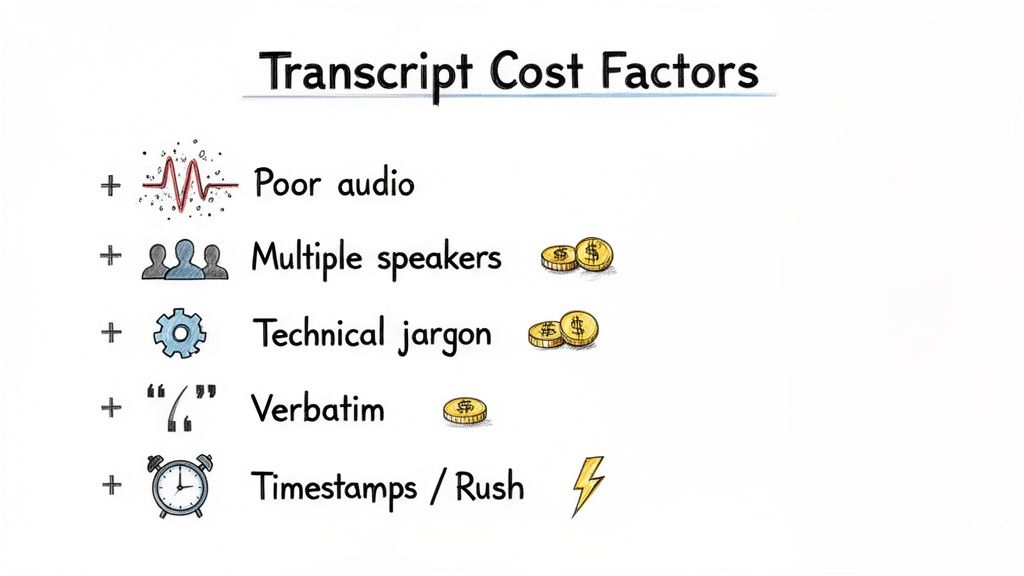
Common Things That Drive Up Transcription Costs
Some audio files are simply harder to work with, and that extra effort translates to a higher price. This is true for both AI and human services, but the cost impact is usually much steeper for human transcription because it directly relates to someone's time and effort.
Here’s a quick rundown of the usual suspects:
- Poor Audio Quality: If your recording is full of background noise, muffled voices, or static, the transcriber has to strain to catch every word. This means more time spent replaying sections, which inflates the cost.
- Multiple Speakers: Just keeping track of who is speaking adds a layer of complexity. It gets even trickier—and more expensive—when people talk over each other.
- Thick Accents or Fast Talkers: A transcriber needs a very sharp ear to accurately capture words from someone with a strong accent or who speaks at a rapid-fire pace. This specialized skill naturally slows down the process.
- Technical Jargon: If your audio is packed with medical, legal, or engineering terms, you'll need a transcriber with expertise in that field to get it right, and that specialization comes at a premium.
Pro Tip: The single best way to control costs is to start with clean audio. A few minutes spent using a decent microphone, finding a quiet room, and encouraging clear speaking can save you a surprising amount of money.
How Add-On Services Affect Your Bill
On top of the audio's complexity, the extra features you choose will also add to the final tally. These add-ons can make your transcript much more useful, but they aren't typically included in the standard price.
Be prepared for extra charges if you need services like these:
- Expedited Delivery (Rush Jobs): Need it back now? Most services can turn a transcript around in just a few hours, but you'll pay a hefty surcharge for that speed—sometimes even double the base rate.
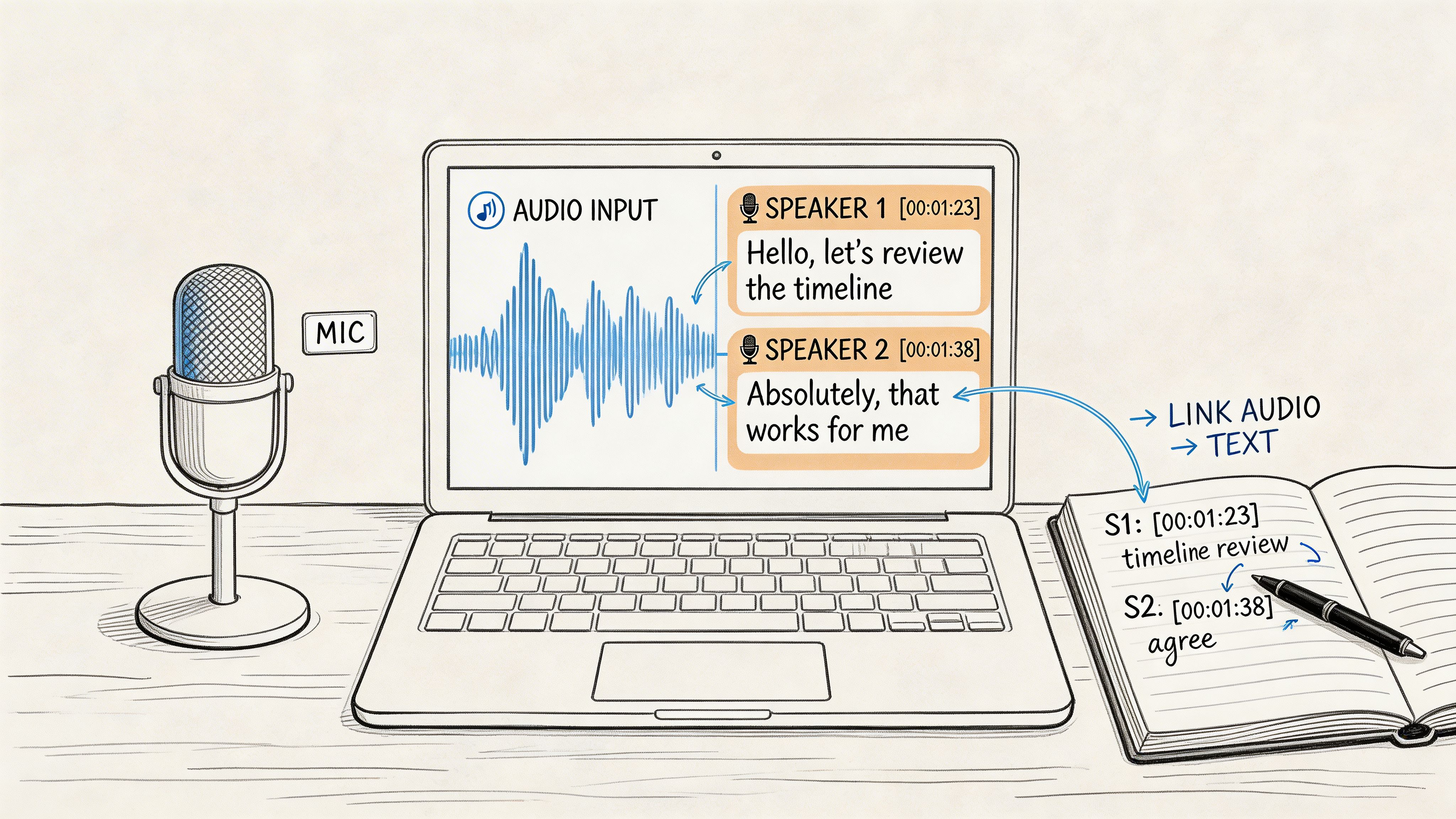
- Timestamping: Adding time codes next to the text (say, every 30 seconds or each time the speaker changes) is incredibly helpful for referencing the original audio. This usually adds a few extra cents per minute.
- Verbatim Transcription: A standard transcript is often a "clean verbatim," meaning filler words like "um," "ah," and false starts are removed for readability. A strict verbatim transcript captures every single sound, which requires intense focus and more time, bumping up the price.
- Speaker Identification: While basic labels like "Speaker 1" and "Speaker 2" might be included, identifying each person by name throughout the document is almost always an extra charge.
Let's put it into practice. A standard 60-minute interview at a base rate of $1.50 per minute would start at $90. But if the audio is messy (add $0.25/min), you need timestamps (add $0.25/min), and you're in a hurry (add $0.50/min for 24-hour turnaround), your total cost suddenly jumps to $150.
Of course, after all that, you want the final document to be flawless. You can learn more about those final touches in our guide on proofreading in transcription. Knowing about these potential add-ons from the start helps you ask the right questions and get a much more accurate quote.
How Whisper AI Maximizes Your Transcription Budget
After navigating all the different pricing models and potential add-on fees, finding a service that delivers quality transcripts without breaking the bank can feel like a challenge. This is exactly where modern AI tools are changing the game, offering professional-grade results at a price that works for everyone—from solo creators to large organizations. Whisper AI was built to do just that, striking a perfect balance between powerful performance and genuine affordability.
It’s a practical solution to common frustrations like unpredictable costs or having to choose between speed and accuracy. By using advanced AI, Whisper AI provides transcripts that are often just as good as human-powered ones for many situations, but at a fraction of the cost. This makes it a real game-changer for anyone who needs reliable transcription without draining their budget.
More Than Just a Transcript
Many services will charge you extra for features that should be standard. One of the biggest advantages of a platform like Whisper AI is that a ton of valuable tools are already built right in. This approach not only simplifies your workflow but also gives you a much clearer, upfront picture of your final cost. You aren't just paying for words on a page; you're getting a whole suite of tools to make your content work harder for you.
Here are a few budget-maximizing features that come standard:
- Automatic Speaker Detection: The platform automatically identifies who is speaking and labels them in the transcript. This is a feature you often have to pay extra for elsewhere.
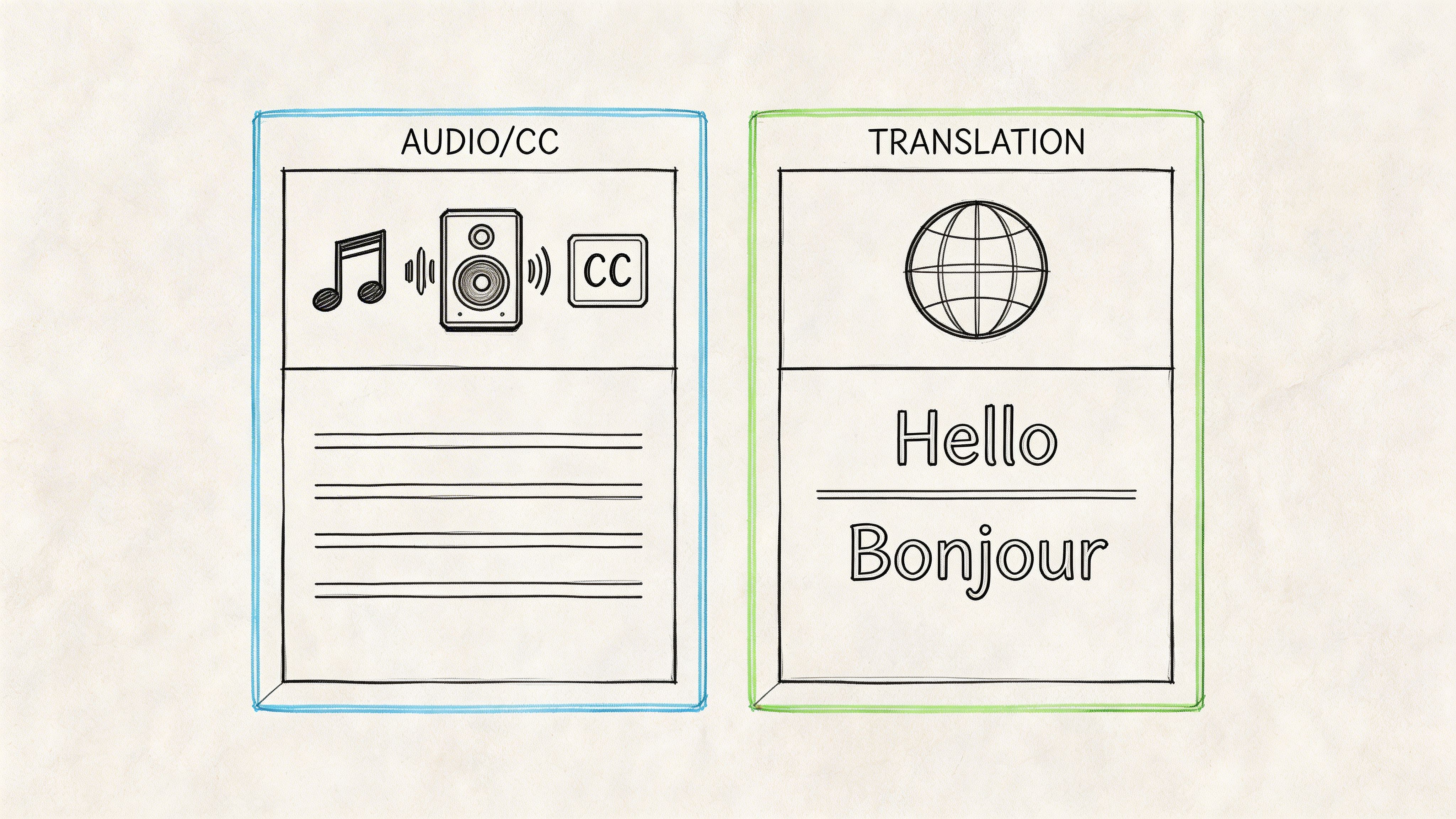
- Multi-Language Support: Whisper AI can handle transcription in over 92 languages, making it an incredibly versatile tool for global content without charging you foreign language fees.
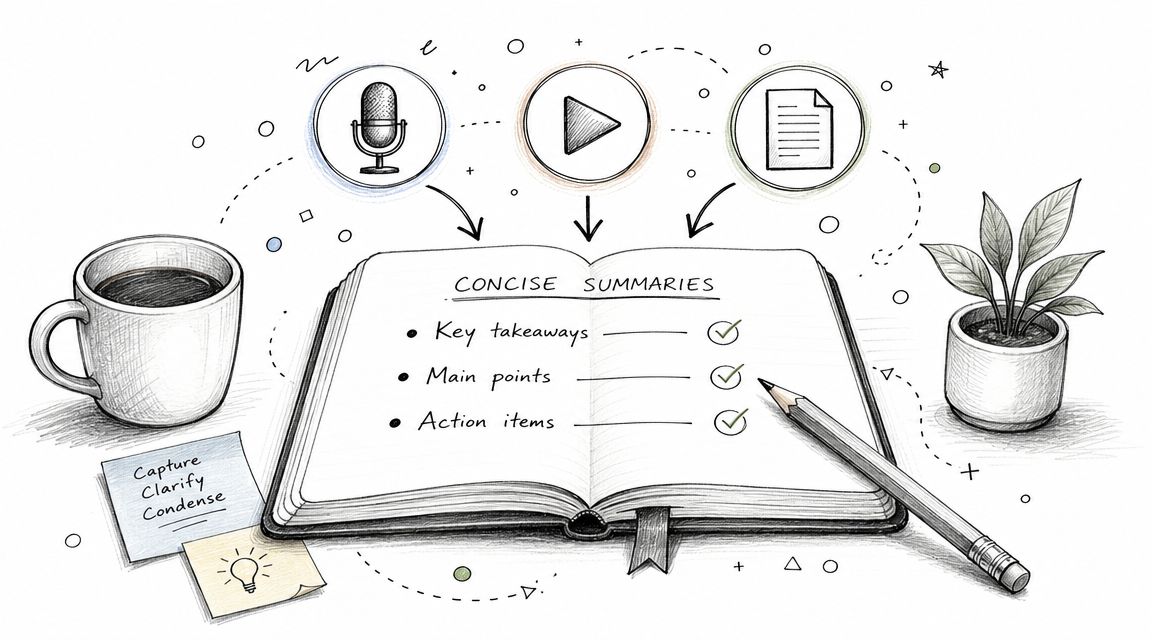
- AI-Powered Summarization: It doesn't just stop at transcription. The tool also generates concise summaries and bullet-point highlights, so you can pull out the key takeaways in seconds.
These built-in features mean you can create more polished, accessible, and insightful content without watching your costs creep up with every little add-on.
Real-World Value for Every User
The true test of any tool is how it actually helps people get things done. The value of an affordable, powerful transcription tool really becomes clear when you see it in action.
Take a YouTuber, for instance. They can upload a 20-minute video and get accurate captions ready to publish in less than five minutes, boosting their video's accessibility and SEO for just a couple of dollars. Or think about a researcher who can now process dozens of hour-long interviews, turning all that qualitative data into searchable text without spending hundreds on each recording. This kind of efficiency is driving a significant shift in how we document and reuse content.
The entire transcription market is exploding, with a global value of $21.01 billion in 2022 and projections to hit $35.8 billion by 2032, according to a report by Precedence Research. This massive growth points to a clear demand for better documentation. Platforms like Whisper AI are leading this change, having securely processed over 60,000 hours of media to offer a modern alternative to older services burdened by high labor costs.
The platform’s design is all about simplicity. Anyone can get started immediately without a steep learning curve.
Key Insight: The biggest thing Whisper AI gives you back is time. By automating the tedious work of transcription and summarization, it frees you up to focus on what actually matters—analyzing your research, creating your next video, or engaging with your audience.
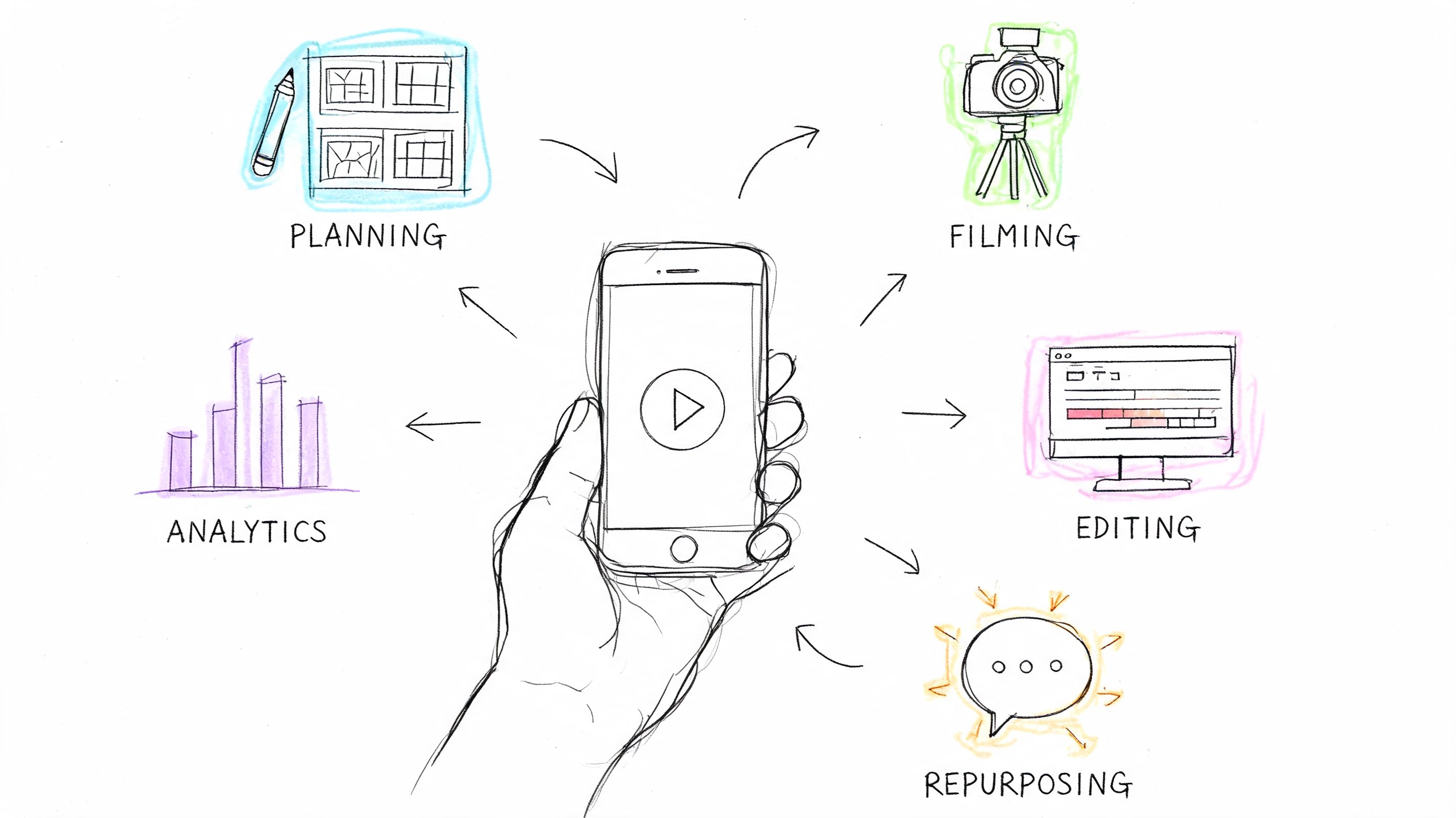
Whether you're a student transcribing lectures, a podcaster creating show notes, or a marketer repurposing webinar content, the goal is always the same: get accurate text quickly and affordably. To see for yourself how simple the process is, check out our guide on how to use Whisper AI. It walks you through turning any audio or video into valuable, ready-to-use content.
A Few Common Questions About Transcription Costs
When you're trying to figure out transcription, a lot of questions pop up, especially around the financial side of things. Let's tackle some of the most common ones to help you get a clearer picture of the market and make the best choice for your budget.
What’s a Reasonable Price for Transcription?
What you'll find "reasonable" really depends on what you actually need. The transcription world is basically split into two camps, and their pricing standards are worlds apart.
For AI-powered transcription, you should expect to pay somewhere between $0.10 and $0.25 per audio minute. This is a fantastic price point for jobs where you need a transcript fast and are okay with 95-99% accuracy—think first drafts of content or notes from an internal meeting.
On the other hand, for human transcription, a fair price starts at around $1.50 per minute and can climb to $2.50 or more. You're paying a premium for that near-perfect accuracy that’s absolutely critical for things like legal proceedings, medical charts, or broadcast-ready subtitles. In those cases, there's just no room for error.
So, to put it simply: paying less than a quarter a minute is a great deal for an automated service. Paying over a dollar a minute is the standard investment for getting a professional, human-vetted transcript.
If you see prices wildly outside of these ranges, it’s a good idea to dig a little deeper into what you’re getting in terms of quality, extra features, and data security.
How Can I Lower My Transcription Costs?
Controlling your transcription bill is easier than you might think. The best part? The most effective steps happen before you even hit "upload." A little preparation can make a massive difference in the final cost, particularly with human services that charge extra for difficult audio.
Here are a few practical tips to keep your costs in check:
- Clean Up Your Audio: This is, without a doubt, the best way to save money. Find a quiet spot to record, use a decent external microphone (not the one built into your laptop), and do your best to minimize background noise. Clean audio is simply faster and cheaper for anyone—or any AI—to transcribe.
- Encourage Clear Speaking: If you're recording an interview or a meeting, just ask everyone to speak clearly and avoid talking over each other. Cross-talk is a major headache that increases the time and cost of transcription.
- Pick the Right Service Level: Don't pay for a strict verbatim transcript that includes every "um" and "ah" if a clean, easy-to-read version will do the job. Be selective with add-ons—only pay for what you genuinely need.
- Use AI for the First Pass: For many projects, this is the ultimate cost-saving hack. Run your audio through an affordable AI service to get a solid draft, then have a person spend a few minutes proofreading it. This workflow is almost always cheaper than hiring someone to transcribe the entire file from scratch.
Is AI Transcription Accurate Enough for Professional Needs?
Absolutely. For a huge number of professional jobs, AI transcription is more than good enough. With accuracy now consistently hitting over 98% for clear audio, modern AI is a reliable and incredibly efficient tool for businesses and content creators.
But let's be realistic—"professional needs" isn't a one-size-fits-all term. The real trick is matching the right tool to the right task.
AI is a perfect fit for things like:
- Content Creation: Turning podcasts or videos into blog posts, show notes, and social media updates.
- Internal Business Use: Creating searchable records of team meetings, brainstorms, and training sessions.
- Qualitative Research: Turning hours of interview recordings into text you can actually analyze and search through.
Now, for those high-stakes situations where one tiny mistake could have serious legal, medical, or financial consequences? That's when you still need the meticulous precision of a human transcriber. For court depositions, patient records, or a film script, that investment in 99.9%+ accuracy from a human expert is non-negotiable.
Ready to get fast, accurate, and affordable transcripts without the hidden fees? Whisper AI uses advanced AI to deliver professional-grade results at a fraction of the cost, with speaker detection and summaries included standard. Start transcribing for free today.