Master Teams Meeting Transcription in 2026
You finish a Teams meeting, close the window, and realize the actual work hasn't started. Someone promised a revised proposal. Someone else agreed to chase approvals. A deadline changed. Two decisions were made, but half the room heard them differently.
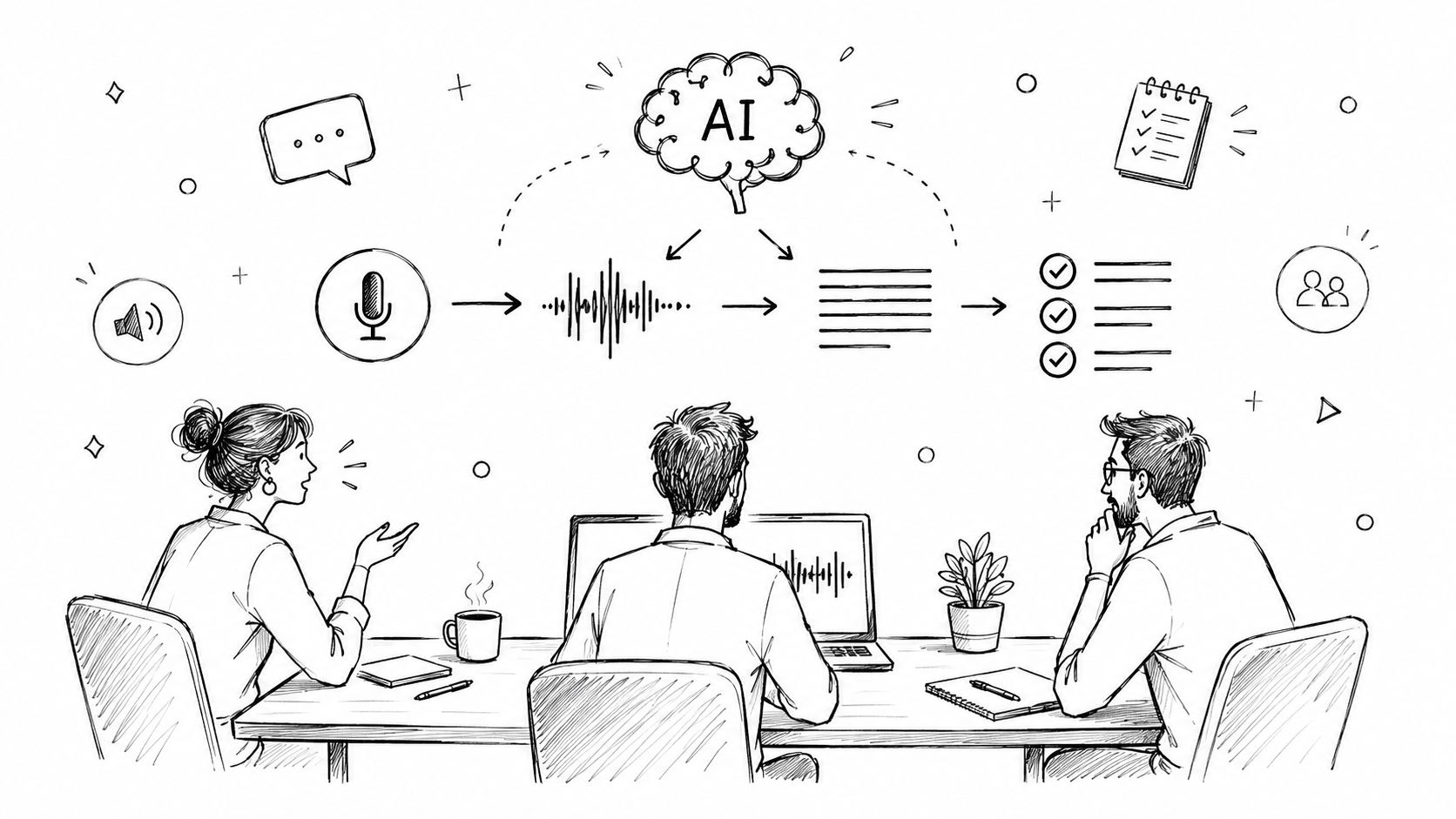
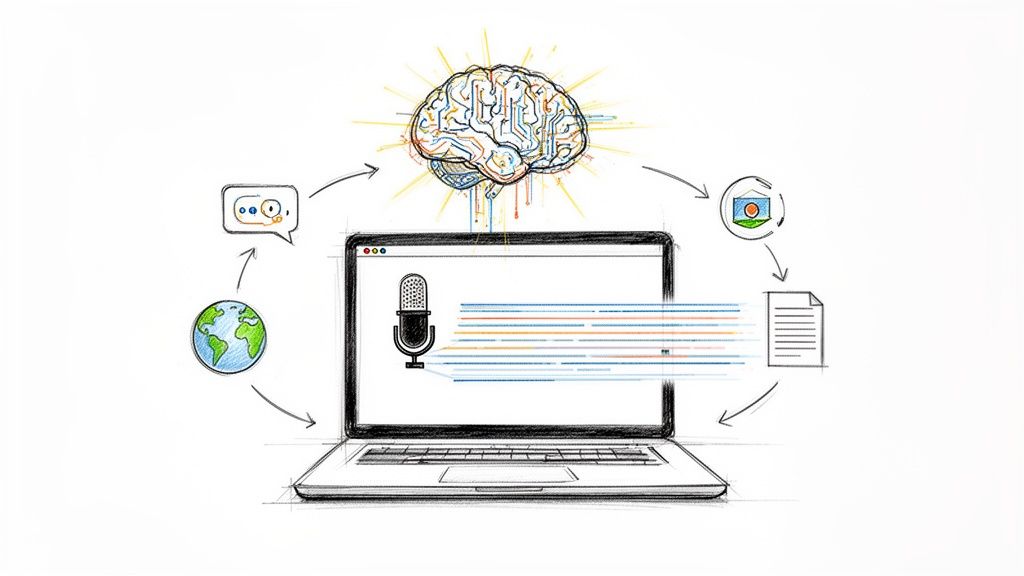
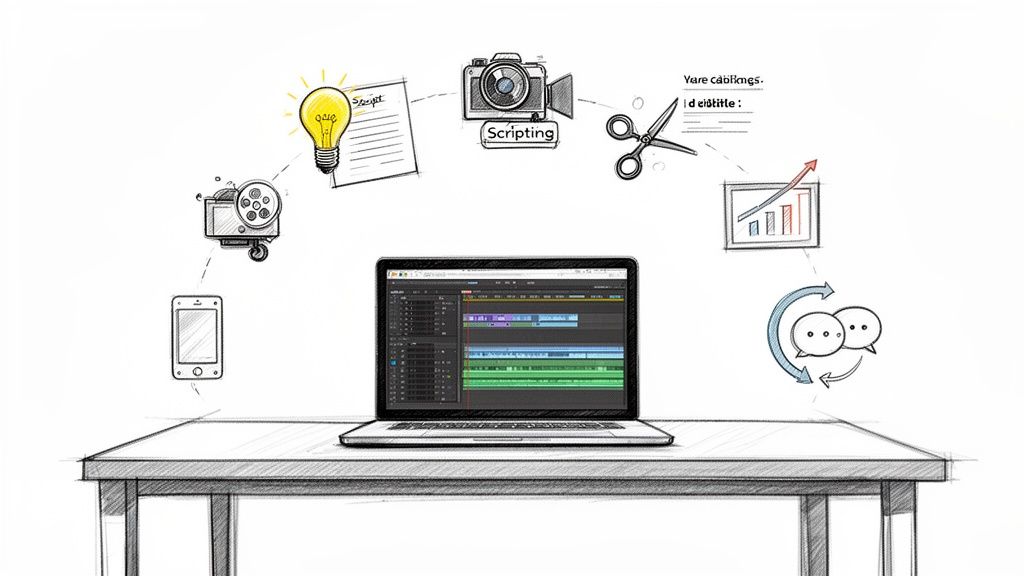
That's where teams meeting transcription stops being a convenience and starts becoming basic operating infrastructure. If your team runs on remote calls, hybrid project reviews, client check-ins, hiring interviews, or recurring standups, a usable transcript gives you a searchable record of what was said. It turns memory into documentation.
I've seen the same pattern across operations teams, content teams, and internal project groups. Native Microsoft Teams transcription is often enough to get started. But once meetings become multilingual, compliance-sensitive, or part of a content workflow, the limits show up fast. The practical question isn't whether to transcribe meetings. It's whether the built-in option is good enough for your real workflow.
Why Accurate Transcripts Are a Game-Changer
A lot of meeting problems aren't meeting problems. They're memory problems.
A project lead leaves a call thinking the launch date is fixed. A marketer remembers a different deliverable owner. A manager writes follow-up notes from memory and misses the caveat that changed the whole decision. None of this feels dramatic in the moment, but it creates rework, repeated discussion, and avoidable friction.

What transcription fixes in real teams
A reliable transcript gives teams three things most meeting cultures lack:
- A shared source of truth so people can verify wording instead of debating what they remember
- Searchability so someone can jump straight to the pricing discussion, hiring criteria, or compliance note
- Continuity so absent participants can catch up without asking others to summarize everything again
That's why automated transcription has moved from niche feature to standard workflow. The AI meeting transcription market is projected to expand from $3.86 billion in 2024 to $29.45 billion by 2034, and the same analysis reports that 62% of professionals save over four hours weekly using automated transcription, contributing to a 30% rise in meeting productivity according to meeting transcription adoption data from Sonix.
Those numbers line up with what teams experience day to day. The benefit isn't abstract. It shows up when a product manager searches for a decision from last Thursday instead of scheduling another “quick sync” to reconstruct it.
Why accuracy matters more than availability
A transcript that exists but can't be trusted only solves half the problem. If names are wrong, speakers are mixed up, or technical terms are mangled, the transcript becomes a draft that still needs human judgment before anyone should act on it.
Practical rule: A transcript is valuable when your team can use it to make decisions without replaying the entire meeting.
That's the standard I use when evaluating any transcription setup. If the transcript helps people confirm action items, onboard someone who missed the call, or pull exact language for a follow-up email, it's doing real work. If it mostly creates cleanup tasks, the workflow needs adjustment.
Using Native Microsoft Teams Transcription
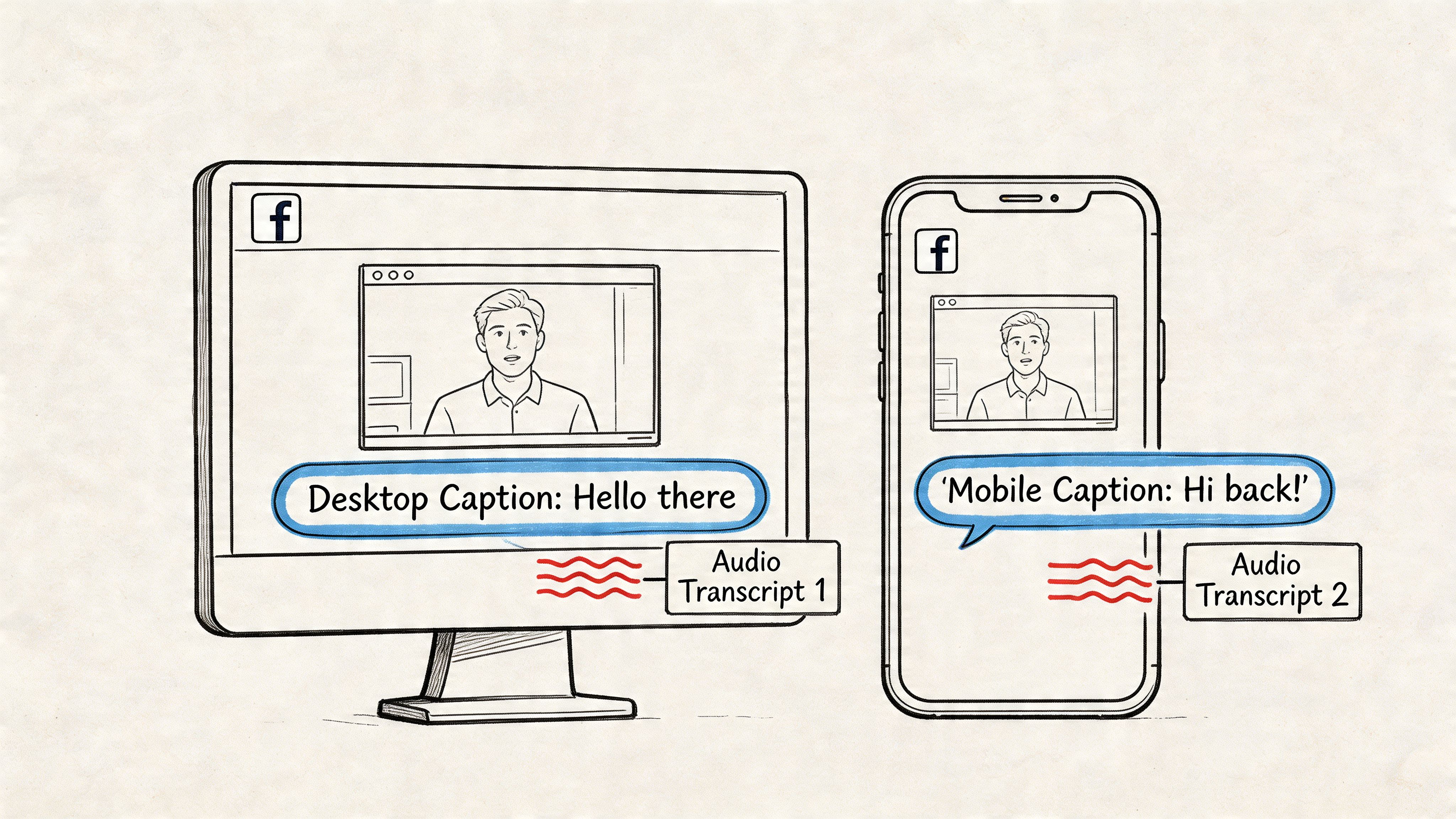
Microsoft Teams has matured into a solid built-in option for many organizations. By 2025, Teams transcription included real-time transcription, post-meeting access with timestamps, and speaker ID, with 85% of users benefiting from these features. A major operational milestone was the mid-2024 rollout of standardized transcript storage inside the user's Microsoft 365 tenant, which improved consistency and security according to this Microsoft Teams transcription guide.
Start with permissions, not buttons
Most transcription problems in Teams start before the meeting begins. Users assume the feature is missing, when the actual issue is policy configuration.
For native transcription to work, both the organizer settings and the user policy settings need to allow it in the Teams admin environment. If you manage a smaller organization and need broader Microsoft setup context, this CloudOrbis guide for SMBs is a useful reference for how smaller teams typically structure their Microsoft environment before layering in meeting features.
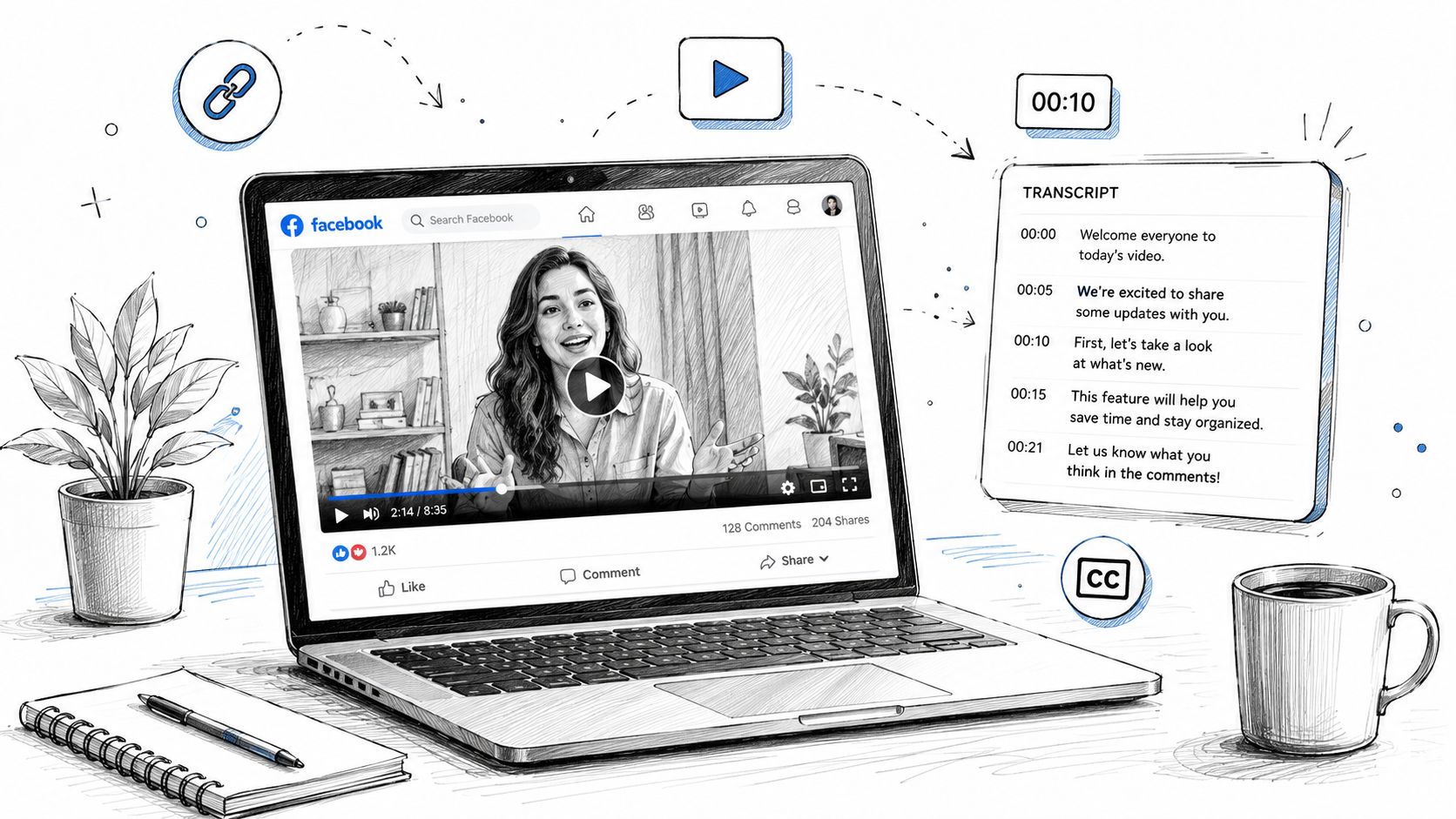
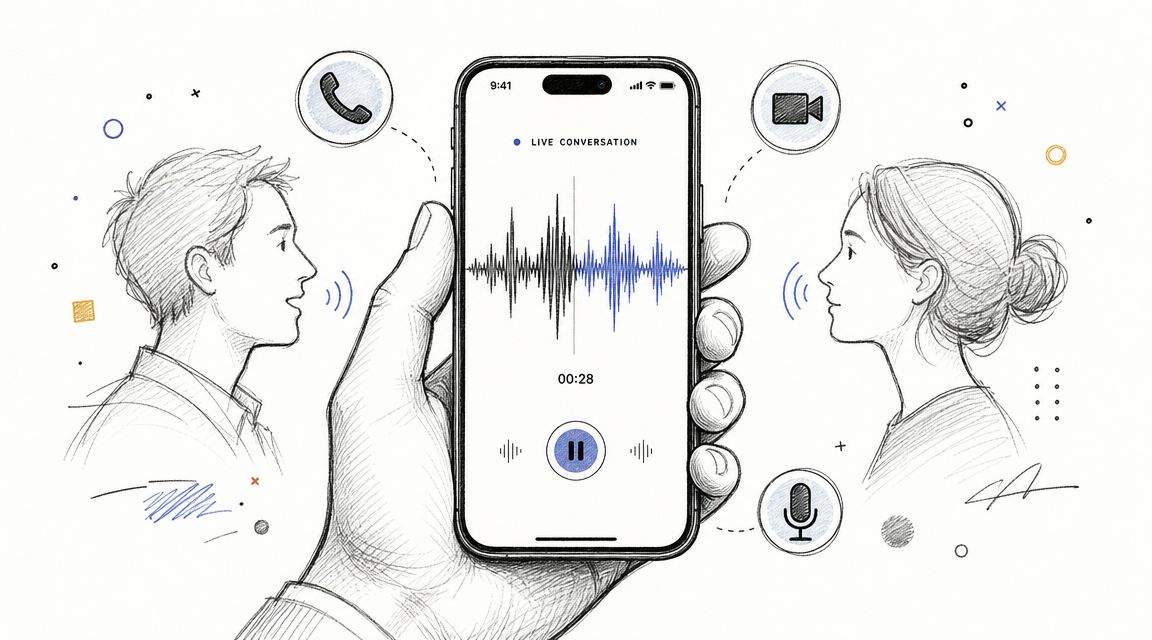
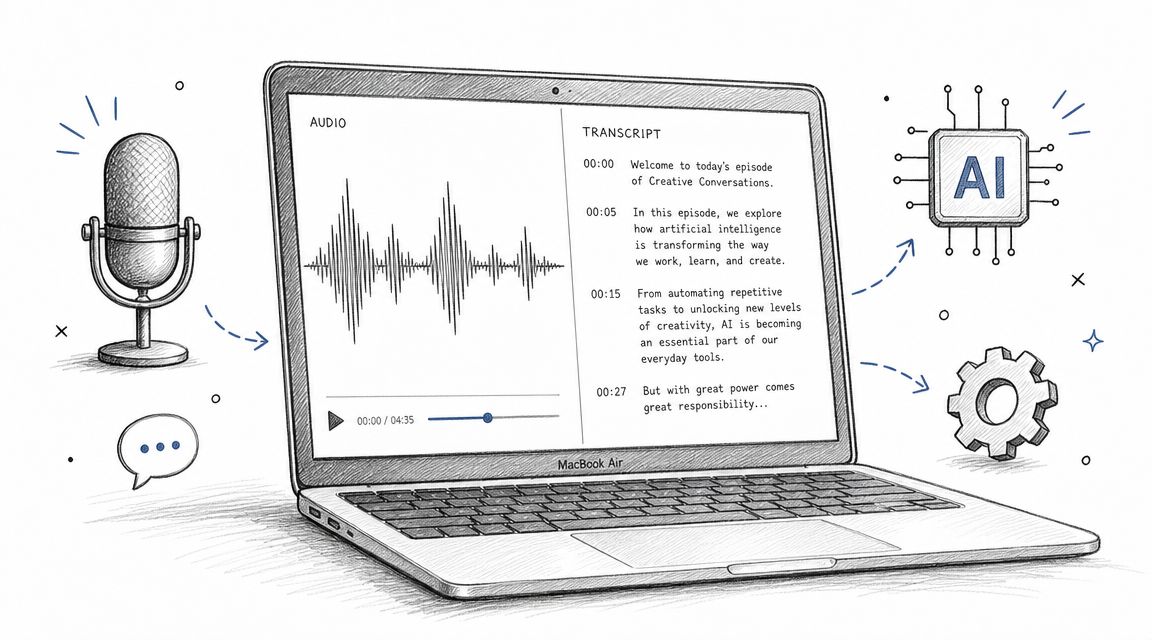
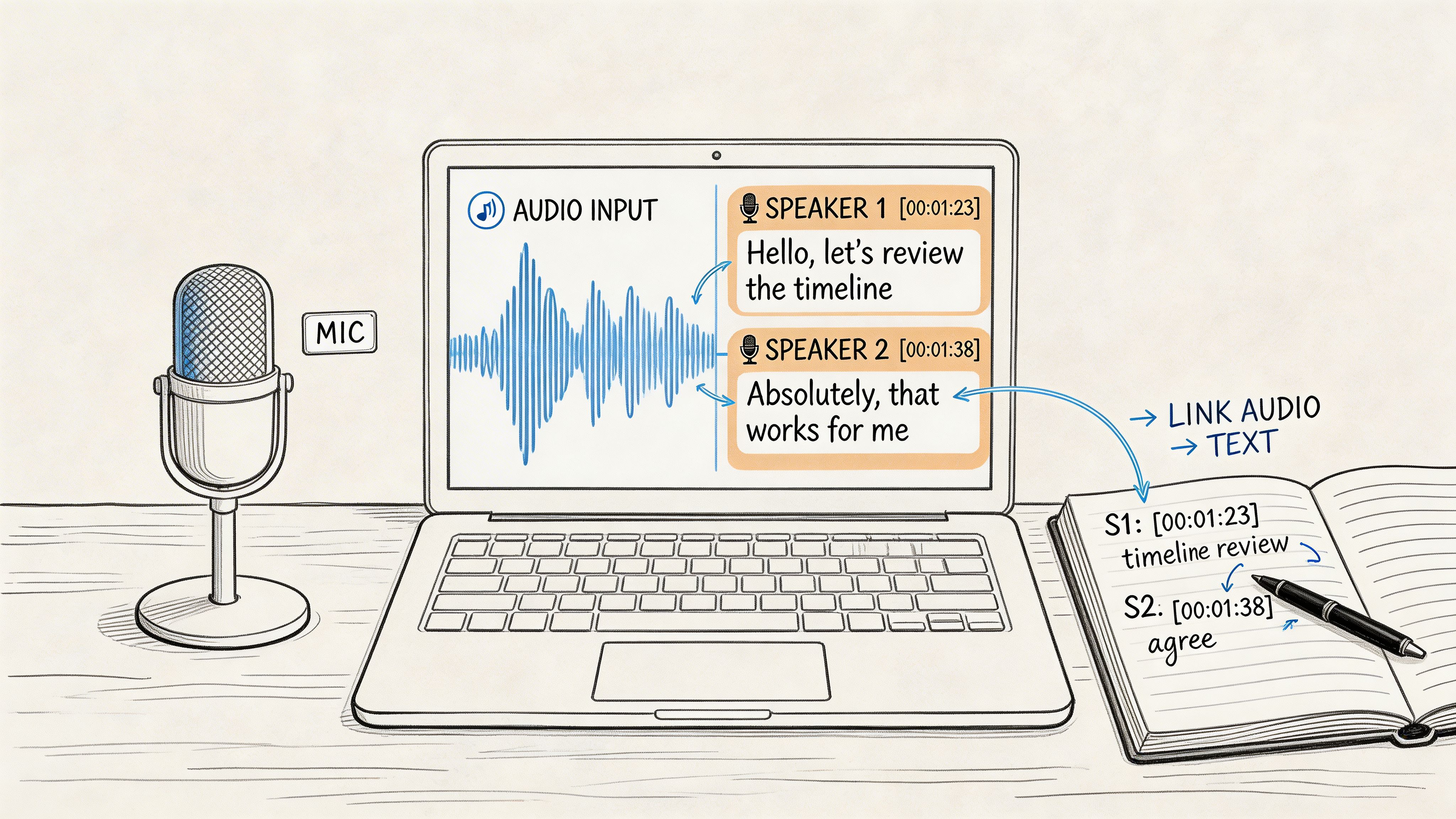
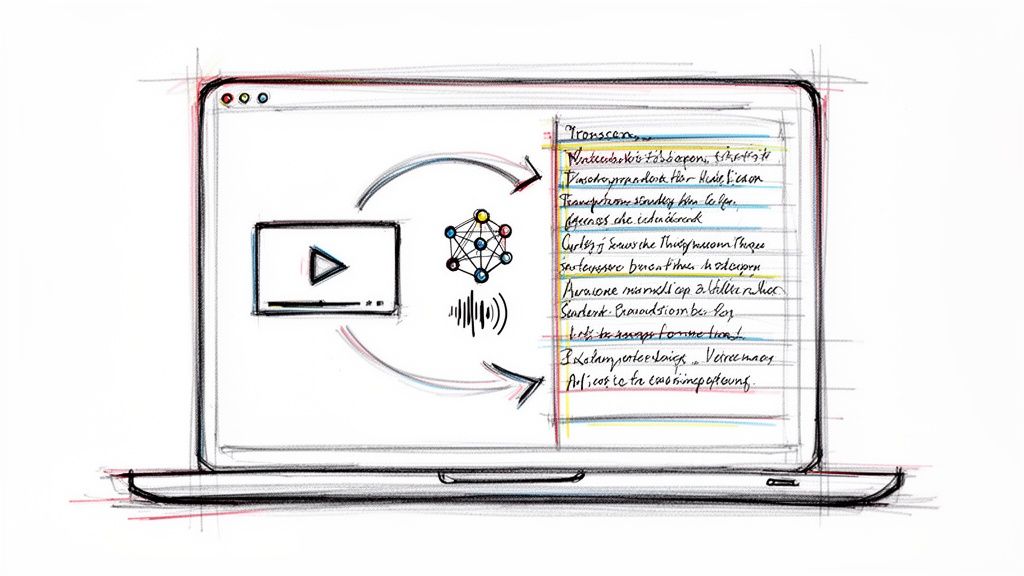
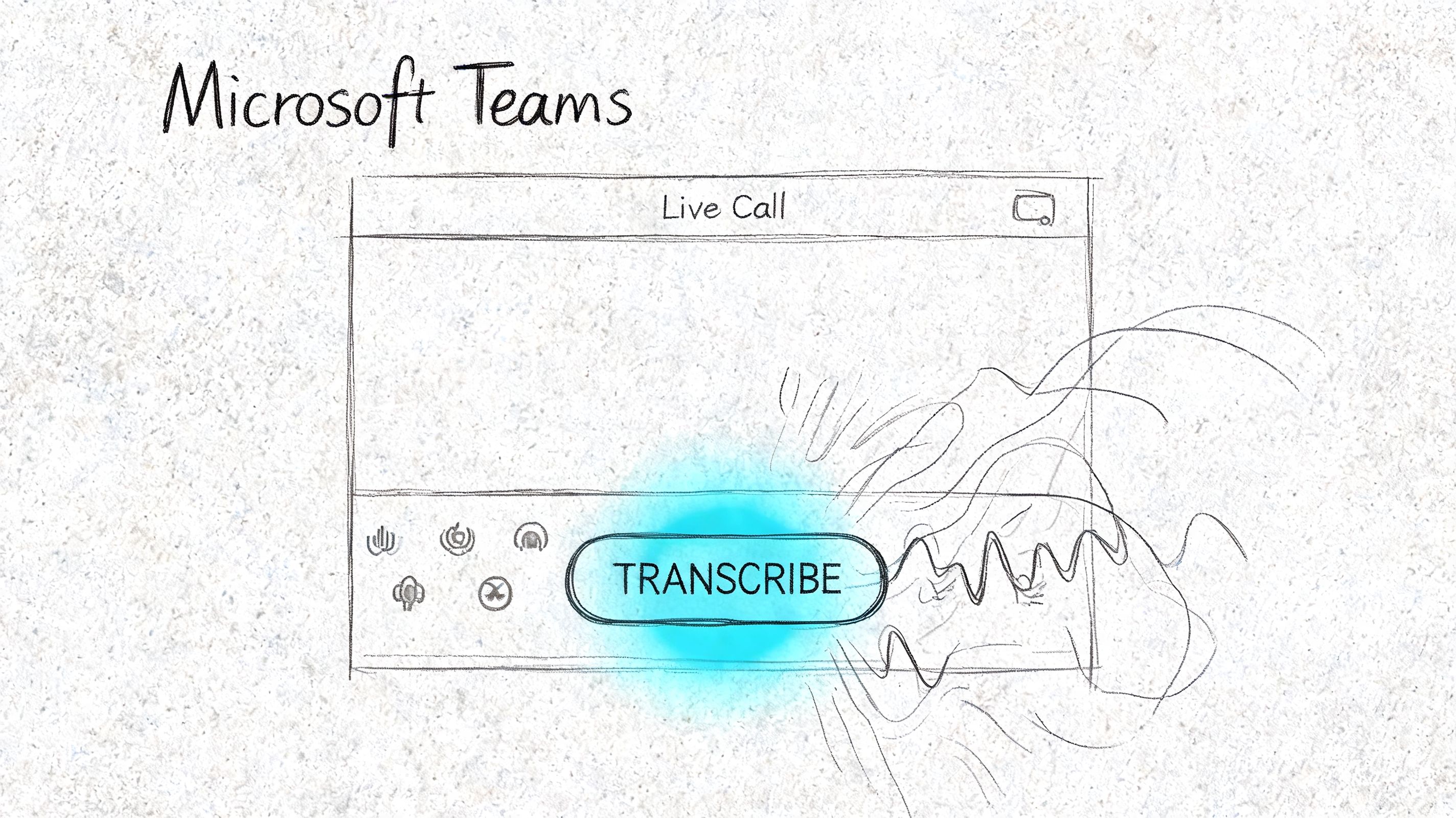
Once policy is in place, the meeting organizer or participant with access can start live transcription from the meeting controls. Teams then generates a written version of the conversation in near real time. After the meeting, the transcript is typically available alongside the recording and recap materials, with timestamps and speaker attribution.
What users should expect during the meeting
The native experience is straightforward when the meeting is well run. Someone starts transcription. Participants speak. Teams displays live text and identifies speakers as it can. Afterward, the transcript becomes searchable and reviewable.
That simplicity is the main reason Teams works well for internal business meetings. You don't need to move files around, train users on a separate platform, or create a separate capture process.
If you're also dealing with recording permissions and ownership questions, this guide on whether you can record a Teams meeting helps clarify the surrounding workflow that often affects transcription access too.
A quick visual walkthrough helps if you're training staff or documenting the process internally:
Where native Teams transcription works best
Teams' built-in transcription is a good fit when your meetings are mostly:
- Internal and recurring. Team syncs, project reviews, one-on-ones, and status meetings
- Microsoft-centered. Your files, chat, recording access, and permissions already live in Microsoft 365
- Documentation-first. You mainly need searchable records, not heavy editing or content repurposing
Native Teams transcription works best when the meeting itself is structured. Clear agenda, controlled turn-taking, and stable audio give the built-in tool the best chance to produce something useful.
Where people get disappointed is expecting a general meeting utility to behave like a specialized transcript production system. Teams is convenient. It's not automatically optimized for every workflow.
Best Practices for High-Quality Teams Transcripts
Starting transcription is easy. Producing a transcript people trust takes more discipline.
The biggest mistake teams make is treating transcript quality as a software setting. It's usually an audio and meeting design problem. The tool can only work with what it hears.
Control the room before anyone speaks
If you want better results from native Teams transcription, fix the inputs first.
The fastest way to improve transcript quality is to improve microphone quality and reduce competing voices. Better audio beats post-meeting cleanup every time.
That doesn't always require new hardware. In many offices, moving a sensitive conversation out of an open floorplan helps more than buying another accessory. For teams that regularly run calls in noisy environments, a setup like office privacy booths can make a meaningful difference because it reduces the constant spill of surrounding speech that confuses speaker attribution.
Other pre-meeting habits matter just as much:
- Set the meeting language correctly before the call starts, especially when technical vocabulary or multilingual speakers are involved
- Test microphones early instead of discovering clipping, echo, or laptop fan noise after the first ten minutes
- Brief participants on names and terms if the meeting includes product names, client names, acronyms, or niche terminology
Run the meeting for transcription, not just attendance
A good transcript usually comes from a well-moderated meeting.
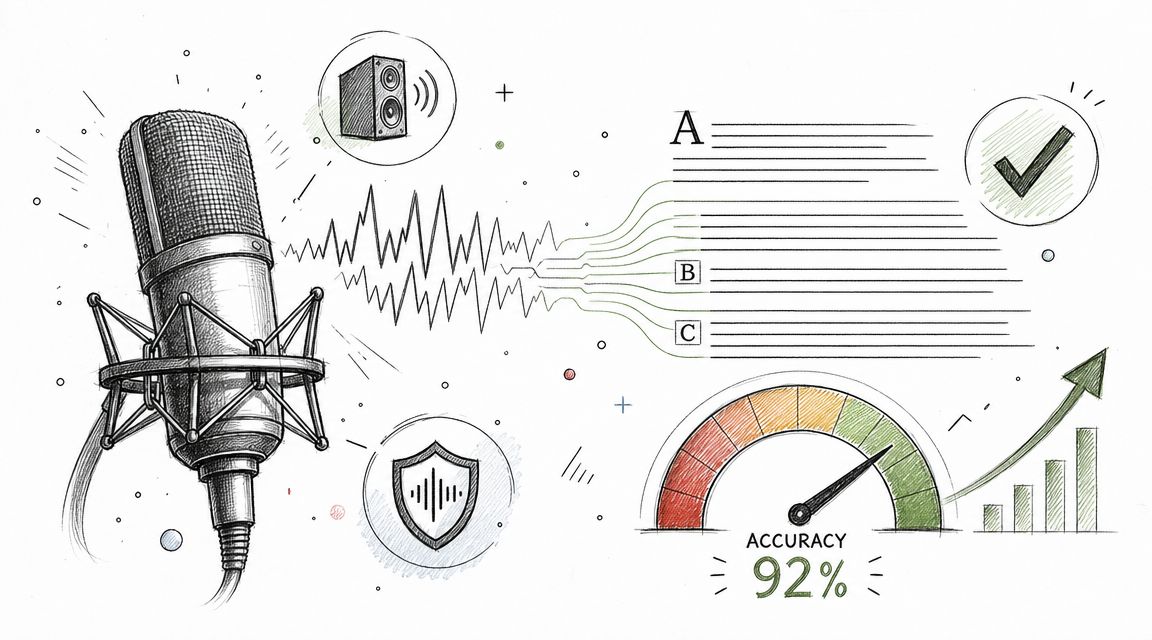
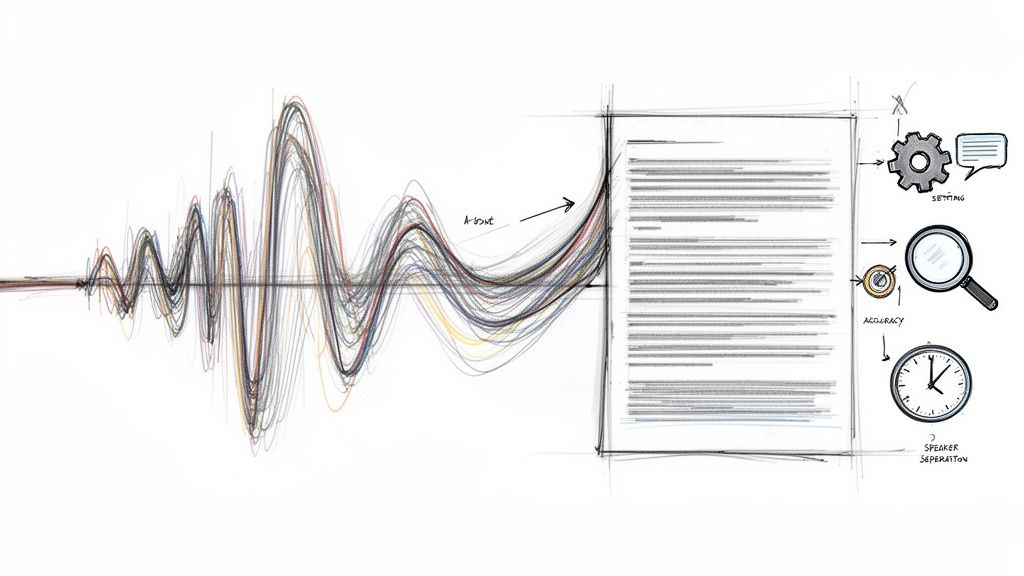
Real-world benchmarks show that Teams transcription can range from 99% in ideal conditions down to 70% to 85% in noisy, multi-speaker situations. The same benchmark notes that strong accents can decrease accuracy by up to 40%, and background noise can cause over 30% of errors in speaker attribution, which is why manual review still matters according to this Teams transcription accuracy analysis.
That gap is large enough to change how I advise teams to run important calls.
Habits that consistently improve output
A few practices make a noticeable difference:
- Use turn-taking prompts. The meeting lead should interrupt cross-talk early and ask people to speak one at a time.
- Name the speaker before key responses. In hybrid meetings, this helps humans and transcripts. “Priya, go ahead” creates cleaner context than overlapping starts.
- Assign a transcript owner. One person should watch for obvious errors, note unclear moments, and clean up names after the meeting.
- Pause after dense technical points. Fast explanations full of jargon often produce the worst transcription errors.
- Review quickly after the call. Corrections are easier when the discussion is still fresh.
Where Teams struggles most
Native transcription tends to degrade when meetings include:
| Scenario | Common outcome in Teams |
|---|---|
| Hybrid meetings with room audio | Muddier speaker attribution |
| Fast back-and-forth discussion | Fragmented or merged sentences |
| Heavy jargon or product terminology | Misrecognized terms |
| Multilingual participation | More frequent accuracy drops |
| Open office background noise | More cleanup after the meeting |
If the transcript is going to support legal review, HR documentation, research notes, or client-facing output, don't assume “transcribed” means “ready.”
When to Use a Third-Party Transcription Service
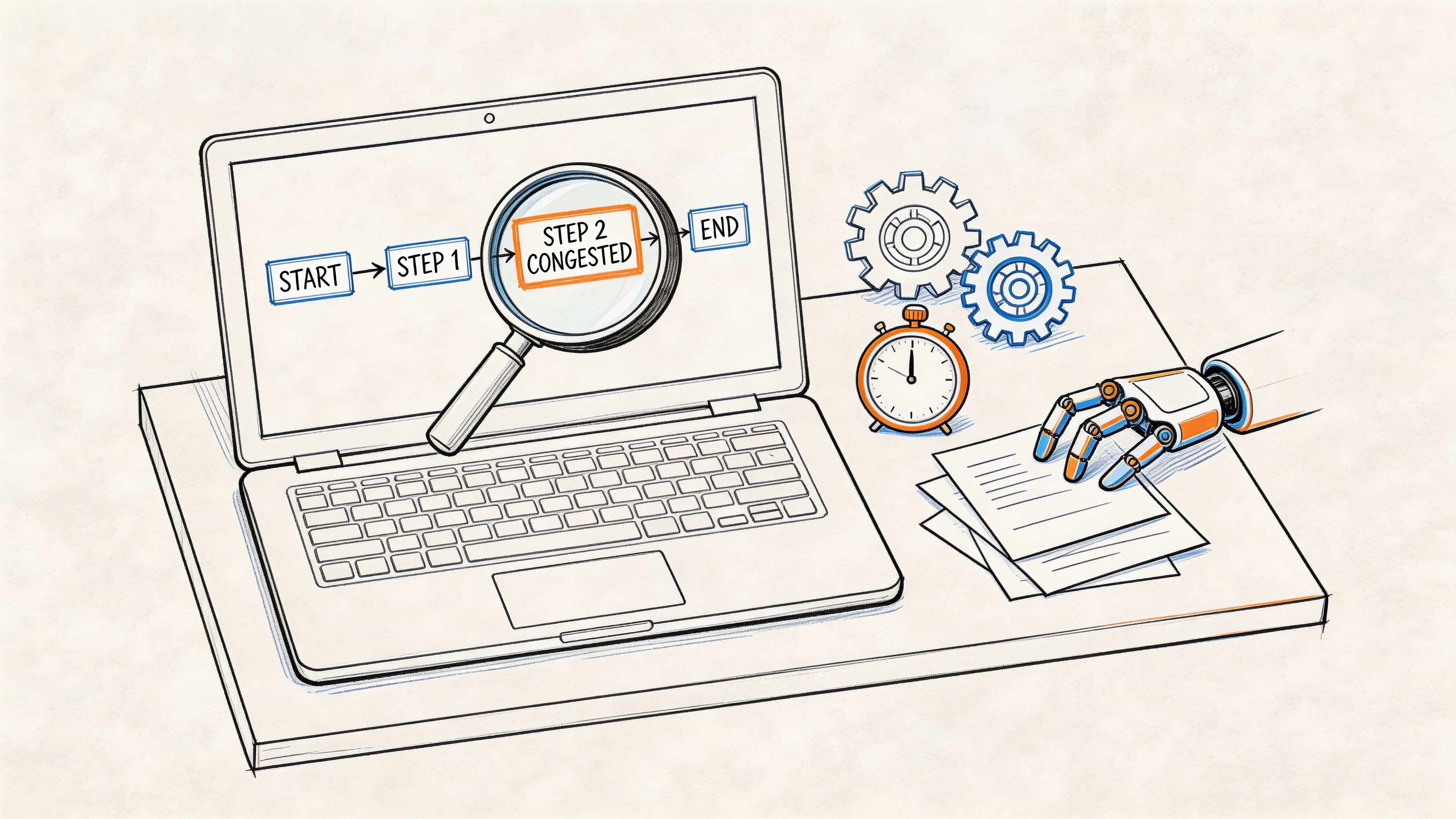
There's a point where native Teams transcription stops being efficient. Not because it fails completely, but because the cleanup, verification, and export work become the bottleneck.
That point often arrives sooner than expected.
Signals that the built-in workflow is no longer enough
A specialized transcription service makes sense when the meeting output needs to do more than sit inside Teams chat. I usually recommend looking beyond the native option when your transcript needs to be auditable, reusable, or publishable.
Here are the clearest triggers:
- Regulated or sensitive conversations where speaker attribution errors create compliance or accountability risk
- Multilingual meetings where a single-language setup won't hold up across speakers and terminology
- Long-form content workflows such as interviews, webinars, podcasts, or research sessions
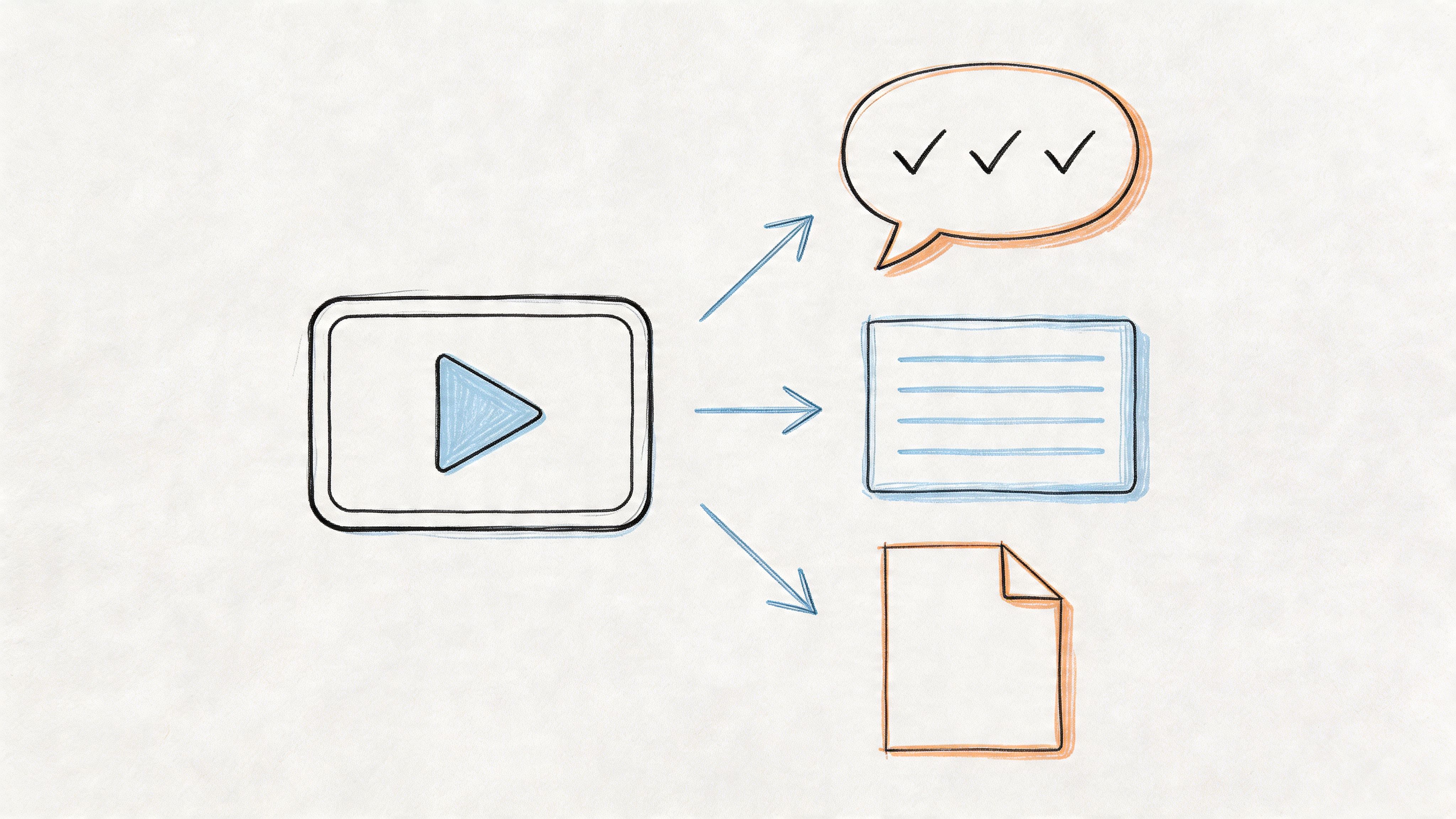
- Content repurposing needs when the transcript must become notes, summaries, articles, clips, or captions
- High-stakes people processes like hiring interviews, investigations, or formal reviews where wording matters
A major issue is that the majority of Teams documentation doesn't say much about failure handling. For multilingual organizations and regulated teams, inaccurate attribution or missed context can affect accountability and compliance, while Teams provides limited guidance on recovery protocols according to this analysis of transcription failure gaps.
The hidden cost is usually post-meeting labor
Teams often looks cheaper because it's already in the stack. But the practical cost shows up later.
Someone has to export the transcript. Someone has to correct names. Someone has to pull out action items. Someone has to reshape a raw meeting log into something the rest of the business can use.
If your team spends more time cleaning transcripts than using them, you've already outgrown the default workflow.
That's especially true for content marketers, researchers, producers, and anyone who treats spoken material as source content rather than internal documentation.
Use native Teams and specialized tools differently
This doesn't have to be an all-or-nothing decision. In many organizations, the smartest setup is split by use case.
Use Teams native transcription for lightweight internal calls where convenience matters most. Use a dedicated transcription service for meetings and recordings where accuracy, editing, export flexibility, or downstream publishing are part of the job.
That split keeps the workflow simple for routine meetings while protecting quality where the requirements are more demanding.
Supercharge Your Workflow with Whisper AI
The strongest argument for a dedicated transcription platform isn't just accuracy. It's workflow control after the transcript exists.
One of the biggest operational frictions with Teams is post-processing. Teams transcripts are often siloed in chat, light on advanced editing controls, and usually need manual restructuring before they become something useful for marketers, researchers, or content teams, as described in this discussion of Teams transcript workflow friction.

Native convenience versus production workflow
Teams is built to support meetings inside Microsoft's environment. That's useful when your goal is recall and collaboration. A specialized platform is better when your goal is to transform spoken material into structured outputs.
That difference becomes obvious in day-to-day work:
- A manager wants quick searchable notes from an internal sync. Teams handles that well.
- A podcaster needs a transcript cleaned up, summarized, and exported for editing. Teams becomes clumsy.
- A researcher needs to extract quotations, verify speakers, and move content into a report. Native chat storage becomes limiting.
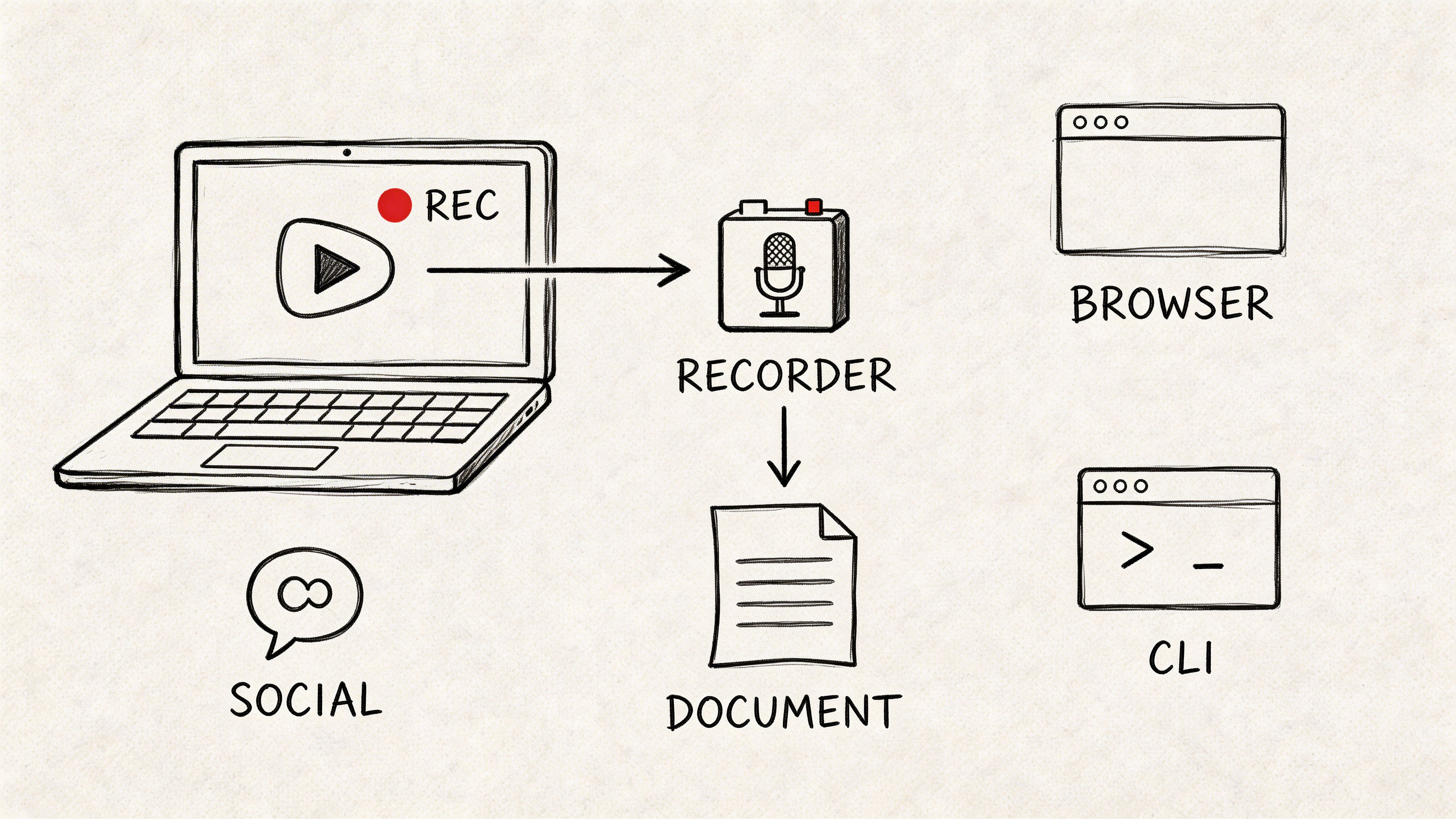
For people working across video, audio, interviews, and meetings, dedicated tools are designed around those outcomes rather than around the meeting interface itself. If you want a deeper walkthrough of platform-specific workflow, this guide on how to use Whisper AI is a helpful starting point.
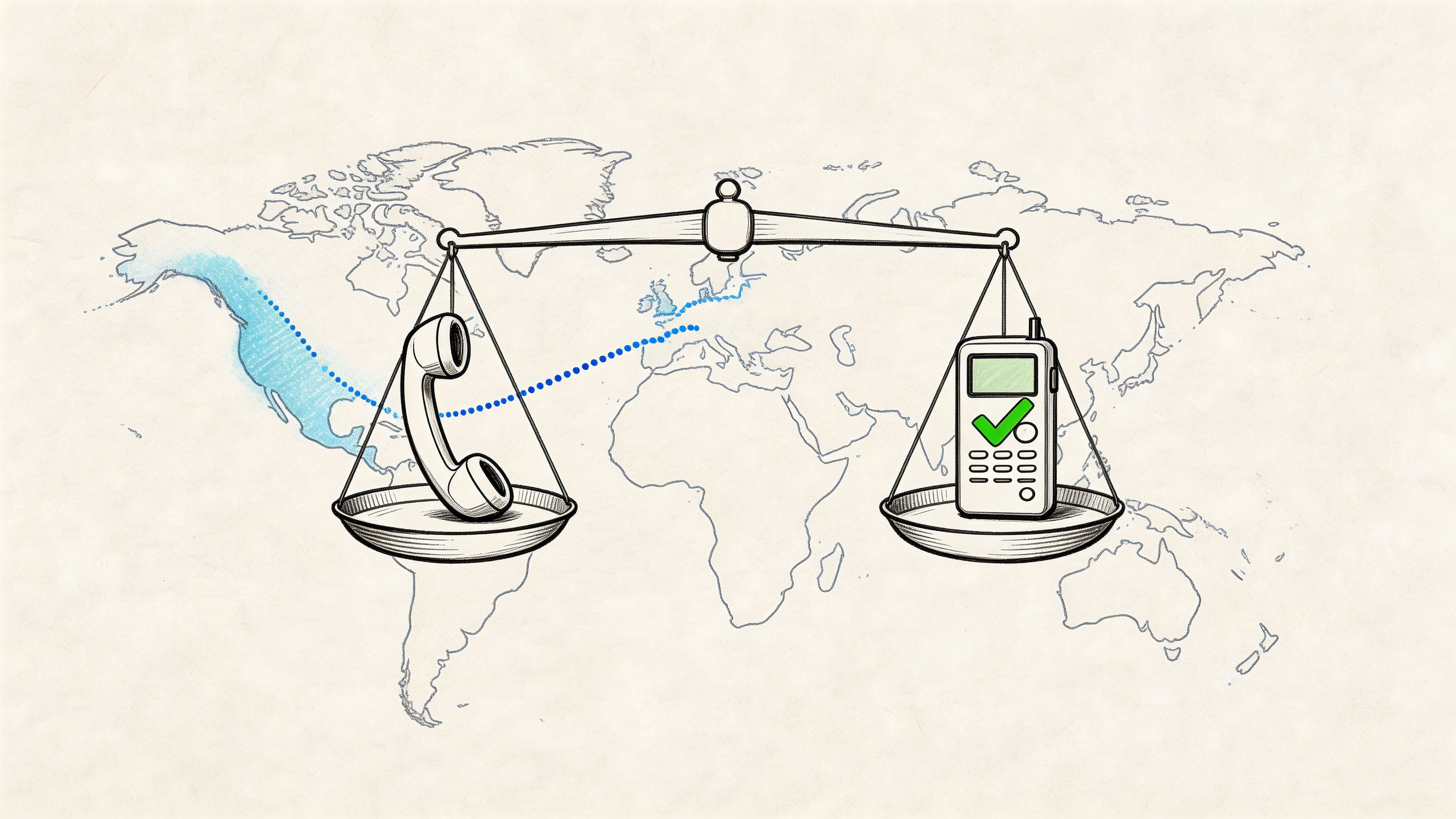
Teams Native Transcription vs. Whisper AI
| Feature | Microsoft Teams (Native) | Whisper AI |
|---|---|---|
| Primary use case | Internal meeting documentation | Transcription plus summarization and repurposing |
| Live meeting support | Yes | Can support broader audio and video workflows |
| Speaker identification | Available, but can degrade in noisy or hybrid scenarios | Built for stronger speaker detection across varied content |
| Language handling | Useful inside Teams workflows, with Premium options for translation | Supports 92+ languages |
| Editing workflow | Basic review and export | More purpose-built for cleanup, reuse, and structured outputs |
| Export options | More limited and often manual | Exports to Google Docs, Word, PDF, TXT, and Markdown |
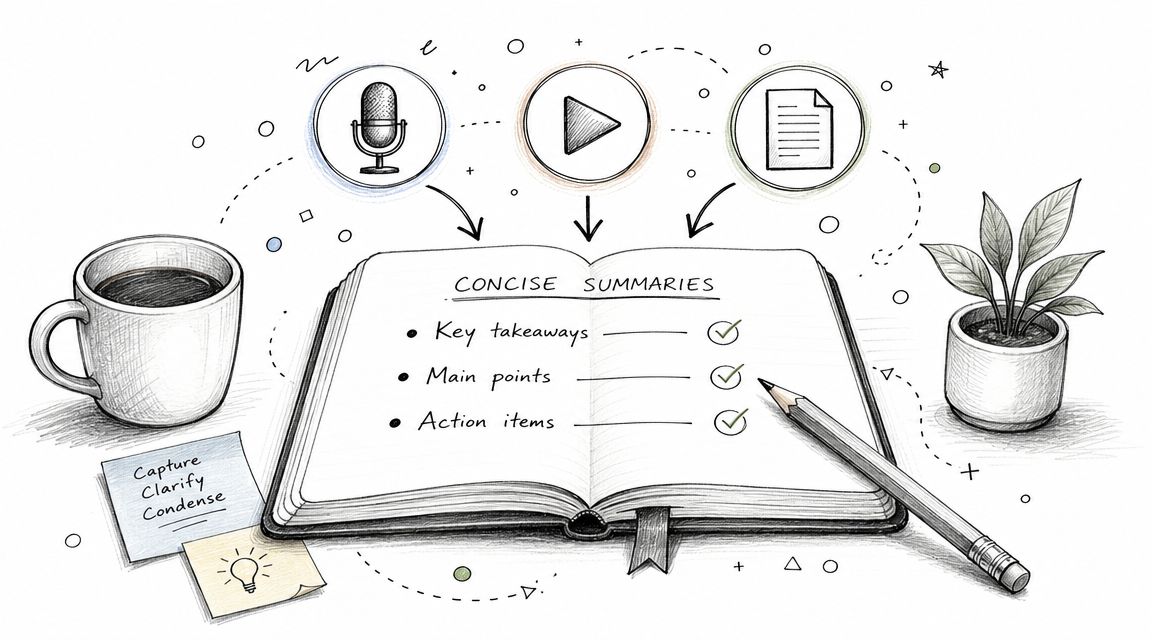
| Content repurposing | Requires more manual work | Better suited for summaries, highlights, and action items |
| Best fit | Standard business meetings | Creators, researchers, journalists, and teams with advanced transcription needs |
Who benefits most from the upgrade
Dedicated transcription platforms are a better fit when your transcript is the start of the work, not the end of it.
That includes:
- Content teams turning meeting or interview audio into articles, clips, show notes, or scripts
- Researchers and journalists who need search, cleanup, and quote extraction
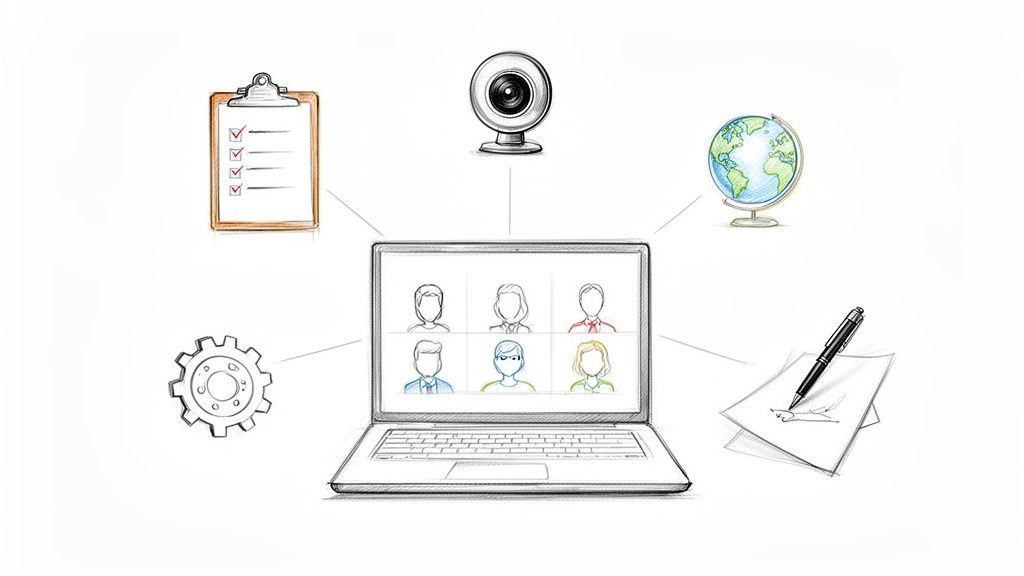
- Distributed teams handling multiple languages or inconsistent audio environments
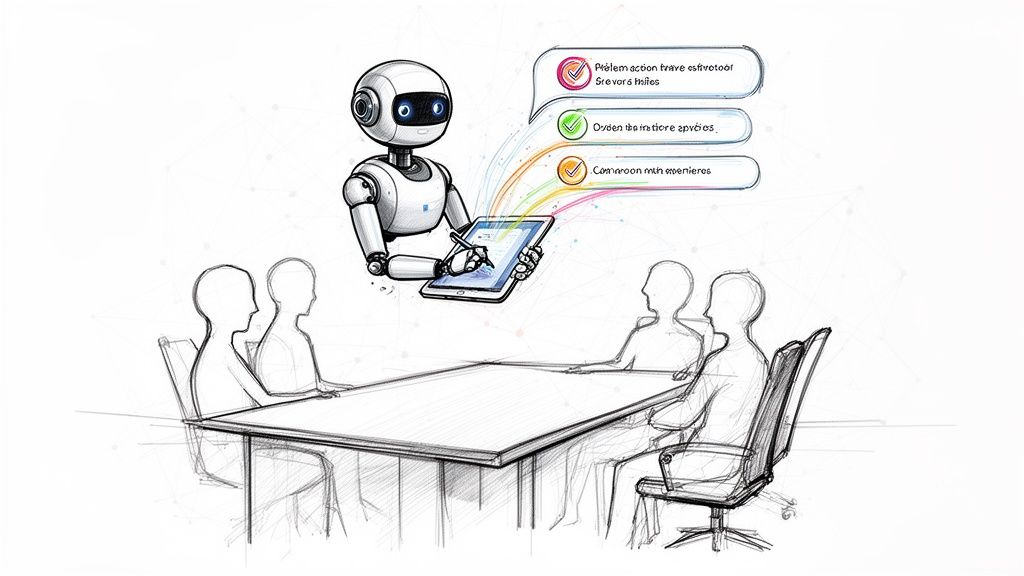
- Operations leaders who want transcripts connected to action items and summaries, not buried in chat
Teams remains a practical default. But once transcription becomes part of production, analysis, or publishing, a specialized workflow usually saves more time than it adds.
Managing and Exporting Your Transcripts for Action
A transcript only helps if someone turns it into decisions, tasks, and records people can reuse.
The strongest teams don't stop at “meeting captured.” They review the transcript, correct the obvious errors, pull out commitments, and store the output somewhere people can find later.

Clean the transcript while context is fresh
The best time to review a transcript is shortly after the meeting. People still remember who said what, where the terminology got messy, and which moments matter.
Focus your review on:
- Speaker labels for key decisions and commitments
- Names and technical terms that often get mistranscribed
- Action items that need to move into your task system
- Sensitive passages that may require tighter access or redaction
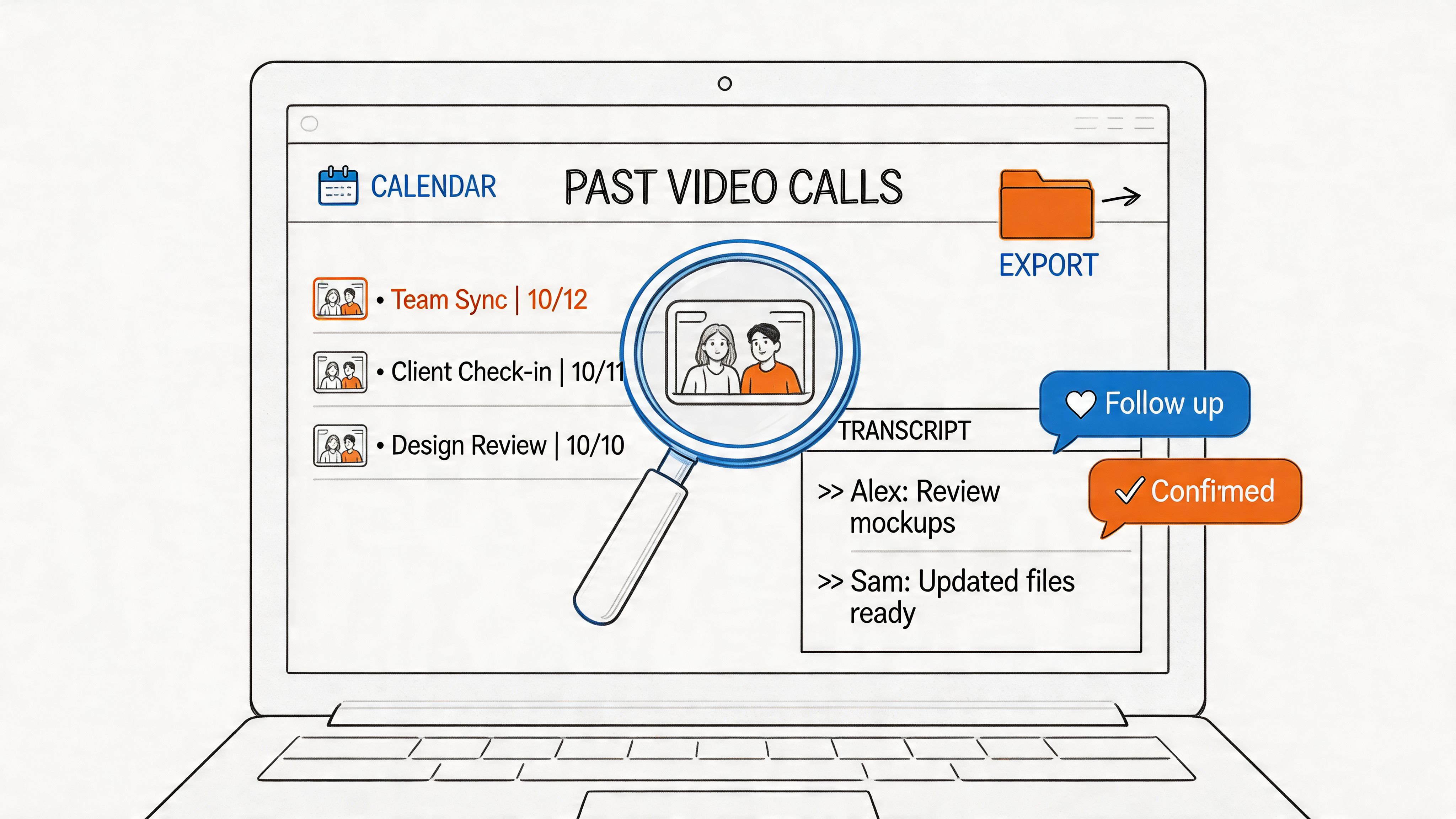
This is also where search becomes useful. Instead of replaying the whole meeting, search for words like “deadline,” “approved,” “budget,” or a customer name and jump directly to the relevant sections.
Export for the next workflow, not for storage
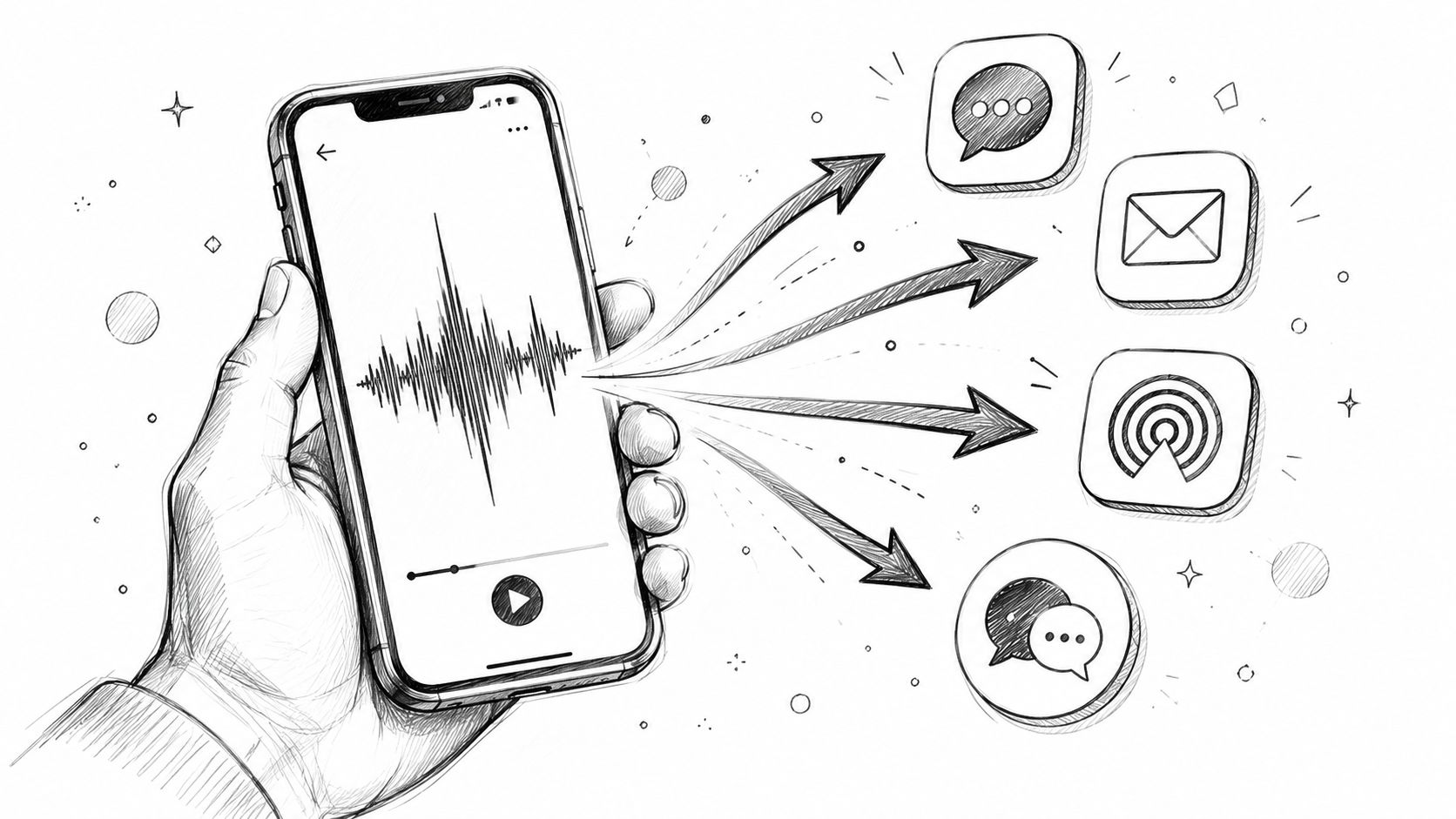
Different teams need different output formats. A project team may want notes in a shared doc. A video team may want plain text for editing. A researcher may need a cleaner transcript format before coding interviews or quoting material.
If you ever need to strip subtitle-style formatting out of exports, a practical utility like this subtitle format conversion tool can save time when moving transcript files into a cleaner text workflow.
Access management matters too. In Teams, transcript visibility follows meeting permissions and the Microsoft 365 environment. In dedicated transcription platforms, teams should still define who can access uploads, who can export, and how long files are retained.
Treat transcripts like working records, not casual notes. If they contain hiring discussions, client details, or internal strategy, access should be deliberate.
Build a repeatable post-meeting process
A simple operating rhythm works better than an elaborate one:
- Review the transcript
- Correct critical errors
- Extract tasks and decisions
- Store the final version in the right place
- Share only with the people who need it
If your organization loses track of recordings and recaps, it also helps to standardize where users retrieve files. This guide on how to find Teams recordings is useful for cleaning up that part of the workflow.
The more repeatable your post-meeting process becomes, the more value you get from teams meeting transcription. The transcript stops being passive documentation and becomes an asset your team can act on.
If you need more than basic meeting capture, Whisper AI is worth a look. It's built for teams and creators who want accurate transcripts, searchable summaries, speaker detection, and exports that fit real workflows instead of forcing everything to stay inside one meeting platform.