7 Examples of Bylines: A Guide for Writers in 2026
What does your byline say about you if a reader only glances at it for a second? That's the gap most advice misses. A byline isn't just a name stamped onto a post. It's a credibility cue, a context cue, and sometimes your only chance to tell readers why they should trust the person behind the piece.
That matters more than many publishers assume. Research in journalism found that about 90% of participants failed to correctly identify who wrote a story when the byline format differed from a standard staff-writer credit, with one sample reported at 91.7% in the study tied to The Daily Journal. If readers misread bylines that easily, your format needs to do more work, not less.
Good bylines solve a practical problem. They clarify authorship, signal expertise, and fit the content. A sharp opinion essay needs one kind of credit line. A transcript, podcast, panel recap, or newsroom collaboration needs another. And if you publish multimedia content, simple name-only bylines often break down fast.
Below are seven examples of bylines that match how content gets made now. Some are traditional. Some are better suited to podcasts, transcripts, webinars, and team workflows. All of them are usable. More important, each one works for a different reason.
1. Single Author with Title and Organization

The cleanest professional byline is still the classic one-person credit with a role and company. It tells readers who wrote the piece and why that person might know what they're talking about.
Examples:
- Sarah Chen | Podcast Producer | Whisper AI
- Dr. James Mitchell | Research Director | Stanford University
- Emma Rodriguez | Content Manager | TechNews Daily
This format works best when the writer's institutional credibility matters as much as the article itself. That includes reported features, research explainers, white papers, executive commentary, and interview transcripts where the named person is the authority readers came to hear from.
When this format works best
A plain byline that only says “By Sarah Chen” can be enough on a personal blog. It's weaker in a professional publication. Add the current title and organization if that context helps the reader assess expertise fast.
For transcripts and interview-led pieces, this format also keeps the record straight. If Whisper AI identifies speakers in a meeting or recorded interview, the byline can reflect the person accountable for the published version, while the transcript itself preserves the discussion. If you want to see how that kind of expert-led piece is usually framed, study a strong feature article example.
Practical rule: Use title-and-organization bylines when authority comes from the writer's role, not from personality or audience familiarity.
A few trade-offs matter:
- Keep affiliations current: Old job titles make you look sloppy, even if the article is good.
- Use real institutional names: Don't abbreviate into jargon unless your audience already knows the brand.
- Match the article tone: “Senior Revenue Operations Strategist” may work on LinkedIn. It often feels bloated in editorial content.
This is one of the safest examples of bylines because it's flexible. It looks credible in articles, reports, newsletters, and expert commentary. It's less useful when a project is clearly collaborative or the creator's platform identity matters more than their day job.
2. Multiple Authors with Roles
A lot of content isn't written by one person, and pretending otherwise usually weakens trust. If a host interviews the guest, a producer shapes the episode, and an editor turns the transcript into an article, the byline should reflect that work.
Examples:
- Michael Torres (Host), Lisa Wong (Producer), and Alex Kumar (Editor)
- Dr. Sarah Johnson (Research Lead) and Marcus Davis (Data Analysis)
- Priya Patel (Journalist) and Team Editorial
This format is especially useful for podcasts turned into articles, documentary scripts, collaborative research summaries, and newsroom packages that combine reporting, editing, and analysis.
Byline order sends a signal
In collaborative publishing, order isn't neutral. A CSIC-hosted case study on author-byline order shows that co-authors treat position in the byline as a signal of contribution and responsibility. That matches what editors already know from experience. Readers may not decode every nuance, but contributors definitely do.
So pick an ordering rule and use it consistently. Usually, one of three systems works:
- Primary contribution first: Best for editorial and media projects.
- Role hierarchy first: Useful when the host or lead researcher is the public face.
- Alphabetical order: Best when contributions were equal and no one wants status fights.
If you need a team byline, name the roles. “By Staff” hides useful context. “By Lisa Wong, producer, and Alex Kumar, editor” tells the reader how the piece was made.
The bad version of this format is a cluttered credit line full of overlapping titles. Keep the role labels short and intuitive. “Host,” “Producer,” “Editor,” “Reporter,” and “Research Lead” are enough most of the time.
This is one of the most practical examples of bylines for multimedia teams because it gives credit without forcing everyone into the same box. It also reduces internal friction. People are less likely to argue later when the public credit line already reflects who did what.
3. Author with Social Media Handles and Links
Some bylines need to do more than establish authorship. They need to connect the article to the creator's larger presence. That's where social handles, personal sites, and platform links make sense.
Examples:
- Jessica Liu | @jessicaliu_media | jessicaliu.com
- Ryan Thompson | YouTube: @RyanTalksTech | TikTok: @ryantalks
- Olivia Martinez | LinkedIn: /in/oliviam | Twitter: @olivia_writes
This format works for creators, newsletter writers, YouTubers, podcasters, streamers, and independent journalists whose authority comes partly from ongoing public work. It can also work for guest posts, where the publication wants to give the author a clear identity without adding a full bio block.
What to include and what to leave out
Lead with the platform that matters most. If your audience knows you from YouTube, put that first. If you get work through LinkedIn, don't bury it under a dead Instagram handle you haven't touched in months.
Use restraint:
- Put one primary destination first: Your best platform should come before secondary accounts.
- Use handles people can remember: If your username is messy, your website may be the better byline link.
- Check every profile before publishing: Broken links and outdated branding undercut authority.
A social-first byline should support the article, not hijack it. If the credit line turns into a mini media kit, it looks promotional. Keep it compact and useful.
For creators trying to turn bylines into ongoing audience growth, the mechanics matter too. A good byline won't fix weak distribution, but it does create one more clean path back to your channels. If you're refining that side of the system, Whisper AI has a useful guide on how to increase social media engagement.
This is one of the better examples of bylines for digital-first publishing because it recognizes how readers behave now. They don't just ask who wrote this. They ask where else can I follow this person?
4. Organization or Team-Based Byline
Sometimes the right byline isn't a person at all. It's the organization, editorial desk, or internal team responsible for the content.
Examples:
- By the Whisper AI Research Team
- Content Marketing Department | TechNews
- The Podcast Network Editorial Board
This format is common in knowledge bases, policy pages, newsroom explainers, internal documentation, official statements, and recurring content programs where the institutional voice matters more than individual identity.
When a team byline is the better choice
Use a team byline when the piece reflects a maintained process, not one person's viewpoint. Think product documentation, standards updates, internal guides, compliance notes, or editorial roundups that several people review and update over time.
The mistake is using an organization byline just because the company wants all credit centralized. That can backfire. Readers often trust institutional content more when it still shows some human accountability. One of the more useful points from NN/G's guidance on bylines for web articles is that bylines aren't automatically worth the space in every case. Their value depends on whether the credit line adds meaningful credibility.
That is the primary trade-off. A team byline can look official and tidy. It can also feel faceless if the topic is sensitive, high-stakes, or opinionated.
A stronger version often includes supporting metadata such as:
- Department name: More specific than the company alone.
- Update date: Important when content is procedural.
- Reviewer note: Useful when an editor, legal reviewer, or specialist signs off behind the scenes.
If you use this approach, keep the organization name stable across similar content. Don't alternate between “Research Team,” “Editorial Team,” and “Insights Desk” unless those are meaningfully different groups. Readers won't parse the distinction, and your archive will look inconsistent.
5. Byline with Author Bio Block
A byline can start at the top and finish at the bottom. That's what the author bio block does well. The byline handles authorship in one line, and the bio adds enough background to earn trust without interrupting the opening.
Examples:
- Author: Dr. Rachel Green
Bio: Dr. Rachel Green is a linguist specializing in transcription technology with experience in audio processing and AI applications. - By Marcus Johnson
About: Marcus is a senior podcast producer at AudioFirst Studios and helps creators optimize long-form content for distribution.
This is a strong choice for thought leadership, guest essays, technical explainers, niche blogs, and founder-led media. It's also useful when the writer's expertise matters, but a title-only byline would feel too thin.
Why bio blocks often do more work than the byline itself
In practice, readers often skim the top and decide later whether the writer is credible. A good bio catches that second look. It gives you room to explain why this person covers the topic, what they've done, and what lens they bring.
That matters because many readers don't interpret bylines as clearly as publishers expect. A short top-line credit can get missed or misunderstood, while a fuller author block creates a second chance to clarify identity and expertise.
A bio should answer one question fast: why should this reader trust this writer on this subject?
Keep the bio tight and relevant:
- Stay in third person: It reads more professionally in most publications.
- Tie credentials to the topic: Mention domain experience, not every career milestone.
- Refresh it regularly: Bios age fast, especially when roles change.
One more editorial point. Don't confuse a bio with a brag reel. “Award-winning thought leader passionate about innovation” says almost nothing. “Investigative reporter covering labor policy and workplace technology” tells the reader what they need.
Among common examples of bylines, this one is the most forgiving. If your publication wants a simple top credit but your author still needs context, the bio block solves that cleanly.
6. Timestamp and Speaker-Specific Byline
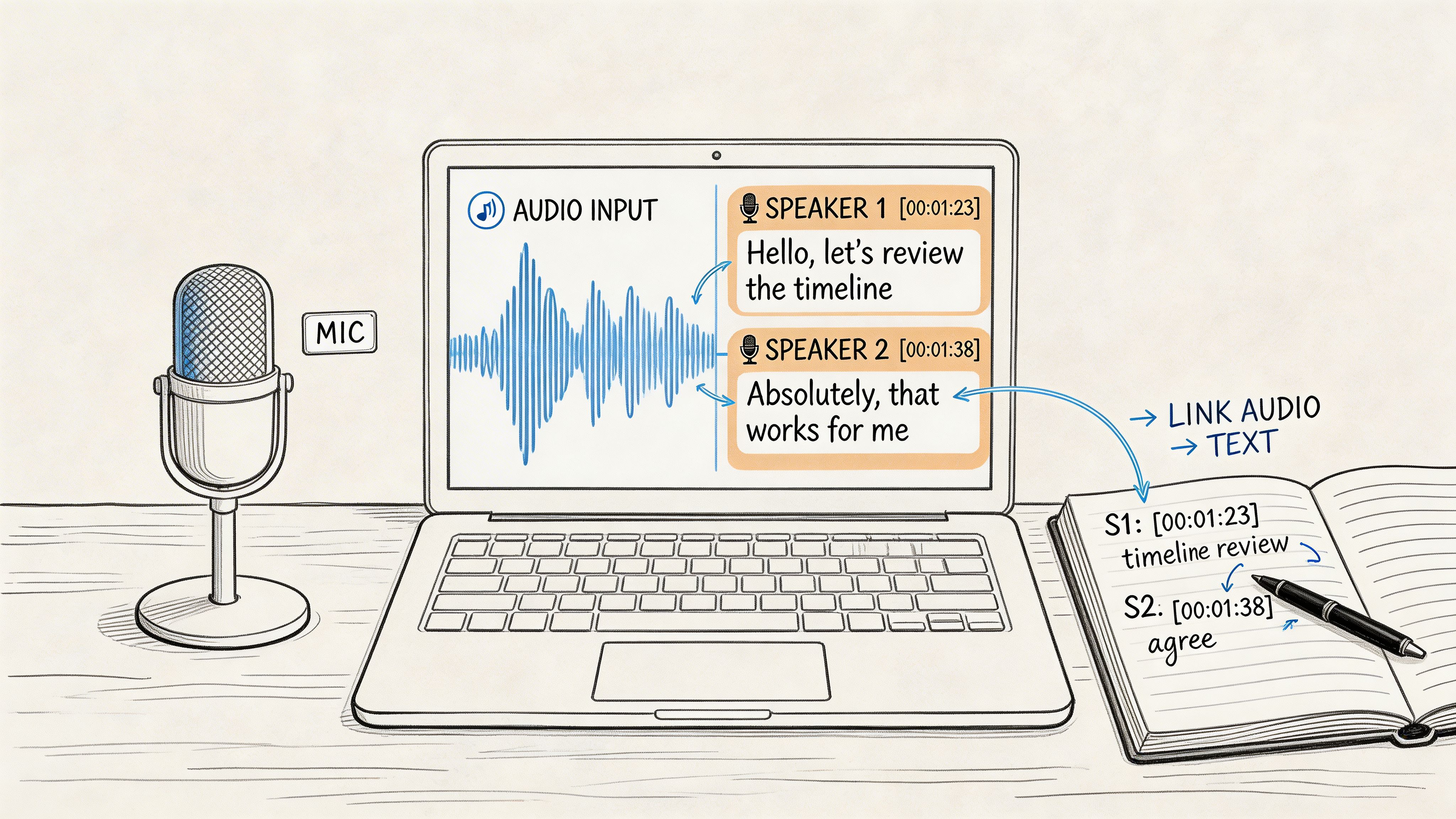
This is the format most byline guides skip, and it's the one modern media teams need most. When content comes from audio or video, attribution often belongs to segments, not just to the final editor.
Examples:
- Host: Sarah Chen (0:00-45:30) | Guest Expert: Dr. James Wilson (2:15-15:40) | Producer: Lisa Park
- Panel: Dr. Anderson (0:00-10:20), Prof. Martinez (10:21-22:45), Dr. Lee (22:46-35:00)
- Interview Transcript: Interviewer, Marcus Stone | Subject, Elena Rousseau (3:45-28:30)
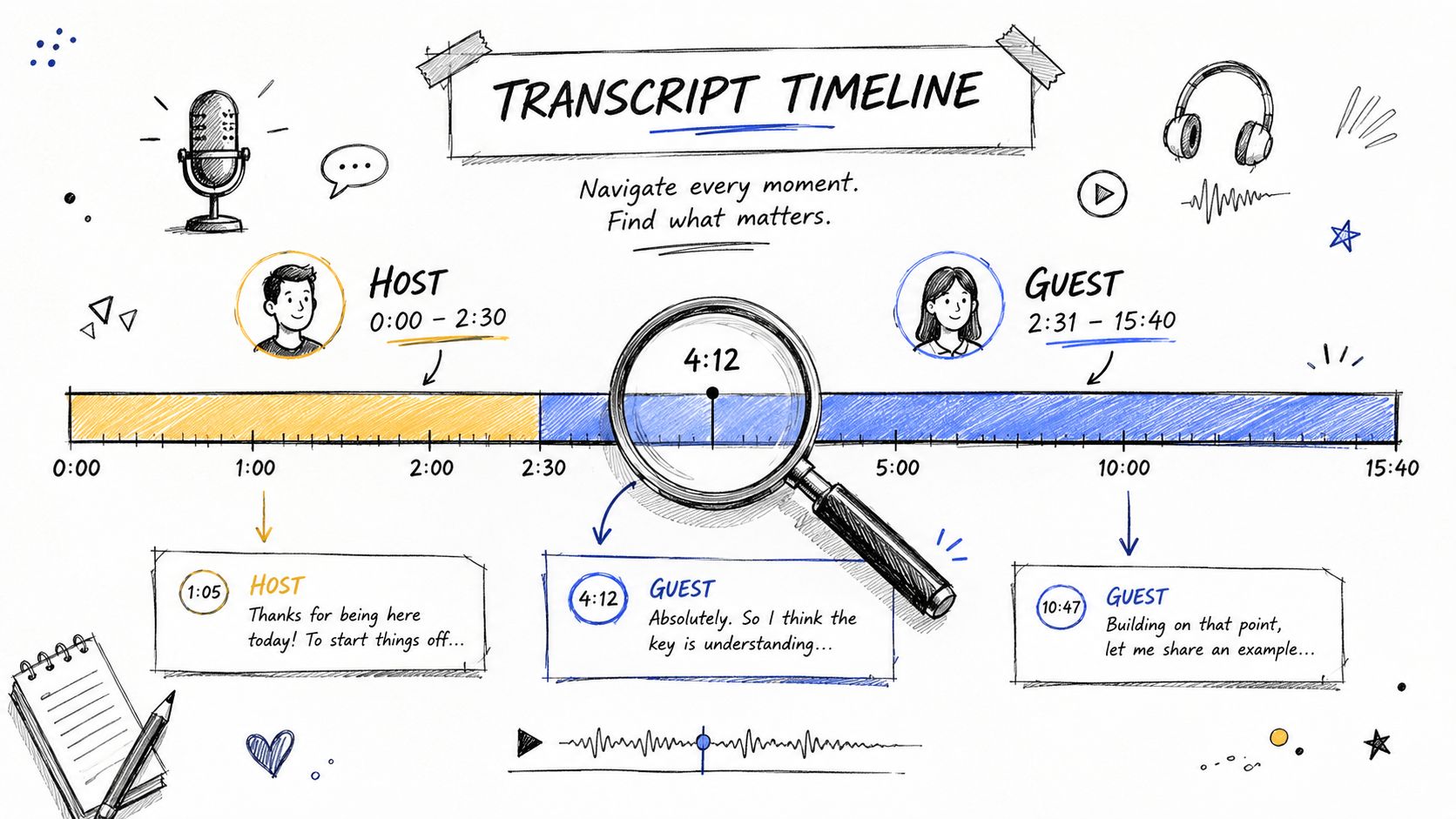
This format is ideal for podcasts, webinars, panels, livestreams, interview archives, and legal or research transcripts where speaker identity matters throughout the document.
Why this format is worth the extra effort
In newsrooms, collaborative credit has grown markedly over time. An analysis of 30 years of New York Times articles found that multi-bylined news stories reached about 18% overall, 20% of print stories, and about 50% of front-page stories in recent years. That trend points to a broader reality. A lot of modern content is made by multiple people, and audiences increasingly encounter work assembled from many hands and voices.
Speaker-specific attribution takes that logic further. Instead of only crediting the package, it credits the actual speaking contributions. That's especially useful when a transcript gets republished as an article, show notes, or a searchable resource library.
Use it well:
- Label roles clearly: Host, guest, moderator, panelist, and interviewer are easy to scan.
- Link timestamps when possible: Readers should be able to jump to the segment.
- Keep naming consistent: Don't call the same person “guest,” “speaker,” and “expert” in one document.
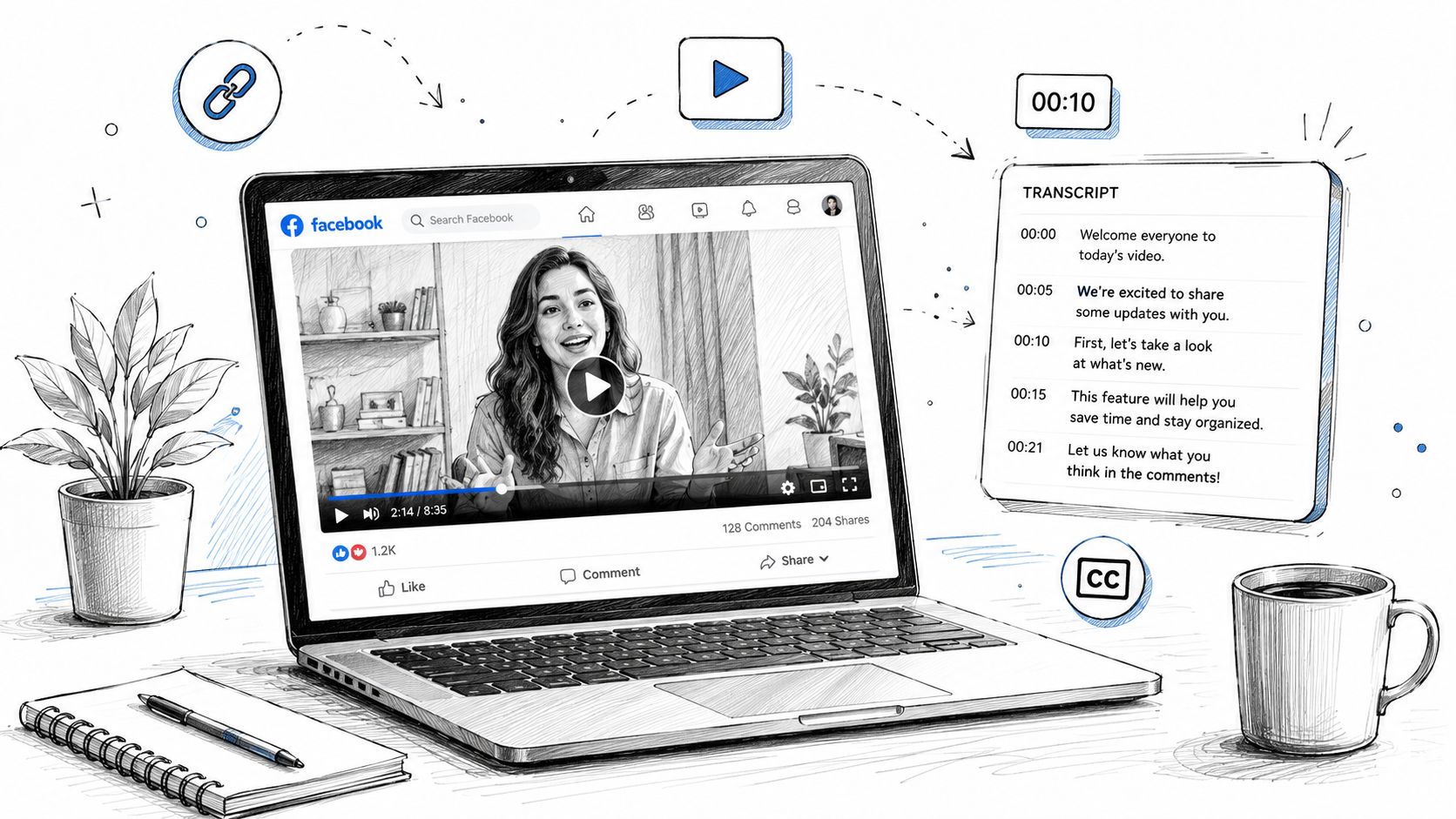
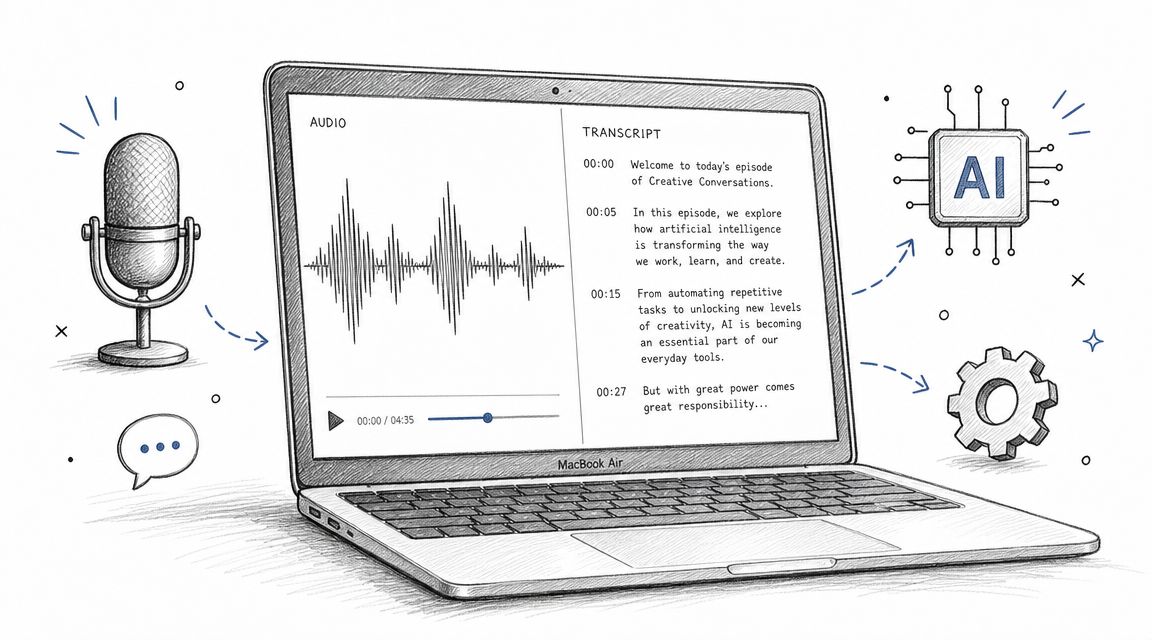
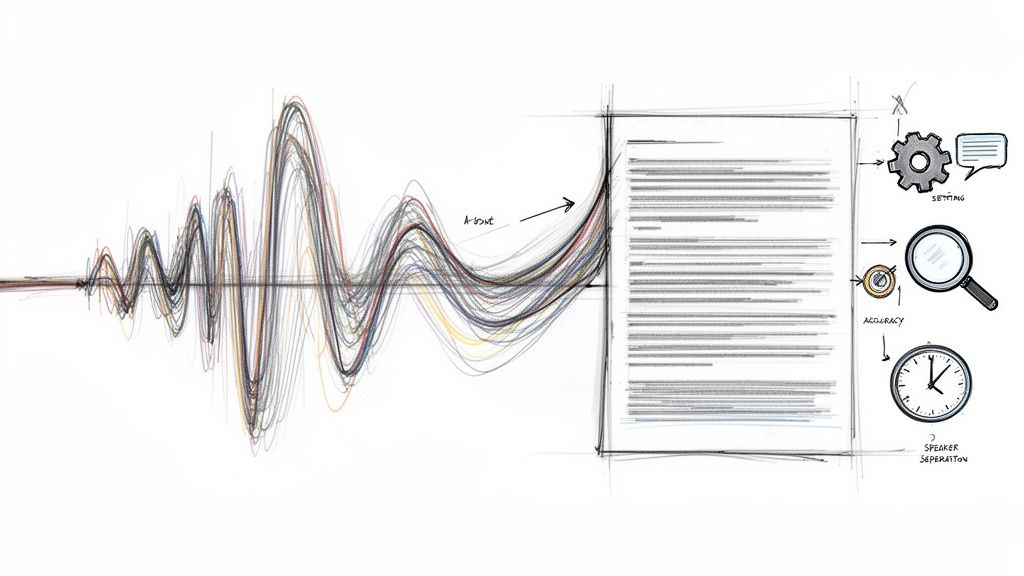
For Whisper AI users, automation is most beneficial. Speaker detection and timecodes make this byline style realistic at scale, especially when you need searchable exports. If you're building transcript-based content, Whisper AI's guide to transcription with timecode is directly relevant.
7. Attribution-Free or Anonymous Byline
Not every piece should carry a named author. Sometimes anonymity protects a person. Sometimes an institutional voice is more accurate. Sometimes the safest byline is deliberately minimal.
Examples:
- Published by Whisper AI Team
- Anonymous | Internal Company Documentation
- Staff Report | The Research Department
This format belongs in sensitive investigations, whistleblower-adjacent material, internal memos, security documentation, legal summaries, and certain official notices. It can also work for tightly managed editorial products where the publication speaks as one voice.
Use this sparingly
Anonymous bylines are easy to misuse. If you strip away names for convenience, readers may assume there's no accountable author. That hurts trust fast.
A better version explains the context around the missing name. If the article is anonymous for safety, say so in plain language. If it represents a reviewed institutional position, say that too. Greenbook's guidance for case studies is useful here because it stresses that strong presentation should focus on outcomes rather than outputs, and should foreground what changed, what value was created, and what decisions followed when full disclosure isn't possible. You can see that framing in their piece on how to write a great case study in the insights and analytics industry.
Anonymous is not a style choice. It's a publishing decision that needs a clear reason behind it.
A few rules keep this format honest:
- Name the institution if possible: “Staff Report” is better when attached to a real publication or department.
- Add a date or version note: Anonymous content still needs a record trail.
- Tell readers what kind of document this is: Internal guidance, staff statement, reviewed report, or protected testimony are not the same thing.
These examples of bylines are the least flashy, but sometimes they're the most responsible.
7 Byline Examples Compared
| Format | 🔄 Implementation complexity | ⚡ Resource requirements | 📊 Expected outcomes | Ideal use cases | ⭐ Key advantages & 💡 Tips |
|---|---|---|---|---|---|
| Single Author with Title and Organization | Low, simple single-line byline | Low, name, title, org verification | High credibility and formality | Interviews, research articles, legal/formal docs | ⭐ Establishes authority; 💡 Verify current title/org |
| Multiple Authors with Roles | Medium, manage role labels and order | Medium, coordination and clear role definitions | Transparent collaboration and shared credit | Team projects, co-authored research, multi-host podcasts | ⭐ Fair contributor recognition; 💡 Define roles consistently |
| Author with Social Media Handles and Links | Medium, add/manage clickable links | Low–Medium, maintain social profiles and URLs | Increased discoverability and cross-platform traffic | YouTube creators, bloggers, social-first publications | ⭐ Drives engagement; 💡 Verify links and prioritize main handle |
| Organization or Team-Based Byline | Low, single organization attribution | Low, org name and optional team assets | Emphasizes brand over individuals | Corporate comms, institutional reports, internal docs | ⭐ Protects individual privacy; 💡 Add department and date |
| Byline with Author Bio Block | Medium, additional content and layout space | Medium, bio writing, photo and updates | Strong author credibility and reader trust | Long-form posts, research, thought leadership pieces | ⭐ Builds expertise context; 💡 Keep bios 50–100 words, update yearly |
| Timestamp and Speaker-Specific Byline | High, requires timestamping and speaker mapping | High, audio/video source + transcription tools (speaker ID) | Precise attribution, navigable/searchable transcripts | Podcasts, panel discussions, interviews, webinars | ⭐ Segment-level attribution and SEO; 💡 Automate with speaker detection |
| Attribution-Free or Anonymous Byline | Low, omit individual names or use generic label | Low, minimal author data required | Protects privacy but may reduce perceived credibility | Sensitive investigations, confidential meetings, internal reports | ⭐ Safeguards sources/privacy; 💡 Use only when necessary and explain why |
Automating Bylines for Modern Media
Choosing the right byline is partly editorial taste and partly operational discipline. You're deciding how readers will interpret authorship, expertise, and responsibility before they even finish the first paragraph. A weak byline confuses that signal. A strong one sharpens it.
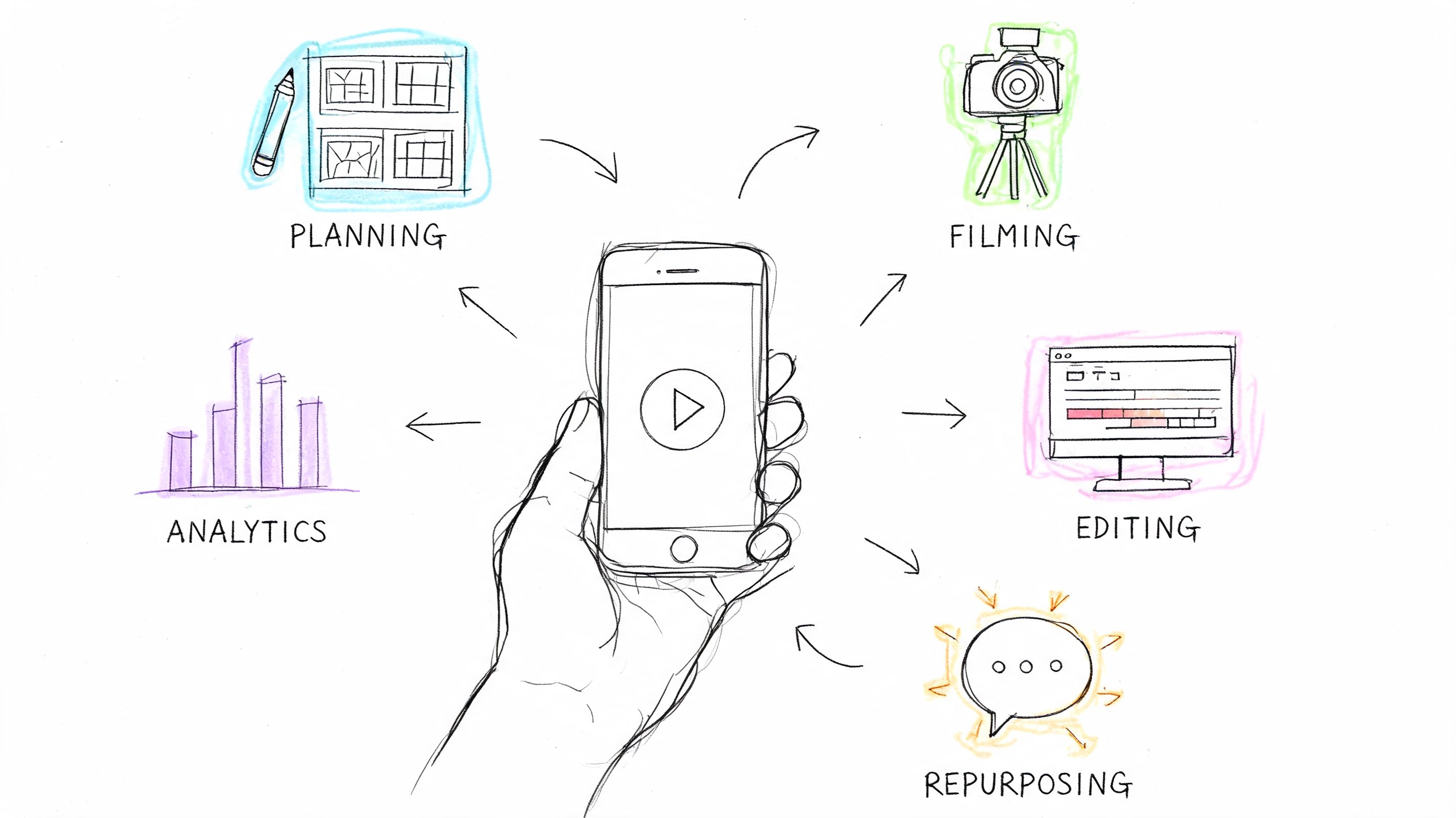
That's become more important as publishing has spread across articles, newsletters, podcasts, webinars, transcripts, clipped video, and social content. Old byline advice usually assumes one writer, one article, one publication. Real workflows aren't that tidy anymore. A single piece might start as a recorded interview, become a transcript, then turn into a feature article, a quote card, a video caption, and show notes.
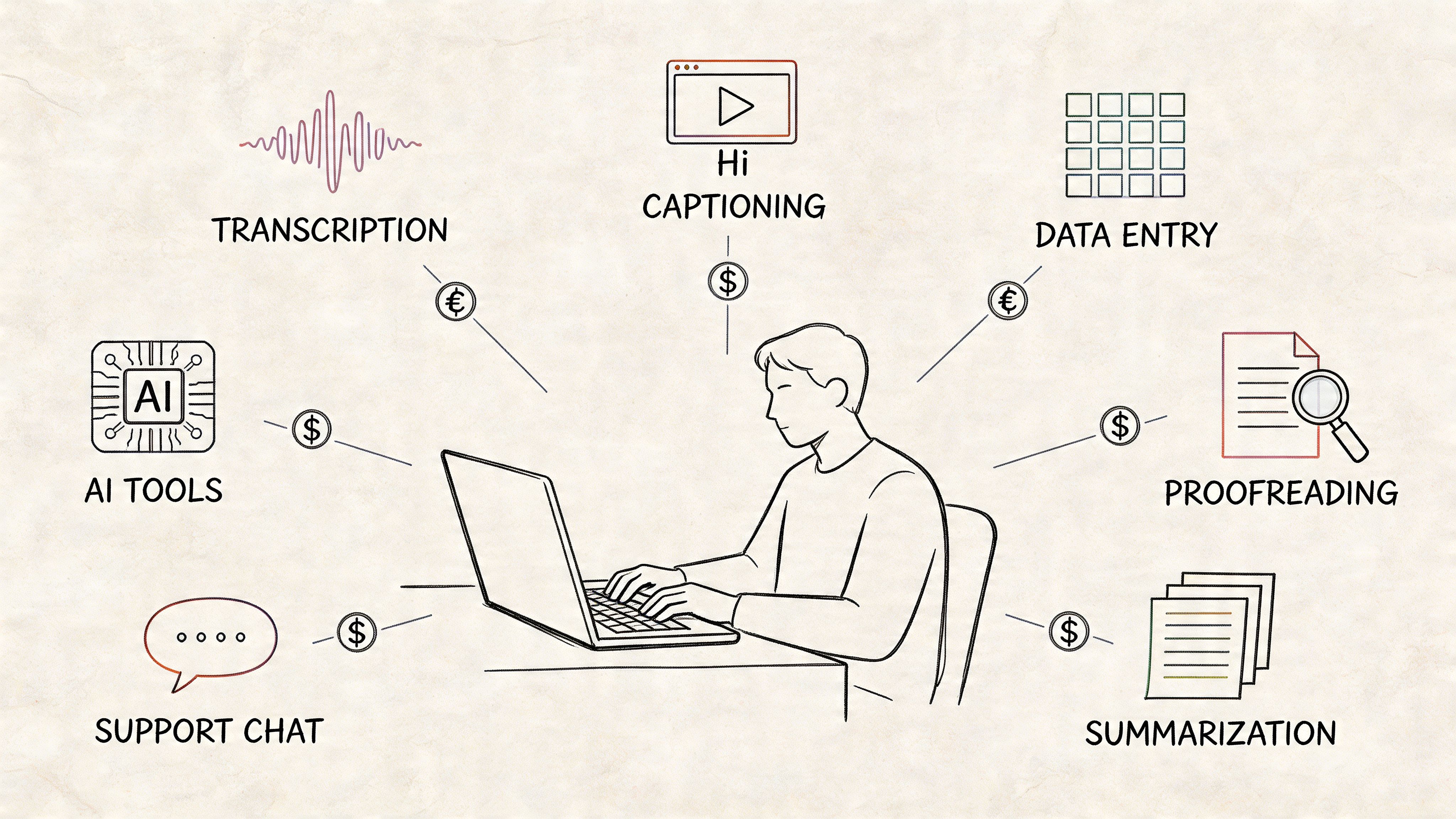
That's where automation starts to matter. Not because software replaces editorial judgment, but because it removes the manual grind of turning spoken content into attributed text. If you've ever had to build speaker credits from a long interview, webinar, or panel discussion, you know how slow that gets. You're matching names, checking handoffs, marking timecodes, and cleaning speaker labels before you can even publish.
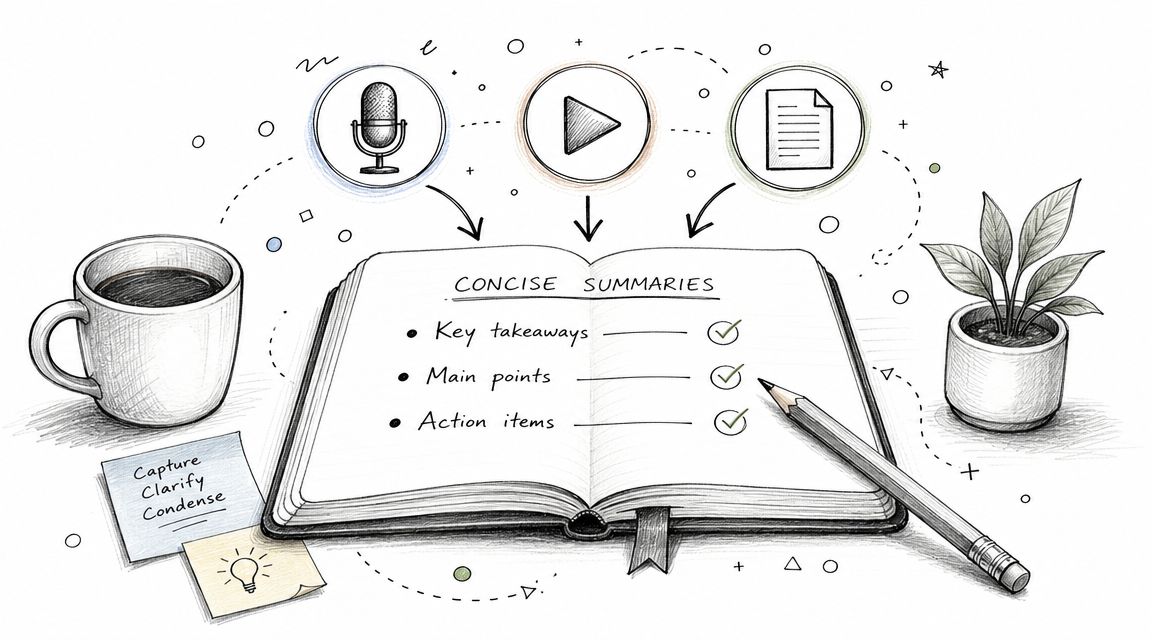
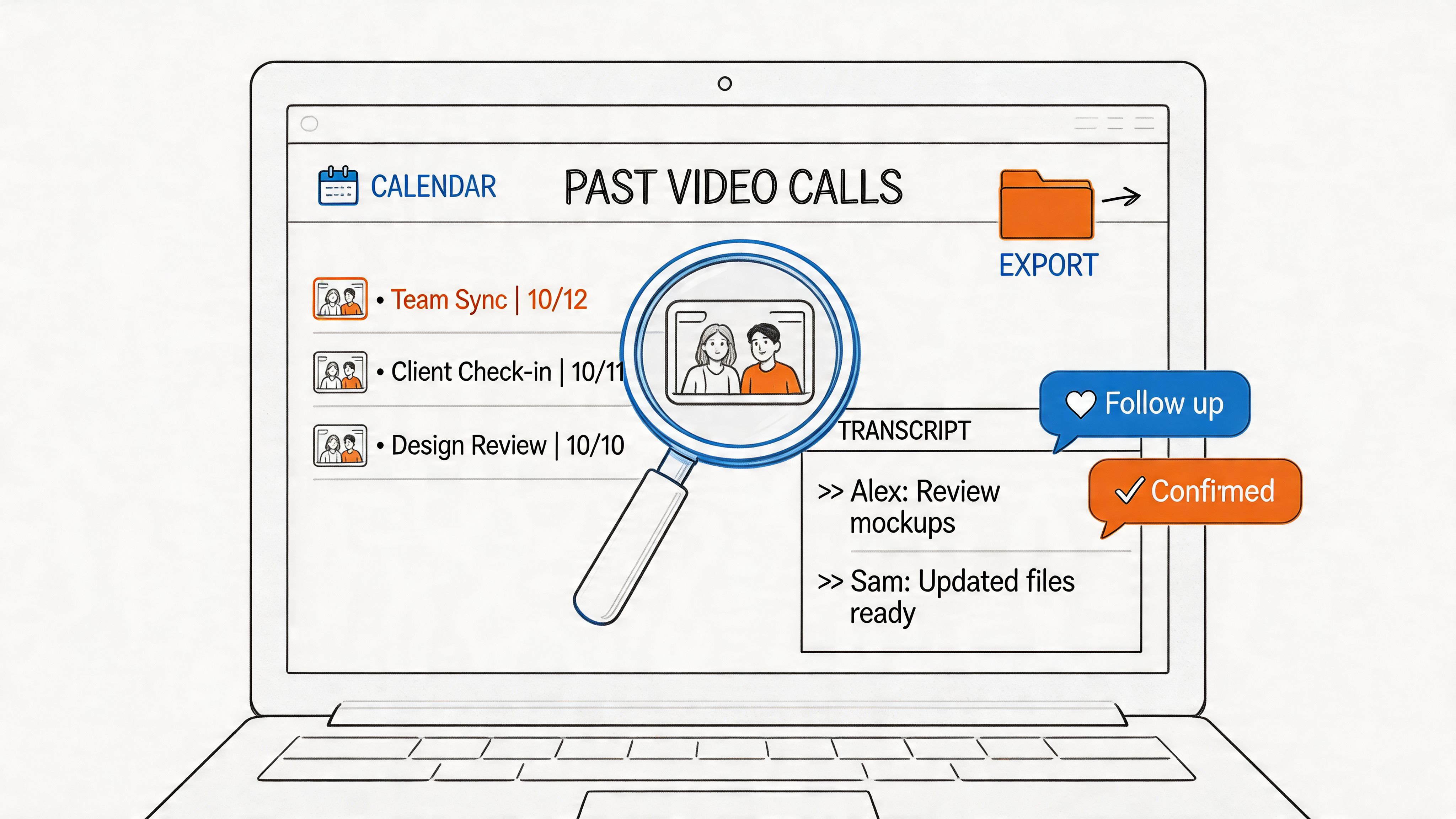
Tools like Whisper AI help because they handle the messy input stage. Automatic transcription, speaker identification, timestamps, summaries, and export-ready formatting make it easier to build bylines that fit modern media instead of forcing everything into a traditional article template. For podcasts and video especially, the timestamp-and-speaker model is often the most honest byline you can use.
That has a practical upside beyond credit. Better bylines make archived content easier to search, easier to reuse, and easier for readers to trust. A transcript with named speakers and time references is more useful than a block of anonymous text. A webinar recap with a clear host, guest, and editor credit is easier to cite internally. A repurposed interview with proper attribution looks more professional.
One last point. Don't choose byline formats by habit. Choose them by function. Ask what the reader needs to know, who created the piece, and what form of credit makes the content clearer. That's the difference between a byline that fills space and one that does its job.
If you publish podcasts, interviews, webinars, meetings, or video clips, Whisper AI makes bylines easier to build correctly. It transcribes audio and video, detects speakers, adds timestamps, and gives you export-ready text you can turn into clean author credits, speaker labels, show notes, and searchable transcripts without the manual cleanup.